Tag: Asakura Clan

  • The Second Unifier – Toyotomi Hideyoshi. Part One.

    The Second Unifier – Toyotomi Hideyoshi. Part One.

    If the bird will not sing, make it sing.
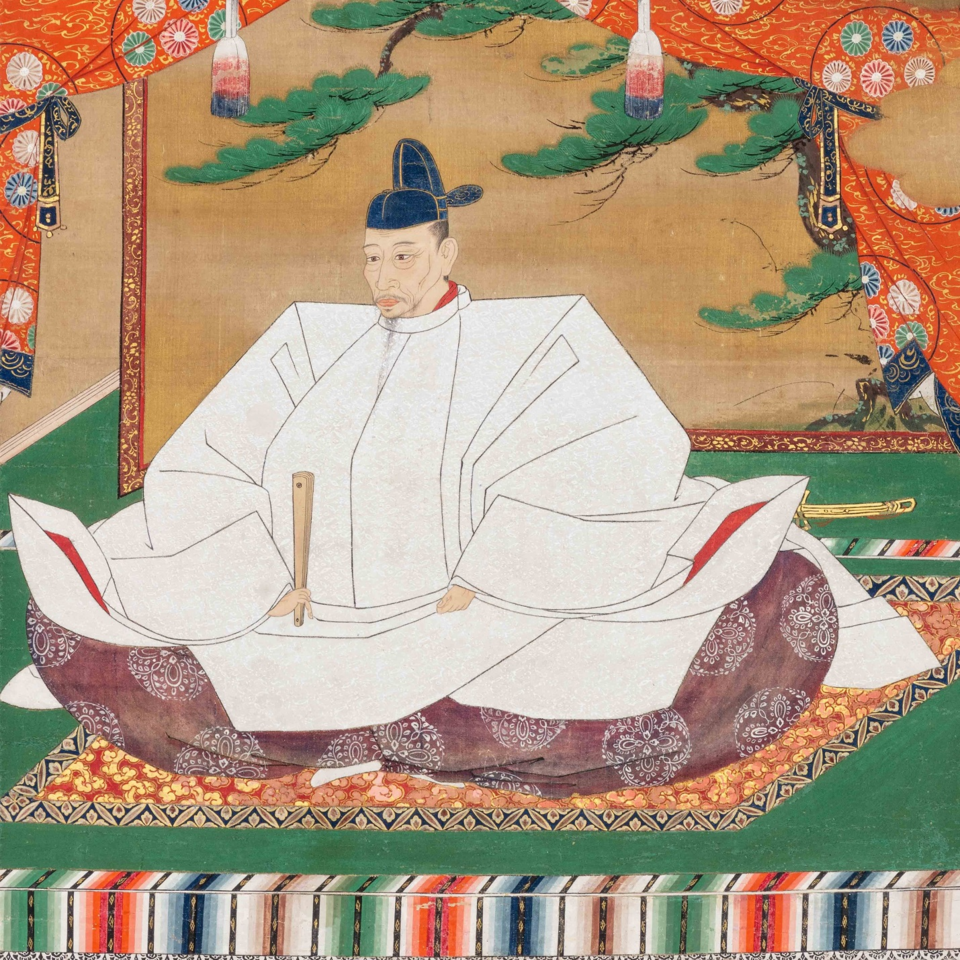
    Oda Nobunaga’s death in June 1582 left a power vacuum that was ultimately filled by Toyotomi Hideyoshi (then using the family name Hashiba). Hideyoshi’s tale is remarkable even by the standards of the time: from peasant footsoldier to master of the realm, he epitomised the danger and opportunity of the Sengoku Jidai and would be the man most responsible for bringing it to an end.

    Hideyoshi’s origins are suitably mysterious and have been subject to a fair bit of speculation and mythologising, mostly by the man himself. After his rise to power, he is supposed to have spread the rumour that he was a secret bastard of the Emperor, stating that his mother had been a maid in the Imperial Palace and had “grown close to the Emperor’s Body”, which is quite the thing to say about your own mother.
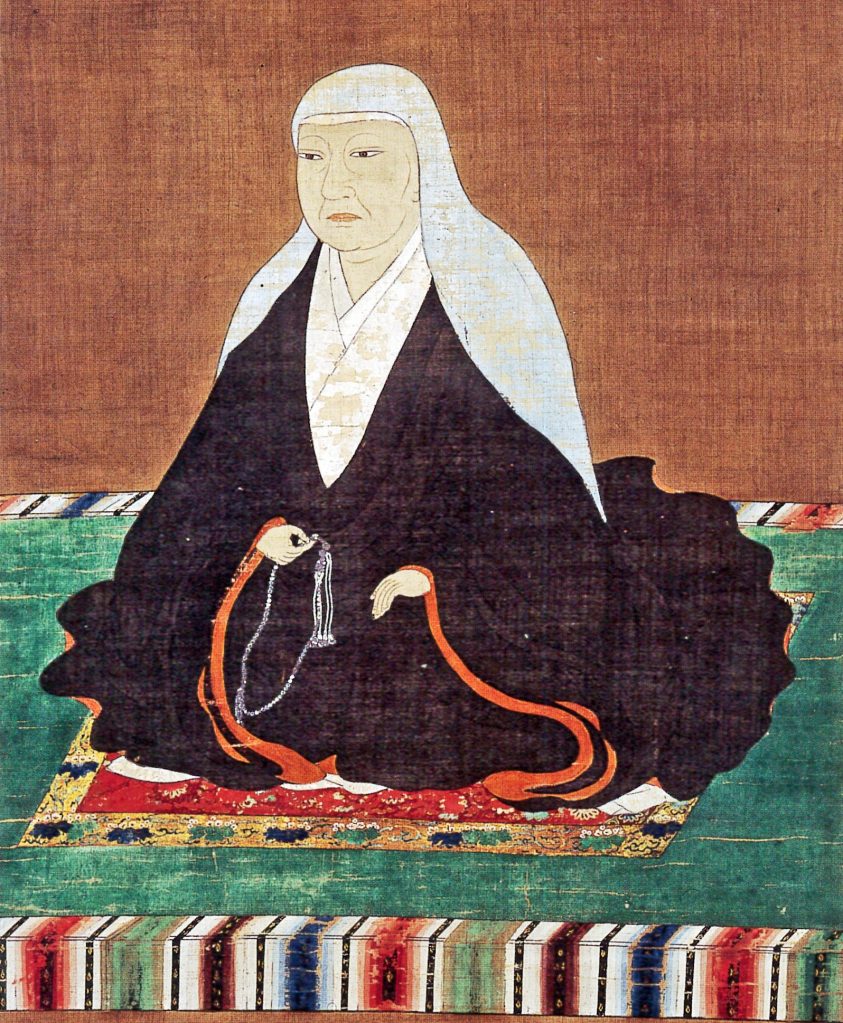
    Hideyoshi’s mother. She is often called Omandokoro, though this is the name she took after becoming a nun, and most sources think her birth name was Naka.

    Less mum-shaming sources suggest that Hideyoshi was born in 1536 or 37 in Owari Province, now part of the modern city of Nagoya. His father, usually recorded as Kinoshita Yaemon, is a similarly mysterious figure, but historians generally agree he was probably of the lower classes, most likely a peasant soldier (Ashigaru). Hideyoshi’s childhood is also poorly recorded, with some sources suggesting his father died when he was 7, after which Hideyoshi entered a monastery, though he left shortly afterwards.

    At the age of 15, he received part of his inheritance and left home to become a wanderer. Sometime later (the dates are unclear), he is recorded as Kinoshita Hideyoshi in the service of the Iio Clan, which, in turn, was a vassal of the Imagawa Clan. It’s not certain exactly when he came into the service of the Oda Clan, but it appears to have been before 1554, when he was serving at Kiyosu Castle (under Oda control) in charge of the kitchens, and in some kind of role in construction or maintenance.
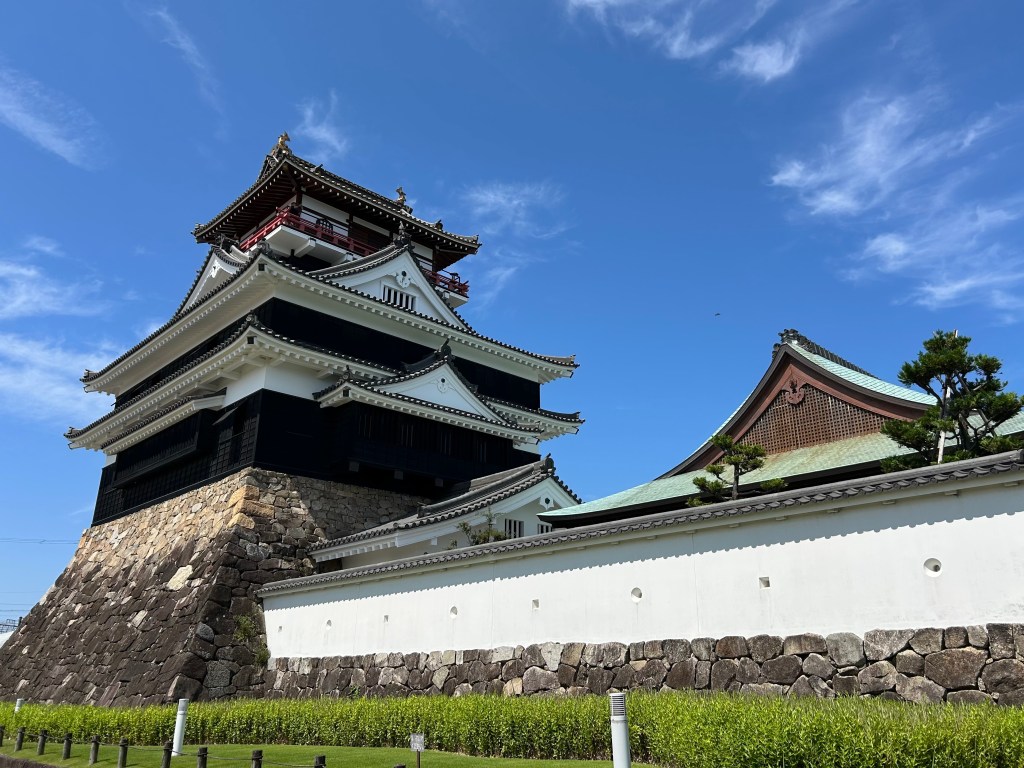
    Kiyosu Castle as it appears today.

    Even this is a matter of some debate, though, as other sources state he didn’t join the Oda until 1558 (though they agree he served at Kiyosu Castle), and a common origin story in English language sources is that he was Nobunaga’s sandal bearer, a story which possibly reflects his role as a kind of ‘military servant’ which might explain how he was able to gain recognition from Nobunaga.

    Even the matter of Hideyoshi’s marriage is subject to debate; it is certain that he married Nene, but her origins and even the year of the marriage aren’t totally clear. Some sources say the marriage took place in 1561, when Nene was 12 or 13, and Hideyoshi was in his 20s. This earlier date is controversial because even though 13 was the age at which girls became adults (legally speaking), it was still considered unusual for a girl to marry as soon as she came of age.
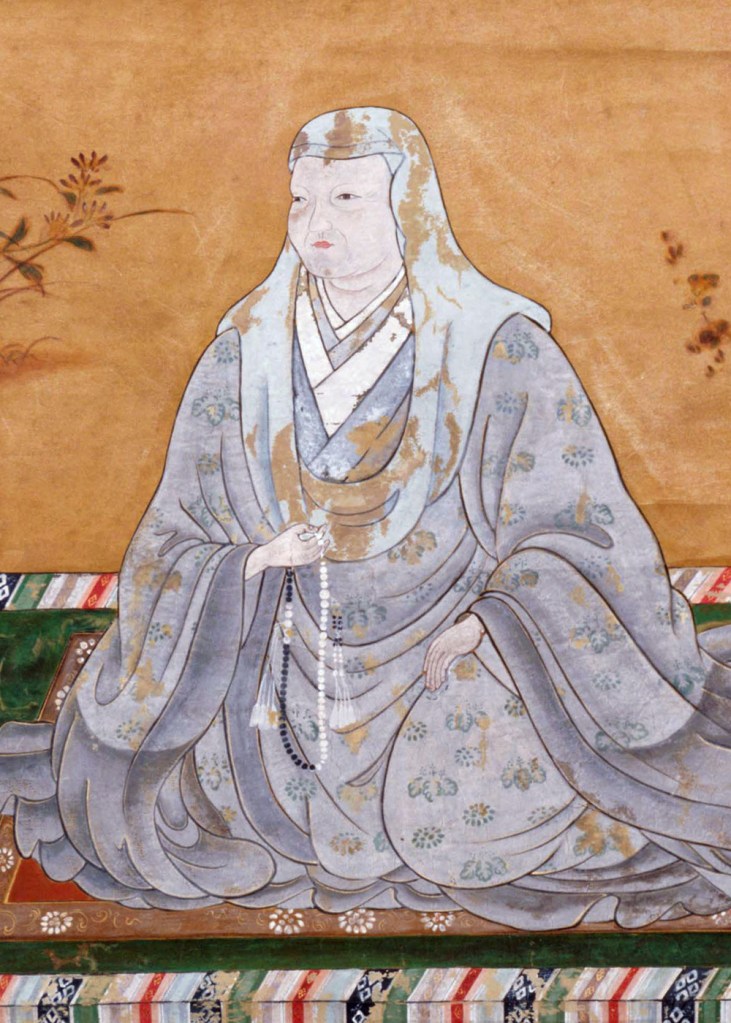
    Hideyoshi’s wife, Nene, who also became a Nun, is often recorded as Kodai-in as a result.

    Another theory is that the marriage took place in 1565, when Nene was 16 or 17, still young by modern standards, but a far more acceptable age at the time. Nene’s adoptive father was Asano Nagakatsu, who would later receive a stipend of 300 Koku from Nobunaga and served as one of his bodyguards. This status suggests that Nagakatsu was of sufficient rank, and the marriage to Nene is often cited as evidence that Hideyoshi was already moving up in the world by the mid-1560s.

    As well as his marriage, further evidence of his rise in Nobunaga’s service appears in 1565 when his name appears as the co-signer on documents assigning fiefs, suggesting he was already one of Nobunaga’s most important vassals. Throughout the back half of the decade, he is recorded as having taken part in several of Nobunaga’s campaigns, notably taking Mitsukuri Castle during the Omi Campaign in 1568.
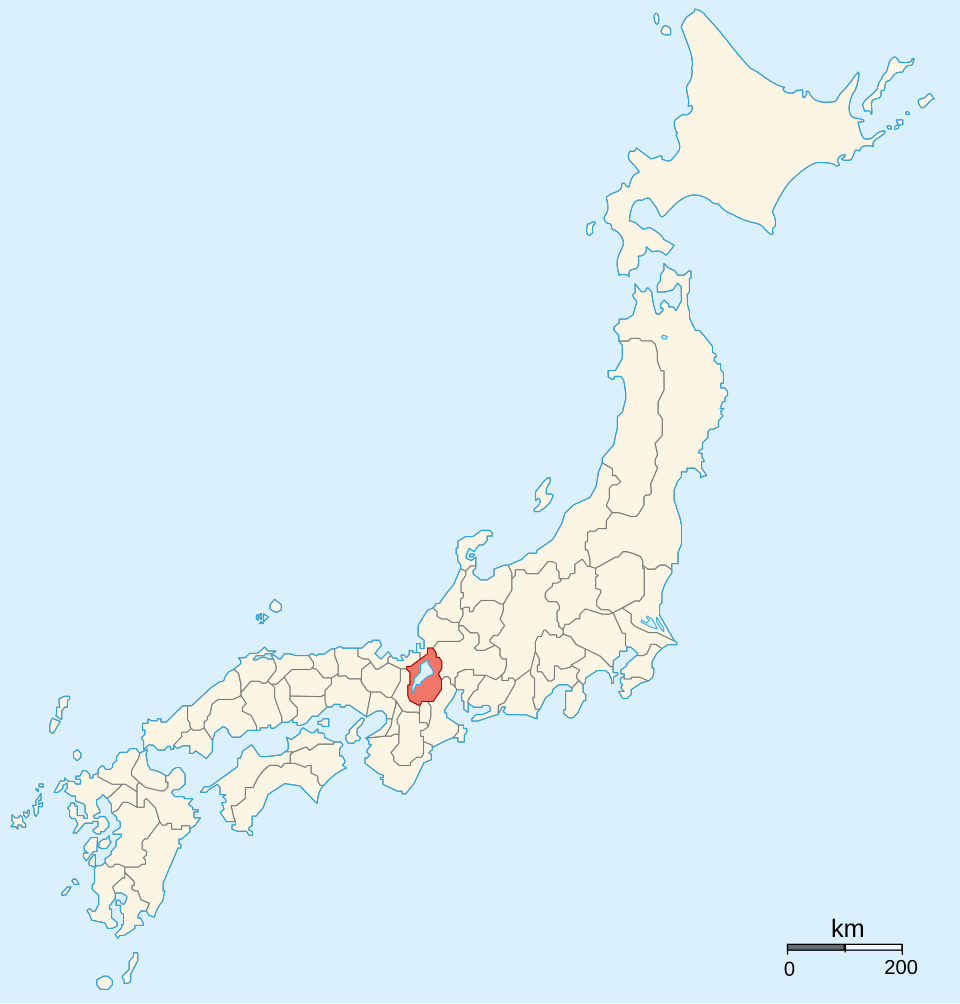
    Omi Province.
    By Ash_Crow – Own work, based on Image:Provinces of Japan.svg, CC BY 2.5, https://commons.wikimedia.org/w/index.php?curid=1690755

    In 1569, in support of the Mori Clan (who were his temporary allies), Nobunaga dispatched a force of some 20,000 to support them against a rebellion, whilst the bulk of the Mori forces were in Kyushu fighting the Otomo clan. This army, led by Hideyoshi, was, by all accounts, a phenomenal success, capturing no fewer than 18 castles in just 12 days and ending the rebellion swiftly.

    A year later, he was part of Nobunaga’s campaign against the Asakura Clan of Echizen Province, which ended when Nobunaga’s brother-in-law, Azai Nagamasa, switched sides, threatening to cut off Nobunaga’s retreat. Though the exact scale of the threat is debated (as I mentioned in my posts on Nobunaga himself), what is certain is that Hideyoshi led the rearguard and was instrumental in ensuring that his master was able to escape.
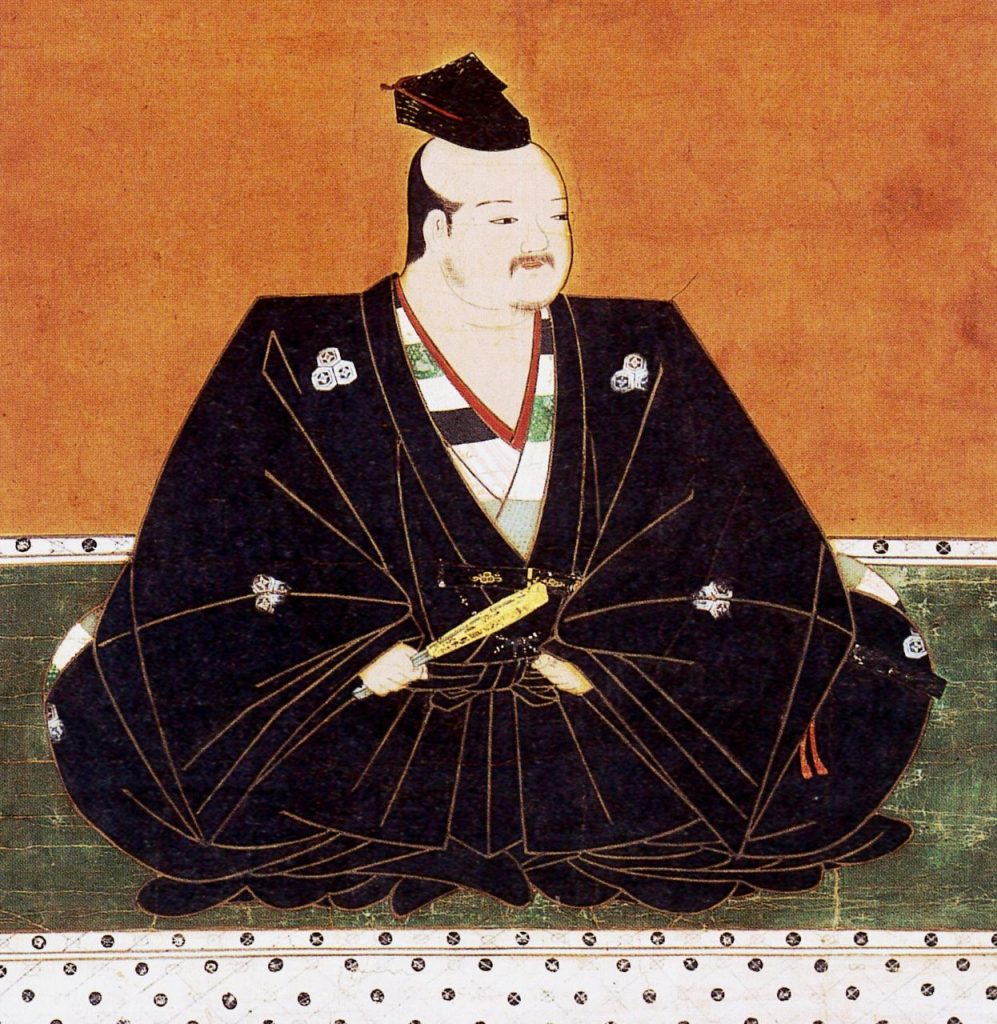
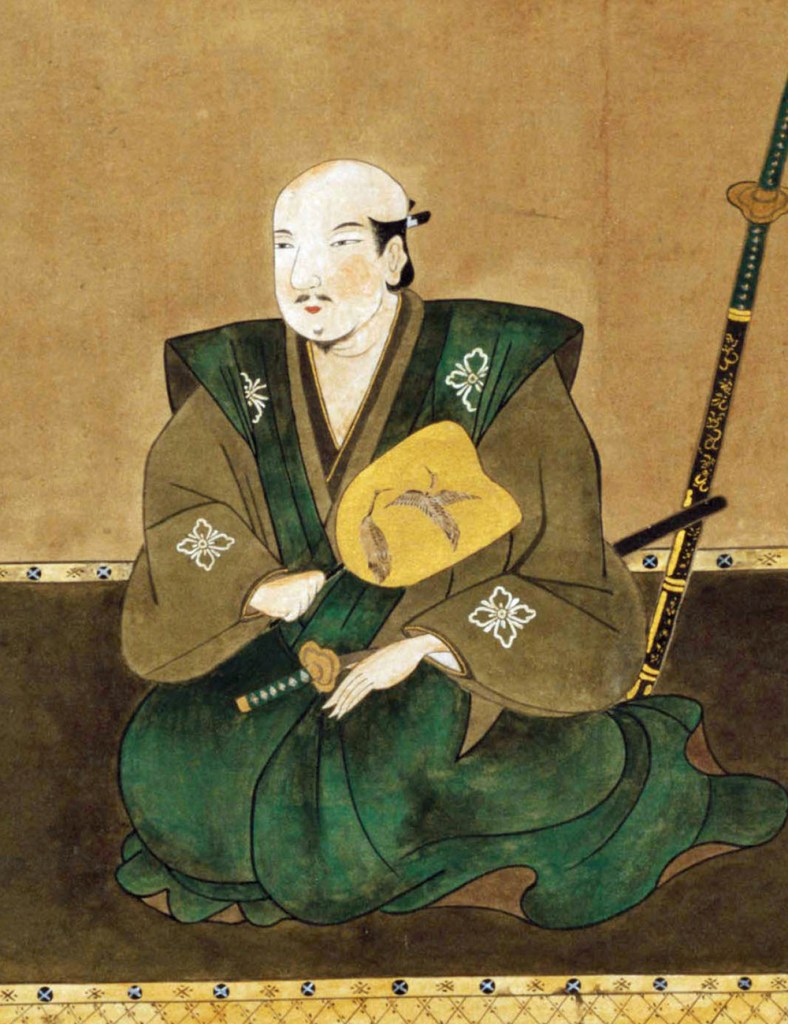
    Azai Nagamasa, Nobunaga’s brother-in-law, whose betrayal nearly spelt disaster for his campaign.

    After the Battle of Anegawa, in which Nobunaga avenged himself on the Azai-Asakura forces, Hideyoshi was appointed castellan of the strategically important Yokoyama Fortress, from which he would be tasked with keeping up the pressure on the remnants of the Azai-Asakura until their final destruction in 1573.

    I’ve previously mentioned the tradition of changing names among Samurai and how it often leads to confusion when you’re trying to source information about specific figures who may have had several names. While Hideyoshi is generally remembered as “Toyotomi Hideyoshi” in English-language sources, this wasn’t his name until much later. His peasant origins mean that he likely didn’t have a surname at all, and the names he was known by later were either taken from places or bestowed by others.
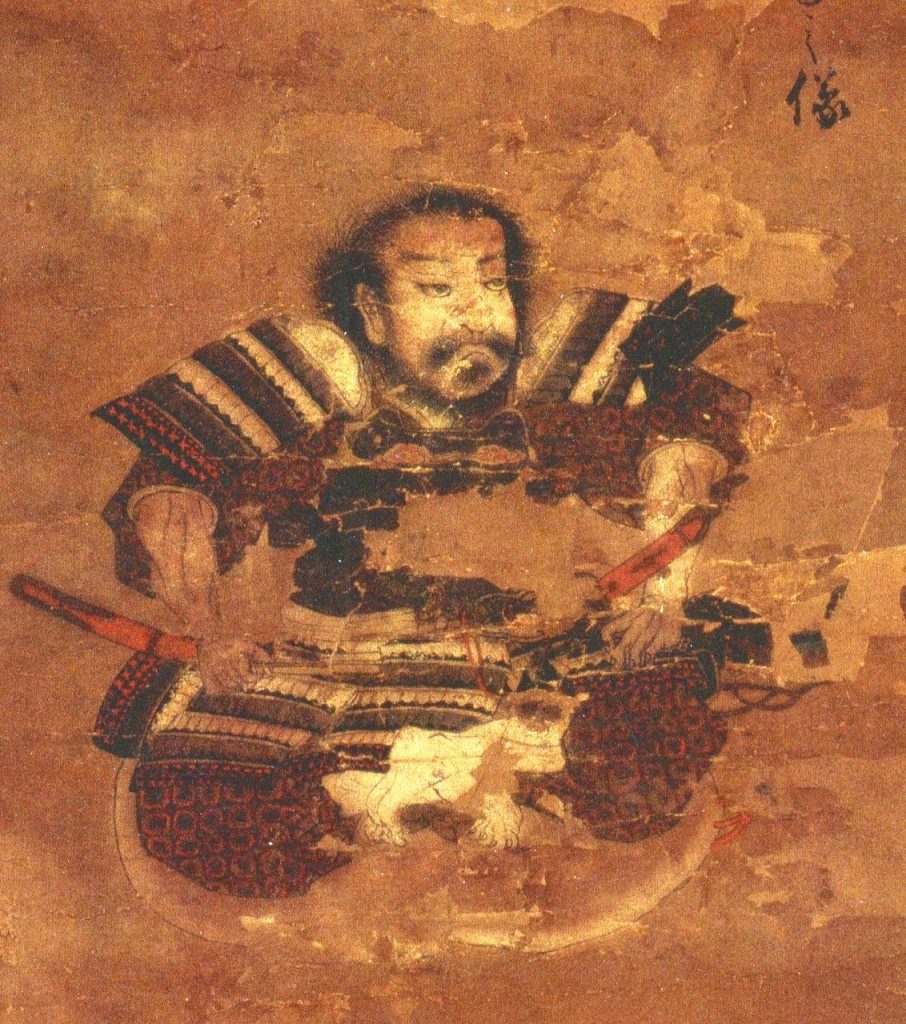
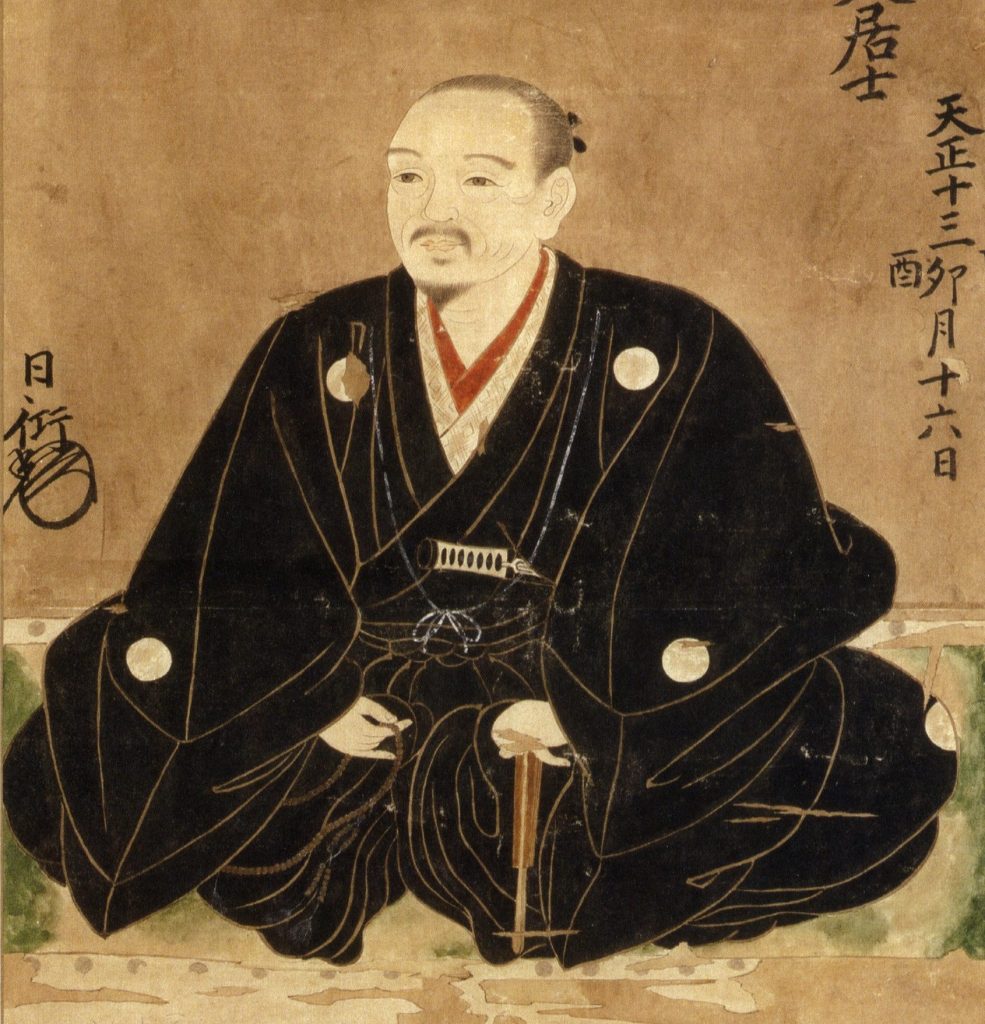
    Shibata Katsuie
    Niwa Nagahide

    In 1573, Hideyoshi adopted the name Hashiba. The origins of this name are somewhat unclear; a common theory is that he took one character each from Shibata Katsuie and Niwa Nagahide (the Japanese character ‘wa’ can also be pronounced ‘ha’), though this is disputed.

    Along with a name change, the fall of the Azai Clan in 1573 resulted in Hideyoshi receiving their former lands around the shores of Lake Biwa. He based himself at Imahama, which is promptly renamed Nagahama, after Nobunaga. This was not some unique quirk of his, by the way, the ‘giving’ of character from prestigious names was a common occurrence, and was generally treated as a respectful and honoured thing to do.
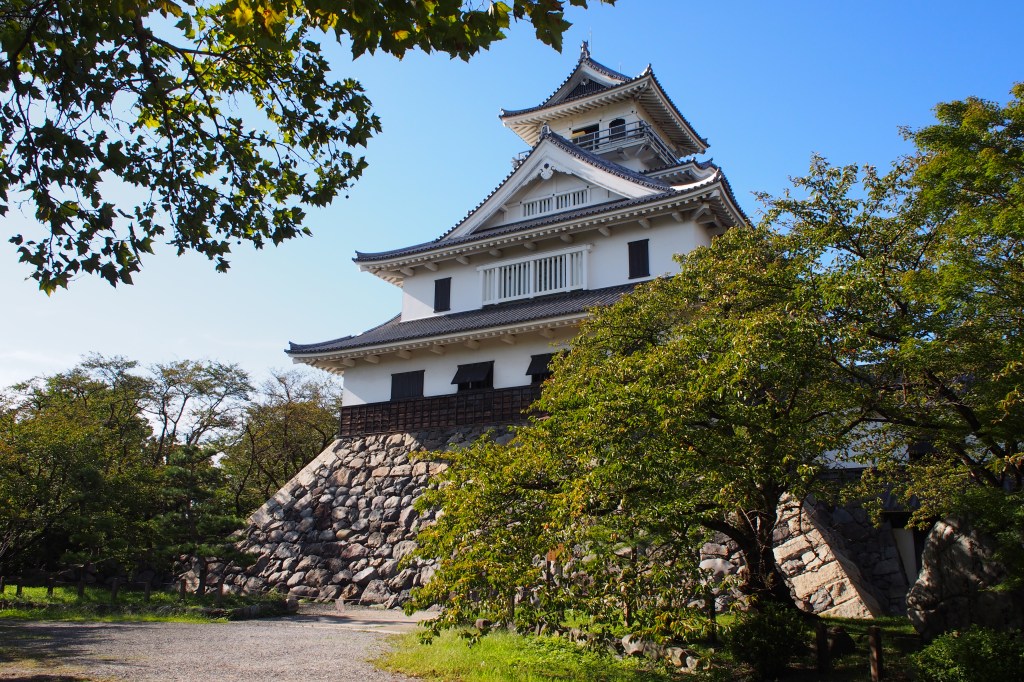
    Nagahama Castle as it appears today.
    By 663highland, CC BY 2.5, https://commons.wikimedia.org/w/index.php?curid=73322120

    He continued to play a significant role in Nobunaga’s military expansion, serving at the decisive Battle of Nagashino in 1575, and capturing Kiriyama Castle from the powerful Kitabatake Clan of Ise Province the next year. In 1577, Hideyoshi’s star seemed to be on an inexorable rise, but personal rivalries would get in the way.

    Nobunaga dispatched an army under Shibata Katsuie to face Uesugi Kenshin in the north. Now, you may remember from my post about him, but Kenshin was a formidable opponent, a rival to both Hojo Ujiyasu and Takeda Shingen; he was certainly not a man to take lightly. Nobunaga obviously understood this and dispatched reinforcements commanded by Hideyoshi.
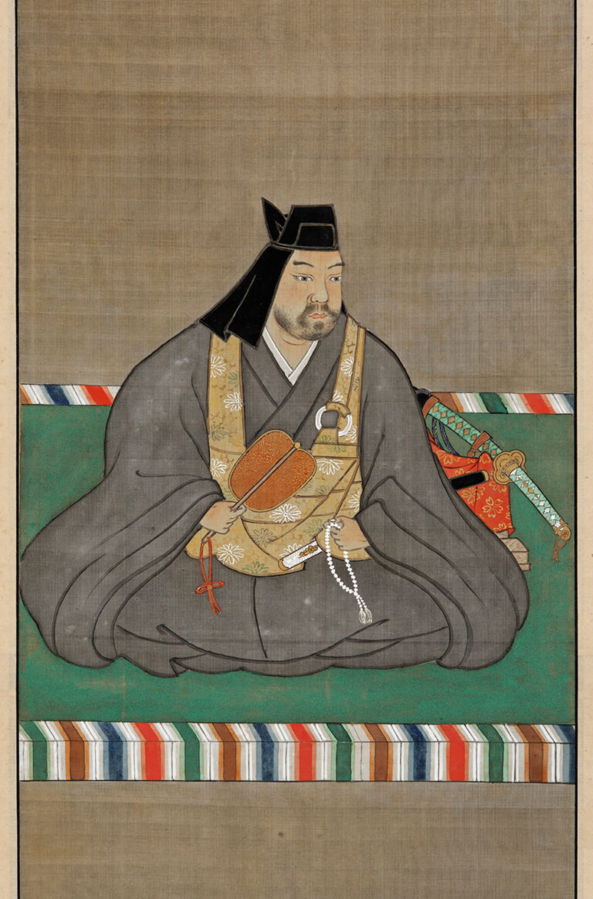
    Uesugi Kenshin

    At this point, a simmering feud between Hideyoshi and Katsuie exploded. The exact nature of the argument isn’t recorded in contemporary sources, and later writers could only speculate; however, it is known that Hideyoshi literally took his army and went home. This open defiance of Nobunaga’s orders would have been bad enough, but when Katsuie was defeated shortly afterwards at the Battle of Tedorigawa, Nobunaga was furious.

    Hideyoshi was arguably lucky to keep his head after that, and he would spend some time in the political wilderness. His time would come again, however, and we’ll talk about that next week.

    Sources
    https://ja.wikipedia.org/wiki/%E8%B1%8A%E8%87%A3%E7%A7%80%E5%90%89
    https://ja.wikipedia.org/wiki/%E6%89%8B%E5%8F%96%E5%B7%9D%E3%81%AE%E6%88%A6%E3%81%84
    https://ja.wikipedia.org/wiki/%E9%95%B7%E6%B5%9C%E5%9F%8E_(%E8%BF%91%E6%B1%9F%E5%9B%BD)
    https://ja.wikipedia.org/wiki/%E9%9C%A7%E5%B1%B1%E5%9F%8E
    https://ja.wikipedia.org/wiki/%E9%87%91%E3%83%B6%E5%B4%8E%E3%81%AE%E6%88%A6%E3%81%84
    https://ja.wikipedia.org/wiki/%E5%A7%89%E5%B7%9D%E3%81%AE%E6%88%A6%E3%81%84
    https://ja.wikipedia.org/wiki/%E6%A8%AA%E5%B1%B1%E5%9F%8E_(%E8%BF%91%E6%B1%9F%E5%9B%BD)
    https://ja.wikipedia.org/wiki/%E4%B8%B9%E7%BE%BD%E9%95%B7%E7%A7%80
    https://ja.wikipedia.org/wiki/%E8%A6%B3%E9%9F%B3%E5%AF%BA%E5%9F%8E%E3%81%AE%E6%88%A6%E3%81%84
    https://ja.wikipedia.org/wiki/%E9%AB%98%E5%8F%B0%E9%99%A2
    https://ja.wikipedia.org/wiki/%E6%B5%85%E9%87%8E%E9%95%B7%E5%8B%9D
    https://ja.wikipedia.org/wiki/%E9%A3%AF%E5%B0%BE%E6%B0%8F
    https://ja.wikipedia.org/wiki/%E5%A4%A7%E6%94%BF%E6%89%80
  • The First Unifier – Oda Nobunaga. Part Three.

    The First Unifier – Oda Nobunaga. Part Three.

    By 1573, Oda Nobunaga was arguably the strongest warlord of his day, controlling a large territory that dominated central Japan. He had taken control of Kyoto and brought about the end of the Ashikaga Shogunate (though he would never take the title for himself), and with the death of Takeda Shingen, his most dangerous rival had been removed.

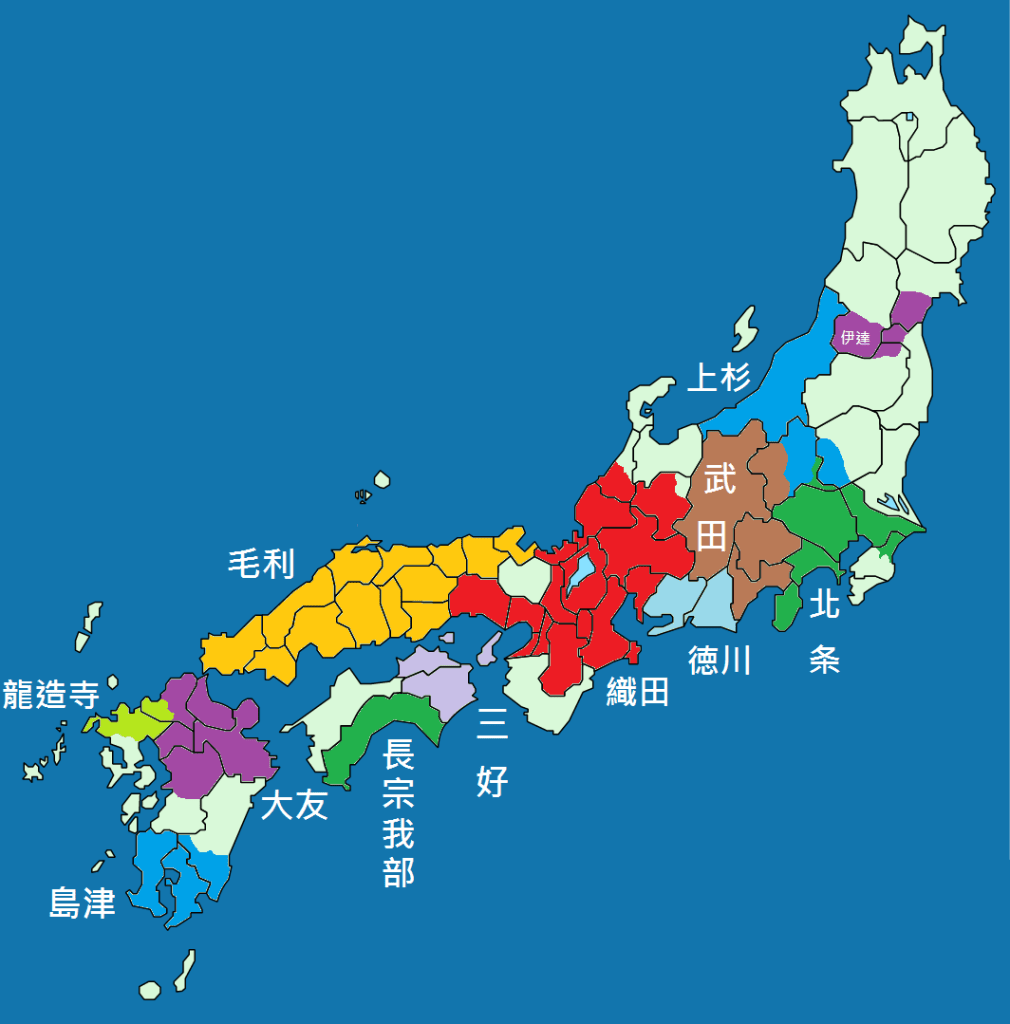
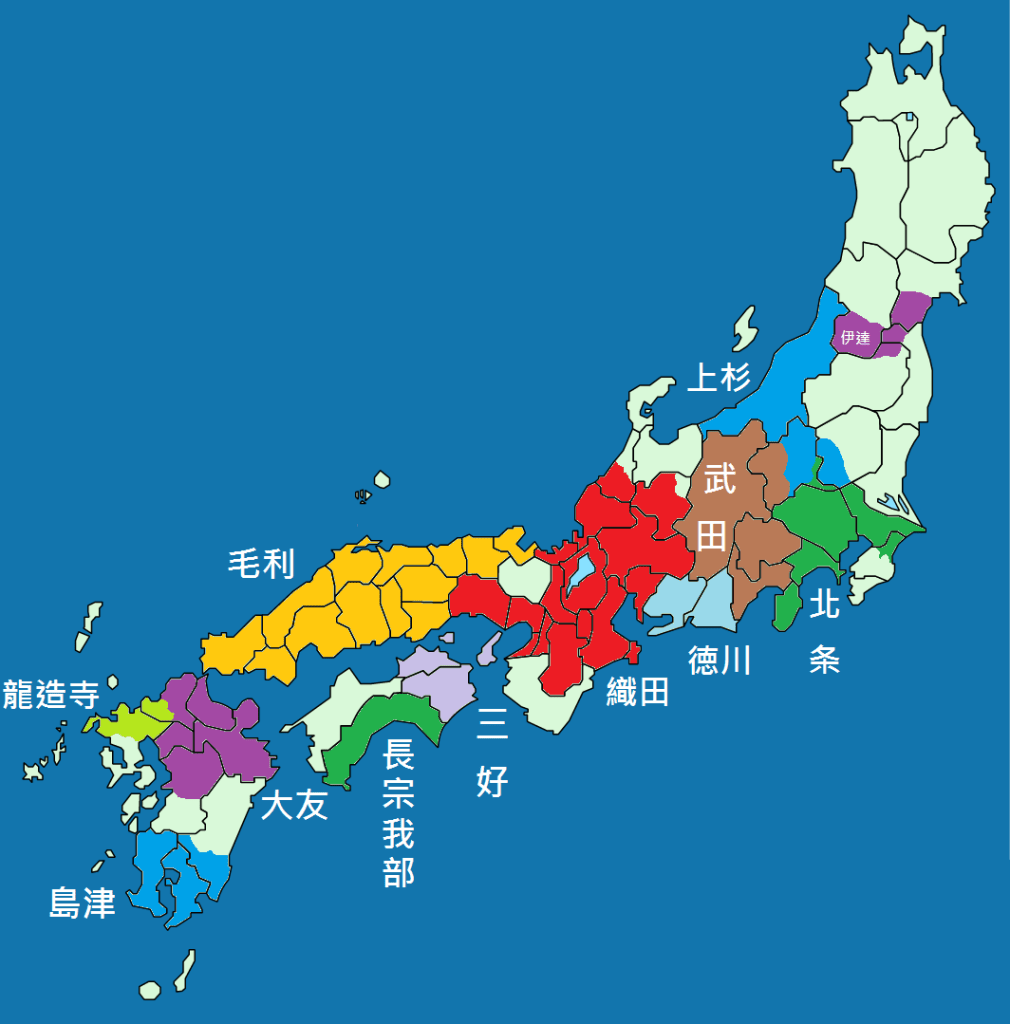
    Nobunaga’s position is red. Dominant, but not yet unchallenged.
    By Alvin Lee – Own work, CC BY-SA 4.0, https://commons.wikimedia.org/w/index.php?curid=39200929

    You probably know by now that even a strong position was never completely unchallenged during the Sengoku Jidai, and Nobunaga still had enemies to deal with. In the summer of 1573, he launched a campaign against the Azai-Asakura alliance, whom he had defeated at the Battle of Anegawa in 1570 and now meant to finish off.

    Nobunaga’s forces laid siege to the formidable Odani Castle. When Azai-Asakura forces marched to relieve it, they were ambushed and forced to retreat to Ichijodani Castle with Nobunaga in hot pursuit. The Azai-Asakura were then decisively defeated at the Battle of Tonezaka and tried to retreat again; however, a series of defeats, betrayals, and suicides put an end to the alliance and then to the clans themselves.

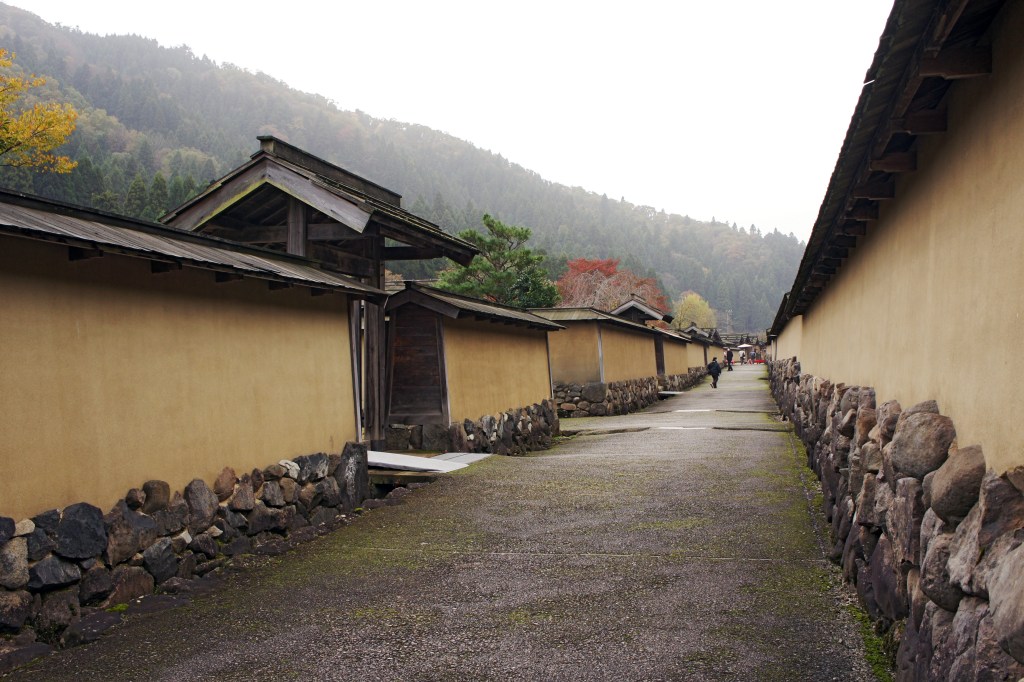
    A modern reconstruction of the castle down around Ichijodani.
    663highland – 投稿者自身による著作物, CC 表示 2.5, https://commons.wikimedia.org/w/index.php?curid=12059706による

    A side note to these events is the end of the marriage between Nobunaga’s sister, Oichi, and Azai Nagamasa, lord of the Azai Clan. When Nagamasa betrayed Nobunaga, Oichi remained faithful and was by his side as Odani Castle came under siege. Some sources say that Oichi gave birth to her third daughter during the siege (though others disagree). There is also debate over how she escaped, with some saying she was aided by a loyal retainer, and others stating that Nobunaga and Nagamasa agreed to let Oichi and her daughters go, a tale often romanticised as demonstrating the love both men had for her.

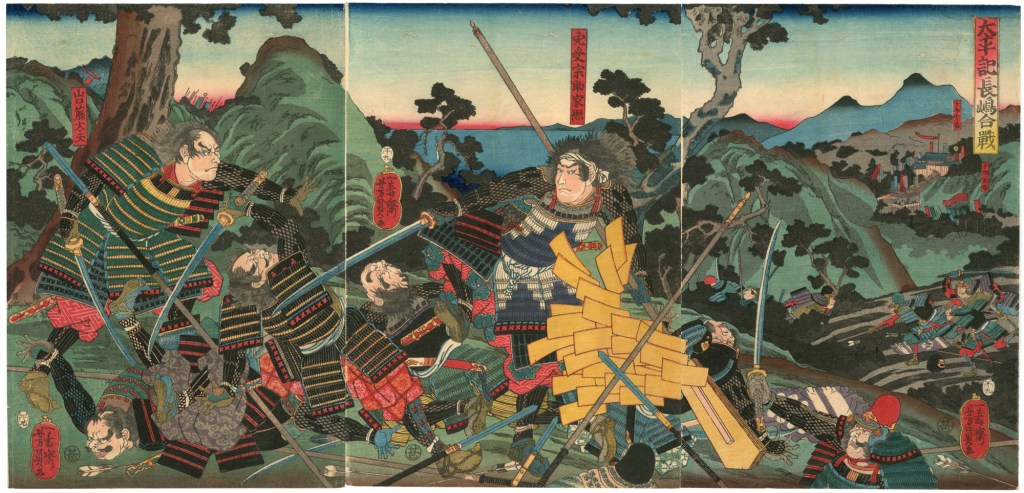
    Romantic stories aside, with the end of the Azai-Asakura threat, Nobunaga turned his attention to the peasant rebellion in Ise Province (the so-called Nagashima Ikko-Ikki), which had resulted in the death of his younger brother, Nobuoki. The campaign was successful at first, with several outlying forts being taken, but an attempt to secure the rebels’ main fortress at Nagashima failed, and Nobunaga was obliged to fall back after an ambush threatened to cut him off.

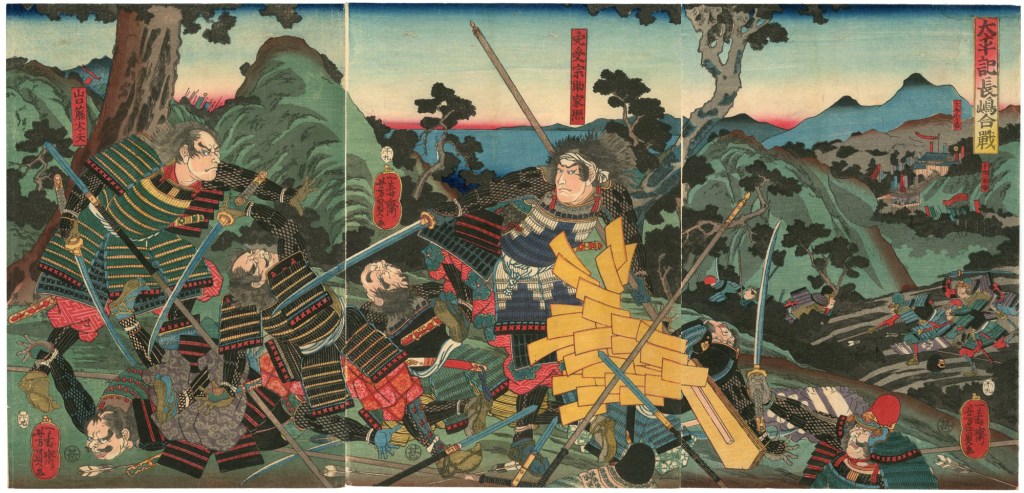
    A 19th-century depiction of the fighting in Nagashima.

    The year would end on a more positive note for him, however, as Ashikaga Yoshiaki, who was still claiming the title of Shogun, was forced to flee Wakae Castle (in modern Osaka) and retreat to Kii Province. In December, Nobunaga’s forces captured the important and wealthy Tamonyama Castle (modern Nara), further securing his territory in central Japan.

    1574 would bring new problems, starting with another peasant rebellion (the Echizen Ikko-Ikki) in territory that Nobunaga had only recently taken from the Azai-Asakura. Shortly after that, a renewed attack by the Takeda, now led by Shingen’s son, Katsuyori, invaded Mino Province. Nobunaga marched to meet them, but the border castles fell before he could arrive, and so he withdrew, avoiding a decisive clash with the Takeda for now.

    Takeda Katsuyori

    With crises in all directions, Nobunaga was stretched to his limit, but it was in moments like this where he showed his brilliance and his brutality. The Ikko-Ikki fortress at Nagashima had been a thorn in his side for years, and he set out to remove it in the summer of 1574, surrounding the fortress from land and sea and starving the defenders into surrender by September.

    It is said that some attempted to flee by boat, but Nobunaga stopped them with a volley of gunfire. Suitably provoked, the Ikko-Ikki launched a counterattack that ultimately failed, but killed Nobunaga’s half-brother. In response, Nobunaga had the remaining 20,000 defenders, including women and children, locked up inside the castle, which he then ordered burned.

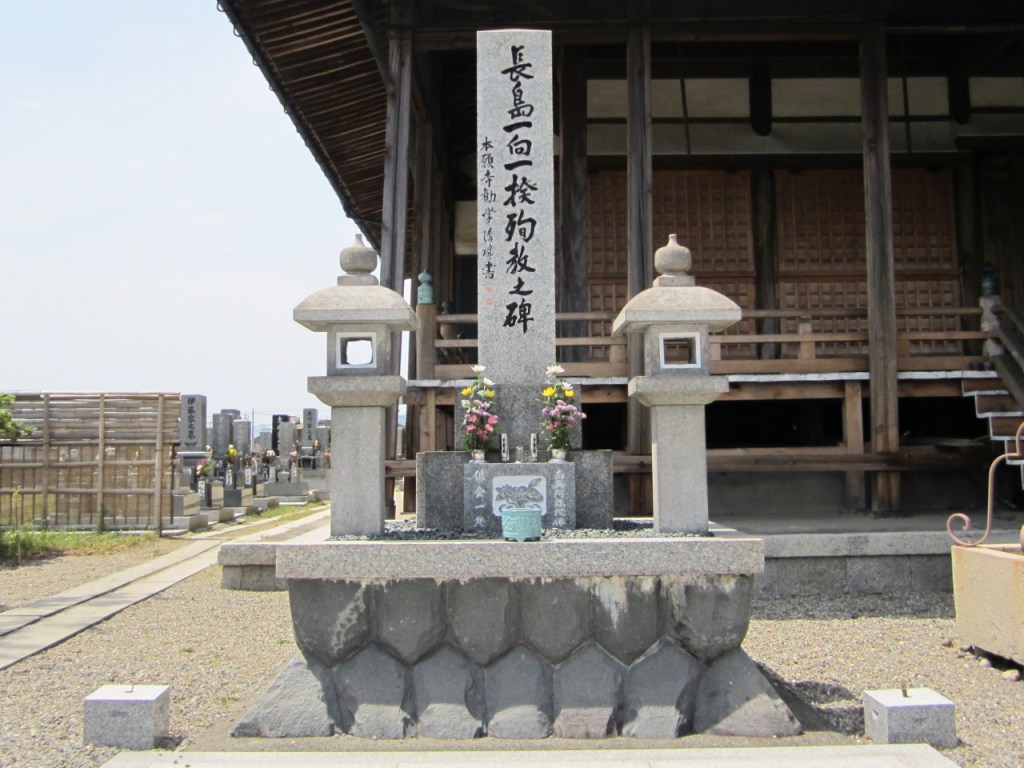
    A memorial to those who were killed during the fall of Nagashima.
    立花左近 – 投稿者自身による著作物, CC 表示-継承 3.0, https://commons.wikimedia.org/w/index.php?curid=20094400による

    With Nagashima subdued, Nobunaga turned his attention to the Takeda, who had launched a series of relatively small-scale invasions throughout 1574, and by April 1575, were besieging the Tokugawa-controlled fortress at Nagashino. What followed was one of the most heavily mythologised battles of the era, and even today, many of the details are open to debate, but what is not in doubt is that the Battle of Nagashino inflicted a mortal wound on the Takeda. They never again posed a serious strategic threat to Nobunaga’s ambitions.

    One of his other long-term enemies was the Temple of Hongan-ji, the spiritual centre of the widespread Ikko-Ikki movement. The movement had been severely weakened by the loss of Nagashima, and in late Summer 1575, Nobunaga crushed the Echizen Ikko-Ikki, further weakening Hongan-ji’s power. This turn of events allowed Nobunaga to establish a short-lived peace in the territory he controlled.

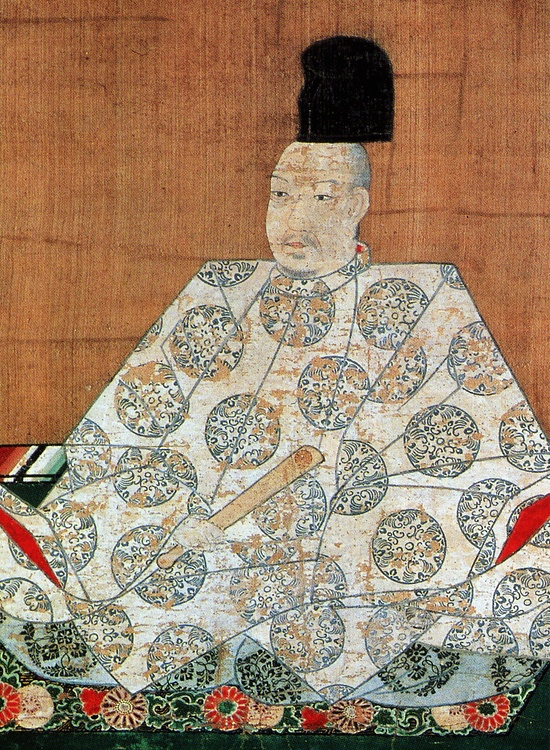
    Emperor Ogimachi (r 1557-1586) was Emperor for most of Nobunaga’s rise to power.

    In November 1575, Nobunaga was appointed Dainagon, and Ukone no Taisho, Chief Councillor, and General of the Right, respectively, positions in the Imperial court which established his position, and right to rule the country (in the Emperor’s name, of course) Around this time Nobunaga also began distributing territory and other titles to his followers on behalf of the Emperor, and it is from this point that historians generally agree that Nobunaga gave up the pretence of supporting the Ashikaga, and began eyeing the position for himself. In light of this, he officially recognised his son, Nobutada, as his heir and gave orders for the construction of a new fortress at Azuchi.

    It couldn’t last, however, and in Spring 1576 Ishiyama Hongan-ji was in arms against him again, supported by a loose coalition of powerful clans, and at least nominally acting on behalf of the exiled Shogun, Yoshiaki. Initial attempts by Oda forces to subdue Hongan-ji failed, but when Nobunaga himself arrived, he won a decisive victory at the Battle of Tennoji, and subsequently laid siege to the vast Ishiyama temple complex.

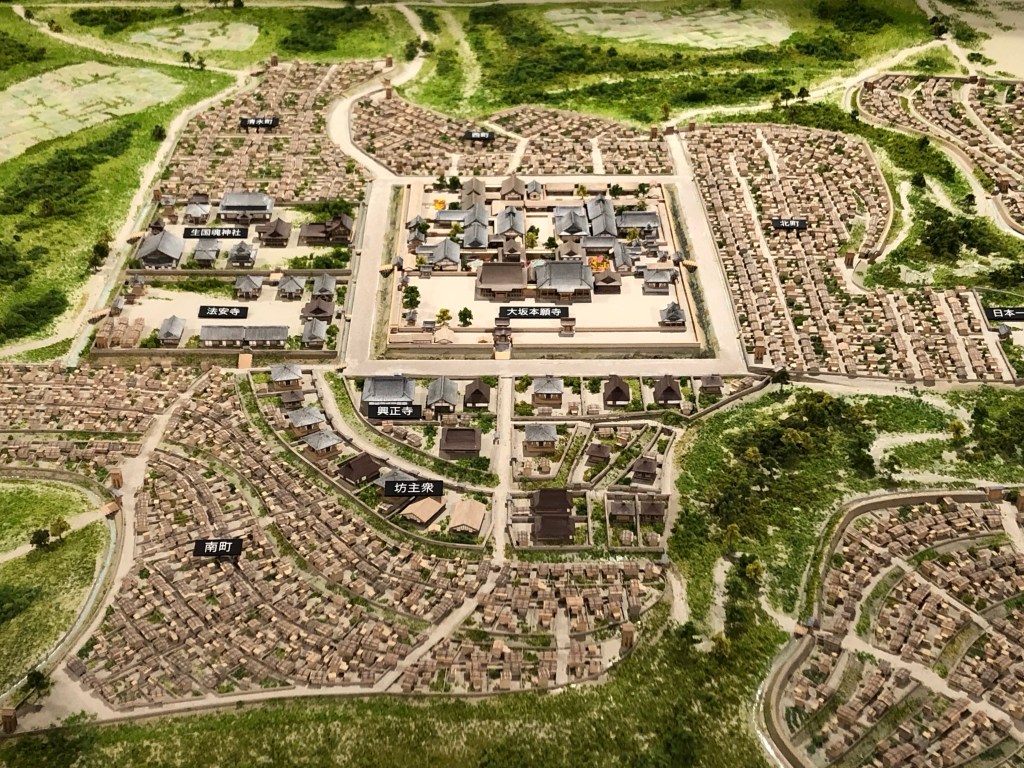
    This modern recreation shows that the Ishiyama Hongan-ji complex was more akin to a fortified town than a temple.

    Nobunaga might have hoped to repeat his success at Nagashima, but those hopes were to be dashed when a fleet from the Mori Clan destroyed the Oda blockade at the Battle of Kizugawaguchi in August 1576, ensuring that, for the time being, supplies would continue to flow into Ishiyama, and the siege would drag on.

    Meanwhile, in 1577, Nobunaga led an army into Kii Province and forced the surrender of the Saika Clan before withdrawing, only to then have to face a rebellion from the Matsunaga Clan in Ise Province, which was put down in characteristically brutal fashion, with the castle burned, and its occupants forced to commit Seppuku.

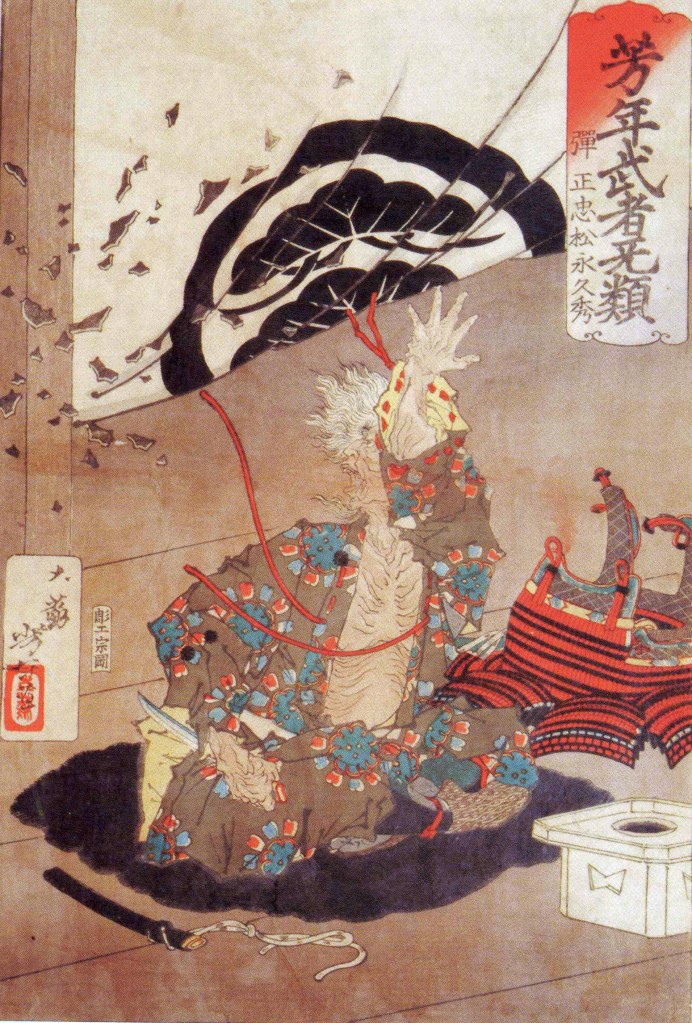
    This image depicts Matsunaga Hisahide at the moment of his death. The story goes that Nobunaga offered to spare him in exchange for a rare tea kettle. In response, Hisahide is supposed to have smashed the kettle to pieces before killing himself.

    From 1578 to 1580, Nobunaga was forced to contend with the powerful Mori Clan and their allies for control of Harima Province. Meanwhile, his vassal, Akechi Mitsuhide, successfully subdued the provinces of Tamba and Tango. In late 1580, Nobunaga forced the surrender of Arioka and Miki Castles, bringing the whole of Harima under his control.

    Meanwhile, the Second Battle of Kizugawaguchi in December 1578 reversed the strategic situation in the seas around Ishiyama (Osaka Bay), when the rebuilt Oda navy inflicted a decisive defeat on the Mori fleet, finally cutting Ishiyama off completely. The siege would last until 1580, however, and it would eventually take an Imperial Order to convince the leadership to surrender, in exchange for being allowed to leave.

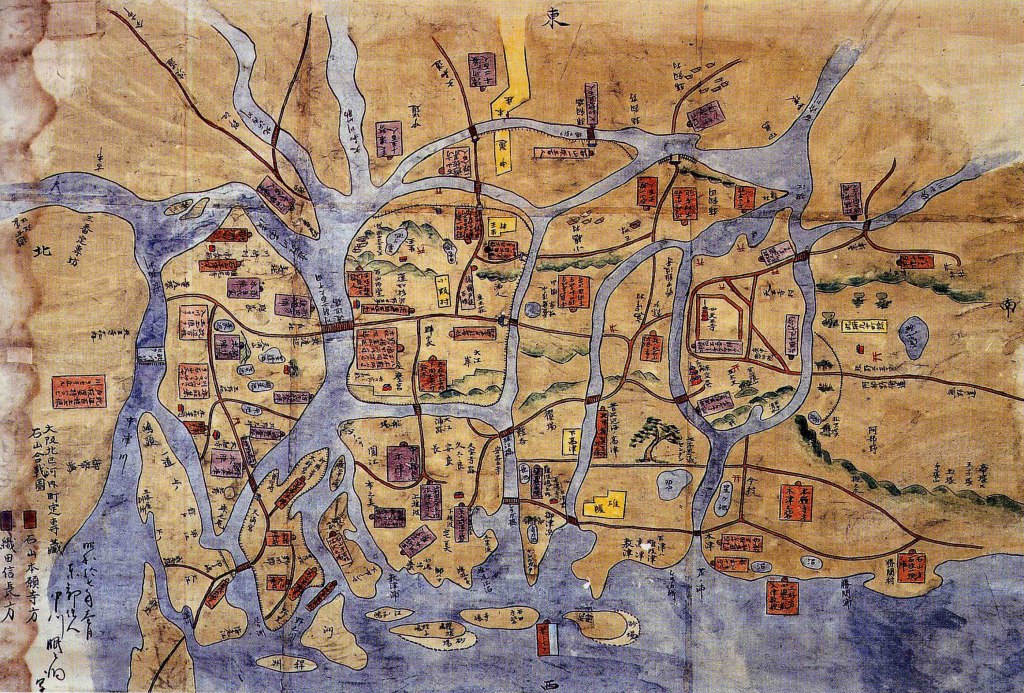
    A semi-contemporary image of Ishiyama Hongan-ji during the siege.

    War was never far away, but as 1581 dawned, Nobunaga was stronger than any Daimyo had ever been, and it was seriously possible that if anyone were to bring an end to the Sengoku Jidai and reunite the country, it would be him. However, he still had a few more rivals to overcome first.

    The Battle of Nagashino had been a death blow to the Takeda, but as late as 1582, they were still clinging on, and now Nobunaga made the decision to end them once and for all. Gathering a force of some 100,000 and supported by his ally Tokugawa Ieyasu, Nobunaga invaded Takeda territory in early 1582. The campaign was almost too easy, as Takeda resistance crumbled almost immediately, forts often surrendered without a fight, or after only a token display of defiance, and many former Takeda retainers simply switched sides, or else ran away from the advancing Oda.

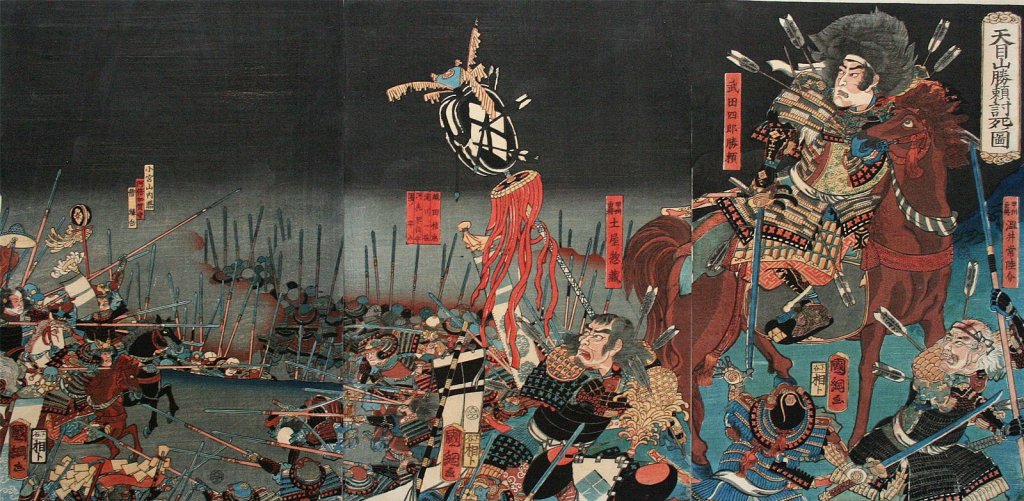
    A heavily stylised (and much later) depiction of the end of Takeda Katsuyori, whose death would signal the end of his clan.

    The Takeda eventually stood their ground at the formidable Takato Castle, but, despite its reputation, it was taken quickly, and what remained of the Takeda began to melt away. Eventually, Takeda Katsuyori and his son Nobukatsu were trapped at Tano (modern Tsuru, Yamanashi Prefecture) and forced to commit Seppuku, bringing an end to the Takeda line and any hope of resistance to Nobunaga.

    With the Takeda gone, Nobunaga took some time to reorganise the newly conquered territories, and then headed home through the lands of his ally Tokugawa Ieyasu, who laid on entertainments, refreshments, and accommodation, all purpose-built for Nobunaga’s visit.

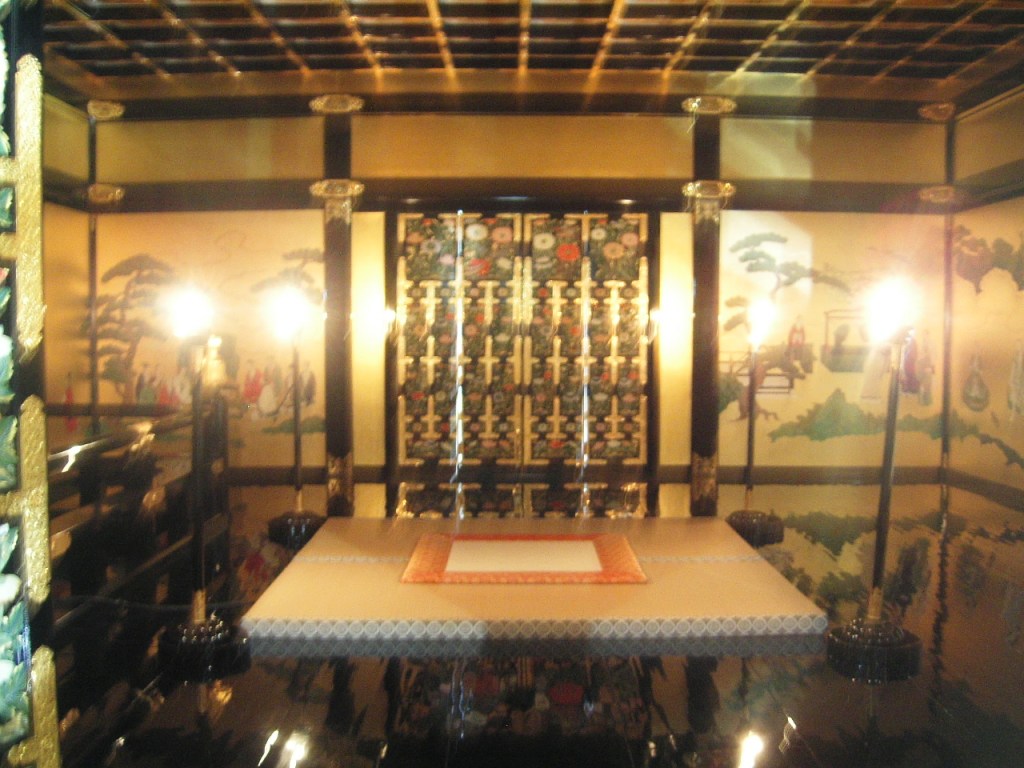
    A reconstruction of Nobunaga’s ‘throne’ at Azuchi.
    日本語版ウィキペディアのMaakunさん – 原版の投稿者自身による著作物, CC 表示-継承 3.0, https://commons.wikimedia.org/w/index.php?curid=115518317による

    By Spring, Nobunaga was back at his base at Azuchi, from where he made plans to invite the Emperor for a formal visit, and rumours began that the court was about to appoint him Shogun, or else some other senior position. The exact nature of this appointment and Nobunaga’s receptiveness to it are unclear, as the sources don’t agree on whether anything was offered at all, let alone what Nobunaga said about it. The Imperial visit was supposedly arranged for the following year, but again, the sources are scant.

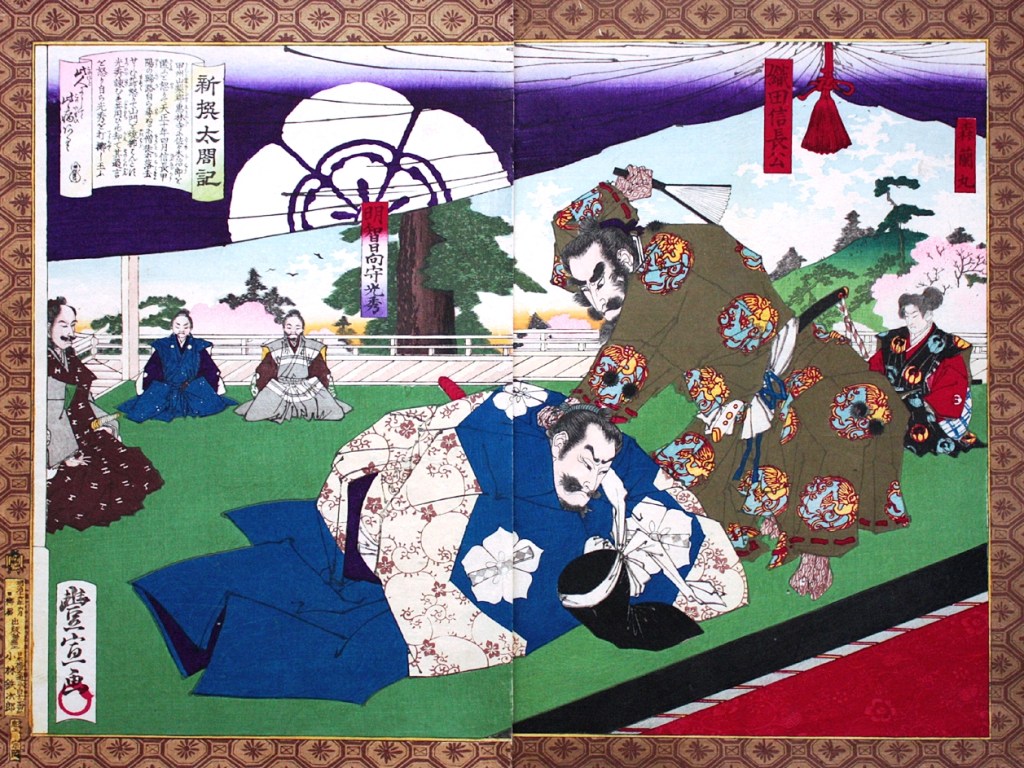
    During this brief period of peace, Nobunaga is supposed to have announced his plans to conquer Shikoku from the Chosokabe. One of his retainers, Akechi Mitsuhide, was apparently unhappy about this, as he had previously acted as an intermediary between Nobunaga and the Chosokabe. Mitsuhide was further agrieved when Nobunaga ordered him to provide entertainment for the visiting Tokugawa Ieyasu. The story goes that Nobunaga accused Mitsuhide of doing a poor job (rightly or not) and launched into a public dressing-down of Mitsuhide that ended (according to some sources) with a literal kick in the backside.

    A 19th-century imagining of Nobunaga publicly chastising Mitsuhide.

    Given the importance of public image in Japan, it is easy to see why Mitsuhide might have felt a genuine grievance over this treatment. There is also a story that Mitsuhide’s mother had once served as a hostage for a truce that Nobunaga had gone on to break, resulting in the poor woman’s death. Whilst some of these stories are poorly sourced at best, what is known is that by the summer of 1582, Akechi Mitsuhide had had enough.

    Sources
    https://ja.wikipedia.org/wiki/%E7%B9%94%E7%94%B0%E4%BF%A1%E9%95%B7
    https://en.wikipedia.org/wiki/Tsuru,_Yamanashi
    https://ja.wikipedia.org/wiki/%E9%AB%98%E9%81%A0%E5%9F%8E
    https://ja.wikipedia.org/wiki/%E7%94%B2%E5%B7%9E%E5%BE%81%E4%BC%90
    https://ja.wikipedia.org/wiki/%E4%B8%89%E6%9C%A8%E5%90%88%E6%88%A6
    https://ja.wikipedia.org/wiki/%E4%BF%A1%E8%B2%B4%E5%B1%B1%E5%9F%8E
    https://ja.wikipedia.org/wiki/%E7%B4%80%E5%B7%9E%E5%BE%81%E4%BC%90
    https://ja.wikipedia.org/wiki/%E5%A4%A9%E7%8E%8B%E5%AF%BA%E3%81%AE%E6%88%A6%E3%81%84_(1576%E5%B9%B4)
    https://ja.wikipedia.org/wiki/%E7%9F%B3%E5%B1%B1%E5%90%88%E6%88%A6
    https://ja.wikipedia.org/wiki/%E7%AC%AC%E4%B8%80%E6%AC%A1%E6%9C%A8%E6%B4%A5%E5%B7%9D%E5%8F%A3%E3%81%AE%E6%88%A6%E3%81%84
    https://ja.wikipedia.org/wiki/%E7%AC%AC%E4%BA%8C%E6%AC%A1%E6%9C%A8%E6%B4%A5%E5%B7%9D%E5%8F%A3%E3%81%AE%E6%88%A6%E3%81%84
    https://ja.wikipedia.org/wiki/%E9%95%B7%E5%B3%B6%E4%B8%80%E5%90%91%E4%B8%80%E6%8F%86

  • The First Unifier – Oda Nobunaga. Part Two.

    The First Unifier – Oda Nobunaga. Part Two.

    In June 1565, the powerful Miyoshi Clan launched a coup against the Shogun, Ashikaga Yoshiteru. In the Eiroku Incident (named for the era), the Miyoshi successfully killed Yoshiteru, and his brother, Yoshiaki, a rival claimant to the throne, fled the capital, seeking support from regional warlords.

    Miyoshi Yoshitsugu, one of the main leaders in the Eiroku Incident.

    Nobunaga was initially enthusiastic about supporting Yoshiaki and the Shogunate more generally. Sources aren’t clear about Nobunaga’s ambitions at this point, with some arguing he genuinely wanted to restore the Ashikaga, whilst others portray it as cynical politicking, with Nobunaga intending to replace the Miyoshi’s puppet Shogun with his own.

    Regardless, in the short term, military defeat limited Nobunaga’s practical aid, and it wasn’t until September 1568 that he formally recognised Yoshiaki as Shogun and dispatched an army to Kyoto to secure his accession to the throne. There was some resistance, but Nobunaga’s forces would prove triumphant, and Ashikaga Yoshiaki was installed as the 15th (and final) Ashikaga Shogun. It seems that Yoshiaki wanted to install Nobunaga as kanrei, or deputy, but he refused. Moreover, at this point, the Kyoto political community seemed to have viewed Nobunaga as little more than Yoshiaki’s general, rather than a political force in his own right.

    Ashikaga Yoshiaki

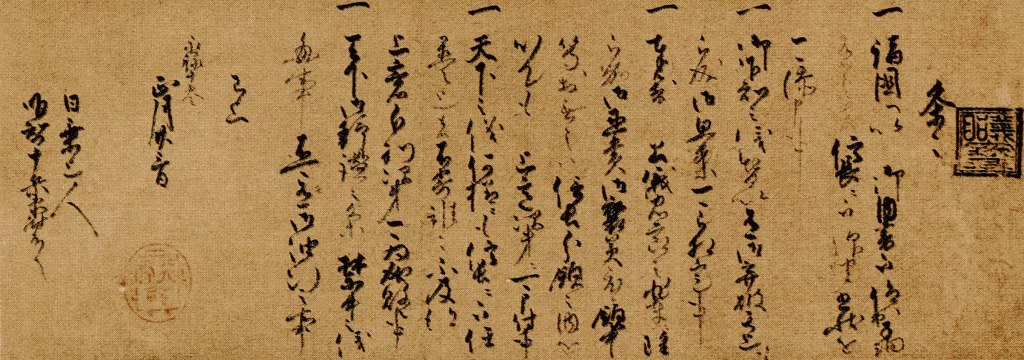
    In early 1569, Nobunaga once again proved his worth to the Shogunate by putting down an attempt by the Miyoshi Clan to restore their position in the capital. Shortly after that, Nobunaga issued the denchuonokite, or “Rules of the Palace”, which were a set of nine (with seven more added later) rules for the management of the Shogun’s court. For a long time, it was believed that these rules were the first clear example of Nobunaga imposing his will on the Shogunate, though later research suggests that Yoshiaki agreed to the rules, and it was only later that the relationship between the two men began to break down.

    Nobunaga seems to have intended to return to his own territories after the restoration, serving as a sort of enforcer for the Shogun. However, by this point, the Shogunate was at such a low ebb that he found himself obliged to become closely involved in the running of the government. It has been suggested that the issuing of the “Palace Rules” was part of wider efforts by Nobunaga to reinforce the Shogunate, whilst also reining in the tendency of the Shogun to use his remaining power arbitrarily, favouring his own supporters at the expense of powerful clans elsewhere, who, Nobunaga (rightly) worried, would then become enemies of the Shogun, and be extension, himself.

    Part of the original Palace Rules.

    It was not as though Nobunaga had any trouble finding enemies of his own. In the late 1560s, his forces invaded Ise Province, and in 1570, he led an army north to Wakasa Province to subjugate the Asakura Clan, who had defied him. The invasion went well, but when word reached Nobunaga that the Azai Clan, led by his brother-in-law, had betrayed him, he was forced to retreat.

    The reasons for this sudden betrayal have been much romanticised, with Azai Nagamasa sometimes portrayed as a principled opponent of Nobunaga’s tyranny, or else bound by a close alliance to the Asakura that trumped his loyalty to the Oda. Historians are still divided on the exact cause, but the betrayal was likely a combination of opportunism and genuine fear about Nobunaga’s intentions.

    Nobunaga’s army was defeated at the Battle of Kanegasaki, with Nobunaga himself forced to flee the field. It is said that he was only able to escape because of the rearguard action led by Kinoshita Tōkichirō, who would later be known as Toyotomi Hideyoshi, and who was rewarded with gold by Nobunaga upon his return to Kyoto.

    A later depiction of Hideyoshi in Nobunaga’s service. He first appears in records from the early 1560s, and by the time of Kanegasaki, he had earned a reputation as one of Nobunaga’s most capable subordinates.

    Sources disagree on exactly how severe the defeat was; some state that Nobunaga returned to Kyoto with just ten men, whilst others put his army’s losses at fewer than 1300, out of a total of 30,000. Both numbers may be true, and it would certainly explain why Nobunaga himself seems to have remained calm in the wake of the defeat, inspecting the Imperial Palace the day after he returned to Kyoto.

    Whilst Nobunaga had certainly been forced to retreat, the case for his army remaining largely intact is made by the fact that just a few months after Kanegasaki, he, along with his ally, Tokugawa Ieyasu, led a force of up to 40,000 men in a campaign against the Azai-Asakura, culminating in the Battle of Anegawa, which Nobunaga won, though he was unable to finish either the Azai or Asakura off, despite inflicting heavy casualties on both.

    Nobunaga was prevented from pressing his advantage by events elsewhere. In August, the Miyoshi raised an army in Settsu Province (modern Osaka). Around the same time, the Ishiyama Hongan-ji Temple (on the site of modern Osaka Castle), fearing Nobunaga’s expansionist ambitions, raised an army of its own.

    A model of Ishiyama Hongan-ji, showing it was far more than just a temple. Osaka Castle stands on the site today.
    By Takafuji – Own work, CC BY-SA 4.0, https://commons.wikimedia.org/w/index.php?curid=77306876

    All this was combined with the ongoing conflict with the Azai-Asakura alliance, and in September, supporters of Ishiyama Hongan-ji launched a rebellion in Ise Province in which Nobunaga’s younger brother, Nobuoki, was killed (or forced to commit seppuku) Faced with all this, Nobunaga chose to leverage his power at court, and in December, an Imperial decree was issued, ordering all sides to stop fighting, which they duly did, saving Nobunaga in the short-term.

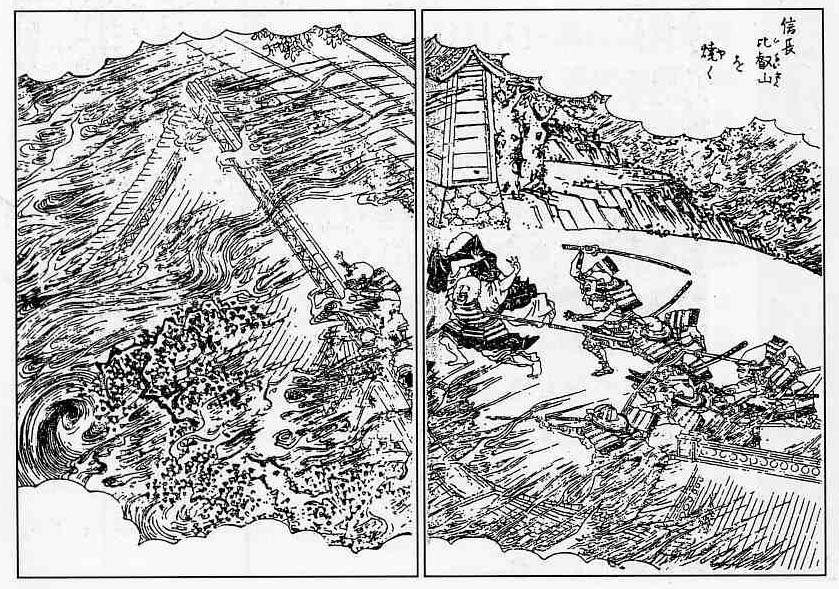
    Peace in the Age of the Country at War was only ever a fleeting thing, however. In February 1571, Nobunaga led an army of some 50,000 against the forces of Ishiyama Hongan-ji, resulting in one of his most controversial acts, the burning of Mt Hiei.

    A semi-contemporary image of the burning of Mt Hiei, showing Nobunaga’s forces cutting people down as they try to flee the flames.

    Mt Hiei is one of the most sacred sites in Japanese Buddhism, and in the late 16th Century, its monks were major political players in their own right, with influence at both the Imperial and Shogunate court, and an army of warrior monks to defend their interests. Nobunaga’s attack should be seen in this context, but it was also an incredibly shocking act, which outraged a Japanese political class that took its religion very seriously. One particularly outraged player was Takeda Shingen, who denounced Nobunaga and began a campaign against his ally, the Tokugawa.

    Whilst historians suggest that Shingen’s outrage over Mt Hiei was just a pretext, the invasion of the Tokugawa home province of Mikawa was a serious threat to Nobunaga’s position. Shingen was arguably the most formidable warlord of his time, and may well have proved more than a match for Nobunaga. He was certainly too much for Tokugawa Ieyasu, who was obliged to retreat and call on Nobunaga for help.

    Nobunaga dispatched a force of 3000 men to help, but they, along with the Tokugawa, were decisively defeated at the Battle of Mikatagahara in January 1573. Ieyasu himself barely managed to escape the disaster. In the aftermath, Nobunaga appeared vulnerable, so vulnerable that Ashikaga Yoshiaki, who had begun to chafe under Nobunaga’s regime, raised an army in opposition to him, presumably in the hope that Takeda Shingen was on his way.

    A 19th-century depiction of the Battle of Mikatagahara. If Takeda Shingen had lived long enough to take advantage of the victory, the outcome of the Sengoku Jidai might have been very different.

    Unfortunately for Yoshiaki, Shingen was dead. Though the circumstances of his death are still murky, it ended a serious threat to Nobunaga, perhaps the most serious threat, and he was able to focus his forces on Kyoto, where he swiftly forced Yoshiaki to make peace and resume his position firmly under Nobunaga’s thumb.

    Yoshiaski refused to learn his lesson, however, and a second rebellion broke out not long after, with Shogunate loyalists barricading themselves inside Makishima Castle, which Nobunaga swiftly took, sending Yoshiaki into exile, and effectively bringing an end to the Ashikaga Shogunate, once and for all. Historians debate whether the Shogunate actually ended at this time, as Yoshiaki continued to use the title, and would spend the next few years roaming Japan seeking support to overthrow Nobunaga.

    What is true, though, is that the Ashikaga, long in decline, would never rule from Kyoto again. There had been strongmen before, of course, but they had always ruled through puppet Shoguns, and the institution had remained largely intact. Nobunaga did away with that; though he would never take the title of Shogun for himself, from 1573 until his death, Nobunaga sat at the top of a very precarious pile.

    Nobunaga’s territory is in red, in the centre, surrounded by enemies, or opportunities, depending on your perspective.
    By Alvin Lee – Own work, CC BY-SA 4.0, https://commons.wikimedia.org/w/index.php?curid=39200929

    Sources
    https://ja.wikipedia.org/wiki/%E7%B9%94%E7%94%B0%E4%BF%A1%E9%95%B7
    https://ja.wikipedia.org/wiki/%E4%B8%89%E6%96%B9%E3%83%B6%E5%8E%9F%E3%81%AE%E6%88%A6%E3%81%84
    https://ja.wikipedia.org/wiki/%E6%AF%94%E5%8F%A1%E5%B1%B1%E7%84%BC%E3%81%8D%E8%A8%8E%E3%81%A1_(1571%E5%B9%B4)
    https://ja.wikipedia.org/wiki/%E7%B9%94%E7%94%B0%E4%BF%A1%E8%88%88
    https://ja.wikipedia.org/wiki/%E9%95%B7%E5%B3%B6%E4%B8%80%E5%90%91%E4%B8%80%E6%8F%86
    https://ja.wikipedia.org/wiki/%E5%BF%97%E8%B3%80%E3%81%AE%E9%99%A3
    https://ja.wikipedia.org/wiki/%E5%A7%89%E5%B7%9D%E3%81%AE%E6%88%A6%E3%81%84
    https://ja.wikipedia.org/wiki/%E9%87%91%E3%83%B6%E5%B4%8E%E3%81%AE%E6%88%A6%E3%81%84#%E6%88%A6%E5%BE%8C
    https://ja.wikipedia.org/wiki/%E8%B1%8A%E8%87%A3%E7%A7%80%E5%90%89
    https://ja.wikipedia.org/wiki/%E6%B5%85%E4%BA%95%E9%95%B7%E6%94%BF
    https://ja.wikipedia.org/wiki/%E6%AE%BF%E4%B8%AD%E5%BE%A1%E6%8E%9F
    https://ja.wikipedia.org/wiki/%E8%B6%B3%E5%88%A9%E7%BE%A9%E6%98%AD
    https://ja.wikipedia.org/wiki/%E6%9C%AC%E5%9C%80%E5%AF%BA%E3%81%AE%E5%A4%89
    https://ja.wikipedia.org/wiki/%E6%B0%B8%E7%A6%84%E3%81%AE%E5%A4%89
    https://ja.wikipedia.org/wiki/%E4%B8%89%E5%A5%BD%E7%BE%A9%E7%B6%99
    https://ja.wikipedia.org/wiki/%E8%B6%B3%E5%88%A9%E7%BE%A9%E6%A0%84
    https://ja.wikipedia.org/wiki/%E4%B8%89%E5%A5%BD%E4%B8%89%E4%BA%BA%E8%A1%86
    https://en.wikipedia.org/wiki/Ishiyama_Hongan-ji

  • The Ikko-ikki

    The Ikko-ikki

    History often focuses on the rich and powerful doing rich and powerful things. Kings, Emperors, Shoguns, and Daimyo ride around on magnificent horses, hacking each other to bits with their swords, while hundreds of thousands of anonymous lower-class types charge into certain death for the honour and glory of whoever paid for the records to be written.

    Just look at all that honour and glory.

    While this particular version of history is suitably exciting and dramatic, it does tend to overlook those anonymous lower-class types. Sometimes, however, those same lower-class types take matters into their own hands, pick up whatever weapons are to hand, and do some hacking of their own.

    As Japan collapsed into the chaotic violence of the Sengoku Jidai, peasants, priests, and clergymen found themselves at the mercy of local Samurai lords who sought to exploit their labour, or burn their homes, and sometimes both. Many peasants found themselves (willingly or otherwise) in the service of one such lord or another, forming the Ashigaru who would eventually go on to form the backbone of most armies in the later Sengoku Period.

    Some, however, weren’t keen on dying for some rapacious shugo or in the service of a Shogun who was so far removed he might as well have been on the moon. These peasants formed what would become known as Ikko-shu, which is often translated as “Single Minded Schools”. Often inspired by religious teachings and based at fortified temples, the ikko-shu were quite diverse in their objectives, but were often motivated by local defence and what we might now think of as social justice.

    The religious component of the ikko-shu is debated even today. The progenitor of the movement was a monk called Rennyo, who became the abbot of the Honganji Temple, espousing the Jodo Shinshu sect. Rennyo was a charismatic guy, perhaps best highlighted by the fact he ended up with five wives and 27 children, three of whom were born when he was already in his 80s, which suggests he was more than a little compelling.

    Profound reproduction aside, Rennyo preached a doctrine that was incredibly radical for its time. It would take far too long to explore the complete details of his preaching, but for the purposes of this post, the key idea is that faith, not social class, defines a person’s worth.

    A contemporary portrait of Rennyo, which doesn’t do much to capture his apparent charisma.

    This was an explosive idea in a society that was as rigidly stratified as medieval Japan. Rennyo would go on to preach the ideas of spiritual equality, communal support, and collective morality, a powerful combination of ideas that found many willing followers amongst the peasantry, who were often victimised by a warrior and noble class who justified their oppression in spiritual and religious terms (the Emperor was a literal son of heaven, after all.)

    Rennyo himself was no revolutionary, even by the standards of the time. Though his ideas were radical, he preached order and obedience in accordance with the beliefs of Jodo Shinshu, emphasising the importance of peace and harmony, even at a time when the country was already tearing itself apart. His followers initially followed these teachings quite closely. The growing communities of ikko-shu were self-reliant, but largely peaceful.

    Unfortunately, peaceful intentions don’t necessarily result in peaceful outcomes. The autonomy of the ikko-shu inevitably attracted the ire of the powerful Daimyo, who would not tolerate any group of peasants defying their will. Peasant uprisings in and of themselves were nothing new; Japan, much like most medieval states, had a long history of often violent tension between ruler and ruled.

    What made the ikko-shu different was their belief that everyone, regardless of education or social class, had the potential for divine salvation. This upset just about everybody in the upper classes, and opposition to the ikko-shu became one of the few things that rival factions could agree on.

    One aspect of the early Sengoku Period, especially around Kyoto, was the presence of rival temples, which would often have cadres of warrior monks at their disposal. Honganji would become the target of the Enryakuji Temple in 1465, when the monks there declared that Rennyo and his followers were enemies of Buddhism.

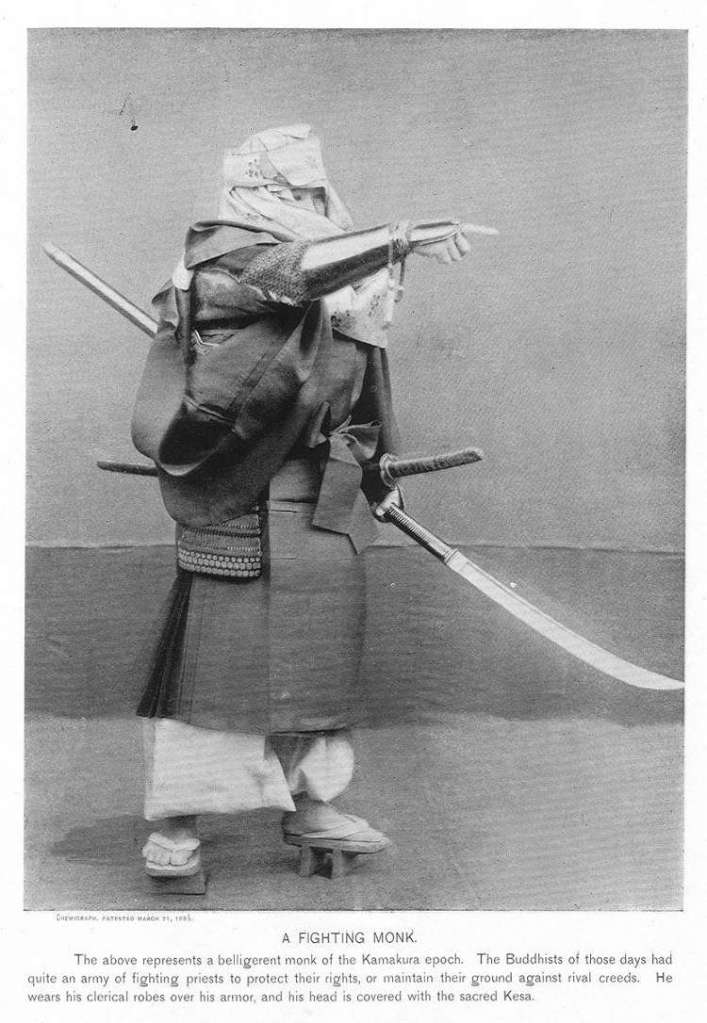
    A later recreation of how warrior monks might have dressed.

    It might seem slightly strange to think of Buddhist monks being so militant, but it is important to remember that the temples of this period were political players in their own right; some would even go on to have power rivalling later Daimyo. In this context, then, it isn’t so unusual for one of them to have decided to destroy Honganji and remove the threat of the ikko-shu.

    The attack was largely successful, and Rennyo and his followers were forced to flee. This actually turned out to be good for them in the long term, as Rennyo was able to find supporters amongst the enemies of Enryakuji, leading to the establishment of several new temples loyal to Rennyo and his teachings.

    The profile of the ikko-shu would continue to rise, and they were often viewed as a potent counterweight to other Buddhist sects, which had already proved themselves willing and able to meddle in the ongoing political chaos. In 1474, the guardian of Kaga Province, Togashi Masachika, called on Rennyo to support him in a conflict within the wider Togashi clan. Rennyo agreed when he learned that a rival sect had taken the side of Masachika’s opponents.

    The intervention of the ikko-shu was decisive, and Masachika was able to overcome his foes. However, he began to sour on the support of Rennyo and his followers as he began to worry that their egalitarian message would spread amongst the peasants of Kaga Province.

    He was right to worry, although Rennyo himself departed the area shortly after the fighting, and would go on to establish several other temples, his followers remained in Kaga, and their teachings indeed proved popular with the locals, swelling their numbers and establishing several fortified temples in the province.

    The wider ikko-shu movement would continue to grow under Rennyo’s leadership, but we’re going to focus on Kaga Province in particular. As we’ve mentioned, although previously happy to make use of the military strength of the ikko-shu, Togashi Masachika grew increasingly alarmed about the spread of the movement.

    In 1475, he drove the ikko-shu out of Kaga, forcing them to seek refuge in neighbouring Etchu Province. Just like Masachika before him, the shugo (governor) of Etchu, Ishiguro Mitsuyoshi, was alarmed by the presence of the ikko-shu and sought to suppress them. However, when he launched an attack in 1481, he was defeated, and the ikko-shu, basing themselves at the Zuisenji Temple, took control of large parts of the province.

    Back in Kaga, events elsewhere in Japan led Masachika to impose increasingly burdensome taxes on the population, and in 1488, a similar revolt broke out amongst the peasantry, willingly aided by the ikko-shu crossing back from Etchu. Although the events in Etchu resulted in the first widely recognised independent action of the ikko-shu, the revolt in Kaga is typically considered to be the first example of Ikko-Ikki, that is, “Single Minded Uprising”, and a catch-all name that would eventually refer to the movement as a whole.

    Rennyo himself actually spoke out against the rebellion and attempted to persuade his followers not to support it, but the die had been cast, and although the initial uprising would not lead to complete Ikko control of Kaga by 1506, Kaga Province was being referred to as “ruled by peasants” in contemporary sources.

    Rennyo died in 1499, and with his passing, the Ikko-Ikki movement transitioned from simple self-defence to full participation in the Sengoku Period’s many wars. As early as 1494, there had been attempts to provoke similar uprisings in neighbouring provinces, with limited success; even when the uprisings had been triggered, they were often badly organised and swiftly put down.

    In 1506, the Kaga Ikko-Ikki decided on a more direct approach and invaded neighbouring Echizen Province, home of the Asakura Clan. Some sources estimate the Ikko Army had as many as 300,000 peasant warriors, and although this is certainly an exaggeration, it goes some way towards highlighting the anxiety shown towards the popularity and relative success of the movement.

    The invasion was stopped by the Asakura Clan, and the defeat of the Ikko-Ikki is supposed to have cost them 100,000 casualties (perhaps interpretable as a third of their army). Regardless of the actual numbers, the victory gave the Asakura the momentum to issue an edict banning the Ikko-shu ideology in their lands.

    Edicts alone didn’t do much to stop the popularity of the movement, though there was another serious uprising near Kyoto in 1531 (the Tenbun Disturbance) and a supporting uprising in Nara the next year.

    Other parts of Japan would also suffer serious outbreaks of Ikko-Ikki, most significantly in 1563-4, when a major uprising in Mikawa Province would sorely test Tokugawa Ieyasu (then using the clan name Matsudaira), who was able to achieve a military victory but would be forced to deal with the political fallout of the uprising for nearly 30 years after the event.

    A later illustration of the Mikawa Uprising.

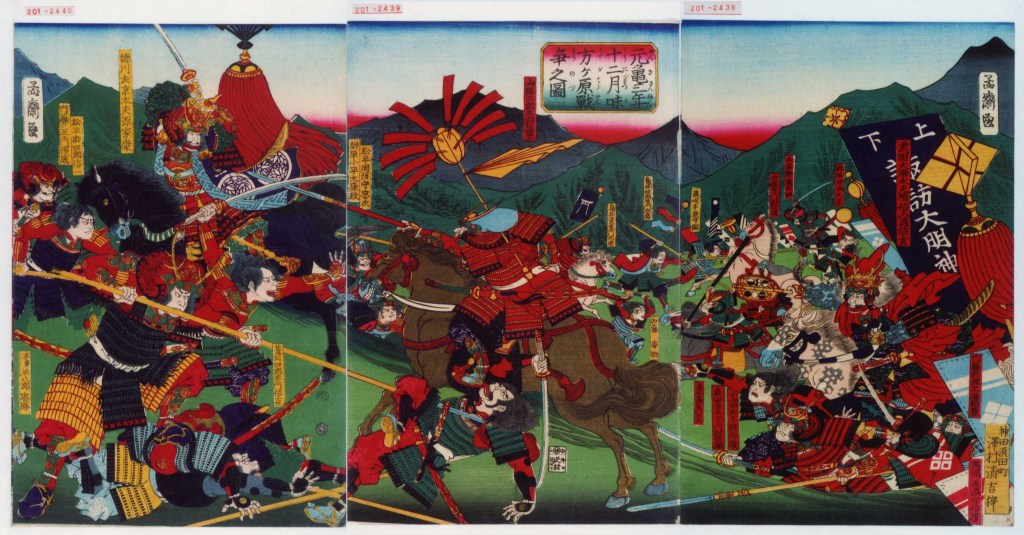
    Probably the most famous of the Ikko-Ikki conflicts would be the one against Oda Nobunaga. Actually several conflicts the ongoing feud between Nobunaga and the Ikko-Ikki, would lead to some of the bloodiest episodes in an already bloody period.

    In 1568, Nobunaga arrived in Kyoto, nominally to support the last of the Ashikaga Shoguns but in reality to rule himself. In response, the Ikko-shu leaders at Ishiyama (in modern Osaka) issued a 1570 decree stating that Nobunaga was an enemy of the movement and should be opposed.

    Nobunaga was naturally taken aback by that and responded by laying siege to Ishiyama. He simultaneously launched attacks against other Ikko establishments, notably at Nagashima (near modern Nagoya) in a siege that lasted until 1574, and cost the lives of 20,000 or more Ikko-shu adherents.

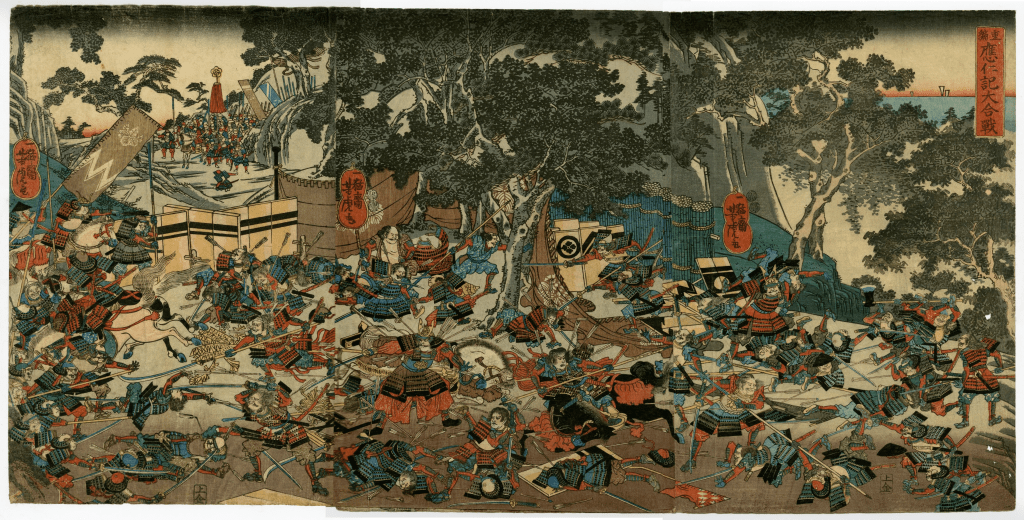
    Another later illustration, this time of the Battle at Nagashima

    He would continue his attacks on the movement throughout 1574 and beyond, advancing against them in Echizen as part of his conquest of that province, before finally reducing the great fortress temple at Ishiyama in 1580, after a ten-year siege (the longest in Japanese history), but a fire broke out shortly before peace could be finalised. Sources disagree on the origin of the blaze, but it destroyed Ishiyama and tore the spiritual heart out of the Ikko movement.

    Later, in one of his last campaigns, Nobunaga sent his subordinates to put down the Ikko-Ikki in Kaga, where it was finally crushed in March 1582, and the “Province ruled by peasants” was brought to an end after almost a century of independence.

    Though the political independence of the Ikko movement would not survive the end of the Sengoku Period, the religion itself endured, though not without difficulty. After Nobunaga’s suppression, the movement made a comeback under Toyotomi Hideyoshi, gaining lands and privileges in Kyoto.

    There would be a doctrinal and later physical split in the 17th Century, and an East Honganji and West Honganji (named after their relative locations in Kyoto) would emerge. In the modern period, changes in laws, customs, and further factional splits mean there are now dozens of sects of various sizes, all claiming to be descended from the original Jodo Shinshu, which is now the most widespread Buddhist Sect in Japan, with more than 22,000 temples associated with it in one form or another

    The Nishi-Honganji as it appears today.
    By 663highland, CC BY 2.5, https://commons.wikimedia.org/w/index.php?curid=56357164

    Sources
    https://en.wikipedia.org/wiki/Ikk%C5%8D-ikki
    https://en.wikipedia.org/wiki/Ikk%C5%8D-sh%C5%AB
    https://ja.wikipedia.org/wiki/%E4%B8%80%E5%90%91%E4%B8%80%E6%8F%86
    https://ja.wikipedia.org/wiki/%E9%95%B7%E5%B3%B6%E4%B8%80%E5%90%91%E4%B8%80%E6%8F%86
    https://ja.wikipedia.org/wiki/%E8%B6%8A%E5%89%8D%E4%B8%80%E5%90%91%E4%B8%80%E6%8F%86
    https://ja.wikipedia.org/wiki/%E7%9F%B3%E5%B1%B1%E5%90%88%E6%88%A6
    https://ja.wikipedia.org/wiki/%E4%B8%89%E6%B2%B3%E4%B8%80%E5%90%91%E4%B8%80%E6%8F%86
    https://ja.wikipedia.org/wiki/%E4%B9%9D%E9%A0%AD%E7%AB%9C%E5%B7%9D%E3%81%AE%E6%88%A6%E3%81%84
    https://ja.wikipedia.org/wiki/%E5%8A%A0%E8%B3%80%E4%B8%80%E5%90%91%E4%B8%80%E6%8F%86
    https://ja.wikipedia.org/wiki/%E8%B6%8A%E4%B8%AD%E4%B8%80%E5%90%91%E4%B8%80%E6%8F%86
    https://ja.wikipedia.org/wiki/%E7%9C%9F%E5%AE%97%E5%A4%A7%E8%B0%B7%E6%B4%BE%E4%BA%95%E6%B3%A2%E5%88%A5%E9%99%A2%E7%91%9E%E6%B3%89%E5%AF%BA
    https://ja.wikipedia.org/wiki/%E5%AF%8C%E6%A8%AB%E6%94%BF%E8%A6%AA
    https://ja.wikipedia.org/wiki/%E6%9C%AC%E9%A1%98%E5%AF%BA%E3%81%AE%E6%AD%B4%E5%8F%B2
    https://ja.wikipedia.org/wiki/%E4%B8%80%E5%90%91%E5%AE%97
    https://ja.wikipedia.org/wiki/%E4%B8%80%E6%8F%86
    https://ja.wikipedia.org/wiki/%E8%93%AE%E5%A6%82
    https://en.wikipedia.org/wiki/Hongan-ji