Tag: Ashikaga Yoshimochi

  • Collision Course

    Collision Course

    At the end of the last post, we covered an outbreak of rebellion led by the Uesugi Clan in the Kanto Region. This rebellion was put down, and the Uesugi were badly mauled, but the consequences of it would be long-reaching indeed.

    We haven’t spent a lot of time talking about the Kanto recently; most of the events of the preceding Nanbokucho Period happened in and around Kyoto, so this seems like a good opportunity to update you on what was happening in the area, which is now mostly modern Tokyo and its surroundings.

    You may remember that the government, prior to the Ashikaga Shogunate, had been the Kamakura Shogunate, based in the town of the same name. Kamakura itself is in the Kanto and was, at the time, a major population centre.

    When the Kamakura Shogunate was overthrown, the Ashikaga based themselves in Kyoto, but didn’t lose sight of their position in the Kanto. With power in Kyoto confirmed, the first Ashikaga Shogun, Takauji, sent his second son to Kamakura to oversee things there.

    The position of Kamakura Kubo was initially a solely military post, with the mission being to keep order in the provinces. However, within a few decades, it had transformed into a political and administrative position as well, with the kubo being the effective governor of a large area of eastern Japan.

    The territory under the jurisdiction of the Kamakura Kubo. The original provinces are in red, with those in gold and green added later.
    Pqks758 – 投稿者自身による著作物, CC 表示-継承 3.0, https://commons.wikimedia.org/w/index.php?curid=30770440による

    The other major power in the region was the Kanto Kanrei, the Shogunate Deputy in the Kanto region. Originally an administrative position, subject to appointment and dismissal by the Shogun, by the late 14th Century, the position had become the hereditary title of the Uesugi Clan, who used it to become the dominant power in the region.

    Officially, the Kubo was a military position, whilst Kanrei was an administrative one, but the reality was that there was considerable overlap between both positions. The Kanrei was supposed to be subordinate to the Kubo, but the situation on the ground meant that the Kanrei often controlled more land and men than the Kubo.

    There were several clashes between both positions, and the government in Kyoto, but one of the most serious was the Uesugi Rebellion in 1416, which we talked about last time. Although the rebellion was crushed, the situation in the Kanto remained tense in the aftermath.

    Firstly, the Kubo at the time was Ashikaga Mochiuji, who had an unfortunate habit of ignoring instructions from Kyoto that didn’t suit him. In the aftermath of the rebellion, the Shogun, Yoshimochi, had wanted to pursue a policy of reconciliation, similar to that of his father.

    Mochiuji, however, wanted revenge; he saw the powerful clans in the Kanto as a direct threat to his rule and was determined to crush them once and for all. He began taking direct action against families that had joined the rebellion, and despite issuing orders for him to stop, the government in Kyoto proved powerless to curb his violent tendencies.

    Yoshimochi wasn’t idle, however. Although the position of Kamakura Kubo was a powerful one, and Mochiuji had many supporters, there were others who remained opposed to him. Yoshimochi took advantage of this, extending direct vassalage to several important families in the Kanto region and elsewhere. Though these families technically owed allegiance to Kamakura, they were now direct vassals of the Shogun.

    Though this policy may have seemed like a good idea at the time, it would backfire. In 1422, the Oguri Clan, with the implied support of the Shogun, rose in rebellion against Kamakura and Mochiuji. Whether or not the Oguri expected support from Kyoto, it didn’t come, and Mochiuji personally led the army that put the rebels down.

    In response, the Shogun gave serious consideration to military action, but it was eventually decided to do nothing but demand a formal apology from Mochiuji, which he quickly agreed to, bringing an end to the immediate crisis.

    Things jump ahead a little bit here. In 1423, Shogun Yoshimochi retired and officially handed over the title (but not the power) of Shogun to his son, Yoshikazu. This arrangement didn’t last long; Yoshikazu died within two years (apparently from alcohol-related issues).

    The position of Shogun was then left vacant, but since Yoshimochi held the actual power, the government kept going regardless. This changed in 1428, when Yoshimochi himself died, seriously impeding his ability to run the state.

    Yoshimochi had no more sons, so a new Shogun was sought from amongst his brothers. Apparently, they did this by a lottery, and the name drawn was Yoshinori. The problem with that was that Yoshinori (who was also called Yoshinobu for a time) had become a monk during his youth.
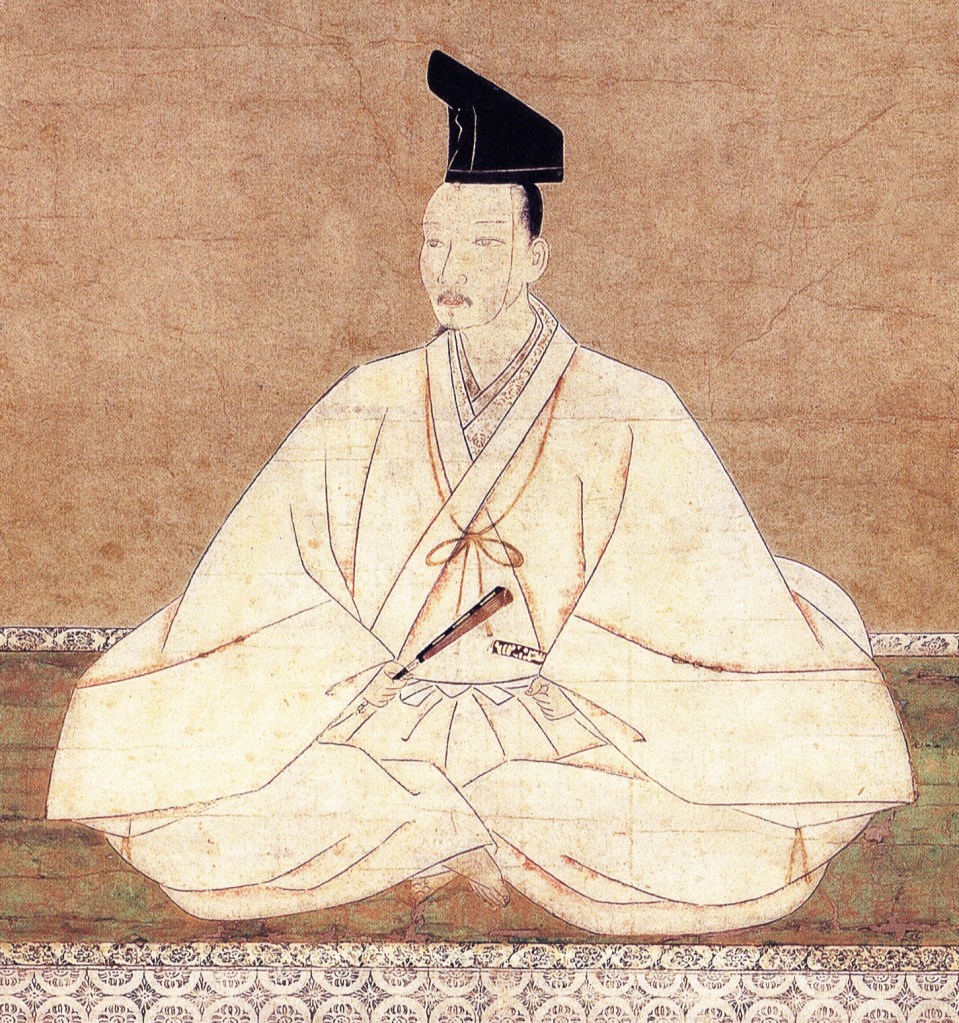
    Ashikaga Yoshinori, an unlikely choice for Shogun.

    There was plenty of precedent for important officials to retire and become monks, but there was none for it happening the other way. At first, the selection of Yoshinori was opposed; he was a monk, for starters, and there were rumours that Mochiuji, the Kamakura Kubo, would be declared Shogun instead.

    Several tense months followed, including the death of one Emperor and the accession of another. It was this new Emperor, Go-Hanazono, who would name Yoshinori Shogun in March 1429. Yoshinori seems to have tried to model himself on his father, the great Yoshimitsu. He attempted to centralise power in Kyoto and curb the influence of powerful local deputies (Kanrei), and he even restarted the trade with China.

    However, Yoshinori was not Yoshimitsu, and the situation for the Shogunate was not as it had been 30 years earlier. Yoshinori would have some success initially, bringing restive lords in Kyushu back in line, and moving to end the Shogun’s reliance on the military strength of the Shugo (governors) as his predecessors had been forced to.

    Trouble was never very far away, however, and in 1433, ongoing conflicts between rival temples in and around Kyoto flared up again. Now, Yoshinori had been a monk of the Tendai Sect, specifically at the Shoren-in Temple.

    Now, the intricacies of temple politics in this era are complex to say the least, but the short version is that there were various sects of Buddhism prominent in Japan at this time. These sects were then often further subdivided, and, in keeping with the style of the time, these factions would often engage in vicious and sometimes violent rivalries with each other.

    At this time, one of the most violent disputes was between the Jimon (Temple Gate) and Sanmon (Mountain Gate) branches of the Enryaku-ji Temple on Mt Hiei, near Kyoto. Yes, you read that right, they were rivals from the same temple complex.
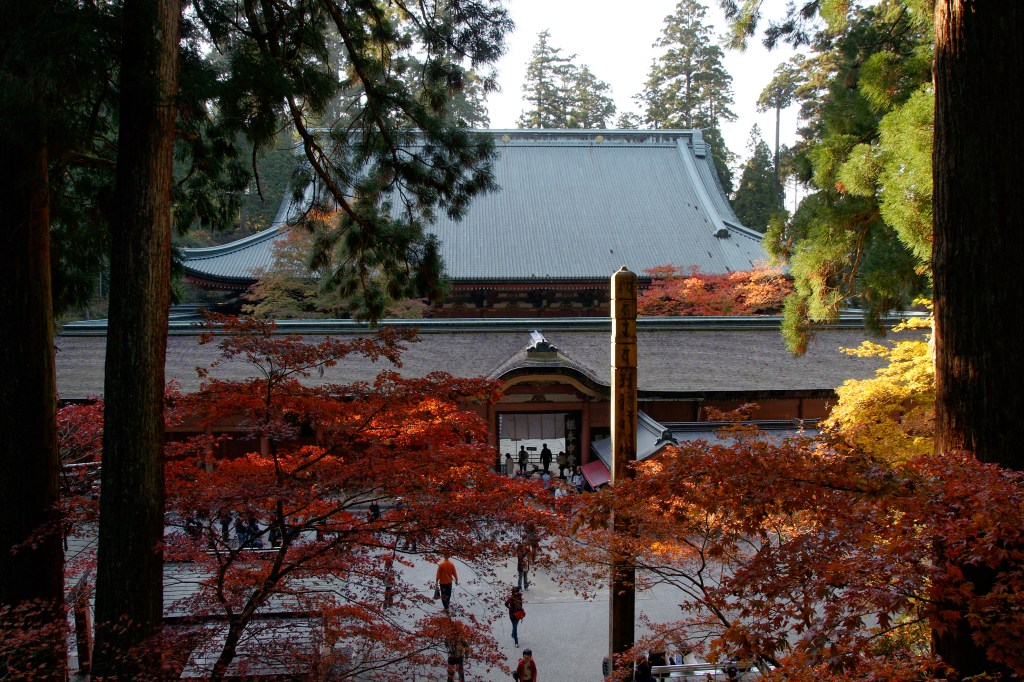
    A modern image of Enryaku-ji. This particular building dates from the 17th Century.
    663highland, CC 表示 2.5, https://commons.wikimedia.org/w/index.php?curid=8449808による

    In July 1433, the monks of the Sanmon Faction submitted a petition of 12 complaints to the Shogun, making allegations of misconduct against the Shogunate officials in charge of religious affairs.

    The Shogun took a conciliatory approach to this, accepted the petition and then apparently dismissed the officials in question. The Sanmon Monks, apparently getting a bit full of themselves, celebrated by burning down Onjo-ji (sometimes known as Mii-Dera), the headquarters of the Jimon Faction.

    Now, the Shogun was understandably annoyed by this. Apparently, the monks of Onjo-ji had refused to join the Sanmon Faction’s petition, but that wasn’t a good enough excuse, and Yoshinori dispatched troops to Mt Hiei, demanding that the monks of Enryaku-ji surrender.

    This they did, but the peace didn’t last long. Within a few months, rumours began spreading that the Monks were conspiring with Ashikaga Mochiuji, apparently trying to curse the Shogun, and general praying for his downfall, which in a superstitious age was a big deal.

    In response, the Shogun confiscated property belonging to the temple and sent troops to surround the temple, effectively putting Enryaku-ji under siege. From July to December 1434, no one could get in or out of Mt Hiei, and the monks were eventually compelled to seek terms of surrender.

    Shogun Yoshinori was in a far less forgiving mood this time, and he was initially reluctant to accept terms. However, under pressure from his own government, he accepted the surrender, and the previously confiscated property was returned.

    This was apparently just a ruse, however, and in February 1435, Yoshinori had four Enryaku-ji monks arrested and beheaded. The monks on Mt Hiei were outraged by this and set fire to their own temple, with 24 of them meeting their ends (more or less willingly) in the flames.

    Mt Hiei is easily visible from Kyoto, and the sight of the temple in flames caused outrage in the city. Yoshinori responded by issuing an edict sentencing anyone who complained about the situation to death, which apparently worked wonders in keeping the population quiet.

    With the Sanmon Faction subjugated, Yoshinori then turned his eyes back to the Kanto. All he needed was a pretext, and luckily for him, one would not be long in coming.

    Sources

    https://ja.wikipedia.org/wiki/%E9%8E%8C%E5%80%89%E5%BA%9C
    https://ja.wikipedia.org/wiki/%E8%B6%B3%E5%88%A9%E6%8C%81%E6%B0%8F
    https://ja.wikipedia.org/wiki/%E9%96%A2%E6%9D%B1%E7%AE%A1%E9%A0%98
    https://ja.wikipedia.org/wiki/%E4%B8%8A%E6%9D%89%E7%A6%85%E7%A7%80%E3%81%AE%E4%B9%B1
    https://en.wikipedia.org/wiki/Ashikaga_Yoshikazu
    https://ja.wikipedia.org/wiki/%E8%B6%B3%E5%88%A9%E7%BE%A9%E9%87%8F
    https://en.wikipedia.org/wiki/Ashikaga_Yoshinori
    https://ja.wikipedia.org/wiki/%E5%BB%B6%E6%9A%A6%E5%AF%BA
    https://en.wikipedia.org/wiki/Jimon_and_Sanmon
    https://en.wikipedia.org/wiki/Mii-dera
    https://ja.wikipedia.org/wiki/%E8%B6%B3%E5%88%A9%E7%BE%A9%E6%95%99#%E6%AF%94%E5%8F%A1%E5%B1%B1%E3%81%A8%E3%81%AE%E6%8A%97%E4%BA%89
    https://ja.wikipedia.org/wiki/%E5%B0%8F%E6%A0%97%E6%BA%80%E9%87%8D%E3%81%AE%E4%B9%B1
    https://ja.wikipedia.org/wiki/%E4%BA%AC%E9%83%BD%E6%89%B6%E6%8C%81%E8%A1%86
  • Peace? I hate the word…

    Peace? I hate the word…

    By the end of the 14th Century, the Ashikaga Shogunate might have been forgiven for thinking it was in a strong position. Under Shogun Yoshimitsu, Kyushu had been pacified, the power of the mighty clans close to the capital had been curtailed, and in 1392, a reconciliation had been arranged between the Northern and Southern Imperial Courts, bringing an end to the Nanbokucho Period.

    In 1395, Yoshimitsu officially retired from the Shogunate to become a monk, and although he retained actual power, the succession of his son, Yoshimochi, was secure. Then, in 1399, the Ouchi Clan rose in rebellion in Kyushu, and in crushing them, the Ashikaga Shoguns no longer faced any serious opposition in the South or West of the realm.

    Around this time, Yoshimitsu sought recognition as “King of Japan” from the Ming Emperor of China, as he had long been an admirer of Chinese culture and politics. Initially, the Chinese refused to recognise him, because, as Shogun, Yoshimitsu was (technically) a servant of the Emperor, whom the Chinese were more inclined to recognise as King.

    When Yoshimitsu retired as Shogun, however, he retained all the power of his position, but was now free of his position as a subordinate of the Emperor. This, combined with a promise to suppress the often serious problem of piracy (wako) in the waters around Korea, persuaded the Chinese to formally recognise Yoshimitsu as “King” and restart trade between Japan and China, in exchange for regular Japanese tribute as ‘subordinates’ to the Ming.

    This trade was not as we might imagine it, where merchants buy and sell according to the laws of supply and demand. Instead, as the Chinese viewed themselves as the centre of the world, they viewed trade as being based on tribute to their Emperor, with gifts being bestowed in return.

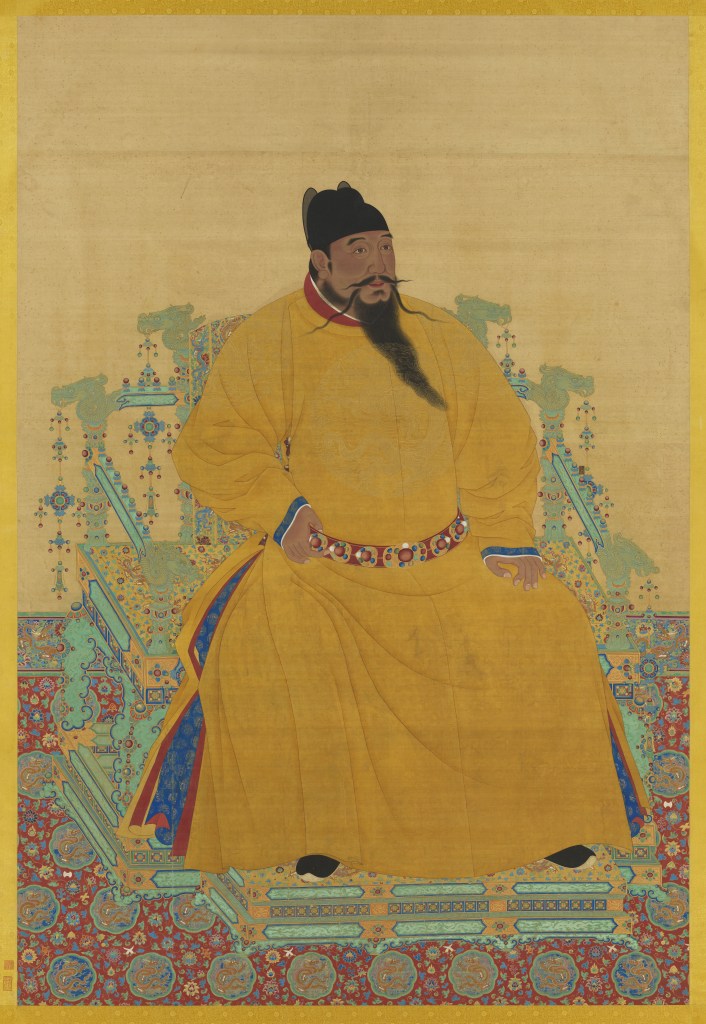
    The Yongle Emperor, who all were expected to bow to, especially if they wanted to trade with China.

    This worldview, combined with the Chinese desire to show off their wealth, meant that Japanese trade missions would often end up with such quantities of goods that they were able to secure enormous profits. One example comes from the merchant, Kusuba Sainin, who claimed that thread purchased for 250 mon in China could easily be sold for 5000 mon back in Japan.

    (The mon is a Japanese unit of currency that wasn’t very well formalised before the Edo Period, making modern purchasing power hard to figure out, but the fact that this represents around 2000% profit gives you an idea of how lucrative this trade could be.)

    These ships were only sent relatively infrequently; in fact, between 1404 and 1547, only 17 trade missions (made up of 84 ships in total) were sent, but the influx of Chinese material and cultural goods, and the Shogunate’s 10% levy on all goods arriving in Japan, meant that it was a major source of revenue and prestige.

    The trade was politically unpopular, however. The Chinese required tribute and acknowledgement of China’s supreme position in the world. Though Yoshimitsu likely viewed this as a diplomatic nicety rather than an actual submission, it didn’t sit right with the prideful Samurai or the Imperial Court, who held that their Emperor was a literal son of heaven, whereas the Chinese Emperor held a mandate that could be lost.

    While Yoshimitsu was alive and politically active, these concerns were largely kept private, but the discontent remained, and Yoshimitsu, it may surprise you to learn, wasn’t going to live forever.

    While he lived, however, Yoshimitsu invested this newfound wealth and power in what became known as Kitayama Culture. A unique blend of Imperial, Samurai, and Chinese aesthetics, it gave birth to many famous aspects of Japanese culture that are still recognisable, such as Noh Theatre and even Origami (which began as a much more formalised system than what we may be used to today).

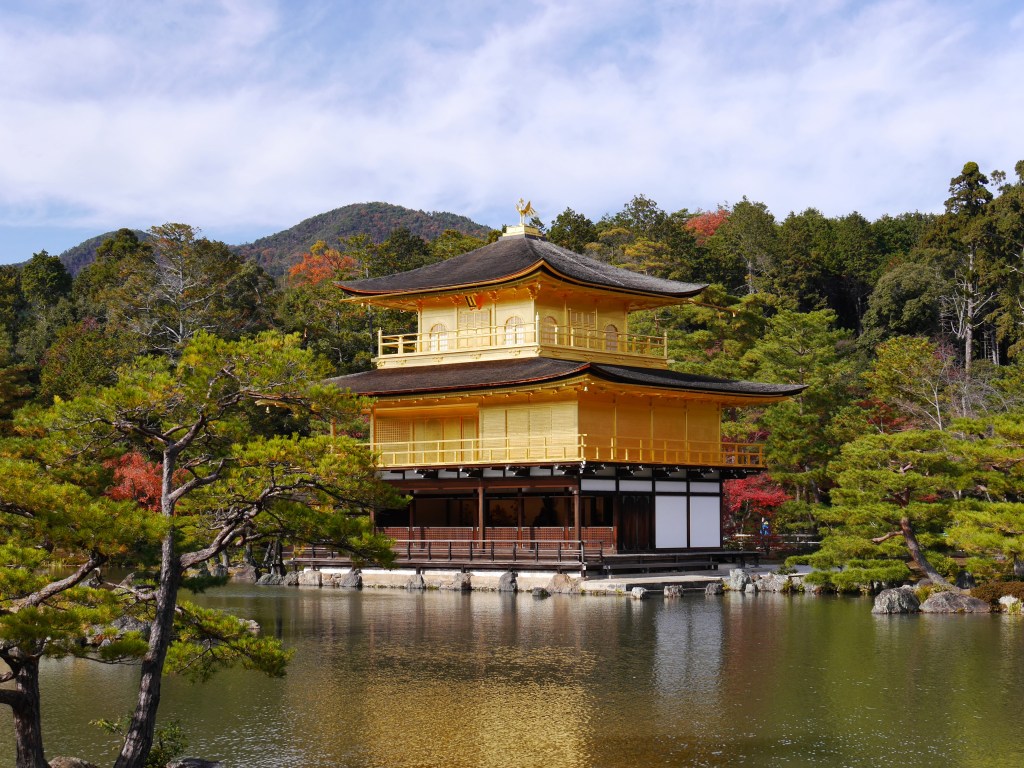
    Like many before and after him, Yoshimitsu also invested heavily in architecture, aiming to promote the glory and prestige of his family through buildings that were more spectacular than any that came before. Most famously, the Golden Pavilion Temple, Kinkaku-ji, a landmark so famous that the actual name for the temple, the pavilion, is in (Rokuon-ji), is often forgotten.

    The Golden Pavilion in Kyoto, so famous that its name is synonymous with Japanese temples the world over.
    By Jaycangel – Own work, CC BY-SA 3.0, https://commons.wikimedia.org/w/index.php?curid=33554210

    As we discussed last time, Yoshimitsu had an unusually close relationship with the Imperial Court, taking up several positions in the Imperial Government, and running things in such a way that it often became unclear exactly when Imperial orders weren’t simply Shogunate ones.

    This came to something of a logical conclusion in 1404 when Yoshimitsu began lobbying for the position of Retired Emperor. You may recall that, in the days before the Shoguns, Emperors would retire to become insei, or Cloistered Emperors, retaining all the actual power, whilst no longer being constrained by the often burdensome nature of an Emperor’s religious responsibilities.

    In the midst of this politicking, in April 1408, Yoshimitsu became ill, dying at the age of 51 in May of the same year. A few days after his passing, the Imperial Court offered to bestow the title of Retired Emperor on him posthumously; however, the new Shogun, Yoshimochi, declined. It has been speculated that this was agreed to previously, as a way to definitely end the Shogunate’s pretensions to the title.

    Either way, Yoshimitsu was dead, and things began to unravel quite quickly. Though Yoshimochi had been named Shogun in 1394, when his father had ‘retired’, his actual accession to the title didn’t go unchallenged. Some suggested that Yoshimitsu had actually preferred his younger son for the role, but had died before updating his will.

    Because of this, the Shogun’s Deputy (kanrei), Shiba Yoshimasa (of the once powerful, and now resurgent Shiba Clan), pushed to have Yoshimochi recognised as Shogun, and in the short term, a crisis was avoided.

    Shiba Yoshimasa had been a powerful figure in the Shogunate for decades, and he had a huge influence over the new Shogun. However, by the time Yoshimochi actually gained power, Yoshimasa was an old man, and in August 1409, he handed the position of Kanrei over to his grandson. The fact that he was a boy of 11 was apparently not a problem, given that Yoshimasa intended to keep real power anyway.

    Whether or not he meant to groom his grandson for the role is unclear, because less than a year later, Yoshimasa was dead and the power of the Shiba Clan at the centre of government was at an end.

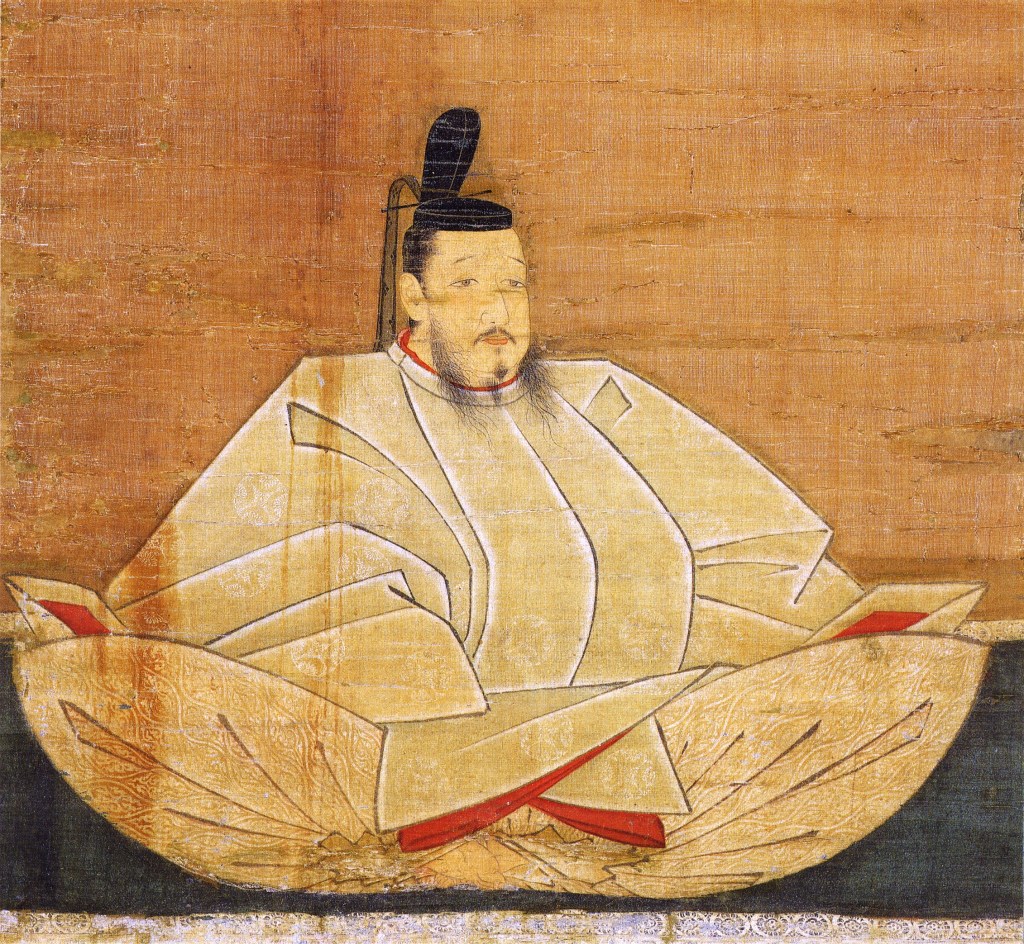
    Ashikaga Yoshimochi, the Fourth Shogun, and very much not his father’s son.

    Unfortunately for the Ashikaga, Yoshimochi turned out not to be his father’s son. No longer under Yoshimasa’s influence, he ended the Chinese trade in 1411 (it would be reinstated later), and in 1415, he faced a serious uprising from loyalists of the former Southern Court, showing that that particular problem had not been resolved.

    More seriously, in 1416, a major rebellion broke out in the Kanto Region, when the locally powerful Uesugi Clan rose up against the Kamakura Kubo, the semi-autonomous military governor in the region.

    Now, this is a bit complex, so pay attention. The Kamakura Kubo had, since the formation of the Ashikaga Shogunate, been in the hands of a branch of the Ashikaga Family, descended from one of the sons of the first Ashikaga Shogun, Takauji. Therefore, as with a lot of Japanese history it was possible to have Ashikaga on both sides of any conflict, going forwards I’ll make sure to be clear which branch of the family I’m talking about, but it’s a bit of headache.

    Confused genealogy aside, the Kubo was, much like their cousins in Kyoto, surrounded by Samurai Clans who were often stronger than the local government. In the Kanto, the most powerful family was the aforementioned Uesugi, and they’d been a real thorn in the side of the Kamakura Ashikaga from the start.

    The Uesugi had often held the title of Kanto Kanrei, which is basically the Shogun’s Deputy in the Kanto Region, in which Kamakura lies. Unsurprisingly, the Kamakura Ashikaga and the Uesugi spent most of their time butting heads, and in 1415, a particularly serious disagreement led to the Uesugi being stripped of the kanrei position.

    You can probably guess what happened next. The Uesugi refused to accept that, and one thing led to another until in late 1416, they rose in rebellion, taking Kamakura in October. Confused reports reached Kyoto later in the month, some of which suggested that the Kamakura Kubo, Mochiuji, was already dead.

    When it became clear that he was, in fact, alive, the Shogun dispatched an army made up of loyal clans to the Kanto to put the rebellion down. This they did, and the Uesugi forces were decisively defeated at the Battle of Seyahara in January 1417, after which their power was severely curtailed.

    In the aftermath, Shogun Yoshimochi accused his brother, Yoshitsugu (who had been that potential rival to the throne we mentioned earlier), of being complicit in, or even behind the rebellion. Yoshitsugu pleaded his innocence (as you do), but, fearing for his life, fled the capital and became a monk.

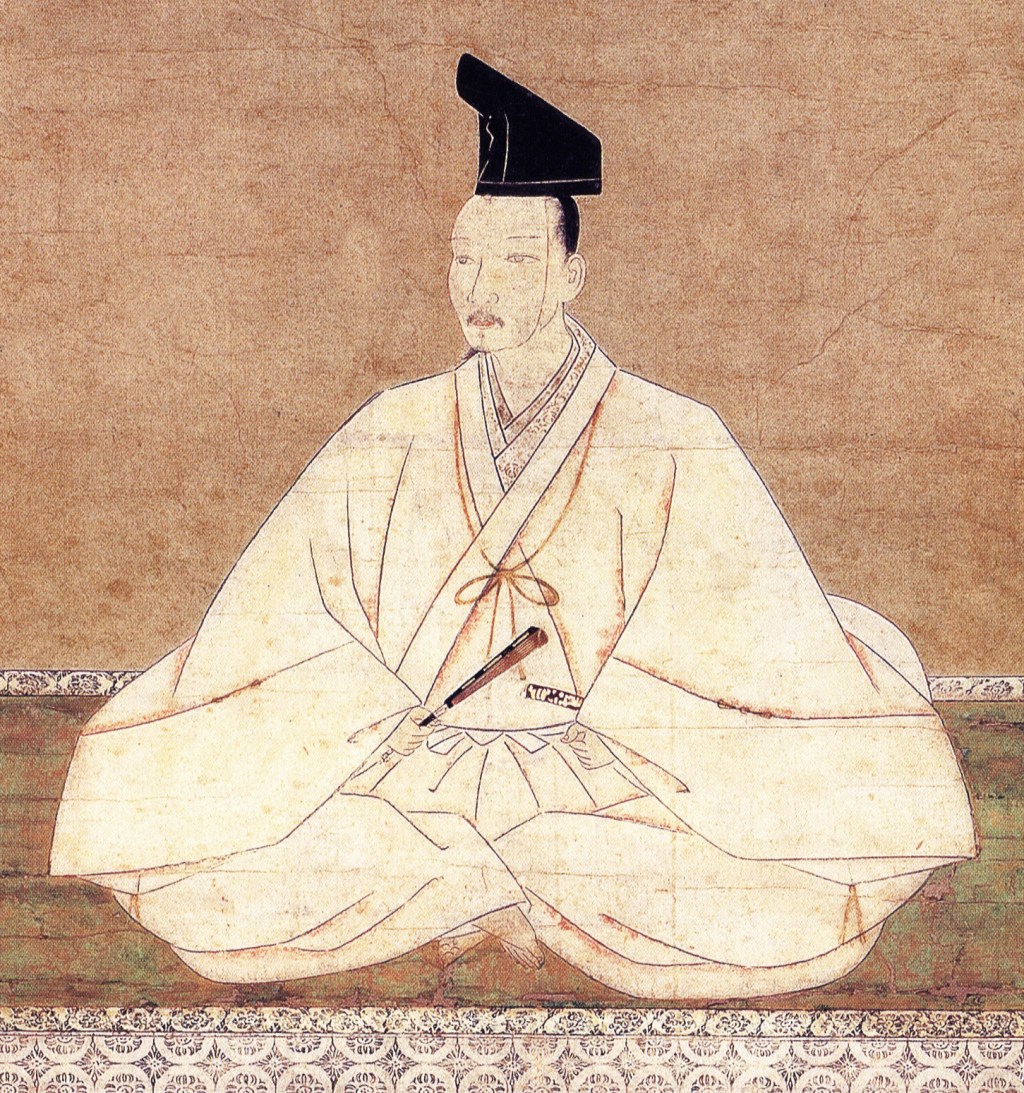
    Ashikaga Yoshitsugu, who was accused of plotting rebellion by his brother, and killed in 1418.

    That didn’t save him, and in 1418, he either committed suicide or was murdered on his brother’s orders. The man accused of his assassination was later denounced for apparently having an affair with one of the Shogun’s concubines and killed himself, which is just one of those salacious side stories that make studying history such a joy.

    The seeds of more trouble in the Kanto were sown when Mochiuji pursued a policy of revenge against those who had rebelled, despite the Shogun’s official desire for reconciliation. Direct conflict would be a while in coming, but the increasingly defiant Kanto Lords could not be ignored forever.

    Sources

    https://ja.wikipedia.org/wiki/%E8%B6%B3%E5%88%A9%E7%BE%A9%E5%97%A3
    https://ja.wikipedia.org/wiki/%E5%8C%97%E5%B1%B1%E6%96%87%E5%8C%96
    https://ja.wikipedia.org/wiki/%E6%97%A5%E6%98%8E%E8%B2%BF%E6%98%93
    https://ja.wikipedia.org/wiki/%E6%A5%A0%E8%91%89%E8%A5%BF%E5%BF%8D
    https://en.wikipedia.org/wiki/Kinkaku-ji
    https://ja.wikipedia.org/wiki/%E8%B6%B3%E5%88%A9%E7%BE%A9%E6%8C%81
    https://ja.wikipedia.org/wiki/%E4%B8%8A%E6%9D%89%E7%A6%85%E7%A7%80%E3%81%AE%E4%B9%B1
    https://ja.wikipedia.org/wiki/%E8%B6%B3%E5%88%A9%E6%8C%81%E6%B0%8F#%E5%AE%98%E6%AD%B4
    https://ja.wikipedia.org/wiki/%E6%96%AF%E6%B3%A2%E7%BE%A9%E5%B0%86#%E7%AE%A1%E9%A0%98%E5%B0%B1%E4%BB%BB%E3%81%A8%E5%A4%B1%E8%84%9A
    https://ja.wikipedia.org/wiki/%E9%81%A3%E6%98%8E%E8%88%B9