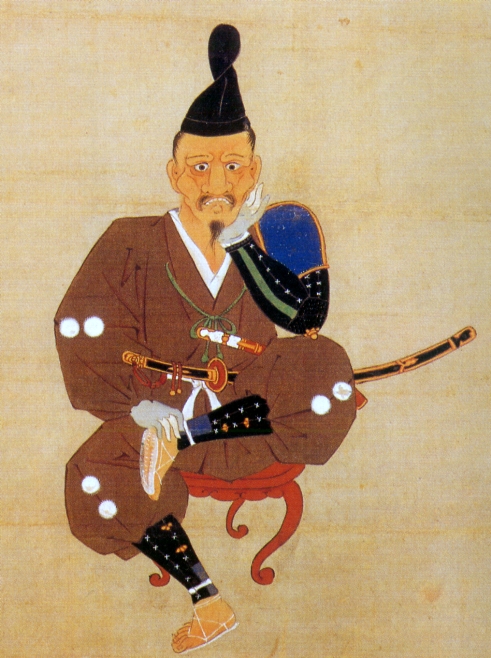
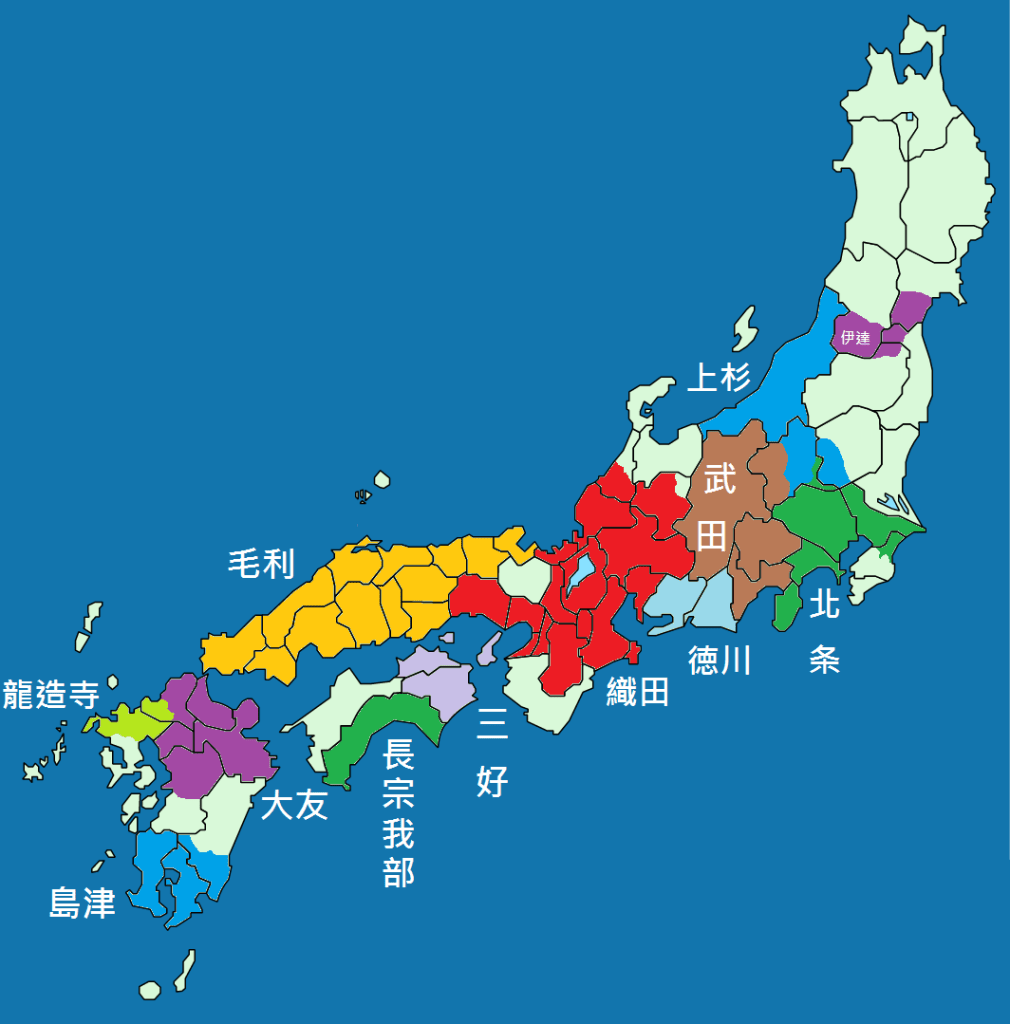
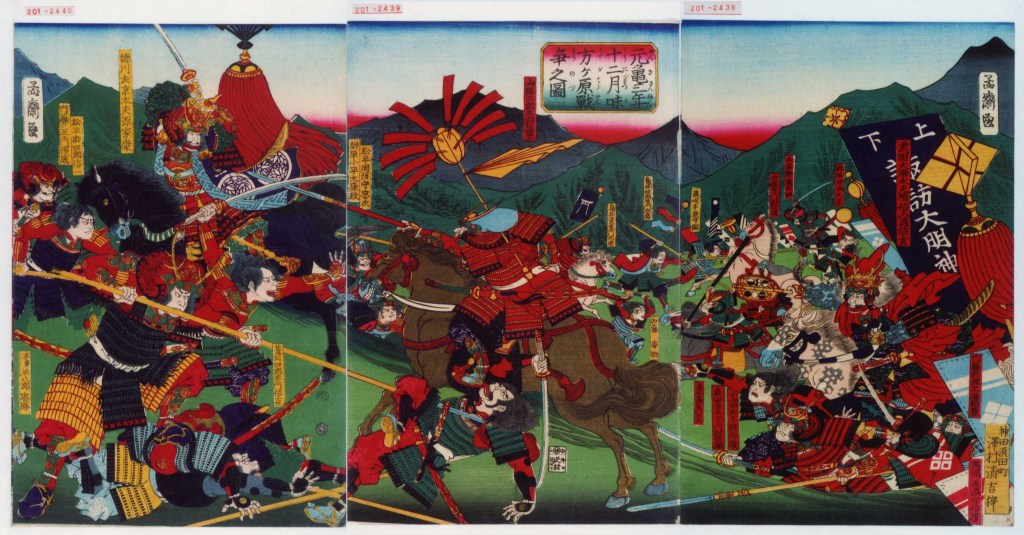
After the disastrous Battle of Mikatagahara in January 1573, contemporaries might have been forgiven for thinking that Tokugawa Ieyasu was finished. His army had been defeated and scattered, several important fortresses had fallen, and Takeda forces were camped deep inside his home province of Mikawa.
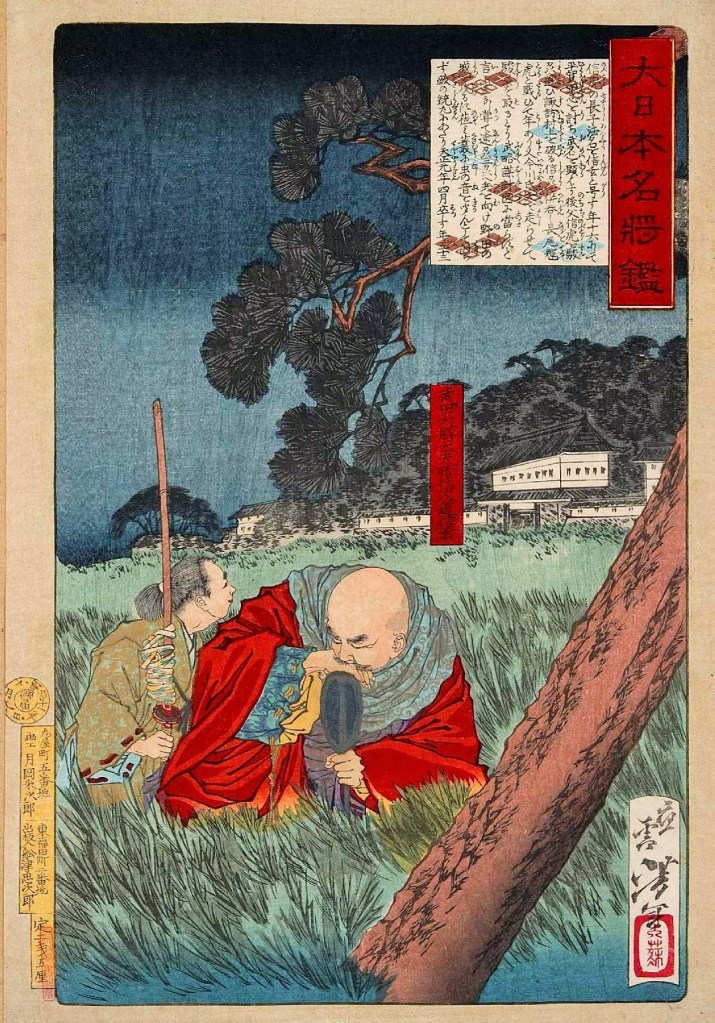
Fate, however, was on Ieyasu’s side. Though Mikatagahara had been a catastrophe, the Takeda would prove unable to take advantage of their victory. Not long after the Battle, Takeda Shingen, arguably the most formidable warrior of his day, fell ill (some sources say he was wounded in battle, though later stories of Ninja assassinations are likely mythological).
With their leader bedridden, the Takeda campaign stalled. They tried to keep the full extent of his illness secret, but when Shingen died in May, the once-mighty Takeda army began a full retreat from Mikawa. The Art of War writes that a general should know his enemy, and Ieyasu, student of war that he was, seems to have realised that something was amiss.
Under Shingen, the Takeda were aggressive and highly capable, but after his (still secret) death, Ieyasu identified several weaknesses and launched a counter-attack, the success of which effectively confirmed his theory that Shingen was gone. With the momentum swinging back towards the Tokugawa, several clans that had defected to the Takeda switched sides again, and Ieyasu was able to swiftly regain the strength lost at Mikatagahara.
Shingen’s successor, Katsuyori, has been remembered as a poor imitation of his father, though much of what was recorded about him was written by his enemies. In the short term, however, Katsuyori and Ieyasu were fairly evenly matched, and throughout 1574 and into 1575, they traded blows, with the momentum shifting back and forth.
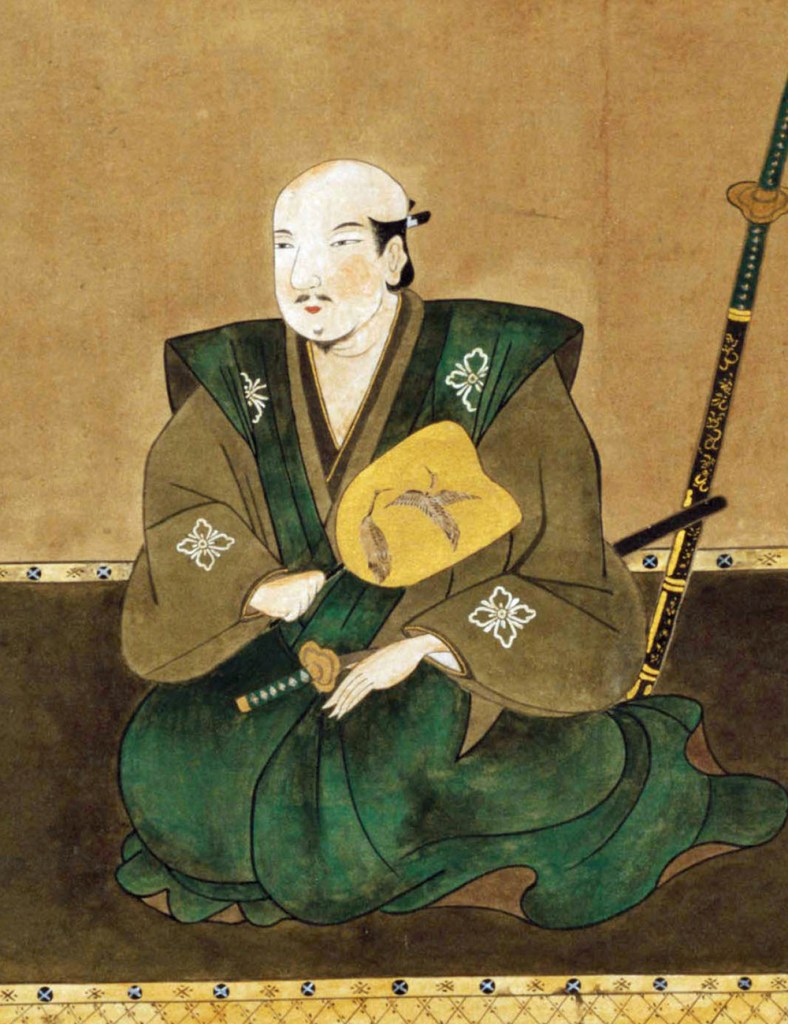
Ieyasu had something that Katsuyori didn’t, however, a powerful ally. The death of Shingen had removed a serious (possibly existential) threat to the ambitions of Oda Nobunaga, and in 1575, he was finally able to dispatch significant forces to support Ieyasu’s ongoing campaign against the Takeda.
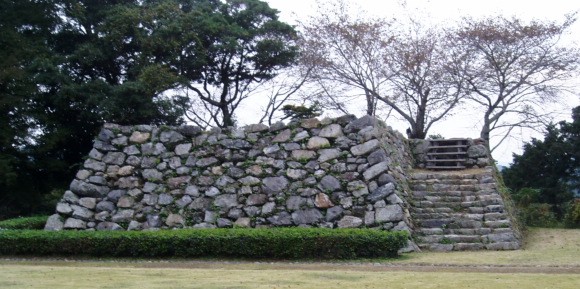
In early 1575, Takeda forces once again advanced against Mikawa province, laying siege to the strategically important Nagashino Castle. Sources suggest that the Takeda invested the castle with 15,000 men, whilst the defenders numbered only 500. Despite the disparity in strength, the fortress was situated in terrain that made it difficult for the Takeda to bring their full forces to bear, and for a time, the garrison held out.
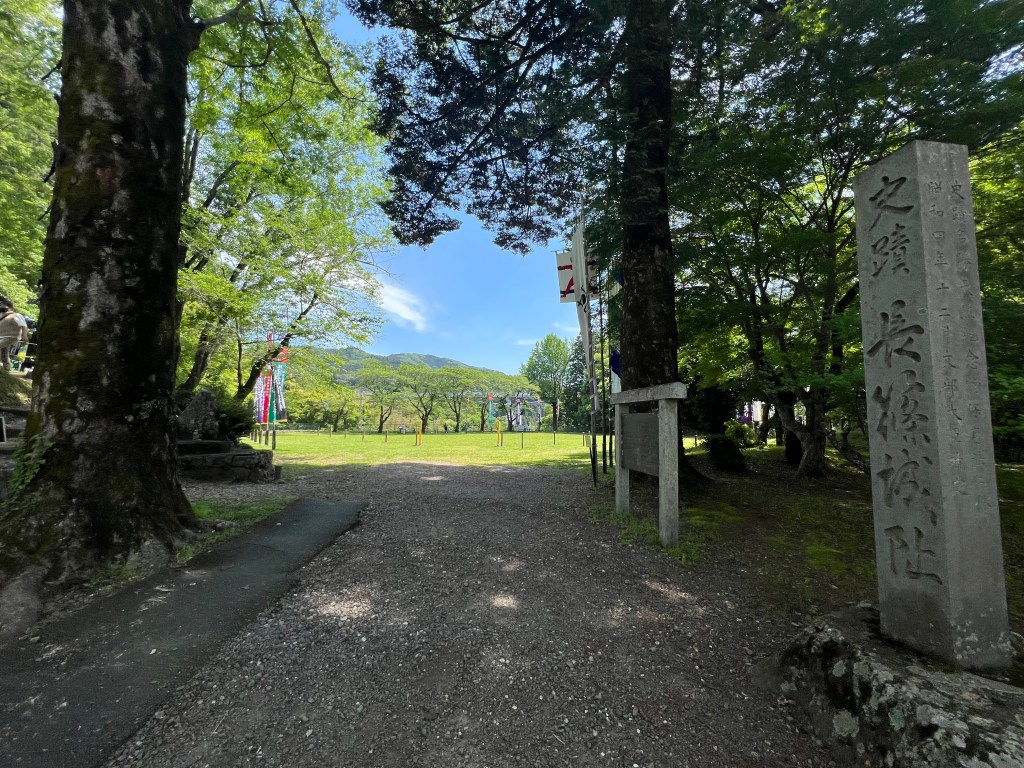
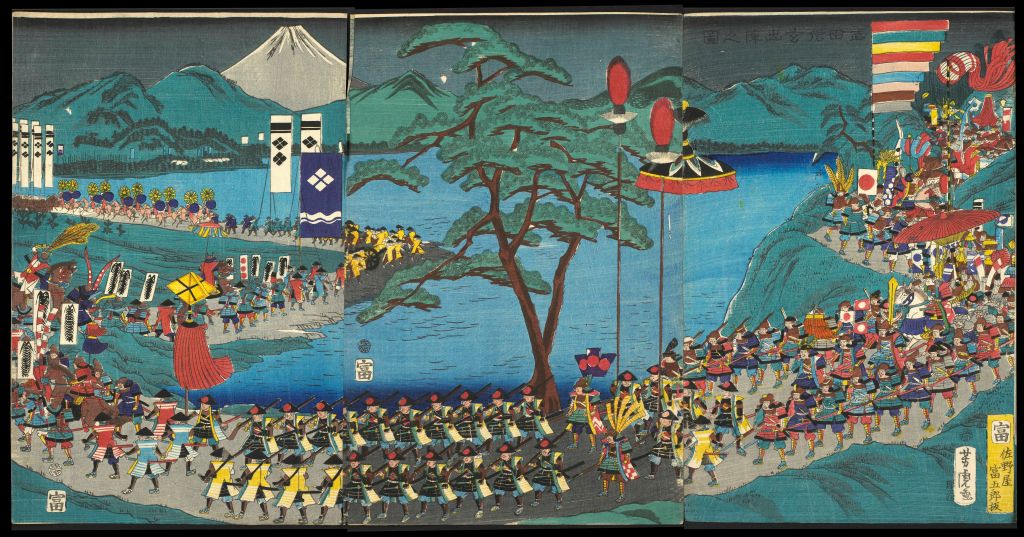
The situation changed dramatically, however, when the garrison’s food supplies were burned. In response, a messenger, Torii Suneemon, slipped through Takeda’s lines and made it to a combined Oda-Tokugawa army that was supposed to have numbered some 38,000 men (30,000 Oda and 8,000 Tokugawa, which goes some way to demonstrating the power dynamic in this ‘alliance’.)
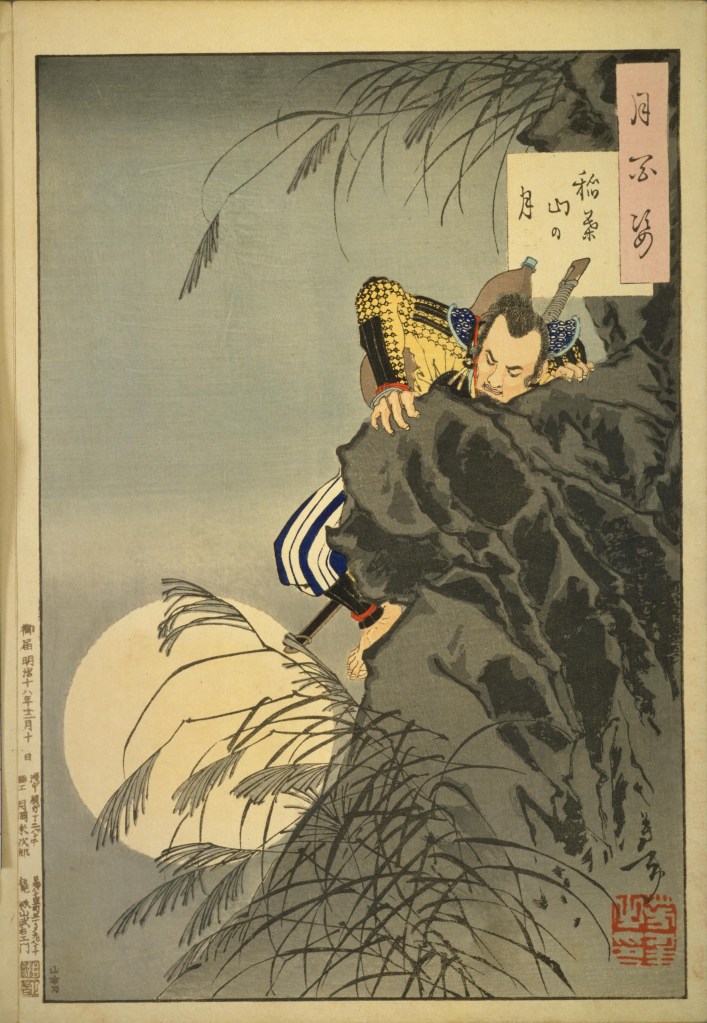
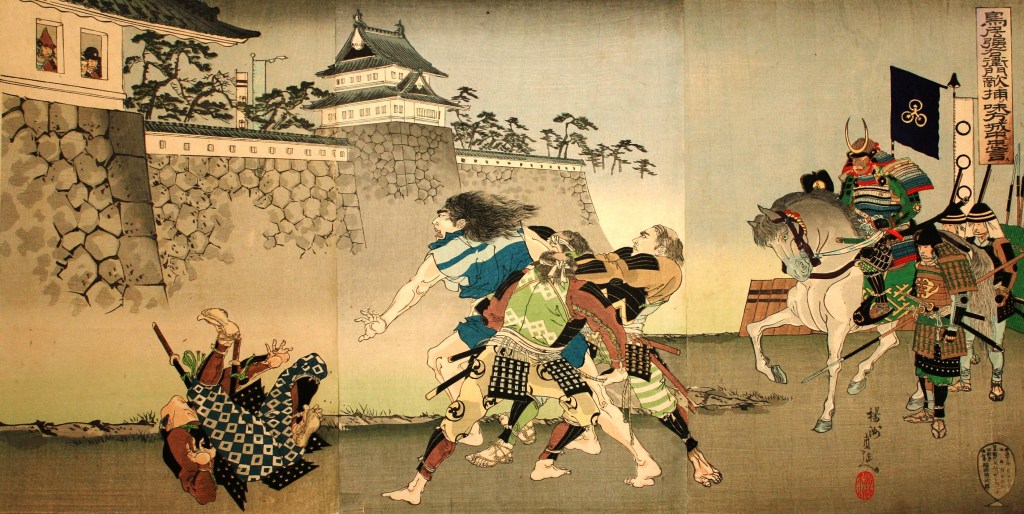
Suneemon then tried to return to Nagashino to inform the garrison that help was on the way, but he was instead captured by the Takeda. Katsuyori offered him a deal: if he told the garrison that no help was coming, he’d be set free. Instead, Sunemon shouted that relief was on the way, and the garrison should hold out, for which he was crucified in full view of the walls.
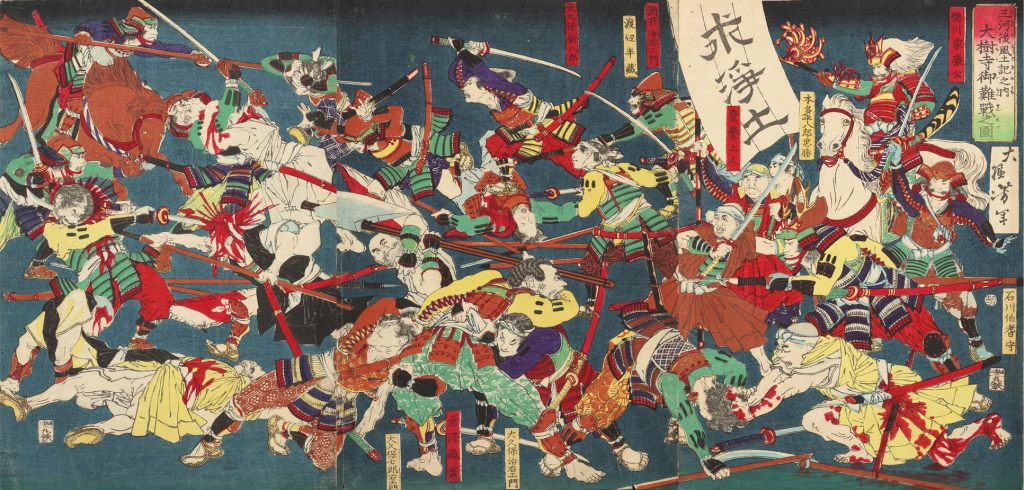
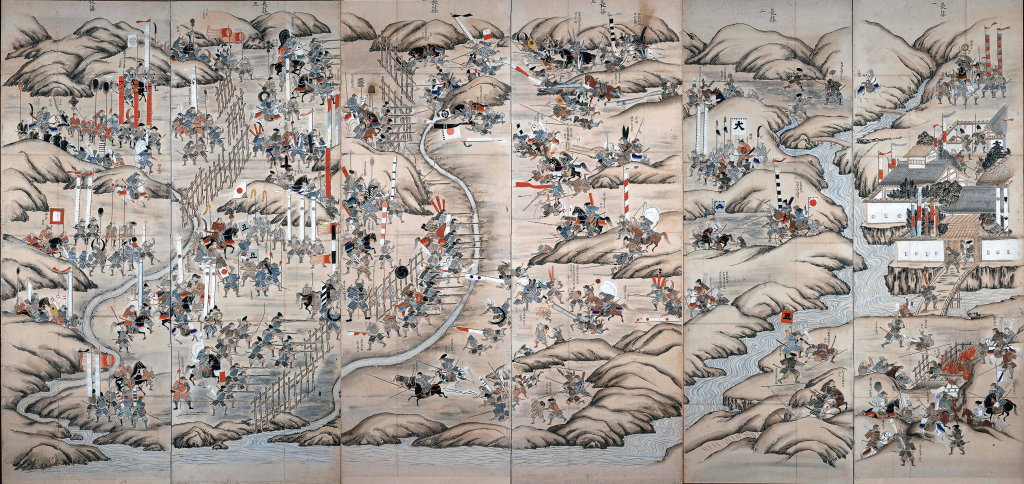
When the Oda-Tokugawa forces arrived two days later, the garrison was still holding out, and the Takeda turned to give battle. Although the Battle of Nagashino is one of the most famous and decisive battles of the Sengoku Jidai, scholars disagree on what actually happened. Nagashino has long been famous for Nobunaga’s innovative use of massed firearms, with thousands of foot soldiers firing in a three-rank system that kept up a constant hail of fire that decimated the Takeda’s famous cavalry charge.
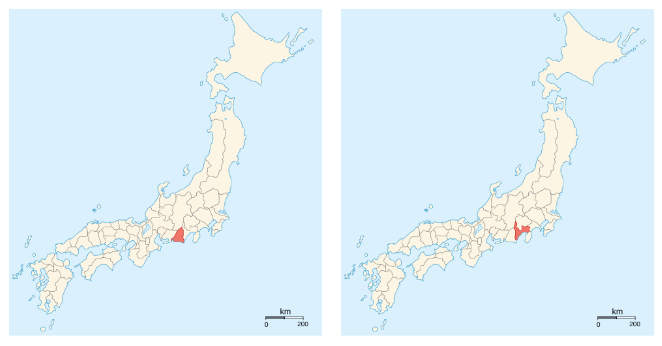
The exact number of firearms and the tactics used are still debated, but what is known for sure is that Nagashino represented a blow to the Takeda Clan from which they would never recover. In the aftermath, both Ieyasu and Nobunaga moved to take advantage, extending their control over Suruga and Totomi Provinces, and boxing the Takeda up in their traditional home in Kai and Shinano Province (modern Yamanashi and Nagano prefectures)
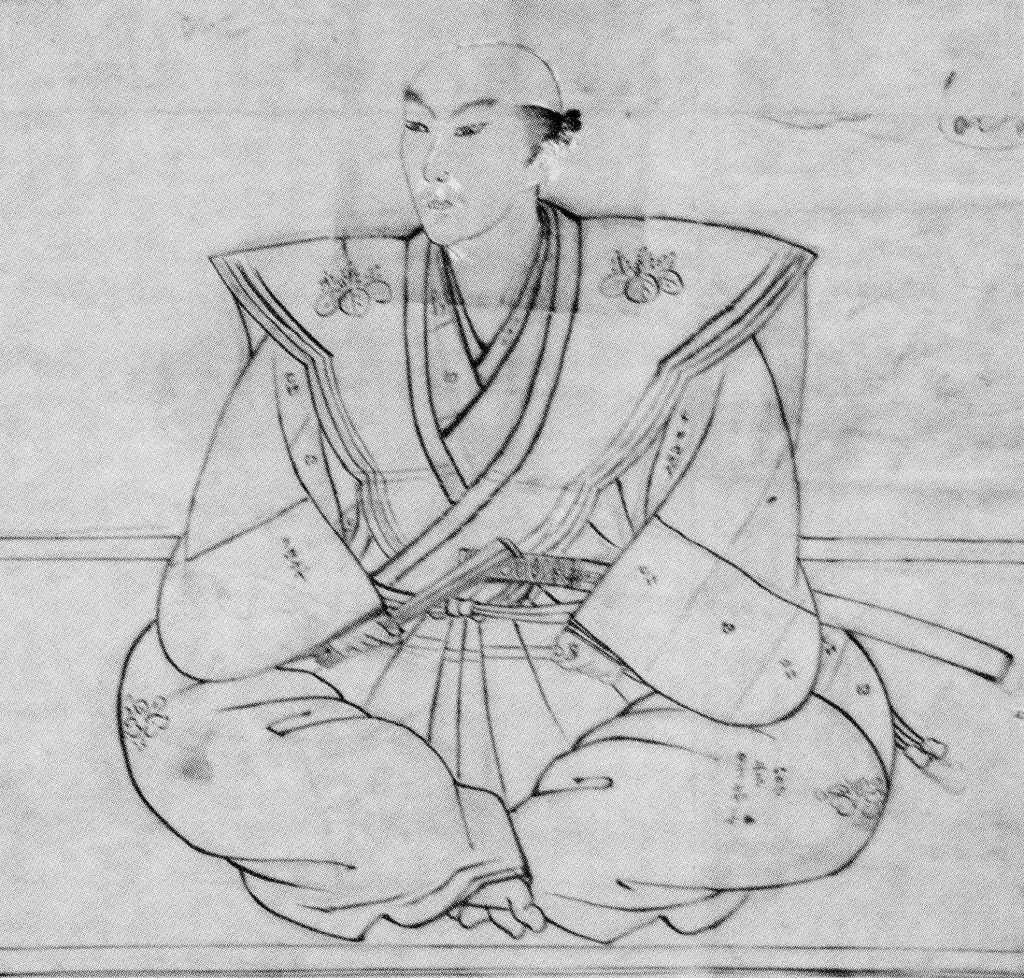
Though Ieyasu had been on the winning side, the victory over the Takeda would mark the time when his relationship with Nobunaga ceased to be an alliance of equals. There was no disputing Nobunaga’s power by this point, and the resources at his disposal dwarfed anything Ieyasu could deploy. Consequently, in the aftermath of Nagashino, Ieyasu found himself a vassal to the Great Lord.
Perhaps the best evidence of how far the relationship had shifted came in 1579, when, on Nobunaga’s order, Ieyasu had his wife and eldest son put to death on suspicion of conspiring with the Takeda to arrange Nobunaga’s assassination.
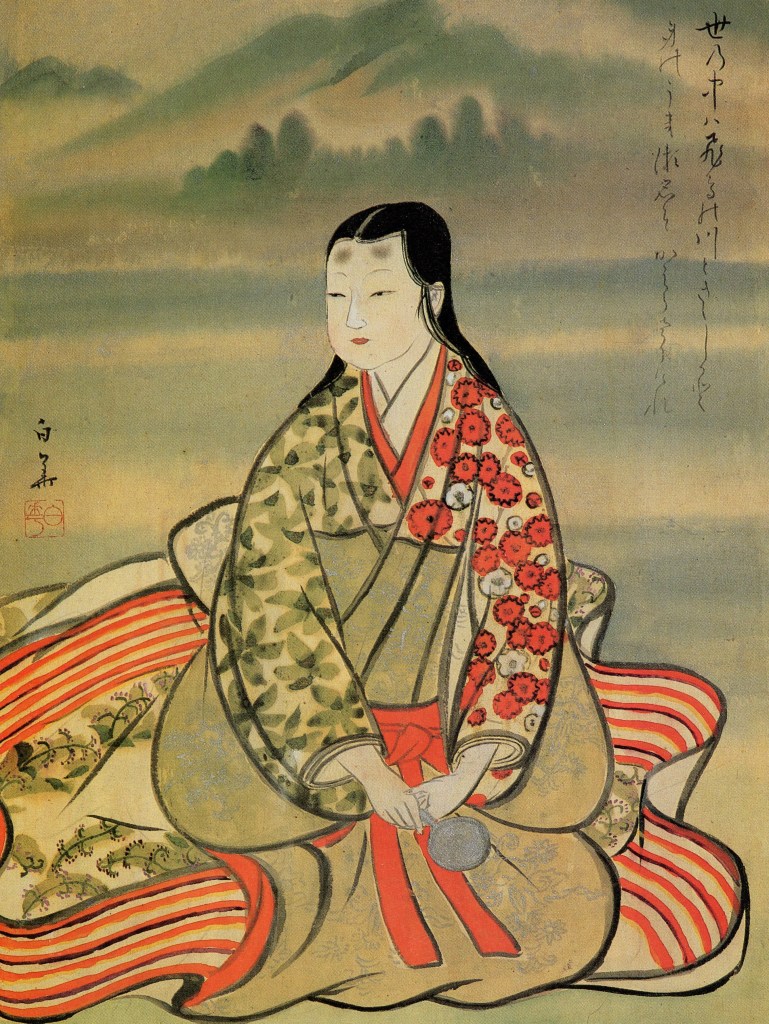
The long-held theory was that Lady Tsukiyama, Ieyasu’s wife, and his eldest son, Nobuyasu, were indeed conspiring with the Takeda. Some sources portray Lady Tsukiyama as a scheming, evil woman who seduced men into joining her plot, whilst Nobuyasu is said to have been a cruel, vindictive psychopath who committed acts such as shooting random peasants dead during festivals for no reason other than that they danced poorly.
The catalyst for their death was apparently Nobunaga’s daughter, Tokuhime, who just so happened to be married to Nobuyasu. It is said that she hated her mother-in-law so much that she concocted the entire plot to have both of them removed.
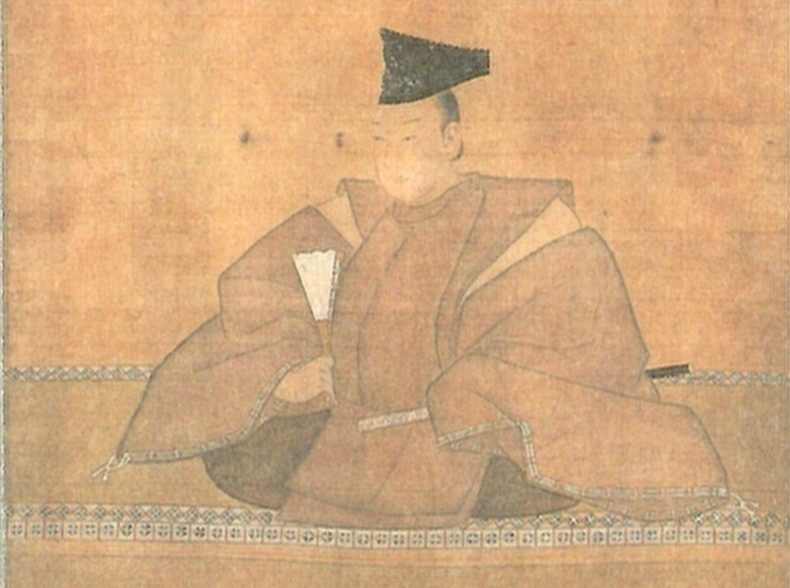
There is another school of thought that suggests Nobunaga had nothing to do with the incident and that Ieyasu and Nobuyasu were instead engaged in a long-term feud. Nobuyasu, apparently supported by his mother, is said to have defied his father’s orders and even been plotting open rebellion, with or without the support of the Takeda.
Faced with such a direct threat to his authority, Ieyasu sought the advice of his overlord, Nobunaga (who also happened to be Nobuyasu’s father in law), who is said to have instructed that, as the matter was an internal family affair, that Ieyasu should do as he thought best, resulting in the execution of Lady Tsukiyama, and Nobuyasu’s seppuku.
Whether Nobunaga gave the order or Ieyasu acted on his own initiative, this incident highlights the situation Ieyasu faced in the late 1570s. Subordinate to Nobunaga’s power, and insecure at home, despite his successes, there was still no reason to believe that Ieyasu was going to be anything other than a footnote in another man’s story.
Sources
https://ja.wikipedia.org/wiki/%E5%BE%B3%E5%B7%9D%E5%AE%B6%E5%BA%B7
https://ja.wikipedia.org/wiki/%E7%AF%89%E5%B1%B1%E6%AE%BF
https://ja.wikipedia.org/wiki/%E6%9D%BE%E5%B9%B3%E4%BF%A1%E5%BA%B7
https://ja.wikipedia.org/wiki/%E9%95%B7%E7%AF%A0%E3%81%AE%E6%88%A6%E3%81%84
https://ja.wikipedia.org/wiki/%E4%B8%89%E6%96%B9%E3%83%B6%E5%8E%9F%E3%81%AE%E6%88%A6%E3%81%84
https://ja.wikipedia.org/wiki/%E6%AD%A6%E7%94%B0%E5%8B%9D%E9%A0%BC
https://ja.wikipedia.org/wiki/%E6%AD%A6%E7%94%B0%E4%BF%A1%E7%8E%84