Tag: Date Clan

  • Kings in the North, Part 3

    Kings in the North, Part 3

    Last time, we looked at how Date Masamune defied an order from Toyotomi Hideyoshi to end his local wars. In 1590, the Date were summoned to take part in the upcoming campaign against the Hojo, based at Odawara, and Masamune knew better than to push his luck. Hideyoshi, however, had not forgotten his earlier defiance.
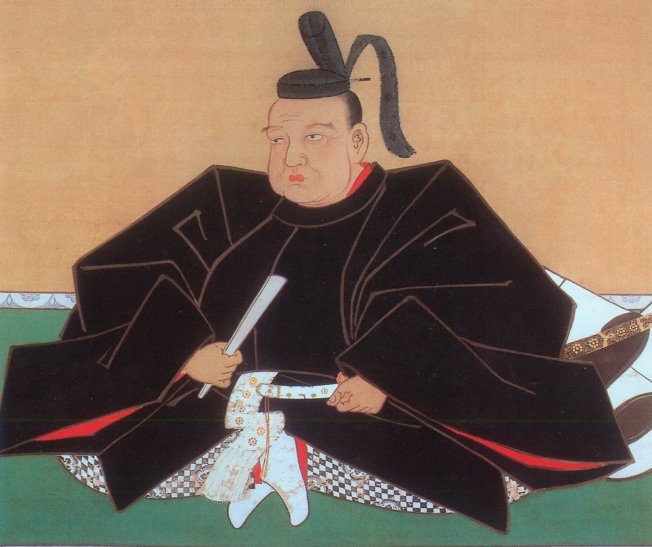
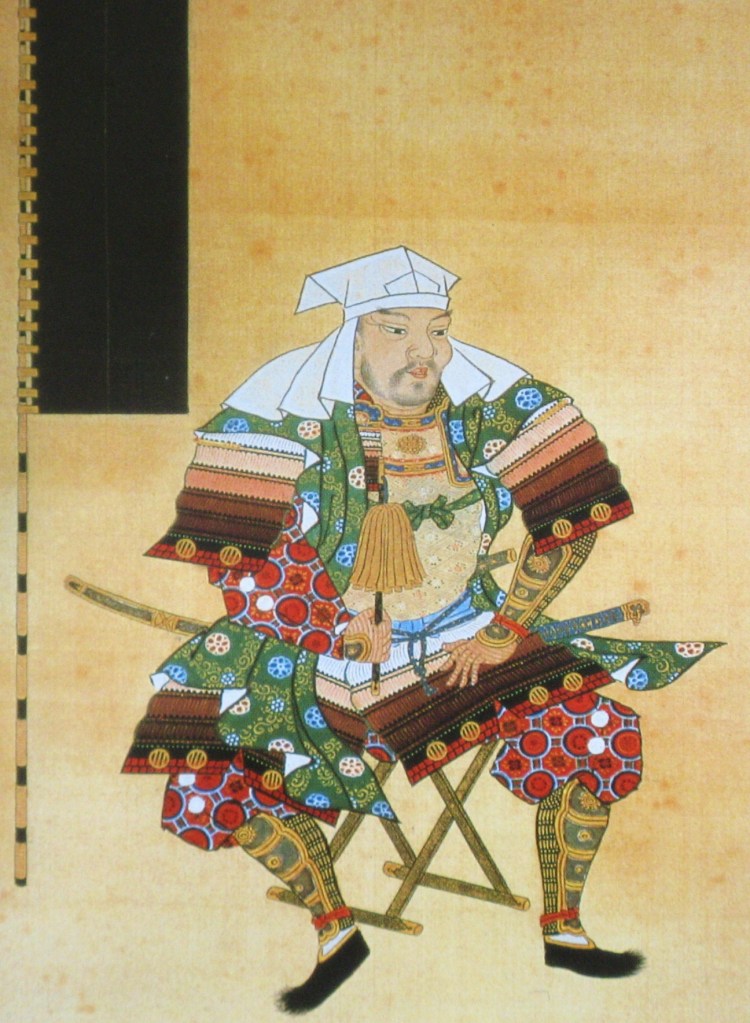
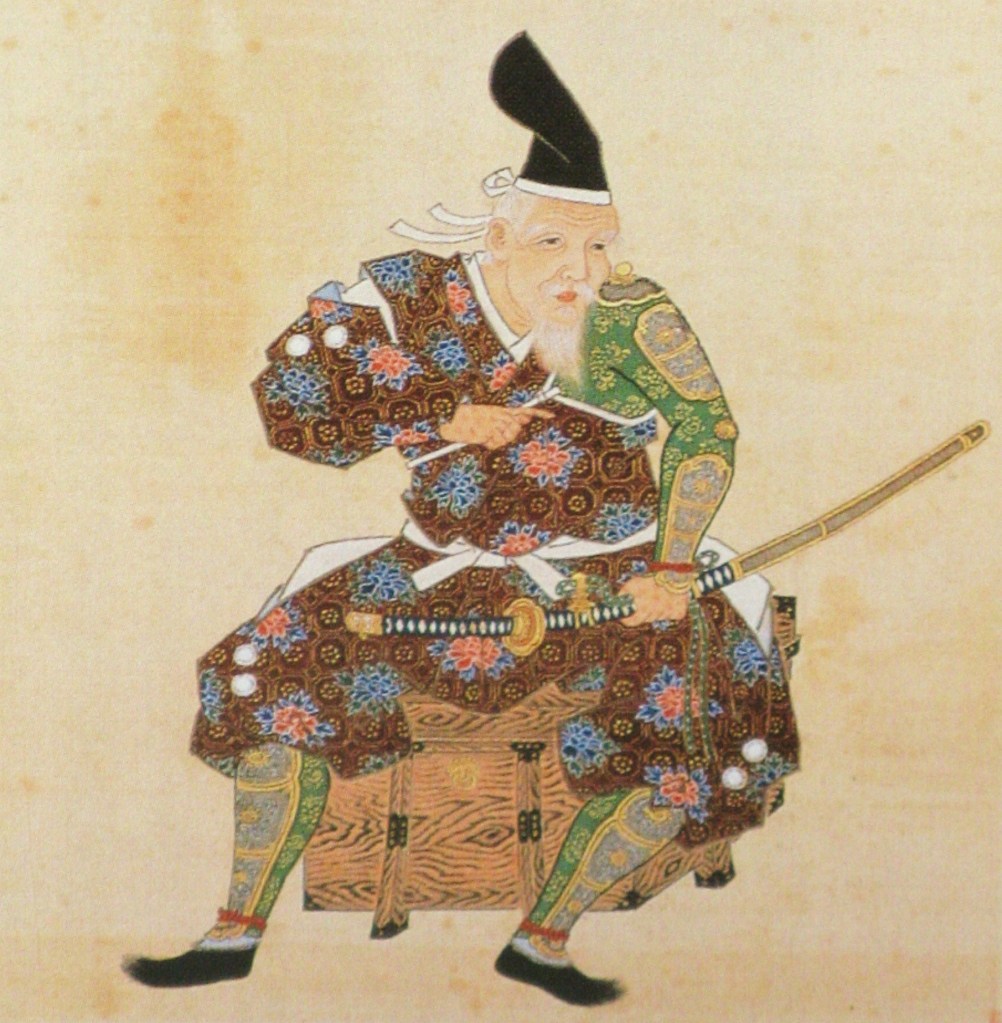
    Date Masamune

    When Masamune arrived at Odawara, he was stripped of all the territory he had taken in Aizu and confined to the 13 counties in Mutsu and Dewa Provinces that the Date had controlled before the peace order, obliging Masamune to leave the recently conquered Kurokawa Castle and return to his family’s seat at Yonezawa. In 1591, a rebellion broke out in Masamune’s home province, and after he put it down, letters were ‘found’ that implicated Masamune in instigating the violence.

    The rumours reached Hideyoshi in Kyoto, and he ordered Masamune to come in person to explain himself, which he promptly did, eventually being pardoned, but having his territory reduced still further. Despite the fact that Masamune then fought in Hideyoshi’s invasion of Korea, it wasn’t long before further rumours of treason surrounded him.

    In 1595, Hideyoshi’s nephew, Hidetsugu, was accused of treason, allegedly plotting either to overthrow his uncle or else usurp the regency after his death. Even at the time, the accusations were considered dubious, and the exact reasons are still murky today, but Hidetsugu was obliged to commit seppuku, and 39 members of his family and household were purged (read, murdered).

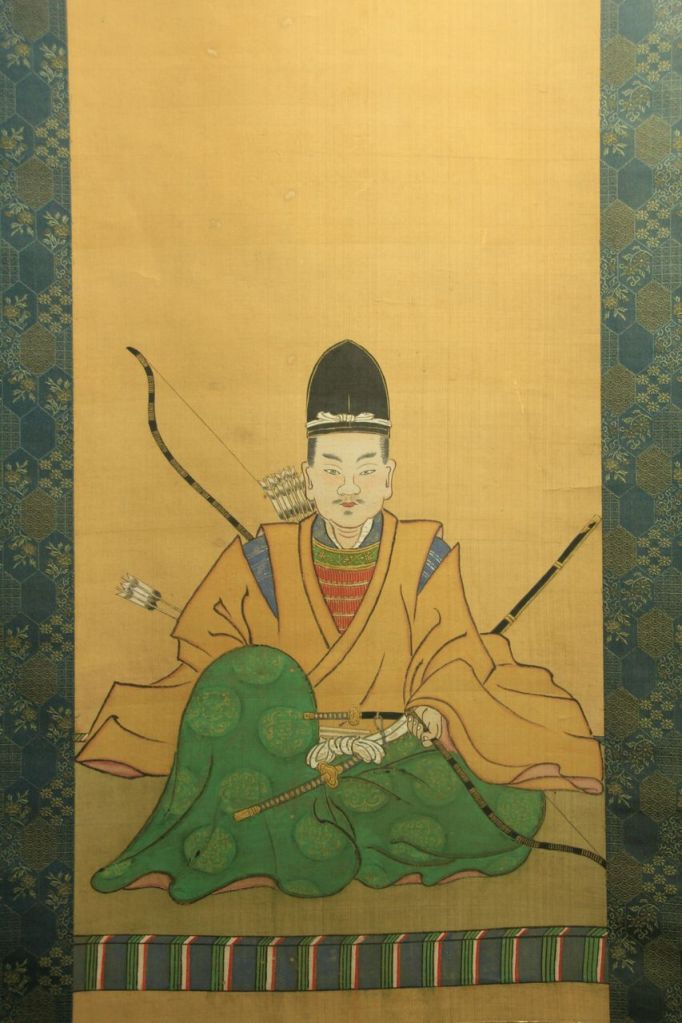
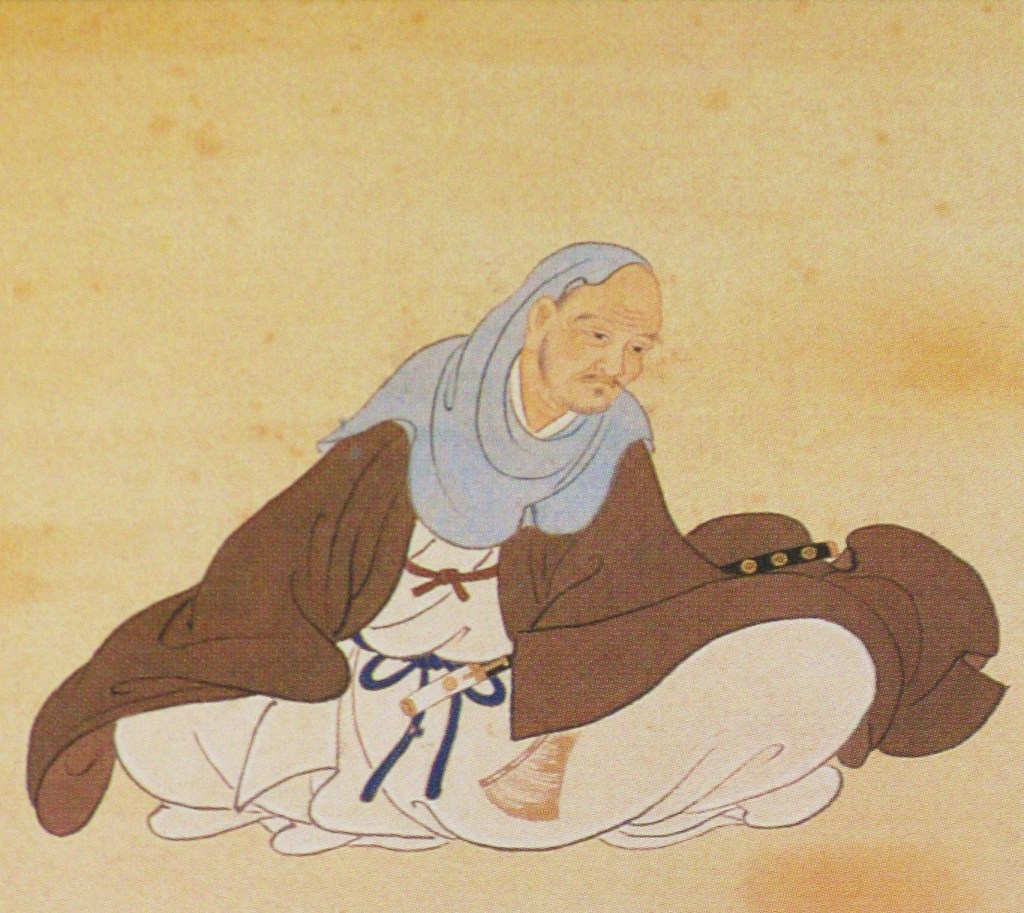
    Toyotomi Hidetsugu. The accusations of his treasonous conduct were considered dubious even at the time.

    The brutality of the crackdown and the somewhat flimsy evidence would eventually backfire for Hideyoshi, but for now, we can focus on how this purge would eventually involve Masamune. He and Hidetsugu had enjoyed a close relationship, and when accusations of treason were being thrown around, it didn’t take long for people to point that out.

    Masamune was summoned to explain himself once again. He had good reason to worry; his cousin had been Hidetsugu’s concubine (and had died in the purge), and it was widely thought that Hideyoshi believed that Masamune was guilty. In the end, a combination of Masamune’s eloquent denial and the intervention of several influential retainers led to his pardon. He was, however, obliged to sign a document, witnessed (and potentially enforced) by 19 powerful vassals, stating that if he were ever to commit treason, his position as head of his clan would be forfeit.

    Hideyoshi died in 1598, leaving his young son in the care of a council of five regents. Masamune was not on this council, but he quickly reached an understanding with Tokugawa Ieyasu, arguably the council’s most powerful member. In 1599, Masamune’s daughter married Ieyasu’s fifth son, something that was believed to be an example of Ieyasu securing illegal alliances, though modern scholars suggest that this is an example of a violation of the ‘spirit’ rather than the letter of the law.

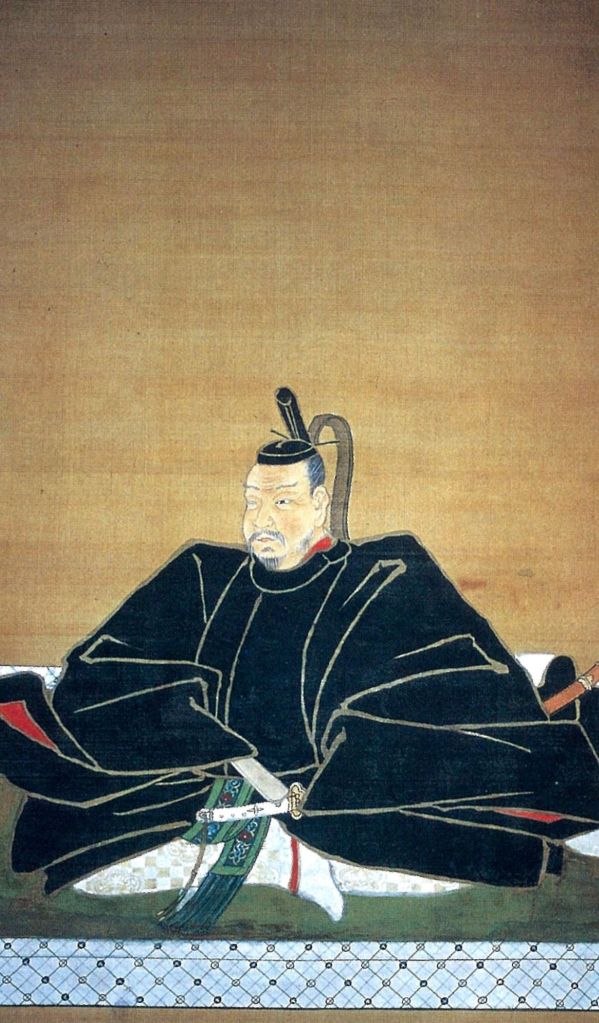
    Tokugawa Ieyasu. He found a willing ally in Masamune.

    By 1600, it had become clear that the Council of Regents was not going to last, and a new conflict swiftly broke out. Ieyasu secured the support of Masamune by promising to restore all the lands he had lost in 1590. Date forces would not be present at the decisive Battle of Sekigahara, however, and despite some successes against Ieyasu’s enemies in the north, an attempt to retake the promised territories by force was ultimately unsuccessful.

    Despite this, Masamune still petitioned Ieyasu for the return of the territory, which Ieyasu refused to do, and in fact, Date lands were reduced further (though they would remain the fifth richest clan by koku (rice production)). In 1601, Masamune moved his headquarters to Sendai, establishing the Sendai Domain, which would continue to be the centre of the Date Clan for the next 250 years.

    Though distant from the capital and never entirely trusted, Masamune would play a significant role in Japan’s future. In 1613, he ordered the construction of a European-style galleon, the San Juan Bautista. Masamune was the only Daimyo to receive permission from the Tokugawa to send missions overseas to represent Japan. The so-called Keicho Embassy departed Japan in October 1613, travelling across the Pacific to New Spain (modern Mexico) and from there, across the Atlantic to Europe. The embassy would receive an audience with the King of Spain in January 1615, and then one with the Pope in October of the same year. The Embassy would not return to Japan until 1620, by which time Christianity had been outlawed by the Shogunate, meaning that the Ambassador and anyone involved had come under suspicion.
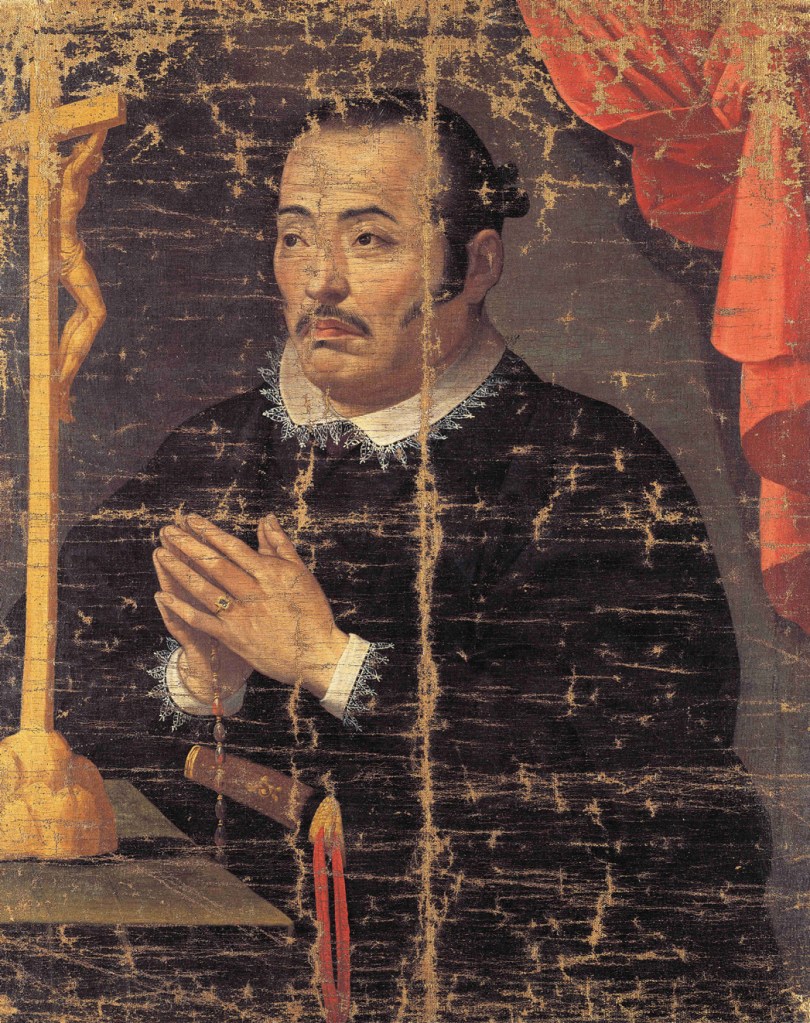
    A European portrait of Hasekura Tsunenaga, the ambassador in the Keicho Embassy. By the time he returned to Japan, Christianity had been outlawed, and his achievement as the first Japanese representative to Europe was largely forgotten.

    Meanwhile, Masamune at the Date had continued to support the new Shogunate, taking part in both Sieges of Osaka in 1614-15. However, once again, Masamune would find himself under attack by rumours of treason, this time after a supposed ‘friendly fire’ incident, in which Date troops fired on their allies. It’s not clear from surviving records if this incident actually happened, but in 1616, the rumour spread that Ieyasu planned to march against the Date.

    When the two men met in early 1616, Masamune was cleared of any suspicion, and after Ieyasu passed away in June of that year, any serious suggestion that the Date and Tokugawa would go to war seems to have died out (though later texts suggest that Masamune had a plan to fight the Shogunate, should it come down to it)

    With the age of constant civil war coming to an end, Masamune focused on developing his home territory. He ordered the construction of a canal that became the Teizan Canal (though it wouldn’t take its final form until the 19th century). He established a port at Ishinomaki, which was heavily damaged in a tsunami in 2011, and has since been largely rebuilt.

    The Teizan Canal as it appears today. Though largely remodelled in the 19th century, its origins lay with Masamune in the 1600s.

    He also developed agriculture in the Kitakami River basin, which remains a major rice producer to this day. In the Edo Period, the Sendai Domain was valued at around 620,000 koku, but produced in excess of 745,000 koku annually, indicating how effective Masamune’s investments had been, and how inefficient Japanese land valuation was in the pre-modern period.

    In his later years, Masamune would establish a warmer relationship with the Shogunate than he had known previously. When the third Shogun, Iemitsu, began to rule in his own right in 1632, he was said to have idolised Masamune, who by then was one of the last remaining Daimyo to have actually fought during the Sengoku period. The Shogun is said to have frequently asked Masamune for stories of the period, especially the battles he had fought, and what it had been like to serve Ieyasu and Hideyoshi (both of whom were legendary figures by that point)

    Masamune remained vigorous until late in life, but in 1634, he began to develop serious health problems, and his condition declined quickly before he eventually passed away in June 1636. His death was mourned in Edo, with the Shogun banning revelry, fishing, and even the playing of music for seven days afterwards.

    Zuihoden, in modern Sendai, the final resting place of Date Masamune.
    663highland 投稿者自身による著作物, CC 表示 2.5, https://commons.wikimedia.org/w/index.php?curid=2631054による

    Masamune’s reforms and investments had left the Date in a strong financial position, and the Clan would often be treated generally by the Shogunate, with the clan being one of the few ‘outside’ Daimyo (a clan that had not been a vassal of the Tokugawa before Sekigahara) who was granted a marriage into the Shogun’s family.

    Despite, or perhaps because of this, the third Lord, Tsunamune (Masamune’s grandson), proved to be something of a “rich kid” spending his days engaged in what is politely called “debauchery”. Although a certain amount of wine, women (or men), and song was expected of a Daimyo, Tsunamune was extreme to the point that his retainers tried to get rid of him. In August 1660, they petitioned the Shogunate directly, asking that Tsunamune be removed.

    The Shogunate agreed, replacing Tsunamune with his two-year-old son, Tsunamura. Given his young age, Tsunamura needed a regent, and what followed was a decade of violence as rival factions sought influence over the young Lord. Finally, in 1671, a meeting was called in the house of Sakai Tadakiyo, a roju (senior minister) in Edo.
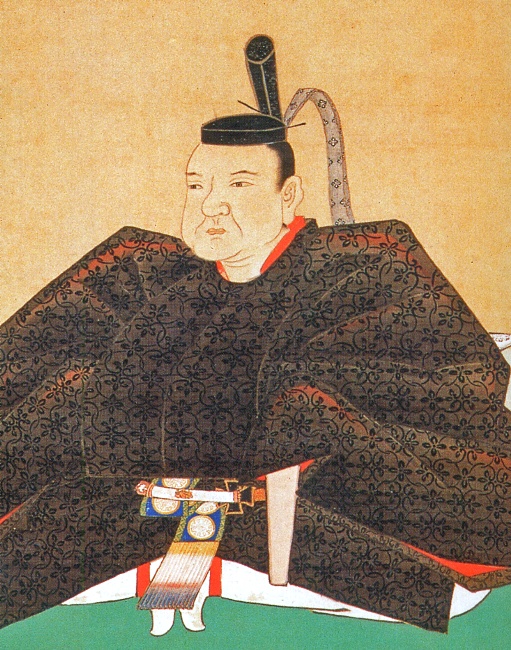
    Date Tsunamune, whose debauchery led to his downfall, and nearly that of his clan.

    What was supposed to be a peaceful meeting to seek a solution to the ongoing violence in Sendai quickly turned into a bloody brawl, and by the end of it, swords had been drawn, and several men lay dead. Tsunamune, as a child, was not held responsible, but the families of those responsible for the bloodshed were executed in turn (in line with the law at the time).

    As the Edo Period went on, the Sendai Domain, much like many Samurai holdings, began to suffer economic hardship. The problem was that the value of the land was estimated based on rice production in the 17th century, and by the early 19th century, those numbers simply didn’t add up.

    Financial problems didn’t stop the Date from remaining loyal to the Tokugawa; during the Boshin War in 1868-69, the Sendai Domain was central to the Shogunate’s efforts to retain power. The Shogunate would ultimately lose the war, and the Date had their lands confiscated, though they were partially restored in the peace that followed. With the abolition of the domains, the Date joined the new aristocracy and continued to serve the new Meiji regime into the 20th century.
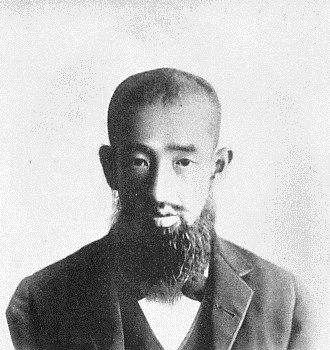
    Date Munemoto, the last lord (and first governor) of the Sendai Domain.

    The Date were not always on the right side of the law, however. One infamous member of the clan was Junnosuke, who was known for carrying a knife to school and, in 1909, was sentenced to 12 years in prison for shooting a fellow student during a brawl. His sentence was eventually suspended when his lawyer ‘proved’ it was self-defence. In 1916, he left Japan for Manchuria (not yet under Japanese rule at that point), where he joined the Manchurian Independence Movement.

    He had a varied career after this, serving in the Border Guards in Korea (then under Japanese control), but in 1923, he seems to have been operating as little more than a bandit in and around the Shandong Peninsula. In 1931, he became a naturalised Chinese citizen, but in 1937, he was at the head of some 4000 soldiers from Manchukuo and took part in the Japanese invasion of China; however, his unit was disbanded in 1939. After the war, he was caught by the Chinese, tried as a war criminal, and shot in 1948, bringing a violent career to a violent end.
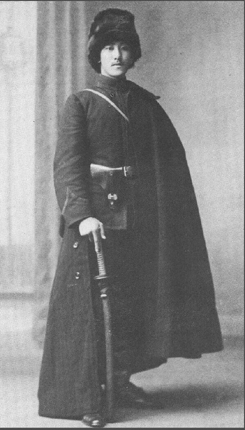
    Date Junnosuke in the uniform of a Border Guard.

    In the interest of ending things on a lighter note, another descendant of the Date clan (a branch of it, anyway) is Date Mikio, one half of the famous comedy duo Sandwichman, who have won many awards and are arguably one of Japan’s most prolific duos, so that’s nice.

    The main branch of the Date Clan survives into the modern era as well, with the current head, Date Yasumune, serving as a curator of the Zuihoden Museum, burial place of Date Masamune, and a repository for numerous artefacts related to the clan.

    Sources
    https://ja.wikipedia.org/wiki/%E4%BC%8A%E9%81%94%E9%A8%92%E5%8B%95
    https://en.wikipedia.org/wiki/Date_S%C5%8Dd%C5%8D
    https://ja.wikipedia.org/wiki/%E6%96%B0%E7%99%BA%E7%94%B0%E9%87%8D%E5%AE%B6
    https://en.wikipedia.org/wiki/Date_Masamune
    https://en.wikipedia.org/wiki/Tokugawa_Ieyasu
    https://ja.wikipedia.org/wiki/%E4%BC%8A%E9%81%94%E7%B6%B1%E5%AE%97
    https://ja.wikipedia.org/wiki/%E4%BC%9A%E6%B4%A5
    https://ja.wikipedia.org/wiki/%E4%BA%8C%E6%9C%AC%E6%9D%BE%E5%9F%8E
    https://ja.wikipedia.org/wiki/%E8%8B%A5%E6%9D%BE%E5%9F%8E
    https://ja.wikipedia.org/wiki/%E6%91%BA%E4%B8%8A%E5%8E%9F%E3%81%AE%E6%88%A6%E3%81%84
    https://ja.wikipedia.org/wiki/%E8%B1%8A%E8%87%A3%E7%A7%80%E6%AC%A1
    https://ja.wikipedia.org/wiki/%E3%82%B5%E3%83%B3%E3%83%BB%E3%83%95%E3%82%A1%E3%83%B3%E3%83%BB%E3%83%90%E3%82%A6%E3%83%86%E3%82%A3%E3%82%B9%E3%82%BF%E5%8F%B7
    https://ja.wikipedia.org/wiki/%E4%BB%99%E5%8F%B0%E8%97%A9
    https://ja.wikipedia.org/wiki/%E6%85%B6%E9%95%B7%E9%81%A3%E6%AC%A7%E4%BD%BF%E7%AF%80
    https://ja.wikipedia.org/wiki/%E7%9F%B3%E5%B7%BB%E6%B8%AF
    https://ja.wikipedia.org/wiki/%E8%B2%9E%E5%B1%B1%E9%81%8B%E6%B2%B3
    https://ja.wikipedia.org/wiki/%E4%BC%8A%E9%81%94%E6%94%BF%E5%AE%97
    https://ja.wikipedia.org/wiki/%E4%BC%8A%E9%81%94%E6%B0%8F
    https://ja.wikipedia.org/wiki/%E4%BC%8A%E9%81%94%E9%A0%86%E4%B9%8B%E5%8A%A9
    https://ja.wikipedia.org/wiki/%E4%BC%8A%E9%81%94%E6%B3%B0%E5%AE%97
    https://ja.wikipedia.org/wiki/%E3%82%B5%E3%83%B3%E3%83%89%E3%82%A6%E3%82%A3%E3%83%83%E3%83%81%E3%83%9E%E3%83%B3_(%E3%81%8A%E7%AC%91%E3%81%84%E3%82%B3%E3%83%B3%E3%83%93)
    https://ja.wikipedia.org/wiki/%E4%BC%8A%E9%81%94%E5%AE%97%E5%9F%BA
  • Kings in the North, Part 2

    Kings in the North, Part 2

    This is the 50th post on this blog. Well done for getting this far.

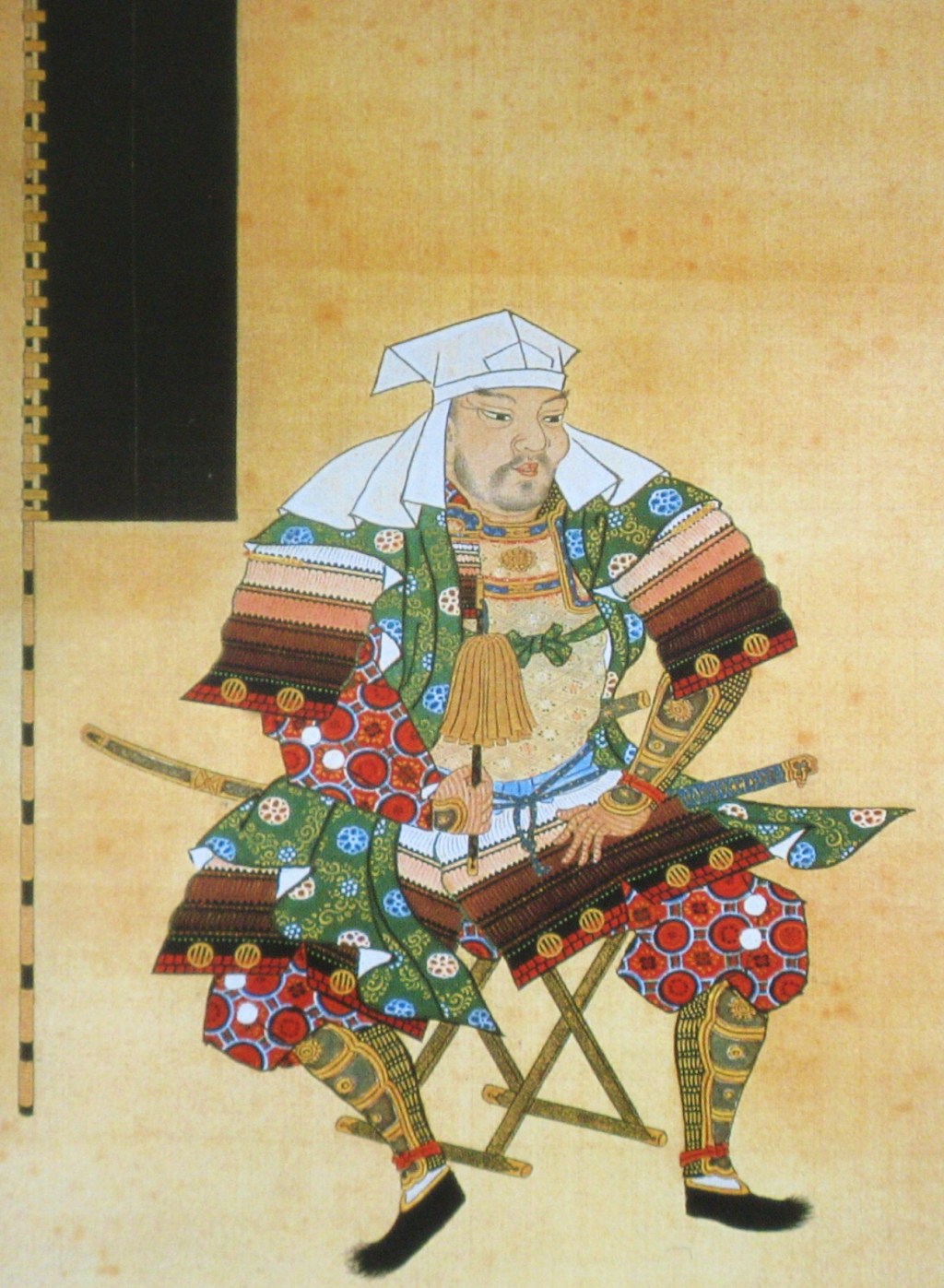
    In 1565, Date Harumune retired and handed control of the clan over to his son Terumune. Despite this, Harumune held onto the real power, and it wasn’t until 1570, when Terumune accused several of his father’s supporters of treason and had them removed, that he gained actual power.

    Date Terumune

    Despite this, Terumune continued most of his father’s policies, especially in diplomacy. The alliance with the Ashina Clan was maintained, and Date diplomats reached out to the Hojo, Oda, and Shibata Clans, establishing friendly relations with several of Japan’s most powerful warlords. The Sengoku in Sengoku Jidai literally means ‘country at war’; however, alongside his diplomatic efforts, Terumune showed he wasn’t afraid to throw his weight around if an opportunity presented itself.

    In 1578, the death of Uesugi Kenshin presented just such an opportunity, and Terumune dispatched forces to intervene in the internal struggle that followed. The Date intervention was ultimately unsuccessful, largely due to the military skills of the Shibata Clan, vassals of the Uesugi, who fought off the Date in several engagements.

    Frustrated, Terumune withdrew, but the Shibata had apparently expected more generous rewards for their service, and in 1581, when it was clear that they would not beforthcoming, the Shibata rebelled. Terumune dispatched his army once again, this time in support of the Shibata, and the conflict within the Uesugi Clan would drag on for years.

    Shibata Shigeie, one of the Shibata brothers who gave the Date so much trouble.
    さどこhttp://blog.livedoor.jp/sadosado_4hi/archives/8412806.html, CC 表示-継承 4.0, https://commons.wikimedia.org/w/index.php?curid=99877267による

    Closer to home, the long war against the nearby Soma Clan continued into Terumune’s reign. The Soma were based in southern Mutsu Province (the area of modern Fukushima Prefecture) and had proven to be tenacious opponents of the Date, with neither side ever able to establish a permanent advantage over the other, despite decades of conflict.

    In the period of 1582-84, however, the Date finally managed to overcome the Soma. Although the latter clan was not completely subdued, the strategic situation compelled them to make peace in 1584, with the border between the two clans agreed upon by treaty.

    Also in 1584, the long-time allies of the Date, the Ashina Clan, fell prey to an internal power struggle, after their lord, Moritaka, was murdered by a retainer (the official reason is said to be ‘due to sodomy’, so make of that what you will). The new head of the clan was just a month old, and so the Ashina were effectively subordinate to the Date, despite nominally remaining independent.

    Shortly after this, Terumune retired, handing leadership over to his son, Masamune. Sources disagree on the exact reason for this, with some suggesting that Terumune planned to make his second son head of the Ashina, only to encounter serious opposition from within the Ashina and his own clan, who then forced him to abandon the idea and retire in disgrace. Other sources say that Terumune learned a lesson from the fate of the Ashina and decided to hand over the leadership of the Date to his son while he was still alive, rather than leave the succession to chance.

    Date Masamune

    Regardless of the reason, Masamune became head of the clan in 1585, and immediately set out to prove that he was not going to do things the same way as his father had. Whilst Terumune had intended to continue the war against the Uesugi, along with his Ashina and Mogami allies, Masamune made peace, without consulting either clan, leading to a sudden and serious decline in relations.

    Masamune would definitively end the alliance shortly afterwards when he invaded Ashina territory, which the Ashina, unsurprisingly, interpreted as a hostile act. The invasion would prove to be a back-and-forth affair, with the Ashina successfully repelling the Date’s first attacks only to be defeated by a second wave, led by Masamune himself.

    In late 1585, the Ashina asked for a truce, and a peace was mediated by Terumune and his uncle, Sanemoto. The negotiations would prove to be a ruse, however, as Ashina forces kidnapped Terumune at sword point and tried to escape back to their own territory. What happened next is a matter of debate; some sources state that Terumune, seeing that he couldn’t escape, ordered the pursuing Date forces (his own men) to open fire with their bows, killing the entire party, including Terumune.

    Another source suggests that the Ashina, trapped by the Date pursuit, killed Terumune themselves, and were then cut down. A third source (written later) states that Masamune himself was responsible for Terumune’s death, and may have orchestrated the whole thing to get rid of his father. Though the exact circumstances will never be known, Terumune’s death also signalled the end of serious attempts to end the local conflicts through negotiation.

    Shortly after his father’s somewhat controversial death, Masamune continued the war. In January 1586, he laid siege to Nihonmatsu Castle (in the city of the same name, in modern Fukushima). At this time, an army led by the Satake Clan, from Hitachi province (to the south), arrived to relieve the castle. The Date were defeated at the Battle of Hitotori Bridge, and Masamune himself was badly wounded before a rearguard action allowed him to escape.

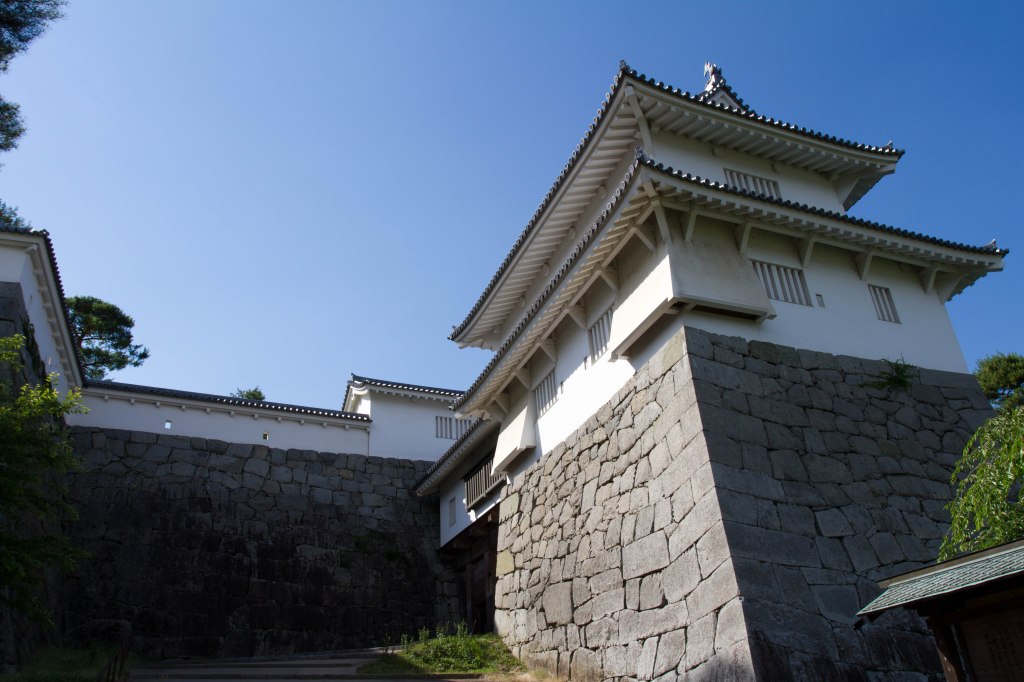
    The restored Nihonmastu Castle.
    baku13 – 投稿者自身による著作物, CC BY-SA 2.1 jp, https://commons.wikimedia.org/w/index.php?curid=11354374による

    The defeat was evidently not serious, because only a few months later, after the Satake had withdrawn, Masamune tried again, once again besieging Nihonmatsu Castle, forcing its surrender in July. Not long after this, he negotiated a peace with the Satake with the intention of focusing his efforts on finishing off the Ashina. This peace was short-lived, even by the standards of the day, as a succession crisis within the Ashina Clan drew the attention of the Satake, who supported a rival candidate to Masamune’s preferred choice.

    Masamune interpreted this as the Satake intending to bring the Ashina under their control, which would have put the Date in an extremely vulnerable situation. In response, he declared his intention to wage a full-scale war against both the Ashina and Satake. In 1587, Toyotomi Hideyoshi, by now acting as regent, issued an order that all private wars should halt, an order that Masamune, for now at least, ignored.

    Masamune initially had reason to regret his continued belligerence. In 1588, his old enemies, the Mogami Clan, took advantage of Masamune being distracted elsewhere and invaded Date territory at the same time as the Ashina Clan attacked in the south. After defeats at the Battle of Osaki and then at Koriyama, Masamune was obliged to seek peace with both clans, stabilising the situation in the short term.

    In 1589, the peace with the Ashina Clan broke down once again, with Masamune invading the Aizu region (in the west of modern Fukushima). Masamune won a decisive victory at the Battle of Suriagehara in July 1589, causing the Ashina to flee their home castle at Kurokawa (modern Aizuwakamatsu) and seek help from the Satake. The Satake were obeying Hideyoshi’s peace order, however, and no help was forthcoming. Shortly after this, Masamune moved his base to Kurokawa Castle, and when a second order from Hideyoshi arrived, threatening direct intervention, Masamune took the opportunity to make peace.

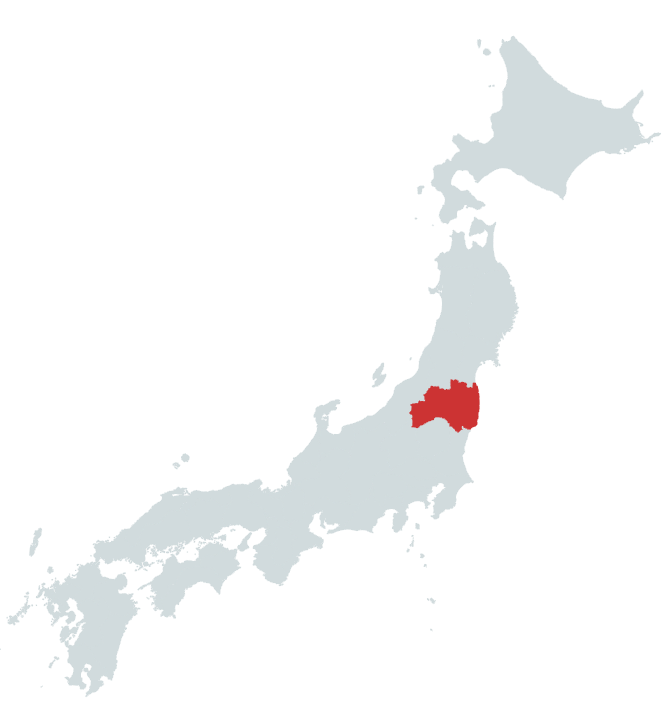
    Fukushima Prefecture, where Aizu is located.

    A year later, Hideyoshi ordered the Date to join him in his attack on the Hojo Clan at the siege of Odawara. This put Masamune in a difficult spot, since the rule of his father, Terumune, the Date and Hojo had been nominal allies, and when Hideyoshi’s order arrived, it wasn’t immediately clear which side Masamune would join. Masamune eventually marched in support of Hideyoshi, but the regent wouldn’t forget Date disobedience of his peace order.

    Sources
    https://ja.wikipedia.org/wiki/%E4%BC%8A%E9%81%94%E6%94%BF%E5%AE%97
    https://ja.wikipedia.org/wiki/%E8%B1%8A%E8%87%A3%E7%A7%80%E6%AC%A1
    https://ja.wikipedia.org/wiki/%E6%91%BA%E4%B8%8A%E5%8E%9F%E3%81%AE%E6%88%A6%E3%81%84
    https://ja.wikipedia.org/wiki/%E8%8B%A5%E6%9D%BE%E5%9F%8E
    https://ja.wikipedia.org/wiki/%E4%BA%8C%E6%9C%AC%E6%9D%BE%E5%9F%8E
    https://ja.wikipedia.org/wiki/%E4%BD%90%E7%AB%B9%E6%B0%8F
    https://en.wikipedia.org/wiki/Hitachi_Province
    https://en.wikipedia.org/wiki/Aizu
    https://ja.wikipedia.org/wiki/%E4%BC%8A%E9%81%94%E6%B0%8F
    https://ja.wikipedia.org/wiki/%E4%BC%8A%E9%81%94%E8%BC%9D%E5%AE%97

  • Kings in the North

    Kings in the North

    Just a quick note: Date is pronounced “Da-Tay”.

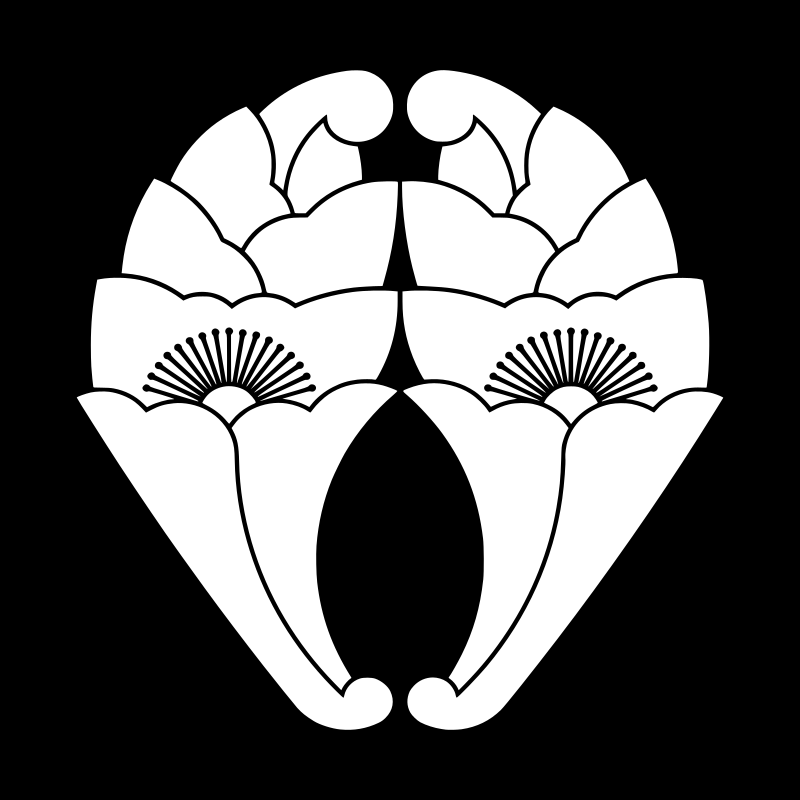
    The mon of the Date Clan.

    Like many of the great clans of the Sengoku period, the Date’s exact origins are subject to a fair amount of mythologising. The family originally claimed to be descended from the prestigious Fujiwara Clan, but that doesn’t have very much supporting evidence, and most modern scholars agree that the clan’s origins were far more humble.

    That isn’t to say they didn’t earn their place, however. The first attested ancestor of the Clan was Date Tomomune, who was rewarded for services in battle with the manor of Date in modern Fukushima Prefecture. Tomomune himself is a bit of a murky figure (as they all seem to be), and there are still unanswered questions about his origins and even his identity, but for the sake of simplicity, we’ll agree with the Date’s own genealogy and start the story of the clan with him.

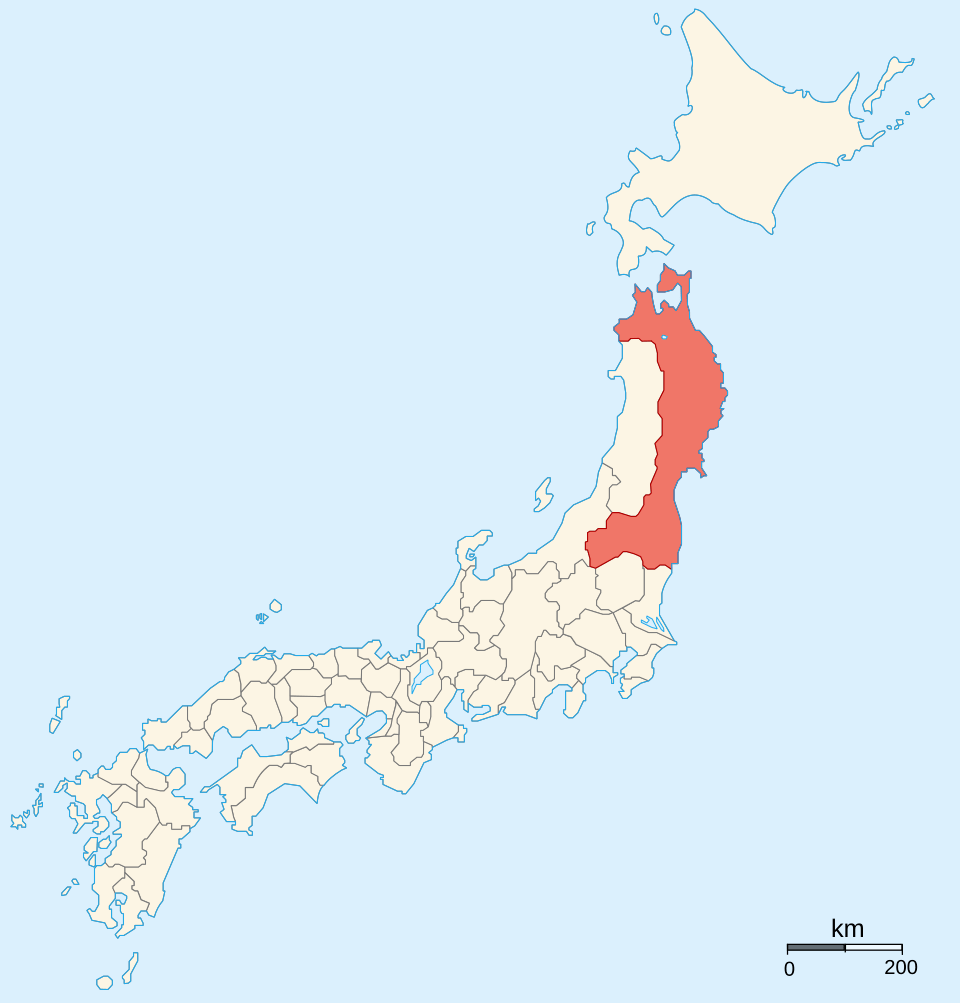
    Similar to many other clans in the period, the Date were not tied down to a single geographic location, and branches of the clan would pop up all over Japan as their fortunes rose and fell. For our purposes, it is the Date clan of Mutsu Province that we’ll be focusing on.

    Mutsu Province.
    By Ash_Crow – Own work, based on Image: Provinces of Japan.svg, CC BY 2.5, https://commons.wikimedia.org/w/index.php?curid=1690724

    The Date largely supported the Kamakura Shogunate, founded by Minamoto no Yoritomo, and in the 13th century, the Lord of the Date is said to have been living in Kamakura (the political capital). However, when the Shogunate was overthrown, the Date threw in their lot with the Emperor and would continue to support the Imperial throne even after the establishment of the Ashikaga Shogunate in 1336.

    This support would backfire, however, as the Date, in support of the Southern Court, were defeated by forces of the Northern Court, loyal to the new Ashikaga Shoguns, and ultimately obliged to switch sides. Beginning in the 1380s, the Date would set about restoring their strength by attacking rival clans in their home region. As was common at the time, these local conflicts were framed as part of the larger Northern-Southern Conflict (the Nanboku-cho Period), but were, in reality, private wars that the central authorities were powerless to direct.

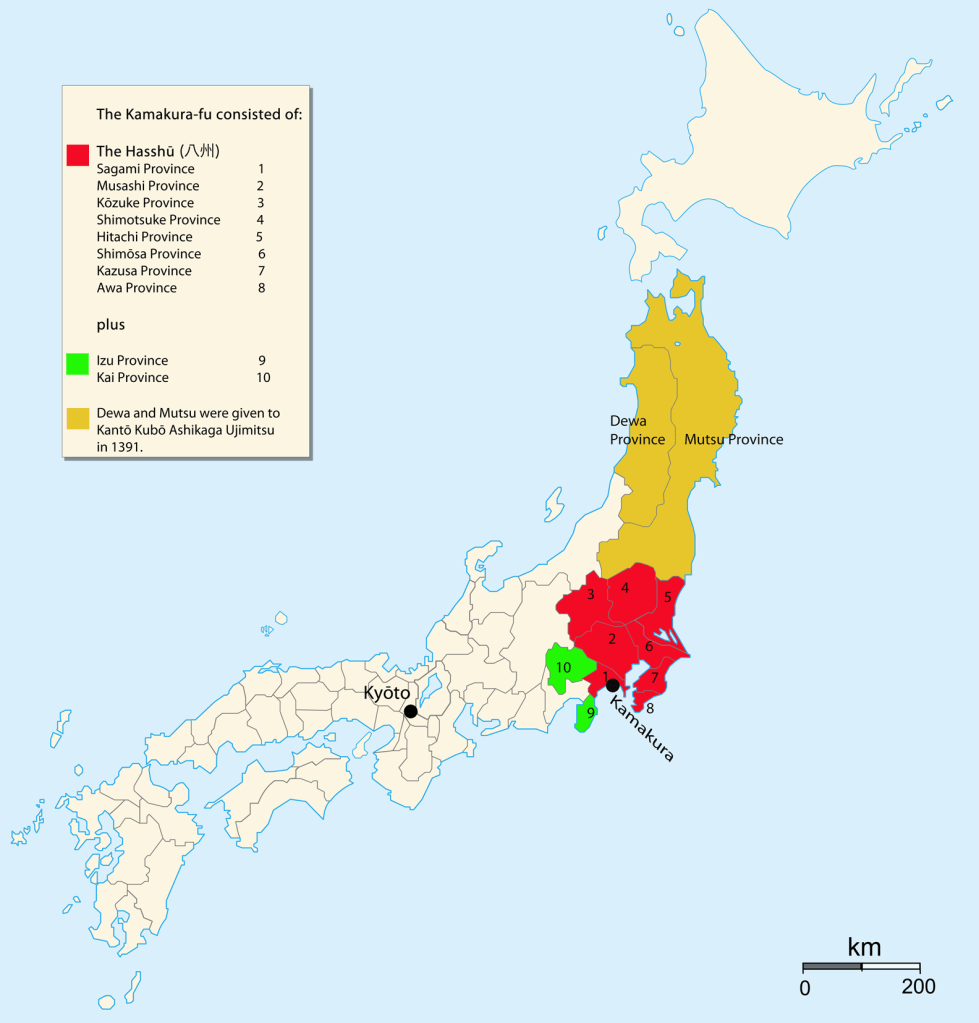
    Later, when the power of the Ashikaga Shoguns was beginning to fracture, the Date would use the conflict between the government in Kyoto and the Kamakura kubo to further enhance their own power. Though nominally under the jurisdiction of Kamakura, the Date would appeal directly to Kyoto to serve as their vassals. The Shogunate agreed, and when open conflict between Kyoto and Kamakura broke out in the 1480s, the Date were in a prime position to take advantage.

    The territories under the nominal jurisdiction of the Kamakura Kubo.

    An example of how strong the Date had become can be found in records from 1483, in which the Lord of the Date dispatched gifts to the court in Kyoto, including 23 swords, 95 horses, 380 ryo of gold dust, and 57,000 coins. This was an extraordinary fortune at the time, and seems to have led to the acceptance by the court of the Date’s position of the strongest (or at least richest) clan in the North.

    Despite their wealth and power, the Date were not the most prestigious clan in the region. That honour went to the Osaki, who were faithful to the Shogunate in Kyoto and were long established. As was common during the later 15th century, however, the Osaki had a prestigious name, but their actual power was crumbling. Though nominally their subordinates, the Date would intervene in a power struggle within the Osaki Clan in 1488, bringing an end to the conflict, but effectively reducing the Osaki to vassal status in the process.

    Another rival to the Date was the Mogami Clan from neighbouring Dewa Province. The clans would clash repeatedly, but in 1514, Date Tanemune would inflict a decisive defeat on the Mogami at Hasedo Castle. Shortly after this, he would marry his sister to the defeated Lord of the Mogami, effectively binding the two clans together. This would prove unpopular with the remaining Mogami vassals, and when their Lord died in 1520, and the Date attempted to take direct control, they rebelled.

    The site of Hasedo Castle as it appears today.
    Koda6029 – 投稿者自身による著作物, CC 表示-継承 4.0, https://commons.wikimedia.org/w/index.php?curid=124663430による

    In defeating the rebellion, Tanemune was able to establish Date control over most of eastern Dewa Province, further expanding his clan’s power and prestige. In recognition of this, in 1522, the Shogunate appointed Tanemune shugo (governor) of Mutsu Province (the Date’s home province, remember). Tanemune was not satisfied, however, as he had apparently sought the title of tandai.

    The exact distinction between shugo and tandai is a little unclear, as the titles often overlapped, but essentially, a shugo was the governor of a single province, whereas a tandai was the Shogun’s representative over a wider area. Although the power and prestige of the Shogunate were at a low ebb by this point, the fact remained that tandai was a more prestigious title, and the Shogunate’s refusal to bestow it on Tanemune was seen as a proverbial slap to the face.

    Tanemune responded to this but charting his own course, although the snub is probably just a convenient excuse for what he was going to do anyway; by the early 16th century, Shogunate power was really more of a concept, and the Date were one of many powerful clans who realised that they could largely do as they pleased.

    Date Tanemune.

    Over the next 20 years, Tanemune would work to consolidate his clan’s control over the North, further absorbing the Osaki and Mogami clans, as well as extending physical control over most of Mutsu and Dewa Provinces. Despite his successes, all was not well within the clan; Tanemune was in conflict with his eldest son, Harumune. The exact nature of the conflict is complicated, but it got so bad that in June 1542, Harumune ambushed his father whilst the latter was out hunting, imprisoning him in a nearby castle from which Tanemune swiftly escaped (or was rescued, depending on the source)

    What followed was a six-year conflict which saw the Date severely weakened, and several of their recently conquered vassals breaking free, including the Osaki and the Mogami. Eventually, the mediation of the Shogun brought about an official peace, but in reality, the feud didn’t end, and although Harumune would take his place as the de facto head of the clan, Tanemune, despite becoming a monk, remained an enormously influential figure.

    Harumune’s reign would be occupied with reestablishing Date power. The situation was far from ideal, however, and he was eventually forced to confirm many of the concessions that had been granted to vassals by both sides, signing away territory and privileges in exchange for obedience.

    Date Harumune

    One upside for Harumune was the fact that he had no fewer than eleven children, six sons and five daughters, who would be useful pawns in returning former vassals to the fold. All of his daughters were married either to powerful clans, securing alliances, or to senior vassals, ensuring their loyalty, and by the 1560s, the Date’s position was once again strong.

    In 1565, Harumune retired and handed control to his son, Terumune, although, as was common, he retained all the actual power. A year later, the Ashina Clan attacked the Nikaido, who were allied with the Date through the marriage of one of Harumune’s daughters. The Date intervened but were defeated, and when the Nikaido surrendered shortly afterwards, peace between the Date and Ashina was secured through another marriage, this time between the Lord of the Ashina’s eldest son and Harumune’s fourth daughter.

    Harumune apparently opposed this marriage, and in response, Terumune entered into a secret agreement with the Ashina, in which they would agree to support him in the event of an outbreak of conflict between father and son. The feud between father and son would only be resolved in 1570, when Terumune removed several retainers who had facilitated Harumune’s rule from ‘behind the curtain’. With this, the relationship seems to have improved, as Harumune was now effectively powerless anyway.

    Like most of his contemporaries, Terumune’s reign would be dominated by war, but we’ll talk about that next time.

    Sources
    https://en.wikipedia.org/wiki/Mutsu_Province
    https://ja.wikipedia.org/wiki/%E4%BC%8A%E9%81%94%E6%B0%8F
    https://ja.wikipedia.org/wiki/%E6%9C%80%E4%B8%8A%E6%B0%8F
    https://ja.wikipedia.org/wiki/%E4%BC%8A%E9%81%94%E7%A8%99%E5%AE%97
    https://ja.wikipedia.org/wiki/%E4%BC%8A%E9%81%94%E6%88%90%E5%AE%97
    https://ja.wikipedia.org/wiki/%E5%A4%A7%E5%B4%8E%E6%B0%8F
    https://ja.wikipedia.org/wiki/%E4%BC%8A%E9%81%94%E5%B0%9A%E5%AE%97
    https://ja.wikipedia.org/wiki/%E4%BC%8A%E9%81%94%E5%AE%97%E9%81%A0
    https://ja.wikipedia.org/wiki/%E4%BC%8A%E9%81%94%E9%83%A1
    https://ja.wikipedia.org/wiki/%E5%B8%B8%E9%99%B8%E5%85%A5%E9%81%93%E5%BF%B5%E8%A5%BF
    https://ja.wikipedia.org/wiki/%E4%BC%8A%E9%81%94%E6%9C%9D%E5%AE%97
    https://en.wikipedia.org/wiki/Dewa_Province
    https://ja.wikipedia.org/wiki/%E4%BC%8A%E9%81%94%E6%99%B4%E5%AE%97
    https://ja.wikipedia.org/wiki/%E4%BC%8A%E9%81%94%E8%BC%9D%E5%AE%97

  • The Power in the Provinces – Honourable Mentions

    The Power in the Provinces – Honourable Mentions

    I have a confession, this ended up being quite the rabbit hole. When researching the early stages of the Sengoku Jidai, it’s almost impossible to narrow down who the “major” clans were, without also having read up on the clans who would go on to play the biggest role in the century to come.

    I originally thought this’d be a one or two post sideshow, but it quickly became apparent that the sheer volume of information and my inability to focus meant that it risked spiralling out of control.

    With that in mind, and with a desire to actually get back on track with the history, the last six clans are not going to get quite the same level of detail, but I can assure you, we will definitely be revisiting clan deep dives in the future.

    Kyushu

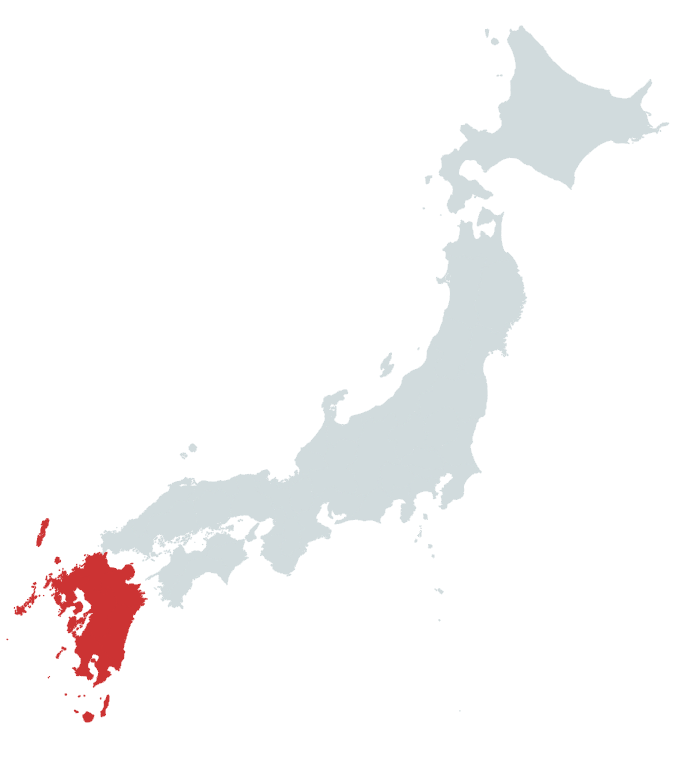
    Kyushu, the southernmost of Japan’s big four islands, and often a law unto itself.

    The Shimazu

    The mon of the Shimazu Clan

    The Shimazu would prove to be one of the most enduring and influential clans in Japanese history. Originating in Satsuma Province in modern Kagoshima Prefecture, they would eventually rise to become masters of the whole of Kyushu, before running into the rise of Toyotomi Hideyoshi.

    The Shimazu would also find themselves on the wrong side during the closing stages of the Sengoku Jidai, but their position in Satsuma was so far removed from the capital at Edo (modern Tokyo) that the new government had little influence.

    Satsuma Domain would be one of the few that were allowed to continue international trade (through their dominance of Okinawa), and this relatively outward-looking approach meant that they would first fight, and then ally with the British during the mid-19th Century.

    A 19th Century photograph of Samurai of the Satsuma Domain

    Interesting side note: The Shimazu Clan’s mon, which appears to show a cross, led some scholars to speculate that they were a clan with Christian origins, and one wild theory suggesting that the Shimazu’s real origins lay with one of the Lost Tribes of Israel (this is the Japanese-Jewish origin theory, and it’s pretty racist, in a clumsy, Victorian kind of way.)

    The Otomo

    The mon of the Otomo Clan.
    By Mukai – Own work, CC BY-SA 3.0, https://commons.wikimedia.org/w/index.php?curid=6752905

    The Otomo Clan ruled lands in North-Eastern Kyushu (modern Oita and Fukuoka Prefectures) and would become one of the major beneficiaries of Portuguese Trade in Japan during the 16th Century, with many of the clan’s more powerful members even converting to Christianity, some say our of genuine faith, whilst others suggest it was more to do with keeping the Catholic Portuguese on side.

    These lucrative trade links didn’t do much to protect them from their powerful neighbours. With the Shimazu to the south, and the Mori across the sea to the East, the Otomo were hemmed in by powerful rivals, and they were ultimately obliged to seek alliance with the Mori.

    This proved to be the wrong course, as the Mori would be punished for picking the wrong side at the end of the Sengoku Period, and they and their allies saw their lands reduced. The Otomo wouldn’t have to suffer for long, however, as the main line of the clan would die out in 1619.

    Otomo Yoshimune, the last head of the Otomo to rule any serious territory. He would die in internal exile after 1600.

    The Otomo name would endure, however, as a cousin was allowed to adopt the name shortly afterwards, and during the Meiji Restoration, this branch of the Otomo was raised to the peerage, and would go on to play a role in the new Meiji government.

    Northern Japan

    Northern Japan during the 15th Century didn’t include Hokkaido, and was often viewed as the furthest fringes of civilisation.

    The Nanbu

    The mon of the Nanbu Clan
    By Mukai – Own work, CC BY-SA 3.0, https://commons.wikimedia.org/w/index.php?curid=8313849

    Much like the Shimazu in the south, the Nanbu would prove to be one of the most enduring Clans during this period. They would rule most of what is the modern Tohoku region for close to 700 years, and by the dawn of the Sengoku Period, they were firmly entrenched in their home region, which became one of the most famous areas for the breeding of war horses, in face, the “Nanbu” Breed was one of the best regarded breeds during that era, although they would become extinct around 1940.

    Unlike the Shimazu, however, the Nanbu would choose the winning side at the end of the Sengoku era, and would serve as one of the leading clans in the North during the following Edo Period.

    Their illustrious position would come to an end in the 1860s, however, as their loyalty to the Shogun led them to oppose the forces of the Meiji Restoration. The Imperial forces would win the Boshin War, and the Nanbu Clan suffered a sharp decrease in property.

    During the period of reconciliation after the restoration, the Nanbu would be ennobled, and the family would go on to play a significant role in the Meiji Period and beyond, remaining prominent in the Tohoku Region into the modern day.

    The Date

    The mon of the Date Clan

    The Date (pronounced Da-Tay) were the other long-lasting clan in the north. They benefited from a position that was far enough away to make attacking them a relatively unattractive prospect. The Date were not idle, however; they were the dominant clan in the region for a reason, with strength and resources comparable to many of the clans further south.

    The Date’s lands were reduced by Toyotomi Hideyoshi, but their support for Tokugawa Ieyasu meant that the clan would eventually become one of Japan’s wealthiest, controlling the Sendai Domain.

    The clan would not survive the Edo Period unscathed, however. In the 1660s, the lord of the clan was arrested in the capital for drunkenness, and his rivals within the wider Date Clan took advantage, seeking his removal. This led to nearly 10 years of conflict within the Date Clan, eventually leading to a bloody showdown in 1671, which has been the subject of considerable mythologising in Japanese popular culture ever since (they love a bloody story).

    The clan would endure, however, and although, like the Nanbu, they were much reduced due to their opposition to the Meiji Restoration, the head of the clan would join the ranks of the new Imperial aristocracy.

    Sources
    https://en.wikipedia.org/wiki/Shimazu_clan
    https://en.wikipedia.org/wiki/Japanese-Jewish_common_ancestry_theory
    https://en.wikipedia.org/wiki/Satsuma_Province
    https://ja.wikipedia.org/wiki/%E5%B3%B6%E6%B4%A5%E6%B0%8F
    https://ja.wikipedia.org/wiki/%E5%A4%A7%E5%8F%8B%E6%B0%8F
    https://en.wikipedia.org/wiki/%C5%8Ctomo_clan
    https://en.wikipedia.org/wiki/Nanbu_clan
    https://en.wikipedia.org/wiki/Date_clan
    https://en.wikipedia.org/wiki/Date_S%C5%8Dd%C5%8D