Tag: Edo Japan

  • From Sekigahara to the Shogunate.

    From Sekigahara to the Shogunate.

    In the aftermath of Sekigahara, Ieyasu set about rewarding his supporters and dealing with his opponents. The exact details of who got/lost what are complex (and not particularly interesting), but the main distinction, and the one that would prove to be the most significant, was the separation between Tozama and Fudai Daimyo.

    The exact criteria for what made a Daimyo Tozama or Fudai vary depending on context, but very basically, the Fudai Daimyo were those from families who had supported Ieyasu before his rise to power, either as direct vassals of the Tokugawa Clan, or allies during the Sekigahara Campaign. Meanwhile, the term Tozama originally meant Samurai who had a much looser tie to their lord, and in the context of the post-Sekigahara settlement, the Tozama Daimyo were those lords who had failed to support Ieyasu, or who had actively opposed him.
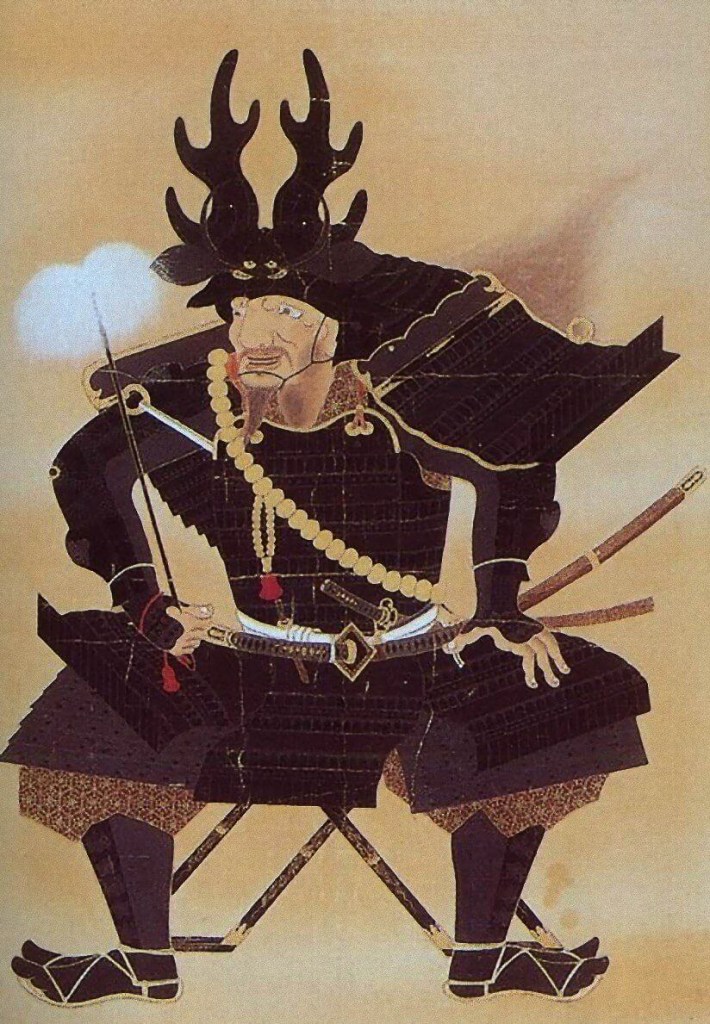
    Honda Tadakatsu, one of the most famous of the early Fudai Daimyo.

    In the centuries to come, the Fudai would provide many members of the new Tokugawa Government; indeed, it was often said that any candidate for a high-ranking position had to be from a Fudai family, which would prove true in all but one case. In exchange for their service, the Fudai were often stationed near the capital, Edo (modern Tokyo), where they could help protect the city.

    On the other hand, the Tozama were usually located much further away and were consequently excluded from government. It wasn’t all bad, however, as the extreme distances of their realms meant that the central government was often obliged to rule them with a light touch, and in later years, several Tozama would be able to accrue significant wealth and power.
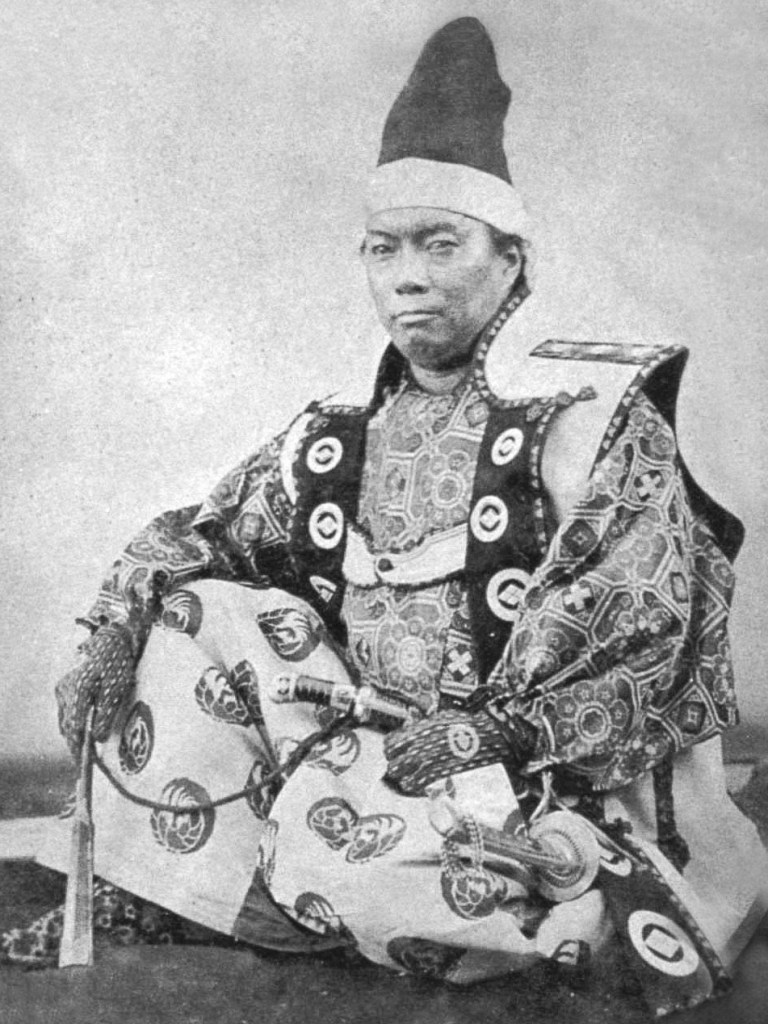
    Matsumae Takahiro, the only Tozama Daimyo to ever hold high rank in the Tokugawa government, though it came at the very end of the Shogunate.

    One family over which a significant question mark remained was the Toyotomi. Ieyasu had gone to great pains not to give the impression that the Sekigahara Campaign had been aimed at the Toyotomi, but in the aftermath, no one seriously expected him to hand over the power he had won, especially given that the incumbent head of the clan, Hideyori, was just seven years old.

    In the short term, Ieyasu explicitly refused to punish either Hideyori or his mother, Lady Yono, and though Toyotomi lands were significantly reduced, and their most powerful supporters either seriously weakened or destroyed outright, the clan, still based at Osaka Castle, retained lands valued at some 650,000 Koku, ensuring their place in the upper echelons of Japanese society.
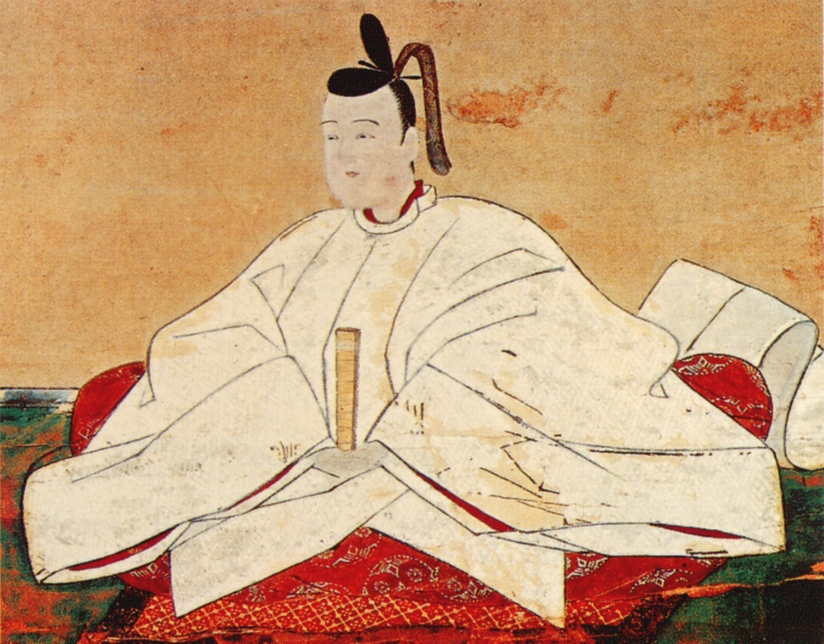
    Toyotomi Hideyori. Despite being Hideyoshi’s heir, he was just seven at the time of Sekigahara, and Ieyasu ensured he wouldn’t be punished for what others had done on his behalf, a decision he would later come to regret.

    Hideyoshi’s title of Kanpaku (regent) was not returned, however. Though it had been vacant since Hideyoshi’s death in 1595, Ieyasu ensured that the title would instead go to a member of the Kujo Family, who had been one of the “Five Regent Houses” prior to Hideyoshi’s usurping the title. In doing so, Ieyasu earned the approval of the Imperial government and demonstrated that awarding such illustrious (if powerless) titles now lay with him alone.

    Despite his now unassailable position, Ieyasu didn’t immediately take the title of Shogun; there were still territories to redistribute and a new political reality to consolidate. It wouldn’t be until early 1603 that Ieyasu was appointed Shogun, as well as being named Minister of the Right, Commander of the Imperial Guard, and Commander of the Ox-Drawn Carts, which may sound a touch silly, but in a time and place with very few wheeled vehicles, this was a big deal.
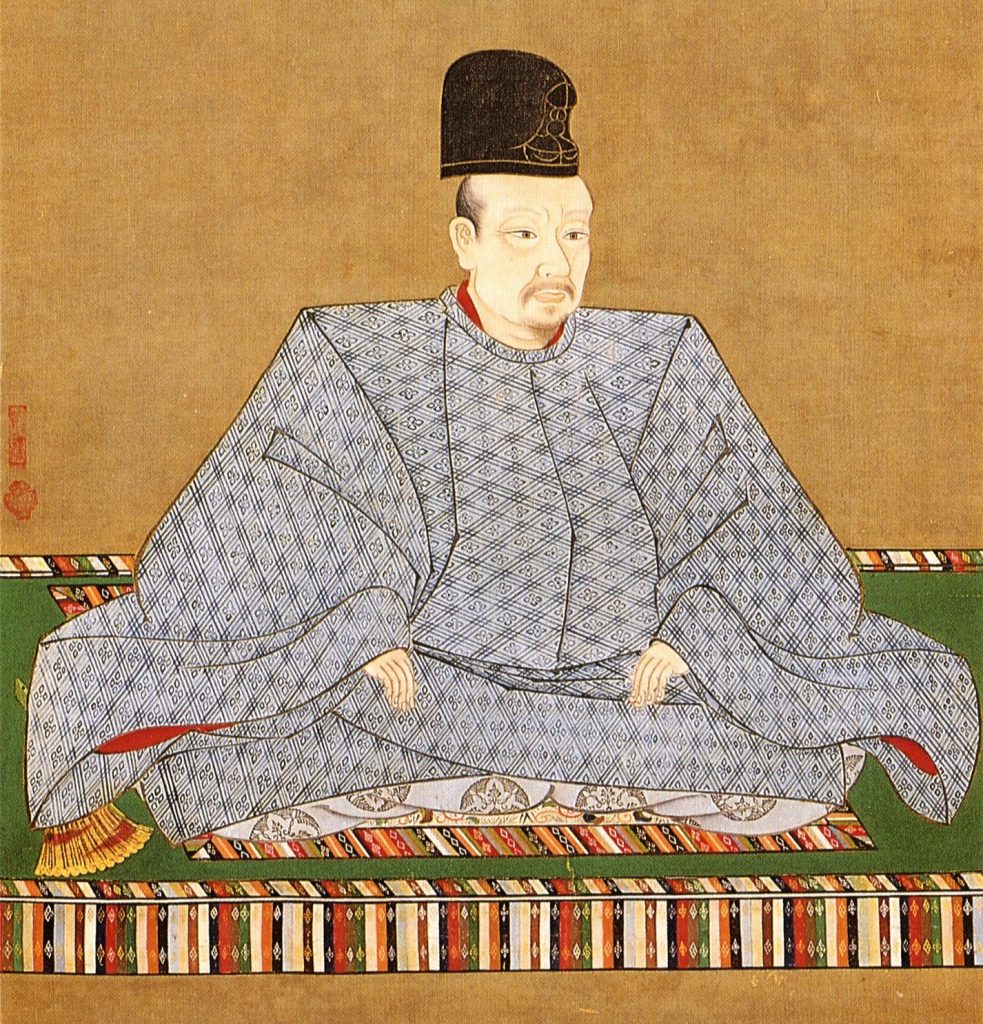
    Emperor Go-Yozei, who was on the throne at the time of Ieyasu’s rise to power, would ultimately be the one to appoint him Shogun.

    Strangely enough, Ieyasu would only be Shogun for a relatively short period. In 1605, he officially resigned the post and asked the court to declare his son, Hidetada, the new Shogun. As you probably already know, this ‘abdication’ was only a formality, as Ieyasu retained formal power whilst freeing himself from the often impractical burden of state ritual.

    The abdication had another purpose; it demonstrated to the realm that, from now on, the position of Shogun would be hereditary and belong to the Tokugawa Clan. Perhaps the greatest testament to Ieyasu’s new power was the fact that the handover of power was conducted almost without opposition, signalling that, at last, the years of chaos were finally over.
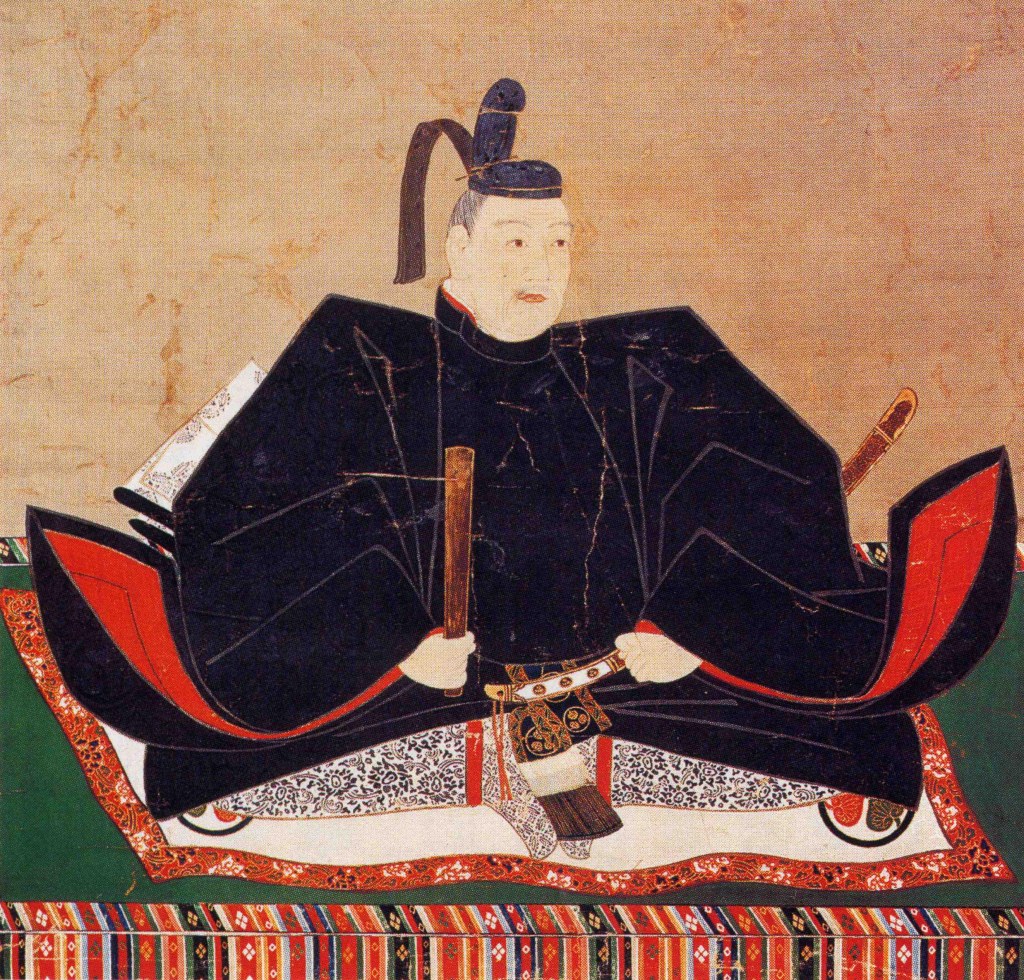
    Tokugawa Hidetada. When he succeeded his father as (nominal) Shogun in 1605, it was the first unchallenged transition of high authority that Japan had seen in decades.

    We’ll take a detailed look at the early years of the Tokugawa Shogunate in a dedicated post, but Ieyasu, now titled “Ogosho” (Retired Shogun), was extremely active in securing his family’s rule and stabilising the realm. Officially, one of Ieyasu’s responsibilities was foreign diplomacy, and during this period, he received envoys from Korea, re-establishing diplomatic relations cut off since Hideyoshi’s invasions, as well as representatives from Spain and the Netherlands, who sought increased trade with Japan.

    One figure who played a significant role in these endeavours was William Adams, the first Englishman in Japan, who will definitely get a post of his own, and helped support the efforts of his countrymen in establishing a permanent (though ultimately short-lived) ‘factory’ to facilitate trade between Japan and England.
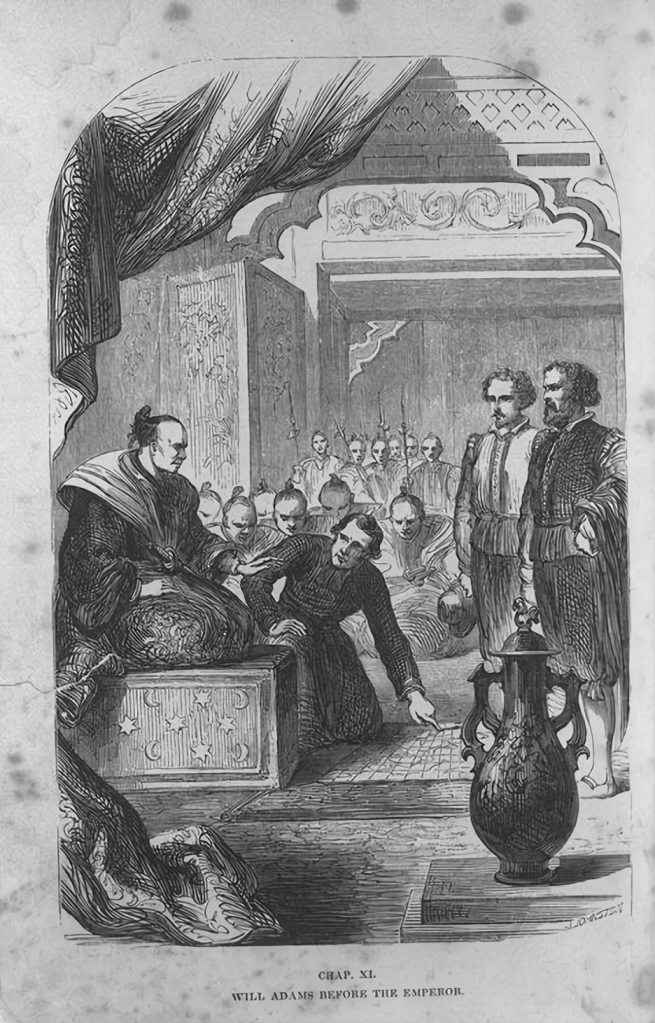
    A 19th-century depiction of William Adams meeting Ieyasu (who is mislabelled “Emperor”). Adams was an important figure, but he was just one of many foreigners who had audiences with Ieyasu during this period.

    With matters at home largely settled, and Japan establishing itself as a reliable trade partner in Asia, but late 1614, Ieyasu would have had good reason to consider his life a remarkable success; he had risen from a regional warlord on the brink of destruction to master of Japan, and established a dynasty that would last for some 250 years.

    All was not well, however. Hideyori, whom Ieyasu had chosen to spare in the aftermath of Sekigahara, had grown into a man, and as Hideyoshi’s heir, he began to attract support from those disaffected by the new Tokugawa regime. It would not take long for Ieyasu to find a convenient pretext to eliminate the Toyotomi once and for all.


    Sources
    https://ja.wikipedia.org/wiki/%E5%BE%B3%E5%B7%9D%E5%AE%B6%E5%BA%B7
    https://en.wikipedia.org/wiki/Toyotomi_Hideyori
    https://ja.wikipedia.org/wiki/%E5%BE%B3%E5%B7%9D%E7%A7%80%E5%BF%A0
    https://ja.wikipedia.org/wiki/%E9%96%A2%E3%83%B6%E5%8E%9F%E3%81%AE%E6%88%A6%E3%81%84
    https://ja.wikipedia.org/wiki/%E5%A4%A7%E5%BE%A1%E6%89%80_(%E6%B1%9F%E6%88%B8%E6%99%82%E4%BB%A3)
    https://ja.wikipedia.org/wiki/%E7%89%9B%E8%BB%8A%E5%AE%A3%E6%97%A8
    https://ja.wikipedia.org/wiki/%E9%9A%8F%E8%BA%AB
    https://ja.wikipedia.org/wiki/%E8%AD%9C%E4%BB%A3%E5%A4%A7%E5%90%8D
    https://en.wikipedia.org/wiki/Fudai_daimy%C5%8D
    https://ja.wikipedia.org/wiki/%E5%A4%96%E6%A7%98%E5%A4%A7%E5%90%8D
    https://en.wikipedia.org/wiki/Tozama_daimy%C5%8D
    https://ja.wikipedia.org/wiki/%E6%9D%BE%E5%89%8D%E5%B4%87%E5%BA%83
    https://ja.wikipedia.org/wiki/%E3%82%A6%E3%82%A3%E3%83%AA%E3%82%A2%E3%83%A0%E3%83%BB%E3%82%A2%E3%83%80%E3%83%A0%E3%82%B9
    https://ja.wikipedia.org/wiki/%E5%BE%8C%E9%99%BD%E6%88%90%E5%A4%A9%E7%9A%87

  • The Shimazu, Part 2

    The Shimazu, Part 2

    By 1582, the Shimazu were once again masters of southern Kyushu and had recently defeated the rival Otomo Clan so comprehensively that they effectively ceased to be an obstacle to Shimazu dominance of the whole island. This ambition would be curbed by the intervention of Oda Nobunaga, who wanted to get the Otomo to join his attack on the Mori Clan.

    The situation in 1582. The Shimazu are in blue, and the Otomo in purple. The Mori are in yellow, and Oda Nobunaga is the big red blob in the middle.
    By Alvin Lee – Own work, CC BY-SA 4.0, https://commons.wikimedia.org/w/index.php?curid=39198356

    Nobunaga’s plans, along with his life, would be cut short in the Honnoji Incident in June 1582, and the Shimazu once again found themselves as the strongest clan on Kyushu. In the far north-west of the island, close to the modern city of Nagasaki, lay the base of the Ryuzoji Clan. For generations, the Ryuzoji had been a secondary clan in the region. However, under the leadership of Ryuzoji Takanobu, they had expanded their power to control the whole of Hizen Province (modern Nagasaki and Saga Prefectures), and although they had nominally been subordinates of the Otomo Clan, the aftermath of the Battle of Mimikawa in 1578 (which the Otomo lost) gave the Ryuzoji the opportunity to expand even further. (They are in the light-green on the map above).

    It was inevitable that the Shimazu and Ryuzoji would clash, and in 1584, a member of the Arima Clan wrote to Shimazu Yoshihisa, requesting his aid against the Ryuzoji. This was a convenient excuse to do what he probably would have done anyway, and Yoshihisa dispatched an army under his brother Iehisa. What followed was a lightning campaign in which the Shimazu, despite being outnumbered more than three-to-one, engaged and defeated the Ryuzoji at the decisive Battle of Okitanawate in May 1584.

    This proved to be yet another decisive victory for the Shimazu. Not only did they defeat the Ryuzoji army, Takanobu, but the lord of the clan was also killed, cutting the head off the proverbial snake. The Ryuzoji had expanded rapidly, and their control collapsed just as quickly. Clans who had been forced to submit quickly switched sides to the Shimazu, and any holdouts were destroyed in short order.

    In 1586, Yoshihisa turned his attention to the remnants of the Otomo Clan, invading Bungo Province and crushing the final remnants of what had once been Kyushu’s pre-eminent clan. Yoshihisa might have had time to reflect on the fleeting nature of power in that era, but he wouldn’t have had long. No sooner did the Shimazu deal the final blow to the Otomo than the last holdouts of that clan appealed to the new power in Japan for help, Toyotomi Hideyoshi.

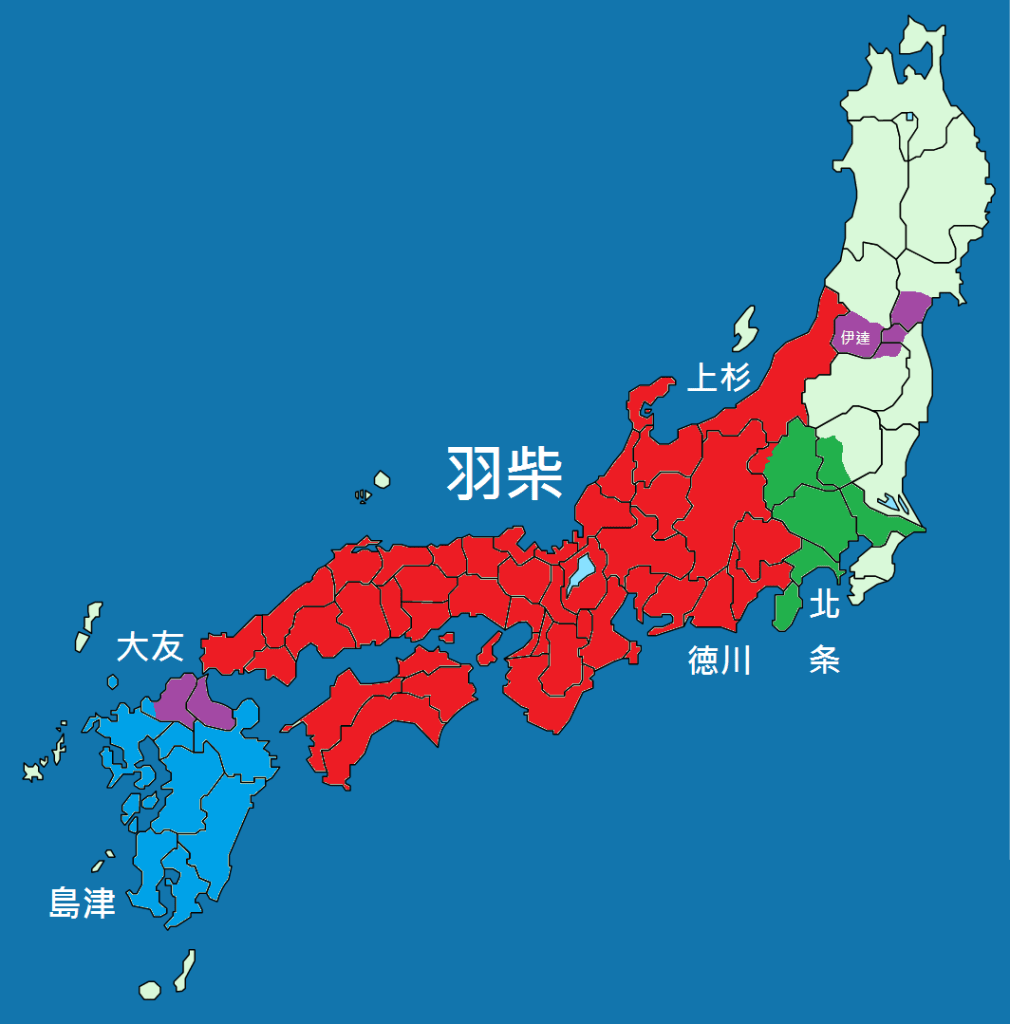
    The situation in 1586, after Toyotomi Hideyoshi secured power, and the Shimazu came so close to unifying Kyushu.
    By Alvin Lee – Own work, CC BY-SA 4.0, https://commons.wikimedia.org/w/index.php?curid=39214208

    The Shimazu were at the height of their power, and it is perhaps no surprise that, when Hideyoshi order them to cease their attacks on the Otomo, they refused. Yoshihisa went even further, when he suggested that the Shimazu, and old and storied clan, had no need to accept an ‘upstart’ like Hideyoshi as regent. Hideyoshi had been born a peasant, but he was the most powerful warlord in Japan by that point, and Yoshihisa would come to regret the disrespect.

    When it became clear that Hideyoshi meant to invade Kyushu, the Shimazu doubled their efforts to crush the Otomo and secure the whole island. They rightly guessed that any Otomo holdouts would be used by Hideyoshi’s forces as a base for any campaign. Though they would ultimately be unable to fully subjugate the Otomo, the Shimazu’s confidence seemed to have been well placed when, in early 1587, Chosokabe forces, under Hideyoshi’s orders, invaded Bungo province and were heavily defeated at the Battle of Hetsugigawa.

    Shimazu celebrations would be short-lived, however. Hideyoshi, reportedly enraged by the ease with which the Shimazu had apparently defeated the initial invasion, mustered a force of between 250,000 and 300,000 men (reports vary), possibly the largest army seen in Japan up to that time. Throughout the spring and summer of 1586, this huge force steamrolled the Shimazu. There were instances of brave resistance, but the writing was on the wall, and in June, the Shimazu sued for peace.

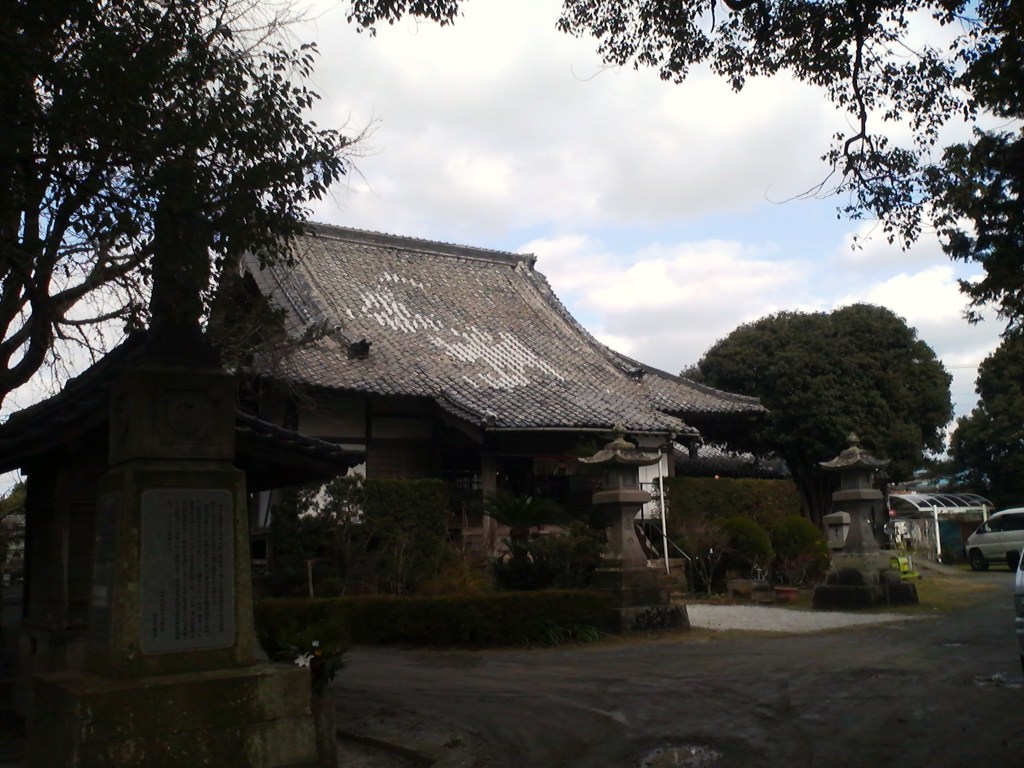
    Taiheiji Temple in modern Kagoshima, where Shimazu Yoshihisa met with Toyotomi Hideyoshi, and a peace was agreed.
    Sakoppi – 自ら撮影, CC 表示 3.0, https://commons.wikimedia.org/w/index.php?curid=12570199による

    The terms were harsh, but ultimately secured the survival of the clan. Hideyoshi demanded that the Shimazu give up control of almost the whole of Kyushu, essentially wiping out centuries of conquest and expansion. In return, the Shimazu were confirmed as lords of Satsuma province, and later, after further negotiations, Osumi as well.

    The Shimazu would prove to be somewhat unreliable vassals. When Hideyoshi invaded Korea in 1592, he ordered all feudal lords to commit troops. The Shimazu were apparently slow to comply with this order, leading Hideyoshi to suspect they were disloyal (which they probably were, having been only recently conquered)

    The Shimazu would eventually obey and dispatch troops to Korea, but it appears that Yoshihisa had been replaced as head of the clan in the eyes of Hideyoshi, as formal letters recognising Shimazu control of their provinces were written in the name of Shimazu Iehisa, Yoshihisa’s younger brother, though it appears that Yoshihisa retained the actual power.

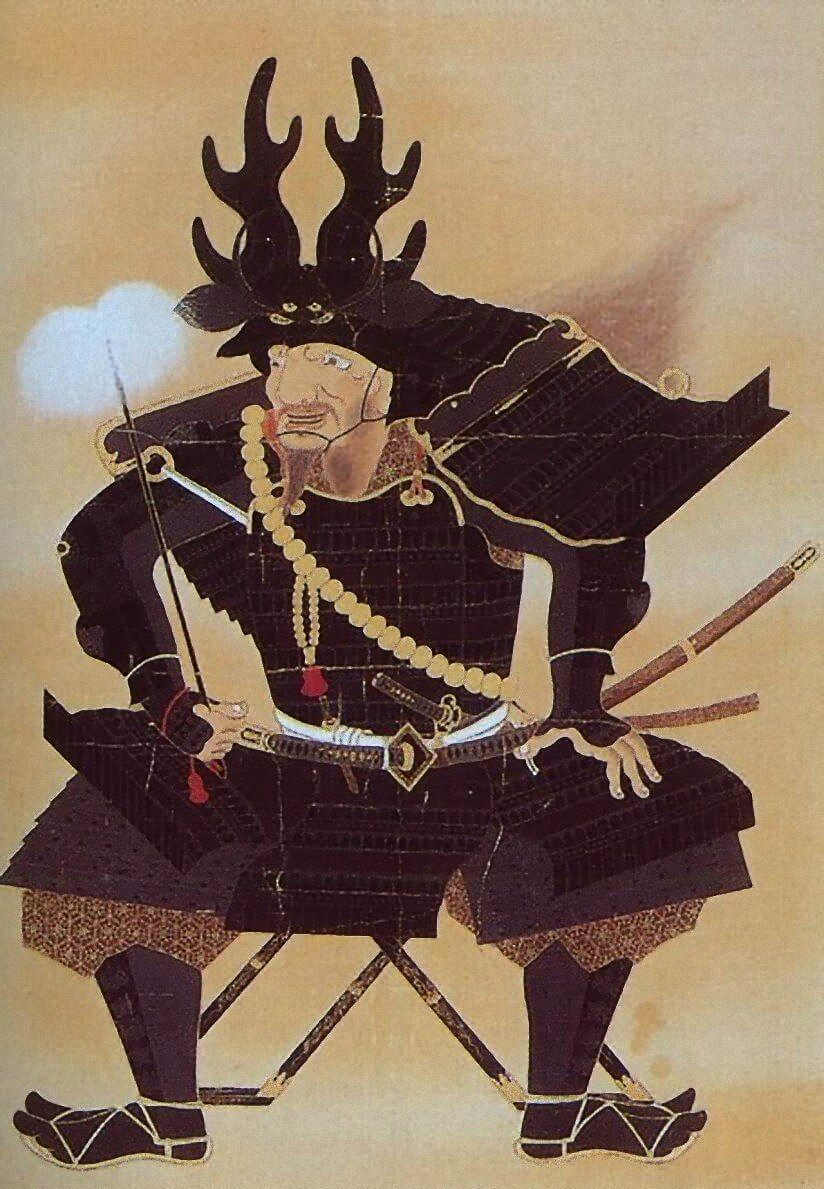
    Shimazu Iehisa (sometimes called Yoshihiro), the nominal head of the Shimazu after Hideyoshi’s invasion of Kyushu.

    Hideyoshi’s death and the end of the war in Korea refocused the realm’s attention back home, as Hideyoshi’s son and heir was just a child. The Shimazu would not be members of the Council of Regents, but when the final rupture occurred in 1600, and war became inevitable, Shimazu Iehisa (nominal head of the clan) was in Kyoto and swore loyalty to the Western (or pro-Toyotomi) army.

    This move was apparently not supported by his older brother and the wider Shimazu clan, as when Iehisa requested reinforcements, he received none. This might have been a deliberate ploy by the Shimazu to play both sides, but it’s also possible that an outbreak of fighting in Kyushu caused the Shimazu to focus their efforts closer to home.

    The fighting was relatively small-scale and was nominally between supporters of the Toyotomi and Tokugawa Ieyasu (who had just won the decisive Battle of Sekigahara). In reality, this was probably an example of a breakdown in central authority being taken advantage of by local warlords. Unlike in previous eras, however, central control was swiftly reestablished. After his victory at Sekigahara, Ieyasu turned his attention to subduing the rest of the realm, Kyushu included.

    Tokugawa Ieyasu.

    A planned campaign against the Shimazu was cancelled in favour of negotiations that lasted nearly two years. Ieyasu suggested that Yoshihisa travel to Kyoto in person, but Yoshihisa always had an excuse not to go; he was ill, the roads were bad, the weather was awful, he hadn’t got enough money, etc. Finally, in 1602, Ieyasu, who apparently had no real appetite for a campaign in Kyushu, confirmed Shimazu control of Satsuma and Osumi Provinces after Yoshihisa’s brother, Iehisa, went to Kyoto in his place (some sources say Yoshihisa actually opposed this idea, only approving it after the fact, when his brother had already departed)

    The Shimazu would be largely left in peace in the decades that followed. In 1609, Iehisa, but now more or less dejure lord of the Shimazu, received permission from the Tokugawa to invade the Ryukyu Kingdom (modern Okinawa). This meant that the Shimazu became the only clan to control a foreign kingdom, and meant that, when Japan entered its period of isolation (Sakoku), the Shimazu were one of the few who still had access to the outside world.

    These contacts would grant the Shimazu an unusual level of economic strength in the Edo period, and this, combined with some strategic marriages into the Tokugawa, meant that the clan, despite (or perhaps because of) its distance from Edo (modern Tokyo), became one of the richest and most powerful of the era.

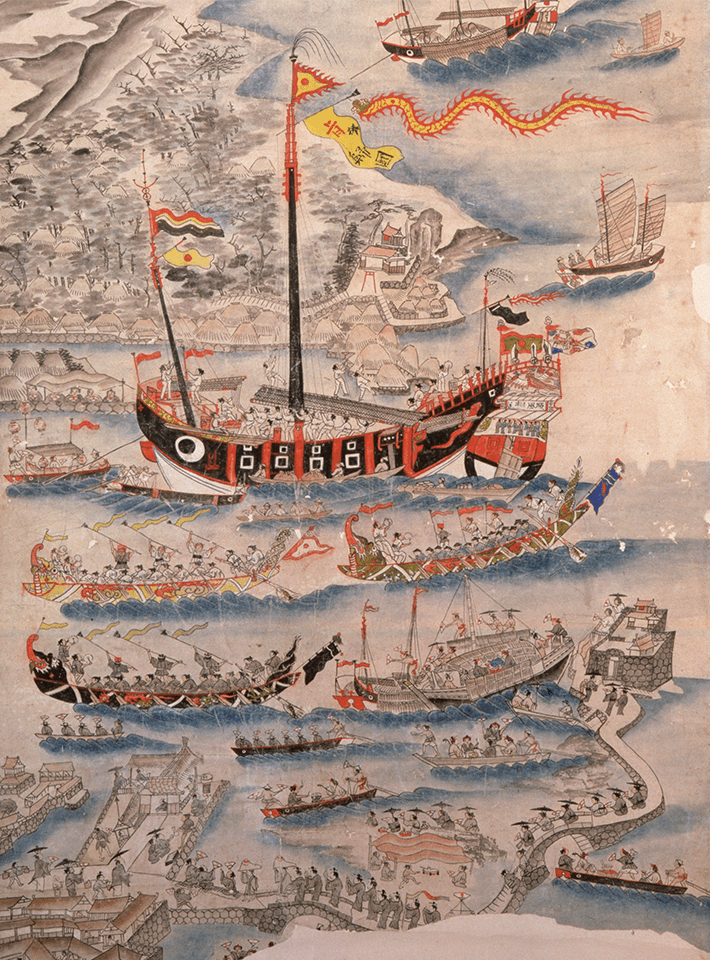
    A Ryukyu tributary mission to China. The relationship between Ryukyu and China allowed the Shimazu to maintain indirect trade links with mainland Asia.

    This proved to be important in the 19th century, when the irresistible tide of modernisation swept Japan after the first American, but later, other powers sought to take advantage of Japan’s weak position for their own ends. It would be the Shimazu (better known as Satsuma Domain by then) under their leader Nariakira, who were amongst the first to grasp the potential for Western-style industrialisation and warfare.

    Satsuma Domain would be at the vanguard of the Meiji Restoration, with its alliance with the Mori clan of the Choshu Domain proving to be the decisive factor in the brief, but bloody Boshin War that saw the Tokugawa overthrown and Imperial rule reestablished.

    The Shimazu themselves would endure the tumultuous years of the late 19th and 20th centuries, and the family survives today, with the 33rd head of the clan, Shimazu Tadahiro, serving as CEO of the Shimazu Corporation, which works to promote not only the cultural legacy of the Shimazu family, but also tourism and business development in and around Kagoshima, the traditional heart of the Satsuma Domain.

    Sources
    https://ja.wikipedia.org/wiki/%E5%B3%B6%E6%B4%A5%E7%BE%A9%E4%B9%85
    https://ja.wikipedia.org/wiki/%E5%B3%B6%E6%B4%A5%E7%BE%A9%E5%BC%98
    https://ja.wikipedia.org/wiki/%E5%B3%B6%E6%B4%A5%E6%B0%8F#
    https://ja.wikipedia.org/wiki/%E5%B3%B6%E6%B4%A5%E5%BF%A0%E8%A3%95
    https://ja.wikipedia.org/wiki/%E5%B3%B6%E6%B4%A5%E8%88%88%E6%A5%AD
    https://ja.wikipedia.org/wiki/%E5%B3%B6%E6%B4%A5%E6%96%89%E5%BD%AC
    https://ja.wikipedia.org/wiki/%E6%A0%B9%E7%99%BD%E5%9D%82%E3%81%AE%E6%88%A6%E3%81%84
    https://ja.wikipedia.org/wiki/%E4%B9%9D%E5%B7%9E%E5%B9%B3%E5%AE%9A
    https://ja.wikipedia.org/wiki/%E6%88%B8%E6%AC%A1%E5%B7%9D%E3%81%AE%E6%88%A6%E3%81%84
    https://ja.wikipedia.org/wiki/%E6%B2%96%E7%94%B0%E7%95%B7%E3%81%AE%E6%88%A6%E3%81%84
    https://ja.wikipedia.org/wiki/%E9%BE%8D%E9%80%A0%E5%AF%BA%E9%9A%86%E4%BF%A1
    https://en.wikipedia.org/wiki/List_of_daimy%C5%8Ds_from_the_Sengoku_period