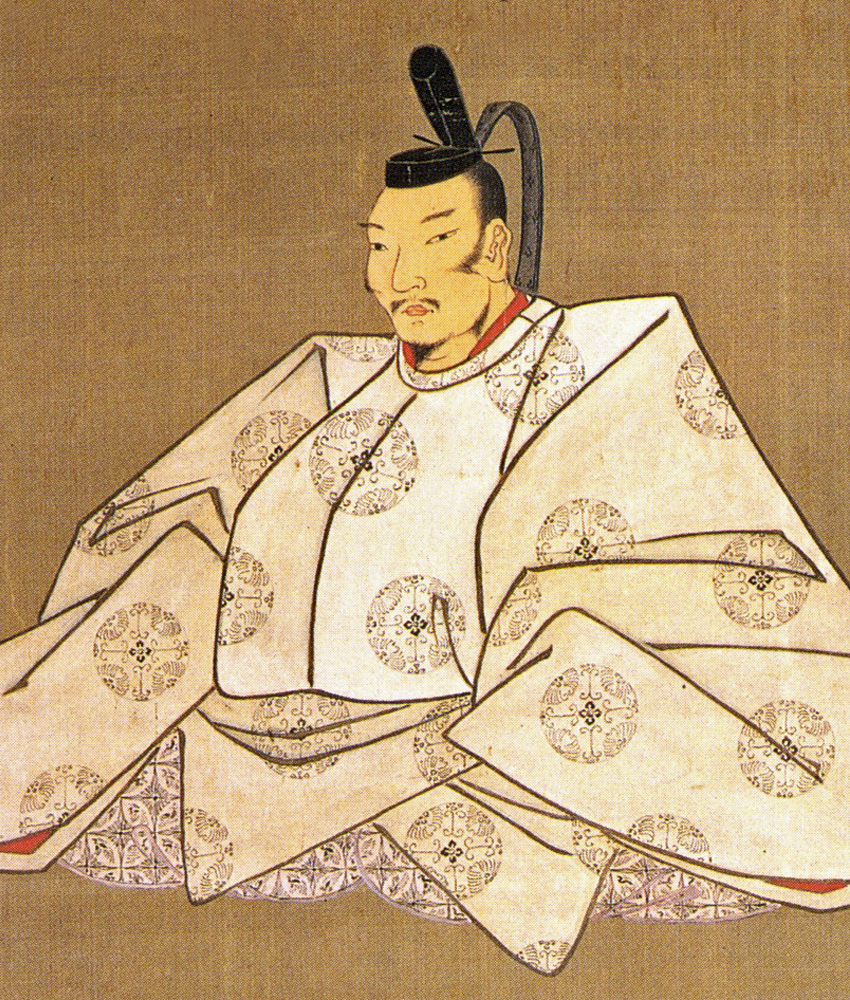
Though the Battle of Sekigahara is often used as a convenient end point for the Sengoku Jidai, the final Battle was part of a campaign across Japan between the Western Forces, now led by Ishida Mitsunari, and the Eastern Forces, who followed Tokugawa Ieyasu.
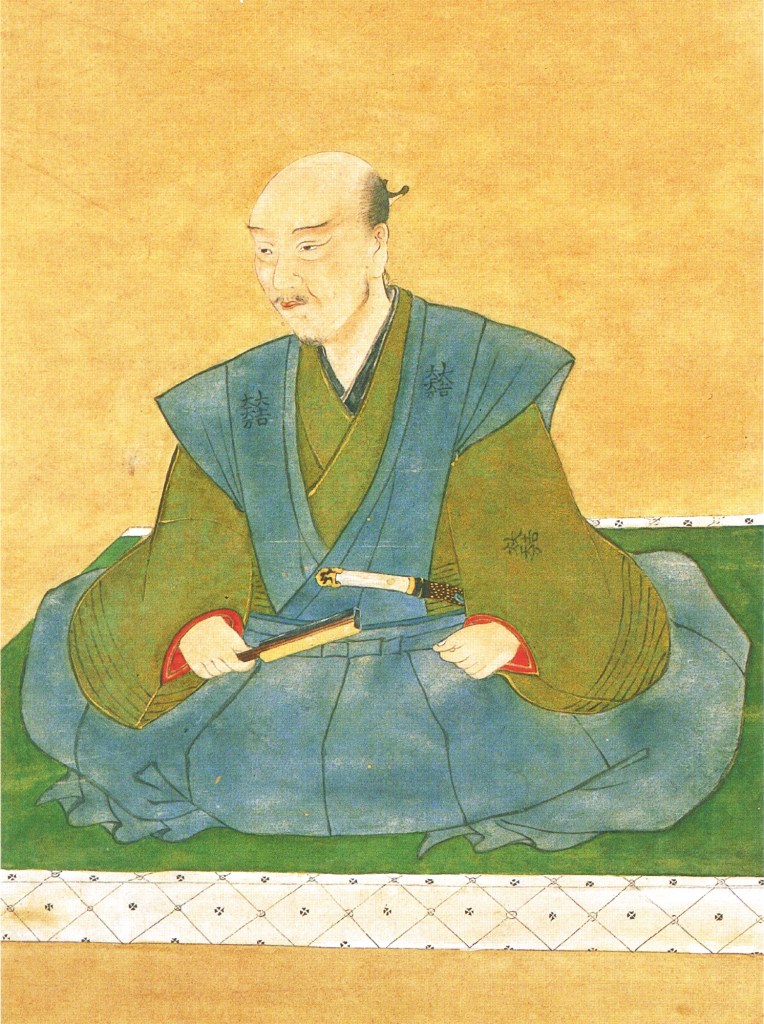
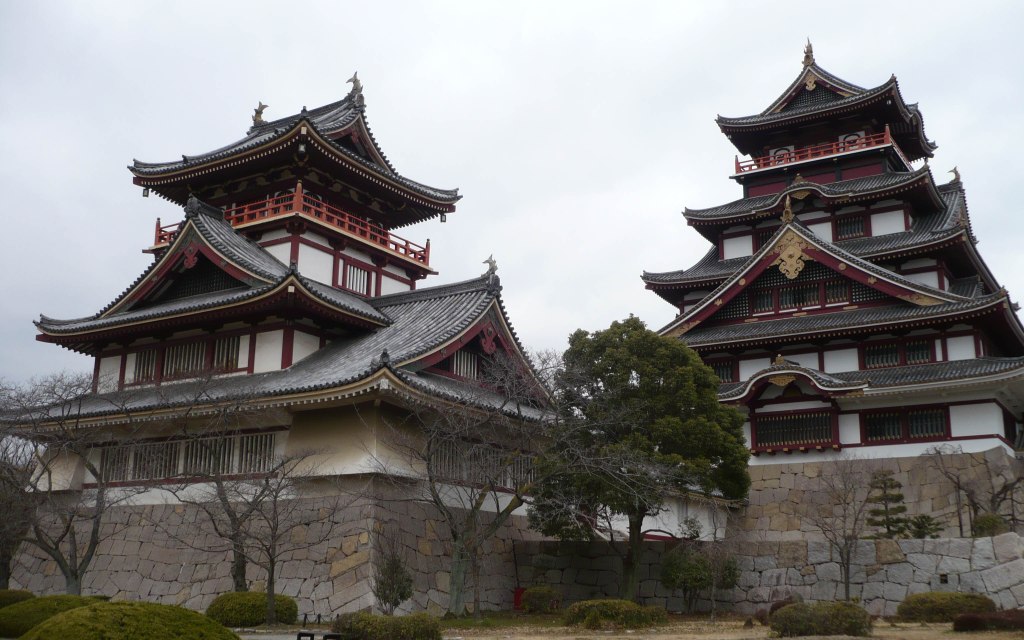
The first blow had fallen at Fushimi Castle, garrisoned by troops loyal to Ieyasu, which had fallen in early August, but fighting had also broken out elsewhere in the realm, as forces loyal to both sides sought strategic advantage and settled a few old scores. Each side had its share of victories and setbacks, with various battles and sieges occurring throughout Japan.
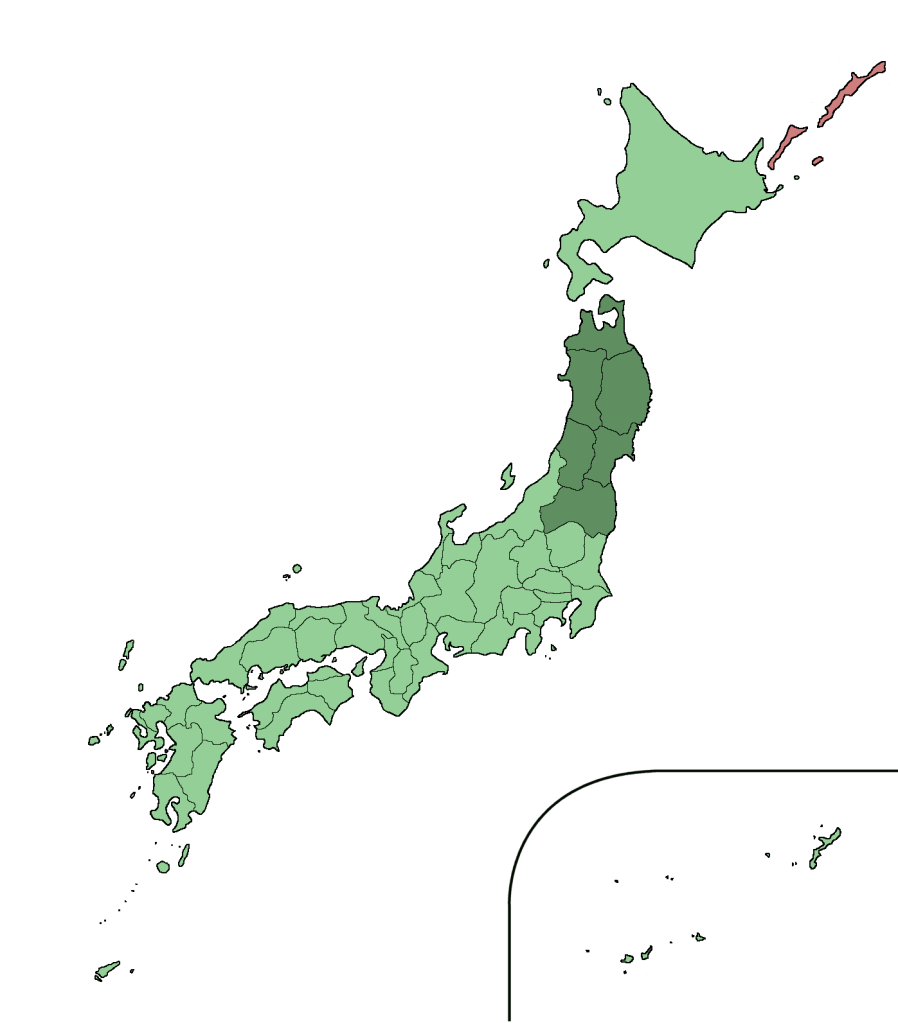
Mori Terumoto, despite nominally being the commander of the Western Army, dispatched forces against Ieyasu’s supporters in Kyushu and Shikoku, whilst the Date clan, loyal to Ieyasu, attacked the Uesugi in northern Japan. As might be expected in a war between East and West, some of the heaviest fighting was in central Japan, and it was here that Eastern forces would have the better of it.
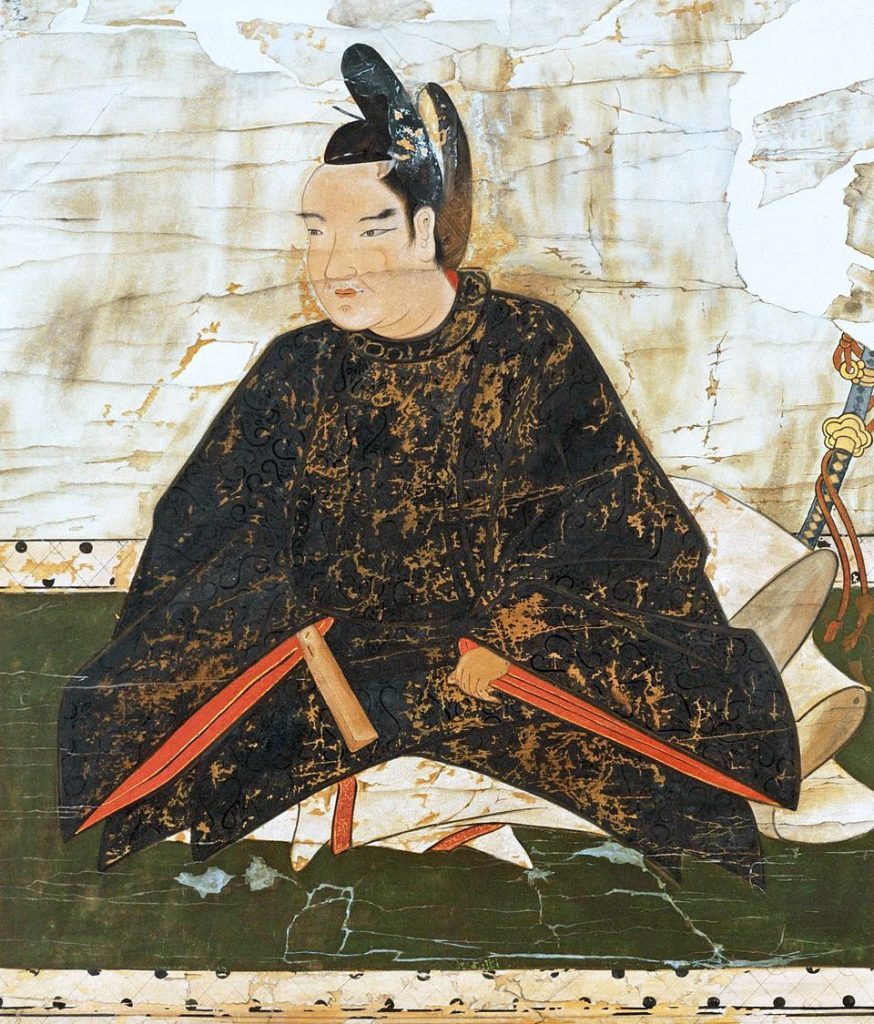
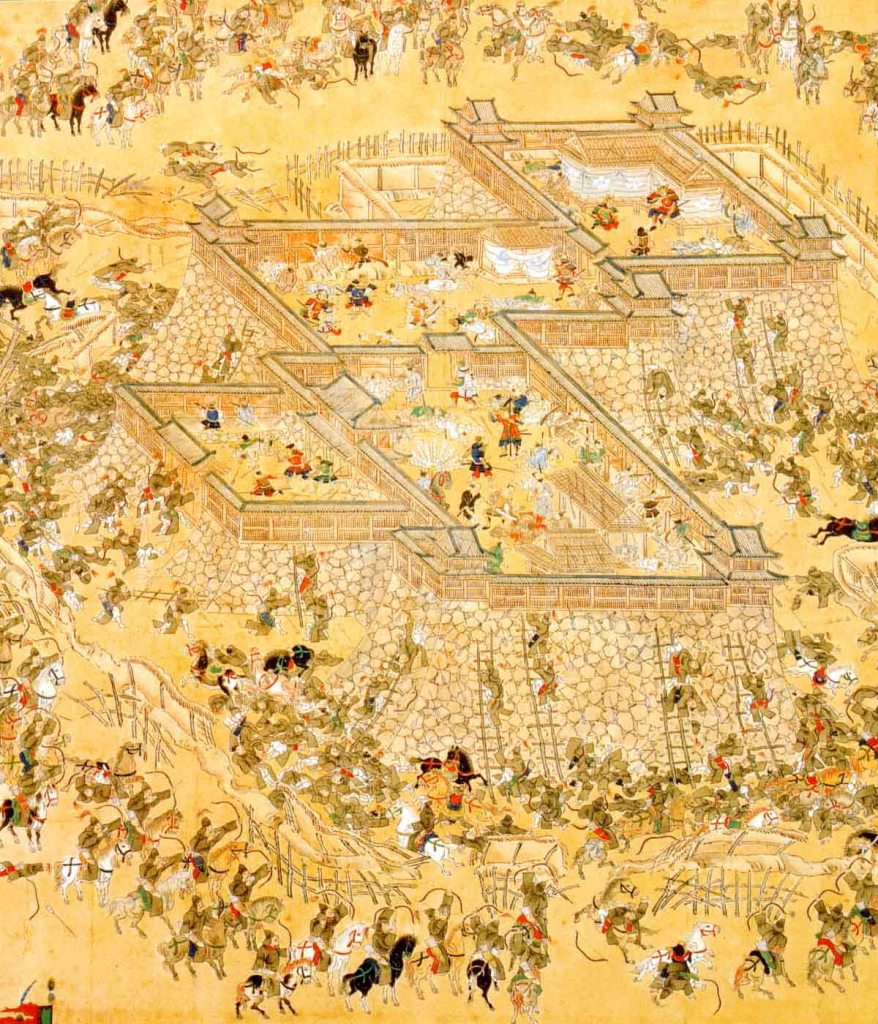
Despite stiff resistance from Oda Hidenobu (Nobunaga’s grandson), Eastern forces crossed the strategically important Kiso River and defeated a counterattack at Komeno. They then took Takegahana Castle, opening the way for them to lay siege to Hidenobu’s base at Gifu Castle, a fortress that Western forces had expected to hold out, but which fell in a single, bloody day.
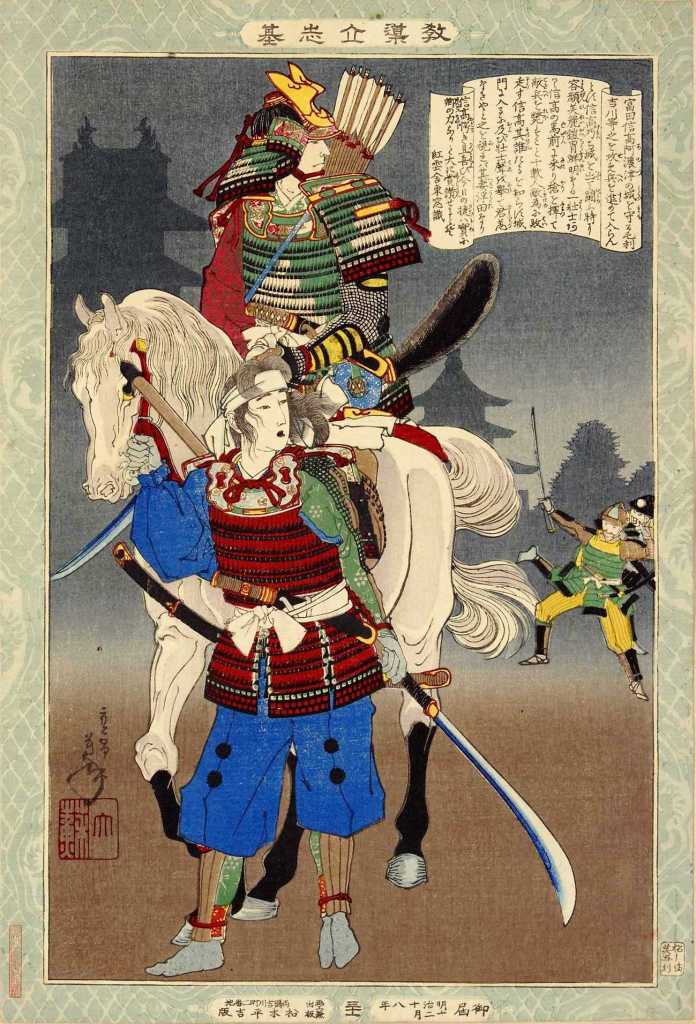
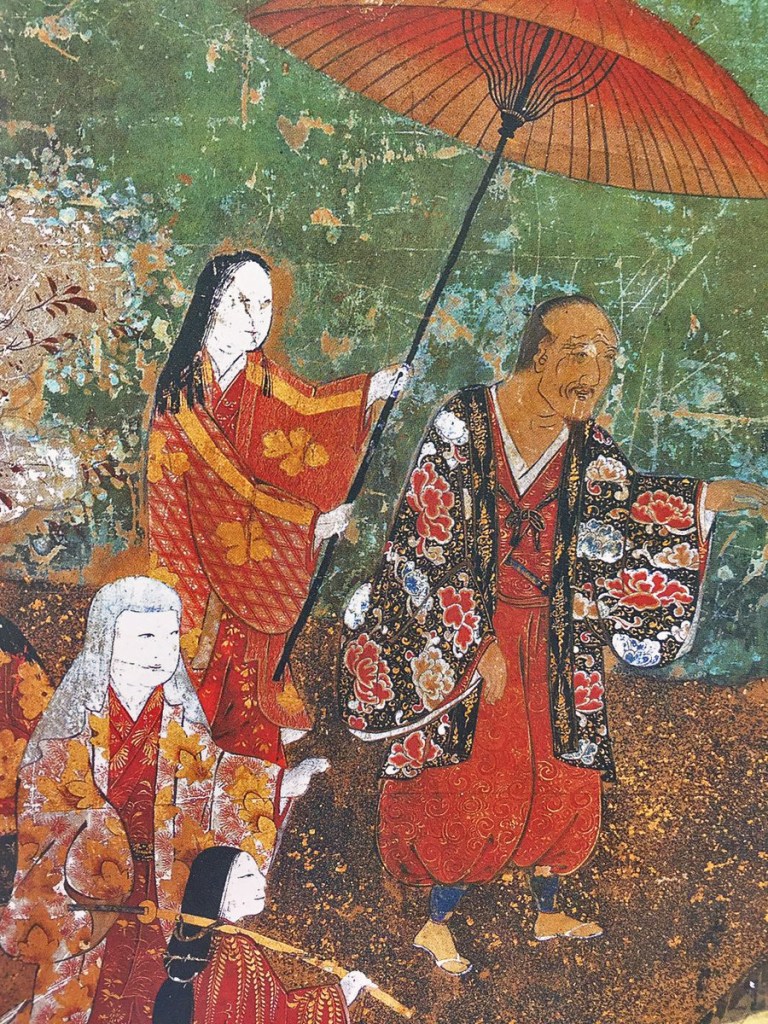
The Eastern army didn’t have it all their own way; a Western attack on Tsu Castle in modern-day Mie Prefecture overwhelmed the badly outnumbered garrison. Though this Battle would ultimately prove to have a relatively minor effect on the overall outcome, it is perhaps best remembered for the account of the life of the lord of Tsu castle, Tomita Nobutaka, being saved by the timely intervention of a warrior described as being “beautiful and martial, hearing of the urgency of the situation, went out alone on horseback, their armor and helmet brilliant, spirited and courageous…” This warrior turned out to be Nobutaka’s wife.
Despite this defeat, the strategic initiative began to shift towards the Eastern forces throughout August and September. Some later sources place the blame for this on Ishida Mitsunari; he was criticised for being slow to respond after the fall of Gifu, though some scholars have defended him, arguing that no one had expected the formidable fortress to fall in a single day, and Mitsunari had had to deal with widely scattered forces of variable loyalty.
Another figure who may have played a part in undermining Western Forces was Mori Terumoto. Though he was nominally the commander in chief, he limited himself to campaigning in Shikoku and Kyushu, and it was revealed after the campaign was over that there had been a secret agreement between Ieyasu and the Mori, promising to allow the Mori to keep their lands in exchange for not fighting too hard, leading some to speculate that Mori forces were deliberately ‘pulling their punches’.
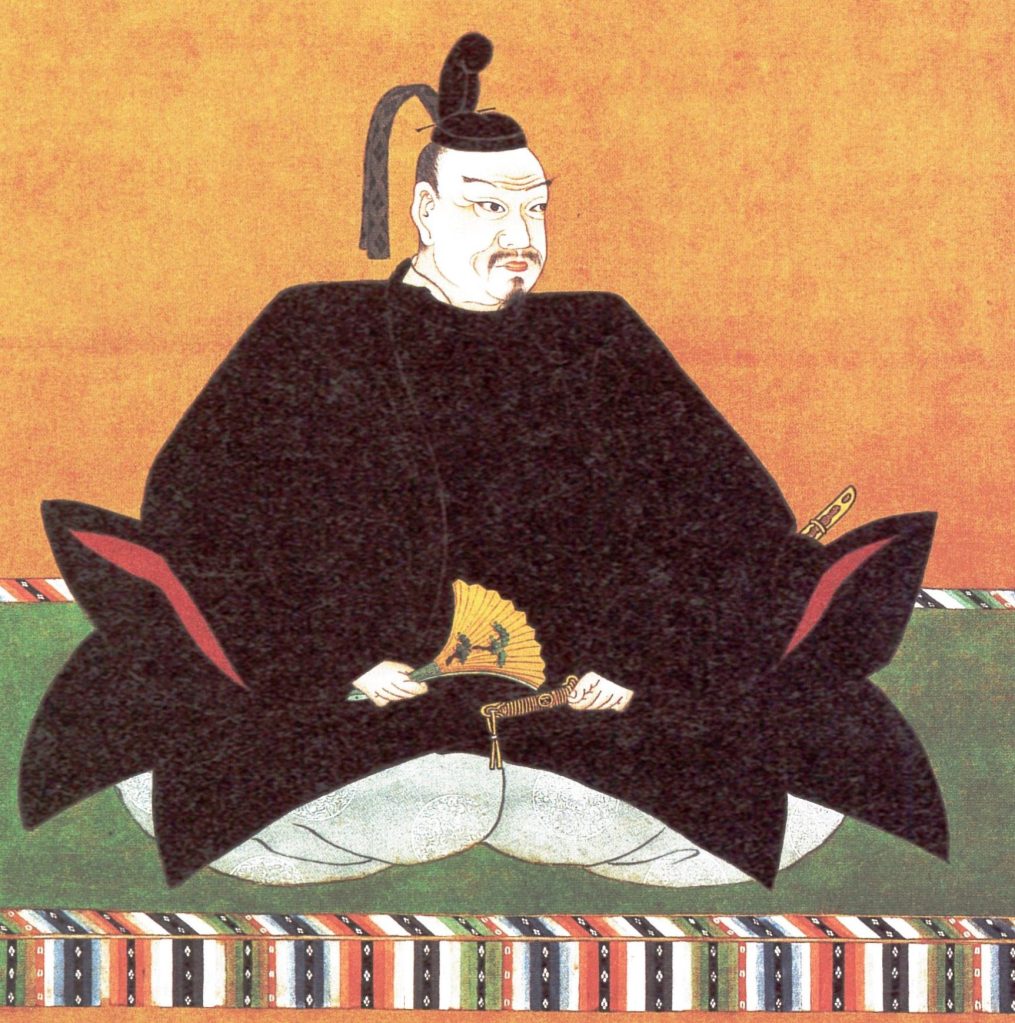
Regardless of the reasons, by October, both sides were heading towards a decisive confrontation. On October 20th, Ieyasu’s advanced forces arrived at Akasaka, near Mitsunari’s base at Ogaki Castle (in the modern city of the same name). It was said that the sight of Ieyasu’s forces arriving en masse led to a sharp decline in morale amongst the Western forces, with some simply deserting.
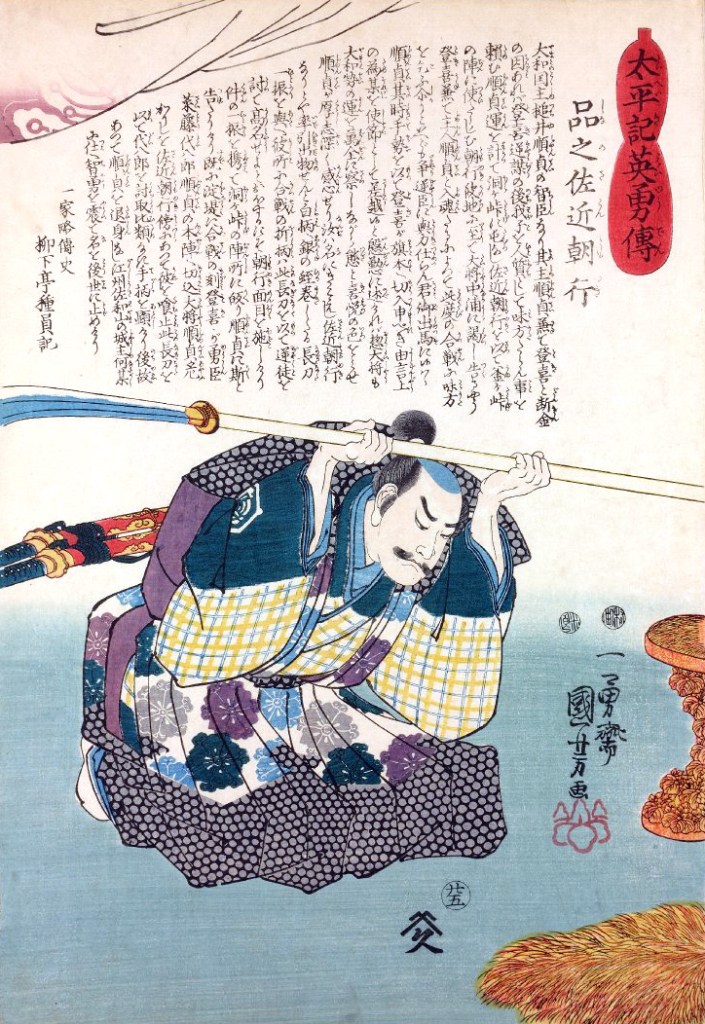
Recognising the severity of the situation, Mitsunari’s chief retainer, Shima Kiyoki, led a surprise attack on the advancing Eastern Army, winning a small tactical victory, which did much to boost Western morale, though it would prove to be their last success. The next day, Ieyasu marched the bulk of his forces to Sekigahara.
Given how significant the Battle would prove to be, it might surprise you to learn that the exact course of events has never been completely established. The main reason for this is that there are dozens of second-hand sources written by people who ‘heard’ about what happened but were actually there. Even among the first-hand sources, there are conflicting accounts, as various figures seek either to associate themselves more closely with the victory or to distance themselves from the defeat, for reasons ranging from political considerations to personal pride.
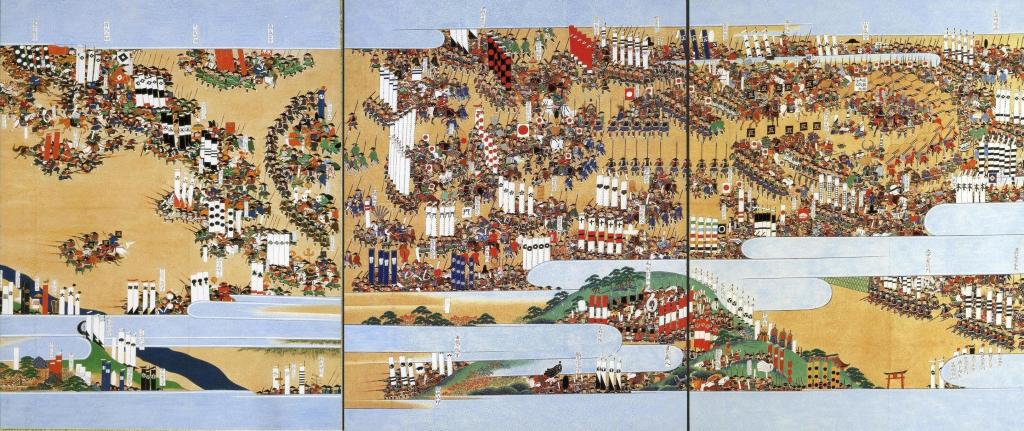
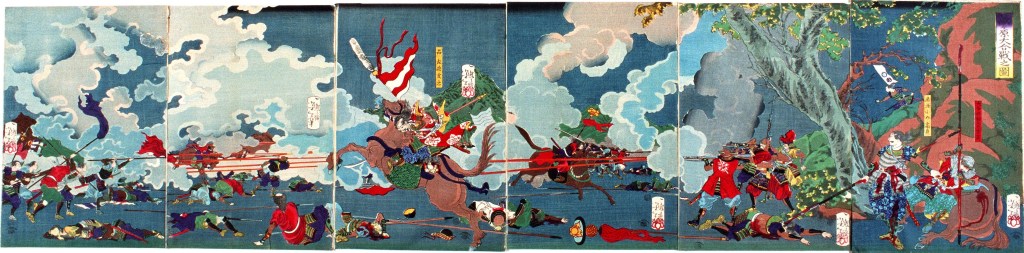
The sources broadly agree that the two sides crashed into each other at around 8am, their approaches hidden by early-morning fog, and that the Battle of Sekigahara began almost by accident. After some initial skirmishes, both sides withdrew and regrouped. The fighting lasted most of the morning, and sources seem to agree that it was a fairly evenly matched affair until late morning, when a large section of the Western army under the command of Kobayawaka Hideaki switched sides and attacked the vulnerable flank of his former allies, putting them to flight.
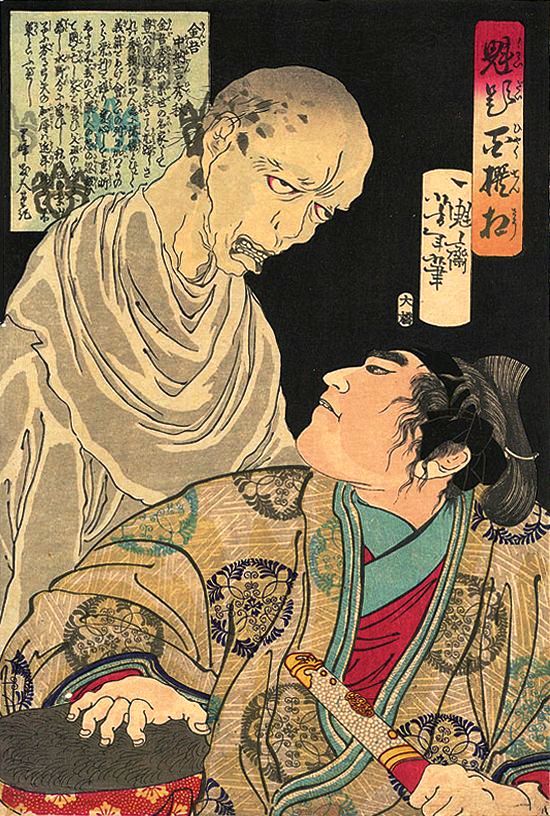
Though the betrayal is a historical fact, the exact reasons remain unclear. Some sources suggest that Hideaki had made a deal with Ieyasu beforehand, either promising not to fight or to indeed switch sides, whilst others state that it was a spur-of-the-moment decision, born of fear of defeat or naked opportunism.
There is also disagreement over how much Ieyasu knew about the betrayal before the fact; some sources tell us that he was waiting for Hideaki to launch his attack, while some reports suggest that Ieyasu ordered his forces to open fire on Hideaki, though whether this was to force his decision or because he wasn’t aware of Hideaki’s betrayal is disputed.
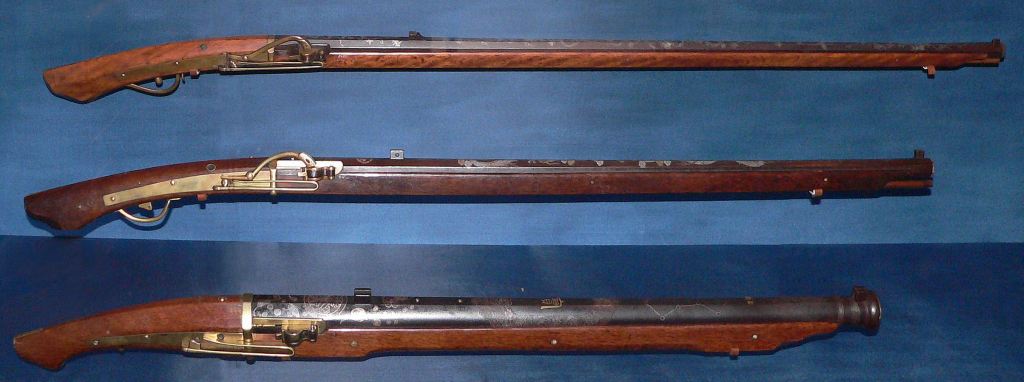
Rama – Rama, CC BY-SA 2.0 fr, https://commons.wikimedia.org/w/index.php?curid=2176826による
Regardless of his reasons or Ieyasu’s foreknowledge, the betrayal was the decisive moment, and by midday, the Western Army was routed and fleeing from the field. In the days that followed, Ieyasu and his vassals conducted what would be termed ‘mopping up’ in modern times, rounding up those who could be captured, laying siege to numerous castles, and generally consolidating the victory.
Those who had betrayed the Eastern army were then tasked with capturing Ishida Mitsunari’s base at Sawayama Castle, which fell after a few days, resulting in the deaths (in Battle or by suicide) of most of Mitsunari’s family. The man himself had already fled, and Ieyasu placed a high priority on his capture, blaming him for raising the Western Army in the first place (Mitsunari was not the only leader, or even, arguably, the most prominent).
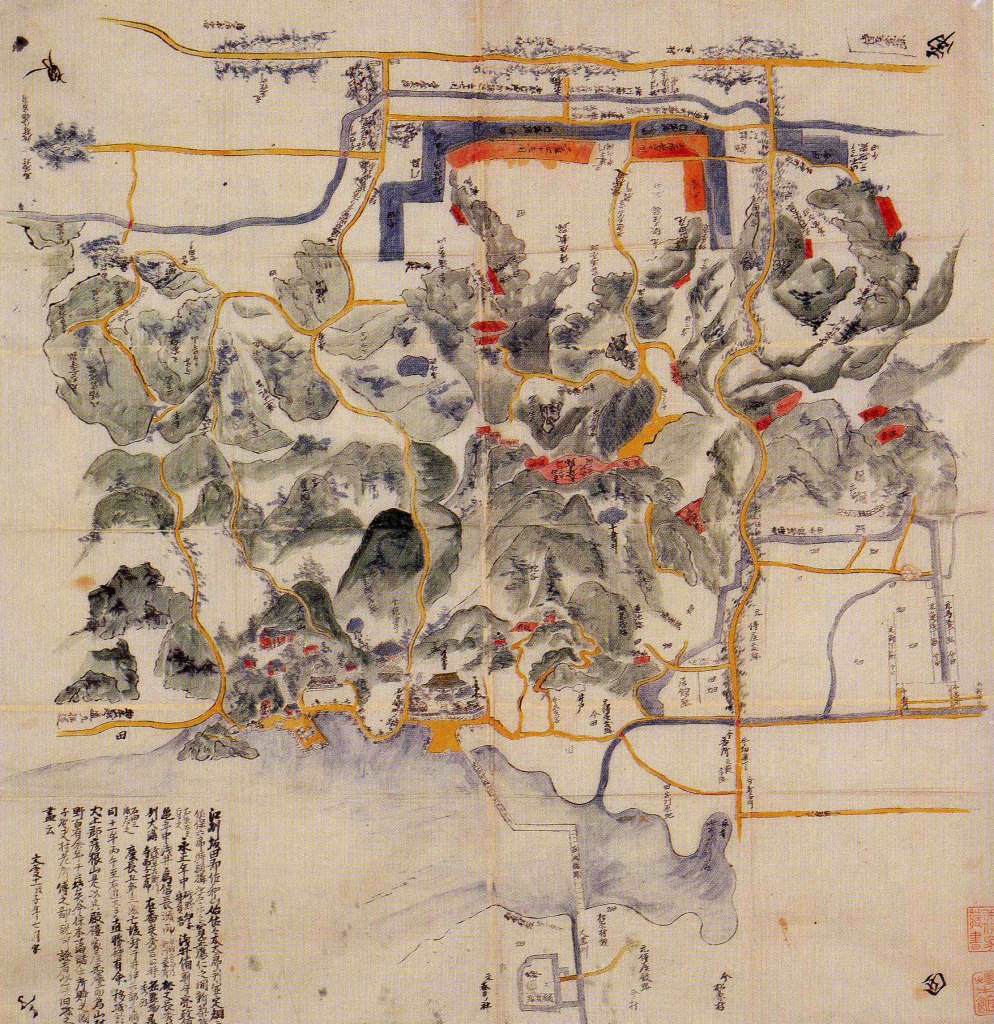
In fact, historians disagree on the extent of Mitsunari’s role in raising an army against Ieyasu. The long-held view was that he was the primary ringleader, but most of the sources that speak of this are from the later Edo Period, when there was a political interest in shifting the blame onto the by then dead (spoilers) Mitsunari, and away from other clans, who may have played a larger role, but who were too powerful to blame directly.
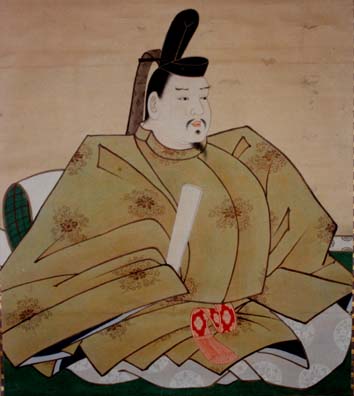
Mitsunari managed to flee as far as the village of Furuhashi in Omi Province (modern-day Shiga Province) before Ieyasu’s forces caught up with him. Taken under guard to an audience with Ieyasu at Otsu Castle, Mitsunari was then paraded through Osaka and presented as a common criminal before being beheaded at the Rokujogawara execution grounds in Kyoto.
With Mitsunari gone, Ieyasu then turned his attention to consolidating his control of the realm, but we’ll cover that next time.
Sources
https://ja.wikipedia.org/wiki/%E9%96%A2%E3%83%B6%E5%8E%9F%E3%81%AE%E6%88%A6%E3%81%84
https://ja.wikipedia.org/wiki/%E7%9F%B3%E7%94%B0%E4%B8%89%E6%88%90
https://ja.wikipedia.org/wiki/%E5%85%AD%E6%9D%A1%E6%B2%B3%E5%8E%9F
https://ja.wikipedia.org/wiki/%E5%B0%8F%E6%97%A9%E5%B7%9D%E7%A7%80%E7%A7%8B
https://ja.wikipedia.org/wiki/%E5%A4%A7%E8%B0%B7%E5%90%89%E7%B6%99
https://ja.wikipedia.org/wiki/%E7%94%B0%E8%BE%BA%E5%9F%8E%E3%81%AE%E6%88%A6%E3%81%84
https://ja.wikipedia.org/wiki/%E6%B5%85%E4%BA%95%E7%95%B7%E3%81%AE%E6%88%A6%E3%81%84
https://ja.wikipedia.org/wiki/%E4%B8%8A%E6%9D%89%E9%81%BA%E6%B0%91%E4%B8%80%E6%8F%86
https://ja.wikipedia.org/wiki/%E6%9C%A8%E6%9B%BD%E5%B7%9D%E3%83%BB%E5%90%88%E6%B8%A1%E5%B7%9D%E3%81%AE%E6%88%A6%E3%81%84
https://ja.wikipedia.org/wiki/%E6%B2%B3%E7%94%B0%E6%9C%A8%E6%9B%BD%E5%B7%9D%E6%B8%A1%E6%B2%B3%E3%81%AE%E6%88%A6%E3%81%84
https://ja.wikipedia.org/wiki/%E7%B1%B3%E9%87%8E%E3%81%AE%E6%88%A6%E3%81%84
https://ja.wikipedia.org/wiki/%E7%AB%B9%E3%83%B6%E9%BC%BB%E5%9F%8E%E3%81%AE%E6%88%A6%E3%81%84#%E6%85%B6%E9%95%B75%E5%B9%B4%E3%81%AE%E7%AB%B9%E3%83%B6%E9%BC%BB%E5%9F%8E%E3%81%AE%E6%88%A6%E3%81%84
https://ja.wikipedia.org/wiki/%E5%B2%90%E9%98%9C%E5%9F%8E%E3%81%AE%E6%88%A6%E3%81%84
https://ja.wikipedia.org/wiki/%E7%B9%94%E7%94%B0%E7%A7%80%E4%BF%A1
https://ja.wikipedia.org/wiki/%E5%B2%90%E9%98%9C%E5%9F%8E
https://ja.wikipedia.org/wiki/%E5%AE%89%E6%BF%83%E6%B4%A5%E5%9F%8E%E3%81%AE%E6%88%A6%E3%81%84
https://ja.wikipedia.org/wiki/%E6%AF%9B%E5%88%A9%E7%A7%80%E5%85%83
https://ja.wikipedia.org/wiki/%E5%85%AB%E5%B9%A1%E5%9F%8E%E3%81%AE%E5%90%88%E6%88%A6
https://ja.wikipedia.org/wiki/%E4%B8%8A%E7%94%B0%E5%90%88%E6%88%A6
https://ja.wikipedia.org/wiki/%E5%A4%A7%E6%B4%A5%E5%9F%8E%E3%81%AE%E6%88%A6%E3%81%84
https://ja.wikipedia.org/wiki/%E6%AF%9B%E5%88%A9%E8%BC%9D%E5%85%83%E3%81%AE%E5%9B%9B%E5%9B%BD%E3%83%BB%E4%B9%9D%E5%B7%9E%E5%87%BA%E5%85%B5
https://ja.wikipedia.org/wiki/%E7%9F%B3%E5%9E%A3%E5%8E%9F%E3%81%AE%E6%88%A6%E3%81%84
https://ja.wikipedia.org/wiki/%E6%9D%AD%E7%80%AC%E5%B7%9D%E3%81%AE%E6%88%A6%E3%81%84
https://ja.wikipedia.org/wiki/%E5%B3%B6%E6%B8%85%E8%88%88
https://ja.wikipedia.org/wiki/%E5%A4%A7%E5%9E%A3%E5%9F%8E
https://ja.wikipedia.org/wiki/%E5%AE%89%E6%A5%BD%E5%AF%BA_(%E5%A4%A7%E5%9E%A3%E5%B8%82)

 Chris Perry, Author