The Battle of Nagashino in 1575 had been one of the most significant battles of the later Sengoku Jidai. The military power of the once mighty Takeda clan had been broken, and Tokugawa Ieyasu, formerly a largely independent warlord, effectively became a vassal of Oda Nobunaga.
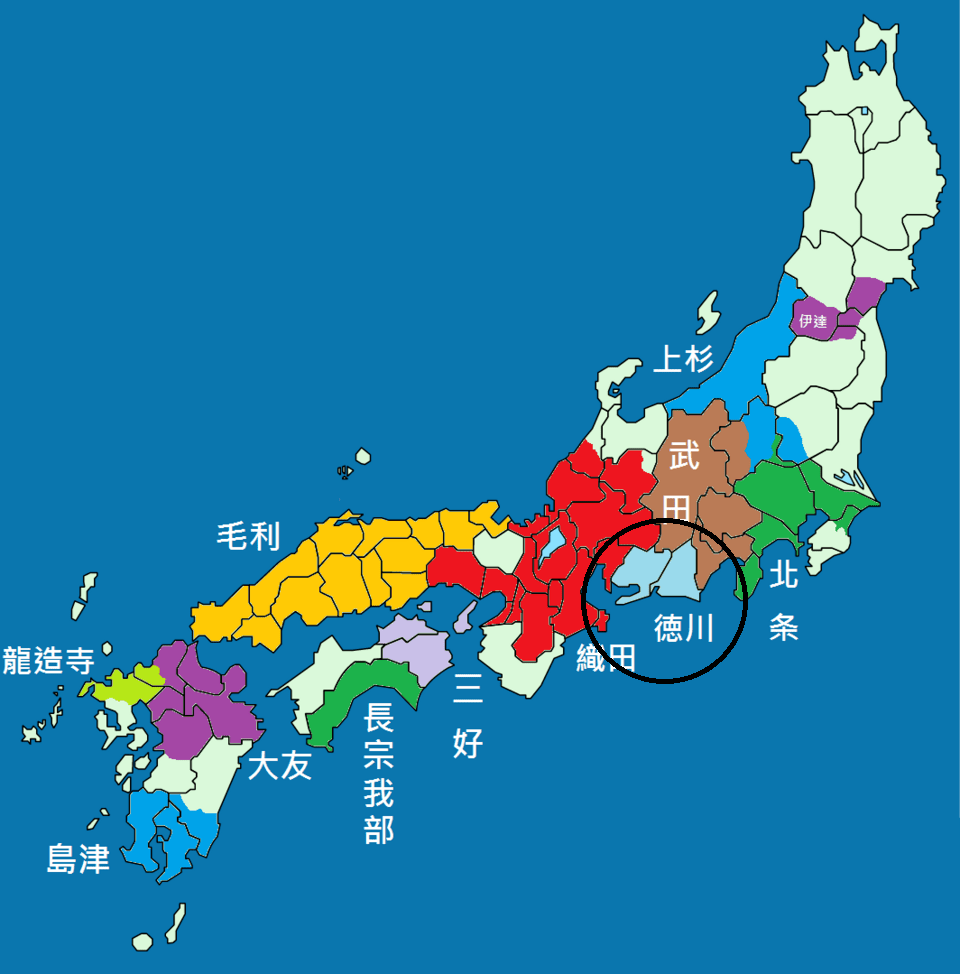
By Alvin Lee – Own work, CC BY-SA 4.0, https://commons.wikimedia.org/w/index.php?curid=39198356
Between 1575 and the early 1580s, Ieyasu consolidated his position in the recently conquered territory, and the Takeda, under the leadership of Katsuyori, focused on holding together what they had, seeking diplomatic support from other clans in the Kanto and even a rapprochement with their historic enemies, the Uesugi Clan.
It will probably not surprise you to learn that this period of relative peace was not particularly peaceful at all, with low-level skirmishing occurring along the borders, but it wasn’t until 1581 that full-scale war broke out again, when Ieyasu took the strategically important Takatenjin Castle in Totomi Province.
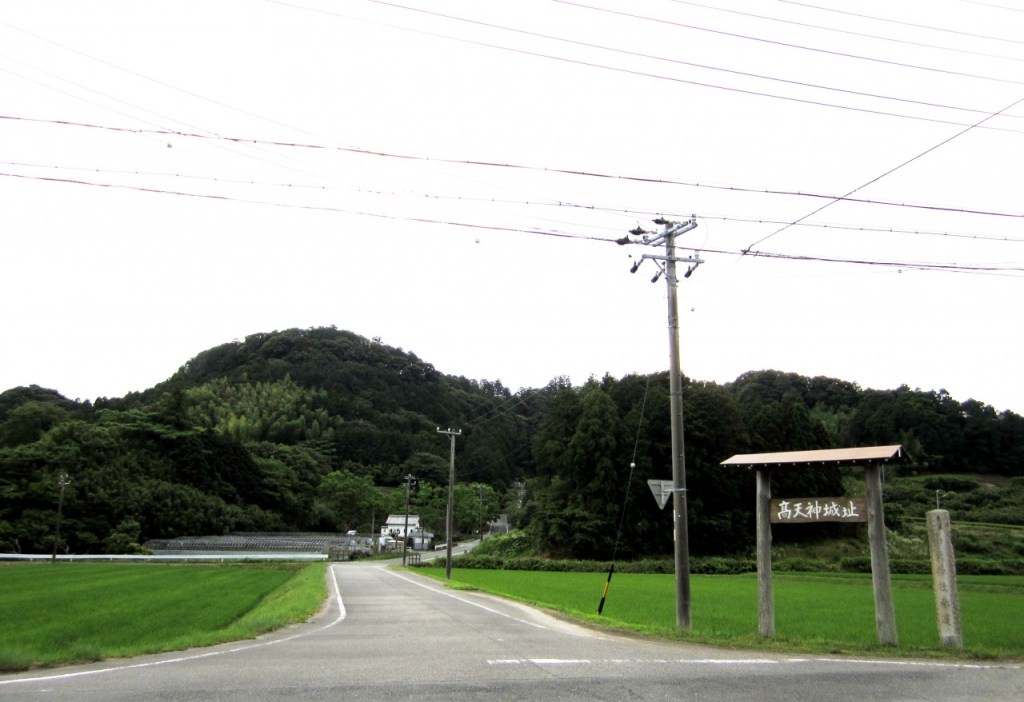
立花左近 – 投稿者自身による著作物, CC 表示-継承 3.0, https://commons.wikimedia.org/w/index.php?curid=29796111による
The fall of the castle was a problem in and of itself, but in the aftermath, the Takeda, already severely weakened, did nothing. Historians have argued that the failure to challenge the loss of such an important castle led many lords to conclude that the Takeda were finished and that their leader, Katsuyori, could no longer protect them.
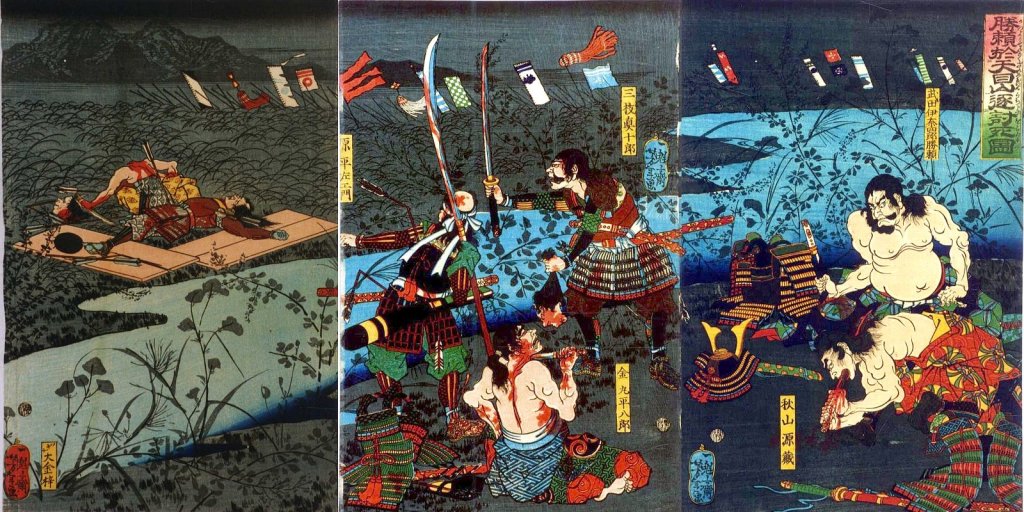
Consequently, when the Oda-Tokugawa forces launched their final attack on the Takeda in February 1582, resistance was short-lived, as lords defected en masse, forcing Katsuyori to first retreat, and then flee, before he was trapped and forced to commit suicide at Tano in March.
In the aftermath of this campaign, Ieyasu was awarded complete control of Suruga Province. When Nobunaga embarked on a tour of his new conquests, Ieyasu laid on luxurious entertainment along the route, even going so far as to refurbish the road and have tea houses specially constructed to receive the Great Lord’s retinue.
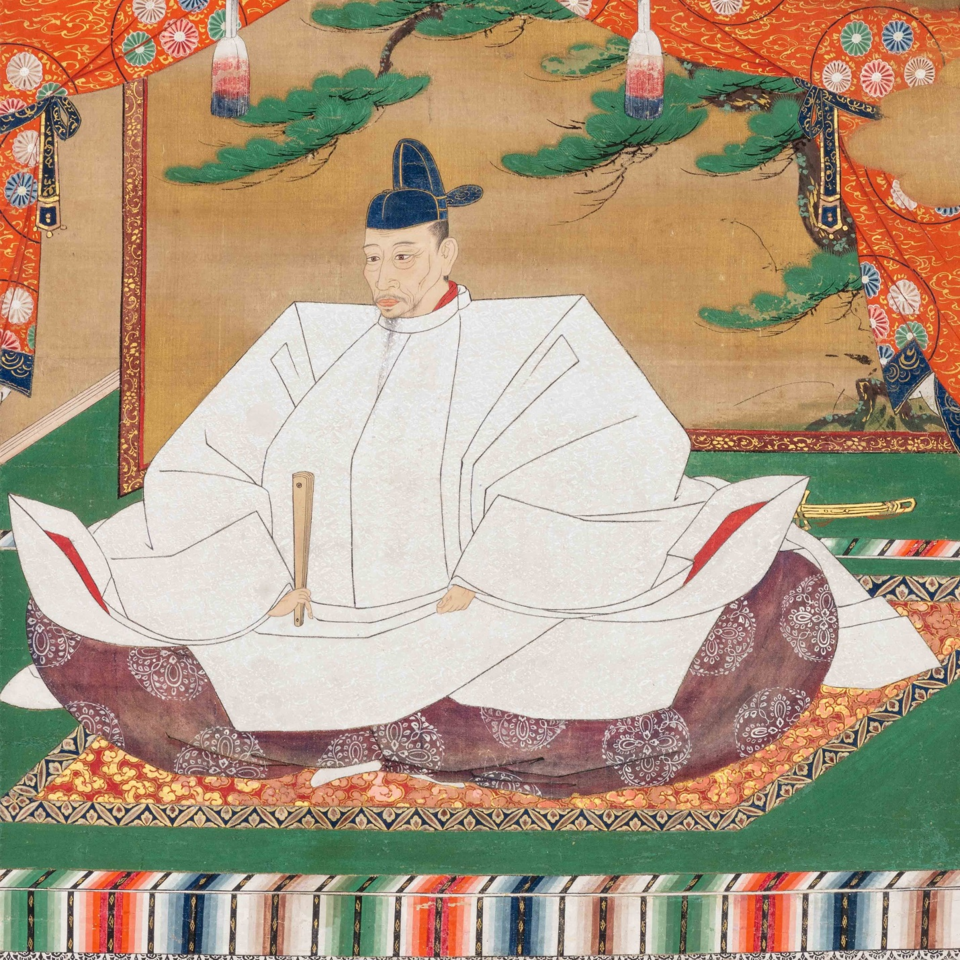
In May 1582, Ieyasu arrived at Nobunaga’s base at Azuchi to pay tribute in gratitude for Suruga Province. At the same time, Toyotomi Hideyoshi (still known as Hashiba at this point) called for reinforcements for his ongoing campaign against the Mori. Nobunaga announced his intention to lead the campaign personally, intending to do to the Mori what he had recently done to the Takeda.
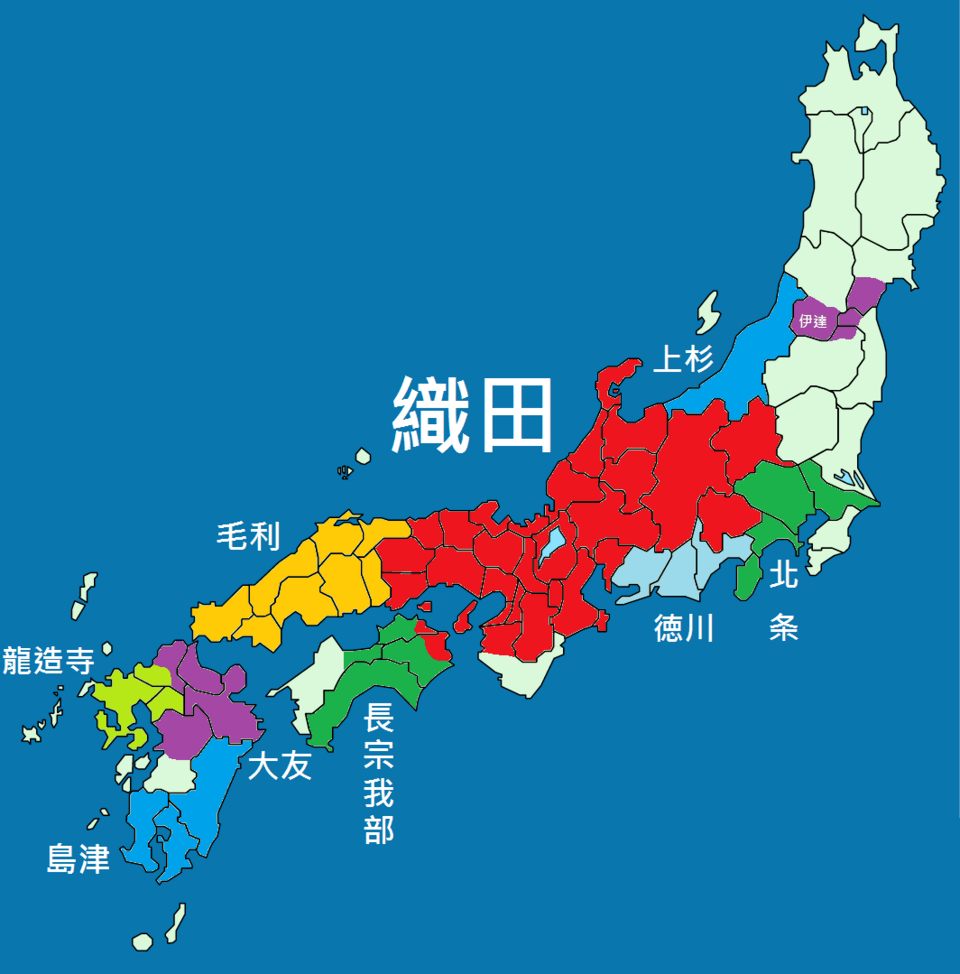
By Alvin Lee – Own work, CC BY-SA 4.0, https://commons.wikimedia.org/w/index.php?curid=39198356
For his part, Ieyasu planned to return to Mikawa first, gather his forces, and then join the campaign later. As part of his journey, Ieyasu stopped in Sakai (in modern Osaka) for what the sources described as “sightseeing”. He was in Sakai when news arrived of the Honnoji Incident and Nobunaga’s death.
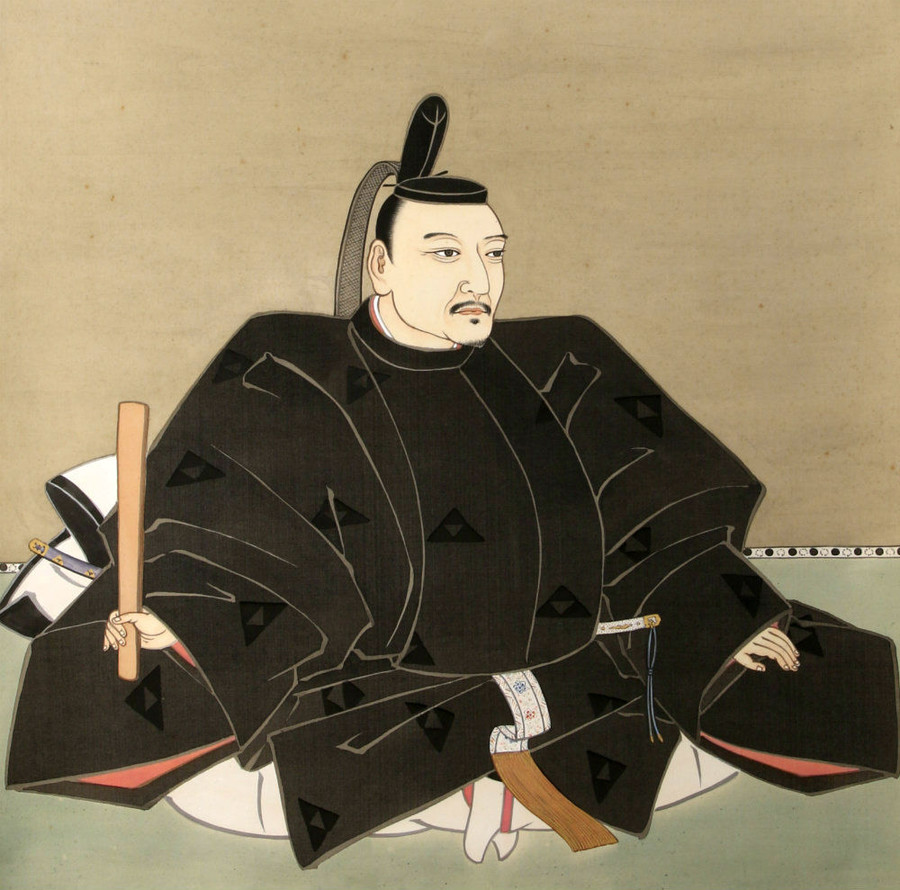
Ieyasu, attended by just a few retainers, was now in mortal danger. At this point, he seems to have lost his head somewhat and tried to head to Kyoto to avenge Nobunaga, or else join him in death (which would have been the likely outcome regardless). Fortunately for Ieyasu, cooler heads prevailed, and he was convinced instead to attempt to escape.
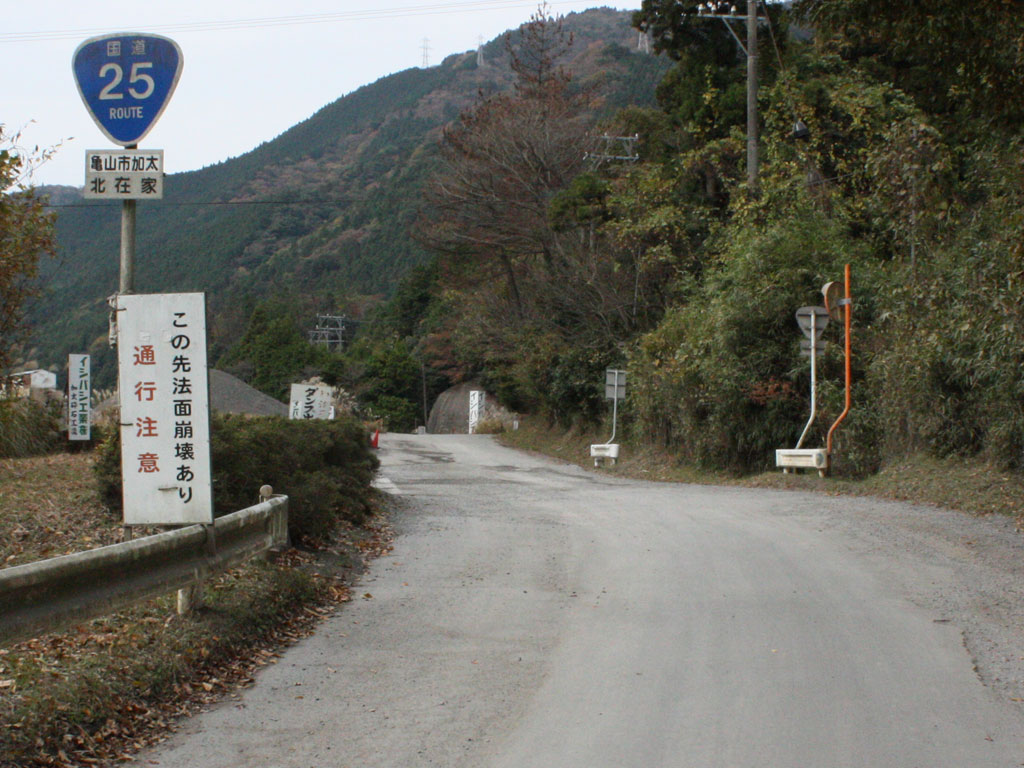
What followed was a much-celebrated (and often mythologised) journey from Sakai to safety in Mikawa. He was aided in his efforts by the legendary retainer Hattori Hanzo, who was a fairly remarkable man in his own right, but not the magical ninja of later legend. It is said that Ieyasu escaped back to Mikawa with just 34 retainers, but they represented the elite of the Tokugawa Clan, and their loss would have been a mortal blow.
However, Ieyasu successfully escaped and set about gathering his forces to march on the traitor Akechi Mitsuhide and avenge Nobunaga’s death. News soon arrived that Mitsuhide had been killed, and Nobunaga avenged by Toyotomi (Hashiba) Hideyoshi, so, with no enemy to fight or vengeance to take, Ieyasu went home.
His respite would be short-lived, however. In the chaotic aftermath of Nobunaga’s death, the recently conquered Takeda territories erupted into rebellion, and it wasn’t before any semblance of order was gone. Seeking to take advantage, the mighty Hojo Clan marched an army of 60,000 into the provinces, which were now largely up for grabs.
Despite some initial setbacks, the sheer size of the Hojo force meant that they were able to quickly conquer large parts of Kozuke, Kai, and Shinano Provinces. Ieyasu had plans of his own for that territory, and besides, he couldn’t allow the Hojo to establish what would likely have been an insurmountable power base right on his doorstep.
What followed became known as the Tensho-Jingo War, characterised by both sides attempting to assert their influence over the scattered remnants of former Takeda loyalists. There was relatively little direct conflict between the two sides, with the exception of the Battle of Kurokama in August 1582, where a force of some 10,000 Hojo warriors attempted to cross the Misaka Pass into Kai, where they were intercepted and decisively defeated by a Tokugawa force only a fifth their size.
Despite this shock outcome, neither side seems to have had much enthusiasm for fighting each other. A peace was quickly agreed upon that recognised Tokugawa control over Kai and Shinano, in exchange for Hojo dominance in Kozuke and for Ieyasu’s daughter, Tokuhime, as wife to Hojo Ujinao, uniting the two clans in a political and dynastic alliance.
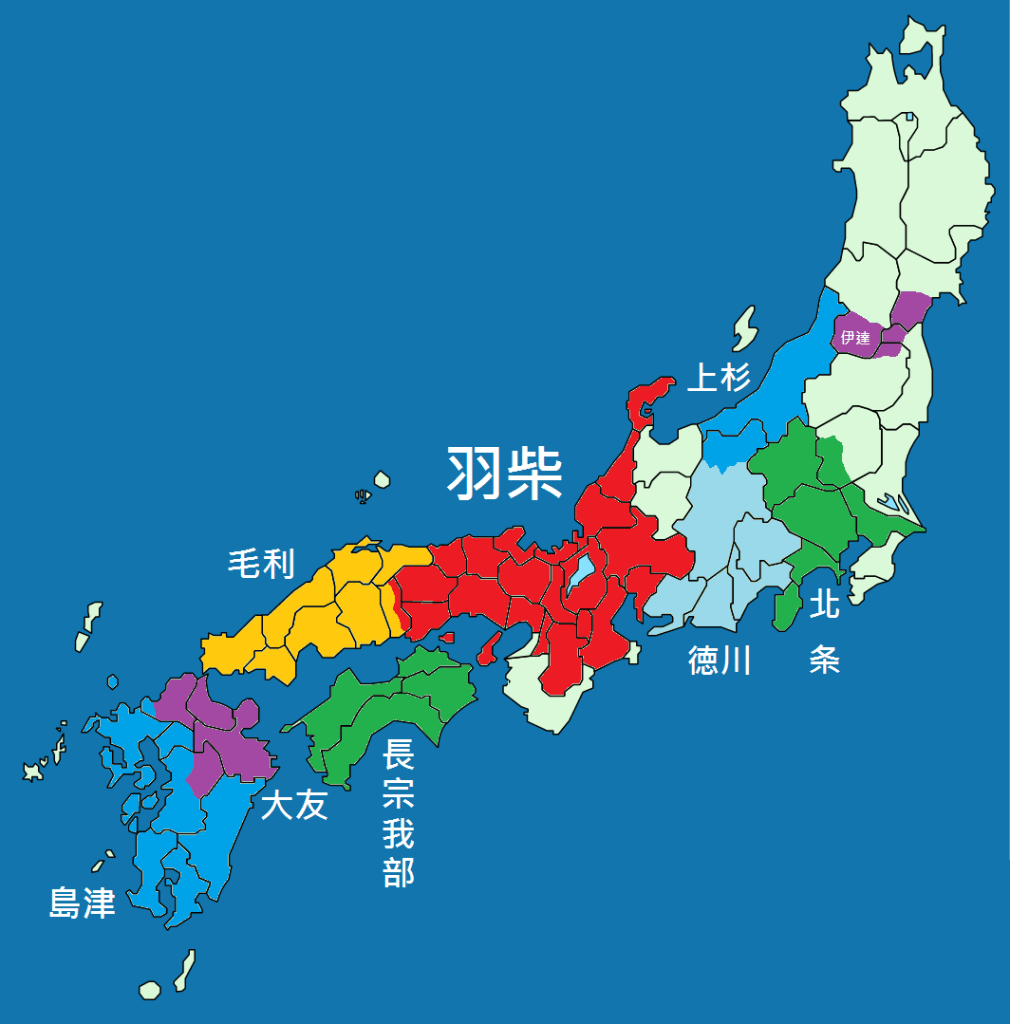
Peace with the Hojo secured Ieyasu’s eastern border and left him in total control of three provinces, Kai, Suruga, and Totomi, and almost total control of two more, Mikawa (except the far west) and Shinano (except the far north). Less than a decade earlier, Ieyasu had looked like he was on the way out, but now, he was one of the most powerful warlords in the realm.
That power was far from unchallenged, though. History tells us that Toyotomi (Hashiba) Hideyoshi was the man to inherit Nobunaga’s power and go on to reunite the realm. However, in the autumn of 1582, there were actually several possible candidates to succeed. Though most would quickly fall in line, or be crushed, by the dawn of 1583, apart from Ieyasu and Hideyoshi, there was another man, Shibata Katsuie, who potentially had the power to claim it all.
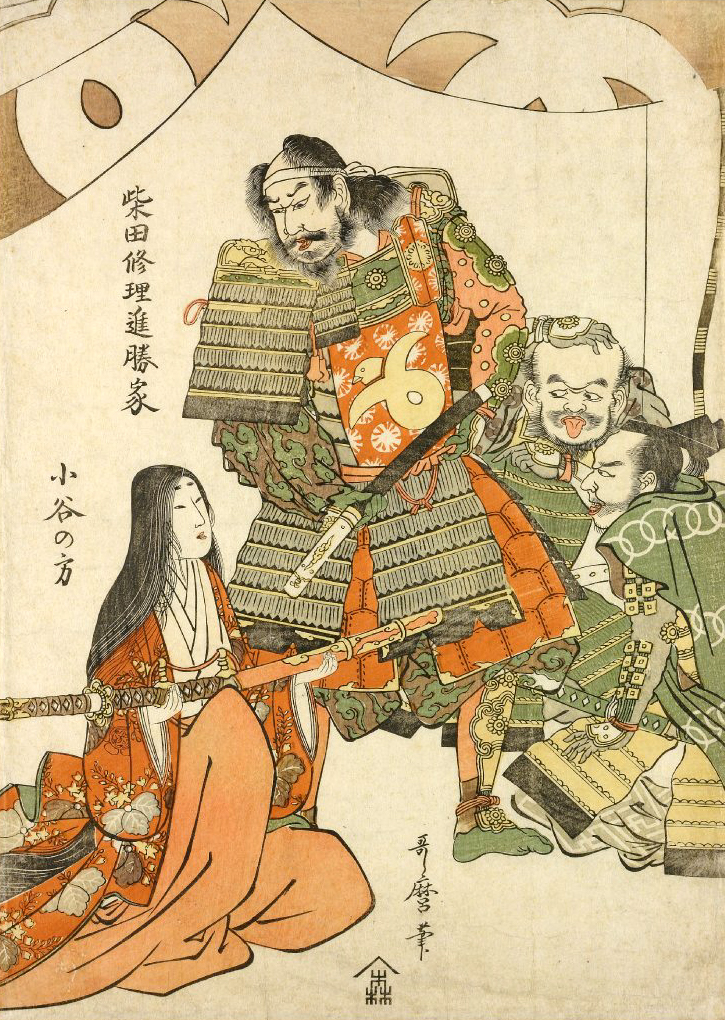
Ieyasu rather wisely kept himself out of the inevitable clash. When Hideyoshi defeated Katsuie at the Battle of Shizugatake in June 1583, Ieyasu was amongst those who were quick to send formal congratulations to Hideyoshi, seeking to keep on good terms with the realm’s new top dog.
It wouldn’t last, however. The simple truth was that Ieyasu was too powerful to be left unchecked, and tensions began to rise almost as soon as Katsuie had been defeated, until the Spring of 1584, when Hideyoshi set out to deal with Ieyasu once and for all.
Sources
https://ja.wikipedia.org/wiki/%E5%BE%B3%E5%B7%9D%E5%AE%B6%E5%BA%B7
https://ja.wikipedia.org/wiki/%E8%B3%A4%E3%83%B6%E5%B2%B3%E3%81%AE%E6%88%A6%E3%81%84
https://ja.wikipedia.org/wiki/%E5%A4%A9%E6%AD%A3%E5%A3%AC%E5%8D%88%E3%81%AE%E4%B9%B1
https://ja.wikipedia.org/wiki/%E9%95%B7%E7%AF%A0%E3%81%AE%E6%88%A6%E3%81%84
https://ja.wikipedia.org/wiki/%E6%AD%A6%E7%94%B0%E5%8B%9D%E9%A0%BC
https://ja.wikipedia.org/wiki/%E9%AB%98%E5%A4%A9%E7%A5%9E%E5%9F%8E%E3%81%AE%E6%88%A6%E3%81%84
https://ja.wikipedia.org/wiki/%E4%BC%8A%E8%B3%80%E8%B6%8A%E3%81%88

