Tag: Hojo Ujinao

  • The Third Unifier – Tokugawa Ieyasu. Part Five.

    The Third Unifier – Tokugawa Ieyasu. Part Five.

    By 1584, two years had passed since the Honnoji Incident and the death of Oda Nobunaga. His eldest son, Nobutada, had died alongside him at Honnoji, leaving several younger sons as potential successors. The problem was that none of these sons had much in the way of military resources with which to stake their claim, and they quickly formed alliances, or else became puppets of Nobunaga’s more powerful retainers, most notably Toyotomi Hideyoshi (still going by Hashiba at this time) and Shibata Katsuie.
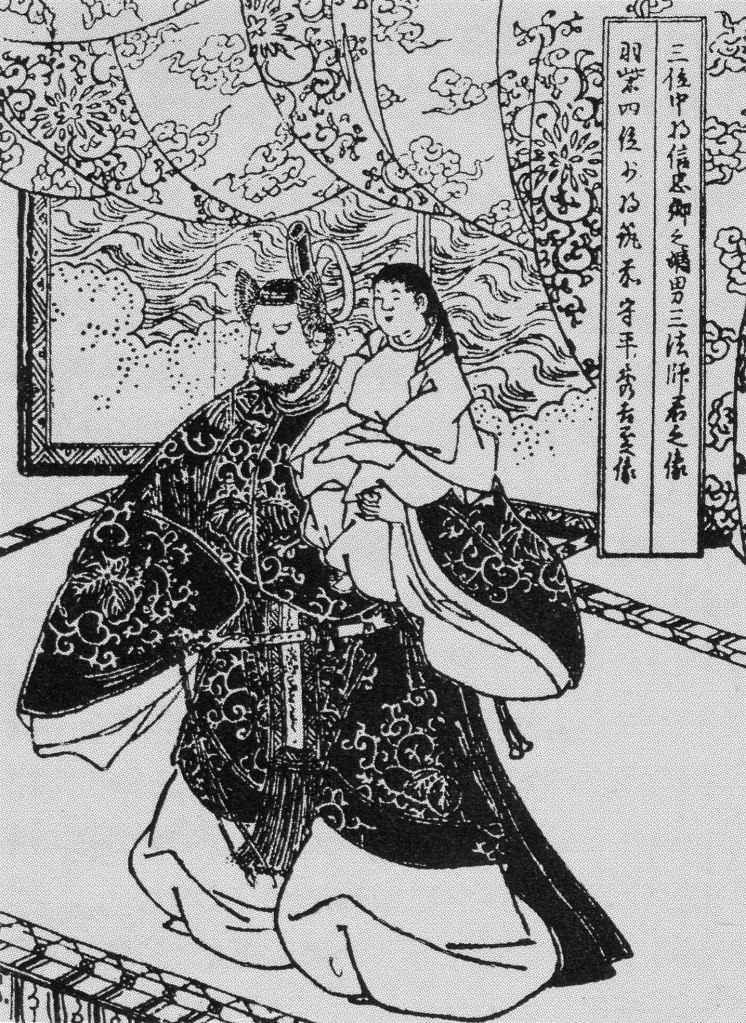
    Hideyoshi carries Sanboshi during the Kiyosu Conference.

    In the immediate aftermath of Honnoji, a conference was held at Kiyosu Castle to decide which son would inherit his father’s lands. In the event, Hideyoshi used his influence to ensure that Nobunaga’s grandson, the three-year-old Hidenobu (also called Sanboshi), would be named as the new head of the Oda Clan, whilst Nobunaga’s territories were divided up between his remaining sons and most powerful retainers.

    It will come as no surprise that Nobunaga’s surviving adult sons were not thrilled about this, and it wasn’t long before rival camps were forming around one son or another. Initially, despite his earlier support of Sanboshi, Hideyoshi decided to back Nobunaga’s second son, Oda Nobuo, whilst Katsuie supported the third, Nobutaka.
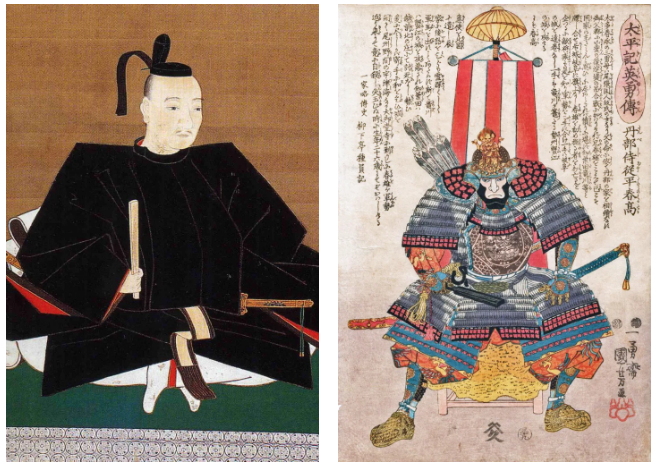
    Oda Nobuo (left) and Oda Nobutaka, brothers, but rivals for their father’s position.

    Despite nominally supporting one Oda heir or the other, in reality, the rivalry was between Hideyoshi and Katsuie, and tensions rose sharply until the Battle of Shizugatake in June 1583. There, Hideyoshi won a decisive victory, and shortly afterwards, Katsuie and Nobutaka committed suicide, removing a serious obstacle on Hideyoshi’s road to power.

    Despite being on the ‘winning’ side, it wasn’t long before Oda Nobuo fell out with Hideyoshi, and in early 1584, he went looking for support. It’s at this point that Tokugawa Ieyasu reenters the story. Despite trying to stay on good terms with Hideyoshi, sending him congratulatory gifts after his victory at Shizugatake, for example, it was becoming obvious that Ieyasu was too powerful for Hideyoshi to simply leave alone.
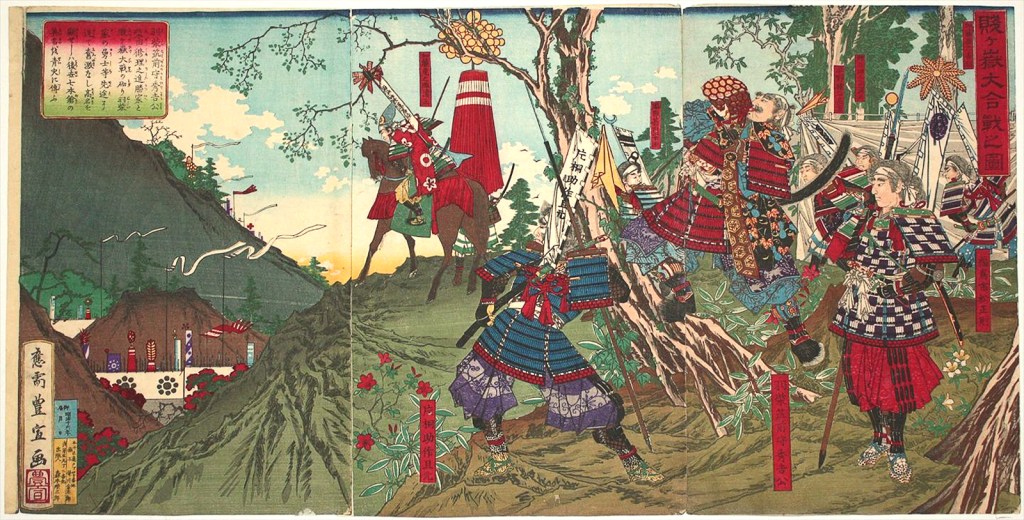
    A 19th-century depiction of the Battle of Shizugatake

    The flashpoint came in March 1584, when Nobuo had a retainer who had been colluding with Hideyoshi executed. Using this pretext, Hideyoshi raised an army and marched on Nobuo, who appealed to Ieyasu for help. Ieyasu obliged and dispatched forces into Nobuo’s home province of Owari.

    What followed was what history records as the Battle of Komaki-Nagakute, which is misleading because it was actually a series of battles, only two of which took place anywhere near the eponymous locations. The momentum of the campaign swung back and forth throughout the spring and summer. Despite a considerable advantage in resources, Hideyoshi was unable to bring them to bear, resulting in a stalemate.
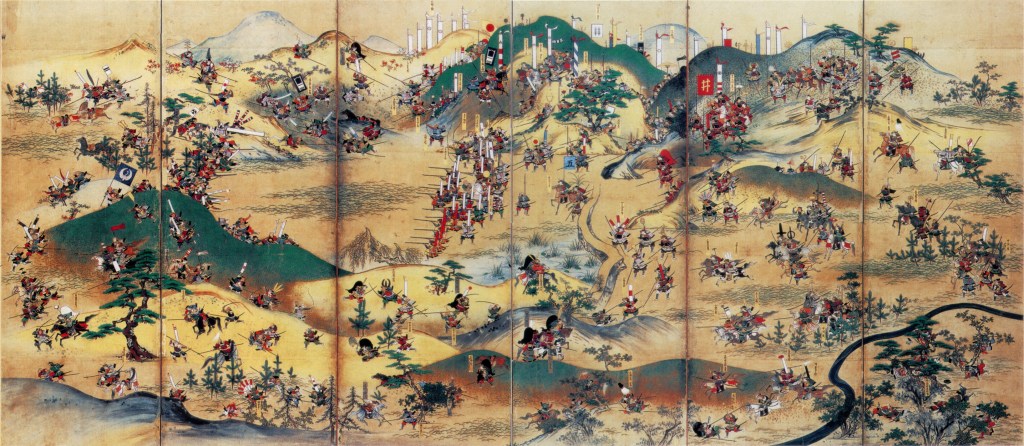
    An 18th-century depiction of the Battle of Komaki-Nagakute. Despite the name, it was actually a series of battles fought across central Japan.

    With success on the battlefield impossible, both sides sought diplomatic support from other clans, with Ieyasu reaching out to the Hojo and Chosokabe, whilst Hideyoshi gained the support of the Uesugi, Mori, and Satake. Even with these allies, the stalemate persisted, and the only option was to negotiate, and both sides sat down to talk in November.

    Though he had not achieved a military victory, the negotiations favoured Hideyoshi; he forced Nobuo to submit and cede several territories, whilst those who had supported Ieyasu found themselves either isolated or also forced to submit to Hideyoshi. Ieyasu himself retained his territories and arranged for his son, Hideyasu, to be adopted by Hideyoshi, though only sources favourable to the Tokugawa call it an adoption; Hideyoshi’s partisans describe Hideyasu as a hostage.
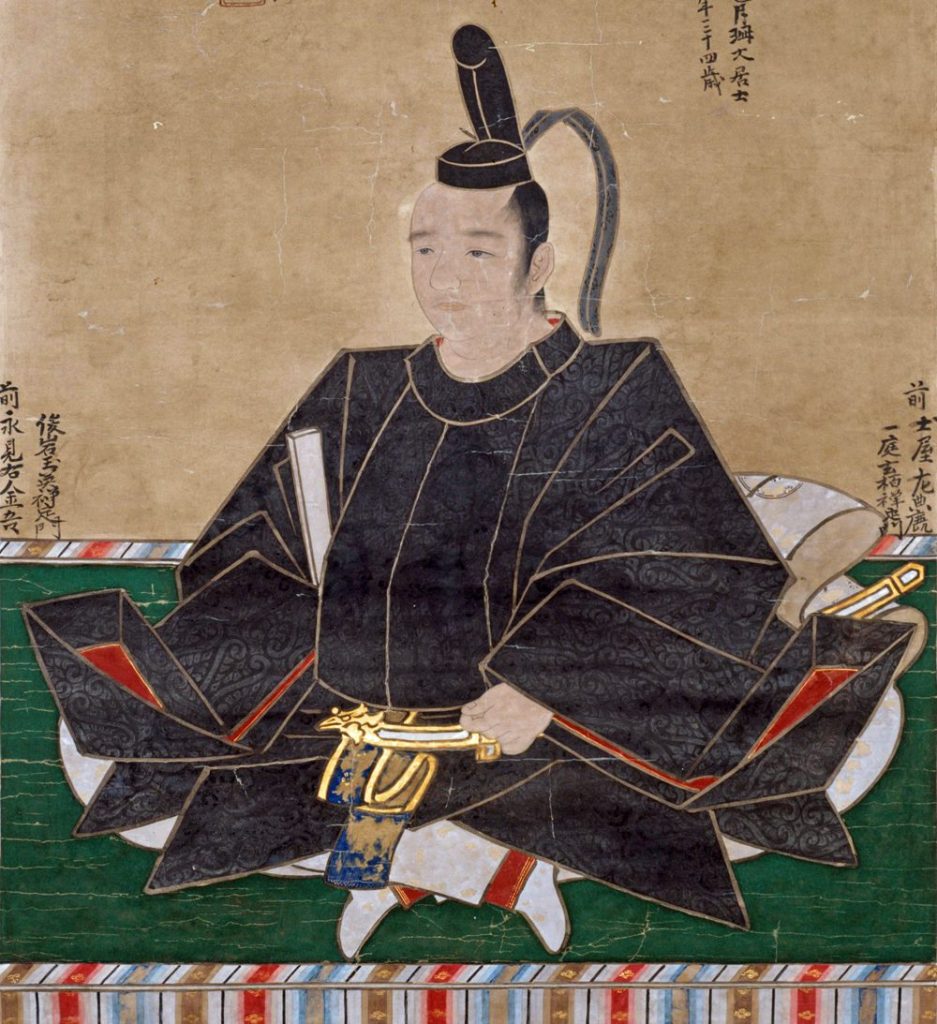
    Ieyasu’s son, Hideyasu. Whether he was an adopted son or a hostage depends on who you ask.

    The fact that Ieyasu had been able to force a stalemate against heavy odds is a noteworthy military achievement in itself, but it is made all the more remarkable by the fact that, throughout 1583-85, his territories had been subject to extraordinary rainfalls, which had led to flooding and the consequent devastation to infrastructure and food supplies.

    The Battle of Komaki-Nagakute could not be considered a ‘victory’ for either side, but Hideyoshi was clearly in the ascendancy, and Ieyasu’s resources had been strained to the brink by years of flood, famine, and war. Then, in 1586, the massive Tensho Earthquake struck, causing catastrophic damage across central Japan, striking both sides’ lands equally. Though his superior resources meant that Hideyoshi was probably better positioned to recover, he had bigger plans. Instead of attempting to crush Ieyasu a second time, he tried a different tack.
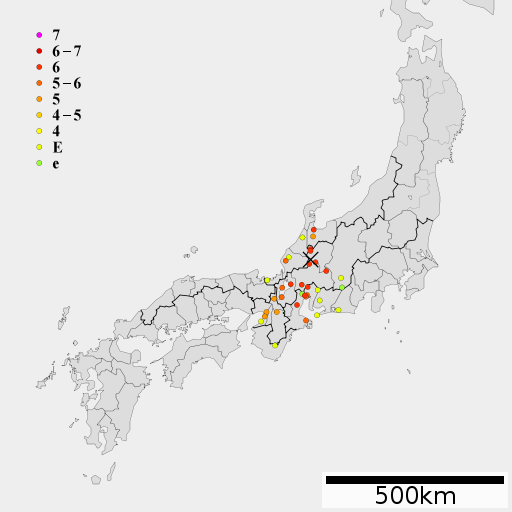
    The theorised intensity scale of the 1586 Tensho Earthquake.
    As6022014 – 宇佐美龍夫 『最新版 日本被害地震総覧 416‐2001』 , Lincun(2010)ファイル:地図 令制国 和泉国.svg, CC 表示-継承 3.0, https://commons.wikimedia.org/w/index.php?curid=18458686による

    Using Oda Nobuo as an intermediary, Hideyoshi attempted to convince Ieyasu to submit. Initially refusing, Ieyasu was finally convinced by an offer of marriage to Hideyoshi’s younger sister, Lady Asahi. Some sources suggest that Hideyoshi forced his sister to divorce her husband so the marriage could take place, whilst others suggest she was already divorced, or else her husband was dead. Either way, given that Lady Asahi was already in her 40s by the time the marriage took place, it was clearly a match made for political rather than dynastic reasons.

    A marriage like that may seem strange to our modern eyes, but it was generally seen as a politically savvy move, as it bound Ieyasu and Hideyoshi together as family. Shortly after the wedding, Ieyasu travelled to Osaka and formally submitted to Hideyoshi as his vassal and brother-in-law. Later Tokugawa sources suggest that on the night of his arrival in Osaka, Ieyasu was secretly visited by a nervous Hideyoshi, who was still unsure whether he truly meant to submit. The meeting is probably apocryphal, but Ieyasu certainly swore loyalty to Hideyoshi in an elaborate ceremony shortly afterwards.
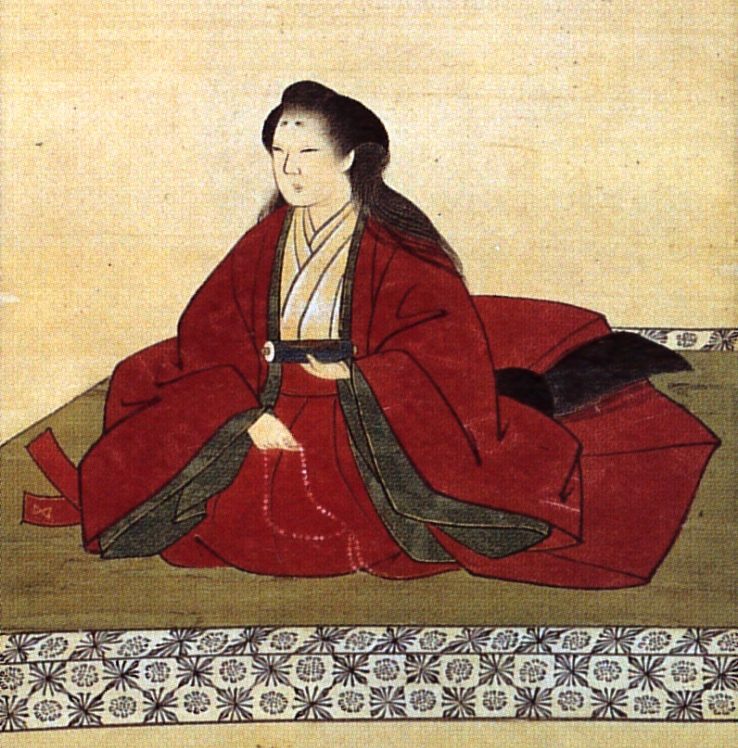
    Lady Asahi, whose marriage to Ieyasu bound him and her elder brother, Hideyoshi, together. The fact that she was around 44 years old when they married was no obstacle.

    Later in 1586, Ieyasu moved his base to Sunpu, which was more central to his domains and better positioned to monitor peace in the Kanto region on Hideyoshi’s behalf. For the next few years, Ieyasu proved himself a loyal retainer. In 1590, when tensions between the Hojo and Hideyoshi began to rise, he attempted to act as a mediator, since he was father-in-law to Hojo Ujinao.

    Ieyasu’s diplomatic efforts bore some fruit, with the Hojo sending Ujinao’s uncle, Ujinori, to Kyoto to negotiate with Hideyoshi. However, Ujinao himself refused to come, and Hideyoshi was determined to either force the Hojo to submit or be destroyed. Later scholars suggest that Ieyasu’s position with the Hojo might have been deliberately undermined by rumours that he stood to benefit from their defeat, as he had been promised the eight provinces of the Kanto in exchange for the five he currently controlled, in the event of the Hojo being removed.
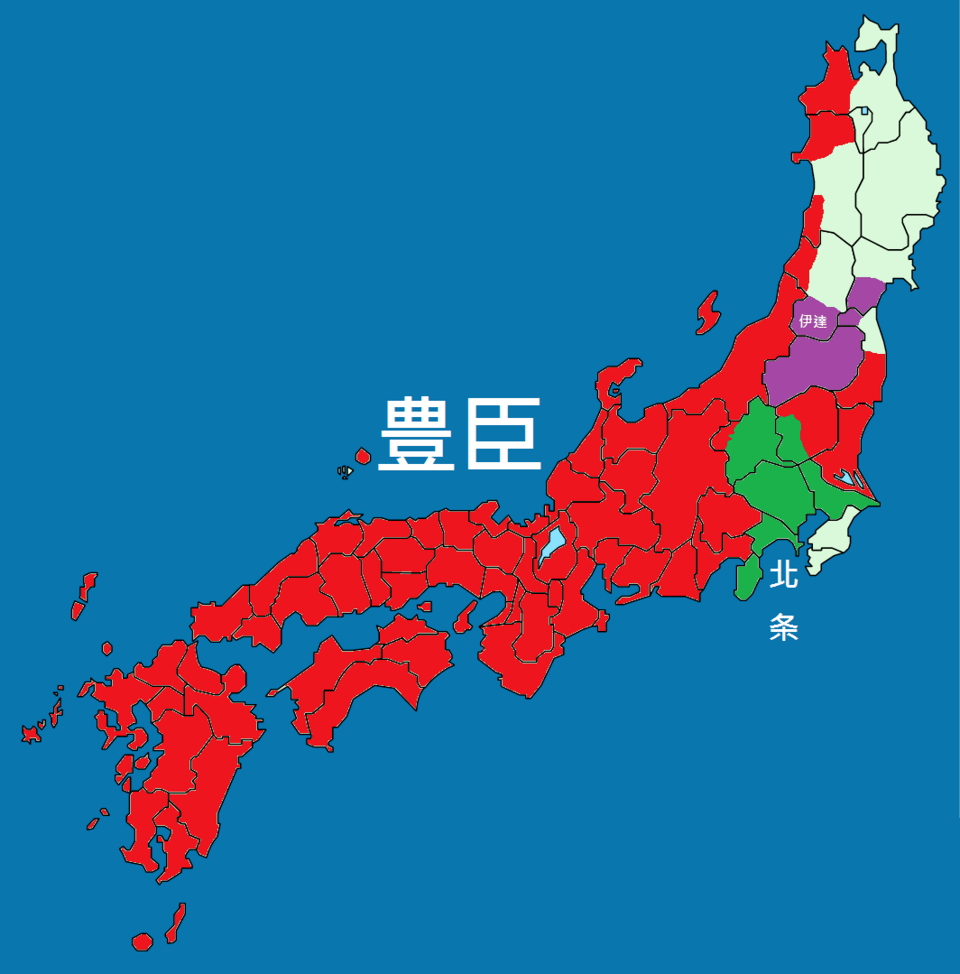
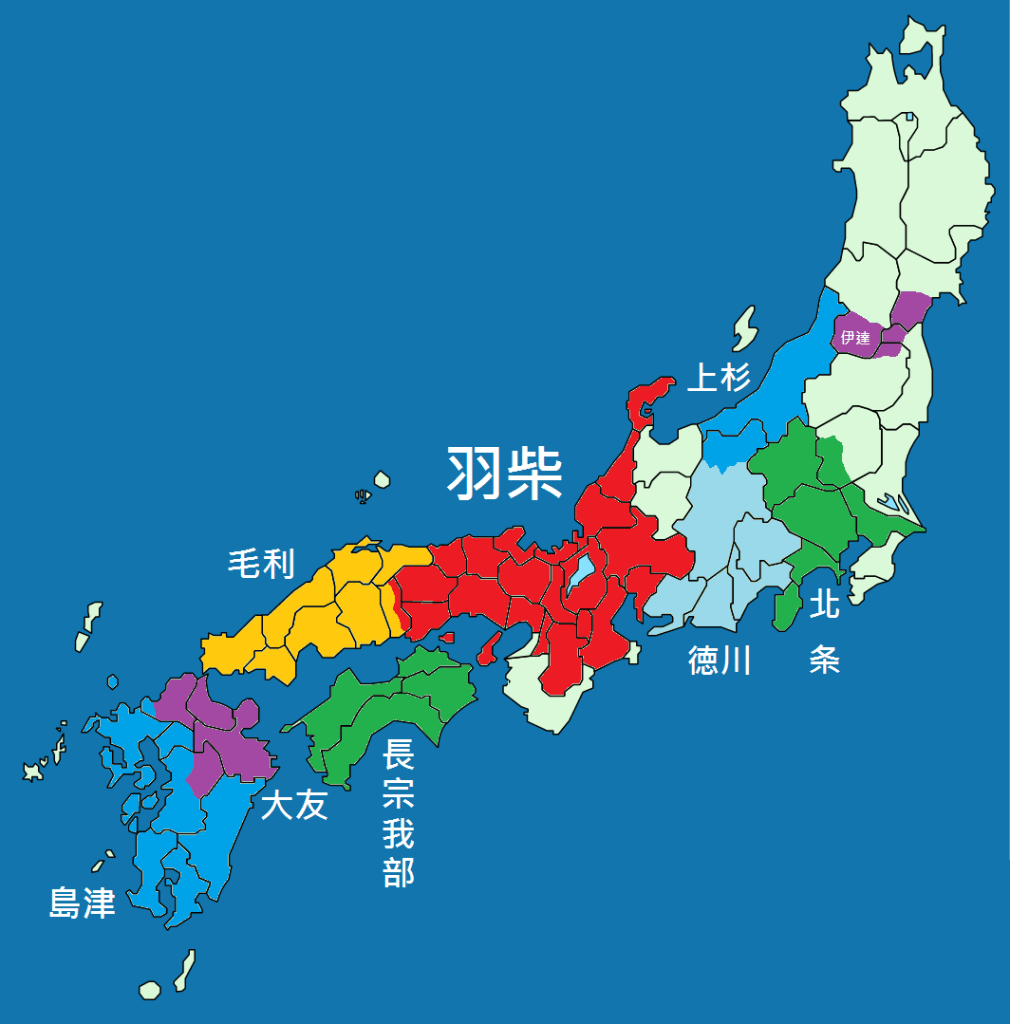
    The situation just before the Odawara Campaign. Ieyasu stood to gain control of the territory of the Hojo (green) in the event of their defeat, a fact that may have put a damper on previously good Tokugawa-Hojo relations.
    By Alvin Lee – Own work, CC BY-SA 4.0, https://commons.wikimedia.org/w/index.php?curid=39214209

    Ieyasu denied the rumours, and their exact impact on negotiations is controversial, but Tokugawa forces served Hideyoshi in the vanguard of what became known as the Odawara Campaign that saw the Hojo decisively defeated, and Ieyasu received the eight Kanto provinces as the rumours had suggested he would.

    Precisely why Hideyoshi offered these provinces to Ieyasu is still debated. It was certainly true that Ieyasu was in no position to refuse the offer, and taking possession of these new lands effectively doubled his income, at least on paper. On the other hand, the provinces had been Hojo territory for generations, and the local lords would prove difficult to control, not to mention the damage caused by the recent campaign.
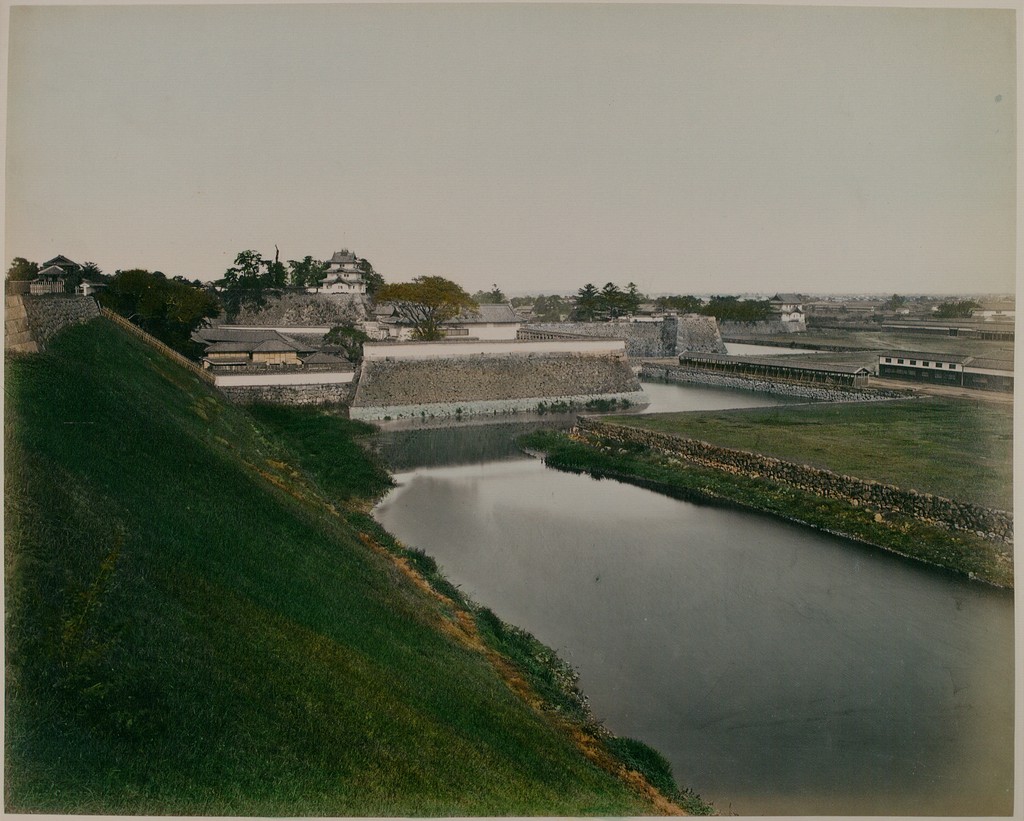
    Edo Castle as it appeared in the 19th Century. The site was underdeveloped when Ieyasu arrived in 1590, but it would eventually grow to become the centre of his dynasty’s power.

    Some suggest that Hideyoshi genuinely believed in Ieyasu’s abilities to bring the region under control. Others conclude that his real intention was to separate Ieyasu from his power base in Mikawa. Either way, it would prove a fateful decision, perhaps best exemplified by the fact that Ieyasu’s chosen base, Edo Castle, is the site of the Imperial Palace in modern Tokyo.


    Sources
    https://ja.wikipedia.org/wiki/%E5%BE%B3%E5%B7%9D%E5%AE%B6%E5%BA%B7
    https://ja.wikipedia.org/wiki/%E6%B1%9F%E6%88%B8%E5%9F%8E
    https://ja.wikipedia.org/wiki/%E5%B0%8F%E7%89%A7%E3%83%BB%E9%95%B7%E4%B9%85%E6%89%8B%E3%81%AE%E6%88%A6%E3%81%84
    https://ja.wikipedia.org/wiki/%E7%B9%94%E7%94%B0%E7%A7%80%E4%BF%A1
    https://ja.wikipedia.org/wiki/%E7%B9%94%E7%94%B0%E4%BF%A1%E5%AD%9D
    https://ja.wikipedia.org/wiki/%E7%B9%94%E7%94%B0%E4%BF%A1%E5%BF%A0
    https://ja.wikipedia.org/wiki/%E7%B9%94%E7%94%B0%E4%BF%A1%E9%9B%84
    https://ja.wikipedia.org/wiki/%E8%B3%A4%E3%83%B6%E5%B2%B3%E3%81%AE%E6%88%A6%E3%81%84
    https://ja.wikipedia.org/wiki/%E7%B9%94%E7%94%B0%E4%BF%A1%E9%95%B7
    https://ja.wikipedia.org/wiki/%E5%A4%A9%E6%AD%A3%E5%9C%B0%E9%9C%87
    https://ja.wikipedia.org/wiki/%E8%B3%A4%E3%83%B6%E5%B2%B3%E3%81%AE%E6%88%A6%E3%81%84
    https://ja.wikipedia.org/wiki/%E7%B5%90%E5%9F%8E%E7%A7%80%E5%BA%B7
    https://ja.wikipedia.org/wiki/%E6%9C%9D%E6%97%A5%E5%A7%AB
  • The Third Unifier – Tokugawa Ieyasu. Part Four.

    The Third Unifier – Tokugawa Ieyasu. Part Four.

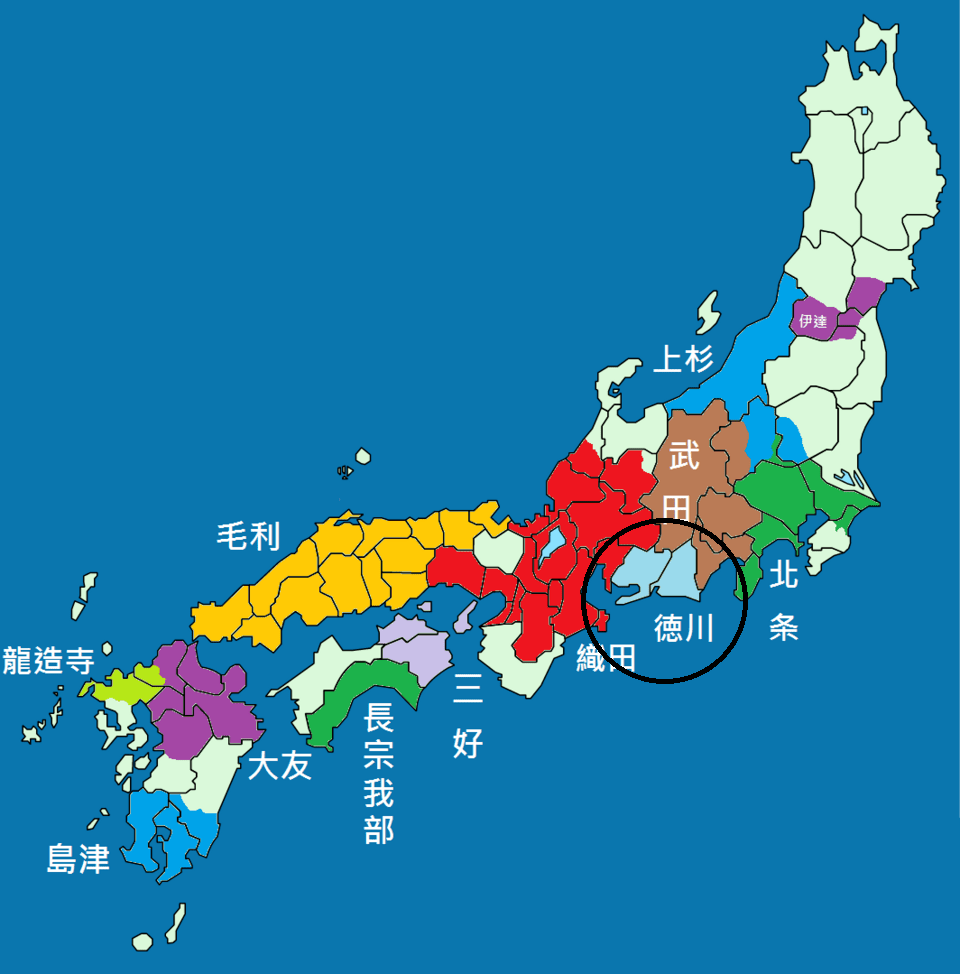
    The Battle of Nagashino in 1575 had been one of the most significant battles of the later Sengoku Jidai. The military power of the once mighty Takeda clan had been broken, and Tokugawa Ieyasu, formerly a largely independent warlord, effectively became a vassal of Oda Nobunaga.

    The strategic situation in 1575, with Tokugawa lands in light blue (circled).
    By Alvin Lee – Own work, CC BY-SA 4.0, https://commons.wikimedia.org/w/index.php?curid=39198356

    Between 1575 and the early 1580s, Ieyasu consolidated his position in the recently conquered territory, and the Takeda, under the leadership of Katsuyori, focused on holding together what they had, seeking diplomatic support from other clans in the Kanto and even a rapprochement with their historic enemies, the Uesugi Clan.

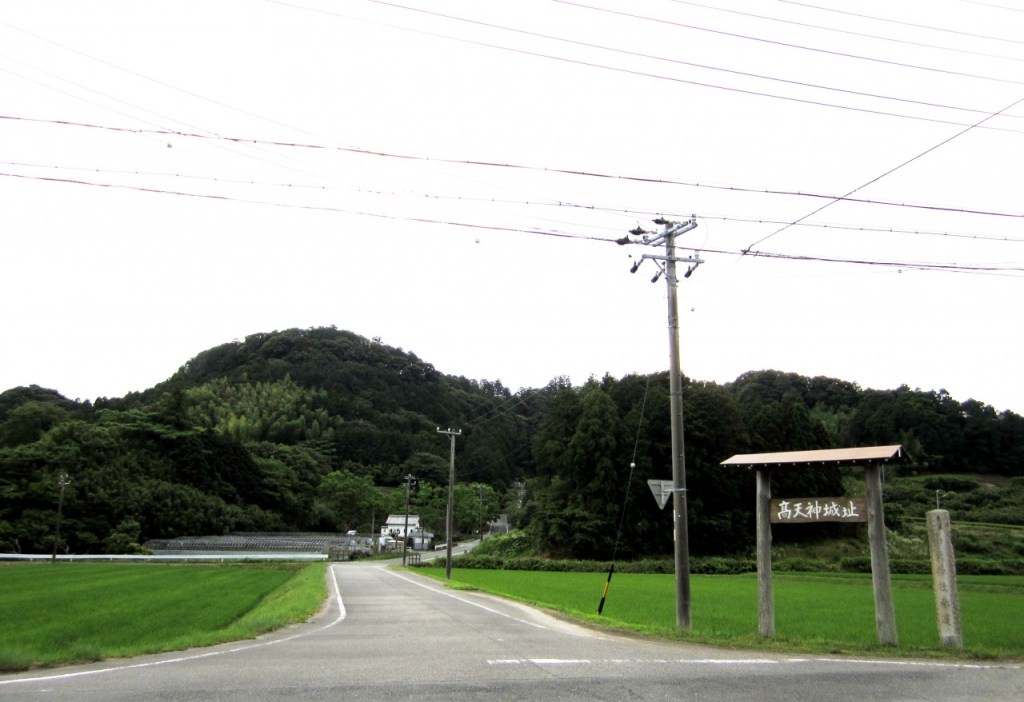
    It will probably not surprise you to learn that this period of relative peace was not particularly peaceful at all, with low-level skirmishing occurring along the borders, but it wasn’t until 1581 that full-scale war broke out again, when Ieyasu took the strategically important Takatenjin Castle in Totomi Province.

    The site of Takatenjin Castle as it appears today.
    立花左近 – 投稿者自身による著作物, CC 表示-継承 3.0, https://commons.wikimedia.org/w/index.php?curid=29796111による

    The fall of the castle was a problem in and of itself, but in the aftermath, the Takeda, already severely weakened, did nothing. Historians have argued that the failure to challenge the loss of such an important castle led many lords to conclude that the Takeda were finished and that their leader, Katsuyori, could no longer protect them.

    Consequently, when the Oda-Tokugawa forces launched their final attack on the Takeda in February 1582, resistance was short-lived, as lords defected en masse, forcing Katsuyori to first retreat, and then flee, before he was trapped and forced to commit suicide at Tano in March.

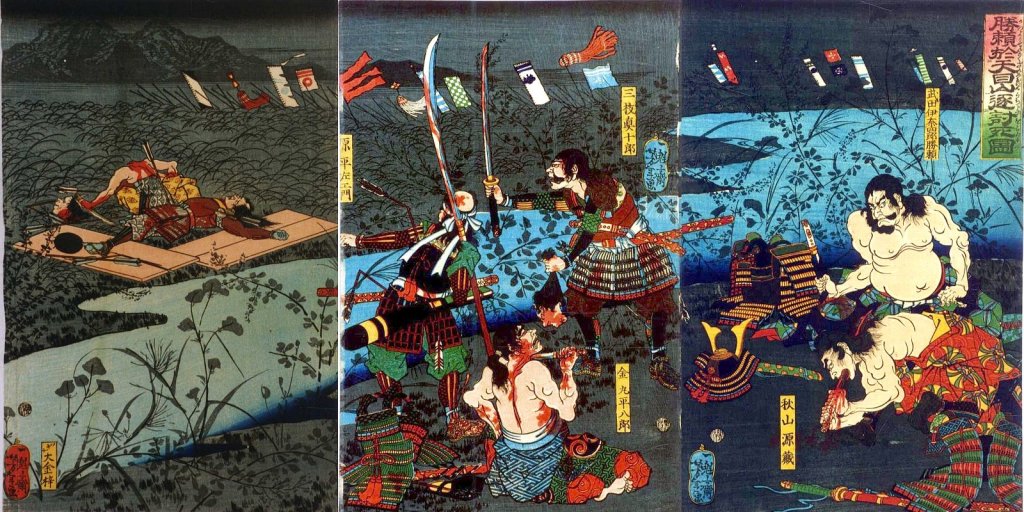
    A 19th-Century depiction of Takeda Katsuyori’s final moments.

    In the aftermath of this campaign, Ieyasu was awarded complete control of Suruga Province. When Nobunaga embarked on a tour of his new conquests, Ieyasu laid on luxurious entertainment along the route, even going so far as to refurbish the road and have tea houses specially constructed to receive the Great Lord’s retinue.

    In May 1582, Ieyasu arrived at Nobunaga’s base at Azuchi to pay tribute in gratitude for Suruga Province. At the same time, Toyotomi Hideyoshi (still known as Hashiba at this point) called for reinforcements for his ongoing campaign against the Mori. Nobunaga announced his intention to lead the campaign personally, intending to do to the Mori what he had recently done to the Takeda.

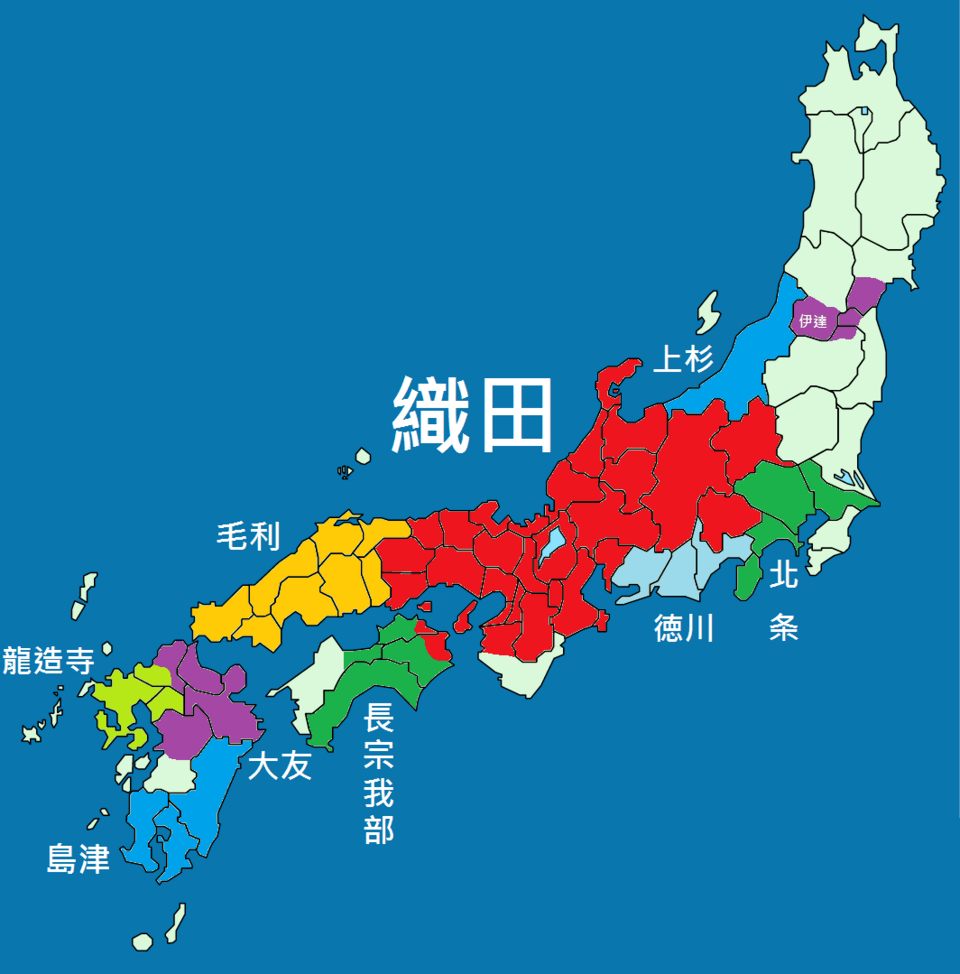
    The situation in 1582, just prior to the Honnoji Incident.
    By Alvin Lee – Own work, CC BY-SA 4.0, https://commons.wikimedia.org/w/index.php?curid=39198356

    For his part, Ieyasu planned to return to Mikawa first, gather his forces, and then join the campaign later. As part of his journey, Ieyasu stopped in Sakai (in modern Osaka) for what the sources described as “sightseeing”. He was in Sakai when news arrived of the Honnoji Incident and Nobunaga’s death.

    Ieyasu, attended by just a few retainers, was now in mortal danger. At this point, he seems to have lost his head somewhat and tried to head to Kyoto to avenge Nobunaga, or else join him in death (which would have been the likely outcome regardless). Fortunately for Ieyasu, cooler heads prevailed, and he was convinced instead to attempt to escape.

    An example of what the passes of Iga look like today.

    What followed was a much-celebrated (and often mythologised) journey from Sakai to safety in Mikawa. He was aided in his efforts by the legendary retainer Hattori Hanzo, who was a fairly remarkable man in his own right, but not the magical ninja of later legend. It is said that Ieyasu escaped back to Mikawa with just 34 retainers, but they represented the elite of the Tokugawa Clan, and their loss would have been a mortal blow.

    However, Ieyasu successfully escaped and set about gathering his forces to march on the traitor Akechi Mitsuhide and avenge Nobunaga’s death. News soon arrived that Mitsuhide had been killed, and Nobunaga avenged by Toyotomi (Hashiba) Hideyoshi, so, with no enemy to fight or vengeance to take, Ieyasu went home.

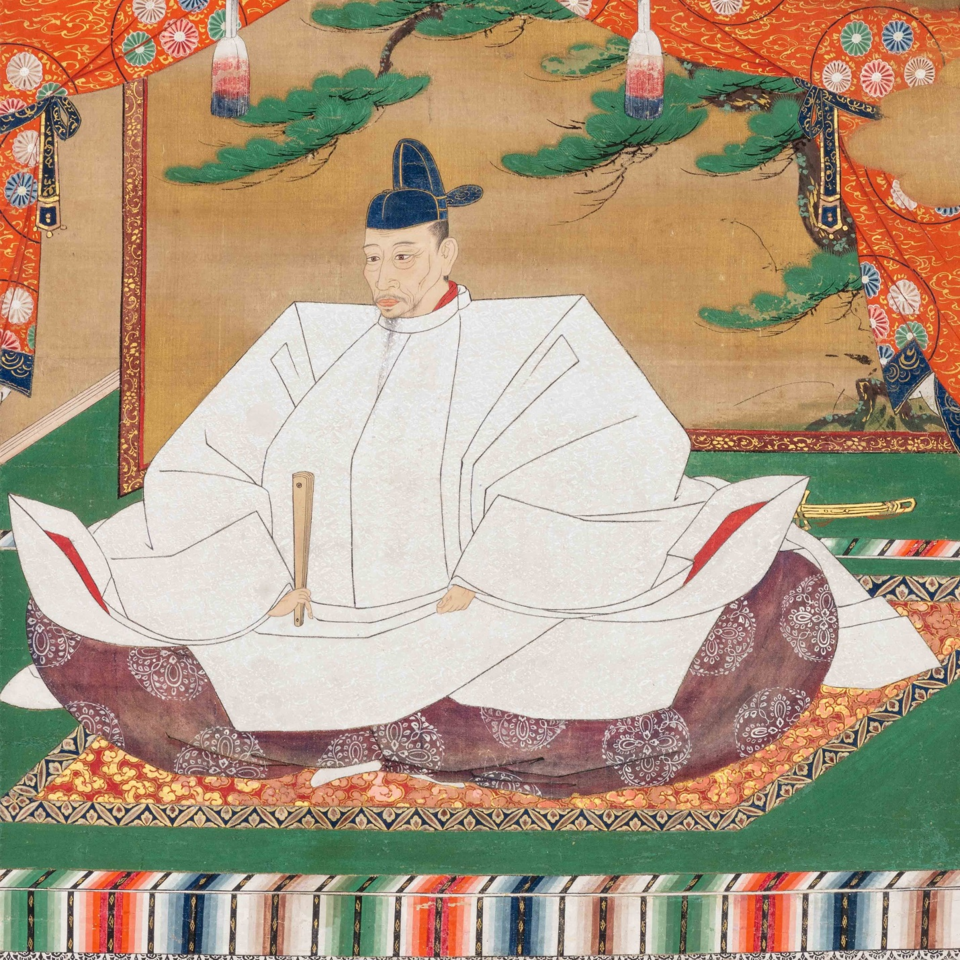
    Toyotomi Hideyoshi.

    His respite would be short-lived, however. In the chaotic aftermath of Nobunaga’s death, the recently conquered Takeda territories erupted into rebellion, and it wasn’t before any semblance of order was gone. Seeking to take advantage, the mighty Hojo Clan marched an army of 60,000 into the provinces, which were now largely up for grabs.

    Despite some initial setbacks, the sheer size of the Hojo force meant that they were able to quickly conquer large parts of Kozuke, Kai, and Shinano Provinces. Ieyasu had plans of his own for that territory, and besides, he couldn’t allow the Hojo to establish what would likely have been an insurmountable power base right on his doorstep.

    Hojo Ujimasa. His attempts to establish control over the former Takeda territories provoked a response from Ieyasu.

    What followed became known as the Tensho-Jingo War, characterised by both sides attempting to assert their influence over the scattered remnants of former Takeda loyalists. There was relatively little direct conflict between the two sides, with the exception of the Battle of Kurokama in August 1582, where a force of some 10,000 Hojo warriors attempted to cross the Misaka Pass into Kai, where they were intercepted and decisively defeated by a Tokugawa force only a fifth their size.

    Despite this shock outcome, neither side seems to have had much enthusiasm for fighting each other. A peace was quickly agreed upon that recognised Tokugawa control over Kai and Shinano, in exchange for Hojo dominance in Kozuke and for Ieyasu’s daughter, Tokuhime, as wife to Hojo Ujinao, uniting the two clans in a political and dynastic alliance.

    The situation in early 1584, showing just how far Ieyasu had risen in little more than a decade.

    Peace with the Hojo secured Ieyasu’s eastern border and left him in total control of three provinces, Kai, Suruga, and Totomi, and almost total control of two more, Mikawa (except the far west) and Shinano (except the far north). Less than a decade earlier, Ieyasu had looked like he was on the way out, but now, he was one of the most powerful warlords in the realm.

    That power was far from unchallenged, though. History tells us that Toyotomi (Hashiba) Hideyoshi was the man to inherit Nobunaga’s power and go on to reunite the realm. However, in the autumn of 1582, there were actually several possible candidates to succeed. Though most would quickly fall in line, or be crushed, by the dawn of 1583, apart from Ieyasu and Hideyoshi, there was another man, Shibata Katsuie, who potentially had the power to claim it all.

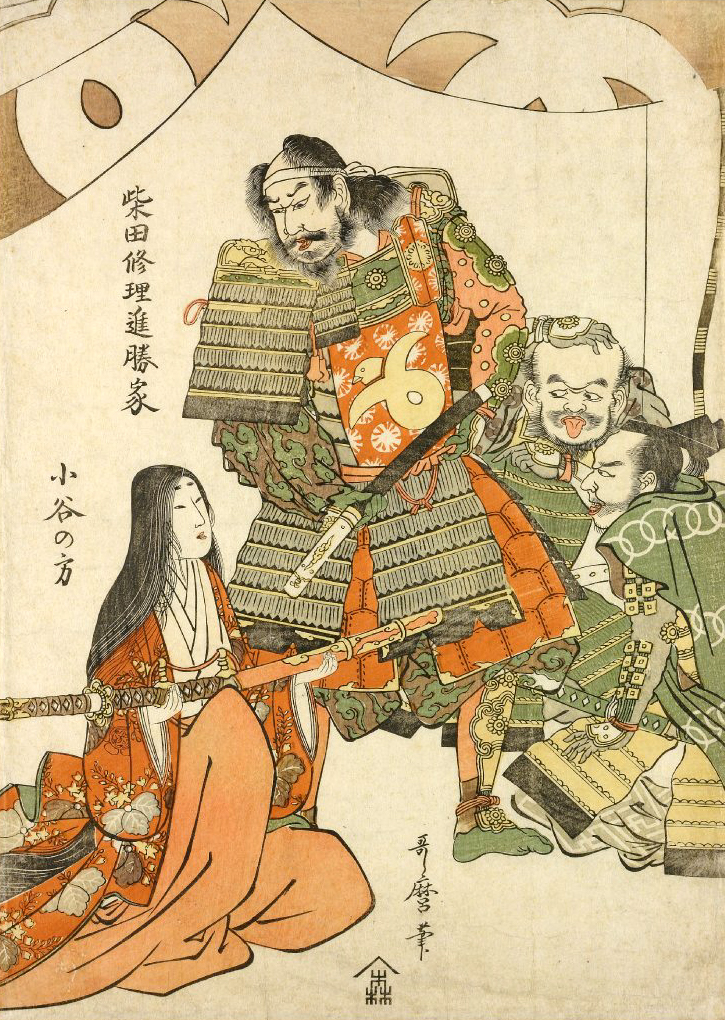
    Shibata Katsuie. Apart from Ieyasu, he was the most serious rival to the rise of Hideyoshi.

    Ieyasu rather wisely kept himself out of the inevitable clash. When Hideyoshi defeated Katsuie at the Battle of Shizugatake in June 1583, Ieyasu was amongst those who were quick to send formal congratulations to Hideyoshi, seeking to keep on good terms with the realm’s new top dog.

    It wouldn’t last, however. The simple truth was that Ieyasu was too powerful to be left unchecked, and tensions began to rise almost as soon as Katsuie had been defeated, until the Spring of 1584, when Hideyoshi set out to deal with Ieyasu once and for all.


    Sources
    https://ja.wikipedia.org/wiki/%E5%BE%B3%E5%B7%9D%E5%AE%B6%E5%BA%B7
    https://ja.wikipedia.org/wiki/%E8%B3%A4%E3%83%B6%E5%B2%B3%E3%81%AE%E6%88%A6%E3%81%84
    https://ja.wikipedia.org/wiki/%E5%A4%A9%E6%AD%A3%E5%A3%AC%E5%8D%88%E3%81%AE%E4%B9%B1
    https://ja.wikipedia.org/wiki/%E9%95%B7%E7%AF%A0%E3%81%AE%E6%88%A6%E3%81%84
    https://ja.wikipedia.org/wiki/%E6%AD%A6%E7%94%B0%E5%8B%9D%E9%A0%BC
    https://ja.wikipedia.org/wiki/%E9%AB%98%E5%A4%A9%E7%A5%9E%E5%9F%8E%E3%81%AE%E6%88%A6%E3%81%84
    https://ja.wikipedia.org/wiki/%E4%BC%8A%E8%B3%80%E8%B6%8A%E3%81%88

  • The Second Unifier – Toyotomi Hideyoshi. Part Five.

    The Second Unifier – Toyotomi Hideyoshi. Part Five.

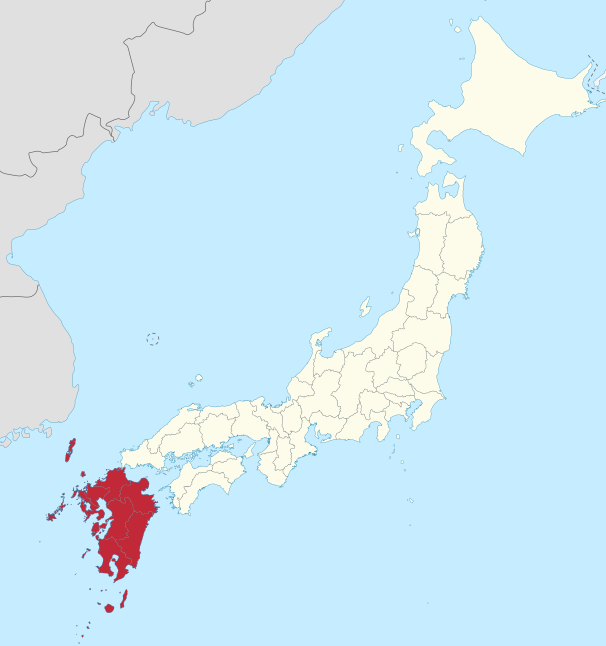
    In 1586, the powerful Tensho Earthquake brought about a temporary halt to Hideyoshi’s campaign to subdue the entire realm. In the aftermath, he had made peace with, then accepted the formal submission of Tokugawa Ieyasu, and now turned his attention to Japan’s southern island, Kyushu.

    Kyushu.

    As we’ve looked at in previous posts, the most powerful clan in Kyushu at this time were the Shimazu, who were on the verge of conquering the entire island, and were putting enormous pressure on their long-term rivals, the Otomo, who reached out to Hideyoshi for help. Hideyoshi responded by issuing a ceasefire order, the sobujirei, though scholars disagree if this was an order issued on a case-by-case basis, or a formal law brought in my Hideyoshi.

    Regardless of the legal basis, the Otomo swiftly agreed, but the Shimazu remained defiant, with the head of the clan, Shimazu Yoshihisa, going as far as suggesting that the Shimazu, a clan with its long and proud lineage, would never submit to a peasant ‘upstart’ like Hideyoshi. Perhaps unsurprisingly, Hideyoshi didn’t take kindly to this and so ordered the invasion of Kyushu, officially in support of the Otomo.

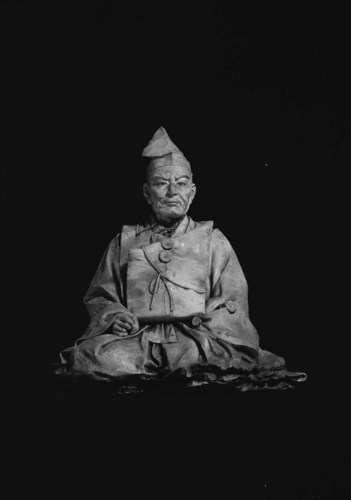
    A statue of Shimazu Yoshihisa. He was the head of a proud clan and believed he had no reason to fear the ‘upstart’ Hideyoshi. He would be proved wrong.
    Ginger1192 – 投稿者自身による著作物, CC 表示-継承 3.0, https://commons.wikimedia.org/w/index.php?curid=24854517による

    At first, Hideyoshi seems to have tried to avoid committing his own troops to the invasion, instead relying on forces provided by the Mori, Chosokabe and their vassals to do the bulk of the fighting. This strategy may have been wise from a manpower preservation point of view, but the Shimazu proved more than capable of living up to their lineage, defeating the initial landings and giving Hideyoshi the proverbial bloody nose in the process.

    Much like the independent clans of Kii Province and the Chosokabe of Shikoku, however, the Shimazu were about to learn that Hideyoshi was a different kind of ruler, able to marshal resources that even the might of Kyushu could not hope to match. Taking the field himself, Hideyoshi is said to have amassed an army of some 300,000, with all the requisite supplies and resources to support such a massive force.

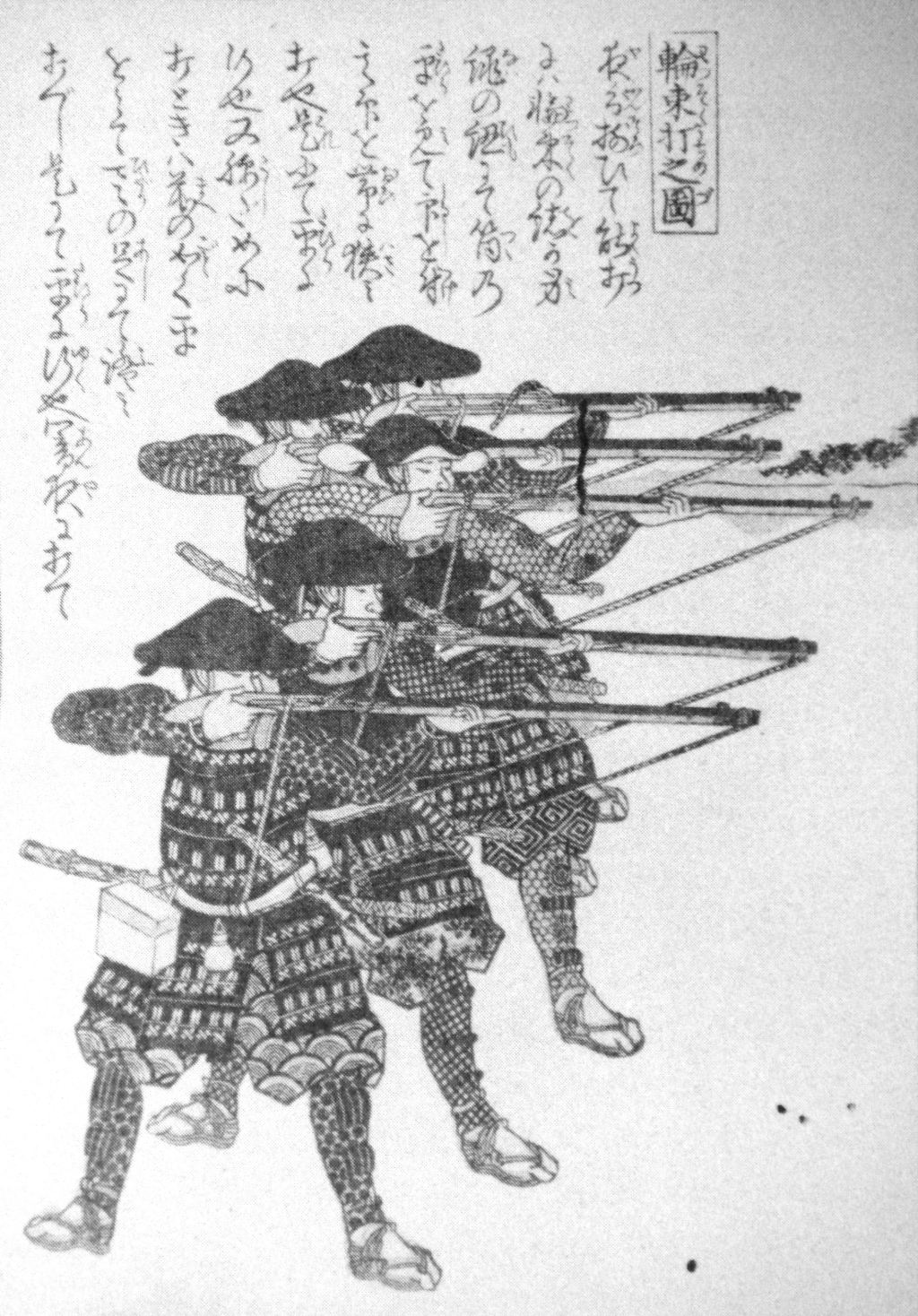
    Ashigaru. Far from the popular image of massed ranks of ferocious samurai, armies in the late Sengoku Period were largely made up of semi-professional troops armed with firearms, spears, and mass-produced swords.

    This was possibly the largest army ever assembled in Japan before the modern era (though sources vary), and the Shimazu were swiftly overwhelmed. It is important to note that, despite the overwhelming advantage in numbers, Hideyoshi’s force was not a single, massive bludgeon. He had proven himself a skilled strategist, able to deploy significant force in key areas, using innovative tactics to wear down defenders and capture strategic castles and other territory, rarely relying on brute force to break enemy forces.

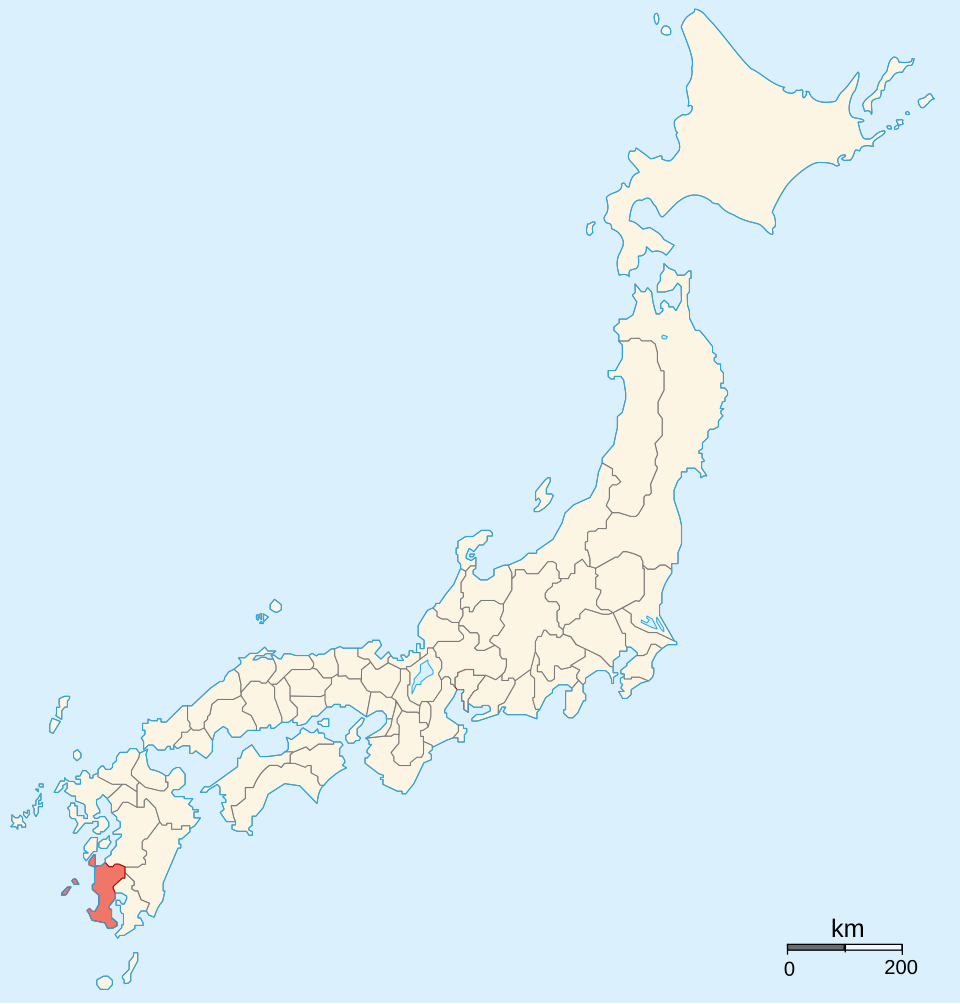
    The Shimazu, much like the Chosokabe before them, fought bravely, but they were outmatched from the start, and eventually, Yoshihisa, who had claimed his clan would never submit to an ‘upstart’, was forced to seek peace. The terms were harsh; the Shimazu were forced to give up almost all of Kyushu, and were confined to Satsuma Province in the southwest of the island (in the western half of modern Kagoshima Prefecture).

    Satsuma Province.
    By Ash_Crow – Own work, based on Image:Provinces of Japan.svg, CC BY 2.5, https://commons.wikimedia.org/w/index.php?curid=1691755

    The rest of Kyushu was divided up amongst Hideyoshi’s supporters, with the Otomo (who the invasion had nominally been in support of) receiving some, but not all of their lands back.

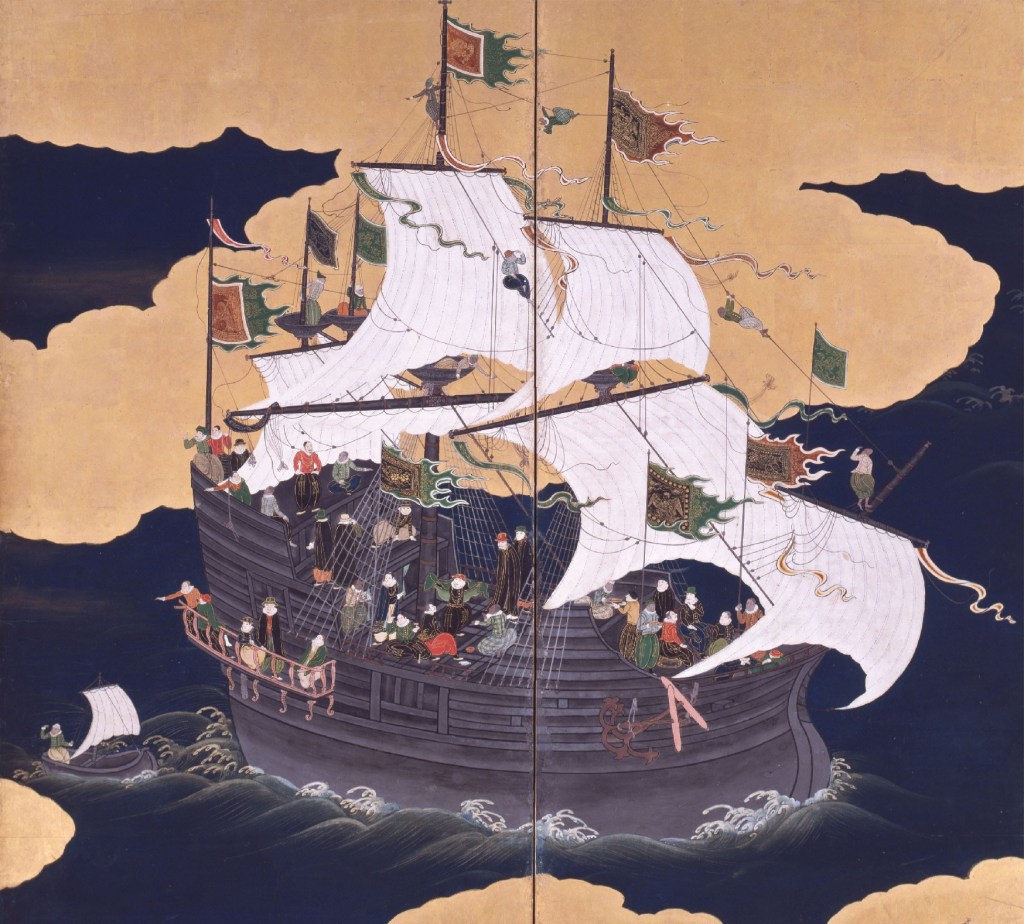
    It is at this point that Hideyoshi turned his attention to a group that have only been briefly mentioned thus far, but who had a significant presence on Kyushu, the Jesuits. We’ll have a detailed look at Portuguese activities in Japan in their own post, but to summarise, after the first arrival of Portuguese merchants in Japan in 1543, they had slowly, but steadily expanded their influence through commerical interests, and the spread of Christianity, ultimately being based at the port of Nagasaki.

    A contemporary depiction of a Portuguese trading ship of a type commonly seen at Nagasaki.

    Outside of Kyushu, the attitude of powerful Daimyo towards these Christians seems to have been fairly ambivalent, with most tolerating their presence, but few converting to the foreign religion. Hideyoshi himself issued permits for Christian priests to preach their religion in Osaka, and, according to some sources, he asked Jesuit Priest Gaspar Coelho to assist him in building an armada to be used in the conquest of China once Japan had been unified.

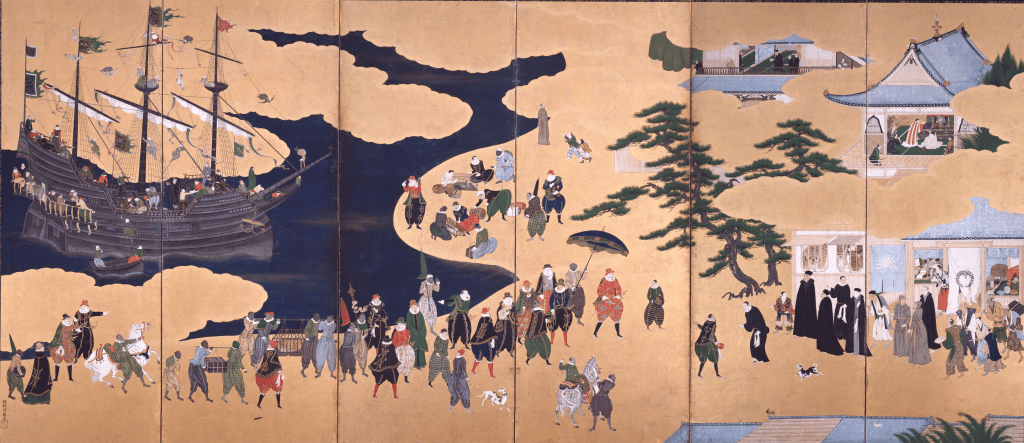
    This changed after the subjugation of Kyushu. Sources differ on exactly what occurred, with some blaming the machinations of the native Japanese Buddhist clergy, but the short version is that Hideyoshi became aware of the fact that Nagasaki had effectively been handed over to complete Portuguese control. They had fortified it and were apparently using it as a port through which non-Christian Japanese were sold out of the country as slaves.

    A contemporary image of Portuguese at Nagasaki. Though the trade was primarily in silks, spices, and silver, rumours of Japanese slaves being transported out of the country were enough to earn Hideyoshi’s ire.

    The issue of Japanese being sold as slaves by Portuguese merchants remains controversial (surprise, surprise), with debates raging over the extent of the practice and how involved the Japanese themselves were. There are contemporary sources which indicate that Japanese slaves could be found across Asia, and the concept of ‘unfree labour’ was already well established in Japan at this time, ranging from effective serfdom to labourers convicted to a term of service as punishment for a crime.

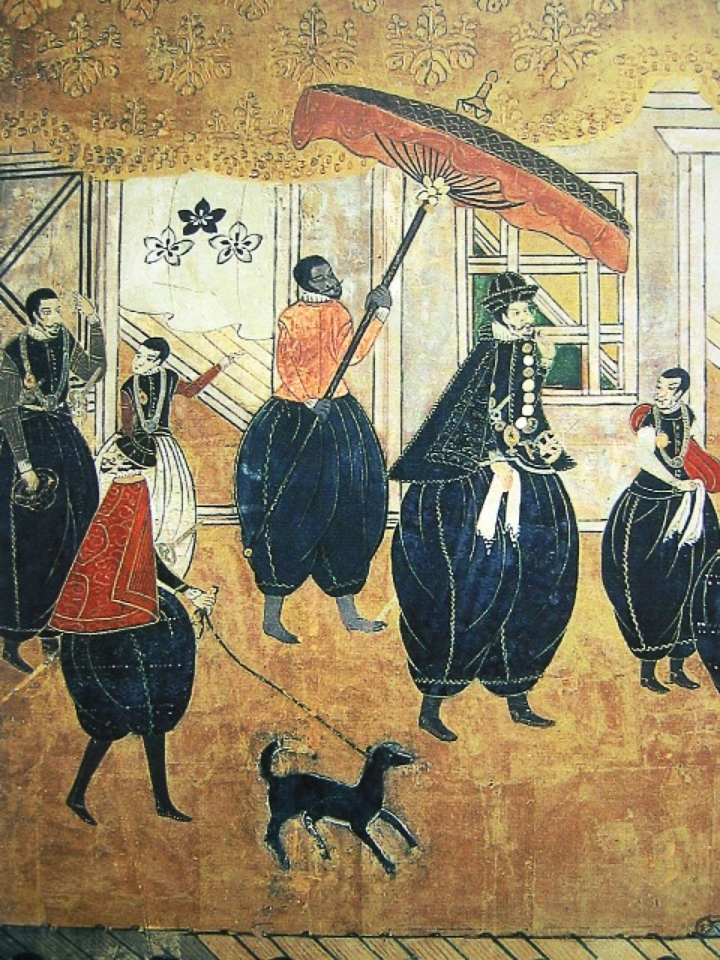
    Another issue is that one of the primary sources describing Portuguese involvement in slavery also describes them as a people that skin cows and horses alive, and eat the meat raw with their bare hands, suggesting that the purpose of such ‘records’ was more about demonising the Portuguese than recording actual events.

    A contemporary depiction of Portuguese in Japan. Though not all sources paint them in a negative light, the foreign visitors were often looked on as strange and even barbarous by comparison.

    Regardless of how extensive the trade was, it provided a convenient enough excuse for Hideyoshi to act. Though highlighting the fortifications at Nagasaki, and the selling of Japanese as slaves, modern historians more generally agree that the move against the Christians was more about consolidating power, as Hideyoshi believed that Christian theology was a direct threat to the traditional Japanese belief in a divine Emperor, from whom Hideyoshi’s power ultimately derived.

    Another theory is that Hideyoshi wanted to control trade with the West, believing (erroneously) that the trade was controlled by the Jesuits, when in reality, religious and commercial interests were separate, and often in conflict (the Jesuits, for example, actively opposed enslaving Japanese) This theory suggests that Hideyoshi hoped that removing the priests would allow him to take direct control of the trade.

    A contemporary image of a Christian Mass in Japan. Hideyoshi believed that the priests controlled the merchants.

    Whether he was motivated by political, religious, or economic reasons (or all three), Hideyoshi issued what became known as the Bateren expulsion order (bateren being the Japanese word for Christian priests, derived from the Latin Patren) in 1587. What followed was a brief campaign of repression against Christianity; the Jesuit base in Kyoto was burned, and territory around Nagasaki was seized.

    Ultimately, however, Hideyoshi seems to have largely ignored his own order, keeping several Christian priests as interpreters and scribes, and allowing trade to continue practically unmolested. For now, at least, Hideyoshi had bigger problems than Christian priests.

    Hojo Ujinao

    Sources
    https://ja.wikipedia.org/wiki/%E8%B1%8A%E8%87%A3%E7%A7%80%E5%90%89
    https://ja.wikipedia.org/wiki/%E4%B9%9D%E5%B7%9E%E5%B9%B3%E5%AE%9A
    https://ja.wikipedia.org/wiki/%E3%83%90%E3%83%86%E3%83%AC%E3%83%B3%E8%BF%BD%E6%94%BE%E4%BB%A4
    https://ja.wikipedia.org/wiki/%E4%B9%9D%E5%B7%9E%E5%9B%BD%E5%88%86
    https://ja.wikipedia.org/wiki/%E6%83%A3%E7%84%A1%E4%BA%8B%E4%BB%A4
    https://en.wikipedia.org/wiki/Slavery_in_Japan

  • The Odawara Campaign

    The Odawara Campaign

    Just a quick note from me: Due to real-life changes with workload, I’ve decided to reduce the number of blog posts to one per week. Going forward, the blog will be posted on Fridays.

    In 1589, the Hojo openly defied Toyotomi Hideyoshi’s peace orders, prompting the new regent to declare them in rebellion against the throne. (Side note, Hideyoshi, as the son of a peasant, couldn’t be declared Shogun, so he took the title of Kampaku, officially the chief advisor of the Emperor, but in reality, the political master of Japan.)

    Toyotomi Hideyoshi

    There were some final (and quite half-hearted) attempts at negotiation, but Hideyoshi’s position was clear: either the Hojo would submit, or they would be destroyed. The Hojo, an old, proud, and powerful clan, refused to bow, and by 1590, Hideyoshi had mustered an army of some 200,000 men to force the issue.

    Tokugawa Ieyasu, whose lands lay between the Hojo and Hideyoshi, initially sought to mediate, as his daughter was married to Hojo Ujinao, the nominal lord of the clan. These attempts failed, however, and Ieyasu threw in his lot with Hideyoshi, making preparations in his lands for the movement of thousands of troops advancing on the Kanto.

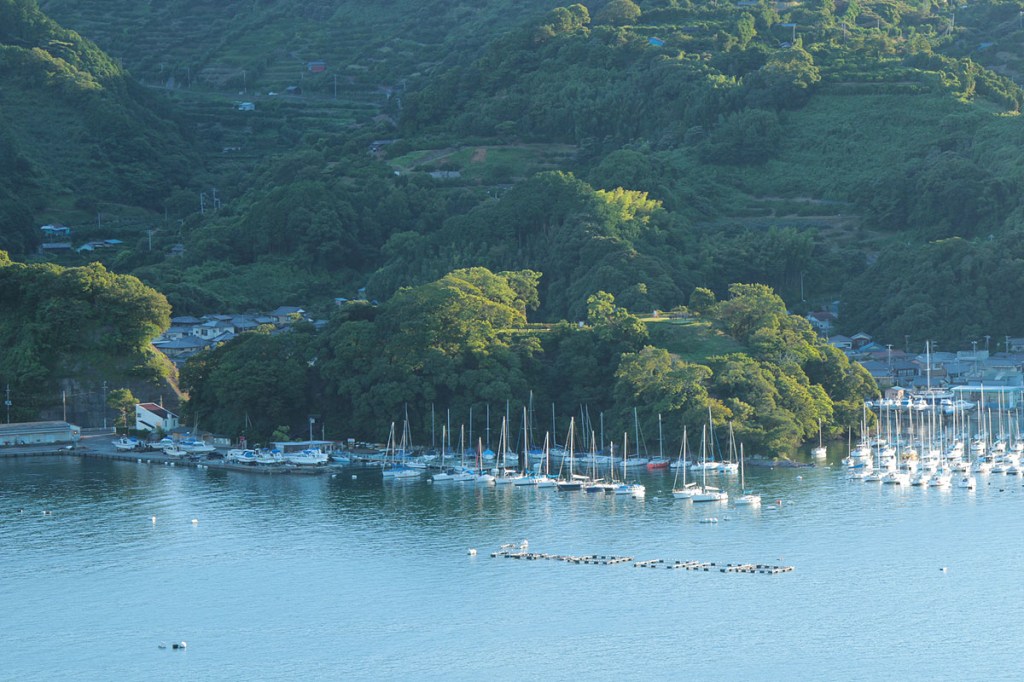
    The Kanto is surrounded by mountains and, at least in theory, very easy to defend, as there are only a limited number of passes through which a large body of troops can pass. The Hojo knew this and fortified as many of these passes as they could. Unfortunately, they were now being attacked on practically all sides. As well as the Tokugawa-Toyotomi force coming from the east, they also face an army sent along the Nakasendo road to attack Usui Pass in the north, and a force dispatched from the North-East would advance into Musashi Province and attack the castles there. Even the ocean to the south wasn’t open to the Hojo, as a naval force attacked Nagahama Castle in Izu.

    The site of Nagahama Castle today.

    The main blow would come from the west, however, as Hideyoshi led his army in an attack on the apparently formidable fortress of Yamanaka. Before the outbreak of hostilities, the Hojo had dispatched a garrison of 4000 men to the castle and set about improving its fortifications. Unfortunately, this work was not completed by the time Hideyoshi’s army arrived, and, despite its reputation as the “gateway” to the Kanto, Yamanaka fell in a single morning, despite brave resistance from the overmatched garrison.

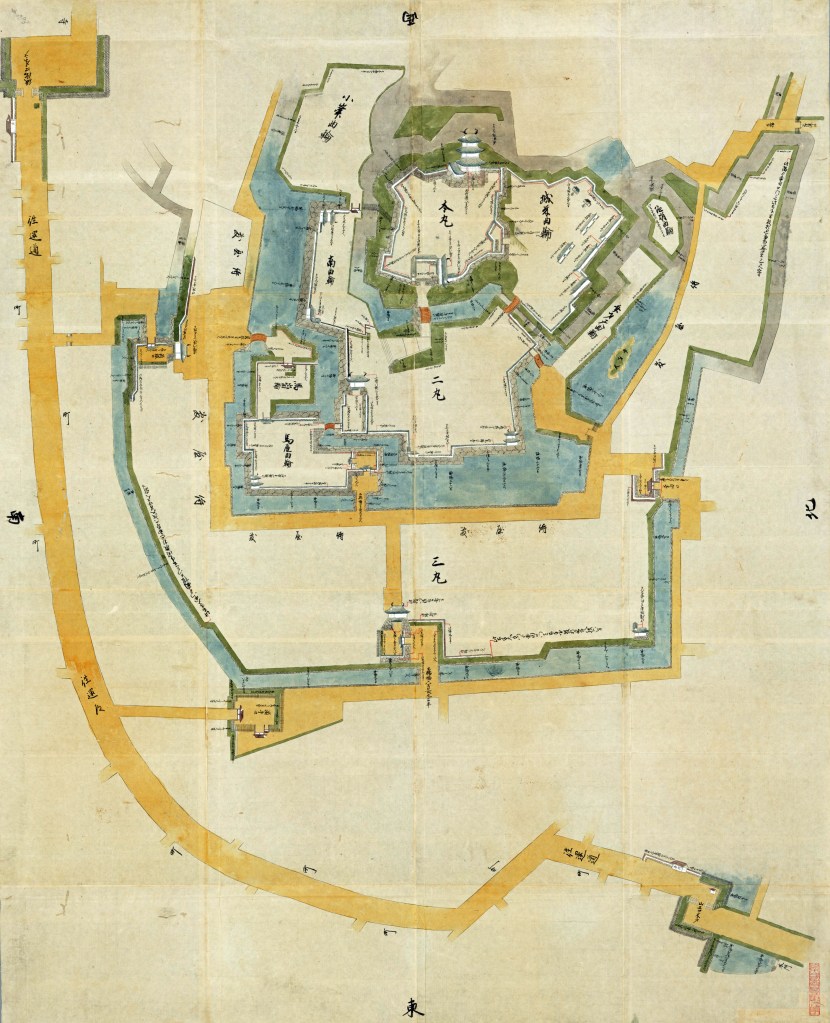
    Other castles in the area were taken or besieged, bottling up their garrisons and preventing them from supporting the main attack on Odawara, which itself came under siege in early May. Odawara itself was an enormous castle, and despite the size of Hideyoshi’s army, there was no serious attempt to take it by storm. Instead, the siege camp became something of a small town, with everything from prostitutes to theatrical troupes plying their trade amongst the besiegers, whilst the Hojo defenders were often obliged to sleep on the battlements in their armour, for fear of a sudden attack.

    With Odawara now firmly under siege, Hideyoshi was confident enough to dispatch forces to support the campaigns in other parts of Hojo territory, with many of the castles falling with surprising speed. This was largely due to the fact that the Hojo had mobilised the vast majority of their forces for the defence of Odawara itself, leaving most of the outlying castles only lightly defended. When faced with the overwhelming strength of the forces arrayed against them, most of these castles surrendered immediately, or else were taken after only brief resistance.

    The layout of Odawara Castle.

    There is some evidence that the speed at which many of these castles fell led Hideyoshi to criticise his generals in the region, suggesting that taking so many castles so easily could not be considered a military achievement.

    The ease of the advance wasn’t true everywhere, however. At Iwatsuki (in modern Saitama), a force of 20,000 was held up by the defenders for several days despite a numerical advantage of 10-1. When the castle fell, Hideyoshi ordered that all the fighting men be killed, and the women and children taken prisoner. Instead, the commanding general, Asano Nagamasa, had already agreed to spare the surviving warriors, the women and the children as part of the surrender agreement.

    Meanwhile, the Siege at Hachigata Castle (also in Saitama) concerned Hideyoshi enough that he sent a sternly worded letter to Nagamasa, ordering him to focus his efforts there. Nagamasa did so, and a combined army of some 35,000 men attacked Hachigata, forcing the garrison to surrender. Once again, arrangements were made to spare the garrison and non-combatants, though this time it doesn’t seem to have been in defiance of Hideyoshi’s orders.

    The site of Hachigata Castle as they appear today.
    Taketarou – 投稿者自身による著作物, CC 表示-継承 3.0, https://commons.wikimedia.org/w/index.php?curid=1273726による

    While most castles were taken by force, negotiation, or a combination of the two, some held out, either through the skill of their defenders or, as was the case at Tatebayashi Castle, by apparently divine intervention. The castle was apparently founded with the help of a grateful fox, who rewarded the lord of the castle for rescuing its baby by marking out the foundations of the fortress in an area of swampy ground.

    This soggy position made the castle very difficult to approach, and when it came under siege, the attackers laid down logs across the swamp to create a roadway to the castle walls. With their pathway secure, the besiegers got a good night’s rest and prepared for a dawn attack. When the sun rose, they found that the roadway had disappeared completely, something put down to the fox spirit protecting the castle rather than the possibility that the logs had just sunk.

    Another famous, watery siege was that of Oshi Castle. Surrounded on two sides by rivers, Oshi was besieged by forces led by Ishida Mitsunari (who will become very important). Much ike Tatebayashi, Oshi’s watery position made it difficult to overcome. Mitsunari (apparently on written instructions from Hideyoshi) set about building an enormous levee surrounding the fort, forcing the water from the two rivers to inundate the castle and flood out its defenders.

    The levee (Ishida Tsutsumi) as it appears today in modern Konosu, Saitama.
    京浜にけ – 投稿者自身による著作物, CC 表示-継承 3.0, https://commons.wikimedia.org/w/index.php?curid=100409931による

    To the besiegers’ surprise, the waters didn’t actually flood the castle; instead, they gave it the appearance of floating on the water, leading it to be referred to as the “Floating Castle” (this is the title of a manga and its later 2012 adaptation, both about the siege). Following several days of heavy rain, the levee broke (or was sabotaged in some sources), flooding the siege camp and killing up to 200 warriors.

    The failure of this approach would seriously damage Mitsunari’s military reputation (some sources point out that he was just following Hideyoshi’s instructions, but the damage was done), and the siege was eventually taken over by Asano Nagamasa. An all-out assault on the castle was impossible due to the effects of the flooding, which had turned the ground into an impassable quagmire, and Oshi has the distinction of being one of the few fortresses that held out until the end of the Odawara Campaign, before eventually surrendering nearly 2 weeks after the fall of Odawara.

    Odawara, as one of the most formidable castles in the realm, hadn’t come under direct attack, but the siege had been dragging on for weeks, and news from other parts of the Kanto was almost universally bad, sapping the already fragile morale of the defenders. Shortly after the siege began, the loyalty of the Date Clan was still in doubt, and the Hojo held out hope that they might receive aid from outside the Kanto. Date forces indeed entered the Kanto, but in support of Hideyoshi, ending any hope of relief.

    Date Masamune. His decision to support Hideyoshi ended any hope the Hojo had of outside support.

    Though no general assault was launched, there were a few small-scale skirmishes and sporadic gunfire, and by early summer, signs of a breakdown in morale were appearing on both sides, with an increase of desertion amongst the besiegers, and the ever-present possibility of defection from the Hojo, especially as news of the rapid fall of other castles arrived.

    Negotiations began early in the siege, largely facilitated by Tokugawa Ieyasu, Hojo Ujinao’s father-in-law. Rumours of a peace agreement spread almost immediately, and Ujinao’s grandmother and step-mother (Ujimasa’s second wife) both died mysteriously on the same day. Historians generally believe they committed suicide, either in protest of a peace deal or in prospect of one.

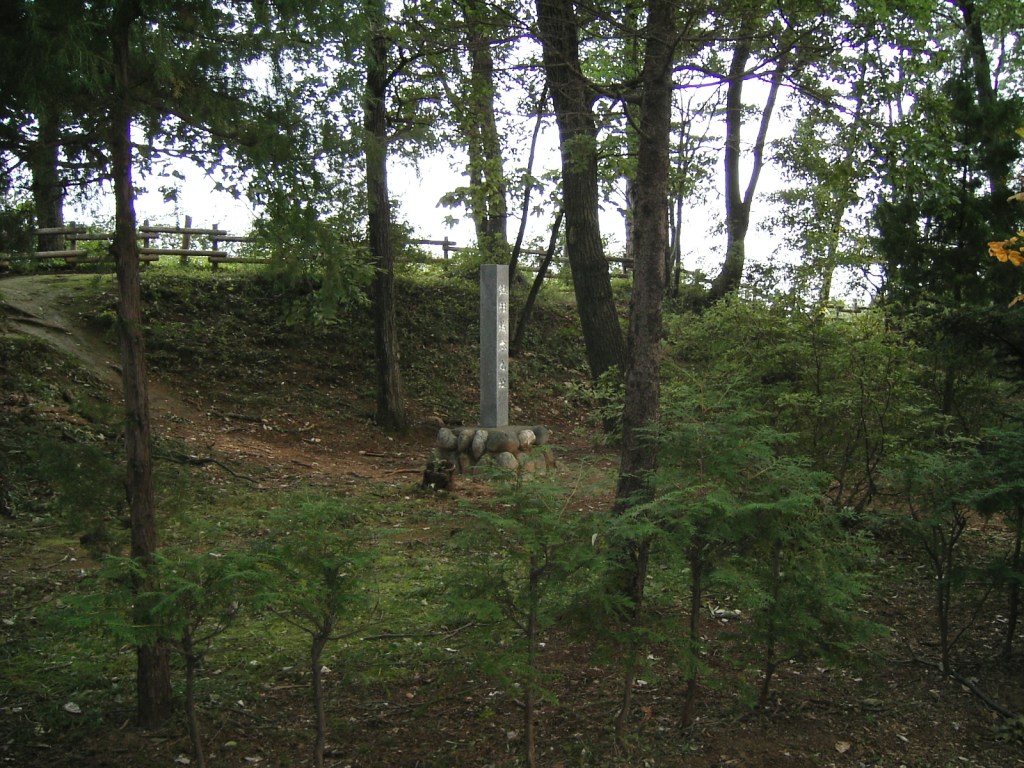
    News of the fall of other fortresses was followed by the public display of the heads of those killed, and then the wives and children of the survivors outside the castle walls, further depleting the defenders’ morale. Towards the end of the siege, the appearance of Ishigakiyama Castle, built in just a few months, on a mountain not far from Odawara, effectively ended what remained of the Hojo’s will to resist.

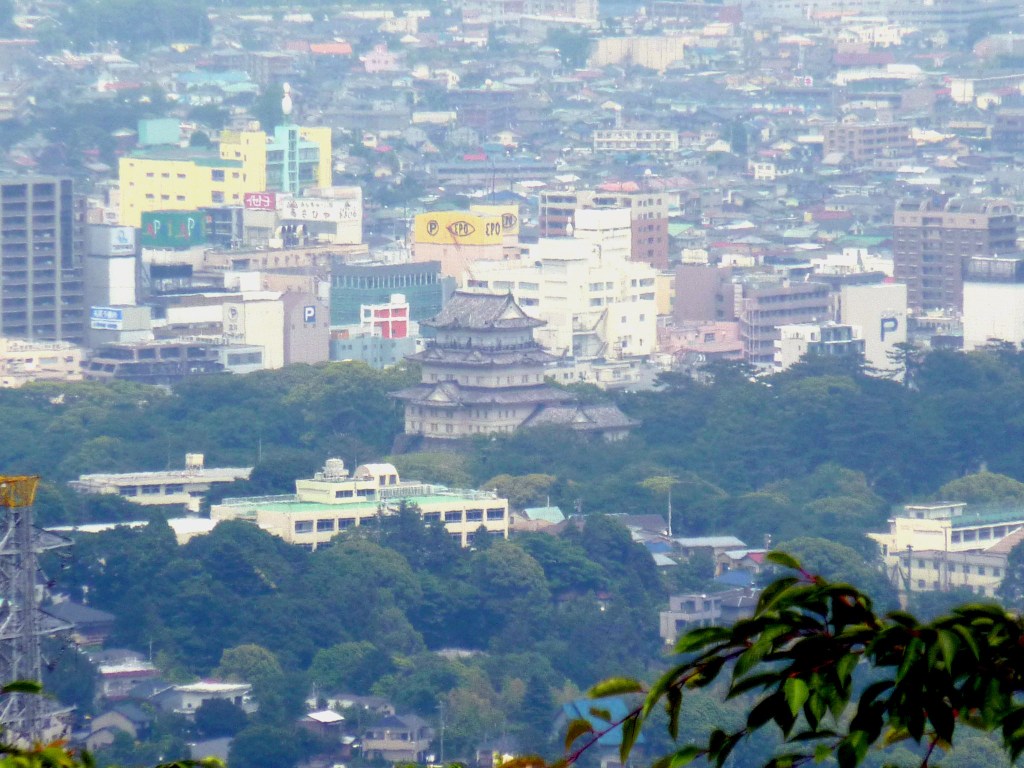
    Odawara Castle as seen from Ishigakiyama.

    A side note here, there is a popular legend that Ishigakiyama Castle was ‘built in one night’, which was clearly impossible, with later sources suggesting that rather than literally being built overnight, the castle was instead constructed behind a forest, which was itself cut down overnight, giving the impression that the castle had appeared from nowhere. Modern scholars doubt that either version is true, as Ishigakiyama is easily visible from Odawara, and though the castle was certainly built unusually quickly, it is now thought to have been constructed in full view of the Hojo, to highlight the impossibility of their situation.

    After this, the besiegers made a point of keeping up a light but continuous rain of gunfire on the castle, intending to grind down their morale, and when a final, furious night attack from the castle was repelled in August, the writing was on the wall, and a delegation from the Hojo was sent out to offer the seppuku of Hojo Ujinao and the surrender of the castle, in exchange for the lives of the remaining garrison.

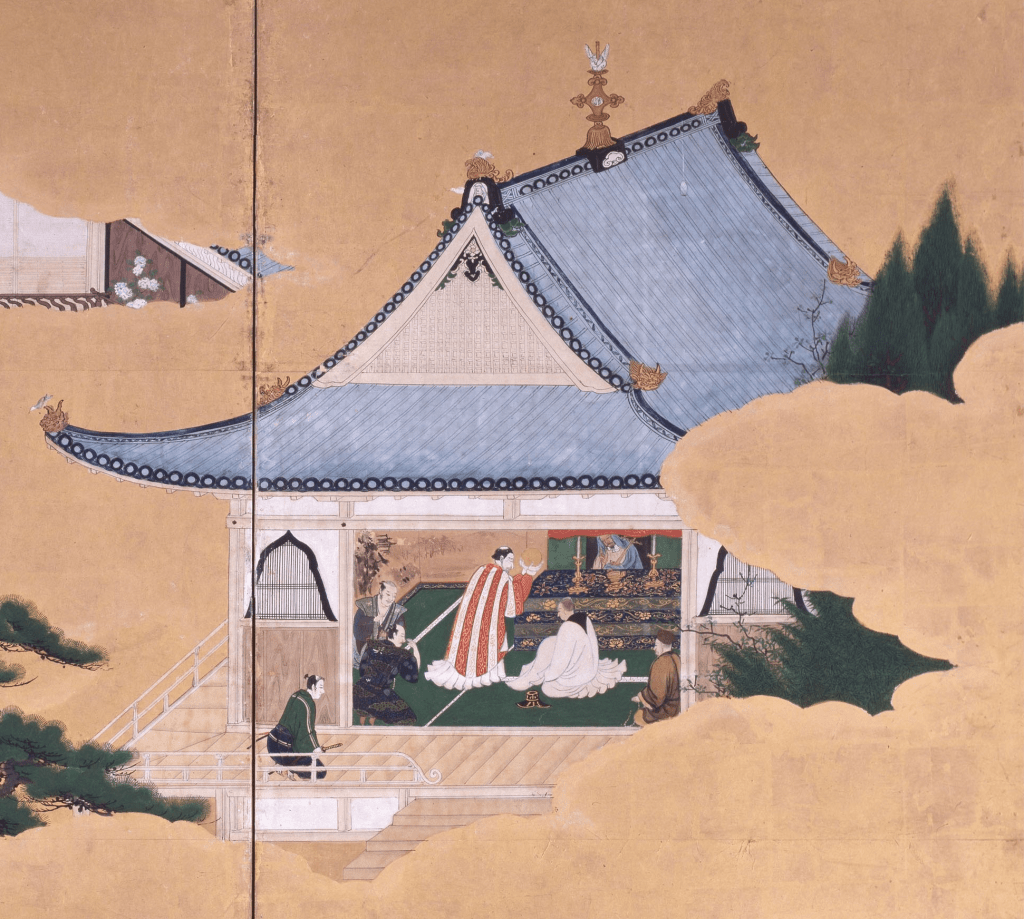
    Hideyoshi accepted the surrender of the castle on the condition that all the remaining senior Hojo, Ujinao, his father Ujimasa, and uncle Ujiteru, commit seppuku, and that the provinces of Musashi, Sagami, and Izu (the Hojo heartlands) be given up. Further resistance was now impossible, and the Hojo agreed. Tokugawa Ieyasu successfully intervened for the life of his son-in-law, Ujinao, but he would fall sick (possibly with smallpox) and die by the end of the year.

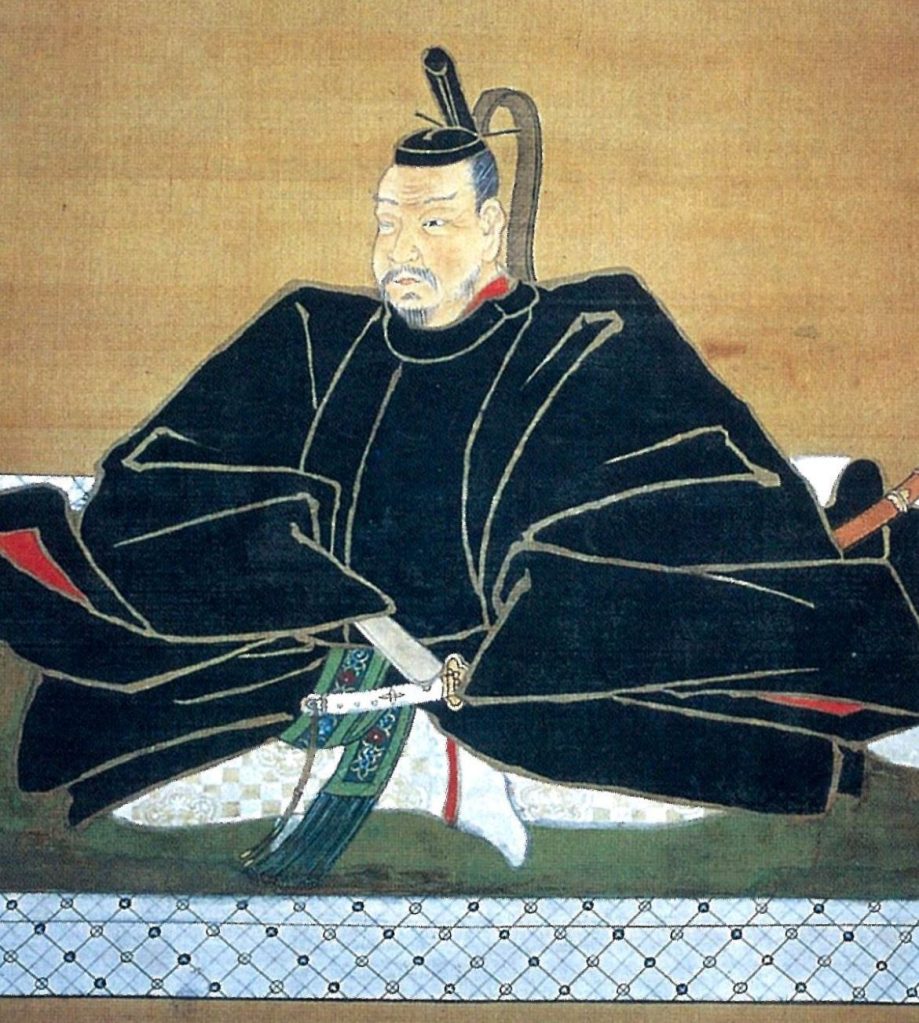
    Hojo Ujinao.

    In the aftermath of the fall of Odawara, the Kanto would come under the control of Tokugawa Ieyasu, who had previously agreed to trade his three home provinces for the five of the Kanto, making his new base at Edo Castle, the site of the modern Imperial Palace in Tokyo. In the long-term, this would prove to be a genius move on Ieyasu’s part, but for now, the man who came out on top was Toyotomi Hideyoshi.

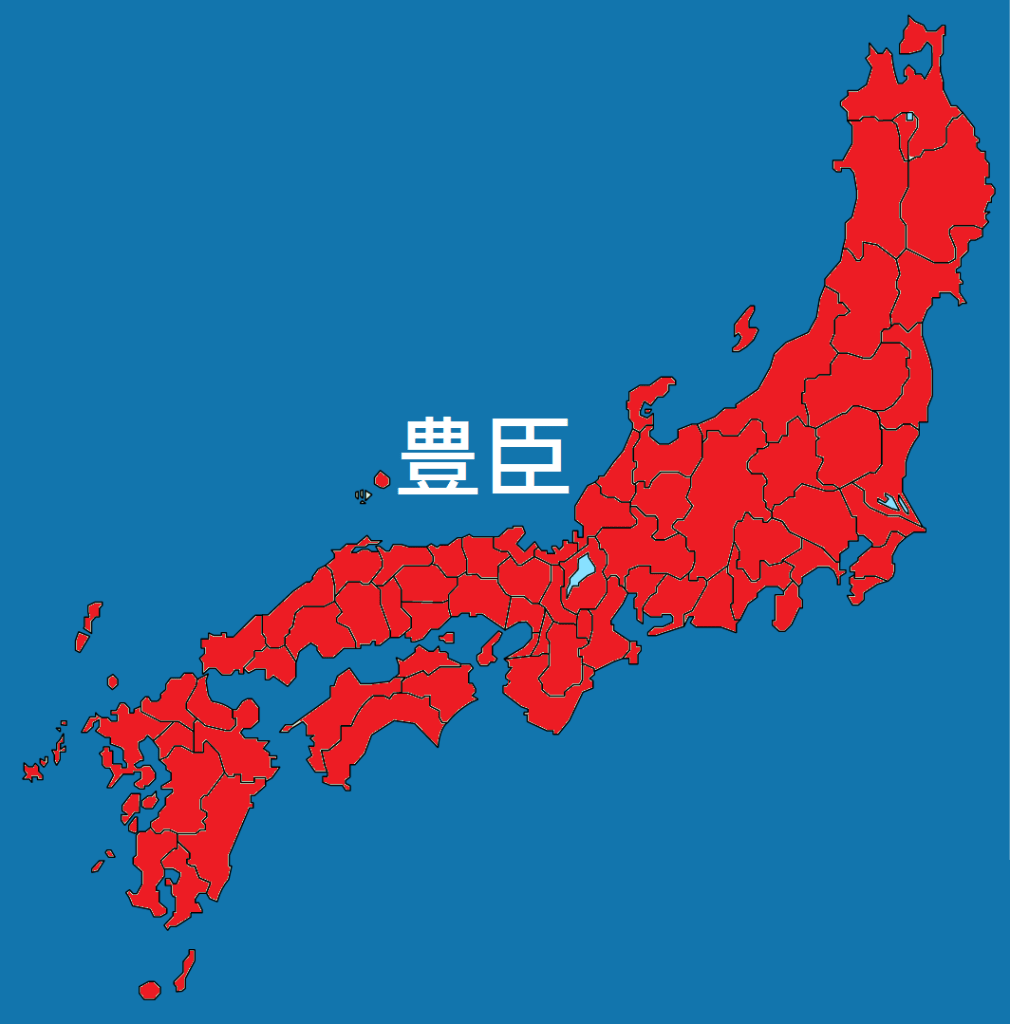
    With the Hojo defeated, there were no longer any serious rivals to his rule. For the first time in more than a century, the realm was united under a single, undisputed leader, who set about ensuring it would never again fall into chaos.

    The situation after the fall of Odawara. No more division, no more chaos, at least on paper.
    By Alvin Lee – Own work, CC BY-SA 4.0, https://commons.wikimedia.org/w/index.php?curid=39214210

    Hideyoshi’s conquest of Odawara marked the end of the second phase of Japan’s reunification. Next week, we’ll take a step back to look at another name we’ve mentioned a lot, Oda Nobunaga, the first of the great unifiers.

    Sources
    https://ja.wikipedia.org/wiki/%E6%83%A3%E7%84%A1%E4%BA%8B%E4%BB%A4
    https://ja.wikipedia.org/wiki/%E5%B1%B1%E4%B8%AD%E5%9F%8E
    https://ja.wikipedia.org/wiki/%E5%B0%8F%E7%94%B0%E5%8E%9F%E5%BE%81%E4%BC%90
    https://ja.wikipedia.org/wiki/%E7%9F%B3%E5%9E%A3%E5%B1%B1%E5%9F%8E
    https://ja.wikipedia.org/wiki/%E5%BF%8D%E5%9F%8E%E3%81%AE%E6%88%A6%E3%81%84
    https://ja.wikipedia.org/wiki/%E5%BF%8D%E5%9F%8E
    https://ja.wikipedia.org/wiki/%E7%9F%B3%E7%94%B0%E5%A0%A4
    https://ja.wikipedia.org/wiki/%E9%A4%A8%E6%9E%97%E5%9F%8E
    https://ja.wikipedia.org/wiki/%E5%B2%A9%E6%A7%BB%E5%9F%8E
    https://ja.wikipedia.org/wiki/%E6%B5%85%E9%87%8E%E9%95%B7%E6%94%BF
    https://ja.wikipedia.org/wiki/%E9%89%A2%E5%BD%A2%E5%9F%8E
    https://ja.wikipedia.org/wiki/%E9%9F%AE%E5%B1%B1%E5%9F%8E
    https://ja.wikipedia.org/wiki/%E9%95%B7%E6%B5%9C%E5%9F%8E_(%E4%BC%8A%E8%B1%86%E5%9B%BD)
    https://ja.wikipedia.org/wiki/%E6%9D%BE%E4%BA%95%E7%94%B0%E5%9F%8E
    https://en.wikipedia.org/wiki/Toyotomi_Hideyoshi
    https://en.wikipedia.org/wiki/Siege_of_Odawara_(1590)


  • Lords of the East, Part 4

    Lords of the East, Part 4

    Hojo Ujiyasu died in 1571, having lived a life in which he had seen the fortunes of his clan rise, fall, and then rise again. His son, Ujimasa, inherited a strong but still dangerous position. Almost as soon as his father had passed, Ujimasa sought to end the war with Takeda Shingen and reestablish an alliance against their mutual enemy, Uesugi Kenshin.

    Hojo Ujimasa

    Shingen, by now in control of Suruga and stronger than ever, agreed, and it didn’t take long for the Hojo and Uesugi to be at each other’s throats again. In 1574, Kenshin invaded the Kanto, but his attention was focused mostly on his conflict with the Takeda, closer to home, and this round of Uesugi-Hojo fighting ended after an indecisive battle at the Tone River.

    With Kenshin busy elsewhere, Ujimasa turned his attention back to the Hojo’s old enemy, the Satomi, invading Shimotsuke in 1576, and advancing deep into Kazusa the next year. The Hojo clearly had the military advantage, with a vastly superior army and much larger territory. Despite this, the terrain of Kazusa and Awa Province (in the south of modern Chiba) is difficult for military operations, and Hojo supply lines relied either on ships crossing Tokyo Bay, which was difficult even in good weather, or on taking the long way around through Musashi Province (modern Tokyo).

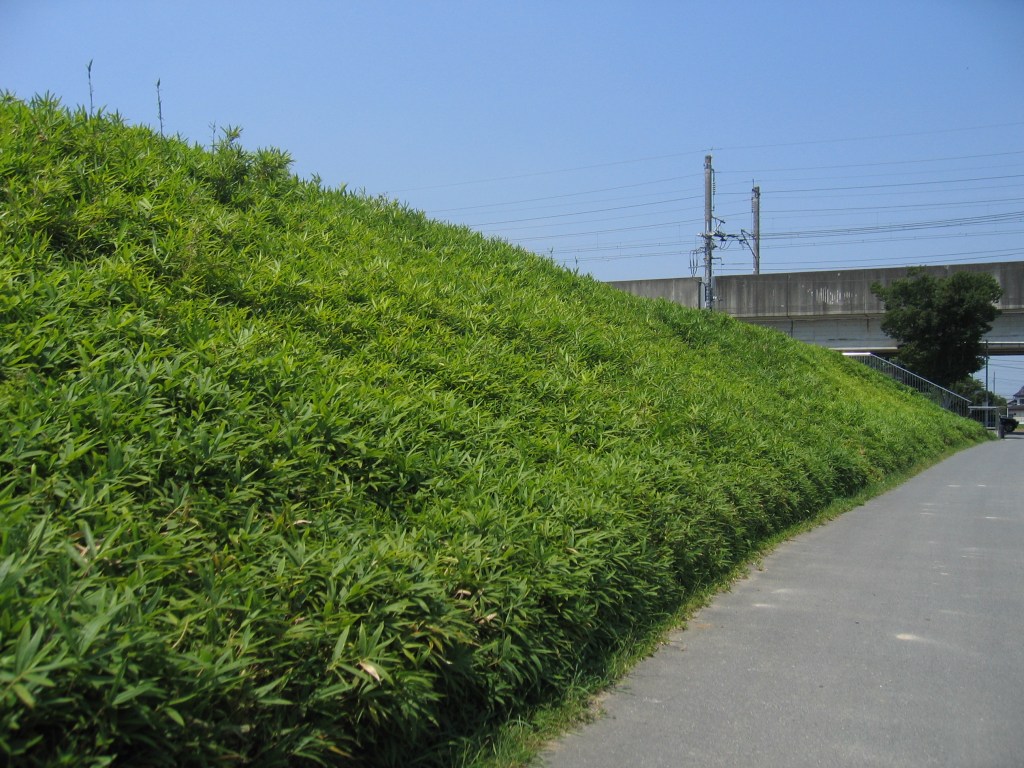
    The terrain of Kazusa and Awa as it appears today. Though the Hojo were stronger, the logistical reality made a long term campaign impossible.
    By certified, CC BY 3.0, https://commons.wikimedia.org/w/index.php?curid=55415779

    Neither of these options was particularly appealing, and what was more, the number of troops that the Hojo would have needed to commit to ending the war decisively would have left their other frontiers unacceptably vulnerable. So, in late 1577, a peace agreement (the Boso Ichiwa) was reached, establishing the border between the two factions and arranging a marriage to seal the deal.

    Although the marriage would end within a few years, with the death of Ujimasa’s daughter, the peace held (more or less). This is demonstrated by the fact that when civil war broke out among the Satomi following Yoshihiro’s death in 1578, the Hojo did not intervene, even though it would have been to their advantage to do so. The peace would eventually come to an end in 1590, but we’re getting ahead of ourselves.

    Uesugi Kenshin, one of the Hojo’s most dangerous foes, also died in 1578, and Uesugi, much like the Satomi, quickly fell into infighting over who would succeed him. This time, the Hojo made some attempts to intervene, as Uesugi Kagetora, one of the candidates, was Ujimasa’s younger brother, who had been adopted by Kenshin as part of the earlier peace deal. Ujimasa’s support for his one-time brother seems to have been quite limited, however, as Hojo forces contented themselves with securing control over Kozuke Province before withdrawing.

    Takeda Shingen had died in 1573, and with the Uesugi and Satomi tearing themselves apart over succession, by 1578, Ujimasa might have been forgiven for thinking that he’d ‘won’ in the Kanto. Unfortunately for him, Shingen’s death led to the disastrous Battle of Nagashino in 1575, in which the Takeda clan’s power was broken, leaving the western approaches to the Kanto open to a new, and far more dangerous, player.

    Oda Nobunaga.

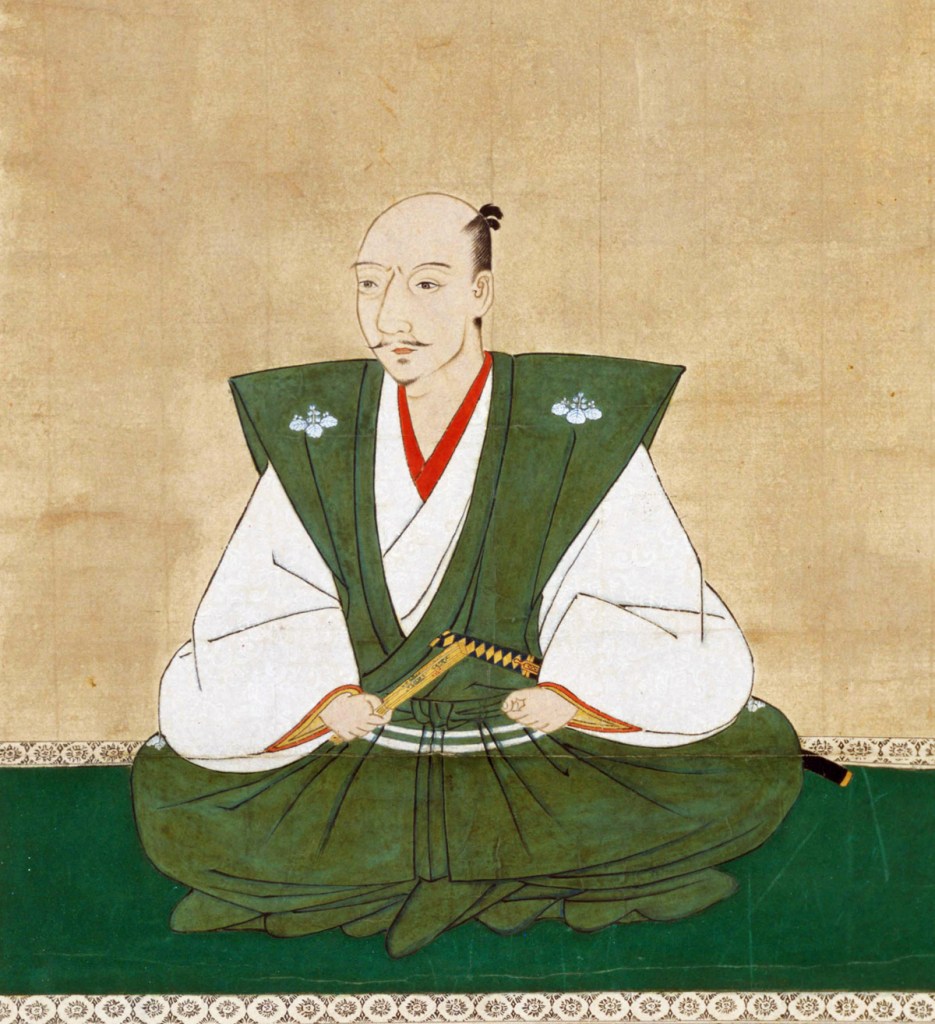
    Oda Nobunaga had risen from obscure origins in Owari Province (around modern Nagoya) to become the preeminent lord in the realm. Though his power was not yet completely unchallenged, by 1578, he was best placed to be the man who would unite the realm and end the Sengoku Jidai. With that in mind, Ujimasa reached out diplomatically, seeking to gain Nobunaga’s favour and perhaps arrange a marriage between the Oda and Hojo. Around this time, he also seems to have ‘retired’ and given control of the clan to his son, Ujinao, whilst in reality retaining actual power for himself.

    For his part, Nobunaga seems to have had little interest in a rapprochement with the Hojo, though his exact plans aren’t clear; it’s reasonable to assume that, much like the Takeda, Nobunaga viewed the Hojo as a rival to eventually be crushed. However, in the short term, he had more pressing concerns in the West, dealing with the powerful Mori Clan, and for now, the Hojo were left alone.

    With Nobunaga’s death in June 1582, everything changed. Taking advantage of the chaos, Ujimasa launched an attack against former Oda loyalists in the Kanto, securing control of the whole of Kozuke Province, and advancing into Kai, where he was met by another power seeking to take advantage of Nobunaga’s death, Tokugawa Ieyasu.

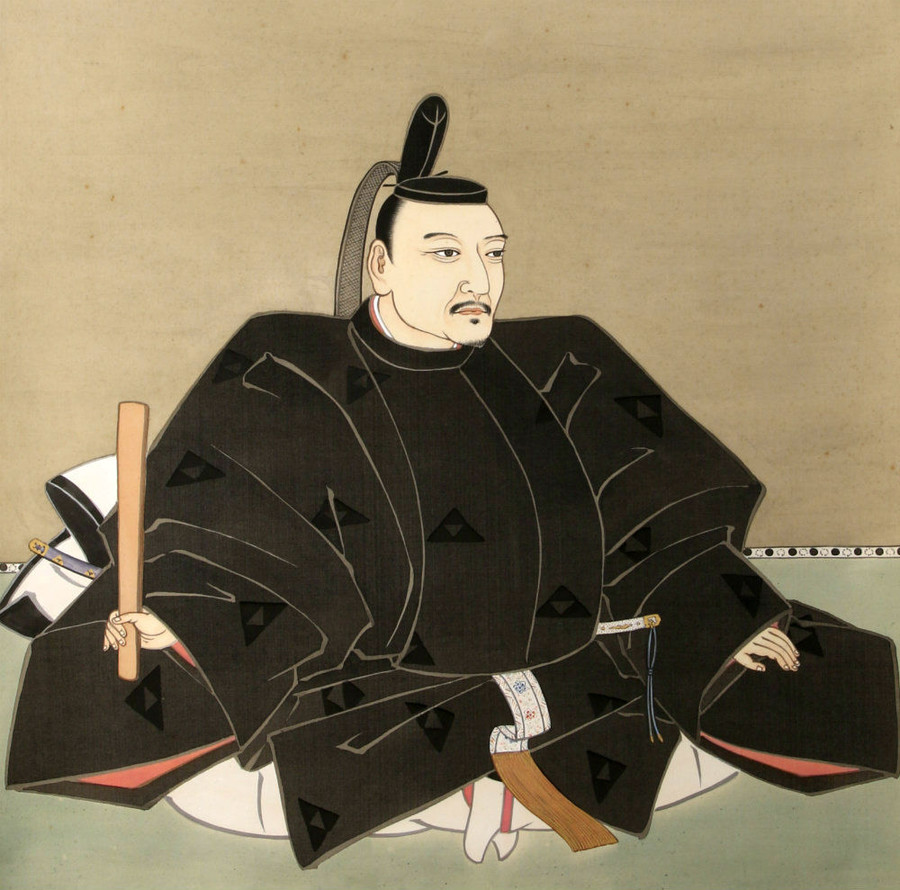
    Tokugawa Ieyasu

    The fighting didn’t go well for the Hojo, but neither side was committed to all-out war, so a peace was agreed upon, which saw Ujimasa’s son, Ujinao, marry Ieyasu’s daughter, Tokuhime. In 1583, following the death of the last Ashikaga Kanto kubo, Ujimasa took the title for himself, positioning the Hojo at the very top of the hierarchy in the Kanto.

    Not long after that, a successful campaign in support of allies in Shimotsuke Province brought the southern half of that province under his control, and Hojo territory reached its greatest extent. By some later estimates, the territory was valued at 2.4 Million Koku, and with control of several key rivers and coastal areas, the Hojo now dominated the political, military, and economic spheres within the Kanto.

    In 1587, the chaos that had followed Nobunaga’s death had come to an end, with Toyotomi Hideyoshi emerging as the ultimate winner. That year, he issued the Soubujirei or “General Peace Order” commanding that all Daimyo cease private wars, essentially bringing an end to the Sengoku Jidai, at least on paper.

    Toyotomi Hideyoshi

    The Hojo agreed to abide by this order, but there was one outstanding issue. During the fighting in Kai Province in 1582, the Numata Domain, territory of the Sanada Clan, had defied Hojo attempts to conquer it. Though the fighting had largely come to an end, the border remained undefined, and so Hideyoshi dispatched vassals to settle the issue.

    Hideyoshi’s decision was that two-thirds of the territory would go to the Hojo, and the remaining third would remain in Sanada hands. To confirm the arrangement, the powerful Numata Castle was handed over to the Hojo and peace was apparently agreed. However, shortly after this, the new lord of Numata arranged for the defection of nearby Nagurumi Castle, on the Sanada side of the border.

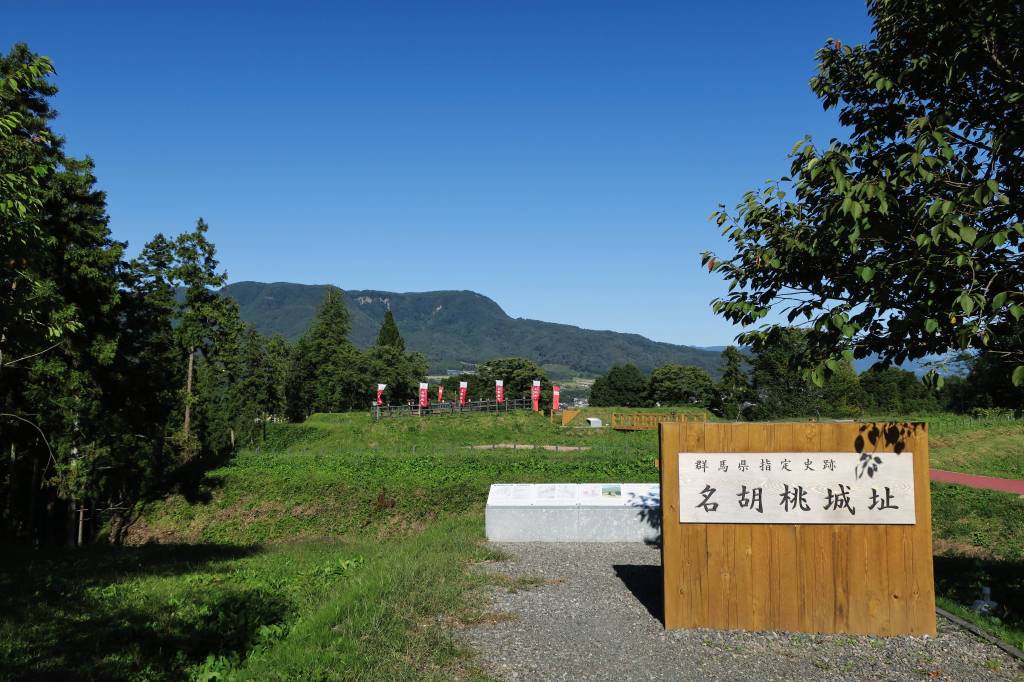
    The site of Nagurumi Castle today.
    photo: Qurren (トーク) Taken with Canon PowerShot G9 X – 投稿者自身による著作物, CC 表示-継承 3.0, https://commons.wikimedia.org/w/index.php?curid=63097035による

    The plot succeeded, and Nagurumi was handed over to Hojo forces without a fight. The problem was that this was a clear violation of the peace deal, and things only got worse when Ujinao denied any knowledge of the plot in a letter to Hideyoshi, attempting to present the capture of the castle as a fait accompli.
    Hideyoshi wasn’t about to accept that, and demanded that Ujimasa (retired, but still effective head of the clan) come to Kyoto to explain his clan’s actions.

    Ujimasa refused, and Hideyoshi took this as an act of open rebellion. In 1589, he ordered all lords to attack the Hojo as punishment for their defiance. Initial attacks from the Sanada clan were repelled by Hojo forces, but Hideyoshi was able to muster a force in excess of 200,000 men, and when the main attack began, it would be a fight to the death.

    The Odawara Campaign is deserving of a post of its own, I think, so we’ll leave it there for now.

    Sources
    https://ja.wikipedia.org/wiki/%E5%8C%97%E6%9D%A1%E6%B0%8F%E6%94%BF
    https://ja.wikipedia.org/wiki/%E8%B1%8A%E8%87%A3%E7%A7%80%E5%90%89
    https://ja.wikipedia.org/wiki/%E5%B0%8F%E7%94%B0%E5%8E%9F%E5%BE%81%E4%BC%90
    https://ja.wikipedia.org/wiki/%E5%90%8D%E8%83%A1%E6%A1%83%E5%9F%8E
    https://ja.wikipedia.org/wiki/%E6%83%A3%E7%84%A1%E4%BA%8B%E4%BB%A4
    https://ja.wikipedia.org/wiki/%E5%8C%97%E6%9D%A1%E6%B0%8F%E5%BA%B7