Tag: Hosokawa Clan

  • The Hosokawa Rebellion

    The Hosokawa Rebellion

    As we’ve looked at previously, internal clan conflict wasn’t uncommon during the 15th century; in fact, it had gotten to the point that violent succession struggles were almost a fact of life. One exception to this rule had been the Hosokawa Clan.

    In the mid-15th Century, the Hosokawa were just one of several powerful clans that dominated the area around Kyoto, the centre of political power in the realm. While other clans had risen and fallen throughout the Century, the Hosokawa went from strength to strength, in large part because they managed to maintain a stable succession, leading to one of their number, Hosokawa Masatomo, being strong enough to launch the Meio Coup in 1493, giving him effectively complete control of the government and what was left of its prestige.

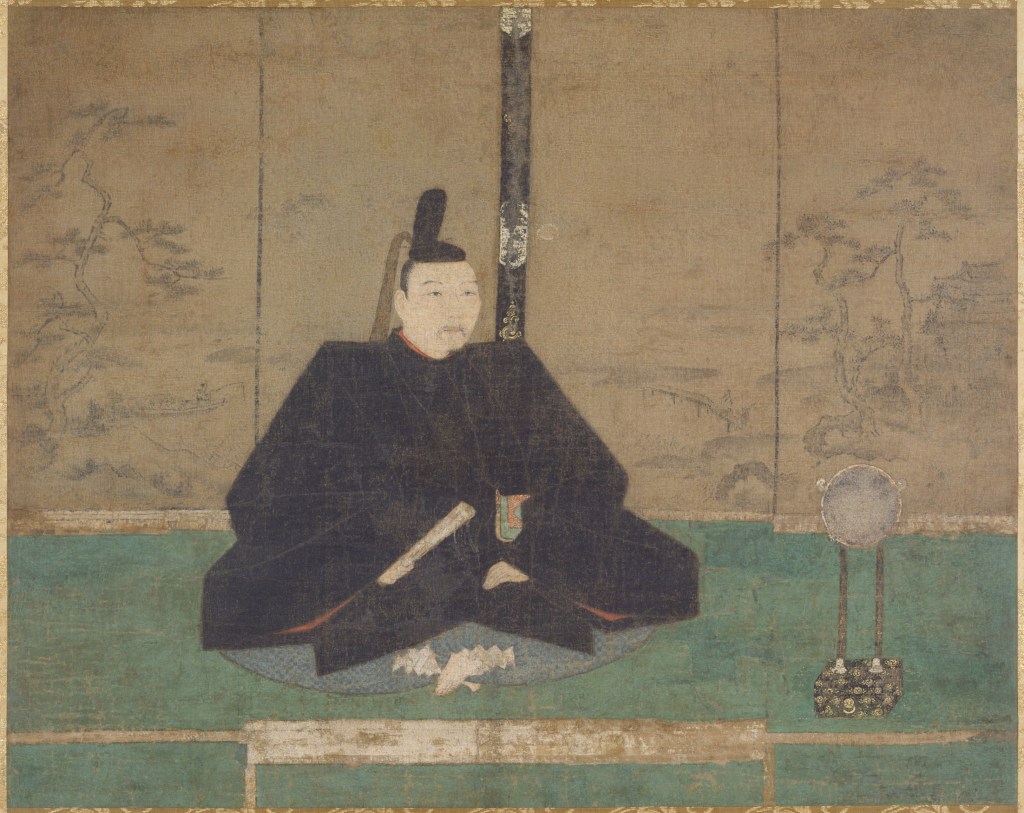
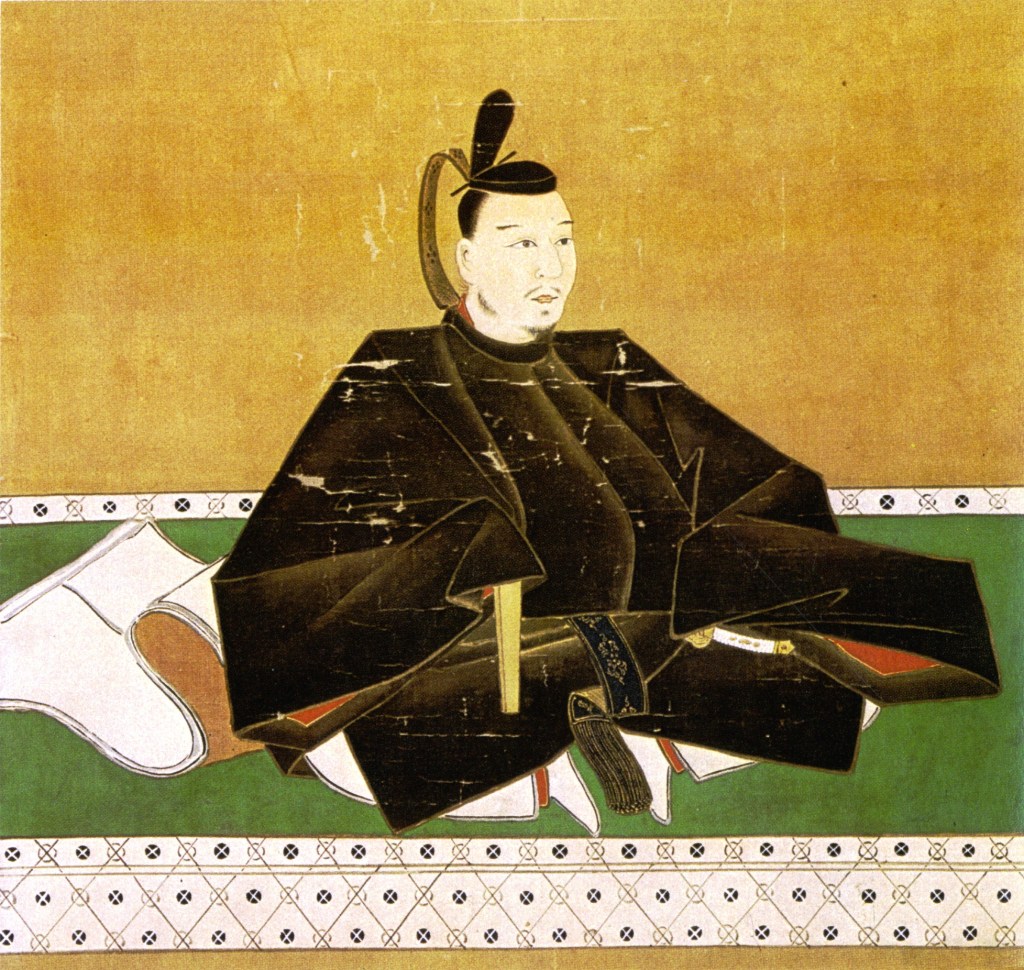
    Hosokawa Masatomo, who arguably led his clan to the height of its power, and laid the groundwork for its downfall.

    The relative stability of the Hosokawa Clan came to an end with Masatomo, however. He had succeeded his father largely because he had been the only viable candidate and had earned the support of his clan’s vassals after his father’s death. Masatomo apparently didn’t learn from this, however. Firstly, his spiritual beliefs meant that he swore off contact with women, which rather limited his opportunities to father an heir.

    This was no problem, though; adoption was(and continues to be) a widely accepted custom amongst the rich and powerful in Japan, and all Masatomo had to do was select a candidate who could earn the support of the wider Hosokawa Clan, and their position would be (relatively) secure.

    It must have come as quite a shock then, when Masatomo adopted not one, but three sons. To be fair, he didn’t adopt them all at once, and most contemporary sources speculate that his intentions were to split the Hosokawa lands between his new heirs, but you won’t be surprised to learn that it didn’t work out that way.

    No sooner was the ink dry on the adoption documents than rival factions began to form around the three potential heirs. Masatomo didn’t help matters by clearly favouring one son, Sumitomo, over the other two, but the whole situation would have been precarious even under the best of circumstances, and the Hosokawa certainly didn’t enjoy those.

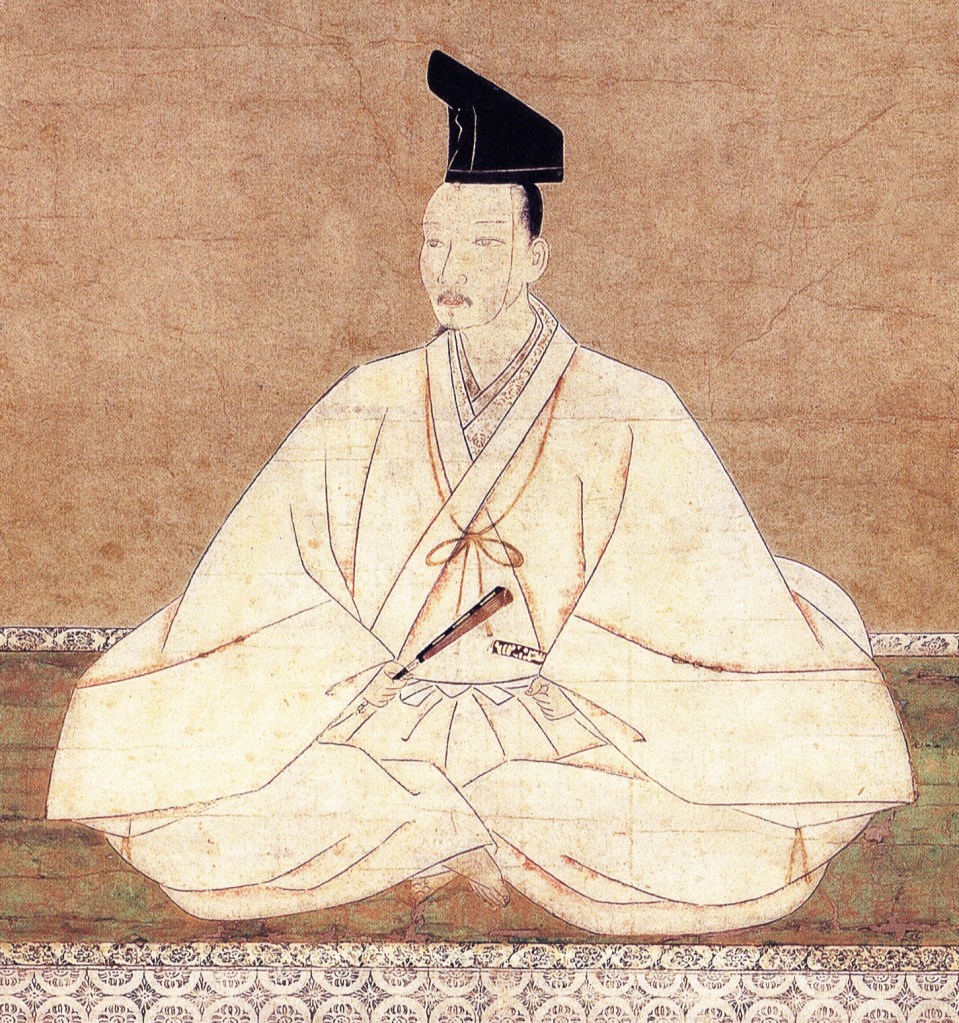
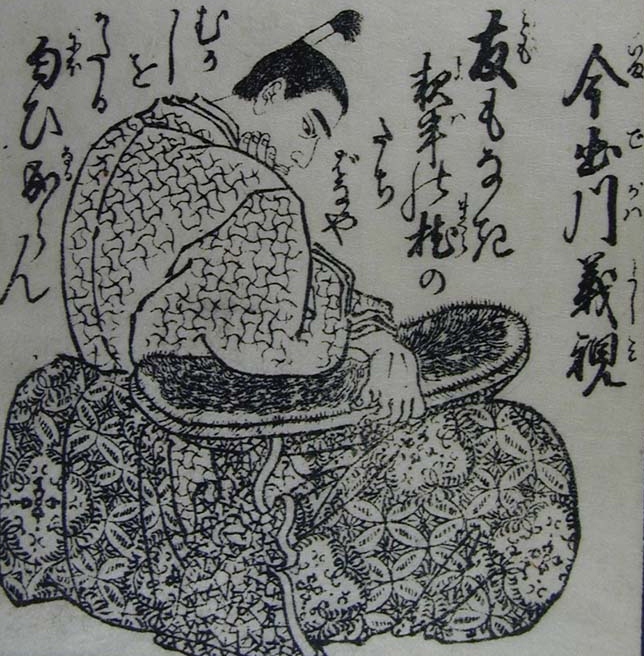
    Hosokawa Sumitomo, Masatomo’s apparently preferred heir.

    We’ve looked at the wide-ranging political problems the Shogunate faced during the latter half of the 15th century, and when Masatomo seized control of the government, he also inherited those problems. It’s hard to see how even the most focused, capable, and diplomatic leader might have reversed the situation the Shogunate found itself in, and unfortunately for the Hosokawa, Masatomo was an eccentric iconoclast, prone to doing things like attempting to fly, deriding long-standing ceremonies, and generally making political enemies wherever he went.

    It is a strange quirk of human history, though, that factions who seem to have hostile (and often violent) intentions towards each other will exist in a kind of tense equilibrium as long as there is someone, or something, that they can focus their ire on. In the early 16th century, that someone was Masatomo.

    None of the three factions was strong enough to openly oppose him, because if they had, they’d have been attacked and wiped out by the other two, who would need little encouragement to remove a rival, even if that meant supporting Masatomo in the short term.

    It is also true that, eventually, the dam always breaks, and when it comes to court politics, that usually means blood. In June 1507, supporters of one of Masatomo’s adopted sons (Sumiyuki) assassinated him in his bathhouse. The next day, they attempted to do the same thing to another son, Sumitomo, but he managed to escape with the help of his allies in the Miyoshi Clan.

    Just a moment ago, I mentioned that one faction couldn’t make a move without antagonising the other three, and that’s exactly what happened. Sumiyuki’s supporters had tried to remove Sumitomo and failed. Now, Sumitomo fled Kyoto and sought the aid of the third brother, Takakuni, who was only too happy to oblige.
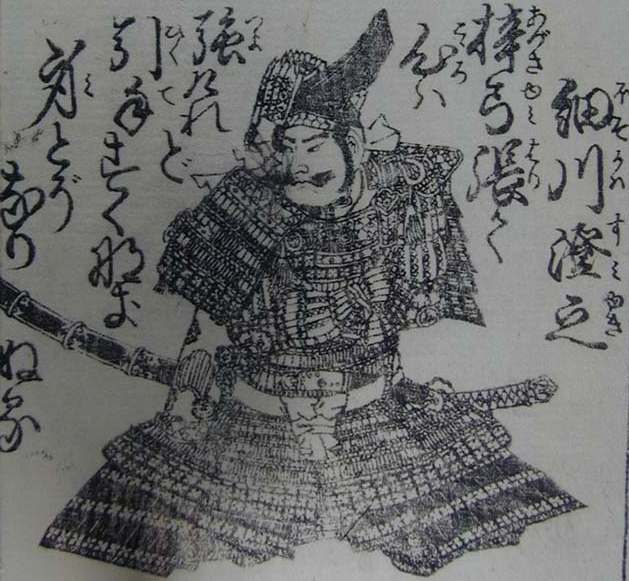
    The stylised end of Hosokawa Sumiyuki.
    Musuketeer.3 – 投稿者自身による著作物, CC 表示-継承 3.0, https://commons.wikimedia.org/w/index.php?curid=24893374による

    The combined forces of Takakuni and Sumitomo were indeed too much for Sumiyuki, and by August, he had been defeated and forced to commit suicide. The question then was who would actually succeed Masatomo. Both Takakuni and Sumitomo could arguably claim to have avenged their adopted father’s death, and both had significant support from the remaining Hosokawa retainers.

    As we mentioned last time, it is at this point that the previously deposed Shogun, Yoshitane, returned to the scene. Given that Masatomo had overthrown him in a coup and installed a puppet, it wasn’t difficult to convince Shogunate loyalists to side with Yoshitane. Suddenly, becoming heir to the Hosokawa Clan wasn’t quite the prize it had been. Though Sumitomo was in the stronger position, he now faced a resurgent Yoshitane, and his brother, Takakuni, saw the way the wind was blowing and threw in his lot with the returning Shogun as well.

    Just as Sumiyuki had been unable to oppose the combined forces of his brothers, Sumitomo did not have the strength to challenge the Shogun and Takakuni. Sumitomo also lost considerable support due to the actions of his supporters in the Miyoshi Clan, who had become overbearing in the short period after their victory.

    So, in April 1508, when Yoshitane and Takakuni marched on Kyoto, Sumitomo and the Miyoshi had little choice but to flee with their puppet Shogun, Yoshizumi. Shortly after this, Yoshitane was reinstated as Shogun, and Takakuni was named the new head of the Hosokawa Clan.
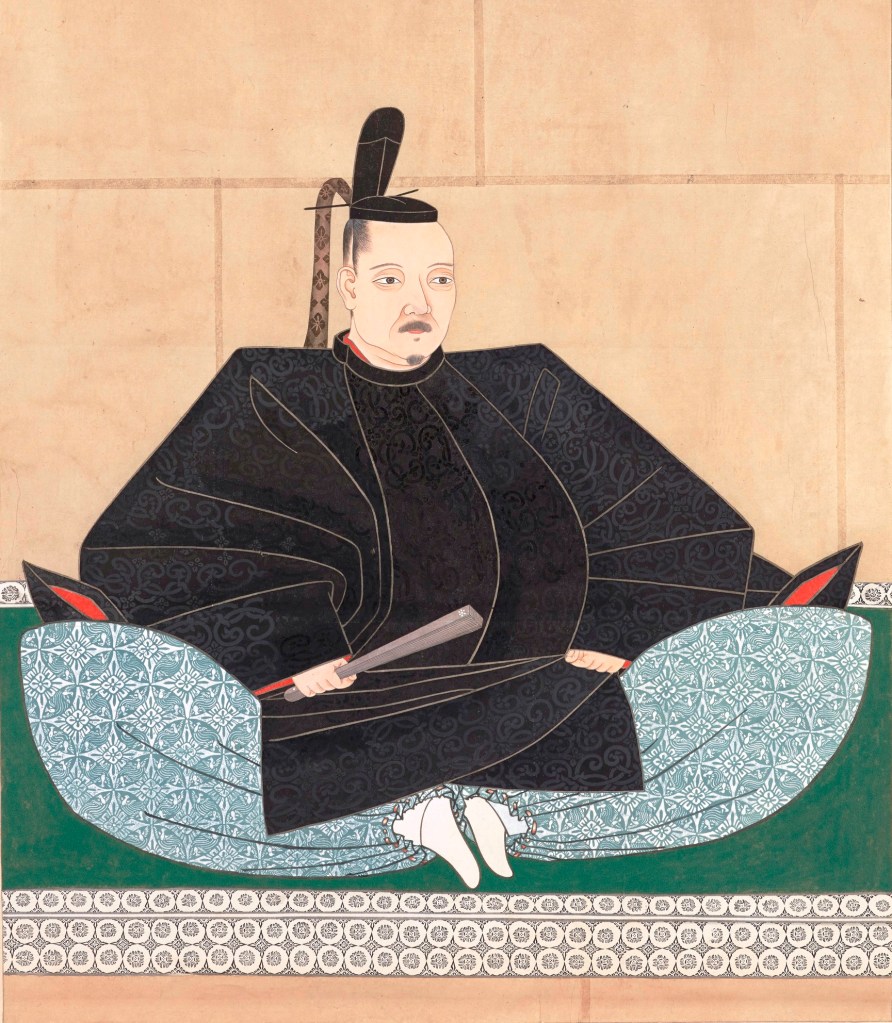
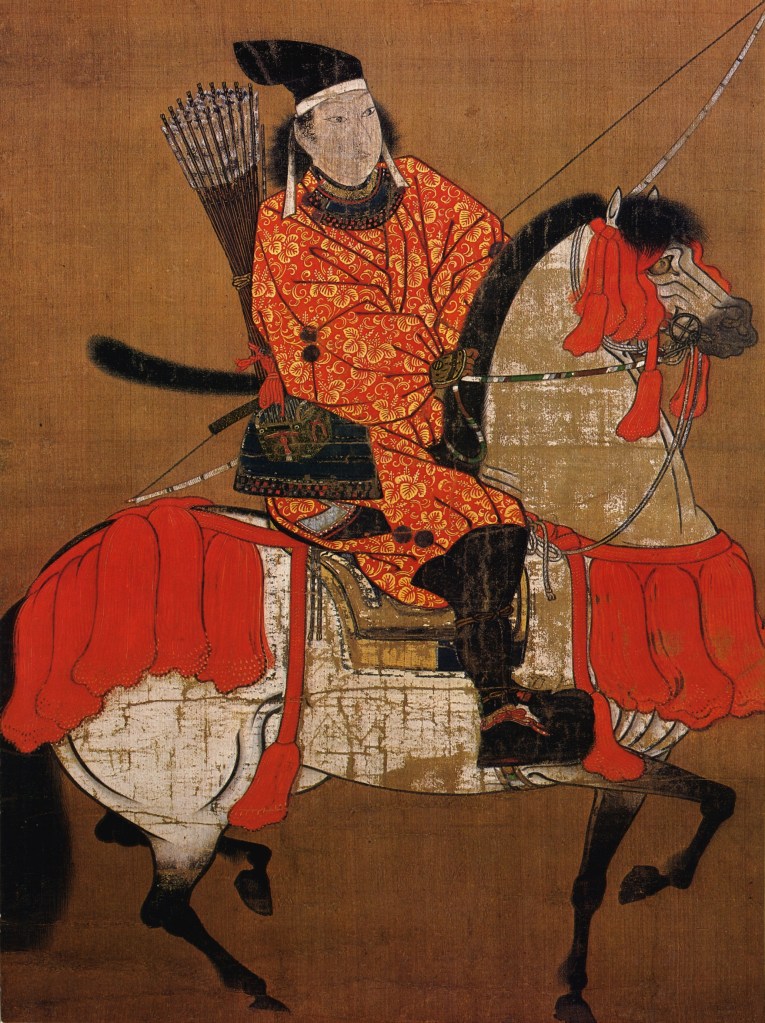
    The once and future Shogun, Yoshitane, picked the right moment to return to the political scene.

    In June the following year, Sumitomo and the Miyoshi attempted to retake the city but were defeated and driven back; however, a counterattack led by Yoshitane was similarly defeated. The back-and-forth nature of the conflict continued until the Battle of Ashiyagawara (sometimes called the Siege of Takao Castle), in the summer of 1511, after which Sumitomo’s victorious forces were able to briefly reoccupy Kyoto.

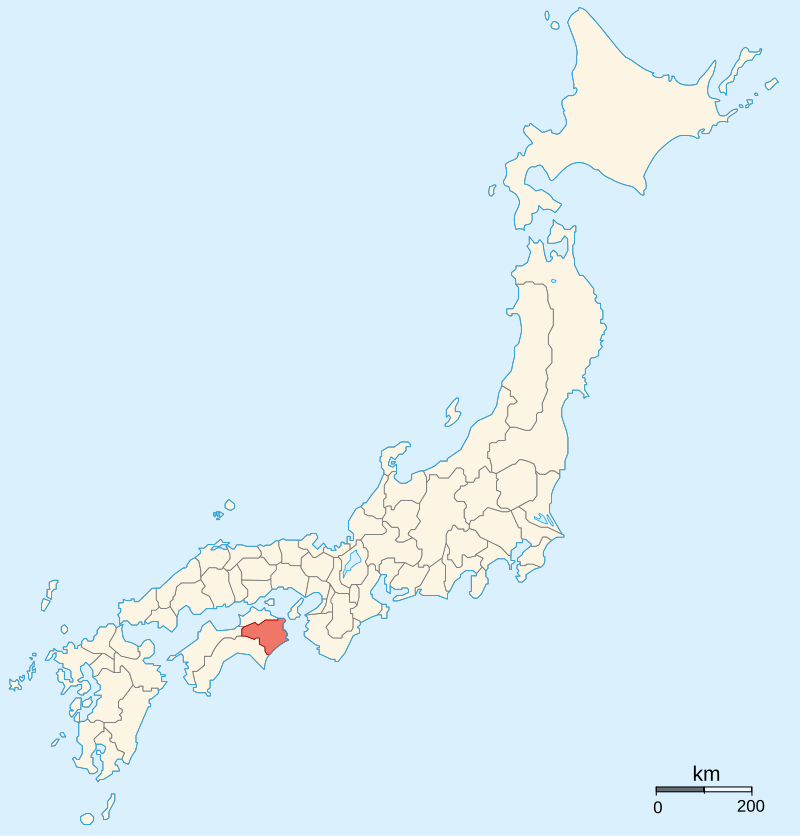
    ‘Briefly’ is the operative word here, because in September of the same year, Takakuni and Yoshitane’s forces counterattacked, retook Kyoto, and drove Sumitomo and the Miyoshi back to their strongholds in Awa Province, across the Inland Sea on Shikoku.
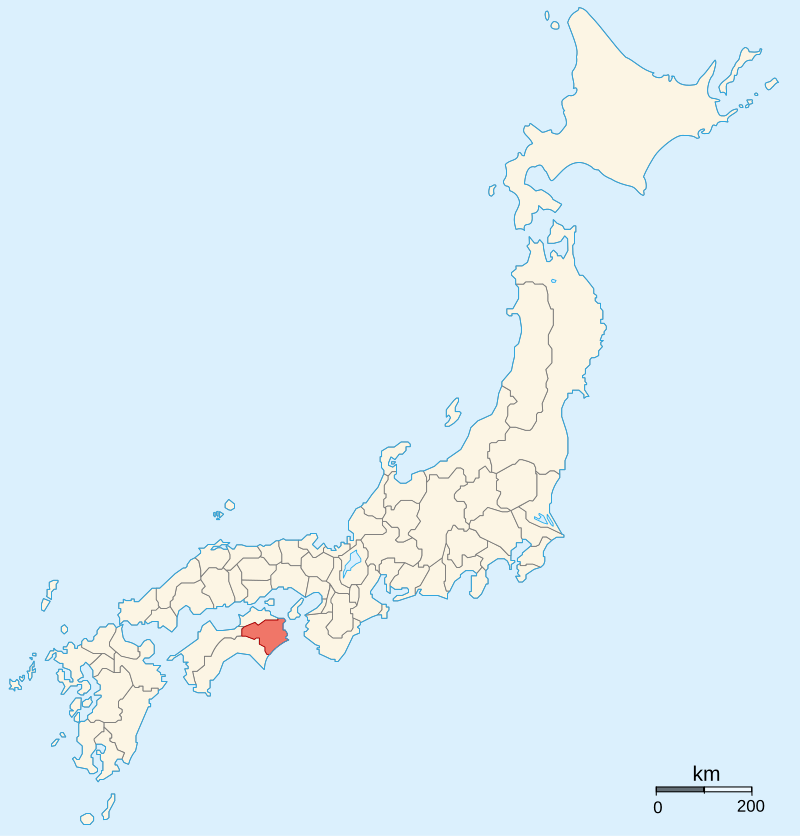
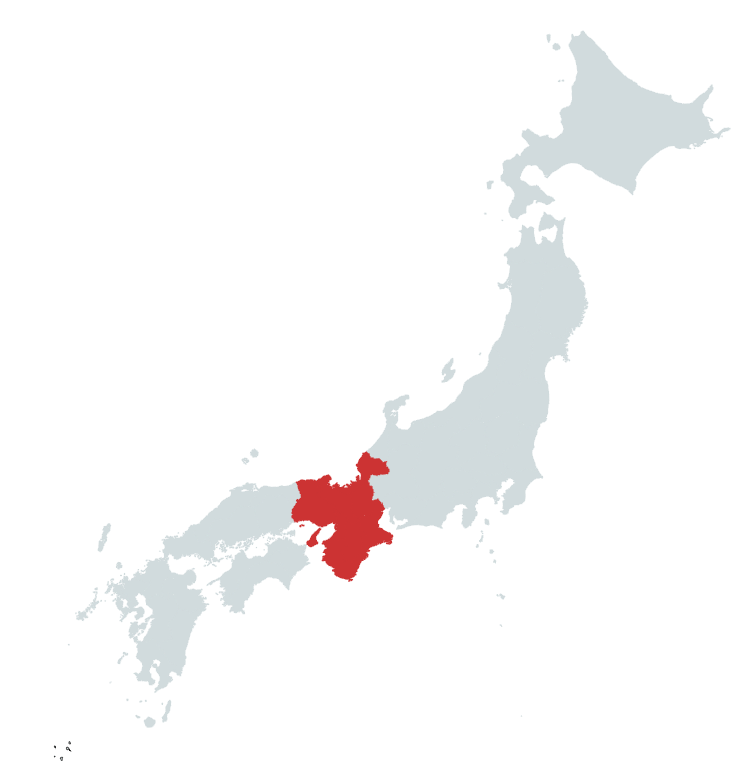
    Awa Province.
    By Ash_Crow – Own work, based on Image:Provinces of Japan.svg, CC BY 2.5, https://commons.wikimedia.org/w/index.php?curid=1652119

    Around this time, Yoshizumi died of illness, and Sumitomo suffered a serious loss of support. Many of his allies had supported Yoshizumi as Shogun, and Sumitomo as his champion, but now Yoshizumi was gone, Yoshitane, who was now firmly entrenched in Kyoto, was the only remaining claimant to the title, and many Shogunate loyalists deserted to him, weakening Sumitomo and strengthening Takakuni.

    Ashikaga Yoshizumi, whose death proved that a puppet shogun is better than no Shogun at all.

    This stalemate did not mean peace, however, and constant, low-level fighting would continue throughout the region and the wider realm; what would later be called the Sengoku Jidai was already well underway, even if the area immediately around Kyoto was relatively quiet.

    In 1517, the stalemate was broken when Miyoshi forces in support of Sumitomo invaded Awaji and used it as a springboard to threaten the mainland. Around this time, the Ouchi Clan, who had supported Takakuni and Yoshitane for the better part of 10 years, left the capital to deal with unrest in their home provinces, caused by the apparent resurgence of Sumitomo and the Miyoshi’s faction.

    The departure of the Ouchi was a major blow to Takakuni, and over the next two years, he saw his position gradually chipped away, as forces defected to Sumitomo or simply abandoned the fight to deal with their own affairs. Finally, in early 1520, Shogun Yoshitane himself switched sides, throwing his support behind Sumitomo and forcing Takakuni to flee Kyoto.
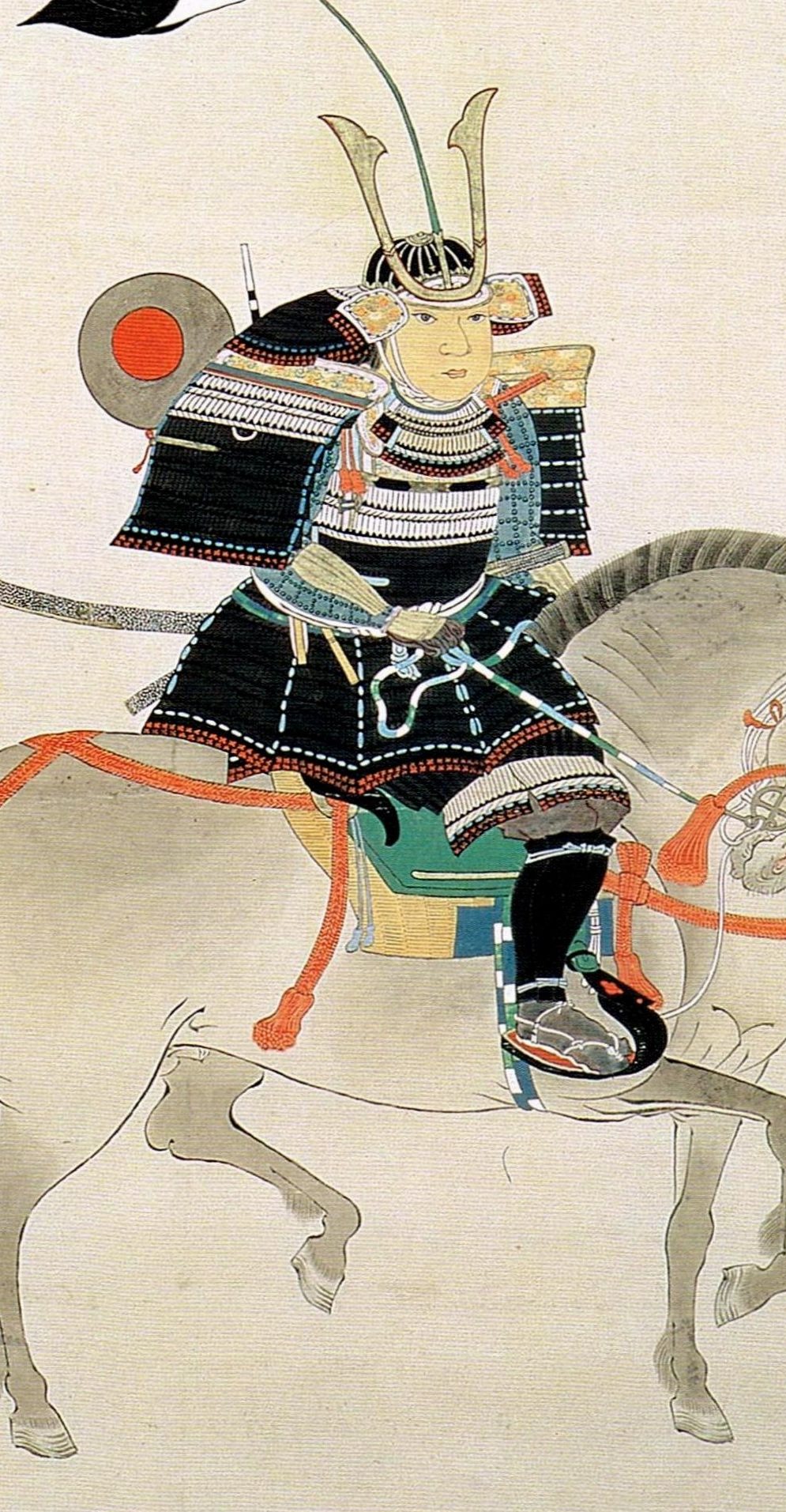
    Ouchi Yoshioki, the head of the Ouchi Clan, whose decision to leave Kyoto seriously weakened Takakuni.

    Takakuni fled to Omi Province, but he wasn’t ready to roll over just yet. Gathering a force of his allies, he counter-attacked in May 1520 and retook the capital. This time, his victory was decisive; he forced the leader of the Miyoshi Clan to commit suicide and even managed to drive Sumitomo back into exile on Shikoku, where he died of illness shortly afterwards.

    The following year, Takakuni exiled the fickle Yoshitane and installed Ashikaga Yoshiharu, the son of Yoshizumi, as Shogun, though he was just as much a puppet ruler as his father had been. Takakuni was appointed kanrei (deputy) for the new Shogun’s enthronement ceremony, but would resign the position immediately afterwards, proving to be the last man to hold the position, according to historical records.

    It wouldn’t be until October 1524 that the last embers of Miyoshi resistance were stamped out on Shikoku, but even then, Takakuni was far from secure in his position. In 1526, he faced serious opposition from within his own clan and was defeated when he tried to march against them. In 1527, this combined force actually managed to drive Takakuni out of Kyoto, and an attempted counterattack was defeated at the Battle of Katsuragawa in March that year.

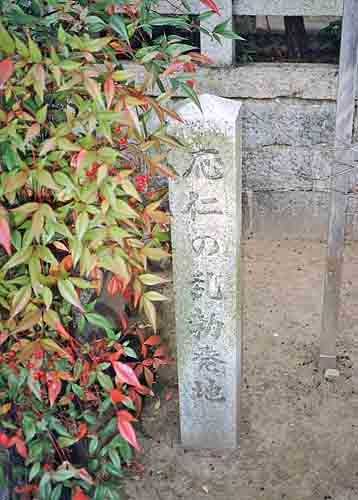
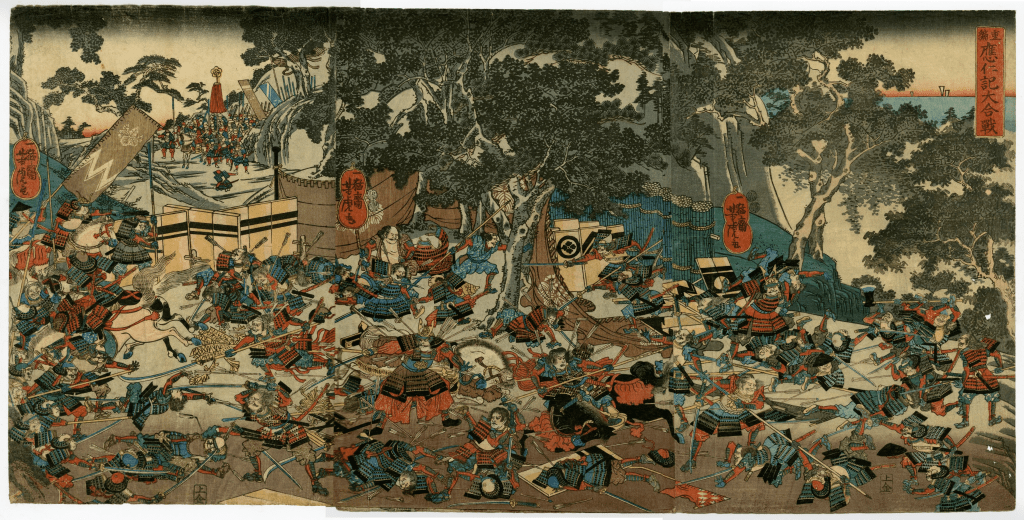
    Takakuni, ever tenacious, refused to give up, despite being defeated in 1528 and again in 1530. Things finally came to a head for him in 1531, at the Battle of Tennoji, which is often called the Daimotsu Kuzure, which can be translated as “The Fall of the Big Shots” (lit. big names fall, or collapse).

    The Battlefield Memorial of the Fall of the Big Shots.

    Takakuni was defeated. He survived the battle but was captured shortly afterwards, supposedly whilst hiding in an indigo storage barrel at a dye shop, after which he was obliged to commit suicide. Several of his main supporters (the eponymous “Big Names”) suffered similar fates, and Takakuni’s faction disintegrated.

    Takakuni’s body was likely still warm (and probably blue, given his hiding place) when the forces that had opposed him turned on each other. Members of the Hosokawa, Hatakeyama, and Miyoshi Clans all began fighting, and any hope of retaining a stable government in Kyoto was lost.

    Sources
    https://ja.wikipedia.org/wiki/%E6%B0%B8%E6%AD%A3%E3%81%AE%E9%8C%AF%E4%B9%B1
    https://ja.wikipedia.org/wiki/%E5%A4%A7%E7%89%A9%E5%B4%A9%E3%82%8C
    https://ja.wikipedia.org/wiki/%E6%A1%82%E5%B7%9D%E5%8E%9F%E3%81%AE%E6%88%A6%E3%81%84
    https://ja.wikipedia.org/wiki/%E8%B6%B3%E5%88%A9%E7%BE%A9%E6%99%B4
    https://ja.wikipedia.org/wiki/%E7%AD%89%E6%8C%81%E9%99%A2%E3%81%AE%E6%88%A6%E3%81%84
    https://ja.wikipedia.org/wiki/%E8%8A%A6%E5%B1%8B%E6%B2%B3%E5%8E%9F%E3%81%AE%E5%90%88%E6%88%A6
    https://ja.wikipedia.org/wiki/%E8%88%B9%E5%B2%A1%E5%B1%B1%E5%90%88%E6%88%A6
    https://ja.wikipedia.org/wiki/%E4%B8%8B%E7%94%B0%E4%B8%AD%E5%9F%8E
    https://ja.wikipedia.org/wiki/%E8%B6%B3%E5%88%A9%E7%BE%A9%E6%BE%84
    https://ja.wikipedia.org/wiki/%E5%A4%A7%E5%86%85%E7%BE%A9%E8%88%88

  • The Power in the Provinces Part One

    The Power in the Provinces Part One

    We’ve spent a lot of time talking about the breakdown of Shogunate power during the 15th Century. We’ve also discussed the three most powerful clans that were located closest to Kyoto during the Onin War. The Hosokawa, Yamana, and Hatakeyama Clans all played leading roles in the fighting, and in the aftermath, all three were seriously weakened.

    But what about the provinces? We’ve only spoken in very broad terms about what was going on out there, mostly because, to focus on it would require posts that resemble small novels, and keeping track of all those names and places is a task that is beyond most of us.

    In the interests of keeping things moving, then, I have generally neglected to go into much detail; however, since we’re now at the beginning of the Sengoku Jidai, a period of civil war lasting 120 years, we need to take a moment to look at who the main players are now that the Onin War is over.

    Central Japan

    Central Japan, corresponding mostly to the modern Kansai region, was the political and cultural heart of the nation.

    We’ve spent a lot of time looking at this region recently, so this is just a quick overview of who is still on the field in this part of Japan.

    The Hatakeyama Clan had been one of the main players, but a serious succession dispute fractured the clan and eventually led to the Onin War, as the Hosokawa and Yamana Clans supported rival claimants in a feud that would spiral out of control.

    By the end of the 15th Century, the Hosokawa remained largely in control of Kyoto, but they were already in decline. They would remain powerful, but a succession dispute (yes, another one) would divide the clan in the early 16th Century, and they’d never recover.

    The Yamana Clan had been badly mauled by the Onin War, and from a position as one of Japan’s mightiest clans, they’d eventually lose everything but a single province, which they’d manage to hold until the end of the 16th century, when some poor political decisions would see them forfeit even that.

    The Hatakeyama, for their part, were fragmented repeatedly throughout the late 15th Century, and they’d never recover their former power. However, some descendants would hold positions of power in Kyoto until the 1580s, when they’d run afoul of Oda Nobunaga, a name you should remember.

    Eastern Japan

    Eastern Japan, centred on the Kanto. Although home to Tokyo today, in the 15th Century it was Kamakura that was the centre of power in the region.

    The power in Eastern Japan was centred mostly around the Kanto Plain, with the political capital at Kamakura. In the period preceding the Ashikaga Shogunate, Kamakura had been the de facto capital of Japan, and even after the new Shogunate relocated to Kyoto, Kamakura remained the regional capital, and holding it was a prize in itself.

    The Kanto region was the source of a lot of trouble for the Ashikaga Shoguns, as there was the legacy of the previous Shogunate to contend with, and the strong, often semi-independent Kamakura Kubo to contend with. The kubo was the head of the local government, and they often openly defied the Shogun, who had to rely on the fickle loyalty of other powerful clans in the region to enforce his will.

    The Uesugi

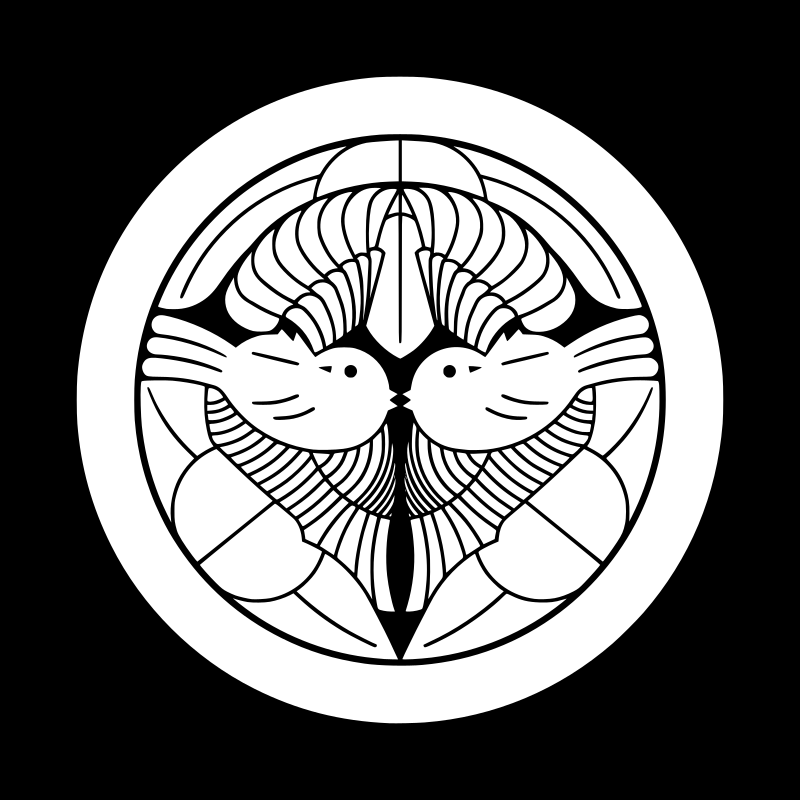
    The Mon (crest) of the Uesugi Clan
    By Mukai – Own work, CC BY-SA 3.0, https://commons.wikimedia.org/w/index.php?curid=8629467

    The dominant power in the Kanto in the 15th Century was arguably the Uesugi Clan. Like many others, the clan claimed descent from the illustrious Fujiwara Clan, and various members of the family would become shugo in and around the Kanto. Their most important role, however, was that of Kanto Kanrei, the Shogun’s deputy in the Kanto, a position that was supposed to complement that of the kubo, but in reality, often served as a check on Kamakura’s power, and frequently, a direct rival.

    Like most clans at this time, the Uesugi were divided into branches, three in this case, that were just as likely to fight as support each other. This infighting predated the Onin War, but the outbreak of general civil war saw the destruction of one branch, and the serious weakening of the other two, so much so that, in the early 16th Century, the Uesugi would lose their position in the Kanto to another rising power, the Hojo.

    The Uesugi would survive, however, and continue to play a major role in the Sengoku Jidai. The clan’s most famous son is arguably Uesugi Kenshin, who would engage in a rivalry with fellow warlord Takeda Shingen that became the stuff of legend. Mythology aside, Kenshin would die without heirs, and a succession crisis would severely weaken the clan.

    Uesugi Kenshin became a Samurai legend, but his death would leave the Uesugi in a weak position.

    Although they would survive, they chose the losing side in the final battles of the Sengoku Jidai and would end up in Yonezawa Domain, in modern Yamagata Prefecture, where they would actually prosper until the abolition of the Domains in the 19th Century.

    The clan endured into the modern day. The current head is Uesugi Kuninori, who was a professor at the Institute of Space and Astronautical Science until he retired in 2006.

    The Hojo

    The Mon of the Hojo Clan, and the later Hojo clan, who took the name and emblem for their own.
    By Mukai – No machine-readable source provided. Own work assumed (based on copyright claims)., CC BY-SA 3.0, https://commons.wikimedia.org/w/index.php?curid=9416600

    The Hojo Clan, or more accurately the Go-Hojo, or Later Hojo, were relative latecomers to the scene. Although they would lay claim to illustrious ancestry (which was the style at the time), their progenitor was Ise Sozui (better known as Hojo Soun), who, despite being revered as the ancestor of the clan, never used the name Hojo himself. Traditionally, Soun was believed to have been a Ronin (masterless samurai) who rose to power seemingly out of nowhere in the aftermath of the Onin War.

    More recent scholarship, however, seems to indicate that Soun’s family, the Ise Clan, had a much longer history and would serve in the Shogun’s government in Kyoto before relocating to the Kanto later.

    Soun arguably deserves a post of his own, but the short version is that, he was originally in the service of the Imagawa Clan, another power in the region, before raising an army of his own and taking Izu Province for himself, establishing his base at Odawara Castle, which he took in 1494, some say, after tricking the previous owners, convincing them to leave on a hunting trip, and arranging their murders.

    It was his son, Ujitsuna, who renamed the clan to Hojo. You may remember that it was the Hojo Clan who acted as regents for the Kamakura Shoguns, rising to such power that they were effectively masters of Japan, before being overthrown by the Ashikaga.

    This new Hojo Clan was no relation to these regents, hence why they are referred to as the “Later” Hojo. Ujitsuna, apparently attempting to add some prestige to his family, adopted the name and mon (family crest) of the former Hojo, and everyone just went with it.

    Hojo Ujitsuna, who understood that there was power in a recognisable name.

    Ujitsuna wasn’t just savvy with brand recognition, however. Throughout the first half of the 16th century, he would guide the Hojo to become the predominant power in the Kanto. He would challenge and eventually drive out the Uesugi, taking control of their castle at Edo, which would eventually become the Imperial Palace in modern Tokyo.

    Throughout the Sengoku Period, the Hojo would continue to be masters of the Kanto, eventually becoming one of the greatest powers in the late 16th century, before they were eventually defeated by Toyotomi Hideyoshi in 1590. A branch of the family would survive as the lord of Sayama Domain (near modern Osaka) until the 19th century, and members of this family would continue playing a role in Japanese politics into the 20th century.

    The Takeda

    The Mon of the Takeda

    The Takeda also claimed descent from the Minamoto Clan, and from the earliest days of the Kamakura Shogunate in the 12th Century, they had established their power base in Kai Province (modern day Yamanashi Prefecture). Though they were a relatively minor player (one amongst many, you might say), the Takeda would develop a difficult relationship with the Uesugi Clan.

    When the Uesugi rose up against the Kamakura Kubo in 1416 (the Zenshu Rebellion), some members of the Takeda sided with the Uesugi, whilst others remained loyal to the government. The Uesugi were eventually defeated, but there was now bad blood between the Takeda and Uesugi that would last for another 120 years.

    The best known Takeda was certainly Takeda Harunobu, better known to history as Takeda Shingen. He is widely regarded as one of the best leaders of the Sengoku Period; indeed, some scholars have speculated that, had it not been for his sudden death in 1573, we might now be talking about Shingen as one of the great unifiers of Japan.

    Takeda Harunobu, better known as Shingen. Arguably one of the Sengoku Period’s best leaders, his sudden death brought an end to his ambition and seriously weakened the Takeda Clan.

    Alas, it wasn’t to be. Shingen was succeeded by his far less capable son, Katsuyori, who would lead the Takeda to disaster at the Battle of Nagashino in 1575, and the clan would cease to have any meaningful power after a final campaign led by Oda Nobunaga in 1582.

    Much like other major clans of the era, the Takeda Clan would live on in much reduced straits, eventually becoming direct vassals of the Tokugawa Shoguns, receiving a stipend of just 500 Koku a year. For reference, a Daimyo (great lord) could only claim that rank if he controlled lands worth 10,000 Koku a year or more. The Takeda had once controlled lands that were estimated to produce 1.2 million Koku, which gives you some idea of how far they had fallen.

    The Rest

    There are still several other regions to cover, and many more clans, but we’ll cover them next time.

    Sources
    https://ja.wikipedia.org/wiki/%E4%B8%8A%E6%9D%89%E9%82%A6%E6%86%B2
    https://ja.wikipedia.org/wiki/%E4%B8%8A%E6%9D%89%E6%B0%8F
    https://ja.wikipedia.org/wiki/%E5%8C%97%E6%9D%A1%E6%97%A9%E9%9B%B2
    https://en.wikipedia.org/wiki/H%C5%8Dj%C5%8D_S%C5%8Dun
    https://ja.wikipedia.org/wiki/%E5%BE%8C%E5%8C%97%E6%9D%A1%E6%B0%8F
    https://ja.wikipedia.org/wiki/%E6%AD%A6%E7%94%B0%E6%B0%8F

  • The Onin War

    The Onin War

    As we discussed last time, Japan in the 1460s was a chaotic place. Rival clans engaged in bloody feuds with each other, and it wasn’t uncommon for members of the same families to take up arms against each other in disputes over who was really in charge, taking sibling rivalry to a whole new level.

    By this time, endemic warfare was just a part of life in Japan.

    In the centre of this chaos was a Shogun who was so weak he might as well not have existed, and when the violence inevitably reached Kyoto, there was little he could do to stop it.

    The exact origins of the Onin War are disputed, but the main rivals were the Yamana and Hosokawa Clans, arguably the two most powerful clans of their day, with both playing key roles in the government and having control of vast swathes of land, and the wealth, manpower, and allegiances that went along with it.

    Throughout the 1450s and 60s, the Yamana and Hosokawa Clans had been engaged in something of a ‘Cold War’ in which they supported rival factions in numerous proxy wars around Japan, most importantly, the ongoing civil war within the Hatakeyama Clan.

    In January 1467, Yamana supported Hatakeyama forces attacked those of the Hosokawa at the Battle of Goryo Shrine (sometimes just called the Battle of Goryo). Though the battle resulted in a Yamana victory, the intervention of the Shogun brought an end to the immediate hostilities, and both Yamana and Hosokawa partisans remained in the capital.

    The marker at Kamigoryo Shrine in Kyoto, showing the spot where the Onin War broke out.

    It has been speculated that both side were willing to let the Shogun mediate because neither of them was ready for all out war, because through early Spring, forces gathered in and around Kyoto, until May of that year, when it is said in some (probably exaggerated) sources that there were more than 270,000 warriors present, with the Hosokawa having a significant advantage in numbers (160,000-110,000).

    Though the Yamana had secured an advantage after Goryo and controlled the Shogun, the Hosokawa did not sit idly by. Their leaders issued orders and summons of their own, and set about raiding Yamana/Shogunate supply lines, and literally burning bridges.

    Due to the location of their relative bases in Kyoto, the Hosokawa and their allies became known as the Eastern Army, and the Yamana and theirs were called the Western Army, and it is by these names that we’ll refer to them going forward.

    Tensions finally boiled over in late May 1467, when forces of the Eastern Army launched a dawn attack against the Western forces around the Shogun’s palace, driving them away, occupying the palace, and bringing the Shogun under their control.

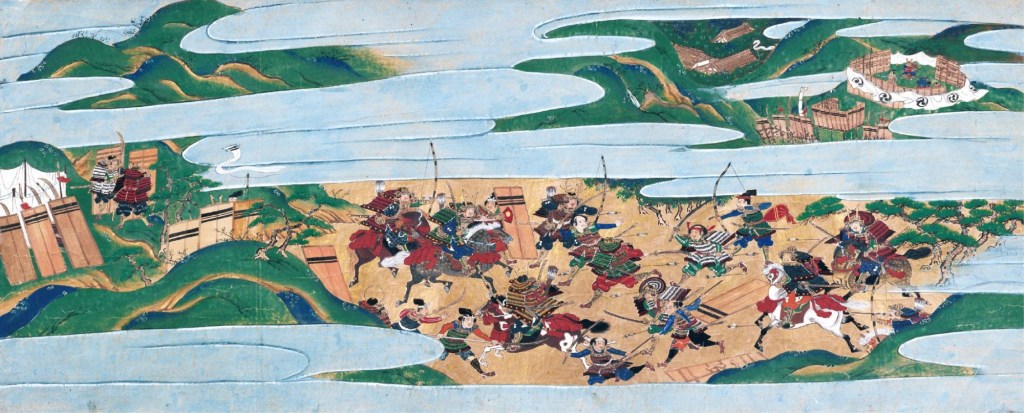
    A scene from later in the war, depicting just how chaotic the battlefield could be.

    Shortly after this victory, Ashikaga Yoshimi (the Shogun’s brother, and still heir) was declared commander in chief, and the Shogun himself handed over an official banner to the Eastern Army, proclaiming them to be the official army of the Shogun, effectively branding the Western army rebels.

    Despite their setback, the Western forces regrouped and attacked Kyoto in August, driving Yoshimi and his supporters out of the city and establishing control for themselves. It is at this point that the Western Army stopped deferring to any Shogunate officials and instead began issuing orders signed by a ‘junta’ of their most senior generals.

    Further attempts by the Western army to press their advantage failed, and several battles throughout September and October ended in bloody stalemate. In December, the Emperor issued a decree stripping all Western generals of their formal Imperial titles in an attempt to further delegitimise their cause; however, it had no practical effect, and as 1467 came to an end, the Western Army was in control of Kyoto, but the war was a stalemate.

    Throughout early 1468, there were sporadic outbursts of fighting in and around Kyoto, leaving large areas of the city in ruins, with the two sides gaining and losing ground in return, until the capital they had been so eagerly fighting over was no longer a prize worth having.

    In the summer of that year, Yoshimi, who had been in hiding away from Kyoto, was persuaded to return to the capital by his brother, the Shogun. This reconciliation was short-lived, however, as it was becoming clear that the Shogun now supported his (still infant) son, Yoshihisa, as heir. The key leaders of the Eastern Army, too, were behind Yoshihisa, and so Yoshimi fled to Mt Hiei, where, in November, messengers arrived from the Western Army, declaring him to be the ‘new Shogun’. From then on, Western Forces began issuing formal declarations from the ‘Shogun’, Yoshimi, although in reality, the generals remained in control, and Yoshimi was effectively isolated on Mt Hiei.

    By early 1469, the conflict had spread to Kyushu and the Kanto as well, where nominally Western and Eastern forces would fight it out in localised episodes of the wider conflict. In reality, however, the complete breakdown in central authority meant that these forces had no loyalty to anyone but themselves, and this fighting is often considered to be the start of the Sengoku Jidai or “Age of the Country at War.”

    As 1469 dragged on, the main forces around Kyoto were exhausted. The capital was a ruin, and the Shogunate’s power, already tenuous, had ceased to exist entirely. There had been many reasons for the outbreak of war, but the main one had been control of the Shogunate; now that there was no real Shogunate to control, neither side had much motivation to continue fighting.

    Rival forces loot Kyoto as the city burns around them. By the end of the Onin War, Kyoto was a ruin.
    Docsubster – 投稿者自身による著作物, CC 表示-継承 4.0, https://commons.wikimedia.org/w/index.php?curid=63970510による

    As Machiavelli said, though “Wars begin when you will, but they do not end when you please,” and the Eastern and Western forces were now discovering how true that was. Although superficially a conflict over the Shogunate, by 1470, factions on both sides had begun working for themselves. There were numerous internal conflicts, feuds, and defections, and by 1471, there were several clans that had switched sides, and some that had done so more than once.

    In 1472, there was a serious effort to make peace, with the leaders of the Yamana and Hosokawa clans (the originators of the feud) agreeing, in principle, to return to the antebellum situation. These terms were unpopular with other factions, however, many of whom had gained significant territories as a result of the war. The head of the Yamana Clan even went so far as to attempt suicide, in a move that historians have suggested shows the extent of his desire to find a settlement, but it did no good, and the fighting dragged on.

    Yamana Sozen, head of the Yamana Clan, whose attempted suicide is supposed to have shown how sincere he was about forging peace.
    By Mt0616 – Own work, CC BY-SA 4.0, https://commons.wikimedia.org/w/index.php?curid=99587678

    At the Shogunate court, a priest commented:

    “The affairs of the nation were being handled, the maids were planning (all the politics of the nation were being planned by Tomiko, a woman), the Shogun (Yoshimasa) was drinking sake, and the feudal lords were wearing dog hats (a reference to a kind of hat worn during mounted archery displays) . It was as if the world was at peace.”

    This quote gives us the impression of a court completely out of touch with the wider world, and indeed, other sources state that Yoshimasa’s drinking was no mere social tipple; he would drink to excess, and it was said that the Emperor got into the habit of joining him, further eroding the respect and prestige of whatever government remained.

    In March and May 1473, first the Yamana, then the Hosokawa Clan heads died, and a new generation took their place. Also in that year, Shogun Yoshimasa retired as Shogun, handing the title over to his nine-year-old son, Yoshihisa, whilst keeping the actual power for himself.

    Peace was finally agreed between the two main protagonists in April 1473, but the war didn’t come to an immediate end; defections and skirmishing continued, and it wasn’t until 1477 that the Western Army was formally disbanded. In November of that year, the Shogunate held a formal celebration, announcing the restoration of peace.

    Despite eleven years of Civil War, very little had actually been achieved. Yoshimasa had remained Shogun and handed the title to his son, Yoshihisa. The rival claimant, Yoshimi, had fled into exile but was formally pardoned in 1478, along with most of those who had supported him.

    Early in the war, the Eastern forces had been granted a banner from the Shogunate, effectively declaring themselves the legitimate party, whilst their Western enemies were branded rebels. In the wake of their victory, then, you might have expected the Eastern leadership to seek ‘justice’ (or more likely, revenge) against the Westerners.

    So why didn’t it happen?

    The answer is fairly simple: the Eastern Army, now just the Shogunate, was too weak. Eleven years of Civil War had resulted in nothing but fatally weakening both sides, and even though they were victorious, no one amongst the Shogun’s supporters had the strength to mete out any kind of justice.

    Ashikaga Yoshihisa, nominally Shogun at this point, but far too weak to actually exercise his power.

    This weakness is best seen in the fact that, despite a formal peace agreement, the fighting didn’t end. Kyoto was a blackened ruin, and the formerly great clans were exhausted, but in the provinces, the war went on, and on, and on.

    Though it would not be called the Sengoku Jidai until much later, the Onin War brought about a period of anarchy that would last for more than 120 years, and the Ashikaga Shoguns would never hold any real authority outside of Kyoto, despite some brief resurgences in the late 15th century.

    It wasn’t just the Shogunate that was weakened; however, many of the shugo, regional lords, had committed considerable resources to the fighting, expending blood and treasure in pursuit of their goals, only to find themselves with little to show for it. In the 1480s, the system of shugo-in, the policy of requiring the lords to remain in Kyoto, formally broke down, and the shugo returned to their provinces, where some were able to restore their wealth and power, but many others became the first victims of gekokujo, (lit. lower rules/overthrows high) in which deputies of nominally lower rank were able to overthrow their masters, a phenomenon that would become common in the century ahead.

    Kyoto itself was also left as a practical ruin by the end of the fighting. The expense of restoring the city and the fact that the Shogun and his wife (Tomiko) were seen as embezzling huge sums of money led to outbreaks of rebellion in the 1480s and only served to further erode what little remained of the Shogun’s authority and prestige.

    The Onin War also foreshadowed several developments of the Sengoku Jidai, especially the end of the reliance on Samurai-only armies. The Samurai as a class had once monopolised war, but they were too few to man the much larger armies required in the 15th Century and later. This led to the rise of the Ashigaru, or Foot Soldiers. Originally peasant levies, the Ashigaru would evolve into something that could be recognised as professional soldiery, and they would play a key role in the wars to come, with one of their number, a man who would eventually be known as Toyotomi Hideyoshi, rising to a position of supreme power a century later.

    Sources
    https://ja.wikipedia.org/wiki/%E5%BF%9C%E4%BB%81%E3%81%AE%E4%B9%B1
    https://ja.wikipedia.org/wiki/%E8%B6%B3%E5%88%A9%E7%BE%A9%E5%B0%9A
    https://ja.wikipedia.org/wiki/%E8%B6%B3%E5%88%A9%E7%BE%A9%E8%A6%96
    https://en.wikipedia.org/wiki/Ashikaga_Yoshimasa
    https://ja.wikipedia.org/wiki/%E8%B6%B3%E5%88%A9%E7%BE%A9%E6%94%BF

  • Road to Disaster

    Road to Disaster

    By the mid-15th Century, Japan was in trouble. That might not come as a surprise for anyone who has read any of my previous posts (or even cast a curious eye over Japanese history to this point), but even by the admittedly tumultuous standards of Shogunate rule, things were bad.

    We’ve focused a lot on the Ashikaga Shogunate and its ongoing efforts to stamp permanent authority on the country, but if we zoom out for a moment, the chaos is evident in microcosm almost everywhere we look.

    There are multiple, long-term reasons for this, but here are several immediate causes: First, the Shogun’s policy of insisting that shugo (provincial lords) permanently reside in Kyoto. Whilst this kept the highest rank of the nobility under close supervision, it also meant that governance of the provinces was left in the hands of deputies, and over the years, these deputies began to operate more or less independently, and not always (if ever) in the interests of their nominal lords in Kyoto, leading to centralisation on paper, but fragmentation in reality.

    Secondly, the nature of Samurai families meant that there was no clear rule of succession. Whilst a lord could be succeeded by his eldest son, in reality, when a lord died, it wasn’t uncommon for any of his relatives who could muster support to stake a claim, leading to frequent outbreaks of serious violence that sometimes lasted for years, and led to even more fragments forming.

    Thirdly, the Ashikaga Shoguns themselves were weak. Since the beginning of their Shogunate, they had relied almost entirely on the support and goodwill of powerful clans. The reasons for this are fairly straightforward. In Japan, as in most feudal societies, power was derived from wealth and manpower, and those were derived from the control of land.

    The Ashikaga, despite being the pre-eminent family, controlled very little land of their own, and therefore had relatively few independent resources that they could call on, meaning that, when it came to everything from collecting taxes to raising armies, they relied heavily on the powerful clans around Kyoto.

    This system was always unstable, but it kind of worked when there was a strong-willed, capable Shogun at the head of things. But what happened when the seat of power was occupied by a weakling, or worse, a child?

    In 1441, that question was foremost in the minds of Japan’s leaders. In June of that year, the Shogun, Ashikaga Yoshinori, was assassinated. Yoshinori has arguably become a paranoid despot by this point, but he was undeniably a leader strong enough to hold the whole system together.

    Ashikaga Yoshinori, arguably a tyrant, but strong enough to keep the whole thing together.

    The impact of his sudden death was compounded by the fact that he had no adult heirs. Now, as I mentioned earlier, the idea that a lord would be succeeded by his eldest wasn’t enshrined in law, but the heir, generally, was expected to at least be grown up. What remained of the Shogunate was now facing not only rebellion but a succession crisis as well.

    The crisis was faced by the Kanrei, or Shogun’s Deputy, Hosokawa Mochiyuki. You might remember hearing the Hosokawa name before. They were a powerful family, and although their fortunes waxed and waned, they had remained central to the Shogun’s government.

    Mochiyuki put Yoshikatsu, the previous Shogun’s son, on the throne, and for a short while, at least, the initial crisis passed. Emphasis on the short , however, within a year, first Mochiyuki, and then Yoshikatsu (at just nine years old) were dead.

    Hosokawa Mochiyuki, the man who held the centre after Yoshinori’s death, but then, like so many great men, died himself not long after.

    Mochiyuki was replaced as kanrei by Hatakeyama Mochikuni, a member of the Hatakeyama Clan (hence the name). The Hatakeyama had been particularly harmed by the tyrannical rule of Ashikaga Yoshinori, and Mochiyuki sought to use his position to undo some of that harm. His intention was to restore certain lands and titles that had been taken from himself and his relatives, which I suppose he thought would serve to redress the balance of power.

    In this, however, he was opposed by the Hosokawa Clan, who had actually done quite well under Shogun Yoshinori and saw no reason to upset the new status quo. What followed was something of a ‘Cold War’ situation in which the Hosokawa and Hatakeyama would seek influence and advantage by engaging in politicking and proxy wars.

    The most visible example of this is how they involved themselves in family disputes. As I mentioned, succession was not a clear-cut thing, and when violent disputes inevitably broke out, the Hosokawa and Hatakeyama would swoop in to offer support for either side.

    From 1455 to 1460, the Hatakeyama themselves fell into civil war over who would be the next leader of the clan. The Shogun threw his support behind his favoured candidate, but it did little good.

    A strong Shogun might have been able to reassert control, but Yoshimasa was not that, and Shogunate support, which might have once been a decisive factor in deciding these disputes, instead became an irrelevance.

    Ashikaga Yoshimasa, another weak Shogun.

    One of the more serious outbreaks was in the Kanto (again), and when the Shogun ordered the Shiba Clan to dispatch an army to put it down, the Shiba instead collapsed into chaotic infighting over who would be the next head of the clan. The Shogun attempted to impose a new clan head, but this just made things worse. The Shiba were now too embroiled in their own fighting to be much use, and the rebellion in the Kanto went on unopposed.

    By late 1464, then, Japan was in serious crisis. This sense of anxiety was only worsened by the fact that, at age 29 (middle-aged by the standards of the day), Yoshimasa had no children who could serve as his heir (he had two daughters, but no one thought a woman could be Shogun). In November of that year, he solved this problem by calling his brother, Yoshimi, who was a monk, back to secular life and named him his heir.

    With Yoshimi safely back in Kyoto, the question of succession was resolved for now, and the Shogunate could focus on bringing the rest of the country back under control, or so they probably thought.

    In November 1465, just a year later, and to the surprise of many (though hopefully not Yoshimasa), a son and heir, Yoshihisa, was born. I’ve made this point already, but a son didn’t necessarily inherit from his father, and Yoshihisa didn’t automatically become the heir.

    This is where Yoshihisa’s mother, Hino Tomiko, enters the scene. She had actually been Yoshimasa’s wife for a decade at that point, and had given birth to a son in 1459, although the child had only lived for a day. Two daughters followed in 1462 and 1463, and then in 1465, Yoshihisa arrived.

    Like many historical women, Tomiko has been the victim of some seriously unflattering portrayals in contemporary sources, and what followed is possibly an example of that. The Oninki, a source for the origins of what was to come, say that Tomiko was a manipulative woman who saw in her son an opportunity to take power. She secured the support of the Yamana Clan and sought to promote her son as heir, whilst she would take control as regent until he came of age (which was expected to be a long time).

    Her alliance with the Yamana and her attempts to promote her son as heir over the Shogun’s brother were, for centuries, believed to have been the spark that led to the so-called Onin War.

    The problem with this is that the Oninki is literally the only source that places the blame for the war on Tomiko and her scheming. That’s not to say that she didn’t play a part, and the factions that formed in the late 1460s were certainly motivated at least nominally by support for one candidate or another, but Tomiko herself seems to have become a genuinely unpopular figure by the late 15th century (fairly or not) and so the Oninki which is usually believed to have been authored around the late 15th or early 16th centuries may have just been playing on what was, by then, a popular trope.

    Outside of Kyoto, the situation continued to deteriorate. In July 1466, the Shogun attempted to intervene in the Shiba clan’s succession crisis. This time, however, he encountered serious pushback, with several powerful shugo, including the Hosokawa, refusing orders to intervene, and some even stating they would fight for the Shiba against the Shogun.

    In September of that year, rumours abounded that Yoshimi (still officially the heir at this point) was going to be assassinated. Exactly how complicit the Shogun was is unclear, but Yoshimi was sufficiently scared for his life to flee to the protection of the Hosokawa.

    Ashikaga Yoshimi, the Shogun’s appointed heir.
    Musuketeer.3 – 投稿者自身による著作物, CC 表示-継承 3.0, https://commons.wikimedia.org/w/index.php?curid=24843648による

    At this point, the Hosokawa and the Yamana cooperated to protect Yoshimi and oppose the Shogun. Facing the combined might of these two clans, the Shogun had little choice but to back down. The allies went further when they demanded that the lords who were closest to the Shogun (and were publicly blamed for his decisions) be removed. Several previously powerful supporters of the Shogun were either forced to commit suicide or sent into exile, seriously weakening the ability of the Shogun to run the government, and effectively leaving him in the hands of the Hosokawa-Yamana alliance.

    This alliance of convenience quickly became inconvenient, however. It goes back to the Hatakeyama Clan’s internal dispute that I mentioned earlier. The Hosokawa and Yamana supported rival factions, and when this dispute spilt over into Kyoto, a proverbial line in the sand was drawn.

    The actual combatants were made up of various members of different clans, and it gets very messy, so for ease of use, we’ll just talk about the Hosokawa and Yamana factions, but just know that’s not strictly how it went. For example, there were Hatakeyama, Shiba, and numerous other clans on both sides, which gives you some idea of how chaotic it got.

    At New Year 1467, the Shogun, breaking with tradition, visited the Yamana faction for the celebrations, which was about as clear a statement of support as you can imagine short of openly declaring himself. In response, Hosokawa forces surrounded the Shogun’s palace and attempted to intimidate him into issuing orders against the Yamana faction.

    This attempt failed, however, and the Shogun then issued orders that private feuds should not be settled in Kyoto. The Hosokawa faction seems to have followed these orders, but the Yamana and their supporters did not. As a result, the Hosokawa faction’s allies were forced to retreat to the Kamigoryo Shrine, on the outskirts of Kyoto.

    There, on the evening of January 18th, 1467, they were attacked by allies of the Yamana faction and defeated. At the time, the Shogun intervened swiftly, and there was hope that what became called the Battle of Kamigoryo Shrine would be the end of it.

    Neither side was going to let it lie, however, and throughout early spring, both sides gathered more forces in and around Kyoto, and by May, they were on a collision course.

    Sources
    https://ja.wikipedia.org/wiki/%E5%BF%9C%E4%BB%81%E3%81%AE%E4%B9%B1
    https://ja.wikipedia.org/wiki/%E4%B8%8A%E5%BE%A1%E9%9C%8A%E7%A5%9E%E7%A4%BE
    https://ja.wikipedia.org/wiki/%E5%BE%A1%E9%9C%8A%E5%90%88%E6%88%A6
    https://ja.wikipedia.org/wiki/%E8%B6%B3%E5%88%A9%E7%BE%A9%E8%A6%96
    https://ja.wikipedia.org/wiki/%E7%B4%B0%E5%B7%9D%E6%8C%81%E4%B9%8B
    https://ja.wikipedia.org/wiki/%E7%95%A0%E5%B1%B1%E6%8C%81%E5%9B%BD
    https://en.wikipedia.org/wiki/%C5%8Cnin_War
    https://ja.wikipedia.org/wiki/%E6%97%A5%E9%87%8E%E5%AF%8C%E5%AD%90
    https://en.wikipedia.org/wiki/Hino_Tomiko
    https://ja.wikipedia.org/wiki/%E5%BF%9C%E4%BB%81%E8%A8%98
    https://en.wikipedia.org/wiki/Ashikaga_Yoshimasa
    https://en.wikipedia.org/wiki/Ashikaga_Yoshihisa
    https://ja.wikipedia.org/wiki/%E8%B6%B3%E5%88%A9%E7%BE%A9%E6%94%BF#%E6%96%87%E6%AD%A3%E3%81%AE%E6%94%BF%E5%A4%89

  • On and on it goes…

    On and on it goes…

    As we mentioned previously, the word Nanbokucho literally means Southern and Northern Court, and it was this division that was the defining factor during the early years of the Ashikaga Shogunate (hence the name, I suppose).

    There had been an abortive attempt at reconciliation during the so-called Shohei Reunification, when Ashikaga Takauji (the Shogun) had made a deal with the Southern Court in order to gain their support against his rebellious brother, Tadayoshi.

    As we discussed last week, the Reunification fell apart almost as soon as Tadayoshi had been dealt with, as neither side could tolerate the other gaining power. No sooner was Tadayoshi dead than the Northern and Southern Courts went at it all over again.

    In the immediate aftermath, Southern forces attacked Kyoto, taking the city, only to be driven out a month later by a Shogunate counterattack, and this didn’t just happen once either. In the period of 1352 to 1361, there were actually four Battles of Kyoto (though they also have other names in Japanese).

    A modern view of Kyoto. A beautiful city today, a battleground in the 1360s
    Sorasak boontohhgraphy – https://unsplash.com/photos/_UIN-pFfJ7cアーカイブされたコピー at the Wayback MachineImage at the Wayback Machine, CC0, https://commons.wikimedia.org/w/index.php?curid=61767016による

    Each time, Southern forces would attack, usually taking the city, only to be driven out again shortly afterwards by armies loyal to the Shogun. During this period, with Takauji’s health apparently failing, his son Yoshiakira began to take on more responsibility.

    When Takauji died in 1358, Yoshiakira became the second Ashikaga Shogun, and almost immediately set about launching a major military campaign against the Southern Court, seeking to crush it once and for all. Yoshiakira’s forces were able to take Akasaka Castle, home of the powerful Kusunoki Clan (whom we’ve mentioned previously).

    Despite this success, the Southern Court, led by the Kusunoki, resorted to guerrilla warfare in the mountainous terrain, and the conflict dragged on to the point that several Shogunate generals defected, or else just went home.

    In 1361, buoyed by another defection, the Southern Court once again attacked Kyoto, but once again, they couldn’t hold it, and within a month, the Shogun was back in control of the capital.

    This back-and-forth warfare did little but exhaust the resources of all involved, but generally, the Shogun had the advantage. This was further emphasised in 1363, when the powerful Yamana and Ouchi clans (previously supporters of Tadayoshi, and then the Southern Court) submitted to the Shogun.

    Meanwhile, everywhere else…

    Whilst the Nanbokucho period was violent and chaotic, the direct confrontations between the Northern and Southern courts actually only happened in a relatively small area of central Japan. So what was going on elsewhere in the country?

    Well, it wasn’t good. During the Kamakura Shogunate, most of the warrior clans had paid at least lip service to the idea of loyalty to the Shogun, and things had been relatively peaceful. The Ashikaga Shogunate, in contrast, had practically no control outside of the areas of central Japan.

    This meant that powerful local warlords in places like the Kanto or Kyushu (Eastern and Southern Japan, respectively) were more or less left to their own devices, though some would side openly with either the Shogunate or the Southern Court.

    In Kyushu, for example, local forces, supplemented by warriors sent by both courts, fought a series of increasingly bloody battles, culminating in the Battle of Chikugo River in the summer of 1359. It is said that this battle had over 100,000 combatants, with more men killed (46,000) than during the entire Mongol Invasion. Victory for the Southern Court secured control of Kyushu for more than a decade.

    The Battle of Chikugo River in 1359 was one of the largest ever fought in Japan, and gave control of Kyushu to the Southern Court for more than a decade.
    Musuketeer.3 – 投稿者自身による著作物, CC 表示-継承 3.0, https://commons.wikimedia.org/w/index.php?curid=27263125による

    Elsewhere in Japan, strong central government was replaced by strongman local government, as Shugo, military governors that had once been appointed by the Shogun, now took on the role of hereditary lords, passing their titles on to their heirs and creating a powerful military aristocracy that was capable of enforcing local law and order themselves and saw no need to seek support from a Shogun that might be too distracted to help anyway.

    This didn’t happen overnight, of course, the transition towards warrior rule was often gradual, and highly inconsistent across different provinces. The Samurai, who were often little better than thugs in their treatment of peasants, were not popular, and the Shugo quickly learned to lean on the (increasingly obsolete) legitimacy that came from being a “governor” instead of a “lord.”

    Technically, each Shugo derived his authority from the Shogun, and by extension, the Emperor. Yes, it was the Shugo’s men who collected the taxes and enforced the law, but he did so in the name of the Shogun. Whether or not anyone actually believed this legal fiction is besides the point; by the 1360s, centralised control of the provinces was breaking down, and it would be centuries before it would be recovered.

    Back at home

    In 1361, Doyo (remember him?) pops up again, orchestrating the downfall of his rival Hosokawa Kyouji. Kyouji, however, wasn’t the type to go quietly, and as a member of the powerful Hosokawa Clan, based in Awa Province (where he fled), he was able to raise a significant army against the Shogun.

    Awa Province, on Shikoku, the home province of the powerful Hosokawa Clan.
    By Ash_Crow – Own work, based on Image:Provinces of Japan.svg, CC BY 2.5, https://commons.wikimedia.org/w/index.php?curid=1652119

    Like many of those who opposed the Shogun, Kyouji and the Hosokawa sought support from the Southern Court, and together they took Kyoto in December, but within a few weeks, they were driven out. Not long after, Kyouji was forced back to Shikoku, where he would be killed battling forces led by his own cousin.

    Despite another victory for the Shogun and the Northern Court, this latest Battle of Kyoto had reinforced the belief that military power alone was not going to be able to settle the issue. Both Shogun Ashikaga Yoshiakira and Emperor Go-Murakami appointed officials who were in favour of peace, and tentative negotiations began shortly afterwards.

    This wasn’t a smooth process, mind you. In 1366, the Shiba Clan, former loyalists of the Shogun and strong proponents of peace, were accused of plotting against the Northern Court and exiled. Instead of joining the Southern Court as others had done, the Shiba retreated to their stronghold in Echizen Province (in modern Fukui Prefecture), where they were pursued by Shogunate forces and eventually defeated in July 1367.

    As a side note, the Shogun actually ordered several clans to send forces to deal with the Shiba, which they did. While this showed that the Shogun was able to call on considerable support when needed, it also laid the groundwork for later trouble, as it became increasingly clear that the Shogun, and by extension, the Ashikaga Clan, did not have the military strength to enforce policy on its own.

    Echizen Province, stronghold of the Shiba Clan.
    By Ash_Crow – Own work, based on Image:Provinces of Japan.svg, CC BY 2.5, https://commons.wikimedia.org/w/index.php?curid=1655318

    The path to peace was also complicated in 1367 by the Southern Court’s insistence that the Northern Court abide by the terms of the (failed) Shohei Unification, which the Shogunate unsurprisingly refused to do. This breakdown in negotiations almost led to a resumption of war, but cooler heads prevailed, and it seemed like things might work out.

    Fate has a way of being uncooperative, however. Ashikaga Yoshiakira died suddenly in December 1367, followed in March 1368 by Emperor Go-Murakami. The third Shogun was Yoshiakira’s son, Yoshimitsu, who was still a minor and was thus aided by Hosokawa Yoriyuki (the cousin who had defeated Kyouji back in 1361).

    At the Southern Court, Emperor Chokei took the throne. A hardliner, Chokei refused to continue negotiations with the Shogunate that weren’t predicated on the Northern Court submitting completely. This inflexible approach actually worked against the Southern Court’s interests, as several powerful figures who had been in support of peace (including some members of the influential Kusunoki Clan) defected to the Shogun’s side.

    And so the war would go on. Hosokawa Yoriyuki would actually prove to be an effective administrator and did much to improve the position of the Shogunate before eventually falling foul of internal politics, but more on that next time.

    Sources
    https://ja.wikipedia.org/wiki/%E5%8D%97%E5%8C%97%E6%9C%9D%E6%99%82%E4%BB%A3_(%E6%97%A5%E6%9C%AC)
    https://ja.wikipedia.org/wiki/%E8%B2%9E%E6%B2%BB%E3%81%AE%E5%A4%89
    https://ja.wikipedia.org/wiki/%E7%B4%B0%E5%B7%9D%E6%B8%85%E6%B0%8F
    https://ja.wikipedia.org/wiki/%E5%B1%B1%E5%90%8D%E6%99%82%E6%B0%8F
    https://ja.wikipedia.org/wiki/%E8%B6%B3%E5%88%A9%E7%BE%A9%E8%A9%AE#%E5%B0%86%E8%BB%8D%E5%B0%B1%E4%BB%BB%E5%BE%8C
    https://en.wikipedia.org/wiki/Ashikaga_Yoshiakira
    https://en.wikipedia.org/wiki/Nanboku-ch%C5%8D_period