Tag: Ikko Ikki

  • Memento Mori, Part 3

    Memento Mori, Part 3

    Last time, we looked at how the relationship between Mori Terumoto and Oda Nobunaga broke down, leaving both sides on the verge of conflict. After Terumoto declared for the Shogun, Ashikaga Yoshiaki (the last Ashikaga Shogun) declared that Terumoto would serve as ‘Vice Shogun’, a slightly ambiguous position which was rendered largely moot in practice, as the Shogun relied almost entirely on Mori’s strength of arms, reducing him to little more than a figurehead.
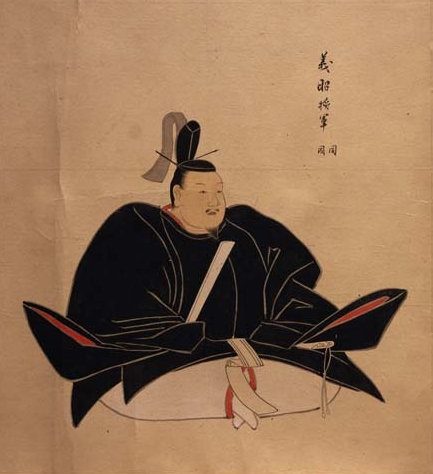
    Ashikaga Yoshiaki, the last of the Ashikaga Shoguns, and little more than a figurehead.

    The first action of this new ‘Shogunate’ (read: Mori) army was supporting the besieged warrior monks of Ishiyama Hongan-ji. You may recall in the post about the Ikko-Ikki, we mentioned Nobunaga’s campaigns against Hongan-ji, which ultimately lasted more than a decade, and left the temple a charred ruin.

    The Mori, possessing one of the most powerful navies amongst the Sengoku Daimyo, dispatched a fleet which made short work of the Oda forces in Osaka Bay, opening the way for supplies to be delivered to Hongan-ji. This victory prolonged the siege and gave the Mori unchallenged control of the Seto Inland Sea in the short term.

    Later that year, Nobunaga sought to restore the Amago Clan (long-time enemies of the Mori) to a position of strength, putting up Amago Katsuhisa, the last Amago ‘lord’ at Kozuki Castle, in Harima Province, hoping to attract Amago loyalists and any other opponents of the Mori, and make life difficult for Terumoto.
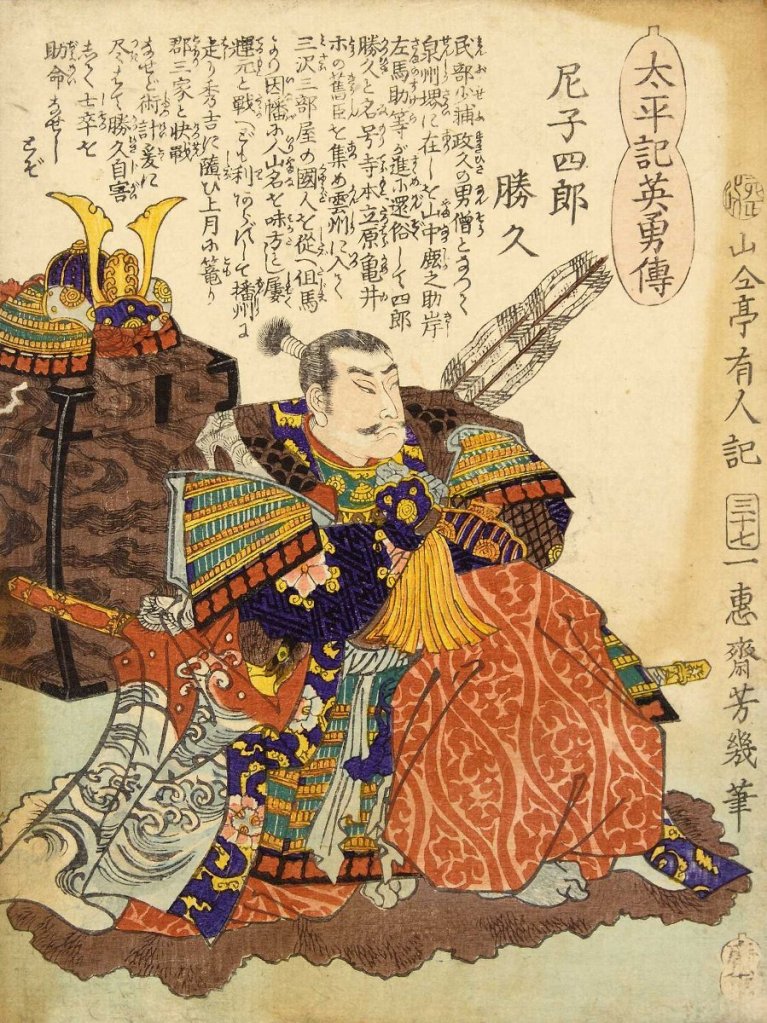
    A later image of Amago Katsuhisa, the last ‘lord’ of the Amago Clan.

    In response, Terumoto himself led an army to lay siege to Kozuki, and when a relief force, led by Hashiba (later Toyotomi) Hideyoshi, arrived, Terumoto handily defeated it, driving the Oda out of Harima Province, taking Kozuki Castle, and obliging the remaining Amago partisans to commit seppuku, which isn’t bad for a day’s work.

    Not long after this success, Terumoto would expand his influence in Harima still further, convincing several lords to defect to the Mori, and bottling up Nobunaga’s remaining loyalists in the province. After this series of successes, Terumoto had Nobunaga on the back foot, and in response, he pressured the Imperial Court to issue an order that Hongan-ji make peace with Nobunaga. The monks of Hongan-ji expressed a desire to make peace, but not without Terumoto, to whom they owed a debt of gratitude. In response, Nobunaga agreed and began negotiations with Hongan-ji and the Mori.

    The strategic situation shifted considerably in the early winter, however, as a Mori fleet dispatched to deliver further supplies to Hongan-ji was defeated by new ironclad ships of the Oda Navy. The exact nature of these vessels isn’t clear; the word ‘ironclad’ is a direct translation from Japanese, implying the vessels were at least partially armoured, though the exact style and extent of armour isn’t clearly recorded.

    An example of the type of warship used by the Mori Navy.

    Shortly after this victory, which drove the Mori beyond Awaji Island and opened Osaka Bay to the Oda, Nobunaga swiftly called off negotiations and made plans to continue the war. Despite the defeat, the Mori were still in a very strong position, however, and at this point, Terumoto made plans to advance on Kyoto and take the fight to Nobunaga directly.

    Plans were laid, including negotiation with Takeda Katsuyori for a simultaneous attack on Nobunaga’s ally, Tokugawa Ieyasu, and Terumoto set the date of the start of the campaign for early 1579. However, early 1579 came and went, and the Mori did not march. A series of rebellions broke out around the same time, supposedly instigated by both Nobunaga and the Otomo Clan (rivals to the Mori on Kyushu), and Terumoto had his hands full.

    The situation went from bad to worse for the Mori throughout 1579, as several border clans, angered at what they saw as a ‘betrayal’ when Terumoto failed to march on Kyoto, defected to the Oda side, disrupting communications with troops on the front line, and opening several gaps in Mori defences. The Mori failure to march also resulted in no further attempts to relieve Hongan-ji, and it was forced to surrender in early 1580.

    Not long after that, Nobunaga was able to focus significant forces on the Mori, and an army led by Hashiba Hideyoshi took advantage of the Mori’s weak position and launched a series of successful attacks against them, capturing castle after castle. A counter-attack in February 1582 led to a brief reprieve, but news from elsewhere was bad.
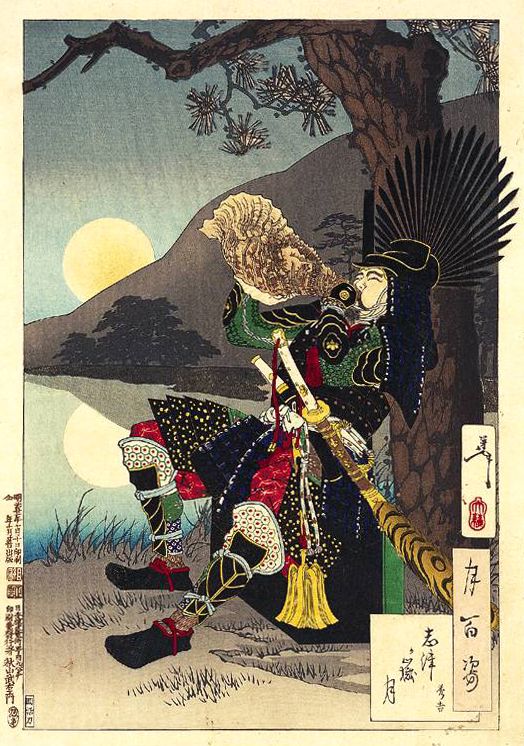
    A later artistic depiction of Toyotomi Hideyoshi (then still called Hashiba) around 1582.

    The Takeda, with whom the Mori had allied against Nobunaga, were decisively defeated in early Spring, and with their removal, Nobunaga turned his entire attention to the Mori. The situation was dire. A little more than five years earlier, the Mori had been a match for Nobunaga; indeed, had Terumoto marched on Kyoto, he would have had a good chance of success.

    Now, however, Nobunaga was stronger than ever, and internal rebellion, defections, and military defeats meant that the Mori were far weaker in comparison. Had Nobunaga advanced, he almost certainly would have won.

    As is so often the case, however, fate intervened. Nobunaga was betrayed by one of his generals in June 1582 and killed. His supporters immediately turned on each other, with Hashiba Hideyoshi, the man who had been leading the charge against the Mori, wishing to establish himself as Nobunaga’s successor, and so he concluded a swift peace with the Mori. For his part, Terumoto was glad to accept, even though it meant sacrificing three provinces. When news of Nobunaga’s death broke, Ashikaga Yoshiaki, still with the Mori, ordered Terumoto to march on Kyoto and take advantage of the situation.
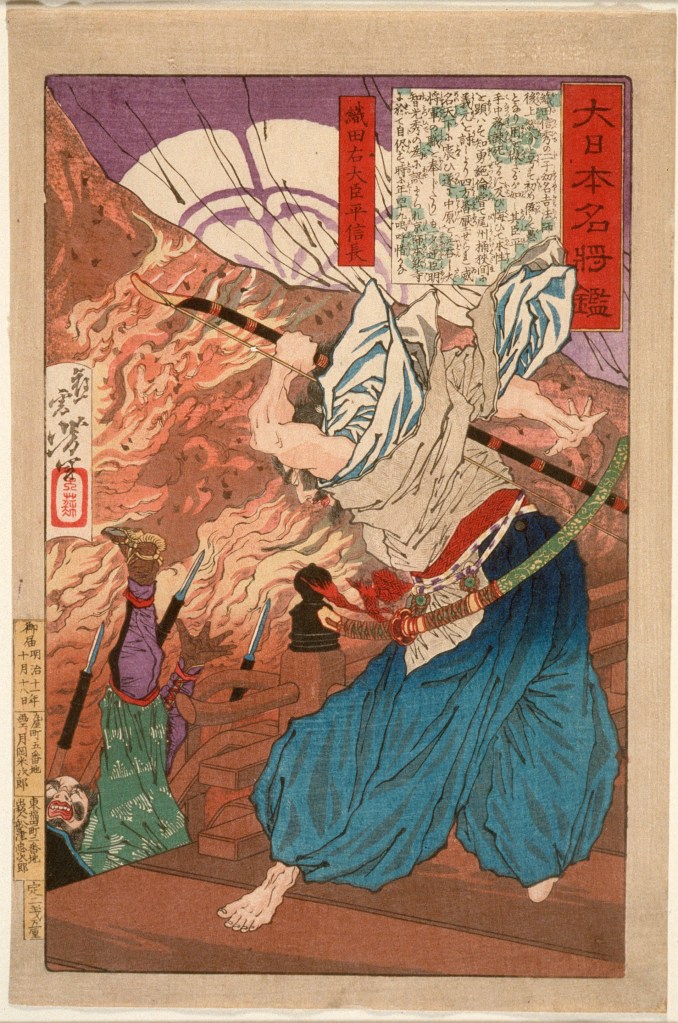
    A 19th century depiction of Oda Nobunaga’s final moments.

    Terumoto refused, still forced to deal with internal rebellion, and although there would be plenty of opportunities to involve himself in the chaotic fighting that followed Nobunaga’s betrayal, the Mori would not move, instead adopting a ‘wait and see’ approach, which, in hindsight was wise, as although history would record Hideyoshi as the ultimate victor, in the summer of 1582, that was far from certain.

    One thing that Terumoto did agree to, however, was refusing to accept the ceding of three provinces to Hideyoshi as part of their peace deal. No doubt the Mori felt that Hideyoshi had misled them (Terumoto hadn’t known about Nobunaga’s death before the agreement), and with Nobunaga’s successors tearing each other apart, the Mori were in a good position to keep hold of their territory.

    Negotiations dragged on, even after Hideyoshi was able to win a decisive victory at the Battle of Shizugatake in April 1583, and he began to lose patience, threatening a resumption of war if the Mori didn’t concede. It would not be until early 1585 that a peace was actually agreed, and it was achieved largely without fresh fighting. The Mori would be allowed to keep seven provinces, representing much of the territory that had been taken by Terumoto’s grandfather, Motonari. In exchange, the Mori agreed to support Hideyoshi’s campaigns to unite the realm, especially in Shikoku and Kyushu, which the Mori assisted in invading in May 1585 and August 1586, respectively.
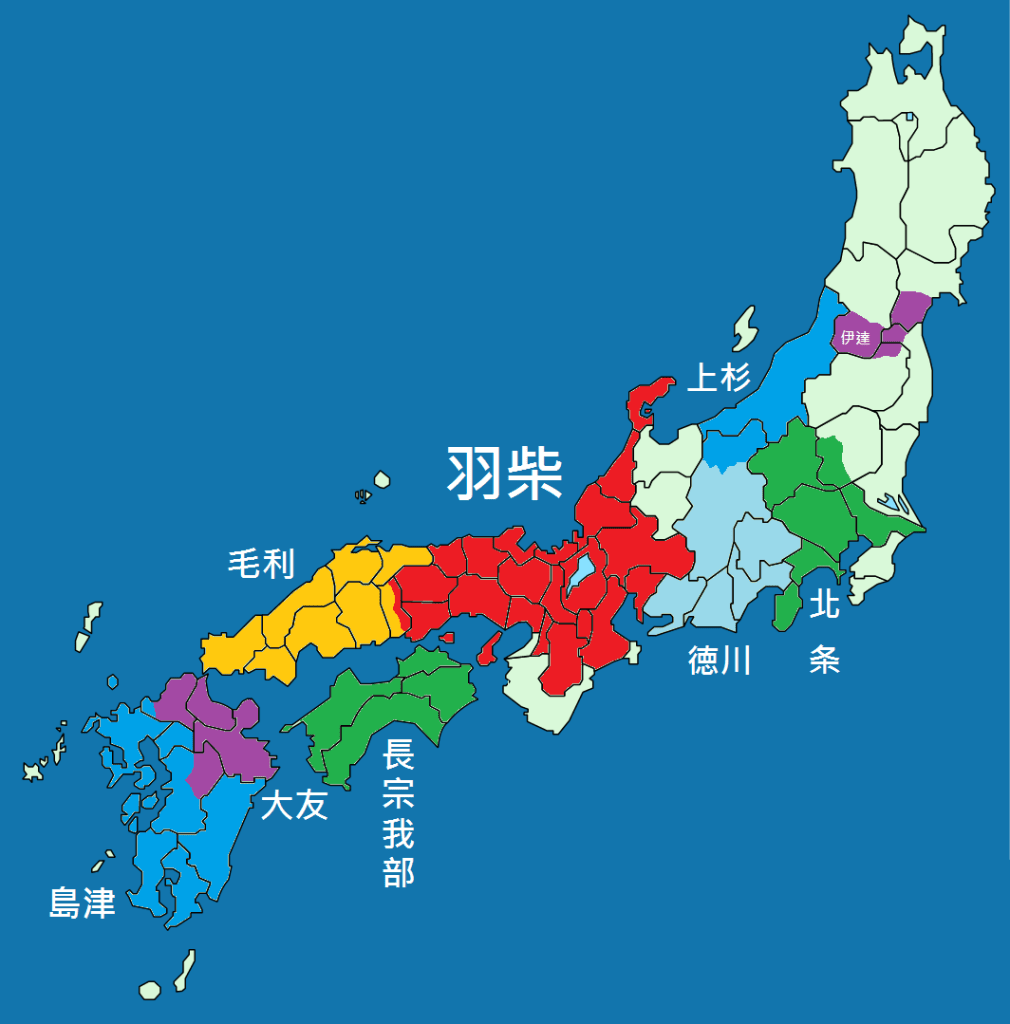
    The strategic situation in 1584, just after Hideyoshi secured power. The Mori are represented in yellow, and Hideyoshi in red.
    By Alvin Lee – Own work, CC BY-SA 4.0, https://commons.wikimedia.org/w/index.php?curid=39198357

    Finally, in the summer of 1586, Terumoto formally became a vassal of Hideyoshi (by now known as Toyotomi), ending decades of conflict and proving to be a significant step in bringing the Sengoku Jidai to an end more generally. A testament to the new trust placed in the Mori came in 1590, when Hideyoshi attacked the Hojo Clan, masters of the Kanto. Though the Mori did not join the campaign, Mori troops were entrusted with guarding the capital while Hideyoshi was away.

    Around this time, Terumoto completed his new base at Hiroshima Castle and would take part in Hideyoshi’s ill-fated invasion of Korea in 1592. We will go into more detail about the events that followed later, but after Hideyoshi’s death in 1598, Terumoto was named as one of five regents for his infant son, Hideyori.

    The five regents were meant to stabilise the realm until Hideyori came of age, but it didn’t work; Tokugawa Ieyasu was swiftly opposed by the other four as it was believed (rightly as it turned out) that he wished to overthrow the current government and make himself Shogun. The tension would eventually lead to a new outbreak of violence, and a brief campaign culminated in the decisive Battle of Sekigahara in 1600.

    Teruhito and the Mori Clan were officially in opposition to the victorious Ieyasu, but had dispatched only a small force to Sekigahara, keeping their main strength at Osaka Castle to guard the heir. This was the strongest castle in the realm, and Terumoto had tens of thousands of fresh troops with which to hold it. Ieyasu, apparently aware of this, dispatched a letter to Terumoto, expressing his desire for positive relations between the two, and hoping that the Mori would depart Osaka without further violence.

    The walls of Osaka Castle as they appeared in 1865.

    Terumoto agreed when Ieyasu confirmed that the Mori would lose no territory in the aftermath. However, Ieyasu would almost immediately go back on his word once Terumoto was safely away from Osaka. The Mori were reduced to just two provinces in the far west, Suo and Nagato, and almost all the territory taken by Motonari and Terumoto was lost.

    Terumoto himself would officially retire as head of the clan not long after Sekigahara and became a monk, though in reality, he would retain most of the actual authority within the clan. One challenge that came about almost immediately was the loss of income that came with the loss of territory. Before Sekigahara, the Mori had had an income of more than 1 million koku (a Koku being approximately how much rice one man needed for a year). After Sekigahara and the loss of five of their provinces, this income was down to less than 300,000.

    This loss in income led to a loss in strength, as many of the clan’s retainers found their stipends reduced or lost entirely, leading them to seek employment elsewhere (just in case you thought Samurai were all about unquestioned loyalty.) Terumoto rather astutely recognised that this reduction might actually benefit the clan long term, as disloyal vassals would leave quickly, and even those who remained could be chosen based on ability, leading to a reduction in the clan’s overall strength, but perhaps improving skill and efficiency, at least in theory.
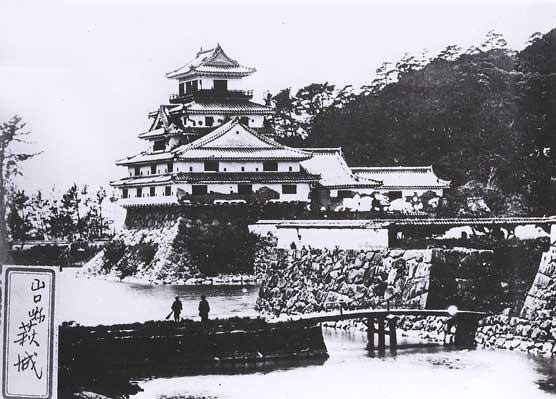
    A 19th century photograph of Hagi Castle, where the Mori Clan were based after their forced relocation.

    This would prove a wise move, as a land survey in 1610 showed that the Mori’s financial situation was better than originally assumed, and the reduction in vassals and retainers had led to a leaner, more efficient administration.

    Peace in the realm would last a while under Tokugawa Ieyasu’s rule, but it was a fragile thing. In 1614, the now adult Toyotomi Hideyori (Hideyoshi’s heir) brought about a crisis when a new prayer bell was inscribed with language that was interpreted as calling for the overthrow of the Tokugawa. Hideyori holed up in Osaka Castle and called on all ‘loyal vassals’ to come to his aid. Most, including Terumoto, ignored him, and when Ieyasu marched on Osaka, he requested the Mori dispatch their navy in support, which they duly did.

    Terumoto also led an army to Osaka, though the Mori would ultimately play a relatively small role in the so-called Winter Siege of Osaka. The following year, during what is called the Summer Siege, Ieyasu attacked Osaka again, this time successfully, capturing and executing Hideyori, and bringing his line to an end.

    Tokugawa Ieyasu, the man who would ultimately bring the Sengoku Jidai to an end.

    The Mori were again asked to dispatch an army, but delays in orders and the length of the march meant they arrived only after Osaka had fallen. There was some concern that this delay might be interpreted as treachery by Ieyasu; however, even the savvy political operator, Ieyasu, chose to lay the blame on slow communication instead, sparing the blushes of the Mori.

    Terumoto, his health failing and age catching up with him, handed full control of the clan over to his heir, Hidenari, in 1621, and although a formal system of ‘dual leadership’ would continue, it was becoming increasingly clear that Terumoto’s time was running out.

    He would continue to play a role in the affairs of the Mori until his death in 1625, and his clan’s distant position from the new capital in Edo afforded them a certain degree of autonomy, at least with regard to internal affairs, in the years that followed.

    That would prove important in the 19th century, as the arrival of American ships in Edo Bay forced Japan to end its period of isolation. It would be the Mori Clan, based in what by then was called the Choshu Domain, who would lead the charge against the Tokugawa Shogunate, overthrowing it, and re-establishing Imperial Rule in the so-called Meiji Restoration, but we are getting way ahead of ourselves.
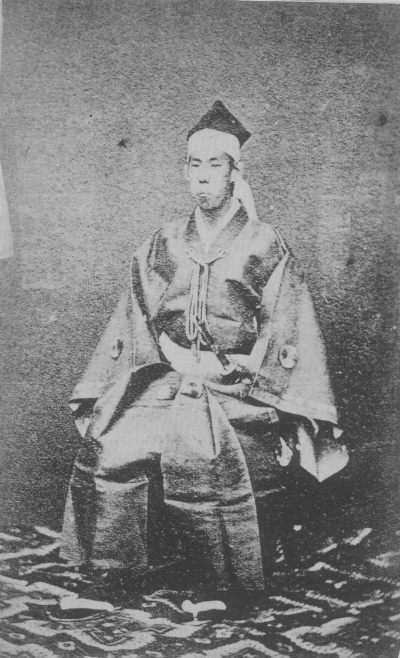
    Mori Motonari, the last lord of Choshu Domain.

    Mori Terumoto is one of the giants of the Sengoku Era. Building on the successes of his grandfather, Motonari, he led the Mori to a position in which they may well have been able to take power for themselves, had things gone a little differently. Ultimately, despite never gaining ultimate power for themselves, Terumoto and his successors would prove to be one of the success stories of this period, surviving the turmoil and even thriving in the new Japan of the 19th Century.

    Sources
    https://ja.wikipedia.org/wiki/%E6%AF%9B%E5%88%A9%E8%BC%9D%E5%85%83
    https://ja.wikipedia.org/wiki/%E5%BA%83%E5%B3%B6%E5%9F%8E
    https://ja.wikipedia.org/wiki/%E4%BA%AC%E8%8A%B8%E5%92%8C%E7%9D%A6
    https://ja.wikipedia.org/wiki/%E9%B3%A5%E5%8F%96%E5%9F%8E
    https://ja.wikipedia.org/wiki/%E9%89%84%E7%94%B2%E8%88%B9
    https://ja.wikipedia.org/wiki/%E5%89%AF%E5%B0%86%E8%BB%8D
    https://en.wikipedia.org/wiki/M%C5%8Dri_Terumoto
    https://ja.wikipedia.org/wiki/%E5%B0%BC%E5%AD%90%E5%8B%9D%E4%B9%85
    https://en.wikipedia.org/wiki/Toyotomi_Hideyoshi
    https://en.wikipedia.org/wiki/Tokugawa_Ieyasu
  • The Battles of Kawanakajima

    The Battles of Kawanakajima

    Having looked closely at the lives and careers of Takeda Shingen and Uesugi Kenshin, it is impossible not to notice the frequent mention of a place called Kawanakajima, and the series of battles that took place there from 1553 to 1564.

    The battles at Kawanakajima were not the only confrontations between the Takeda and Uesugi clans, nor were they the largest or most significant battles in the Sengoku period, but they have been the subject of extensive study, writing, and mythologising, as they seem to symbolise the famous rivalry between Shingen and Kenshin, and so they’re worth a closer look.

    Kawanakajima

    Kawanakajima as it appears today.
    By Bloglider at Japanese Wikipedia – Own work by the original uploader (Original text: Photo by Bloglider.), CC BY-SA 3.0, https://commons.wikimedia.org/w/index.php?curid=12400636

    The area called Kawanakajima is located in the northern part of Nagano Prefecture, and is the area surrounding where the Chikuma and Sai rivers meet. Now within the modern city of Nagano, in the 16th century the area was in Shinano Province and had long served as a key transportation route from north to south, and as such had frequently been a battleground.

    There had been many small, but long-established clans in the area, but by the early 1500s, it was largely under the control of the Murakami Clan, who would come into frequent conflict with the Takeda, from neighbouring Kai Province, who were beginning to expand into Shinano around this time.

    Starting in 1542, Takeda Shingen began a concerted effort to bring the province under his control, but he faced resistance of varying degrees of severity during his campaign, and it was the Murakami who proved the sternest test. At the Battle of Uedahara in 1548, the Murakami inflicted a serious defeat on the Takeda, and although Shingen would recover, he suffered a further defeat at the Siege of Toishi Castle in 1550.

    Takeda Harunobu, better remembered as Takeda Shingen.

    Shingen had what we might call “Bouncebackability”, and in 1551, Toishi Castle fell, leaving the Takeda in control of most of Shinano, with the exception of the area including, and to the north of, Kawanakajima. The clans in this area had previously allied with the Murakami, but with their defeat, they went looking for new friends.

    They found them in the Nagao Clan of Echigo, and their lord, Kagetora, better known to history as Uesugi Kenshin, who advanced into northern Shinano to support these local clans and to oppose the Takeda.

    The First Battle

    In April 1553, Shingen resumed his advance against the remaining clans in northern Shinano, meeting only sporadic resistance and forcing the weakened Murakami to ask for intervention from Kenshin. He responded, and a combined force of around 5000 men counterattacked and defeated the Takeda at the Battle of Yahata in May.

    Nagao Kagetora, better known as Uesugi Kenshin.

    This success would be short-lived, however, as Shingen would resume his advance that summer, forcing the Murakami back again, until September, when Kenshin himself led a force into Shinano, engaging and defeating the Takeda at the Battle of Fuse, before laying siege to several castles in quick succession. Shingen would seek to outmanoeuvre Kenshin and cut off his retreat, but Kenshin responded with a strategic retreat to a place called Hachimanbara.

    Unable to cut off Kenshin’s retreat, Shingen instead retreated to Shioda Castle, entrenching himself there and avoiding direct battle. With neither side apparently up for the fight, both armies gradually disengaged, with Kenshin returning home at the end of September, and Shingen following suit a few weeks later.

    The First Battle of Kawanakajima was more of an extended series of engagements than a pitched battle, and both sides achieved some strategic goals. Kenshin was able to stop the Takeda advance into northern Shinano, whereas Shingen was able to consolidate his control in the central and eastern parts of the province, free from outside intervention.

    The Second Battle

    Through the remainder of 1553 and into 1554, Takeda Shingen continued to expand and consolidate his control of the areas of Shinano south of Kawanakajima. He has also formed an alliance with the Hojo and Imagawa Clans, securing his southern borders and gaining an ally (in the Hojo) against Kenshin’s ambitions in the wider region.

    Shingen also sought to keep Kenshin off balance by supporting local rivals and instigating rebellions amongst his vassals. Though Kenshin was often able to swiftly put down these uprisings, in 1555, a previously loyal vassal, Kurita Eiju, who was based near the Zenkoji Temple, defected to the Takeda side. This was significant because Eiju controlled the southern half of the Nagano Basin, of which Kawanakajima was a central part.

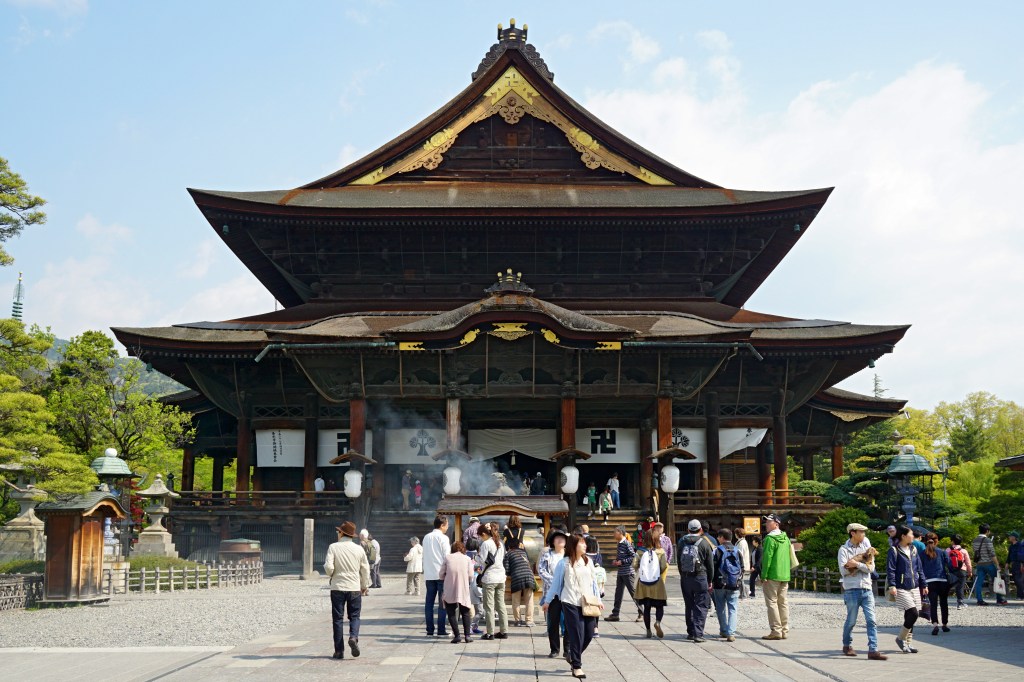
    Zenkoji Temple as it appears today.
    By 663highland, CC BY 2.5, https://commons.wikimedia.org/w/index.php?curid=48785737

    Shingen marched north to support his new ally, whilst Kenshin was obliged to dispatch an army to retake the lost territory. Eiju, alongside 3000 Takeda allies, holed up at Asahiyama Castle (in modern Nagano City), a strategically important location that controlled crossings of the Sai River.

    Kenshin could have manoeuvred around the strong point, but this would have left an enemy garrison at his rear, so instead, he entrenched his forces at Katsurayama (also in modern Nagano) and constructed a castle there, effectively bottling up the garrison at Asahiyama and neutralising the threat.

    Shingen was not idle during all this construction; however, he dispatched an army in support of Kurita Eiju, and it arrived in early July, facing Kenshin’s forces across the Sai River. The only serious engagement of the Second ‘Battle’ was on July 19th, when Kenshin sent forces across the river and engaged in sporadic fighting against the Takeda. Whether this was a serious attempt to force a crossing or just a kind of skirmish isn’t clear, but Kenshin’s forces swiftly withdrew, and both sides spent the next 200 days glaring at each other across the river.

    Eventually, events away from Kawanakajima would force a resolution. Shingen was a long way from his home base in Kai and was beginning to struggle to feed his army, whereas Kenshin was facing issues on his western borders from increasing activity from the local Ikko-Ikki, as well as dissatisfaction from his vassals over the months of inactivity.

    The Ikko-Ikki proved to be difficult to deal with for many lords. Uesugi Kenshin was no different.

    Eventually, both sides agreed to mediation, led by the Imagawa Clan, and a peace was agreed in October. The terms set the border between the rivals as the Sai River, as well as calling for the destruction of Asahiyama Castle, and the complete withdrawal of both armies from the area.

    In the immediate aftermath, Kenshin would turn to deal with the Ikko-Ikki, and Shingen would subdue the remaining independent lords in southern Shinano, but neither side was done with Kawanakajima.

    The Third Battle

    In 1556, Kenshin, apparently suffering from what we might now call ‘burnout’, announced his intention to renounce his lordship and become a monk. His retainers, horrified at the prospect, did everything they could to persuade him to change his mind. They were ultimately successful, and a good thing too, because through the interim period, Shingen had again begun putting pressure on local lords to switch sides, or face conquest.

    During the New Year festivities in January 1557, Kenshin, who had by now given up on his idea of becoming a monk (and the restful lifestyle that would have provided him), offered prayers at the Hachimangu Shrine (in Chikuma, Nagano) for the defeat of Takeda Shingen.

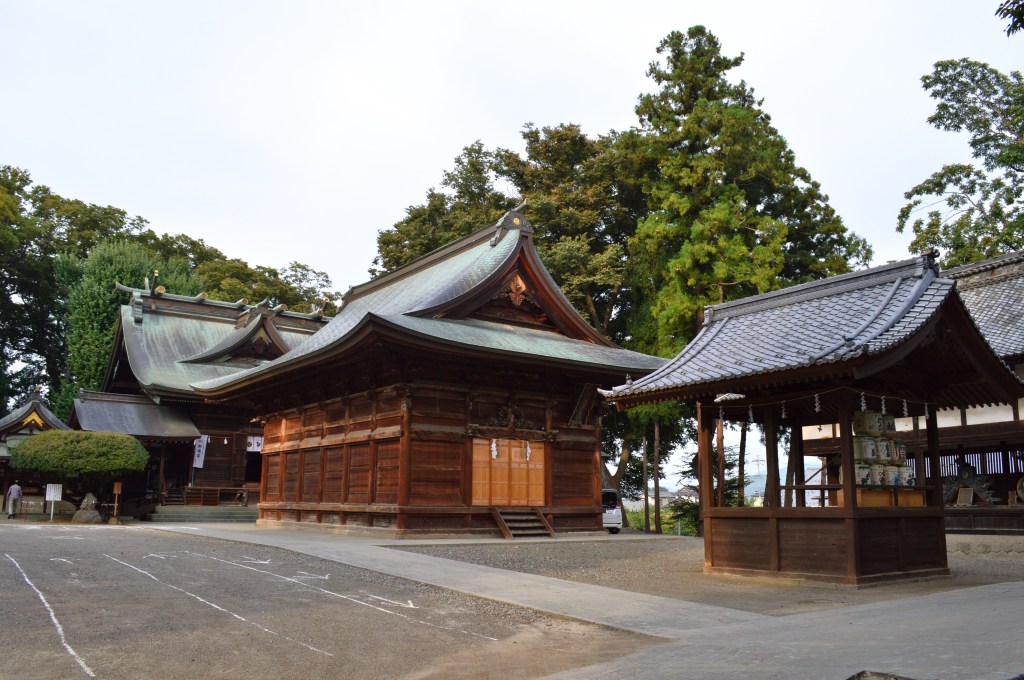
    Hachiman Shrine as it appears today. It’s now called Takemizuwake Shrine.

    Shingen, apparently put out by these attempts at divine intervention, advanced again, taking Katsurayama Castle (the site of the second ‘battle’) in mid-February, then advanced north, defeating the Takanashi Clan, who were allies of Kenshin. Kenshin’s response was delayed by winter snows, but he eventually came south, capturing several Takeda castles and even rebuilding Asahiyama.

    Shingen would continue to evade Kenshin’s advance, and both sides continued to dance around each other until an indecisive clash at Uenohara in late August, after which, Kenshin, who had advanced far from his supply bases in Echigo, withdrew. At this point, the Shogun, Ashikaga Yoshiteru, intervened, sending a letter requesting that both sides make peace, apparently in the hope that they would then send forces to aid the Shogunate.

    Neither side did, but a truce was agreed upon, which did not last long, as both Kenshin and Shingen would dispatch armies to duke it out in Northern Shinano. Kenshin arguably got the better of it, as the remaining clans in the area, previously just allies, were forced to become effectively his vassals.

    The Fourth Battle

    In 1559, Kenshin went to Kyoto to ask that the Shogun grant him the position of Kanto Kanrei, which had long been held by the Uesugi clan. Though the power of the Shogun and the prestige of any positions he might bestow were long since diminished, Kenshin was able to combine his appointment as Kanrei with his considerable martial talents to gather a large army and attack the Hojo in the Kanto region.

    In 1560, he was apparently able to gather an army of 100,000 men (though this is probably exaggerated) and advance deep into Hojo territory, even besieging their capital at Odawara in March 1561, though he was unable to take the formidable fortress. In response, the Hojo called for help from their ally, Takeda Shingen, who responded by invading Northern Shinano once again.

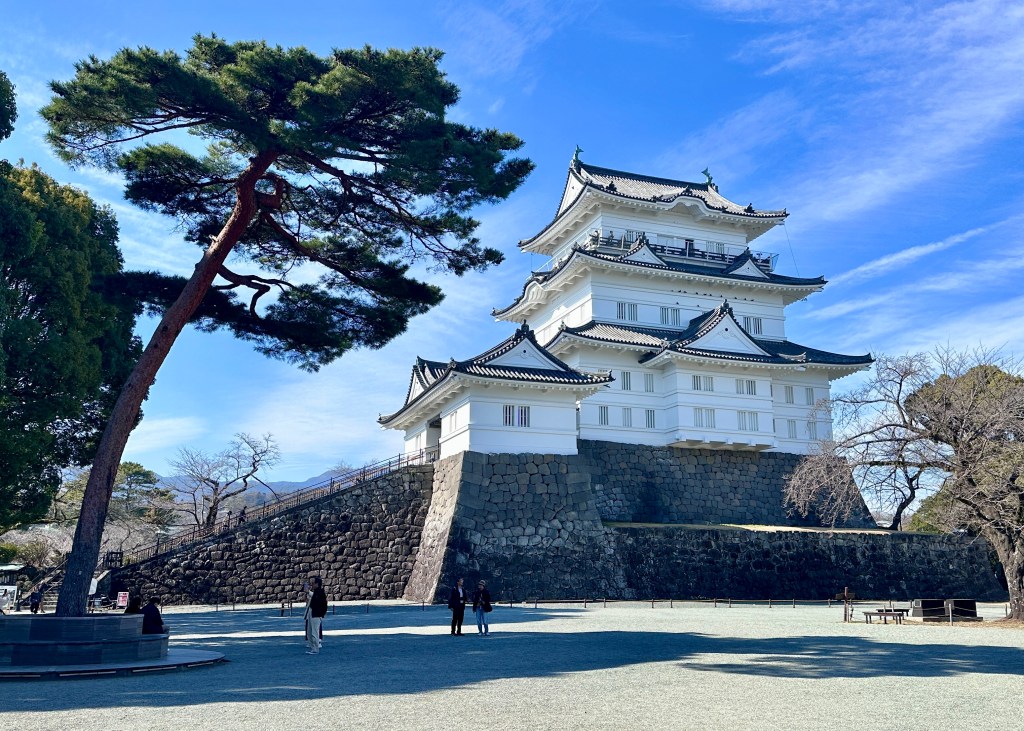
    The modern reconstruction of Odawara Castle.
    By Akonnchiroll – Own work, CC BY 4.0, https://commons.wikimedia.org/w/index.php?curid=145493350

    When news of Shingen’s attack reached Kenshin’s army, many of his supporters returned home, and he was obliged to lift the siege of Odawara and turn to face the Takeda. Beginning in August, the Takeda and Uesugi forces would again seek to gain advantage, advancing and retreating in turn, largely centred on Kaizu Castle, newly constructed at Shingen’s command.

    This would continue until late October, when the Takeda devised a strategy to launch a surprise attack against the Uesugi, with a second force positioned nearby to ambush and (hopefully) destroy the Uesugi as they attempted to regroup. Kenshin, however, was made aware of the Takeda’s movements, and, taking advantage of a moonless night, he had his army change position, moving them closer to the main Takeda force.

    Just after dawn on October 28th, a thick fog covered the ground around Kawanakajima, obscuring both armies. When the fog cleared, however, the Takeda were confronted with the sight of the entire Uesugi army positioned in front of them. Almost as soon as visibility allowed, Kenshin ordered a furious attack that smashed into the Takeda force and forced them onto the back foot.

    The Uesugi made it as far as the Takeda’s main camp, and it is here that one of the most famous tales of the Sengoku period takes place. In the heat of the battle, a warrior wearing a white robe (or towel) around his head charged directly at Takeda Shingen. This warrior slashed three times at Shingen, who was able to parry the blows with his war fan (made of iron, not the usual paper, luckily), before Takeda’s soldiers came to the rescue and forced the white-clad warrior to retreat.

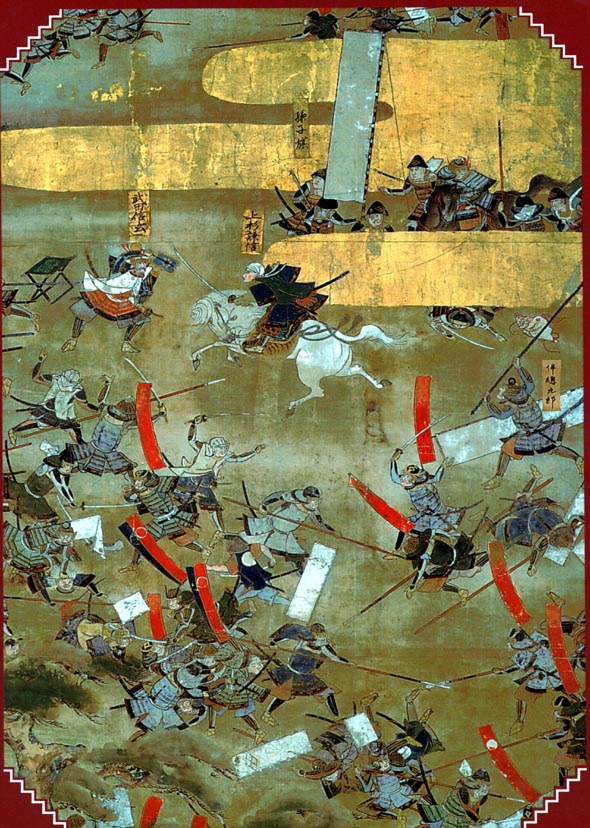
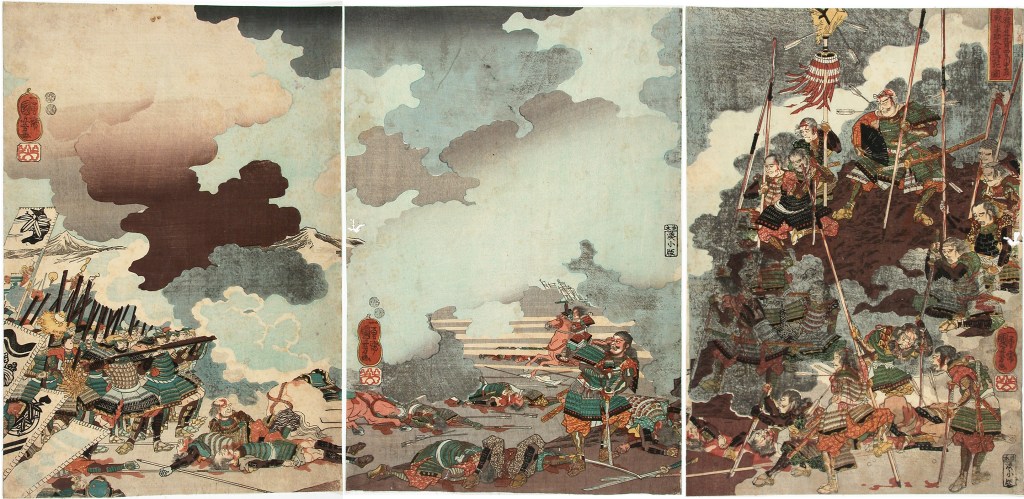
    The moment that Uesugi Kenshin and Takeda Shingen are said to have met on the battlefield.

    It was later revealed that this warrior was Uesugi Kenshin himself, and the duel became a legendary scene, symbolising the violence of the age, and the particular rivalry between Shingen and Kenshin. Unfortunately, we’re not sure that the duel actually took place. Takeda sources describe it as I’ve written here, whereas the Uesugi say the duel did take place, but that it was either a different attacker, or that it took place, not in the Takeda camp, but nearer the river, where the fighting was fiercest.

    Whether the famous duel actually happened or not, the battle itself was a bloody affair. The Uesugi attack was ferocious and drove the Takeda back to their camp, but failed to break them. At the same time, Takeda reinforcements rushing towards the battlefield were held up by a Uesugi rearguard.

    The Uesugi army (right) advance against the Takeda (left)

    If the battle had been brought to a conclusion that morning, then it’s likely the Uesugi would have won; however, the Takeda reinforcements arrived at around noon, and, fearing encirclement, Kenshin ordered a retreat. Shingen pursued him until around mid-afternoon, but then called it off, bringing an end to the bloodiest of the Battles of Kawanakajima.

    Exact death tolls are always tricky, as are the size of the opposing armies, but total numbers of combatants are estimated to have been around 20,000 for the Takeda and 13,000 for the Uesugi. When the fighting was over, the Takeda had suffered 4000 casualties, to the Uesugi’s 3000, and since they remained in control of the field, the battle was arguably a Takeda victory.

    The Fourth Battle of Kawanakajima was by far the bloodiest.

    That being said, the Uesugi would also claim victory, as they had foiled Takeda’s attempts to trap them, stopped their advance, and, despite a bloody day, their army remained more or less intact. Strategically, the battle was probably a draw, as it ultimately didn’t change much on the ground, neither side was able to secure new territory in the aftermath, and apart from the casualties (who would no doubt be comforted to know they’d died for nothing), both sides remained relatively strong.

    The Fifth Battle

    The Fifth and Final Battle of Kawanakajima occurred in 1564. In the interim period, Kenshin had continued to send forces into the Kanto, and Shingen had continued to try to expand his control of Shinano and other surrounding provinces.

    In Hida Province, a proxy war between a faction backed by the Uesugi and one by the Takeda swiftly drew both clans into direct confrontation once again. Shingen dispatched troops, and Kenshin moved to intercept them. The Takeda would get as far as the southern end of the Nagano Basin, but there would be no serious fighting. The Uesugi were content to limit themselves to blocking Shingen, and Shingen seemed to be content to allow himself to be blocked.

    Both sides eventually withdrew after nearly two months of little more than dirty looks, and this would prove to be the last confrontation between the clans at Kawanakajima.

    Aftermath

    The conflict between the Takeda and Uesugi Clans did not end after the Fifth Battle (such as it was), but both sides had more pressing concerns elsewhere. Kenshin was keen to focus on Etchu Province, the source of frequent Ikko-Ikki attacks, whilst Shingen’s attention was drawn south, and then eventually towards Kyoto as the political situation shifted dramatically.

    When Shingen died in 1573, Kenshin is supposed to have wept openly at the loss of his great rival, but the fortunes of both clans would continue to decline. The Takeda would be heavily defeated at the Battle of Nagashino in 1575, and their power would be permanently diminished. Then, in 1578, Kenshin died, and the Uesugi Clan was wracked by a civil war to determine who would succeed him.

    The Takeda would eventually be destroyed by Oda Nobunaga in 1582, whereas the Uesugi would survive the Sengoku Period and the centuries to come. In fact, as I mentioned in their brief profile, direct descendants of this famous clan still live in Japan to this day.

    Ultimately, the Battles of Kawanakajima became the stuff of myth and legend in the decades following the actual events. This was largely due to the actions of Tokugawa Ieyasu and his descendants, who made concerted efforts to elevate the actions of Takeda Shingen to almost semi-divine status.

    A 19th Century artistic representation of the Battle of Kawanakajima.

    The reality is that the battles were locally important, but ultimately proved to be fringe events in the course of the enormous bloodshed elsewhere in Japan during this period, as we shall soon see.

    Sources
    https://ja.wikipedia.org/wiki/%E4%BF%A1%E6%BF%83%E6%9D%91%E4%B8%8A%E6%B0%8F
    https://en.wikipedia.org/wiki/Battles_of_Kawanakajima
    https://ja.wikipedia.org/wiki/%E5%B7%9D%E4%B8%AD%E5%B3%B6%E3%81%AE%E6%88%A6%E3%81%84
    https://ja.wikipedia.org/wiki/%E6%97%AD%E5%B1%B1%E5%9F%8E
    https://ja.wikipedia.org/wiki/%E6%AD%A6%E6%B0%B4%E5%88%A5%E7%A5%9E%E7%A4%BE
    https://ja.wikipedia.org/wiki/%E9%AB%98%E6%A2%A8%E6%B0%8F%E9%A4%A8
    https://en.wikipedia.org/wiki/Uesugi_Kenshin
    https://en.wikipedia.org/wiki/Takeda_Shingen

  • The Dragon of Echigo

    The Dragon of Echigo

    Much like Takeda Shingen, Kenshin’s real name wasn’t Kenshin, but Kagetora, with Kenshin being a religious name given in later life. However, as this is the name he is best known by, we will be referring to him as it throughout.

    Uesugi Kenshin, the Dragon of Echigo and the topic of this post.

    If you live your life in such a way that you earn the nickname ‘Dragon of something’ and have followers who think of you as an avatar of the God of War, then I’d say you’ve done pretty well for yourself. By this standard, our subject for today, Uesugi Kenshin, is a historical figure worthy of a closer look.

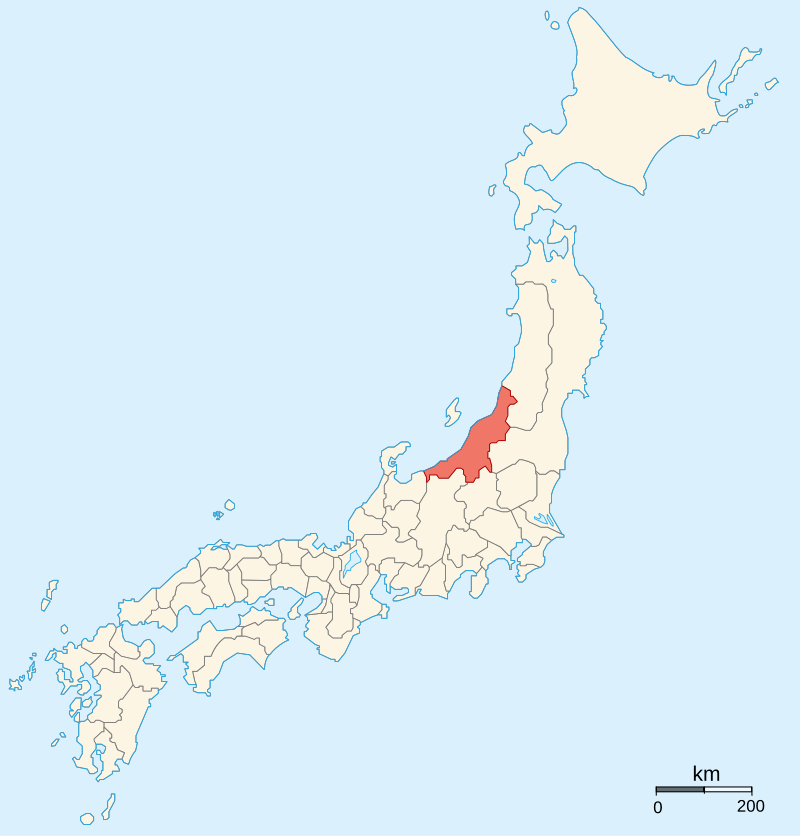
    Confusingly enough, Uesugi Kenshin wasn’t actually a member of the Uesugi family to begin with. He was a scion of the Nagao family, a strong clan who were vassals of the Yamanouchi branch of the Uesugi Clan, based in Echigo Province, in what is now Niigata Prefecture.

    Echigo Province.
    By Ash_Crow – Own work, based on Image:Provinces of Japan.svg, CC BY 2.5, https://commons.wikimedia.org/w/index.php?curid=1655309

    Born in 1530, it is quite likely that Kenshin’s mother was a concubine, and what’s more, the boy himself was the second son. He was never intended to inherit control of the Nagao Clan, and he entered the temple at Risenji at age 11, apparently set on a life as a monk.

    He doesn’t seem to have stayed at Risenji for long, however, as when his father died in 1542, just a year later, he was at the funeral with armour and sword at his side, and shortly after that, he was at Tochio Castle when a rebellion against Kenshin’s brother (the new Lord Nagao) broke out. Despite being just 14, Kenshin is supposed to have led the defence of the castle and won his first victory.

    At the time, though the Uesugi were nominally the lords of the region, the Nagao served as deputy (and de facto) governors in their place. After the death of Kenshin’s father, it was his elder brother, Harukage, who inherited this position. The brothers don’t seem to have gotten along very well, however, and in the late 1540s, a movement emerged within the Nagao clan that sought to replace Harukage with Kenshin as head of the clan.

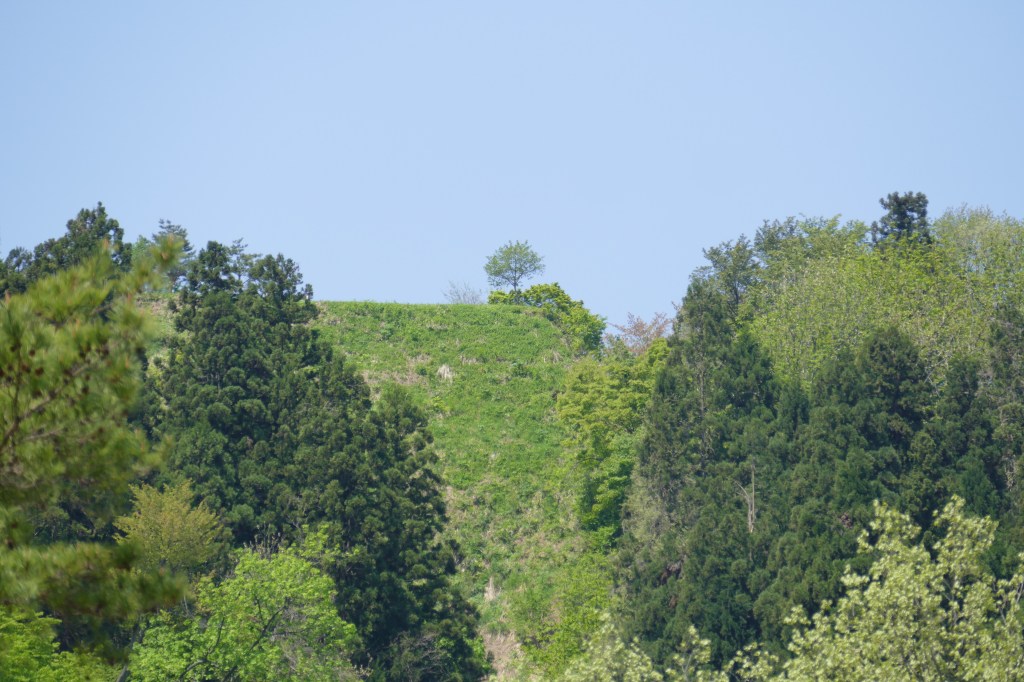
    The remains of Tochio Castle, site of Kenshin’s first victory.
    nubobo – 栃尾城本丸跡, CC 表示 2.0, https://commons.wikimedia.org/w/index.php?curid=59682349による

    Exactly why the clan was so against Harukage isn’t clear, but their efforts were ultimately successful. In 1548, under mediation from Uesugi Sadazane (their nominal overlord), Harukage agreed to adopt Kenshin, then retire as head of the clan, clearing the way for Kenshin to become head of the Nagao Clan aged just 18 or 19 (depending on the source).

    In 1550, Sadazane died without an heir, leaving Echigo Province without a lord. At this point, Shogun Ashikaga Yoshiteru instructed Kenshin to take the position of shugo of the province, effectively making him the new lord. Shogunate recognition was not quite the prestigious thing it had once been, however, and not long after this, supporters of Kenshin’s brother rose up in rebellion against him.

    Kenshin quickly bottled up the rebels at Sakado Castle, when the castle fell, the leader of the rebels was spared because he was Kenshin’s brother-in-law, and following this, Kenshin, still aged just 22 had established effectively control over the whole of Echigo Province.

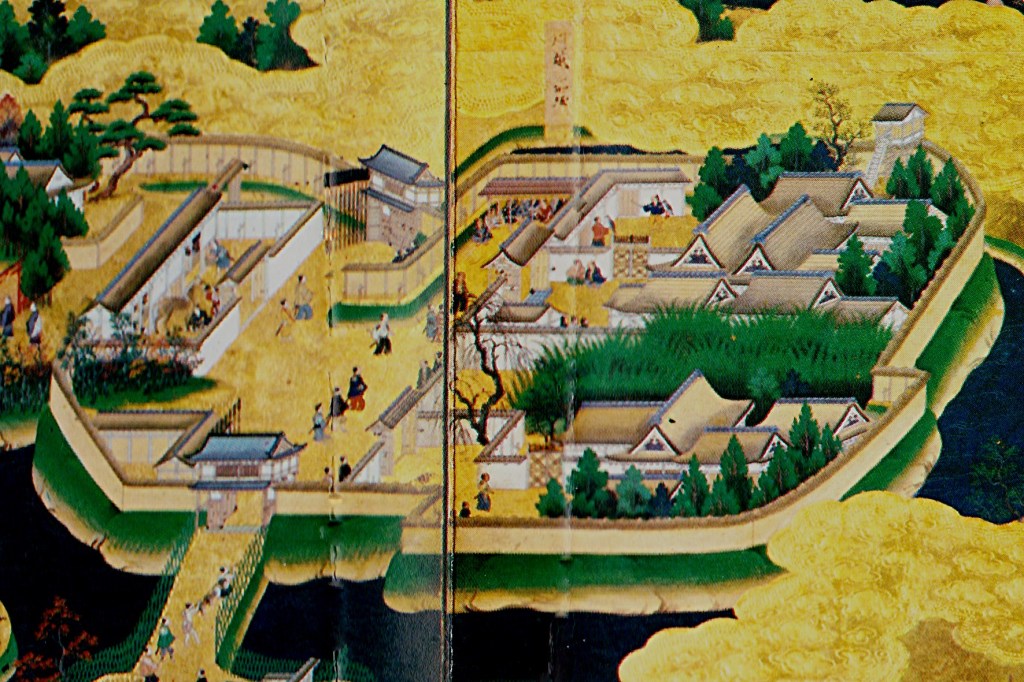
    Looking back for a moment, five years earlier, the Uesugi Clan (or more accurately, the Ogigayatsu branch of the clan) had been defeated at the Battle of Kawagoe by the new rising star of the Kanto, the Hojo Clan. The Ogigayatsu-Uesugi were wiped out after this battle, leaving only the Yamanouchi Branch of the clan. In 1552, Uesugi Norimasa, who was, on paper, the Kanto Kanrei (Shogun’s deputy) was finally driven out of the Kanto entirely and sought refuge with Kenshin.

    A later depiction of Kawagoe Castle.

    Unsurprisingly, harbouring their enemies didn’t do much for the relationship between Kenshin and the Hojo, and Kenshin would send an army to oppose the Hojo’s invasion of Kozuke Province (modern Gunma Prefecture), capturing Numata Castle, and forcing the Hojo to retreat.

    A year later, Kenshin would face a new enemy, as Takeda Shingen’s long-running invasion of Shinano eventually obliged some of the clans there to flee and seek refuge with Kenshin in Echigo. Much like the Hojo, the Takeda didn’t take kindly to someone giving refuge to their enemies, and one of Japanese history’s most famous rivalries was born.

    In August 1553, an army led by Kenshin himself advanced against the Takeda in Shinan, defeating Shingen himself at the Battle of Fuse on August 30th, then again at Yuwata on September 1st. After this, Shingen adopted a strategy of avoiding direct battle with Kenshin, and the conflict settled into a stalemate that was later called the First Battle of Kawanakajima.

    A modern view of Kawanakajima.
    日本語版ウィキペディアのBlogliderさん – 原版の投稿者自身による著作物 (Original text: Photo by Bloglider.), CC 表示-継承 3.0, https://commons.wikimedia.org/w/index.php?curid=12400636による

    In 1554-55, Kenshin was obliged to face a rebellion launched by treacherous vassals in league with Shingen. Putting down the rebellion quickly, Kenshin again marched into Shinano in April 1555 to face the advancing Takeda forces, again led by Shingen.

    At the Second Battle of Kawanakajima, the two sides faced each other in another stalemate, which dragged on for five months, before mediation from the Imagawa Clan led to both sides withdrawing after little actual fighting.

    In the following year, Kenshin apparently announced he would retire and become a monk, however, another outbreak of Takeda-backed rebellion forced him to change his plans, and after a period of peace, in 1557, Shingen again advanced against Kenshin’s allies in Shinano, forcing him to intervene and leading to the Third Battle of Kawanakajima, which, much like the previous two, swiftly settled into stalemate.

    A year later, Kenshin dispatched an army in an ultimately unsuccessful invasion of Kozuke Province and then in 1559 he was ‘invited’ for a meeting with the Shogun, Ashikaga Yoshiteru. Some sources say that Kenshin was granted the title of Kanto Kanrei at this time, the position traditionally held by the Uesugi Clan. He also apparently donated funds towards the maintenance and repair of the Imperial Palace.

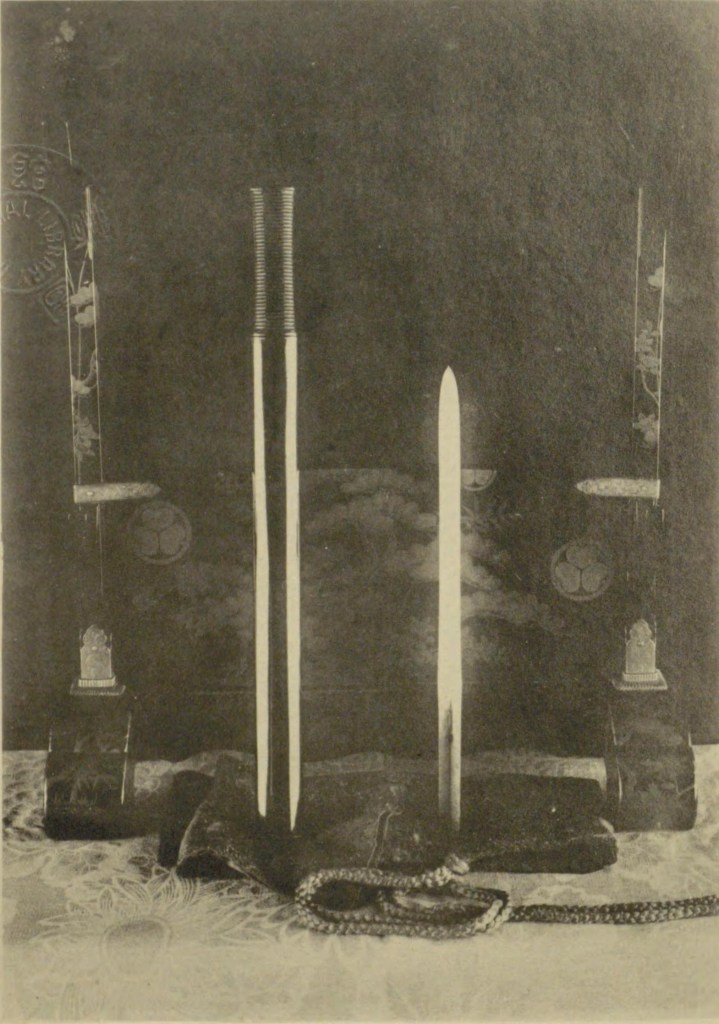
    Swords supposedly gifted to Kenshin by the Emperor, photographed in 1928.

    It seems that Kenshin enjoyed good relations with the Shogunate, but the already well-established decline of the Shogun’s power is highlighted again when he asked Kenshin, Shingen, and the Hojo to make peace in order to combine their forces against the Shogun’s enemies. All three parties refused.

    In March 1560, the Imagawa Clan’s devastating defeat at Okehazama opened the way for Kenshin to intervene directly in the Kanto again, as the Imagawa had been allied to his enemies, the Hojo, and their defeat left the Hojo vulnerable. Later that year, Kenshin launched another large-scale invasion of Kozuke Province, driving the Hojo back and capturing several important castles before celebrating New Year at Maebashi Castle, the gateway to the Kanto Plain.

    In March 1561, Kenshin was formally adopted by the Yamanouchi-Uesugi Clan (the only remaining branch) and changed his surname to match. Though he would be known as Uesugi Kagetora from this point, we will continue to call him Kenshin to keep things simple.

    In August of that year, Kenshin led another large army into Shinano, and engaged the Takeda at the Fourth Battle of Kawanakajima. Unlike the previous three, this battle was not an extended stalemate, but a bloody one. Both sides suffered heavy casualties, with sources ranging from around 20% losses, to as high as 60 or 70%, and when the battle was over, the Takeda held the field, but made no attempt to intervene as the Uesugi withdrew, leading some to suggest the battle was a bloody draw.

    A legendary depiction of the Fourth Battle of Kawanakajima, depicting the (possibly apocryphal) moment that Uesugi Kenshin and Takeda Shingen met on the field.

    The Takeda and Hojo clans, recognising the Uesugi as their common enemy, renewed their combined efforts and launched a joint counter-attack in Musashi Province in late 1561. At first, Uesugi forces were successful against the alliance, even getting as far as besieging Odawara Castle, the Hojo’s main stronghold, before being forced to withdraw after allied counter-attacks in other parts of the Kanto.

    The strategic situation in the Kanto would ebb and flow over the following years, as Uesugi, Takeda, and Hojo armies advanced and retreated, and the local lords would switch sides depending on whoever appeared to be in the ascendancy.

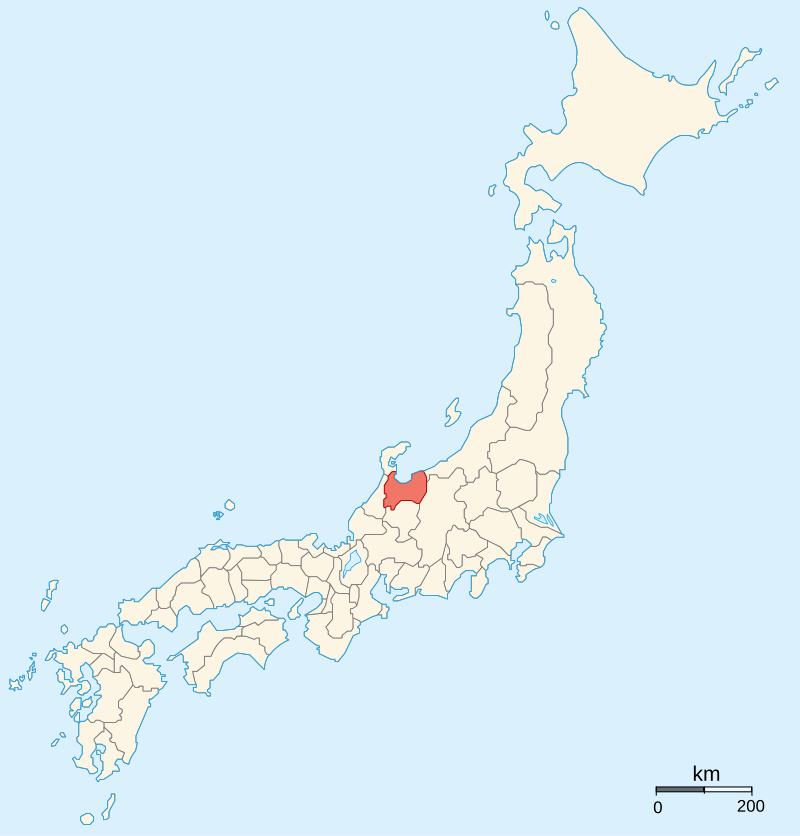
    All three factions would be occupied with fighting each other, but also engaged in other battles and proxy wars with allies and supporters of each other’s enemies. For Kenshin, this meant being obliged to dispatch forces into neighbouring Etchu Province in 1568, to deal with Ikko Ikki forces nominally allied with Shingen.

    Etchu Province.

    Seeking to take advantage of this distraction, Takeda forces attacked in Shinano and were ultimately defeated, but a rebellion in Echigo (Kenshin’s home province) meant he was unable to take advantage of this victory in the short term.

    Later that year, the strategic situation would shift in Kenshin’s favour, however, as the long-term decline in Takeda-Imagawa relations finally led to open conflict between two of his main rivals. The Imagawa would request aid from both the Uesugi and the Hojo, and while Kenshin would refuse, the Hojo dispatched forces to oppose the Takeda, bringing an end to the alliance that had done so much to oppose Kenshin.

    However, years of expensive (and bloody) campaigns in the Kanto had left the Uesugi exhausted, and in 1569, Kenshin reluctantly agreed to a peace deal with the Hojo, which saw the Uesugi withdraw from Musashi Province (modern day Tokyo and Saitama) and the Hojo withdrew from Kozuke.

    With his borders with the Hojo (relatively) secure, Kenshin was able to focus on campaigning against the Takeda again. In 1570 and 1571, he would engage the Takeda and their allies in Etchu and Shinano Provinces, generally having the better of the fighting, but the situation would shift again in 1572 when the lord of the Hojo, Ujiyasu, passed away, and was replaced by Ujimasa, who made peace with the Takeda, turning on the Uesugi. At the same time, the Etchu Ikko Ikki launched a fresh attack, instigated by Takeda Shingen.

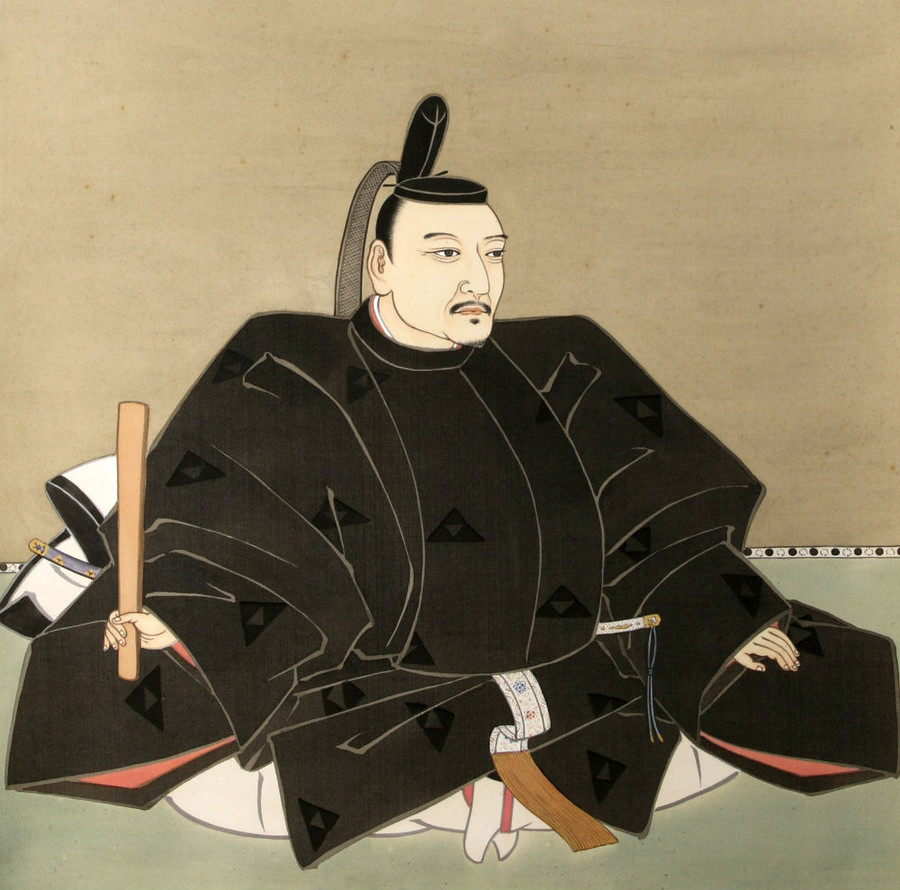
    Hojo Ujimasa, who reversed his father’s diplomatic policy.

    The Ikko Ikki would initially be successful against Kenshin, but by mid-1573, the momentum had shifted back in his favour, and several key fortresses within Etchu were taken. Also in that year, Kenshin’s long-time rival, Takeda Shingen, passed away, an event that apparently caused Kenshin to weep openly, but also significantly weakened the Takeda.

    Over the following two years, Kenshin was forced to split his focus between his ongoing campaign in Etchu and the situation in the Kanto. By the end of 1574, the Hojo had effectively ended any Uesugi presence in the region, and although Kenshin would launch counterattacks, the writing was on the wall for Uesugi power in the Kanto.

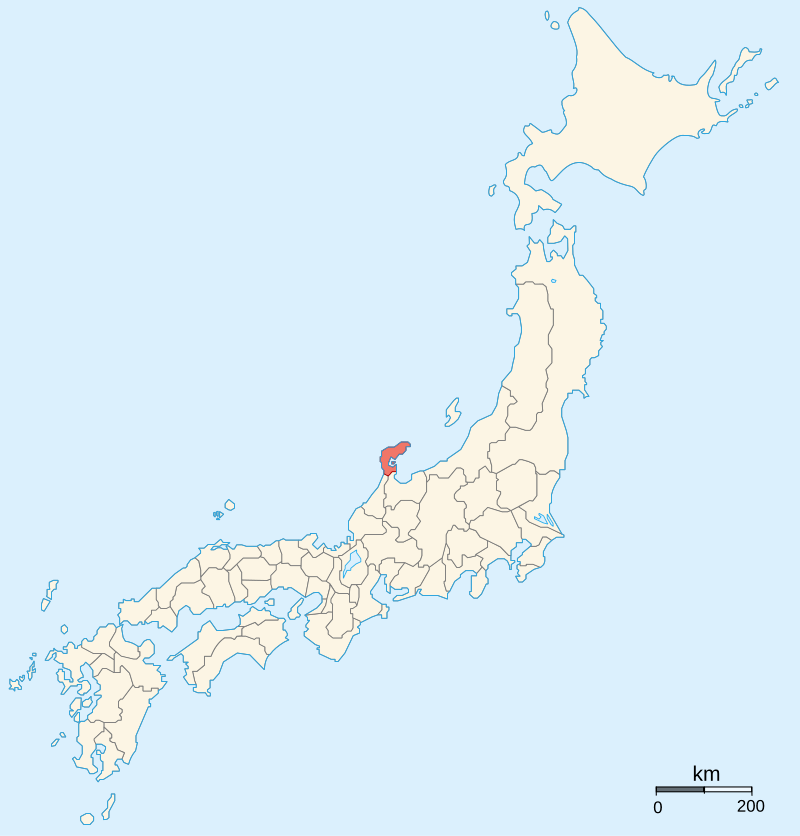
    In 1576, Kenshin would receive a request for aid from the Shogun, seeking support against Oda Nobunaga, who now dominated central Japan and had forced the Shogun into exile. In order to get to Kyoto, Kenshin was obliged to focus all his resources on securing Etchu and Noto Provinces. This campaign would drag on throughout 1576 and 1577, delayed by intervention from the Hojo and internal rebellion, but by November 1577, Kenshin had secured control of the provinces and was poised to strike at Kyoto itself.

    Noto Province.
    By Ash_Crow – Own work, based on Image:Provinces of Japan.svg, CC BY 2.5, https://commons.wikimedia.org/w/index.php?curid=1690738

    Mustering a large army, Kenshin would march out to meet a force led by Nobunaga’s generals, Shibata Katsuie and Hashiba Hideyoshi (better remembered to history as Toyotomi Hideyoshi), who were not fond of each other. A dispute led to Hideyoshi withdrawing his forces early, and when the two sides clashed at the Battle of the Tedori River on November 3rd, Kenshin would emerge victorious.

    The exact course of the battle, and even the size of the forces involved, is not clear from contemporary sources, but Kenshin would withdraw temporarily, issuing instructions for a renewed campaign to begin in the spring. The battle at the Tedori River had opened a strategic opportunity for Kenshin, and it has been speculated that he might have been able to complete his march on Kyoto.

    Much like his rival, Shingen, however, Kenshin would never make the march. In early March, Kenshin would collapse (allegedly whilst in the toilet) and fall into a coma from which he would never wake up; he died on March 13th, aged 49.

    The site of Kenshin’s grave at Risenji, where he studied as a boy.
    By shikabane taro, CC BY 3.0, https://commons.wikimedia.org/w/index.php?curid=54071606

    Much like the Takeda after the death of Shingen, the Uesugi would be seriously weakened by Kenshin’s death. Though they had been a threat to Nobunaga, Kenshin’s death, and the ongoing effects of years of more or less constant conflict, rendered them powerless to stop the rise of Nobunaga, and after his death in 1582, the Uesugi would make their peace with his successors.

    Decisions made at the end of the Sengoku Jidai would see the clan’s star fall even further, though that is a story for another time.

    Sources
    https://ja.wikipedia.org/wiki/%E4%B8%8A%E6%9D%89%E8%AC%99%E4%BF%A1
    https://ja.wikipedia.org/wiki/%E6%89%8B%E5%8F%96%E5%B7%9D%E3%81%AE%E6%88%A6%E3%81%84
    https://en.wikipedia.org/wiki/Battle_of_Tedorigawa
    https://ja.wikipedia.org/wiki/%E5%B7%9D%E4%B8%AD%E5%B3%B6
    https://ja.wikipedia.org/wiki/%E5%89%8D%E6%A9%8B%E5%9F%8E
    https://ja.wikipedia.org/wiki/%E6%B2%BC%E7%94%B0%E5%9F%8E
    https://en.wikipedia.org/wiki/Battles_of_Kawanakajima

  • The Ikko-ikki

    The Ikko-ikki

    History often focuses on the rich and powerful doing rich and powerful things. Kings, Emperors, Shoguns, and Daimyo ride around on magnificent horses, hacking each other to bits with their swords, while hundreds of thousands of anonymous lower-class types charge into certain death for the honour and glory of whoever paid for the records to be written.

    Just look at all that honour and glory.

    While this particular version of history is suitably exciting and dramatic, it does tend to overlook those anonymous lower-class types. Sometimes, however, those same lower-class types take matters into their own hands, pick up whatever weapons are to hand, and do some hacking of their own.

    As Japan collapsed into the chaotic violence of the Sengoku Jidai, peasants, priests, and clergymen found themselves at the mercy of local Samurai lords who sought to exploit their labour, or burn their homes, and sometimes both. Many peasants found themselves (willingly or otherwise) in the service of one such lord or another, forming the Ashigaru who would eventually go on to form the backbone of most armies in the later Sengoku Period.

    Some, however, weren’t keen on dying for some rapacious shugo or in the service of a Shogun who was so far removed he might as well have been on the moon. These peasants formed what would become known as Ikko-shu, which is often translated as “Single Minded Schools”. Often inspired by religious teachings and based at fortified temples, the ikko-shu were quite diverse in their objectives, but were often motivated by local defence and what we might now think of as social justice.

    The religious component of the ikko-shu is debated even today. The progenitor of the movement was a monk called Rennyo, who became the abbot of the Honganji Temple, espousing the Jodo Shinshu sect. Rennyo was a charismatic guy, perhaps best highlighted by the fact he ended up with five wives and 27 children, three of whom were born when he was already in his 80s, which suggests he was more than a little compelling.

    Profound reproduction aside, Rennyo preached a doctrine that was incredibly radical for its time. It would take far too long to explore the complete details of his preaching, but for the purposes of this post, the key idea is that faith, not social class, defines a person’s worth.

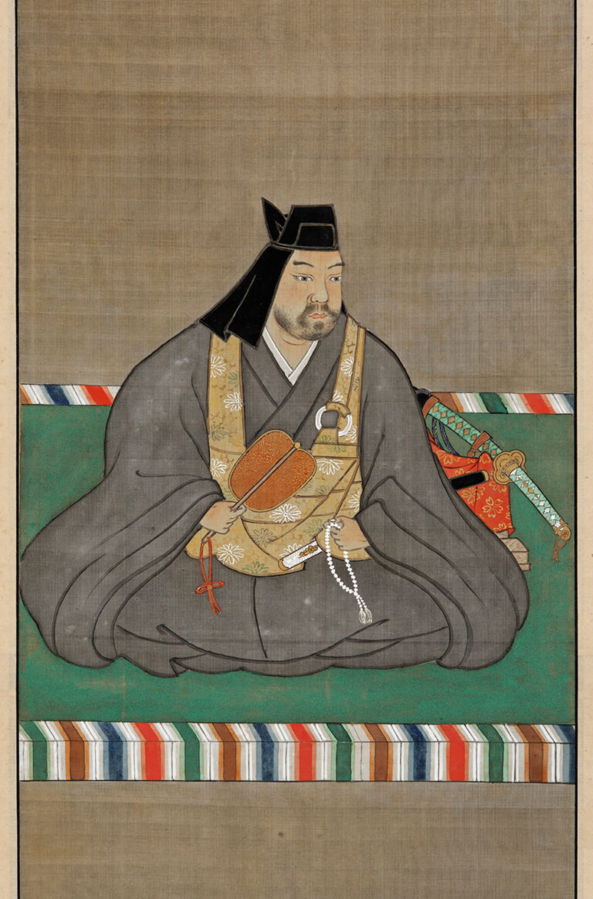
    A contemporary portrait of Rennyo, which doesn’t do much to capture his apparent charisma.

    This was an explosive idea in a society that was as rigidly stratified as medieval Japan. Rennyo would go on to preach the ideas of spiritual equality, communal support, and collective morality, a powerful combination of ideas that found many willing followers amongst the peasantry, who were often victimised by a warrior and noble class who justified their oppression in spiritual and religious terms (the Emperor was a literal son of heaven, after all.)

    Rennyo himself was no revolutionary, even by the standards of the time. Though his ideas were radical, he preached order and obedience in accordance with the beliefs of Jodo Shinshu, emphasising the importance of peace and harmony, even at a time when the country was already tearing itself apart. His followers initially followed these teachings quite closely. The growing communities of ikko-shu were self-reliant, but largely peaceful.

    Unfortunately, peaceful intentions don’t necessarily result in peaceful outcomes. The autonomy of the ikko-shu inevitably attracted the ire of the powerful Daimyo, who would not tolerate any group of peasants defying their will. Peasant uprisings in and of themselves were nothing new; Japan, much like most medieval states, had a long history of often violent tension between ruler and ruled.

    What made the ikko-shu different was their belief that everyone, regardless of education or social class, had the potential for divine salvation. This upset just about everybody in the upper classes, and opposition to the ikko-shu became one of the few things that rival factions could agree on.

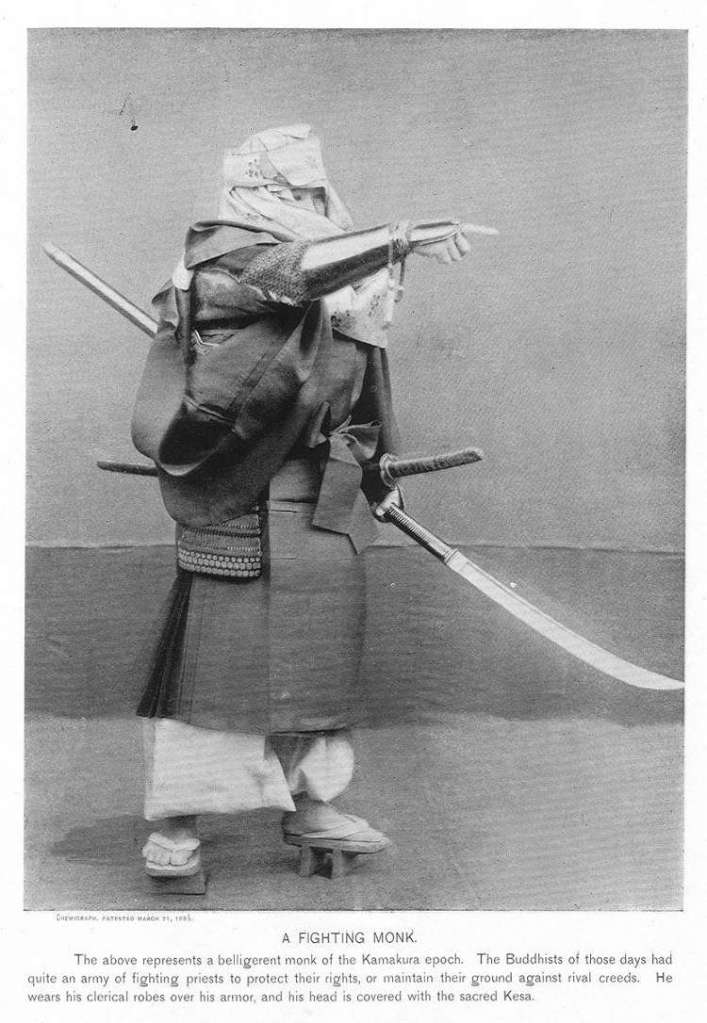
    One aspect of the early Sengoku Period, especially around Kyoto, was the presence of rival temples, which would often have cadres of warrior monks at their disposal. Honganji would become the target of the Enryakuji Temple in 1465, when the monks there declared that Rennyo and his followers were enemies of Buddhism.

    A later recreation of how warrior monks might have dressed.

    It might seem slightly strange to think of Buddhist monks being so militant, but it is important to remember that the temples of this period were political players in their own right; some would even go on to have power rivalling later Daimyo. In this context, then, it isn’t so unusual for one of them to have decided to destroy Honganji and remove the threat of the ikko-shu.

    The attack was largely successful, and Rennyo and his followers were forced to flee. This actually turned out to be good for them in the long term, as Rennyo was able to find supporters amongst the enemies of Enryakuji, leading to the establishment of several new temples loyal to Rennyo and his teachings.

    The profile of the ikko-shu would continue to rise, and they were often viewed as a potent counterweight to other Buddhist sects, which had already proved themselves willing and able to meddle in the ongoing political chaos. In 1474, the guardian of Kaga Province, Togashi Masachika, called on Rennyo to support him in a conflict within the wider Togashi clan. Rennyo agreed when he learned that a rival sect had taken the side of Masachika’s opponents.

    The intervention of the ikko-shu was decisive, and Masachika was able to overcome his foes. However, he began to sour on the support of Rennyo and his followers as he began to worry that their egalitarian message would spread amongst the peasants of Kaga Province.

    He was right to worry, although Rennyo himself departed the area shortly after the fighting, and would go on to establish several other temples, his followers remained in Kaga, and their teachings indeed proved popular with the locals, swelling their numbers and establishing several fortified temples in the province.

    The wider ikko-shu movement would continue to grow under Rennyo’s leadership, but we’re going to focus on Kaga Province in particular. As we’ve mentioned, although previously happy to make use of the military strength of the ikko-shu, Togashi Masachika grew increasingly alarmed about the spread of the movement.

    In 1475, he drove the ikko-shu out of Kaga, forcing them to seek refuge in neighbouring Etchu Province. Just like Masachika before him, the shugo (governor) of Etchu, Ishiguro Mitsuyoshi, was alarmed by the presence of the ikko-shu and sought to suppress them. However, when he launched an attack in 1481, he was defeated, and the ikko-shu, basing themselves at the Zuisenji Temple, took control of large parts of the province.

    Back in Kaga, events elsewhere in Japan led Masachika to impose increasingly burdensome taxes on the population, and in 1488, a similar revolt broke out amongst the peasantry, willingly aided by the ikko-shu crossing back from Etchu. Although the events in Etchu resulted in the first widely recognised independent action of the ikko-shu, the revolt in Kaga is typically considered to be the first example of Ikko-Ikki, that is, “Single Minded Uprising”, and a catch-all name that would eventually refer to the movement as a whole.

    Rennyo himself actually spoke out against the rebellion and attempted to persuade his followers not to support it, but the die had been cast, and although the initial uprising would not lead to complete Ikko control of Kaga by 1506, Kaga Province was being referred to as “ruled by peasants” in contemporary sources.

    Rennyo died in 1499, and with his passing, the Ikko-Ikki movement transitioned from simple self-defence to full participation in the Sengoku Period’s many wars. As early as 1494, there had been attempts to provoke similar uprisings in neighbouring provinces, with limited success; even when the uprisings had been triggered, they were often badly organised and swiftly put down.

    In 1506, the Kaga Ikko-Ikki decided on a more direct approach and invaded neighbouring Echizen Province, home of the Asakura Clan. Some sources estimate the Ikko Army had as many as 300,000 peasant warriors, and although this is certainly an exaggeration, it goes some way towards highlighting the anxiety shown towards the popularity and relative success of the movement.

    The invasion was stopped by the Asakura Clan, and the defeat of the Ikko-Ikki is supposed to have cost them 100,000 casualties (perhaps interpretable as a third of their army). Regardless of the actual numbers, the victory gave the Asakura the momentum to issue an edict banning the Ikko-shu ideology in their lands.

    Edicts alone didn’t do much to stop the popularity of the movement, though there was another serious uprising near Kyoto in 1531 (the Tenbun Disturbance) and a supporting uprising in Nara the next year.

    Other parts of Japan would also suffer serious outbreaks of Ikko-Ikki, most significantly in 1563-4, when a major uprising in Mikawa Province would sorely test Tokugawa Ieyasu (then using the clan name Matsudaira), who was able to achieve a military victory but would be forced to deal with the political fallout of the uprising for nearly 30 years after the event.

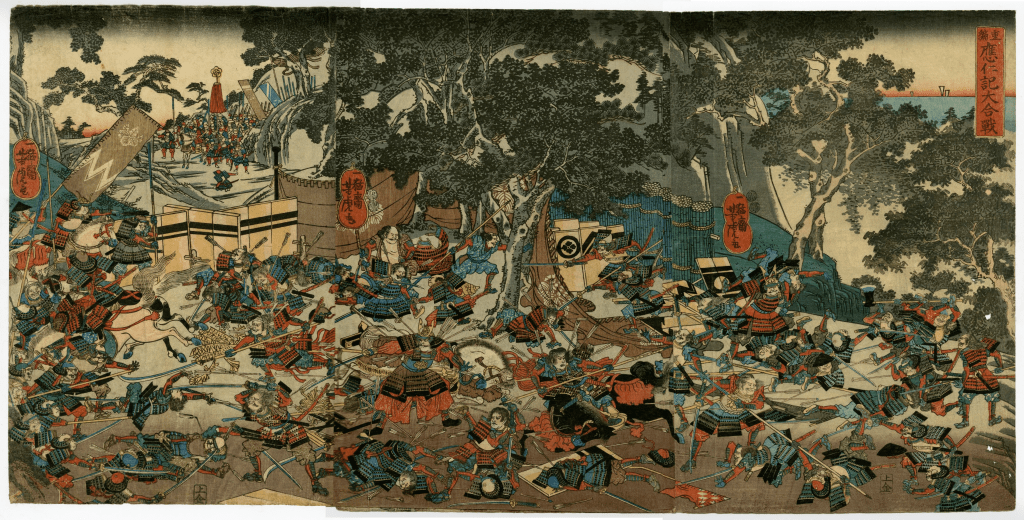
    A later illustration of the Mikawa Uprising.

    Probably the most famous of the Ikko-Ikki conflicts would be the one against Oda Nobunaga. Actually several conflicts the ongoing feud between Nobunaga and the Ikko-Ikki, would lead to some of the bloodiest episodes in an already bloody period.

    In 1568, Nobunaga arrived in Kyoto, nominally to support the last of the Ashikaga Shoguns but in reality to rule himself. In response, the Ikko-shu leaders at Ishiyama (in modern Osaka) issued a 1570 decree stating that Nobunaga was an enemy of the movement and should be opposed.

    Nobunaga was naturally taken aback by that and responded by laying siege to Ishiyama. He simultaneously launched attacks against other Ikko establishments, notably at Nagashima (near modern Nagoya) in a siege that lasted until 1574, and cost the lives of 20,000 or more Ikko-shu adherents.

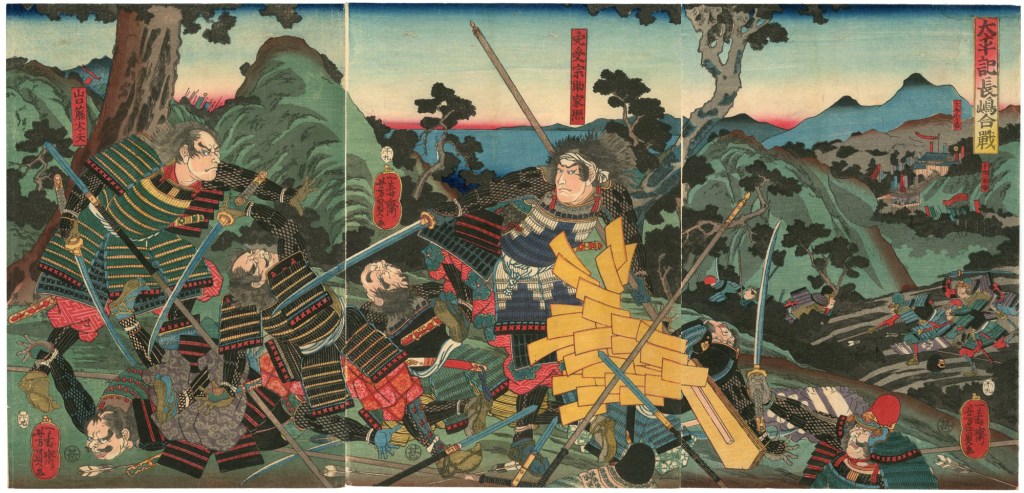
    Another later illustration, this time of the Battle at Nagashima

    He would continue his attacks on the movement throughout 1574 and beyond, advancing against them in Echizen as part of his conquest of that province, before finally reducing the great fortress temple at Ishiyama in 1580, after a ten-year siege (the longest in Japanese history), but a fire broke out shortly before peace could be finalised. Sources disagree on the origin of the blaze, but it destroyed Ishiyama and tore the spiritual heart out of the Ikko movement.

    Later, in one of his last campaigns, Nobunaga sent his subordinates to put down the Ikko-Ikki in Kaga, where it was finally crushed in March 1582, and the “Province ruled by peasants” was brought to an end after almost a century of independence.

    Though the political independence of the Ikko movement would not survive the end of the Sengoku Period, the religion itself endured, though not without difficulty. After Nobunaga’s suppression, the movement made a comeback under Toyotomi Hideyoshi, gaining lands and privileges in Kyoto.

    There would be a doctrinal and later physical split in the 17th Century, and an East Honganji and West Honganji (named after their relative locations in Kyoto) would emerge. In the modern period, changes in laws, customs, and further factional splits mean there are now dozens of sects of various sizes, all claiming to be descended from the original Jodo Shinshu, which is now the most widespread Buddhist Sect in Japan, with more than 22,000 temples associated with it in one form or another

    The Nishi-Honganji as it appears today.
    By 663highland, CC BY 2.5, https://commons.wikimedia.org/w/index.php?curid=56357164

    Sources
    https://en.wikipedia.org/wiki/Ikk%C5%8D-ikki
    https://en.wikipedia.org/wiki/Ikk%C5%8D-sh%C5%AB
    https://ja.wikipedia.org/wiki/%E4%B8%80%E5%90%91%E4%B8%80%E6%8F%86
    https://ja.wikipedia.org/wiki/%E9%95%B7%E5%B3%B6%E4%B8%80%E5%90%91%E4%B8%80%E6%8F%86
    https://ja.wikipedia.org/wiki/%E8%B6%8A%E5%89%8D%E4%B8%80%E5%90%91%E4%B8%80%E6%8F%86
    https://ja.wikipedia.org/wiki/%E7%9F%B3%E5%B1%B1%E5%90%88%E6%88%A6
    https://ja.wikipedia.org/wiki/%E4%B8%89%E6%B2%B3%E4%B8%80%E5%90%91%E4%B8%80%E6%8F%86
    https://ja.wikipedia.org/wiki/%E4%B9%9D%E9%A0%AD%E7%AB%9C%E5%B7%9D%E3%81%AE%E6%88%A6%E3%81%84
    https://ja.wikipedia.org/wiki/%E5%8A%A0%E8%B3%80%E4%B8%80%E5%90%91%E4%B8%80%E6%8F%86
    https://ja.wikipedia.org/wiki/%E8%B6%8A%E4%B8%AD%E4%B8%80%E5%90%91%E4%B8%80%E6%8F%86
    https://ja.wikipedia.org/wiki/%E7%9C%9F%E5%AE%97%E5%A4%A7%E8%B0%B7%E6%B4%BE%E4%BA%95%E6%B3%A2%E5%88%A5%E9%99%A2%E7%91%9E%E6%B3%89%E5%AF%BA
    https://ja.wikipedia.org/wiki/%E5%AF%8C%E6%A8%AB%E6%94%BF%E8%A6%AA
    https://ja.wikipedia.org/wiki/%E6%9C%AC%E9%A1%98%E5%AF%BA%E3%81%AE%E6%AD%B4%E5%8F%B2
    https://ja.wikipedia.org/wiki/%E4%B8%80%E5%90%91%E5%AE%97
    https://ja.wikipedia.org/wiki/%E4%B8%80%E6%8F%86
    https://ja.wikipedia.org/wiki/%E8%93%AE%E5%A6%82
    https://en.wikipedia.org/wiki/Hongan-ji