Tag: Japanese daimyo

  • Kings in the North

    Kings in the North

    Just a quick note: Date is pronounced “Da-Tay”.

    The mon of the Date Clan.

    Like many of the great clans of the Sengoku period, the Date’s exact origins are subject to a fair amount of mythologising. The family originally claimed to be descended from the prestigious Fujiwara Clan, but that doesn’t have very much supporting evidence, and most modern scholars agree that the clan’s origins were far more humble.

    That isn’t to say they didn’t earn their place, however. The first attested ancestor of the Clan was Date Tomomune, who was rewarded for services in battle with the manor of Date in modern Fukushima Prefecture. Tomomune himself is a bit of a murky figure (as they all seem to be), and there are still unanswered questions about his origins and even his identity, but for the sake of simplicity, we’ll agree with the Date’s own genealogy and start the story of the clan with him.

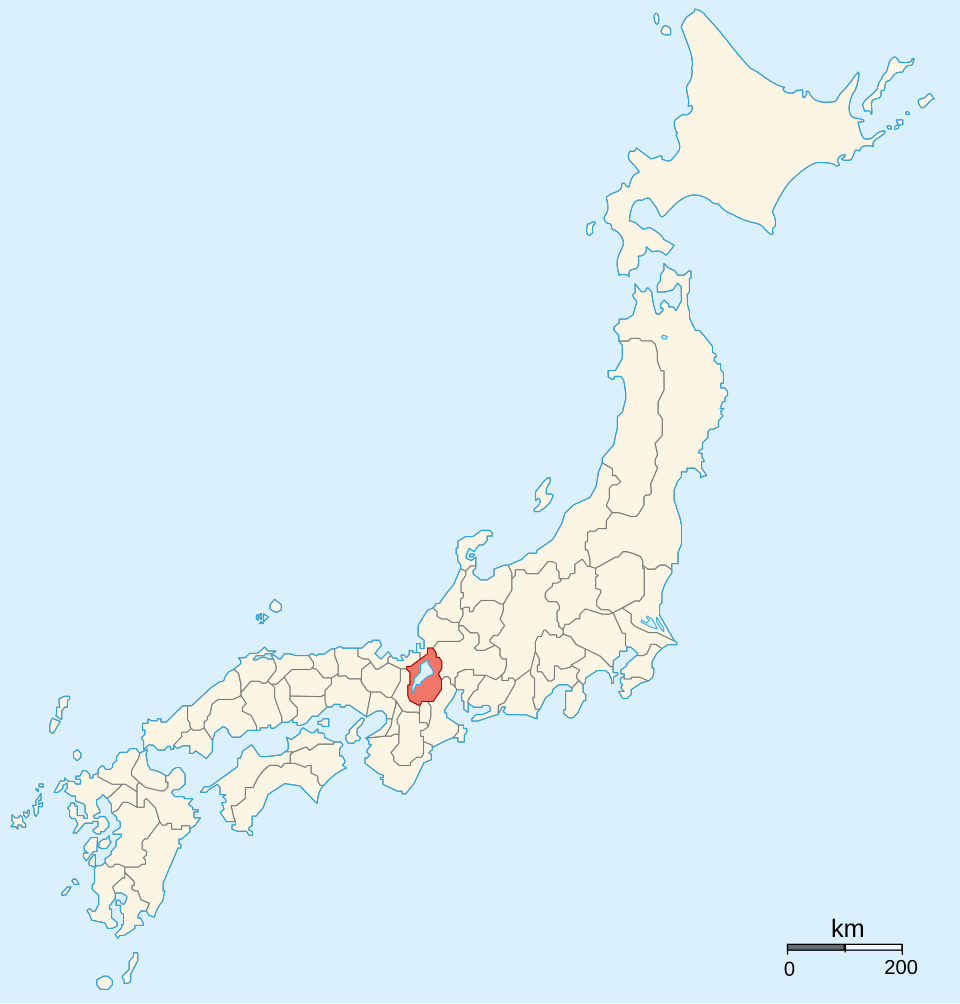
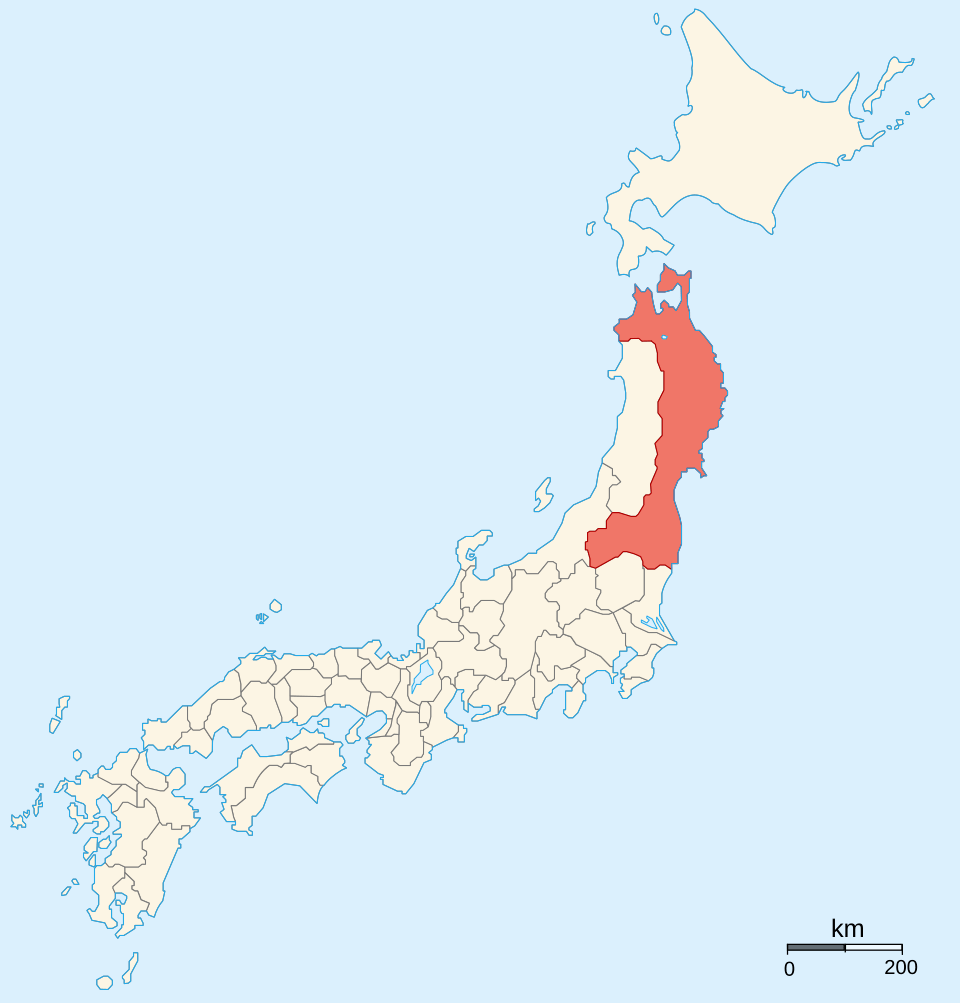
    Similar to many other clans in the period, the Date were not tied down to a single geographic location, and branches of the clan would pop up all over Japan as their fortunes rose and fell. For our purposes, it is the Date clan of Mutsu Province that we’ll be focusing on.

    Mutsu Province.
    By Ash_Crow – Own work, based on Image: Provinces of Japan.svg, CC BY 2.5, https://commons.wikimedia.org/w/index.php?curid=1690724

    The Date largely supported the Kamakura Shogunate, founded by Minamoto no Yoritomo, and in the 13th century, the Lord of the Date is said to have been living in Kamakura (the political capital). However, when the Shogunate was overthrown, the Date threw in their lot with the Emperor and would continue to support the Imperial throne even after the establishment of the Ashikaga Shogunate in 1336.

    This support would backfire, however, as the Date, in support of the Southern Court, were defeated by forces of the Northern Court, loyal to the new Ashikaga Shoguns, and ultimately obliged to switch sides. Beginning in the 1380s, the Date would set about restoring their strength by attacking rival clans in their home region. As was common at the time, these local conflicts were framed as part of the larger Northern-Southern Conflict (the Nanboku-cho Period), but were, in reality, private wars that the central authorities were powerless to direct.

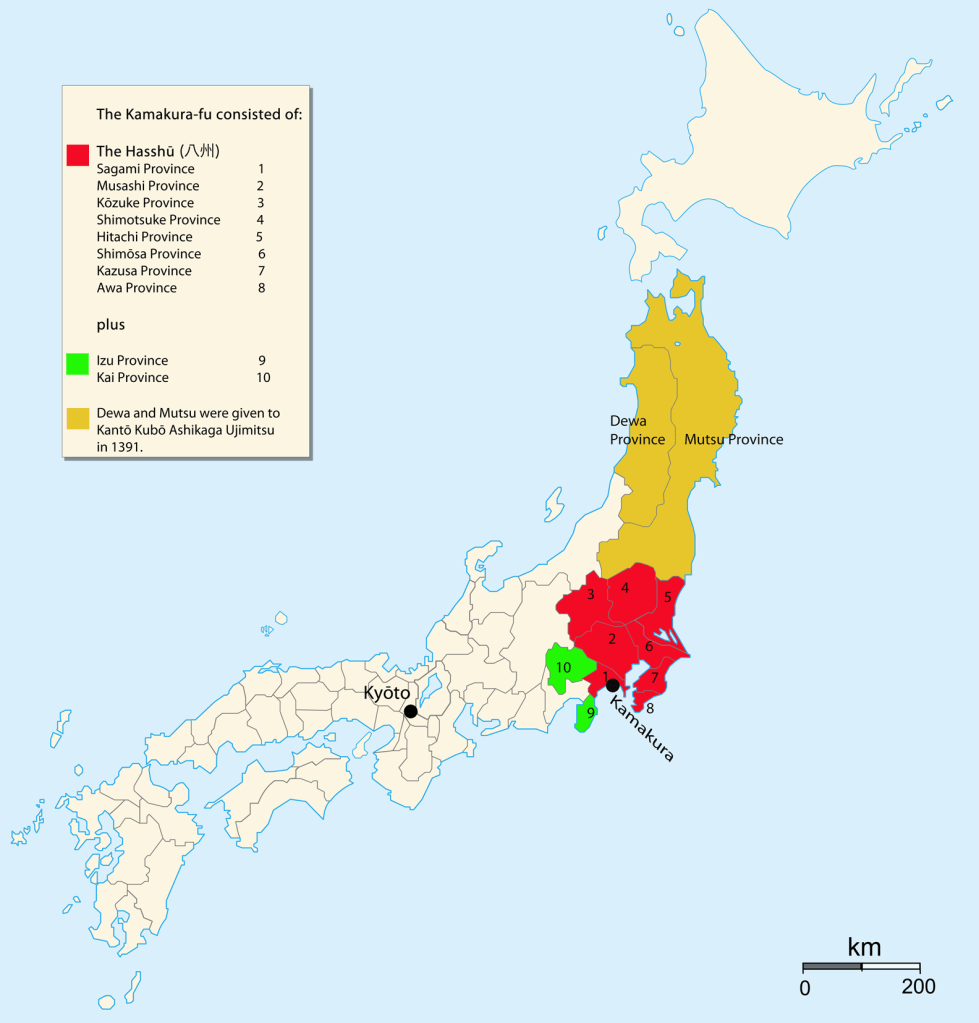
    Later, when the power of the Ashikaga Shoguns was beginning to fracture, the Date would use the conflict between the government in Kyoto and the Kamakura kubo to further enhance their own power. Though nominally under the jurisdiction of Kamakura, the Date would appeal directly to Kyoto to serve as their vassals. The Shogunate agreed, and when open conflict between Kyoto and Kamakura broke out in the 1480s, the Date were in a prime position to take advantage.

    The territories under the nominal jurisdiction of the Kamakura Kubo.

    An example of how strong the Date had become can be found in records from 1483, in which the Lord of the Date dispatched gifts to the court in Kyoto, including 23 swords, 95 horses, 380 ryo of gold dust, and 57,000 coins. This was an extraordinary fortune at the time, and seems to have led to the acceptance by the court of the Date’s position of the strongest (or at least richest) clan in the North.

    Despite their wealth and power, the Date were not the most prestigious clan in the region. That honour went to the Osaki, who were faithful to the Shogunate in Kyoto and were long established. As was common during the later 15th century, however, the Osaki had a prestigious name, but their actual power was crumbling. Though nominally their subordinates, the Date would intervene in a power struggle within the Osaki Clan in 1488, bringing an end to the conflict, but effectively reducing the Osaki to vassal status in the process.

    Another rival to the Date was the Mogami Clan from neighbouring Dewa Province. The clans would clash repeatedly, but in 1514, Date Tanemune would inflict a decisive defeat on the Mogami at Hasedo Castle. Shortly after this, he would marry his sister to the defeated Lord of the Mogami, effectively binding the two clans together. This would prove unpopular with the remaining Mogami vassals, and when their Lord died in 1520, and the Date attempted to take direct control, they rebelled.

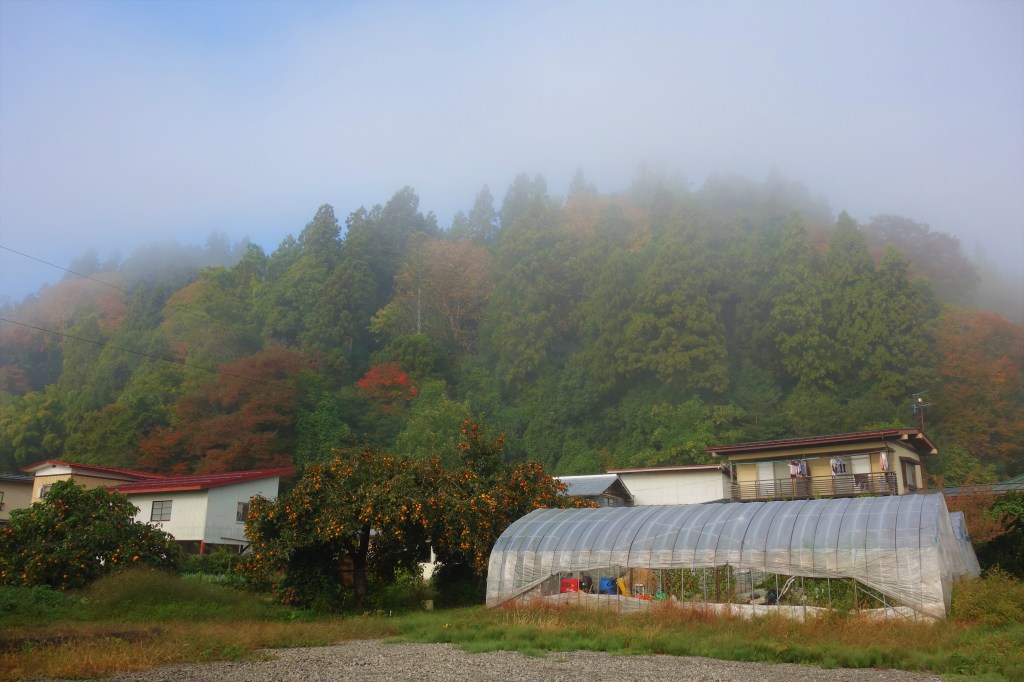
    The site of Hasedo Castle as it appears today.
    Koda6029 – 投稿者自身による著作物, CC 表示-継承 4.0, https://commons.wikimedia.org/w/index.php?curid=124663430による

    In defeating the rebellion, Tanemune was able to establish Date control over most of eastern Dewa Province, further expanding his clan’s power and prestige. In recognition of this, in 1522, the Shogunate appointed Tanemune shugo (governor) of Mutsu Province (the Date’s home province, remember). Tanemune was not satisfied, however, as he had apparently sought the title of tandai.

    The exact distinction between shugo and tandai is a little unclear, as the titles often overlapped, but essentially, a shugo was the governor of a single province, whereas a tandai was the Shogun’s representative over a wider area. Although the power and prestige of the Shogunate were at a low ebb by this point, the fact remained that tandai was a more prestigious title, and the Shogunate’s refusal to bestow it on Tanemune was seen as a proverbial slap to the face.

    Tanemune responded to this but charting his own course, although the snub is probably just a convenient excuse for what he was going to do anyway; by the early 16th century, Shogunate power was really more of a concept, and the Date were one of many powerful clans who realised that they could largely do as they pleased.

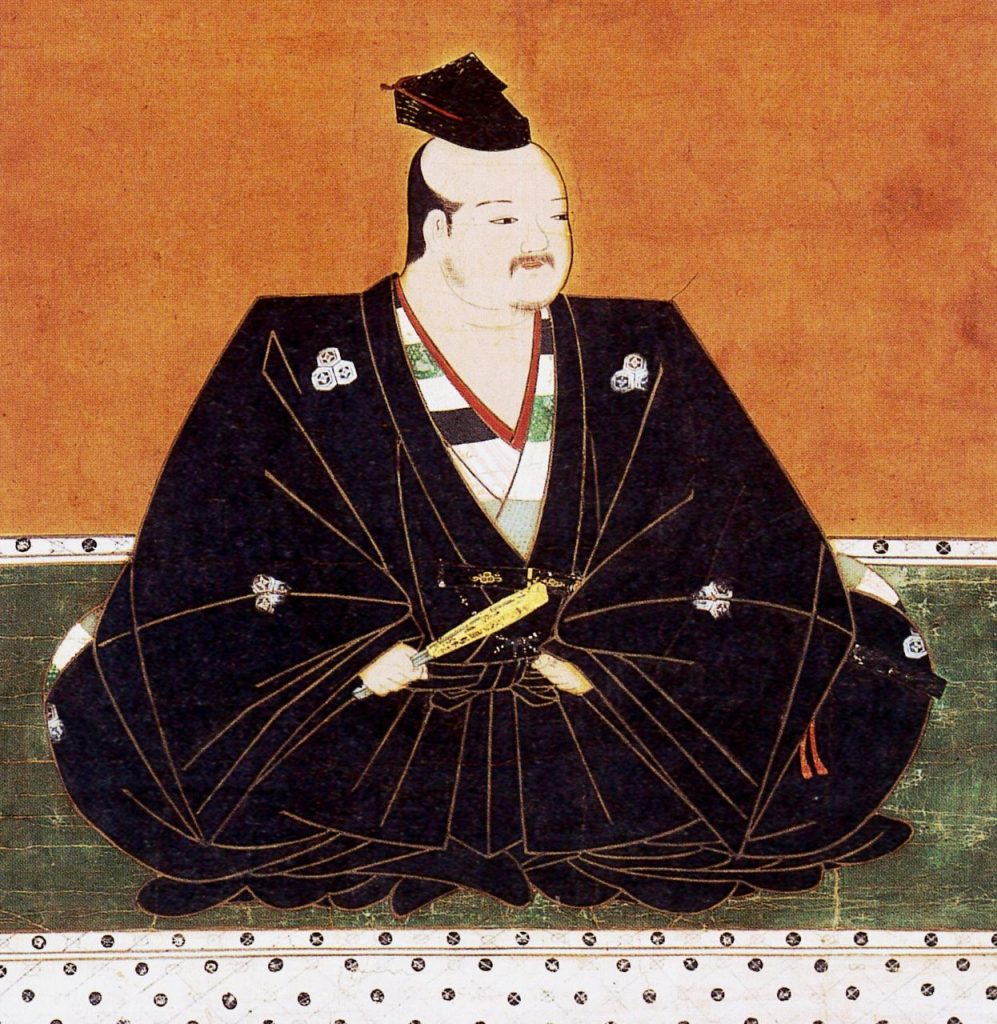
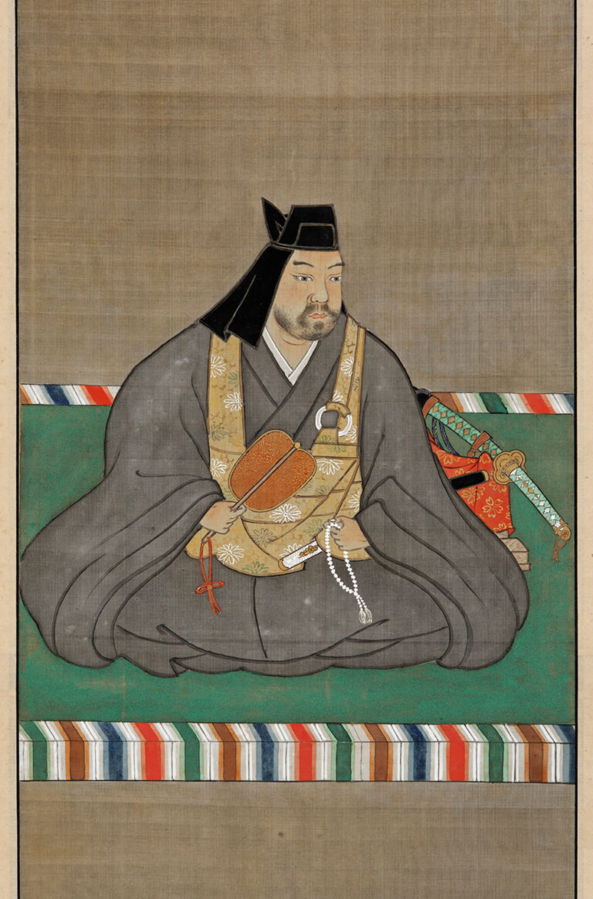
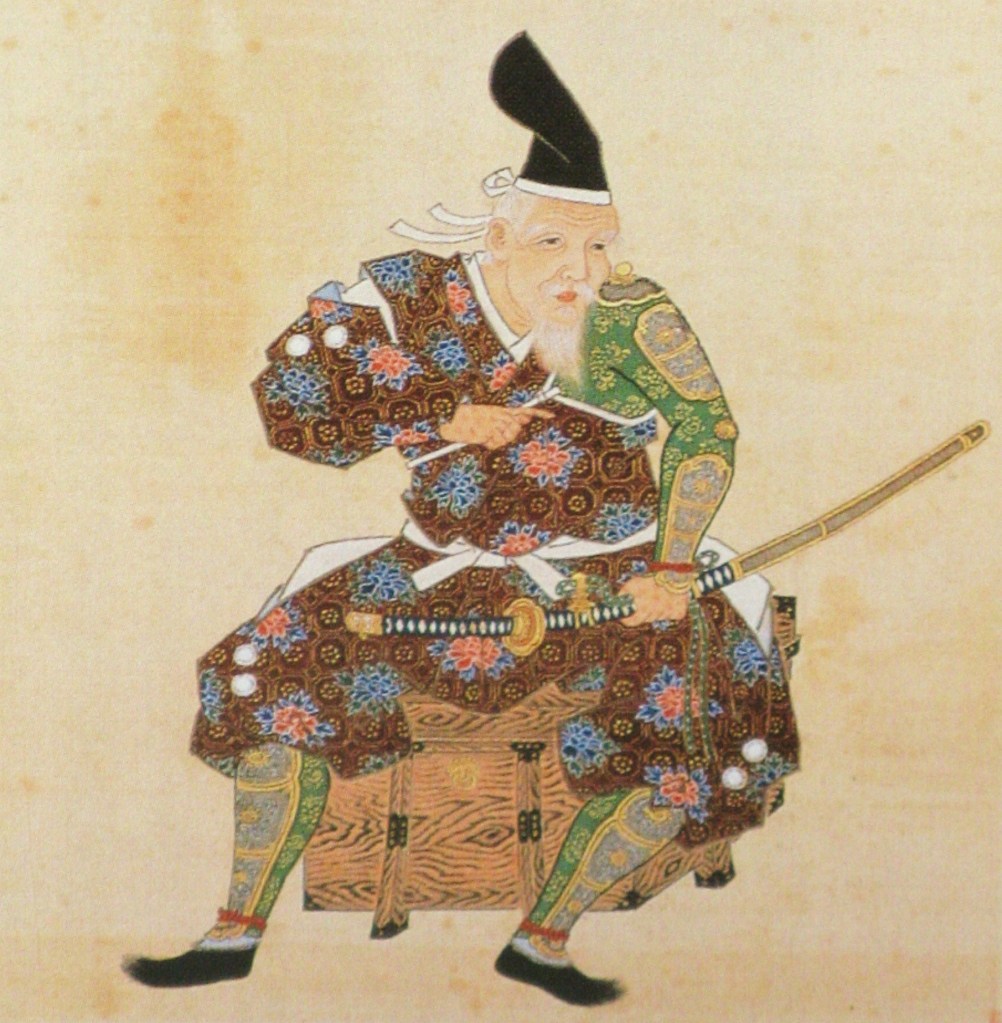
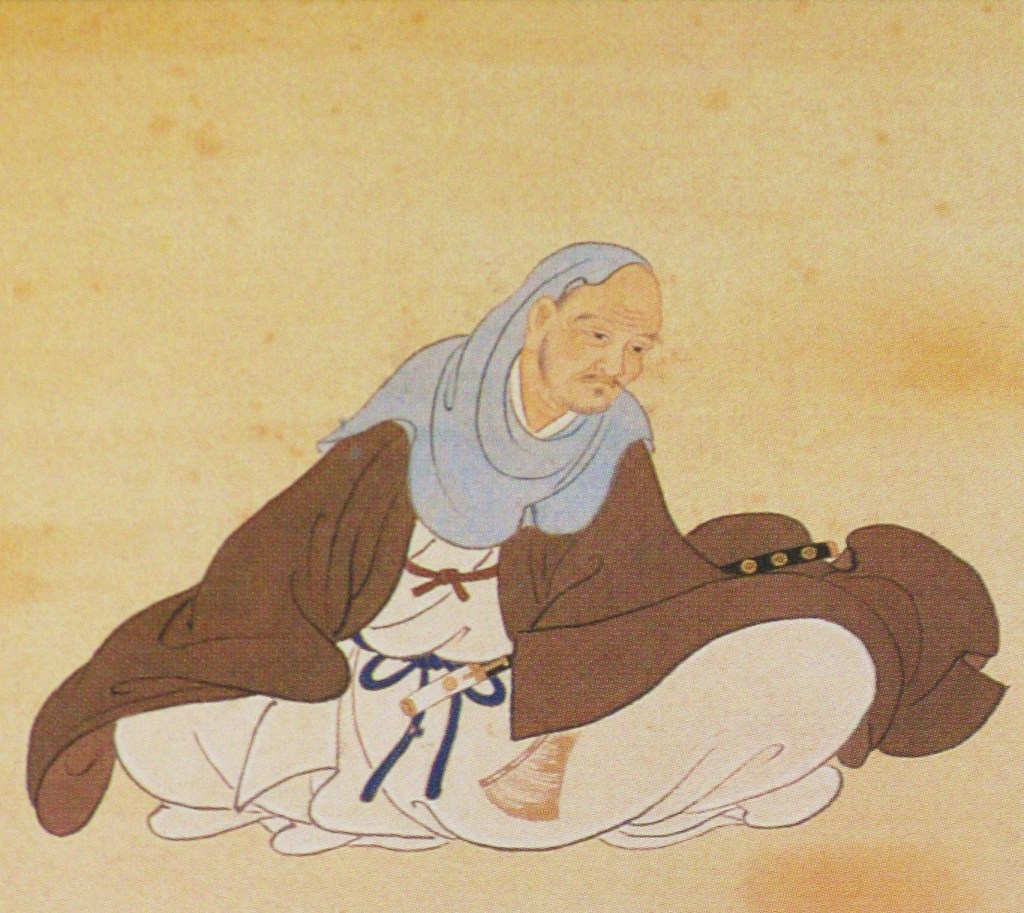
    Date Tanemune.

    Over the next 20 years, Tanemune would work to consolidate his clan’s control over the North, further absorbing the Osaki and Mogami clans, as well as extending physical control over most of Mutsu and Dewa Provinces. Despite his successes, all was not well within the clan; Tanemune was in conflict with his eldest son, Harumune. The exact nature of the conflict is complicated, but it got so bad that in June 1542, Harumune ambushed his father whilst the latter was out hunting, imprisoning him in a nearby castle from which Tanemune swiftly escaped (or was rescued, depending on the source)

    What followed was a six-year conflict which saw the Date severely weakened, and several of their recently conquered vassals breaking free, including the Osaki and the Mogami. Eventually, the mediation of the Shogun brought about an official peace, but in reality, the feud didn’t end, and although Harumune would take his place as the de facto head of the clan, Tanemune, despite becoming a monk, remained an enormously influential figure.

    Harumune’s reign would be occupied with reestablishing Date power. The situation was far from ideal, however, and he was eventually forced to confirm many of the concessions that had been granted to vassals by both sides, signing away territory and privileges in exchange for obedience.

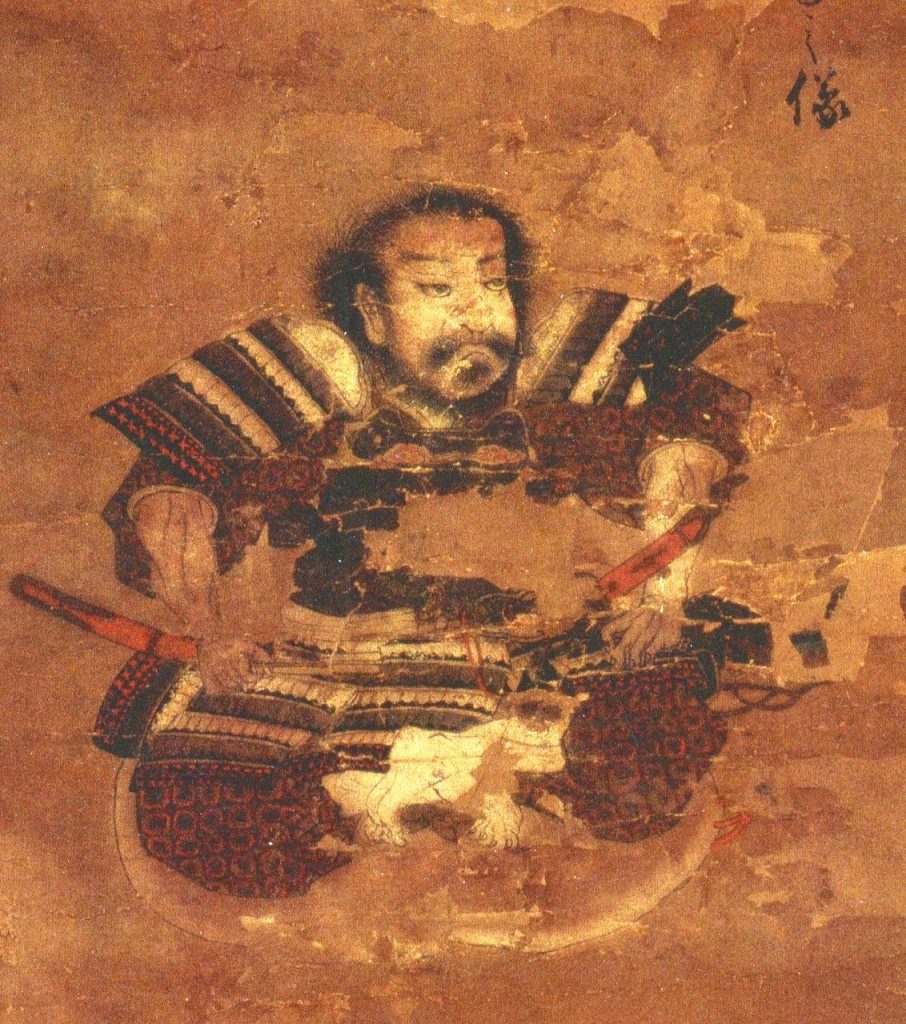
    Date Harumune

    One upside for Harumune was the fact that he had no fewer than eleven children, six sons and five daughters, who would be useful pawns in returning former vassals to the fold. All of his daughters were married either to powerful clans, securing alliances, or to senior vassals, ensuring their loyalty, and by the 1560s, the Date’s position was once again strong.

    In 1565, Harumune retired and handed control to his son, Terumune, although, as was common, he retained all the actual power. A year later, the Ashina Clan attacked the Nikaido, who were allied with the Date through the marriage of one of Harumune’s daughters. The Date intervened but were defeated, and when the Nikaido surrendered shortly afterwards, peace between the Date and Ashina was secured through another marriage, this time between the Lord of the Ashina’s eldest son and Harumune’s fourth daughter.

    Harumune apparently opposed this marriage, and in response, Terumune entered into a secret agreement with the Ashina, in which they would agree to support him in the event of an outbreak of conflict between father and son. The feud between father and son would only be resolved in 1570, when Terumune removed several retainers who had facilitated Harumune’s rule from ‘behind the curtain’. With this, the relationship seems to have improved, as Harumune was now effectively powerless anyway.

    Like most of his contemporaries, Terumune’s reign would be dominated by war, but we’ll talk about that next time.

    Sources
    https://en.wikipedia.org/wiki/Mutsu_Province
    https://ja.wikipedia.org/wiki/%E4%BC%8A%E9%81%94%E6%B0%8F
    https://ja.wikipedia.org/wiki/%E6%9C%80%E4%B8%8A%E6%B0%8F
    https://ja.wikipedia.org/wiki/%E4%BC%8A%E9%81%94%E7%A8%99%E5%AE%97
    https://ja.wikipedia.org/wiki/%E4%BC%8A%E9%81%94%E6%88%90%E5%AE%97
    https://ja.wikipedia.org/wiki/%E5%A4%A7%E5%B4%8E%E6%B0%8F
    https://ja.wikipedia.org/wiki/%E4%BC%8A%E9%81%94%E5%B0%9A%E5%AE%97
    https://ja.wikipedia.org/wiki/%E4%BC%8A%E9%81%94%E5%AE%97%E9%81%A0
    https://ja.wikipedia.org/wiki/%E4%BC%8A%E9%81%94%E9%83%A1
    https://ja.wikipedia.org/wiki/%E5%B8%B8%E9%99%B8%E5%85%A5%E9%81%93%E5%BF%B5%E8%A5%BF
    https://ja.wikipedia.org/wiki/%E4%BC%8A%E9%81%94%E6%9C%9D%E5%AE%97
    https://en.wikipedia.org/wiki/Dewa_Province
    https://ja.wikipedia.org/wiki/%E4%BC%8A%E9%81%94%E6%99%B4%E5%AE%97
    https://ja.wikipedia.org/wiki/%E4%BC%8A%E9%81%94%E8%BC%9D%E5%AE%97

  • The Shimazu, Part 1

    The Shimazu, Part 1

    Last time we looked at Shikoku, the so-called ‘four provinces’, well, how about an island of nine provinces? That’s right, Kyushu, the third largest of Japan’s main islands, is so called because in the pre-modern period it was home to nine whole provinces, which means, as names go, it’s not terribly creative, but what can you do?

    Kyushu.
    By TUBS – This vector image includes elements that have been taken or adapted from this file:, CC BY-SA 3.0, https://commons.wikimedia.org/w/index.php?curid=16385933

    In ancient times, Kyushu had been the centre of cultural, economic, and social development in Japan, as its close proximity to Korea, and by extension China, made it the logical landing site for innovations as widespread as rice farming and written language. The island would also be the focus of two ultimately unsuccessful Mongol invasions in the 13th Century, and the Shogunate administration there would continue to be important until the decline of central authority in the 15th Century left Kyushu, much like the rest of the realm, effectively independent.

    Into this power vacuum stepped several powerful clans, with the most prominent arguably being the Ouchi, Otomo, and Shimazu. Though the Ouchi and Otomo would play important roles of their own in the story of the Sengoku Period, it is the Shimazu that we will be focusing on.

    The exact origins of the Shimazu name aren’t entirely clear, but the first figure to take the name was Tadahisa, who was made lord of the Shimazu Manor in southern Kyushu in 1185. Tadahisa himself is something of a mysterious figure, with various conflicting reports of his origins, parentage, and even his name, but what is clear is that the Shimazu were well established in southern Kyushu by the 13th century, and would use it as their base going forward.

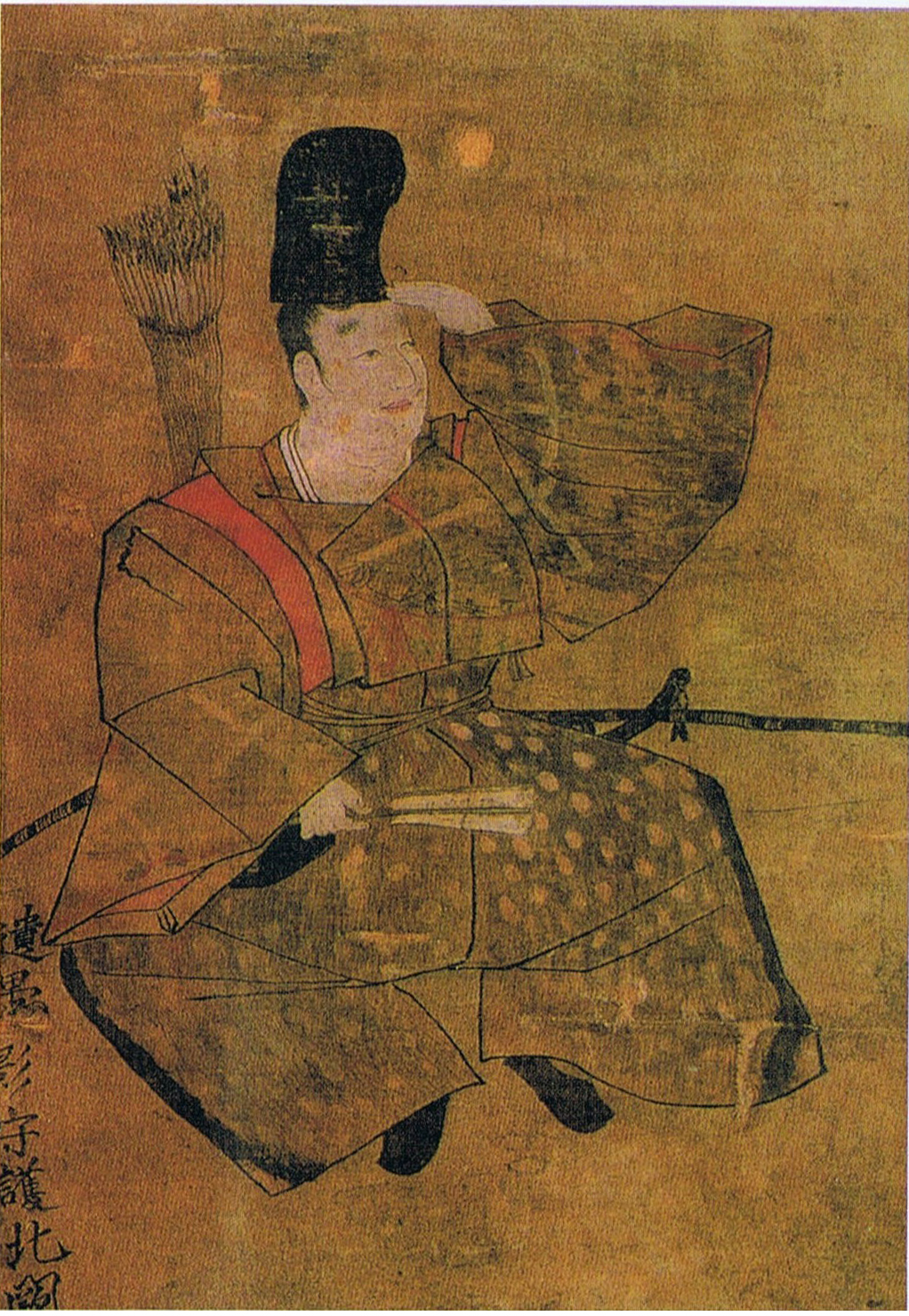
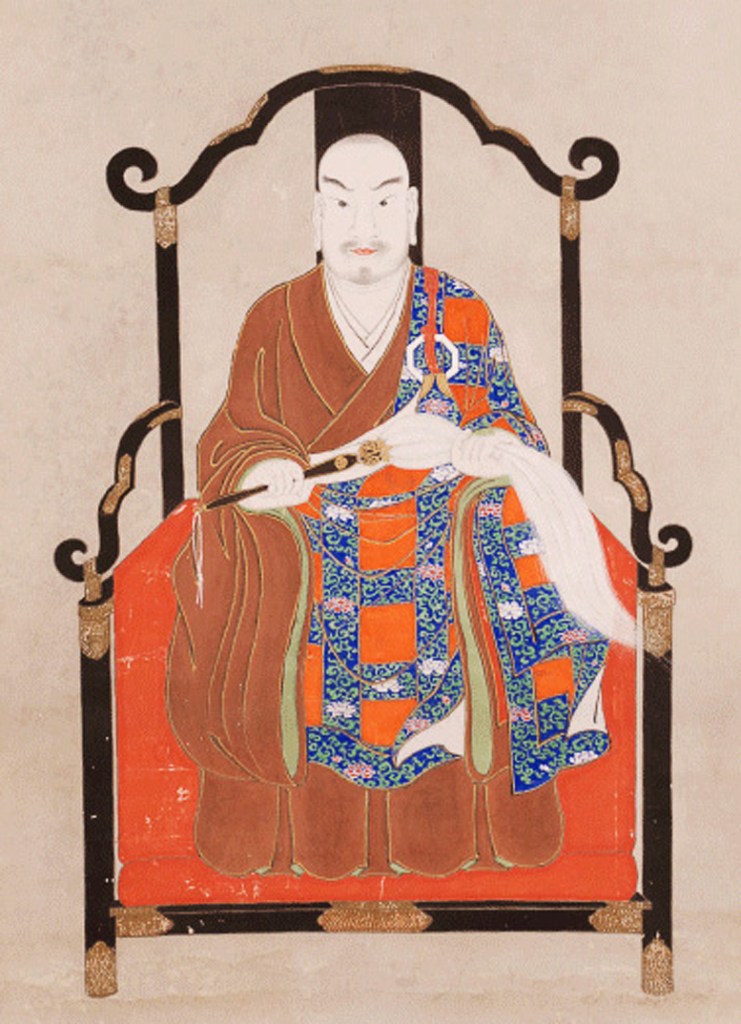
    Shimazu Tadahisa, the first “Lord” Shimazu.

    Tadahisa’s son, Tadatoki, seems to have been an accomplished military leader, as he was appointed the shugo (military governor) of Satsuma, Osumi, and Hyuga Provinces, all of southern Kyushu in effect. He was also granted numerous prestigious lands and titles around the realm, but it was his Kyushu holdings that would be the most important for his descendants.

    The Shimazu’s fortunes would ebb and flow over time, but the distance of their lands from the centre of power in Kyoto meant that they were often able to weather the storms of early Medieval Japan. They were not immune from the ever-present problem of internal conflict, however, and by the time of the Onin War in 1467, the Shimazu were weak, divided, and vulnerable.

    It would be Shimazu Tadayoshi (1492-1568) who would begin to turn the fortunes of the clan around. Originally from the Isaku Clan (a branch of the Shimazu), Tadayoshi had a difficult start to life. His father, Yoshihisa, was apparently murdered by a stable hand when Tadayoshi was just two, and his grandfather was killed in battle in 1500. Following this, Tadayoshi’s mother, Lady Baiso, agreed to marry the lord of another branch of the Shimazu, on the condition that Tadayoshi be adopted as heir to both branches. The lord in question was apparently so keen on Lady Baiso that he agreed.

    Shimazu Tadayoshi.

    Tadayoshi proved to be an enlightened and capable ruler, taking inspiration from Zen teachings and humanitarian principles. He was a popular leader, as he genuinely cared for the needs of his retainers and the welfare of his territory, but his son, Takahisa, would prove to be greater still. In 1526, following the deaths in quick succession of both his sons, the head of the main branch of the Shimazu Clan, Katsuhisa, turned to Tadayoshi (renowned for his learning and upright conduct) for a solution to the succession issue.

    Tadayoshi had Takahisa adopted by the Lord of the Shimazu. In November 1526, Katsuhisa handed over control of the Shimazu Clan to Takahisa and retired to a monastery. Tadayoshi became a monk himself shortly afterwards and would go on to play a significant role in aiding his son in reestablishing Shimazu power in southern Kyushu.

    Shimazu Takahisa.

    Things are never quite that simple, however, and Takahisa’s accession to the leadership of the Shimazu was opposed by several powerful retainers, some of whom also claimed the right to lead. Katsuhisa himself also seems to have expressed some regret about handing over power, and in June 1527, an army was raised which drove Takahisa out, and had Katsuhisa returned as the shugo.

    The fighting would go back and forth for a while after this, despite unsuccessful efforts to arrange a reconciliation in 1529. Katsuhisa proved to be an unpopular lord, however, apparently being more focused on ‘vulgar entertainment’ than the business of ruling. Though this did not automatically translate into support for Takahisa, the division amongst his enemies handed him the initiative.

    Starting in 1533, Takahisa would lead a series of counter-attacks which eventually saw him establish control over most of Satsuma Province, and in 1539, the decisive Battle of Murasakihara saw Takahisa drive out his primary rivals, though it wouldn’t be until 1552 that he was finally recognised as the shugo of Satsuma Province by the Shogunate, 26 years after he had first assumed the mantle.

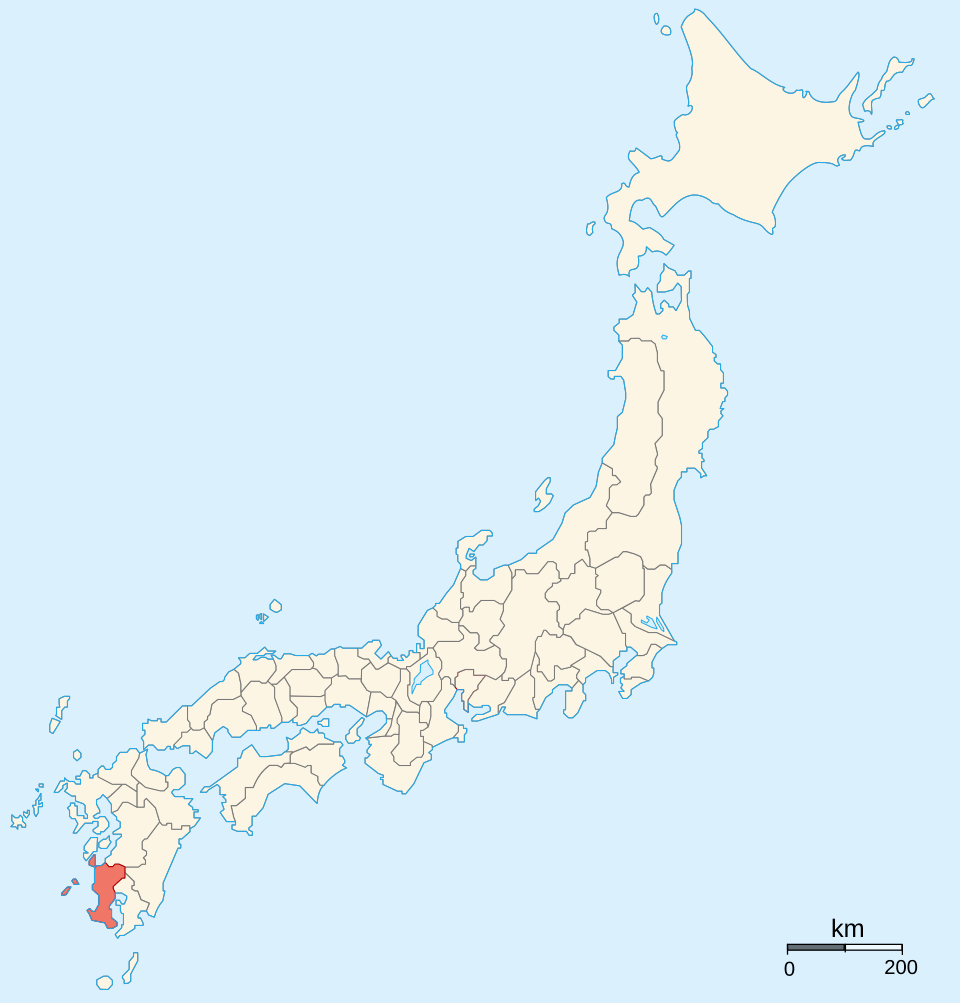
    Satsuma Province, home of the Shimazu Clan.
    By Ash_Crow – Own work, based on Image:Provinces of Japan.svg, CC BY 2.5, https://commons.wikimedia.org/w/index.php?curid=1691755

    Takahisa had long hoped to reestablish Shimazu control of the three provinces held by his ancestors, and he would lead campaigns into neighbouring Osumi province from 1554 to 1556, which would allow him to establish a foothold in the province from which further expansion could be launched.

    Though Takahisa would prove to be a successful warrior, he was also known for his outward-looking attitude towards foreigners. The Shimazu had long had trade with Ming China, largely through intermediaries in the Ryukyu Islands (modern Okinawa), and after Portuguese merchants arrived in Japan, Takahisa was one of the first lords to welcome them to his domains, and perhaps one of the first to employ firearms in battle.

    He would also go some way to establishing Christianity in Japan, as he welcomed Francis Xavier into his territory in 1549, though this would ultimately prove a short-lived association, due to backlash from conservative elements amongst the Buddhist and Shinto priesthoods.

    A later depiction of a Portuguese trading ship in Japanese waters.

    Takahisa would eventually retire to a monastery in 1556, handing control of the Shimazu over to his son, Yoshihisa, who also inherited his father’s ambitions to regain control of the three provinces of Satsuma, Osumi, and Hyuga. Yoshihisa had actually joined his father’s campaign in Osumi, making his ‘debut’ in 1554, and after inheriting the leadership from his father, he would continue the campaigns to fully pacify Satsuma and expand Shimazu holdings into the neighbouring provinces.

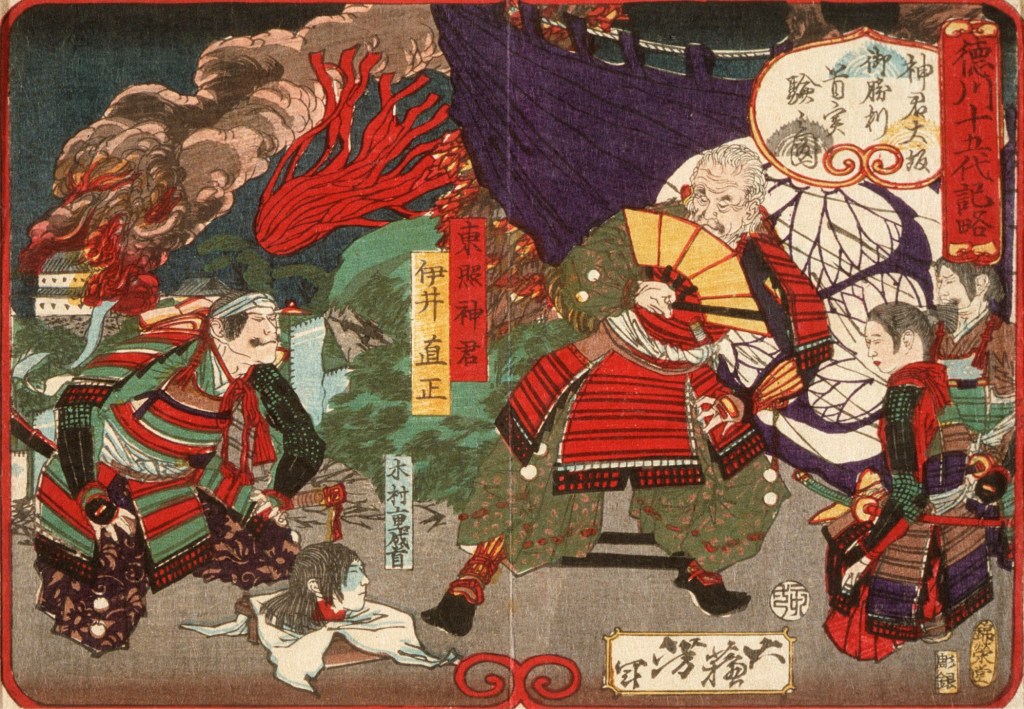
    Satsuma would come under his complete control in 1570. In 1572, a rival clan from Hyuga Province would invade Shimazu territory, only to be defeated in short order at the Battle of Kizakihara, with the Shimazu forces being led by Yoshihisa’s highly capable younger brother, Yoshihiro. It is said that the Shimazu, despite being outnumbered 10 to 1, launched an aggressive attack against the enemy, which saw several key leaders killed and over 500 enemy deaths (counted in heads taken after the battle).

    A later depiction of a head viewing (kubi-jikken), a common practice among Samurai, in which the heads of defeated enemies would be presented to lords, or otherwise publicly displayed.

    This victory allowed Yoshihisa to focus on Osumi Province, which he was able to fully conquer by the end of 1573. Then in 1576, he captured the strategically important Takahara Castle, held by the powerful Ito Clan of Hyuga. The fall of Takahara led to a domino effect in which the remaining 48 castles of the Ito Clan were either conquered or defected to the Shimazu. Not long after, the head of the Ito Clan, Yoshisuke, fled Hyuga, and the long-dreamt-of reunification of the three provinces was achieved.

    Almost as soon as the dust had settled, however, the powerful Otomo Clan, who controlled several provinces in North-Eastern Kyushu, invaded, nominally in support of the exiled Yoshisuke, but more likely in an opportunistic attempt to expand their own territory. A huge army of some 43,000 men crossed into Hyuga Province in October 1578 and laid siege to Takashiro Castle. The Shimazu under Yoshihisa could muster only 20,000 men in response, but they took advantage of poor coordination amongst the Otomo, dealing with the invaders piecemeal.

    The campaign culminated in the Battle of Mimikawa (which was actually fought nearly 20 miles from the eponymous river), in which Yoshihisa employed a series of feigned retreats, breaking the Otomo Army (which still enjoyed a numerical advantage) down, and eventually winning a victory that was so comprehensive the Otomo effectively ceased to be serious rivals.

    The war wouldn’t end at Mimikawa, however, and in 1580, Oda Nobunaga began negotiations between the Otomo and Shimazu, hoping to bring an end to the war, since he wanted the Otomo to join his upcoming campaign against the Mori. The negotiations were apparently successful, as Yoshihisa even went so far as to recognise Nobunaga as his ‘lord’, and planned to join the attack on the Mori as well.

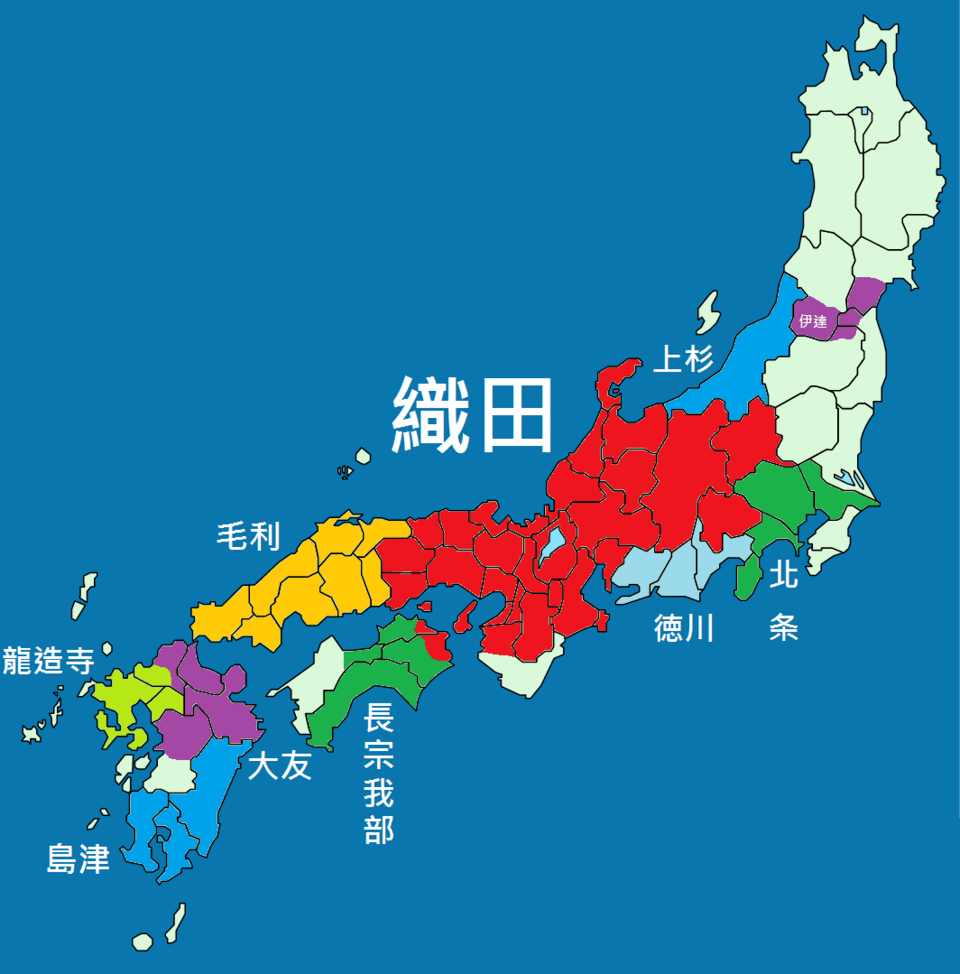
    The situation on the eve of Nobunaga’s death in 1582. The Shimazu lands are blue, in southern Kyushu.
    By Alvin Lee – Own work, CC BY-SA 4.0, https://commons.wikimedia.org/w/index.php?curid=39198356

    As we already know, Nobunaga’s death at the Honnoji incident in June 1582 put an end to those plans, but the weakened state of the Otomo and the fact that the peace deal no longer applied meant that the Shimazu were able to defeat or force the defection of several former Otomo retainers, increasing their own power and control over southern Kyushu.

    The campaign to unify the entire island would go on, but we’ll look at that next time.

    Sources
    https://ja.wikipedia.org/wiki/%E5%B3%B6%E6%B4%A5%E7%BE%A9%E4%B9%85
    https://ja.wikipedia.org/wiki/%E8%80%B3%E5%B7%9D%E3%81%AE%E6%88%A6%E3%81%84
    https://ja.wikipedia.org/wiki/%E5%A4%A7%E5%8F%8B%E6%B0%8F
    https://ja.wikipedia.org/wiki/%E5%B3%B6%E6%B4%A5%E7%BE%A9%E5%BC%98
    https://ja.wikipedia.org/wiki/%E5%B3%B6%E6%B4%A5%E8%B2%B4%E4%B9%85
    https://ja.wikipedia.org/wiki/%E5%B3%B6%E6%B4%A5%E5%BF%A0%E8%89%AF
    https://ja.wikipedia.org/wiki/%E6%A2%85%E7%AA%93%E5%A4%AB%E4%BA%BA
    https://ja.wikipedia.org/wiki/%E8%96%A9%E6%91%A9%E5%9B%BD
    https://en.wikipedia.org/wiki/Shimazu_Takahisa
    https://ja.wikipedia.org/wiki/%E5%B3%B6%E6%B4%A5%E5%BF%A0%E4%B9%85
    https://ja.wikipedia.org/wiki/%E5%B3%B6%E6%B4%A5%E6%B0%8F
    https://en.wikipedia.org/wiki/List_of_daimy%C5%8Ds_from_the_Sengoku_period