Tag: Japanese feudal clans

  • Kings in the North

    Kings in the North

    Just a quick note: Date is pronounced “Da-Tay”.

    The mon of the Date Clan.

    Like many of the great clans of the Sengoku period, the Date’s exact origins are subject to a fair amount of mythologising. The family originally claimed to be descended from the prestigious Fujiwara Clan, but that doesn’t have very much supporting evidence, and most modern scholars agree that the clan’s origins were far more humble.

    That isn’t to say they didn’t earn their place, however. The first attested ancestor of the Clan was Date Tomomune, who was rewarded for services in battle with the manor of Date in modern Fukushima Prefecture. Tomomune himself is a bit of a murky figure (as they all seem to be), and there are still unanswered questions about his origins and even his identity, but for the sake of simplicity, we’ll agree with the Date’s own genealogy and start the story of the clan with him.

    Similar to many other clans in the period, the Date were not tied down to a single geographic location, and branches of the clan would pop up all over Japan as their fortunes rose and fell. For our purposes, it is the Date clan of Mutsu Province that we’ll be focusing on.
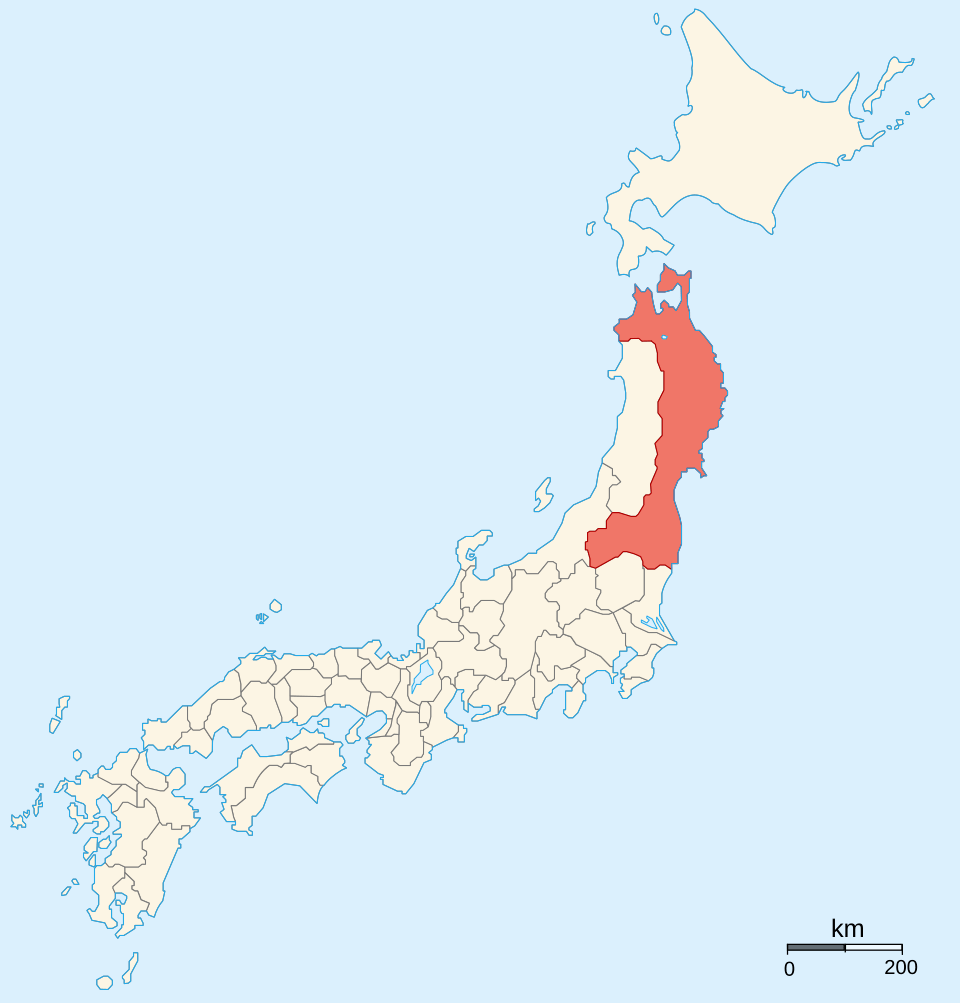
    Mutsu Province.
    By Ash_Crow – Own work, based on Image: Provinces of Japan.svg, CC BY 2.5, https://commons.wikimedia.org/w/index.php?curid=1690724

    The Date largely supported the Kamakura Shogunate, founded by Minamoto no Yoritomo, and in the 13th century, the Lord of the Date is said to have been living in Kamakura (the political capital). However, when the Shogunate was overthrown, the Date threw in their lot with the Emperor and would continue to support the Imperial throne even after the establishment of the Ashikaga Shogunate in 1336.

    This support would backfire, however, as the Date, in support of the Southern Court, were defeated by forces of the Northern Court, loyal to the new Ashikaga Shoguns, and ultimately obliged to switch sides. Beginning in the 1380s, the Date would set about restoring their strength by attacking rival clans in their home region. As was common at the time, these local conflicts were framed as part of the larger Northern-Southern Conflict (the Nanboku-cho Period), but were, in reality, private wars that the central authorities were powerless to direct.

    Later, when the power of the Ashikaga Shoguns was beginning to fracture, the Date would use the conflict between the government in Kyoto and the Kamakura kubo to further enhance their own power. Though nominally under the jurisdiction of Kamakura, the Date would appeal directly to Kyoto to serve as their vassals. The Shogunate agreed, and when open conflict between Kyoto and Kamakura broke out in the 1480s, the Date were in a prime position to take advantage.
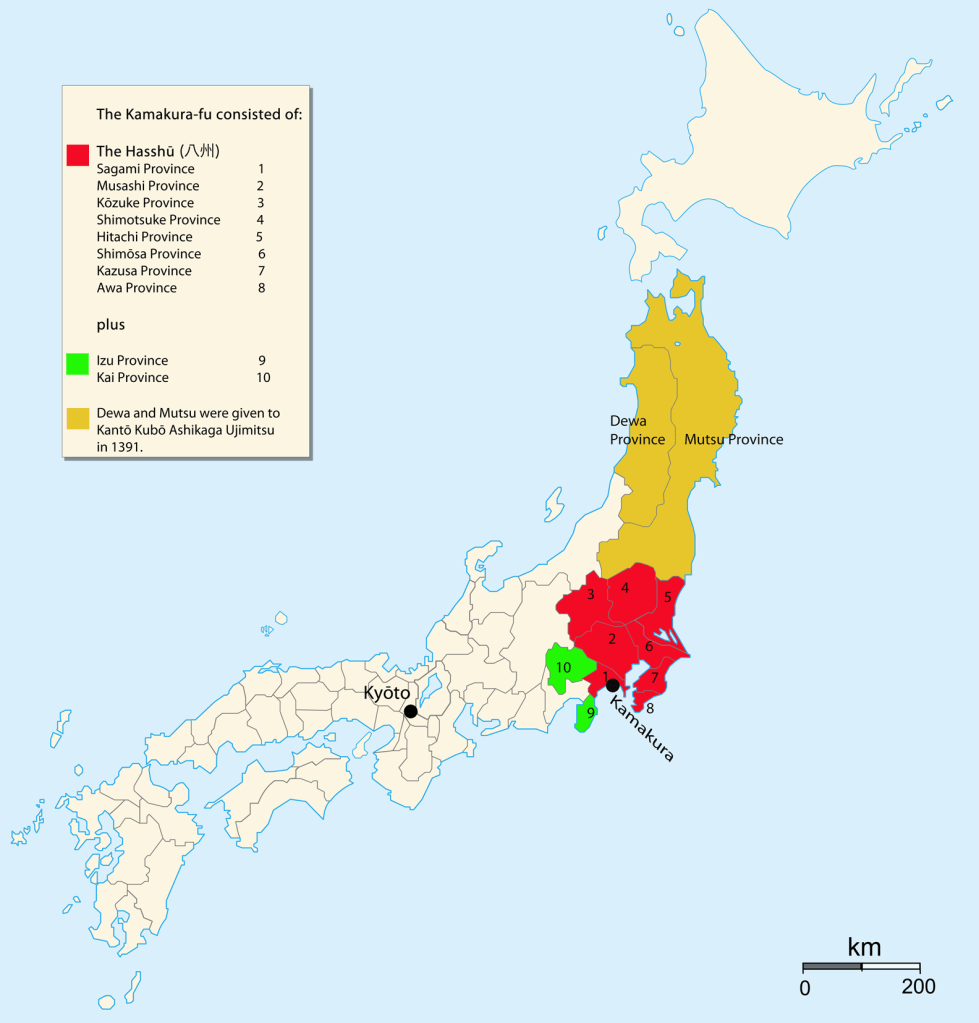
    The territories under the nominal jurisdiction of the Kamakura Kubo.

    An example of how strong the Date had become can be found in records from 1483, in which the Lord of the Date dispatched gifts to the court in Kyoto, including 23 swords, 95 horses, 380 ryo of gold dust, and 57,000 coins. This was an extraordinary fortune at the time, and seems to have led to the acceptance by the court of the Date’s position of the strongest (or at least richest) clan in the North.

    Despite their wealth and power, the Date were not the most prestigious clan in the region. That honour went to the Osaki, who were faithful to the Shogunate in Kyoto and were long established. As was common during the later 15th century, however, the Osaki had a prestigious name, but their actual power was crumbling. Though nominally their subordinates, the Date would intervene in a power struggle within the Osaki Clan in 1488, bringing an end to the conflict, but effectively reducing the Osaki to vassal status in the process.

    Another rival to the Date was the Mogami Clan from neighbouring Dewa Province. The clans would clash repeatedly, but in 1514, Date Tanemune would inflict a decisive defeat on the Mogami at Hasedo Castle. Shortly after this, he would marry his sister to the defeated Lord of the Mogami, effectively binding the two clans together. This would prove unpopular with the remaining Mogami vassals, and when their Lord died in 1520, and the Date attempted to take direct control, they rebelled.

    The site of Hasedo Castle as it appears today.
    Koda6029 – 投稿者自身による著作物, CC 表示-継承 4.0, https://commons.wikimedia.org/w/index.php?curid=124663430による

    In defeating the rebellion, Tanemune was able to establish Date control over most of eastern Dewa Province, further expanding his clan’s power and prestige. In recognition of this, in 1522, the Shogunate appointed Tanemune shugo (governor) of Mutsu Province (the Date’s home province, remember). Tanemune was not satisfied, however, as he had apparently sought the title of tandai.

    The exact distinction between shugo and tandai is a little unclear, as the titles often overlapped, but essentially, a shugo was the governor of a single province, whereas a tandai was the Shogun’s representative over a wider area. Although the power and prestige of the Shogunate were at a low ebb by this point, the fact remained that tandai was a more prestigious title, and the Shogunate’s refusal to bestow it on Tanemune was seen as a proverbial slap to the face.

    Tanemune responded to this but charting his own course, although the snub is probably just a convenient excuse for what he was going to do anyway; by the early 16th century, Shogunate power was really more of a concept, and the Date were one of many powerful clans who realised that they could largely do as they pleased.
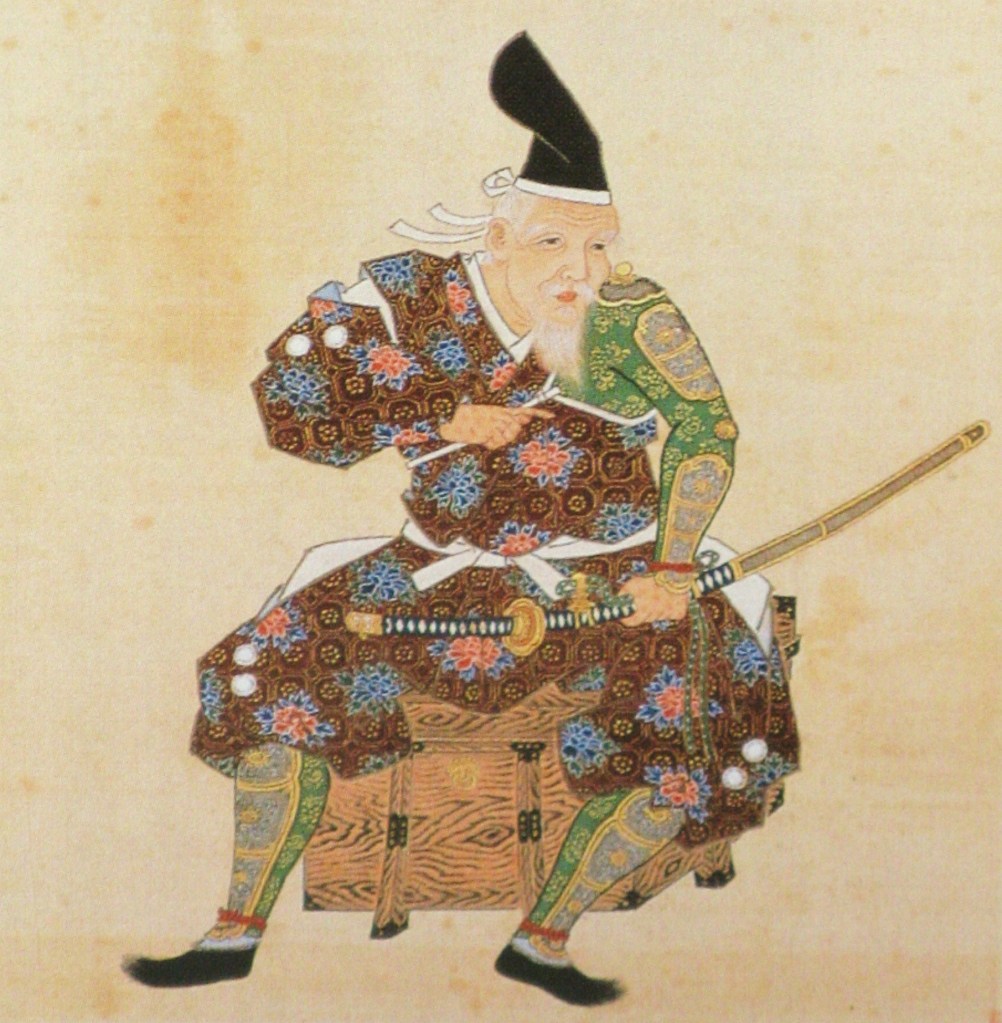
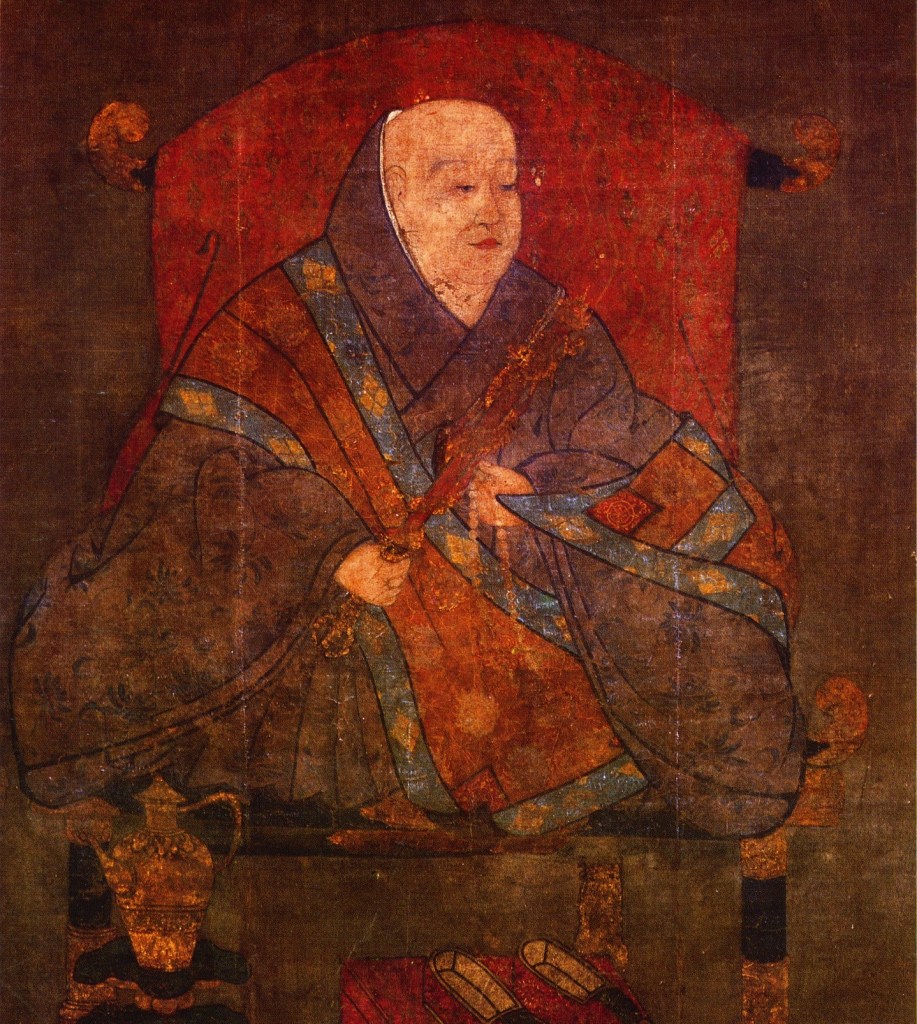
    Date Tanemune.

    Over the next 20 years, Tanemune would work to consolidate his clan’s control over the North, further absorbing the Osaki and Mogami clans, as well as extending physical control over most of Mutsu and Dewa Provinces. Despite his successes, all was not well within the clan; Tanemune was in conflict with his eldest son, Harumune. The exact nature of the conflict is complicated, but it got so bad that in June 1542, Harumune ambushed his father whilst the latter was out hunting, imprisoning him in a nearby castle from which Tanemune swiftly escaped (or was rescued, depending on the source)

    What followed was a six-year conflict which saw the Date severely weakened, and several of their recently conquered vassals breaking free, including the Osaki and the Mogami. Eventually, the mediation of the Shogun brought about an official peace, but in reality, the feud didn’t end, and although Harumune would take his place as the de facto head of the clan, Tanemune, despite becoming a monk, remained an enormously influential figure.

    Harumune’s reign would be occupied with reestablishing Date power. The situation was far from ideal, however, and he was eventually forced to confirm many of the concessions that had been granted to vassals by both sides, signing away territory and privileges in exchange for obedience.
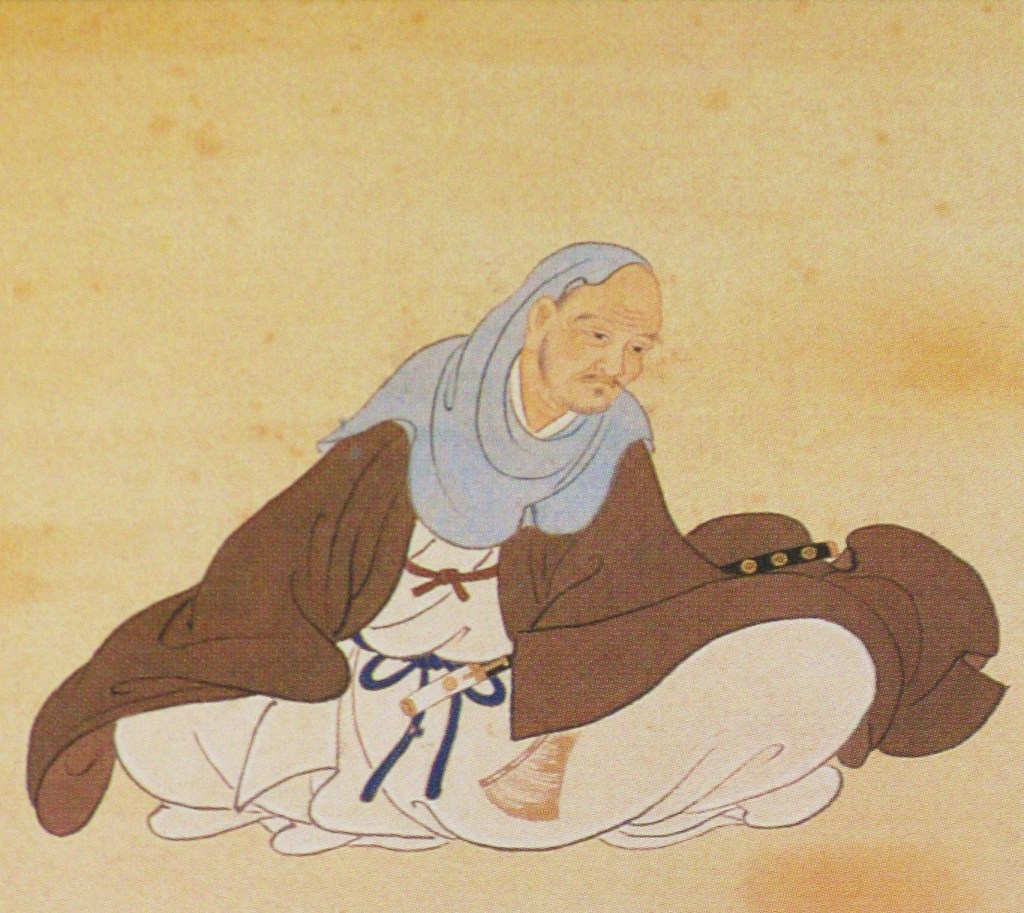
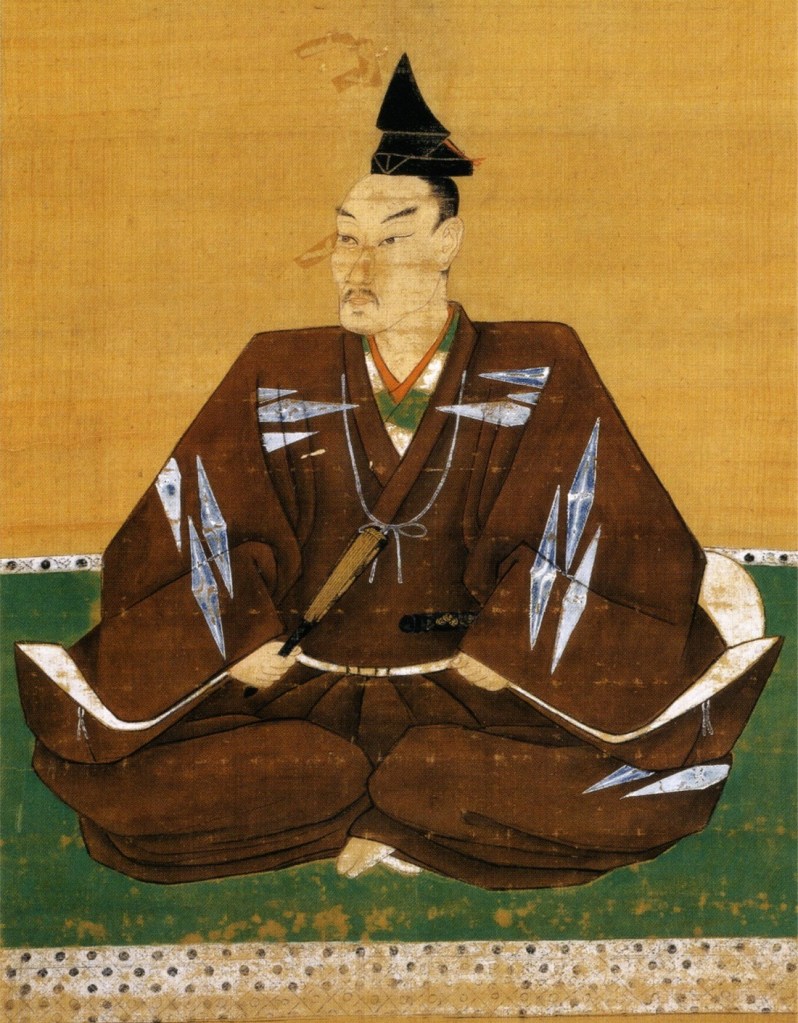
    Date Harumune

    One upside for Harumune was the fact that he had no fewer than eleven children, six sons and five daughters, who would be useful pawns in returning former vassals to the fold. All of his daughters were married either to powerful clans, securing alliances, or to senior vassals, ensuring their loyalty, and by the 1560s, the Date’s position was once again strong.

    In 1565, Harumune retired and handed control to his son, Terumune, although, as was common, he retained all the actual power. A year later, the Ashina Clan attacked the Nikaido, who were allied with the Date through the marriage of one of Harumune’s daughters. The Date intervened but were defeated, and when the Nikaido surrendered shortly afterwards, peace between the Date and Ashina was secured through another marriage, this time between the Lord of the Ashina’s eldest son and Harumune’s fourth daughter.

    Harumune apparently opposed this marriage, and in response, Terumune entered into a secret agreement with the Ashina, in which they would agree to support him in the event of an outbreak of conflict between father and son. The feud between father and son would only be resolved in 1570, when Terumune removed several retainers who had facilitated Harumune’s rule from ‘behind the curtain’. With this, the relationship seems to have improved, as Harumune was now effectively powerless anyway.

    Like most of his contemporaries, Terumune’s reign would be dominated by war, but we’ll talk about that next time.

    Sources
    https://en.wikipedia.org/wiki/Mutsu_Province
    https://ja.wikipedia.org/wiki/%E4%BC%8A%E9%81%94%E6%B0%8F
    https://ja.wikipedia.org/wiki/%E6%9C%80%E4%B8%8A%E6%B0%8F
    https://ja.wikipedia.org/wiki/%E4%BC%8A%E9%81%94%E7%A8%99%E5%AE%97
    https://ja.wikipedia.org/wiki/%E4%BC%8A%E9%81%94%E6%88%90%E5%AE%97
    https://ja.wikipedia.org/wiki/%E5%A4%A7%E5%B4%8E%E6%B0%8F
    https://ja.wikipedia.org/wiki/%E4%BC%8A%E9%81%94%E5%B0%9A%E5%AE%97
    https://ja.wikipedia.org/wiki/%E4%BC%8A%E9%81%94%E5%AE%97%E9%81%A0
    https://ja.wikipedia.org/wiki/%E4%BC%8A%E9%81%94%E9%83%A1
    https://ja.wikipedia.org/wiki/%E5%B8%B8%E9%99%B8%E5%85%A5%E9%81%93%E5%BF%B5%E8%A5%BF
    https://ja.wikipedia.org/wiki/%E4%BC%8A%E9%81%94%E6%9C%9D%E5%AE%97
    https://en.wikipedia.org/wiki/Dewa_Province
    https://ja.wikipedia.org/wiki/%E4%BC%8A%E9%81%94%E6%99%B4%E5%AE%97
    https://ja.wikipedia.org/wiki/%E4%BC%8A%E9%81%94%E8%BC%9D%E5%AE%97
  • Memento Mori, Part 1.

    Memento Mori, Part 1.

    If you’ve been reading my blog for a while, you might be forgiven for thinking that Japanese history was mostly focused on the Kanto or Kansai regions (modern Tokyo and Kyoto/Osaka, respectively). Whilst the capital was in Kyoto, and some of the most powerful clans were based either there or in the Kanto, there were others, just as powerful and just as ambitious, who were based in other parts of Japan.

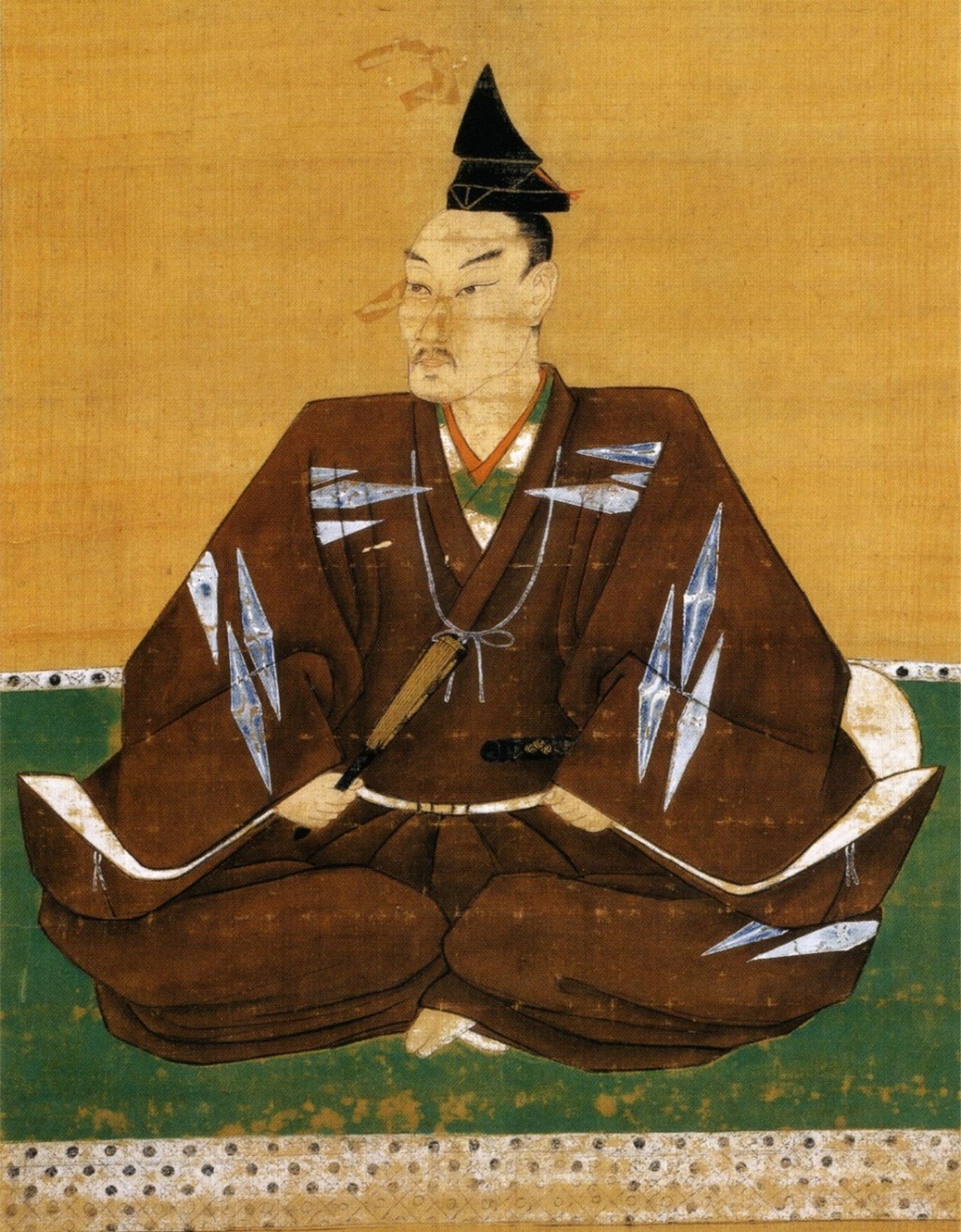
    One such clan was the Mori, who we have mentioned briefly previously but are deserving of a much closer look. The subject of this post is Mori Motonari, and though he would go on to establish himself and his clan as one of Japan’s strongest, when he was born in 1497, there was little to indicate that the Mori would be anything other than a regional footnote.

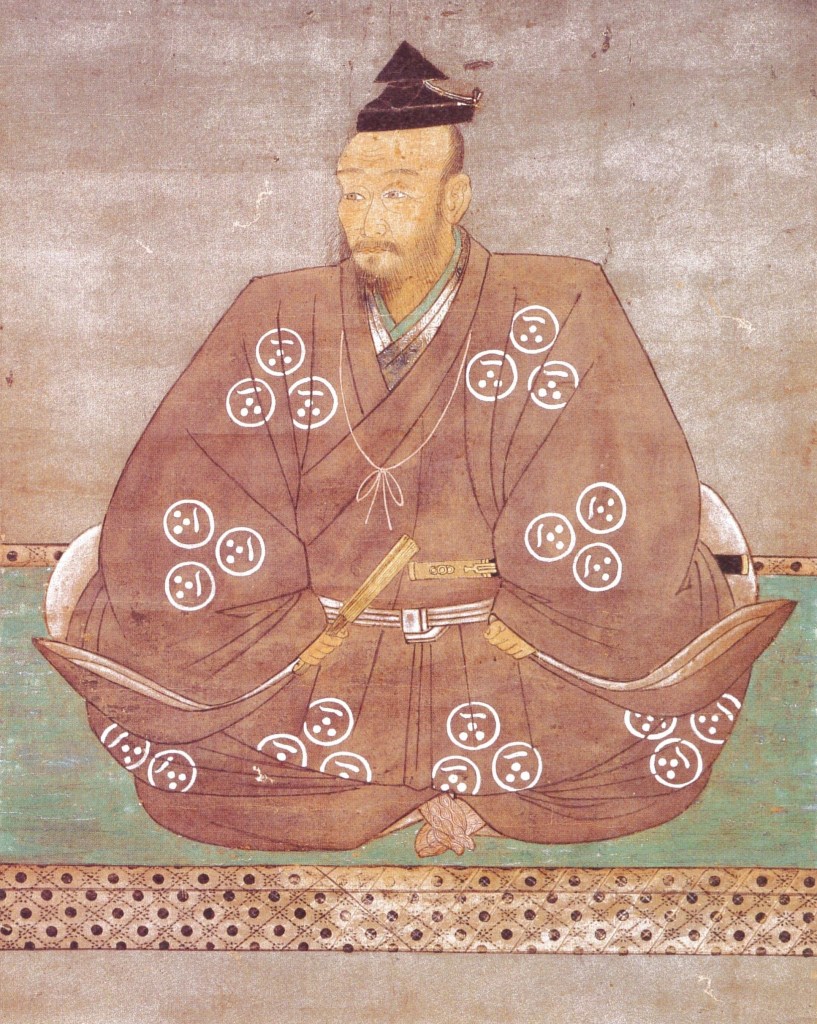
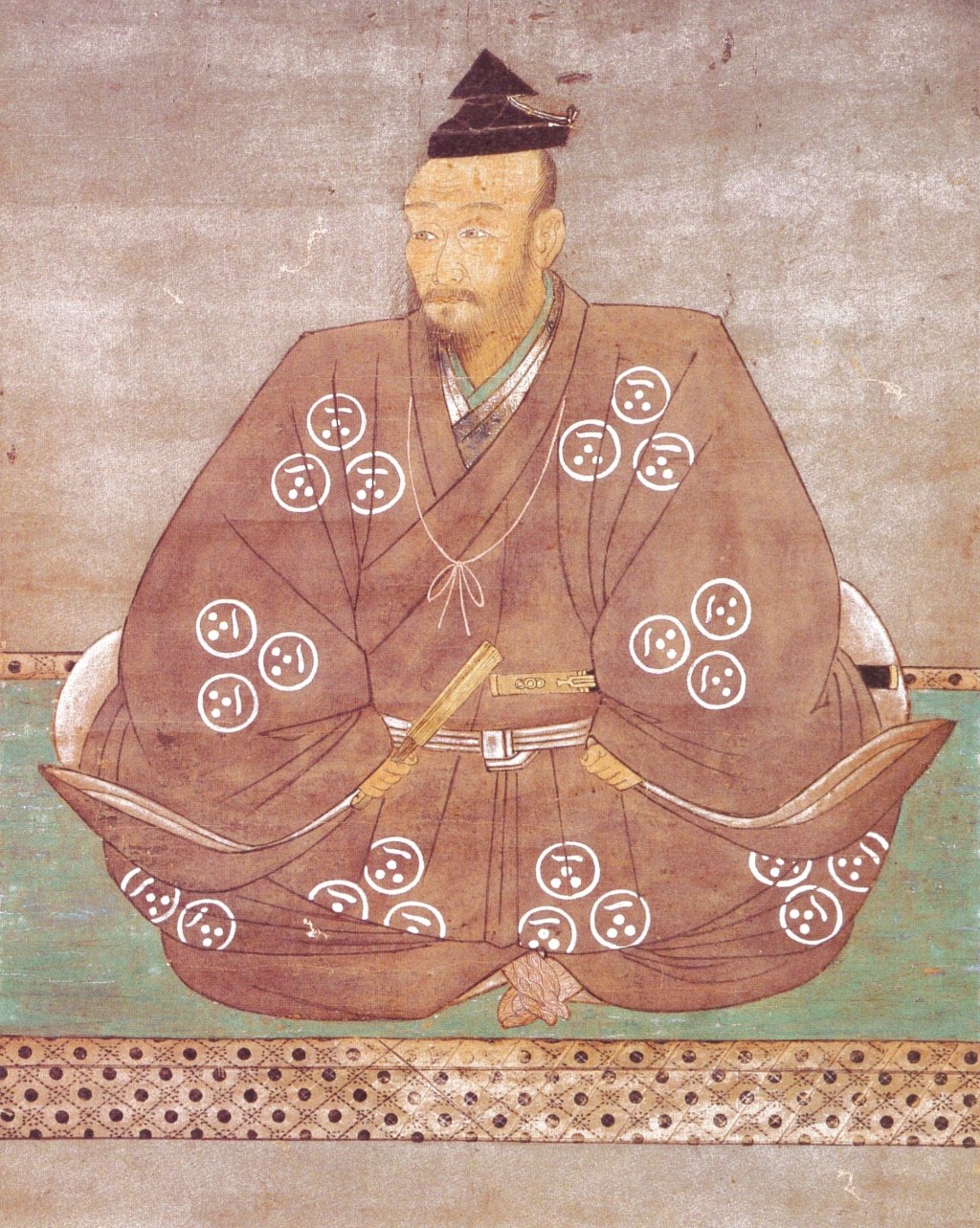
    Mori Motonari, our subject for today.

    In the early 15th century, the most powerful clan in the region was the Ouchi, who played a significant role in the turmoil surrounding Kyoto and the Ashikaga Shogunate in the late 1400s. The Mori were based in Aki Province, in modern-day Hiroshima Prefecture, and found themselves caught up in the conflict between the Ouchi and the Hosokawa, who by this point were in effective control of the Shogunate.

    In 1500, in a bid to avoid having to choose sides, Motonari’s father, Hiromoto, retired as head of the clan and was replaced by his son (Motonari’s older brother), Okimoto. Motonari would have a tough childhood, even by the standards of the day. His mother died in 1501, and his father in 1506, either from stress or alcohol poisoning (or a combination of the two).

    In 1507, Okimoto had chosen his side, as he accompanied the Ouchi to Kyoto, leaving 10-year-old Motonari back in Aki. The young lad then had his income embezzled by unscrupulous vassals, leaving him destitute. However, the embezzler died suddenly in 1511, and Motonari’s income was restored.

    Also in 1511, Okimoto returned from Kyoto and set about preserving the clan’s position in Aki Province. In 1513, Motonari would make a formal pledge of loyalty to his brother, supporting Okimoto’s rule, and (ideally) avoiding the kind of fratricidal violence that plagued so many of Japan’s other clans.

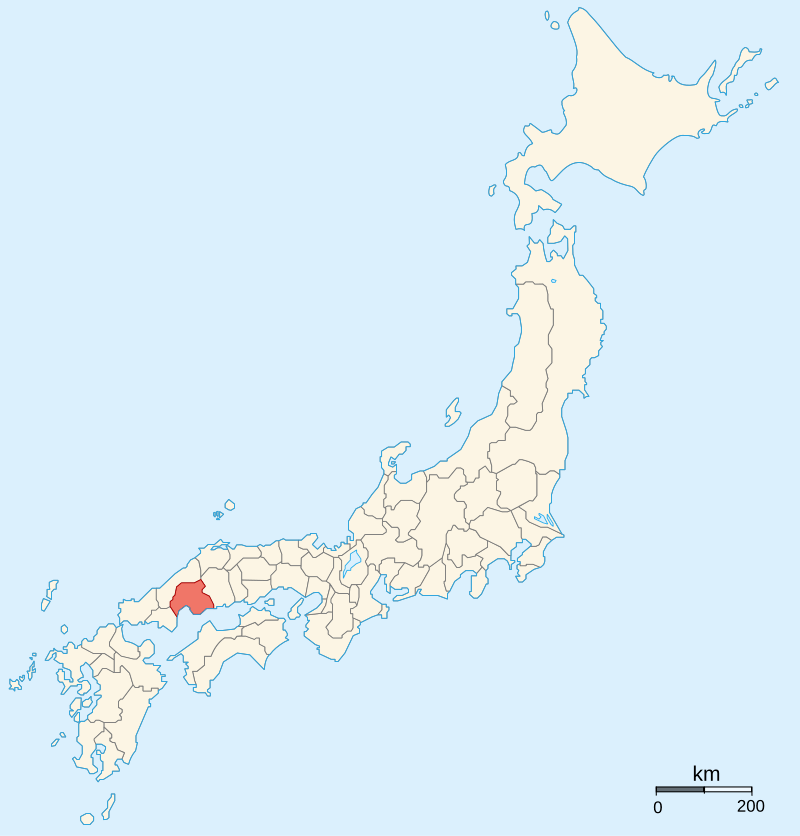
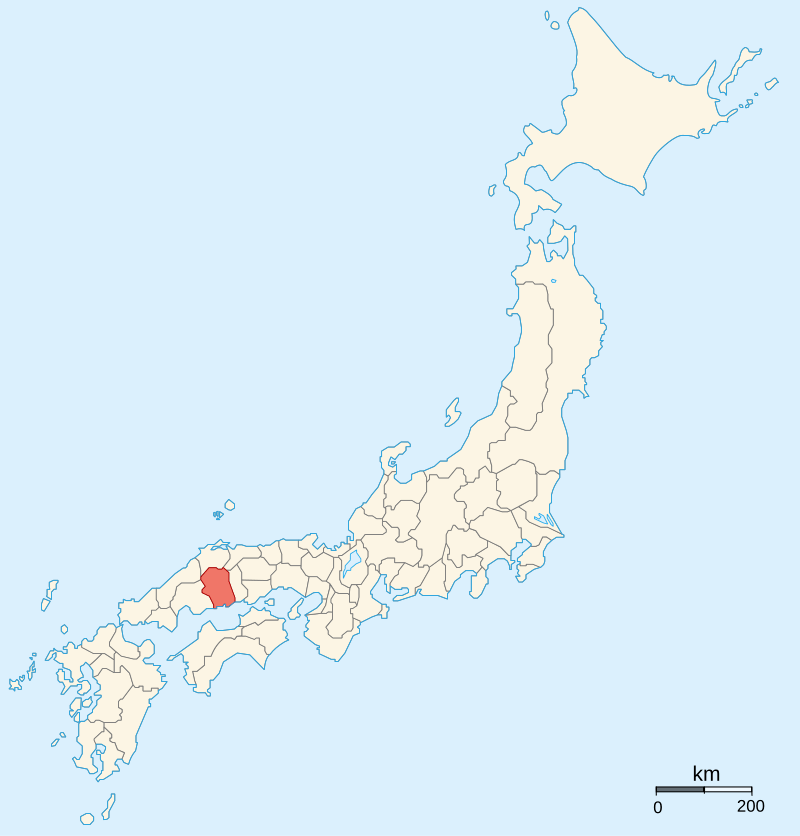
    Aki Province.
    By Ash_Crow – Own work, based on Image:Provinces of Japan.svg, CC BY 2.5, https://commons.wikimedia.org/w/index.php?curid=1645417

    In 1515, there was an outbreak of violence in Aki and neighbouring Bingo (yes, it was really called that) province. In response, the Ouchi dispatched a member of the Takeda Clan to restore order. (You may remember we spoke previously of several branches of the Takeda family, this one is sometimes called the Aki-Takeda, due to the location of their base.)

    The Aki-Takeda proved to be unreliable vassals, however, as they took advantage of the chaos to rebel against the Ouchi and take control of several castles for themselves. Okimoto, continuing his service to the Ouchi, would attack the Aki-Takeda and take one of their castles, forcing them to withdraw and giving birth to a local rivalry that would be important for Motonari and the Mori Clan.

    In 1516, Okimoto died suddenly, aged just 24, apparently also from alcohol poisoning. His son was just two years old, and so Motonari would become the guardian and acting head of the clan. A sudden change in leadership can leave a clan vulnerable, and the Aki-Takeda sought to take advantage, attacking several castles in Aki Province that protected the Mori heartlands.

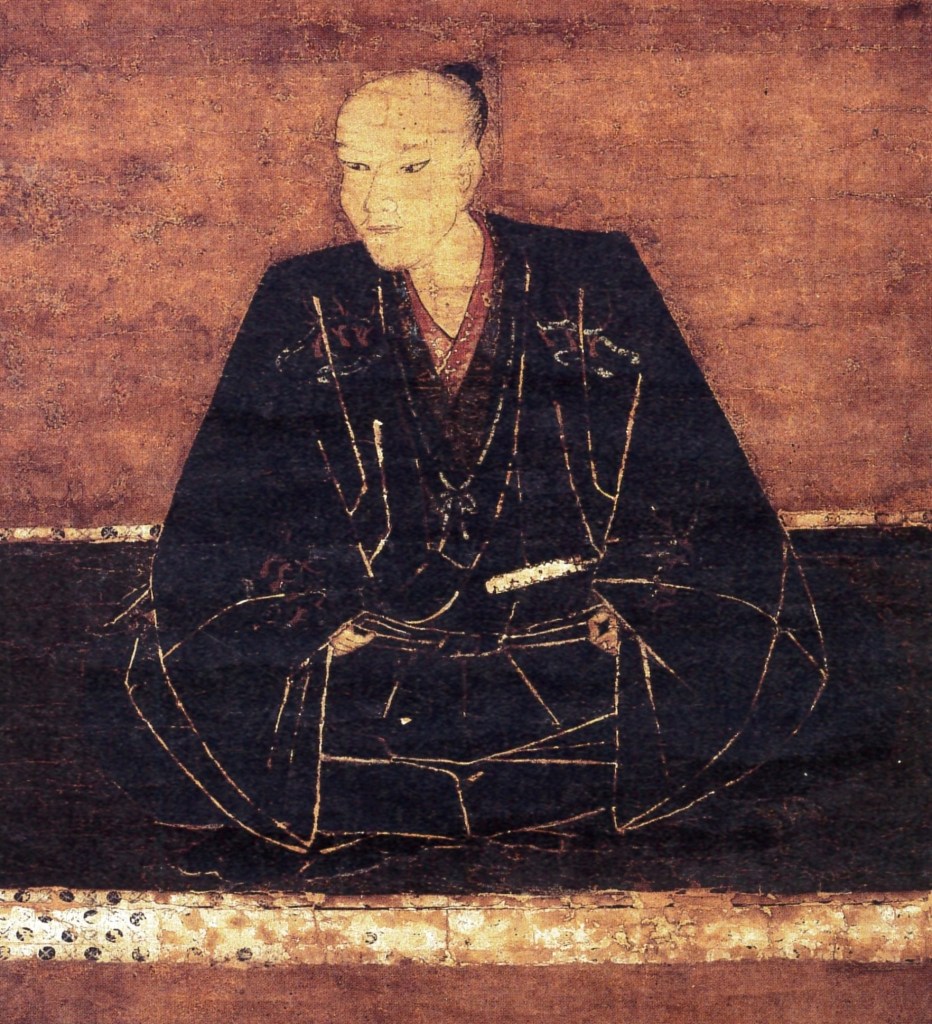
    Mori Okimoto, Motonari’s brother. His sudden death paved the way for Motonari’s rise to power, though it would be said he deeply mourned his brother’s passing.

    Motonari was obliged to respond and proved his mettle several times in the war that followed. Between 1517 and 1522, Motonari would engage in a series of sieges and battles against the Aki-Takeda, which would see Mori gradually extend control across southern Aki province (in the area around modern Hiroshima), and even into neighbouring Bingo.

    Despite his personal successes, the overall situation remained chaotic, and in 1523, the Amago Clan, seeking to expand their influence, advanced into Aki Province. Motonari, who had fought for the Ouchi up to that point, switched sides and aided the Amago in their conquests of several castles in the region.

    This relationship would be relatively short-lived, however. In 1523, Okimoto’s son (Motonari’s nephew), who had been the nominal head of the clan, died, aged just 9. As was common, there was no clear successor, and although he had been the de facto head for years, Motonari was opposed by a faction that wanted his half-brother in charge instead.

    Initially, Motonari was able to secure enough political support to be named head of the clan, and he was even recognised as such by the Amago. Almost as soon as the ink was dry, though, the Watanabe Clan, who had supported Motonari’s half-brother, began agitating against him.

    The situation worsened when several other clans joined the conspiracy, apparently with the approval (or possibly even direct support) of the Amago Clan. Motonari’s position was still insecure, and he was forced to take action, launching a purge of those involved. Japanese politics at this time was usually an extremely bloody affair, and it wasn’t uncommon for entire families to be wiped out as punishment for rebellion.

    Though Motonari ordered the death of his half-brother and his key supporters, he stopped there. No harm was done to the wives and children of the conspirators, as Motonari himself seemed to believe the incident was not so much a rebellion as it was interference from the Amago. Indeed, it was even suggested at the time that Motonari deeply regretted the killings, blaming himself for not having been able to stop the conspiracy, and the Amago for having encouraged it.

    Quite why the Amago were so keen to conspire against Motonari isn’t clear, but they’d soon have cause to regret it. In 1525, as a response to Amago meddling, Motonari switched sides again, giving his support back to the Ouchi, who had largely stabilised their own situation by this point. Motonari would use this new alliance to expand his control of Aki Province even further, as many of the local clans remained loyal to the Amago and were now prime targets for Motonari’s revenge and political ambitions.

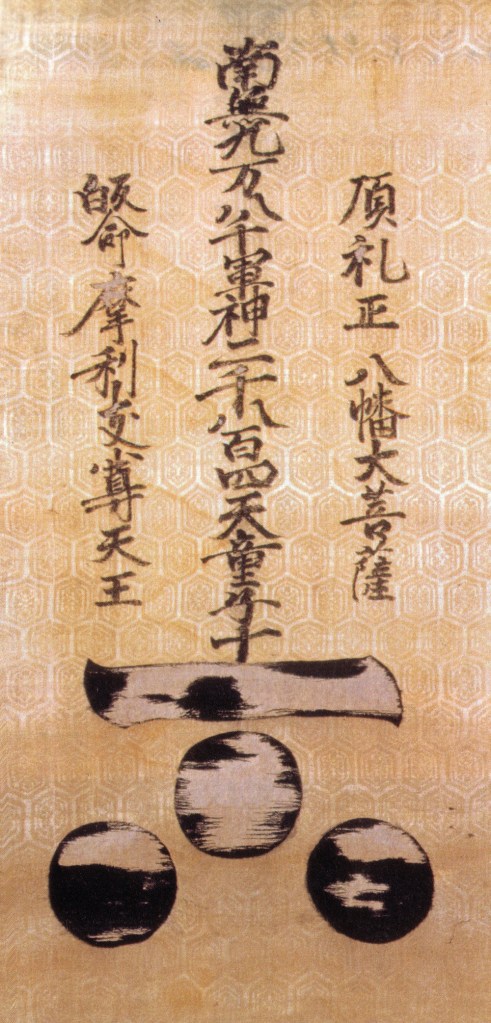
    Mori Motonari’s Battle Flag.

    Over the next few years, Motonari would use a combination of diplomacy, threat, and outright force to establish broad control of Aki Province. In 1532, 32 local vassals of the clan signed a document pledging to follow Motonari’s lead and establishing him as the final arbiter in legal matters within the province. Also that year, Motonari was (with the support of the Ouchi) granted an Imperial title. As we’ve discussed previously, these titles were largely just for show by this point, but they did serve to increase Motonari’s personal prestige.

    In 1540, the ongoing Amago-Ouchi war reached a new level of escalation, as the Amago marched into Aki Province with 30,000 men. Standing in their path was the Mori home castle at Yoshida-Koriyama, which quickly came under siege. Despite being outnumbered as much as 10 to 1, Motonari held out, and the Battle of Yoshida-Koriyama (which was actually a series of battles) eventually ended in the Mori’s favour, as the castled was relieved by Ouchi reinforcements, and the Amago were forced into a humilitating retreat, ending their attempts to conquer Aki, and leaving Mori control of the province in a much stronger position.

    In 1545, Motonari’s wife died, and shortly after that, he announced his retirement as head of the clan. In a letter to his son, he strongly implied that it was grief over the passing of his wife that led him to make the decision. In 1546 (or possibly 1547), Motonari formally retired in favour of his son, Takamoto. However, as was common, Motonari’s ‘retirement’ was just for show, and he retained almost complete control of the clan.

    As control over Aki and Bingo provinces was established, and Mori power increased, Motonari was now in a strong enough position to deal with his remaining internal enemies. In 1550, after gaining the tacit approval of the Ouchi (still the Mori’s nominal overlords), Motonari launched a violent purge of the Inoue Clan, one time vassals of the Mori, who had begun to operate independently, presenting a threat to Mori internal stability.

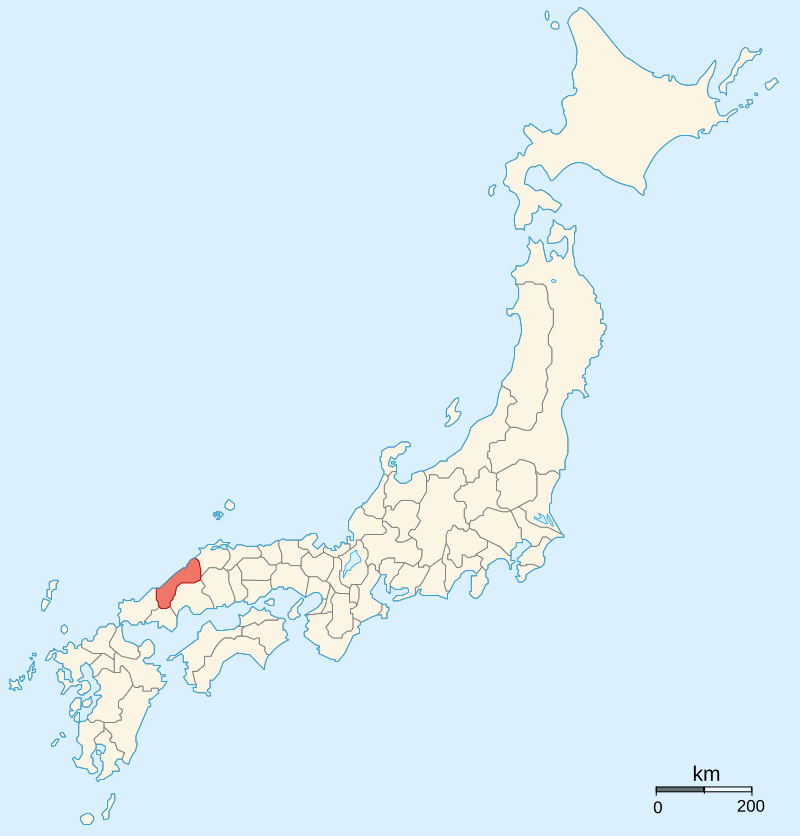
    Bingo Province.
    By Ash_Crow – Own work, based on Image:Provinces of Japan.svg, CC BY 2.5, https://commons.wikimedia.org/w/index.php?curid=1652300

    What followed was the massacre of up to 30 individuals, which left the other Mori vassals fearing for their lives. However, Motonari gathered 238 of them and had them sign a pledge of loyalty and obedience. All agreed, and the end of the Inoue Clan further cemented Motonari’s position.

    A year later, the Ouchi themselves fell victim to an internal coup, their leader was assassinated, and replaced by his son, though the real power would be with the new regent, Sue Harutaka (pronounced soo-eh, by the way). Motonari took advantage of the chaos to capture several castles that remained loyal to the old Ouchi Lord, and Harutaka agreed, recognising the Mori as lords of the Aki and Bingo provinces.

    This rapprochement didn’t last long (they never do), with Harutaka soon regretting the power he had given Motonari, and he demanded that he return control. Motonari, unsurprisingly, refused, and shortly after that, conflict broke out. The problem for the Mori was one of numbers; Harutaka was regent of the Ouchi Clan, the regional power, and could muster 30,000 men, to the Mori’s 5000.

    Fortunately for Motonari, the Ouchi were facing several rebellions in the aftermath of the coup, and their forces were divided. This gave the Mori their chance, and at the Battle of Oshikibata in 1554, the Mori, despite being outnumbered nearly 2 to 1, launched a surprise attack against the Ouchi and won.

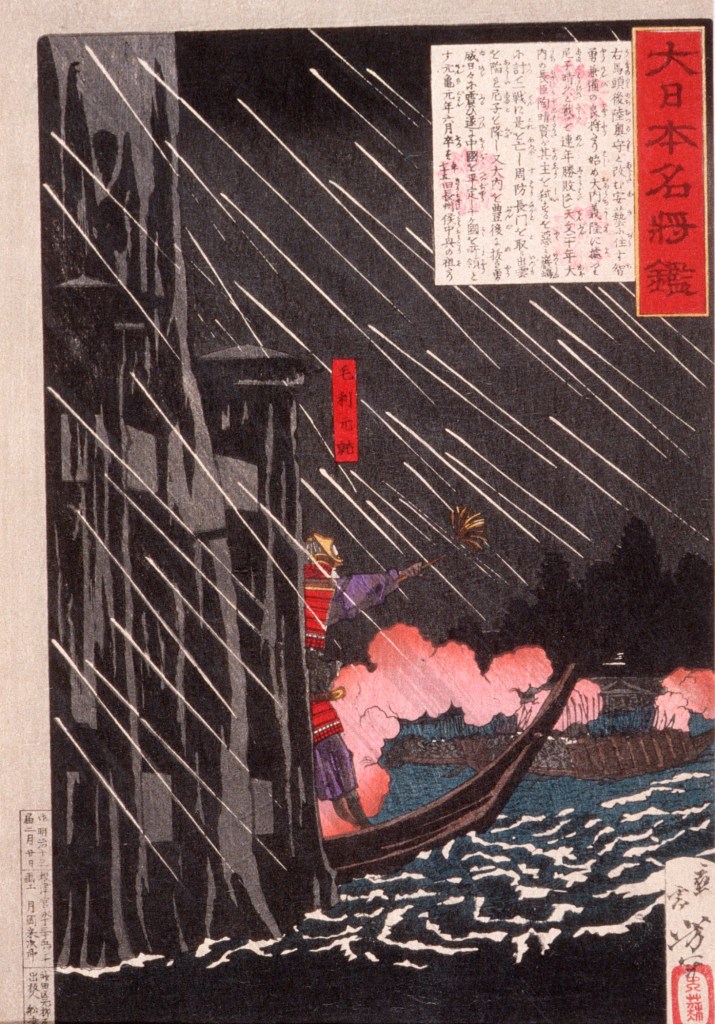
    A later image of Motonari at the Battle of Itsukushima.

    A year later, Harutaka himself led a large army to put down the Mori, laying siege to Miyao Castle on Itsukushima (site of the famous ‘floating’ Torii gate), with 20,000 men. Unbeknownst to Harutaka, however, was that this was exactly what Motonari had hoped he’d do. The Mori had one of the most powerful navies in Japan at the time, and what followed was a combined sea and land operation, in which the outnumbered Mori launched another surprise attack, trapping the Ouchi and effectively wiping them out, with Harutaka himself amongst the dead.

    The Battle of Itsukushima was not the end of the Ouchi, but they were never again a serious force. Over the next two years, the Mori would expand into the former Ouchi heartlands of Suo and Nagato provinces, as well as advancing in Iwami Province, gaining control of the valuable silver mines there.

    In a sign of how far things had changed, the Amago, who had previously been able to exert control over the Mori, now found that they had to deal with them on equal terms, with the conflict over the Iwami Silver Mines ending in the Mori’s favour.

    Iwami Province.
    By Ash_Crow – Own work, based on Image:Provinces of Japan.svg, CC BY 2.5, https://commons.wikimedia.org/w/index.php?curid=1682513

    In 1563, with Mori control reaching new heights, Takamoto, Motonari’s son and heir, died, leaving his son, Terumoto, as the new ‘leader’ of the Mori. The reality, of course, was that Motonari had retained control, and Terumoto was a child besides, leading to a kind of ‘dual leadership’, which was supposed to last until Terumoto came of age, but of course lasted much longer.

    In 1566, Motonari, with Terumoto in tow, attacked the last Amago stronghold in Izumo province, forcing their surrender in November, and bringing a final end to the Amago, who had once been the region’s dominant power.

    The next year, Terumoto was 15, and officially came of age, with Motonari announcing he would end the ‘dual leadership’. Apparently, Terumoto begged him to reconsider, and so Motonari would stay on as co-leader, though his health was already declining, and by the end of the 1560s, it was becoming clear that Motonari’s time was nearly up.

    Mori Motonari would eventually pass away in June 1571, aged 75, possibly from cancer or old age. At his birth, the Mori had been a minor clan in a distant province, the proverbial leaf on the wind, buffeted to and fro depending on the whims of their powerful neighbours. As he lay dying 75 years later, Motonari ruled one of the largest territories of the era, and had established his clan as one of the truly great Sengoku Clans.

    It would fall to his grandson, Terumoto, to continue this legacy, and though he would often prove equal to the task, fate was not yet done with the Mori Clan.

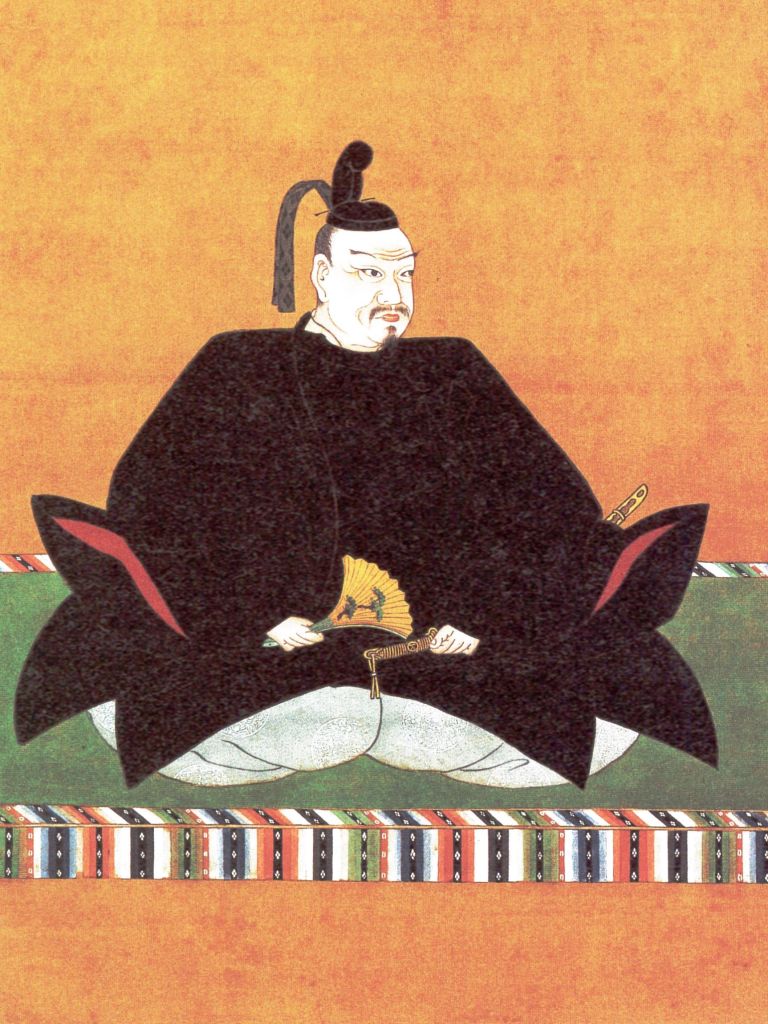
    Mori Terumoto

    Sources
    https://ja.wikipedia.org/wiki/%E6%AF%9B%E5%88%A9%E5%85%83%E5%B0%B1
    https://ja.wikipedia.org/wiki/%E5%8E%B3%E5%B3%B6
    https://ja.wikipedia.org/wiki/%E5%8E%B3%E5%B3%B6%E3%81%AE%E6%88%A6%E3%81%84
    https://ja.wikipedia.org/wiki/%E9%98%B2%E9%95%B7%E7%B5%8C%E7%95%A5
    https://ja.wikipedia.org/wiki/%E6%8A%98%E6%95%B7%E7%95%91%E3%81%AE%E6%88%A6%E3%81%84
    https://ja.wikipedia.org/wiki/%E5%90%89%E7%94%B0%E9%83%A1%E5%B1%B1%E5%9F%8E%E3%81%AE%E6%88%A6%E3%81%84
    https://ja.wikipedia.org/wiki/%E5%90%89%E7%94%B0%E9%83%A1%E5%B1%B1%E5%9F%8E
    https://ja.wikipedia.org/wiki/%E9%AB%98%E6%A9%8B%E8%88%88%E5%85%89
    https://ja.wikipedia.org/wiki/%E5%A6%99%E7%8E%96
    https://ja.wikipedia.org/wiki/%E5%A3%AC%E7%94%9F%E7%94%BA_(%E5%BA%83%E5%B3%B6%E7%9C%8C)
    https://ja.wikipedia.org/wiki/%E4%BA%95%E4%B8%8A%E5%85%83%E7%9B%9B
    https://en.wikipedia.org/wiki/Aki_Province
    https://ja.wikipedia.org/wiki/%E6%AF%9B%E5%88%A9%E8%88%88%E5%85%83

  • The Power in the Provinces Part Two

    The Power in the Provinces Part Two

    Western Japan

    Western Japan was, much like the Kanto, away from the centre of power, but still close enough to be a perpetual source of trouble.

    The Ouchi

    The mon of the Ouchi Clan
    By Mukai – No machine-readable source provided. Own work assumed (based on copyright claims)., CC BY-SA 3.0, https://commons.wikimedia.org/w/index.php?curid=7845833

    At the end of the 15th Century, the Ouchi Clan were one of the strongest in Japan. Based at Yamaguchi, in the furthest west of ‘The West’, they were in an enviable position. Their centre of power was far enough away from Kyoto that they were often spared the worst of the destruction, and the city of Yamaguchi, positioned as it was, near the coast, was a prime location for getting involved in the trade with China and Korea.

    These close links to mainland Asia go back into the mists of time. Unlike many other clans, the Ouchi did not claim descent from one of the ‘Imperial’ Clans (Fujiwara, Minamoto, or Taira). Instead, they claimed as their ancestor a Korean prince, Prince Imseong, although the long years involved make a definitive link impossible to prove.

    During the Nanbokucho Period, the Ouchi proved to be staunch supporters of the Northern Court and the Ashikaga Shoguns, earning them rich rewards, and by the time of the Onin War, they had extended their control into Northern Kyushu, officially on behalf of the Shogun, but effectively ruling their little empire independently.

    During the Onin War, the Ouchi sided with the Yamana Clan and the Western Army. In fact, after the decline of the Yamana during the war, it was the Ouchi who stepped forward and played the leading role in securing Western military victories in the West. When the war ended, the Ouchi regained control of their former territories in northern Kyushu, and would continue to be one of the leading powers at the dawn of the 16th Century.

    Their links to international trade continued during this period as well, in fact, during the mid-16th Century, they would prove to be one of the key clans in what became called “Nanban trade”, literally the “Southern Barbarian Trade”, the ‘Barbarians’ in this case, being the Portuguese, who arrived in Japan in the 1540s.

    Despite their wealth and power, the Ouchi would eventually become overstretched. Facing powerful clans in Kyushu and nearer to home, they would initially see success, crushing the Shoni Clan of Kyushu in 1536, and facing the Amago Clan of Izumo Province in 1541. An initial victory over the Amago was followed by a serious defeat in which the Ouchi clan’s heir was killed.

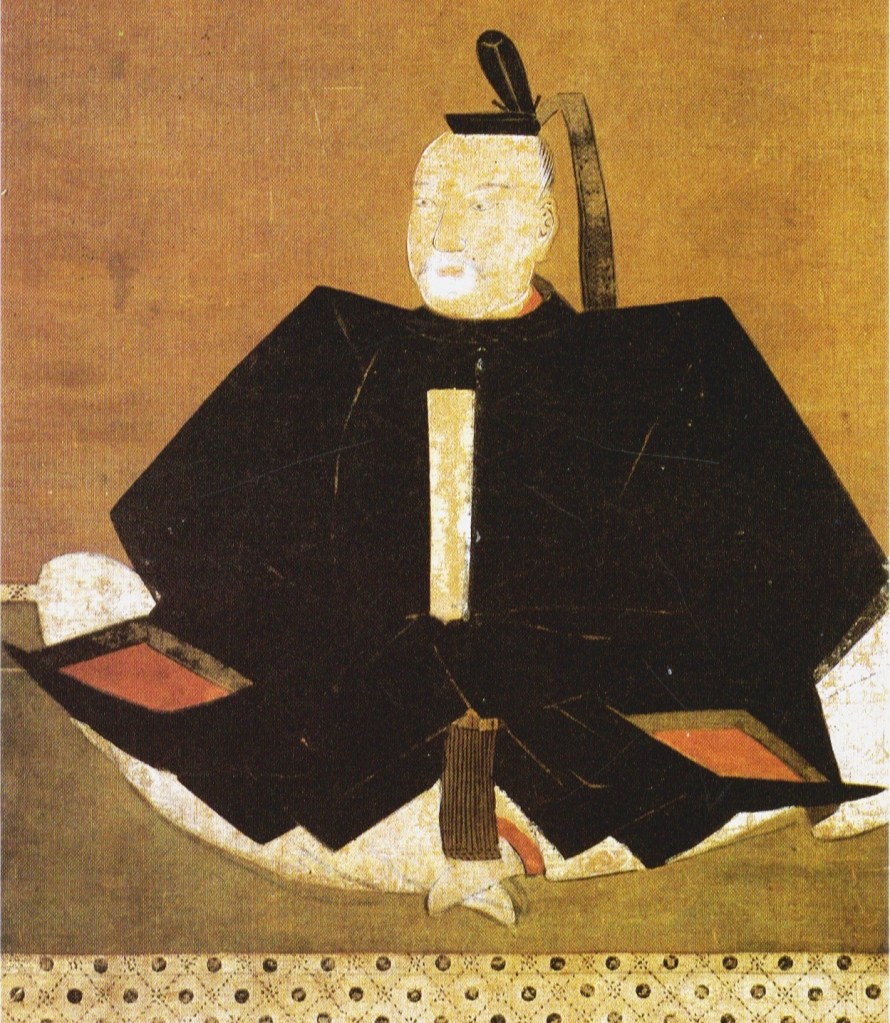
    Ouchi Yoshitaka, who oversaw the decline of his clan.

    After this, the head of clan, Yoshitaka, began neglecting affairs of government, and the Ouchi would enter a period of steep decline. In 1551, Yoshitaka was killed in a rebellion, and over the next five years, the Ouchi’s once expansive domains were chipped away, as rivals took advantage of the chaos, and even formerly loyal vassals (most notably the Mori Clan) went their own way, often violently.

    The Ouchi would enter terminal decline from this point. There was a brief attempt at a restoration in 1569, but it was crushed by the Mori, and the original Ouchi Clan ceased to exist. A supposed branch of the family, the Yamaguchi Clan, would survive as rulers of the Ushiku Domain, in modern Ibaraki Prefecture, but they appear to have died out in the male line in 1991.

    The Mori

    The mon of the Mori Clan.
    Kashiwamon – 投稿者自身による著作物, CC 表示-継承 4.0, https://commons.wikimedia.org/w/index.php?curid=91163213による

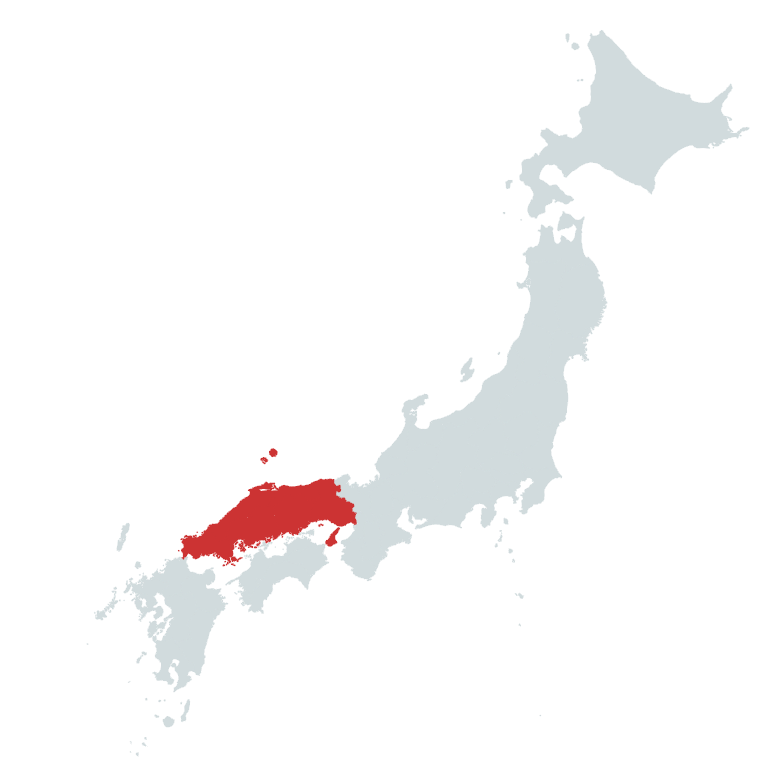
    Like the Hojo in the Kanto Region, the Mori were arguably the most successful clan based in Western Japan. Despite this, the origins of the clan are actually in Sagami Province, close to the modern city of Atsugi in Kanagawa Prefecture. From there, the clan would branch off (as they always seem to) into several different ‘Mori’ Clans, but the one we are focusing on here is the ‘Aki Mori’ Clan, which came to be based in Aki Province in what is today Hiroshima Prefecture.

    During the period of the Kamakura Shogunate, the Mori clan remained largely aloof, and when the Emperor Go-Daigo overthrew the Kamakura, the Mori did not get involved. This actually worked against them as Go-Daigo adopted a “With me or against me” approach, and the Mori temporarily saw their territories forfeit.

    This backfired pretty spectacularly when, just three years into the “Kenmu Restoration”, Emperor Go-Daigo himself was overthrown by the Ashikaga Family, leading to the establishment of the eponymous Shogunate, and the Mori (who had helped the Ashikaga) being restored to their lands.

    Much like every other major Samurai family, the Mori broke up into several branch families that would often end up fighting each other. Their situation in the mid-15th Century was further weakened by the presence of the powerful Ouchi and Amago Clans in the region.

    Through the late 15th Century, the Mori would find themselves caught between these two powers, but in the 16th Century, several savvy political marriages and a few adoptions improved their position considerably, and they would eventually rise to eclipse their former masters, the Ouchi, entirely.

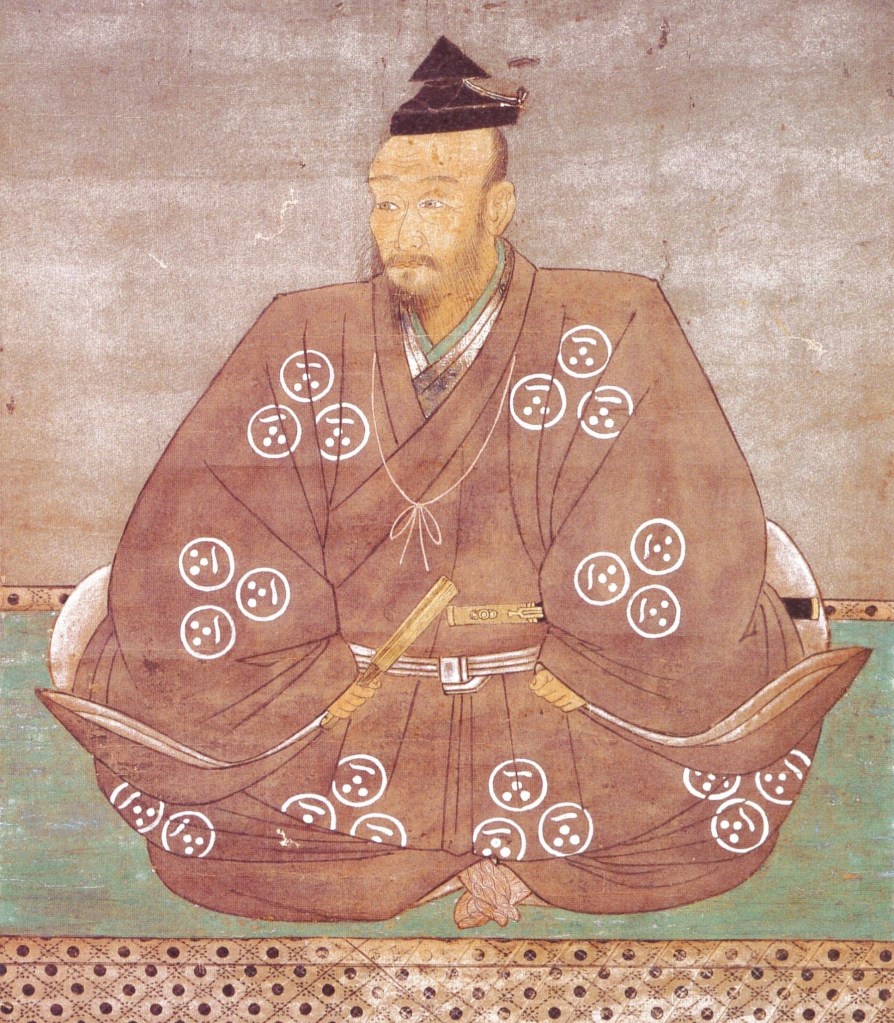
    Mori Motonari, the man who would lead his clan to the height of their power.

    Throughout the Sengoku Period, the Mori would become the power in the West in the same way the Hojo were the power in the East. When Oda Nobunaga (him again!) drove the last Ashikaga Shogun out of Kyoto in 1576, he sought protection from the Mori, who would remain Nobunaga’s chief rivals in the West until his death (spoilers) in 1582.

    The Mori would make peace with Nobunaga’s successor, Toyotomi Hideyoshi and remain a major power, eventually establishing their base at Hiroshima. However, the final battles of the Sengoku period would see the Mori choose the losing side, and they were eventually reduced to just two provinces, which became known as the Choshu Domain.

    There they would remain, implacably opposed to the new government, but far enough away from the capital to be too much trouble to get rid of. During the Meiji Restoration in the 19th Century, it was Choshu, and the Mori clan, who would play a leading role in the modernisation of Japan, but that’s a story for another time.

    The Mori family continued through this period and into the modern era, with the current head being Mori Motohide, who works for Hitachi Steel Works, and became the family head in 2020.

    The Amago

    The mon of the Amago Clan

    The Amago were a branch of another clan, the Kyogoku, who were themselves descended from the Sasaki Clan, whose progenitor was a son of the Emperor Uda, who ruled in the late 9th century.

    Emperor Uda, who ruled from 887-897. The Amago claimed him as their illustrious ancestor.

    The Amago Clan themselves were a relative latecomer; their direct ancestor (the ‘first’ Lord Amago) was Takahisa, who took the name Amago for the area (near Kyoto) where he had his manor. In the early 15th Century, he was appointed as the deputy governor (shugo-dai) of Izumo Province (in modern Shimane Prefecture) on behalf of the Kyogoku Clan, who were obliged to reside in Kyoto.

    We’ve discussed in previous posts how the Shogun’s policy of demanding that Shugo reside in Kyoto led to the rise of independently minded deputies; well, the Amago are one of them. Although officially only deputies, the Amago would take advantage of the chaos of the Onin War to consolidate their power, and by the time the war ended, they were in effective control.

    When the Kyogoku line became extinct in 1514, with the death of the last lord, the Amago graduated from de facto to actual lords of Izumo, and it would be there that they based their power. The rise of the Amago was initially opposed by the Ouchi, and throughout the early 16th Century, they would engage in something of a hostile coexistence, neither side quite able to overcome the other, with the Ouchi focusing on the west, whilst the Amago had their eyes to the east.

    The Amago would eventually rise to be the masters of eight provinces in the region, but in the 1540s, the rise of the Mori clan would lead to the decline of the Ouchi and directly threaten the Amago. The conflict between these clans would drag on for nearly 40 years, but the Mori would eventually prevail, with the surviving members of the Amago family serving as retainers for the Mori throughout the Edo Period.

    The family itself would survive until 1940, when the last head of the clan passed away without an heir.

    The Akamatsu

    The mon of the Akamatsu Clan
    By お茶飲む人 – Own work, CC BY-SA 4.0, https://commons.wikimedia.org/w/index.php?curid=53365103

    Unlike many of the other clans we’ve been looking at, the Akamatsu Clan were a family that peaked early, and then never really recovered. The exact origins of the clan are disputed, with some sources suggesting they descended from the Minamoto Clan, whilst others refute this, leading to some confusion.

    What is not disputed is that the Akamatsu Clan originally supported the Emperor Go-Daigo during the short-lived Kenmu Restoration, earning Harima Province for their trouble, only for the province to be forfeited shortly afterwards during Go-Daigo’s controversial “Alienate everyone as quickly as possible” policy, which saw him overthrown by the Ashikaga Shogunate after just three years.

    The Akamatsu, thoroughly alienated as they were, sided with the Ashikaga and had Harima Province restored to them after their victory, and the clan would be steadfast loyalists of the new Shogunate, at least for a while. The Akamatsu remained faithful, but in 1429, a serious peasant revolt in their home province badly weakened them, and not long after that, the Shogun, Yoshinori, came to the throne and proved to be an effective, but extremely paranoid ruler.

    The exact reasons for the so-called Kakitsu Rebellion are unclear, but members of the Akamatsu Clan assassinated the Shogun in 1441, after which they raised an army only to be crushed by the Shogunate army shortly afterwards.

    Branches of the family would survive, and after conspicuous service during the Onin War, the Akamatsu were actually restored to control of Harima Province. For a while, things were looking up. By 1488, the head of the clan, Masanori, had established control of three provinces, and there was every indication that the Akamatsu would enter the 15th century as one of the major players.

    You’ve probably already guessed that that isn’t what happened, though, and you’d be right, good on you for paying attention. Masanori died suddenly in 1496, and his heir was just four years old, meaning that the clan fell into the hands of so-called ‘Elders’ who were supposed to rule until the little lord came of age.

    Akamatsu Masanori, who might have held things together for his clan, if he’d lived.

    This might have worked in more peaceful times, but in the early days of the Sengoku Jidai, it led to chaos. Before long, different factions of the clan were fighting each other, and the Akamatsu entered a period of steady decline. Even after the lord, Yoshimura, came of age, he couldn’t change the situation.

    It got so bad that Yoshimura was first forced to abdicate in 1521 and was then assassinated shortly afterwards. His son, Harumasa, was young and easier to control, which might be why the ‘elders’ favoured him as ruler.

    There was a brief resurgence in 1531, when Harumasa managed to establish his own rule, but years of infighting had effectively bled the Akamatsu dry, and in 1537, the neighbouring Amago Clan invaded and conquered the Akamatsu’s home province of Harima.

    The Akamatsu would return to Harima, but they were never able to establish control of the whole province ever again, and throughout the 16th century, their power was gradually eroded away, until 1568, when they made the somewhat short-sighted decision to resist Oda Nobunaga, who promptly crushed them and took Harima for himself.

    Branches of the family would survive in one form or another, but they never ruled large territories again. In the modern era, a descendant of the clan, Akamatsu Yoshinori, served in several high positions in the Imperial Navy, eventually being granted the title of Baron. His descendants are still going today, although there’s not a lot of information available online.

    Sources
    https://en.wikipedia.org/wiki/%C5%8Cuchi_clan
    https://ja.wikipedia.org/wiki/%E5%A4%A7%E5%86%85%E6%B0%8F
    https://reichsarchiv.jp/%E5%AE%B6%E7%B3%BB%E3%83%AA%E3%82%B9%E3%83%88/%E7%89%9B%E4%B9%85%E5%B1%B1%E5%8F%A3%E6%B0%8F
    https://en.wikipedia.org/wiki/M%C5%8Dri_clan
    https://ja.wikipedia.org/wiki/%E6%AF%9B%E5%88%A9%E6%B0%8F
    https://ja.wikipedia.org/wiki/%E6%AF%9B%E5%88%A9%E5%85%83%E6%95%AC
    https://ja.wikipedia.org/wiki/%E6%AF%9B%E5%88%A9%E5%85%83%E6%A0%84
    https://ja.wikipedia.org/wiki/%E5%B0%BC%E5%AD%90%E6%B0%8F
    https://en.wikipedia.org/wiki/Akamatsu_clan
    https://ja.wikipedia.org/wiki/%E8%B5%A4%E6%9D%BE%E6%B0%8F