Tag: Japanese feudal politics

  • Lords of the East, Part 3

    Lords of the East, Part 3

    First post of 2026, so Happy New Year and thanks for sticking with me!
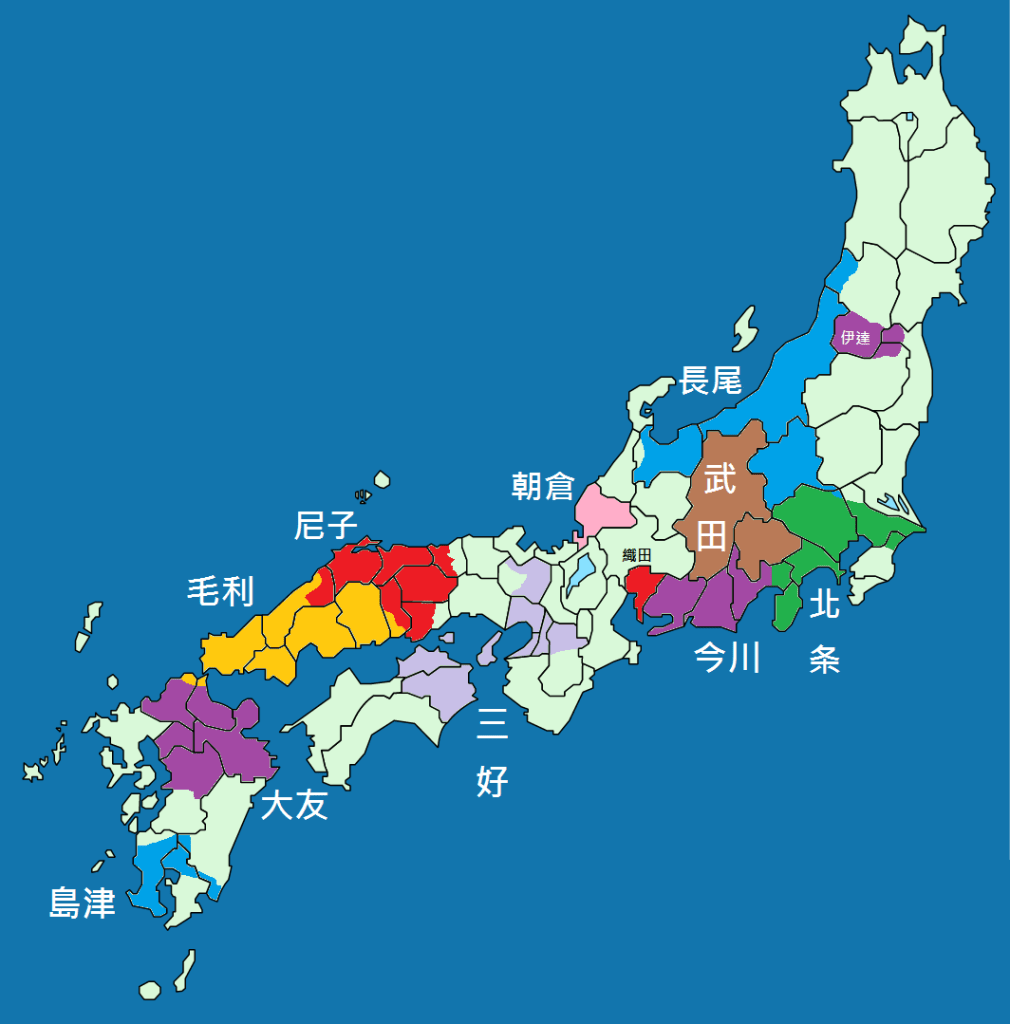
    The situation in 1560. The Hojo are in Green.
    By Alvin Lee – Own work, CC BY-SA 4.0, https://commons.wikimedia.org/w/index.php?curid=39200926

    By 1560, the Hojo were masters of much of the Kanto. A series of successful military campaigns over the previous decades had given them control over much of the area that now comprises modern-day Tokyo, Yokohama, and Chiba. Unlike today, when these areas are among the world’s most densely populated megacities, in the 16th century they were largely agricultural, with a few castle towns surrounded by vast expanses of farmland.

    It is also true that economic productivity, such as it was, was measured in rice production, with land being valued according to predicted rice output, though not necessarily actual output. In short, despite being a period of incredible violence, Japanese society relied almost entirely on rice production to function. Famine was a constant problem, and in 1560, the Hojo, despite controlling vast tracts of land, were experiencing just how bad a failed harvest could be.

    The so-called Eiroku Famine (named after the era) left the Hojo with no food or money, and military operations largely ground to a halt. It was a real blow then, when Uesugi Kenshin, at the head of an army of 8000 men, crossed the mountains in the North of the Kanto and invaded Hojo territory. Though the Uesugi army was relatively small, the Kanto region had been ruled by them for decades prior to the Hojo conquests, and when Kenshin appeared, dozens of local clans switched sides and flocked to the Uesugi banner.
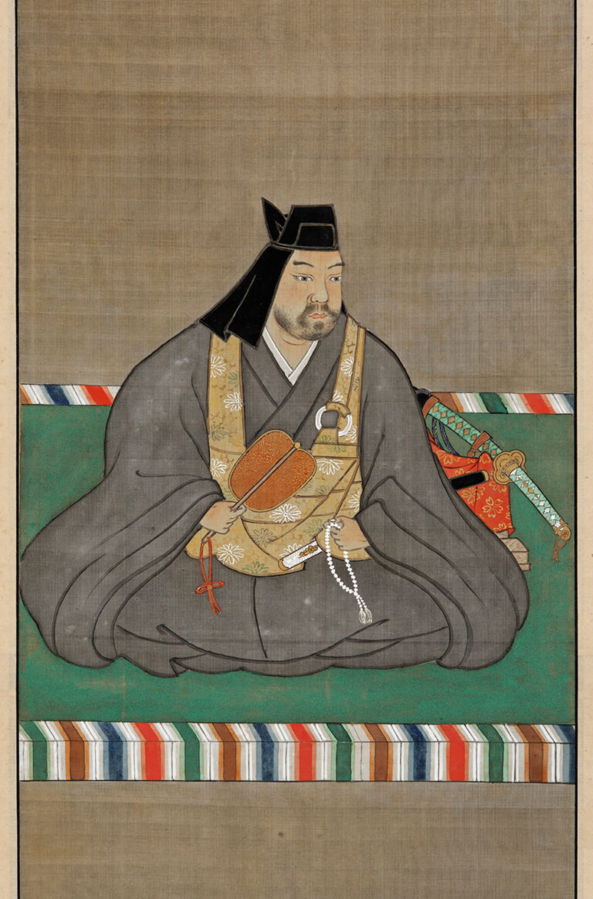
    Uesugi Kenshin.

    Kenshin swept all before him; the Hojo lost castles in Kozuke, Shimosa, and Musashi, and by early 1561, the Uesugi had taken Kamakura. Then, at the head of an army that was reported to be 100,000 strong, Kenshin laid siege to Odawara, the Hojo capital. At this point, the Hojo were in real trouble, but fate was on their side. Ironically, the same famine that had left them seriously weakened now proved to be their saviour. An army of that size needs supplies, and there were few enough to be had in the Kanto, so it wasn’t long before the Uesugi began to melt away.

    The fortress of Odawara was one of the strongest in the realm, and with his army already shrinking, Kenshin faced a difficult choice. A long siege might fatally weaken his army, and even a successful assault could prove hugely costly. Then news arrived that his old enemy, Takeda Shingen, had invaded his home province, at the same time as stirring up a rebellion amongst the Ikko-Ikki, forcing Kenshin to return home post-haste.

    The Hojo had been saved by a combination of good luck and excellent timing on the part of Takeda Shingen, and despite their weakened state, Ujiyasu wasted no time in taking advantage of the reprieve. No sooner had Kenshin returned north than Hojo forces began the process of reconquering their lost territory. Most of the smaller clans that had joined the Uesugi now switched their loyalties back to the Hojo. This was a fairly common practice at the time; there were dozens, if not hundreds, of minor clans all over Japan who could never muster the strength to assert themselves against the power of a Daimyo, so their loyalty often proved to be a fickle thing, prioritising flexibility and survival rather than unquestioned loyalty.

    Takeda Shingen

    Not all the clans welcome the return of the Hojo, however, and Ujiyasu was obliged to dispatch armies to retake several castles in northern Musashi, and he won a decisive victory at the Battle of Mt Ikuno in November 1561, reestablishing the line of control along the mountains in the northern Kanto. Over the next two years, two sides form: a Hojo-Takeda Alliance on one side and a Uesugi-Satomi alliance on the other.

    The Hojo would generally have the better of the fighting in the Kanto, but would prove to be unable to advance further north, whilst the Uesugi would be a constant problem, but would struggle to make advances into the Kanto proper. By 1564, the conflict had largely become a stalemate, so Ujiyasu turned his attention to the East and the Satomi, whom he believed to be a weak link in the alliance.

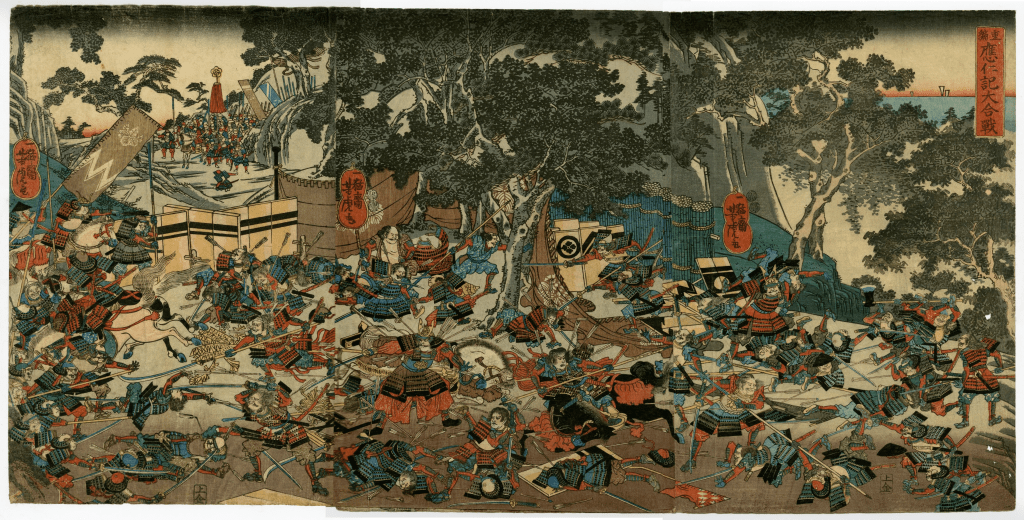
    Though it might have been true that the Satomi were weaker than the Uesugi, they were no soft touch. When the Hojo crossed the Edogawa River on the way to invading Satomi territory, they were ambushed at the second Battle of Konodai and driven back with heavy losses. You may remember in the last post that the lord of the Satomi, Yoshiaki, had avoided the first Battle of Konodai by correctly identifying the weak position of his allies, retreating with his army intact.
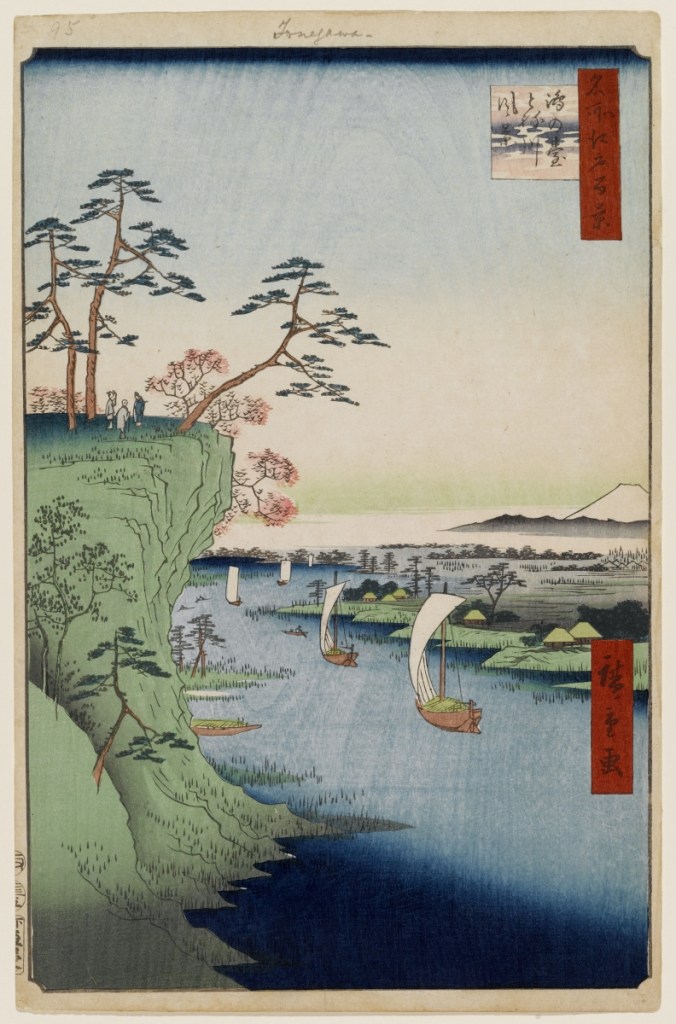
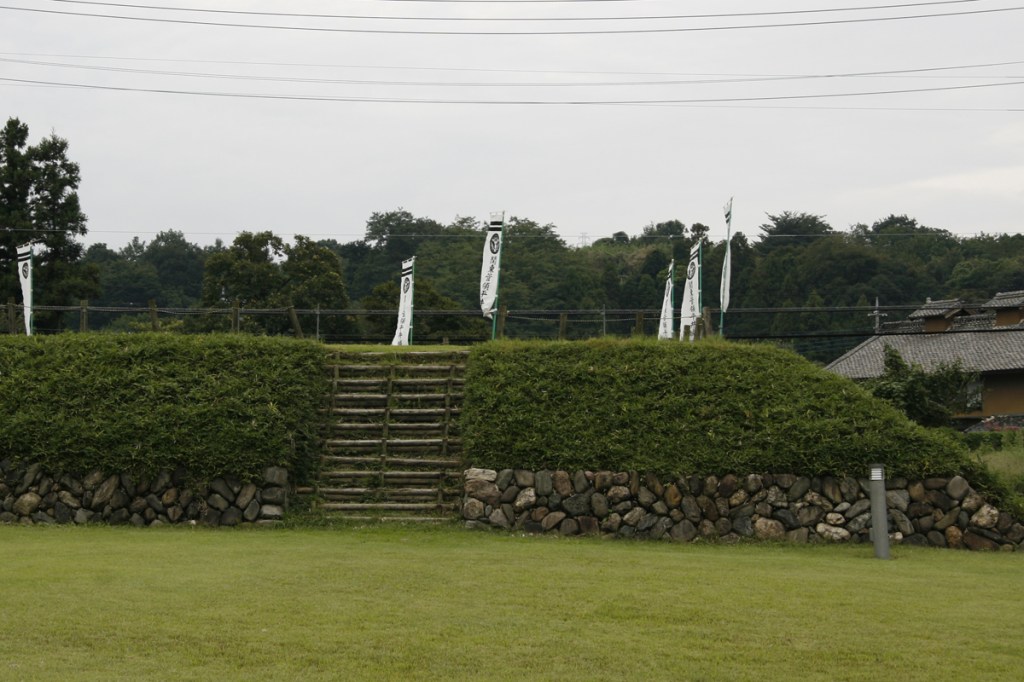
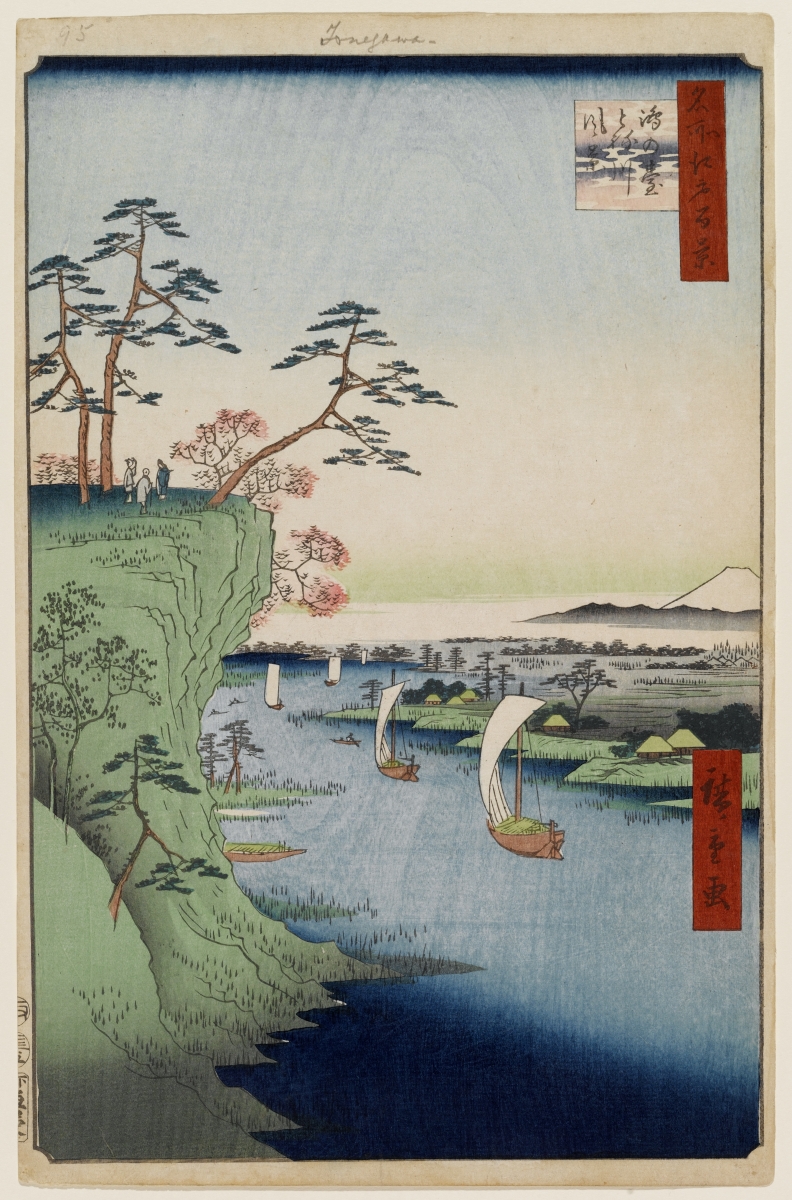
    A later depiction of the area around Konodai.

    At the second battle, however, the command fell to Yoshiaki’s son, Yoshihiro, and he decided to celebrate his victory by distributing wine to his men. A party is a common way to celebrate any success, and the Satomi had successfully driven the Hojo back. The problem was that ‘driven back’ does not mean ‘defeated’; the Hojo regrouped and advanced again in the early hours of the following day.

    The Satomi army, now thoroughly inebriated, was no match for them, and Hojo forces forced the Satomi into a chaotic retreat that didn’t end until the Hojo banner was once again flying over most of Kasuza Province. Shortly after this campaign, Ujiyasu, who had already technically retired as lord of the Hojo in 1559, announced that he had fought his last campaign.

    After this, Ujiyasu seems to have largely limited himself to administration, leaving the business of war to his sons, though he would continue to play an important role in his clan’s future. In 1560, the Imagawa, one part of the triple Takeda-Hojo-Imagawa alliance, had been seriously weakened by the defeat at the Battle of Okehazama in 1560. By 1568, they were on their last legs, and Takeda Shingen, despite being a nominal ally, invaded the Imagawa’s home province of Suruga, aiming to take it for himself.
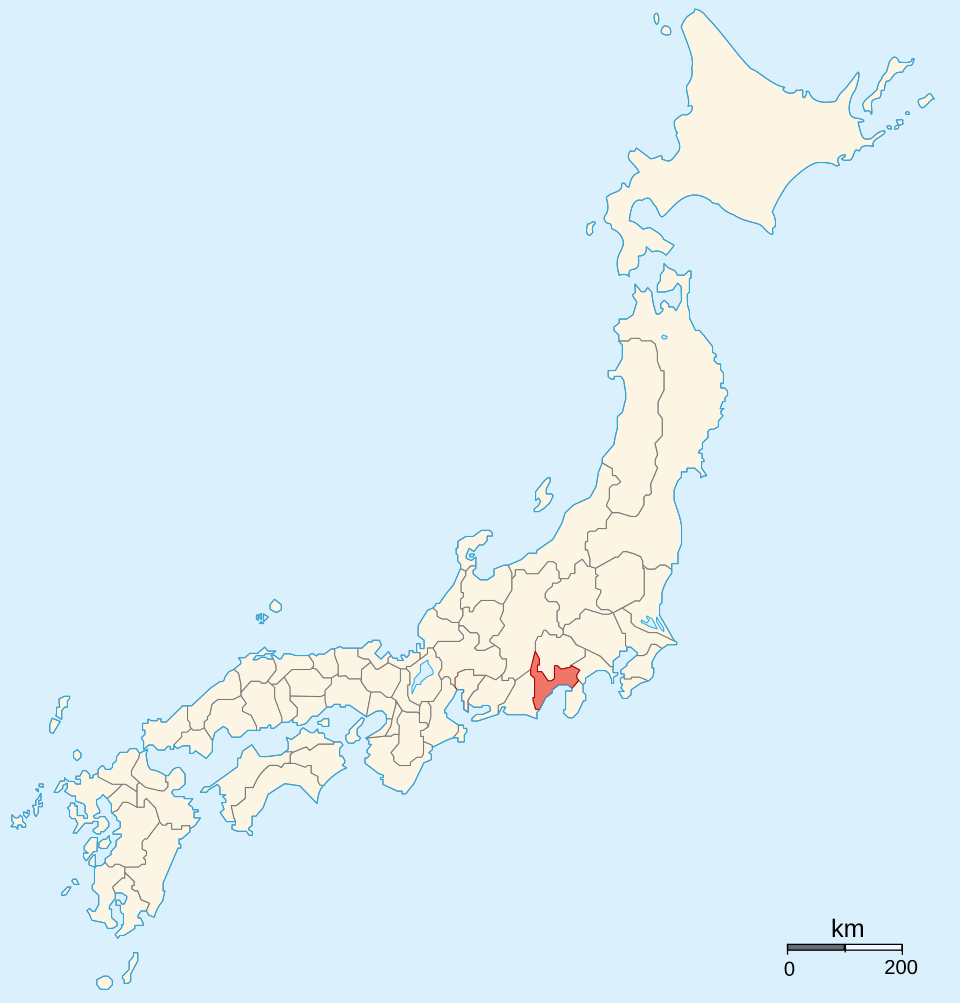
    Suruga Province
    By Ash_Crow – Own work, based on Image: Provinces of Japan.svg, CC BY 2.5, https://commons.wikimedia.org/w/index.php?curid=1691794

    The Hojo, seeking to support the Imagawa and prevent encirclement by a now hostile Takeda, dispatched an army under Hojo Ujimasa to relieve Suruga. At the same time, Ujiyasu engaged in diplomacy with the Tokugawa Clan, who had lands on the other side of Imagawa territory, and had poor relations with the Takeda. A joint attack by the Hojo and Tokugawa convinced Shingen that holding Suruga was impossible in the short term, and he retreated, with the Hojo moving in and taking large parts of eastern Suruga for themselves.

    Despite this success, the Hojo once again found themselves surrounded on three sides by hostile powers: the Takeda to the West, the Uesugi to the North, and the Satomi to the East. Ujiyasu correctly recognised that if he moved to deal with one threat, the other two would take advantage, and the Hojo did not have the strength for a three-front war. Therefore, he decided to make a formal peace with the Uesugi.

    This was unpopular on both sides because the Uesugi had been enemies of the Hojo more or less from the start, and that kind of bad blood isn’t easily forgotten. However, both sides had bigger problems, namely, Takeda Shingen. Though a ceasefire was agreed upon and the border between the two sides set, the consequences for the Uesugi were that many former allies in the Kanto, like the Satomi, felt betrayed and switched to supporting Takeda Shingen.

    This might not have been such a serious problem for the Hojo, because they were going to have fight the Satomi anyway, but in early 1569, the strategic situation shifted again, when the Takeda and Uesugi made a peace between themselves, meaning that Shingen could now focus his entire strength on the Hojo, whilst also relying on support from the Satomi, and other Kanto clans.
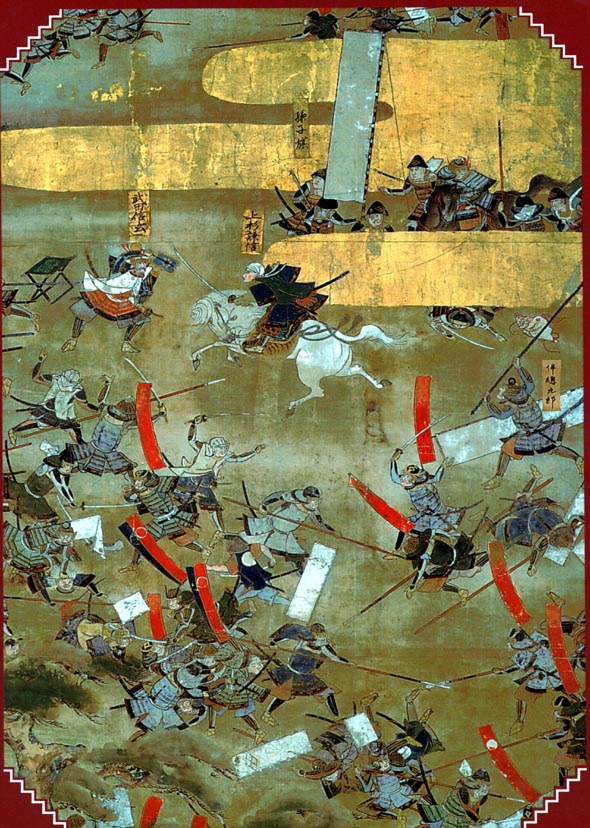
    An image depicting the legendary rivalry between Uesugi Kenshin and Takeda Shingen. Despite this, a peace between the two allowed Shingen to focus on the Hojo.

    Later that year, Shingen invaded Musashi Province and advanced south towards Odawara, the capital of the Hojo. Though they were able to lay siege to the mighty fortress, the chances of taking it were slim. The castle was one of the strongest in the realm, and Ujiyasu had made sure it was as well-defended as possible. Shingen likely understood that taking the castle would have been enormously costly, and he had better uses for his army, so he contented himself with burning the town around Odawara and retreating.

    Ujiyasu ordered his son, Ujimasa, to pursue the retreating Takeda, hoping to trap them before they could return to Kai Province. The plan failed, however, as the Takeda moved faster than expected and the ambush was discovered. At the ensuing Battle of Mimasu Pass, the Takeda successfully fended off the Hojo and returned to Kai.

    Some scholars believe that the whole attempt at Odawara had been an elaborate show of force, meant to impress Shingen’s new allies in the Kanto, or that it was a strategic move to keep the Hojo off balance whilst Takeda forces reinvaded Suruga. Either way, there doesn’t seem to have been much enthusiasm amongst either the Hojo or Takeda to continue the war, and some sources suggest that, shortly before his death, Ujiyasu told his son, Ujimasa, that he should return to a state of peace with the Takeda and make war on their traditional enemy, the Uesugi.
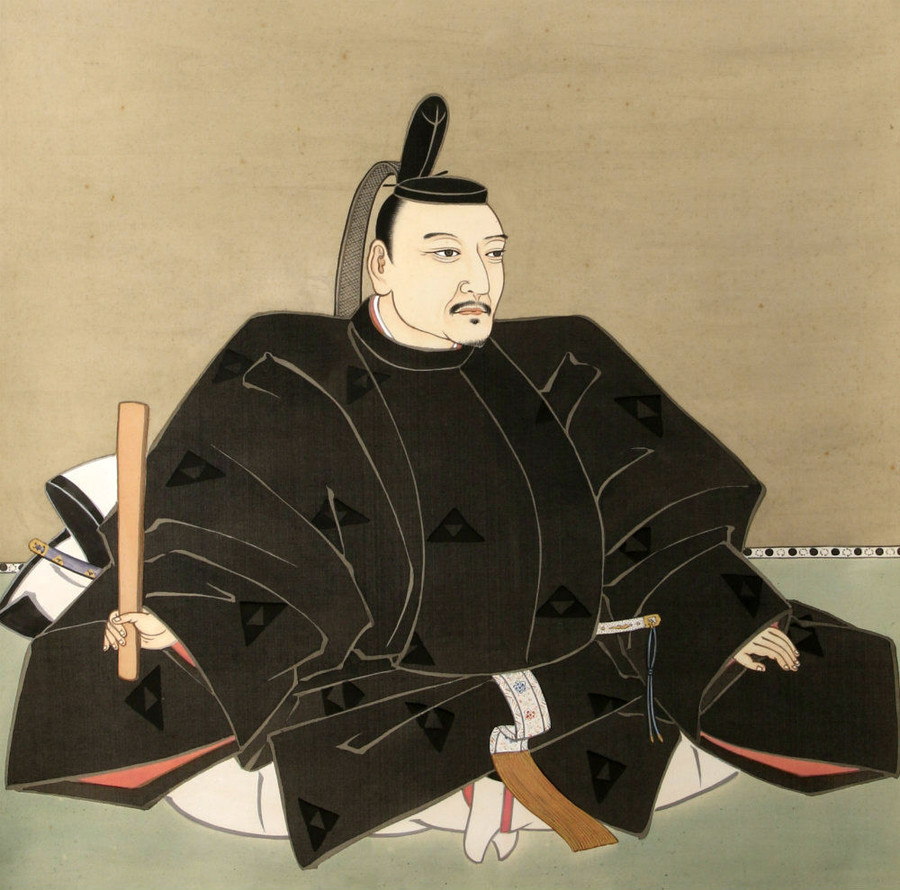
    Hojo Ujimasa

    Ujiyasu himself is supposed to have suffered a stroke in the summer of 1570. Sources from the time speak of him slurring his words or being unable to speak at all, and although he rallied briefly around the New Year in 1571, he would begin to decline again shortly afterwards. There are no official documents bearing his seal after May, and he would eventually pass away in October that year.

    Sources
    https://ja.wikipedia.org/wiki/%E5%8C%97%E6%9D%A1%E6%B0%8F%E6%94%BF
    https://ja.wikipedia.org/wiki/%E5%8C%97%E6%9D%A1%E6%B0%8F%E5%BA%B7
    https://ja.wikipedia.org/wiki/%E5%9B%BD%E5%BA%9C%E5%8F%B0%E5%90%88%E6%88%A6#%E7%AC%AC%E4%BA%8C%E6%AC%A1%E5%9B%BD%E5%BA%9C%E5%8F%B0%E5%90%88%E6%88%A6%EF%BC%88%E6%B0%B8%E7%A6%846%E5%B9%B4%E3%83%BB%E6%B0%B8%E7%A6%847%E5%B9%B4/1563%E5%B9%B4%E3%83%BB1564%E5%B9%B4%EF%BC%89
    https://ja.wikipedia.org/wiki/%E6%AD%A6%E7%94%B0%E4%BF%A1%E7%8E%84
    https://ja.wikipedia.org/wiki/%E4%BB%8A%E5%B7%9D%E7%BE%A9%E5%85%83
    https://ja.wikipedia.org/wiki/%E4%B8%89%E5%A2%97%E5%B3%A0%E3%81%AE%E6%88%A6%E3%81%84
    https://ja.wikipedia.org/wiki/%E5%A4%A7%E5%AE%AE%E5%9F%8E_(%E9%A7%BF%E6%B2%B3%E5%9B%BD)
    https://ja.wikipedia.org/wiki/%E5%B0%8F%E7%94%B0%E5%8E%9F%E5%9F%8E
    https://ja.wikipedia.org/wiki/%E4%B8%8A%E6%9D%89%E8%AC%99%E4%BF%A1
    https://ja.wikipedia.org/wiki/%E9%87%8C%E8%A6%8B%E7%BE%A9%E5%A0%AF
    https://ja.wikipedia.org/wiki/%E6%B1%9F%E6%88%B8%E5%B7%9D
    https://en.wikipedia.org/wiki/Suruga_Province
  • Lords of the East, Part 2

    Lords of the East, Part 2

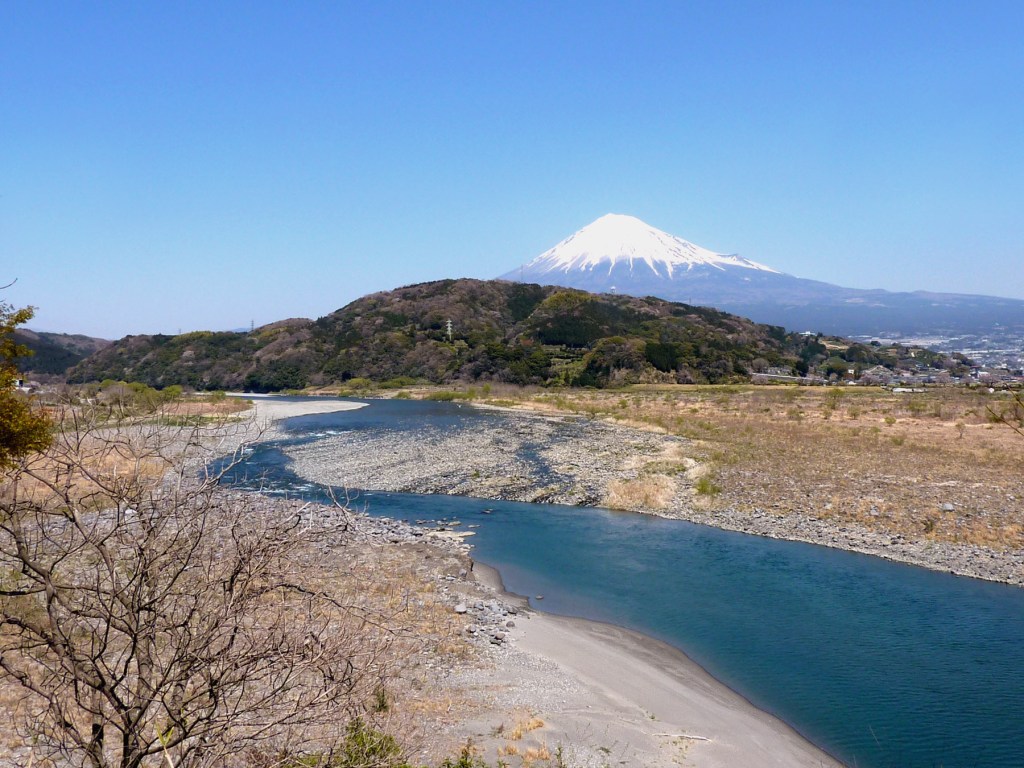
    In 1537, Hojo Ujitsuna launched a successful invasion of Suruga Province, establishing the frontier at the Fuji River and ending the threat from the Imagawa-Takeda alliance, at least for now. Shortly after this news broke that (Ogigayatsu) Uesugi Tomoaki had died. Tomoaki had been an implacable foe of the Hojo, and his death severely weakened his clan, which was now led by the 12-year-old Tomosada.

    The Fuji River as it appears today, in modern Shizuoka Prefecture.

    It wasn’t all good news, however. With the bulk of the Hojo forces focused in Suruga against the Imagawa, forces of the Satomi Clan moved to expel the Hojo from the Boso Peninsula (modern Chiba), quickly establishing control and forcing the remaining Hojo loyalists to flee. There was little Ujitsuna could do about that in the short term, but in the summer of 1537, he gathered 15,000 men at Edo Castle before dispatching his son, Ujiyasu, to take the Uesugi stronghold at Kawagoe.

    The castle was taken undamaged after a surprise attack, and when the Uesugi tried to recapture it on New Year’s Day 1538, they were defeated. With his northern flank secure, Ujitsuna launched a campaign to reestablish control over the Boso Peninsula. Though they were initially successful, the attack clashed with the plans of the Koga Kubo, Ashikaga Yoshiaki.

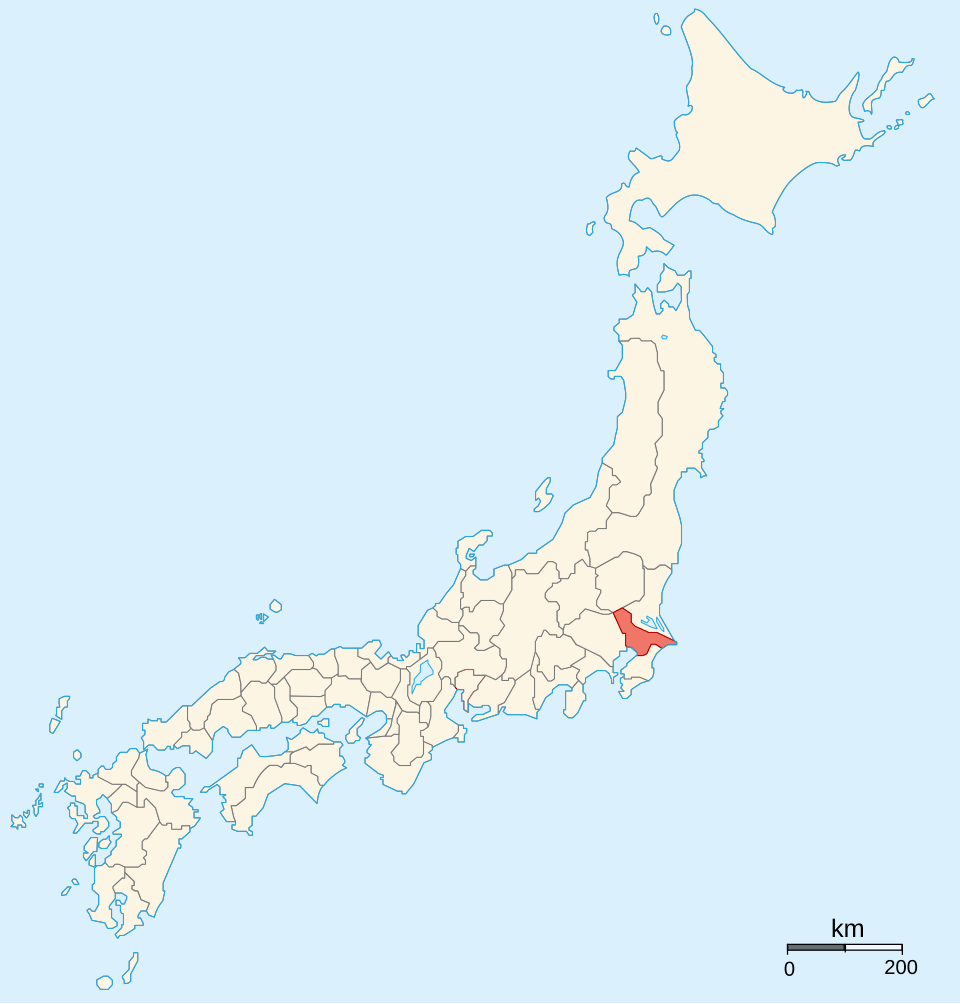
    You may remember from earlier posts that the position of Kubo was the Shogun’s deputy in a given area. In decades past, the centre of the Kubo‘s power had been Kamakura, but the catastrophic decline of Shogunate power meant that the Kubo was eventually obliged to leave Kamakura (which was now under Hojo control) and take up residence at Koga, in Shimosa Province (modern Ibaraki).

    Shimosa Province
    By Ash_Crow – Own work, based on Image: Provinces of Japan.svg, CC BY 2.5, https://commons.wikimedia.org/w/index.php?curid=1691764

    Yoshiaki had the long-term objective of reestablishing the Kubos’ preeminent position over the whole Kanto, and the Hojo stood in direct opposition to this. Both sides were about equal in strength, but while the Hojo were united behind Ujitsuna, Yoshiaki’s forces were united in opposition to the Hojo, but not necessarily in support of the Kubo.

    Though Yoshiaki’s forces agreed to challenge the Hojo at the Edogawa River, they couldn’t decide on a strategy. Yoshiaki’s allies suggested attacking the Hojo as they crossed the river, but sources say that Yoshiaki, proud of his illustrious Ashikaga name, refused such a strategy, deciding that he would march out in person and face the Hojo in the field, once the bulk of their forces were already across the river.

    Satomi Yoshitaka, once a supporter of the Hojo but now serving under Yoshiaki, recognised that the strategy robbed them of the advantage of the river and was reluctant to commit his forces to open battle with the Hojo, where victory was far from certain. Yoshitaka also recognised that if Yoshiaki were defeated, a large expanse of territory would become available; thus, he positioned his forces away from what he assumed would be the main battlefield, ready to retreat quickly if things looked to be going badly.

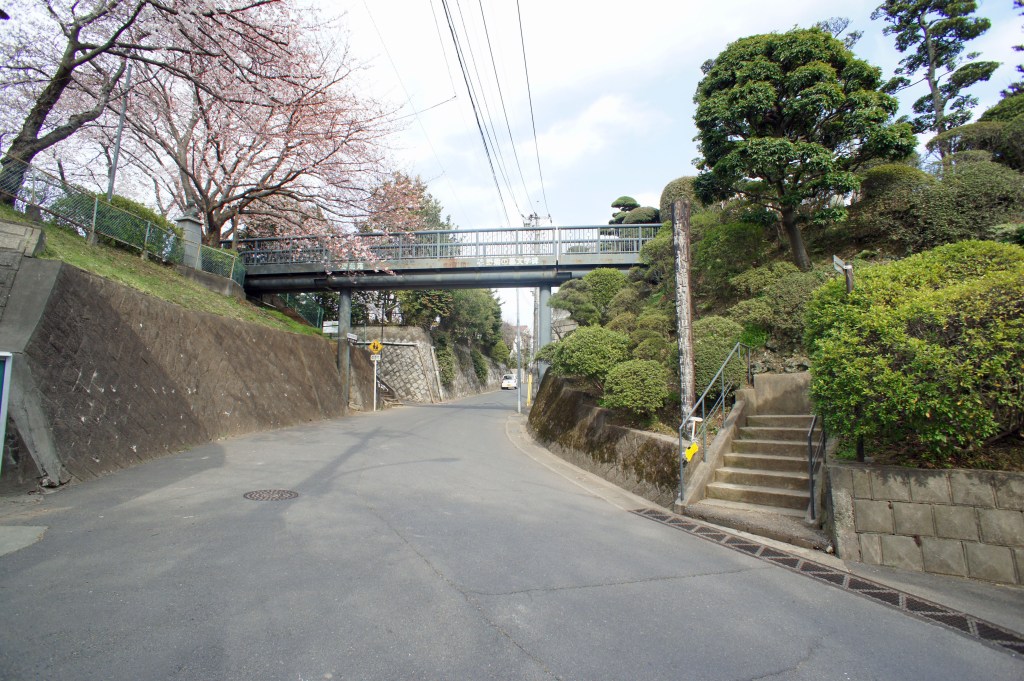
    Though heavily built up today, this hill was the site of some of the fiercest fighting at the Battle of Konodai.

    What became known as the Battle of Konodai began on the morning of November 8th, when the Hojo forces crossed the river. Initially, Yoshiaki’s forces had the advantage, but throughout the day, more Hojo forces arrived, and the tide of battle turned. When news came that Yoshiaki’s brother and son had been killed, he flew into a rage and charged the Hojo himself, only to be struck down by an arrow and killed. Seeing this, Satomi Yoshitaka withdrew his unengaged army, and shortly afterwards, the remaining forces began a retreat that swiftly turned into a rout.

    The Hojo used the momentum of victory to advance into Kazusa and Shimosa Provinces, whilst Yoshitaka, with his army still intact, would be able to take control of almost the entire Boso Peninsula, where he would continue to resist the Hojo, beginning a feud that would last decades.

    Although the exact date is unclear, after the victory at Konodai, Ujitsuna wouldn’t lead another campaign, and scholars agree that he retired as head of the clan sometime in 1539, when his son, Ujiyasu, completed the conquest of Shimosa and Kazusa Provinces. In late 1540, the reconstruction of Tsurugaoka Hachiman Shrine was completed, and Ujitsuna held a celebration there in which he was recognised as Kanto Kanrei, the Shogun’s official deputy in the Kanto, a title that reflected his preeminent position in the region.

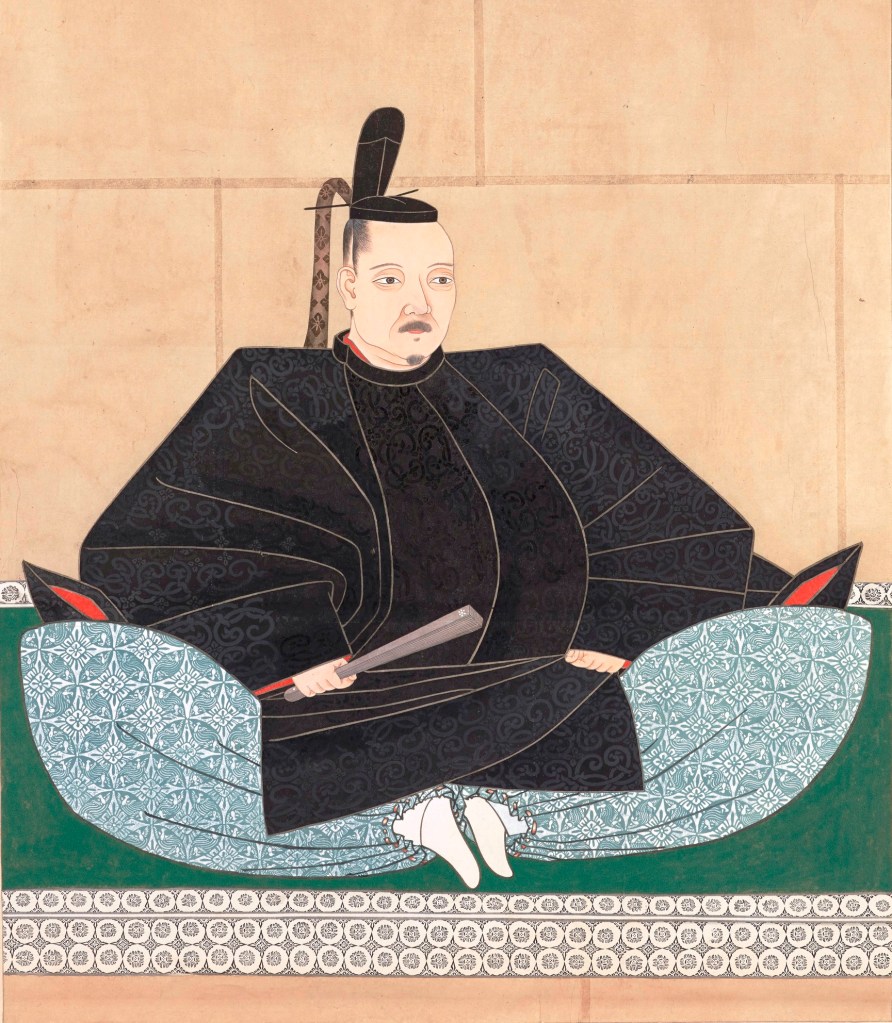
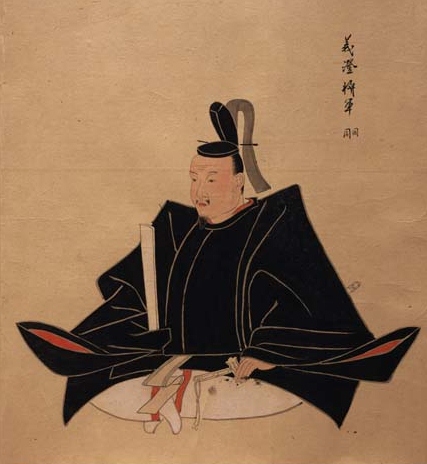
    Hojo Ujiyasu.

    Ujitsuna would eventually pass away in August 1541, and his son, Ujiyasu, lord now in fact as well as name, inherited a strong but dangerous position. Successful campaigns in the east had extended Hojo control to Shimosa province. To the north, the Ogigayatsu-Uesugi plotted revenge and the return of Kawagoe Castle, whilst to the east, the conflict with the Imagawa dragged on, despite a strong frontier on the Fuji River.

    A famine in 1540-41 precluded an immediate campaign, and in 1542 Ujiyasu ordered a land survey, which enabled him to adjust and reform taxation in his territory (which was largely based on rice production) and to ensure a strong economic base for what was to come next. In 1545, the Imagawa sent out peace feelers, but no agreement could be reached, and the Imagawa joined forces with the Uesugi, with both agreeing to attack the Hojo from east and west.

    Ujiyasu rushed forces to the east, but a combined Imagawa-Takeda army proved too strong, and Ujiyasu was eventually obliged to conclude a disadvantageous peace, which saw him cede all the territory the Hojo had controlled in Suruga back to the Imagawa. Though the new border would remain tense, the peace held, and all three sides would eventually conclude an alliance in 1554, though we’re getting ahead of ourselves.

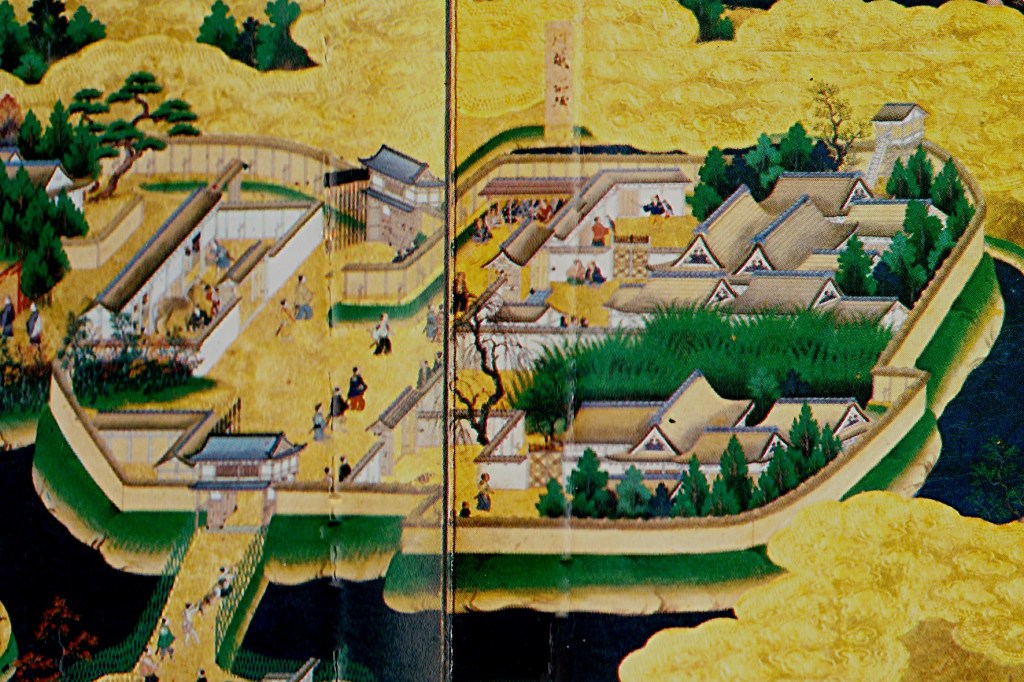
    A later image of Kawagoe Castle.

    Meanwhile, the Uesugi and their allies had massed a force of some 80,000 men around Kawagoe Castle, and with Ujiyasu busy in Surugu, the castle would endure a 6-month siege. Even after the Hojo had secured peace with the Imagawa, Ujiyasu could only muster 10,000 men, and what happened next is a matter of some debate.

    The most common telling is that Ujiyasu, in concert with the garrison inside the castle, organised a night attack on the Uesugi that caught them completely by surprise and routed them in a victory so complete that the Uesugi were destroyed as a serious force in the Kanto. The problem with this version of events is that the only sources describing the battle in that way come from the Edo Period, nearly 100 years after the events.

    Scholars debate the accuracy of those reports, and some suggest that the Battle of Kawagoe Castle happened in a very different way, or may never have happened at all, but what is certain is that the siege was lifted and either during the lifting, or shortly afterwards, the lord of the Uesugi, Tomosada, was killed, and the rest of the clan was forced north, leaving Musashi Province in Hojo hands.

    The remains of Hirai Castle.

    The war against the Uesugi would continue, however. In 1550, an attack on Hirai Castle was repulsed, only for a second attempt the next year to succeed, driving Uesugi Norimasa further north, where he sought refuge with Nagao Kagetora (better known to history as Uesugi Kenshin). In the east, too, the Hojo would advance, marching into Hitachi and Shimotsuke Province, and continuing the war against the Satomi of Kazusa Province to their southeast, conquering Kanaya Castle in 1555 and establishing Hojo control over almost the whole of the western Boso Peninsula.

    These conquests in the east were possible because of the peace established on the Hojo’s western borders. Though there was no actual fighting, the border remained very tense until the establishment of a triple alliance between the Imagawa, Takeda, and Hojo. This alliance was established over the period 1551-1554, as a series of marriages was arranged among all three parties, culminating in 1554, when Ujiyasu’s eldest daughter married Imagawa Yoshimoto’s eldest son, whilst Ujiyasu’s heir, Ujimasa, married the daughter of Takeda Shingen.

    This alliance secured the Hojo’s western border, and in 1559, Ujiyasu retired as head of the clan, handing formal power to his son Ujimasa while retaining actual control himself. That same year, he focused his full attention on pushing the last of the Uesugi clan out of Kozuke Province and established a strong presence at Numata to check any further Uesugi attempts to invade the Kanto.

    The situation in 1560. The Hojo are in Green.
    By Alvin Lee – Own work, CC BY-SA 4.0, https://commons.wikimedia.org/w/index.php?curid=39200926

    In 1560, the Imagawa suffered a serious and surprising defeat at the hands of Oda Nobunaga at the Battle of Okehazama, leaving the clan weak and the Hojo’s western flank reliant on the goodwill of the Takeda. During the same year, another outbreak of famine ravaged Hojo territory, severely weakening their economic power and food supply.

    The timing couldn’t have been much worse, because soon, the Uesugi, now led by Kenshin, would return to the Kanto, and the Hojo would face another serious crisis.

    Sources
    https://ja.wikipedia.org/wiki/%E5%8C%97%E6%9D%A1%E6%B0%8F%E5%BA%B7
    https://en.wikipedia.org/wiki/Imagawa_Yoshimoto
    https://ja.wikipedia.org/wiki/%E5%9B%BD%E5%BA%9C%E5%8F%B0%E5%90%88%E6%88%A6
    https://ja.wikipedia.org/wiki/%E5%B7%9D%E8%B6%8A%E5%9F%8E
    https://ja.wikipedia.org/wiki/%E6%B2%B3%E8%B6%8A%E5%9F%8E%E3%81%AE%E6%88%A6%E3%81%84
    https://ja.wikipedia.org/wiki/%E4%B8%8A%E6%9D%89%E6%9C%9D%E5%AE%9A_(%E6%89%87%E8%B0%B7%E4%B8%8A%E6%9D%89%E5%AE%B6)
    https://ja.wikipedia.org/wiki/%E5%BE%8C%E5%8C%97%E6%9D%A1%E6%B0%8F
    https://ja.wikipedia.org/wiki/%E5%AF%8C%E5%A3%AB%E5%B7%9D
    https://ja.wikipedia.org/wiki/%E5%8F%A4%E6%B2%B3%E5%B8%82
    https://ja.wikipedia.org/wiki/%E5%B9%B3%E4%BA%95%E5%9F%8E

  • The Meio Coup

    The Meio Coup

    As we’ve discussed previously, by the 1490s, the Ashikaga Shogun was a shadow of its former self. The Onin War had effectively ended even the pretence of Shogunate power, and in the provinces, what would later be called the Sengoku Jidai was already underway.

    The Onin War ultimately broke the Shogun’s power.

    There’s a post on the Onin War if you want details, but very briefly, the war was fought over who would succeed Ashikaga Yoshimasa as Shogun, his son (Yoshihisa), or his brother (Yoshimi). When the war ended in 1477, it was his son who became Shogun.

    Yoshihisa was apparently a bit of a lush, and contemporary sources paint him as a young man who was too fond of wine and women. In fact, when he died suddenly in 1489, aged just 25, it was widely blamed on his hedonistic lifestyle (not a bad way to go, mind you).

    Despite his proclivities, Yoshihisa died without a male heir, and it was at this point that the son of the defeated brother, Ashikaga Yoshitane, became Shogun. This might seem like a strange choice, and it certainly wasn’t unopposed, but he apparently had the support of Hino Tomiko, Yoshihisa’s mother, who was widely regarded as one of the most influential women in Japanese history.

    Quite why Tomiko chose to support Yoshitane isn’t documented, but given her reputation for political intrigue, she probably had some long game in mind. Yoshitane wouldn’t actually become Shogun until July 1490, and even when he took the throne, his position was weak.

    Ashikaga Yoshitane was a surprising and ultimately controversial choice for Shogun.

    There were myriad problems in and around the Shogun’s government, but the fundamental issue seems to have been that Yoshitane was the son of the man who had been defeated in the Onin War just 13 years earlier. The men who had won that war were still in government, and they weren’t fans of the idea of having to serve someone who was probably going to be out for revenge.

    When Tomiko announced her support for Yoshitane, several high-ranking members of the government resigned their positions rather than serve under him. Initially, this might not have been a problem. Yoshitane was a young man (just 23) who enjoyed the support of one of the realm’s most powerful figures, Hino Tomiko, and the advice and guidance of his father, Yoshimi, who might have been Shogun himself, if things had gone differently.

    Yoshitane was also aided by his kanrei (deputy), Hosokawa Masamoto, an experienced (if slightly eccentric) politician. As seems to be inevitable with the Ashikaga, though, this initial optimism didn’t last. Ashikaga Yoshimi died in January 1491, just months into the new Shogun’s reign, and it seems that his relationship with Hino Tomiko soured too. Some sources (admittedly biased against Tomiko) suggest this was because Yoshitane turned out to be not as compliant as Tomiko had intended, but whatever the reason, Yoshitane was obliged to find a new way to shore up his power.

    To do this, he turned to the time-honoured tradition of his forebears and went to war. The region around Kyoto had been devastated by the Onin War, and recovery had been unequal at best. There were numerous uprisings from angry peasants and religious movements throughout the decades of ‘peace’, and Yoshitane saw an opportunity to flex his muscles and put these troublemakers in their place.

    The first blow was struck against the Rokkaku Clan. Like his predecessors, Yoshitane had few military resources of his own to call on, so he summoned several powerful lords to do the fighting for him. They agreed eagerly, but one figure who opposed the campaign was Hosokawa Masatomo. Quite why the kanrei was against the campaign isn’t clear, but this led to a schism between the Shogun and his most powerful official.

    Hosokawa Masamoto, the Shogun’s Deputy and most powerful official.

    In response, Yoshitane began relying on other lords to do his bidding, attempting to cut Masatomo out of the picture. In 1493, he launched another campaign, this time seeking to bring an end to the division in the once powerful Hatakeyama Clan. This time, Masatomo’s opposition is easier to understand. The Hatakeyama and Hosokawa Clans were historic rivals, and the ‘civil war’ in the Hatakeyama Clan had been to the Hosokawa’s benefit. If the Shogun succeeded in ending the fighting, then the Hatakeyama might regain their strength, and Masatomo couldn’t have that.

    When the Shogun issued orders for an army to be gathered in January 1493, Masatomo went to work. He contacted the faction within the Hatakeyama that the Shogun intended to attack and made arrangements with them to earn their support for what came next. Throughout early spring that year, Masatomo gathered others who were unhappy with Yoshitane. Some were partisans of the armies that had opposed Yoshitane’s father; others were disgruntled with the political situation, like Hino Tomiko, who now sided against the man she had supported just a few years earlier.

    Others were almost certainly just opportunists, but by April, Masatomo was ready to move. He waited for the Shogun’s army to attack the Hatakeyama in Kawachi Province (in modern Osaka), and when Kyoto was vulnerable, he launched his coup.

    It all went relatively smoothly for Masatomo. His forces took the city without much trouble, and Hino Tomiko issued an order commanding that Masatomo take control to restore order, giving his actions the veneer of legality. Masatomo then announced he would depose Yoshitane and replace him with Ashikaga Yoshizumi, who had been adopted by Hino Tomoki and Shogun Yoshimasa.

    Ashikaga Yoshizumi, installed as Shogun after the Meio Coup.
    Geneast – 投稿者自身による著作物, CC 表示-継承 3.0, https://commons.wikimedia.org/w/index.php?curid=21645552による

    When the news reached the army in Kawachi, it disintegrated almost immediately, with many vassals supporting the new Shogun and effectively legitimising Masatomo’s coup. Yoshitane could still call on around 8000 loyalists to fight for his cause, but the situation was dire.

    As well as Yoshitane’s (much reduced) loyalists, the Emperor himself was apparently against the coup. You may remember that the Shogun was technically a servant of the Imperial Court, and although it had been centuries since the Emperor had actually had the power to decide who would be Shogun, the idea that someone else could overthrow him was an affront to what remained of Imperial prestige.

    The Emperor was so angry that he even threatened to abdicate, but the impotence of his position was highlighted when Imperial officials pointed out that a) even if he abdicated, the coup would not be reversed, and b) the Imperial Court couldn’t afford the ceremony, and might have to resort to borrowing money for it from the very Shogunate they sought to protest.

    So the Imperial Court prevaricated by engaging in some religious ceremonies that the Emperor was required to attend, and would therefore be unavailable to condone or condemn the coup. This led to a strange stalemate, where the Imperial Court could do nothing to change the course of events, but the Shogunate (controlled by Masatomo) could not compel the court to obey, denying the coup the full support of Japan’s ‘legal’ sovereign.

    Emperor Go-Tsuchimikado was on the throne during the coup and was pretty annoyed about it.

    Political difficulties aside, the reality was that Masatomo was now in control, and to demonstrate this, he ordered an army to be dispatched to Kawachi Province to deal with what was left of the old Shogun’s loyalists. Chronicles at the time suggest the force was as large as 40,000, and, faced with such odds, Yoshitane and his supporters retreated to and fortified a nearby temple, where they hoped to hold out.

    The situation got worse for Yoshitane, however, as a relief force sent by his supporters met Masatomo’s army near Sakai (modern Osaka), where they were defeated, effectively ending any chance Yoshitane had of reversing the coup.

    Not long afterwards, Masatomo’s forces attacked the temple and quickly overwhelmed its defences. Several of Yoshitane’s prominent supporters committed suicide, but Yoshitane himself was captured and taken back to Kyoto and held at the Ryoanji Temple.

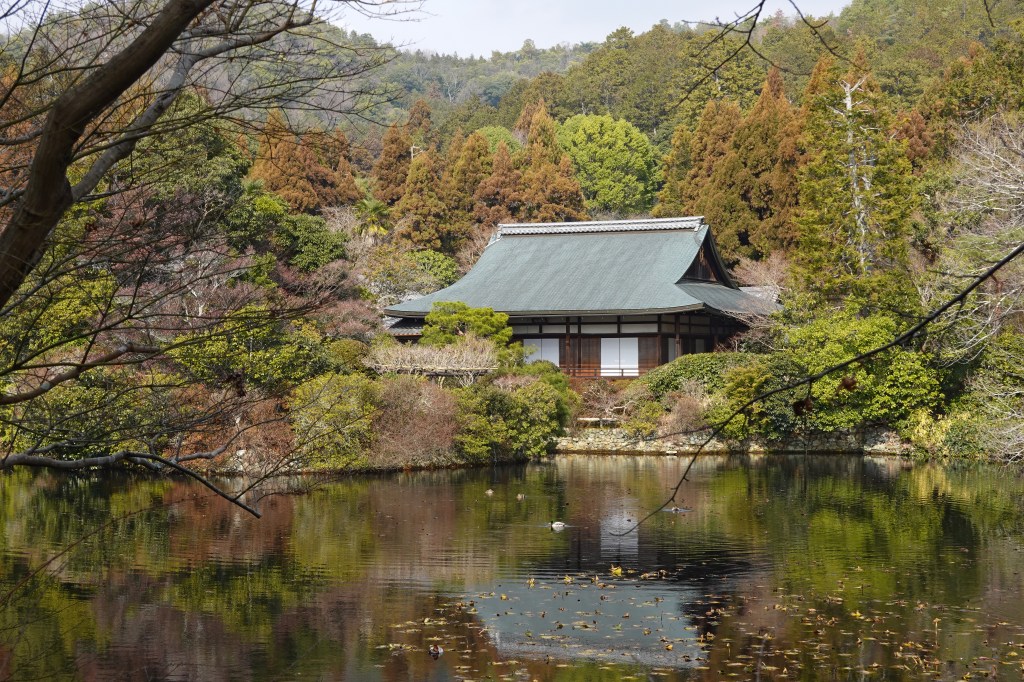
    A modern scene of Ryoanji Temple, where Yoshitane was held. Picturesque as prisons go.
    663highland – 投稿者自身による著作物, CC 表示-継承 4.0, https://commons.wikimedia.org/w/index.php?curid=159351811による

    In the aftermath of this battle, Masatomo had several of his more powerful opponents killed or exiled, and consolidated power in the capital and by the Autumn of 1493, his position was practically unassailable.

    Quite why Masatomo decided to get rid of Yoshitane has been debated from the start. The man himself claimed it was due to the Shogun’s military campaigns putting an unsustainable burden on the more powerful lords, and while there’s probably some truth to that claim, it also seems likely that the relationship between Masatomo and the Shogun had broken down, and Masatomo decided to strike while he was in a position of strength.

    That being said, Masatomo wouldn’t have succeeded if he’d acted alone. The fact that he had the support of Hino Tomiko and that most of Yoshitane’s supporters abandoned him almost immediately suggests that the dissatisfaction with his rule ran deep. It has also been suggested that Tomiko herself was the instigator of the coup, as she had come to regret her earlier decision to support Yoshitane.

    Although the Meio Coup left Masatomo as the dominant political figure in Kyoto, in the long term, it did nothing to reverse the catastrophic decline of Shogunate power. Although the supreme military power, Masatomo, did not have control of the bureaucracy, which remained with Hino Tomiko and her supporters.

    Additionally, the swift collapse of the Shogun’s ‘loyalists’ demonstrated how fragile that system really was, and after the coup, instead of relying on several powerful clans, the Shogunate was forced to rely on one, the Hosokawa and by extension, Masatomo.

    Masatomo certainly didn’t have it all his own way, then, and the situation only got worse when Yoshitane (who had been left alive) escaped captivity in Kyoto and fled to Etchu Province, from where he issued calls for his supporters to deal with Masatomo.

    Masatomo would dispatch an army to deal with Yoshitane, but it was defeated, and not long after that, several powerful clans declared their support for the deposed Shogun, though in reality, they offered little practical support in the short term.

    Internally too, opposition to Masatomo grew as Yoshizumi, who had been a boy when Masatomo installed him as Shogun, grew into a man (as they do) and began trying to assert control of what was supposed to be ‘his’ government, so, despite the success of his coup, Masatomo found himself with problems on all sides, and the power of the Shogun declined further still.

    Sources
    https://ja.wikipedia.org/wiki/%E6%97%A5%E9%87%8E%E5%AF%8C%E5%AD%90
    https://ja.wikipedia.org/wiki/%E6%98%8E%E5%BF%9C%E3%81%AE%E6%94%BF%E5%A4%89
    https://ja.wikipedia.org/wiki/%E8%B6%B3%E5%88%A9%E7%BE%A9%E5%B0%9A
    https://ja.wikipedia.org/wiki/%E8%B6%B3%E5%88%A9%E7%BE%A9%E8%A6%96
    https://ja.wikipedia.org/wiki/%E7%B4%B0%E5%B7%9D%E6%94%BF%E5%85%83
    https://ja.wikipedia.org/wiki/%E8%B6%B3%E5%88%A9%E7%BE%A9%E6%BE%84
    https://ja.wikipedia.org/wiki/%E5%A0%BA
    https://ja.wikipedia.org/wiki/%E9%BE%8D%E5%AE%89%E5%AF%BA
    https://ja.wikipedia.org/wiki/%E5%BE%8C%E5%9C%9F%E5%BE%A1%E9%96%80%E5%A4%A9%E7%9A%87

  • The Power in the Provinces – Honourable Mentions

    The Power in the Provinces – Honourable Mentions

    I have a confession, this ended up being quite the rabbit hole. When researching the early stages of the Sengoku Jidai, it’s almost impossible to narrow down who the “major” clans were, without also having read up on the clans who would go on to play the biggest role in the century to come.

    I originally thought this’d be a one or two post sideshow, but it quickly became apparent that the sheer volume of information and my inability to focus meant that it risked spiralling out of control.

    With that in mind, and with a desire to actually get back on track with the history, the last six clans are not going to get quite the same level of detail, but I can assure you, we will definitely be revisiting clan deep dives in the future.

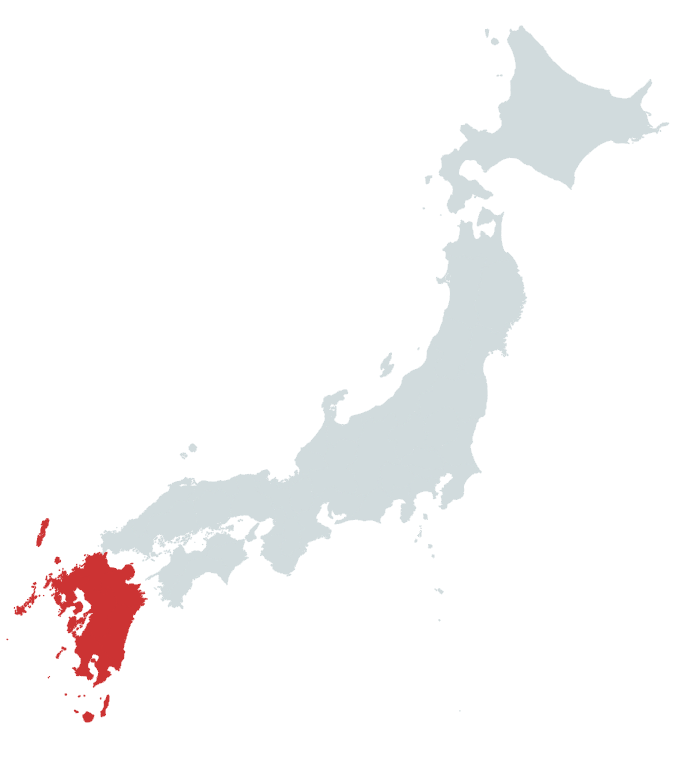
    Kyushu

    Kyushu, the southernmost of Japan’s big four islands, and often a law unto itself.

    The Shimazu

    The mon of the Shimazu Clan

    The Shimazu would prove to be one of the most enduring and influential clans in Japanese history. Originating in Satsuma Province in modern Kagoshima Prefecture, they would eventually rise to become masters of the whole of Kyushu, before running into the rise of Toyotomi Hideyoshi.

    The Shimazu would also find themselves on the wrong side during the closing stages of the Sengoku Jidai, but their position in Satsuma was so far removed from the capital at Edo (modern Tokyo) that the new government had little influence.

    Satsuma Domain would be one of the few that were allowed to continue international trade (through their dominance of Okinawa), and this relatively outward-looking approach meant that they would first fight, and then ally with the British during the mid-19th Century.

    A 19th Century photograph of Samurai of the Satsuma Domain

    Interesting side note: The Shimazu Clan’s mon, which appears to show a cross, led some scholars to speculate that they were a clan with Christian origins, and one wild theory suggesting that the Shimazu’s real origins lay with one of the Lost Tribes of Israel (this is the Japanese-Jewish origin theory, and it’s pretty racist, in a clumsy, Victorian kind of way.)

    The Otomo

    The mon of the Otomo Clan.
    By Mukai – Own work, CC BY-SA 3.0, https://commons.wikimedia.org/w/index.php?curid=6752905

    The Otomo Clan ruled lands in North-Eastern Kyushu (modern Oita and Fukuoka Prefectures) and would become one of the major beneficiaries of Portuguese Trade in Japan during the 16th Century, with many of the clan’s more powerful members even converting to Christianity, some say our of genuine faith, whilst others suggest it was more to do with keeping the Catholic Portuguese on side.

    These lucrative trade links didn’t do much to protect them from their powerful neighbours. With the Shimazu to the south, and the Mori across the sea to the East, the Otomo were hemmed in by powerful rivals, and they were ultimately obliged to seek alliance with the Mori.

    This proved to be the wrong course, as the Mori would be punished for picking the wrong side at the end of the Sengoku Period, and they and their allies saw their lands reduced. The Otomo wouldn’t have to suffer for long, however, as the main line of the clan would die out in 1619.

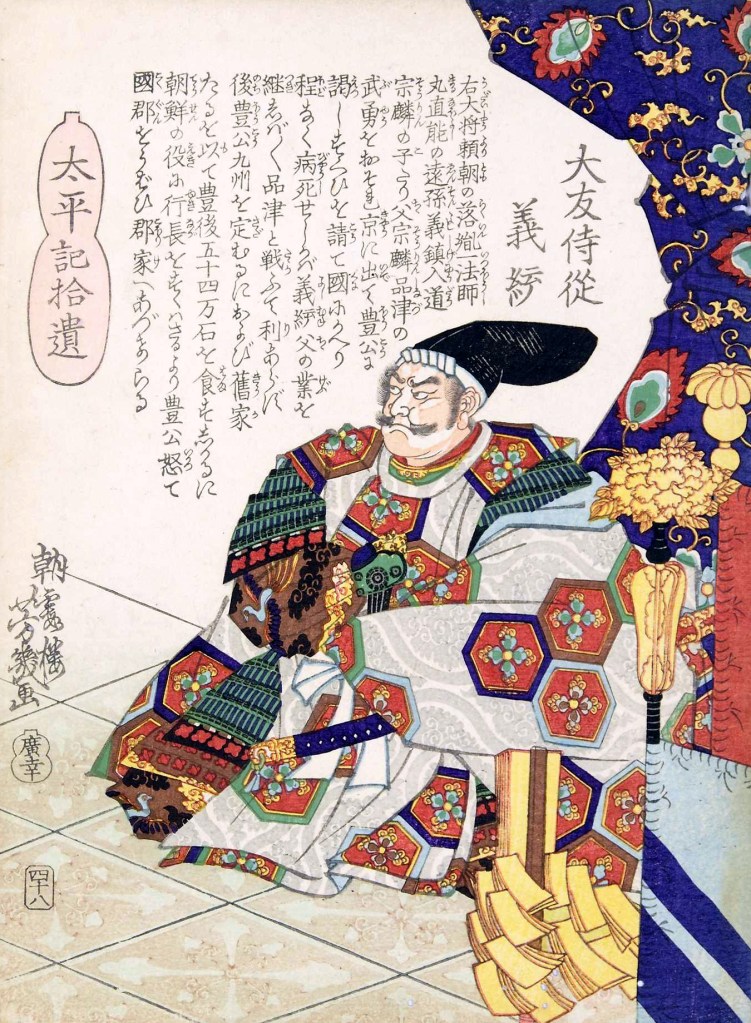
    Otomo Yoshimune, the last head of the Otomo to rule any serious territory. He would die in internal exile after 1600.

    The Otomo name would endure, however, as a cousin was allowed to adopt the name shortly afterwards, and during the Meiji Restoration, this branch of the Otomo was raised to the peerage, and would go on to play a role in the new Meiji government.

    Northern Japan

    Northern Japan during the 15th Century didn’t include Hokkaido, and was often viewed as the furthest fringes of civilisation.

    The Nanbu

    The mon of the Nanbu Clan
    By Mukai – Own work, CC BY-SA 3.0, https://commons.wikimedia.org/w/index.php?curid=8313849

    Much like the Shimazu in the south, the Nanbu would prove to be one of the most enduring Clans during this period. They would rule most of what is the modern Tohoku region for close to 700 years, and by the dawn of the Sengoku Period, they were firmly entrenched in their home region, which became one of the most famous areas for the breeding of war horses, in face, the “Nanbu” Breed was one of the best regarded breeds during that era, although they would become extinct around 1940.

    Unlike the Shimazu, however, the Nanbu would choose the winning side at the end of the Sengoku era, and would serve as one of the leading clans in the North during the following Edo Period.

    Their illustrious position would come to an end in the 1860s, however, as their loyalty to the Shogun led them to oppose the forces of the Meiji Restoration. The Imperial forces would win the Boshin War, and the Nanbu Clan suffered a sharp decrease in property.

    During the period of reconciliation after the restoration, the Nanbu would be ennobled, and the family would go on to play a significant role in the Meiji Period and beyond, remaining prominent in the Tohoku Region into the modern day.

    The Date

    The mon of the Date Clan

    The Date (pronounced Da-Tay) were the other long-lasting clan in the north. They benefited from a position that was far enough away to make attacking them a relatively unattractive prospect. The Date were not idle, however; they were the dominant clan in the region for a reason, with strength and resources comparable to many of the clans further south.

    The Date’s lands were reduced by Toyotomi Hideyoshi, but their support for Tokugawa Ieyasu meant that the clan would eventually become one of Japan’s wealthiest, controlling the Sendai Domain.

    The clan would not survive the Edo Period unscathed, however. In the 1660s, the lord of the clan was arrested in the capital for drunkenness, and his rivals within the wider Date Clan took advantage, seeking his removal. This led to nearly 10 years of conflict within the Date Clan, eventually leading to a bloody showdown in 1671, which has been the subject of considerable mythologising in Japanese popular culture ever since (they love a bloody story).

    The clan would endure, however, and although, like the Nanbu, they were much reduced due to their opposition to the Meiji Restoration, the head of the clan would join the ranks of the new Imperial aristocracy.

    Sources
    https://en.wikipedia.org/wiki/Shimazu_clan
    https://en.wikipedia.org/wiki/Japanese-Jewish_common_ancestry_theory
    https://en.wikipedia.org/wiki/Satsuma_Province
    https://ja.wikipedia.org/wiki/%E5%B3%B6%E6%B4%A5%E6%B0%8F
    https://ja.wikipedia.org/wiki/%E5%A4%A7%E5%8F%8B%E6%B0%8F
    https://en.wikipedia.org/wiki/%C5%8Ctomo_clan
    https://en.wikipedia.org/wiki/Nanbu_clan
    https://en.wikipedia.org/wiki/Date_clan
    https://en.wikipedia.org/wiki/Date_S%C5%8Dd%C5%8D