Tag: Japanese provincial history

  • Kings in the North

    Kings in the North

    Just a quick note: Date is pronounced “Da-Tay”.

    The mon of the Date Clan.

    Like many of the great clans of the Sengoku period, the Date’s exact origins are subject to a fair amount of mythologising. The family originally claimed to be descended from the prestigious Fujiwara Clan, but that doesn’t have very much supporting evidence, and most modern scholars agree that the clan’s origins were far more humble.

    That isn’t to say they didn’t earn their place, however. The first attested ancestor of the Clan was Date Tomomune, who was rewarded for services in battle with the manor of Date in modern Fukushima Prefecture. Tomomune himself is a bit of a murky figure (as they all seem to be), and there are still unanswered questions about his origins and even his identity, but for the sake of simplicity, we’ll agree with the Date’s own genealogy and start the story of the clan with him.

    Similar to many other clans in the period, the Date were not tied down to a single geographic location, and branches of the clan would pop up all over Japan as their fortunes rose and fell. For our purposes, it is the Date clan of Mutsu Province that we’ll be focusing on.
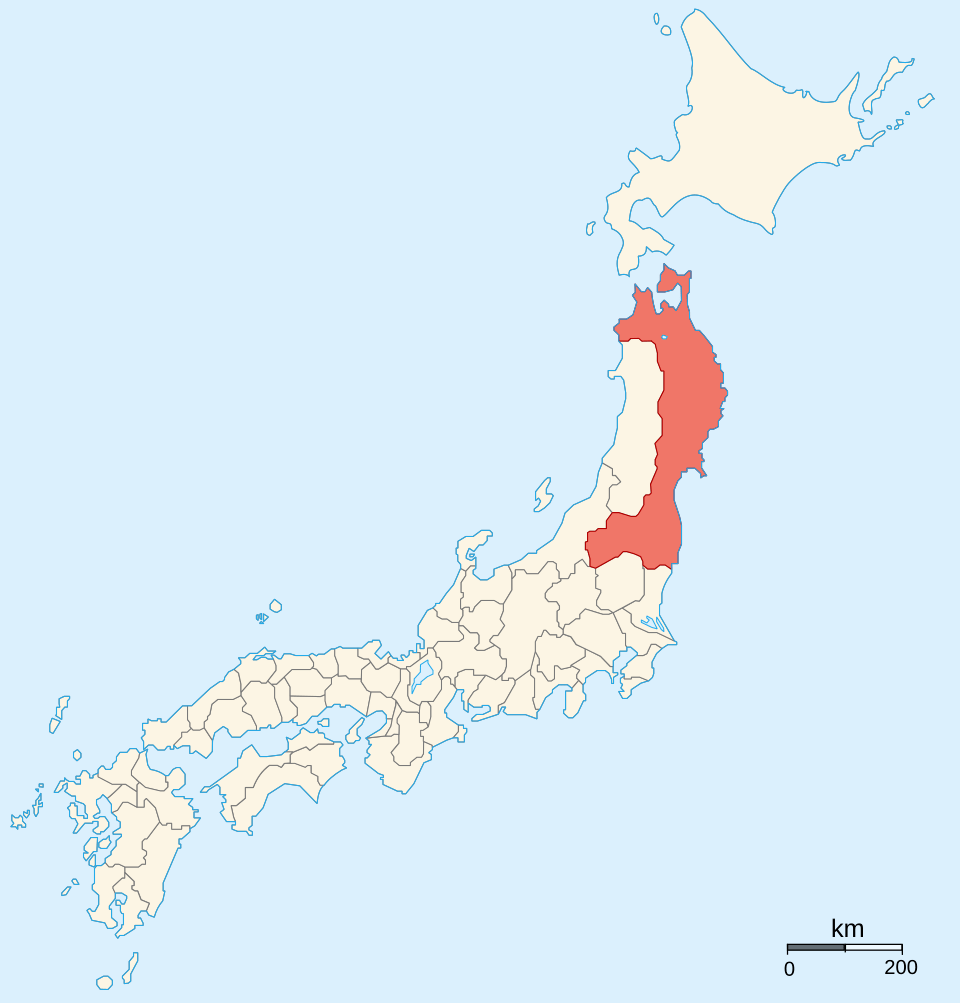
    Mutsu Province.
    By Ash_Crow – Own work, based on Image: Provinces of Japan.svg, CC BY 2.5, https://commons.wikimedia.org/w/index.php?curid=1690724

    The Date largely supported the Kamakura Shogunate, founded by Minamoto no Yoritomo, and in the 13th century, the Lord of the Date is said to have been living in Kamakura (the political capital). However, when the Shogunate was overthrown, the Date threw in their lot with the Emperor and would continue to support the Imperial throne even after the establishment of the Ashikaga Shogunate in 1336.

    This support would backfire, however, as the Date, in support of the Southern Court, were defeated by forces of the Northern Court, loyal to the new Ashikaga Shoguns, and ultimately obliged to switch sides. Beginning in the 1380s, the Date would set about restoring their strength by attacking rival clans in their home region. As was common at the time, these local conflicts were framed as part of the larger Northern-Southern Conflict (the Nanboku-cho Period), but were, in reality, private wars that the central authorities were powerless to direct.

    Later, when the power of the Ashikaga Shoguns was beginning to fracture, the Date would use the conflict between the government in Kyoto and the Kamakura kubo to further enhance their own power. Though nominally under the jurisdiction of Kamakura, the Date would appeal directly to Kyoto to serve as their vassals. The Shogunate agreed, and when open conflict between Kyoto and Kamakura broke out in the 1480s, the Date were in a prime position to take advantage.
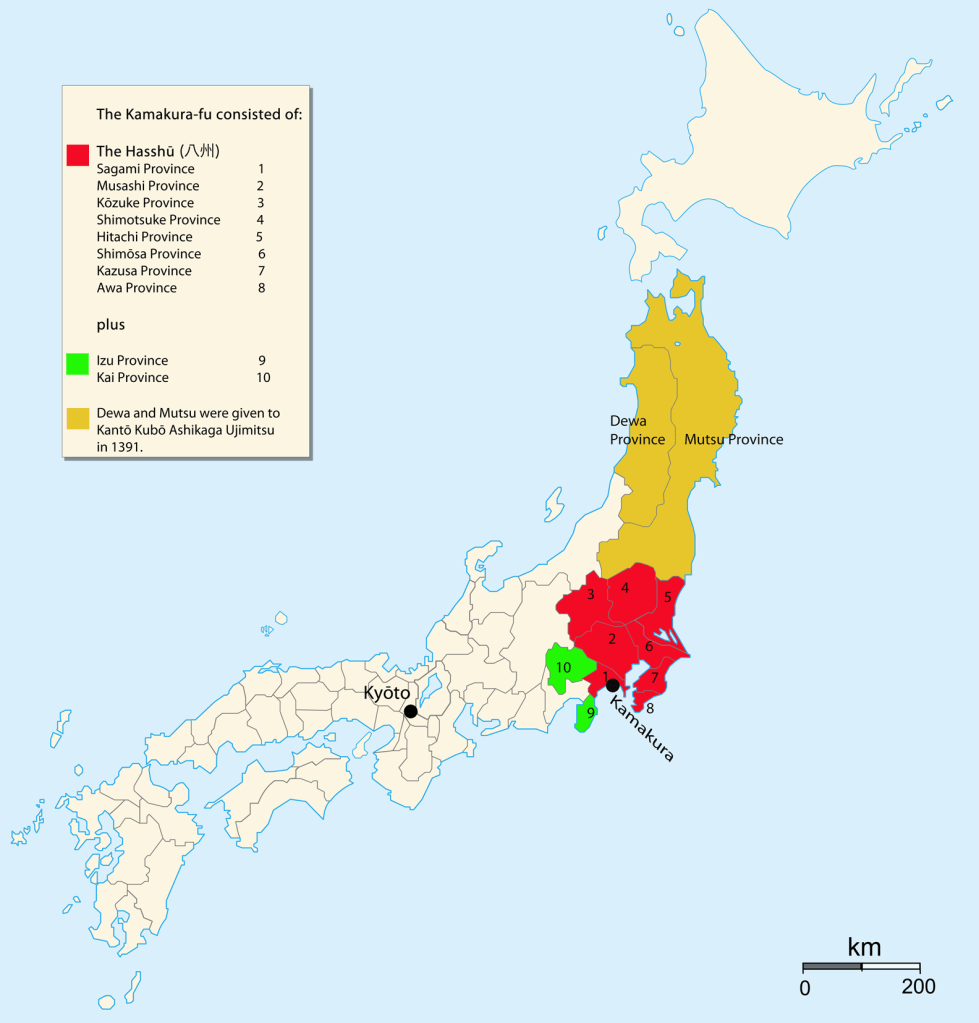
    The territories under the nominal jurisdiction of the Kamakura Kubo.

    An example of how strong the Date had become can be found in records from 1483, in which the Lord of the Date dispatched gifts to the court in Kyoto, including 23 swords, 95 horses, 380 ryo of gold dust, and 57,000 coins. This was an extraordinary fortune at the time, and seems to have led to the acceptance by the court of the Date’s position of the strongest (or at least richest) clan in the North.

    Despite their wealth and power, the Date were not the most prestigious clan in the region. That honour went to the Osaki, who were faithful to the Shogunate in Kyoto and were long established. As was common during the later 15th century, however, the Osaki had a prestigious name, but their actual power was crumbling. Though nominally their subordinates, the Date would intervene in a power struggle within the Osaki Clan in 1488, bringing an end to the conflict, but effectively reducing the Osaki to vassal status in the process.

    Another rival to the Date was the Mogami Clan from neighbouring Dewa Province. The clans would clash repeatedly, but in 1514, Date Tanemune would inflict a decisive defeat on the Mogami at Hasedo Castle. Shortly after this, he would marry his sister to the defeated Lord of the Mogami, effectively binding the two clans together. This would prove unpopular with the remaining Mogami vassals, and when their Lord died in 1520, and the Date attempted to take direct control, they rebelled.
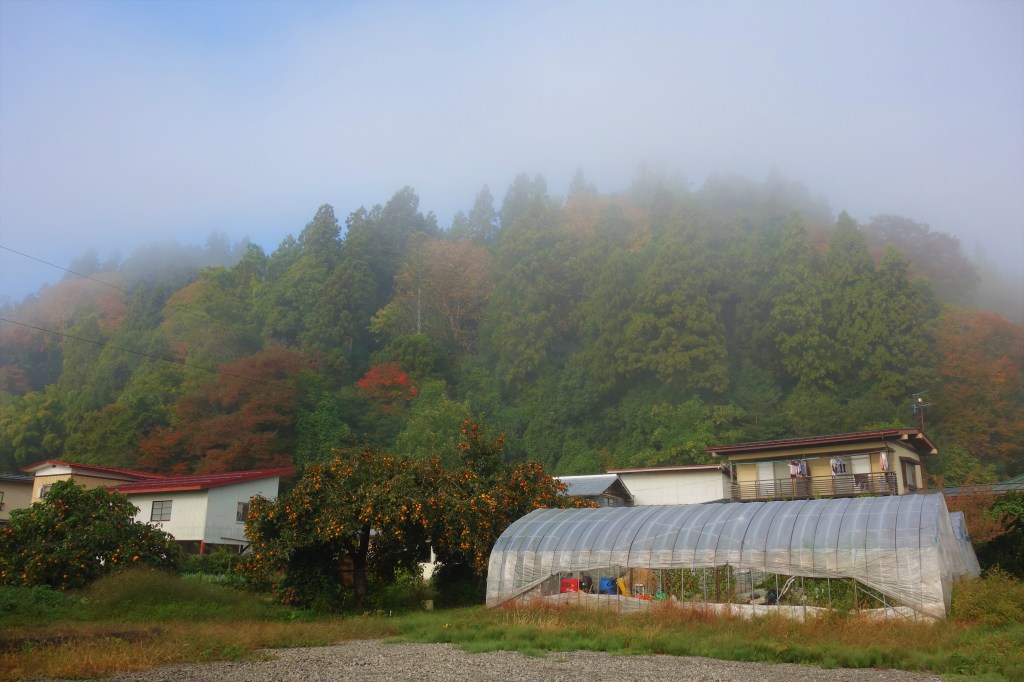
    The site of Hasedo Castle as it appears today.
    Koda6029 – 投稿者自身による著作物, CC 表示-継承 4.0, https://commons.wikimedia.org/w/index.php?curid=124663430による

    In defeating the rebellion, Tanemune was able to establish Date control over most of eastern Dewa Province, further expanding his clan’s power and prestige. In recognition of this, in 1522, the Shogunate appointed Tanemune shugo (governor) of Mutsu Province (the Date’s home province, remember). Tanemune was not satisfied, however, as he had apparently sought the title of tandai.

    The exact distinction between shugo and tandai is a little unclear, as the titles often overlapped, but essentially, a shugo was the governor of a single province, whereas a tandai was the Shogun’s representative over a wider area. Although the power and prestige of the Shogunate were at a low ebb by this point, the fact remained that tandai was a more prestigious title, and the Shogunate’s refusal to bestow it on Tanemune was seen as a proverbial slap to the face.

    Tanemune responded to this but charting his own course, although the snub is probably just a convenient excuse for what he was going to do anyway; by the early 16th century, Shogunate power was really more of a concept, and the Date were one of many powerful clans who realised that they could largely do as they pleased.
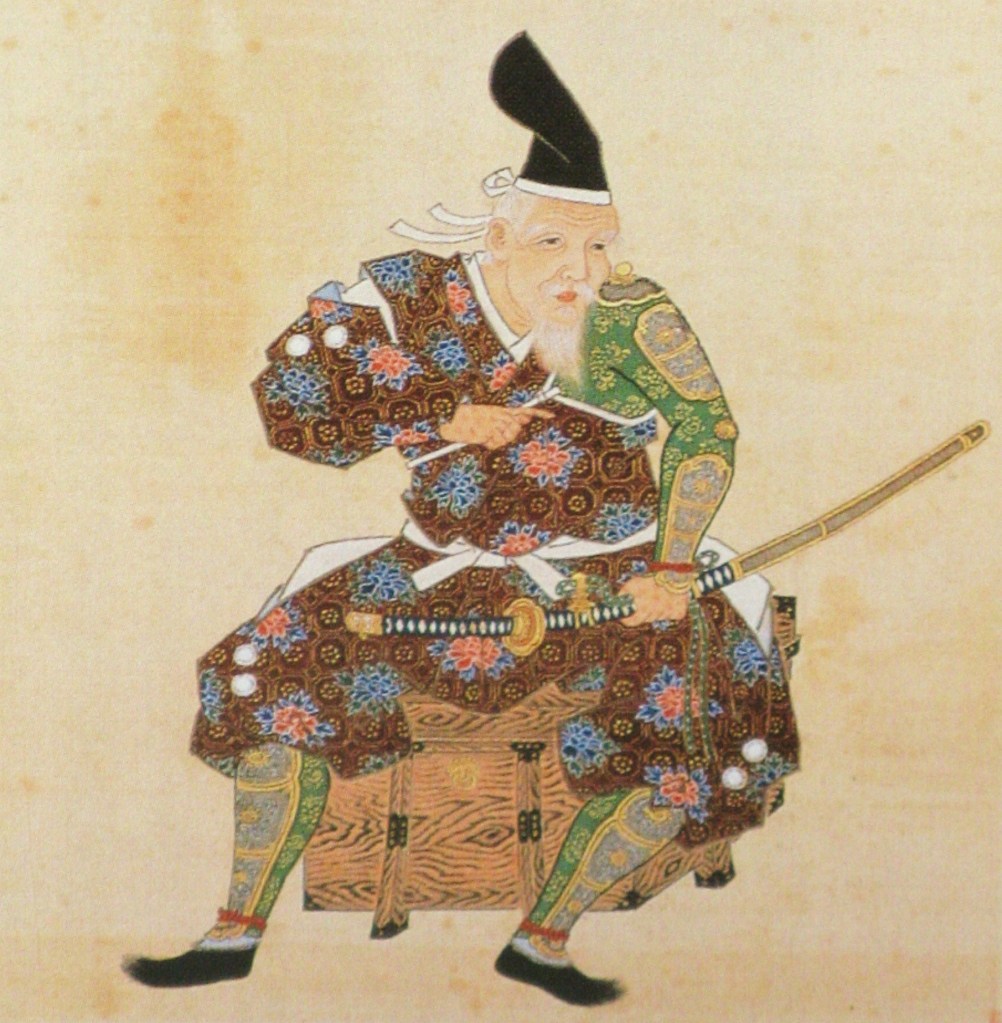
    Date Tanemune.

    Over the next 20 years, Tanemune would work to consolidate his clan’s control over the North, further absorbing the Osaki and Mogami clans, as well as extending physical control over most of Mutsu and Dewa Provinces. Despite his successes, all was not well within the clan; Tanemune was in conflict with his eldest son, Harumune. The exact nature of the conflict is complicated, but it got so bad that in June 1542, Harumune ambushed his father whilst the latter was out hunting, imprisoning him in a nearby castle from which Tanemune swiftly escaped (or was rescued, depending on the source)

    What followed was a six-year conflict which saw the Date severely weakened, and several of their recently conquered vassals breaking free, including the Osaki and the Mogami. Eventually, the mediation of the Shogun brought about an official peace, but in reality, the feud didn’t end, and although Harumune would take his place as the de facto head of the clan, Tanemune, despite becoming a monk, remained an enormously influential figure.

    Harumune’s reign would be occupied with reestablishing Date power. The situation was far from ideal, however, and he was eventually forced to confirm many of the concessions that had been granted to vassals by both sides, signing away territory and privileges in exchange for obedience.
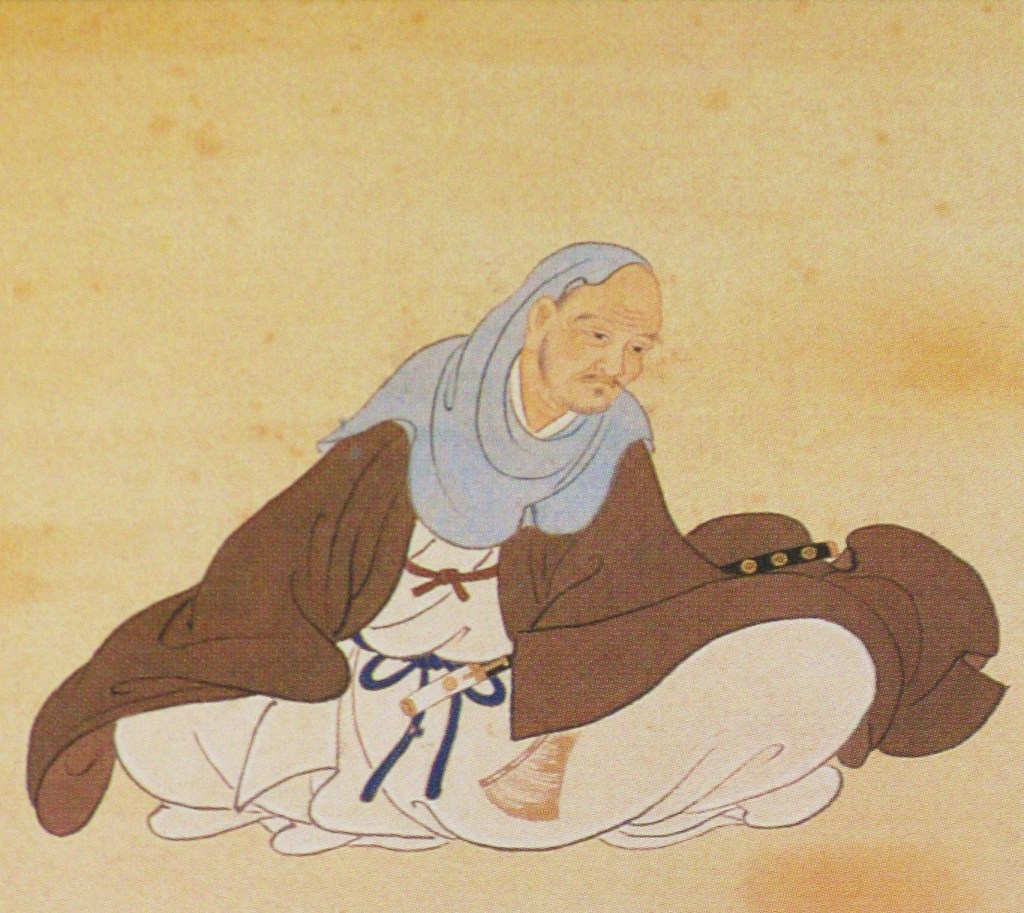
    Date Harumune

    One upside for Harumune was the fact that he had no fewer than eleven children, six sons and five daughters, who would be useful pawns in returning former vassals to the fold. All of his daughters were married either to powerful clans, securing alliances, or to senior vassals, ensuring their loyalty, and by the 1560s, the Date’s position was once again strong.

    In 1565, Harumune retired and handed control to his son, Terumune, although, as was common, he retained all the actual power. A year later, the Ashina Clan attacked the Nikaido, who were allied with the Date through the marriage of one of Harumune’s daughters. The Date intervened but were defeated, and when the Nikaido surrendered shortly afterwards, peace between the Date and Ashina was secured through another marriage, this time between the Lord of the Ashina’s eldest son and Harumune’s fourth daughter.

    Harumune apparently opposed this marriage, and in response, Terumune entered into a secret agreement with the Ashina, in which they would agree to support him in the event of an outbreak of conflict between father and son. The feud between father and son would only be resolved in 1570, when Terumune removed several retainers who had facilitated Harumune’s rule from ‘behind the curtain’. With this, the relationship seems to have improved, as Harumune was now effectively powerless anyway.

    Like most of his contemporaries, Terumune’s reign would be dominated by war, but we’ll talk about that next time.

    Sources
    https://en.wikipedia.org/wiki/Mutsu_Province
    https://ja.wikipedia.org/wiki/%E4%BC%8A%E9%81%94%E6%B0%8F
    https://ja.wikipedia.org/wiki/%E6%9C%80%E4%B8%8A%E6%B0%8F
    https://ja.wikipedia.org/wiki/%E4%BC%8A%E9%81%94%E7%A8%99%E5%AE%97
    https://ja.wikipedia.org/wiki/%E4%BC%8A%E9%81%94%E6%88%90%E5%AE%97
    https://ja.wikipedia.org/wiki/%E5%A4%A7%E5%B4%8E%E6%B0%8F
    https://ja.wikipedia.org/wiki/%E4%BC%8A%E9%81%94%E5%B0%9A%E5%AE%97
    https://ja.wikipedia.org/wiki/%E4%BC%8A%E9%81%94%E5%AE%97%E9%81%A0
    https://ja.wikipedia.org/wiki/%E4%BC%8A%E9%81%94%E9%83%A1
    https://ja.wikipedia.org/wiki/%E5%B8%B8%E9%99%B8%E5%85%A5%E9%81%93%E5%BF%B5%E8%A5%BF
    https://ja.wikipedia.org/wiki/%E4%BC%8A%E9%81%94%E6%9C%9D%E5%AE%97
    https://en.wikipedia.org/wiki/Dewa_Province
    https://ja.wikipedia.org/wiki/%E4%BC%8A%E9%81%94%E6%99%B4%E5%AE%97
    https://ja.wikipedia.org/wiki/%E4%BC%8A%E9%81%94%E8%BC%9D%E5%AE%97
  • (No longer) Lords of the Four Provinces

    (No longer) Lords of the Four Provinces

    Last time, we looked at how the Chosokabe rose from barely holding a single castle to becoming effective masters of the whole of Shikoku. In 1582, it had looked like they were about to be invaded and (probably) conquered by Oda Nobunaga, but his sudden death at the Honnoji Incident in June 1582 granted the Chosokabe a brief reprieve.

    The mon of the Chosokabe Clan.
    百楽兎 – 投稿者自身による著作物, CC 表示-継承 3.0, https://commons.wikimedia.org/w/index.php?curid=9987939による

    Between 1582 and 1585, they completed their conquest of Shikoku, although exactly how much control they really exerted is still debated by historians, with some suggesting that Shikoku was conquered and pacified, but others making the case that Chosokabe control outside of Tosa Province was tenuous.

    Regardless of the nature of Chosokabe’s control of Shikoku, it would prove to be brief. In the spring of 1585, Hashiba Hideyoshi, fresh from defeating the last of his rivals to the mantle of Nobunaga’s successor, turned his attention to Shikoku. Hideyoshi ordered the Chosokabe to hand over Iyo and Sanuki Provinces, effectively ceding the northern half of Shikoku to him.

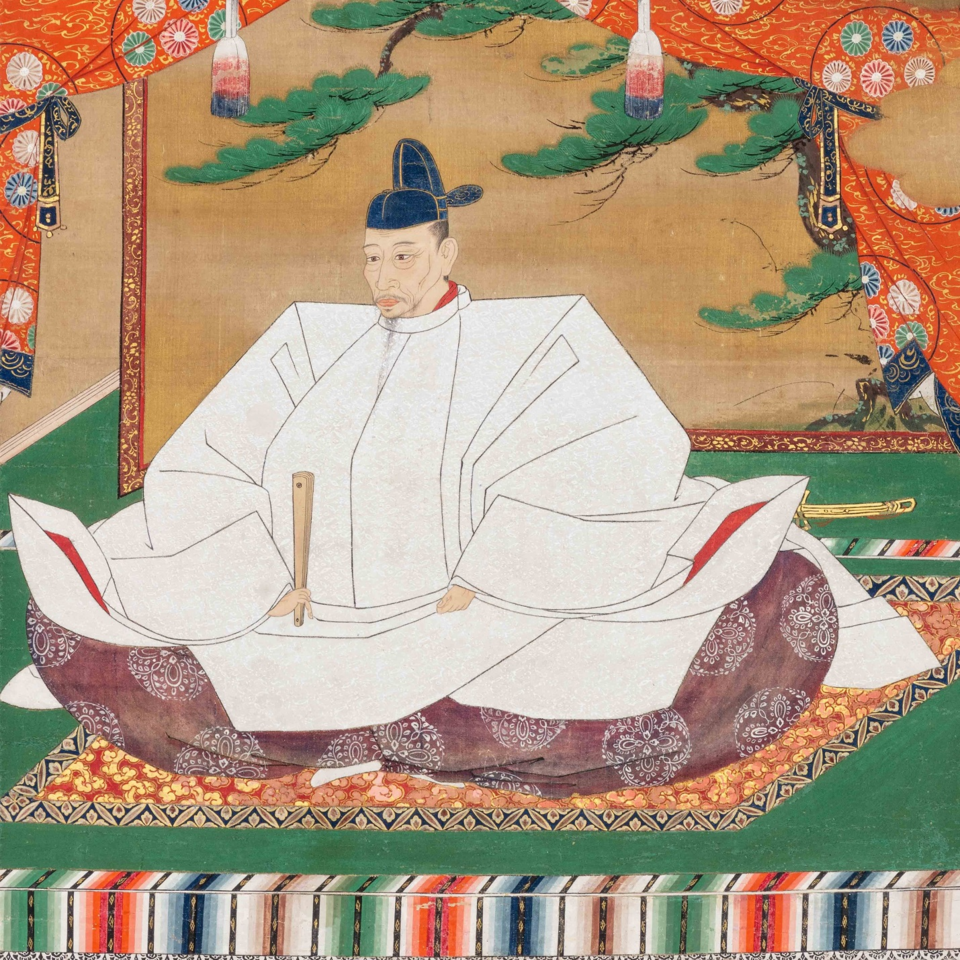
    Toyotomi Hideyoshi, who would eventually become master of Japan.

    The Lord of the Chosokabe, Motochika, tried to negotiate, offering just Iyo Province. Hideyoshi was not a man to be bargained with, however, and in response to what he saw as Chosokabe’s defiance, he dispatched an army of some 100,000 men under the overall command of his brother, Hidenaga.

    Shikoku was attacked from three sides: Sanuki and Awa by Hidenaga’s army, and Iyo by the Mori who had recently submitted to Hideyoshi and were keen for a chance to prove their loyalty. Attacked on multiple fronts and facing overwhelming numbers, the Chosokabe did not resist for long. At the end of July, after already having lost Awa Province, Motochika surrendered.

    The terms were harsh, but not as bad as they might have been. Hideyoshi allowed the Chosokabe to keep control of Tosa Province, but the other three were divided amongst Hideyoshi’s vassals. In 1586, the Chosokabe would join Hideyoshi’s invasion of Kyushu, and though the campaign itself would be successful, Motochika’s heir, Nobuchika, was killed in battle.

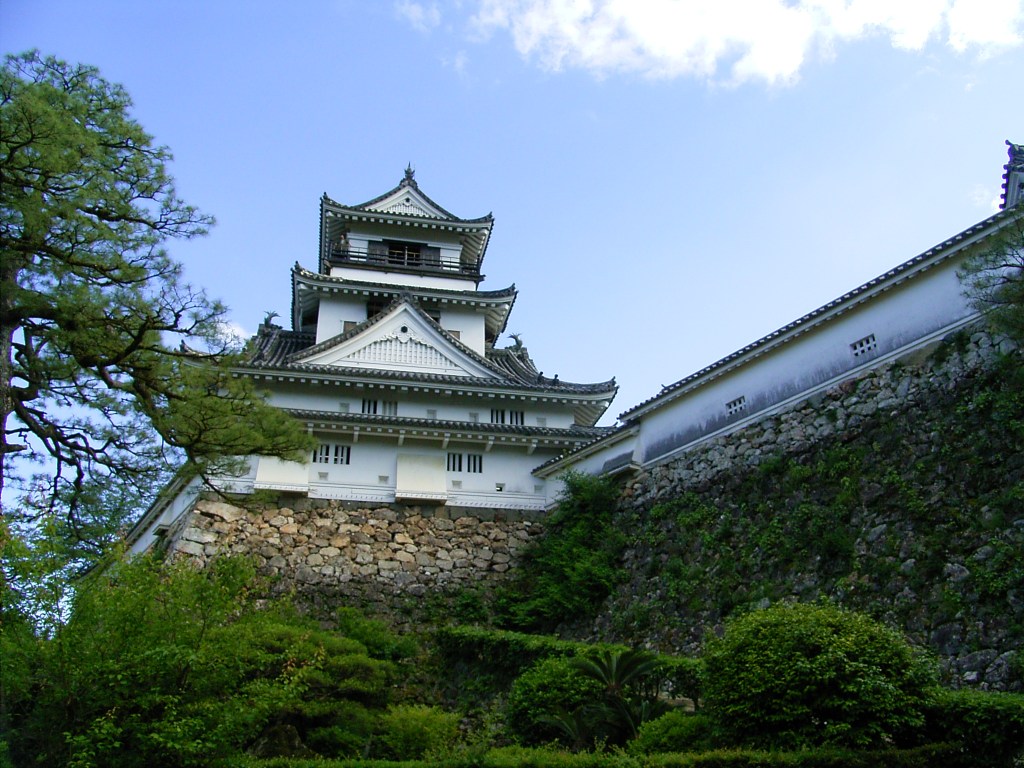
    Overcome with grief, Motochika is supposed to have tried to kill himself, only being dissuaded at the last minute by his vassals. Not long after this, he relocated the base of the clan to what is now Kochi Castle, and in 1588, he named his fourth son, Morichika, as the new heir.

    Kochi Castle as it appears today.
    By Taisyo – photo taken by Taisyo, CC BY-SA 3.0, https://commons.wikimedia.org/w/index.php?curid=2157936

    In 1590, the Chosokabe again went to war in the service of Hideyoshi, this time dispatching naval forces to attack the Hojo Castle at Shimoda with 10,000 men. The garrison of 500 held out for nearly two months, but it was eventually taken, and with it, the Chosokabe contribution to the wider Odawara Campaign came to an end.

    In 1591, Motochika moved his base from Kochi Castle to a position at Urado (still within the modern city of Kochi). Some sources say this was because of the unfavourable location of the first castle (it was prone to flooding), whilst others suggest it was a strategic move, with Urado serving as the main base of the Chosokabe Navy, which took part in Hideyoshi’s long and ultimately unsuccessful invasions of Korea from 1592-1598.

    In 1596, the San Felipe Incident occurred when a Spanish Galleon (the San Felipe, hence the name) was shipwrecked off the coast of Tosa and brought into the harbour at Urado. We’ll focus on this incident specifically in a later post, but the short version is that Motochika confiscated the remaining cargo of the Galleon, and when officials from Hideyoshi arrived in Kochi to take possession of the goods, the captain of the Galleon heavily implied that the presence of Christians in Japan was the precursor to a Spanish Invasion, explaining that that was how the Spanish had managed to conquer such a large part of the globe.

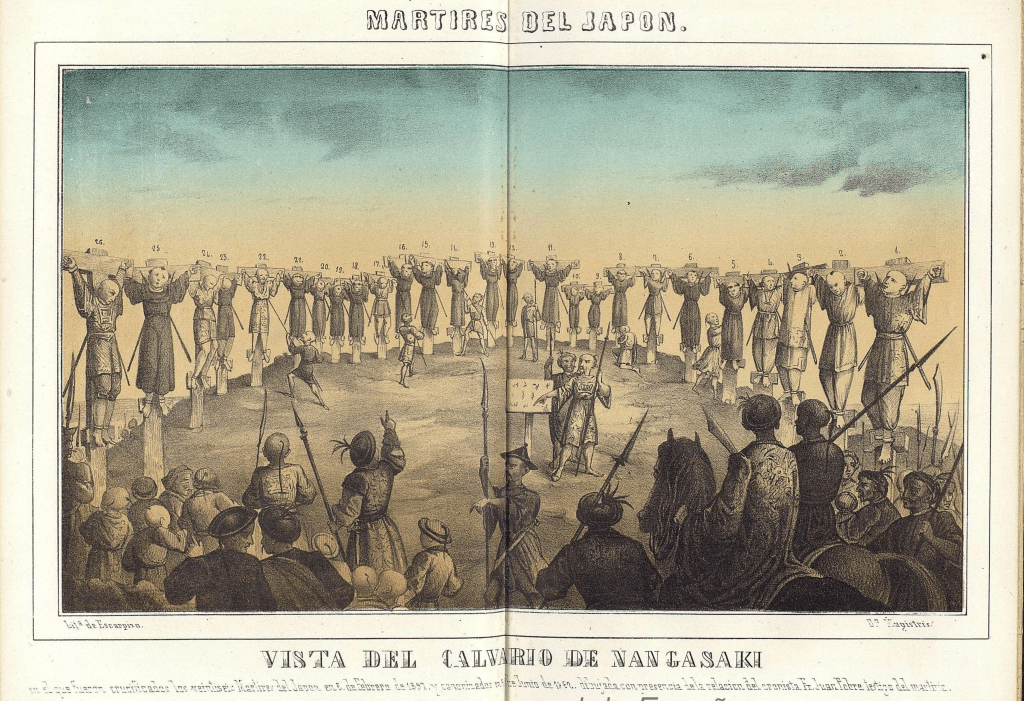
    Hideyoshi had initially issued orders expelling Christian priests from Japan in 1586, but it had been unenforced before now. When news of the supposed Spanish invasion reached him, Hideyoshi was horrified, and in 1597, he had 26 Christians (including one passenger from the San Felipe) marched from Kyoto to Nagasaki (the centre of Christianity in Japan) and had all 26 crucified on a hill overlooking the city.

    A 19th Century depiction of the executions. The Japanese are wrongly portrayed with Chinese clothing and weapons.

    Motochika’s role in the persecution that followed is not clear, though Christianity had never been particularly strong on Shikoku, as the Chosokabe were largely opposed to foreigners in Japan, so it’s not hard to imagine he would have had no qualms about expelling them from his territory, even if he was not actively involved in the wider campaign.

    Hideyoshi’s death in 1598 would threaten the fragile peace he had forged, as his son and heir was just a boy, and a council of five regents was appointed to rule in his stead. Though Motochika was not a member of the council, he was still a man of influence, and in 1599, he was in Kyoto for an audience with Toyotomi Hideyori (Hideyoshi’s son) when he fell seriously ill.

    When it became clear that he wasn’t going to get better, he made his will, leaving control of the Chosokabe to his son Morichika, before he passed away in May that year. Morichika’s accession was far from smooth; he was unpopular amongst some of the Chosokabe’s retainers (apparently due to his arrogance and short temper), and the Toyotomi, de facto masters of Japan, didn’t recognise him as the new head of the clan.

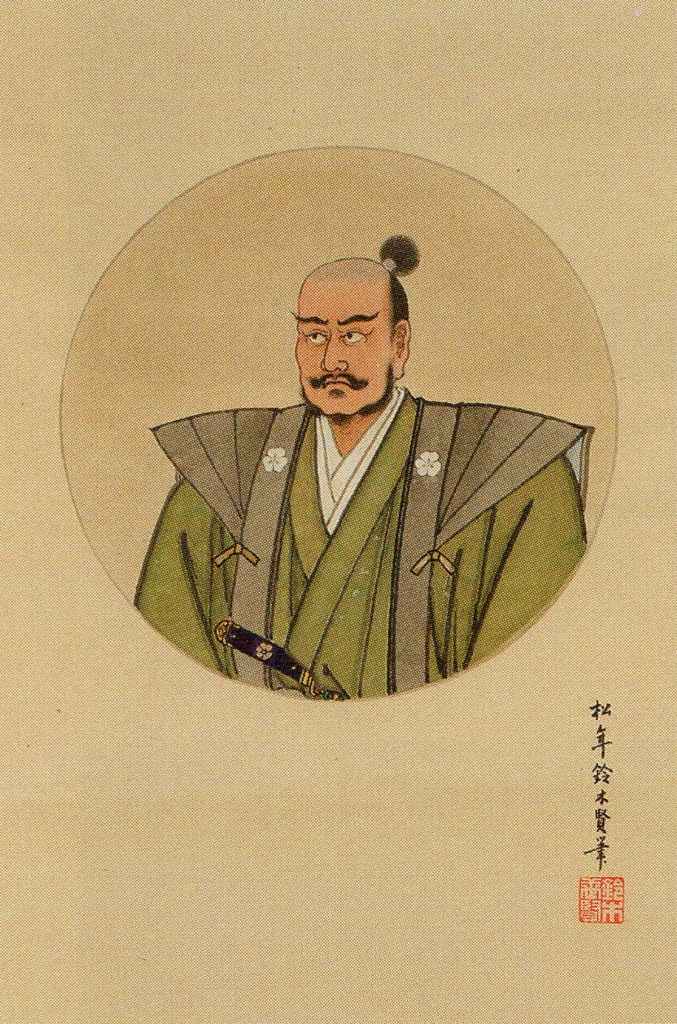
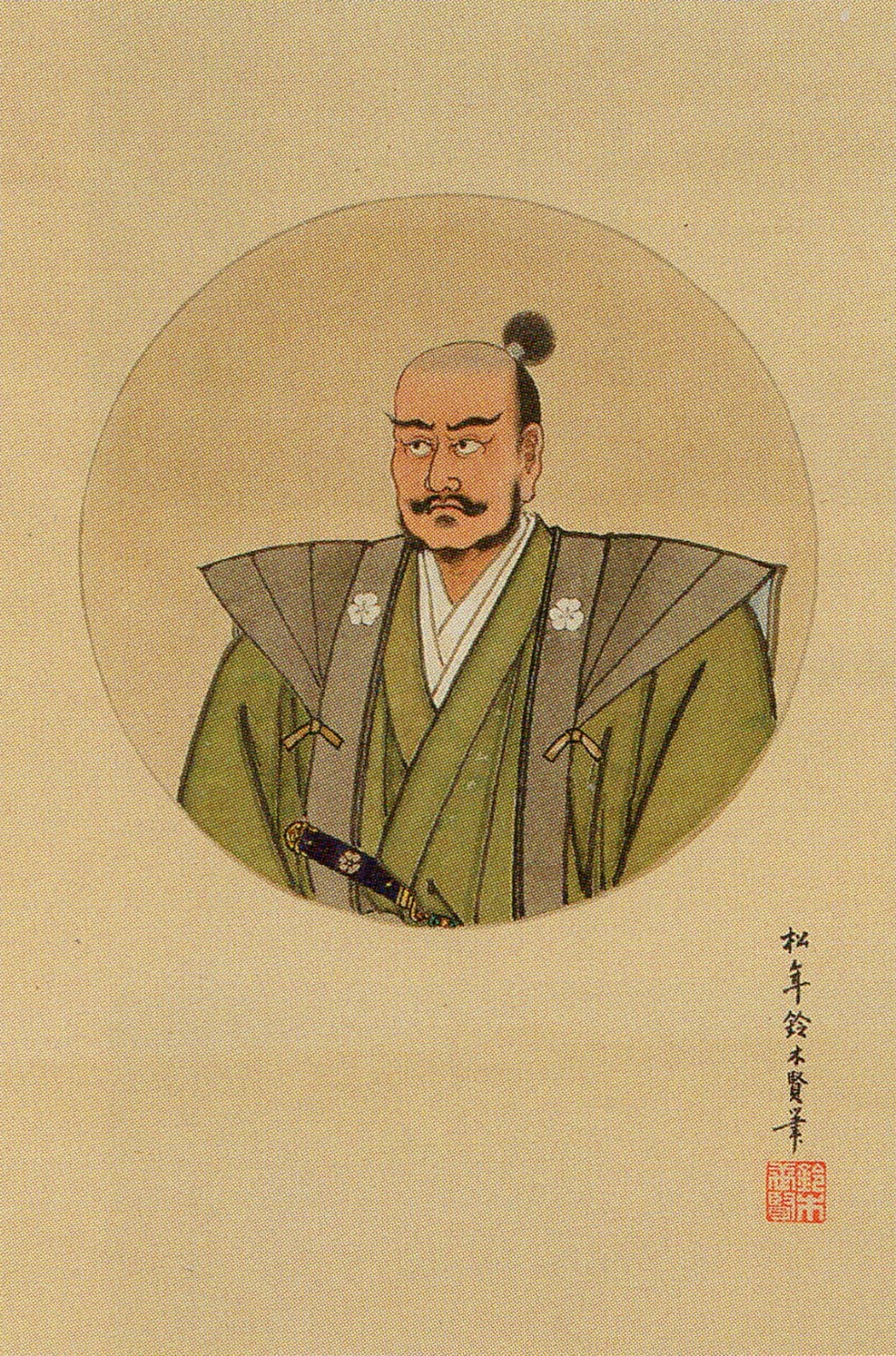
    An early 20th century depiction of Chosokabe Morichika.

    Morichika would try to make good on his appointment by joining the Western Army (the pro-Toyotomi side) at the Battle of Sekigahara in 1600. This would prove to be an unwise choice in the end, as the Western Army was defeated by the Eastern Army under Tokugawa Ieyasu. Although the Chosokabe had not actually been involved in the final battle, they had chosen a side and would not escape the consequences.

    Morichika was punished by having Tosa taken from him. Though there would be some protest, the decision proved to be final, and the Chosokabe’s time as feudal lords was over. Motochika would campaign to have his territory restored until around 1605. In 1610, he supposedly became a monk, and although his movements around this time are unclear, by 1612, he was under direct surveillance from the new Tokugawa Shogunate.

    The new Shogun was right to suspect him, as, during the Osaka Campaign in 1615, he sided with the Toyotomi, hoping to secure the restoration of Chosokabe lands in Tosa. In the event, the Tokugawa would be victorious in that campaign, snuffing out the last of the Toyotomi Clan, and securing their rule.

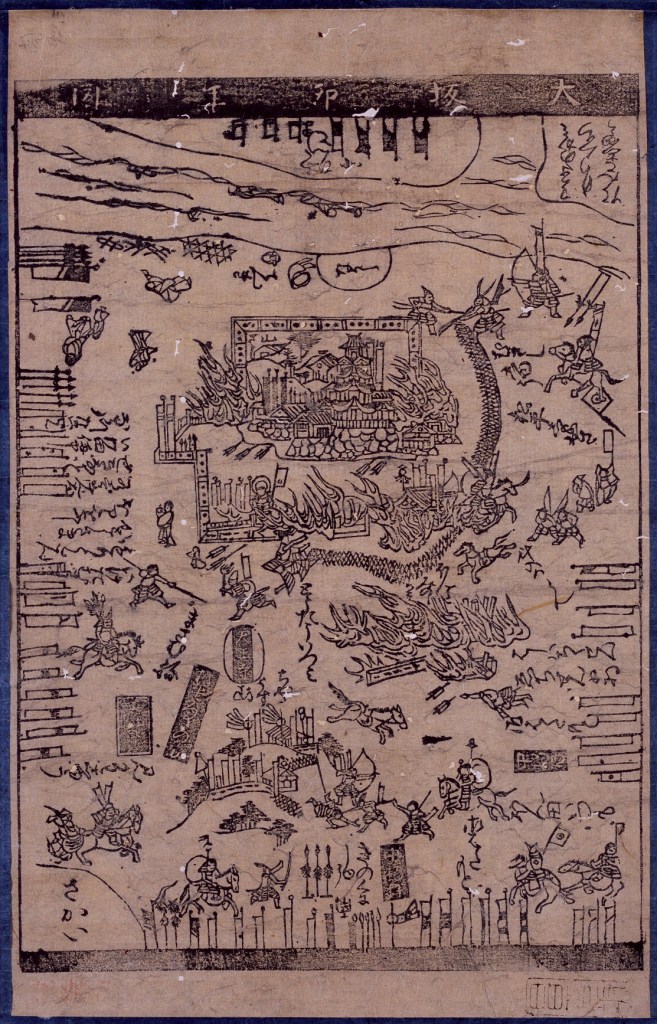
    A contemporary kawaraban, a kind of early newspaper, depicting the fall of Osaka Castle.

    Morichika is reported to have fought bravely, leading an attack on the Tokugawa’s main camp that was ultimately unsuccessful, but which managed to inflict serious casualties on the Tokugawa army before being forced to withdraw. With Osaka Castle eventually falling to the Tokugawa, Morichika initially fled, but he was discovered and then humiliated by being paraded around Kyoto before being beheaded.

    Morichika’s death brought an end to the Chosokabe. Some sources state he had as many as five sons, all of whom died premature and violent deaths. Some other sources, however, suggest that he had just two children, a girl and a boy, one who married a local retainer, and the other who was whisked away after the Siege of Osaka and raised elsewhere. Unfortunately, in both cases, reliable sources are hard to come by, and the truth appears to be that the Chosokabe died with Morichika.

    The Chosokabe name would be revived in later years by descendants of Motochika’s brother, Chikafusa, who had been adopted into the Shima Clan years earlier and thus survived the end of the Chosokabe. The family survived in this form until March 2025, when the last head of the family, Chosokabe Tomochika, passed away childless, aged 82.

    「今は個人の時代。家を背負う時代ではありません。逆にこれからの世代が、自分の思いで新しい歴史を作っていくのも立派なことじゃないかと思いますね」

    “We are now in the age of the individual. It is no longer the age to shoulder the burden of a family. On the contrary, I think it is admirable for future generations to create a new history based on their own ideas.” – Chosokabe Tomochika

    Sources
    https://ja.wikipedia.org/wiki/%E9%95%B7%E5%AE%97%E6%88%91%E9%83%A8%E7%9B%9B%E8%A6%AA
    https://ja.wikipedia.org/wiki/%E5%85%AD%E6%9D%A1%E6%B2%B3%E5%8E%9F
    https://ja.wikipedia.org/wiki/%E9%95%B7%E5%AE%97%E6%88%91%E9%83%A8%E5%85%83%E8%A6%AA
    https://en.wikipedia.org/wiki/Ch%C5%8Dsokabe_Morichika
    https://ja.wikipedia.org/wiki/%E3%82%B5%E3%83%B3%EF%BC%9D%E3%83%95%E3%82%A7%E3%83%AA%E3%83%9A%E5%8F%B7%E4%BA%8B%E4%BB%B6
    https://ja.wikipedia.org/wiki/%E4%B8%8B%E7%94%B0%E5%9F%8E_(%E4%BC%8A%E8%B1%86%E5%9B%BD)
    https://en.wikipedia.org/wiki/San_Felipe_incident_(1596)
    https://ja.wikipedia.org/wiki/%E9%95%B7%E5%AE%97%E6%88%91%E9%83%A8%E6%B0%8F
    https://ja.wikipedia.org/wiki/%E9%95%B7%E5%AE%97%E6%88%91%E9%83%A8%E5%8F%8B%E8%A6%AA
    https://croissant-online.jp/life/54209/