Tag: Japanese rice economy

  • Lords of the East, Part 4

    Lords of the East, Part 4

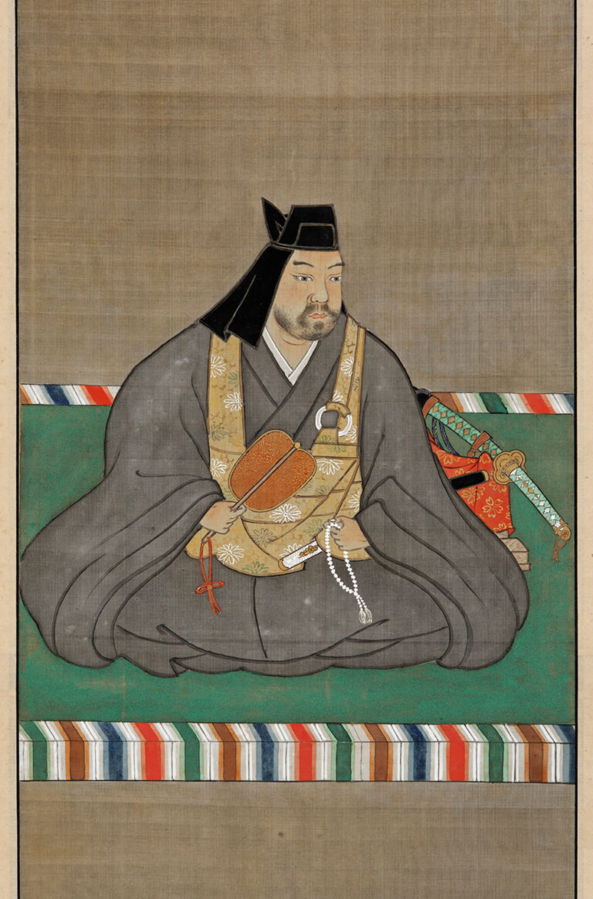
    Hojo Ujiyasu died in 1571, having lived a life in which he had seen the fortunes of his clan rise, fall, and then rise again. His son, Ujimasa, inherited a strong but still dangerous position. Almost as soon as his father had passed, Ujimasa sought to end the war with Takeda Shingen and reestablish an alliance against their mutual enemy, Uesugi Kenshin.
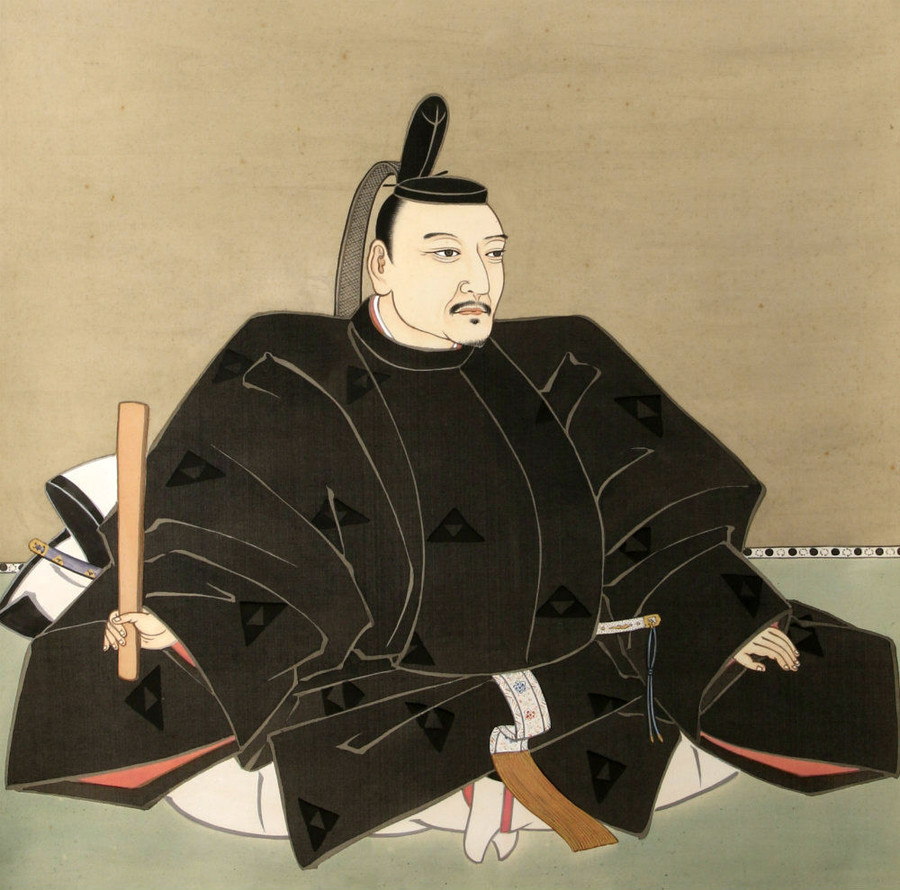
    Hojo Ujimasa

    Shingen, by now in control of Suruga and stronger than ever, agreed, and it didn’t take long for the Hojo and Uesugi to be at each other’s throats again. In 1574, Kenshin invaded the Kanto, but his attention was focused mostly on his conflict with the Takeda, closer to home, and this round of Uesugi-Hojo fighting ended after an indecisive battle at the Tone River.

    With Kenshin busy elsewhere, Ujimasa turned his attention back to the Hojo’s old enemy, the Satomi, invading Shimotsuke in 1576, and advancing deep into Kazusa the next year. The Hojo clearly had the military advantage, with a vastly superior army and much larger territory. Despite this, the terrain of Kazusa and Awa Province (in the south of modern Chiba) is difficult for military operations, and Hojo supply lines relied either on ships crossing Tokyo Bay, which was difficult even in good weather, or on taking the long way around through Musashi Province (modern Tokyo).
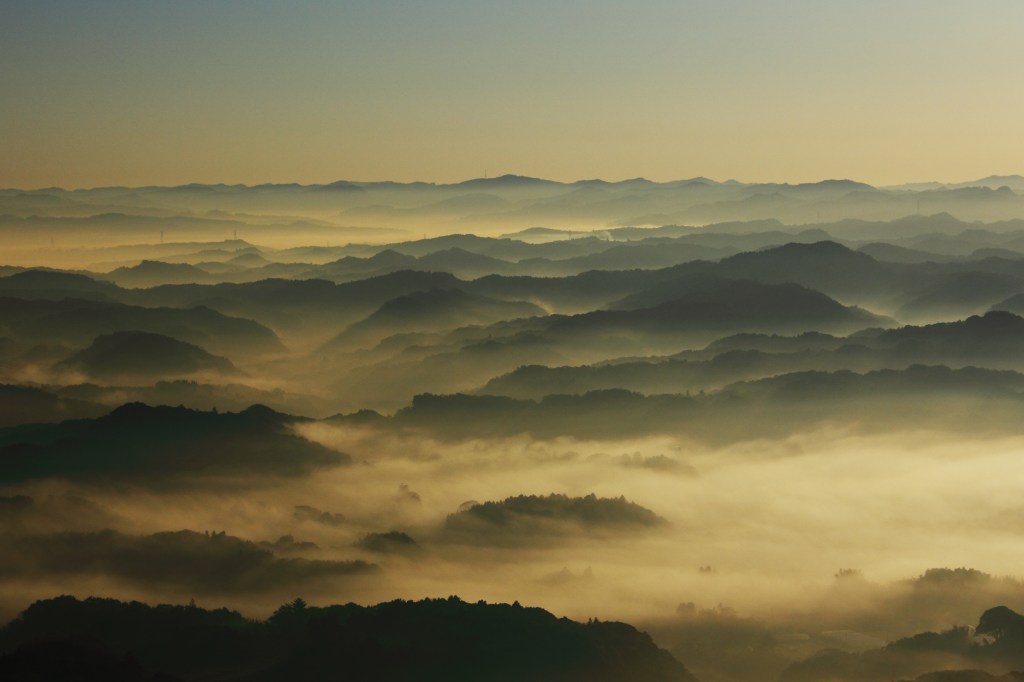
    The terrain of Kazusa and Awa as it appears today. Though the Hojo were stronger, the logistical reality made a long term campaign impossible.
    By certified, CC BY 3.0, https://commons.wikimedia.org/w/index.php?curid=55415779

    Neither of these options was particularly appealing, and what was more, the number of troops that the Hojo would have needed to commit to ending the war decisively would have left their other frontiers unacceptably vulnerable. So, in late 1577, a peace agreement (the Boso Ichiwa) was reached, establishing the border between the two factions and arranging a marriage to seal the deal.

    Although the marriage would end within a few years, with the death of Ujimasa’s daughter, the peace held (more or less). This is demonstrated by the fact that when civil war broke out among the Satomi following Yoshihiro’s death in 1578, the Hojo did not intervene, even though it would have been to their advantage to do so. The peace would eventually come to an end in 1590, but we’re getting ahead of ourselves.

    Uesugi Kenshin, one of the Hojo’s most dangerous foes, also died in 1578, and Uesugi, much like the Satomi, quickly fell into infighting over who would succeed him. This time, the Hojo made some attempts to intervene, as Uesugi Kagetora, one of the candidates, was Ujimasa’s younger brother, who had been adopted by Kenshin as part of the earlier peace deal. Ujimasa’s support for his one-time brother seems to have been quite limited, however, as Hojo forces contented themselves with securing control over Kozuke Province before withdrawing.

    Takeda Shingen had died in 1573, and with the Uesugi and Satomi tearing themselves apart over succession, by 1578, Ujimasa might have been forgiven for thinking that he’d ‘won’ in the Kanto. Unfortunately for him, Shingen’s death led to the disastrous Battle of Nagashino in 1575, in which the Takeda clan’s power was broken, leaving the western approaches to the Kanto open to a new, and far more dangerous, player.
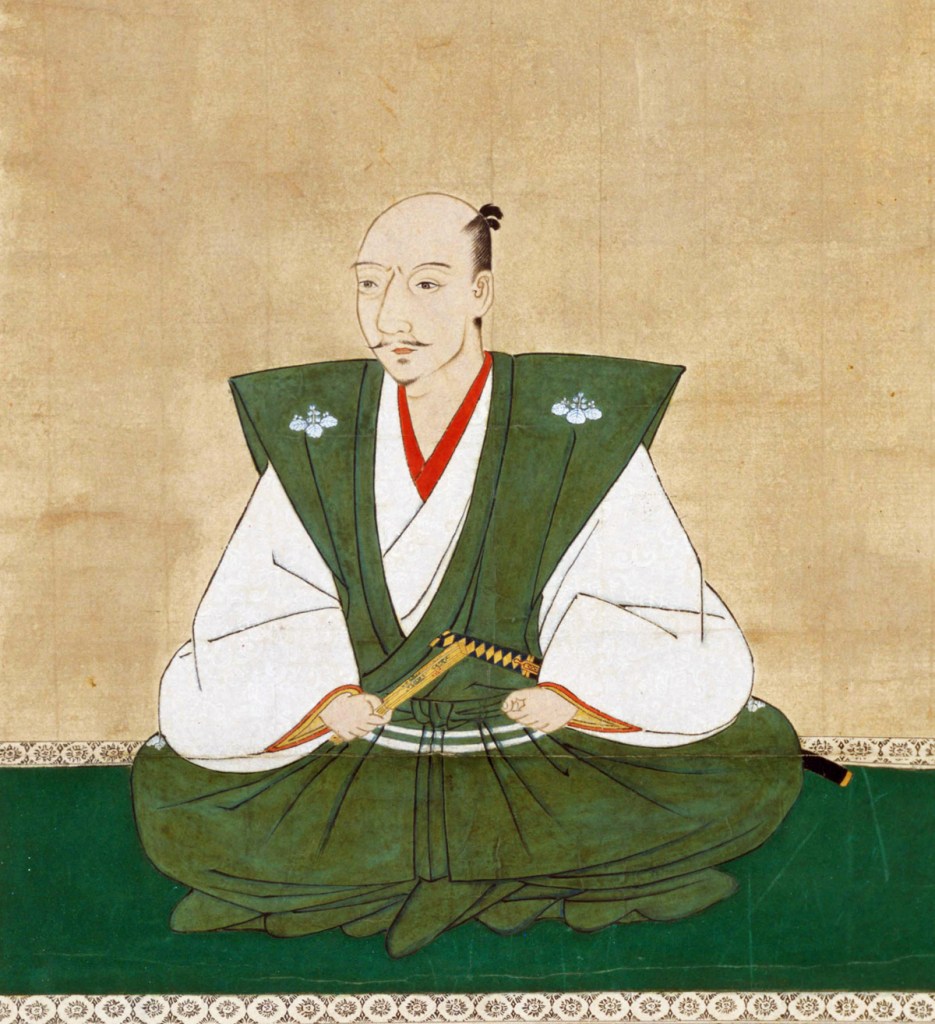
    Oda Nobunaga.

    Oda Nobunaga had risen from obscure origins in Owari Province (around modern Nagoya) to become the preeminent lord in the realm. Though his power was not yet completely unchallenged, by 1578, he was best placed to be the man who would unite the realm and end the Sengoku Jidai. With that in mind, Ujimasa reached out diplomatically, seeking to gain Nobunaga’s favour and perhaps arrange a marriage between the Oda and Hojo. Around this time, he also seems to have ‘retired’ and given control of the clan to his son, Ujinao, whilst in reality retaining actual power for himself.

    For his part, Nobunaga seems to have had little interest in a rapprochement with the Hojo, though his exact plans aren’t clear; it’s reasonable to assume that, much like the Takeda, Nobunaga viewed the Hojo as a rival to eventually be crushed. However, in the short term, he had more pressing concerns in the West, dealing with the powerful Mori Clan, and for now, the Hojo were left alone.

    With Nobunaga’s death in June 1582, everything changed. Taking advantage of the chaos, Ujimasa launched an attack against former Oda loyalists in the Kanto, securing control of the whole of Kozuke Province, and advancing into Kai, where he was met by another power seeking to take advantage of Nobunaga’s death, Tokugawa Ieyasu.

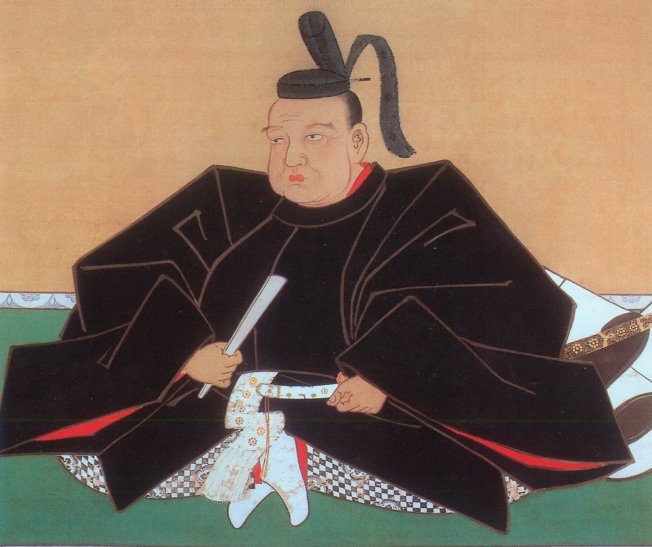
    Tokugawa Ieyasu

    The fighting didn’t go well for the Hojo, but neither side was committed to all-out war, so a peace was agreed upon, which saw Ujimasa’s son, Ujinao, marry Ieyasu’s daughter, Tokuhime. In 1583, following the death of the last Ashikaga Kanto kubo, Ujimasa took the title for himself, positioning the Hojo at the very top of the hierarchy in the Kanto.

    Not long after that, a successful campaign in support of allies in Shimotsuke Province brought the southern half of that province under his control, and Hojo territory reached its greatest extent. By some later estimates, the territory was valued at 2.4 Million Koku, and with control of several key rivers and coastal areas, the Hojo now dominated the political, military, and economic spheres within the Kanto.

    In 1587, the chaos that had followed Nobunaga’s death had come to an end, with Toyotomi Hideyoshi emerging as the ultimate winner. That year, he issued the Soubujirei or “General Peace Order” commanding that all Daimyo cease private wars, essentially bringing an end to the Sengoku Jidai, at least on paper.
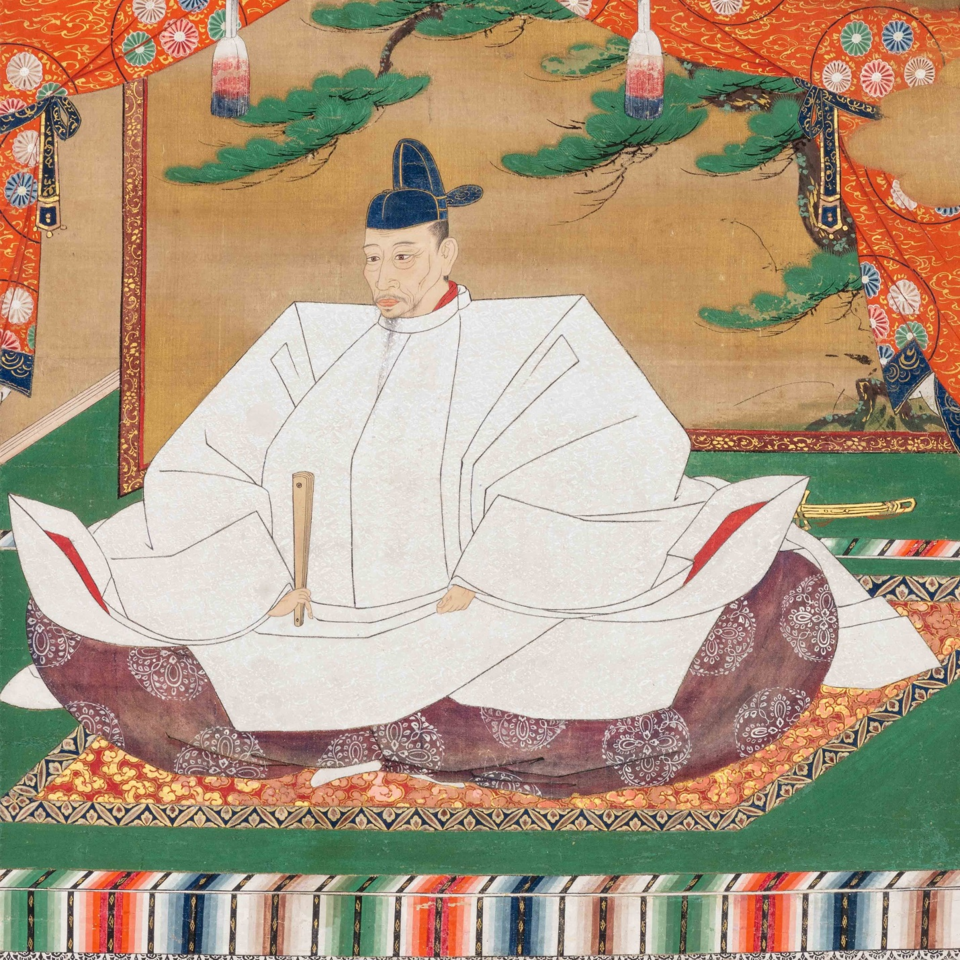
    Toyotomi Hideyoshi

    The Hojo agreed to abide by this order, but there was one outstanding issue. During the fighting in Kai Province in 1582, the Numata Domain, territory of the Sanada Clan, had defied Hojo attempts to conquer it. Though the fighting had largely come to an end, the border remained undefined, and so Hideyoshi dispatched vassals to settle the issue.

    Hideyoshi’s decision was that two-thirds of the territory would go to the Hojo, and the remaining third would remain in Sanada hands. To confirm the arrangement, the powerful Numata Castle was handed over to the Hojo and peace was apparently agreed. However, shortly after this, the new lord of Numata arranged for the defection of nearby Nagurumi Castle, on the Sanada side of the border.
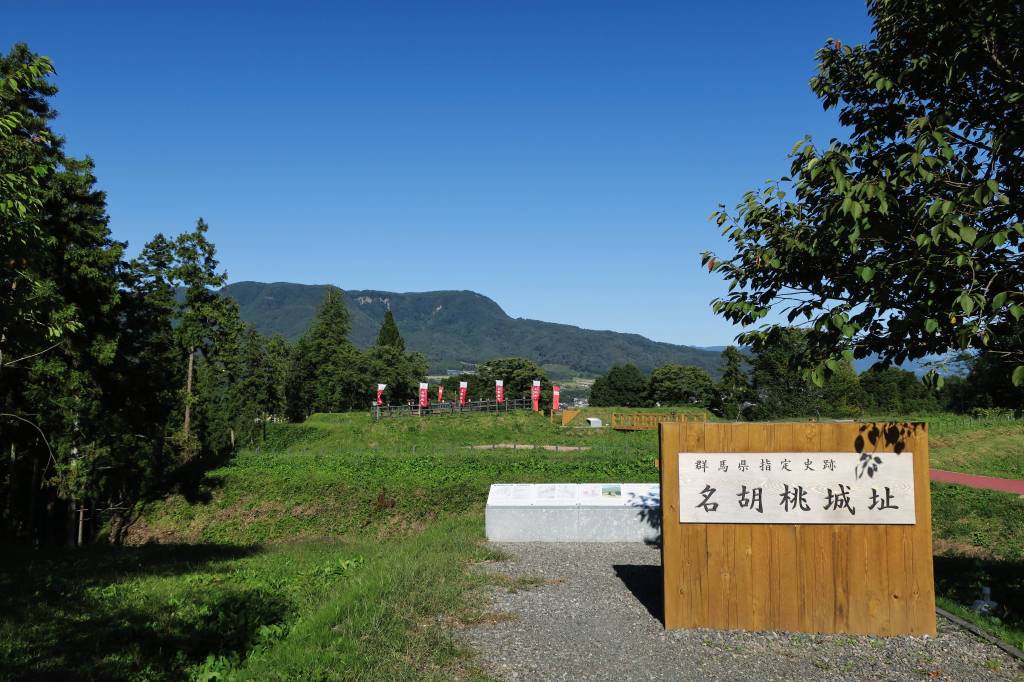
    The site of Nagurumi Castle today.
    photo: Qurren (トーク) Taken with Canon PowerShot G9 X – 投稿者自身による著作物, CC 表示-継承 3.0, https://commons.wikimedia.org/w/index.php?curid=63097035による

    The plot succeeded, and Nagurumi was handed over to Hojo forces without a fight. The problem was that this was a clear violation of the peace deal, and things only got worse when Ujinao denied any knowledge of the plot in a letter to Hideyoshi, attempting to present the capture of the castle as a fait accompli.
    Hideyoshi wasn’t about to accept that, and demanded that Ujimasa (retired, but still effective head of the clan) come to Kyoto to explain his clan’s actions.

    Ujimasa refused, and Hideyoshi took this as an act of open rebellion. In 1589, he ordered all lords to attack the Hojo as punishment for their defiance. Initial attacks from the Sanada clan were repelled by Hojo forces, but Hideyoshi was able to muster a force in excess of 200,000 men, and when the main attack began, it would be a fight to the death.

    The Odawara Campaign is deserving of a post of its own, I think, so we’ll leave it there for now.

    Sources
    https://ja.wikipedia.org/wiki/%E5%8C%97%E6%9D%A1%E6%B0%8F%E6%94%BF
    https://ja.wikipedia.org/wiki/%E8%B1%8A%E8%87%A3%E7%A7%80%E5%90%89
    https://ja.wikipedia.org/wiki/%E5%B0%8F%E7%94%B0%E5%8E%9F%E5%BE%81%E4%BC%90
    https://ja.wikipedia.org/wiki/%E5%90%8D%E8%83%A1%E6%A1%83%E5%9F%8E
    https://ja.wikipedia.org/wiki/%E6%83%A3%E7%84%A1%E4%BA%8B%E4%BB%A4
    https://ja.wikipedia.org/wiki/%E5%8C%97%E6%9D%A1%E6%B0%8F%E5%BA%B7
  • Lords of the East, Part 3

    Lords of the East, Part 3

    First post of 2026, so Happy New Year and thanks for sticking with me!

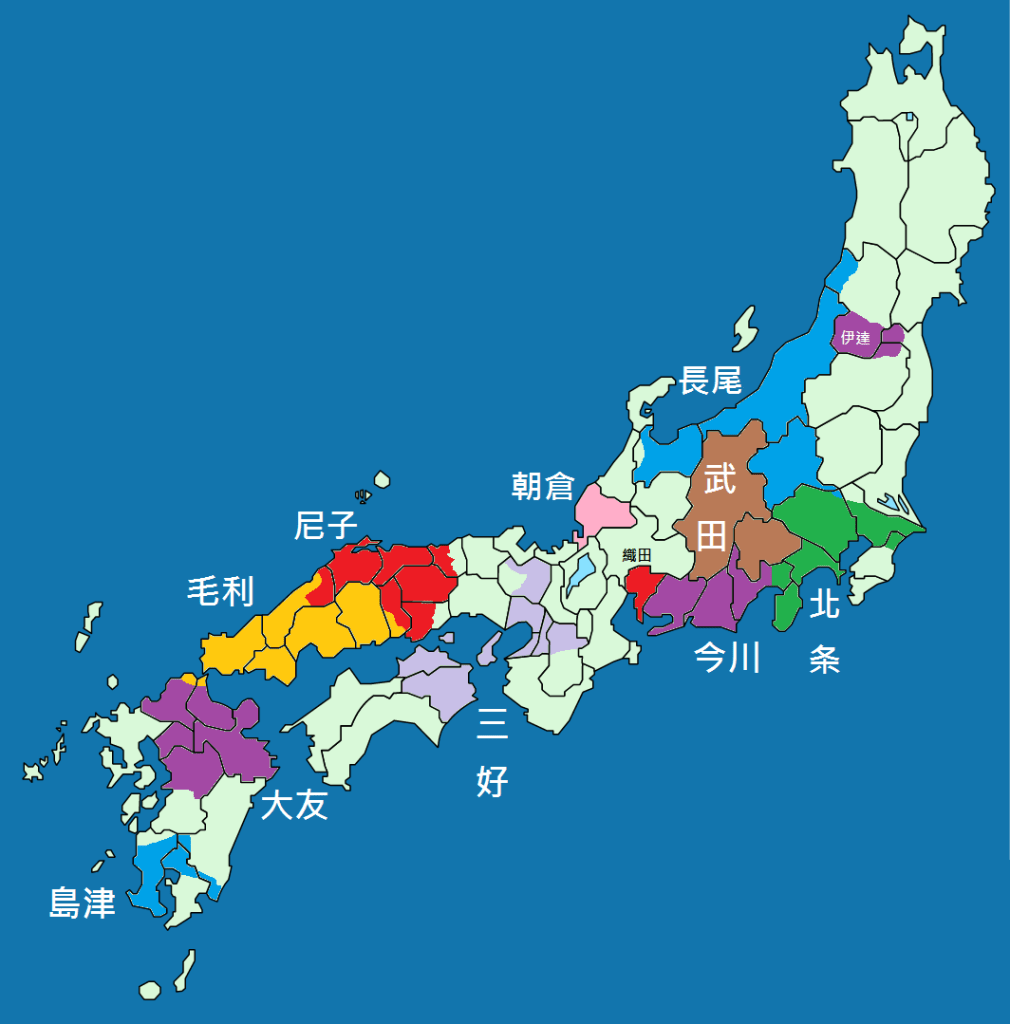
    The situation in 1560. The Hojo are in Green.
    By Alvin Lee – Own work, CC BY-SA 4.0, https://commons.wikimedia.org/w/index.php?curid=39200926

    By 1560, the Hojo were masters of much of the Kanto. A series of successful military campaigns over the previous decades had given them control over much of the area that now comprises modern-day Tokyo, Yokohama, and Chiba. Unlike today, when these areas are among the world’s most densely populated megacities, in the 16th century they were largely agricultural, with a few castle towns surrounded by vast expanses of farmland.

    It is also true that economic productivity, such as it was, was measured in rice production, with land being valued according to predicted rice output, though not necessarily actual output. In short, despite being a period of incredible violence, Japanese society relied almost entirely on rice production to function. Famine was a constant problem, and in 1560, the Hojo, despite controlling vast tracts of land, were experiencing just how bad a failed harvest could be.

    The so-called Eiroku Famine (named after the era) left the Hojo with no food or money, and military operations largely ground to a halt. It was a real blow then, when Uesugi Kenshin, at the head of an army of 8000 men, crossed the mountains in the North of the Kanto and invaded Hojo territory. Though the Uesugi army was relatively small, the Kanto region had been ruled by them for decades prior to the Hojo conquests, and when Kenshin appeared, dozens of local clans switched sides and flocked to the Uesugi banner.

    Uesugi Kenshin.

    Kenshin swept all before him; the Hojo lost castles in Kozuke, Shimosa, and Musashi, and by early 1561, the Uesugi had taken Kamakura. Then, at the head of an army that was reported to be 100,000 strong, Kenshin laid siege to Odawara, the Hojo capital. At this point, the Hojo were in real trouble, but fate was on their side. Ironically, the same famine that had left them seriously weakened now proved to be their saviour. An army of that size needs supplies, and there were few enough to be had in the Kanto, so it wasn’t long before the Uesugi began to melt away.

    The fortress of Odawara was one of the strongest in the realm, and with his army already shrinking, Kenshin faced a difficult choice. A long siege might fatally weaken his army, and even a successful assault could prove hugely costly. Then news arrived that his old enemy, Takeda Shingen, had invaded his home province, at the same time as stirring up a rebellion amongst the Ikko-Ikki, forcing Kenshin to return home post-haste.

    The Hojo had been saved by a combination of good luck and excellent timing on the part of Takeda Shingen, and despite their weakened state, Ujiyasu wasted no time in taking advantage of the reprieve. No sooner had Kenshin returned north than Hojo forces began the process of reconquering their lost territory. Most of the smaller clans that had joined the Uesugi now switched their loyalties back to the Hojo. This was a fairly common practice at the time; there were dozens, if not hundreds, of minor clans all over Japan who could never muster the strength to assert themselves against the power of a Daimyo, so their loyalty often proved to be a fickle thing, prioritising flexibility and survival rather than unquestioned loyalty.

    Takeda Shingen

    Not all the clans welcome the return of the Hojo, however, and Ujiyasu was obliged to dispatch armies to retake several castles in northern Musashi, and he won a decisive victory at the Battle of Mt Ikuno in November 1561, reestablishing the line of control along the mountains in the northern Kanto. Over the next two years, two sides form: a Hojo-Takeda Alliance on one side and a Uesugi-Satomi alliance on the other.

    The Hojo would generally have the better of the fighting in the Kanto, but would prove to be unable to advance further north, whilst the Uesugi would be a constant problem, but would struggle to make advances into the Kanto proper. By 1564, the conflict had largely become a stalemate, so Ujiyasu turned his attention to the East and the Satomi, whom he believed to be a weak link in the alliance.

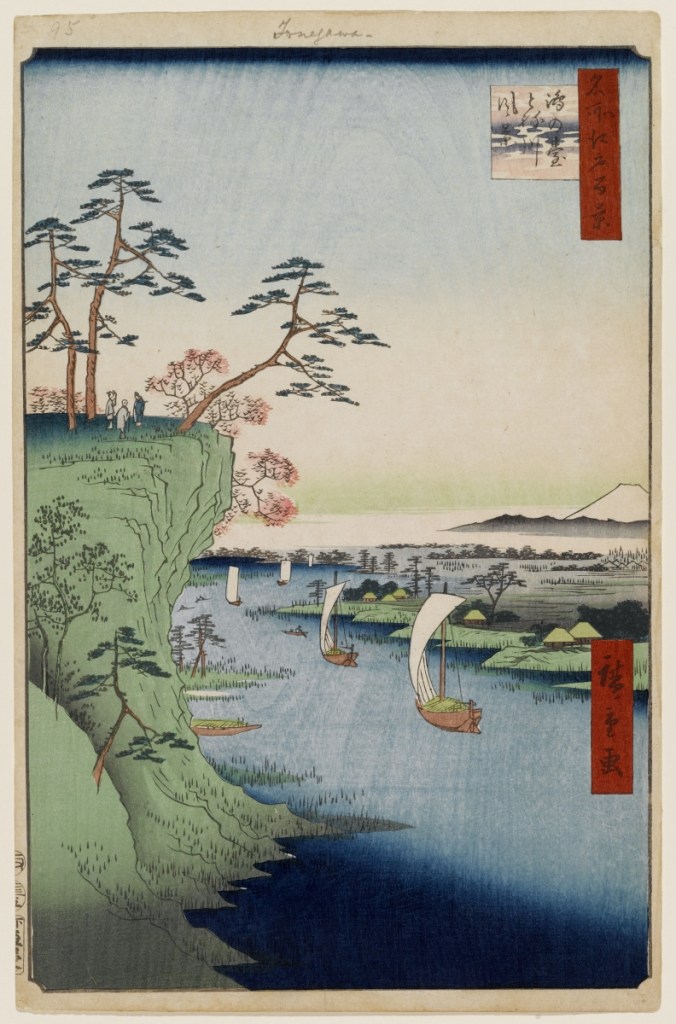
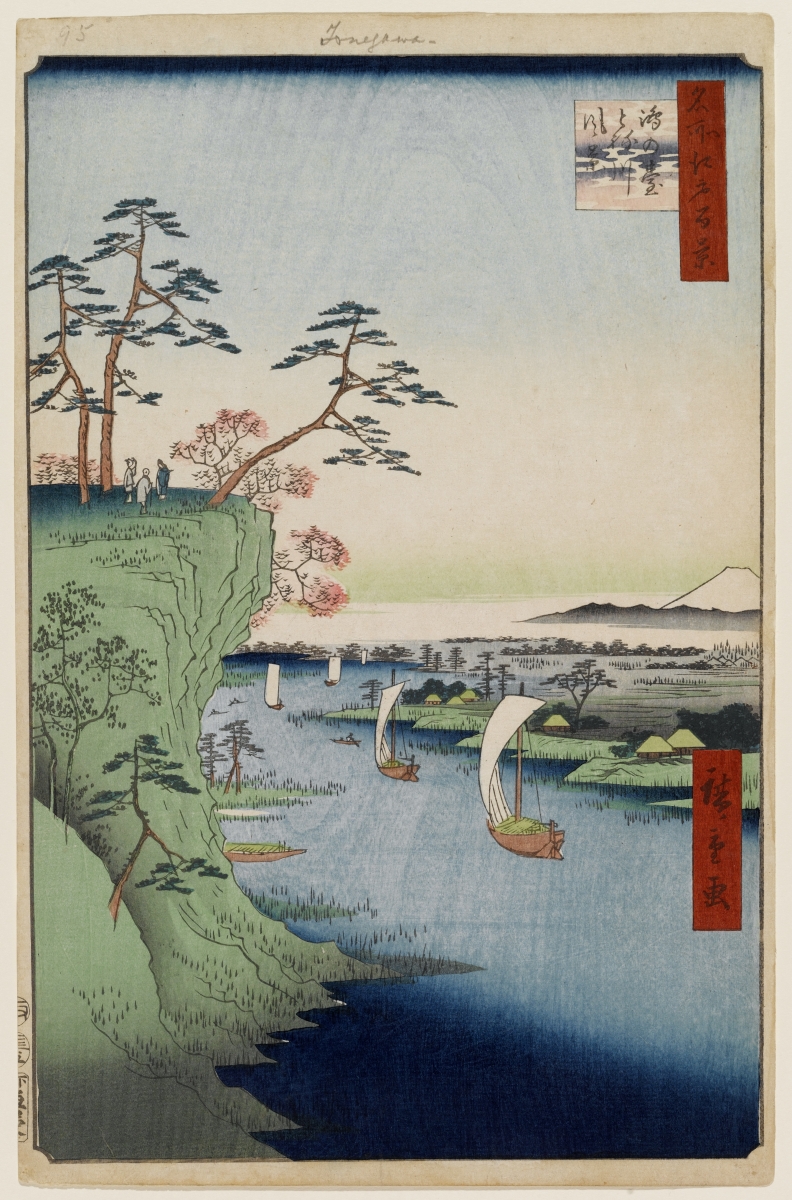
    Though it might have been true that the Satomi were weaker than the Uesugi, they were no soft touch. When the Hojo crossed the Edogawa River on the way to invading Satomi territory, they were ambushed at the second Battle of Konodai and driven back with heavy losses. You may remember in the last post that the lord of the Satomi, Yoshiaki, had avoided the first Battle of Konodai by correctly identifying the weak position of his allies, retreating with his army intact.

    A later depiction of the area around Konodai.

    At the second battle, however, the command fell to Yoshiaki’s son, Yoshihiro, and he decided to celebrate his victory by distributing wine to his men. A party is a common way to celebrate any success, and the Satomi had successfully driven the Hojo back. The problem was that ‘driven back’ does not mean ‘defeated’; the Hojo regrouped and advanced again in the early hours of the following day.

    The Satomi army, now thoroughly inebriated, was no match for them, and Hojo forces forced the Satomi into a chaotic retreat that didn’t end until the Hojo banner was once again flying over most of Kasuza Province. Shortly after this campaign, Ujiyasu, who had already technically retired as lord of the Hojo in 1559, announced that he had fought his last campaign.

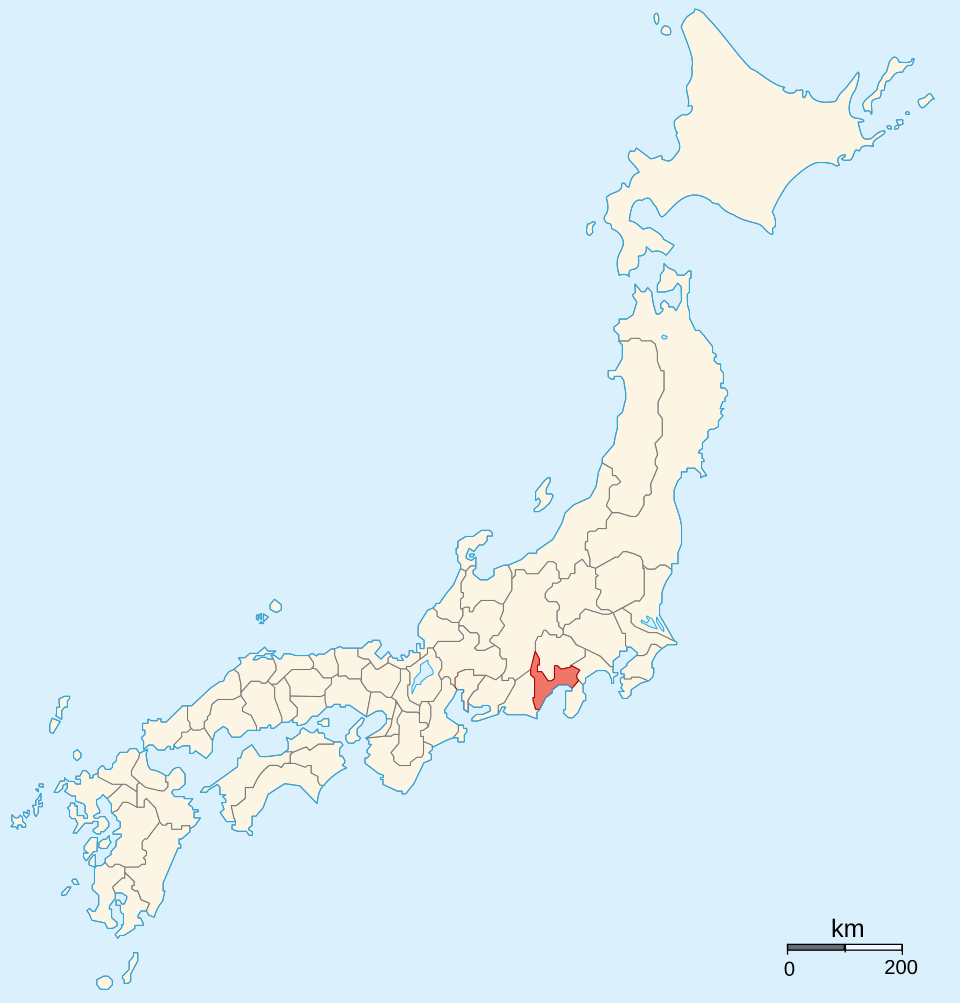
    After this, Ujiyasu seems to have largely limited himself to administration, leaving the business of war to his sons, though he would continue to play an important role in his clan’s future. In 1560, the Imagawa, one part of the triple Takeda-Hojo-Imagawa alliance, had been seriously weakened by the defeat at the Battle of Okehazama in 1560. By 1568, they were on their last legs, and Takeda Shingen, despite being a nominal ally, invaded the Imagawa’s home province of Suruga, aiming to take it for himself.

    Suruga Province
    By Ash_Crow – Own work, based on Image: Provinces of Japan.svg, CC BY 2.5, https://commons.wikimedia.org/w/index.php?curid=1691794

    The Hojo, seeking to support the Imagawa and prevent encirclement by a now hostile Takeda, dispatched an army under Hojo Ujimasa to relieve Suruga. At the same time, Ujiyasu engaged in diplomacy with the Tokugawa Clan, who had lands on the other side of Imagawa territory, and had poor relations with the Takeda. A joint attack by the Hojo and Tokugawa convinced Shingen that holding Suruga was impossible in the short term, and he retreated, with the Hojo moving in and taking large parts of eastern Suruga for themselves.

    Despite this success, the Hojo once again found themselves surrounded on three sides by hostile powers: the Takeda to the West, the Uesugi to the North, and the Satomi to the East. Ujiyasu correctly recognised that if he moved to deal with one threat, the other two would take advantage, and the Hojo did not have the strength for a three-front war. Therefore, he decided to make a formal peace with the Uesugi.

    This was unpopular on both sides because the Uesugi had been enemies of the Hojo more or less from the start, and that kind of bad blood isn’t easily forgotten. However, both sides had bigger problems, namely, Takeda Shingen. Though a ceasefire was agreed upon and the border between the two sides set, the consequences for the Uesugi were that many former allies in the Kanto, like the Satomi, felt betrayed and switched to supporting Takeda Shingen.

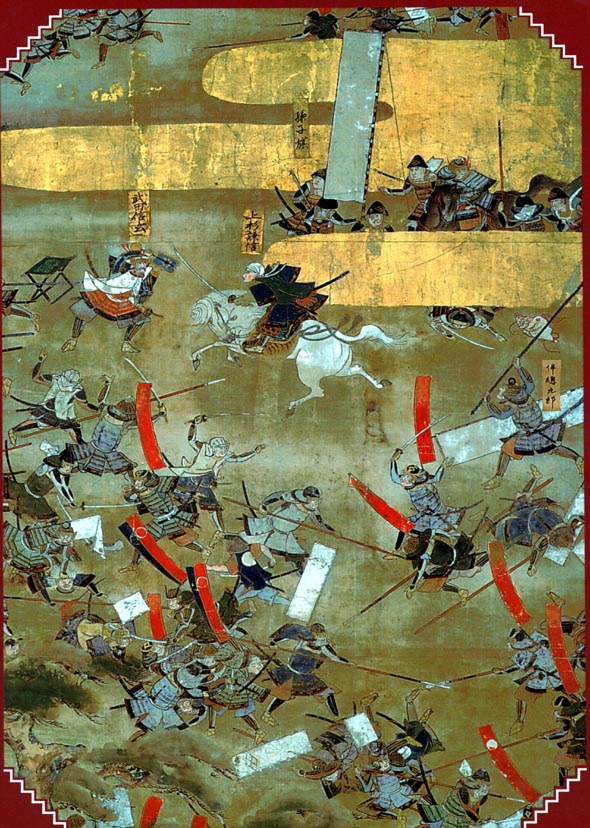
    This might not have been such a serious problem for the Hojo, because they were going to have fight the Satomi anyway, but in early 1569, the strategic situation shifted again, when the Takeda and Uesugi made a peace between themselves, meaning that Shingen could now focus his entire strength on the Hojo, whilst also relying on support from the Satomi, and other Kanto clans.

    An image depicting the legendary rivalry between Uesugi Kenshin and Takeda Shingen. Despite this, a peace between the two allowed Shingen to focus on the Hojo.

    Later that year, Shingen invaded Musashi Province and advanced south towards Odawara, the capital of the Hojo. Though they were able to lay siege to the mighty fortress, the chances of taking it were slim. The castle was one of the strongest in the realm, and Ujiyasu had made sure it was as well-defended as possible. Shingen likely understood that taking the castle would have been enormously costly, and he had better uses for his army, so he contented himself with burning the town around Odawara and retreating.

    Ujiyasu ordered his son, Ujimasa, to pursue the retreating Takeda, hoping to trap them before they could return to Kai Province. The plan failed, however, as the Takeda moved faster than expected and the ambush was discovered. At the ensuing Battle of Mimasu Pass, the Takeda successfully fended off the Hojo and returned to Kai.

    Some scholars believe that the whole attempt at Odawara had been an elaborate show of force, meant to impress Shingen’s new allies in the Kanto, or that it was a strategic move to keep the Hojo off balance whilst Takeda forces reinvaded Suruga. Either way, there doesn’t seem to have been much enthusiasm amongst either the Hojo or Takeda to continue the war, and some sources suggest that, shortly before his death, Ujiyasu told his son, Ujimasa, that he should return to a state of peace with the Takeda and make war on their traditional enemy, the Uesugi.

    Hojo Ujimasa

    Ujiyasu himself is supposed to have suffered a stroke in the summer of 1570. Sources from the time speak of him slurring his words or being unable to speak at all, and although he rallied briefly around the New Year in 1571, he would begin to decline again shortly afterwards. There are no official documents bearing his seal after May, and he would eventually pass away in October that year.

    Sources
    https://ja.wikipedia.org/wiki/%E5%8C%97%E6%9D%A1%E6%B0%8F%E6%94%BF
    https://ja.wikipedia.org/wiki/%E5%8C%97%E6%9D%A1%E6%B0%8F%E5%BA%B7
    https://ja.wikipedia.org/wiki/%E5%9B%BD%E5%BA%9C%E5%8F%B0%E5%90%88%E6%88%A6#%E7%AC%AC%E4%BA%8C%E6%AC%A1%E5%9B%BD%E5%BA%9C%E5%8F%B0%E5%90%88%E6%88%A6%EF%BC%88%E6%B0%B8%E7%A6%846%E5%B9%B4%E3%83%BB%E6%B0%B8%E7%A6%847%E5%B9%B4/1563%E5%B9%B4%E3%83%BB1564%E5%B9%B4%EF%BC%89
    https://ja.wikipedia.org/wiki/%E6%AD%A6%E7%94%B0%E4%BF%A1%E7%8E%84
    https://ja.wikipedia.org/wiki/%E4%BB%8A%E5%B7%9D%E7%BE%A9%E5%85%83
    https://ja.wikipedia.org/wiki/%E4%B8%89%E5%A2%97%E5%B3%A0%E3%81%AE%E6%88%A6%E3%81%84
    https://ja.wikipedia.org/wiki/%E5%A4%A7%E5%AE%AE%E5%9F%8E_(%E9%A7%BF%E6%B2%B3%E5%9B%BD)
    https://ja.wikipedia.org/wiki/%E5%B0%8F%E7%94%B0%E5%8E%9F%E5%9F%8E
    https://ja.wikipedia.org/wiki/%E4%B8%8A%E6%9D%89%E8%AC%99%E4%BF%A1
    https://ja.wikipedia.org/wiki/%E9%87%8C%E8%A6%8B%E7%BE%A9%E5%A0%AF
    https://ja.wikipedia.org/wiki/%E6%B1%9F%E6%88%B8%E5%B7%9D
    https://en.wikipedia.org/wiki/Suruga_Province

  • Kings in the North, Part 3

    Kings in the North, Part 3

    Last time, we looked at how Date Masamune defied an order from Toyotomi Hideyoshi to end his local wars. In 1590, the Date were summoned to take part in the upcoming campaign against the Hojo, based at Odawara, and Masamune knew better than to push his luck. Hideyoshi, however, had not forgotten his earlier defiance.

    Date Masamune

    When Masamune arrived at Odawara, he was stripped of all the territory he had taken in Aizu and confined to the 13 counties in Mutsu and Dewa Provinces that the Date had controlled before the peace order, obliging Masamune to leave the recently conquered Kurokawa Castle and return to his family’s seat at Yonezawa. In 1591, a rebellion broke out in Masamune’s home province, and after he put it down, letters were ‘found’ that implicated Masamune in instigating the violence.

    The rumours reached Hideyoshi in Kyoto, and he ordered Masamune to come in person to explain himself, which he promptly did, eventually being pardoned, but having his territory reduced still further. Despite the fact that Masamune then fought in Hideyoshi’s invasion of Korea, it wasn’t long before further rumours of treason surrounded him.

    In 1595, Hideyoshi’s nephew, Hidetsugu, was accused of treason, allegedly plotting either to overthrow his uncle or else usurp the regency after his death. Even at the time, the accusations were considered dubious, and the exact reasons are still murky today, but Hidetsugu was obliged to commit seppuku, and 39 members of his family and household were purged (read, murdered).

    Toyotomi Hidetsugu. The accusations of his treasonous conduct were considered dubious even at the time.

    The brutality of the crackdown and the somewhat flimsy evidence would eventually backfire for Hideyoshi, but for now, we can focus on how this purge would eventually involve Masamune. He and Hidetsugu had enjoyed a close relationship, and when accusations of treason were being thrown around, it didn’t take long for people to point that out.

    Masamune was summoned to explain himself once again. He had good reason to worry; his cousin had been Hidetsugu’s concubine (and had died in the purge), and it was widely thought that Hideyoshi believed that Masamune was guilty. In the end, a combination of Masamune’s eloquent denial and the intervention of several influential retainers led to his pardon. He was, however, obliged to sign a document, witnessed (and potentially enforced) by 19 powerful vassals, stating that if he were ever to commit treason, his position as head of his clan would be forfeit.

    Hideyoshi died in 1598, leaving his young son in the care of a council of five regents. Masamune was not on this council, but he quickly reached an understanding with Tokugawa Ieyasu, arguably the council’s most powerful member. In 1599, Masamune’s daughter married Ieyasu’s fifth son, something that was believed to be an example of Ieyasu securing illegal alliances, though modern scholars suggest that this is an example of a violation of the ‘spirit’ rather than the letter of the law.

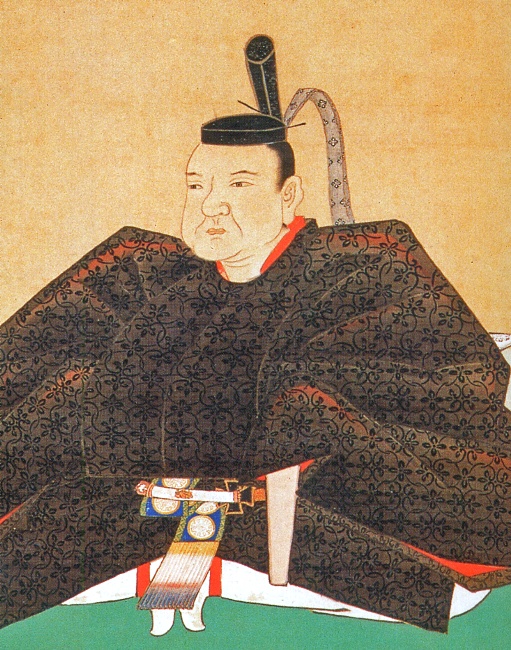
    Tokugawa Ieyasu. He found a willing ally in Masamune.

    By 1600, it had become clear that the Council of Regents was not going to last, and a new conflict swiftly broke out. Ieyasu secured the support of Masamune by promising to restore all the lands he had lost in 1590. Date forces would not be present at the decisive Battle of Sekigahara, however, and despite some successes against Ieyasu’s enemies in the north, an attempt to retake the promised territories by force was ultimately unsuccessful.

    Despite this, Masamune still petitioned Ieyasu for the return of the territory, which Ieyasu refused to do, and in fact, Date lands were reduced further (though they would remain the fifth richest clan by koku (rice production)). In 1601, Masamune moved his headquarters to Sendai, establishing the Sendai Domain, which would continue to be the centre of the Date Clan for the next 250 years.

    Though distant from the capital and never entirely trusted, Masamune would play a significant role in Japan’s future. In 1613, he ordered the construction of a European-style galleon, the San Juan Bautista. Masamune was the only Daimyo to receive permission from the Tokugawa to send missions overseas to represent Japan. The so-called Keicho Embassy departed Japan in October 1613, travelling across the Pacific to New Spain (modern Mexico) and from there, across the Atlantic to Europe. The embassy would receive an audience with the King of Spain in January 1615, and then one with the Pope in October of the same year. The Embassy would not return to Japan until 1620, by which time Christianity had been outlawed by the Shogunate, meaning that the Ambassador and anyone involved had come under suspicion.

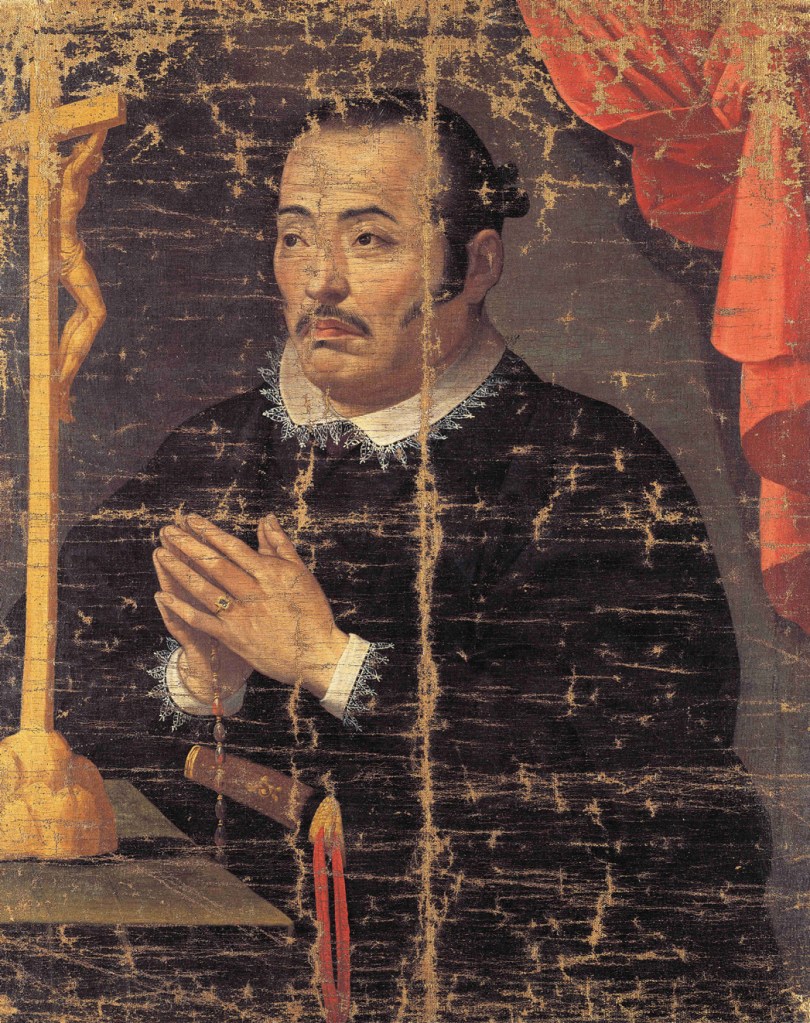
    A European portrait of Hasekura Tsunenaga, the ambassador in the Keicho Embassy. By the time he returned to Japan, Christianity had been outlawed, and his achievement as the first Japanese representative to Europe was largely forgotten.

    Meanwhile, Masamune at the Date had continued to support the new Shogunate, taking part in both Sieges of Osaka in 1614-15. However, once again, Masamune would find himself under attack by rumours of treason, this time after a supposed ‘friendly fire’ incident, in which Date troops fired on their allies. It’s not clear from surviving records if this incident actually happened, but in 1616, the rumour spread that Ieyasu planned to march against the Date.

    When the two men met in early 1616, Masamune was cleared of any suspicion, and after Ieyasu passed away in June of that year, any serious suggestion that the Date and Tokugawa would go to war seems to have died out (though later texts suggest that Masamune had a plan to fight the Shogunate, should it come down to it)

    With the age of constant civil war coming to an end, Masamune focused on developing his home territory. He ordered the construction of a canal that became the Teizan Canal (though it wouldn’t take its final form until the 19th century). He established a port at Ishinomaki, which was heavily damaged in a tsunami in 2011, and has since been largely rebuilt.

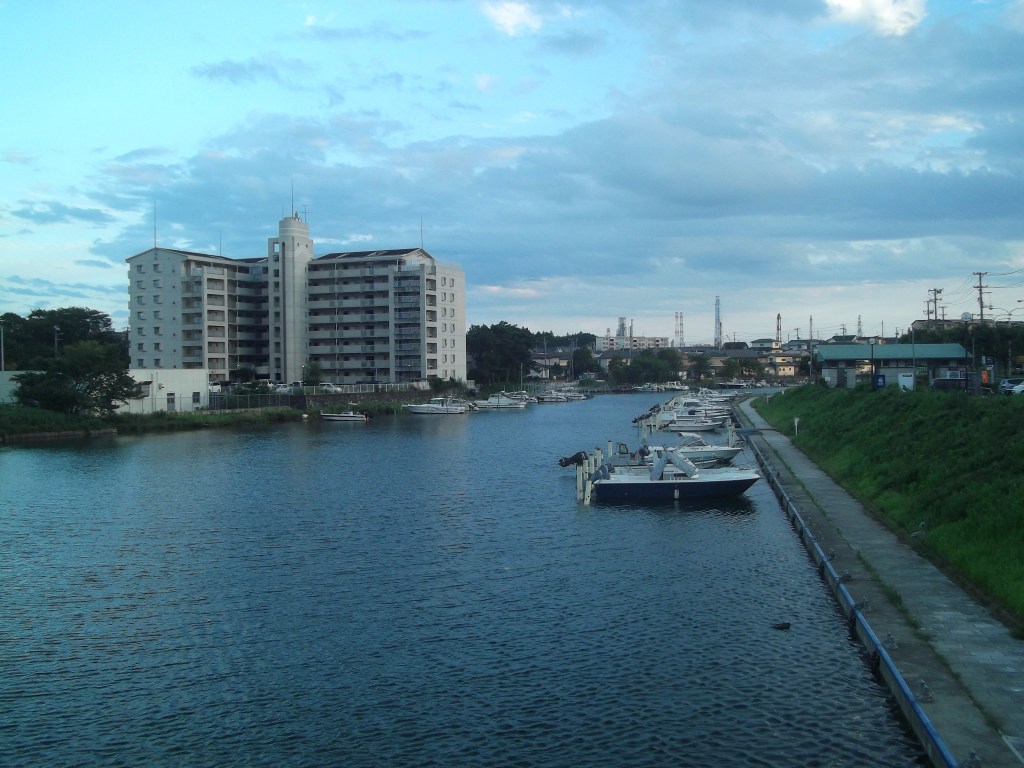
    The Teizan Canal as it appears today. Though largely remodelled in the 19th century, its origins lay with Masamune in the 1600s.

    He also developed agriculture in the Kitakami River basin, which remains a major rice producer to this day. In the Edo Period, the Sendai Domain was valued at around 620,000 koku, but produced in excess of 745,000 koku annually, indicating how effective Masamune’s investments had been, and how inefficient Japanese land valuation was in the pre-modern period.

    In his later years, Masamune would establish a warmer relationship with the Shogunate than he had known previously. When the third Shogun, Iemitsu, began to rule in his own right in 1632, he was said to have idolised Masamune, who by then was one of the last remaining Daimyo to have actually fought during the Sengoku period. The Shogun is said to have frequently asked Masamune for stories of the period, especially the battles he had fought, and what it had been like to serve Ieyasu and Hideyoshi (both of whom were legendary figures by that point)

    Masamune remained vigorous until late in life, but in 1634, he began to develop serious health problems, and his condition declined quickly before he eventually passed away in June 1636. His death was mourned in Edo, with the Shogun banning revelry, fishing, and even the playing of music for seven days afterwards.

    Zuihoden, in modern Sendai, the final resting place of Date Masamune.
    663highland 投稿者自身による著作物, CC 表示 2.5, https://commons.wikimedia.org/w/index.php?curid=2631054による

    Masamune’s reforms and investments had left the Date in a strong financial position, and the Clan would often be treated generally by the Shogunate, with the clan being one of the few ‘outside’ Daimyo (a clan that had not been a vassal of the Tokugawa before Sekigahara) who was granted a marriage into the Shogun’s family.

    Despite, or perhaps because of this, the third Lord, Tsunamune (Masamune’s grandson), proved to be something of a “rich kid” spending his days engaged in what is politely called “debauchery”. Although a certain amount of wine, women (or men), and song was expected of a Daimyo, Tsunamune was extreme to the point that his retainers tried to get rid of him. In August 1660, they petitioned the Shogunate directly, asking that Tsunamune be removed.

    The Shogunate agreed, replacing Tsunamune with his two-year-old son, Tsunamura. Given his young age, Tsunamura needed a regent, and what followed was a decade of violence as rival factions sought influence over the young Lord. Finally, in 1671, a meeting was called in the house of Sakai Tadakiyo, a roju (senior minister) in Edo.

    Date Tsunamune, whose debauchery led to his downfall, and nearly that of his clan.

    What was supposed to be a peaceful meeting to seek a solution to the ongoing violence in Sendai quickly turned into a bloody brawl, and by the end of it, swords had been drawn, and several men lay dead. Tsunamune, as a child, was not held responsible, but the families of those responsible for the bloodshed were executed in turn (in line with the law at the time).

    As the Edo Period went on, the Sendai Domain, much like many Samurai holdings, began to suffer economic hardship. The problem was that the value of the land was estimated based on rice production in the 17th century, and by the early 19th century, those numbers simply didn’t add up.

    Financial problems didn’t stop the Date from remaining loyal to the Tokugawa; during the Boshin War in 1868-69, the Sendai Domain was central to the Shogunate’s efforts to retain power. The Shogunate would ultimately lose the war, and the Date had their lands confiscated, though they were partially restored in the peace that followed. With the abolition of the domains, the Date joined the new aristocracy and continued to serve the new Meiji regime into the 20th century.

    Date Munemoto, the last lord (and first governor) of the Sendai Domain.

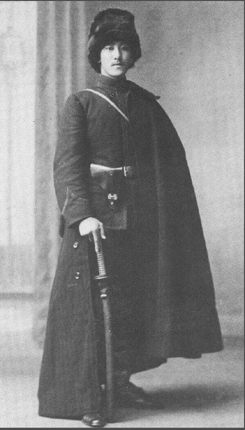
    The Date were not always on the right side of the law, however. One infamous member of the clan was Junnosuke, who was known for carrying a knife to school and, in 1909, was sentenced to 12 years in prison for shooting a fellow student during a brawl. His sentence was eventually suspended when his lawyer ‘proved’ it was self-defence. In 1916, he left Japan for Manchuria (not yet under Japanese rule at that point), where he joined the Manchurian Independence Movement.

    He had a varied career after this, serving in the Border Guards in Korea (then under Japanese control), but in 1923, he seems to have been operating as little more than a bandit in and around the Shandong Peninsula. In 1931, he became a naturalised Chinese citizen, but in 1937, he was at the head of some 4000 soldiers from Manchukuo and took part in the Japanese invasion of China; however, his unit was disbanded in 1939. After the war, he was caught by the Chinese, tried as a war criminal, and shot in 1948, bringing a violent career to a violent end.

    Date Junnosuke in the uniform of a Border Guard.

    In the interest of ending things on a lighter note, another descendant of the Date clan (a branch of it, anyway) is Date Mikio, one half of the famous comedy duo Sandwichman, who have won many awards and are arguably one of Japan’s most prolific duos, so that’s nice.

    The main branch of the Date Clan survives into the modern era as well, with the current head, Date Yasumune, serving as a curator of the Zuihoden Museum, burial place of Date Masamune, and a repository for numerous artefacts related to the clan.

    Sources
    https://ja.wikipedia.org/wiki/%E4%BC%8A%E9%81%94%E9%A8%92%E5%8B%95
    https://en.wikipedia.org/wiki/Date_S%C5%8Dd%C5%8D
    https://ja.wikipedia.org/wiki/%E6%96%B0%E7%99%BA%E7%94%B0%E9%87%8D%E5%AE%B6
    https://en.wikipedia.org/wiki/Date_Masamune
    https://en.wikipedia.org/wiki/Tokugawa_Ieyasu
    https://ja.wikipedia.org/wiki/%E4%BC%8A%E9%81%94%E7%B6%B1%E5%AE%97
    https://ja.wikipedia.org/wiki/%E4%BC%9A%E6%B4%A5
    https://ja.wikipedia.org/wiki/%E4%BA%8C%E6%9C%AC%E6%9D%BE%E5%9F%8E
    https://ja.wikipedia.org/wiki/%E8%8B%A5%E6%9D%BE%E5%9F%8E
    https://ja.wikipedia.org/wiki/%E6%91%BA%E4%B8%8A%E5%8E%9F%E3%81%AE%E6%88%A6%E3%81%84
    https://ja.wikipedia.org/wiki/%E8%B1%8A%E8%87%A3%E7%A7%80%E6%AC%A1
    https://ja.wikipedia.org/wiki/%E3%82%B5%E3%83%B3%E3%83%BB%E3%83%95%E3%82%A1%E3%83%B3%E3%83%BB%E3%83%90%E3%82%A6%E3%83%86%E3%82%A3%E3%82%B9%E3%82%BF%E5%8F%B7
    https://ja.wikipedia.org/wiki/%E4%BB%99%E5%8F%B0%E8%97%A9
    https://ja.wikipedia.org/wiki/%E6%85%B6%E9%95%B7%E9%81%A3%E6%AC%A7%E4%BD%BF%E7%AF%80
    https://ja.wikipedia.org/wiki/%E7%9F%B3%E5%B7%BB%E6%B8%AF
    https://ja.wikipedia.org/wiki/%E8%B2%9E%E5%B1%B1%E9%81%8B%E6%B2%B3
    https://ja.wikipedia.org/wiki/%E4%BC%8A%E9%81%94%E6%94%BF%E5%AE%97
    https://ja.wikipedia.org/wiki/%E4%BC%8A%E9%81%94%E6%B0%8F
    https://ja.wikipedia.org/wiki/%E4%BC%8A%E9%81%94%E9%A0%86%E4%B9%8B%E5%8A%A9
    https://ja.wikipedia.org/wiki/%E4%BC%8A%E9%81%94%E6%B3%B0%E5%AE%97
    https://ja.wikipedia.org/wiki/%E3%82%B5%E3%83%B3%E3%83%89%E3%82%A6%E3%82%A3%E3%83%83%E3%83%81%E3%83%9E%E3%83%B3_(%E3%81%8A%E7%AC%91%E3%81%84%E3%82%B3%E3%83%B3%E3%83%93)
    https://ja.wikipedia.org/wiki/%E4%BC%8A%E9%81%94%E5%AE%97%E5%9F%BA