Tag: Jesuits in Japan

  • The Second Unifier – Toyotomi Hideyoshi. The Final Chapter.

    The Second Unifier – Toyotomi Hideyoshi. The Final Chapter.

    In 1591, with dominance of Japan secured, Hideyoshi announced his intention to invade Ming China, via Korea, launching the first of two campaigns to subjugate the small kingdom. We’ll take a look at these invasions in more detail later, but in summary, the Japanese landed with a force of some 160,000 veteran warriors and achieved a series of quick successes against the Koreans.
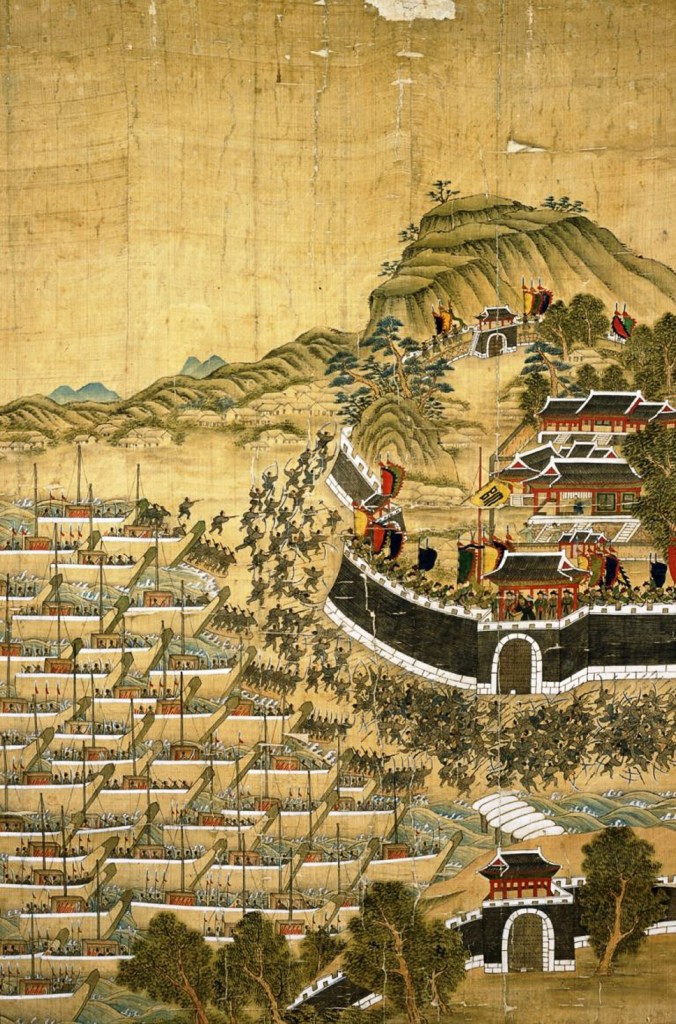
    A contemporary Korean image of the Japanese attack on Busan.

    However, Chinese intervention turned back the invasion, and ultimately led to a stalemate that ended in a negotiated peace in 1593, that saw Japanese warriors remain in the fortresses they have built in the south of the peninsular, from which they would launch a second attempt in 1597, which would end when political changes at home saw the Japanese leave, with both sides declaring ‘victory’.

    Meanwhile, Hideyoshi, who had ordered the invasion but did not travel to Korea himself, was facing problems closer to home. In 1591, his brother, Hidenaga, who had been an important military and political supporter, died. This was followed in short order by Tsurumatsu, Hideyoshi’s two-year-old son and heir, throwing the succession into doubt.
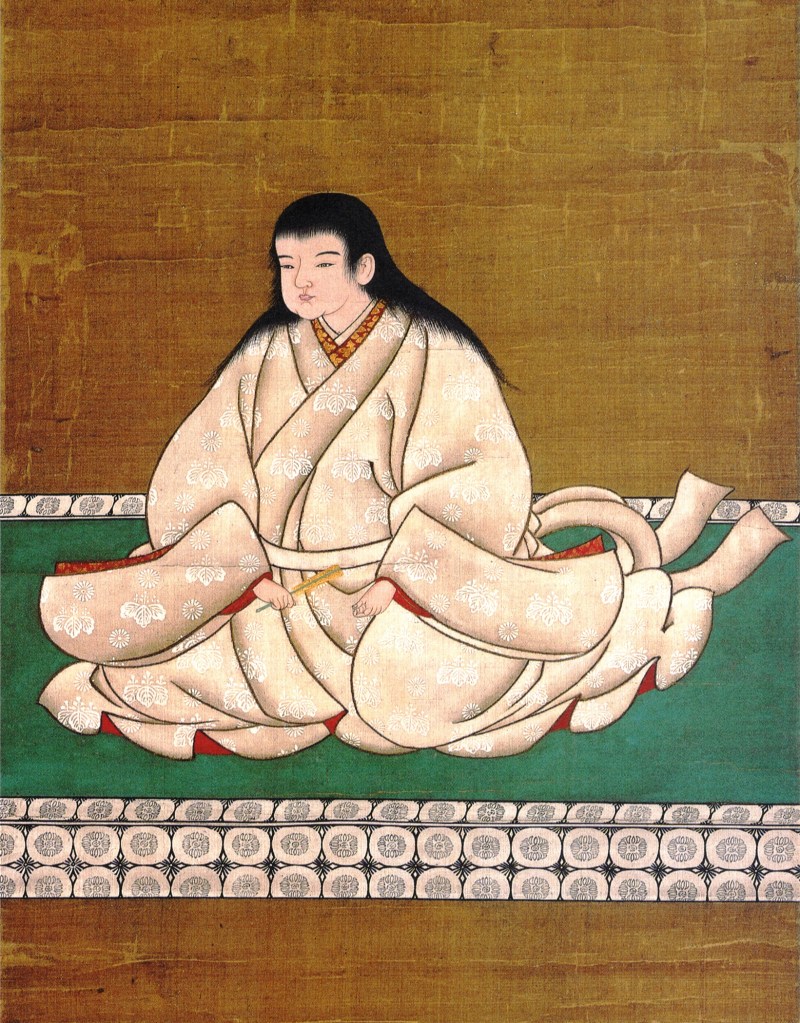
    A stylised image of Tsurumatsu, who was only two when he died.

    In response, Hideyoshi adopted his nephew, Hidetsugu, as heir to the Toyotomi family, and (presumably) eventually to supreme power. This arrangement endured until 1593, when one of Hideyoshi’s concubines, Lady Yodo, gave birth to a second son, Hideyori, whose arrival was apparently widely celebrated.

    That is, widely celebrated by everyone but Hidetsugu, whose position was now under threat. In 1595, rumours began to spread that Hidetsugu was plotting rebellion, and a delegation, led by Ishida Mitsunari, was sent to his residence to investigate. He wrote a five-page letter declaring himself innocent of the accusations, which was promptly delivered to Hideyoshi.
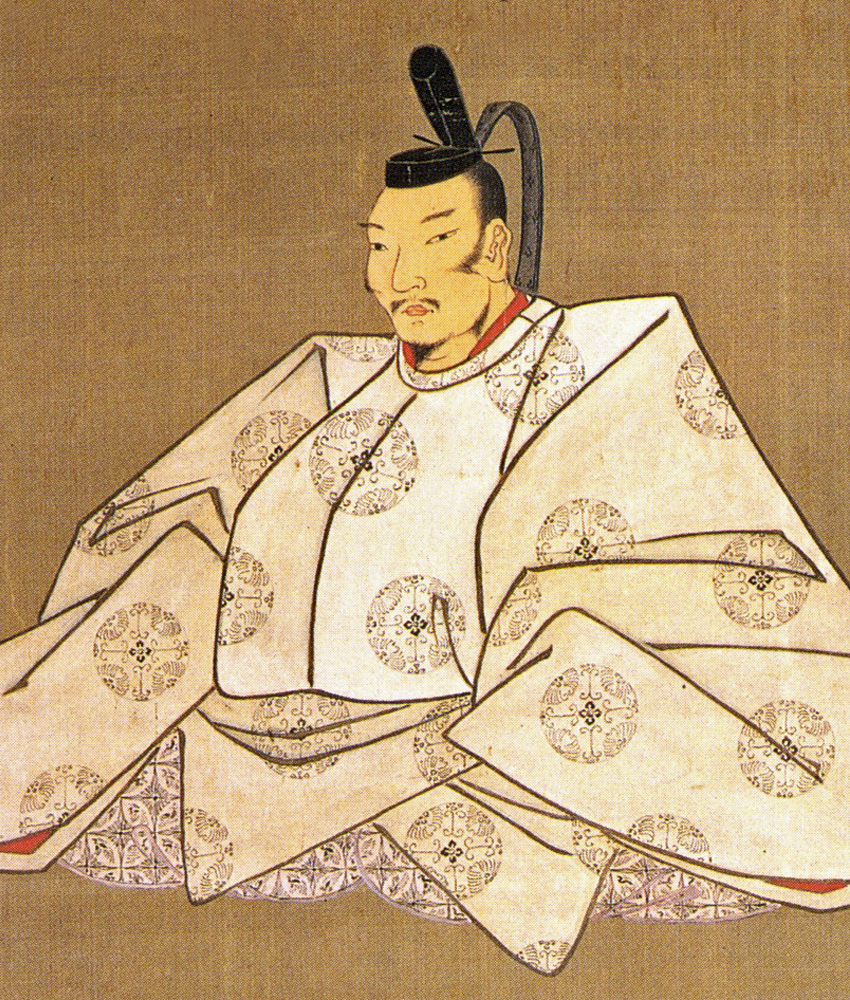
    Toyotomi Hidetsugu

    Hideyoshi then summoned his nephew for an audience, but when Hidetsugu arrived at Fushimi Castle, as ordered, he was denied entry and instead told to shave his head and become a monk. Hidetsugu apparently complied, retiring to Mount Koya. However, even this was not enough, and on August 20th, 1595, an order arrived demanding Hidetsugu commit seppuku.

    Hidetsugu swiftly complied, but even this did not satisfy Hideyoshi, who went further and ordered the deaths of Hidetsugu’s entire family. In the end, 39 people, including children, wives, and concubines, were beheaded at Sanjo Kawara, in Kyoto, and dumped in a mass grave. Some sources say that the commoners who came to watch were so disgusted with the manner of the executions that they began hurling insults at the magistrates responsible, and in the aftermath, a memorial stone dedicated to “Hideyoshi’s Evil” was erected.
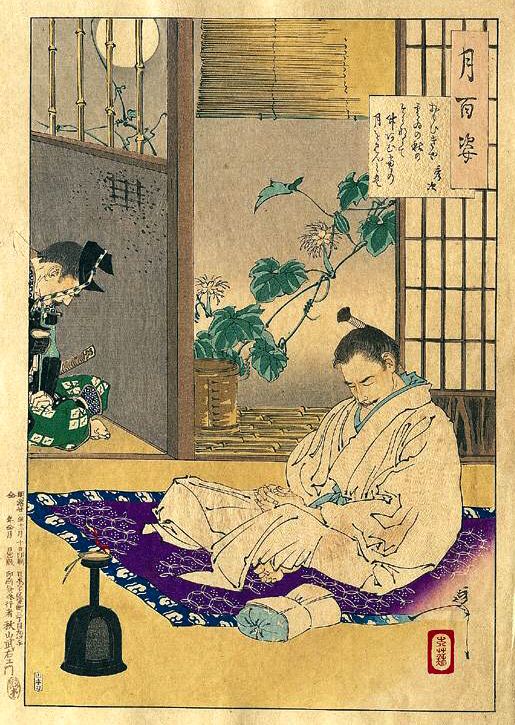
    A 19th-century depiction of Hidetsugu committing seppuku. Even his death did not spare his family from Hideyoshi’s wrath.

    Theories around why Hideyoshi ordered his nephew’s death, and why it was carried out with such thorough brutality, have swirled since the moment Hidetsugu’s head was struck off. A common view is that Hidetsugu really was planning to rebel, or at least Hideyoshi believed he was, and the purge that followed was simply ensuring no one survived to take revenge.

    Another theory is that Hidetsugu himself had earned a reputation as a violent lunatic, routinely hacking people down in the street, and even being known to take potshots at commoners with a musket, earning him the nickname the “Killing Regent”. Modern scholars are generally sceptical of this reputation, however, citing a lack of contemporary sources referring to what should have been a fairly well-known situation.
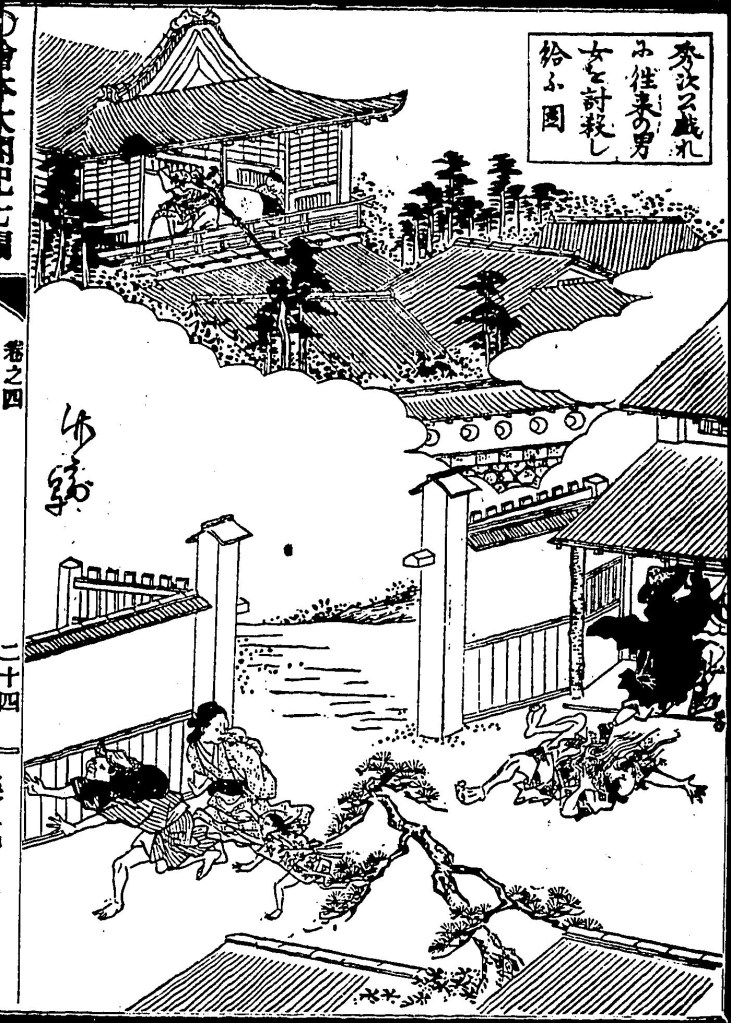
    A much later depiction of Hidetsugu (top left) taking potshots at passersby. Images like this served to discredit Hidetsugu’s memory, but sources from his lifetime make no mention of such behaviour, except in reporting rumours.

    An addition to this theory is that Ishida Mitsunari, and his associates, deliberate sought to slander Hidetsugu in the eyes of Hideyoshi, though again this is now widely seen as a latter invention, written by authors in the Edo Period, decades after the events, and writing at a time when there was active interest in painting both Hideyoshi, and Mitsunari in a bad light.

    All of this paints Hideyoshi in an increasingly tyrannical light, and subsequent events in his reign would not help matters. In 1596, the Keicho-Fushimi Earthquake struck the area around modern Osaka, leading to widespread damage and the deaths of more than a thousand people. Earthquakes are nothing out of the ordinary in Japan, but damage to several temples around Kyoto prompted an inspection by Hideyoshi himself.
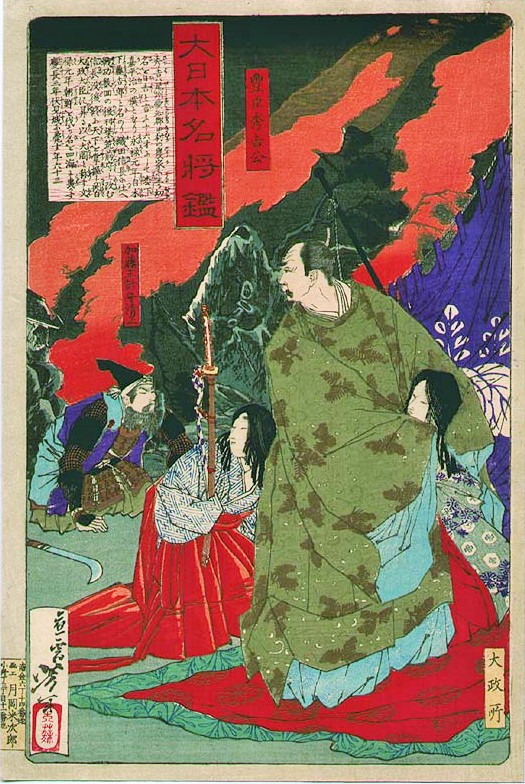
    A 19th-century depiction of Hideyoshi during the Keicho-Fushimi Earthquake.

    At the Hokoji Temple, Hideyoshi had ordered the construction of a “Great Buddha”, which was said to be over 19m tall, making it one of the largest in history. However, in order to speed up construction, Hideyoshi is said to have ordered the construction changed from the traditional bronze to wood. When the earthquake struck, the Buddha was badly damaged as a result of its lighter construction.

    It is said that Hideyoshi, enraged at the damage caused to so expensive a monument, took a bow and shot an arrow into the Buddha’s forehead. Such an act of sacrilege was widely condemned, but scholars disagree over whether it actually happened, as the only sources (again) come from much later. The contemporary sources only say that Hideyoshi, upon inspecting the damage, ordered the Buddha and the hall containing it to be dismantled.
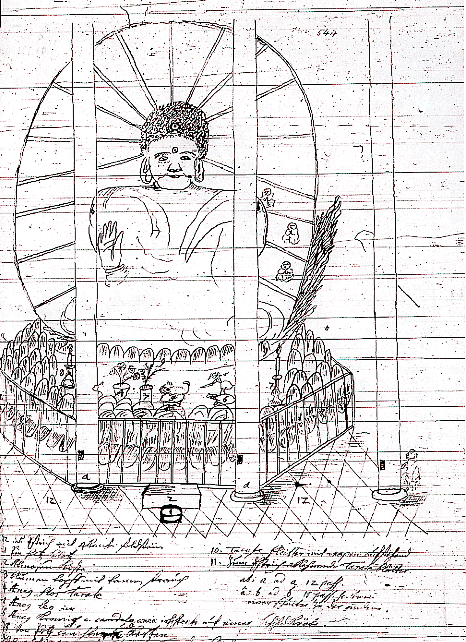
    A sketch by Dutch merchant Engelbert Kaempfer, showing the great Buddha as it appeared in 1691.

    On a side note, both structures would be reconstructed by Hideyoshi’s successor, Hideyori, and the re-consecration of the site would indirectly lead to the downfall and destruction of the Toyotomi Clan in 1615, but that’s a story for another time.

    As we’ve discussed previously, Hideyoshi had issued an order expelling Christian missionaries from Japan back in 1587, but it had generally gone unenforced. That changed in 1596, when the Spanish Galleon, San Felipe, wrecked off the coast of Shikoku. In the immediate aftermath, the local lord (who happened to be a Chosokabe) confiscated the ship’s cargo, and the Spanish complained to Hideyoshi.
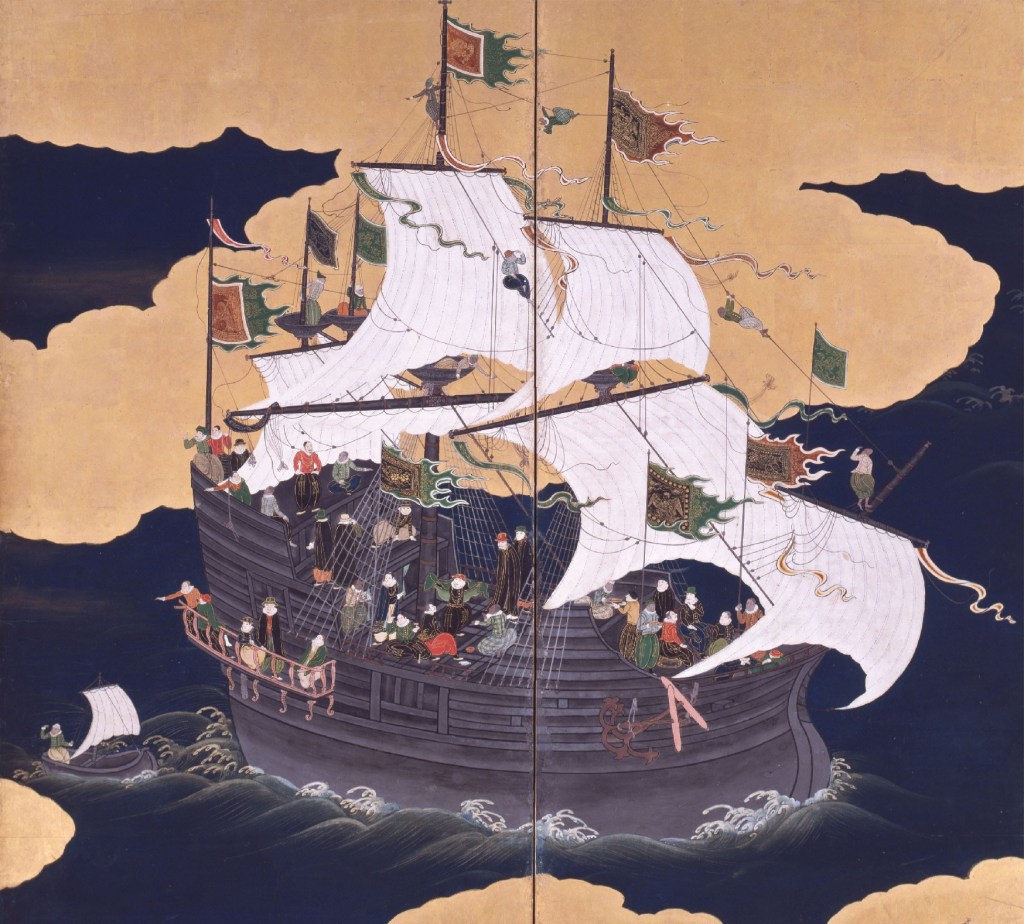
    A European Ship in Japanese waters around the late 16th Century.

    It seems that Hideyoshi himself didn’t much care about the confiscated Spanish treasure; however, one of the crew aboard the San Felipe, a man known as de Hollandia, proved to be a bit of a blowhard. He boasted to the local Japanese authorities that the Spanish Empire was vast, and he produced a map of the world to prove his point.

    The Japanese were shocked that the Spanish holdings were so extensive, and when they asked how Spain had come to acquire such territory, de Hollandia made the fateful mistake of claiming that missionaries had gone in first to convert the population, who then served as a vanguard for the Conquistadors who followed.
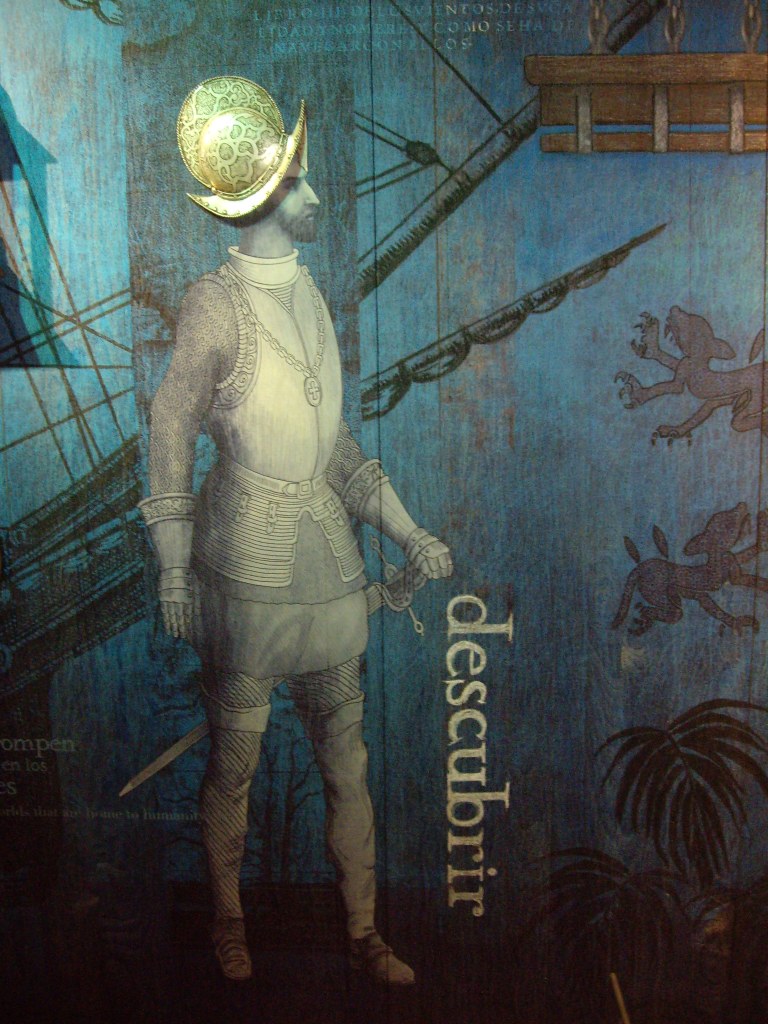
    The classic image of a Conquistador, this one in Seville, Spain. Though the Conquistadors were very successful in the Americas and the Philippines, they never set foot in Japan, though Hideyoshi had reason to fear they might.
    By CarlosVdeHabsburgo – Own work, CC BY-SA 3.0, https://commons.wikimedia.org/w/index.php?curid=24964604

    Hideyoshi may not have cared about treasure, but he was definitely paying attention now. He took the silver for himself and then ordered all Spanish Friars in Osaka arrested, along with several Japanese converts. In the end, 26 were taken to Nagasaki and publicly executed

    1596 also saw the restart of conflict in Korea, when negotiations with the Chinese broke down, and Hideyoshi ordered a second invasion, dispatching 140,000 men to reinforce the garrisons already in place. This time, instead of attempting to take the whole of Korea, Hideyoshi planned a more limited campaign, advancing into Gyeongsang Province and securing defensible positions there to serve as staging grounds for another round of conquest later.
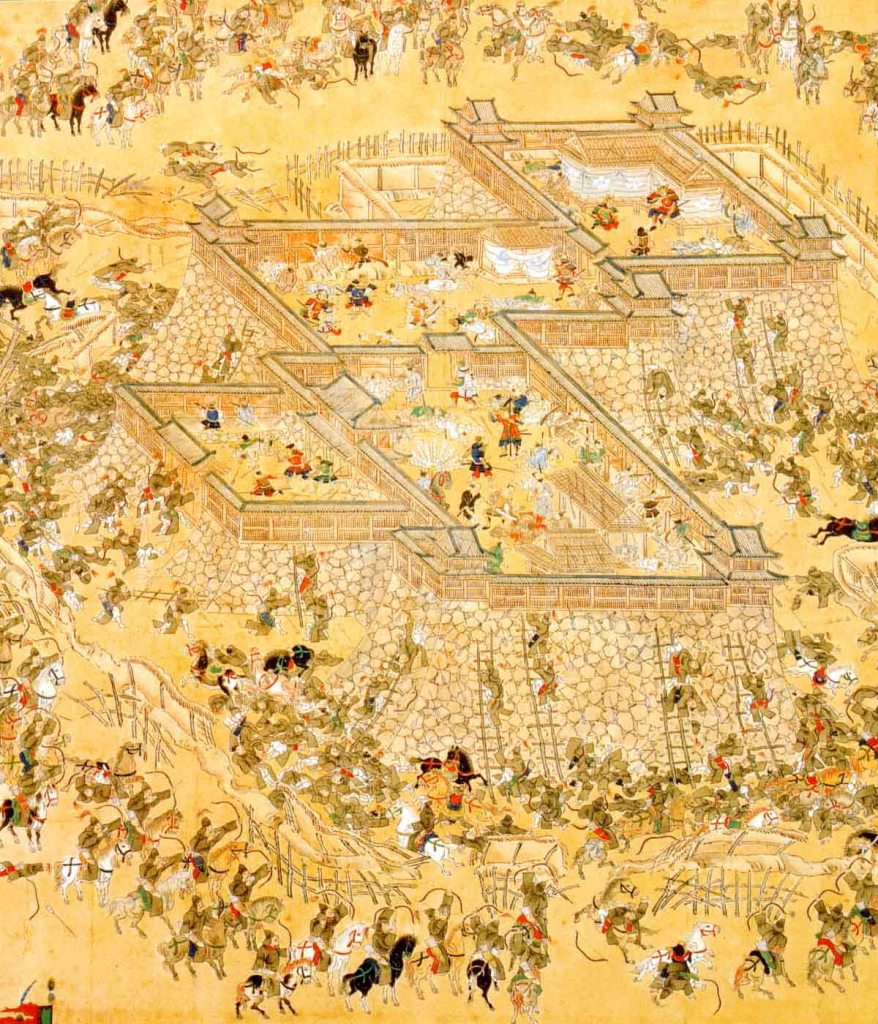
    An image depicting the fighting around Ulsan, site of some of the fiercest battles of the second invasion.

    By late 1597, however, Hideyoshi knew he was nearly done. His son and heir, Hideyori, was just a child, and he knew that his succession was far from guaranteed. In order to guarantee a peaceful transfer of power, he summoned five powerful Daimyo to Fushimi, making them swear to rule the realm as a Council of Regents (or Elders) until Hideyori came of age.

    The five regents were Ukita Hideie, Maeda Toshiie, Uesugi Kagekatsu, Mori Terumoto, and Tokugawa Ieyasu. Of the five, Ieyasu was far and away the most powerful, though he was not strong enough to oppose the other four directly, especially the venerable Maeda Toshiie and Mori Terumoto. This was presumably the point, however, as Hideyoshi wanted to create a council that was made up of men strong enough to rule, but not strong enough to rule alone.
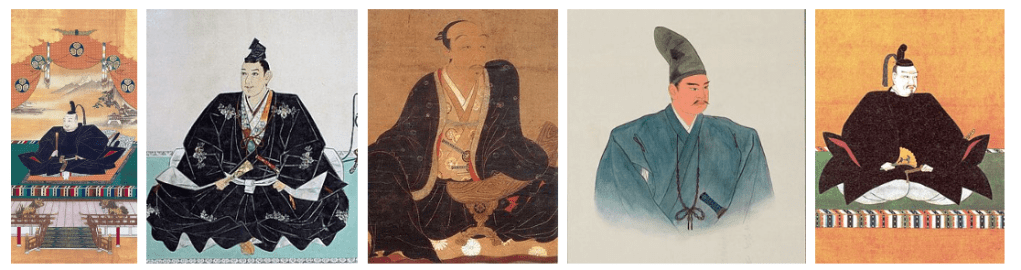
    The Council of Five Elders, from left to right: Tokugawa Ieyasu, Ukita Hideie, Maeda Toshiie, Uesugi Kagekatsu, and Mori Terumoto. Of the five, Ieyasu was the most powerful, and it became the task of the other four to rein him in.

    Hideyoshi passed away in August 1598, and the order he had done so much to create would not long outlive him. The council he had created fell apart within a year, following the death of Maeda Toshiie in 1599 and the political manoeuvring of Tokugawa Ieyasu, who won the decisive Battle of Sekigahara in 1600 and was declared Shogun in 1603.

    Though Hideyori would never rule in his own right, he would continue on as a living example of Hideyoshi’s legacy, but he would eventually fall foul of the rising power of the Tokugawa, and Hideyoshi’s line would come to an end in 1615, though, once again, we are getting ahead of ourselves.


    Sources
    https://ja.wikipedia.org/wiki/%E8%B1%8A%E8%87%A3%E7%A7%80%E5%90%89
    https://ja.wikipedia.org/wiki/%E3%82%B5%E3%83%B3%EF%BC%9D%E3%83%95%E3%82%A7%E3%83%AA%E3%83%9A%E5%8F%B7%E4%BA%8B%E4%BB%B6
    https://ja.wikipedia.org/wiki/%E6%85%B6%E9%95%B7%E4%BC%8F%E8%A6%8B%E5%9C%B0%E9%9C%87
    https://ja.wikipedia.org/wiki/%E6%96%B9%E5%BA%83%E5%AF%BA%E9%90%98%E9%8A%98%E4%BA%8B%E4%BB%B6
    https://ja.wikipedia.org/wiki/%E6%85%B6%E5%B0%9A%E9%81%93
    https://ja.wikipedia.org/wiki/%E6%96%B9%E5%BA%83%E5%AF%BA
    https://en.wikipedia.org/wiki/Yodo-dono
    https://ja.wikipedia.org/wiki/%E8%B1%8A%E8%87%A3%E7%A7%80%E6%AC%A1
    https://ja.wikipedia.org/wiki/%E6%96%87%E7%A6%84%E3%83%BB%E6%85%B6%E9%95%B7%E3%81%AE%E5%BD%B9
  • The Second Unifier – Toyotomi Hideyoshi. Part Five.

    The Second Unifier – Toyotomi Hideyoshi. Part Five.

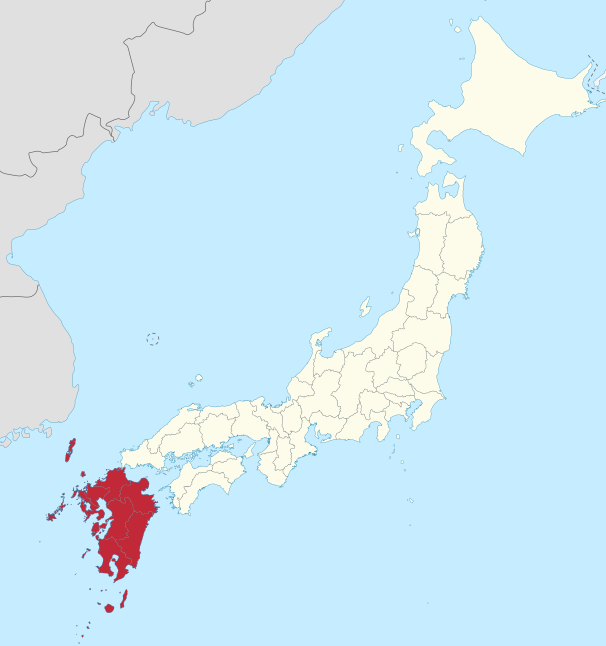
    In 1586, the powerful Tensho Earthquake brought about a temporary halt to Hideyoshi’s campaign to subdue the entire realm. In the aftermath, he had made peace with, then accepted the formal submission of Tokugawa Ieyasu, and now turned his attention to Japan’s southern island, Kyushu.

    Kyushu.

    As we’ve looked at in previous posts, the most powerful clan in Kyushu at this time were the Shimazu, who were on the verge of conquering the entire island, and were putting enormous pressure on their long-term rivals, the Otomo, who reached out to Hideyoshi for help. Hideyoshi responded by issuing a ceasefire order, the sobujirei, though scholars disagree if this was an order issued on a case-by-case basis, or a formal law brought in my Hideyoshi.

    Regardless of the legal basis, the Otomo swiftly agreed, but the Shimazu remained defiant, with the head of the clan, Shimazu Yoshihisa, going as far as suggesting that the Shimazu, a clan with its long and proud lineage, would never submit to a peasant ‘upstart’ like Hideyoshi. Perhaps unsurprisingly, Hideyoshi didn’t take kindly to this and so ordered the invasion of Kyushu, officially in support of the Otomo.

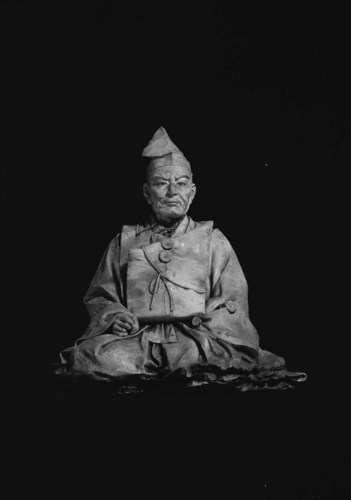
    A statue of Shimazu Yoshihisa. He was the head of a proud clan and believed he had no reason to fear the ‘upstart’ Hideyoshi. He would be proved wrong.
    Ginger1192 – 投稿者自身による著作物, CC 表示-継承 3.0, https://commons.wikimedia.org/w/index.php?curid=24854517による

    At first, Hideyoshi seems to have tried to avoid committing his own troops to the invasion, instead relying on forces provided by the Mori, Chosokabe and their vassals to do the bulk of the fighting. This strategy may have been wise from a manpower preservation point of view, but the Shimazu proved more than capable of living up to their lineage, defeating the initial landings and giving Hideyoshi the proverbial bloody nose in the process.

    Much like the independent clans of Kii Province and the Chosokabe of Shikoku, however, the Shimazu were about to learn that Hideyoshi was a different kind of ruler, able to marshal resources that even the might of Kyushu could not hope to match. Taking the field himself, Hideyoshi is said to have amassed an army of some 300,000, with all the requisite supplies and resources to support such a massive force.

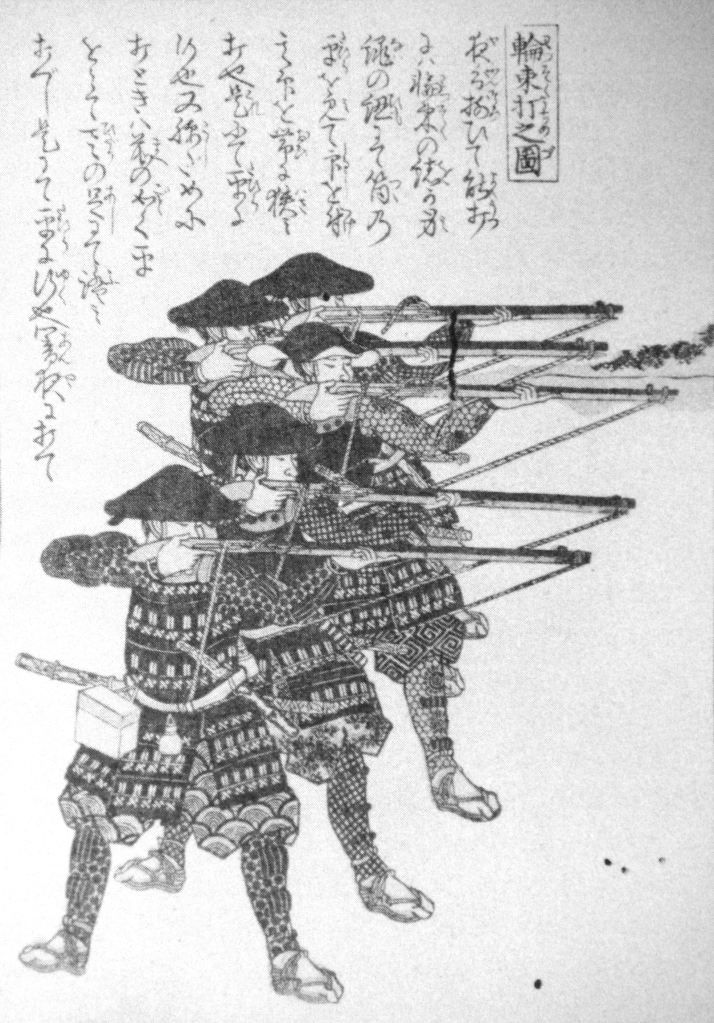
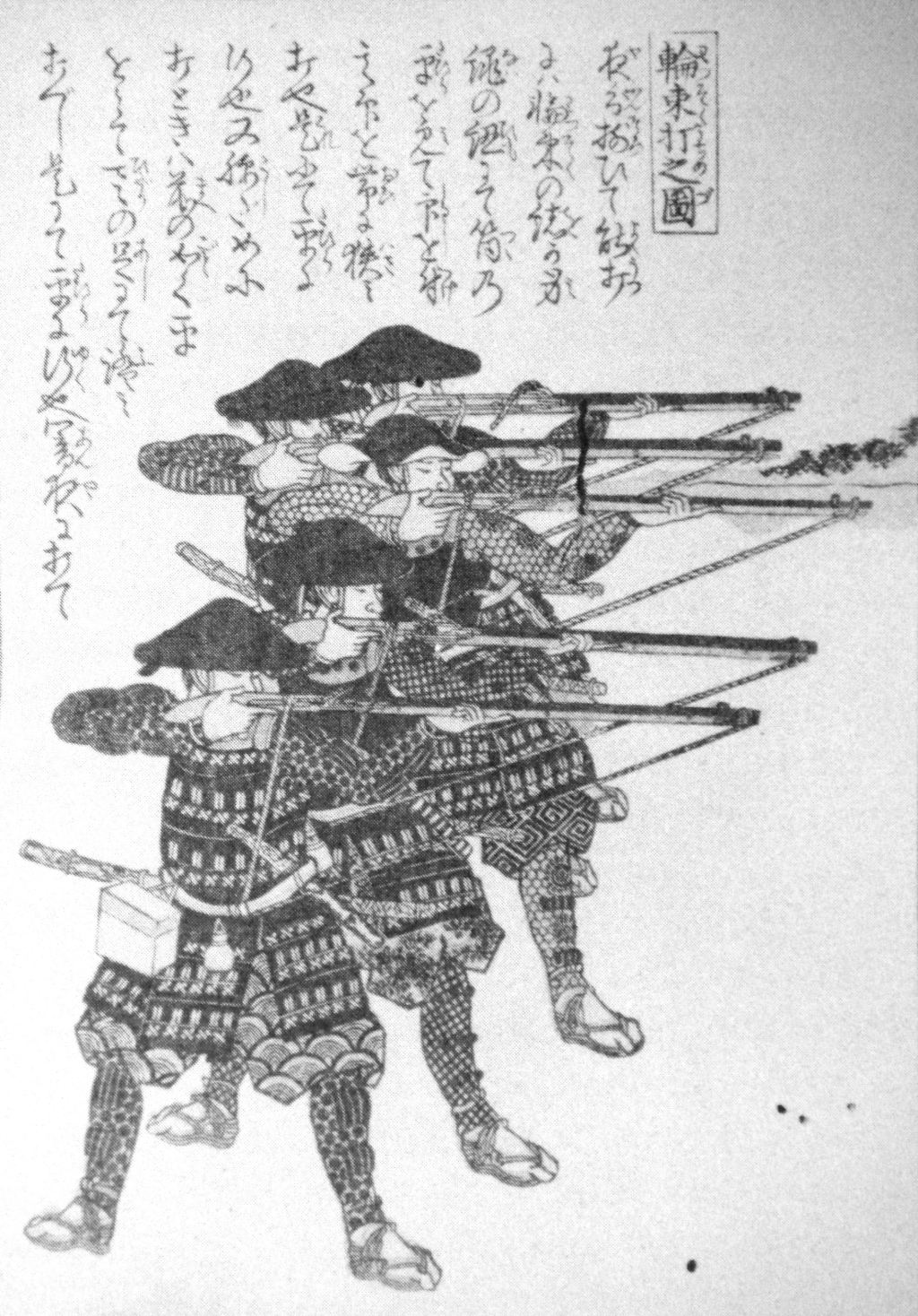
    Ashigaru. Far from the popular image of massed ranks of ferocious samurai, armies in the late Sengoku Period were largely made up of semi-professional troops armed with firearms, spears, and mass-produced swords.

    This was possibly the largest army ever assembled in Japan before the modern era (though sources vary), and the Shimazu were swiftly overwhelmed. It is important to note that, despite the overwhelming advantage in numbers, Hideyoshi’s force was not a single, massive bludgeon. He had proven himself a skilled strategist, able to deploy significant force in key areas, using innovative tactics to wear down defenders and capture strategic castles and other territory, rarely relying on brute force to break enemy forces.

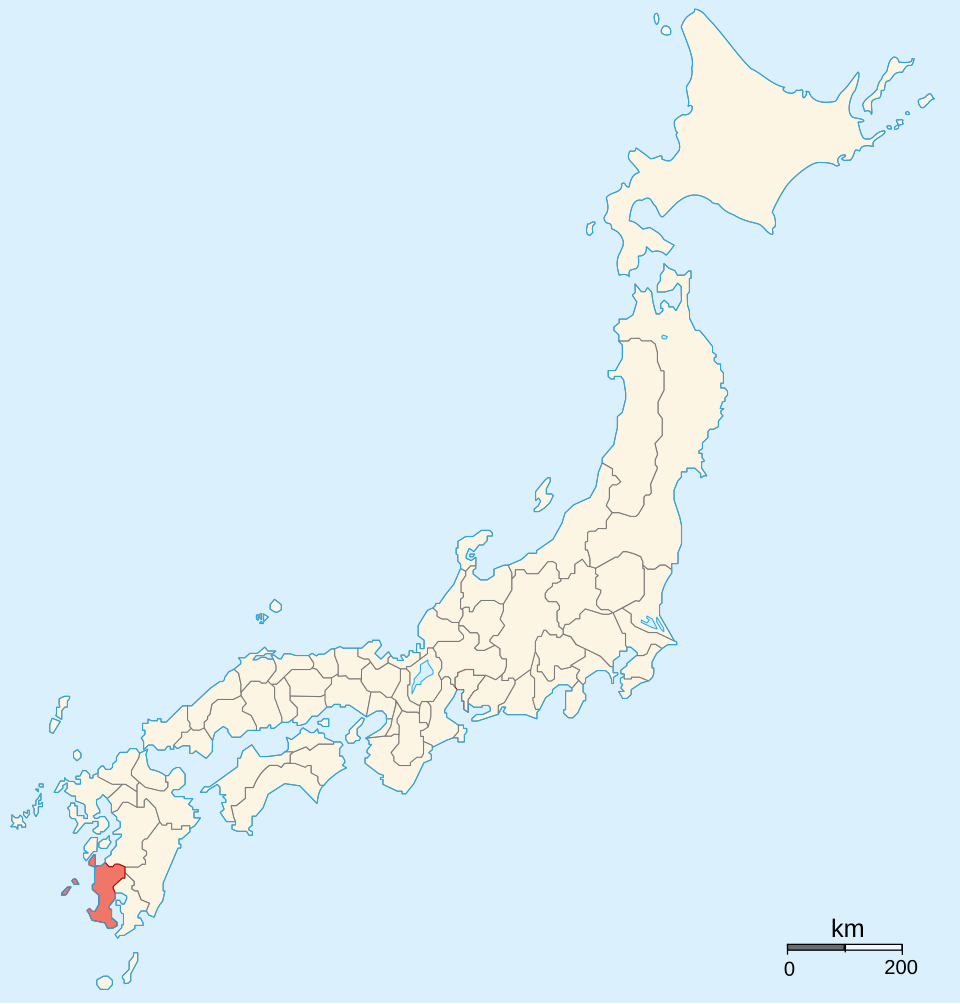
    The Shimazu, much like the Chosokabe before them, fought bravely, but they were outmatched from the start, and eventually, Yoshihisa, who had claimed his clan would never submit to an ‘upstart’, was forced to seek peace. The terms were harsh; the Shimazu were forced to give up almost all of Kyushu, and were confined to Satsuma Province in the southwest of the island (in the western half of modern Kagoshima Prefecture).

    Satsuma Province.
    By Ash_Crow – Own work, based on Image:Provinces of Japan.svg, CC BY 2.5, https://commons.wikimedia.org/w/index.php?curid=1691755

    The rest of Kyushu was divided up amongst Hideyoshi’s supporters, with the Otomo (who the invasion had nominally been in support of) receiving some, but not all of their lands back.

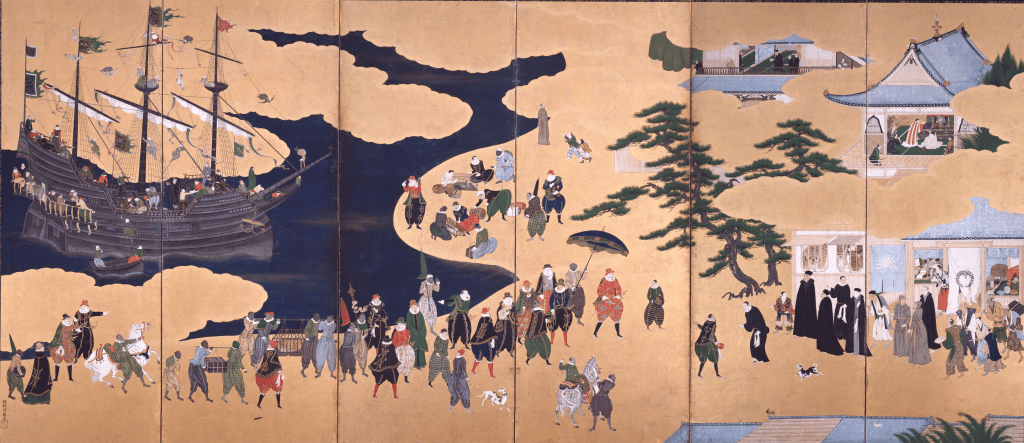
    It is at this point that Hideyoshi turned his attention to a group that have only been briefly mentioned thus far, but who had a significant presence on Kyushu, the Jesuits. We’ll have a detailed look at Portuguese activities in Japan in their own post, but to summarise, after the first arrival of Portuguese merchants in Japan in 1543, they had slowly, but steadily expanded their influence through commerical interests, and the spread of Christianity, ultimately being based at the port of Nagasaki.

    A contemporary depiction of a Portuguese trading ship of a type commonly seen at Nagasaki.

    Outside of Kyushu, the attitude of powerful Daimyo towards these Christians seems to have been fairly ambivalent, with most tolerating their presence, but few converting to the foreign religion. Hideyoshi himself issued permits for Christian priests to preach their religion in Osaka, and, according to some sources, he asked Jesuit Priest Gaspar Coelho to assist him in building an armada to be used in the conquest of China once Japan had been unified.

    This changed after the subjugation of Kyushu. Sources differ on exactly what occurred, with some blaming the machinations of the native Japanese Buddhist clergy, but the short version is that Hideyoshi became aware of the fact that Nagasaki had effectively been handed over to complete Portuguese control. They had fortified it and were apparently using it as a port through which non-Christian Japanese were sold out of the country as slaves.

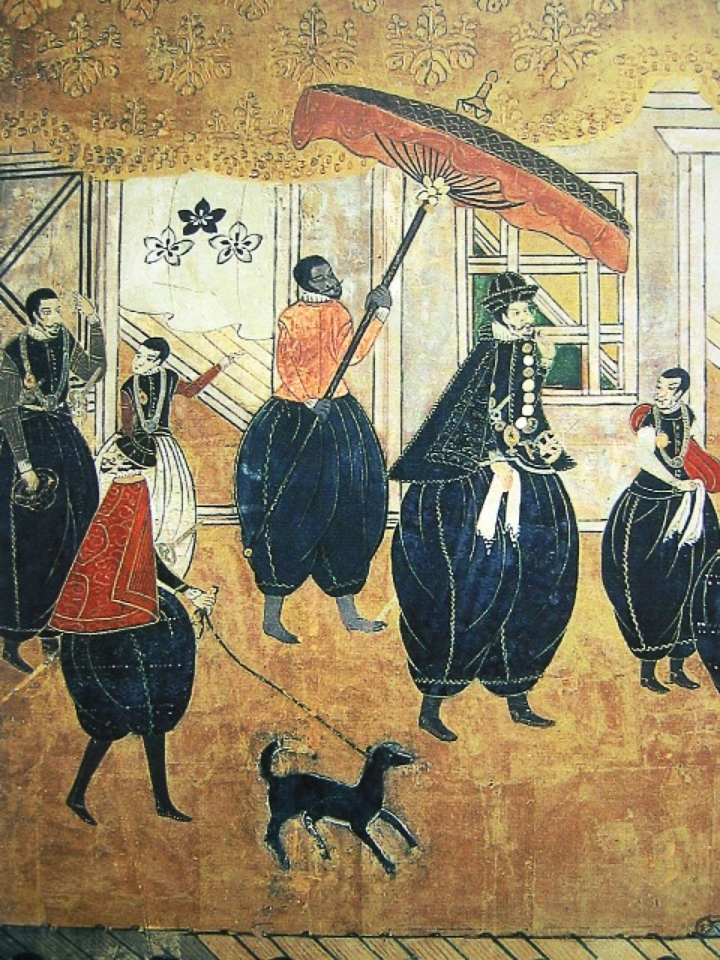
    A contemporary image of Portuguese at Nagasaki. Though the trade was primarily in silks, spices, and silver, rumours of Japanese slaves being transported out of the country were enough to earn Hideyoshi’s ire.

    The issue of Japanese being sold as slaves by Portuguese merchants remains controversial (surprise, surprise), with debates raging over the extent of the practice and how involved the Japanese themselves were. There are contemporary sources which indicate that Japanese slaves could be found across Asia, and the concept of ‘unfree labour’ was already well established in Japan at this time, ranging from effective serfdom to labourers convicted to a term of service as punishment for a crime.

    Another issue is that one of the primary sources describing Portuguese involvement in slavery also describes them as a people that skin cows and horses alive, and eat the meat raw with their bare hands, suggesting that the purpose of such ‘records’ was more about demonising the Portuguese than recording actual events.

    A contemporary depiction of Portuguese in Japan. Though not all sources paint them in a negative light, the foreign visitors were often looked on as strange and even barbarous by comparison.

    Regardless of how extensive the trade was, it provided a convenient enough excuse for Hideyoshi to act. Though highlighting the fortifications at Nagasaki, and the selling of Japanese as slaves, modern historians more generally agree that the move against the Christians was more about consolidating power, as Hideyoshi believed that Christian theology was a direct threat to the traditional Japanese belief in a divine Emperor, from whom Hideyoshi’s power ultimately derived.

    Another theory is that Hideyoshi wanted to control trade with the West, believing (erroneously) that the trade was controlled by the Jesuits, when in reality, religious and commercial interests were separate, and often in conflict (the Jesuits, for example, actively opposed enslaving Japanese) This theory suggests that Hideyoshi hoped that removing the priests would allow him to take direct control of the trade.

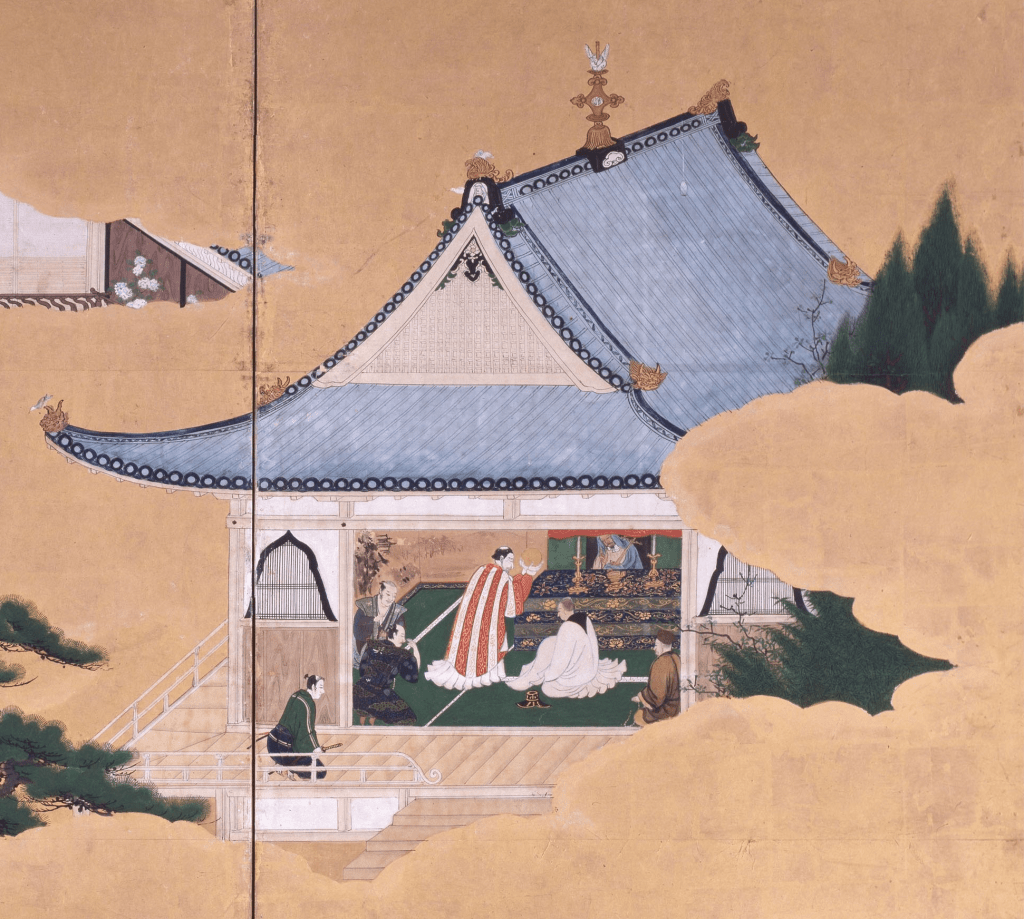
    A contemporary image of a Christian Mass in Japan. Hideyoshi believed that the priests controlled the merchants.

    Whether he was motivated by political, religious, or economic reasons (or all three), Hideyoshi issued what became known as the Bateren expulsion order (bateren being the Japanese word for Christian priests, derived from the Latin Patren) in 1587. What followed was a brief campaign of repression against Christianity; the Jesuit base in Kyoto was burned, and territory around Nagasaki was seized.

    Ultimately, however, Hideyoshi seems to have largely ignored his own order, keeping several Christian priests as interpreters and scribes, and allowing trade to continue practically unmolested. For now, at least, Hideyoshi had bigger problems than Christian priests.

    Hojo Ujinao

    Sources
    https://ja.wikipedia.org/wiki/%E8%B1%8A%E8%87%A3%E7%A7%80%E5%90%89
    https://ja.wikipedia.org/wiki/%E4%B9%9D%E5%B7%9E%E5%B9%B3%E5%AE%9A
    https://ja.wikipedia.org/wiki/%E3%83%90%E3%83%86%E3%83%AC%E3%83%B3%E8%BF%BD%E6%94%BE%E4%BB%A4
    https://ja.wikipedia.org/wiki/%E4%B9%9D%E5%B7%9E%E5%9B%BD%E5%88%86
    https://ja.wikipedia.org/wiki/%E6%83%A3%E7%84%A1%E4%BA%8B%E4%BB%A4
    https://en.wikipedia.org/wiki/Slavery_in_Japan

  • The Honnoji Incident – Oda Nobunaga. Part Four.

    The Honnoji Incident – Oda Nobunaga. Part Four.

    “The enemy is at Honnoji” – Akechi Mitsuhide

    By 1582, Oda Nobunaga was the most powerful man in the realm; in fact, it could be argued that he was the most powerful man Japan had seen in centuries. A combination of ruthless political manoeuvring and brutal military campaigns had left him on the verge of finally reuniting the nation and ending the Sengoku Jidai.

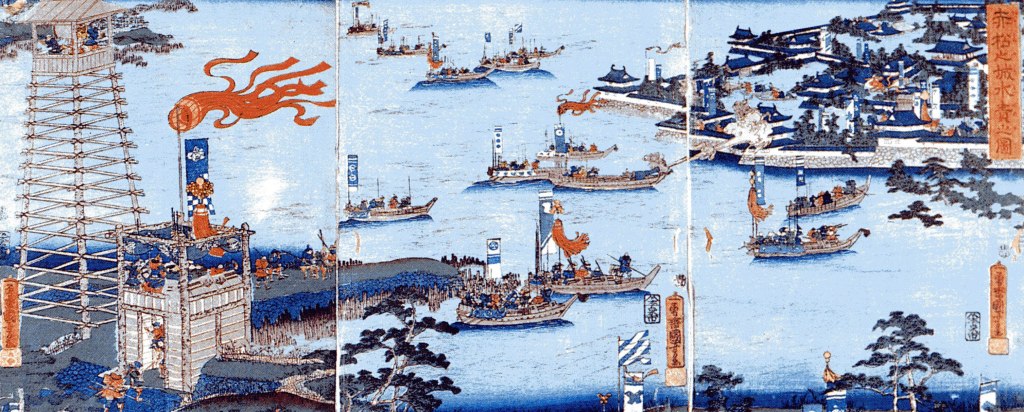
    Only the Mori Clan still had the strength to stifle Nobunaga’s ambitions, and in May 1582, he announced his intention to march against them with all his might. The catalyst for this next campaign was a message from Hashiba Hideyoshi, who was besieging Takamatsu Castle (in modern-day Okayama). The message read that Mori Terumoto was marching to relieve the siege, presenting Nobunaga with an opportunity to meet the Mori in open battle and crush them.

    A scene from the Battle of Takamatsu Castle. Hideyoshi attempted to end the siege by flooding the castle, a tactic that was ultimately unsuccessful.

    It is generally accepted by historians that Nobunaga intended not only to defeat the Mori but also subjugate Shikoku and, eventually, Kyushu as well, viewing the campaign against the Mori as part of a wider strategy to bring the entire nation under his command. In preparation for this, he dispatched several generals to support Hideyoshi, most notably Akechi Mitsuhide.

    In the days that followed, Nobunaga was seen to be in good spirits and laid on lavish entertainment for those who came to visit him, including Tokugawa Ieyasu, who departed Azuchi on June 21st, embarking on a tour of Kyoto, Osaka, and the surrounding region. On the same day, Nobunaga’s son and heir, Nobutada, arrived in Kyoto for reasons that aren’t entirely clear (some speculate he meant to accompany Ieyasu). Whatever his purpose, his arrival in the capital meant that when Nobunaga himself departed Azuchi for Kyoto on June 29th, father and son would be in the same place, at the same time.

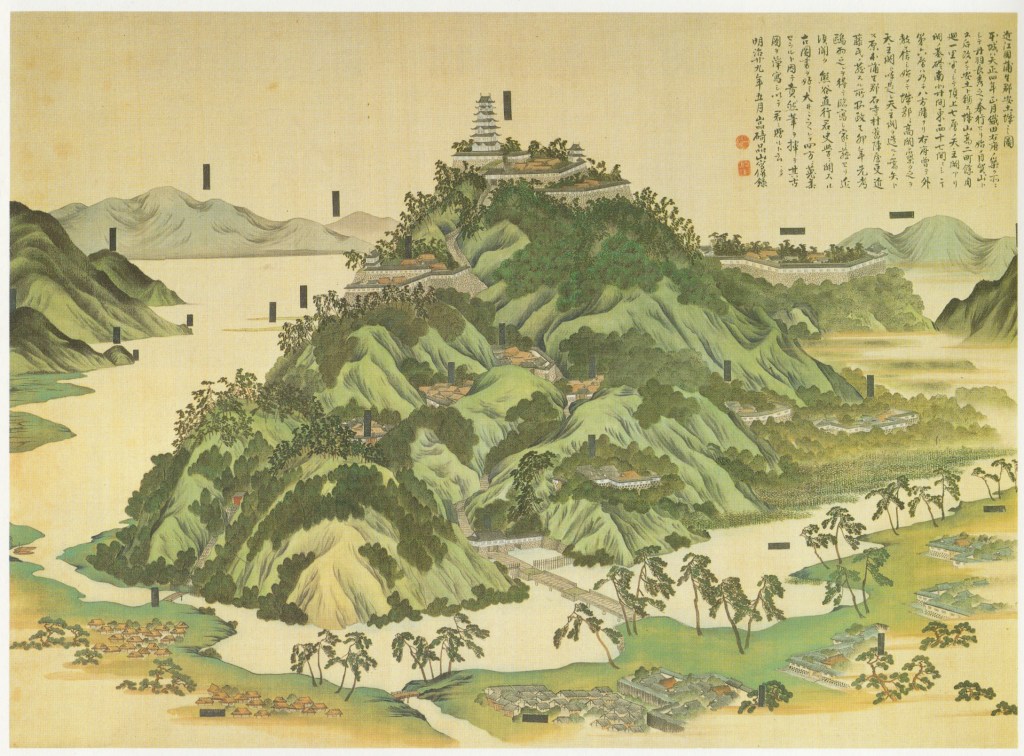
    Azuchi Castle, Nobunaga’s base, as it appeared around 1582.

    Exactly why Nobunaga went to Kyoto first is debated, with some suggesting he planned to attack Shikoku first, going via Kyoto and the port at Sakai (modern Osaka). Other sources say he went to deal with negotiations at the Imperial Court, and others still suggest he wanted to show off a new tea set he had recently acquired. (This may sound a touch comical to a modern audience, but the tea ceremony was a serious matter in Japan at the time.)

    On June 30th, Nobunaga held said tea ceremony, which was followed by a drinking party, during which Nobunaga’s son, Nobutada, arrived, and father and son drank and talked together, little knowing that it would be their last meeting. Sources tell us that the party ended late, and Nobutada returned to his accommodation at nearby Myokakuji Temple, and Nobunaga retired for the night shortly afterwards.

    Oda Nobutada, Nobunaga’s son and heir.

    Though Honnoji was a temple, as the primary residence of Nobunaga in Kyoto, it wasn’t undefended. Excavations in 2007 found evidence of a moat and some earthworks, suggesting that the site had been partially fortified, though it was far from a fortress, and Nobunaga was protected by only a few dozen servants and his personal entourage.

    Nobunaga clearly didn’t expect to be attacked, and why should he have? He was the most powerful man in the realm, in the heart of the capital city, with hundreds of thousands of warriors at his command. His enemies were far away, and even in the unlikely event that the army under Hideyoshi was defeated, he could call on other, just as formidable forces.

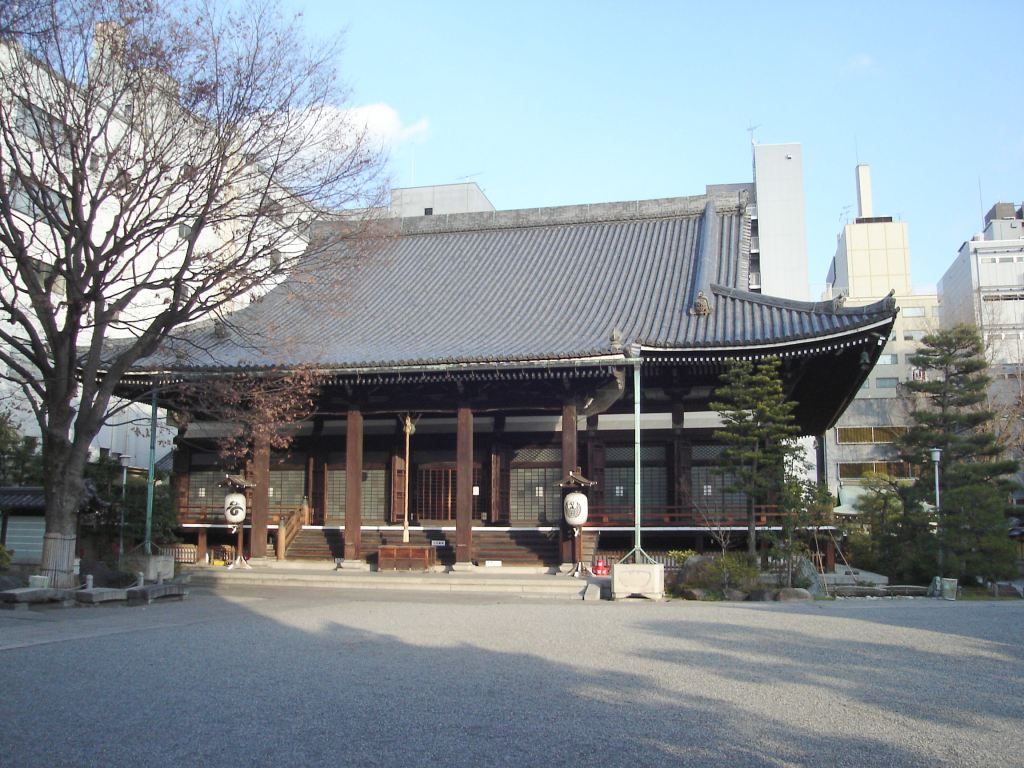
    Honnoji as it appears today. The current temple is located at a different site from that in 1582; after being rebuilt by Hideyoshi in 1592, it was destroyed by fire in 1788 and 1864, and then underwent further renovation in 1928.
    +- – 投稿者自身による著作物, CC 表示-継承 3.0, https://commons.wikimedia.org/w/index.php?curid=107655314による

    One of these was a force of around 13,000 men under Akechi Mitsuhide. In the afternoon of June 30th, Mitsuhide claimed to have received a message from Nobunaga, instructing him to bring his force to Kyoto for review. The letter, if it existed at all, was certainly a forgery, but by that evening, Mitsuhide had arrived at Kameyama (modern Kameoka), north of Kyoto. By the next morning, they had reached the Katsura River, and at this point, it is unclear if Mitsuhide’s army understood their objective.

    Sources from men serving in this force suggest they believed that they were going to attack Tokugawa Ieyasu, nominally on the orders of Nobunaga himself. This is supported by the semi-contemporary “History of Japan”, written by the Jesuit, Luis Frois, which suggests that Mitsuhide’s army believed they were acting under Nobunaga’s secret order, at least initially.

    Akechi Mitsuhide, the man behind the Honnoji Incident.

    At this point, Mitsuhide is supposed to have uttered the famous phrase “The Enemy is a Honnoji” announcing his rebellious intention (as everyone knew that was Nobunaga’s base.) Unfortunately, as dramatic as that scene might have been, the first source for it doesn’t appear until 1641, nearly 60 years after the event, and there are no contemporary sources that tell us what Mitsuhide might or might not have said.

    What we know is that by dawn, Mitsuhides forces had surrounded Honnoji. What followed was a bloody, but ultimately one-sided fight. All sides agree that Nobunaga and his pages fought bravely, but they were hopelessly outnumbered, and the fighting was over by around 8am. We don’t know exactly how Nobunaga died, but the sources agree that he fought with a bow, and then a spear, before suffering some kind of injury (the sources differ) and retreating into the already burning Honnoji, where he presumably committed seppuku.

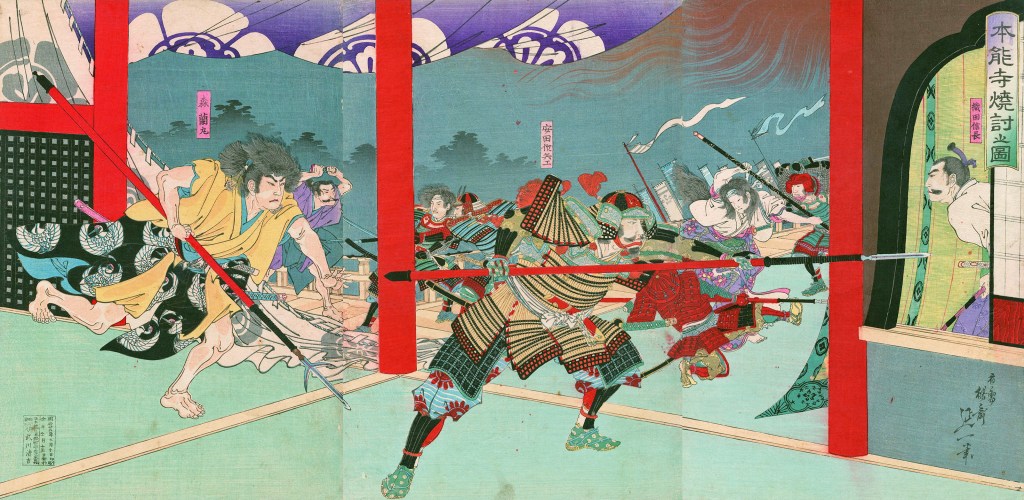
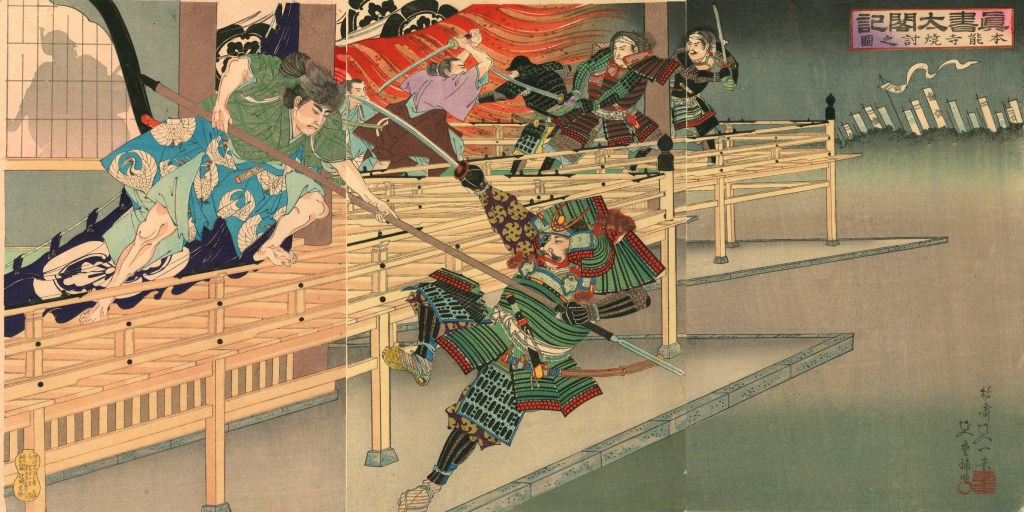
    A 19th-century depiction of Nobunaga’s last stand. Though we don’t know exactly how he died, sources agree he fought bravely until an injury forced him to retreat.

    Nobunaga’s son, Nobutada, had, upon hearing that Honnoji was under attack, rushed to help, only to be overwhelmed and forced back to his own accommodations at Myokakuji Temple, where he too was forced to commit seppuku as the temple burned around him, his body consumed by the flames.

    Rumours of their survival sprang up almost immediately. Since neither body was ever identified (this being before DNA or dental records), Mitsuhide could not prove the deed was done, and any hope he had of securing support went up in the same smoke that Nobunaga and his son had.

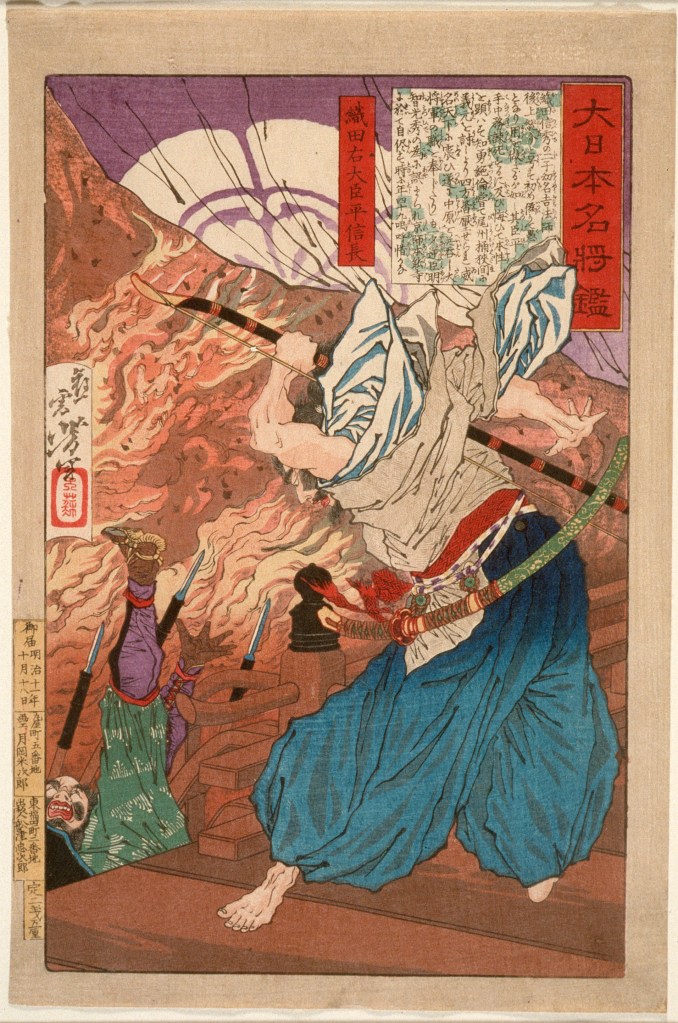
    Another 19th-century depiction of Nobunaga’s end. Though heavily stylised, it displays the flames that would ultimately consume Nobunaga’s body.

    Whatever his actual motivation (which we’ll look at in a moment), Mitsuhide’s triumph would be short-lived. Though his forces had successfully killed Nobunaga, his son, Nobutada, and most of his inner circle, and secured Kyoto, the same forces that Nobunaga might have called on to defend him were now focused on avenging him.

    Mitsuhide swiftly withdrew to Azuchi Castle, from where he tried to rally support, and wrote to the Imperial Court, seeking to legitimise his position. There are no records of any response, and he soon ran out of time. Hashiba Hideyoshi had made peace with the Mori (who were apparently initially unaware of Nobunaga’s death) and was now marching against him.

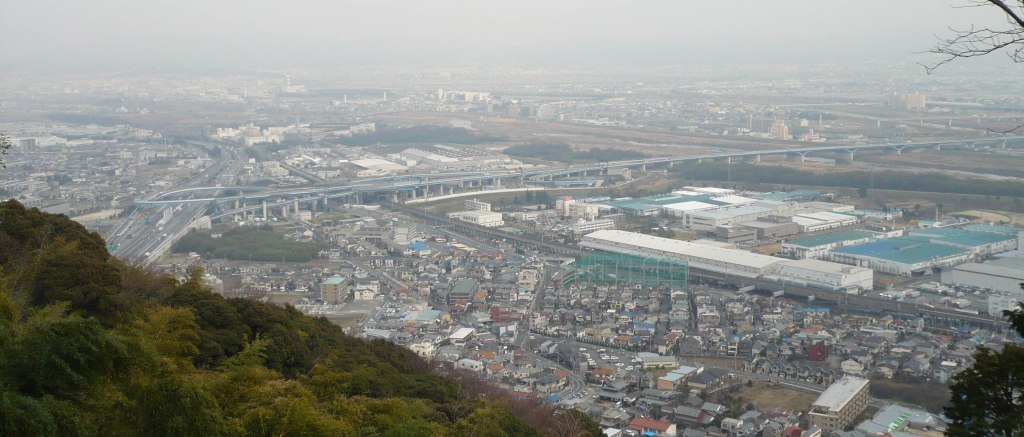
    The site of the Battle of Yamazaki as it appears today, seen from Mt Tenno, from which the battle is sometimes called The Battle of Tennozan.

    Mitsuhide was outnumbered two or three to one, and at the Battle of Yamazaki on July 12th, he was decisively defeated. Although losses were similar on both sides (about 3000), Mitsuhide’s army suffered from serious morale problems and disintegrated as the battle went against them, leaving Mitsuhide with just 700 warriors at day’s end.

    Mitsuhide himself survived the battle, but he was either killed in the aftermath (possibly by bandits or opportunistic peasants) or else committed suicide due to injuries sustained on the battlefield. Whatever his end, he was definitely dead by the time his head was displayed outside the burned remains of Honnoji Temple, on or around July 17th.

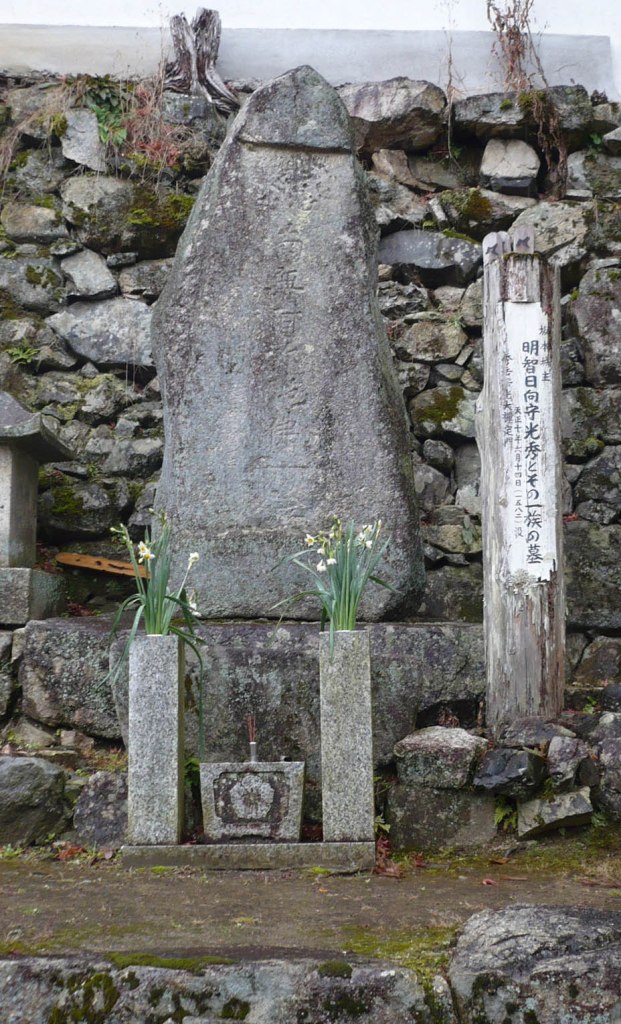
    Akechi Mitsuhide’s grave at Saikyoji Temple in Kyoto.

    No sooner was Mitsuhide dead than questions were raised about why he had betrayed his lord. Though Samurai overthrowing their overlords was nothing new, Nobunaga was uncommonly powerful, and his death threatened to unravel the fragile peace he had secured, especially in light of Mitushide’s failure to secure support or legitimacy in its aftermath.

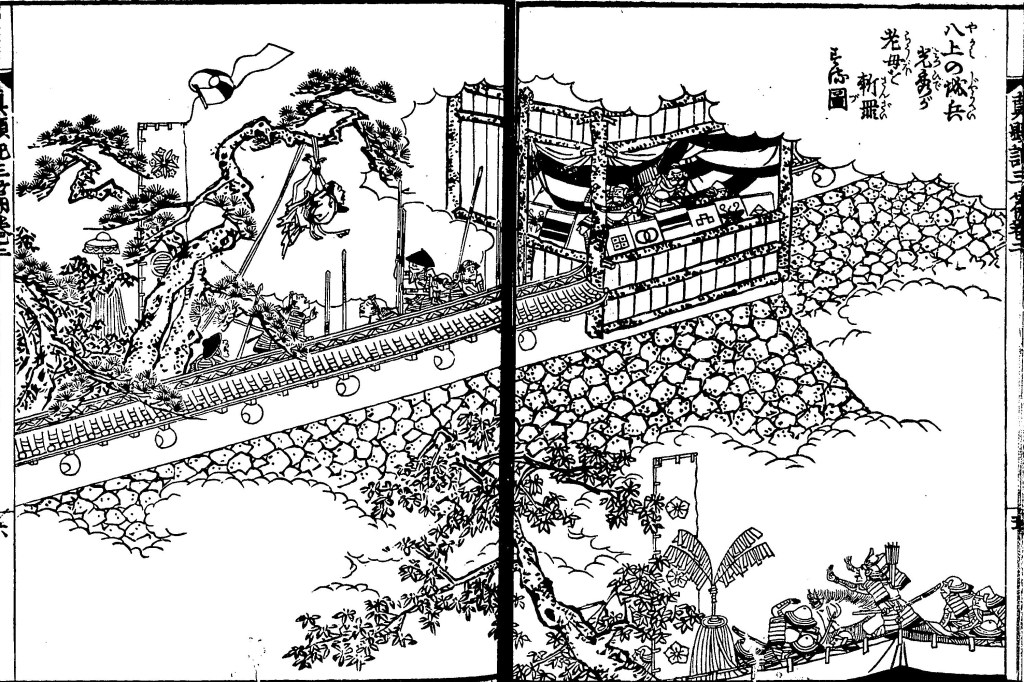
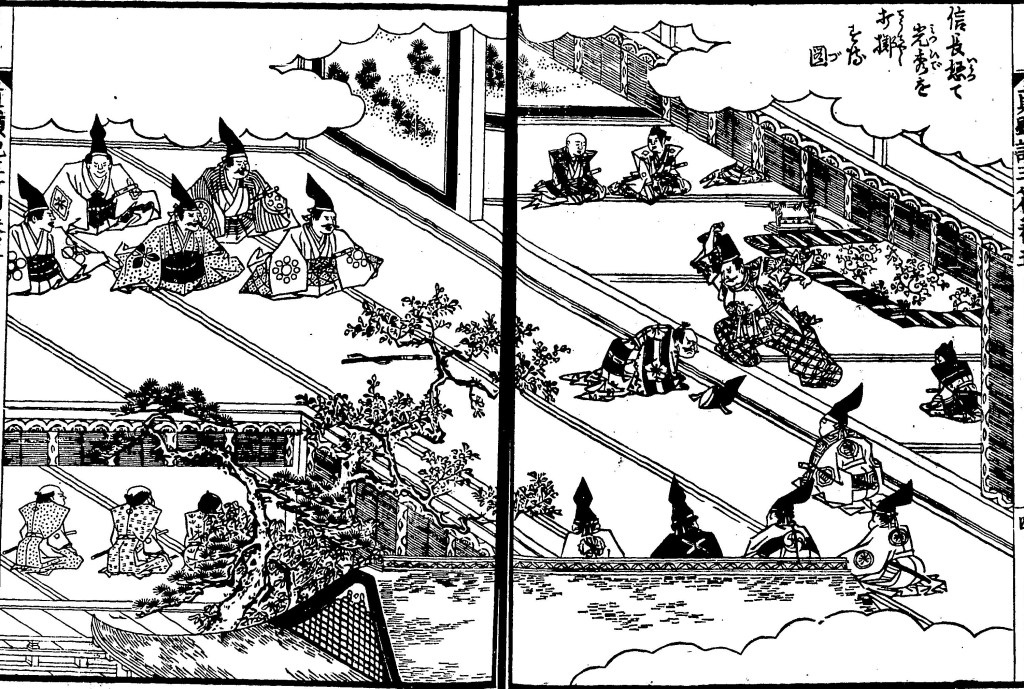
    Contemporary scholars and modern historians continue to debate exactly why Mitsuhide betrayed Nobunaga. He was certainly mistreated and often humiliated, sometimes even being publicly beaten by Nobunaga himself, so simple revenge is a possible motive. Other sources suggest it was to avenge his mother, who had served as a hostage to secure a truce years earlier, only for Nobunaga to break it, resulting in the poor woman being executed.

    Mitsuhide’s mother hangs from a tree in consequence of Nobunaga breaking the truce that her life was the guarantee of.

    If public humiliation and the death of his mother weren’t reason enough, some suggest it was pure ambition; Mitsuhide may simply have wanted the power for himself, and he certainly wouldn’t have been the first to try it. Indeed, some historians speculate that if he had been able to prove that Nobunaga was actually dead, he might have gained some support, and the outcome could have been different.

    Others suggest that Mitsuhide was a partisan of the Shogun, or possibly the Imperial Court, and overthrew Nobunaga in order to restore one or the other to power, though these ideas only emerged in the 20th century, and there’s little contemporary information to go on.

    Nobunaga publicly beats Mitsuhide. Quite why Nobunaga treated him so poorly isn’t clear, but the humiliation almost certainly contributed to his decision to rebel.

    There’s also the speculation that Mitsuhide was working with one of Nobunaga’s other vassals. Some historians argue that Hashiba Hideyoshi was able to turn his army against Mitsuhide very quickly, leading to speculation that he knew the attack was coming. Historians have never conclusively dismissed this, though it has been pointed out that only the fastest of Hideyoshi’s troops actually made it to the Battle of Yamazaki, meaning that the quick turnaround might not have been that quick after all.

    Other theories blame the Imperial Court, or the Mori Clan, for conspiring against a man who had proven to be an existential threat, as well as the Buddhist Clergy, who had plenty of reason to want vengeance on Nobunaga.

    A contemporary depiction of Mass. Though largely dismissed by historians, the possibility that the Jesuits feared Nobunaga would turn on them contributed to the theory that they were involved in his death.

    Another possibility is the Jesuits, who are suggested to have feared that Nobunaga might move against them, though there’s little evidence that he intended to (as he valued foreign trade), and Hideyoshi, his ultimate successor, would prove to be a far greater threat to Christianity in Japan.

    Ultimately, most of this speculation comes from later sources, and there’s no way to know what Mitsuhide intended, only that his plans fell apart before being decisively ended on the battlefield at Yamazaki.

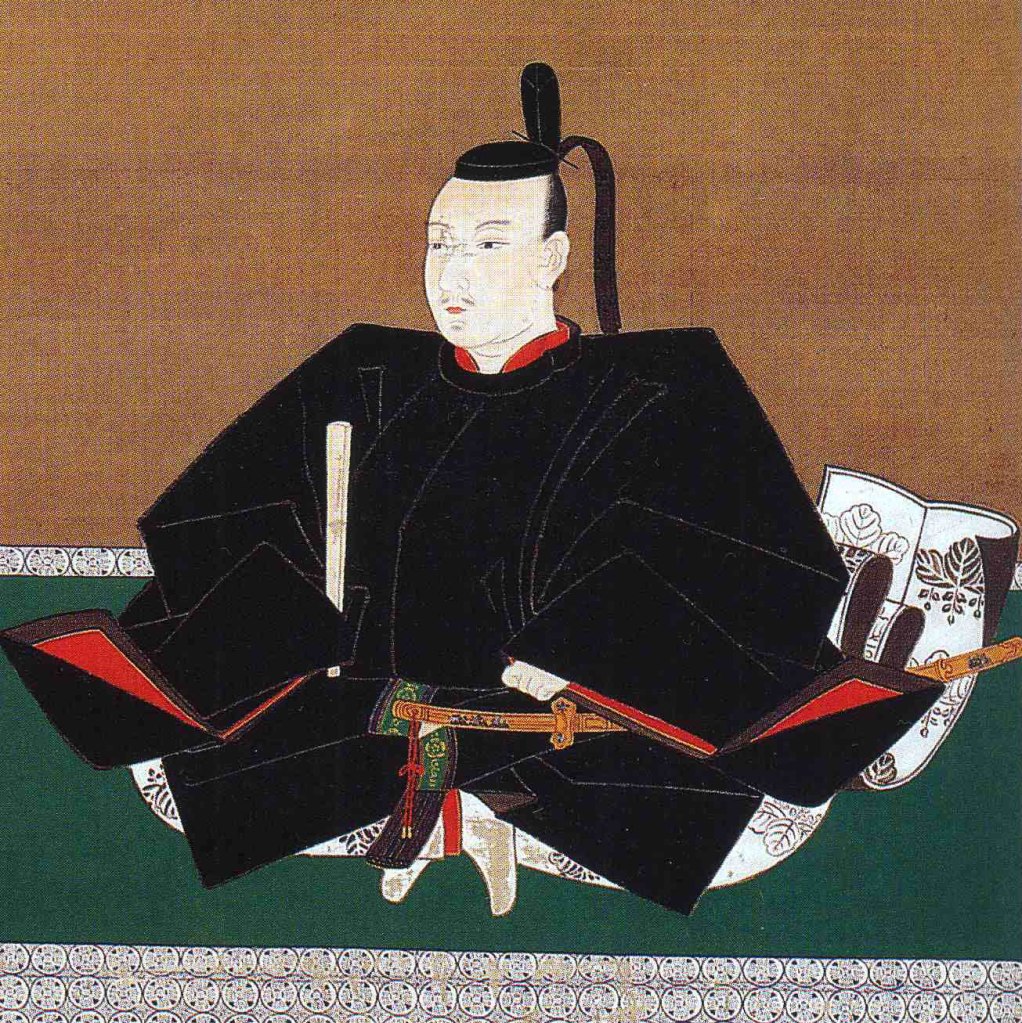
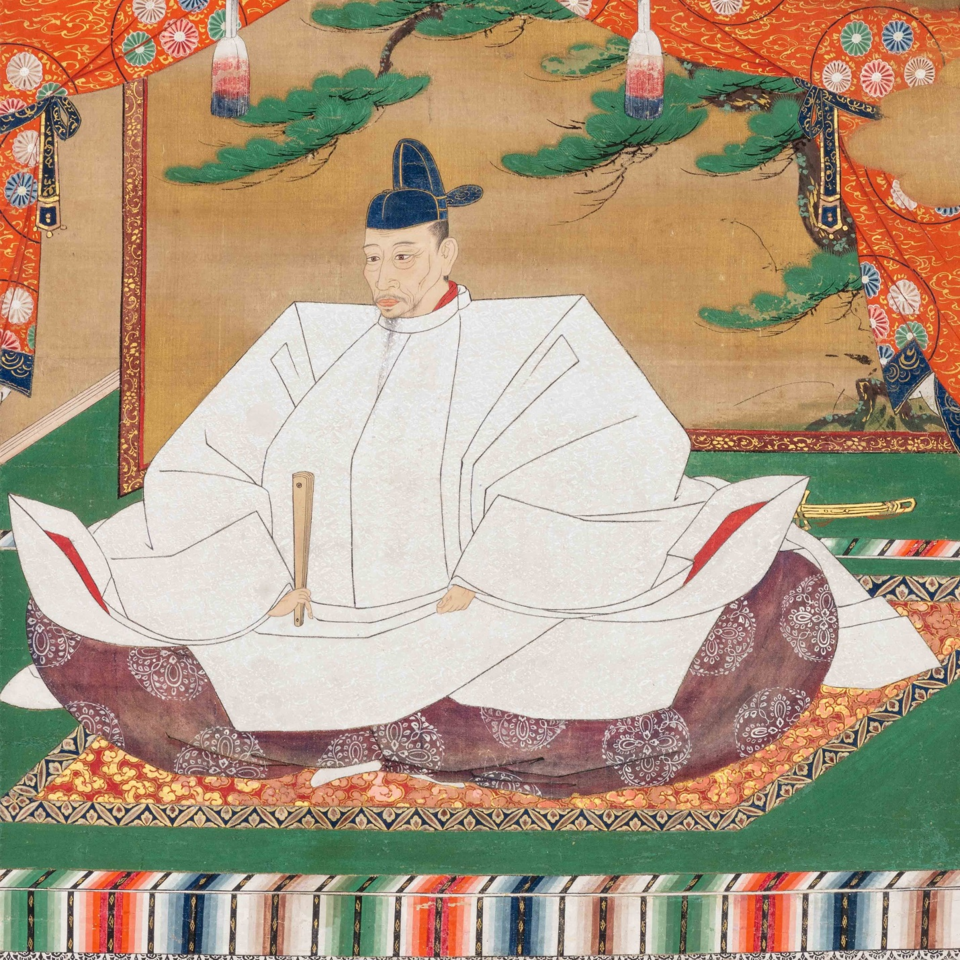
    Hashiba (later Toyotomi) Hideyoshi. His victory at Yamazaki did not make him Nobunaga’s successor, but it did wonders for his prestige.

    Hashiba Hideyoshi’s victory did not mean he inherited Nobunaga’s power, however, and the power struggle that followed threatened to undo the Great Lord’s work, but that’s a story for another time.

    Sources
    https://ja.wikipedia.org/wiki/%E7%B9%94%E7%94%B0%E4%BF%A1%E9%95%B7
    https://ja.wikipedia.org/wiki/%E6%9C%AC%E8%83%BD%E5%AF%BA%E3%81%AE%E5%A4%89
    https://ja.wikipedia.org/wiki/%E6%95%B5%E3%81%AF%E6%9C%AC%E8%83%BD%E5%AF%BA%E3%81%AB%E3%81%82%E3%82%8A
    https://ja.wikipedia.org/wiki/%E6%A1%82%E5%B7%9D_(%E6%B7%80%E5%B7%9D%E6%B0%B4%E7%B3%BB)
    https://ja.wikipedia.org/wiki/%E4%BA%80%E5%B2%A1%E5%B8%82
    https://ja.wikipedia.org/wiki/%E5%82%99%E4%B8%AD%E9%AB%98%E6%9D%BE%E5%9F%8E%E3%81%AE%E6%88%A6%E3%81%84
    https://en.wikipedia.org/wiki/Honn%C5%8D-ji_Incident
    https://en.wikipedia.org/wiki/Akechi_Mitsuhide
    https://ja.wikipedia.org/wiki/%E5%B1%B1%E5%B4%8E%E3%81%AE%E6%88%A6%E3%81%84
    https://ja.wikipedia.org/wiki/%E7%B9%94%E7%94%B0%E4%BF%A1%E5%BF%A0

    If you are interested, the main source for this and the other posts on Oda Nobunaga is the 2011 translation of the Chronicle of Nobunaga, the Kindle version of which can be found here.