Tag: Kamakura Kubo

  • The Kyotoku Rebellion

    The Kyotoku Rebellion

    Historians disagree on when the Sengoku Jidai actually began, with the Onin War being a common origin point. The other possibility is our subject today, the Kyotoku Rebellion.

    You may remember that the Kanto, the area in and around modern Tokyo, was not directly ruled from Kyoto. Instead, a member of the Ashikaga Family (from a different branch to the Shogun’s line) served as the Kamakura Kubo, a governor who effectively ruled independently from Kamakura, the capital of the previous Shogunate.

    The kubo didn’t rule alone, however, he was nominally supported by the Kanto Kanrei, the Shogun’s direct deputy in the region, a position that was supposedly subject to direct appointment by the Shogun, but had in reality become a hereditary title of the Uesugi Clan.

    Both positions were supposed to be loyal to the Shogun in Kyoto, but within a few years, that had become a legal fiction. The Kubo was formed in 1349, and for a while, records show them deferring to the central government in most things, especially the all-important appointments of provincial governors (shugo).

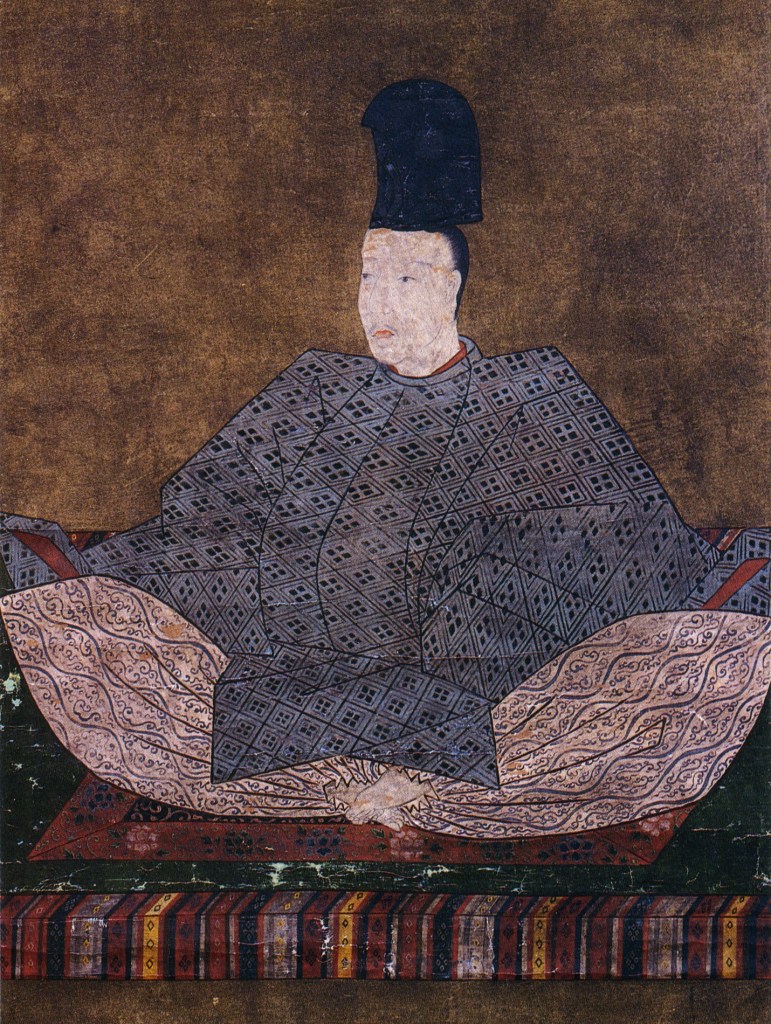
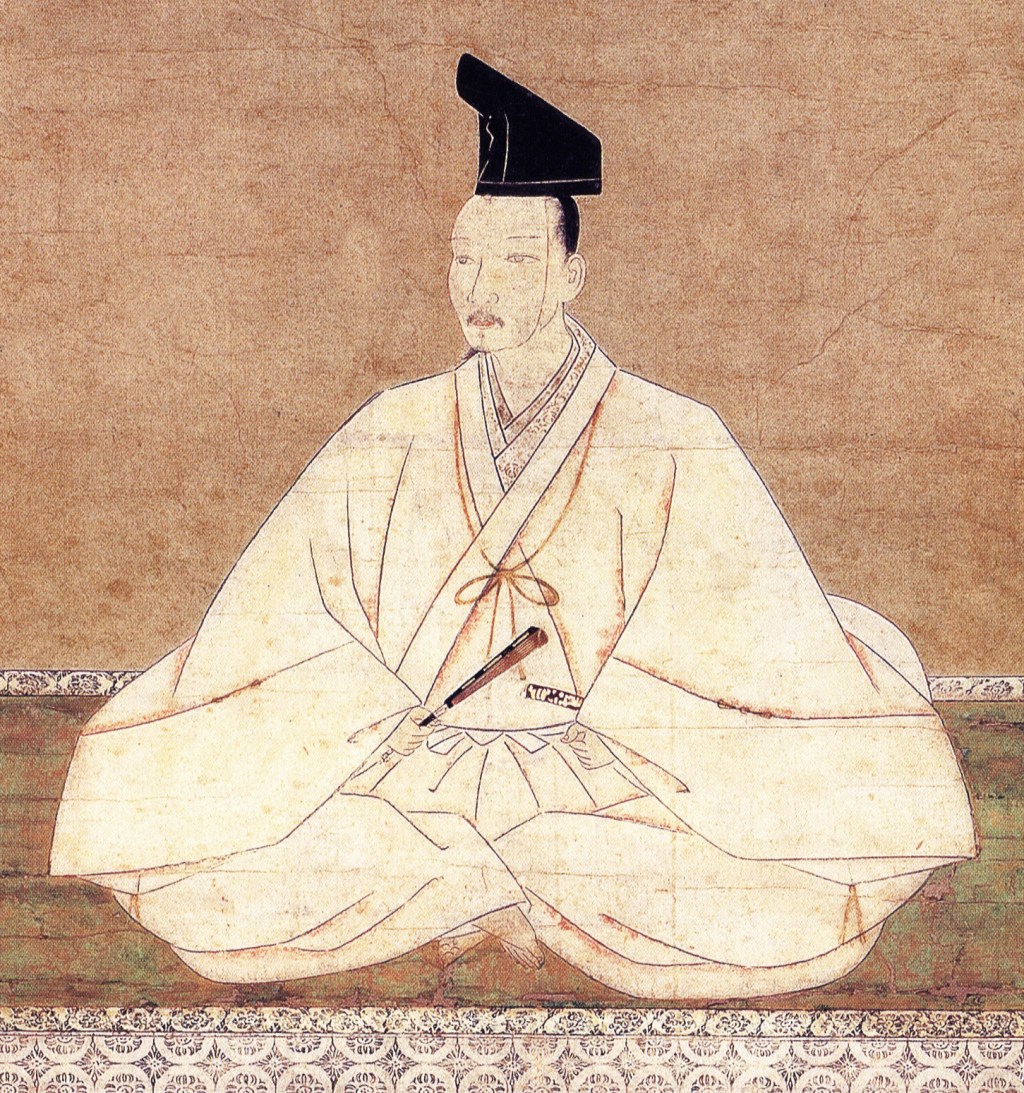
    We’ve covered the details of the individual flashpoints in earlier posts, but to recap very briefly, in 1416, 1438, and 1440, there was a series of escalating conflicts that pitted the kubo against the Shogun. After 1440, the Shogun, at this point Ashikaga Yoshinori, sought to take control of the Kanto directly, and the Uesugi were happy to oblige. The position of kubo was abolished, and the Uesugi ruled with an iron fist, certain of the Shogun’s support.
    Ashikaga Yoshinori, who supported the Uesugi in the Kanto.

    This support largely relied on the Shogun being alive, however, and when Yoshinori was assassinated in 1441, the situation in the Kanto grew tense very quickly. In response, the Shogunate government acquiesced to a petition from several Kanto lords, requesting a new kubo.

    This was granted, and Ashikaga Shigeuji was appointed in 1449. This, however, did not please the Uesugi, especially after Shigeuji began to distance himself from working with them, favouring the clans that had supported his father, Mochiuji.

    In April 1450, things came to a head when supporters of the Uesugi attacked the kubo at his residence in Kamakura. Caught by surprise, the kubo was forced to flee to nearby Enoshima, where he regrouped and defeated the Uesugi forces when they pursued him.

    Although the head of the Uesugi (and kanrei), Noritada, had not been directly involved in the attack, he took responsibility and was confined to house arrest. It was at this point that a new problem arose. As I mentioned, prior to 1440, the kubo had operated largely independently of the Shogun, but after the position was restored, the central government intend to keep Kamakura on a much shorter leash.

    Part of this leash shortening involved the insistence that any formal request to the Shogun required the signature of both the kubo and the kanrei. The problem now was that Noritada was under house arrest, and in an uncooperative mood, effectively leaving Shigeuji with no way to (legally) govern.

    Shigeuji was eventually forced to release Noritada, but the conflict between the two would only get worse. On the one hand, Noritada was head of the powerful Uesugi Clan, and kanrei, appointed by the Shogun, and his goal was to preserve the power and dignity of his family and their position in the Kanto.

    Shigeuji, on the other hand, appears to have had more personal reasons. Although there’s no doubt his position as kubo required a certain ruthlessness, sources from the time suggest that Shigeuji blamed the Uesugi for the death of his father, and he was consumed by a desire for revenge.
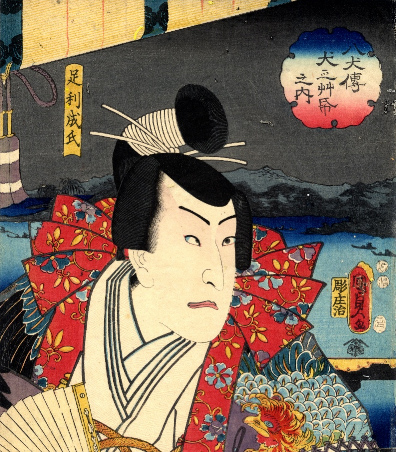
    A 19th century depiction of Shigeuji.

    So it came to pass, in December 1455, Shigeuji issued orders summoning Noritada to his residence. There’s a fair amount of speculation as to why Noritada would agree to go, given that it appeared to be an obvious trap, but go he did, and shortly after he arrived, he was cut down by men loyal to Shigeuji.

    This assassination was accompanied by similar acts across the Kanto, as Shigeuji’s supporters moved to cut the head off the proverbial snake. The Uesugi Clan was vast, however, like most major clans, it had branches all over the country, and Noritada’s brother and heir had actually been in Kyoto when he was assassinated, meaning that his succession as kanrei, at least on paper, went off with minimal interference.

    The other branches of the Uesugi Clan were enraged by Noritada’s death, and it wasn’t long before the new kanrei was able to gather an army and establish himself at Hirai Castle in Kozuke Province (modern Gunma Prefecture). When they marched against Kamakura, however, they were defeated at the Battle of Bubaigawara in modern-day Fuchu.

    The Uesugi were forced to retreat and ended up under siege at Oguri Castle, in modern-day Ibaraki Prefecture, and a long way from Kamakura. This proved to be a problem for Shigeuji, for although he was able to take Oguri Castle, forces sent by the Shogunate (who were none too pleased about Shigeuji’s actions) took Kamakura from behind (stop laughing), cutting the Kamakura Kubo off from Kamakura. From then on, Shigeuji would base himself at Koga Castle and became known as the Koga Kubo. We’ll just keep calling him kubo, though.

    The modern day remains of Koga Castle.

    The war between the Kanto’s two most powerful figures naturally led to utter chaos. Although both the kanrei and kubo could command the loyalty of thousands of warriors, the reality was that, with central power non-existent, rival clans took to settling their own affairs, usually at swordpoint.

    With neither side able to establish control, the Shogun dispatched his brother, Ashikaga Masatomo, to the Kanto in December 1457, officially to be the new Kamakura Kubo. This didn’t work as planned, however, Masatomo only had the power his brother would allow him, and the Kanto lords knew it.

    It got so bad that Masatomo couldn’t even take up residence in Kamakura and ended up at Horikoshi, in modern-day Shizuoka Prefecture. This situation led to him being called the Horikoshi Kubo, another would-be master of the Kanto who wasn’t even strong enough to demand his original title.

    Things got even worse when the Shogun attempted to launch a punitive expedition against Shigeuji. Even before the forces were properly gathered, the leader of the army, a member of the Shiba Clan, was expelled from his post after dispatching troops from the expedition to his own province (far to the north of the Kanto) to deal with private battles there.

    With the debacle of the expeditionary force, any hope for a decisive end to the war was lost, and the two sides got bogged down in back-and-forth skirmishes, sieges, and other militaristic shenanigans, with the (very loose) border being the Tone River, in the central Kanto.
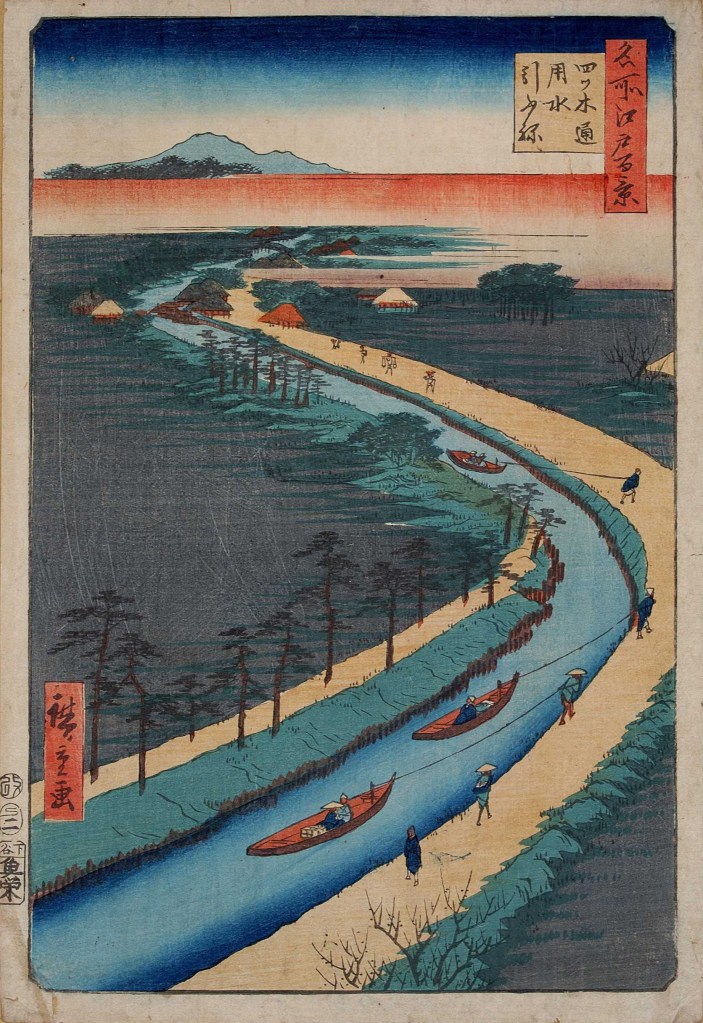
    A later depiction of a canal entering the Tone River

    This would go on for ages, one side would gain the advantage, only to lose it again later and then suffer counter-attacks that would be themselves defeated. In 1466, the kanrei was killed in battle, and Shigeuji’s forces were briefly in the ascendance, but the Uesugi would recover, and in 1468, they would launch several successful counterattacks, and later, in 1471, they would even capture Shigeuji’s base at Koga.

    You might think that Shigeuji would be on the ropes, but no, he struck back, recaptured Koga, and the war dragged on, and on, and on. Just as the Onin War destroyed central authority in and around Kyoto, the Kyotoku War, which had now raged for 16 years, did the same in the Kanto.

    Then, in 1478, after 21 years of war, the Uesugi, suffering a major internal rebellion, were compelled to seek peace with Shigeuji, and the kubo, facing problems of his own, agreed. This ended the main phase of the war between the major powers, but did not bring peace to the Kanto, as both the Uesugi and Shigeuji turned to dealing with internal matters, putting down rebellions and forcing obedience from their erstwhile vassals, which is rarely a peaceful process.

    A final peace would be agreed in 1483 (yes, five years after the initial proposals), and Shigeuji was allowed to continue as kubo; however, he was forced to hand over Izu Province to Masatomo, who continued as Horikoshi Kubo.

    I’m sure, if you think about it for a moment, having two kubo in the Kanto region was never going to last, and it didn’t. Shigeuji had the authority and military power, but Masatomo had the legitimacy of Shogunate support; it was not a recipe for stable and secure government.

    While the fighting had been going on in the Kanto, the Onin War had started and ended (1467-77), and Shogunate authority was effectively at an end. This meant that actual support for Masatomo was minimal, and historians suggest that the only reason Shigeuji and the Uesugi agreed to peace was due to exhaustion after nearly 30 years of war.

    Despite the agreement, peace would not last in the Kanto. By the end of the 15th century, as with the region around Kyoto, the Kanto had fractured into rival territories controlled by numerous warlords. The Uesugi were initially in the strongest position, but by the time Shigeuji died in 1496, that was changing, and new powers were rising in the Kanto, but that’s a story for another time.

    Sources
    https://ja.wikipedia.org/wiki/%E4%BA%AB%E5%BE%B3%E3%81%AE%E4%B9%B1
    https://ja.wikipedia.org/wiki/%E6%B0%B8%E4%BA%AB%E3%81%AE%E4%B9%B1
    https://ja.wikipedia.org/wiki/%E4%B8%8A%E6%9D%89%E7%A6%85%E7%A7%80%E3%81%AE%E4%B9%B1
    https://ja.wikipedia.org/wiki/%E8%A6%B3%E5%BF%9C%E3%81%AE%E6%93%BE%E4%B9%B1
    https://ja.wikipedia.org/wiki/%E9%8E%8C%E5%80%89%E5%BA%9C
    https://ja.wikipedia.org/wiki/%E8%B6%B3%E5%88%A9%E5%9F%BA%E6%B0%8F
    https://ja.wikipedia.org/wiki/%E4%B8%8A%E6%9D%89%E6%86%B2%E5%BF%A0
    https://ja.wikipedia.org/wiki/%E5%B9%B3%E4%BA%95%E5%9F%8E
    https://ja.wikipedia.org/wiki/%E4%B8%8A%E6%9D%89%E6%88%BF%E9%A1%95
    https://ja.wikipedia.org/wiki/%E5%88%86%E5%80%8D%E6%B2%B3%E5%8E%9F%E3%81%AE%E6%88%A6%E3%81%84_(%E5%AE%A4%E7%94%BA%E6%99%82%E4%BB%A3)
    https://ja.wikipedia.org/wiki/%E5%B0%8F%E6%A0%97%E5%9F%8E
    https://ja.wikipedia.org/wiki/%E5%8F%A4%E6%B2%B3%E5%9F%8E

  • The Power in the Provinces Part One

    The Power in the Provinces Part One

    We’ve spent a lot of time talking about the breakdown of Shogunate power during the 15th Century. We’ve also discussed the three most powerful clans that were located closest to Kyoto during the Onin War. The Hosokawa, Yamana, and Hatakeyama Clans all played leading roles in the fighting, and in the aftermath, all three were seriously weakened.

    But what about the provinces? We’ve only spoken in very broad terms about what was going on out there, mostly because, to focus on it would require posts that resemble small novels, and keeping track of all those names and places is a task that is beyond most of us.

    In the interests of keeping things moving, then, I have generally neglected to go into much detail; however, since we’re now at the beginning of the Sengoku Jidai, a period of civil war lasting 120 years, we need to take a moment to look at who the main players are now that the Onin War is over.

    Central Japan

    Central Japan, corresponding mostly to the modern Kansai region, was the political and cultural heart of the nation.

    We’ve spent a lot of time looking at this region recently, so this is just a quick overview of who is still on the field in this part of Japan.

    The Hatakeyama Clan had been one of the main players, but a serious succession dispute fractured the clan and eventually led to the Onin War, as the Hosokawa and Yamana Clans supported rival claimants in a feud that would spiral out of control.

    By the end of the 15th Century, the Hosokawa remained largely in control of Kyoto, but they were already in decline. They would remain powerful, but a succession dispute (yes, another one) would divide the clan in the early 16th Century, and they’d never recover.

    The Yamana Clan had been badly mauled by the Onin War, and from a position as one of Japan’s mightiest clans, they’d eventually lose everything but a single province, which they’d manage to hold until the end of the 16th century, when some poor political decisions would see them forfeit even that.

    The Hatakeyama, for their part, were fragmented repeatedly throughout the late 15th Century, and they’d never recover their former power. However, some descendants would hold positions of power in Kyoto until the 1580s, when they’d run afoul of Oda Nobunaga, a name you should remember.

    Eastern Japan

    Eastern Japan, centred on the Kanto. Although home to Tokyo today, in the 15th Century it was Kamakura that was the centre of power in the region.

    The power in Eastern Japan was centred mostly around the Kanto Plain, with the political capital at Kamakura. In the period preceding the Ashikaga Shogunate, Kamakura had been the de facto capital of Japan, and even after the new Shogunate relocated to Kyoto, Kamakura remained the regional capital, and holding it was a prize in itself.

    The Kanto region was the source of a lot of trouble for the Ashikaga Shoguns, as there was the legacy of the previous Shogunate to contend with, and the strong, often semi-independent Kamakura Kubo to contend with. The kubo was the head of the local government, and they often openly defied the Shogun, who had to rely on the fickle loyalty of other powerful clans in the region to enforce his will.

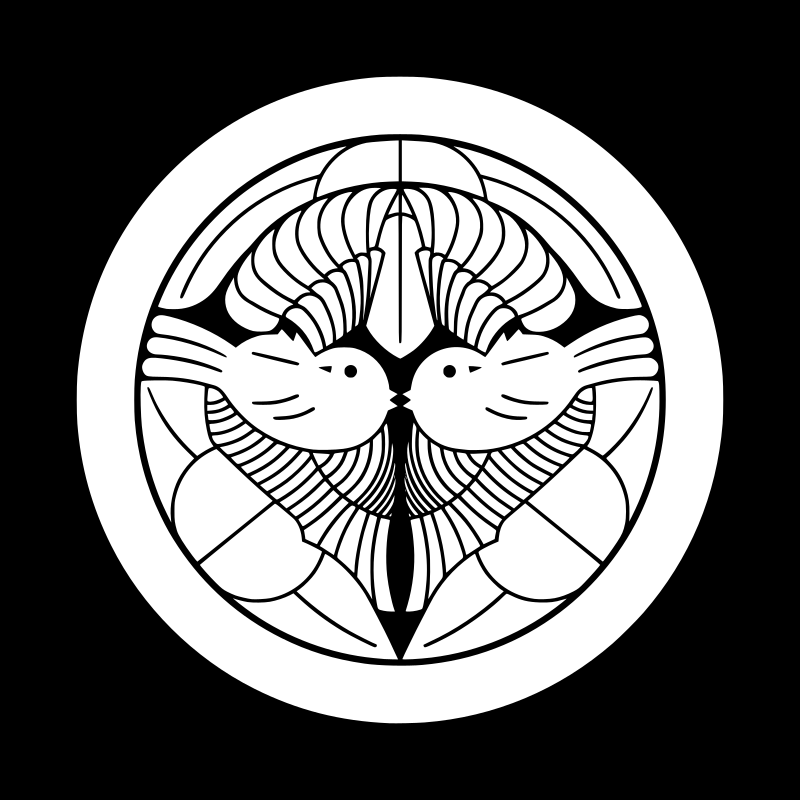
    The Uesugi

    The Mon (crest) of the Uesugi Clan
    By Mukai – Own work, CC BY-SA 3.0, https://commons.wikimedia.org/w/index.php?curid=8629467

    The dominant power in the Kanto in the 15th Century was arguably the Uesugi Clan. Like many others, the clan claimed descent from the illustrious Fujiwara Clan, and various members of the family would become shugo in and around the Kanto. Their most important role, however, was that of Kanto Kanrei, the Shogun’s deputy in the Kanto, a position that was supposed to complement that of the kubo, but in reality, often served as a check on Kamakura’s power, and frequently, a direct rival.

    Like most clans at this time, the Uesugi were divided into branches, three in this case, that were just as likely to fight as support each other. This infighting predated the Onin War, but the outbreak of general civil war saw the destruction of one branch, and the serious weakening of the other two, so much so that, in the early 16th Century, the Uesugi would lose their position in the Kanto to another rising power, the Hojo.

    The Uesugi would survive, however, and continue to play a major role in the Sengoku Jidai. The clan’s most famous son is arguably Uesugi Kenshin, who would engage in a rivalry with fellow warlord Takeda Shingen that became the stuff of legend. Mythology aside, Kenshin would die without heirs, and a succession crisis would severely weaken the clan.

    Uesugi Kenshin became a Samurai legend, but his death would leave the Uesugi in a weak position.

    Although they would survive, they chose the losing side in the final battles of the Sengoku Jidai and would end up in Yonezawa Domain, in modern Yamagata Prefecture, where they would actually prosper until the abolition of the Domains in the 19th Century.

    The clan endured into the modern day. The current head is Uesugi Kuninori, who was a professor at the Institute of Space and Astronautical Science until he retired in 2006.

    The Hojo

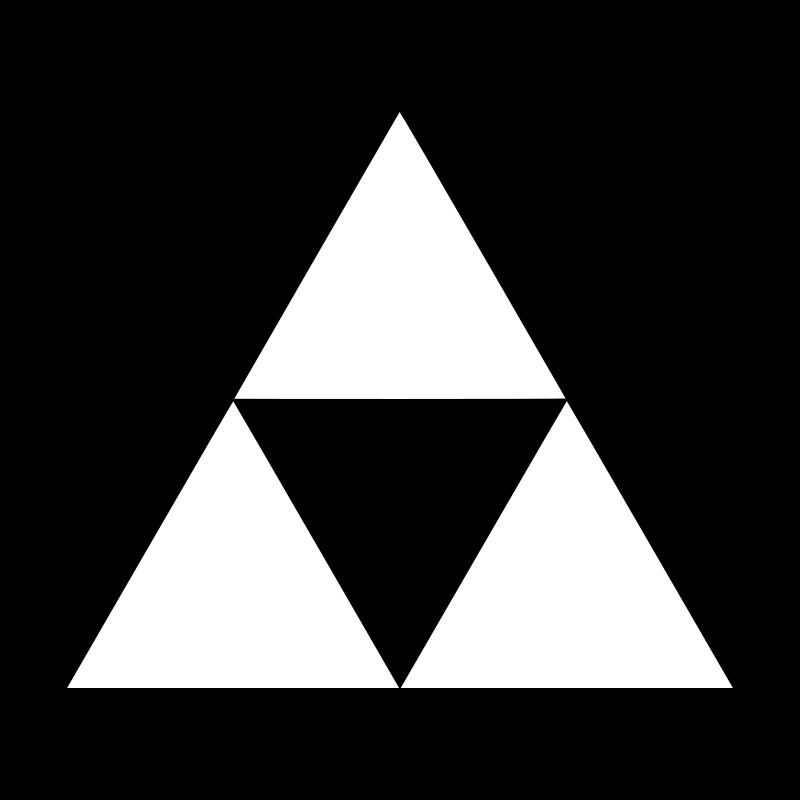
    The Mon of the Hojo Clan, and the later Hojo clan, who took the name and emblem for their own.
    By Mukai – No machine-readable source provided. Own work assumed (based on copyright claims)., CC BY-SA 3.0, https://commons.wikimedia.org/w/index.php?curid=9416600

    The Hojo Clan, or more accurately the Go-Hojo, or Later Hojo, were relative latecomers to the scene. Although they would lay claim to illustrious ancestry (which was the style at the time), their progenitor was Ise Sozui (better known as Hojo Soun), who, despite being revered as the ancestor of the clan, never used the name Hojo himself. Traditionally, Soun was believed to have been a Ronin (masterless samurai) who rose to power seemingly out of nowhere in the aftermath of the Onin War.

    More recent scholarship, however, seems to indicate that Soun’s family, the Ise Clan, had a much longer history and would serve in the Shogun’s government in Kyoto before relocating to the Kanto later.

    Soun arguably deserves a post of his own, but the short version is that, he was originally in the service of the Imagawa Clan, another power in the region, before raising an army of his own and taking Izu Province for himself, establishing his base at Odawara Castle, which he took in 1494, some say, after tricking the previous owners, convincing them to leave on a hunting trip, and arranging their murders.

    It was his son, Ujitsuna, who renamed the clan to Hojo. You may remember that it was the Hojo Clan who acted as regents for the Kamakura Shoguns, rising to such power that they were effectively masters of Japan, before being overthrown by the Ashikaga.

    This new Hojo Clan was no relation to these regents, hence why they are referred to as the “Later” Hojo. Ujitsuna, apparently attempting to add some prestige to his family, adopted the name and mon (family crest) of the former Hojo, and everyone just went with it.

    Hojo Ujitsuna, who understood that there was power in a recognisable name.

    Ujitsuna wasn’t just savvy with brand recognition, however. Throughout the first half of the 16th century, he would guide the Hojo to become the predominant power in the Kanto. He would challenge and eventually drive out the Uesugi, taking control of their castle at Edo, which would eventually become the Imperial Palace in modern Tokyo.

    Throughout the Sengoku Period, the Hojo would continue to be masters of the Kanto, eventually becoming one of the greatest powers in the late 16th century, before they were eventually defeated by Toyotomi Hideyoshi in 1590. A branch of the family would survive as the lord of Sayama Domain (near modern Osaka) until the 19th century, and members of this family would continue playing a role in Japanese politics into the 20th century.

    The Takeda

    The Mon of the Takeda

    The Takeda also claimed descent from the Minamoto Clan, and from the earliest days of the Kamakura Shogunate in the 12th Century, they had established their power base in Kai Province (modern day Yamanashi Prefecture). Though they were a relatively minor player (one amongst many, you might say), the Takeda would develop a difficult relationship with the Uesugi Clan.

    When the Uesugi rose up against the Kamakura Kubo in 1416 (the Zenshu Rebellion), some members of the Takeda sided with the Uesugi, whilst others remained loyal to the government. The Uesugi were eventually defeated, but there was now bad blood between the Takeda and Uesugi that would last for another 120 years.

    The best known Takeda was certainly Takeda Harunobu, better known to history as Takeda Shingen. He is widely regarded as one of the best leaders of the Sengoku Period; indeed, some scholars have speculated that, had it not been for his sudden death in 1573, we might now be talking about Shingen as one of the great unifiers of Japan.

    Takeda Harunobu, better known as Shingen. Arguably one of the Sengoku Period’s best leaders, his sudden death brought an end to his ambition and seriously weakened the Takeda Clan.

    Alas, it wasn’t to be. Shingen was succeeded by his far less capable son, Katsuyori, who would lead the Takeda to disaster at the Battle of Nagashino in 1575, and the clan would cease to have any meaningful power after a final campaign led by Oda Nobunaga in 1582.

    Much like other major clans of the era, the Takeda Clan would live on in much reduced straits, eventually becoming direct vassals of the Tokugawa Shoguns, receiving a stipend of just 500 Koku a year. For reference, a Daimyo (great lord) could only claim that rank if he controlled lands worth 10,000 Koku a year or more. The Takeda had once controlled lands that were estimated to produce 1.2 million Koku, which gives you some idea of how far they had fallen.

    The Rest

    There are still several other regions to cover, and many more clans, but we’ll cover them next time.

    Sources
    https://ja.wikipedia.org/wiki/%E4%B8%8A%E6%9D%89%E9%82%A6%E6%86%B2
    https://ja.wikipedia.org/wiki/%E4%B8%8A%E6%9D%89%E6%B0%8F
    https://ja.wikipedia.org/wiki/%E5%8C%97%E6%9D%A1%E6%97%A9%E9%9B%B2
    https://en.wikipedia.org/wiki/H%C5%8Dj%C5%8D_S%C5%8Dun
    https://ja.wikipedia.org/wiki/%E5%BE%8C%E5%8C%97%E6%9D%A1%E6%B0%8F
    https://ja.wikipedia.org/wiki/%E6%AD%A6%E7%94%B0%E6%B0%8F

  • Kanto, Won’to

    Kanto, Won’to

    As we discussed last time, the relationship between the central government in Kyoto and the Kamakura Kubo, the regional military governor, was often quite strained. The decentralised nature of political power in Japan meant that, whilst the Kubo was nominally subordinate to the Shogun, they often acted as semi-independent rulers.

    The power of the kubo was, in theory, checked by the Kanto Kanrei, the Shogun’s direct deputy in the Kanto Region, who had, for decades by this point, been a member of the Uesugi Clan.

    Like most Samurai families, the Uesugi weren’t a single family, but a loose affiliation of siblings, cousins, and other relatives that shared a name and some common ancestry, but little else, with different branches of the Clan cooperating and opposing each other as the situation demanded.

    The strongest branch of the family at this point, and the one holding the position of Kanrei, was the Yamanouchi Uesugi, so named because of their residence in an area of Kamakura called, you guessed it, Yamanouchi. This particular branch of the family actually took over the position from the branch which had risen in rebellion in 1416 and been defeated.

    The Kanrei in the 1430s was Uesugi Norizane. He found himself in a fairly unenviable position. Although the kanrei was officially the subordinate of the Kamakura Kubo, the Shogun in Kyoto had the final say over who would actually hold the position, meaning that, in practice, the kanrei often found himself beholden to the will of the Shogun over that of his direct superior.

    This was probably fine at a time when Kamakura and Kyoto were in agreement, but by now, this was definitely not the case. As we talked about briefly last time, the Kamakura Kubo, Ashikaga Mochiuji, often followed an independent path, and this defiance led to a serious breakdown in his relationship with the Shogun.

    In 1429, the accession of a new Emperor called for a change in the Era name. This was (and arguably still is) a big deal in Japanese culture; whenever a new Emperor ascends the throne, the Era name is changed. It can also be changed after significant or otherwise tragic events, as those in power seek to figuratively draw a line under the past.

    Emperor Go-Hanazono, whose accession brought about the Era name changed that provoked the showdown between Mochiuji and the Shogun.

    A change of era is often an administrative formality for most, but this time, Mochiuji, being the independent-minded fellow that he was, apparently refused to adopt the new era name. This might seem like a petty decision to us, but it was, in effect, Mochiuji announcing to the world that he didn’t recognise the new era, and by extension, the new Emperor.

    Things got worse following the death of Shogun Yoshimochi in 1431. Mochiuji had expected to be called upon to be the next Shogun, as Yoshimochi had died without heirs. When Ashikaga Yoshinori, a monk, was selected instead, Mochiuji was angry enough to consider marching on Kyoto.

    This is where Uesugi Norizane rejoins our story. He dissuaded his hot-headed master, and no force was sent. In addition, he arranged for formal apologies regarding the Era change and even went so far as to return lands that had been confiscated by Mochiuji to the Shogun.

    Norizane is also recorded as having sent expensive gifts to Kyoto in an attempt to smooth over the considerable animosity that had built up towards Mochiuji there. Norizane was evidently trying to steer a moderate course; he owed his position to the Shogun, but he was nominally subordinate to the Kubo. When these two masters were in opposition, Norizane found himself caught in the middle.

    In 1436, his position got even worse. That year, fighting broke out in Shinano Province between rival factions seeking control of the province. One side called on Mochiuji for help, and he was eager to go, but Norizane intervened, pointing out that Shinano was not one of the provinces that were under the authority of the Kamakura Kubo. Thus, no forces were sent.

    The warlord who had requested Mochiuji’s help was defeated, and in 1437, Mochiuji planned to raise an army and march into Shinano anyway, presumably to avenge his fallen comrade. This time, however, rumours spread that the army was actually to be sent against Norizane.

    Things quickly got out of control after that. Although there was some attempt to negotiate, Norizane fled the Kanto entirely, retreating to the Uesugi stronghold in Echigo Province. There was a brief reconciliation in 1438, but things broke down again quickly afterwards, with Norizane resigning as kanrei.

    This time, Norizane fled to Kozuke Province, and Mochiuji sent an army after him. In response, Norizane called for help from the Shogun, and Yoshinori, who had been waiting for an excuse to deal with the troublesome kubo, readily agreed.

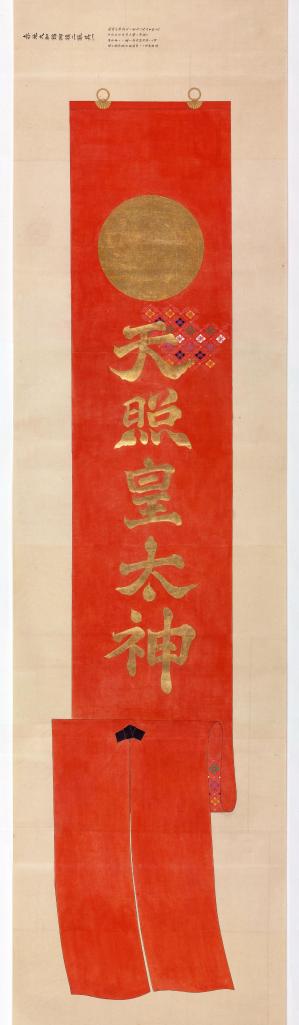
    A coalition of Kanto warlords loyal to the Shogun was assembled, and the Shogun used his influence at court to have an Imperial Banner issued to the army, effectively turning it into an Imperial army, and all those who opposed it into rebels against not only the Shogun but the Emperor himself.

    An example of an Imperial Banner (this one from the 19th Century)

    What impact this had on the morale of Mochiuji and his men isn’t clear, but throughout September and October 1438, their forces were repeatedly defeated, until eventually Mochiuji surrendered and attempted to become.

    Uesugi Norizane, continuing his policy of moderation, pleaded for Mochiuji’s life, and for his son to be allowed to take the position of Kubo. Shogun Yoshinori, however, was in no mood. Mochiuji had been a thorn in his side for decades, and he would not pass up the opportunity to deal with him.

    Mochiuji and his son were forced to commit suicide, and the position of Kamakura Kubo was temporarily abolished. That wouldn’t last long, though, and in 1440, Yoshinori attempted to have his own son appointed as the new kubo.

    Mochiuji (top) commiting suicide after his failed uprising.

    This didn’t sit well with former loyalists of Mochiuji, and a rebellion, led by the Yuki Clan, broke out in the same year, with the stated aim of restoring one of Mochiuji’s sons to their late father’s position.

    In April 1441, the rebellion was defeated, and Mochuji’s surviving children were brought to Kyoto. Yoshinori continued his plans to appoint his son as kubo, but then fate took a turn, as it so often does.

    In June 1441, Yoshinori was invited to a banquet at the residence of the Akamatsu Clan, officially to celebrate the Shogun’s recent victory. When he arrived, the gates were locked, and he was set upon by a band of armed men and cut down.

    The immediate motive of his killer appears to have been either revenge for the confiscation of family property earlier in his reign or the fear of being politically purged. Historians speculate that Yoshinori was becoming increasingly paranoid, with the Imperial Nobility and Samurai class becoming fearful of the possibility of being denounced and facing exile or execution.

    A phrase used by contemporaries to describe this period of Yoshinori’s reign is ‘万人恐怖’ Bannin Kyofu, or Universal Fear, which gives you a good idea of the mood.

    In the immediate aftermath of the killing, rumours of a wider conspiracy abounded, but it soon became clear that the Akamatsu Clan had acted alone; the government’s attention focused on who would be the next Shogun. The most appropriate choice was Yoshinori’s son, Yoshikatsu, but he was just a boy, and it wasn’t until November 1442, 18 months after his father’s death, that Yoshikatsu was elevated to Shogun, despite being just nine.

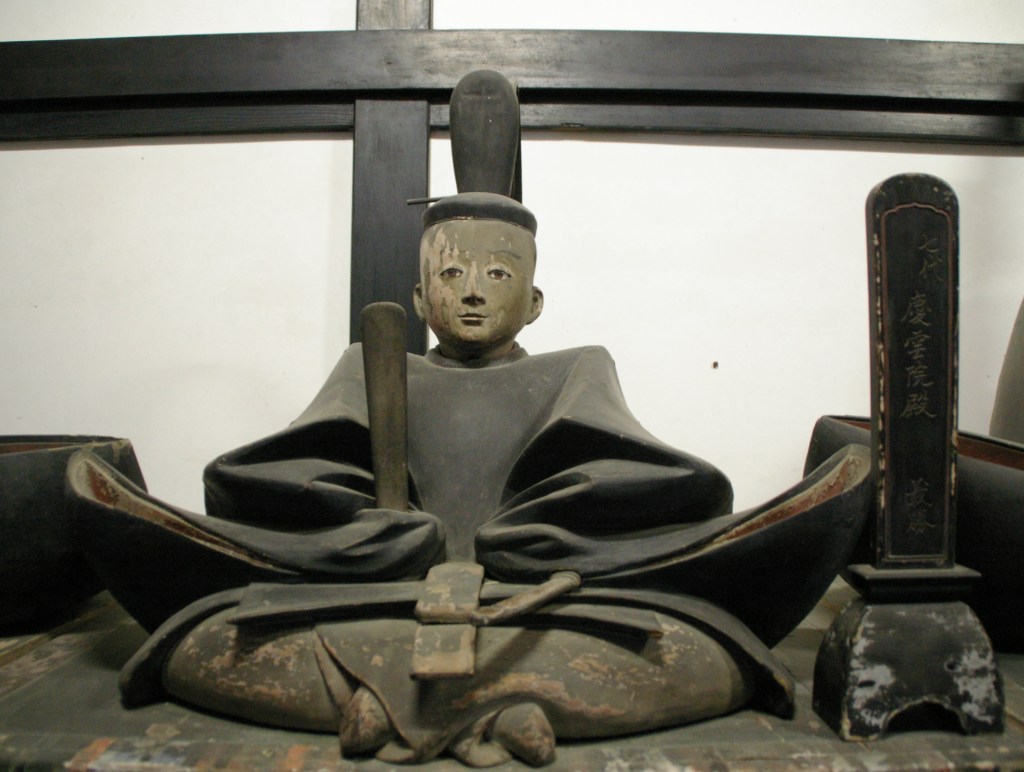
    With Yoshinori’s death and his replacement by a boy, the strong, often dictatorial power of the Shogun was significantly reduced. Yoshikatsu would rely on a council of powerful lords to handle the realm until he came of age, but that didn’t happen, as Yoshikatsu fell in and died in July 1443, only eight months into his reign. His sudden death led to the spread of several rumours, from a fall from a horse to assassination, but historians generally believe he died of illness, possibly dysentery.

    A wooden statue of Ashikaga Yoshikatsu, whose reign, and life, were tragically short.
    CC 表示 3.0, https://commons.wikimedia.org/w/index.php?curid=9662197

    Yoshikatsu was replaced by his brother, Yoshimasa, who was even younger, and he wouldn’t be officially declared Shogun until 1449, by which time real power had shifted from the Shogunate to several powerful clans.

    Though no one knew it then, the Ashikaga Shogunate had begun what would prove to be a terminal decline.

    Sources
    https://ja.wikipedia.org/wiki/%E9%8E%8C%E5%80%89%E5%85%AC%E6%96%B9
    https://ja.wikipedia.org/wiki/%E8%B6%B3%E5%88%A9%E7%BE%A9%E6%95%99#
    https://ja.wikipedia.org/wiki/%E5%98%89%E5%90%89%E3%81%AE%E4%B9%B1
    https://ja.wikipedia.org/wiki/%E8%B6%B3%E5%88%A9%E7%BE%A9%E5%8B%9D
    https://ja.wikipedia.org/wiki/%E8%B6%B3%E5%88%A9%E7%BE%A9%E6%94%BF
    https://en.wikipedia.org/wiki/Ashikaga_Yoshimasa

  • Collision Course

    Collision Course

    At the end of the last post, we covered an outbreak of rebellion led by the Uesugi Clan in the Kanto Region. This rebellion was put down, and the Uesugi were badly mauled, but the consequences of it would be long-reaching indeed.

    We haven’t spent a lot of time talking about the Kanto recently; most of the events of the preceding Nanbokucho Period happened in and around Kyoto, so this seems like a good opportunity to update you on what was happening in the area, which is now mostly modern Tokyo and its surroundings.

    You may remember that the government, prior to the Ashikaga Shogunate, had been the Kamakura Shogunate, based in the town of the same name. Kamakura itself is in the Kanto and was, at the time, a major population centre.

    When the Kamakura Shogunate was overthrown, the Ashikaga based themselves in Kyoto, but didn’t lose sight of their position in the Kanto. With power in Kyoto confirmed, the first Ashikaga Shogun, Takauji, sent his second son to Kamakura to oversee things there.

    The position of Kamakura Kubo was initially a solely military post, with the mission being to keep order in the provinces. However, within a few decades, it had transformed into a political and administrative position as well, with the kubo being the effective governor of a large area of eastern Japan.

    The territory under the jurisdiction of the Kamakura Kubo. The original provinces are in red, with those in gold and green added later.
    Pqks758 – 投稿者自身による著作物, CC 表示-継承 3.0, https://commons.wikimedia.org/w/index.php?curid=30770440による

    The other major power in the region was the Kanto Kanrei, the Shogunate Deputy in the Kanto region. Originally an administrative position, subject to appointment and dismissal by the Shogun, by the late 14th Century, the position had become the hereditary title of the Uesugi Clan, who used it to become the dominant power in the region.

    Officially, the Kubo was a military position, whilst Kanrei was an administrative one, but the reality was that there was considerable overlap between both positions. The Kanrei was supposed to be subordinate to the Kubo, but the situation on the ground meant that the Kanrei often controlled more land and men than the Kubo.

    There were several clashes between both positions, and the government in Kyoto, but one of the most serious was the Uesugi Rebellion in 1416, which we talked about last time. Although the rebellion was crushed, the situation in the Kanto remained tense in the aftermath.

    Firstly, the Kubo at the time was Ashikaga Mochiuji, who had an unfortunate habit of ignoring instructions from Kyoto that didn’t suit him. In the aftermath of the rebellion, the Shogun, Yoshimochi, had wanted to pursue a policy of reconciliation, similar to that of his father.

    Mochiuji, however, wanted revenge; he saw the powerful clans in the Kanto as a direct threat to his rule and was determined to crush them once and for all. He began taking direct action against families that had joined the rebellion, and despite issuing orders for him to stop, the government in Kyoto proved powerless to curb his violent tendencies.

    Yoshimochi wasn’t idle, however. Although the position of Kamakura Kubo was a powerful one, and Mochiuji had many supporters, there were others who remained opposed to him. Yoshimochi took advantage of this, extending direct vassalage to several important families in the Kanto region and elsewhere. Though these families technically owed allegiance to Kamakura, they were now direct vassals of the Shogun.

    Though this policy may have seemed like a good idea at the time, it would backfire. In 1422, the Oguri Clan, with the implied support of the Shogun, rose in rebellion against Kamakura and Mochiuji. Whether or not the Oguri expected support from Kyoto, it didn’t come, and Mochiuji personally led the army that put the rebels down.

    In response, the Shogun gave serious consideration to military action, but it was eventually decided to do nothing but demand a formal apology from Mochiuji, which he quickly agreed to, bringing an end to the immediate crisis.

    Things jump ahead a little bit here. In 1423, Shogun Yoshimochi retired and officially handed over the title (but not the power) of Shogun to his son, Yoshikazu. This arrangement didn’t last long; Yoshikazu died within two years (apparently from alcohol-related issues).

    The position of Shogun was then left vacant, but since Yoshimochi held the actual power, the government kept going regardless. This changed in 1428, when Yoshimochi himself died, seriously impeding his ability to run the state.

    Yoshimochi had no more sons, so a new Shogun was sought from amongst his brothers. Apparently, they did this by a lottery, and the name drawn was Yoshinori. The problem with that was that Yoshinori (who was also called Yoshinobu for a time) had become a monk during his youth.

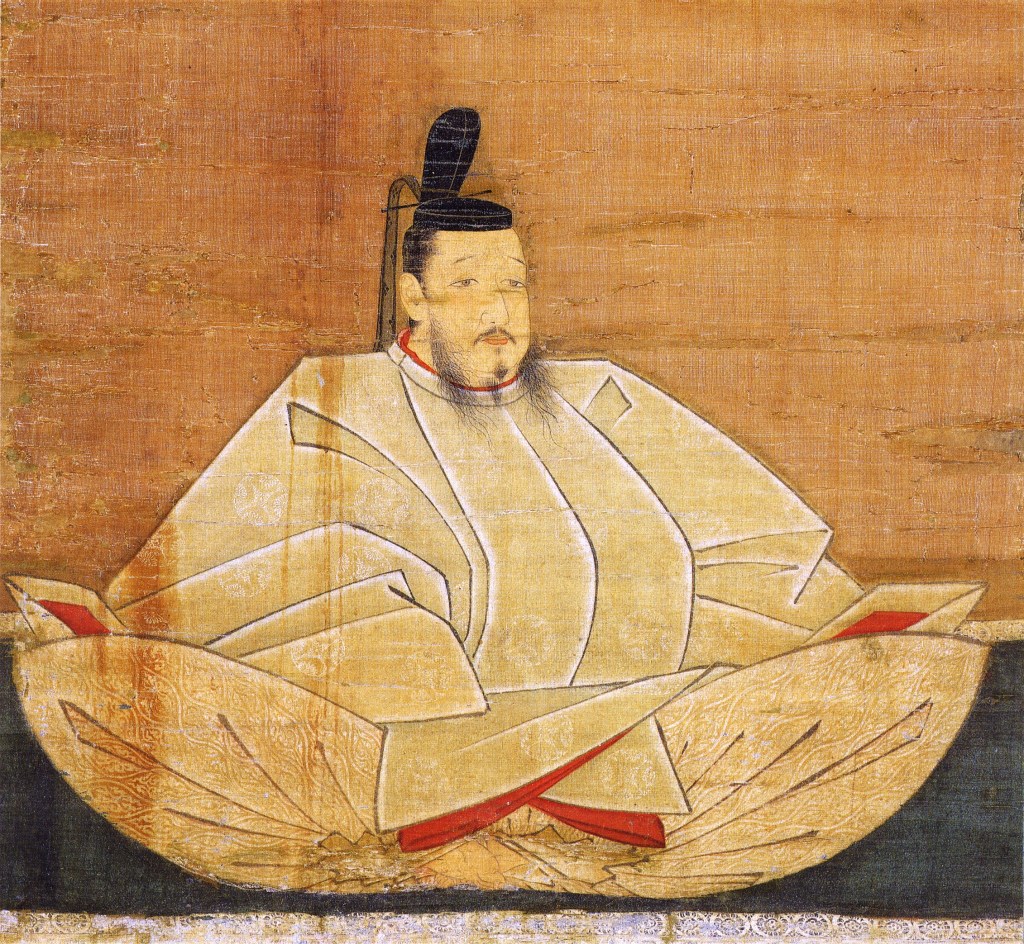
    Ashikaga Yoshinori, an unlikely choice for Shogun.

    There was plenty of precedent for important officials to retire and become monks, but there was none for it happening the other way. At first, the selection of Yoshinori was opposed; he was a monk, for starters, and there were rumours that Mochiuji, the Kamakura Kubo, would be declared Shogun instead.

    Several tense months followed, including the death of one Emperor and the accession of another. It was this new Emperor, Go-Hanazono, who would name Yoshinori Shogun in March 1429. Yoshinori seems to have tried to model himself on his father, the great Yoshimitsu. He attempted to centralise power in Kyoto and curb the influence of powerful local deputies (Kanrei), and he even restarted the trade with China.

    However, Yoshinori was not Yoshimitsu, and the situation for the Shogunate was not as it had been 30 years earlier. Yoshinori would have some success initially, bringing restive lords in Kyushu back in line, and moving to end the Shogun’s reliance on the military strength of the Shugo (governors) as his predecessors had been forced to.

    Trouble was never very far away, however, and in 1433, ongoing conflicts between rival temples in and around Kyoto flared up again. Now, Yoshinori had been a monk of the Tendai Sect, specifically at the Shoren-in Temple.

    Now, the intricacies of temple politics in this era are complex to say the least, but the short version is that there were various sects of Buddhism prominent in Japan at this time. These sects were then often further subdivided, and, in keeping with the style of the time, these factions would often engage in vicious and sometimes violent rivalries with each other.

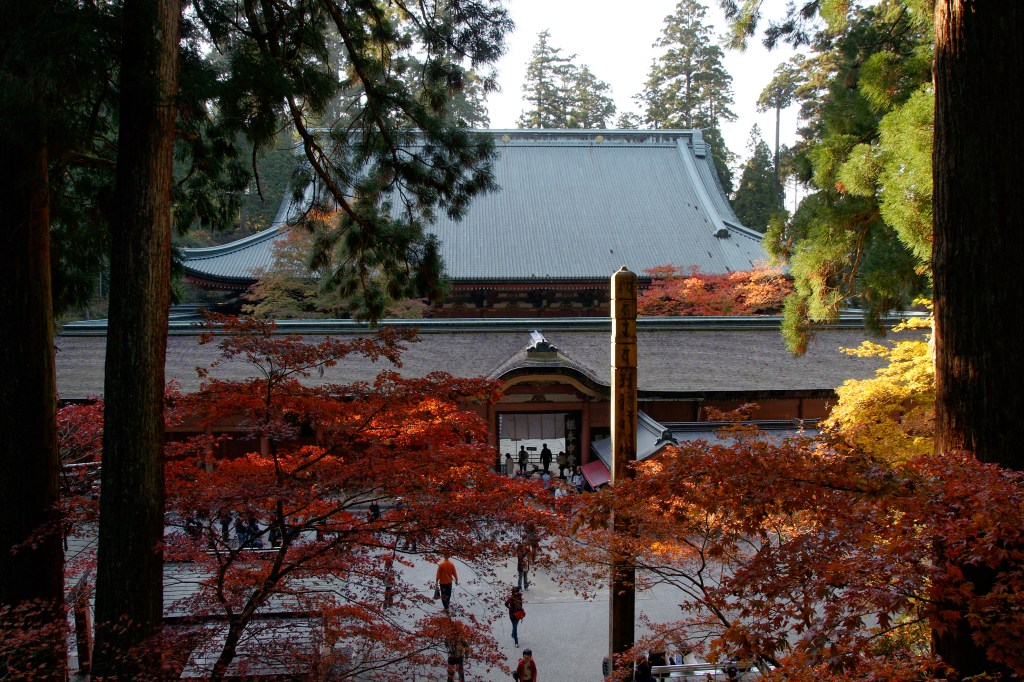
    At this time, one of the most violent disputes was between the Jimon (Temple Gate) and Sanmon (Mountain Gate) branches of the Enryaku-ji Temple on Mt Hiei, near Kyoto. Yes, you read that right, they were rivals from the same temple complex.

    A modern image of Enryaku-ji. This particular building dates from the 17th Century.
    663highland, CC 表示 2.5, https://commons.wikimedia.org/w/index.php?curid=8449808による

    In July 1433, the monks of the Sanmon Faction submitted a petition of 12 complaints to the Shogun, making allegations of misconduct against the Shogunate officials in charge of religious affairs.

    The Shogun took a conciliatory approach to this, accepted the petition and then apparently dismissed the officials in question. The Sanmon Monks, apparently getting a bit full of themselves, celebrated by burning down Onjo-ji (sometimes known as Mii-Dera), the headquarters of the Jimon Faction.

    Now, the Shogun was understandably annoyed by this. Apparently, the monks of Onjo-ji had refused to join the Sanmon Faction’s petition, but that wasn’t a good enough excuse, and Yoshinori dispatched troops to Mt Hiei, demanding that the monks of Enryaku-ji surrender.

    This they did, but the peace didn’t last long. Within a few months, rumours began spreading that the Monks were conspiring with Ashikaga Mochiuji, apparently trying to curse the Shogun, and general praying for his downfall, which in a superstitious age was a big deal.

    In response, the Shogun confiscated property belonging to the temple and sent troops to surround the temple, effectively putting Enryaku-ji under siege. From July to December 1434, no one could get in or out of Mt Hiei, and the monks were eventually compelled to seek terms of surrender.

    Shogun Yoshinori was in a far less forgiving mood this time, and he was initially reluctant to accept terms. However, under pressure from his own government, he accepted the surrender, and the previously confiscated property was returned.

    This was apparently just a ruse, however, and in February 1435, Yoshinori had four Enryaku-ji monks arrested and beheaded. The monks on Mt Hiei were outraged by this and set fire to their own temple, with 24 of them meeting their ends (more or less willingly) in the flames.

    Mt Hiei is easily visible from Kyoto, and the sight of the temple in flames caused outrage in the city. Yoshinori responded by issuing an edict sentencing anyone who complained about the situation to death, which apparently worked wonders in keeping the population quiet.

    With the Sanmon Faction subjugated, Yoshinori then turned his eyes back to the Kanto. All he needed was a pretext, and luckily for him, one would not be long in coming.

    Sources

    https://ja.wikipedia.org/wiki/%E9%8E%8C%E5%80%89%E5%BA%9C
    https://ja.wikipedia.org/wiki/%E8%B6%B3%E5%88%A9%E6%8C%81%E6%B0%8F
    https://ja.wikipedia.org/wiki/%E9%96%A2%E6%9D%B1%E7%AE%A1%E9%A0%98
    https://ja.wikipedia.org/wiki/%E4%B8%8A%E6%9D%89%E7%A6%85%E7%A7%80%E3%81%AE%E4%B9%B1
    https://en.wikipedia.org/wiki/Ashikaga_Yoshikazu
    https://ja.wikipedia.org/wiki/%E8%B6%B3%E5%88%A9%E7%BE%A9%E9%87%8F
    https://en.wikipedia.org/wiki/Ashikaga_Yoshinori
    https://ja.wikipedia.org/wiki/%E5%BB%B6%E6%9A%A6%E5%AF%BA
    https://en.wikipedia.org/wiki/Jimon_and_Sanmon
    https://en.wikipedia.org/wiki/Mii-dera
    https://ja.wikipedia.org/wiki/%E8%B6%B3%E5%88%A9%E7%BE%A9%E6%95%99#%E6%AF%94%E5%8F%A1%E5%B1%B1%E3%81%A8%E3%81%AE%E6%8A%97%E4%BA%89
    https://ja.wikipedia.org/wiki/%E5%B0%8F%E6%A0%97%E6%BA%80%E9%87%8D%E3%81%AE%E4%B9%B1
    https://ja.wikipedia.org/wiki/%E4%BA%AC%E9%83%BD%E6%89%B6%E6%8C%81%E8%A1%86

  • Peace? I hate the word…

    Peace? I hate the word…

    By the end of the 14th Century, the Ashikaga Shogunate might have been forgiven for thinking it was in a strong position. Under Shogun Yoshimitsu, Kyushu had been pacified, the power of the mighty clans close to the capital had been curtailed, and in 1392, a reconciliation had been arranged between the Northern and Southern Imperial Courts, bringing an end to the Nanbokucho Period.

    In 1395, Yoshimitsu officially retired from the Shogunate to become a monk, and although he retained actual power, the succession of his son, Yoshimochi, was secure. Then, in 1399, the Ouchi Clan rose in rebellion in Kyushu, and in crushing them, the Ashikaga Shoguns no longer faced any serious opposition in the South or West of the realm.

    Around this time, Yoshimitsu sought recognition as “King of Japan” from the Ming Emperor of China, as he had long been an admirer of Chinese culture and politics. Initially, the Chinese refused to recognise him, because, as Shogun, Yoshimitsu was (technically) a servant of the Emperor, whom the Chinese were more inclined to recognise as King.

    When Yoshimitsu retired as Shogun, however, he retained all the power of his position, but was now free of his position as a subordinate of the Emperor. This, combined with a promise to suppress the often serious problem of piracy (wako) in the waters around Korea, persuaded the Chinese to formally recognise Yoshimitsu as “King” and restart trade between Japan and China, in exchange for regular Japanese tribute as ‘subordinates’ to the Ming.

    This trade was not as we might imagine it, where merchants buy and sell according to the laws of supply and demand. Instead, as the Chinese viewed themselves as the centre of the world, they viewed trade as being based on tribute to their Emperor, with gifts being bestowed in return.

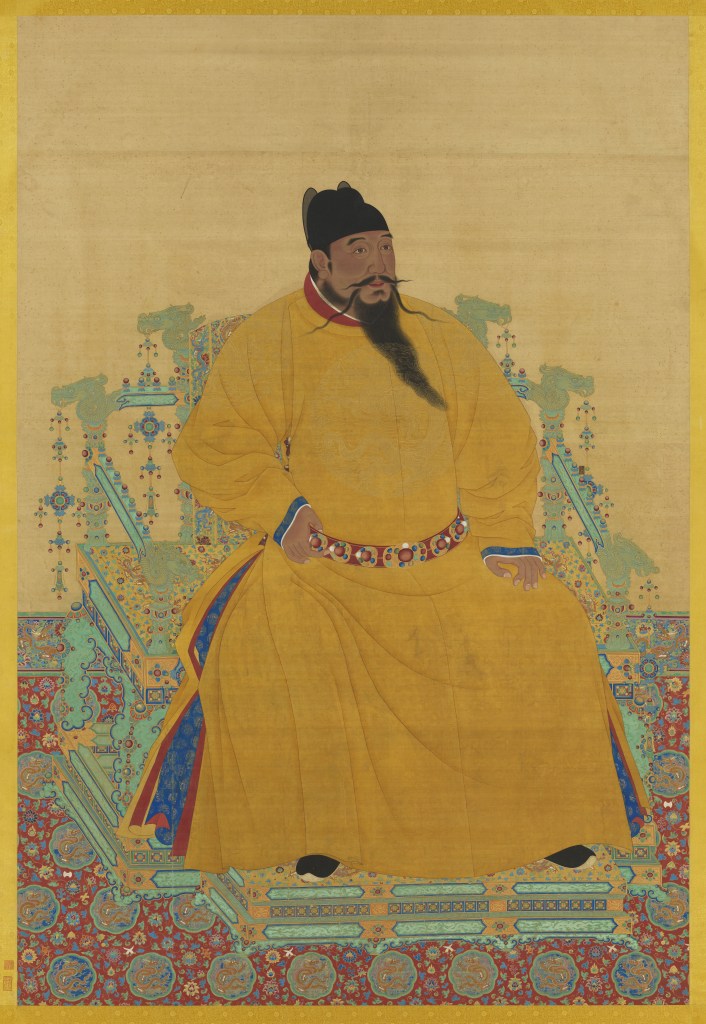
    The Yongle Emperor, who all were expected to bow to, especially if they wanted to trade with China.

    This worldview, combined with the Chinese desire to show off their wealth, meant that Japanese trade missions would often end up with such quantities of goods that they were able to secure enormous profits. One example comes from the merchant, Kusuba Sainin, who claimed that thread purchased for 250 mon in China could easily be sold for 5000 mon back in Japan.

    (The mon is a Japanese unit of currency that wasn’t very well formalised before the Edo Period, making modern purchasing power hard to figure out, but the fact that this represents around 2000% profit gives you an idea of how lucrative this trade could be.)

    These ships were only sent relatively infrequently; in fact, between 1404 and 1547, only 17 trade missions (made up of 84 ships in total) were sent, but the influx of Chinese material and cultural goods, and the Shogunate’s 10% levy on all goods arriving in Japan, meant that it was a major source of revenue and prestige.

    The trade was politically unpopular, however. The Chinese required tribute and acknowledgement of China’s supreme position in the world. Though Yoshimitsu likely viewed this as a diplomatic nicety rather than an actual submission, it didn’t sit right with the prideful Samurai or the Imperial Court, who held that their Emperor was a literal son of heaven, whereas the Chinese Emperor held a mandate that could be lost.

    While Yoshimitsu was alive and politically active, these concerns were largely kept private, but the discontent remained, and Yoshimitsu, it may surprise you to learn, wasn’t going to live forever.

    While he lived, however, Yoshimitsu invested this newfound wealth and power in what became known as Kitayama Culture. A unique blend of Imperial, Samurai, and Chinese aesthetics, it gave birth to many famous aspects of Japanese culture that are still recognisable, such as Noh Theatre and even Origami (which began as a much more formalised system than what we may be used to today).

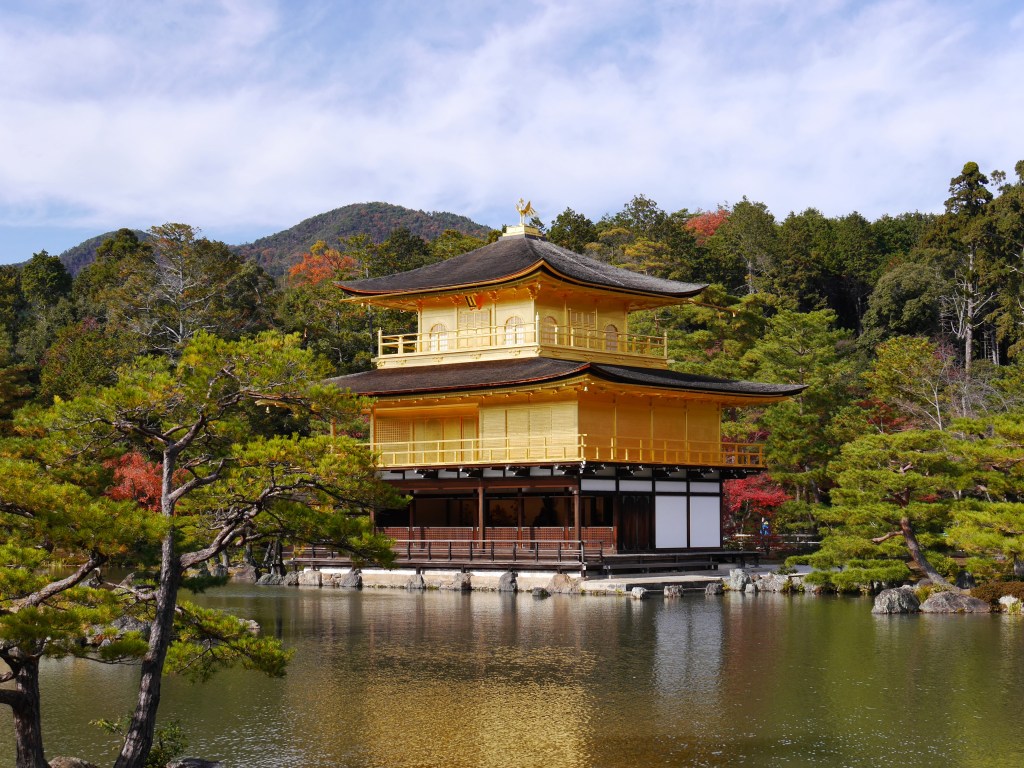
    Like many before and after him, Yoshimitsu also invested heavily in architecture, aiming to promote the glory and prestige of his family through buildings that were more spectacular than any that came before. Most famously, the Golden Pavilion Temple, Kinkaku-ji, a landmark so famous that the actual name for the temple, the pavilion, is in (Rokuon-ji), is often forgotten.

    The Golden Pavilion in Kyoto, so famous that its name is synonymous with Japanese temples the world over.
    By Jaycangel – Own work, CC BY-SA 3.0, https://commons.wikimedia.org/w/index.php?curid=33554210

    As we discussed last time, Yoshimitsu had an unusually close relationship with the Imperial Court, taking up several positions in the Imperial Government, and running things in such a way that it often became unclear exactly when Imperial orders weren’t simply Shogunate ones.

    This came to something of a logical conclusion in 1404 when Yoshimitsu began lobbying for the position of Retired Emperor. You may recall that, in the days before the Shoguns, Emperors would retire to become insei, or Cloistered Emperors, retaining all the actual power, whilst no longer being constrained by the often burdensome nature of an Emperor’s religious responsibilities.

    In the midst of this politicking, in April 1408, Yoshimitsu became ill, dying at the age of 51 in May of the same year. A few days after his passing, the Imperial Court offered to bestow the title of Retired Emperor on him posthumously; however, the new Shogun, Yoshimochi, declined. It has been speculated that this was agreed to previously, as a way to definitely end the Shogunate’s pretensions to the title.

    Either way, Yoshimitsu was dead, and things began to unravel quite quickly. Though Yoshimochi had been named Shogun in 1394, when his father had ‘retired’, his actual accession to the title didn’t go unchallenged. Some suggested that Yoshimitsu had actually preferred his younger son for the role, but had died before updating his will.

    Because of this, the Shogun’s Deputy (kanrei), Shiba Yoshimasa (of the once powerful, and now resurgent Shiba Clan), pushed to have Yoshimochi recognised as Shogun, and in the short term, a crisis was avoided.

    Shiba Yoshimasa had been a powerful figure in the Shogunate for decades, and he had a huge influence over the new Shogun. However, by the time Yoshimochi actually gained power, Yoshimasa was an old man, and in August 1409, he handed the position of Kanrei over to his grandson. The fact that he was a boy of 11 was apparently not a problem, given that Yoshimasa intended to keep real power anyway.

    Whether or not he meant to groom his grandson for the role is unclear, because less than a year later, Yoshimasa was dead and the power of the Shiba Clan at the centre of government was at an end.

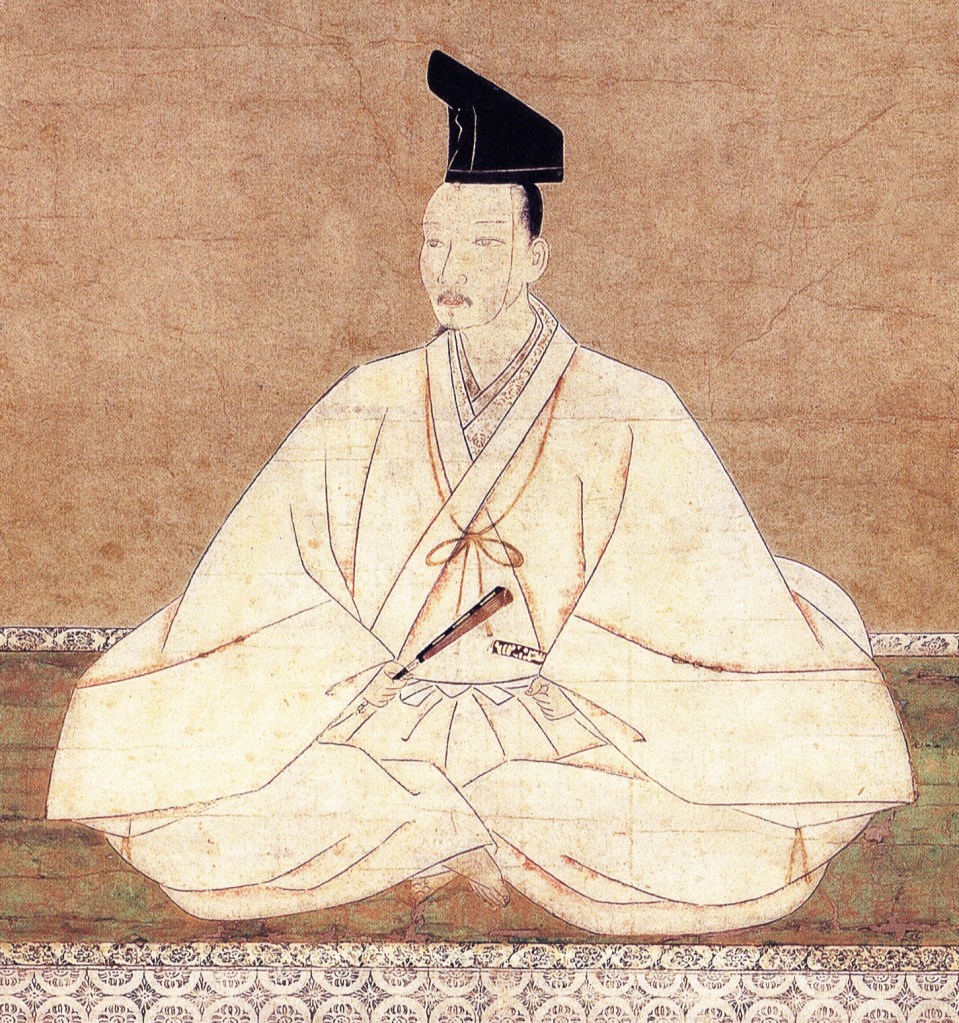
    Ashikaga Yoshimochi, the Fourth Shogun, and very much not his father’s son.

    Unfortunately for the Ashikaga, Yoshimochi turned out not to be his father’s son. No longer under Yoshimasa’s influence, he ended the Chinese trade in 1411 (it would be reinstated later), and in 1415, he faced a serious uprising from loyalists of the former Southern Court, showing that that particular problem had not been resolved.

    More seriously, in 1416, a major rebellion broke out in the Kanto Region, when the locally powerful Uesugi Clan rose up against the Kamakura Kubo, the semi-autonomous military governor in the region.

    Now, this is a bit complex, so pay attention. The Kamakura Kubo had, since the formation of the Ashikaga Shogunate, been in the hands of a branch of the Ashikaga Family, descended from one of the sons of the first Ashikaga Shogun, Takauji. Therefore, as with a lot of Japanese history it was possible to have Ashikaga on both sides of any conflict, going forwards I’ll make sure to be clear which branch of the family I’m talking about, but it’s a bit of headache.

    Confused genealogy aside, the Kubo was, much like their cousins in Kyoto, surrounded by Samurai Clans who were often stronger than the local government. In the Kanto, the most powerful family was the aforementioned Uesugi, and they’d been a real thorn in the side of the Kamakura Ashikaga from the start.

    The Uesugi had often held the title of Kanto Kanrei, which is basically the Shogun’s Deputy in the Kanto Region, in which Kamakura lies. Unsurprisingly, the Kamakura Ashikaga and the Uesugi spent most of their time butting heads, and in 1415, a particularly serious disagreement led to the Uesugi being stripped of the kanrei position.

    You can probably guess what happened next. The Uesugi refused to accept that, and one thing led to another until in late 1416, they rose in rebellion, taking Kamakura in October. Confused reports reached Kyoto later in the month, some of which suggested that the Kamakura Kubo, Mochiuji, was already dead.

    When it became clear that he was, in fact, alive, the Shogun dispatched an army made up of loyal clans to the Kanto to put the rebellion down. This they did, and the Uesugi forces were decisively defeated at the Battle of Seyahara in January 1417, after which their power was severely curtailed.

    In the aftermath, Shogun Yoshimochi accused his brother, Yoshitsugu (who had been that potential rival to the throne we mentioned earlier), of being complicit in, or even behind the rebellion. Yoshitsugu pleaded his innocence (as you do), but, fearing for his life, fled the capital and became a monk.

    Ashikaga Yoshitsugu, who was accused of plotting rebellion by his brother, and killed in 1418.

    That didn’t save him, and in 1418, he either committed suicide or was murdered on his brother’s orders. The man accused of his assassination was later denounced for apparently having an affair with one of the Shogun’s concubines and killed himself, which is just one of those salacious side stories that make studying history such a joy.

    The seeds of more trouble in the Kanto were sown when Mochiuji pursued a policy of revenge against those who had rebelled, despite the Shogun’s official desire for reconciliation. Direct conflict would be a while in coming, but the increasingly defiant Kanto Lords could not be ignored forever.

    Sources

    https://ja.wikipedia.org/wiki/%E8%B6%B3%E5%88%A9%E7%BE%A9%E5%97%A3
    https://ja.wikipedia.org/wiki/%E5%8C%97%E5%B1%B1%E6%96%87%E5%8C%96
    https://ja.wikipedia.org/wiki/%E6%97%A5%E6%98%8E%E8%B2%BF%E6%98%93
    https://ja.wikipedia.org/wiki/%E6%A5%A0%E8%91%89%E8%A5%BF%E5%BF%8D
    https://en.wikipedia.org/wiki/Kinkaku-ji
    https://ja.wikipedia.org/wiki/%E8%B6%B3%E5%88%A9%E7%BE%A9%E6%8C%81
    https://ja.wikipedia.org/wiki/%E4%B8%8A%E6%9D%89%E7%A6%85%E7%A7%80%E3%81%AE%E4%B9%B1
    https://ja.wikipedia.org/wiki/%E8%B6%B3%E5%88%A9%E6%8C%81%E6%B0%8F#%E5%AE%98%E6%AD%B4
    https://ja.wikipedia.org/wiki/%E6%96%AF%E6%B3%A2%E7%BE%A9%E5%B0%86#%E7%AE%A1%E9%A0%98%E5%B0%B1%E4%BB%BB%E3%81%A8%E5%A4%B1%E8%84%9A
    https://ja.wikipedia.org/wiki/%E9%81%A3%E6%98%8E%E8%88%B9