Tag: Kamakura politics

  • Lords of the East, Part 1

    Lords of the East, Part 1

    This post is coming out on Christmas Day, so Merry Christmas (if that’s your thing).

    We’ve taken a look at the Hojo before, their origins, and their founder, Hojo Soun, featured in a post I wrote a while back, which can be found here:

    The mon of the Hojo Clan.
    Mukai – コンピュータが読み取れる情報は提供されていませんが、自分の作品だと推定されます(著作権の主張に基づく), CC 表示-継承 3.0, https://commons.wikimedia.org/w/index.php?curid=9416708による

    In brief, the Hojo, as they became known, were originally called the Ise, and their founder, Soun, invaded Izu Province in 1493 before conquering Odawara in neighbouring Sagami Province in 1495. It was Soun’s son, Ujitsuna, who adopted the name and mon of the Hojo Clan, who had been the de facto rulers of Japan during the late Kamakura Shogunate.

    Exactly why he chose to change the clan’s identity is a matter of some debate, with the most obvious reason being the prestige the name brought, which would help to convince the clans that were ‘native’ to the area that the Ise (now the Hojo), who had originated elsewhere, belonged.

    The Hojo based themselves permanently at Odawara from around 1516, and it is from there that Ujitsuna, the second lord (or first, if you’re feeling pedantic about names), would rule. After Soun passed the rule to him in 1518, Ujitsuna set about quite literally making his mark on Sagami Province. He was something of a prolific builder and established or rebuilt several famous shrines that still stand today.
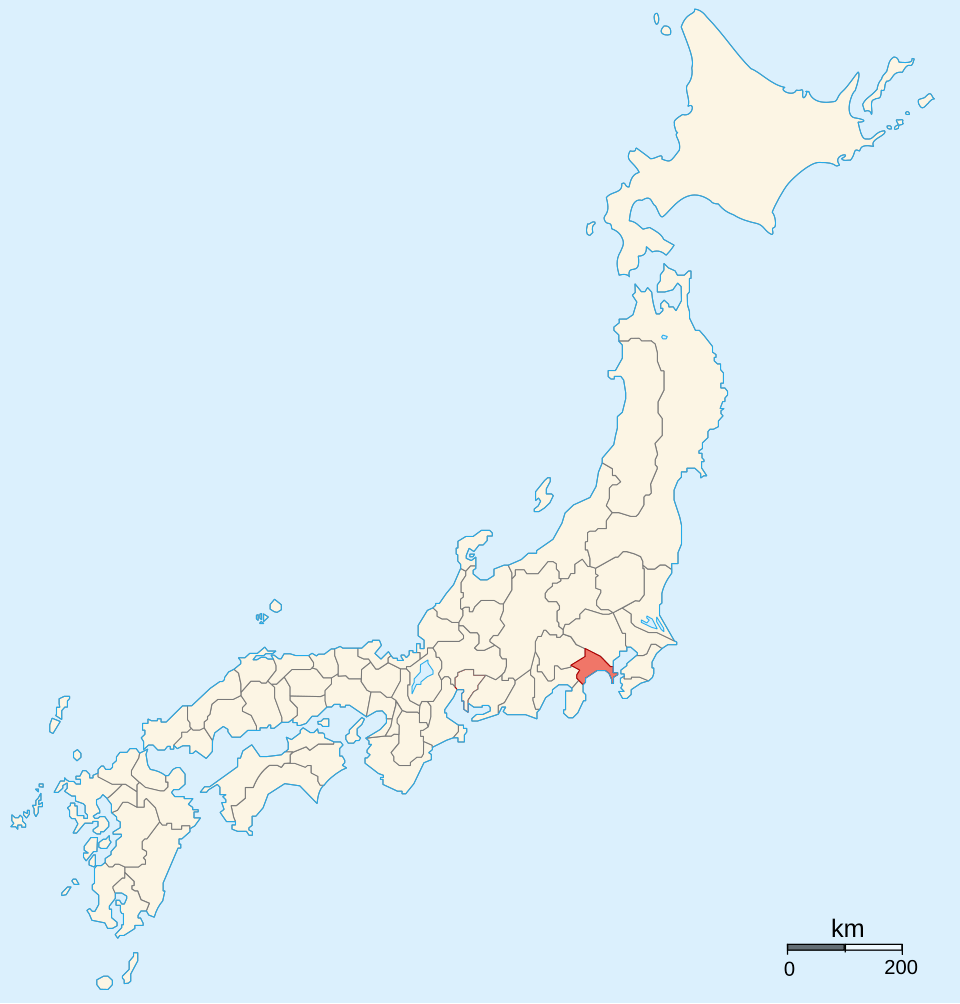
    Sagami Province
    By Ash_Crow – Own work, based on Image: Provinces of Japan.svg, CC BY 2.5, https://commons.wikimedia.org/w/index.php?curid=1691750

    After 1521, Ujitsuna also began to call himself the shugo (governor) of Sagami Province. Officially, he was never bestowed with this title by the Shogun, but by this point, it hardly mattered; no one in Kyoto was in a position to stop him, and Ujitsuna ruled as governor, in fact if not technically by law.

    It’s also around this time that the Ise Clan became the Hojo Clan. Traditionally, this was seen as just an arbitrary name change, seeking to attach the somewhat lowborn Ise to an illustrious name. More recent evidence suggests that it might not have been so cynical a move, with some sources suggesting that Ujitsuna’s wife, Yojuin, was a descendant of the Yokoi Clan, who were in turn descendants of the original Hojo.

    This would still be a pretty tenuous link on its own. Still, shortly after the name change, the Imperial Court rewarded the Hojo with the title of “Saikyo no Daibu“, the same title the original Hojo were bestowed with. We’ve discussed previously how, by this point, Imperial titles were worthless on their own but still carried considerable prestige. This title put the Hojo on the same rank (in the eyes of the court, anyway) as the nearby Imagawa, Takeda, and Uesugi Clans, families with undisputed lineage.
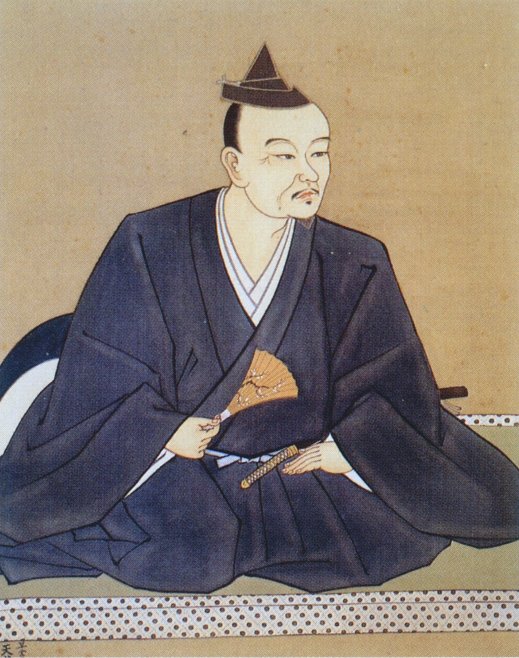
    Hojo Ujitsuna. It was his decision to rename his clan that led to the adoption of their famous name.

    All this suggests that the claim to the Hojo name might not have been all that spurious, but acceptance by the Imperial Court did not translate to being a member of the ‘club’, and certainly, in the case of the Uesugi (the Ogigayatsu Branch, at least), the Hojo were little more than upstarts.

    The Sengoku Period was a time when lineage no longer held the same meaning it once did. A clan with an impressive family tree could (and often did) find itself crushed by clans that, by comparison, had no real ancestry and might have once been subordinates. This phenomenon, called Gekokujo in Japanese (which means low overthrows high), was common across the realm in this period, and a clan like the newly dubbed Hojo would set about establishing its rule at the point of a sword.

    Ujitsuna was very much a man of his time, and by the mid 1520s, he had subdued all of Sagami Province (modern Kanagawa) and advanced into southern Musashi, the neighbouring province, close to the area of modern Tokyo. Faced with further advances by the Hojo and defection of lords in Western Musashi, the Ogigayatsu were forced to respond.
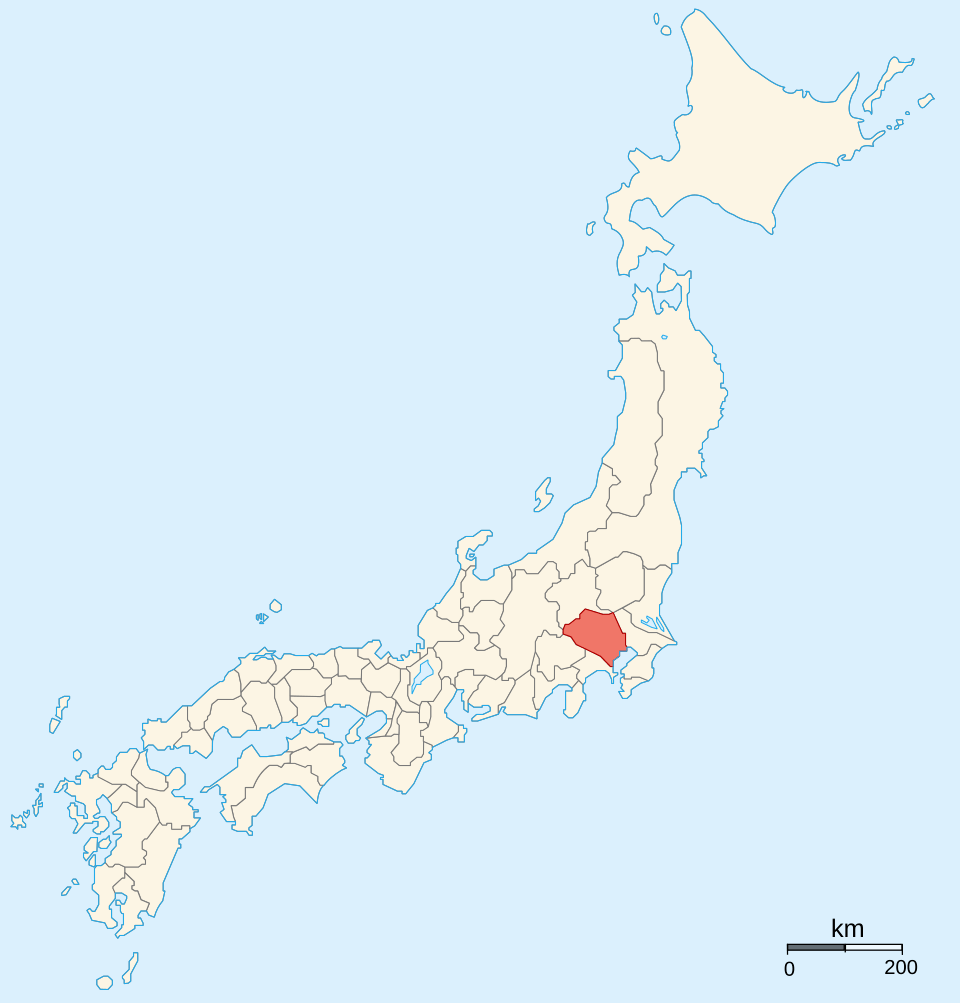
    Musashi Province.
    By Ash_Crow – Own work, based on Image: Provinces of Japan.svg, CC BY 2.5, https://commons.wikimedia.org/w/index.php?curid=1690716

    In February 1524, a Hojo force of some 10,000 clashed with the Ogigayatsu at the Battle of Takanawahara. The battle was a decisive victory for the Hojo, with the Ogigayatsu forces retreating to Edo Castle (on the site of the modern Imperial Palace), only for it to fall shortly afterwards, forcing the Ogigayatsu to withdraw further north to another stronghold at Kawagoe.

    Ujitsuna, flush with victory, ordered a rapid advance and made rapid progress before a counterattack led by Ogigayatsu ally, Takeda Shingen (remember him?), defeated the Hojo at Iwatsuki in mid 1524, obliging Ujitsuna to seek peace. He would break the peace in early 1525, and despite some early success, the Ogigayatsu, allied with the Takeda, and united with their cousins on the Yamauchi Uesugi, proved to be too much for the Hojo. In September 1525, the Hojo were defeated at the Battle of Shirakobara. Although Edo Castle would hold out, by mid-1526 the Hojo had been driven out of Musashi Province altogether, with Tamanawa Castle on the border of Sagami Province coming under attack in November that year.

    The Hojo had their back to the wall, but the forces arrayed against them were a mishmash of different clans, with different goals. A lack of coordination meant that when the time came to attack Sagami in force, the attack was beaten back, with troops of the Satomi (allies of the Ogigayatsu) making it as far as Kamakura before being defeated. During their retreat, they burned the famous Tsurugaoka Hachimangu Shrine. This carried significant political consequences, and Ujitsuna was able to convince the Imperial Court and the Shogunate to censure his enemies.
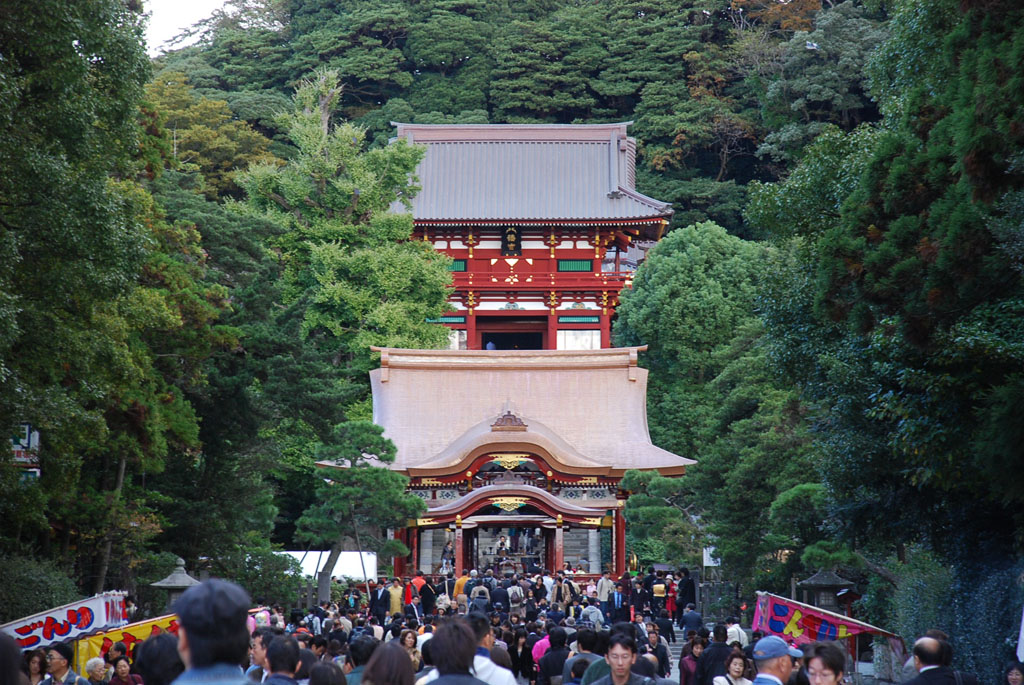
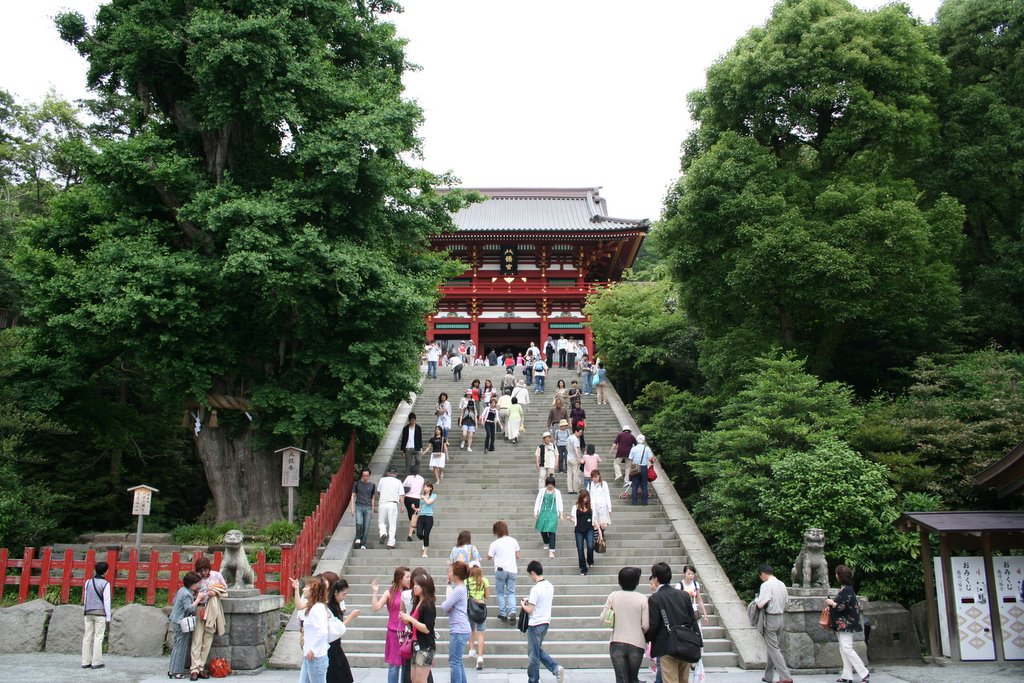
    Tsurugaoka Hachiman Shrine as it appears today.
    ulysses_powers から Tsurugaoka Hachimangu in Yukinoshita, Kamakura, Kanagawa – Flickr, CC 表示-継承 2.0, https://commons.wikimedia.org/w/index.php?curid=3123909による

    This official reprimand created enormous political pressure, and by the end of 1527, Ujitsuna had been able to make peace. Though it is difficult to predict what the outcome might have been otherwise, it is important to remember that Hojo territory faced enemies in three directions, and it is not improbable that, had peace not been agreed, then they may have been overwhelmed.

    This reprieve was not wasted by Ujitsuna, either. In 1530, when Takeda forces once again marched against Sagami, the Hojo dispatched a force to meet them. Though the Hojo would prove victorious in this campaign, the Ogigayatsu sought to take advantage of Ujitsuna’s distraction and sent an army of their own, hoping to trap the Hojo army between them and the Takeda.

    Standing in their way was Ozawa Castle, controlled by Ujitsuna’s son and heir, Ujiyasu. Sources say that the Hojo were outnumbered as much as 5 to 1, but on the night of July 6th, 1530, Ujiyasu launched a surprise attack on their camp, winning a decisive victory and returning momentum in the war to the Hojo.

    The site of Ozawa Castle, in modern Kawasaki.
    多摩に暇人 – 投稿者が撮影, CC 表示 3.0, https://commons.wikimedia.org/w/index.php?curid=93672574による

    With this momentum, the Hojo were able to take advantage of the same division that had plagued their enemies a few years earlier. Ujitsuna identified the Satomi Clan (from modern Chiba) as a weak link and focused his attention on them, bribing several family members who were unhappy with the current leadership and seeking to incite a rebellion that the Hojo could exploit.

    The plot was discovered, however, and so the Hojo instead relied on good, old-fashioned, brute force, dispatching an army across what is now Tokyo Bay to Awa Province on the southern tip of the Boso Peninsula. Despite the plot’s failure and the execution of several conspirators, some members of the Satomi still rose up in support of the Hojo invasion. What followed was a series of victories as the Hojo-Satomi alliance took castle after castle, culminating in the Battle of Inukake in 1534, which saw the Hojo-Satomi defeat their rivals and replace the head of the Satomi Clan with a Hojo ally.

    Whilst the Hojo were victorious on their eastern flank, the western flank was secured by a long-term alliance with the Imagawa. You may remember that Hojo Soun had actually started out as a vassal of the Imagawa, and though the Hojo had since risen to a position of equality with their former masters, the relationship remained close.

    With the bulk of his forces busy against the Satomi, Ujitsuna requested his Imagawa ally, Ujiteru, invade Takeda territory to ensure they wouldn’t intervene. The Imagawa obliged and invaded Kai Province in July 1534; they were initially successful but soon became overextended and had to retreat to their home in Suruga. A Takeda counterattack was considered so dangerous that Ujitsuna withdrew forces from the West to face it. The Takeda, remembering their defeat at the hands of the Hojo a few years earlier, tried to lure Ujitsuna into an ambush in the narrow mountain passes of Kai, seeking revenge.
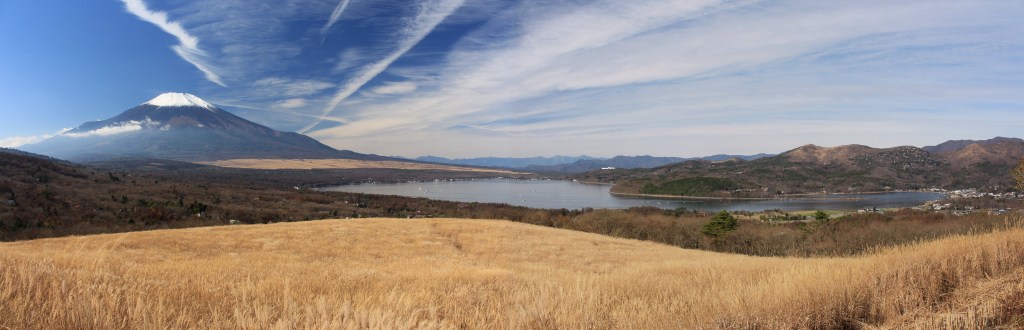
    Lake Yamanaka, site of the eponymous battle.
    Alpsdake – 投稿者自身による著作物, CC 表示-継承 4.0, https://commons.wikimedia.org/w/index.php?curid=45336367による

    Ujitsuna was apparently aware of the strategy, however, and dispatched a force to outflank the Takeda, turning the ambushers into the ambushed at the Battle of Yamanaka on September 19th, 1535. The defeat was so severe for the Takeda that the road into Kai province now lay open, and Ujitsuna apparently intended to crush the Takeda once and for all and take the whole of Kai Province for himself.

    This invasion was eventually called off as the Ogigayatsu proved to be a more pressing concern, and over the next few years, the geopolitical situation would shift considerably. In 1536, Imagawa Ujiteru died suddenly, aged just 21 or 22. He left no heirs, and so the clan quickly descended into civil war. At about the same time, famine and an epidemic broke out in Kai Province, severely weakening the Takeda.

    The Imagawa civil war was won by Yoshitomo, Ujiteru’s younger brother, but the devastation in Suruga left the clan severely weakened, and they sought peace with the Takeda, who, suffering their own calamities, quickly agreed, with Yoshitomo marrying Takeda Shingen’s daughter to establish a new alliance. Ujitsuna recognised that his alliance presented an intolerable risk to his western frontier and resolved to do something about it.

    A later depiction of Imagawa Yoshitomo.

    In early 1537, Ujitsuna led 10,000 men into Suruga Province, winning a series of crushing victories over the Imagawa and decisively bringing an end to decades of close relations. Fearing overextension, however, Ujitsuna limited his conquests to the territory east of the Fuji River, and a truce was declared shortly afterwards, which was convenient, as the death of the Ogigayatsu lord left the clan in disarray and presented a golden opportunity for further Hojo expansion, but we’ll talk about that next time.

    Sources
    https://ja.wikipedia.org/wiki/%E5%8C%97%E6%9D%A1%E6%B0%8F%E7%B6%B1
    https://ja.wikipedia.org/wiki/%E5%B1%B1%E4%B8%AD%E3%81%AE%E6%88%A6%E3%81%84
    https://ja.wikipedia.org/wiki/%E5%AF%8C%E5%A3%AB%E5%B7%9D
    https://en.wikipedia.org/wiki/Imagawa_Yoshimoto
    https://ja.wikipedia.org/wiki/%E7%8A%AC%E6%8E%9B%E3%81%AE%E6%88%A6%E3%81%84
    https://ja.wikipedia.org/wiki/%E5%B0%8F%E6%B2%A2%E5%9F%8E
    https://ja.wikipedia.org/wiki/%E5%B0%8F%E6%B2%A2%E5%8E%9F%E3%81%AE%E6%88%A6%E3%81%84
    https://ja.wikipedia.org/wiki/%E9%B6%B4%E5%B2%A1%E5%85%AB%E5%B9%A1%E5%AE%AE
    https://ja.wikipedia.org/wiki/%E7%99%BD%E5%AD%90%E5%8E%9F%E3%81%AE%E6%88%A6%E3%81%84
  • The Kyotoku Rebellion

    The Kyotoku Rebellion

    Historians disagree on when the Sengoku Jidai actually began, with the Onin War being a common origin point. The other possibility is our subject today, the Kyotoku Rebellion.

    You may remember that the Kanto, the area in and around modern Tokyo, was not directly ruled from Kyoto. Instead, a member of the Ashikaga Family (from a different branch to the Shogun’s line) served as the Kamakura Kubo, a governor who effectively ruled independently from Kamakura, the capital of the previous Shogunate.

    The kubo didn’t rule alone, however, he was nominally supported by the Kanto Kanrei, the Shogun’s direct deputy in the region, a position that was supposedly subject to direct appointment by the Shogun, but had in reality become a hereditary title of the Uesugi Clan.

    Both positions were supposed to be loyal to the Shogun in Kyoto, but within a few years, that had become a legal fiction. The Kubo was formed in 1349, and for a while, records show them deferring to the central government in most things, especially the all-important appointments of provincial governors (shugo).

    We’ve covered the details of the individual flashpoints in earlier posts, but to recap very briefly, in 1416, 1438, and 1440, there was a series of escalating conflicts that pitted the kubo against the Shogun. After 1440, the Shogun, at this point Ashikaga Yoshinori, sought to take control of the Kanto directly, and the Uesugi were happy to oblige. The position of kubo was abolished, and the Uesugi ruled with an iron fist, certain of the Shogun’s support.

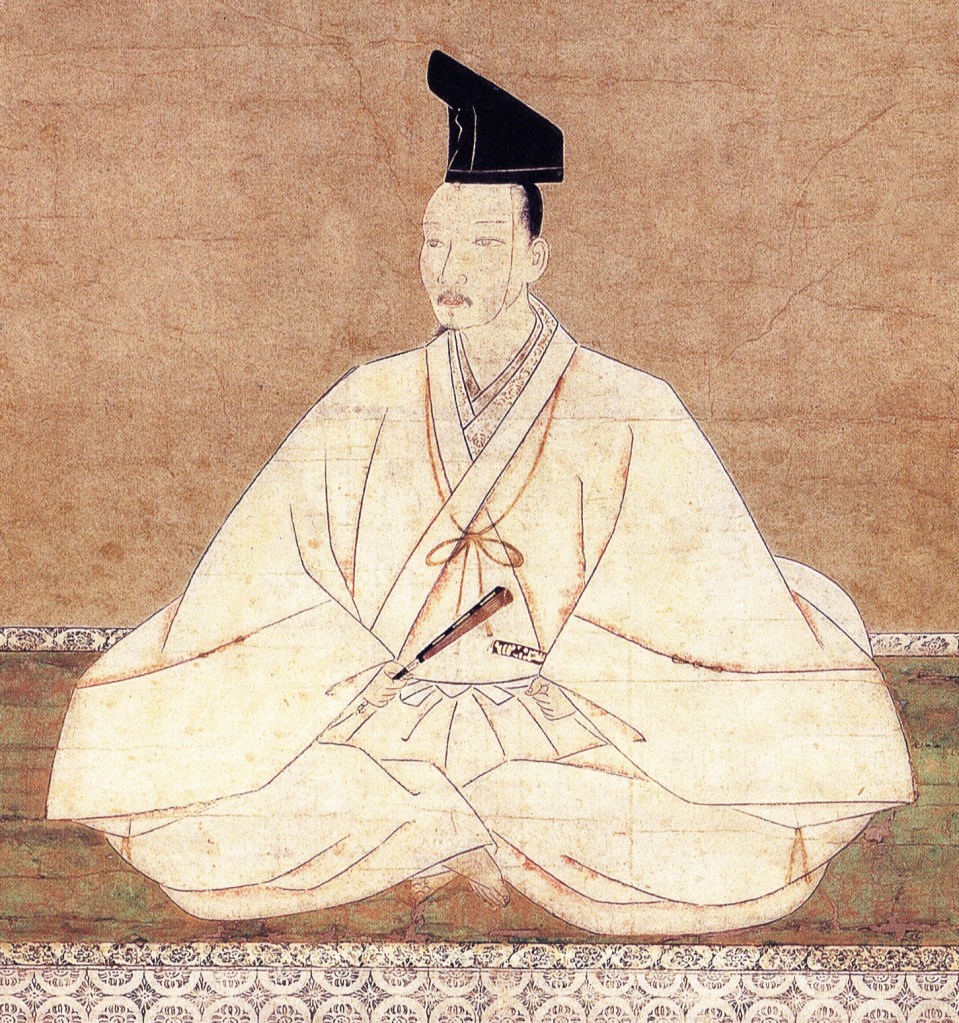
    Ashikaga Yoshinori, who supported the Uesugi in the Kanto.

    This support largely relied on the Shogun being alive, however, and when Yoshinori was assassinated in 1441, the situation in the Kanto grew tense very quickly. In response, the Shogunate government acquiesced to a petition from several Kanto lords, requesting a new kubo.

    This was granted, and Ashikaga Shigeuji was appointed in 1449. This, however, did not please the Uesugi, especially after Shigeuji began to distance himself from working with them, favouring the clans that had supported his father, Mochiuji.

    In April 1450, things came to a head when supporters of the Uesugi attacked the kubo at his residence in Kamakura. Caught by surprise, the kubo was forced to flee to nearby Enoshima, where he regrouped and defeated the Uesugi forces when they pursued him.

    Although the head of the Uesugi (and kanrei), Noritada, had not been directly involved in the attack, he took responsibility and was confined to house arrest. It was at this point that a new problem arose. As I mentioned, prior to 1440, the kubo had operated largely independently of the Shogun, but after the position was restored, the central government intend to keep Kamakura on a much shorter leash.

    Part of this leash shortening involved the insistence that any formal request to the Shogun required the signature of both the kubo and the kanrei. The problem now was that Noritada was under house arrest, and in an uncooperative mood, effectively leaving Shigeuji with no way to (legally) govern.

    Shigeuji was eventually forced to release Noritada, but the conflict between the two would only get worse. On the one hand, Noritada was head of the powerful Uesugi Clan, and kanrei, appointed by the Shogun, and his goal was to preserve the power and dignity of his family and their position in the Kanto.

    Shigeuji, on the other hand, appears to have had more personal reasons. Although there’s no doubt his position as kubo required a certain ruthlessness, sources from the time suggest that Shigeuji blamed the Uesugi for the death of his father, and he was consumed by a desire for revenge.

    A 19th century depiction of Shigeuji.

    So it came to pass, in December 1455, Shigeuji issued orders summoning Noritada to his residence. There’s a fair amount of speculation as to why Noritada would agree to go, given that it appeared to be an obvious trap, but go he did, and shortly after he arrived, he was cut down by men loyal to Shigeuji.

    This assassination was accompanied by similar acts across the Kanto, as Shigeuji’s supporters moved to cut the head off the proverbial snake. The Uesugi Clan was vast, however, like most major clans, it had branches all over the country, and Noritada’s brother and heir had actually been in Kyoto when he was assassinated, meaning that his succession as kanrei, at least on paper, went off with minimal interference.

    The other branches of the Uesugi Clan were enraged by Noritada’s death, and it wasn’t long before the new kanrei was able to gather an army and establish himself at Hirai Castle in Kozuke Province (modern Gunma Prefecture). When they marched against Kamakura, however, they were defeated at the Battle of Bubaigawara in modern-day Fuchu.

    The Uesugi were forced to retreat and ended up under siege at Oguri Castle, in modern-day Ibaraki Prefecture, and a long way from Kamakura. This proved to be a problem for Shigeuji, for although he was able to take Oguri Castle, forces sent by the Shogunate (who were none too pleased about Shigeuji’s actions) took Kamakura from behind (stop laughing), cutting the Kamakura Kubo off from Kamakura. From then on, Shigeuji would base himself at Koga Castle and became known as the Koga Kubo. We’ll just keep calling him kubo, though.

    The modern day remains of Koga Castle.

    The war between the Kanto’s two most powerful figures naturally led to utter chaos. Although both the kanrei and kubo could command the loyalty of thousands of warriors, the reality was that, with central power non-existent, rival clans took to settling their own affairs, usually at swordpoint.

    With neither side able to establish control, the Shogun dispatched his brother, Ashikaga Masatomo, to the Kanto in December 1457, officially to be the new Kamakura Kubo. This didn’t work as planned, however, Masatomo only had the power his brother would allow him, and the Kanto lords knew it.

    It got so bad that Masatomo couldn’t even take up residence in Kamakura and ended up at Horikoshi, in modern-day Shizuoka Prefecture. This situation led to him being called the Horikoshi Kubo, another would-be master of the Kanto who wasn’t even strong enough to demand his original title.

    Things got even worse when the Shogun attempted to launch a punitive expedition against Shigeuji. Even before the forces were properly gathered, the leader of the army, a member of the Shiba Clan, was expelled from his post after dispatching troops from the expedition to his own province (far to the north of the Kanto) to deal with private battles there.

    With the debacle of the expeditionary force, any hope for a decisive end to the war was lost, and the two sides got bogged down in back-and-forth skirmishes, sieges, and other militaristic shenanigans, with the (very loose) border being the Tone River, in the central Kanto.

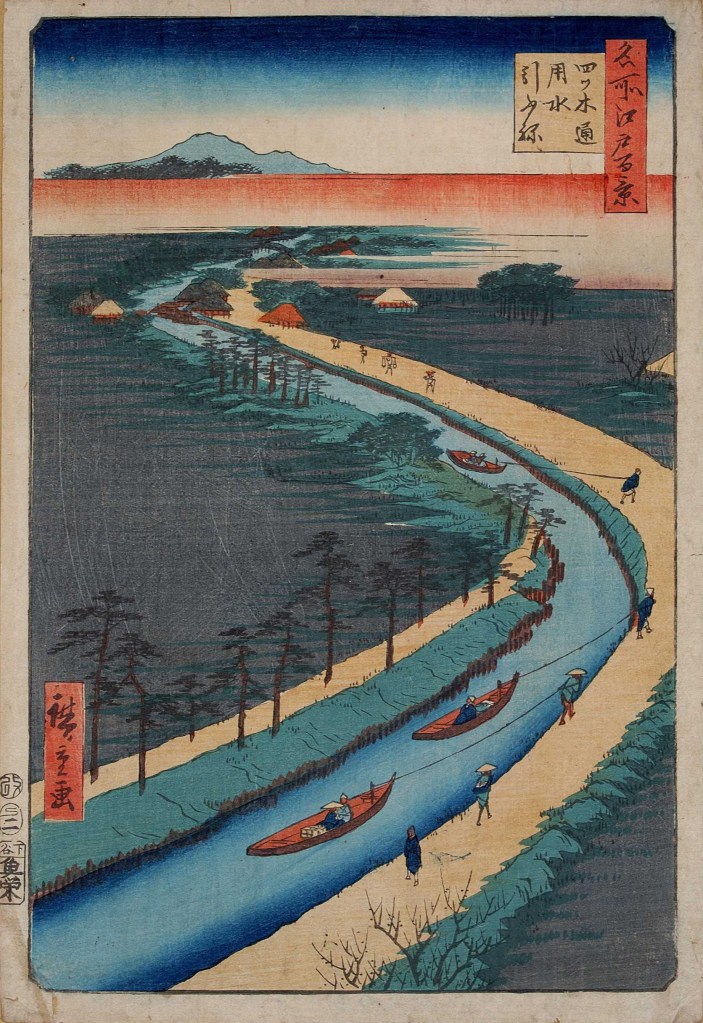
    A later depiction of a canal entering the Tone River

    This would go on for ages, one side would gain the advantage, only to lose it again later and then suffer counter-attacks that would be themselves defeated. In 1466, the kanrei was killed in battle, and Shigeuji’s forces were briefly in the ascendance, but the Uesugi would recover, and in 1468, they would launch several successful counterattacks, and later, in 1471, they would even capture Shigeuji’s base at Koga.

    You might think that Shigeuji would be on the ropes, but no, he struck back, recaptured Koga, and the war dragged on, and on, and on. Just as the Onin War destroyed central authority in and around Kyoto, the Kyotoku War, which had now raged for 16 years, did the same in the Kanto.

    Then, in 1478, after 21 years of war, the Uesugi, suffering a major internal rebellion, were compelled to seek peace with Shigeuji, and the kubo, facing problems of his own, agreed. This ended the main phase of the war between the major powers, but did not bring peace to the Kanto, as both the Uesugi and Shigeuji turned to dealing with internal matters, putting down rebellions and forcing obedience from their erstwhile vassals, which is rarely a peaceful process.

    A final peace would be agreed in 1483 (yes, five years after the initial proposals), and Shigeuji was allowed to continue as kubo; however, he was forced to hand over Izu Province to Masatomo, who continued as Horikoshi Kubo.

    I’m sure, if you think about it for a moment, having two kubo in the Kanto region was never going to last, and it didn’t. Shigeuji had the authority and military power, but Masatomo had the legitimacy of Shogunate support; it was not a recipe for stable and secure government.

    While the fighting had been going on in the Kanto, the Onin War had started and ended (1467-77), and Shogunate authority was effectively at an end. This meant that actual support for Masatomo was minimal, and historians suggest that the only reason Shigeuji and the Uesugi agreed to peace was due to exhaustion after nearly 30 years of war.

    Despite the agreement, peace would not last in the Kanto. By the end of the 15th century, as with the region around Kyoto, the Kanto had fractured into rival territories controlled by numerous warlords. The Uesugi were initially in the strongest position, but by the time Shigeuji died in 1496, that was changing, and new powers were rising in the Kanto, but that’s a story for another time.

    Sources
    https://ja.wikipedia.org/wiki/%E4%BA%AB%E5%BE%B3%E3%81%AE%E4%B9%B1
    https://ja.wikipedia.org/wiki/%E6%B0%B8%E4%BA%AB%E3%81%AE%E4%B9%B1
    https://ja.wikipedia.org/wiki/%E4%B8%8A%E6%9D%89%E7%A6%85%E7%A7%80%E3%81%AE%E4%B9%B1
    https://ja.wikipedia.org/wiki/%E8%A6%B3%E5%BF%9C%E3%81%AE%E6%93%BE%E4%B9%B1
    https://ja.wikipedia.org/wiki/%E9%8E%8C%E5%80%89%E5%BA%9C
    https://ja.wikipedia.org/wiki/%E8%B6%B3%E5%88%A9%E5%9F%BA%E6%B0%8F
    https://ja.wikipedia.org/wiki/%E4%B8%8A%E6%9D%89%E6%86%B2%E5%BF%A0
    https://ja.wikipedia.org/wiki/%E5%B9%B3%E4%BA%95%E5%9F%8E
    https://ja.wikipedia.org/wiki/%E4%B8%8A%E6%9D%89%E6%88%BF%E9%A1%95
    https://ja.wikipedia.org/wiki/%E5%88%86%E5%80%8D%E6%B2%B3%E5%8E%9F%E3%81%AE%E6%88%A6%E3%81%84_(%E5%AE%A4%E7%94%BA%E6%99%82%E4%BB%A3)
    https://ja.wikipedia.org/wiki/%E5%B0%8F%E6%A0%97%E5%9F%8E
    https://ja.wikipedia.org/wiki/%E5%8F%A4%E6%B2%B3%E5%9F%8E

  • Kanto, Won’to

    Kanto, Won’to

    As we discussed last time, the relationship between the central government in Kyoto and the Kamakura Kubo, the regional military governor, was often quite strained. The decentralised nature of political power in Japan meant that, whilst the Kubo was nominally subordinate to the Shogun, they often acted as semi-independent rulers.

    The power of the kubo was, in theory, checked by the Kanto Kanrei, the Shogun’s direct deputy in the Kanto Region, who had, for decades by this point, been a member of the Uesugi Clan.

    Like most Samurai families, the Uesugi weren’t a single family, but a loose affiliation of siblings, cousins, and other relatives that shared a name and some common ancestry, but little else, with different branches of the Clan cooperating and opposing each other as the situation demanded.

    The strongest branch of the family at this point, and the one holding the position of Kanrei, was the Yamanouchi Uesugi, so named because of their residence in an area of Kamakura called, you guessed it, Yamanouchi. This particular branch of the family actually took over the position from the branch which had risen in rebellion in 1416 and been defeated.

    The Kanrei in the 1430s was Uesugi Norizane. He found himself in a fairly unenviable position. Although the kanrei was officially the subordinate of the Kamakura Kubo, the Shogun in Kyoto had the final say over who would actually hold the position, meaning that, in practice, the kanrei often found himself beholden to the will of the Shogun over that of his direct superior.

    This was probably fine at a time when Kamakura and Kyoto were in agreement, but by now, this was definitely not the case. As we talked about briefly last time, the Kamakura Kubo, Ashikaga Mochiuji, often followed an independent path, and this defiance led to a serious breakdown in his relationship with the Shogun.

    In 1429, the accession of a new Emperor called for a change in the Era name. This was (and arguably still is) a big deal in Japanese culture; whenever a new Emperor ascends the throne, the Era name is changed. It can also be changed after significant or otherwise tragic events, as those in power seek to figuratively draw a line under the past.

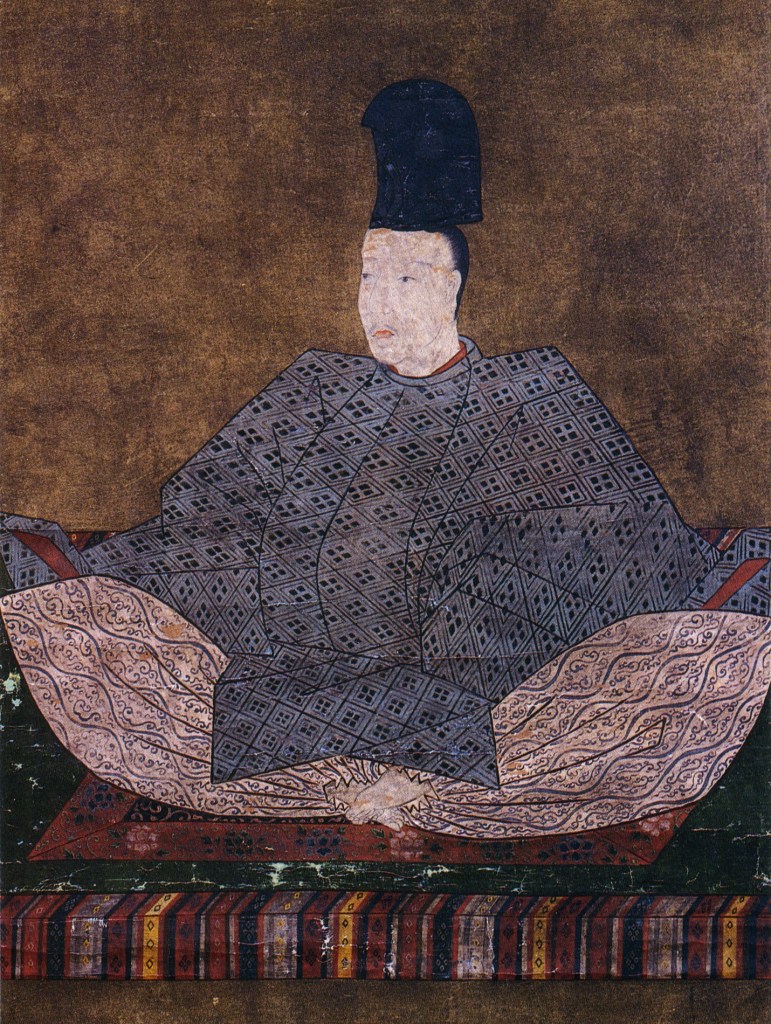
    Emperor Go-Hanazono, whose accession brought about the Era name changed that provoked the showdown between Mochiuji and the Shogun.

    A change of era is often an administrative formality for most, but this time, Mochiuji, being the independent-minded fellow that he was, apparently refused to adopt the new era name. This might seem like a petty decision to us, but it was, in effect, Mochiuji announcing to the world that he didn’t recognise the new era, and by extension, the new Emperor.

    Things got worse following the death of Shogun Yoshimochi in 1431. Mochiuji had expected to be called upon to be the next Shogun, as Yoshimochi had died without heirs. When Ashikaga Yoshinori, a monk, was selected instead, Mochiuji was angry enough to consider marching on Kyoto.

    This is where Uesugi Norizane rejoins our story. He dissuaded his hot-headed master, and no force was sent. In addition, he arranged for formal apologies regarding the Era change and even went so far as to return lands that had been confiscated by Mochiuji to the Shogun.

    Norizane is also recorded as having sent expensive gifts to Kyoto in an attempt to smooth over the considerable animosity that had built up towards Mochiuji there. Norizane was evidently trying to steer a moderate course; he owed his position to the Shogun, but he was nominally subordinate to the Kubo. When these two masters were in opposition, Norizane found himself caught in the middle.

    In 1436, his position got even worse. That year, fighting broke out in Shinano Province between rival factions seeking control of the province. One side called on Mochiuji for help, and he was eager to go, but Norizane intervened, pointing out that Shinano was not one of the provinces that were under the authority of the Kamakura Kubo. Thus, no forces were sent.

    The warlord who had requested Mochiuji’s help was defeated, and in 1437, Mochiuji planned to raise an army and march into Shinano anyway, presumably to avenge his fallen comrade. This time, however, rumours spread that the army was actually to be sent against Norizane.

    Things quickly got out of control after that. Although there was some attempt to negotiate, Norizane fled the Kanto entirely, retreating to the Uesugi stronghold in Echigo Province. There was a brief reconciliation in 1438, but things broke down again quickly afterwards, with Norizane resigning as kanrei.

    This time, Norizane fled to Kozuke Province, and Mochiuji sent an army after him. In response, Norizane called for help from the Shogun, and Yoshinori, who had been waiting for an excuse to deal with the troublesome kubo, readily agreed.

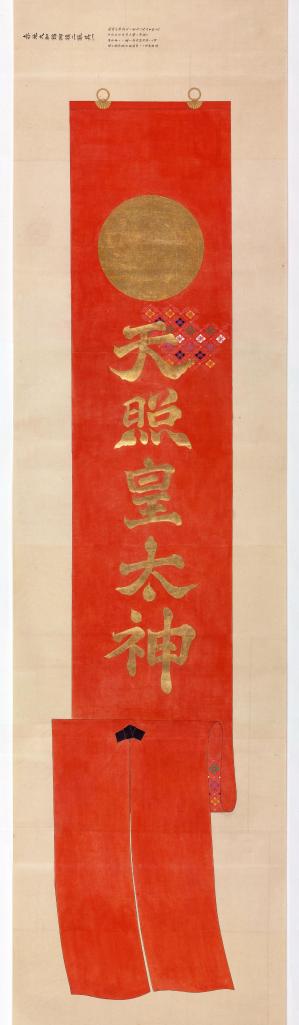
    A coalition of Kanto warlords loyal to the Shogun was assembled, and the Shogun used his influence at court to have an Imperial Banner issued to the army, effectively turning it into an Imperial army, and all those who opposed it into rebels against not only the Shogun but the Emperor himself.

    An example of an Imperial Banner (this one from the 19th Century)

    What impact this had on the morale of Mochiuji and his men isn’t clear, but throughout September and October 1438, their forces were repeatedly defeated, until eventually Mochiuji surrendered and attempted to become.

    Uesugi Norizane, continuing his policy of moderation, pleaded for Mochiuji’s life, and for his son to be allowed to take the position of Kubo. Shogun Yoshinori, however, was in no mood. Mochiuji had been a thorn in his side for decades, and he would not pass up the opportunity to deal with him.

    Mochiuji and his son were forced to commit suicide, and the position of Kamakura Kubo was temporarily abolished. That wouldn’t last long, though, and in 1440, Yoshinori attempted to have his own son appointed as the new kubo.

    Mochiuji (top) commiting suicide after his failed uprising.

    This didn’t sit well with former loyalists of Mochiuji, and a rebellion, led by the Yuki Clan, broke out in the same year, with the stated aim of restoring one of Mochiuji’s sons to their late father’s position.

    In April 1441, the rebellion was defeated, and Mochuji’s surviving children were brought to Kyoto. Yoshinori continued his plans to appoint his son as kubo, but then fate took a turn, as it so often does.

    In June 1441, Yoshinori was invited to a banquet at the residence of the Akamatsu Clan, officially to celebrate the Shogun’s recent victory. When he arrived, the gates were locked, and he was set upon by a band of armed men and cut down.

    The immediate motive of his killer appears to have been either revenge for the confiscation of family property earlier in his reign or the fear of being politically purged. Historians speculate that Yoshinori was becoming increasingly paranoid, with the Imperial Nobility and Samurai class becoming fearful of the possibility of being denounced and facing exile or execution.

    A phrase used by contemporaries to describe this period of Yoshinori’s reign is ‘万人恐怖’ Bannin Kyofu, or Universal Fear, which gives you a good idea of the mood.

    In the immediate aftermath of the killing, rumours of a wider conspiracy abounded, but it soon became clear that the Akamatsu Clan had acted alone; the government’s attention focused on who would be the next Shogun. The most appropriate choice was Yoshinori’s son, Yoshikatsu, but he was just a boy, and it wasn’t until November 1442, 18 months after his father’s death, that Yoshikatsu was elevated to Shogun, despite being just nine.

    With Yoshinori’s death and his replacement by a boy, the strong, often dictatorial power of the Shogun was significantly reduced. Yoshikatsu would rely on a council of powerful lords to handle the realm until he came of age, but that didn’t happen, as Yoshikatsu fell in and died in July 1443, only eight months into his reign. His sudden death led to the spread of several rumours, from a fall from a horse to assassination, but historians generally believe he died of illness, possibly dysentery.

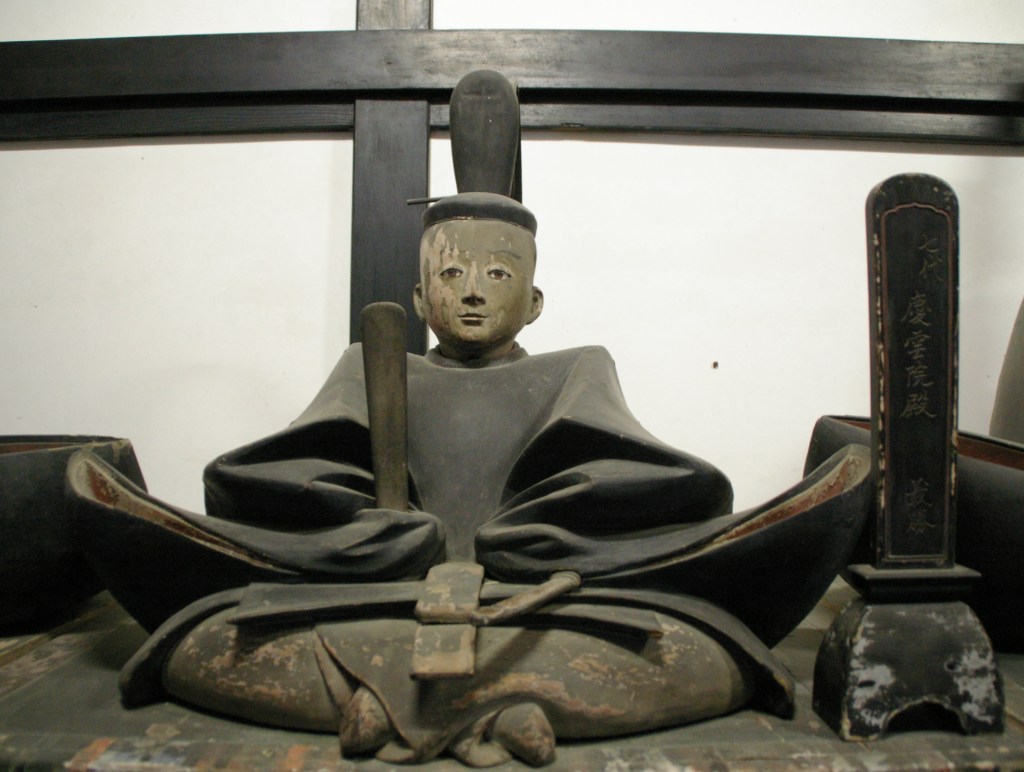
    A wooden statue of Ashikaga Yoshikatsu, whose reign, and life, were tragically short.
    CC 表示 3.0, https://commons.wikimedia.org/w/index.php?curid=9662197

    Yoshikatsu was replaced by his brother, Yoshimasa, who was even younger, and he wouldn’t be officially declared Shogun until 1449, by which time real power had shifted from the Shogunate to several powerful clans.

    Though no one knew it then, the Ashikaga Shogunate had begun what would prove to be a terminal decline.

    Sources
    https://ja.wikipedia.org/wiki/%E9%8E%8C%E5%80%89%E5%85%AC%E6%96%B9
    https://ja.wikipedia.org/wiki/%E8%B6%B3%E5%88%A9%E7%BE%A9%E6%95%99#
    https://ja.wikipedia.org/wiki/%E5%98%89%E5%90%89%E3%81%AE%E4%B9%B1
    https://ja.wikipedia.org/wiki/%E8%B6%B3%E5%88%A9%E7%BE%A9%E5%8B%9D
    https://ja.wikipedia.org/wiki/%E8%B6%B3%E5%88%A9%E7%BE%A9%E6%94%BF
    https://en.wikipedia.org/wiki/Ashikaga_Yoshimasa

  • Kamakura II – Rise of the Hojo

    When Minamoto no Yoritomo died in 1199, he left an impressive legacy. From a boy of 12, exiled to a far-flung province after a failed rebellion, to effective master of Japan in less than forty years.

    Unfortunately, as is so often the case, those who came after him would not live up to his example. As we mentioned briefly last time, one of the main pillars of Yoritomo’s support had been his marriage to Hojo Masako, and through her, the support of the powerful Hojo Clan.

    The Hojo

    First, it’s important to make the distinction between this clan and the later Hojo Clan, who would play an important role in the same area during the Sengoku Jidai. This later clan would take the name and symbol of the earlier clan, but they don’t seem to have been directly related.

    The original Hojo Clan came from Izu Province, in what is now Shizuoka Prefecture. Their exact origins are open to speculation, with some sources suggesting they are descended from an offshoot of one of the Taira Clans, whereas others speculate that they are named after an area in the Tagata area of modern Shizuoka.

    Izu Province, in modern-day Shizuoka, is the homeland of the original Hojo Clan.
    By Ash_Crow – Own work, based on Image:Provinces of Japan.svg, CC BY 2.5, https://commons.wikimedia.org/w/index.php?curid=1682541

    Whatever their exact origins, the Hojo were one of the buke or warrior families that rose during the latter years of the Heian Period, but again, scholars aren’t clear on how powerful they actually were. The size of their territory seems to have been relatively small, suggesting only limited military strength. On the other hand, it is located close to important transport links, suggesting access to wealth that went beyond mere manpower, and their later dominance of the Kamakura government suggests they were no country bumpkins when it came to the business of administration.

    Murky origins aside, we know that Hojo Masako married Yoritomo in around 1177, and initially, Masako’s dad, Tokimasa, was against it, for apparently political reasons, worrying that the Taira, who were in charge in Kyoto at this point, would have something to say about a Hojo marrying the leader of their enemy.

    Apparently, the Taira didn’t have much to say about it, however, and Tokimasa would eventually come around to the new arrangement, proving to be one of Yoritomo’s most steadfast supporters.

    Family Feud

    I’m planning to write a post about Hojo Masako herself later, so I’ll skip over the details of her marriage to Yoritomo, but suffice it to say, she proved to be not only a faithful wife but a force to be reckoned with in her own right.

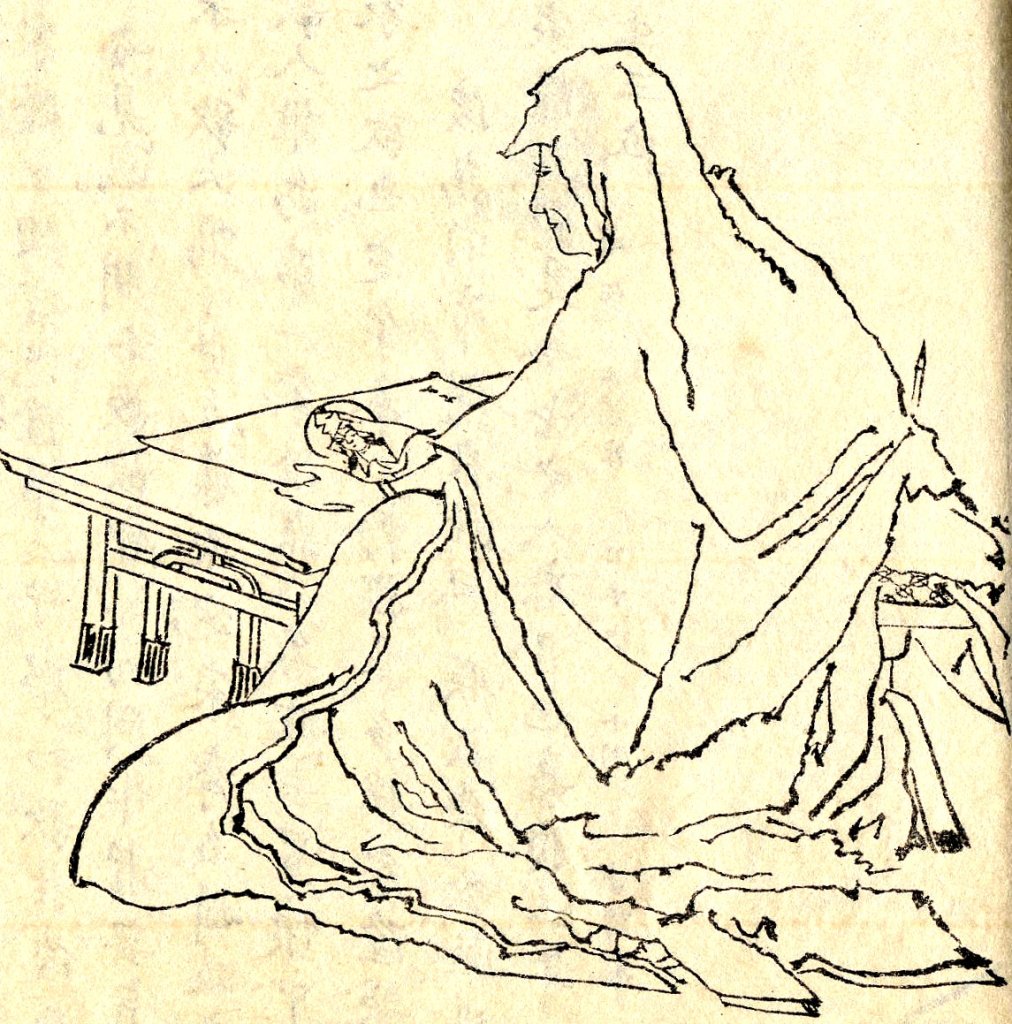
    A later image of Hojo Masako as the “Nun Shogun”

    After Yoritomo died in 1199, Masako shaved her head and became a nun, though she would continue to reside in Kamakura, earning the nickname “Nun Shogun” for her political power. Yoritomo’s heir was Yoriie, and when he came to power, Masako’s father, Hojo Tokimasa, had himself appointed regent, or Shikken.

    Yoriie wasn’t thrilled about this, as he favoured his wife’s family, the Hiki Clan, and almost as soon as he was formally proclaimed Shogun in 1202, he began to make moves to replace Tokimasa, his grandfather, with Hiki Yoshikazu, his father-in-law.

    Obviously, Tokimasa and Masako weren’t just going to let that happen, and in 1203, when Masako got word that Yoriie and Yoshikazu were planning a sort of palace coup, she informed her father, and the Hojo moved first.

    Hojo forces assassinated Yoshikazu, and then had the Hiki residence burned, killing most of the extended family. They even went as far as to kill Yoriie’s son and nominal heir, Ichiman, because it had been alleged that the Hiki planned to rule as his regents, in the same way the Hojo had for Yoriie.

    Yoriie himself was exiled (then assassinated a year later), and his replacement as Shogun was his younger brother (another of Masako’s sons), Sanemoto, who was only 12 at the time. Little Sanemoto seems to have been closer to his mother than Yoriie had been, which suited Masako, but not Grandpa Tokimasa, who saw his influence over the Shogunate decline.

    By 1205, Tokimasa was the most powerful man in Kamakura, but he wasn’t unopposed. Firstly, he was widely believed to have been behind the assassination of Yoriie, which upset Masako to say the least, and not long after that, Tokimasa went even further by ordering his sons (Yoshitoki and Tokifusa) to execute his son-in-law. They protested, but Tokimasa insisted, and the boys, who had apparently quite liked their brother-in-law, began openly siding with their sister, Masako, against Tokimasa.

    Then, amidst rumours that Tokimasa planned to have the Shogun killed, and replaced with someone more pliable, Masako and her siblings went to him and told him that he’d better step down, or face open rebellion. Surprisingly, Tokimasa agreed and resigned as regent, shaving his head and becoming a monk, living out the rest of his days in relative peace before passing away in 1215, aged around 78.

    The Nun Shogun

    Sanemoto would be confirmed as Shogun in 1205. His uncle, Yoshitoki, became regent, and Masako maintained her position as the “Nun Shogun”, the power behind the throne. Masako and Yoshitoki oversaw a period of relative peace, dominating the weak-willed Sanetomo.

    Sanetomo seems to have been a bit of a non-entity, which probably suited Masako and Yoshitoki but led to serious issues down the line. Sanemoto was a talented poet, but there is evidence that he may have been an alcoholic, and possibly homosexual as well, despite being married, it was remarked by contemporaries how he seemed to have little to no interest in women.

    Now, being a permanently pickled friend of Dorothy might sound like a grand old time, but the problem with a hereditary system of government, even one in which you are a puppet, is that you need someone to inherit the government.

    During this time, Masako went to the Imperial Court in Kyoto to see if a son of the Emperor might be available for adoption as Sanetomo’s heir. The Emperor, perhaps unsurprisingly, had little reason to do the Shogunate a favour and refused, leaving the succession in doubt.

    In 1219, Sanemoto was assassinated by his nephew, Kugyo, Yoriie’s second son, and arguably the man who would have been Shogun, had it not been for Hojo politicking. In a dramatic winter scene, Sanemoto was ambushed on the steps of a temple. As the snow fell heavily around them, Kugyo cut the Shogun down and fled the scene.

    The stairs at the Tsurugaoka Hachiman-gu in Kamakura, where Sanetomo was assassinated. Some stories tell of Kugyo hiding behind the Ginkgo Tree on the left.
    By No machine-readable author provided. Abrahami assumed (based on copyright claims). – No machine-readable source provided. Own work assumed (based on copyright claims)., CC BY-SA 2.5, https://commons.wikimedia.org/w/index.php?curid=863448

    Kugyo himself would be tracked down and killed later, but his exact reason for the killing has been a matter of some speculation. He was the son of the murdered Shogun Yoriie, so it might have simply been a question of revenge. Another possible explanation is a plot involving Regent Yoshitoki, who was trying to get rid of the last legitimate heir to Yoritomo, thus cementing Hojo power.

    Historians generally doubt the idea that Kugyo, who had no reason to support Hojo ambitions, was working with Yoshitoki, but regardless, Sanetomo’s death would prove highly fortuitous for the Hojo.

    Whatever his failings, Sanetomo had been the last legitimate son of Minamoto no Yoritomo, and with his death, the line of Minamoto Shoguns ended. Masako and Yoshitoki then selected Kujo Yoritsune as the next Shogun. His claim was tenuous at best; his grandmother had been Yoritomo’s niece, and what was more, he was only a year old when Sanetomo was assassinated.

    While Yoritsune came of age, the country was effectively ruled by Masako and Yoshitoki, and it was during this period that Masako would really earn the nickname “Nun Shogun”.

    It is important to note that the prejudice against female rulers wasn’t as ingrained as you might imagine. Whilst European sources tend to portray women who rule in their own right as something unnatural, Japanese sources are generally positive about Masako and her reign. Of course, it does help that most of the sources we have were written by people who had reason not to antagonise the Hojo, but still, it is an interesting side note.

    Hojo Masako would continue to be the effective ruler of Japan until her death in August 1225, but she and the Hojo would not rule unchallenged. In 1221, the Emperor Go-Toba decided he’d had enough of being a figurehead and tried to do something about it.

    Sources
    https://en.wikipedia.org/wiki/Minamoto_no_Sanetomo
    https://en.wikipedia.org/wiki/Kuj%C5%8D_Yoritsune
    https://ja.wikipedia.org/wiki/%E8%97%A4%E5%8E%9F%E9%A0%BC%E7%B5%8C
    https://en.wikipedia.org/wiki/Kugy%C5%8D_(priest)
    https://en.wikipedia.org/wiki/Kamakura_shogunate
    https://en.wikipedia.org/wiki/H%C5%8Dj%C5%8D_Masako
    https://en.wikipedia.org/wiki/Azuma_Kagami
    https://en.wikipedia.org/wiki/Soga_Monogatari
    https://en.wikipedia.org/wiki/H%C5%8Dj%C5%8D_clan
    https://ja.wikipedia.org/wiki/%E5%8C%97%E6%9D%A1%E6%B0%8F
    https://ja.wikipedia.org/wiki/%E5%8C%97%E6%9D%A1%E6%94%BF%E5%AD%90
    https://en.wikipedia.org/wiki/Hiki_clan
    https://en.wikipedia.org/wiki/Minamoto_no_Yoriie
    https://en.wikipedia.org/wiki/Hiki_Yoshikazu
    https://en.wikipedia.org/wiki/H%C5%8Dj%C5%8D_Tokimasa#Minamoto_no_Sanetomo
    https://ja.wikipedia.org/wiki/%E5%8C%97%E6%9D%A1%E6%99%82%E6%94%BF