Tag: Kanto region

  • The Odawara Campaign

    The Odawara Campaign

    Just a quick note from me: Due to real-life changes with workload, I’ve decided to reduce the number of blog posts to one per week. Going forward, the blog will be posted on Fridays.

    In 1589, the Hojo openly defied Toyotomi Hideyoshi’s peace orders, prompting the new regent to declare them in rebellion against the throne. (Side note, Hideyoshi, as the son of a peasant, couldn’t be declared Shogun, so he took the title of Kampaku, officially the chief advisor of the Emperor, but in reality, the political master of Japan.)
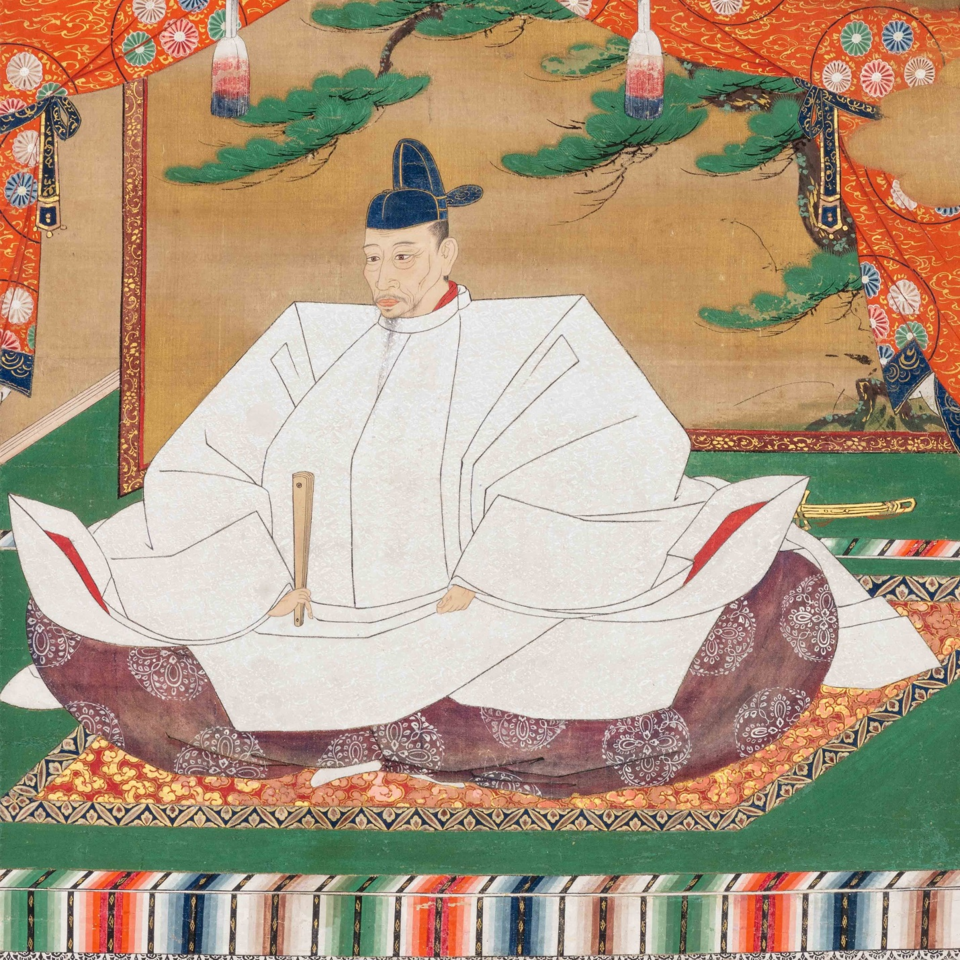
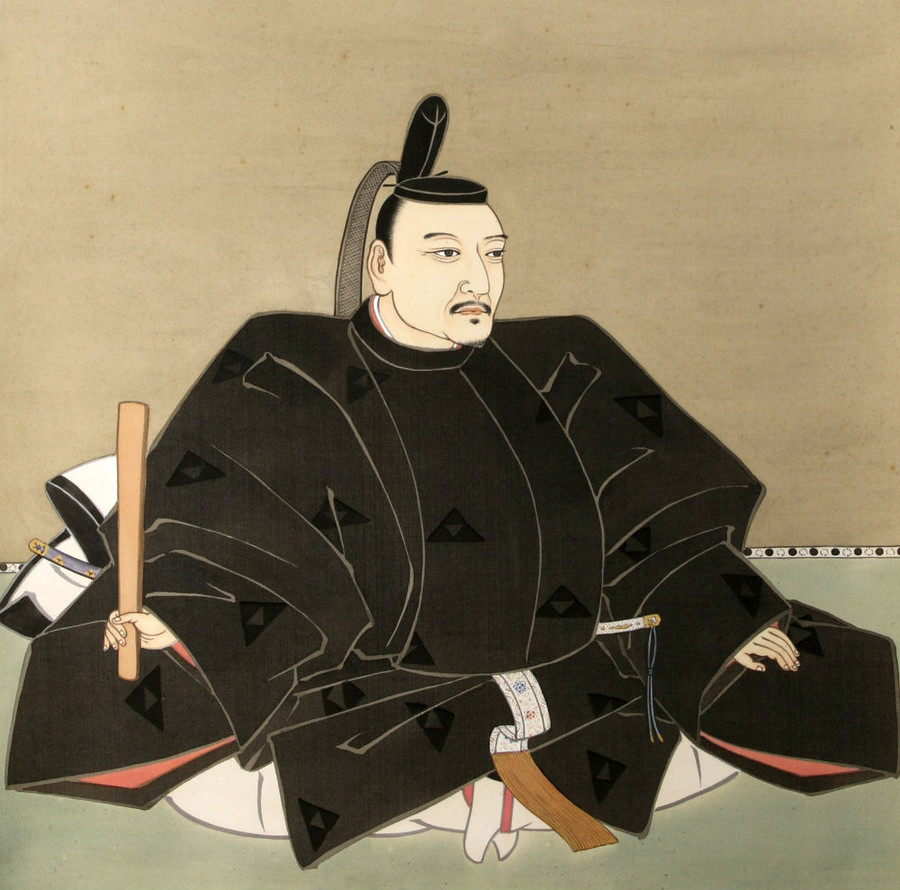
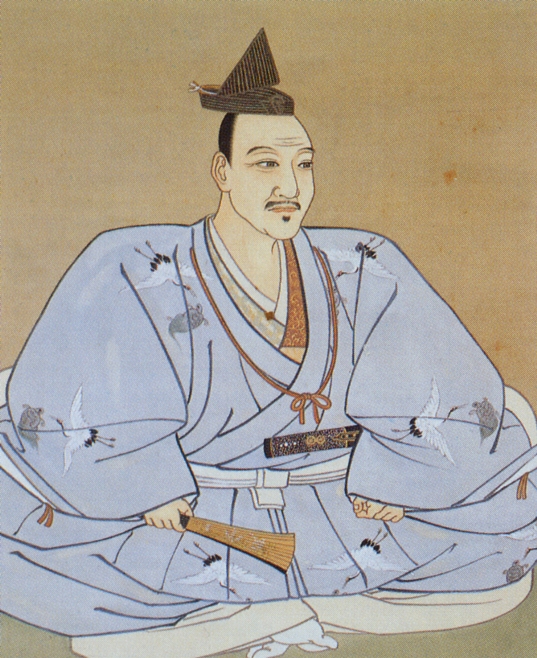
    Toyotomi Hideyoshi

    There were some final (and quite half-hearted) attempts at negotiation, but Hideyoshi’s position was clear: either the Hojo would submit, or they would be destroyed. The Hojo, an old, proud, and powerful clan, refused to bow, and by 1590, Hideyoshi had mustered an army of some 200,000 men to force the issue.

    Tokugawa Ieyasu, whose lands lay between the Hojo and Hideyoshi, initially sought to mediate, as his daughter was married to Hojo Ujinao, the nominal lord of the clan. These attempts failed, however, and Ieyasu threw in his lot with Hideyoshi, making preparations in his lands for the movement of thousands of troops advancing on the Kanto.

    The Kanto is surrounded by mountains and, at least in theory, very easy to defend, as there are only a limited number of passes through which a large body of troops can pass. The Hojo knew this and fortified as many of these passes as they could. Unfortunately, they were now being attacked on practically all sides. As well as the Tokugawa-Toyotomi force coming from the east, they also face an army sent along the Nakasendo road to attack Usui Pass in the north, and a force dispatched from the North-East would advance into Musashi Province and attack the castles there. Even the ocean to the south wasn’t open to the Hojo, as a naval force attacked Nagahama Castle in Izu.
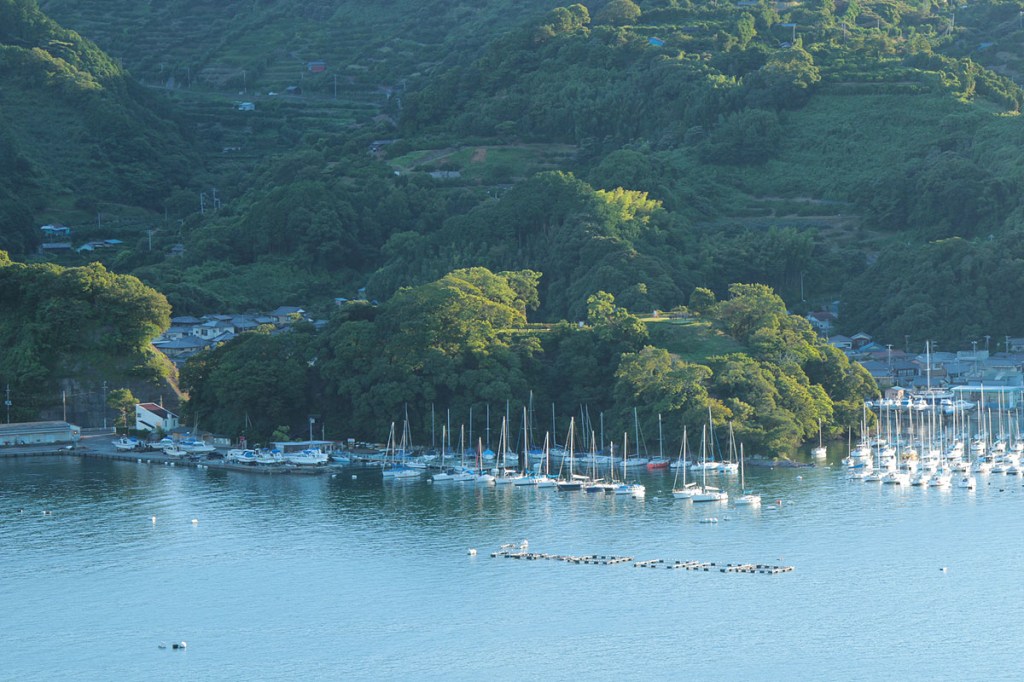
    The site of Nagahama Castle today.

    The main blow would come from the west, however, as Hideyoshi led his army in an attack on the apparently formidable fortress of Yamanaka. Before the outbreak of hostilities, the Hojo had dispatched a garrison of 4000 men to the castle and set about improving its fortifications. Unfortunately, this work was not completed by the time Hideyoshi’s army arrived, and, despite its reputation as the “gateway” to the Kanto, Yamanaka fell in a single morning, despite brave resistance from the overmatched garrison.

    Other castles in the area were taken or besieged, bottling up their garrisons and preventing them from supporting the main attack on Odawara, which itself came under siege in early May. Odawara itself was an enormous castle, and despite the size of Hideyoshi’s army, there was no serious attempt to take it by storm. Instead, the siege camp became something of a small town, with everything from prostitutes to theatrical troupes plying their trade amongst the besiegers, whilst the Hojo defenders were often obliged to sleep on the battlements in their armour, for fear of a sudden attack.

    With Odawara now firmly under siege, Hideyoshi was confident enough to dispatch forces to support the campaigns in other parts of Hojo territory, with many of the castles falling with surprising speed. This was largely due to the fact that the Hojo had mobilised the vast majority of their forces for the defence of Odawara itself, leaving most of the outlying castles only lightly defended. When faced with the overwhelming strength of the forces arrayed against them, most of these castles surrendered immediately, or else were taken after only brief resistance.
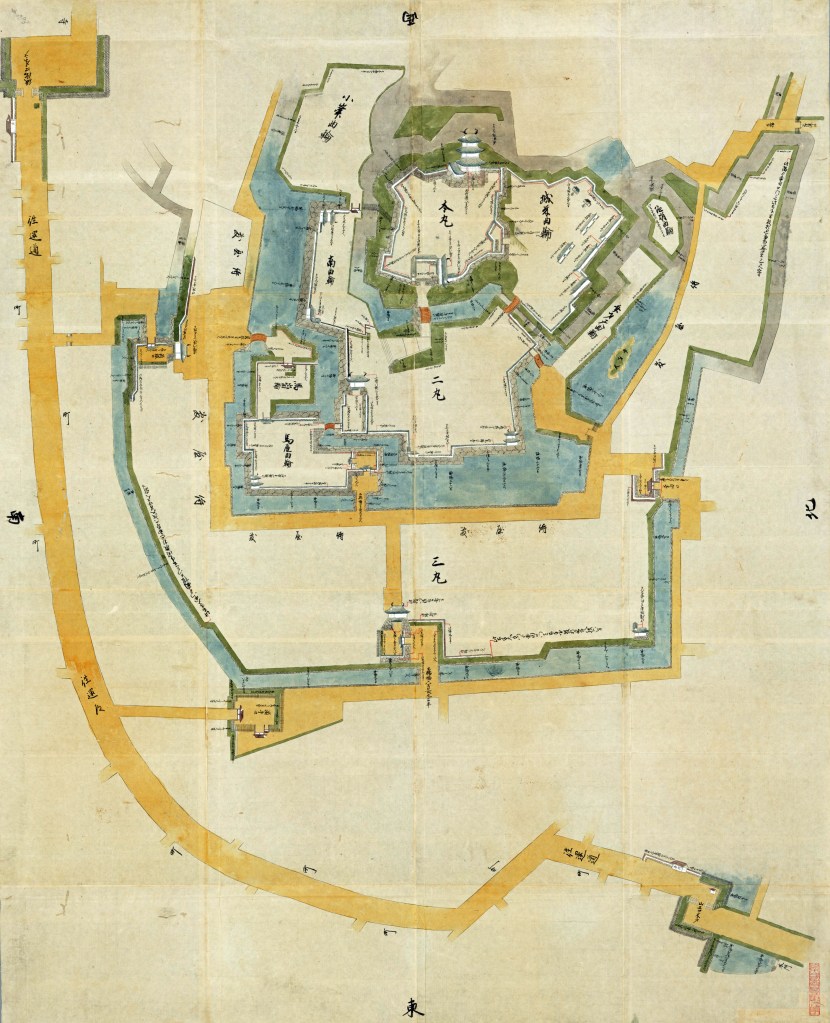
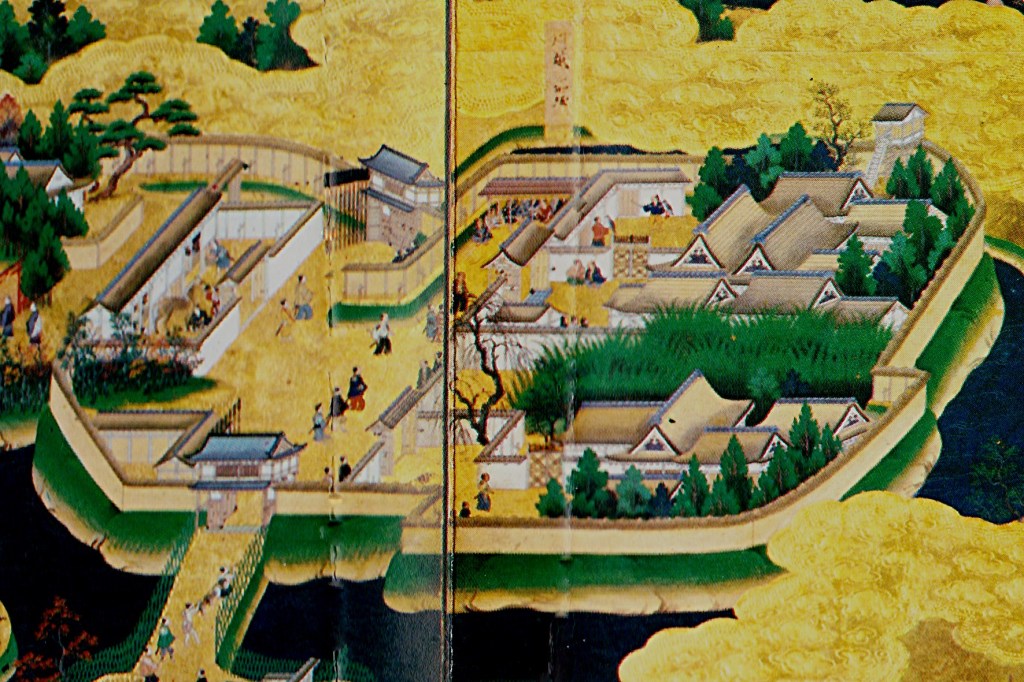
    The layout of Odawara Castle.

    There is some evidence that the speed at which many of these castles fell led Hideyoshi to criticise his generals in the region, suggesting that taking so many castles so easily could not be considered a military achievement.

    The ease of the advance wasn’t true everywhere, however. At Iwatsuki (in modern Saitama), a force of 20,000 was held up by the defenders for several days despite a numerical advantage of 10-1. When the castle fell, Hideyoshi ordered that all the fighting men be killed, and the women and children taken prisoner. Instead, the commanding general, Asano Nagamasa, had already agreed to spare the surviving warriors, the women and the children as part of the surrender agreement.

    Meanwhile, the Siege at Hachigata Castle (also in Saitama) concerned Hideyoshi enough that he sent a sternly worded letter to Nagamasa, ordering him to focus his efforts there. Nagamasa did so, and a combined army of some 35,000 men attacked Hachigata, forcing the garrison to surrender. Once again, arrangements were made to spare the garrison and non-combatants, though this time it doesn’t seem to have been in defiance of Hideyoshi’s orders.
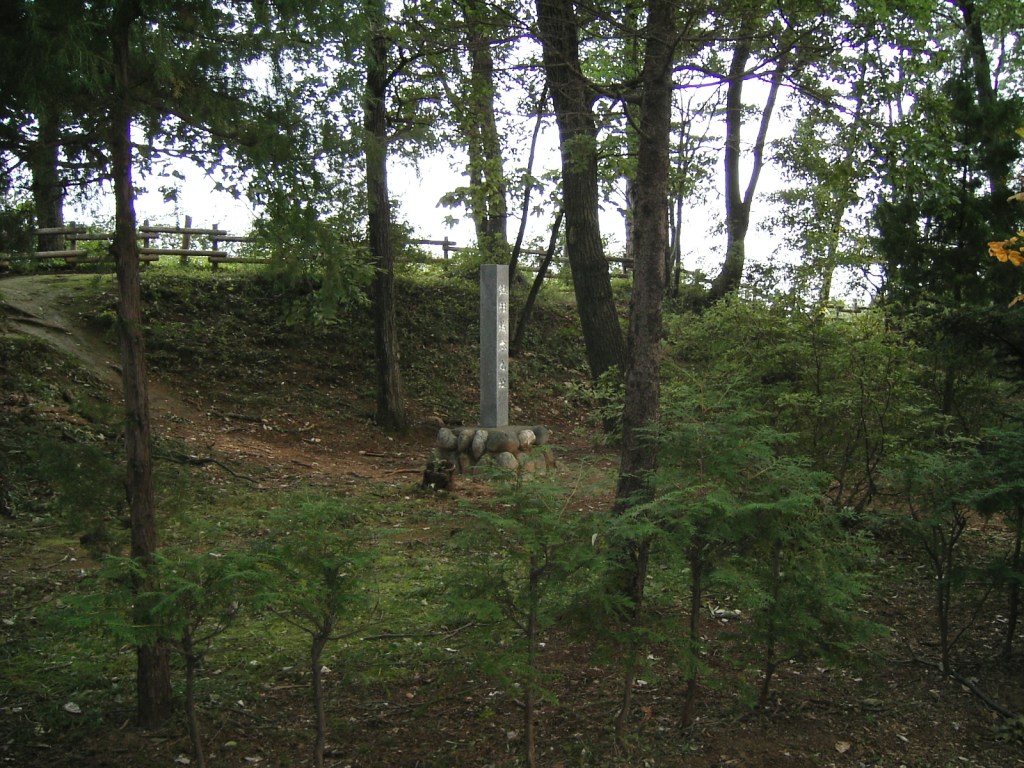
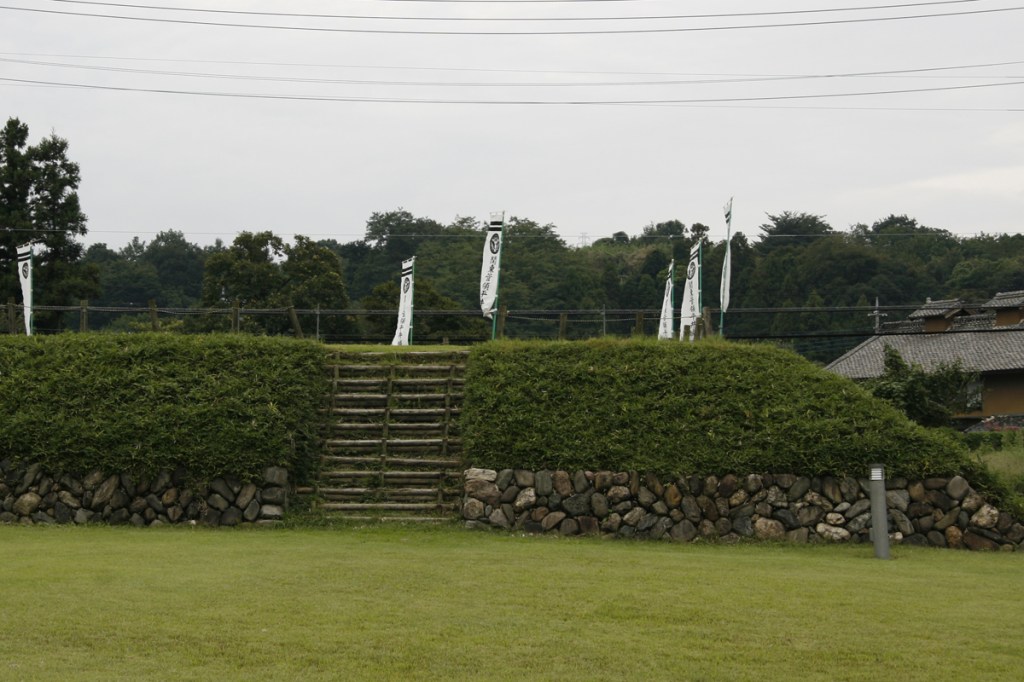
    The site of Hachigata Castle as they appear today.
    Taketarou – 投稿者自身による著作物, CC 表示-継承 3.0, https://commons.wikimedia.org/w/index.php?curid=1273726による

    While most castles were taken by force, negotiation, or a combination of the two, some held out, either through the skill of their defenders or, as was the case at Tatebayashi Castle, by apparently divine intervention. The castle was apparently founded with the help of a grateful fox, who rewarded the lord of the castle for rescuing its baby by marking out the foundations of the fortress in an area of swampy ground.

    This soggy position made the castle very difficult to approach, and when it came under siege, the attackers laid down logs across the swamp to create a roadway to the castle walls. With their pathway secure, the besiegers got a good night’s rest and prepared for a dawn attack. When the sun rose, they found that the roadway had disappeared completely, something put down to the fox spirit protecting the castle rather than the possibility that the logs had just sunk.

    Another famous, watery siege was that of Oshi Castle. Surrounded on two sides by rivers, Oshi was besieged by forces led by Ishida Mitsunari (who will become very important). Much ike Tatebayashi, Oshi’s watery position made it difficult to overcome. Mitsunari (apparently on written instructions from Hideyoshi) set about building an enormous levee surrounding the fort, forcing the water from the two rivers to inundate the castle and flood out its defenders.
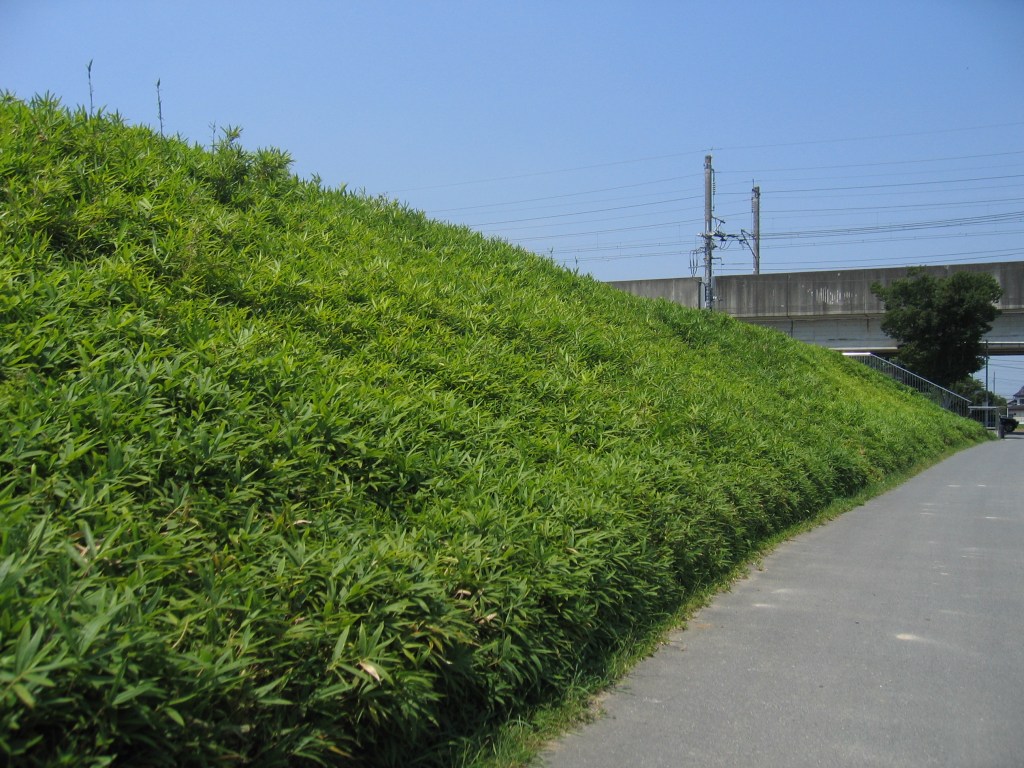
    The levee (Ishida Tsutsumi) as it appears today in modern Konosu, Saitama.
    京浜にけ – 投稿者自身による著作物, CC 表示-継承 3.0, https://commons.wikimedia.org/w/index.php?curid=100409931による

    To the besiegers’ surprise, the waters didn’t actually flood the castle; instead, they gave it the appearance of floating on the water, leading it to be referred to as the “Floating Castle” (this is the title of a manga and its later 2012 adaptation, both about the siege). Following several days of heavy rain, the levee broke (or was sabotaged in some sources), flooding the siege camp and killing up to 200 warriors.

    The failure of this approach would seriously damage Mitsunari’s military reputation (some sources point out that he was just following Hideyoshi’s instructions, but the damage was done), and the siege was eventually taken over by Asano Nagamasa. An all-out assault on the castle was impossible due to the effects of the flooding, which had turned the ground into an impassable quagmire, and Oshi has the distinction of being one of the few fortresses that held out until the end of the Odawara Campaign, before eventually surrendering nearly 2 weeks after the fall of Odawara.

    Odawara, as one of the most formidable castles in the realm, hadn’t come under direct attack, but the siege had been dragging on for weeks, and news from other parts of the Kanto was almost universally bad, sapping the already fragile morale of the defenders. Shortly after the siege began, the loyalty of the Date Clan was still in doubt, and the Hojo held out hope that they might receive aid from outside the Kanto. Date forces indeed entered the Kanto, but in support of Hideyoshi, ending any hope of relief.
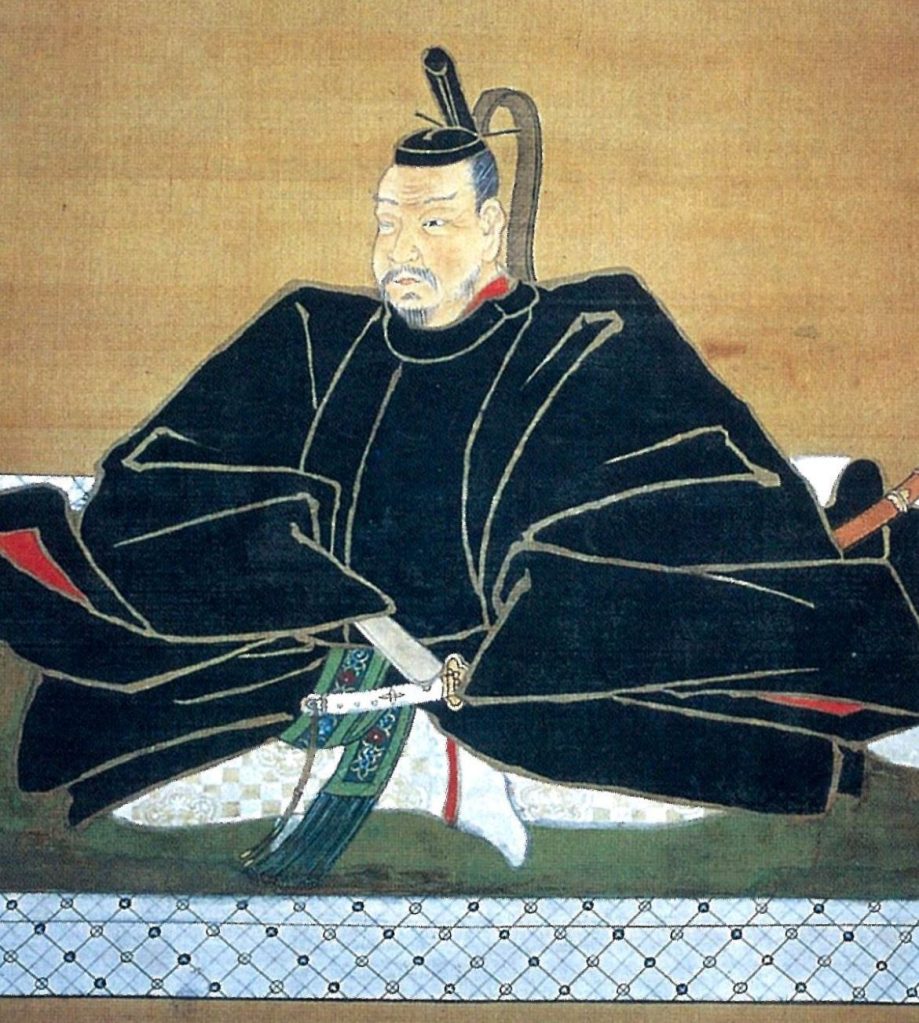
    Date Masamune. His decision to support Hideyoshi ended any hope the Hojo had of outside support.

    Though no general assault was launched, there were a few small-scale skirmishes and sporadic gunfire, and by early summer, signs of a breakdown in morale were appearing on both sides, with an increase of desertion amongst the besiegers, and the ever-present possibility of defection from the Hojo, especially as news of the rapid fall of other castles arrived.

    Negotiations began early in the siege, largely facilitated by Tokugawa Ieyasu, Hojo Ujinao’s father-in-law. Rumours of a peace agreement spread almost immediately, and Ujinao’s grandmother and step-mother (Ujimasa’s second wife) both died mysteriously on the same day. Historians generally believe they committed suicide, either in protest of a peace deal or in prospect of one.

    News of the fall of other fortresses was followed by the public display of the heads of those killed, and then the wives and children of the survivors outside the castle walls, further depleting the defenders’ morale. Towards the end of the siege, the appearance of Ishigakiyama Castle, built in just a few months, on a mountain not far from Odawara, effectively ended what remained of the Hojo’s will to resist.
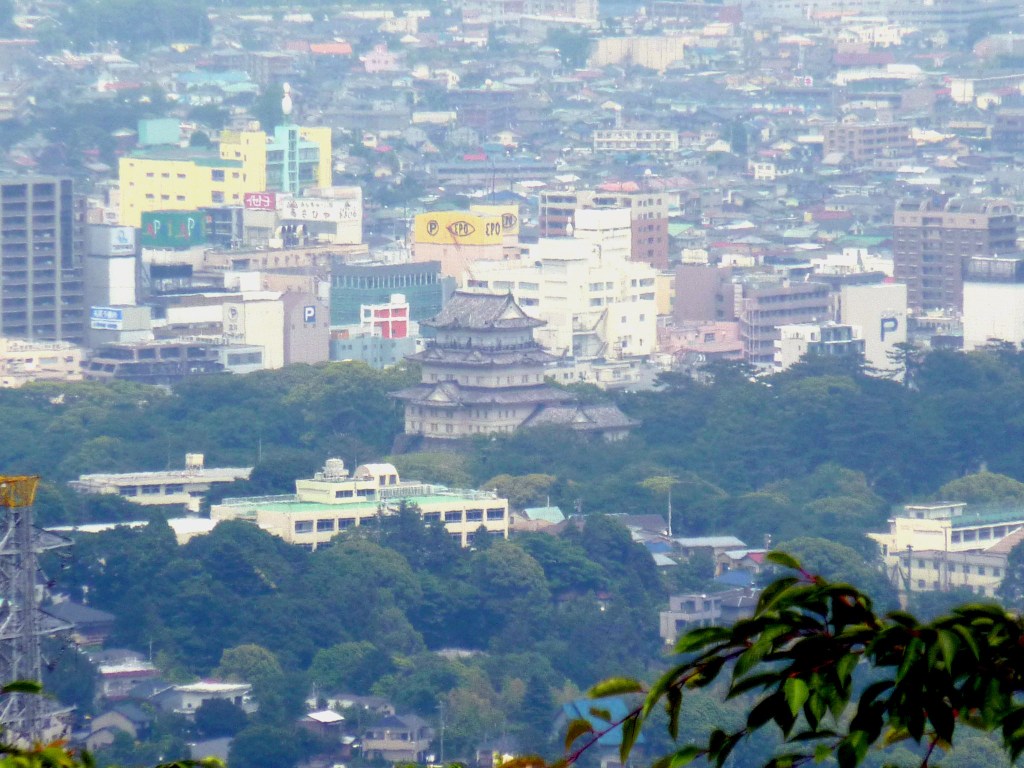
    Odawara Castle as seen from Ishigakiyama.

    A side note here, there is a popular legend that Ishigakiyama Castle was ‘built in one night’, which was clearly impossible, with later sources suggesting that rather than literally being built overnight, the castle was instead constructed behind a forest, which was itself cut down overnight, giving the impression that the castle had appeared from nowhere. Modern scholars doubt that either version is true, as Ishigakiyama is easily visible from Odawara, and though the castle was certainly built unusually quickly, it is now thought to have been constructed in full view of the Hojo, to highlight the impossibility of their situation.

    After this, the besiegers made a point of keeping up a light but continuous rain of gunfire on the castle, intending to grind down their morale, and when a final, furious night attack from the castle was repelled in August, the writing was on the wall, and a delegation from the Hojo was sent out to offer the seppuku of Hojo Ujinao and the surrender of the castle, in exchange for the lives of the remaining garrison.

    Hideyoshi accepted the surrender of the castle on the condition that all the remaining senior Hojo, Ujinao, his father Ujimasa, and uncle Ujiteru, commit seppuku, and that the provinces of Musashi, Sagami, and Izu (the Hojo heartlands) be given up. Further resistance was now impossible, and the Hojo agreed. Tokugawa Ieyasu successfully intervened for the life of his son-in-law, Ujinao, but he would fall sick (possibly with smallpox) and die by the end of the year.

    Hojo Ujinao.

    In the aftermath of the fall of Odawara, the Kanto would come under the control of Tokugawa Ieyasu, who had previously agreed to trade his three home provinces for the five of the Kanto, making his new base at Edo Castle, the site of the modern Imperial Palace in Tokyo. In the long-term, this would prove to be a genius move on Ieyasu’s part, but for now, the man who came out on top was Toyotomi Hideyoshi.

    With the Hojo defeated, there were no longer any serious rivals to his rule. For the first time in more than a century, the realm was united under a single, undisputed leader, who set about ensuring it would never again fall into chaos.
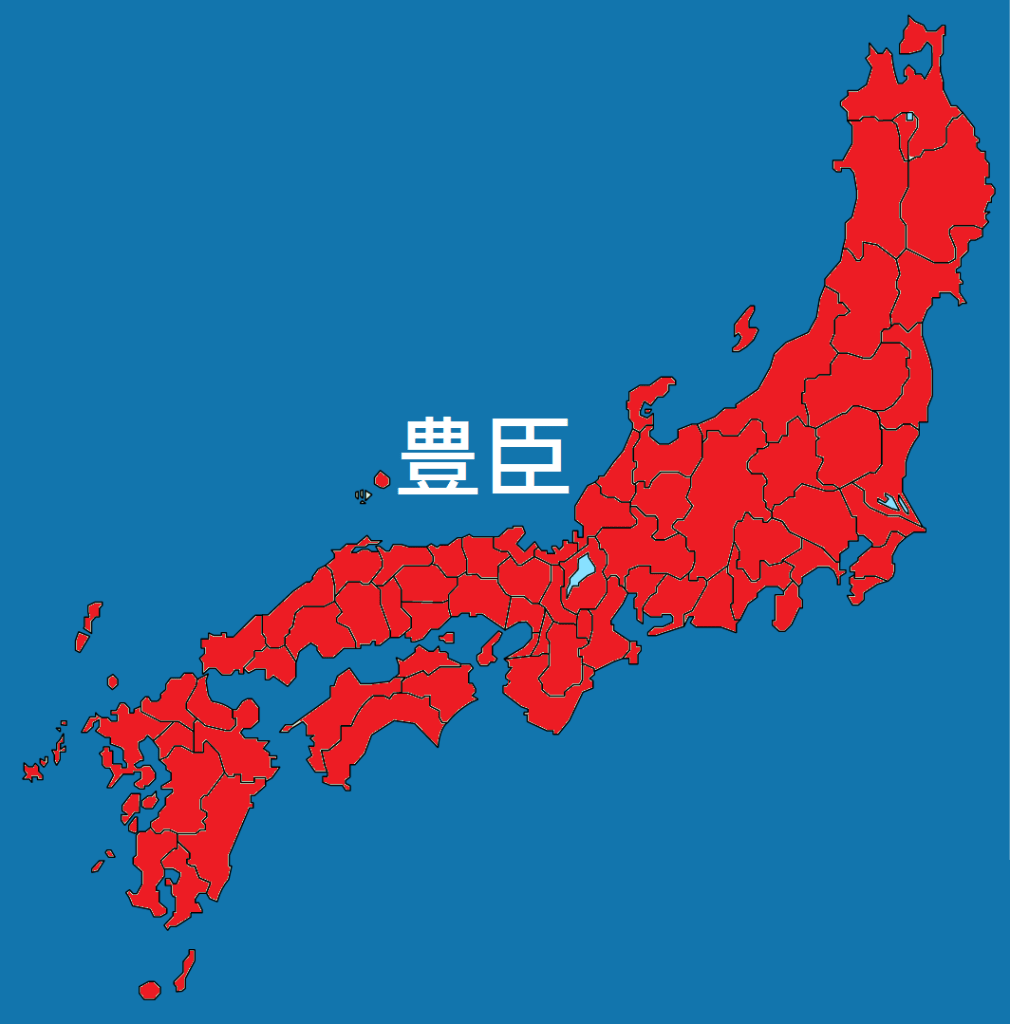
    The situation after the fall of Odawara. No more division, no more chaos, at least on paper.
    By Alvin Lee – Own work, CC BY-SA 4.0, https://commons.wikimedia.org/w/index.php?curid=39214210

    Hideyoshi’s conquest of Odawara marked the end of the second phase of Japan’s reunification. Next week, we’ll take a step back to look at another name we’ve mentioned a lot, Oda Nobunaga, the first of the great unifiers.

    Sources
    https://ja.wikipedia.org/wiki/%E6%83%A3%E7%84%A1%E4%BA%8B%E4%BB%A4
    https://ja.wikipedia.org/wiki/%E5%B1%B1%E4%B8%AD%E5%9F%8E
    https://ja.wikipedia.org/wiki/%E5%B0%8F%E7%94%B0%E5%8E%9F%E5%BE%81%E4%BC%90
    https://ja.wikipedia.org/wiki/%E7%9F%B3%E5%9E%A3%E5%B1%B1%E5%9F%8E
    https://ja.wikipedia.org/wiki/%E5%BF%8D%E5%9F%8E%E3%81%AE%E6%88%A6%E3%81%84
    https://ja.wikipedia.org/wiki/%E5%BF%8D%E5%9F%8E
    https://ja.wikipedia.org/wiki/%E7%9F%B3%E7%94%B0%E5%A0%A4
    https://ja.wikipedia.org/wiki/%E9%A4%A8%E6%9E%97%E5%9F%8E
    https://ja.wikipedia.org/wiki/%E5%B2%A9%E6%A7%BB%E5%9F%8E
    https://ja.wikipedia.org/wiki/%E6%B5%85%E9%87%8E%E9%95%B7%E6%94%BF
    https://ja.wikipedia.org/wiki/%E9%89%A2%E5%BD%A2%E5%9F%8E
    https://ja.wikipedia.org/wiki/%E9%9F%AE%E5%B1%B1%E5%9F%8E
    https://ja.wikipedia.org/wiki/%E9%95%B7%E6%B5%9C%E5%9F%8E_(%E4%BC%8A%E8%B1%86%E5%9B%BD)
    https://ja.wikipedia.org/wiki/%E6%9D%BE%E4%BA%95%E7%94%B0%E5%9F%8E
    https://en.wikipedia.org/wiki/Toyotomi_Hideyoshi
    https://en.wikipedia.org/wiki/Siege_of_Odawara_(1590)

  • Lords of the East, Part 2

    Lords of the East, Part 2

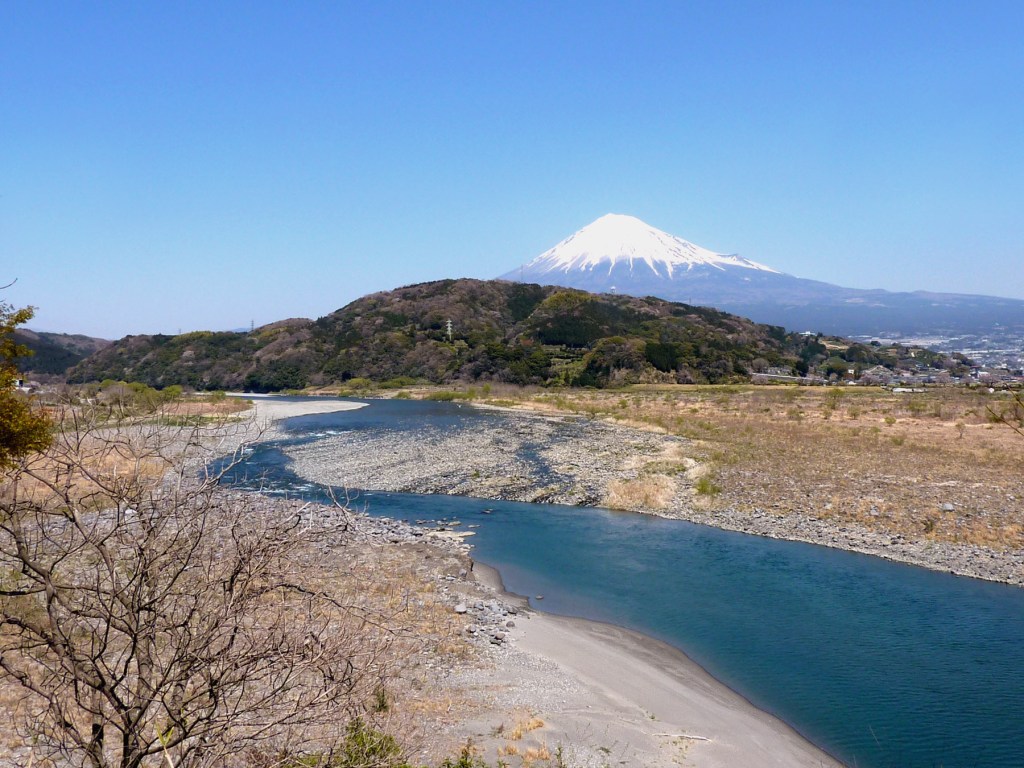
    In 1537, Hojo Ujitsuna launched a successful invasion of Suruga Province, establishing the frontier at the Fuji River and ending the threat from the Imagawa-Takeda alliance, at least for now. Shortly after this news broke that (Ogigayatsu) Uesugi Tomoaki had died. Tomoaki had been an implacable foe of the Hojo, and his death severely weakened his clan, which was now led by the 12-year-old Tomosada.

    The Fuji River as it appears today, in modern Shizuoka Prefecture.

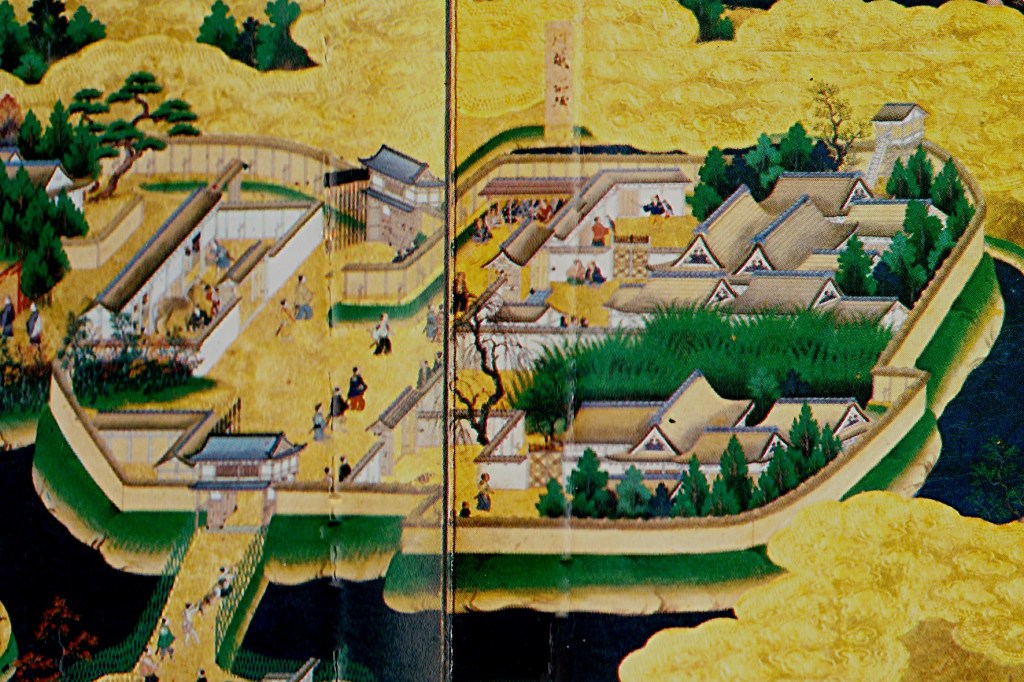
    It wasn’t all good news, however. With the bulk of the Hojo forces focused in Suruga against the Imagawa, forces of the Satomi Clan moved to expel the Hojo from the Boso Peninsula (modern Chiba), quickly establishing control and forcing the remaining Hojo loyalists to flee. There was little Ujitsuna could do about that in the short term, but in the summer of 1537, he gathered 15,000 men at Edo Castle before dispatching his son, Ujiyasu, to take the Uesugi stronghold at Kawagoe.

    The castle was taken undamaged after a surprise attack, and when the Uesugi tried to recapture it on New Year’s Day 1538, they were defeated. With his northern flank secure, Ujitsuna launched a campaign to reestablish control over the Boso Peninsula. Though they were initially successful, the attack clashed with the plans of the Koga Kubo, Ashikaga Yoshiaki.

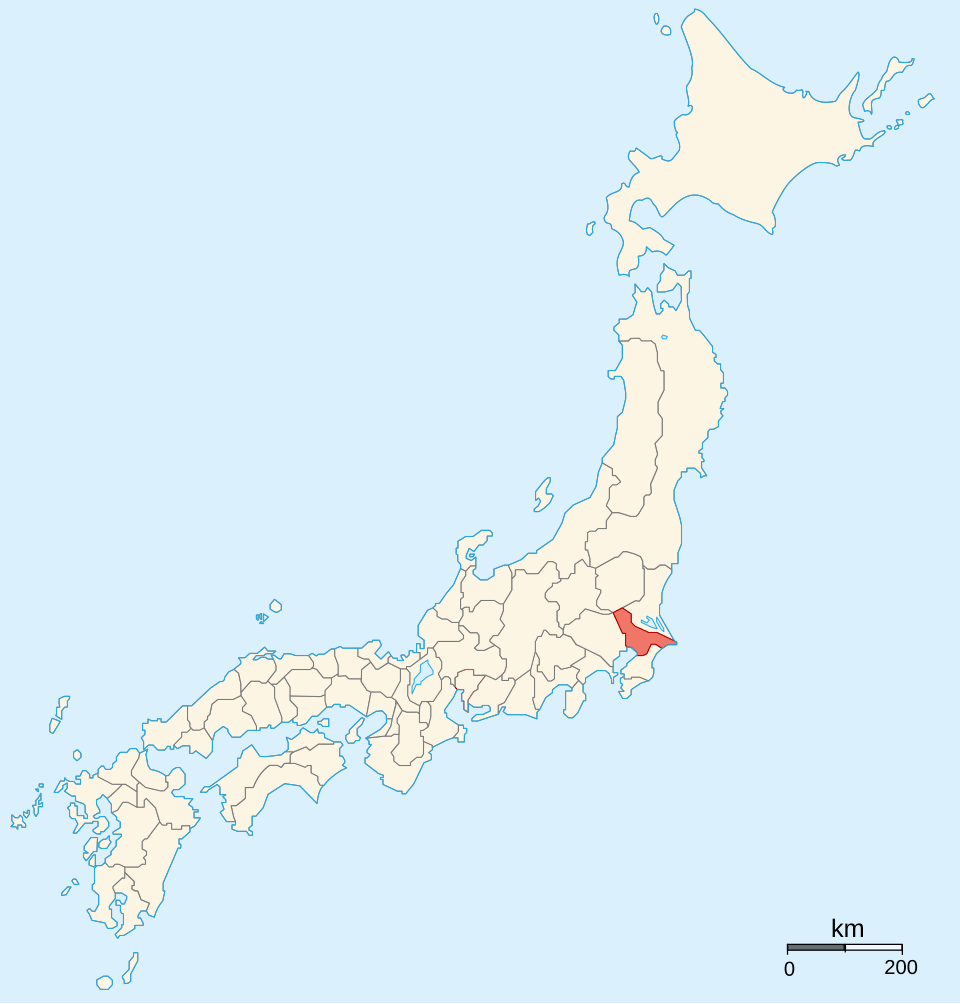
    You may remember from earlier posts that the position of Kubo was the Shogun’s deputy in a given area. In decades past, the centre of the Kubo‘s power had been Kamakura, but the catastrophic decline of Shogunate power meant that the Kubo was eventually obliged to leave Kamakura (which was now under Hojo control) and take up residence at Koga, in Shimosa Province (modern Ibaraki).

    Shimosa Province
    By Ash_Crow – Own work, based on Image: Provinces of Japan.svg, CC BY 2.5, https://commons.wikimedia.org/w/index.php?curid=1691764

    Yoshiaki had the long-term objective of reestablishing the Kubos’ preeminent position over the whole Kanto, and the Hojo stood in direct opposition to this. Both sides were about equal in strength, but while the Hojo were united behind Ujitsuna, Yoshiaki’s forces were united in opposition to the Hojo, but not necessarily in support of the Kubo.

    Though Yoshiaki’s forces agreed to challenge the Hojo at the Edogawa River, they couldn’t decide on a strategy. Yoshiaki’s allies suggested attacking the Hojo as they crossed the river, but sources say that Yoshiaki, proud of his illustrious Ashikaga name, refused such a strategy, deciding that he would march out in person and face the Hojo in the field, once the bulk of their forces were already across the river.

    Satomi Yoshitaka, once a supporter of the Hojo but now serving under Yoshiaki, recognised that the strategy robbed them of the advantage of the river and was reluctant to commit his forces to open battle with the Hojo, where victory was far from certain. Yoshitaka also recognised that if Yoshiaki were defeated, a large expanse of territory would become available; thus, he positioned his forces away from what he assumed would be the main battlefield, ready to retreat quickly if things looked to be going badly.

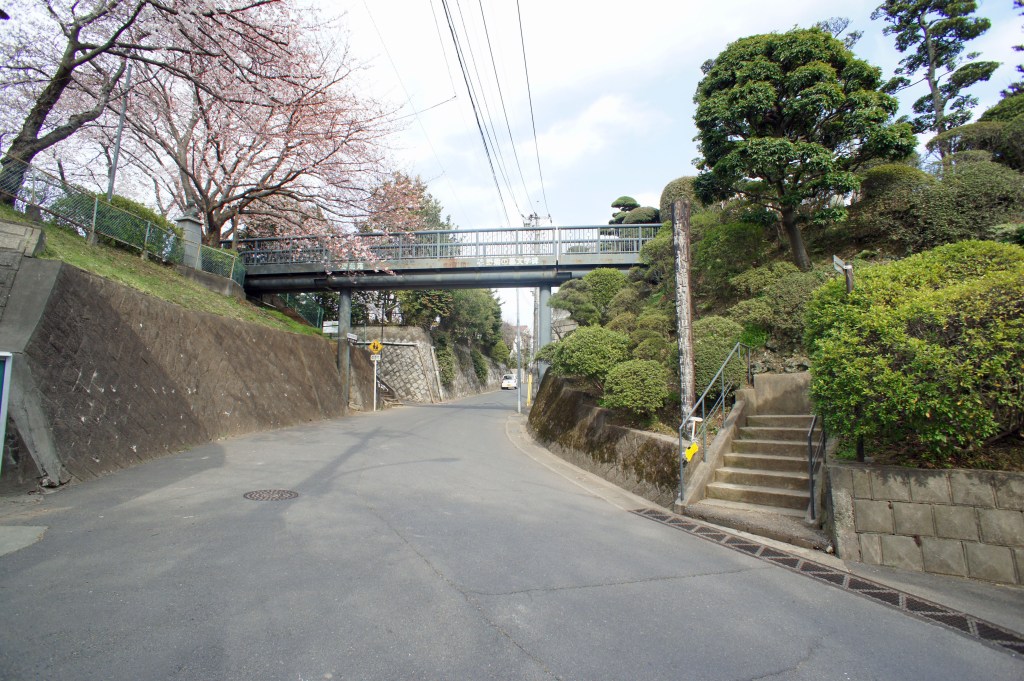
    Though heavily built up today, this hill was the site of some of the fiercest fighting at the Battle of Konodai.

    What became known as the Battle of Konodai began on the morning of November 8th, when the Hojo forces crossed the river. Initially, Yoshiaki’s forces had the advantage, but throughout the day, more Hojo forces arrived, and the tide of battle turned. When news came that Yoshiaki’s brother and son had been killed, he flew into a rage and charged the Hojo himself, only to be struck down by an arrow and killed. Seeing this, Satomi Yoshitaka withdrew his unengaged army, and shortly afterwards, the remaining forces began a retreat that swiftly turned into a rout.

    The Hojo used the momentum of victory to advance into Kazusa and Shimosa Provinces, whilst Yoshitaka, with his army still intact, would be able to take control of almost the entire Boso Peninsula, where he would continue to resist the Hojo, beginning a feud that would last decades.

    Although the exact date is unclear, after the victory at Konodai, Ujitsuna wouldn’t lead another campaign, and scholars agree that he retired as head of the clan sometime in 1539, when his son, Ujiyasu, completed the conquest of Shimosa and Kazusa Provinces. In late 1540, the reconstruction of Tsurugaoka Hachiman Shrine was completed, and Ujitsuna held a celebration there in which he was recognised as Kanto Kanrei, the Shogun’s official deputy in the Kanto, a title that reflected his preeminent position in the region.

    Hojo Ujiyasu.

    Ujitsuna would eventually pass away in August 1541, and his son, Ujiyasu, lord now in fact as well as name, inherited a strong but dangerous position. Successful campaigns in the east had extended Hojo control to Shimosa province. To the north, the Ogigayatsu-Uesugi plotted revenge and the return of Kawagoe Castle, whilst to the east, the conflict with the Imagawa dragged on, despite a strong frontier on the Fuji River.

    A famine in 1540-41 precluded an immediate campaign, and in 1542 Ujiyasu ordered a land survey, which enabled him to adjust and reform taxation in his territory (which was largely based on rice production) and to ensure a strong economic base for what was to come next. In 1545, the Imagawa sent out peace feelers, but no agreement could be reached, and the Imagawa joined forces with the Uesugi, with both agreeing to attack the Hojo from east and west.

    Ujiyasu rushed forces to the east, but a combined Imagawa-Takeda army proved too strong, and Ujiyasu was eventually obliged to conclude a disadvantageous peace, which saw him cede all the territory the Hojo had controlled in Suruga back to the Imagawa. Though the new border would remain tense, the peace held, and all three sides would eventually conclude an alliance in 1554, though we’re getting ahead of ourselves.

    A later image of Kawagoe Castle.

    Meanwhile, the Uesugi and their allies had massed a force of some 80,000 men around Kawagoe Castle, and with Ujiyasu busy in Surugu, the castle would endure a 6-month siege. Even after the Hojo had secured peace with the Imagawa, Ujiyasu could only muster 10,000 men, and what happened next is a matter of some debate.

    The most common telling is that Ujiyasu, in concert with the garrison inside the castle, organised a night attack on the Uesugi that caught them completely by surprise and routed them in a victory so complete that the Uesugi were destroyed as a serious force in the Kanto. The problem with this version of events is that the only sources describing the battle in that way come from the Edo Period, nearly 100 years after the events.

    Scholars debate the accuracy of those reports, and some suggest that the Battle of Kawagoe Castle happened in a very different way, or may never have happened at all, but what is certain is that the siege was lifted and either during the lifting, or shortly afterwards, the lord of the Uesugi, Tomosada, was killed, and the rest of the clan was forced north, leaving Musashi Province in Hojo hands.

    The remains of Hirai Castle.

    The war against the Uesugi would continue, however. In 1550, an attack on Hirai Castle was repulsed, only for a second attempt the next year to succeed, driving Uesugi Norimasa further north, where he sought refuge with Nagao Kagetora (better known to history as Uesugi Kenshin). In the east, too, the Hojo would advance, marching into Hitachi and Shimotsuke Province, and continuing the war against the Satomi of Kazusa Province to their southeast, conquering Kanaya Castle in 1555 and establishing Hojo control over almost the whole of the western Boso Peninsula.

    These conquests in the east were possible because of the peace established on the Hojo’s western borders. Though there was no actual fighting, the border remained very tense until the establishment of a triple alliance between the Imagawa, Takeda, and Hojo. This alliance was established over the period 1551-1554, as a series of marriages was arranged among all three parties, culminating in 1554, when Ujiyasu’s eldest daughter married Imagawa Yoshimoto’s eldest son, whilst Ujiyasu’s heir, Ujimasa, married the daughter of Takeda Shingen.

    This alliance secured the Hojo’s western border, and in 1559, Ujiyasu retired as head of the clan, handing formal power to his son Ujimasa while retaining actual control himself. That same year, he focused his full attention on pushing the last of the Uesugi clan out of Kozuke Province and established a strong presence at Numata to check any further Uesugi attempts to invade the Kanto.

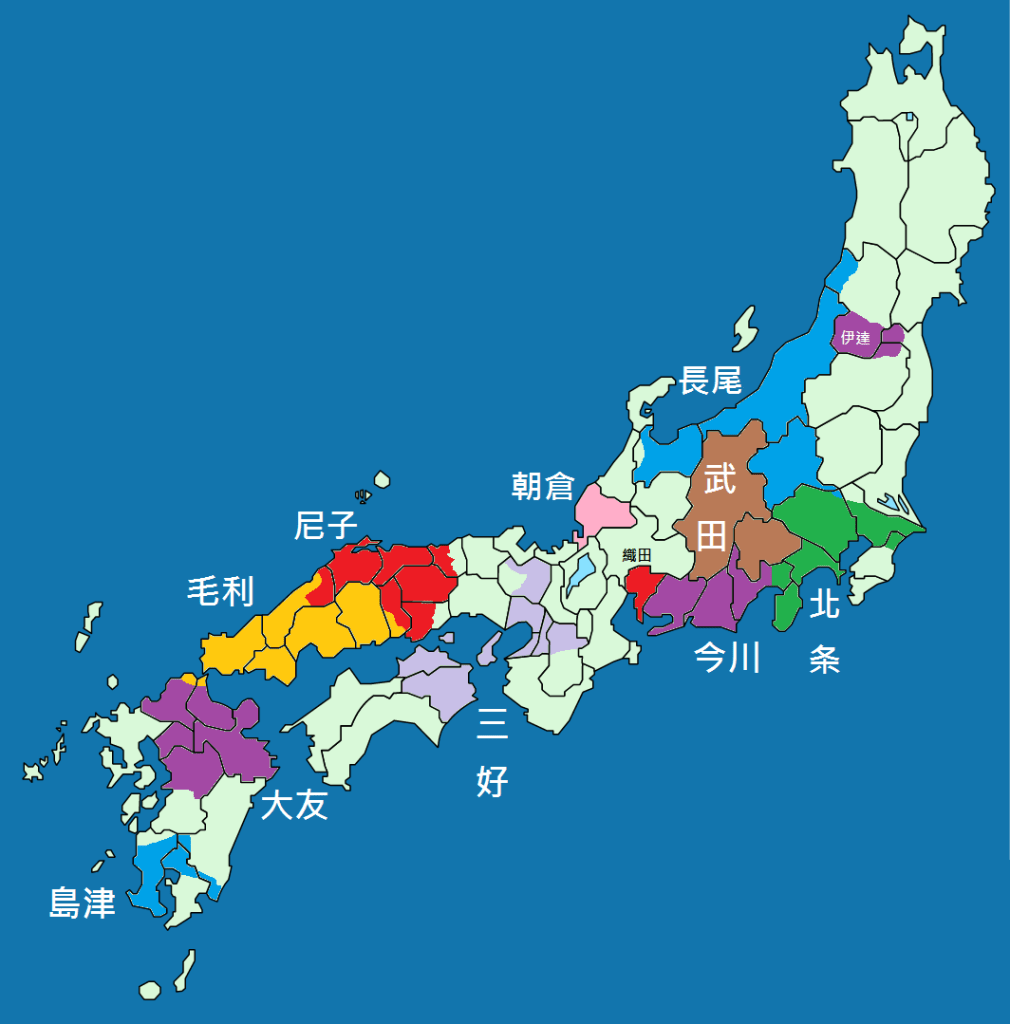
    The situation in 1560. The Hojo are in Green.
    By Alvin Lee – Own work, CC BY-SA 4.0, https://commons.wikimedia.org/w/index.php?curid=39200926

    In 1560, the Imagawa suffered a serious and surprising defeat at the hands of Oda Nobunaga at the Battle of Okehazama, leaving the clan weak and the Hojo’s western flank reliant on the goodwill of the Takeda. During the same year, another outbreak of famine ravaged Hojo territory, severely weakening their economic power and food supply.

    The timing couldn’t have been much worse, because soon, the Uesugi, now led by Kenshin, would return to the Kanto, and the Hojo would face another serious crisis.

    Sources
    https://ja.wikipedia.org/wiki/%E5%8C%97%E6%9D%A1%E6%B0%8F%E5%BA%B7
    https://en.wikipedia.org/wiki/Imagawa_Yoshimoto
    https://ja.wikipedia.org/wiki/%E5%9B%BD%E5%BA%9C%E5%8F%B0%E5%90%88%E6%88%A6
    https://ja.wikipedia.org/wiki/%E5%B7%9D%E8%B6%8A%E5%9F%8E
    https://ja.wikipedia.org/wiki/%E6%B2%B3%E8%B6%8A%E5%9F%8E%E3%81%AE%E6%88%A6%E3%81%84
    https://ja.wikipedia.org/wiki/%E4%B8%8A%E6%9D%89%E6%9C%9D%E5%AE%9A_(%E6%89%87%E8%B0%B7%E4%B8%8A%E6%9D%89%E5%AE%B6)
    https://ja.wikipedia.org/wiki/%E5%BE%8C%E5%8C%97%E6%9D%A1%E6%B0%8F
    https://ja.wikipedia.org/wiki/%E5%AF%8C%E5%A3%AB%E5%B7%9D
    https://ja.wikipedia.org/wiki/%E5%8F%A4%E6%B2%B3%E5%B8%82
    https://ja.wikipedia.org/wiki/%E5%B9%B3%E4%BA%95%E5%9F%8E

  • The Dragon of Echigo

    The Dragon of Echigo

    Much like Takeda Shingen, Kenshin’s real name wasn’t Kenshin, but Kagetora, with Kenshin being a religious name given in later life. However, as this is the name he is best known by, we will be referring to him as it throughout.

    Uesugi Kenshin, the Dragon of Echigo and the topic of this post.

    If you live your life in such a way that you earn the nickname ‘Dragon of something’ and have followers who think of you as an avatar of the God of War, then I’d say you’ve done pretty well for yourself. By this standard, our subject for today, Uesugi Kenshin, is a historical figure worthy of a closer look.

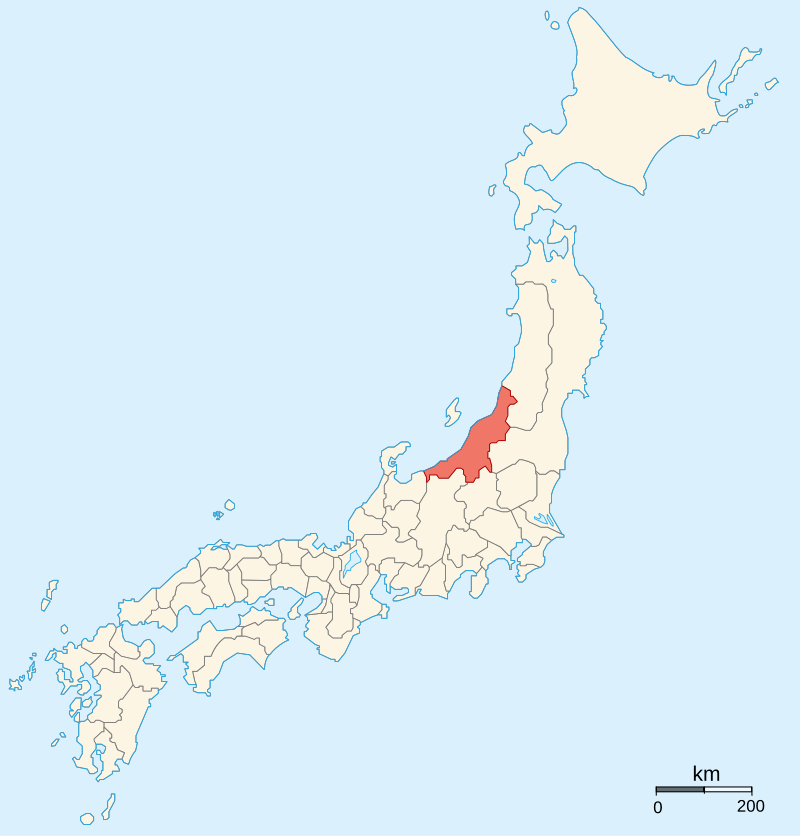
    Confusingly enough, Uesugi Kenshin wasn’t actually a member of the Uesugi family to begin with. He was a scion of the Nagao family, a strong clan who were vassals of the Yamanouchi branch of the Uesugi Clan, based in Echigo Province, in what is now Niigata Prefecture.

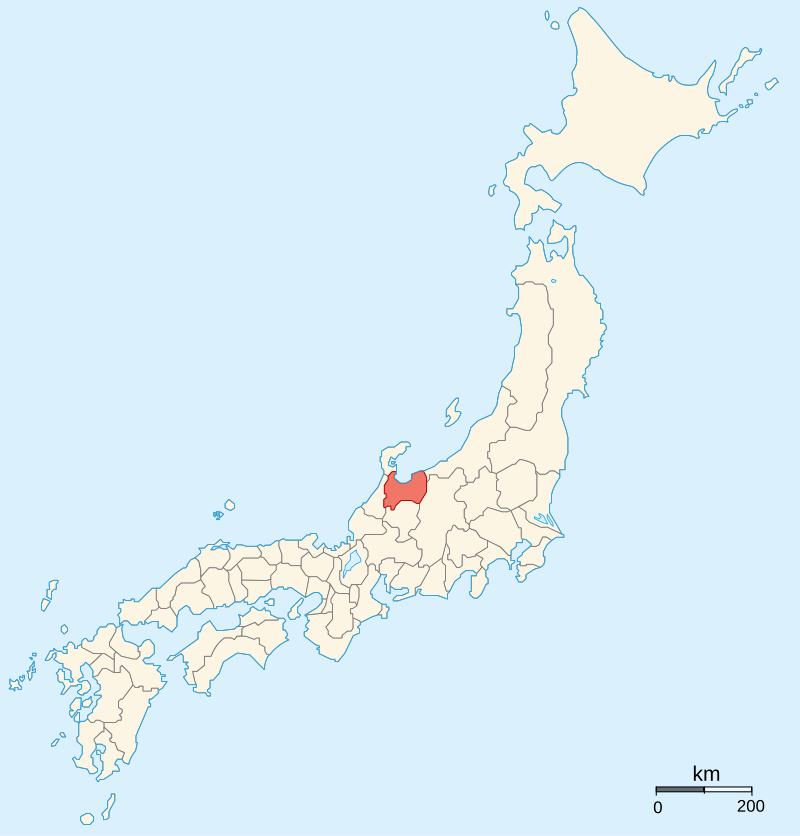
    Echigo Province.
    By Ash_Crow – Own work, based on Image:Provinces of Japan.svg, CC BY 2.5, https://commons.wikimedia.org/w/index.php?curid=1655309

    Born in 1530, it is quite likely that Kenshin’s mother was a concubine, and what’s more, the boy himself was the second son. He was never intended to inherit control of the Nagao Clan, and he entered the temple at Risenji at age 11, apparently set on a life as a monk.

    He doesn’t seem to have stayed at Risenji for long, however, as when his father died in 1542, just a year later, he was at the funeral with armour and sword at his side, and shortly after that, he was at Tochio Castle when a rebellion against Kenshin’s brother (the new Lord Nagao) broke out. Despite being just 14, Kenshin is supposed to have led the defence of the castle and won his first victory.

    At the time, though the Uesugi were nominally the lords of the region, the Nagao served as deputy (and de facto) governors in their place. After the death of Kenshin’s father, it was his elder brother, Harukage, who inherited this position. The brothers don’t seem to have gotten along very well, however, and in the late 1540s, a movement emerged within the Nagao clan that sought to replace Harukage with Kenshin as head of the clan.

    The remains of Tochio Castle, site of Kenshin’s first victory.
    nubobo – 栃尾城本丸跡, CC 表示 2.0, https://commons.wikimedia.org/w/index.php?curid=59682349による

    Exactly why the clan was so against Harukage isn’t clear, but their efforts were ultimately successful. In 1548, under mediation from Uesugi Sadazane (their nominal overlord), Harukage agreed to adopt Kenshin, then retire as head of the clan, clearing the way for Kenshin to become head of the Nagao Clan aged just 18 or 19 (depending on the source).

    In 1550, Sadazane died without an heir, leaving Echigo Province without a lord. At this point, Shogun Ashikaga Yoshiteru instructed Kenshin to take the position of shugo of the province, effectively making him the new lord. Shogunate recognition was not quite the prestigious thing it had once been, however, and not long after this, supporters of Kenshin’s brother rose up in rebellion against him.

    Kenshin quickly bottled up the rebels at Sakado Castle, when the castle fell, the leader of the rebels was spared because he was Kenshin’s brother-in-law, and following this, Kenshin, still aged just 22 had established effectively control over the whole of Echigo Province.

    Looking back for a moment, five years earlier, the Uesugi Clan (or more accurately, the Ogigayatsu branch of the clan) had been defeated at the Battle of Kawagoe by the new rising star of the Kanto, the Hojo Clan. The Ogigayatsu-Uesugi were wiped out after this battle, leaving only the Yamanouchi Branch of the clan. In 1552, Uesugi Norimasa, who was, on paper, the Kanto Kanrei (Shogun’s deputy) was finally driven out of the Kanto entirely and sought refuge with Kenshin.

    A later depiction of Kawagoe Castle.

    Unsurprisingly, harbouring their enemies didn’t do much for the relationship between Kenshin and the Hojo, and Kenshin would send an army to oppose the Hojo’s invasion of Kozuke Province (modern Gunma Prefecture), capturing Numata Castle, and forcing the Hojo to retreat.

    A year later, Kenshin would face a new enemy, as Takeda Shingen’s long-running invasion of Shinano eventually obliged some of the clans there to flee and seek refuge with Kenshin in Echigo. Much like the Hojo, the Takeda didn’t take kindly to someone giving refuge to their enemies, and one of Japanese history’s most famous rivalries was born.

    In August 1553, an army led by Kenshin himself advanced against the Takeda in Shinan, defeating Shingen himself at the Battle of Fuse on August 30th, then again at Yuwata on September 1st. After this, Shingen adopted a strategy of avoiding direct battle with Kenshin, and the conflict settled into a stalemate that was later called the First Battle of Kawanakajima.

    A modern view of Kawanakajima.
    日本語版ウィキペディアのBlogliderさん – 原版の投稿者自身による著作物 (Original text: Photo by Bloglider.), CC 表示-継承 3.0, https://commons.wikimedia.org/w/index.php?curid=12400636による

    In 1554-55, Kenshin was obliged to face a rebellion launched by treacherous vassals in league with Shingen. Putting down the rebellion quickly, Kenshin again marched into Shinano in April 1555 to face the advancing Takeda forces, again led by Shingen.

    At the Second Battle of Kawanakajima, the two sides faced each other in another stalemate, which dragged on for five months, before mediation from the Imagawa Clan led to both sides withdrawing after little actual fighting.

    In the following year, Kenshin apparently announced he would retire and become a monk, however, another outbreak of Takeda-backed rebellion forced him to change his plans, and after a period of peace, in 1557, Shingen again advanced against Kenshin’s allies in Shinano, forcing him to intervene and leading to the Third Battle of Kawanakajima, which, much like the previous two, swiftly settled into stalemate.

    A year later, Kenshin dispatched an army in an ultimately unsuccessful invasion of Kozuke Province and then in 1559 he was ‘invited’ for a meeting with the Shogun, Ashikaga Yoshiteru. Some sources say that Kenshin was granted the title of Kanto Kanrei at this time, the position traditionally held by the Uesugi Clan. He also apparently donated funds towards the maintenance and repair of the Imperial Palace.

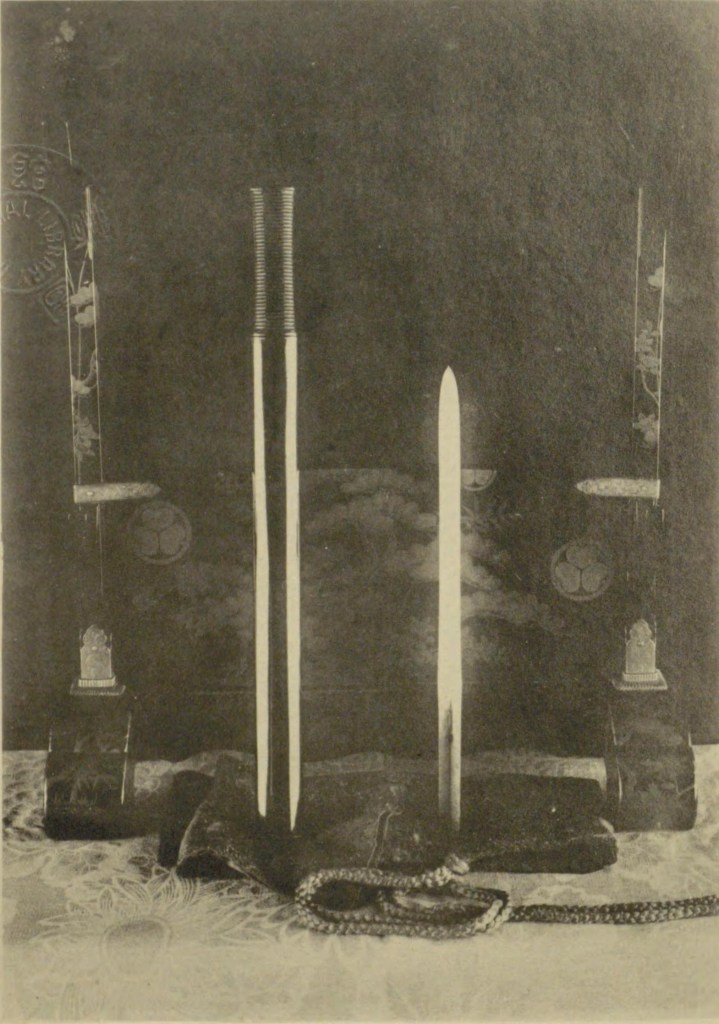
    Swords supposedly gifted to Kenshin by the Emperor, photographed in 1928.

    It seems that Kenshin enjoyed good relations with the Shogunate, but the already well-established decline of the Shogun’s power is highlighted again when he asked Kenshin, Shingen, and the Hojo to make peace in order to combine their forces against the Shogun’s enemies. All three parties refused.

    In March 1560, the Imagawa Clan’s devastating defeat at Okehazama opened the way for Kenshin to intervene directly in the Kanto again, as the Imagawa had been allied to his enemies, the Hojo, and their defeat left the Hojo vulnerable. Later that year, Kenshin launched another large-scale invasion of Kozuke Province, driving the Hojo back and capturing several important castles before celebrating New Year at Maebashi Castle, the gateway to the Kanto Plain.

    In March 1561, Kenshin was formally adopted by the Yamanouchi-Uesugi Clan (the only remaining branch) and changed his surname to match. Though he would be known as Uesugi Kagetora from this point, we will continue to call him Kenshin to keep things simple.

    In August of that year, Kenshin led another large army into Shinano, and engaged the Takeda at the Fourth Battle of Kawanakajima. Unlike the previous three, this battle was not an extended stalemate, but a bloody one. Both sides suffered heavy casualties, with sources ranging from around 20% losses, to as high as 60 or 70%, and when the battle was over, the Takeda held the field, but made no attempt to intervene as the Uesugi withdrew, leading some to suggest the battle was a bloody draw.

    A legendary depiction of the Fourth Battle of Kawanakajima, depicting the (possibly apocryphal) moment that Uesugi Kenshin and Takeda Shingen met on the field.

    The Takeda and Hojo clans, recognising the Uesugi as their common enemy, renewed their combined efforts and launched a joint counter-attack in Musashi Province in late 1561. At first, Uesugi forces were successful against the alliance, even getting as far as besieging Odawara Castle, the Hojo’s main stronghold, before being forced to withdraw after allied counter-attacks in other parts of the Kanto.

    The strategic situation in the Kanto would ebb and flow over the following years, as Uesugi, Takeda, and Hojo armies advanced and retreated, and the local lords would switch sides depending on whoever appeared to be in the ascendancy.

    All three factions would be occupied with fighting each other, but also engaged in other battles and proxy wars with allies and supporters of each other’s enemies. For Kenshin, this meant being obliged to dispatch forces into neighbouring Etchu Province in 1568, to deal with Ikko Ikki forces nominally allied with Shingen.

    Etchu Province.

    Seeking to take advantage of this distraction, Takeda forces attacked in Shinano and were ultimately defeated, but a rebellion in Echigo (Kenshin’s home province) meant he was unable to take advantage of this victory in the short term.

    Later that year, the strategic situation would shift in Kenshin’s favour, however, as the long-term decline in Takeda-Imagawa relations finally led to open conflict between two of his main rivals. The Imagawa would request aid from both the Uesugi and the Hojo, and while Kenshin would refuse, the Hojo dispatched forces to oppose the Takeda, bringing an end to the alliance that had done so much to oppose Kenshin.

    However, years of expensive (and bloody) campaigns in the Kanto had left the Uesugi exhausted, and in 1569, Kenshin reluctantly agreed to a peace deal with the Hojo, which saw the Uesugi withdraw from Musashi Province (modern day Tokyo and Saitama) and the Hojo withdrew from Kozuke.

    With his borders with the Hojo (relatively) secure, Kenshin was able to focus on campaigning against the Takeda again. In 1570 and 1571, he would engage the Takeda and their allies in Etchu and Shinano Provinces, generally having the better of the fighting, but the situation would shift again in 1572 when the lord of the Hojo, Ujiyasu, passed away, and was replaced by Ujimasa, who made peace with the Takeda, turning on the Uesugi. At the same time, the Etchu Ikko Ikki launched a fresh attack, instigated by Takeda Shingen.

    Hojo Ujimasa, who reversed his father’s diplomatic policy.

    The Ikko Ikki would initially be successful against Kenshin, but by mid-1573, the momentum had shifted back in his favour, and several key fortresses within Etchu were taken. Also in that year, Kenshin’s long-time rival, Takeda Shingen, passed away, an event that apparently caused Kenshin to weep openly, but also significantly weakened the Takeda.

    Over the following two years, Kenshin was forced to split his focus between his ongoing campaign in Etchu and the situation in the Kanto. By the end of 1574, the Hojo had effectively ended any Uesugi presence in the region, and although Kenshin would launch counterattacks, the writing was on the wall for Uesugi power in the Kanto.

    In 1576, Kenshin would receive a request for aid from the Shogun, seeking support against Oda Nobunaga, who now dominated central Japan and had forced the Shogun into exile. In order to get to Kyoto, Kenshin was obliged to focus all his resources on securing Etchu and Noto Provinces. This campaign would drag on throughout 1576 and 1577, delayed by intervention from the Hojo and internal rebellion, but by November 1577, Kenshin had secured control of the provinces and was poised to strike at Kyoto itself.

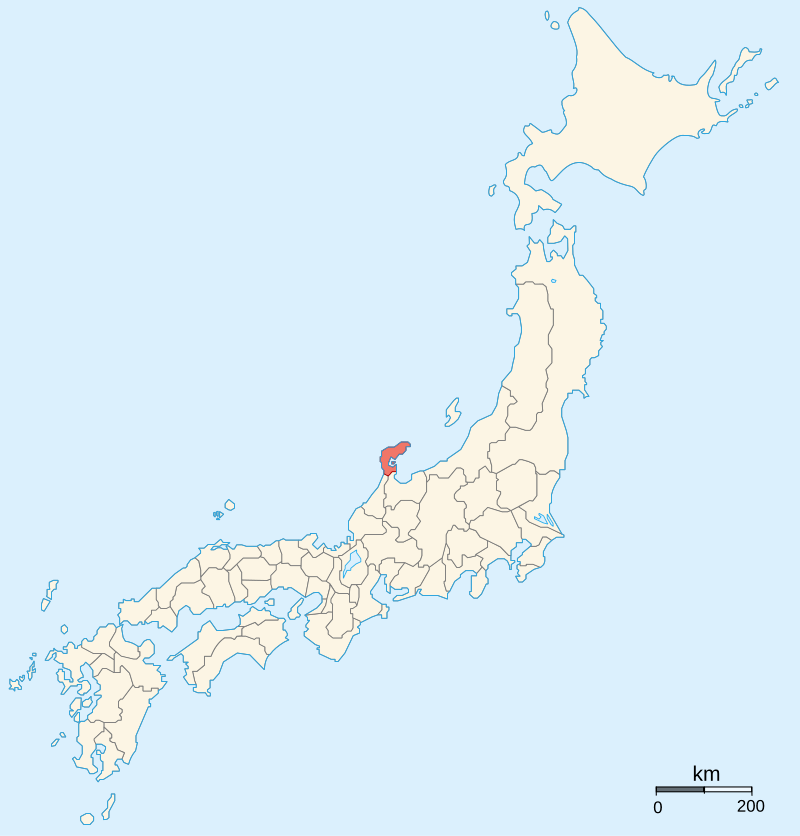
    Noto Province.
    By Ash_Crow – Own work, based on Image:Provinces of Japan.svg, CC BY 2.5, https://commons.wikimedia.org/w/index.php?curid=1690738

    Mustering a large army, Kenshin would march out to meet a force led by Nobunaga’s generals, Shibata Katsuie and Hashiba Hideyoshi (better remembered to history as Toyotomi Hideyoshi), who were not fond of each other. A dispute led to Hideyoshi withdrawing his forces early, and when the two sides clashed at the Battle of the Tedori River on November 3rd, Kenshin would emerge victorious.

    The exact course of the battle, and even the size of the forces involved, is not clear from contemporary sources, but Kenshin would withdraw temporarily, issuing instructions for a renewed campaign to begin in the spring. The battle at the Tedori River had opened a strategic opportunity for Kenshin, and it has been speculated that he might have been able to complete his march on Kyoto.

    Much like his rival, Shingen, however, Kenshin would never make the march. In early March, Kenshin would collapse (allegedly whilst in the toilet) and fall into a coma from which he would never wake up; he died on March 13th, aged 49.

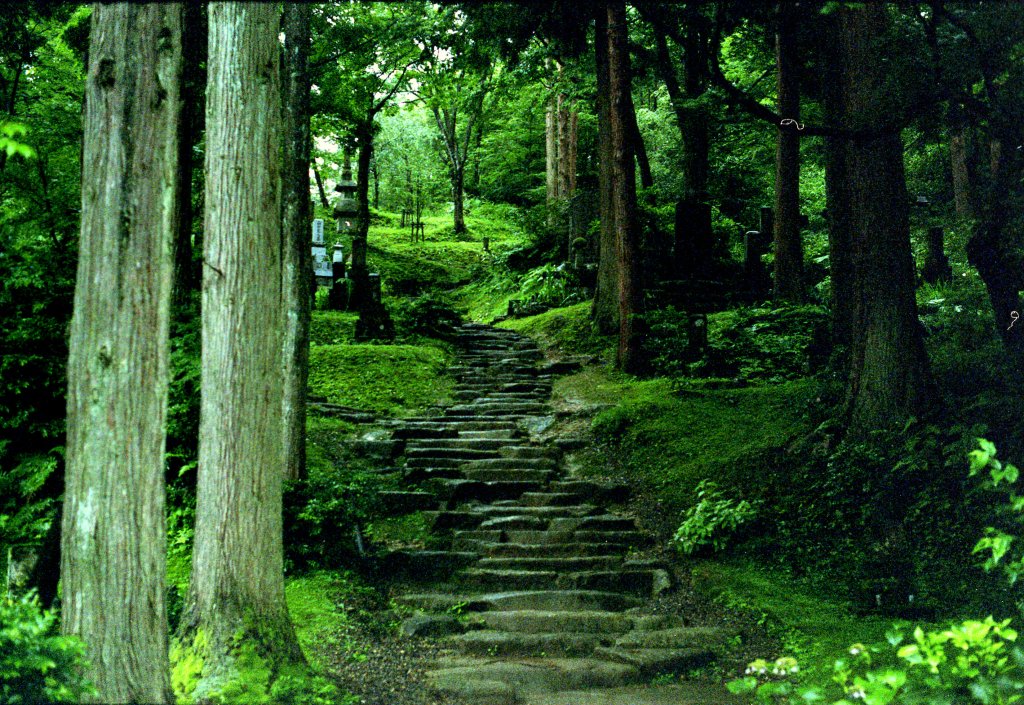
    The site of Kenshin’s grave at Risenji, where he studied as a boy.
    By shikabane taro, CC BY 3.0, https://commons.wikimedia.org/w/index.php?curid=54071606

    Much like the Takeda after the death of Shingen, the Uesugi would be seriously weakened by Kenshin’s death. Though they had been a threat to Nobunaga, Kenshin’s death, and the ongoing effects of years of more or less constant conflict, rendered them powerless to stop the rise of Nobunaga, and after his death in 1582, the Uesugi would make their peace with his successors.

    Decisions made at the end of the Sengoku Jidai would see the clan’s star fall even further, though that is a story for another time.

    Sources
    https://ja.wikipedia.org/wiki/%E4%B8%8A%E6%9D%89%E8%AC%99%E4%BF%A1
    https://ja.wikipedia.org/wiki/%E6%89%8B%E5%8F%96%E5%B7%9D%E3%81%AE%E6%88%A6%E3%81%84
    https://en.wikipedia.org/wiki/Battle_of_Tedorigawa
    https://ja.wikipedia.org/wiki/%E5%B7%9D%E4%B8%AD%E5%B3%B6
    https://ja.wikipedia.org/wiki/%E5%89%8D%E6%A9%8B%E5%9F%8E
    https://ja.wikipedia.org/wiki/%E6%B2%BC%E7%94%B0%E5%9F%8E
    https://en.wikipedia.org/wiki/Battles_of_Kawanakajima

  • The Power in the Provinces Part One

    The Power in the Provinces Part One

    We’ve spent a lot of time talking about the breakdown of Shogunate power during the 15th Century. We’ve also discussed the three most powerful clans that were located closest to Kyoto during the Onin War. The Hosokawa, Yamana, and Hatakeyama Clans all played leading roles in the fighting, and in the aftermath, all three were seriously weakened.

    But what about the provinces? We’ve only spoken in very broad terms about what was going on out there, mostly because, to focus on it would require posts that resemble small novels, and keeping track of all those names and places is a task that is beyond most of us.

    In the interests of keeping things moving, then, I have generally neglected to go into much detail; however, since we’re now at the beginning of the Sengoku Jidai, a period of civil war lasting 120 years, we need to take a moment to look at who the main players are now that the Onin War is over.

    Central Japan

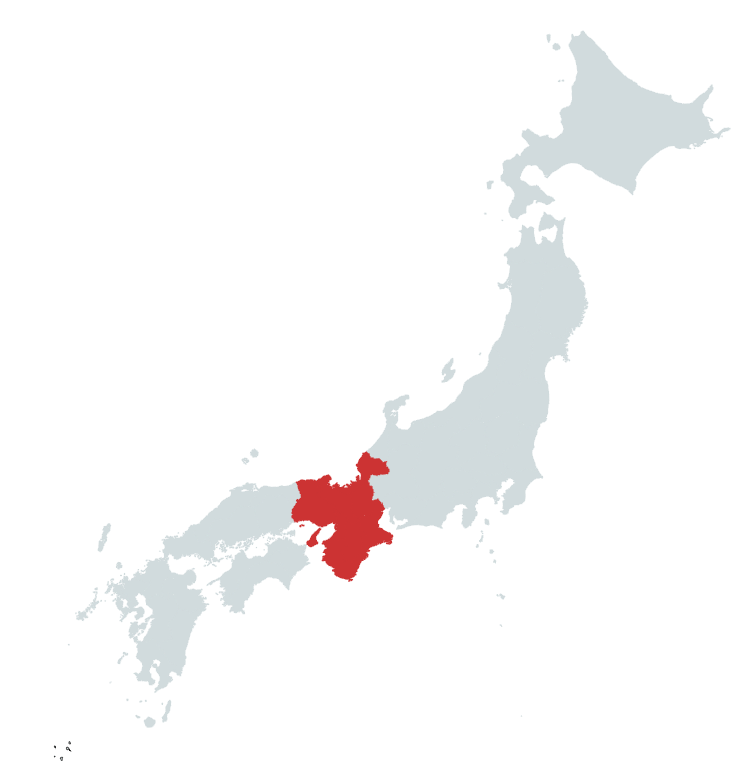
    Central Japan, corresponding mostly to the modern Kansai region, was the political and cultural heart of the nation.

    We’ve spent a lot of time looking at this region recently, so this is just a quick overview of who is still on the field in this part of Japan.

    The Hatakeyama Clan had been one of the main players, but a serious succession dispute fractured the clan and eventually led to the Onin War, as the Hosokawa and Yamana Clans supported rival claimants in a feud that would spiral out of control.

    By the end of the 15th Century, the Hosokawa remained largely in control of Kyoto, but they were already in decline. They would remain powerful, but a succession dispute (yes, another one) would divide the clan in the early 16th Century, and they’d never recover.

    The Yamana Clan had been badly mauled by the Onin War, and from a position as one of Japan’s mightiest clans, they’d eventually lose everything but a single province, which they’d manage to hold until the end of the 16th century, when some poor political decisions would see them forfeit even that.

    The Hatakeyama, for their part, were fragmented repeatedly throughout the late 15th Century, and they’d never recover their former power. However, some descendants would hold positions of power in Kyoto until the 1580s, when they’d run afoul of Oda Nobunaga, a name you should remember.

    Eastern Japan

    Eastern Japan, centred on the Kanto. Although home to Tokyo today, in the 15th Century it was Kamakura that was the centre of power in the region.

    The power in Eastern Japan was centred mostly around the Kanto Plain, with the political capital at Kamakura. In the period preceding the Ashikaga Shogunate, Kamakura had been the de facto capital of Japan, and even after the new Shogunate relocated to Kyoto, Kamakura remained the regional capital, and holding it was a prize in itself.

    The Kanto region was the source of a lot of trouble for the Ashikaga Shoguns, as there was the legacy of the previous Shogunate to contend with, and the strong, often semi-independent Kamakura Kubo to contend with. The kubo was the head of the local government, and they often openly defied the Shogun, who had to rely on the fickle loyalty of other powerful clans in the region to enforce his will.

    The Uesugi

    The Mon (crest) of the Uesugi Clan
    By Mukai – Own work, CC BY-SA 3.0, https://commons.wikimedia.org/w/index.php?curid=8629467

    The dominant power in the Kanto in the 15th Century was arguably the Uesugi Clan. Like many others, the clan claimed descent from the illustrious Fujiwara Clan, and various members of the family would become shugo in and around the Kanto. Their most important role, however, was that of Kanto Kanrei, the Shogun’s deputy in the Kanto, a position that was supposed to complement that of the kubo, but in reality, often served as a check on Kamakura’s power, and frequently, a direct rival.

    Like most clans at this time, the Uesugi were divided into branches, three in this case, that were just as likely to fight as support each other. This infighting predated the Onin War, but the outbreak of general civil war saw the destruction of one branch, and the serious weakening of the other two, so much so that, in the early 16th Century, the Uesugi would lose their position in the Kanto to another rising power, the Hojo.

    The Uesugi would survive, however, and continue to play a major role in the Sengoku Jidai. The clan’s most famous son is arguably Uesugi Kenshin, who would engage in a rivalry with fellow warlord Takeda Shingen that became the stuff of legend. Mythology aside, Kenshin would die without heirs, and a succession crisis would severely weaken the clan.

    Uesugi Kenshin became a Samurai legend, but his death would leave the Uesugi in a weak position.

    Although they would survive, they chose the losing side in the final battles of the Sengoku Jidai and would end up in Yonezawa Domain, in modern Yamagata Prefecture, where they would actually prosper until the abolition of the Domains in the 19th Century.

    The clan endured into the modern day. The current head is Uesugi Kuninori, who was a professor at the Institute of Space and Astronautical Science until he retired in 2006.

    The Hojo

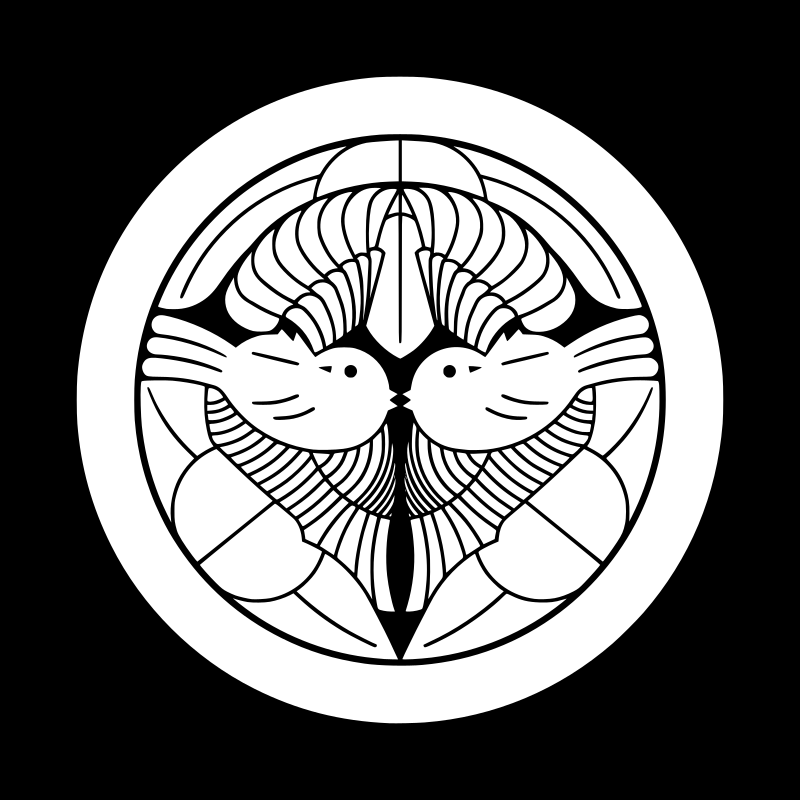
    The Mon of the Hojo Clan, and the later Hojo clan, who took the name and emblem for their own.
    By Mukai – No machine-readable source provided. Own work assumed (based on copyright claims)., CC BY-SA 3.0, https://commons.wikimedia.org/w/index.php?curid=9416600

    The Hojo Clan, or more accurately the Go-Hojo, or Later Hojo, were relative latecomers to the scene. Although they would lay claim to illustrious ancestry (which was the style at the time), their progenitor was Ise Sozui (better known as Hojo Soun), who, despite being revered as the ancestor of the clan, never used the name Hojo himself. Traditionally, Soun was believed to have been a Ronin (masterless samurai) who rose to power seemingly out of nowhere in the aftermath of the Onin War.

    More recent scholarship, however, seems to indicate that Soun’s family, the Ise Clan, had a much longer history and would serve in the Shogun’s government in Kyoto before relocating to the Kanto later.

    Soun arguably deserves a post of his own, but the short version is that, he was originally in the service of the Imagawa Clan, another power in the region, before raising an army of his own and taking Izu Province for himself, establishing his base at Odawara Castle, which he took in 1494, some say, after tricking the previous owners, convincing them to leave on a hunting trip, and arranging their murders.

    It was his son, Ujitsuna, who renamed the clan to Hojo. You may remember that it was the Hojo Clan who acted as regents for the Kamakura Shoguns, rising to such power that they were effectively masters of Japan, before being overthrown by the Ashikaga.

    This new Hojo Clan was no relation to these regents, hence why they are referred to as the “Later” Hojo. Ujitsuna, apparently attempting to add some prestige to his family, adopted the name and mon (family crest) of the former Hojo, and everyone just went with it.

    Hojo Ujitsuna, who understood that there was power in a recognisable name.

    Ujitsuna wasn’t just savvy with brand recognition, however. Throughout the first half of the 16th century, he would guide the Hojo to become the predominant power in the Kanto. He would challenge and eventually drive out the Uesugi, taking control of their castle at Edo, which would eventually become the Imperial Palace in modern Tokyo.

    Throughout the Sengoku Period, the Hojo would continue to be masters of the Kanto, eventually becoming one of the greatest powers in the late 16th century, before they were eventually defeated by Toyotomi Hideyoshi in 1590. A branch of the family would survive as the lord of Sayama Domain (near modern Osaka) until the 19th century, and members of this family would continue playing a role in Japanese politics into the 20th century.

    The Takeda

    The Mon of the Takeda

    The Takeda also claimed descent from the Minamoto Clan, and from the earliest days of the Kamakura Shogunate in the 12th Century, they had established their power base in Kai Province (modern day Yamanashi Prefecture). Though they were a relatively minor player (one amongst many, you might say), the Takeda would develop a difficult relationship with the Uesugi Clan.

    When the Uesugi rose up against the Kamakura Kubo in 1416 (the Zenshu Rebellion), some members of the Takeda sided with the Uesugi, whilst others remained loyal to the government. The Uesugi were eventually defeated, but there was now bad blood between the Takeda and Uesugi that would last for another 120 years.

    The best known Takeda was certainly Takeda Harunobu, better known to history as Takeda Shingen. He is widely regarded as one of the best leaders of the Sengoku Period; indeed, some scholars have speculated that, had it not been for his sudden death in 1573, we might now be talking about Shingen as one of the great unifiers of Japan.

    Takeda Harunobu, better known as Shingen. Arguably one of the Sengoku Period’s best leaders, his sudden death brought an end to his ambition and seriously weakened the Takeda Clan.

    Alas, it wasn’t to be. Shingen was succeeded by his far less capable son, Katsuyori, who would lead the Takeda to disaster at the Battle of Nagashino in 1575, and the clan would cease to have any meaningful power after a final campaign led by Oda Nobunaga in 1582.

    Much like other major clans of the era, the Takeda Clan would live on in much reduced straits, eventually becoming direct vassals of the Tokugawa Shoguns, receiving a stipend of just 500 Koku a year. For reference, a Daimyo (great lord) could only claim that rank if he controlled lands worth 10,000 Koku a year or more. The Takeda had once controlled lands that were estimated to produce 1.2 million Koku, which gives you some idea of how far they had fallen.

    The Rest

    There are still several other regions to cover, and many more clans, but we’ll cover them next time.

    Sources
    https://ja.wikipedia.org/wiki/%E4%B8%8A%E6%9D%89%E9%82%A6%E6%86%B2
    https://ja.wikipedia.org/wiki/%E4%B8%8A%E6%9D%89%E6%B0%8F
    https://ja.wikipedia.org/wiki/%E5%8C%97%E6%9D%A1%E6%97%A9%E9%9B%B2
    https://en.wikipedia.org/wiki/H%C5%8Dj%C5%8D_S%C5%8Dun
    https://ja.wikipedia.org/wiki/%E5%BE%8C%E5%8C%97%E6%9D%A1%E6%B0%8F
    https://ja.wikipedia.org/wiki/%E6%AD%A6%E7%94%B0%E6%B0%8F