Tag: Kanto region history

  • Soun – Rise of the Hojo

    Soun – Rise of the Hojo

    The mon of the Hojo, and Later Hojo clans.

    Late 15th-century Japan was a chaotic place, but as we all know by now, chaos also presents opportunity. As central authority declined, local clans would move to fill the void. Some of these clans would fall almost as quickly as they had risen, others would continue to survive in one form or another throughout the Sengoku Period, and a select few would go on to be truly great.

    The focus of this post is one of them, the Hojo (hence the title). Right away, I want to be clear that this Hojo and the Hojo we looked at previously (the ones who were regents during the Mongol Invasions) were not related, despite the same name and mon. Sometimes, this second Hojo Clan is called the “Later” Hojo (Go-Hojo) in Japanese, but for our purposes, we’ll just call them the Hojo and hope you remember the distinction.

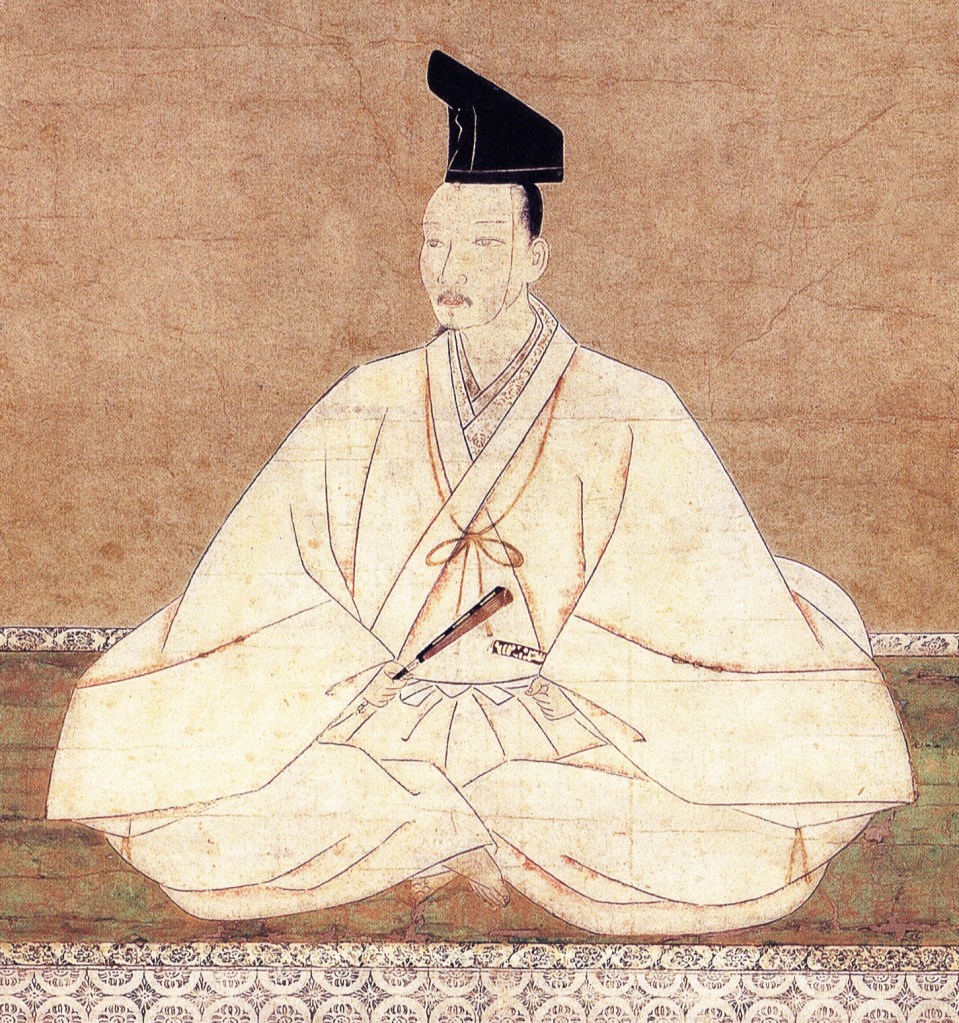
    Adding to our confusion, the founder of the clan, Hojo Soun, wasn’t actually called that. He was a member of the Ise Clan, and it was his son, the second “Lord” Hojo, who adopted the name and mon. Again, while it is technically more accurate to refer to this founder as Ise Souzui, we’ll call him Hojo Soun, because a) that’s the name he’s best remembered by, and b) it’ll get confusing if we keep changing his name.

    Hojo Soun, who wasn’t called Hojo Soun, during his lifetime.

    Side Note: Name changes were common in Japanese culture, with someone’s birth name rarely being the name they are recorded by historically. When you factor in nicknames, titles, honorifics, etc, you have individuals who may have gone by any number of names. Up until now (and continuing after this), I have always called historical characters by their most commonly used name, just in case you were wondering.

    The man who would become Hojo Soun is the subject of considerable mythologising. In the pre-modern period, it was widely assumed that he had been a poor samurai who had risen to a position of power by sheer force of will, pulling himself up by the proverbial bootstraps.

    20th-century scholarship has shed more light on his origins, however. He was a member of the Ise Clan, as we mentioned previously, and was born either in Kyoto or Ibara, in modern Okayama Prefecture. His family were not at the highest ranks, but they were administrators for the Shogun, meaning that they were often close to the centre of power and were certainly not the impoverished provincial family of later myth and legend.
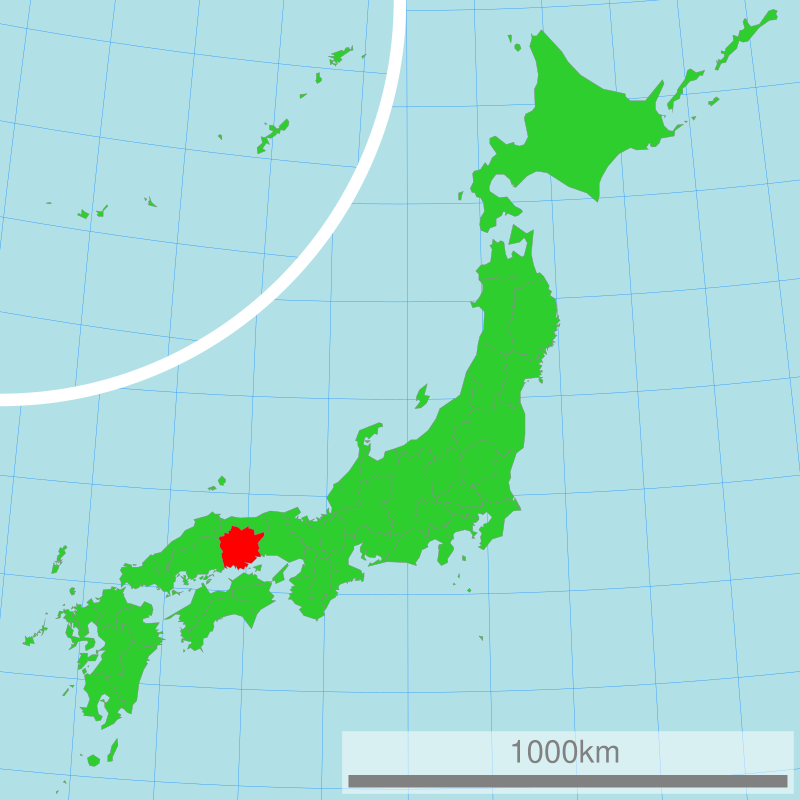
    Modern Okayama Prefecture, a possible birthplace of Soun.
    By Lincun – 国土交通省 国土数値情報(行政区域), CC BY-SA 3.0, https://commons.wikimedia.org/w/index.php?curid=3916728

    Soun’s exact origins are still a little unclear (we’re not even 100% sure what year he was born, though 1456 is considered most likely), but his rise to power came during the chaotic violence of the Onin War. As we looked at previously, one of the ancillary conflicts was in the Kanto, where Ashikaga Shigeuji and the Uesugi Clan clashed violently. Officially, Shigeuji was a rebel against the Shogunate, and the Uesugi were loyal servants, although in reality, neither side paid much attention to the capital.

    One of the other clans in the Kanto at this time was the Imagawa, who remained loyal to the interests of the Shogun. In 1476, the head of the Imagawa was killed in battle, and his heir was just a boy (Ujichika). Factions quickly formed within the clan seeking to assert rival claims to leadership.

    With the clan fracturing and external rivals seeking to take advantage, Soun, who was the brother of Lady Kitagawa, Ujichika’s mother, is said to have arrived at the Imagawa home in Suruga Province (in modern Shizuoka) to negotiate a peaceful settlement at the request of his sister. An agreement was reached in which the cousin of the previous leader (Norimitsu) would stand in as acting leader until the young boy came of age, whilst the rival factions were convinced (or compelled) to withdraw.

    It is debated exactly what role Soun played in this negotiation. It is noted that he was very young (perhaps 20 or 21) to be a negotiator, and his name doesn’t appear in any official government records. The withdrawal of rival forces is also suggested to have been a reaction to problems elsewhere (the Uesugi faced rebellion at home, for example) and not a result of Soun’s negotiating prowess. While peace was certainly achieved within the Imagawa Clan, it is entirely possible that Soun’s role in achieving it was minimal, or perhaps even a later fabrication.

    The first ‘official’ records of Soun come from the period of 1481-87, when he is recorded as a subordinate to the Shogun, presumably taking some role in the administrative affairs of the government. It is also speculated that Soun’s later departure for Suruga Province was motivated by legal troubles surrounding unpaid debts. Again, the exact nature of this problem isn’t clear, but there was certainly a legal case involving Soun and one of his creditors dated to this period, although the outcome is apparently lost.

    In 1487, the previous agreement that had led to peace within the Imagawa Clan broke down. Norimitsu, who had been chosen to stand as ‘regent’ during the minority of Imagawa Ujichika, refused to step down. Although Soun’s role in the initial negotiation is debated, he certainly returned to Suruga Province around this time to force a settlement, apparently with the approval (or possibly at the direct order) of the Shogun and at the request, once again, of his sister, Lady Kitagawa.

    Norimitsu had once been able to call on the support of external clans, but the political situation in the Kanto had changed in the decade since the original settlement, and that support no longer existed. Soun based himself at Ishiwaki Castle (in modern Yaizu, Shizuoka) and gathered supporters of Ujichika to his banner.
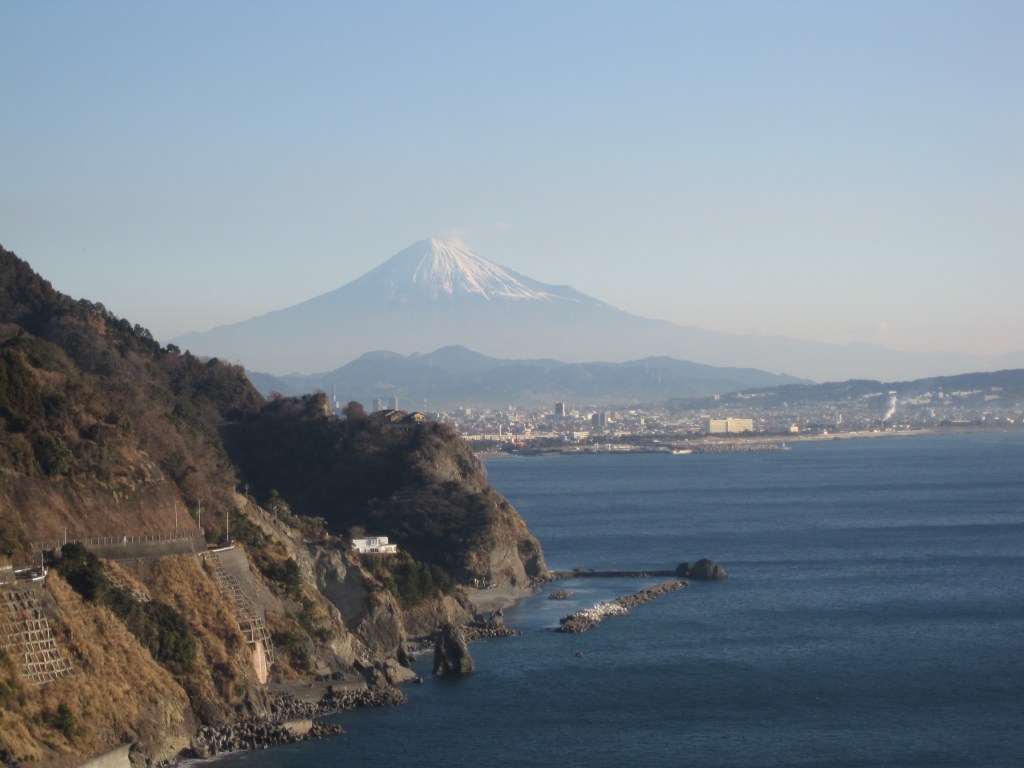
    A view of Mt Fuji from a spot near modern Yaizu.
    alonfloc, CC 表示 3.0, https://commons.wikimedia.org/w/index.php?curid=52973978による

    In late 1487, Soun led an attack on Norimitsu and his supporters, defeating them in a short, sharp campaign that ended with Norimitsu’s suicide and Ujichika’s confirmation as leader of the Imagawa Clan. Soun was rewarded for his actions, but the exact location of his new lands is disputed, with several possible locations including the aforementioned Ishiwaki Castle.

    Though the exact location of his base isn’t known for sure, Soun certainly remained in Suruga Province in the immediate aftermath of his success, acting as a protector for the young Ujichika. It is also suggested that during this period he acquired or was rewarded with estates in Izu Province, though again, that isn’t recorded with certainty.

    Soun’s actions following this are murky; he appears to have returned to the direct service of the Shogun in around 1491, though he seems to have remained physically in Suruga Province. In 1493, the Meio Coup changed Soun’s situation considerably, although again the exact circumstances are open to speculation.
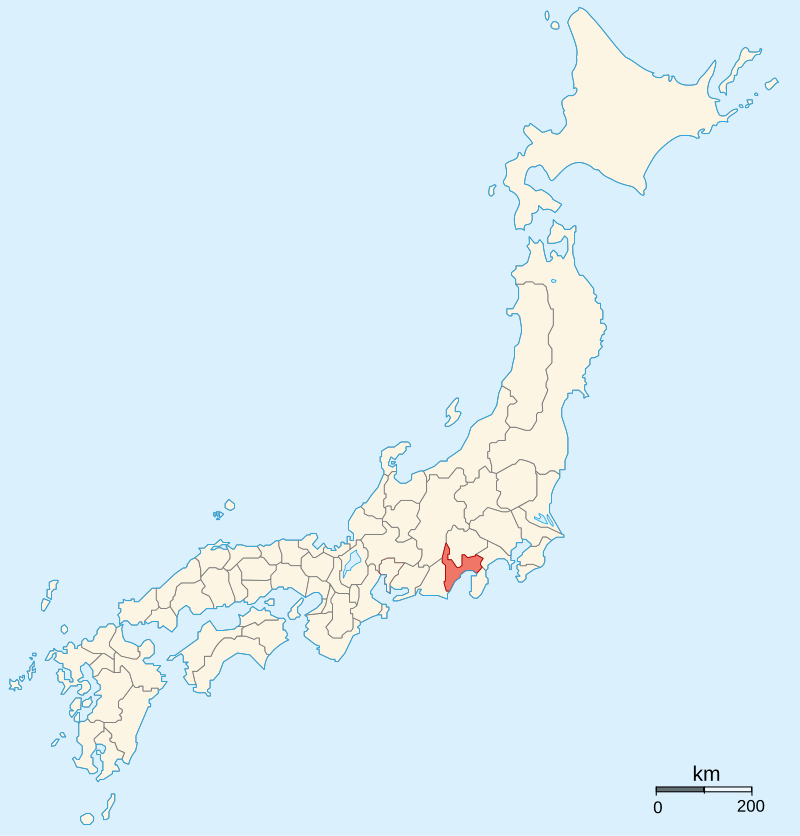
    Suruga Province, where Soun made a name for himself. Izu Province is the peninsula to the bottom right of Suruga, and Sagami is just above that.
    By Ash_Crow – Own work, based on Image:Provinces of Japan.svg, CC BY 2.5, https://commons.wikimedia.org/w/index.php?curid=1691794

    What is certain is that Soun would lead an attack into neighbouring Izu Province that would eventually see him take control of the entire province. Some sources suggest that Soun was acting on the orders of Hosokawa Masatomo, the instigator of the Meio Coup; others indicate that Soun was acting on his own initiative. The situation in the Kanto was already volatile, and the coup in Kyoto had only made things worse, giving Soun a chance to improve his fortunes.

    Soun’s actual conquest of Izu is subject to considerable mythologising, with some stories telling us that he spied on the province in person, posing as a pilgrim to the area’s many hot springs, whilst others say that he was welcomed as a liberator and kept his army under tight control, preventing any pillaging. Soun is also supposed to have secured the province in under 30 days, launching a surprise attack on the residence of the previous lord of Izu, and either killing him or forcing him to commit suicide.

    The reality seems to have been a protracted campaign, with Soun trying to capture the leader of the province in a rapid advance, but failing to do so, leading to a drawn-out war that would not be finally resolved until 1498, though the historical record does seem to suggest that Soun’s victory was more or less guaranteed after around 1495.

    Despite his conquest of Izu, Soun remained a nominal vassal of the Imagawa Clan and took an active part in their campaigns in the Kanto. He would campaign on their behalf in Kai Province, and in Sagami (modern-day Yamanashi and Kanagawa Prefectures), famously capturing Odawara Castle in late 1495. The legends tell us that Soun captured the mighty fortress through trickery, convincing the lord to go hunting and then taking the castle while he was away. Modern scholars suggest that a large earthquake that year undermined the fortifications of Odawara and made holding it untenable.
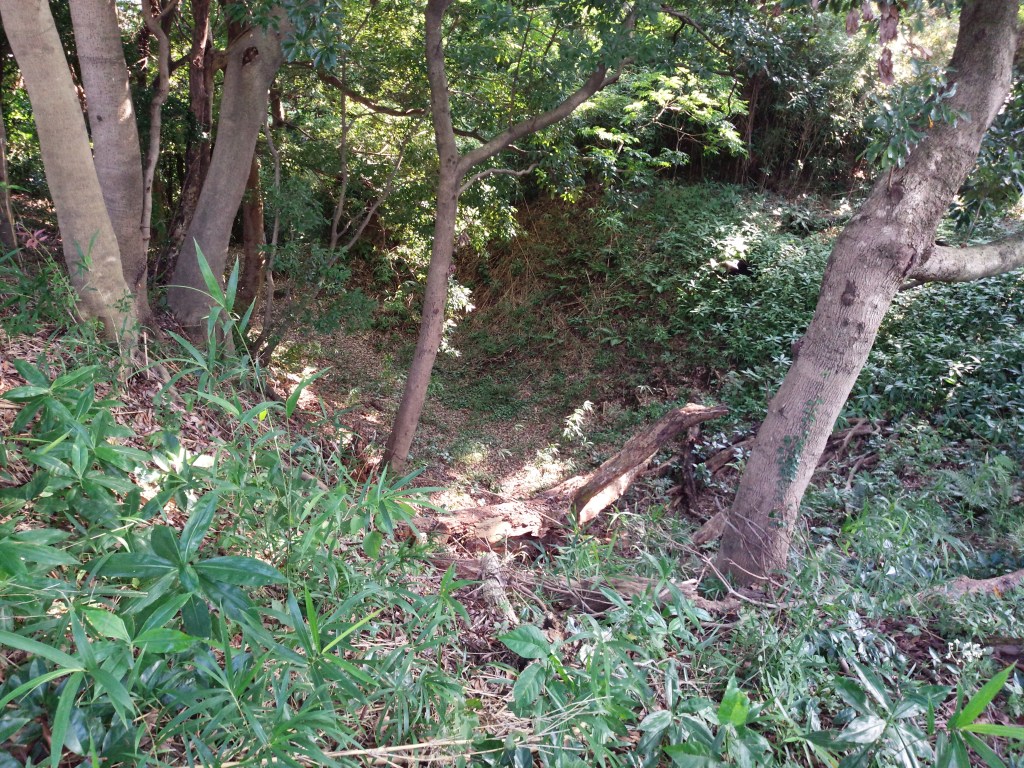
    The remains of the moat at Odawara. The castle that stands on the modern site is a 20th century reconstruction of the fortress as it appeared in 1590. The castle that Soun took in 1495 would have been an formidable, but considerably smaller structure.
    By 柴錬アワー – Own work, CC BY-SA 4.0, https://commons.wikimedia.org/w/index.php?curid=81578474

    In the short term, Soun would continue to support the Imagawa Clan, but as time went on, he began to take on an increasingly independent appearance, as his power grew, and the Imagawa found themselves distracted by events elsewhere. In 1507, the Eisho Disturbance (which led to the Hosokawa Rebellion we talked about previously) ended what little remained of Shogunate influence in the Kanto, and with the Imagawa distracted (or by some accounts, overstretched), Soun was able to extend his direct control of Sagami and Izu Provinces.

    Soun would clash with the Miura Clan of Sagami, who were in turn supported by the Ogigayatsu branch of the Uesugi Clan. Soun would advance on Edo Castle (on the site of the modern Imperial Palace in Tokyo) in early 1510, but a counterattack by the Miura and Ogigayatsu would drive him back as far as his base at Odawara.

    Soun would survive this crisis, and the destruction of the Miura Clan is said to have become the singular focus of his later life. Starting in the summer of 1512, Soun would make steady advances against the Miura, driving them out of Sagami Province, and defeating supporting attacks from the Ogigayatsu, until, by July 1516, the Miura had been bottled up in the eponymous Miura Peninsula (in modern Kanagawa Prefecture) before being destroyed with the capture of their final fortress at Misaki Castle.

    Soun would engage in several further campaigns, even crossing into modern Chiba, but in 1518, he handed control of the clan over to his son, Ujitsuna, before passing away in August the following year.
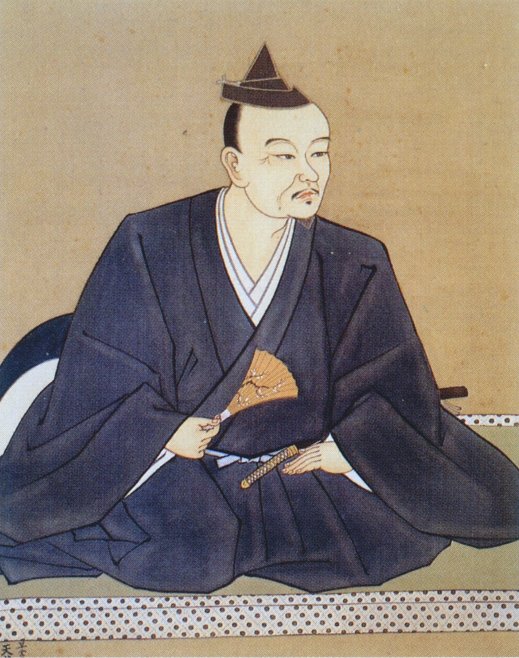
    Hojo Ujitsuna, who would adopt the name and symbol of the Hojo after his father’s death.

    Though Soun himself would never take the name Hojo, his actions secured the dominance of his clan in the Kanto region for most of the 16th Century. Though they would never be completely unchallenged, the clan would eventually rise to become masters of the area around modern Tokyo, until they eventually fell foul of Toyotomi Hideyoshi’s campaigns to unite the realm, with their mighty fortress at Odawara being taken, and the clan destroyed in 1590.

    In many ways, Soun is the archetype of what would become known as a “Sengoku Daimyo”, a kind of warlord who was not content with simply fighting with his neighbours, but worked to improve the lands he ruled. In 1506, Soun ordered a land survey in Sagami Province, the first of its kind in this new era, and he would introduce sweeping reforms to law and justice in his territories that would serve as inspiration for generations of Samurai that followed him, and in some cases, formed the basis for the legal system in place during the Edo Period, and even into more modern times.

    Sources
    https://ja.wikipedia.org/wiki/%E5%8C%97%E6%9D%A1%E6%97%A9%E9%9B%B2
    https://ja.wikipedia.org/wiki/%E5%BE%8C%E5%8C%97%E6%9D%A1%E6%B0%8F
    https://ja.wikipedia.org/wiki/%E4%B8%89%E6%B5%A6%E5%8D%8A%E5%B3%B6
    https://ja.wikipedia.org/wiki/%E7%AB%8B%E6%B2%B3%E5%8E%9F%E3%81%AE%E6%88%A6%E3%81%84
  • The Kyotoku Rebellion

    The Kyotoku Rebellion

    Historians disagree on when the Sengoku Jidai actually began, with the Onin War being a common origin point. The other possibility is our subject today, the Kyotoku Rebellion.

    You may remember that the Kanto, the area in and around modern Tokyo, was not directly ruled from Kyoto. Instead, a member of the Ashikaga Family (from a different branch to the Shogun’s line) served as the Kamakura Kubo, a governor who effectively ruled independently from Kamakura, the capital of the previous Shogunate.

    The kubo didn’t rule alone, however, he was nominally supported by the Kanto Kanrei, the Shogun’s direct deputy in the region, a position that was supposedly subject to direct appointment by the Shogun, but had in reality become a hereditary title of the Uesugi Clan.

    Both positions were supposed to be loyal to the Shogun in Kyoto, but within a few years, that had become a legal fiction. The Kubo was formed in 1349, and for a while, records show them deferring to the central government in most things, especially the all-important appointments of provincial governors (shugo).

    We’ve covered the details of the individual flashpoints in earlier posts, but to recap very briefly, in 1416, 1438, and 1440, there was a series of escalating conflicts that pitted the kubo against the Shogun. After 1440, the Shogun, at this point Ashikaga Yoshinori, sought to take control of the Kanto directly, and the Uesugi were happy to oblige. The position of kubo was abolished, and the Uesugi ruled with an iron fist, certain of the Shogun’s support.

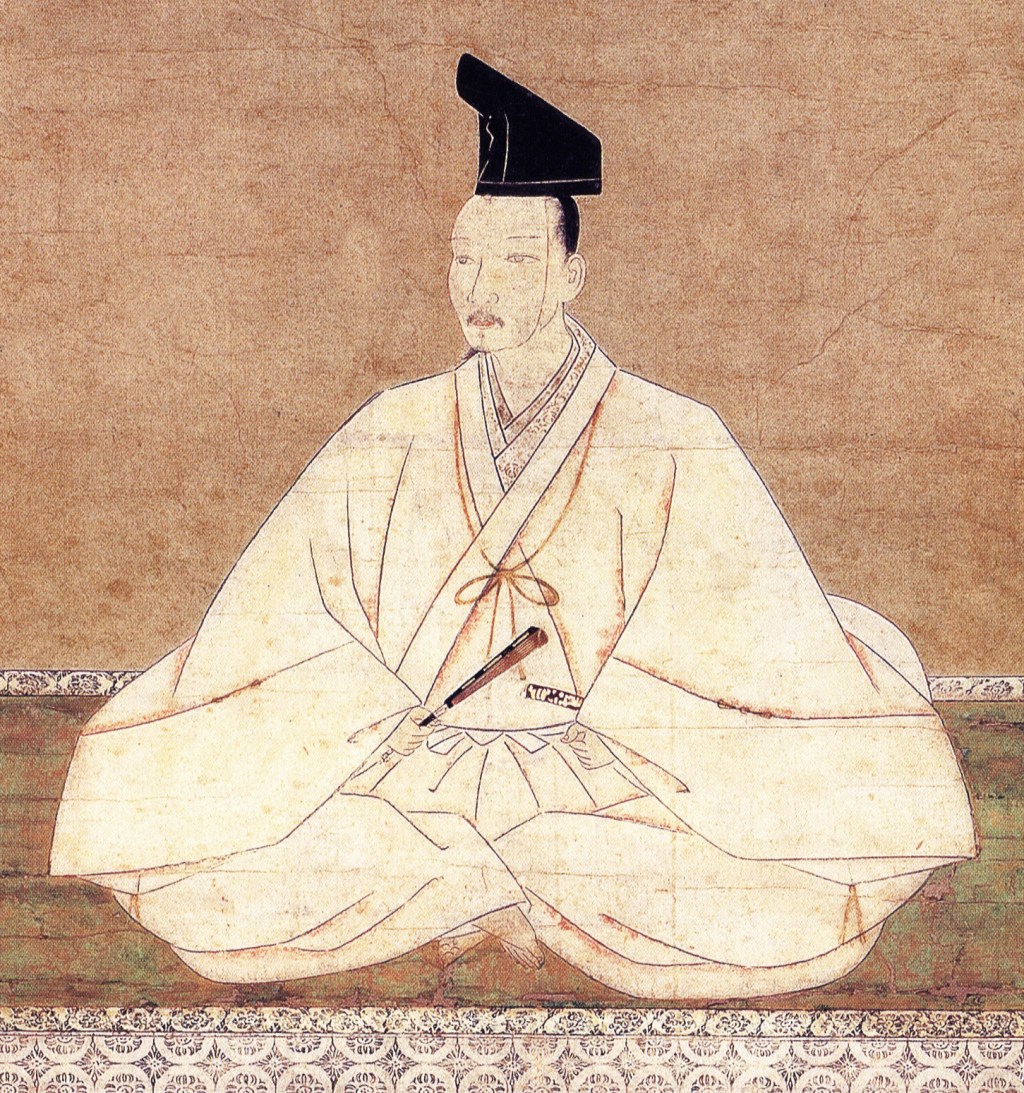
    Ashikaga Yoshinori, who supported the Uesugi in the Kanto.

    This support largely relied on the Shogun being alive, however, and when Yoshinori was assassinated in 1441, the situation in the Kanto grew tense very quickly. In response, the Shogunate government acquiesced to a petition from several Kanto lords, requesting a new kubo.

    This was granted, and Ashikaga Shigeuji was appointed in 1449. This, however, did not please the Uesugi, especially after Shigeuji began to distance himself from working with them, favouring the clans that had supported his father, Mochiuji.

    In April 1450, things came to a head when supporters of the Uesugi attacked the kubo at his residence in Kamakura. Caught by surprise, the kubo was forced to flee to nearby Enoshima, where he regrouped and defeated the Uesugi forces when they pursued him.

    Although the head of the Uesugi (and kanrei), Noritada, had not been directly involved in the attack, he took responsibility and was confined to house arrest. It was at this point that a new problem arose. As I mentioned, prior to 1440, the kubo had operated largely independently of the Shogun, but after the position was restored, the central government intend to keep Kamakura on a much shorter leash.

    Part of this leash shortening involved the insistence that any formal request to the Shogun required the signature of both the kubo and the kanrei. The problem now was that Noritada was under house arrest, and in an uncooperative mood, effectively leaving Shigeuji with no way to (legally) govern.

    Shigeuji was eventually forced to release Noritada, but the conflict between the two would only get worse. On the one hand, Noritada was head of the powerful Uesugi Clan, and kanrei, appointed by the Shogun, and his goal was to preserve the power and dignity of his family and their position in the Kanto.

    Shigeuji, on the other hand, appears to have had more personal reasons. Although there’s no doubt his position as kubo required a certain ruthlessness, sources from the time suggest that Shigeuji blamed the Uesugi for the death of his father, and he was consumed by a desire for revenge.

    A 19th century depiction of Shigeuji.

    So it came to pass, in December 1455, Shigeuji issued orders summoning Noritada to his residence. There’s a fair amount of speculation as to why Noritada would agree to go, given that it appeared to be an obvious trap, but go he did, and shortly after he arrived, he was cut down by men loyal to Shigeuji.

    This assassination was accompanied by similar acts across the Kanto, as Shigeuji’s supporters moved to cut the head off the proverbial snake. The Uesugi Clan was vast, however, like most major clans, it had branches all over the country, and Noritada’s brother and heir had actually been in Kyoto when he was assassinated, meaning that his succession as kanrei, at least on paper, went off with minimal interference.

    The other branches of the Uesugi Clan were enraged by Noritada’s death, and it wasn’t long before the new kanrei was able to gather an army and establish himself at Hirai Castle in Kozuke Province (modern Gunma Prefecture). When they marched against Kamakura, however, they were defeated at the Battle of Bubaigawara in modern-day Fuchu.

    The Uesugi were forced to retreat and ended up under siege at Oguri Castle, in modern-day Ibaraki Prefecture, and a long way from Kamakura. This proved to be a problem for Shigeuji, for although he was able to take Oguri Castle, forces sent by the Shogunate (who were none too pleased about Shigeuji’s actions) took Kamakura from behind (stop laughing), cutting the Kamakura Kubo off from Kamakura. From then on, Shigeuji would base himself at Koga Castle and became known as the Koga Kubo. We’ll just keep calling him kubo, though.

    The modern day remains of Koga Castle.

    The war between the Kanto’s two most powerful figures naturally led to utter chaos. Although both the kanrei and kubo could command the loyalty of thousands of warriors, the reality was that, with central power non-existent, rival clans took to settling their own affairs, usually at swordpoint.

    With neither side able to establish control, the Shogun dispatched his brother, Ashikaga Masatomo, to the Kanto in December 1457, officially to be the new Kamakura Kubo. This didn’t work as planned, however, Masatomo only had the power his brother would allow him, and the Kanto lords knew it.

    It got so bad that Masatomo couldn’t even take up residence in Kamakura and ended up at Horikoshi, in modern-day Shizuoka Prefecture. This situation led to him being called the Horikoshi Kubo, another would-be master of the Kanto who wasn’t even strong enough to demand his original title.

    Things got even worse when the Shogun attempted to launch a punitive expedition against Shigeuji. Even before the forces were properly gathered, the leader of the army, a member of the Shiba Clan, was expelled from his post after dispatching troops from the expedition to his own province (far to the north of the Kanto) to deal with private battles there.

    With the debacle of the expeditionary force, any hope for a decisive end to the war was lost, and the two sides got bogged down in back-and-forth skirmishes, sieges, and other militaristic shenanigans, with the (very loose) border being the Tone River, in the central Kanto.

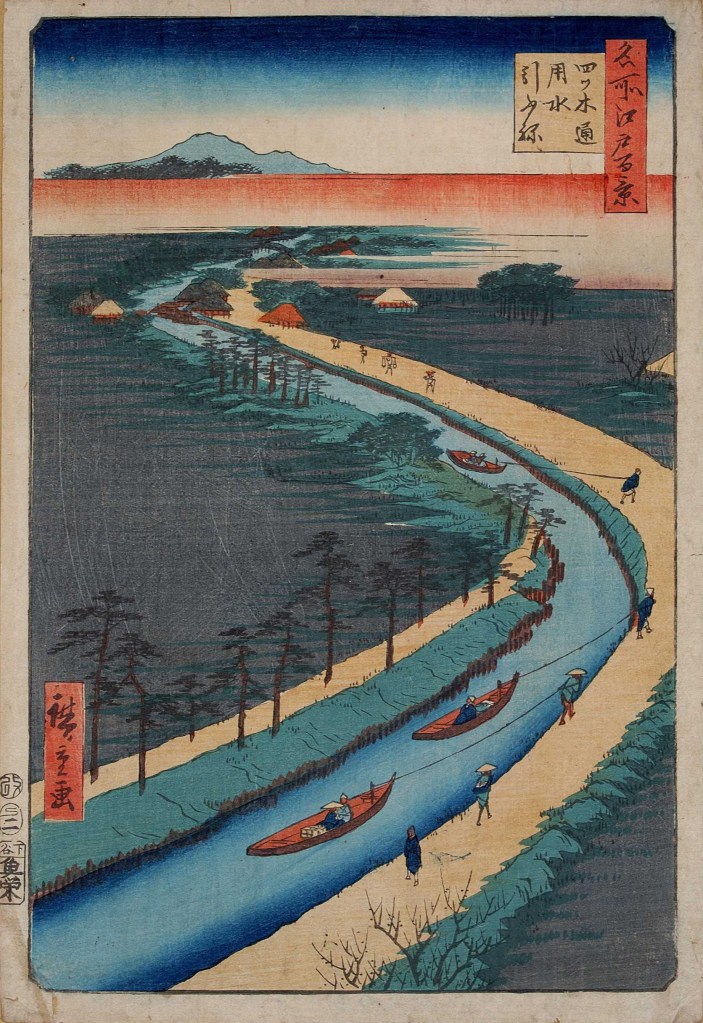
    A later depiction of a canal entering the Tone River

    This would go on for ages, one side would gain the advantage, only to lose it again later and then suffer counter-attacks that would be themselves defeated. In 1466, the kanrei was killed in battle, and Shigeuji’s forces were briefly in the ascendance, but the Uesugi would recover, and in 1468, they would launch several successful counterattacks, and later, in 1471, they would even capture Shigeuji’s base at Koga.

    You might think that Shigeuji would be on the ropes, but no, he struck back, recaptured Koga, and the war dragged on, and on, and on. Just as the Onin War destroyed central authority in and around Kyoto, the Kyotoku War, which had now raged for 16 years, did the same in the Kanto.

    Then, in 1478, after 21 years of war, the Uesugi, suffering a major internal rebellion, were compelled to seek peace with Shigeuji, and the kubo, facing problems of his own, agreed. This ended the main phase of the war between the major powers, but did not bring peace to the Kanto, as both the Uesugi and Shigeuji turned to dealing with internal matters, putting down rebellions and forcing obedience from their erstwhile vassals, which is rarely a peaceful process.

    A final peace would be agreed in 1483 (yes, five years after the initial proposals), and Shigeuji was allowed to continue as kubo; however, he was forced to hand over Izu Province to Masatomo, who continued as Horikoshi Kubo.

    I’m sure, if you think about it for a moment, having two kubo in the Kanto region was never going to last, and it didn’t. Shigeuji had the authority and military power, but Masatomo had the legitimacy of Shogunate support; it was not a recipe for stable and secure government.

    While the fighting had been going on in the Kanto, the Onin War had started and ended (1467-77), and Shogunate authority was effectively at an end. This meant that actual support for Masatomo was minimal, and historians suggest that the only reason Shigeuji and the Uesugi agreed to peace was due to exhaustion after nearly 30 years of war.

    Despite the agreement, peace would not last in the Kanto. By the end of the 15th century, as with the region around Kyoto, the Kanto had fractured into rival territories controlled by numerous warlords. The Uesugi were initially in the strongest position, but by the time Shigeuji died in 1496, that was changing, and new powers were rising in the Kanto, but that’s a story for another time.

    Sources
    https://ja.wikipedia.org/wiki/%E4%BA%AB%E5%BE%B3%E3%81%AE%E4%B9%B1
    https://ja.wikipedia.org/wiki/%E6%B0%B8%E4%BA%AB%E3%81%AE%E4%B9%B1
    https://ja.wikipedia.org/wiki/%E4%B8%8A%E6%9D%89%E7%A6%85%E7%A7%80%E3%81%AE%E4%B9%B1
    https://ja.wikipedia.org/wiki/%E8%A6%B3%E5%BF%9C%E3%81%AE%E6%93%BE%E4%B9%B1
    https://ja.wikipedia.org/wiki/%E9%8E%8C%E5%80%89%E5%BA%9C
    https://ja.wikipedia.org/wiki/%E8%B6%B3%E5%88%A9%E5%9F%BA%E6%B0%8F
    https://ja.wikipedia.org/wiki/%E4%B8%8A%E6%9D%89%E6%86%B2%E5%BF%A0
    https://ja.wikipedia.org/wiki/%E5%B9%B3%E4%BA%95%E5%9F%8E
    https://ja.wikipedia.org/wiki/%E4%B8%8A%E6%9D%89%E6%88%BF%E9%A1%95
    https://ja.wikipedia.org/wiki/%E5%88%86%E5%80%8D%E6%B2%B3%E5%8E%9F%E3%81%AE%E6%88%A6%E3%81%84_(%E5%AE%A4%E7%94%BA%E6%99%82%E4%BB%A3)
    https://ja.wikipedia.org/wiki/%E5%B0%8F%E6%A0%97%E5%9F%8E
    https://ja.wikipedia.org/wiki/%E5%8F%A4%E6%B2%B3%E5%9F%8E

  • Collision Course

    Collision Course

    At the end of the last post, we covered an outbreak of rebellion led by the Uesugi Clan in the Kanto Region. This rebellion was put down, and the Uesugi were badly mauled, but the consequences of it would be long-reaching indeed.

    We haven’t spent a lot of time talking about the Kanto recently; most of the events of the preceding Nanbokucho Period happened in and around Kyoto, so this seems like a good opportunity to update you on what was happening in the area, which is now mostly modern Tokyo and its surroundings.

    You may remember that the government, prior to the Ashikaga Shogunate, had been the Kamakura Shogunate, based in the town of the same name. Kamakura itself is in the Kanto and was, at the time, a major population centre.

    When the Kamakura Shogunate was overthrown, the Ashikaga based themselves in Kyoto, but didn’t lose sight of their position in the Kanto. With power in Kyoto confirmed, the first Ashikaga Shogun, Takauji, sent his second son to Kamakura to oversee things there.

    The position of Kamakura Kubo was initially a solely military post, with the mission being to keep order in the provinces. However, within a few decades, it had transformed into a political and administrative position as well, with the kubo being the effective governor of a large area of eastern Japan.

    The territory under the jurisdiction of the Kamakura Kubo. The original provinces are in red, with those in gold and green added later.
    Pqks758 – 投稿者自身による著作物, CC 表示-継承 3.0, https://commons.wikimedia.org/w/index.php?curid=30770440による

    The other major power in the region was the Kanto Kanrei, the Shogunate Deputy in the Kanto region. Originally an administrative position, subject to appointment and dismissal by the Shogun, by the late 14th Century, the position had become the hereditary title of the Uesugi Clan, who used it to become the dominant power in the region.

    Officially, the Kubo was a military position, whilst Kanrei was an administrative one, but the reality was that there was considerable overlap between both positions. The Kanrei was supposed to be subordinate to the Kubo, but the situation on the ground meant that the Kanrei often controlled more land and men than the Kubo.

    There were several clashes between both positions, and the government in Kyoto, but one of the most serious was the Uesugi Rebellion in 1416, which we talked about last time. Although the rebellion was crushed, the situation in the Kanto remained tense in the aftermath.

    Firstly, the Kubo at the time was Ashikaga Mochiuji, who had an unfortunate habit of ignoring instructions from Kyoto that didn’t suit him. In the aftermath of the rebellion, the Shogun, Yoshimochi, had wanted to pursue a policy of reconciliation, similar to that of his father.

    Mochiuji, however, wanted revenge; he saw the powerful clans in the Kanto as a direct threat to his rule and was determined to crush them once and for all. He began taking direct action against families that had joined the rebellion, and despite issuing orders for him to stop, the government in Kyoto proved powerless to curb his violent tendencies.

    Yoshimochi wasn’t idle, however. Although the position of Kamakura Kubo was a powerful one, and Mochiuji had many supporters, there were others who remained opposed to him. Yoshimochi took advantage of this, extending direct vassalage to several important families in the Kanto region and elsewhere. Though these families technically owed allegiance to Kamakura, they were now direct vassals of the Shogun.

    Though this policy may have seemed like a good idea at the time, it would backfire. In 1422, the Oguri Clan, with the implied support of the Shogun, rose in rebellion against Kamakura and Mochiuji. Whether or not the Oguri expected support from Kyoto, it didn’t come, and Mochiuji personally led the army that put the rebels down.

    In response, the Shogun gave serious consideration to military action, but it was eventually decided to do nothing but demand a formal apology from Mochiuji, which he quickly agreed to, bringing an end to the immediate crisis.

    Things jump ahead a little bit here. In 1423, Shogun Yoshimochi retired and officially handed over the title (but not the power) of Shogun to his son, Yoshikazu. This arrangement didn’t last long; Yoshikazu died within two years (apparently from alcohol-related issues).

    The position of Shogun was then left vacant, but since Yoshimochi held the actual power, the government kept going regardless. This changed in 1428, when Yoshimochi himself died, seriously impeding his ability to run the state.

    Yoshimochi had no more sons, so a new Shogun was sought from amongst his brothers. Apparently, they did this by a lottery, and the name drawn was Yoshinori. The problem with that was that Yoshinori (who was also called Yoshinobu for a time) had become a monk during his youth.

    Ashikaga Yoshinori, an unlikely choice for Shogun.

    There was plenty of precedent for important officials to retire and become monks, but there was none for it happening the other way. At first, the selection of Yoshinori was opposed; he was a monk, for starters, and there were rumours that Mochiuji, the Kamakura Kubo, would be declared Shogun instead.

    Several tense months followed, including the death of one Emperor and the accession of another. It was this new Emperor, Go-Hanazono, who would name Yoshinori Shogun in March 1429. Yoshinori seems to have tried to model himself on his father, the great Yoshimitsu. He attempted to centralise power in Kyoto and curb the influence of powerful local deputies (Kanrei), and he even restarted the trade with China.

    However, Yoshinori was not Yoshimitsu, and the situation for the Shogunate was not as it had been 30 years earlier. Yoshinori would have some success initially, bringing restive lords in Kyushu back in line, and moving to end the Shogun’s reliance on the military strength of the Shugo (governors) as his predecessors had been forced to.

    Trouble was never very far away, however, and in 1433, ongoing conflicts between rival temples in and around Kyoto flared up again. Now, Yoshinori had been a monk of the Tendai Sect, specifically at the Shoren-in Temple.

    Now, the intricacies of temple politics in this era are complex to say the least, but the short version is that there were various sects of Buddhism prominent in Japan at this time. These sects were then often further subdivided, and, in keeping with the style of the time, these factions would often engage in vicious and sometimes violent rivalries with each other.

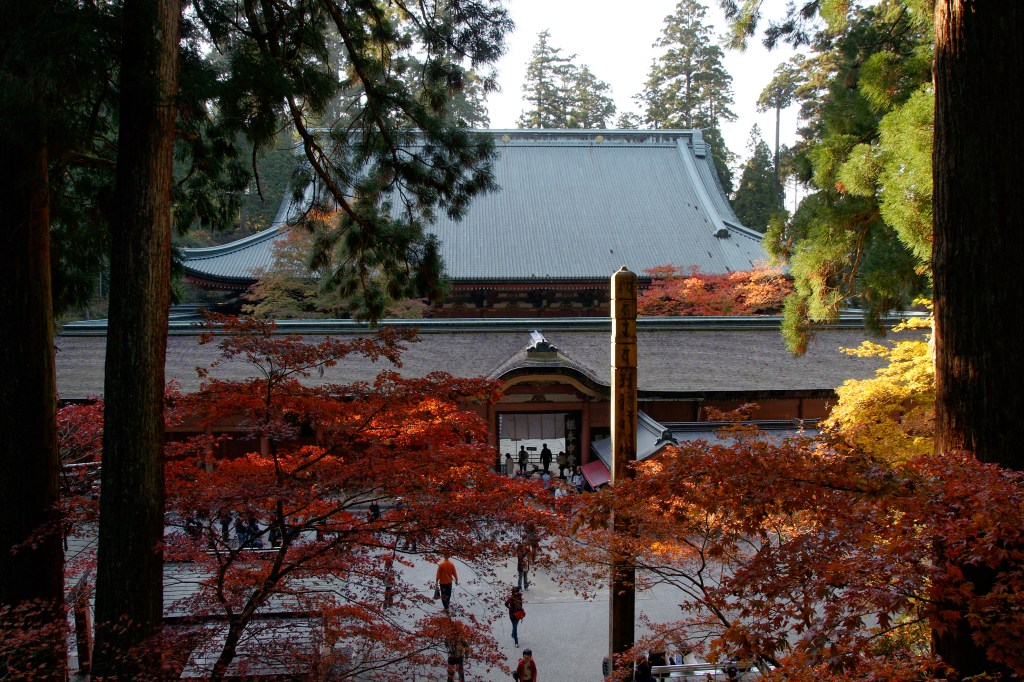
    At this time, one of the most violent disputes was between the Jimon (Temple Gate) and Sanmon (Mountain Gate) branches of the Enryaku-ji Temple on Mt Hiei, near Kyoto. Yes, you read that right, they were rivals from the same temple complex.

    A modern image of Enryaku-ji. This particular building dates from the 17th Century.
    663highland, CC 表示 2.5, https://commons.wikimedia.org/w/index.php?curid=8449808による

    In July 1433, the monks of the Sanmon Faction submitted a petition of 12 complaints to the Shogun, making allegations of misconduct against the Shogunate officials in charge of religious affairs.

    The Shogun took a conciliatory approach to this, accepted the petition and then apparently dismissed the officials in question. The Sanmon Monks, apparently getting a bit full of themselves, celebrated by burning down Onjo-ji (sometimes known as Mii-Dera), the headquarters of the Jimon Faction.

    Now, the Shogun was understandably annoyed by this. Apparently, the monks of Onjo-ji had refused to join the Sanmon Faction’s petition, but that wasn’t a good enough excuse, and Yoshinori dispatched troops to Mt Hiei, demanding that the monks of Enryaku-ji surrender.

    This they did, but the peace didn’t last long. Within a few months, rumours began spreading that the Monks were conspiring with Ashikaga Mochiuji, apparently trying to curse the Shogun, and general praying for his downfall, which in a superstitious age was a big deal.

    In response, the Shogun confiscated property belonging to the temple and sent troops to surround the temple, effectively putting Enryaku-ji under siege. From July to December 1434, no one could get in or out of Mt Hiei, and the monks were eventually compelled to seek terms of surrender.

    Shogun Yoshinori was in a far less forgiving mood this time, and he was initially reluctant to accept terms. However, under pressure from his own government, he accepted the surrender, and the previously confiscated property was returned.

    This was apparently just a ruse, however, and in February 1435, Yoshinori had four Enryaku-ji monks arrested and beheaded. The monks on Mt Hiei were outraged by this and set fire to their own temple, with 24 of them meeting their ends (more or less willingly) in the flames.

    Mt Hiei is easily visible from Kyoto, and the sight of the temple in flames caused outrage in the city. Yoshinori responded by issuing an edict sentencing anyone who complained about the situation to death, which apparently worked wonders in keeping the population quiet.

    With the Sanmon Faction subjugated, Yoshinori then turned his eyes back to the Kanto. All he needed was a pretext, and luckily for him, one would not be long in coming.

    Sources

    https://ja.wikipedia.org/wiki/%E9%8E%8C%E5%80%89%E5%BA%9C
    https://ja.wikipedia.org/wiki/%E8%B6%B3%E5%88%A9%E6%8C%81%E6%B0%8F
    https://ja.wikipedia.org/wiki/%E9%96%A2%E6%9D%B1%E7%AE%A1%E9%A0%98
    https://ja.wikipedia.org/wiki/%E4%B8%8A%E6%9D%89%E7%A6%85%E7%A7%80%E3%81%AE%E4%B9%B1
    https://en.wikipedia.org/wiki/Ashikaga_Yoshikazu
    https://ja.wikipedia.org/wiki/%E8%B6%B3%E5%88%A9%E7%BE%A9%E9%87%8F
    https://en.wikipedia.org/wiki/Ashikaga_Yoshinori
    https://ja.wikipedia.org/wiki/%E5%BB%B6%E6%9A%A6%E5%AF%BA
    https://en.wikipedia.org/wiki/Jimon_and_Sanmon
    https://en.wikipedia.org/wiki/Mii-dera
    https://ja.wikipedia.org/wiki/%E8%B6%B3%E5%88%A9%E7%BE%A9%E6%95%99#%E6%AF%94%E5%8F%A1%E5%B1%B1%E3%81%A8%E3%81%AE%E6%8A%97%E4%BA%89
    https://ja.wikipedia.org/wiki/%E5%B0%8F%E6%A0%97%E6%BA%80%E9%87%8D%E3%81%AE%E4%B9%B1
    https://ja.wikipedia.org/wiki/%E4%BA%AC%E9%83%BD%E6%89%B6%E6%8C%81%E8%A1%86