Tag: Lady Tsukiyama

  • The Third Unifier – Tokugawa Ieyasu. Part Three.

    The Third Unifier – Tokugawa Ieyasu. Part Three.

    After the disastrous Battle of Mikatagahara in January 1573, contemporaries might have been forgiven for thinking that Tokugawa Ieyasu was finished. His army had been defeated and scattered, several important fortresses had fallen, and Takeda forces were camped deep inside his home province of Mikawa.
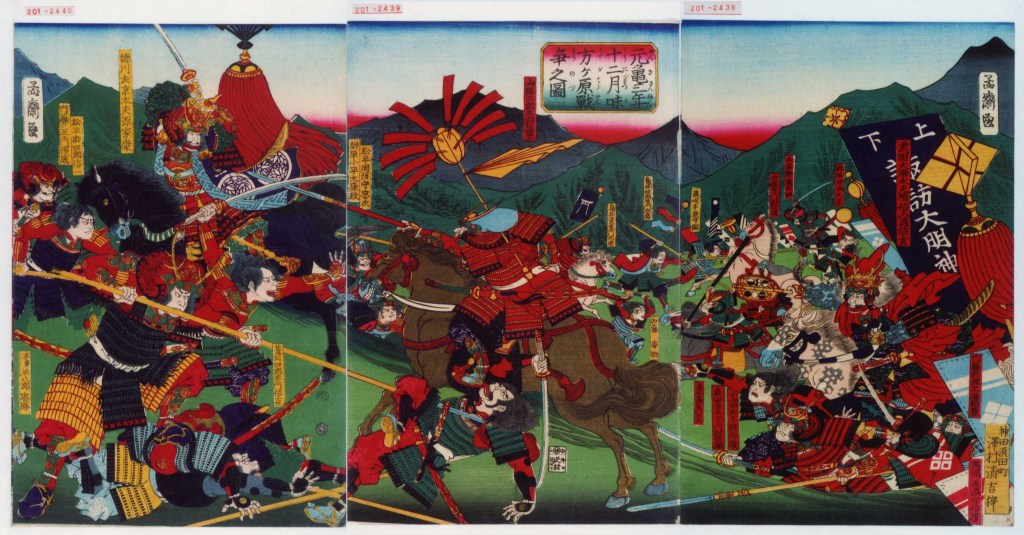
    The Battle of Mikatagahara was a disaster from which Ieyasu might not have recovered.

    Fate, however, was on Ieyasu’s side. Though Mikatagahara had been a catastrophe, the Takeda would prove unable to take advantage of their victory. Not long after the Battle, Takeda Shingen, arguably the most formidable warrior of his day, fell ill (some sources say he was wounded in battle, though later stories of Ninja assassinations are likely mythological).

    With their leader bedridden, the Takeda campaign stalled. They tried to keep the full extent of his illness secret, but when Shingen died in May, the once-mighty Takeda army began a full retreat from Mikawa. The Art of War writes that a general should know his enemy, and Ieyasu, student of war that he was, seems to have realised that something was amiss.
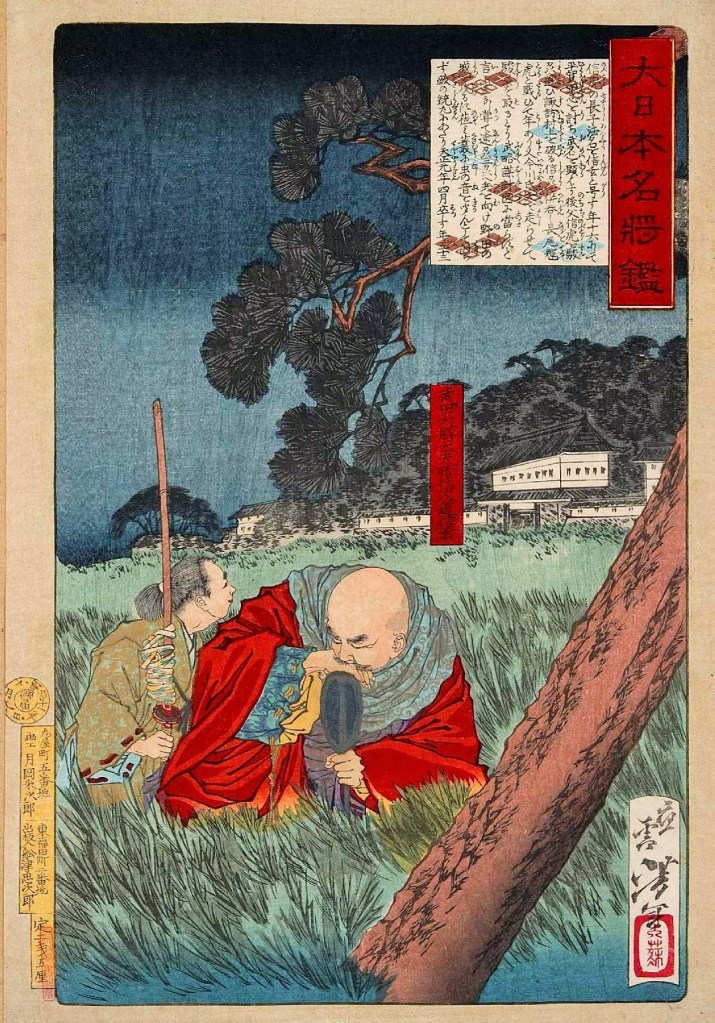
    An image depicting Shingen’s illness. He was arguably the most formidable warlord of his day, and his death was a huge strategic boon to the Tokugawa.

    Under Shingen, the Takeda were aggressive and highly capable, but after his (still secret) death, Ieyasu identified several weaknesses and launched a counter-attack, the success of which effectively confirmed his theory that Shingen was gone. With the momentum swinging back towards the Tokugawa, several clans that had defected to the Takeda switched sides again, and Ieyasu was able to swiftly regain the strength lost at Mikatagahara.

    Shingen’s successor, Katsuyori, has been remembered as a poor imitation of his father, though much of what was recorded about him was written by his enemies. In the short term, however, Katsuyori and Ieyasu were fairly evenly matched, and throughout 1574 and into 1575, they traded blows, with the momentum shifting back and forth.
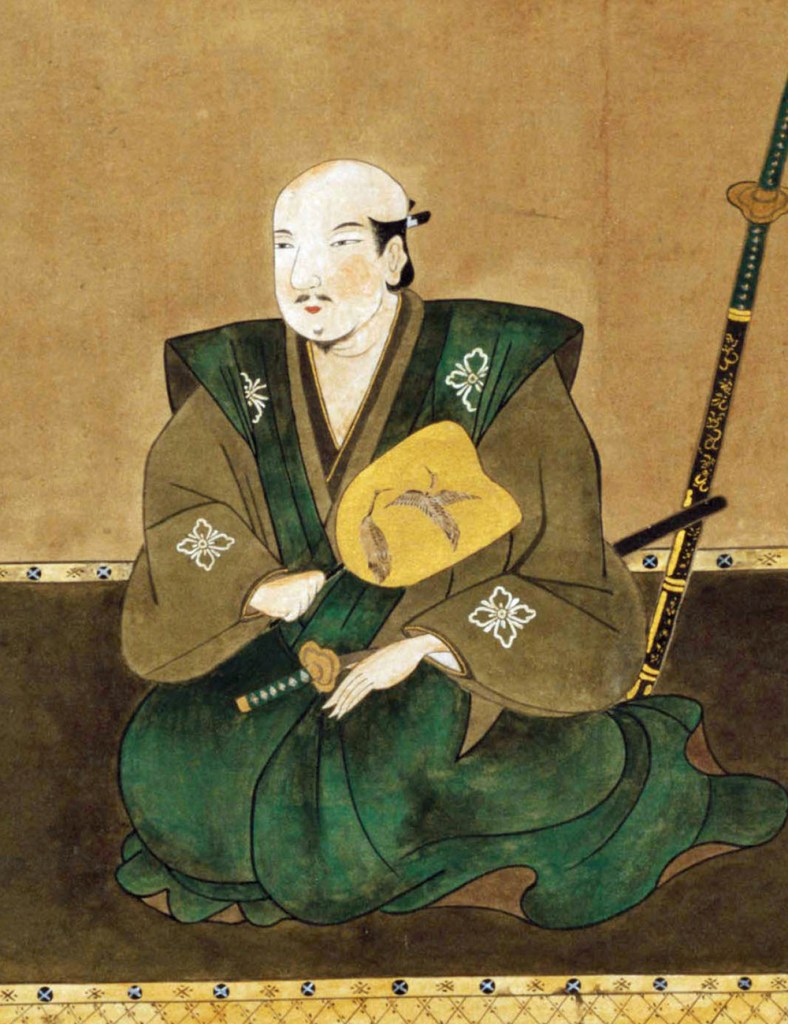
    Takeda Katsuyori. Though perhaps unfairly maligned in later writings, he would prove unable to live up to his father’s legacy.

    Ieyasu had something that Katsuyori didn’t, however, a powerful ally. The death of Shingen had removed a serious (possibly existential) threat to the ambitions of Oda Nobunaga, and in 1575, he was finally able to dispatch significant forces to support Ieyasu’s ongoing campaign against the Takeda.

    In early 1575, Takeda forces once again advanced against Mikawa province, laying siege to the strategically important Nagashino Castle. Sources suggest that the Takeda invested the castle with 15,000 men, whilst the defenders numbered only 500. Despite the disparity in strength, the fortress was situated in terrain that made it difficult for the Takeda to bring their full forces to bear, and for a time, the garrison held out.
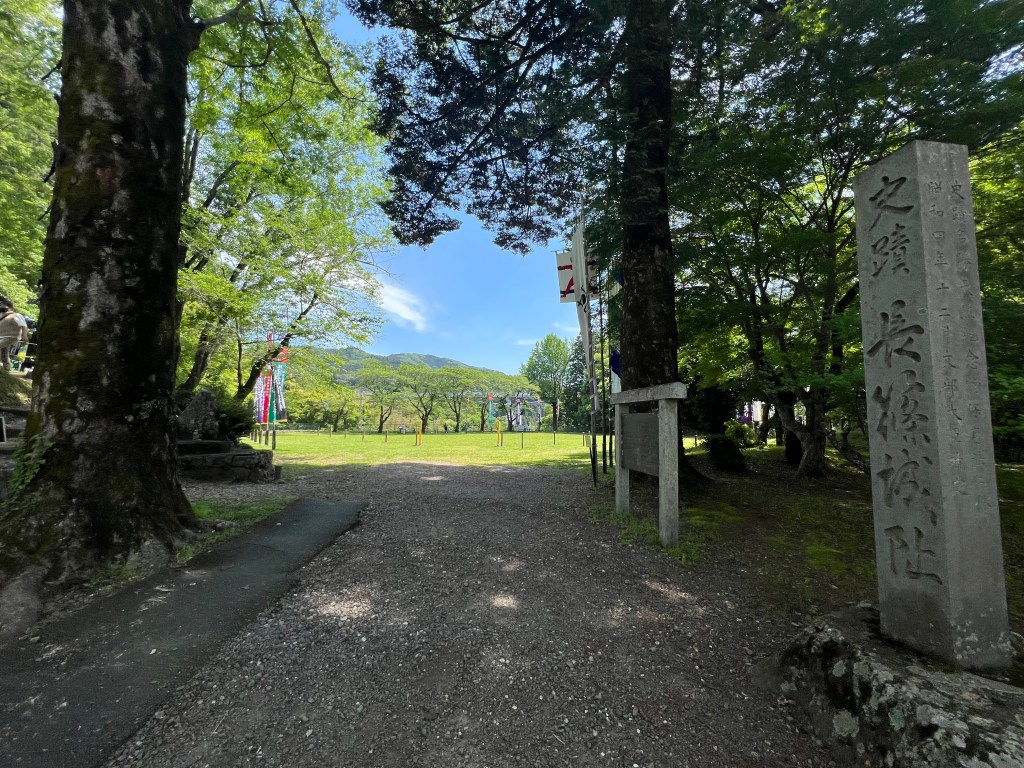
    The site of Nagashino Castle as it appears today.

    The situation changed dramatically, however, when the garrison’s food supplies were burned. In response, a messenger, Torii Suneemon, slipped through Takeda’s lines and made it to a combined Oda-Tokugawa army that was supposed to have numbered some 38,000 men (30,000 Oda and 8,000 Tokugawa, which goes some way to demonstrating the power dynamic in this ‘alliance’.)

    Suneemon then tried to return to Nagashino to inform the garrison that help was on the way, but he was instead captured by the Takeda. Katsuyori offered him a deal: if he told the garrison that no help was coming, he’d be set free. Instead, Sunemon shouted that relief was on the way, and the garrison should hold out, for which he was crucified in full view of the walls.
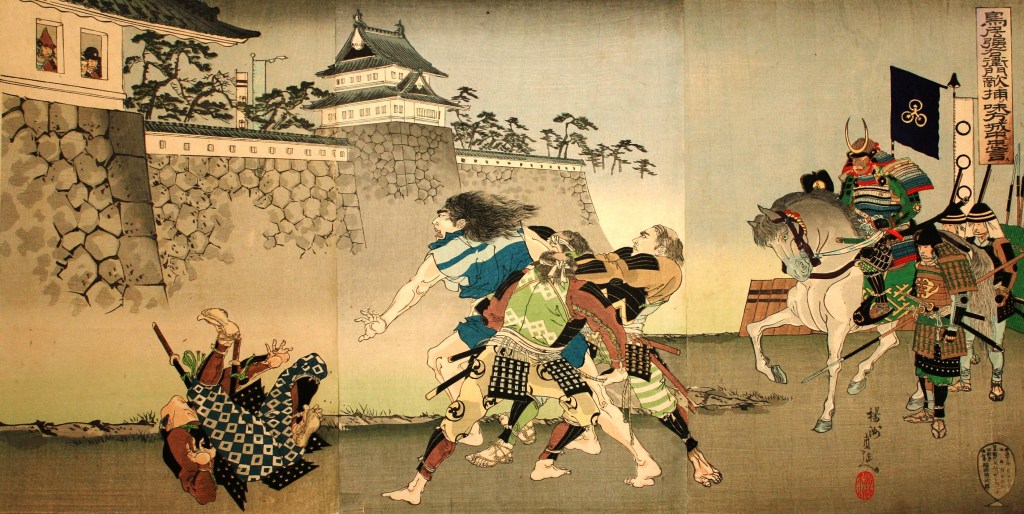
    A later (and somewhat dramatised) depiction of Suneemon exhorting the garrison of Nagashino to keep resisting.

    When the Oda-Tokugawa forces arrived two days later, the garrison was still holding out, and the Takeda turned to give battle. Although the Battle of Nagashino is one of the most famous and decisive battles of the Sengoku Jidai, scholars disagree on what actually happened. Nagashino has long been famous for Nobunaga’s innovative use of massed firearms, with thousands of foot soldiers firing in a three-rank system that kept up a constant hail of fire that decimated the Takeda’s famous cavalry charge.

    The exact number of firearms and the tactics used are still debated, but what is known for sure is that Nagashino represented a blow to the Takeda Clan from which they would never recover. In the aftermath, both Ieyasu and Nobunaga moved to take advantage, extending their control over Suruga and Totomi Provinces, and boxing the Takeda up in their traditional home in Kai and Shinano Province (modern Yamanashi and Nagano prefectures)
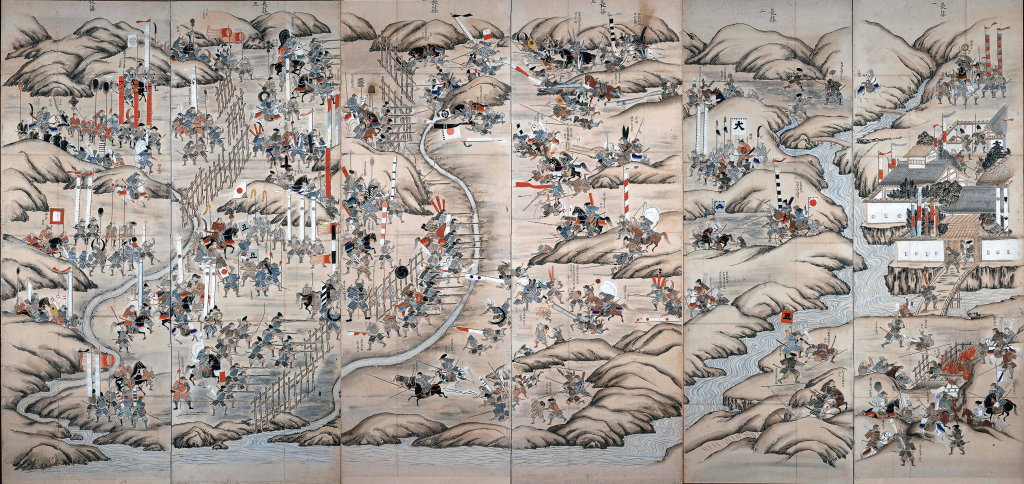
    An 18th-century depiction of the Battle of Nagashino, with the Oda-Tokugawa forces on the left, and Nagashino Castle on the far right.

    Though Ieyasu had been on the winning side, the victory over the Takeda would mark the time when his relationship with Nobunaga ceased to be an alliance of equals. There was no disputing Nobunaga’s power by this point, and the resources at his disposal dwarfed anything Ieyasu could deploy. Consequently, in the aftermath of Nagashino, Ieyasu found himself a vassal to the Great Lord.

    Perhaps the best evidence of how far the relationship had shifted came in 1579, when, on Nobunaga’s order, Ieyasu had his wife and eldest son put to death on suspicion of conspiring with the Takeda to arrange Nobunaga’s assassination.
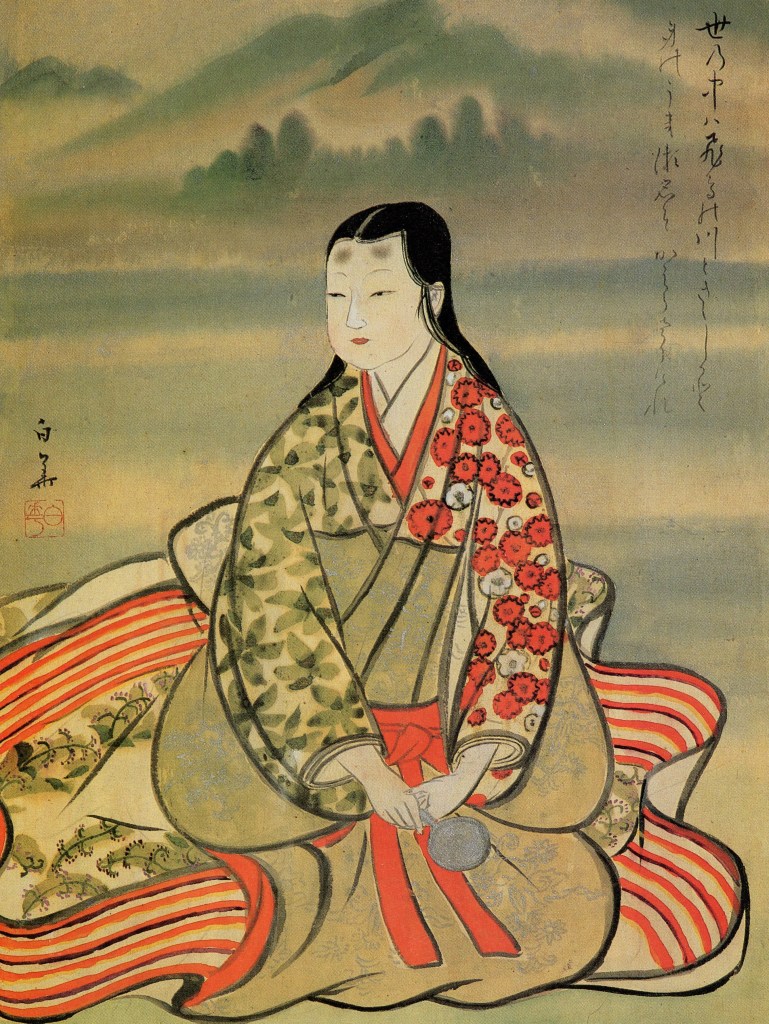
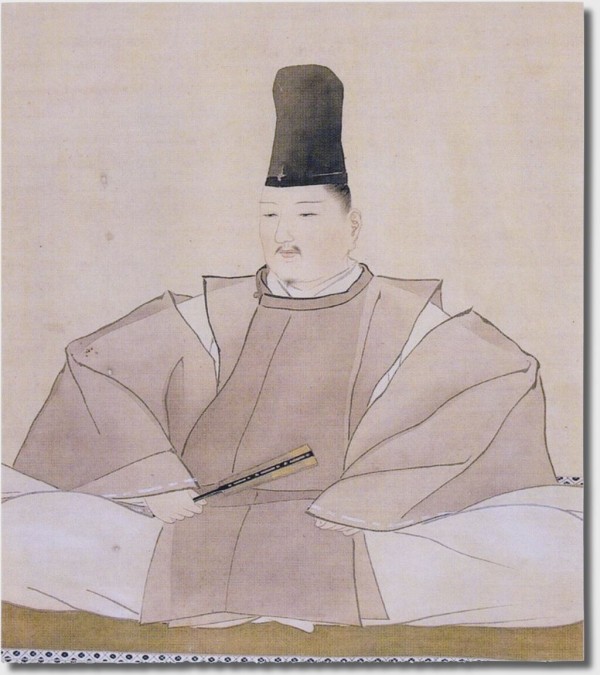
    Ieyasu’s first wife, Lady Tsukiyama.

    The long-held theory was that Lady Tsukiyama, Ieyasu’s wife, and his eldest son, Nobuyasu, were indeed conspiring with the Takeda. Some sources portray Lady Tsukiyama as a scheming, evil woman who seduced men into joining her plot, whilst Nobuyasu is said to have been a cruel, vindictive psychopath who committed acts such as shooting random peasants dead during festivals for no reason other than that they danced poorly.

    The catalyst for their death was apparently Nobunaga’s daughter, Tokuhime, who just so happened to be married to Nobuyasu. It is said that she hated her mother-in-law so much that she concocted the entire plot to have both of them removed.
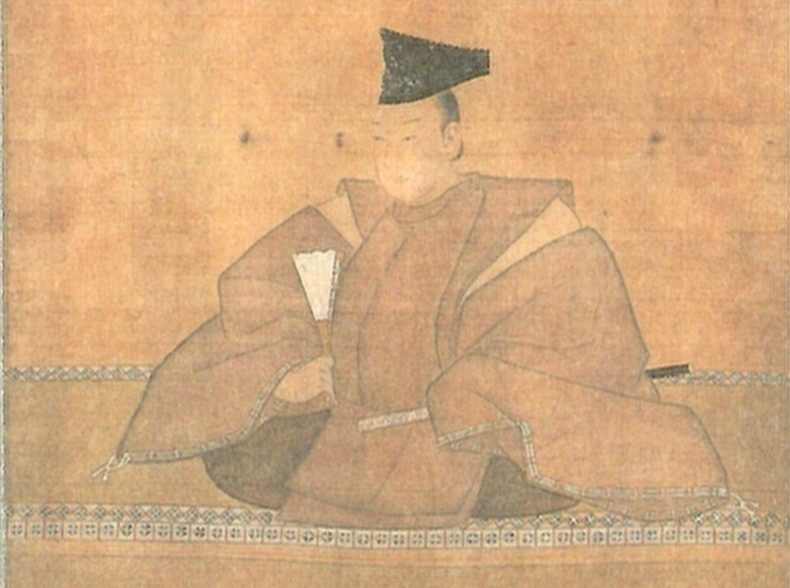
    Ieyasu’s eldest son, Nobuyasu, who was either a traitor, a violent lunatic, the victim of a vindictive wife, or a combination of all three, depending on who you believe.

    There is another school of thought that suggests Nobunaga had nothing to do with the incident and that Ieyasu and Nobuyasu were instead engaged in a long-term feud. Nobuyasu, apparently supported by his mother, is said to have defied his father’s orders and even been plotting open rebellion, with or without the support of the Takeda.

    Faced with such a direct threat to his authority, Ieyasu sought the advice of his overlord, Nobunaga (who also happened to be Nobuyasu’s father in law), who is said to have instructed that, as the matter was an internal family affair, that Ieyasu should do as he thought best, resulting in the execution of Lady Tsukiyama, and Nobuyasu’s seppuku.

    Whether Nobunaga gave the order or Ieyasu acted on his own initiative, this incident highlights the situation Ieyasu faced in the late 1570s. Subordinate to Nobunaga’s power, and insecure at home, despite his successes, there was still no reason to believe that Ieyasu was going to be anything other than a footnote in another man’s story.
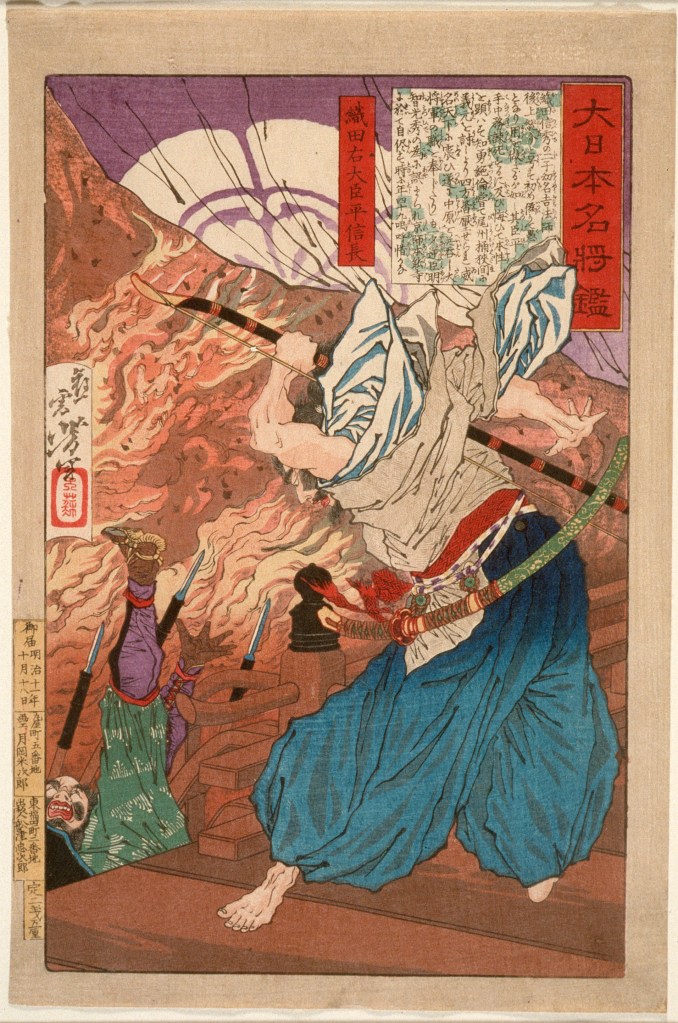
    Ooooh, foreshadowing!

    Sources
    https://ja.wikipedia.org/wiki/%E5%BE%B3%E5%B7%9D%E5%AE%B6%E5%BA%B7
    https://ja.wikipedia.org/wiki/%E7%AF%89%E5%B1%B1%E6%AE%BF
    https://ja.wikipedia.org/wiki/%E6%9D%BE%E5%B9%B3%E4%BF%A1%E5%BA%B7
    https://ja.wikipedia.org/wiki/%E9%95%B7%E7%AF%A0%E3%81%AE%E6%88%A6%E3%81%84
    https://ja.wikipedia.org/wiki/%E4%B8%89%E6%96%B9%E3%83%B6%E5%8E%9F%E3%81%AE%E6%88%A6%E3%81%84
    https://ja.wikipedia.org/wiki/%E6%AD%A6%E7%94%B0%E5%8B%9D%E9%A0%BC
    https://ja.wikipedia.org/wiki/%E6%AD%A6%E7%94%B0%E4%BF%A1%E7%8E%84
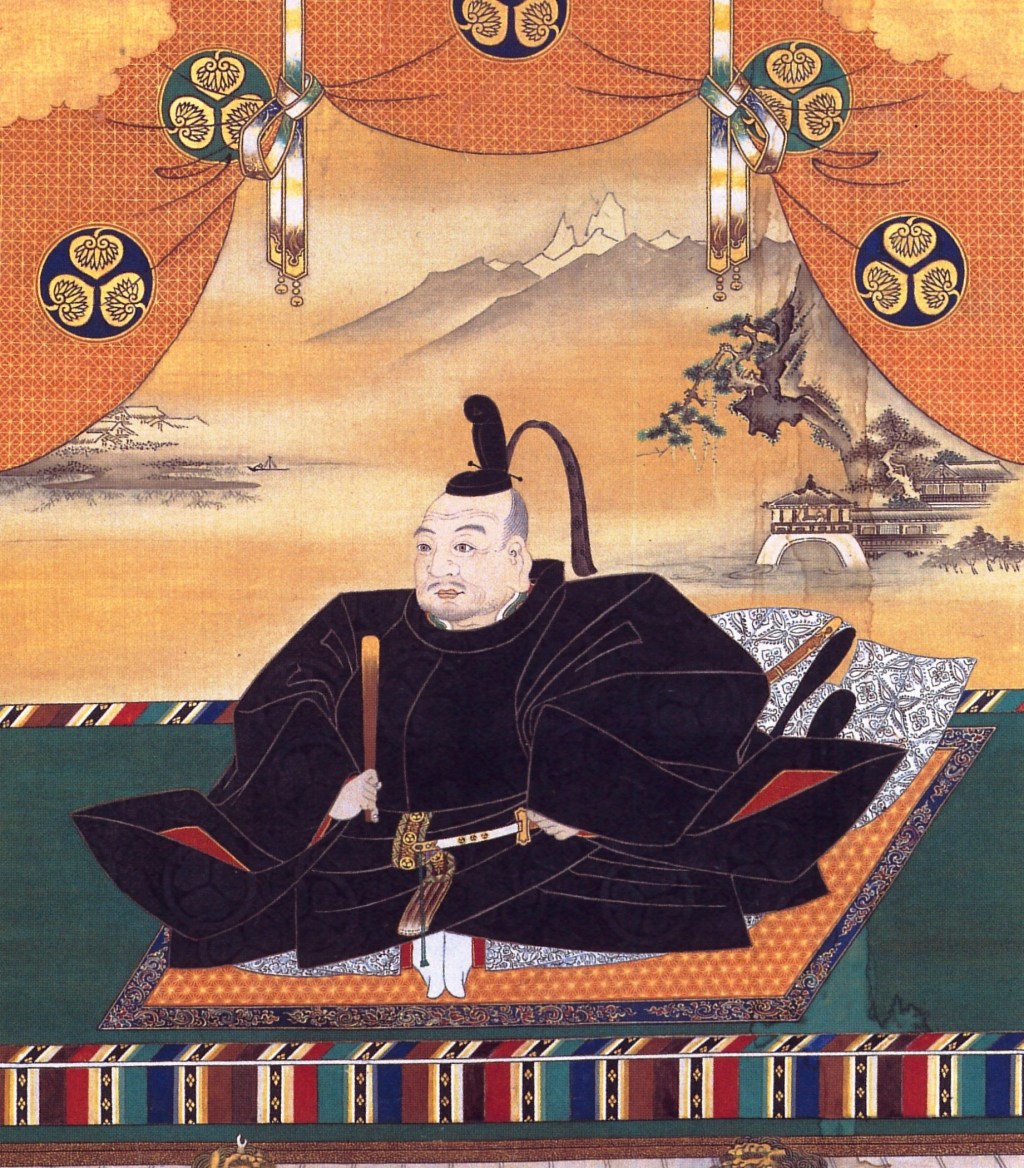
  • The Third Unifier – Tokugawa Ieyasu. Part One.

    The Third Unifier – Tokugawa Ieyasu. Part One.

    If the bird will not sing, wait for it to sing.

    The third, and ultimately, final unifier was born Matsudaira Takechiyo in December 1542. His father, Matsudaira Hirotada, is a somewhat mysterious figure, with several theories about the events of his life, and even his death, but what is known with (relative) certainty is that the Matsudaira Clan were the lords of Okazaki Castle in Mikawa Province, which is where Takechiyo (from now on, referred to as Ieyasu) was born.

    At the time of his birth, the Matsudaira Clan were a relatively minor family in the service of the more powerful Imagawa. This was an era of constant civil war, and plots, subterfuge, and outright betrayal were common. To pre-empt this, in 1547, when Ieyasu was about five, he was sent to the Imagawa capital at Sunpu (in modern Shizuoka) as a hostage to secure his father’s loyalty.

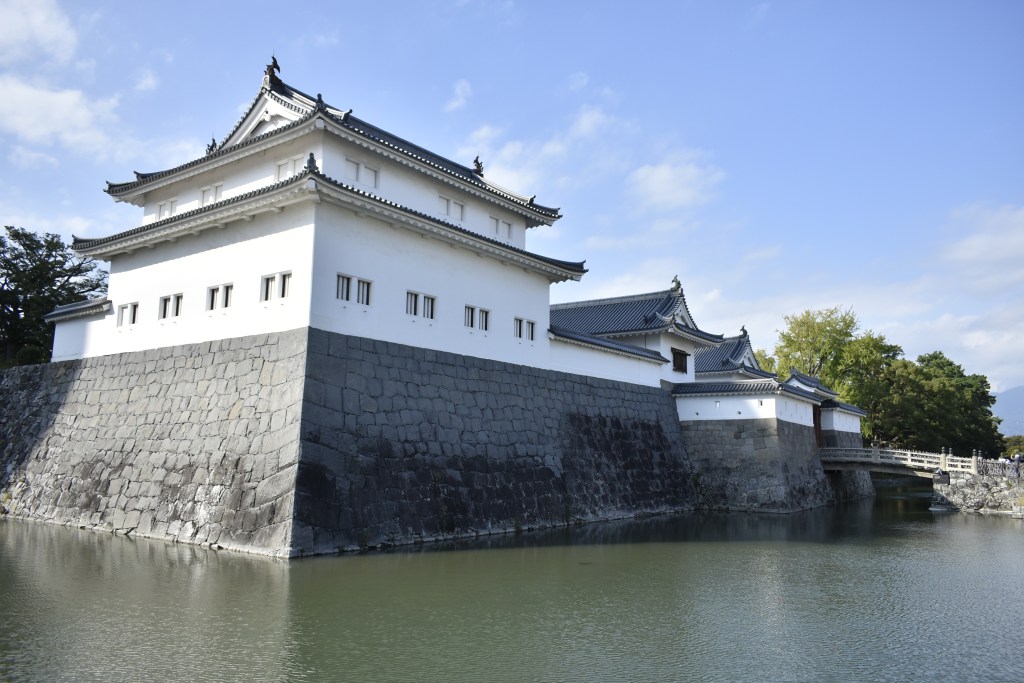
    A modern reconstruction of Sunpu Castle.
    江戸村のとくぞう – 投稿者自身による著作物, CC 表示-継承 4.0, https://commons.wikimedia.org/w/index.php?curid=95206213による

    The boy’s escort was entrusted to one Toda Yasumitsu, who promptly betrayed the Imagawa and instead had Ieyasu sent to Oda Nobuhide. Quite why Yastumitsu did this is debated, with some sources saying he sold Ieyasu for 1000 gold pieces (some say 100), and that the Imagawa promptly attacked his castle, and destroyed his family (though other sources say the Toda held out for a year or more).

    Other sources say that the whole thing was actually a ruse arranged by Ieyasu’s father, who had secretly agreed to swear fealty to the Oda and had sent his son as a hostage as proof. It is also suggested that this was the first time Ieyasu met Oda Nobunaga, though historians debate whether the meeting actually took place.

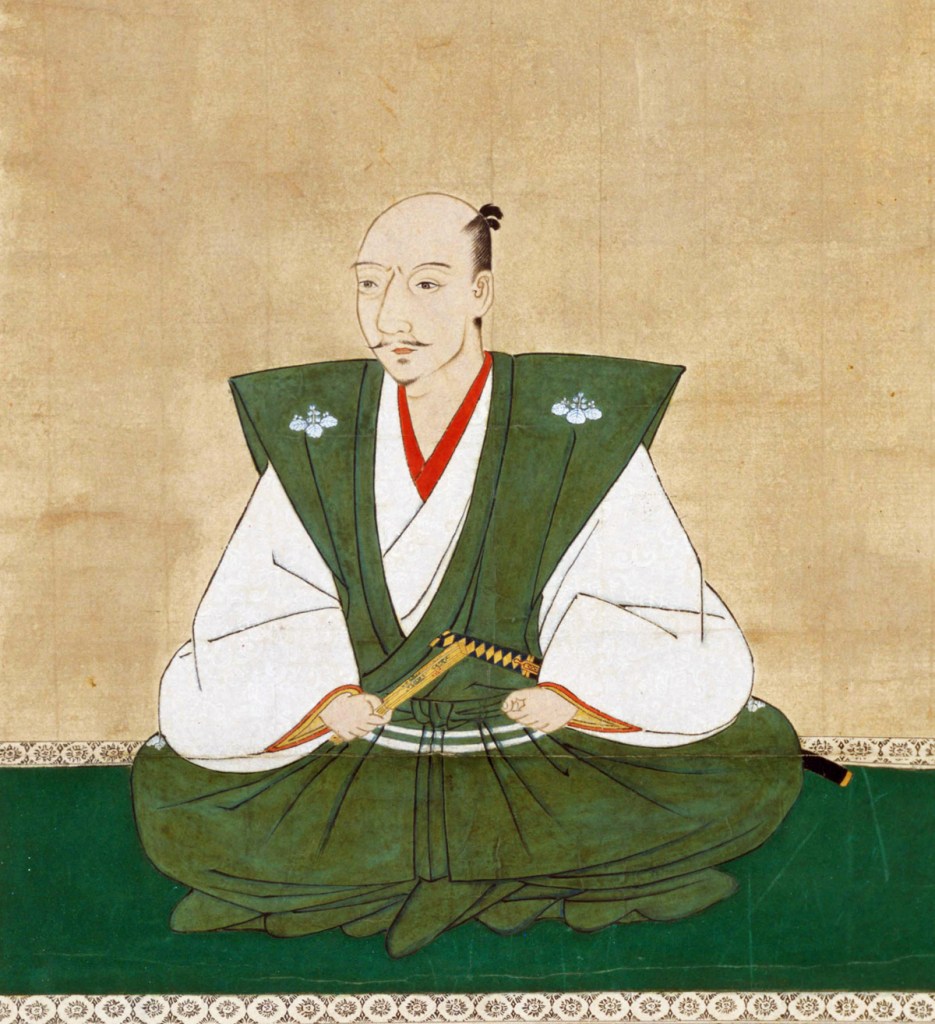
    Oda Nobunaga, who may (or may not) have met Ieyasu during his time as a hostage.

    Despite the somewhat murky circumstances, Ieyasu’s time as a hostage would not last long, as his father soon passed away (the exact date and circumstances are debated), aged around 23-24, and the Lord of the Imagawa, Yoshimoto, arranged a hostage swap that saw Ieyasu brought to Sunpu, where, despite now being the nominal lord of Okazaki, the Imagawa meant to keep a close eye on him.

    This is another page in Ieyasu’s history that the sources disagree on. Some suggest he was still a hostage, whilst others point out that, as the Lord of Okazaki, he was a direct vassal of the Imagawa, and instead, his residence in Sunpu was part of a wider policy of keeping vassals in a central location. Either way, Ieyasu was hardly kept in the dungeons, and in 1557, he married Yoshimoto’s niece, Lady Tsukiyama. (Tsukiyama is a place near Sunpu; her real name is not recorded.)

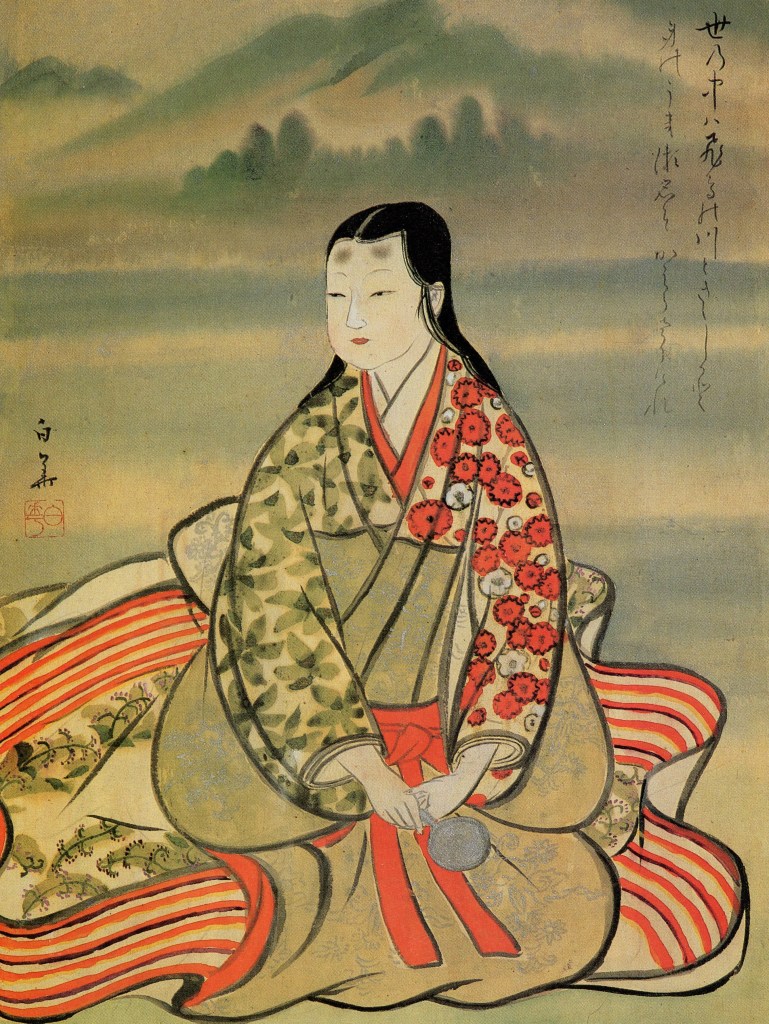
    Lady Tsukiyama, Ieyasu’s first wife. Her real name may have been Sena, but that name doesn’t appear in the records until 1740, 160 years after her death.

    A marriage to a close relative of Yoshimoto boosted Ieyasu’s standing within the clan, but it may also have played a part in the Imagawa’s own ambitions. For decades, the Kira Clan, descendants of the Ashikaga Shoguns, had held a preeminient position in Mikawa Province. Though not officially governors (shugo) of the Province, their illustrious descent meant that, at least in terms of lineage, they were equals to the Imagawa.

    As we have seen dozens of times before, however, during the Sengoku Jidai, the prestige of an illustrious name wasn’t what it had once been, and the real power in Mikawa lay with the Matsudaira. By binding Ieyasu more closely to his family, Imagawa Yoshimoto sought to use this power to assert Imagawa control over the Province at the expense of the Kira and the other Mikawa Clans.

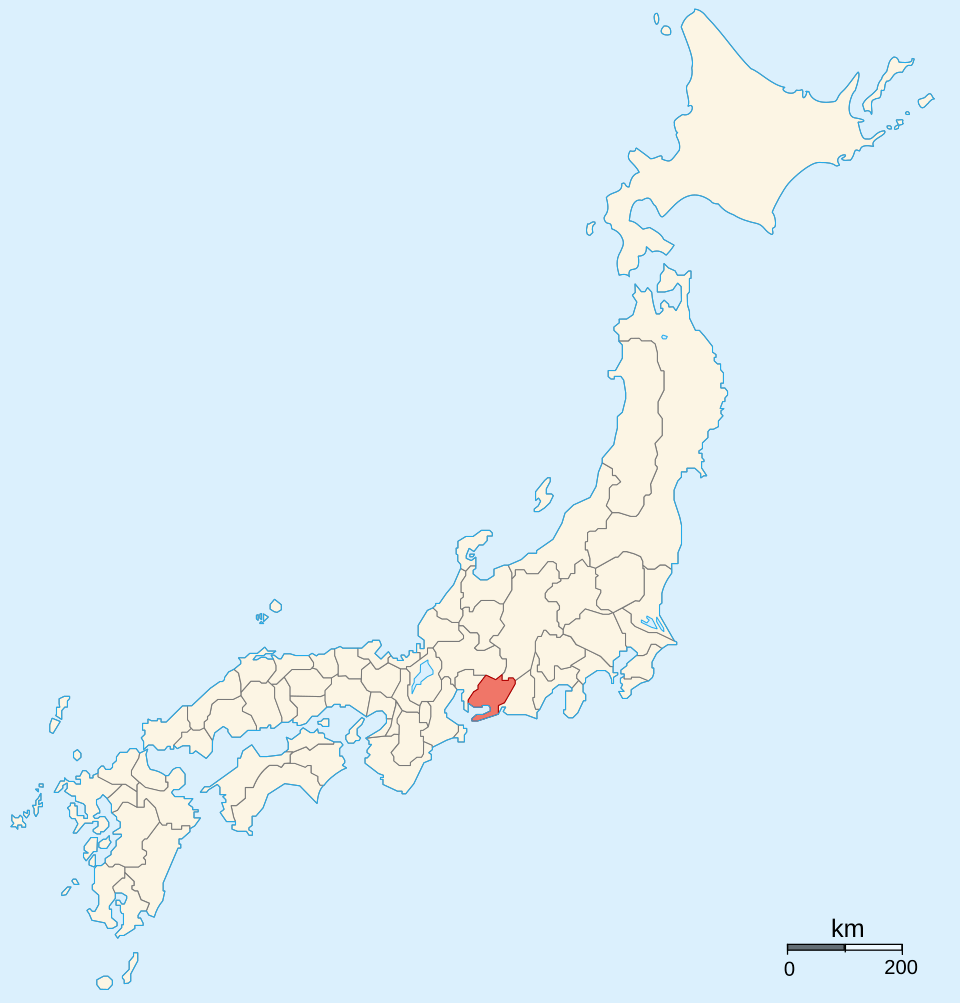
    Mikawa Province.
    By Ash_Crow – Own work, based on Image:Provinces of Japan.svg, CC BY 2.5, https://commons.wikimedia.org/w/index.php?curid=1683118

    These ‘other clans’ weren’t all that happy to see the Imagawa take over, however. Much like the rest of the realm, the minor lords of Mikawa were an independent-minded bunch and were more content to rule themselves. An initial outbreak of rebellion was crushed in 1557, only to begin again a year later. This time, Yoshimoto dispatched Ieyasu to play a part in putting the rebellion down, and he got his first taste of battle at the Siege of Terabe Castle in March 1558.

    Ieyasu earned praise from Yoshimoto and some of his vassals for his diligent approach to warfare. Later records suggest that he recognised that simply taking Terabe Castle wouldn’t be enough to fully subdue the rebels, so he set about burning the castle town and then several other settlements nearby. This may not sound like praiseworthy behaviour to you and me, but Yoshimoto was so impressed he rewarded Ieyasu with land and a shortsword.

    Imagawa Yoshimoto

    With the rebellion in Mikawa crushed (for now), Ieyasu turned to securing his position as future lord of Okazaki and eventual master of the whole Province. The problem was that Ieyasu was still largely a stranger to the Mikawa Clans. He had been absent from the Province for most of his young life, first a hostage of the Oda, and later residing in the Imagawa Capital at Sunpu.

    To resolve this, Ieyasu issued a seven-point decree outlining his relationship with his vassals. This decree was significant because it made it clear that, should Ieyasu’s vassals feel that he is ruling badly or ignoring their advice, they could appeal to Ieyasu’s father-in-law, Sekiguchi Ujizumi, who remained a powerful figure within the Imagawa Clan hierarchy, suggesting that, at least as late as 1559, Ieyasu intended to remain loyal to the Imagawa.

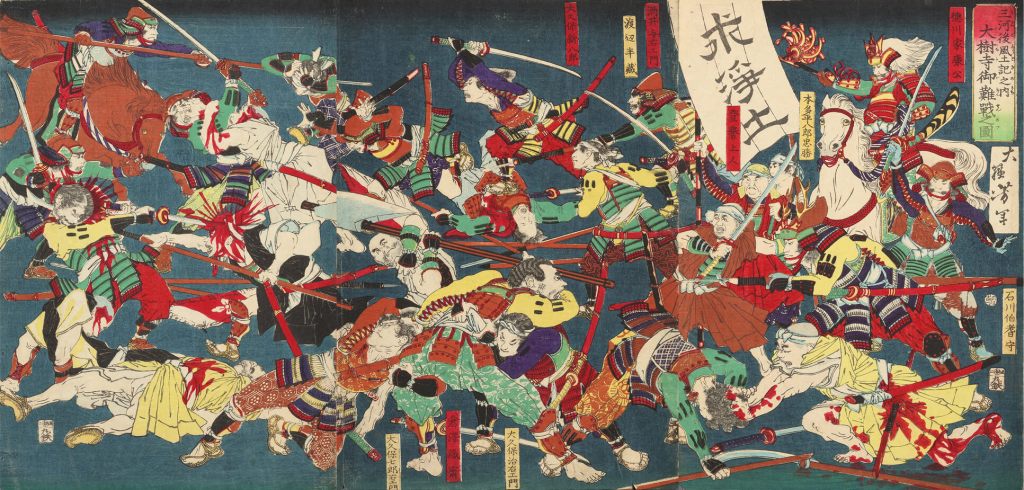
    A later depiction of a battle in Mikawa Province. Like many minor clans at the time, the warriors of Mikawa were a fiercely independent bunch who would fight viciously to preserve that independence.

    Since the time of Ieyasu’s Grandfather, the Matsudaira of Mikawa Province had been involved in a long-term conflict with the Oda Clan of neighbouring Owari. When the Mikawa and the Matsudaira came under the Imagawa banner, their new overlords inherited the conflict.

    During the rebellion in 1556 and 1558, Oda had supported the anti-Imagawa forces, and Yoshimoto, weary of their interference, made the decision to crush them once and for all, which would have the added bonus of clearing his path to Kyoto. In preparation, Ieyasu was ordered to lead the vanguard and attack several border forts.

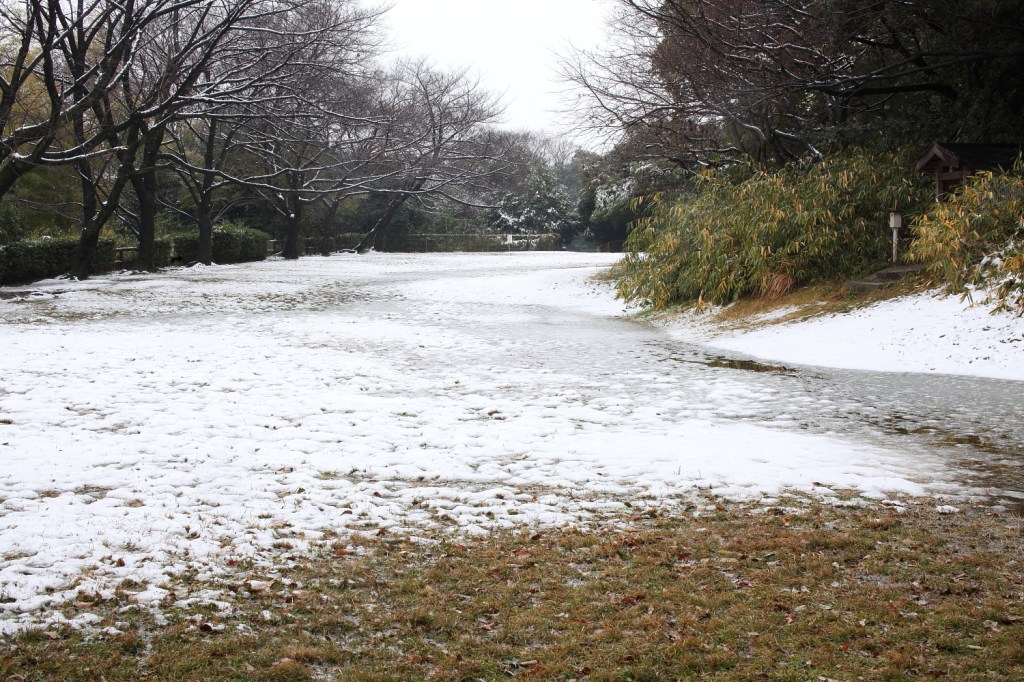
    The site of Otaka Castle as it appeared in February 2014.
    Tomio344456 – 投稿者自身による著作物, CC 表示-継承 4.0, https://commons.wikimedia.org/w/index.php?curid=86415730による

    He captured two forts and then lifted the siege of Otaka Castle, making it his temporary base. However, news arrived that Yoshimoto had been defeated and killed in a surprise attack at Okehazama. At that, Ieyasu retreated back to Okazaki to plan his next move. Historians debate whether Ieyasu intended to betray the Imagawa right away, or if the decision was a reaction to events, but in early 1561, he attacked Ushikubo Castle, an Imagawa stronghold in Mikawa, signalling his change of allegiance.

    It is generally accepted that Ieyasu’s change of heart was brought about by the decision of the Imagawa’s new Lord, Ujizane, to prioritise fighting against the Takeda and Hojo, over the Oda, leaving Ieyasu to fend for himself against Oda Nobunaga, who was very much in the ascendancy after his surprising victory at Okehazama.

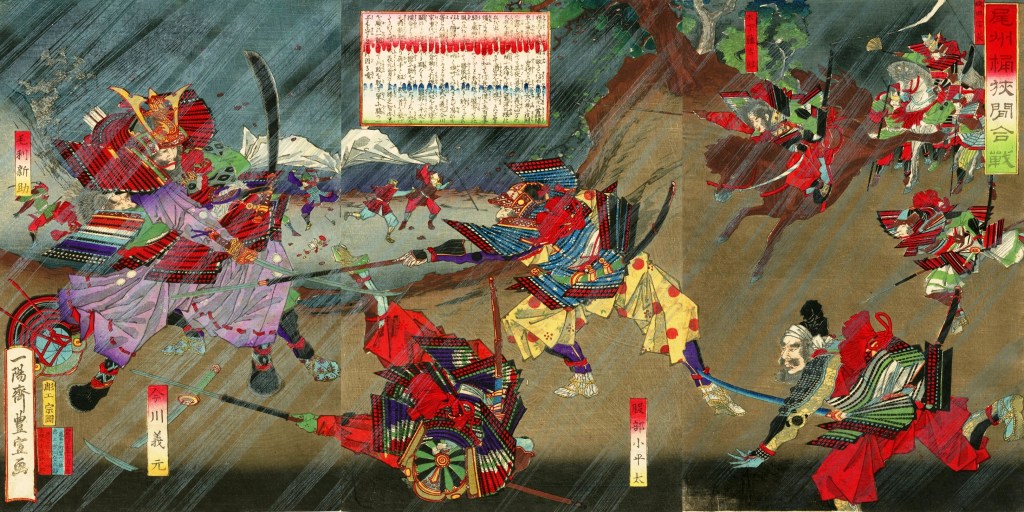
    A 19th-Century depiction of the Battle of Okehazama, showing Imagawa Yoshimoto (the figure on the left) facing his demise.

    The long standing animosity between Mikawa and Owari meant that neither side found it easy to stomach making peace, however, with Nobunaga facing serious issues against the Saito Clan to the north, and Ieyasu having to deal with the vengeful Imagawa, both sides swallowed their pride, and, in 1562, agreed to the so-called Kiyosu Alliance, bringing into existance one of Japanese history’s most important partnerships.


    Sources
    https://ja.wikipedia.org/wiki/%E5%BE%B3%E5%B7%9D%E5%AE%B6%E5%BA%B7
    https://ja.wikipedia.org/wiki/%E6%B8%85%E6%B4%B2%E5%90%8C%E7%9B%9F
    https://ja.wikipedia.org/wiki/%E7%89%9B%E4%B9%85%E4%BF%9D%E5%9F%8E
    https://ja.wikipedia.org/wiki/%E5%90%89%E8%89%AF%E6%B0%8F
    https://ja.wikipedia.org/wiki/%E4%B8%89%E6%B2%B3%E5%BF%A9%E5%8A%87
    https://ja.wikipedia.org/wiki/%E7%9C%9F%E5%BC%93%E5%B1%B1%E5%9F%8E
    https://ja.wikipedia.org/wiki/%E5%90%89%E8%89%AF%E7%BE%A9%E5%AE%89
    https://ja.wikipedia.org/wiki/%E5%AF%BA%E9%83%A8%E5%9F%8E%E3%81%AE%E6%88%A6%E3%81%84
    https://ja.wikipedia.org/wiki/%E5%BE%B3%E5%B7%9D%E5%AE%9F%E7%B4%80
    https://ja.wikipedia.org/wiki/%E7%AF%89%E5%B1%B1%E6%AE%BF
    https://ja.wikipedia.org/wiki/%E9%96%A2%E5%8F%A3%E6%B0%8F%E7%B4%94
    https://ja.wikipedia.org/wiki/%E6%88%B8%E7%94%B0%E5%BA%B7%E5%85%89
    https://ja.wikipedia.org/wiki/%E7%94%B0%E5%8E%9F%E5%9F%8E_(%E4%B8%89%E6%B2%B3%E5%9B%BD)
    https://ja.wikipedia.org/wiki/%E9%A7%BF%E5%BA%9C
    https://ja.wikipedia.org/wiki/%E6%96%BC%E5%A4%A7%E3%81%AE%E6%96%B9
    https://ja.wikipedia.org/wiki/%E6%9D%BE%E5%B9%B3%E5%BA%83%E5%BF%A0