Tag: Oda Hidenobu

  • The Third Unifier – Tokugawa Ieyasu. Part Five.

    The Third Unifier – Tokugawa Ieyasu. Part Five.

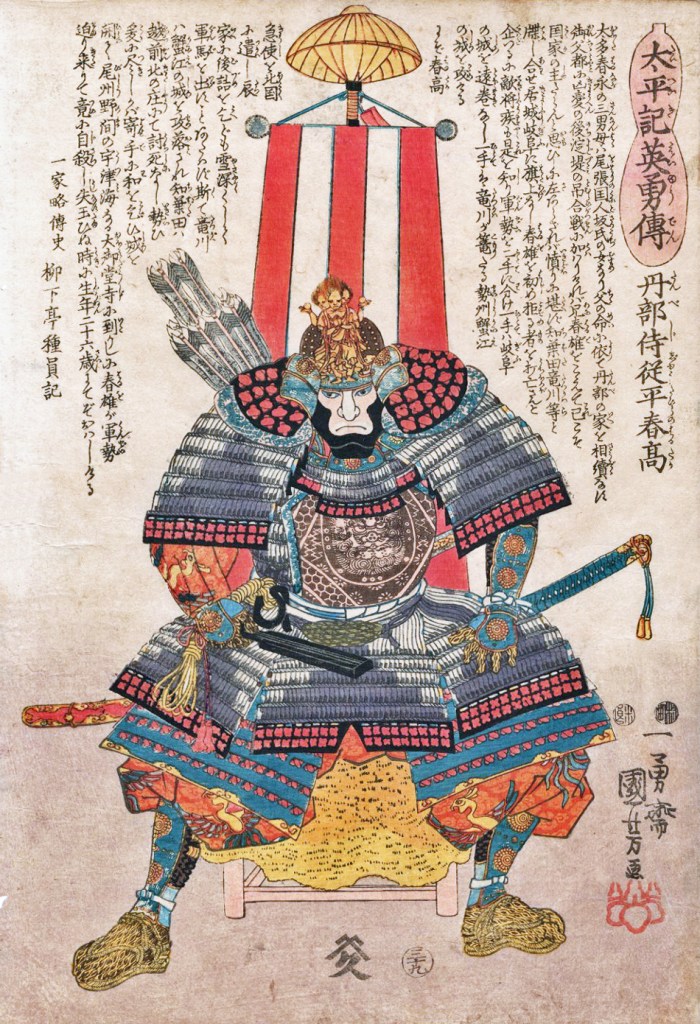
    By 1584, two years had passed since the Honnoji Incident and the death of Oda Nobunaga. His eldest son, Nobutada, had died alongside him at Honnoji, leaving several younger sons as potential successors. The problem was that none of these sons had much in the way of military resources with which to stake their claim, and they quickly formed alliances, or else became puppets of Nobunaga’s more powerful retainers, most notably Toyotomi Hideyoshi (still going by Hashiba at this time) and Shibata Katsuie.

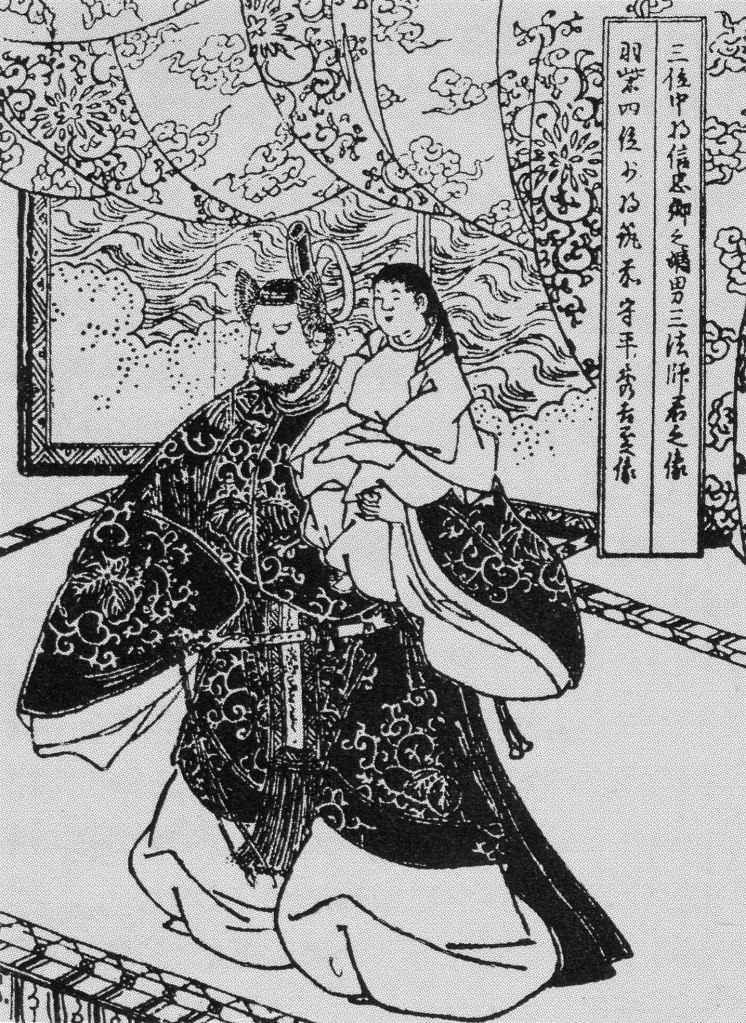
    Hideyoshi carries Sanboshi during the Kiyosu Conference.

    In the immediate aftermath of Honnoji, a conference was held at Kiyosu Castle to decide which son would inherit his father’s lands. In the event, Hideyoshi used his influence to ensure that Nobunaga’s grandson, the three-year-old Hidenobu (also called Sanboshi), would be named as the new head of the Oda Clan, whilst Nobunaga’s territories were divided up between his remaining sons and most powerful retainers.

    It will come as no surprise that Nobunaga’s surviving adult sons were not thrilled about this, and it wasn’t long before rival camps were forming around one son or another. Initially, despite his earlier support of Sanboshi, Hideyoshi decided to back Nobunaga’s second son, Oda Nobuo, whilst Katsuie supported the third, Nobutaka.

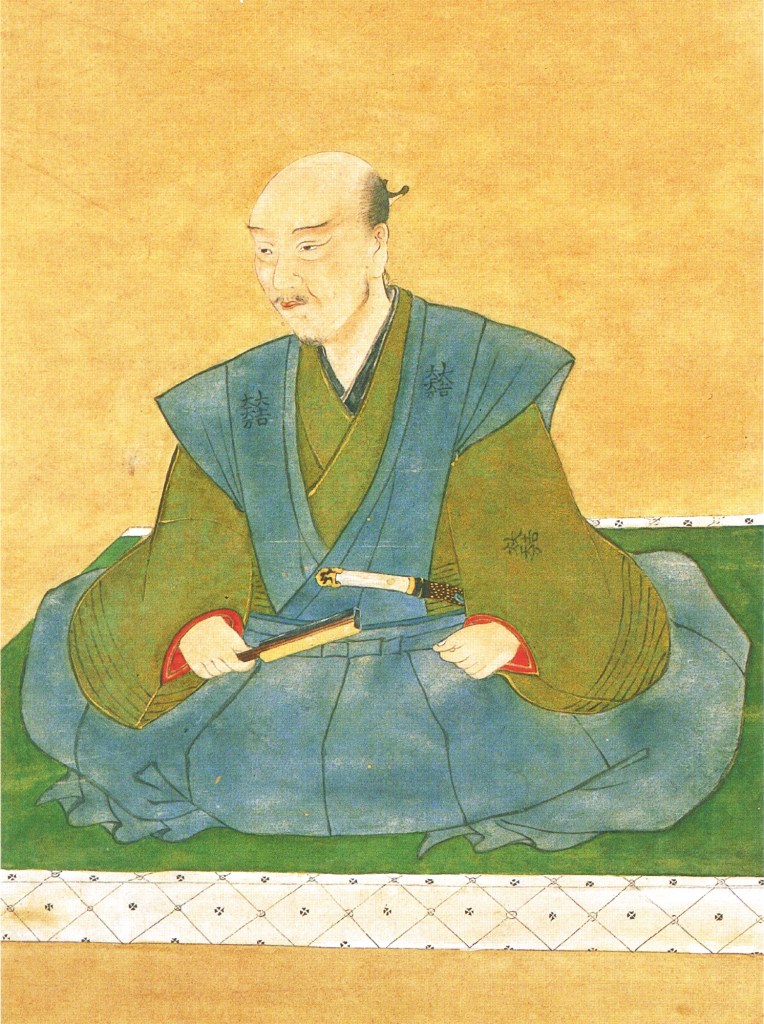
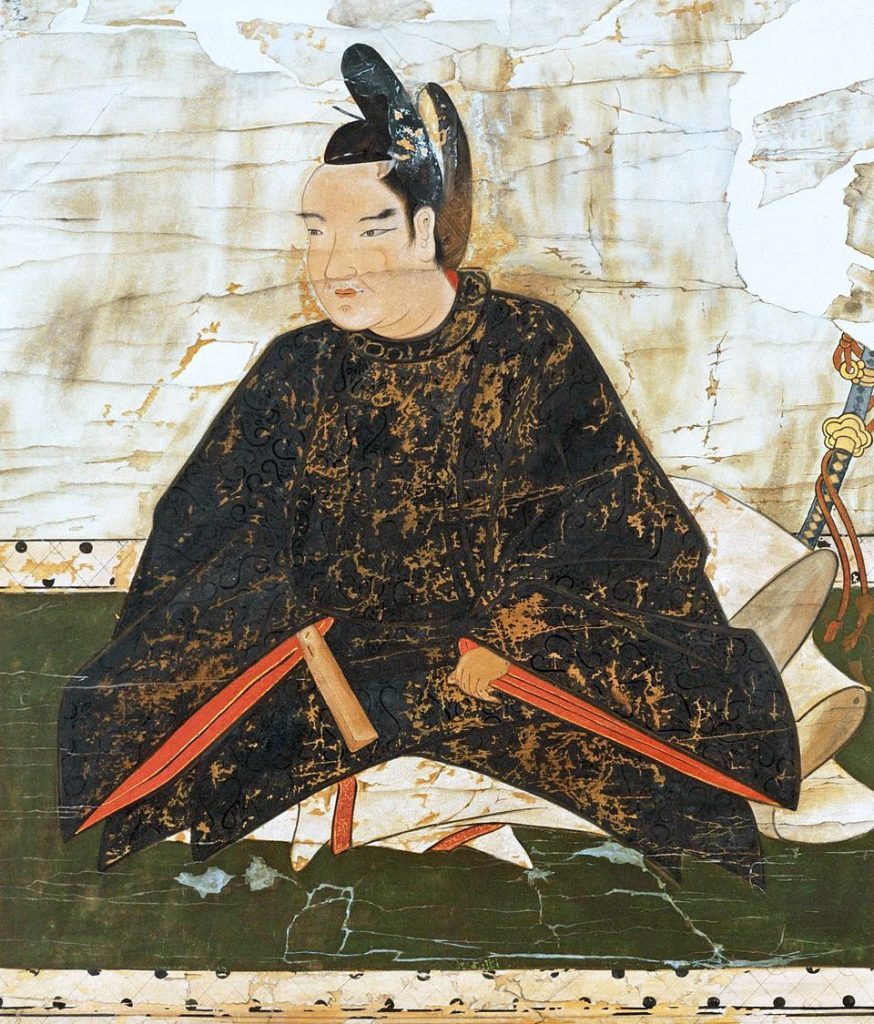
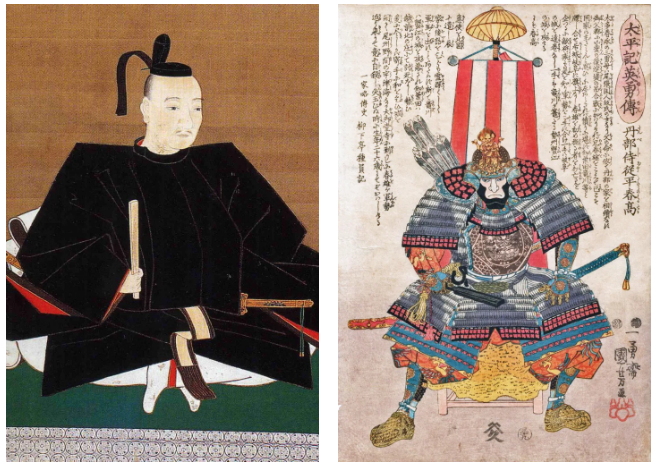
    Oda Nobuo (left) and Oda Nobutaka, brothers, but rivals for their father’s position.

    Despite nominally supporting one Oda heir or the other, in reality, the rivalry was between Hideyoshi and Katsuie, and tensions rose sharply until the Battle of Shizugatake in June 1583. There, Hideyoshi won a decisive victory, and shortly afterwards, Katsuie and Nobutaka committed suicide, removing a serious obstacle on Hideyoshi’s road to power.

    Despite being on the ‘winning’ side, it wasn’t long before Oda Nobuo fell out with Hideyoshi, and in early 1584, he went looking for support. It’s at this point that Tokugawa Ieyasu reenters the story. Despite trying to stay on good terms with Hideyoshi, sending him congratulatory gifts after his victory at Shizugatake, for example, it was becoming obvious that Ieyasu was too powerful for Hideyoshi to simply leave alone.

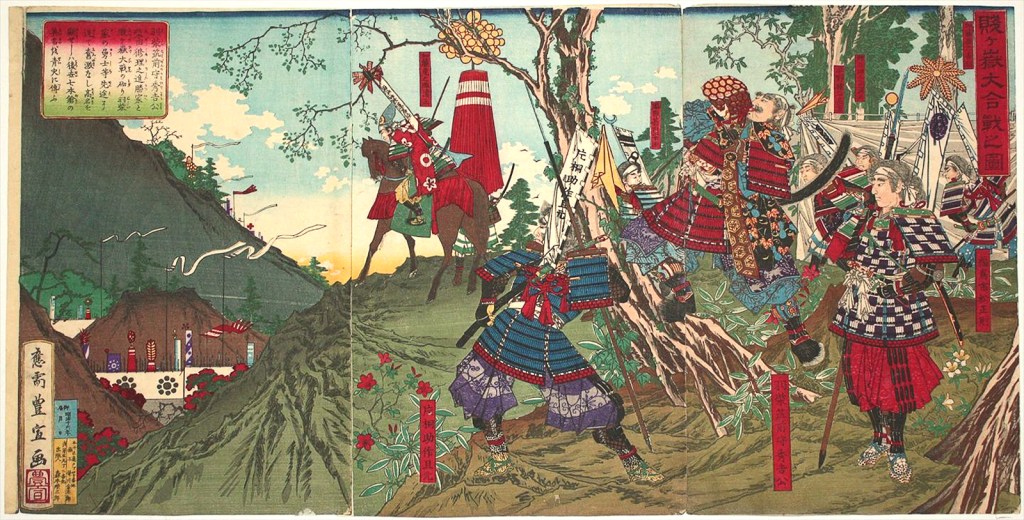
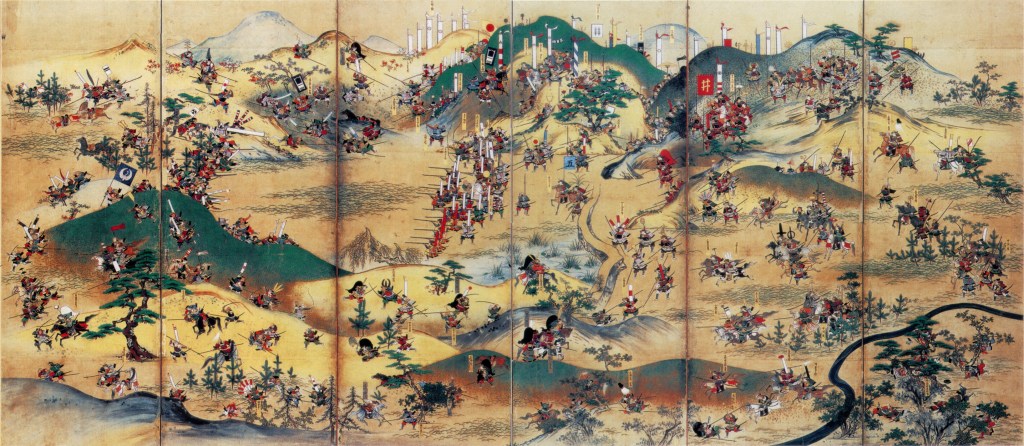
    A 19th-century depiction of the Battle of Shizugatake

    The flashpoint came in March 1584, when Nobuo had a retainer who had been colluding with Hideyoshi executed. Using this pretext, Hideyoshi raised an army and marched on Nobuo, who appealed to Ieyasu for help. Ieyasu obliged and dispatched forces into Nobuo’s home province of Owari.

    What followed was what history records as the Battle of Komaki-Nagakute, which is misleading because it was actually a series of battles, only two of which took place anywhere near the eponymous locations. The momentum of the campaign swung back and forth throughout the spring and summer. Despite a considerable advantage in resources, Hideyoshi was unable to bring them to bear, resulting in a stalemate.

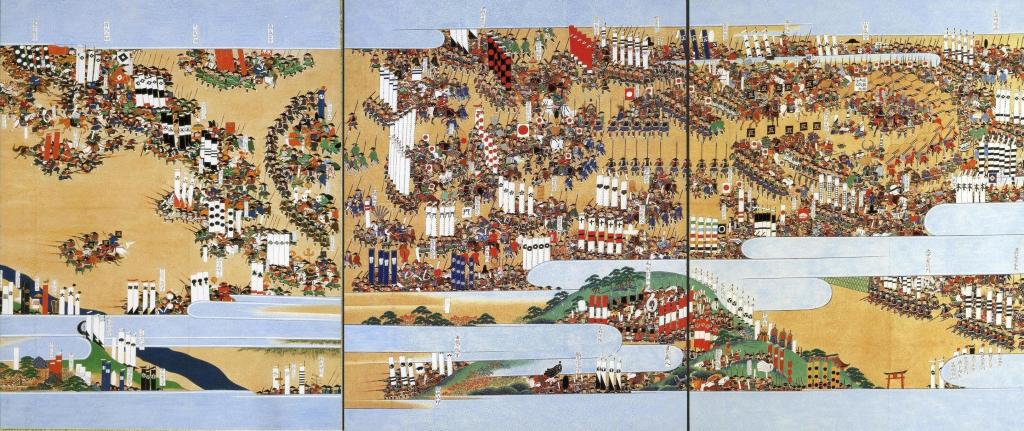
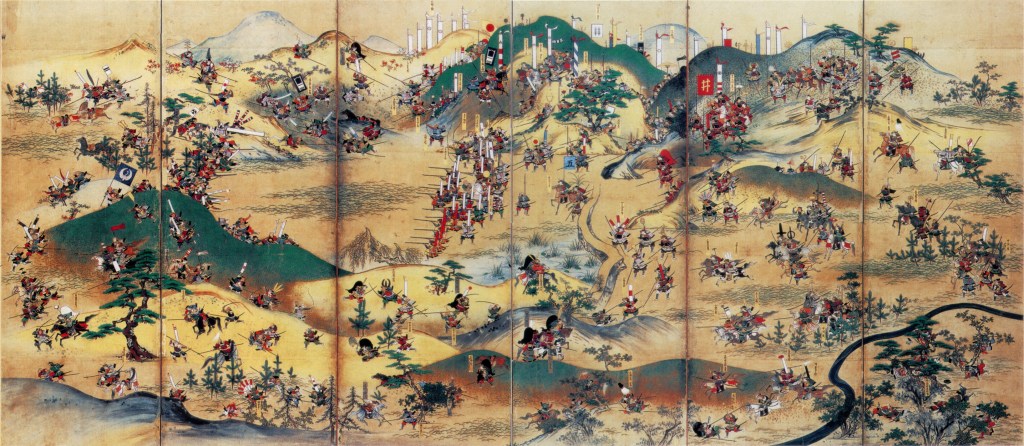
    An 18th-century depiction of the Battle of Komaki-Nagakute. Despite the name, it was actually a series of battles fought across central Japan.

    With success on the battlefield impossible, both sides sought diplomatic support from other clans, with Ieyasu reaching out to the Hojo and Chosokabe, whilst Hideyoshi gained the support of the Uesugi, Mori, and Satake. Even with these allies, the stalemate persisted, and the only option was to negotiate, and both sides sat down to talk in November.

    Though he had not achieved a military victory, the negotiations favoured Hideyoshi; he forced Nobuo to submit and cede several territories, whilst those who had supported Ieyasu found themselves either isolated or also forced to submit to Hideyoshi. Ieyasu himself retained his territories and arranged for his son, Hideyasu, to be adopted by Hideyoshi, though only sources favourable to the Tokugawa call it an adoption; Hideyoshi’s partisans describe Hideyasu as a hostage.

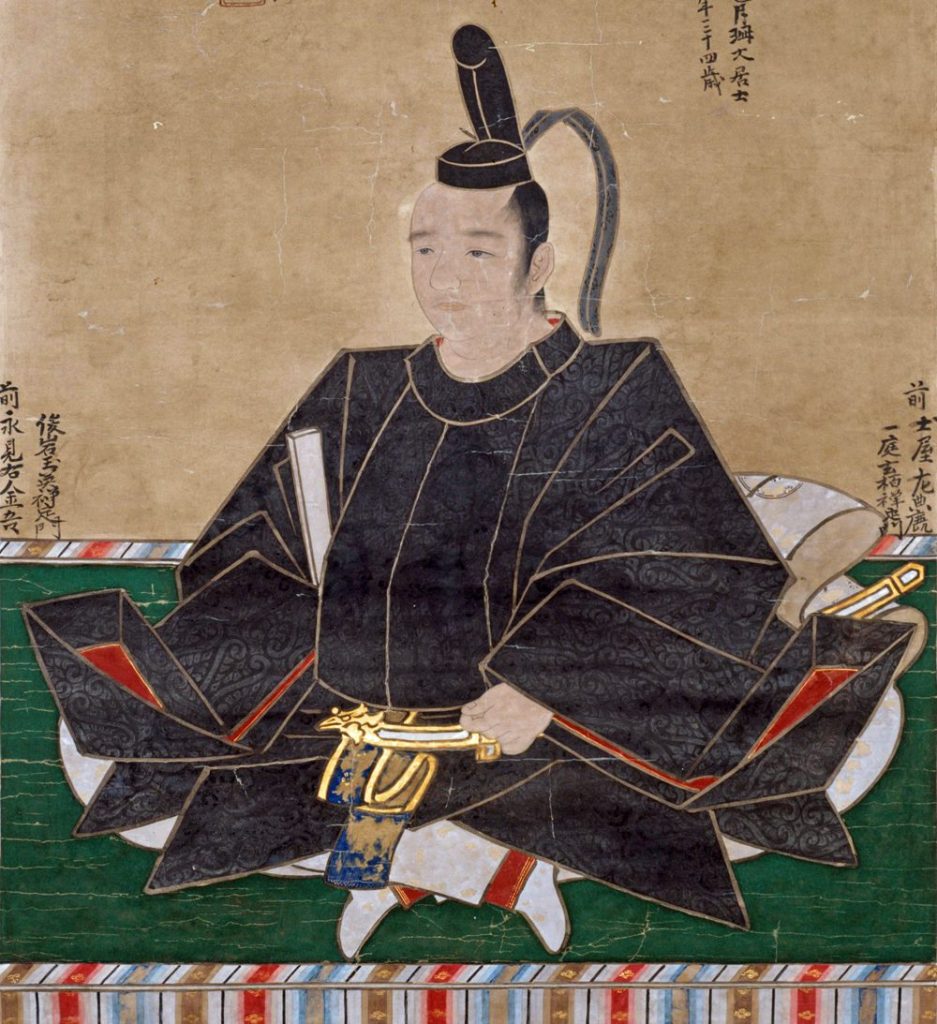
    Ieyasu’s son, Hideyasu. Whether he was an adopted son or a hostage depends on who you ask.

    The fact that Ieyasu had been able to force a stalemate against heavy odds is a noteworthy military achievement in itself, but it is made all the more remarkable by the fact that, throughout 1583-85, his territories had been subject to extraordinary rainfalls, which had led to flooding and the consequent devastation to infrastructure and food supplies.

    The Battle of Komaki-Nagakute could not be considered a ‘victory’ for either side, but Hideyoshi was clearly in the ascendancy, and Ieyasu’s resources had been strained to the brink by years of flood, famine, and war. Then, in 1586, the massive Tensho Earthquake struck, causing catastrophic damage across central Japan, striking both sides’ lands equally. Though his superior resources meant that Hideyoshi was probably better positioned to recover, he had bigger plans. Instead of attempting to crush Ieyasu a second time, he tried a different tack.

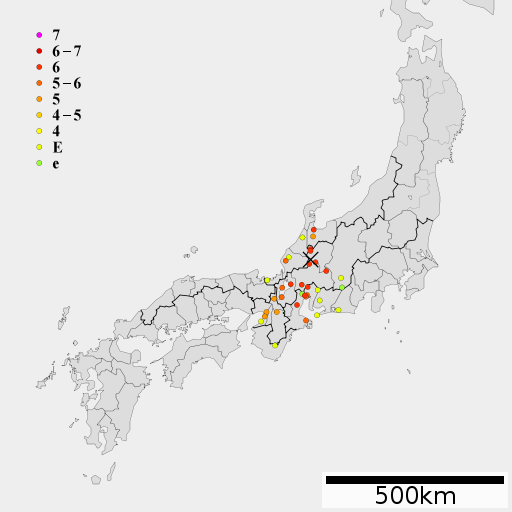
    The theorised intensity scale of the 1586 Tensho Earthquake.
    As6022014 – 宇佐美龍夫 『最新版 日本被害地震総覧 416‐2001』 , Lincun(2010)ファイル:地図 令制国 和泉国.svg, CC 表示-継承 3.0, https://commons.wikimedia.org/w/index.php?curid=18458686による

    Using Oda Nobuo as an intermediary, Hideyoshi attempted to convince Ieyasu to submit. Initially refusing, Ieyasu was finally convinced by an offer of marriage to Hideyoshi’s younger sister, Lady Asahi. Some sources suggest that Hideyoshi forced his sister to divorce her husband so the marriage could take place, whilst others suggest she was already divorced, or else her husband was dead. Either way, given that Lady Asahi was already in her 40s by the time the marriage took place, it was clearly a match made for political rather than dynastic reasons.

    A marriage like that may seem strange to our modern eyes, but it was generally seen as a politically savvy move, as it bound Ieyasu and Hideyoshi together as family. Shortly after the wedding, Ieyasu travelled to Osaka and formally submitted to Hideyoshi as his vassal and brother-in-law. Later Tokugawa sources suggest that on the night of his arrival in Osaka, Ieyasu was secretly visited by a nervous Hideyoshi, who was still unsure whether he truly meant to submit. The meeting is probably apocryphal, but Ieyasu certainly swore loyalty to Hideyoshi in an elaborate ceremony shortly afterwards.

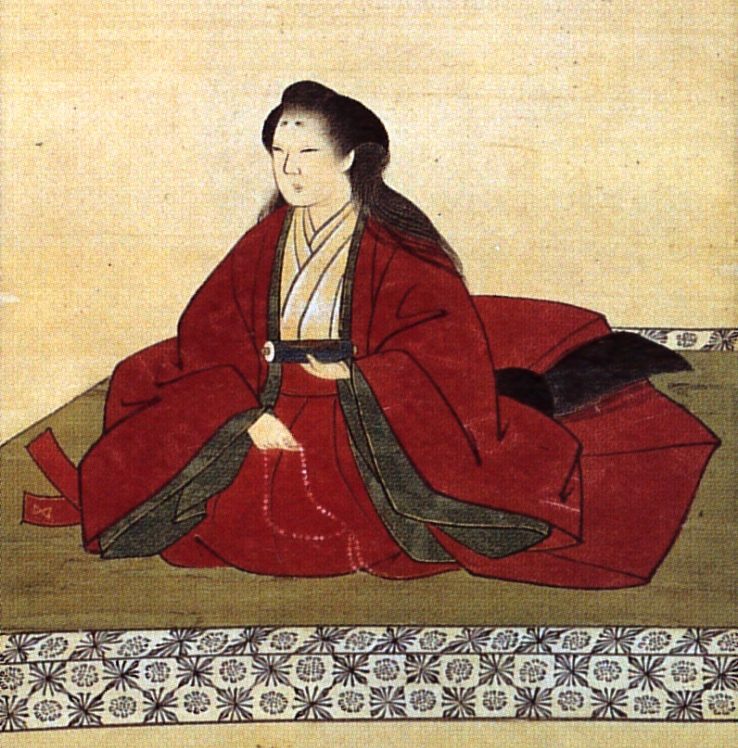
    Lady Asahi, whose marriage to Ieyasu bound him and her elder brother, Hideyoshi, together. The fact that she was around 44 years old when they married was no obstacle.

    Later in 1586, Ieyasu moved his base to Sunpu, which was more central to his domains and better positioned to monitor peace in the Kanto region on Hideyoshi’s behalf. For the next few years, Ieyasu proved himself a loyal retainer. In 1590, when tensions between the Hojo and Hideyoshi began to rise, he attempted to act as a mediator, since he was father-in-law to Hojo Ujinao.

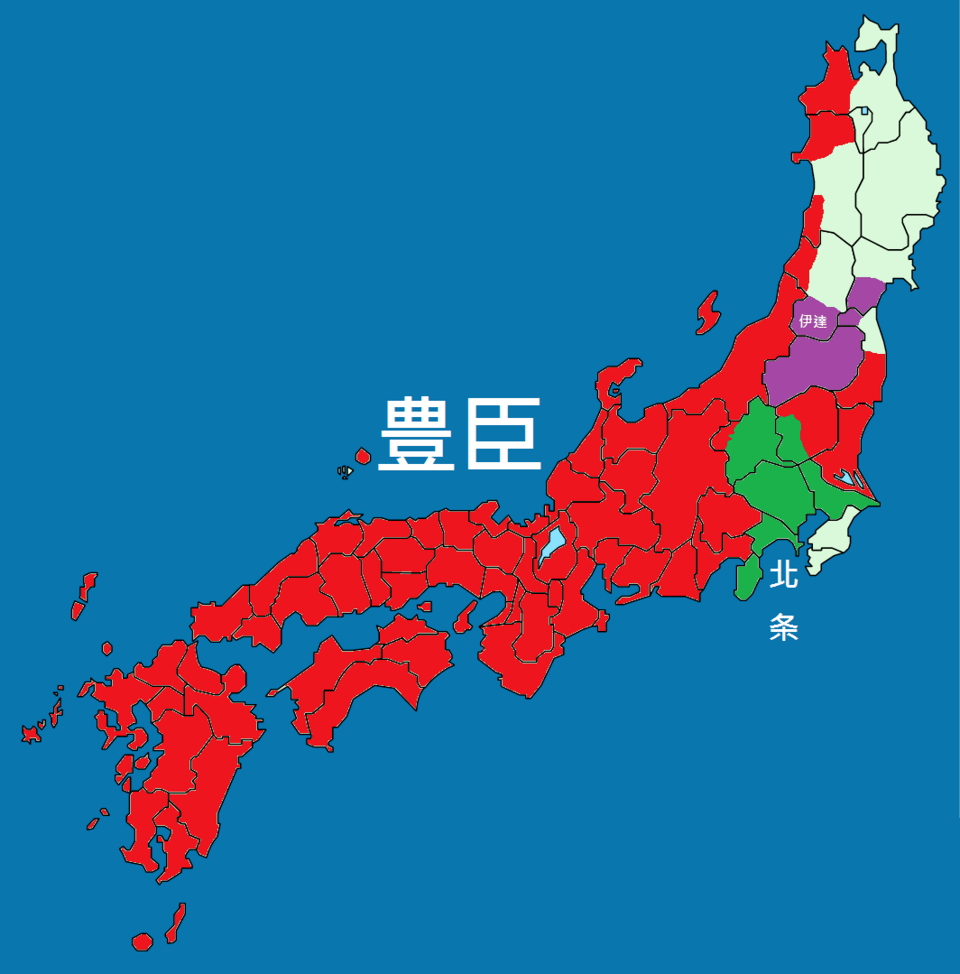
    Ieyasu’s diplomatic efforts bore some fruit, with the Hojo sending Ujinao’s uncle, Ujinori, to Kyoto to negotiate with Hideyoshi. However, Ujinao himself refused to come, and Hideyoshi was determined to either force the Hojo to submit or be destroyed. Later scholars suggest that Ieyasu’s position with the Hojo might have been deliberately undermined by rumours that he stood to benefit from their defeat, as he had been promised the eight provinces of the Kanto in exchange for the five he currently controlled, in the event of the Hojo being removed.

    The situation just before the Odawara Campaign. Ieyasu stood to gain control of the territory of the Hojo (green) in the event of their defeat, a fact that may have put a damper on previously good Tokugawa-Hojo relations.
    By Alvin Lee – Own work, CC BY-SA 4.0, https://commons.wikimedia.org/w/index.php?curid=39214209

    Ieyasu denied the rumours, and their exact impact on negotiations is controversial, but Tokugawa forces served Hideyoshi in the vanguard of what became known as the Odawara Campaign that saw the Hojo decisively defeated, and Ieyasu received the eight Kanto provinces as the rumours had suggested he would.

    Precisely why Hideyoshi offered these provinces to Ieyasu is still debated. It was certainly true that Ieyasu was in no position to refuse the offer, and taking possession of these new lands effectively doubled his income, at least on paper. On the other hand, the provinces had been Hojo territory for generations, and the local lords would prove difficult to control, not to mention the damage caused by the recent campaign.

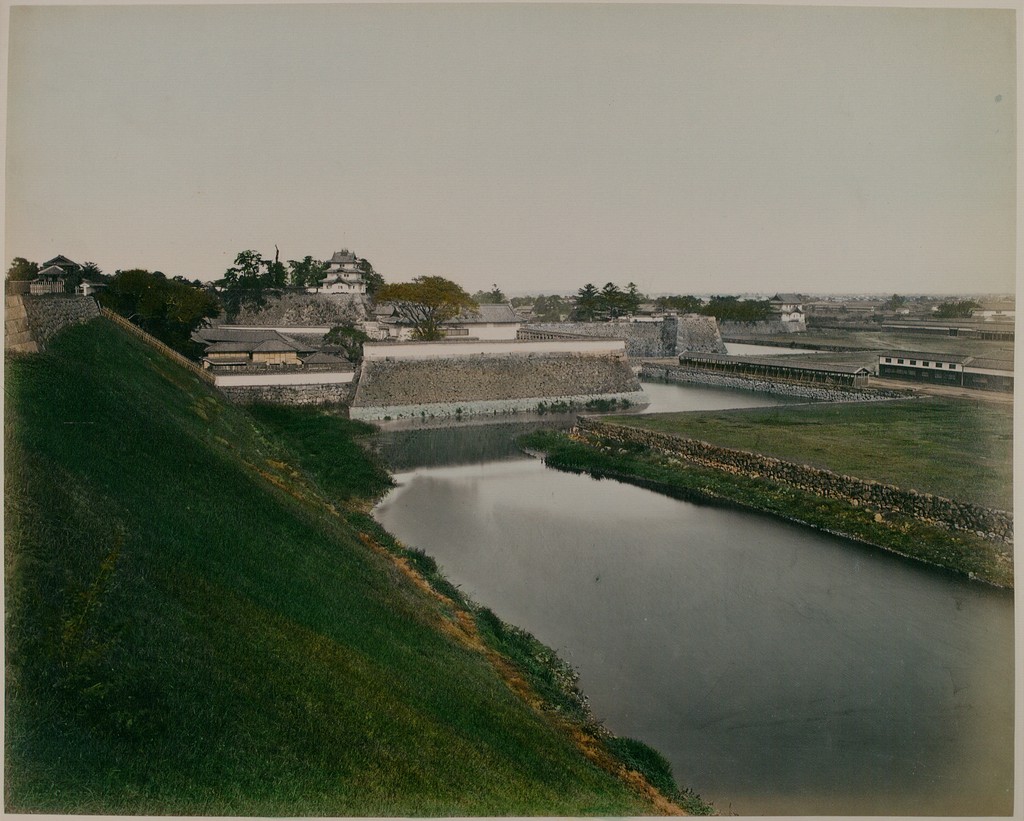
    Edo Castle as it appeared in the 19th Century. The site was underdeveloped when Ieyasu arrived in 1590, but it would eventually grow to become the centre of his dynasty’s power.

    Some suggest that Hideyoshi genuinely believed in Ieyasu’s abilities to bring the region under control. Others conclude that his real intention was to separate Ieyasu from his power base in Mikawa. Either way, it would prove a fateful decision, perhaps best exemplified by the fact that Ieyasu’s chosen base, Edo Castle, is the site of the Imperial Palace in modern Tokyo.


    Sources
    https://ja.wikipedia.org/wiki/%E5%BE%B3%E5%B7%9D%E5%AE%B6%E5%BA%B7
    https://ja.wikipedia.org/wiki/%E6%B1%9F%E6%88%B8%E5%9F%8E
    https://ja.wikipedia.org/wiki/%E5%B0%8F%E7%89%A7%E3%83%BB%E9%95%B7%E4%B9%85%E6%89%8B%E3%81%AE%E6%88%A6%E3%81%84
    https://ja.wikipedia.org/wiki/%E7%B9%94%E7%94%B0%E7%A7%80%E4%BF%A1
    https://ja.wikipedia.org/wiki/%E7%B9%94%E7%94%B0%E4%BF%A1%E5%AD%9D
    https://ja.wikipedia.org/wiki/%E7%B9%94%E7%94%B0%E4%BF%A1%E5%BF%A0
    https://ja.wikipedia.org/wiki/%E7%B9%94%E7%94%B0%E4%BF%A1%E9%9B%84
    https://ja.wikipedia.org/wiki/%E8%B3%A4%E3%83%B6%E5%B2%B3%E3%81%AE%E6%88%A6%E3%81%84
    https://ja.wikipedia.org/wiki/%E7%B9%94%E7%94%B0%E4%BF%A1%E9%95%B7
    https://ja.wikipedia.org/wiki/%E5%A4%A9%E6%AD%A3%E5%9C%B0%E9%9C%87
    https://ja.wikipedia.org/wiki/%E8%B3%A4%E3%83%B6%E5%B2%B3%E3%81%AE%E6%88%A6%E3%81%84
    https://ja.wikipedia.org/wiki/%E7%B5%90%E5%9F%8E%E7%A7%80%E5%BA%B7
    https://ja.wikipedia.org/wiki/%E6%9C%9D%E6%97%A5%E5%A7%AB

  • The Second Unifier – Toyotomi Hideyoshi. Part Three.

    The Second Unifier – Toyotomi Hideyoshi. Part Three.

    Hideyoshi’s victory over Nobunaga’s killer, Akechi Mitsuhide, left him in a strong, but far from unchallenged position. Though Hideyoshi was arguably the strongest of Nobunaga’s remaining supporters, his power was not so great that he could overcome the others on the battlefield.

    Instead, a conference was called at Kiyosu Castle on July 16th, 1582. Historians still debate exactly what Nobunaga’s plans had been for his succession, given that his second son, and most obvious heir, Nobutada, had been amongst the dead at the Honnoji Incident. Two camps quickly emerged: Hideyoshi, supporting Nobutada’s son, Hidenobu, and Shibata Katsuie, who supported Nobunaga’s third surviving son, Nobutaka.

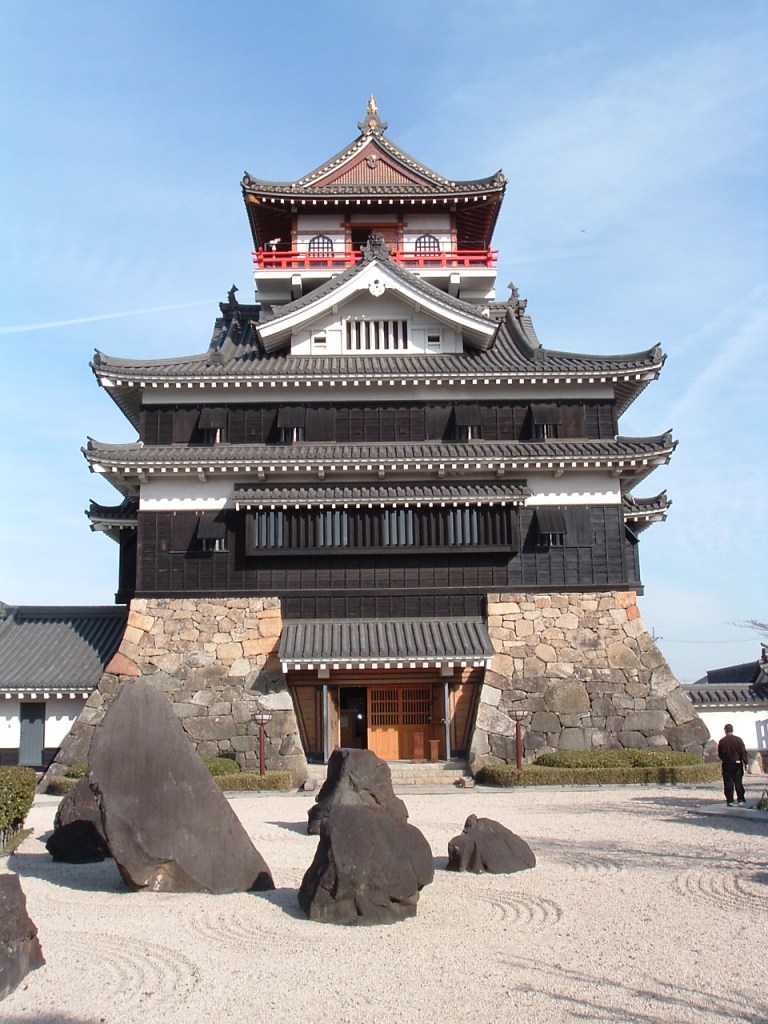
    The reconstructed Kiyosu Castle as it appears today.
    Oliver Mayer, CC 表示-継承 3.0, https://commons.wikimedia.org/w/index.php?curid=230610による

    The exact course of the meeting isn’t clear, but by the end of it, Hideyoshi’s faction was in the ascendancy, and Hidenobu, at just two years old, was declared Nobunaga’s heir, with Nobutaka officially acting as his guardian. There was an attempt to mollify Katsuie by having him marry Nobunaga’s sister, Oichi, a woman of impeccable rank, but the seeds of conflict had already been sown.

    In October 1582, Hideyoshi held Nobunaga’s formal funeral, and played a central, highly visible role in the ceremony, cementing his position as chief amongst Nobunaga’s retainers. Not long after this, Katsuie, supported by Nobutaka, issued letters of impeachment against Hideyoshi, who responded by demanding that Nobutaka, who had custody of the ‘heir’, Hidenobu, return him to Azuchi, as per the Kiyosu Agreement.

    Oda Nobutaka

    When Nobutaka refused, Hideyoshi used this as justification to renounce the agreement and raise an army against him. Katsuie, trapped in the north by snows and the ongoing war with the Uesugi, was unable to send help, and in a short, sharp campaign, Hideyoshi raised an army of some 50,000, forced Nobutaka to retreat, and eventually surrender, handing over Hidenobu and sending his mother and daughter as hostages to secure the peace.

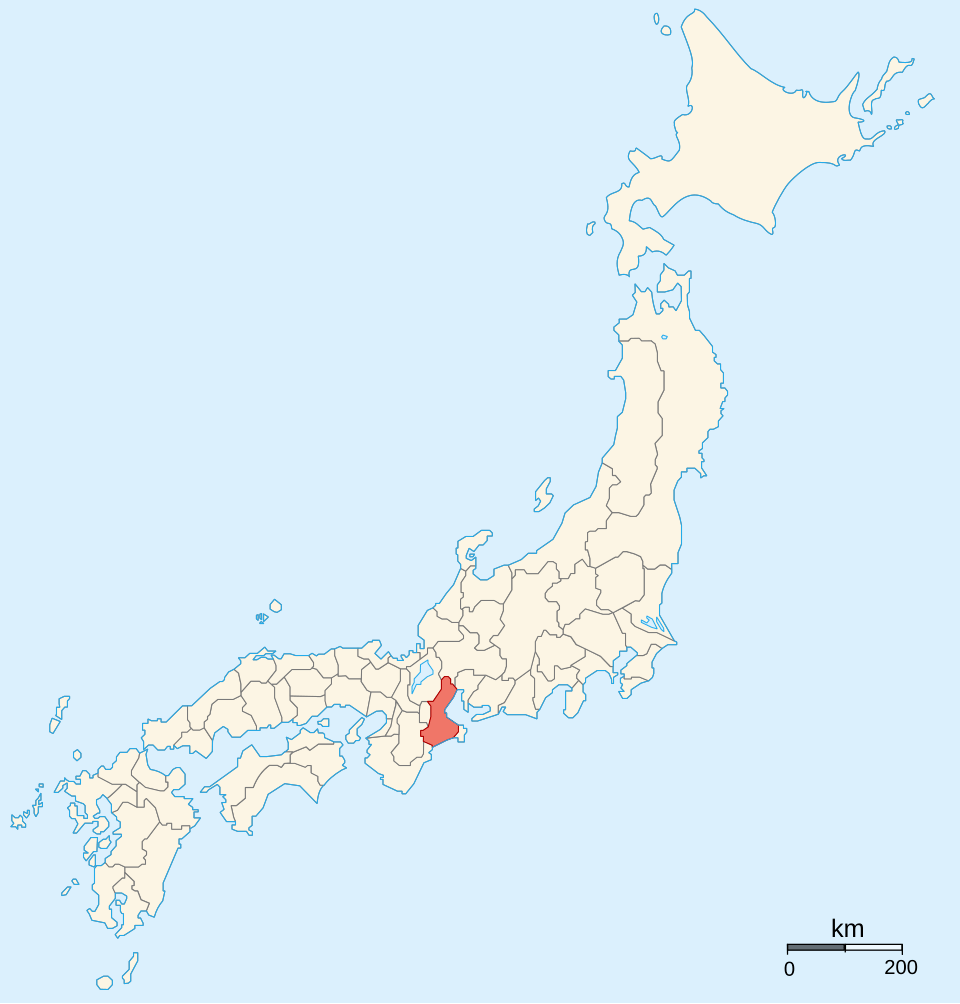
    This victory did not end the war, however, and shortly after the New Year, Takigawa Kazumasu (also known as Sakon) launched successful attacks in Ise Province. Hideyoshi responded with counterattacks against Kuwana and Nagashima Castles, but the attacks failed, and he was forced to withdraw, despite an overall advantage in numbers, leaving northern Ise Province (temporarily) in the hands of his enemies.

    Ise Province
    By Ash_Crow – Own work, based on Image:Provinces of Japan.svg, CC BY 2.5, https://commons.wikimedia.org/w/index.php?curid=1682471

    The situation got worse for Hideyoshi when Katsuie himself led an army of 30,000 into Omi Province, whilst Nobutaka raised another army at Gifu Castle. Katsuie also made contact with Mori Terumoto, hoping to secure his support in the battle to come. The Mori never outright refused, but instead adopted a ‘wait and see’ approach, as it was not immediately clear which side would win.

    Throughout spring and early summer, the two sides clashed in skirmishes in Ise, Mino, and Omi Provinces, and the momentum would swing back and forth for some time until a decisive engagement near the fortress at Shizugatake. Hideyoshi’s forces were aided by the timely arrival of reinforcements from across Lake Biwa, and the betrayal of Maeda Toshiie, one of Katsuie’s most important generals, who switched to Hideyoshi’s side, for reasons that are still debated.

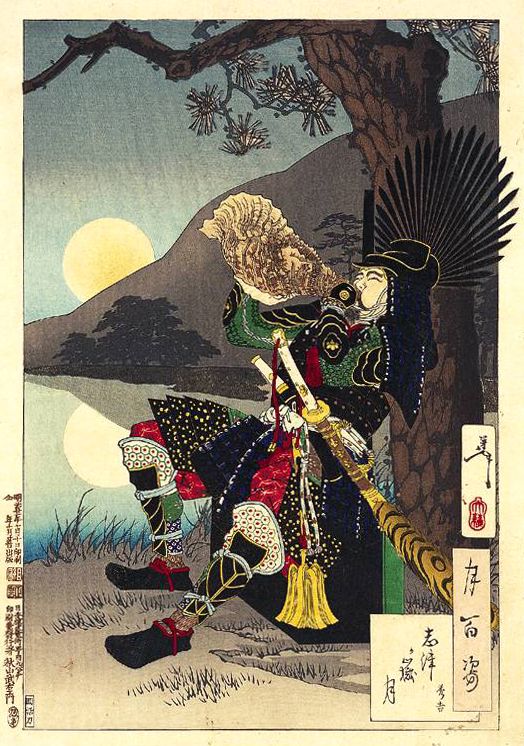
    A 19th-century depiction of Hideyoshi on the night before the Battle of Shizugatake.

    By all accounts, Katsuie and his army forced tenaciously, but with Toshiie’s betrayal, they were outflanked and outnumbered, and Katsuie was forced to retreat. He got as far as Kitanosho Castle, in modern Fukui, where Hideyoshi’s forces laid siege.

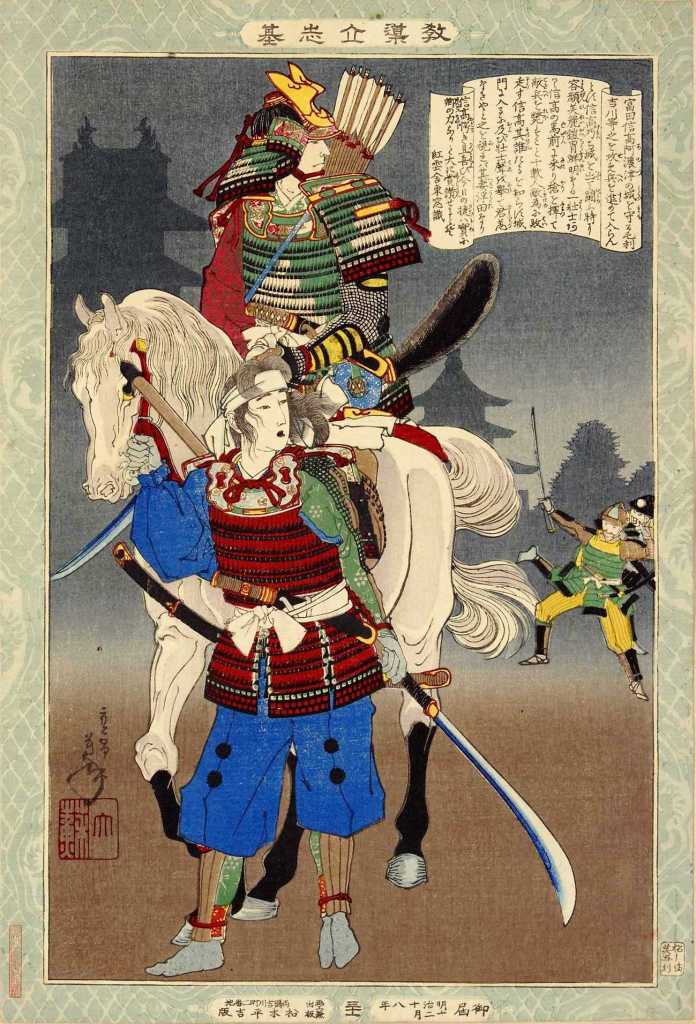
    The night before the final assault, Katsuie held a final banquet with his close family and retainers, whilst his wife, Oichi, made arrangements for her three daughters to be protected by Hideyoshi and avoid what was to come. Despite pleas to save herself, Oichi refused to leave her husband’s side.

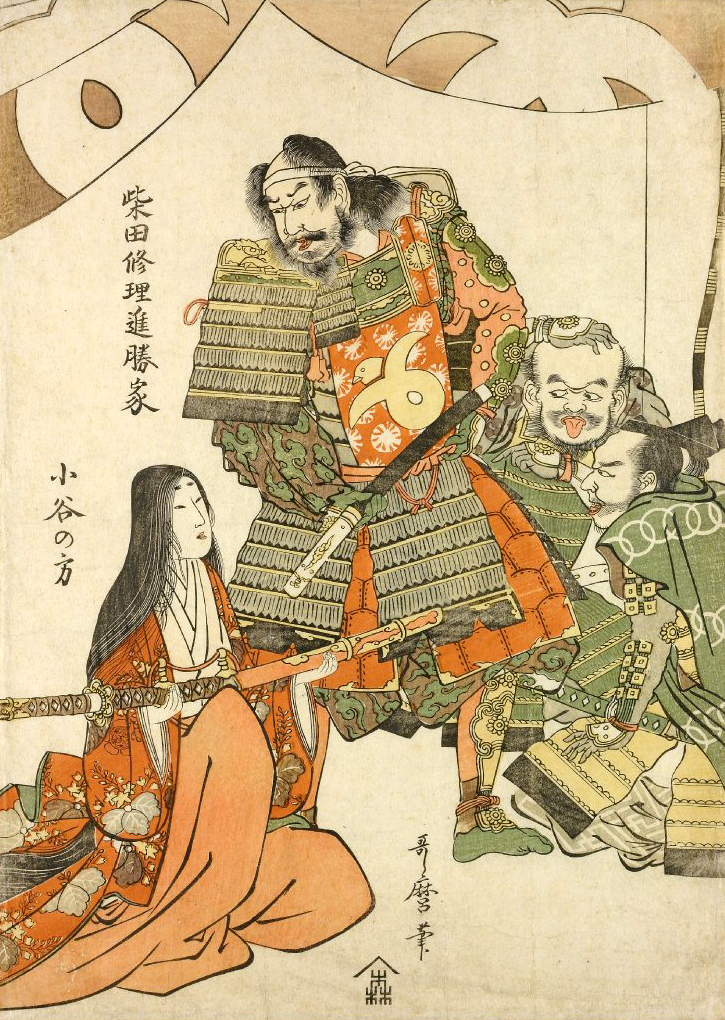
    A later depiction of Shibata Katsuie preparing for battle, with Oichi beside him.

    The attack started at dawn, and despite stiff resistance, by midday, the battle was clearly lost, and Katsuie retreated to the main castle, where he and 80 members of his family, including Oichi, killed themselves. Calling it ‘suicide’ is perhaps a bit generous, as the records suggest that a large number of the dead were children. When it was over, Katsuie’s forces ignited a store of gunpowder, blowing the tower apart and bringing a spectacular end to the Shibata Line.

    “Katsuie, a martial artist, fought seven times but was unable to defend himself. He climbed to the ninth floor, the highest level of the main tower, and addressed the entire group, loudly proclaiming, “Watch Shuri’s hara-kiri and learn from it.” The samurai, with their hearts in tears, wet their armor sleeves. As everyone fell silent, Katsuie stabbed his wife, children, and others to death, then committed seppuku with 80 others. It was the hour of the tiger (5:00 PM).”

    Hideyoshi’s letter to Kobayakawa Takakage dated May 15, 1583,

    Just a side note, the actual record of Katsuie’s suicide is pretty harrowing stuff, and it’s always difficult to read about the death of women and children who weren’t guilty of anything other than being related to the losers. This kind of thing was expected, though; even children weren’t generally shown mercy, and though there are notable examples (Oichi’s daughters, for instance), if a child was caught in a siege, they generally died in the same manner as their parents.

    With Katsuie crushed, Hideyoshi was able to extend his direct control over the northern provinces of Koto, Noto, and Echizen, and when Nobutaka committed seppuku, and Kazumasu surrendered, Hideyoshi had established himself as the most powerful man in the realm and while Hidenobu (still just an infant) remained as the nominal ‘heir’ there was no no doubt that Hideyoshi was in charge.

    An image of Hideyoshi carrying Hidenobu at the time of the Kiyosu Conference.

    In 1583, construction began on Osaka Castle, built on the former site of the Ishiyama Hongan-ji Temple complex. It would eventually become Hideyoshi’s base and was widely considered one of Japan’s finest castles. Meanwhile, in the Kanto, a marriage alliance between the Tokugawa and Hojo presented a clear threat to Hideyoshi’s power.

    In early 1584, Oda Nobukatsu, another son of Nobunaga, rebelled against Hideyoshi, quickly gaining the support of Tokugawa Ieyasu and Chosokabe Motochika, who raised armies of their own in opposition to Hideyoshi. Despite a huge advantage in manpower (some sources say 3-to-1), Hideyoshi struggled to achieve a decisive victory.

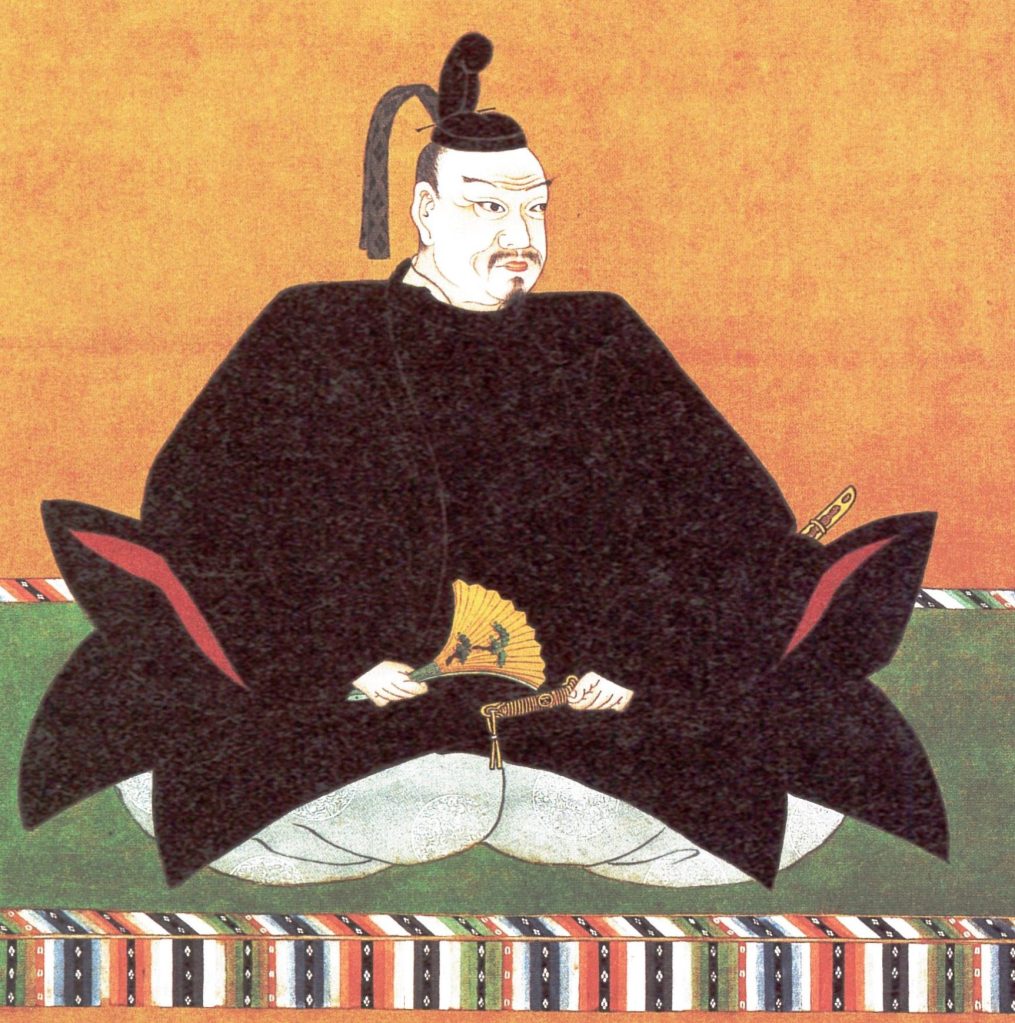
    Tokugawa Ieyasu

    Some initial success in Ise Province was followed by a defeat at the Battle of Haguro Castle, after which Hideyoshi, who had been waiting at Osaka Castle, took the field himself, meeting Ieyasu near Komaki (near the modern city of the same name). Again, despite a significant manpower imbalance, Ieyasu’s strong position meant that Hideyoshi was unable to force a decisive engagement, and both sides focused on reinforcing castles and constructing new earthworks in anticipation of the fight to come.

    The campaign that followed is often called the Battle of Komaki and Nagakute, after its two most decisive engagements, but there were actually a series of sieges, counterattacks, and skirmishes over the summer and early autumn of 1584. The fighting would result in a tactical victory for the Tokugawa, as they would arguably have the best of the fighting. On the other hand, the strategic situation favoured Hideyoshi, and he would ultimately be able to secure control over his new territory and the power that went along with it.

    An 18th-Century depiction of the Battle of Komaki and Nagakute.

    In the end, both sides had bigger problems. Ieyasu’s domains were under severe economic strain from the war, and a series of floods, combined with the burden of having a large number of peasants away at war, drained his treasury and threatened famine (this was before a serious earthquake in 1586 compounded his problems).

    For his part, Hideyoshi’s position was not as strong as it appeared. Though he had the advantage in men, he also had powerful enemies elsewhere, enemies that were arguably more pressing problems than Ieyasu, who had proven he could hold Hideyoshi off, but not that he could mount a serious attack of his own.

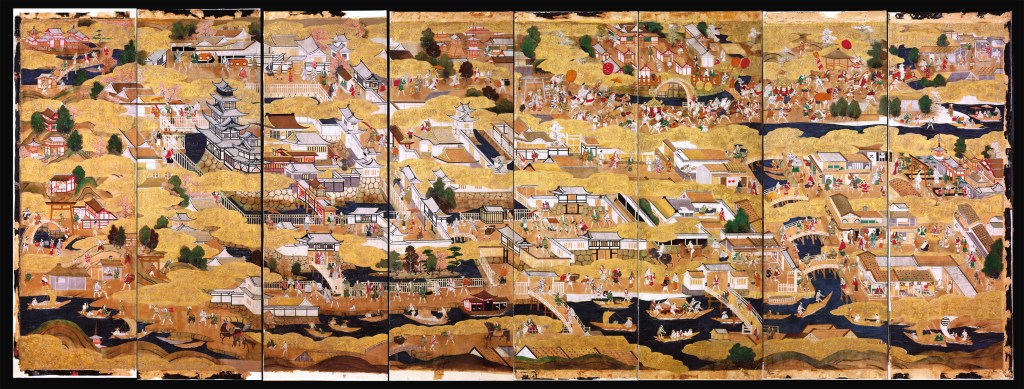
    Osaka as it appeared around 1650. The city would become Hideyoshi’s base, centred at the castle, which appears in the second screen from the left.

    Despite his inability to defeat Ieyasu, by the dawn of 1585, Hideyoshi was effectively the ruler of Japan, already on the verge of surpassing his nominal masters (the Oda), and about to launch the campaigns that would finally bring an end to the centuries of bloodshed.

    Sources
    https://ja.wikipedia.org/wiki/%E8%B1%8A%E8%87%A3%E7%A7%80%E5%90%89
    https://ja.wikipedia.org/wiki/%E5%B0%8F%E7%89%A7%E3%83%BB%E9%95%B7%E4%B9%85%E6%89%8B%E3%81%AE%E6%88%A6%E3%81%84
    https://ja.wikipedia.org/wiki/%E5%B2%A9%E5%B4%8E%E5%9F%8E%E3%81%AE%E6%88%A6%E3%81%84
    https://ja.wikipedia.org/wiki/%E5%B0%8F%E7%89%A7%E5%B1%B1
    https://ja.wikipedia.org/wiki/%E5%A4%A7%E5%9D%82%E5%9F%8E
    https://ja.wikipedia.org/wiki/%E8%B3%A4%E3%83%B6%E5%B2%B3%E3%81%AE%E6%88%A6%E3%81%84
    https://ja.wikipedia.org/wiki/%E5%8C%97%E3%83%8E%E5%BA%84%E5%9F%8E%E3%81%AE%E6%88%A6%E3%81%84
    https://ja.wikipedia.org/wiki/%E6%B5%85%E4%BA%95%E4%B8%89%E5%A7%89%E5%A6%B9
    https://en.wikipedia.org/wiki/Kitanosho_Castle
    https://ja.wikipedia.org/wiki/%E5%89%8D%E7%94%B0%E5%88%A9%E5%AE%B6#%E4%BA%BA%E7%89%A9%E3%83%BB%E9%80%B8%E8%A9%B1
    https://ja.wikipedia.org/wiki/%E6%A1%91%E5%90%8D%E5%9F%8E
    https://ja.wikipedia.org/wiki/%E6%B8%85%E6%B4%B2%E4%BC%9A%E8%AD%B0
    https://ja.wikipedia.org/wiki/%E5%A4%A7%E5%BE%B3%E5%AF%BA
    https://ja.wikipedia.org/wiki/%E7%B9%94%E7%94%B0%E4%BF%A1%E5%AD%9D
    https://ja.wikipedia.org/wiki/%E7%B9%94%E7%94%B0%E7%A7%80%E4%BF%A1
    https://ja.wikipedia.org/wiki/%E7%B9%94%E7%94%B0%E7%A7%80%E4%BF%A1
    https://ja.wikipedia.org/wiki/%E6%9F%B4%E7%94%B0%E5%8B%9D%E5%AE%B6