Tag: Owari Province

  • The Second Unifier – Toyotomi Hideyoshi. Part One.

    The Second Unifier – Toyotomi Hideyoshi. Part One.

    If the bird will not sing, make it sing.
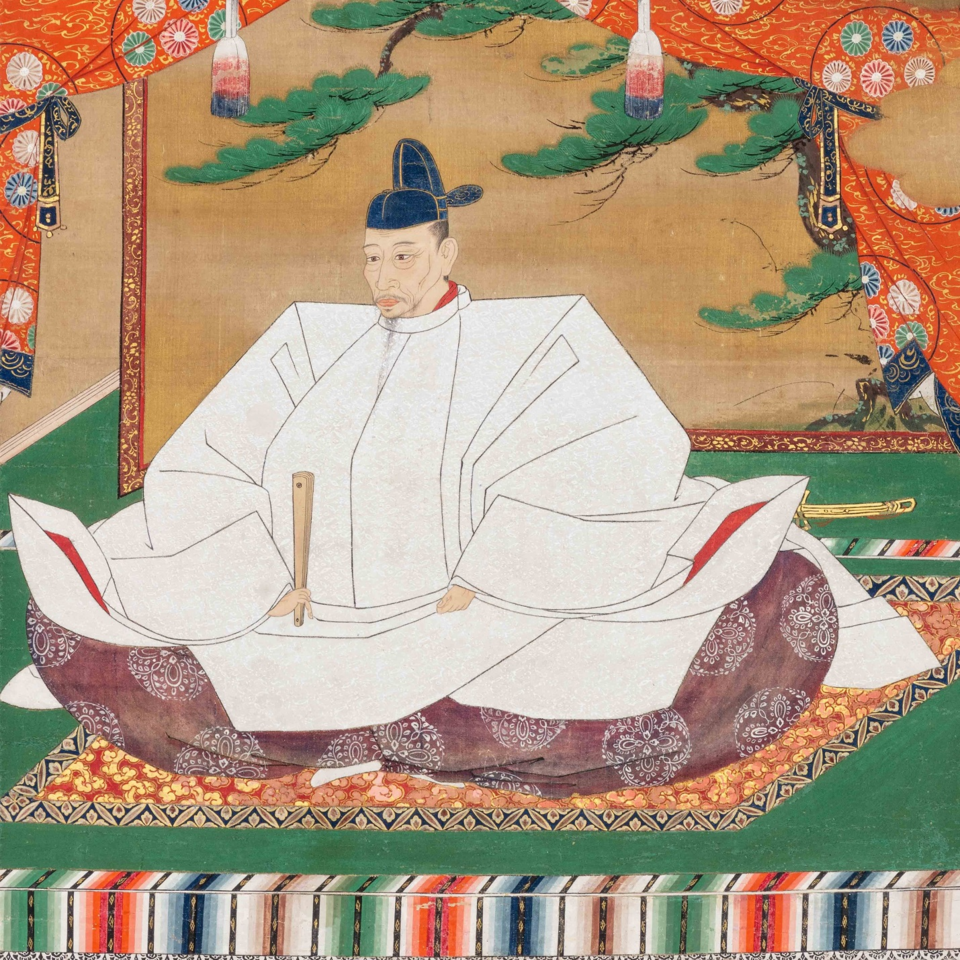
    Oda Nobunaga’s death in June 1582 left a power vacuum that was ultimately filled by Toyotomi Hideyoshi (then using the family name Hashiba). Hideyoshi’s tale is remarkable even by the standards of the time: from peasant footsoldier to master of the realm, he epitomised the danger and opportunity of the Sengoku Jidai and would be the man most responsible for bringing it to an end.

    Hideyoshi’s origins are suitably mysterious and have been subject to a fair bit of speculation and mythologising, mostly by the man himself. After his rise to power, he is supposed to have spread the rumour that he was a secret bastard of the Emperor, stating that his mother had been a maid in the Imperial Palace and had “grown close to the Emperor’s Body”, which is quite the thing to say about your own mother.
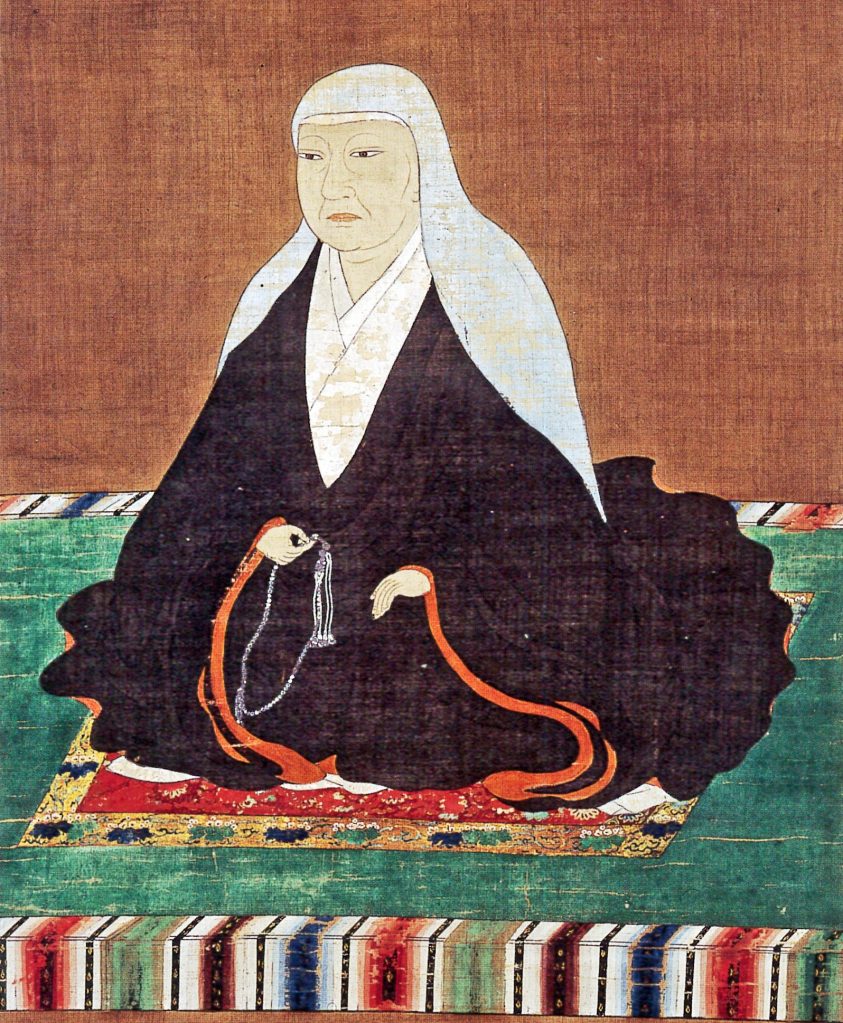
    Hideyoshi’s mother. She is often called Omandokoro, though this is the name she took after becoming a nun, and most sources think her birth name was Naka.

    Less mum-shaming sources suggest that Hideyoshi was born in 1536 or 37 in Owari Province, now part of the modern city of Nagoya. His father, usually recorded as Kinoshita Yaemon, is a similarly mysterious figure, but historians generally agree he was probably of the lower classes, most likely a peasant soldier (Ashigaru). Hideyoshi’s childhood is also poorly recorded, with some sources suggesting his father died when he was 7, after which Hideyoshi entered a monastery, though he left shortly afterwards.

    At the age of 15, he received part of his inheritance and left home to become a wanderer. Sometime later (the dates are unclear), he is recorded as Kinoshita Hideyoshi in the service of the Iio Clan, which, in turn, was a vassal of the Imagawa Clan. It’s not certain exactly when he came into the service of the Oda Clan, but it appears to have been before 1554, when he was serving at Kiyosu Castle (under Oda control) in charge of the kitchens, and in some kind of role in construction or maintenance.
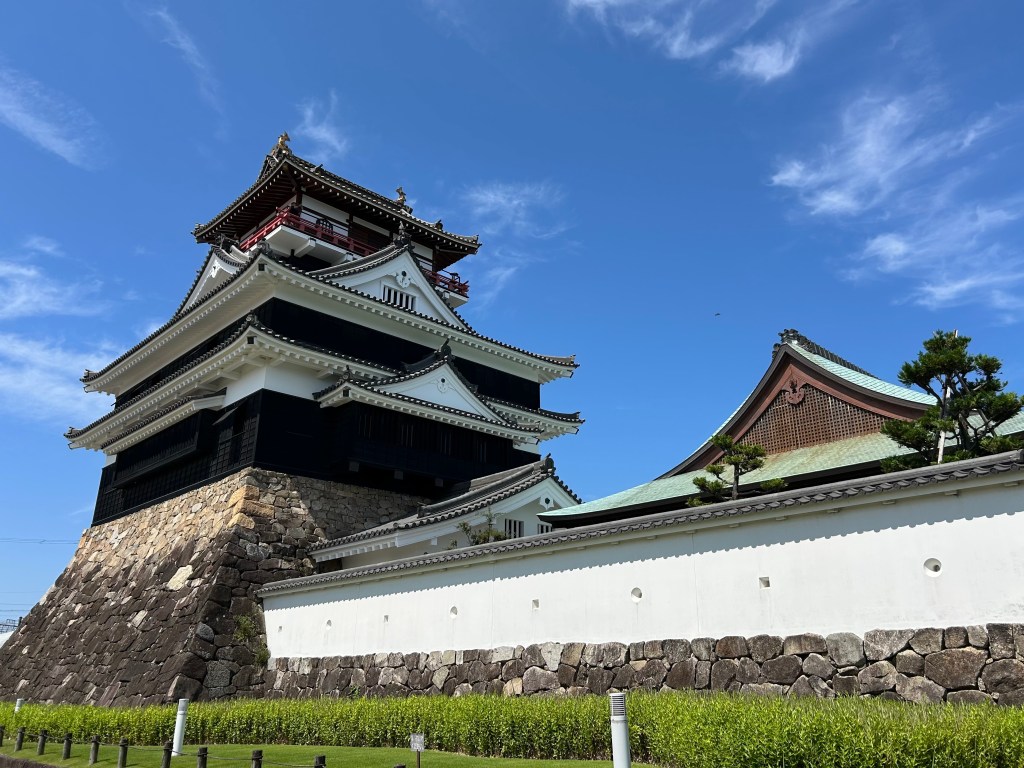
    Kiyosu Castle as it appears today.

    Even this is a matter of some debate, though, as other sources state he didn’t join the Oda until 1558 (though they agree he served at Kiyosu Castle), and a common origin story in English language sources is that he was Nobunaga’s sandal bearer, a story which possibly reflects his role as a kind of ‘military servant’ which might explain how he was able to gain recognition from Nobunaga.

    Even the matter of Hideyoshi’s marriage is subject to debate; it is certain that he married Nene, but her origins and even the year of the marriage aren’t totally clear. Some sources say the marriage took place in 1561, when Nene was 12 or 13, and Hideyoshi was in his 20s. This earlier date is controversial because even though 13 was the age at which girls became adults (legally speaking), it was still considered unusual for a girl to marry as soon as she came of age.
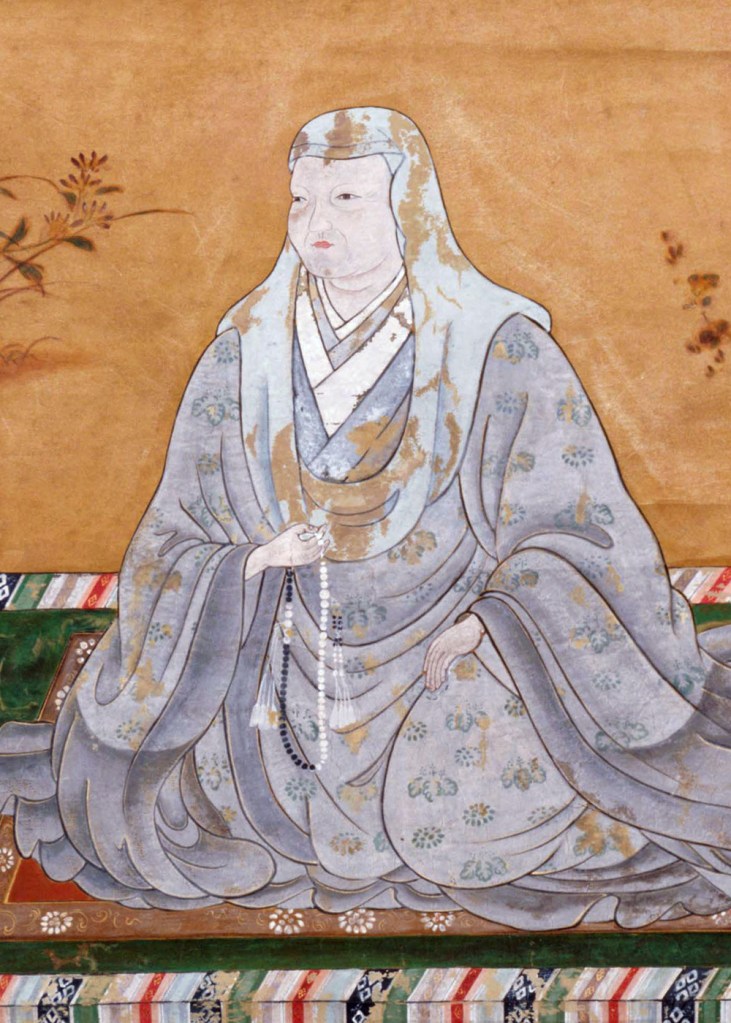
    Hideyoshi’s wife, Nene, who also became a Nun, is often recorded as Kodai-in as a result.

    Another theory is that the marriage took place in 1565, when Nene was 16 or 17, still young by modern standards, but a far more acceptable age at the time. Nene’s adoptive father was Asano Nagakatsu, who would later receive a stipend of 300 Koku from Nobunaga and served as one of his bodyguards. This status suggests that Nagakatsu was of sufficient rank, and the marriage to Nene is often cited as evidence that Hideyoshi was already moving up in the world by the mid-1560s.

    As well as his marriage, further evidence of his rise in Nobunaga’s service appears in 1565 when his name appears as the co-signer on documents assigning fiefs, suggesting he was already one of Nobunaga’s most important vassals. Throughout the back half of the decade, he is recorded as having taken part in several of Nobunaga’s campaigns, notably taking Mitsukuri Castle during the Omi Campaign in 1568.
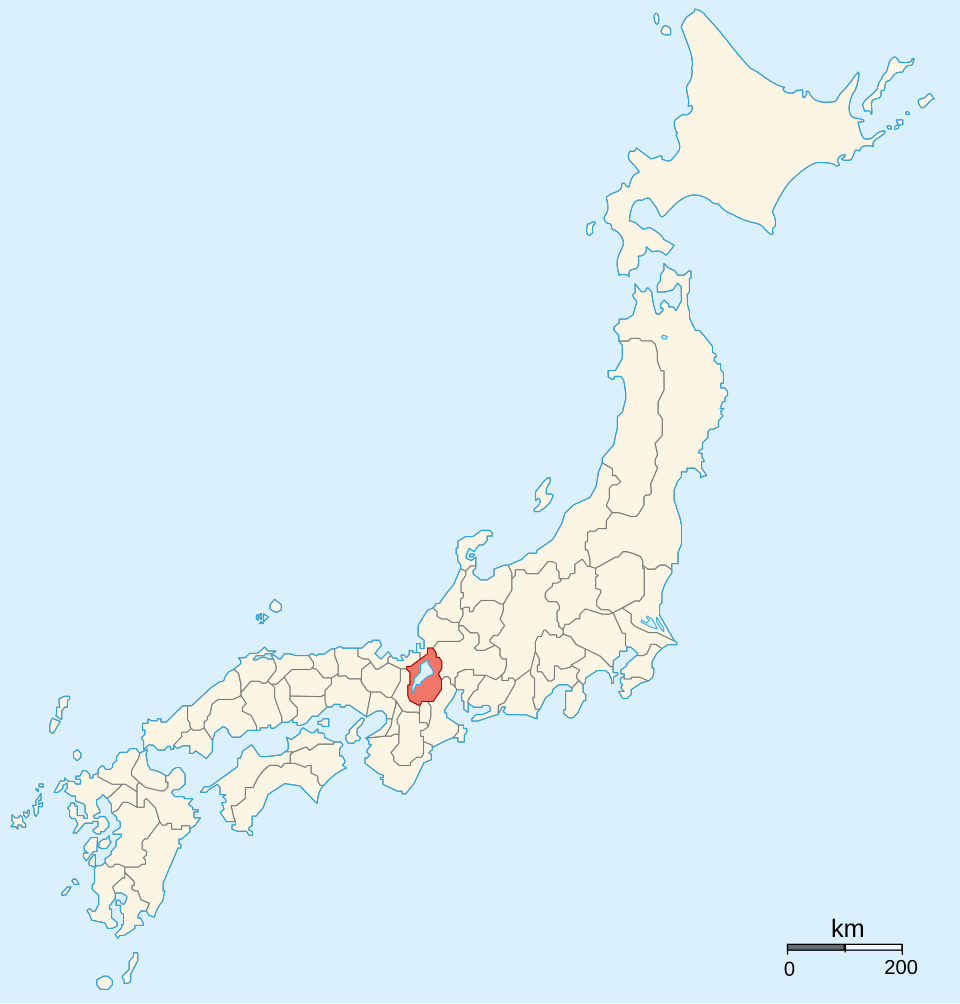
    Omi Province.
    By Ash_Crow – Own work, based on Image:Provinces of Japan.svg, CC BY 2.5, https://commons.wikimedia.org/w/index.php?curid=1690755

    In 1569, in support of the Mori Clan (who were his temporary allies), Nobunaga dispatched a force of some 20,000 to support them against a rebellion, whilst the bulk of the Mori forces were in Kyushu fighting the Otomo clan. This army, led by Hideyoshi, was, by all accounts, a phenomenal success, capturing no fewer than 18 castles in just 12 days and ending the rebellion swiftly.

    A year later, he was part of Nobunaga’s campaign against the Asakura Clan of Echizen Province, which ended when Nobunaga’s brother-in-law, Azai Nagamasa, switched sides, threatening to cut off Nobunaga’s retreat. Though the exact scale of the threat is debated (as I mentioned in my posts on Nobunaga himself), what is certain is that Hideyoshi led the rearguard and was instrumental in ensuring that his master was able to escape.
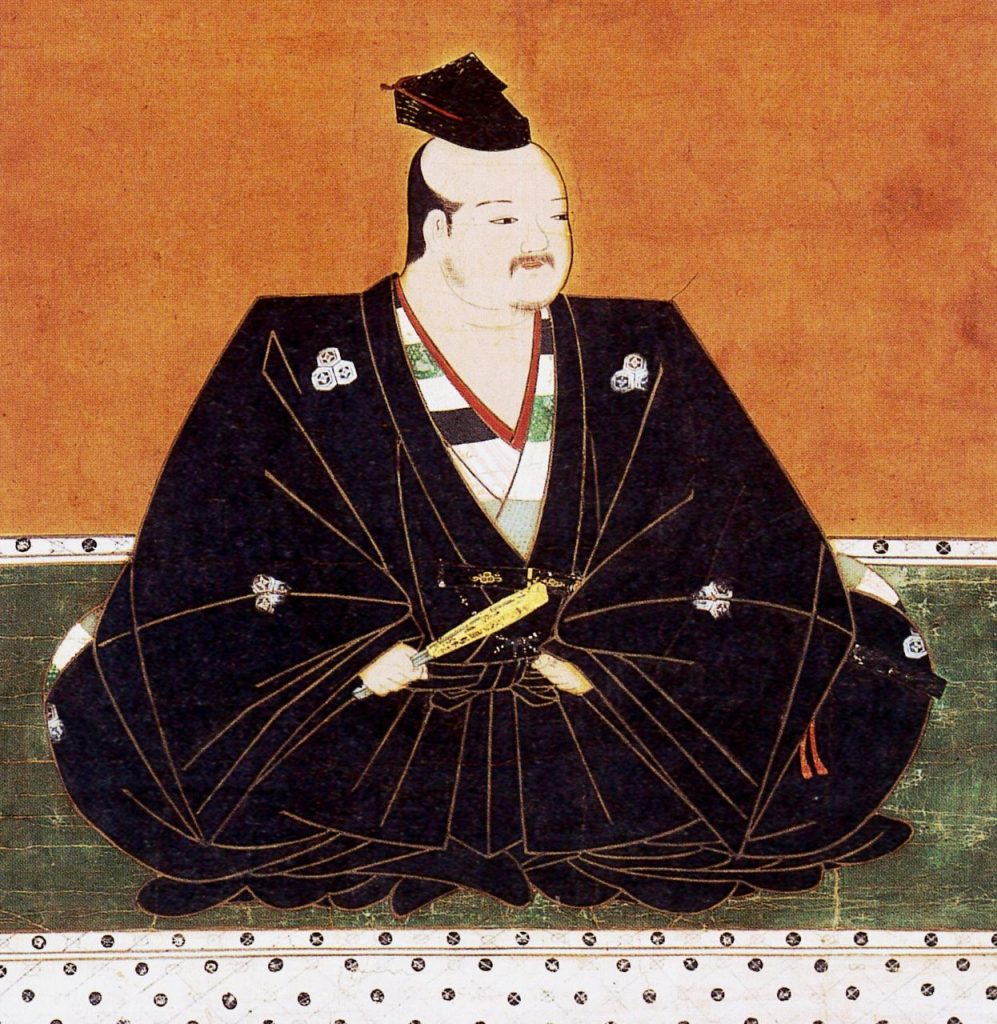
    Azai Nagamasa, Nobunaga’s brother-in-law, whose betrayal nearly spelt disaster for his campaign.

    After the Battle of Anegawa, in which Nobunaga avenged himself on the Azai-Asakura forces, Hideyoshi was appointed castellan of the strategically important Yokoyama Fortress, from which he would be tasked with keeping up the pressure on the remnants of the Azai-Asakura until their final destruction in 1573.

    I’ve previously mentioned the tradition of changing names among Samurai and how it often leads to confusion when you’re trying to source information about specific figures who may have had several names. While Hideyoshi is generally remembered as “Toyotomi Hideyoshi” in English-language sources, this wasn’t his name until much later. His peasant origins mean that he likely didn’t have a surname at all, and the names he was known by later were either taken from places or bestowed by others.
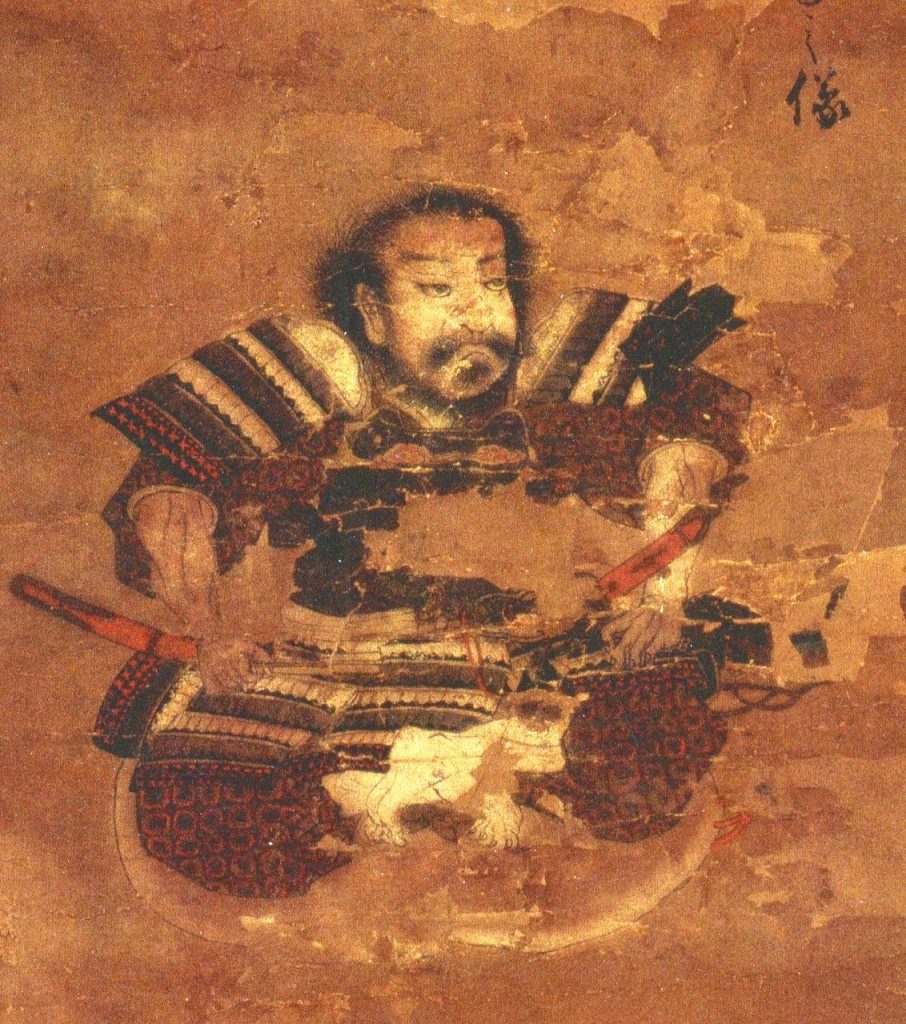
    Shibata Katsuie
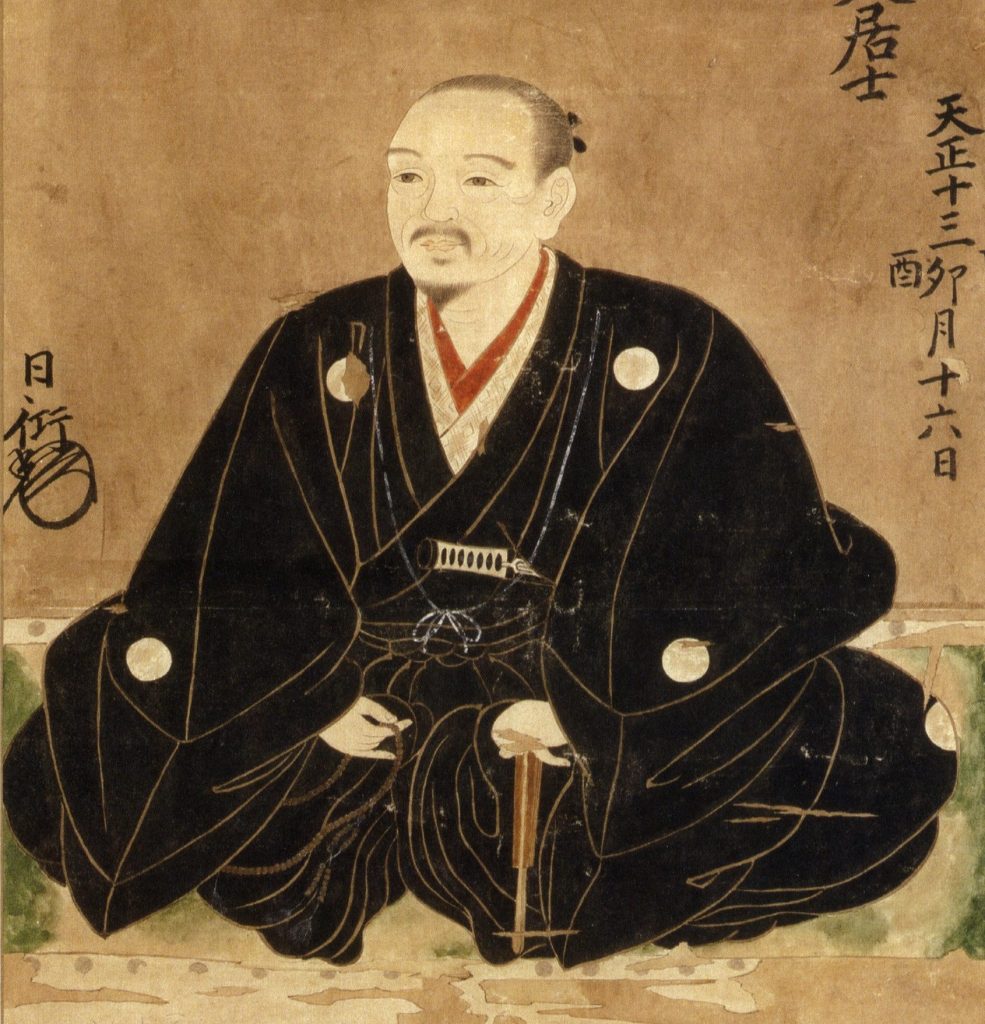
    Niwa Nagahide

    In 1573, Hideyoshi adopted the name Hashiba. The origins of this name are somewhat unclear; a common theory is that he took one character each from Shibata Katsuie and Niwa Nagahide (the Japanese character ‘wa’ can also be pronounced ‘ha’), though this is disputed.

    Along with a name change, the fall of the Azai Clan in 1573 resulted in Hideyoshi receiving their former lands around the shores of Lake Biwa. He based himself at Imahama, which is promptly renamed Nagahama, after Nobunaga. This was not some unique quirk of his, by the way, the ‘giving’ of character from prestigious names was a common occurrence, and was generally treated as a respectful and honoured thing to do.
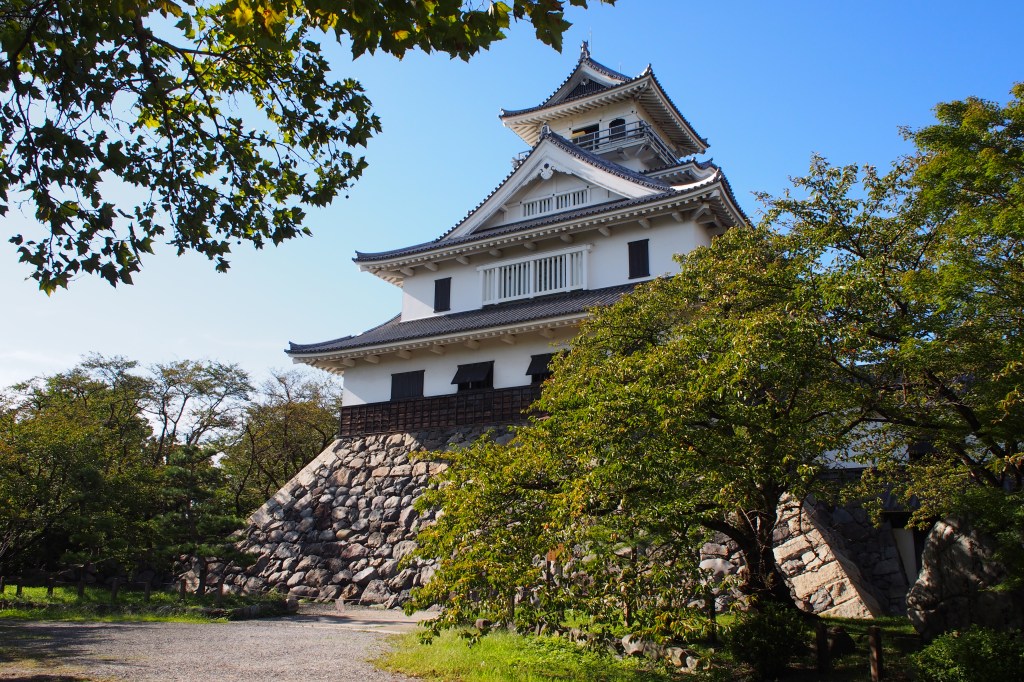
    Nagahama Castle as it appears today.
    By 663highland, CC BY 2.5, https://commons.wikimedia.org/w/index.php?curid=73322120

    He continued to play a significant role in Nobunaga’s military expansion, serving at the decisive Battle of Nagashino in 1575, and capturing Kiriyama Castle from the powerful Kitabatake Clan of Ise Province the next year. In 1577, Hideyoshi’s star seemed to be on an inexorable rise, but personal rivalries would get in the way.

    Nobunaga dispatched an army under Shibata Katsuie to face Uesugi Kenshin in the north. Now, you may remember from my post about him, but Kenshin was a formidable opponent, a rival to both Hojo Ujiyasu and Takeda Shingen; he was certainly not a man to take lightly. Nobunaga obviously understood this and dispatched reinforcements commanded by Hideyoshi.
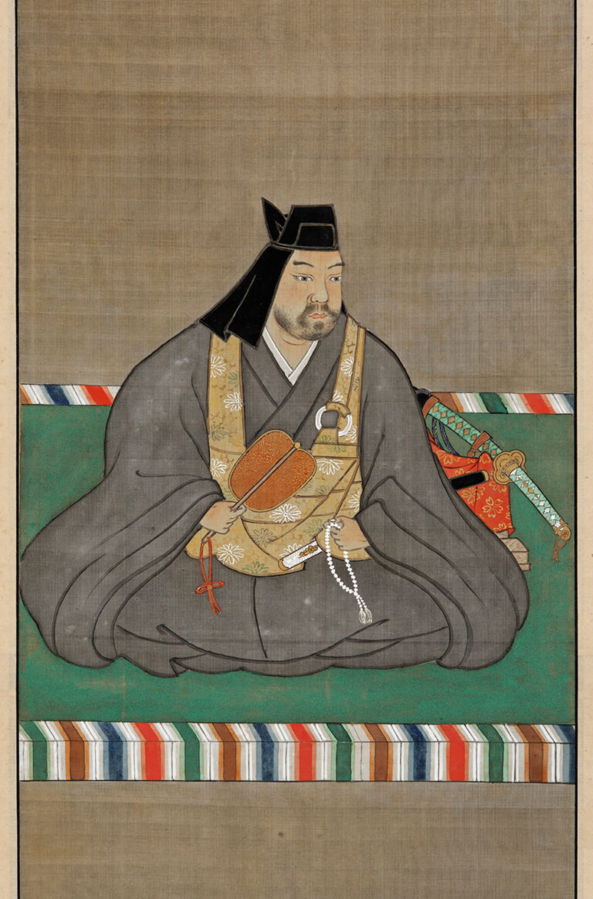
    Uesugi Kenshin

    At this point, a simmering feud between Hideyoshi and Katsuie exploded. The exact nature of the argument isn’t recorded in contemporary sources, and later writers could only speculate; however, it is known that Hideyoshi literally took his army and went home. This open defiance of Nobunaga’s orders would have been bad enough, but when Katsuie was defeated shortly afterwards at the Battle of Tedorigawa, Nobunaga was furious.

    Hideyoshi was arguably lucky to keep his head after that, and he would spend some time in the political wilderness. His time would come again, however, and we’ll talk about that next week.

    Sources
    https://ja.wikipedia.org/wiki/%E8%B1%8A%E8%87%A3%E7%A7%80%E5%90%89
    https://ja.wikipedia.org/wiki/%E6%89%8B%E5%8F%96%E5%B7%9D%E3%81%AE%E6%88%A6%E3%81%84
    https://ja.wikipedia.org/wiki/%E9%95%B7%E6%B5%9C%E5%9F%8E_(%E8%BF%91%E6%B1%9F%E5%9B%BD)
    https://ja.wikipedia.org/wiki/%E9%9C%A7%E5%B1%B1%E5%9F%8E
    https://ja.wikipedia.org/wiki/%E9%87%91%E3%83%B6%E5%B4%8E%E3%81%AE%E6%88%A6%E3%81%84
    https://ja.wikipedia.org/wiki/%E5%A7%89%E5%B7%9D%E3%81%AE%E6%88%A6%E3%81%84
    https://ja.wikipedia.org/wiki/%E6%A8%AA%E5%B1%B1%E5%9F%8E_(%E8%BF%91%E6%B1%9F%E5%9B%BD)
    https://ja.wikipedia.org/wiki/%E4%B8%B9%E7%BE%BD%E9%95%B7%E7%A7%80
    https://ja.wikipedia.org/wiki/%E8%A6%B3%E9%9F%B3%E5%AF%BA%E5%9F%8E%E3%81%AE%E6%88%A6%E3%81%84
    https://ja.wikipedia.org/wiki/%E9%AB%98%E5%8F%B0%E9%99%A2
    https://ja.wikipedia.org/wiki/%E6%B5%85%E9%87%8E%E9%95%B7%E5%8B%9D
    https://ja.wikipedia.org/wiki/%E9%A3%AF%E5%B0%BE%E6%B0%8F
    https://ja.wikipedia.org/wiki/%E5%A4%A7%E6%94%BF%E6%89%80
  • Centralisation.

    Centralisation.

    By the 1380s, the Northern and Southern Court Period (Nanbokucho Jidai in Japanese) had been dragging on for nearly 50 years. This was a period of frequent conflict, and the instability had only served to weaken the power of the central government in Kyoto.

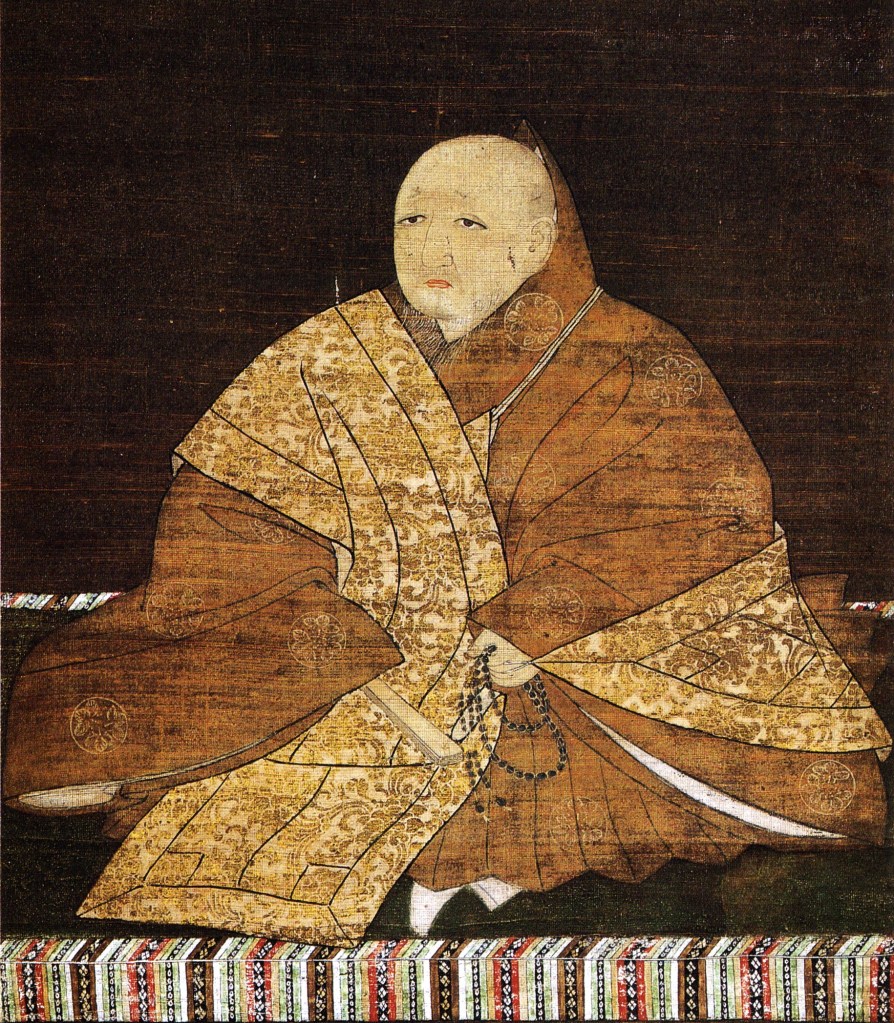
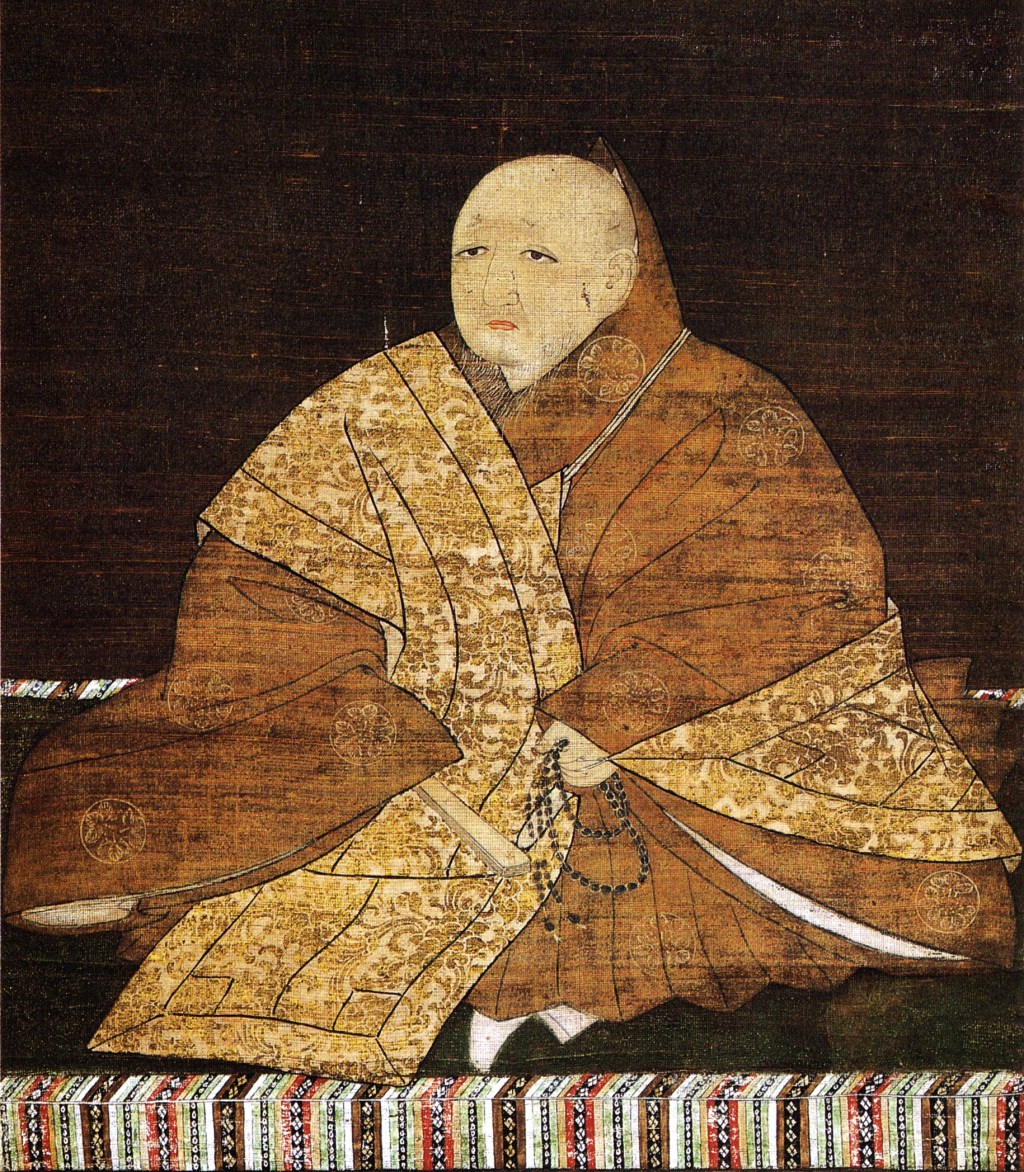
    In 1368, Ashikaga Yoshimitsu became the third Ashikaga Shogun. As he was still a minor at the time, the government was initially in the hands of his Kanrei (Deputy) Hosokawa Yoriyuki, whom we talked about last time.

    Ashikaga Yoshimitsu, the third Ashikaga Shogun. This image is from after he became a monk in later life.

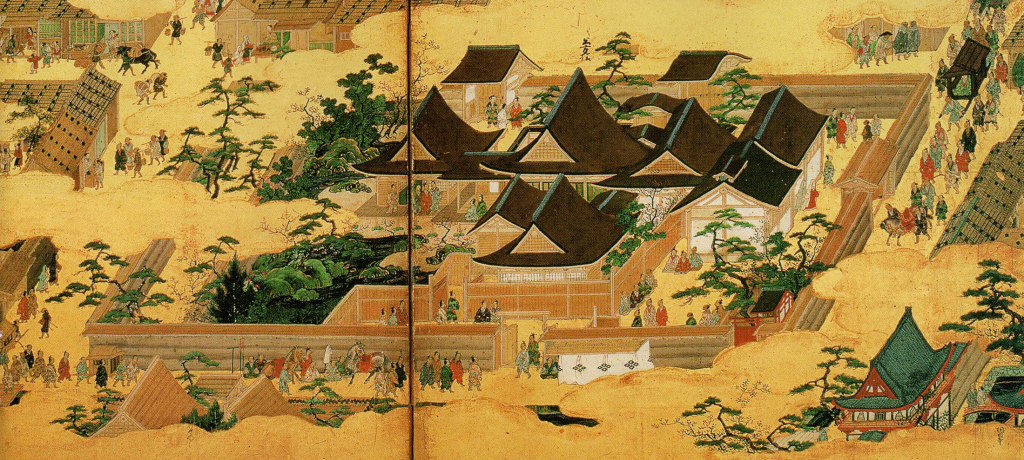
    In 1378, Yoshimitsu assumed power in his own right. He also moved the official Shogunate residence to the Hana-no-Gosho, or Flower Palace, in the Muromachi area of Kyoto. Because of this, the Ashikaga Shogunate is sometimes called the Muromachi Shogunate, though we’ll keep calling them Ashikaga for now, to avoid any more confusion.

    When Yoriyuki was forced to resign by his enemies during the Koryaku Coup, he was replaced by Shiba Yoshimasa, and the wider Shiba Clan saw their fortunes improve further still as Yoshimasa moved to fill several government positions with his family and retainers.

    If you imagine that the Koryaku Coup was a matter of the Shiba Clan replacing the Hosokawa, then you’d be wrong. In fact, after 1379 (the year of the coup), the power of the Shogunate increased considerably, with the centralisation of government put in place by Yoriyuki falling not into the hands of the Shiba, but the Shogun himself.

    Some historians have speculated that Yoshimitsu actually worked to engineer the conflict between the Hosokawa and Shiba Clans, playing both factions off each other in order to increase his own power. Whilst there are no clear records of any such plan, Yoshimitsu took advantage of the chaos to ensure that no one clan would be in a position to challenge him again.

    The Flower Palace in Kyoto. Yoshimitsu paid close attention to the image of the Shogunate.

    Imperial Politics

    During the 1380s, Yoshimitsu worked to tighten the bonds between the Shogunate and the Imperial Northern Court, whilst ensuring that one was clearly superior to the other.

    The exact relationship between the Imperial and Shogunate government at this time is a bit complicated, but officially, the Shogun served as the Supreme Military commander nominally at the Emperor’s service.

    In reality, of course, the Shogun was a military dictator, ruling the nation in all but name, but formally the Emperor ruled, while the Shogun merely served. To get around this legal technicality, Shoguns were often granted formal rank in the Imperial hierarchy and would often take up positions in the ‘Imperial’ government, further cementing their legitimacy.

    We won’t go into the exact nature of the Imperial hierarchy, but in short, there were nine ranks, with the top three being divided further divided into Senior and Junior levels, whilst ranks four to nine (also called ‘initial rank’) were further divided into four levels (Upper Senior, Lower Senior, Upper Junior, and Lower Junior) for a total of thirty ranks.

    By the 14th Century, Imperial Rank no longer granted very much in the way of actual political power, but it was a mark of prestige, and continues to be so today, although the ranks were reorganised during the 19th Century Meiji Restoration.

    Yoshimitsu was not the first, or last, Shogun to take on Imperial Rank and title, but he did so at a time when the formalities of the Imperial Throne were more important than they would eventually become. By 1382, he had been granted Junior First Rank and took the position of Minister of the Left, effectively Prime Minister.

    In his position as Minister of the Left, he began using the Imperial bureaucracy to issue orders and instructions, effectively turning Shogunate orders into Imperial ones, increasing their weight considerably, and obliging many troublesome lords to fall in line. It was one thing to oppose the Shogun, but another entirely to go against the Son of Heaven.

    Controlling the Imperial Government relied on harnessing the reflected prestige of the Emperor’s Divine heritage, but being Shogun was, and remained, a primarily military position. Whilst Imperial decrees brought a lot of minor lords into line, there were still several powerful clans in Japan who would not bow to anything other than force.

    Yoshimitsu the Warrior

    Fortunately for the Shogunate, Yoshimitsu proved himself adept at playing this role too. You may remember that the Koryaku Coup in 1379 had been led by three clans, the Shiba, Toki, and Yamana; however, it is the Toki and Yamana Clans who are important for this next bit.

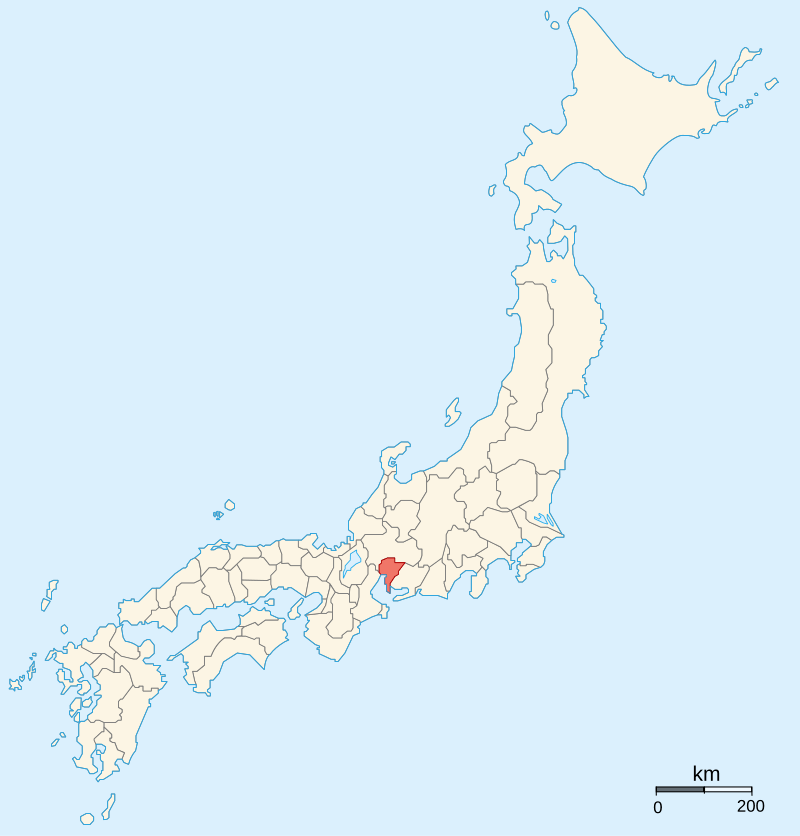
    By the late 1380s, the Toki Clan ruled three provinces, whilst the Yamana (through various family members) controlled eleven. These power blocs were far too strong for the Shogun to take on directly; however, in 1388, the head of the Toki Clan died. Instead of allowing the heir, Yasuyuki, to inherit all three provinces (Mino, Ise, and Owari), the Shogun declared he’d only get two (Mino and Ise), whilst the third (Owari) would go to his brother, Mitsutada.

    Owari Province, in modern day Nagoya.
    By Ash_Crow – Own work, based on Image:Provinces of Japan.svg, CC BY 2.5, https://commons.wikimedia.org/w/index.php?curid=1691740

    It should come as little surprise that Yasuyuki and Mitsutada, despite being brothers, didn’t get along, and it wasn’t long before Mitsutada, who by all accounts was an ambitious sort, began plotting against his brother. Although the details are a bit murky, forces loyal to Yasuyuki attacked Mitsutada and forced him to flee to safety in Kyoto.

    This act of near fratricide was exactly what the Shogun wanted. Mitsutada had been appointed as Shugo (military governor) of Owari Province, and Yasuyuki had committed an act of rebellion in throwing him out.

    Shogun Yoshimitsu declared Yasuyuki a traitor and ordered loyal forces (led by other members of the Toki Clan, which just highlights how complex family relations were amongst Samurai) to bring him to justice. Yasuyuki was defeated by this coalition, and in the aftermath, the Toki Clan were deprived of Ise Province, whilst the family was split into two branches, one ruling Owari, the other Mino.

    Yasuyuki would survive this episode and would actually return to favour under the Shogunate less than a year later during the Meitoku Rebellion (which we’ll talk about in a minute). Yasuyuki would regain control of Ise Province in 1391, whilst his treacherous brother, Mitsutada, would be deprived of Owari in the same year, apparently due to cowardice and mismanagement.

    This whole episode shows that Shogun Yoshimitsu understood the nature of power politics in this period. Rather than destroy the Toki Clan outright, he weakened just enough to remove them as a threat to the Shogunate, but not so much that they could no longer govern what remained of their territories effectively.

    After dealing with the Toki, Yoshimitsu turned his attention to the Yamana. As we discussed earlier, at this point, the Yamana Clan controlled eleven provinces in Eastern Japan. However, it should be noted that, much like the Toki, the Yamana Clan were not a single, united family. Instead, there were four brothers who were apparently united in name only.

    Good Policy, or Good Fortune?

    Yoshimitsu took advantage of this and pitted the brothers against each other. Some historians claim this was a deliberate policy of the Shogun, whilst others counter that strife within the Yamana family was nothing new, and Yoshimitsu simply grasped an opportunity.

    Throughout 1391, Yoshimitsu had strengthened his position, defeating the Yamana Clan and dismissing his Shiba Kanrei, replacing him with Hosokawa Yoritomo, son of Hosokawa Yoriyuki, who had been overthrown during the Koryaku Coup back in 1379.

    This is often cited as evidence that Yoshimitsu was moving against all three clans. He had engineered the downfall of the Toki, removed Shiba members of his government, and gone out of his way to take advantage of the Yamana’s division, whilst attempting to provoke them into doing something rash.

    In November 1391, one of the Yamana brothers, Mitsuyuki, seized Yokota Manor in Kyoto. The exact circumstances aren’t clear. It is certain that Mitsuyuki took control of the Manor, but it’s not clear if his doing so was actually illegal. The Manor had been an Imperial property, but had come into the hands of the Yamana Family some years earlier; therefore, it’s possible that Mitsuyuki believed he was simply claiming a property that belonged to his family.

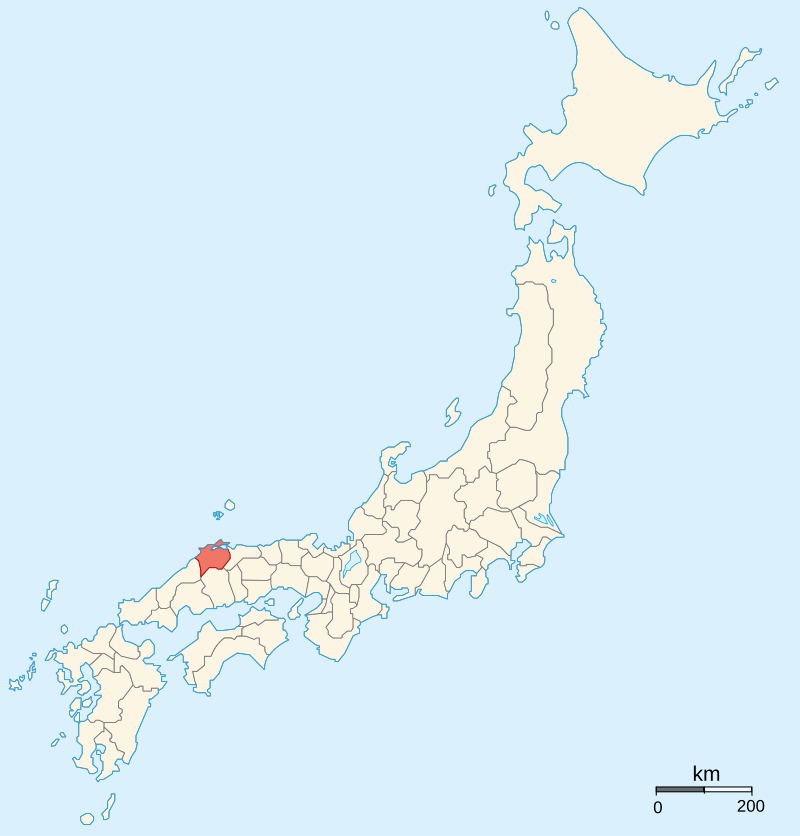
    The Shogun and Northern Imperial Court didn’t agree, however. They argued that the property was owned by the head of the Yamana Clan, not Mitsuyuki himself. It is possible that Mitsuyuki was genuinely mistaken, but he had violated the peace, and so the Shogunate confiscated his province (Izumo) as a result.

    Izumo Province.
    By Ash_Crow – Own work, based on Image:Provinces of Japan.svg, CC BY 2.5, https://commons.wikimedia.org/w/index.php?curid=1682749

    Now, if you’ve been paying any kind of attention so far (and I hope you have) then you’re probably aware that Samurai aren’t the type to take this sort of thing on the chin, and Mitsuyuki began agitating amongst his relatives, claiming that the Shogun was planning to do to the Yamana what he had done to the Toki, which, to be fair, was probably true.

    Having successfully raised an army, Mitsuyuki and the Yamana marched on Kyoto, where they were met by Shogunate forces led by Yoshimitsu himself. Outnumbered 2-1, the Yamana were defeated, their leaders were killed, captured, or put to flight, and the so-called ‘Meitoku Rebellion’ was brought to a swift conclusion.

    Mitsuyuki himself would escape, and there would be further uprisings of Yamana loyalists until his capture and execution in 1395, but for all intents and purposes, the Yamana were broken. In the direct aftermath of their rebellion, they were reduced from eleven provinces to just three, and although the Yamana Clan would survive, they could no longer challenge the Shogun.

    There would be a similar rebellion in 1399, when the next powerful clan, the Ouchi, would have to be dealt with, but their conflict with the Shogun ended much the same as the other two, with defeat, a reduction in land, but the overall survival of the clan.

    Ashikaga Yoshimitsu could arguably be considered the best of the Ashikaga Shoguns, but his most enduring legacy is not found on the battlefield, but in dynastic politics, which we’ll talk about next time.

    Sources

    https://en.wikipedia.org/wiki/Ashikaga_shogunate
    https://en.wikipedia.org/wiki/Ashikaga_Yoshimitsu
    https://ja.wikipedia.org/wiki/%E8%B6%B3%E5%88%A9%E7%BE%A9%E6%BA%80
    https://ja.wikipedia.org/wiki/%E6%98%8E%E5%BE%B3%E3%81%AE%E4%B9%B1
    https://ja.wikipedia.org/wiki/%E5%9C%9F%E5%B2%90%E6%B0%8F
    https://ja.wikipedia.org/wiki/%E5%9C%9F%E5%B2%90%E5%BA%B7%E8%A1%8C%E3%81%AE%E4%B9%B1
    https://ja.wikipedia.org/wiki/%E8%8A%B1%E3%81%AE%E5%BE%A1%E6%89%80
    https://en.wikipedia.org/wiki/Nanboku-ch%C5%8D_period