Tag: Prelude to Sekigahara

  • The Road to Sekigahara

    The Road to Sekigahara

    Before his death in 1598, Toyotomi Hideyoshi had established a Council of Five Elders to rule Japan until his son, Hideyori, came of age. Of the five, the two most influential were Tokugawa Ieyasu and Maeda Toshiie, and almost before Hideyoshi’s body was cool, the two men set about trying to undermine and outmanoeuvre each other.

    The ultimate victor would be Ieyasu, largely because Toshiie died in the Spring of 1599 and was replaced by his son, Toshinaga, who lacked his father’s political connections and ability. Later that year, a plot to assassinate Ieyasu was uncovered, and Toshinaga was implicated. Forced to flee to his home province of Kaga, he only avoided direct conflict with Ieyasu by sending his mother as a hostage.
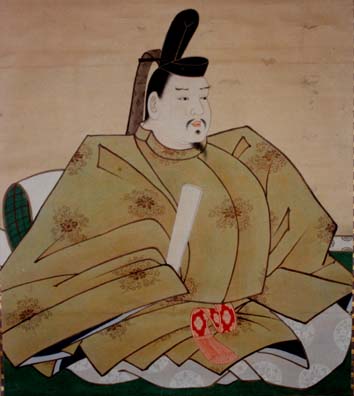
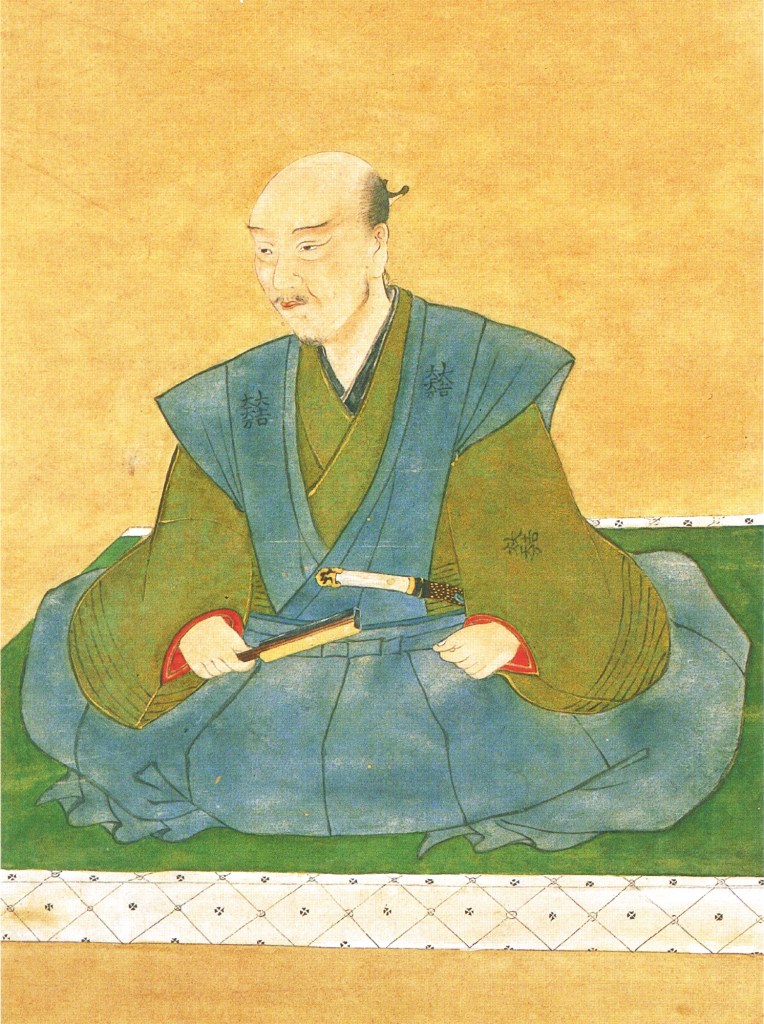
    Maeda Toshinaga. Like many before him, he would prove unable to live up to an illustrious father’s reputation.

    The revelation of his plot allowed Ieyasu to neutralise the threat of Toshinaga in the short term, but it wouldn’t last. Hideyoshi’s death had had exactly the destabilising effect he had feared, and throughout 1598-1600, old rivalries, feuds, and ambitions resurfaced. Historians disagree on what exactly led to a fresh outbreak of conflict, but there are a few theories.

    Some speculate that, without Hideyoshi’s strong hand, his attempts to centralise power in the realm were doomed to failure, as powerful local clans, who had been largely independent for decades (or more), saw little reason to kowtow to a government now headed by an infant. Others suggest that the invasion of Korea, whilst possibly intended to keep the Samurai busy, had actually stirred up old rivalries and forged a few new ones as the prideful warrior class competed for prestige amongst themselves at the expense of a cohesive campaign.
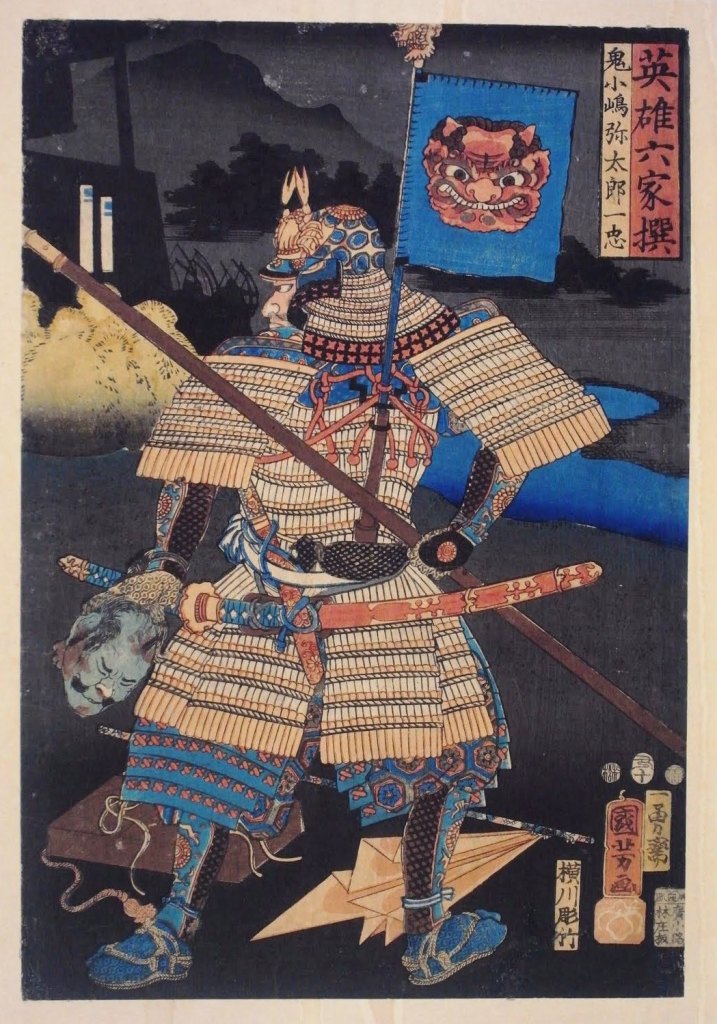
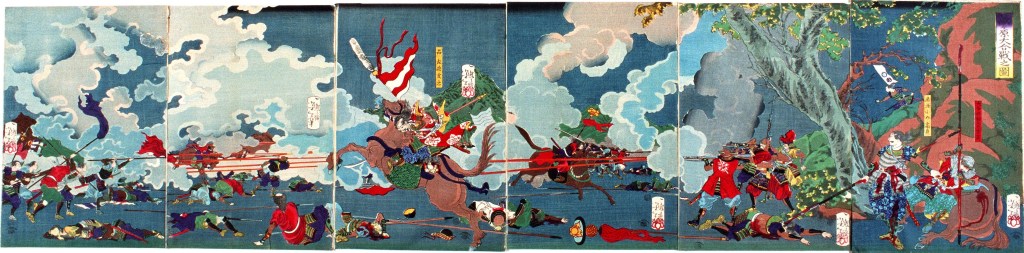
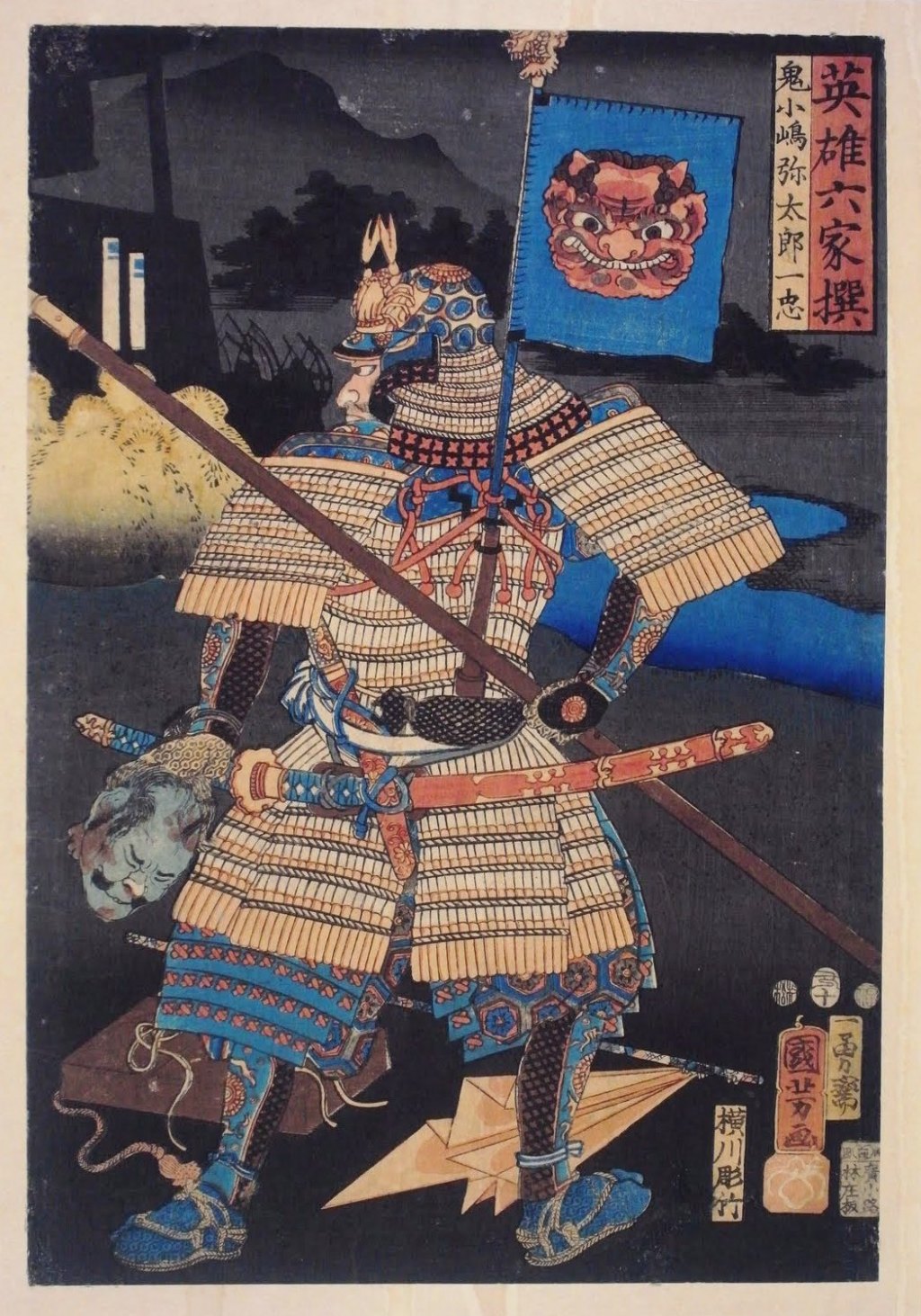
    Despite their reputation for honour and duty, the Samurai primarily followed strength. When Hideyoshi died, the lack of strong central authority meant that it wasn’t long before local clans slipped back into old habits.

    There are others who don’t necessarily disagree with either view, but argue that the unpopularity of Ishida Mitsunari was a key factor in the breakdown of relations between the men at the centre of the post-Hideyoshi political scene. He was not a powerful lord in his own right, and his reputation for military incompetence and political scheming weakened his ability to hold the administration of the realm together during Hideyori’s minority.

    Though it could be argued that Mitsunari’s failings were overemphasised in later (pro-Tokugawa) sources, it is clear that Ieyasu himself had ambitions to increase his own power and perhaps to claim ultimate authority. He frequently violated Hideyoshi’s laws and even his will, doing things like forming marriage alliances with other powerful lords, and eventually residing at Osaka Castle, even though Hideyoshi’s testament had stipulated that he remain at nearby (and weaker) Fushimi Castle.

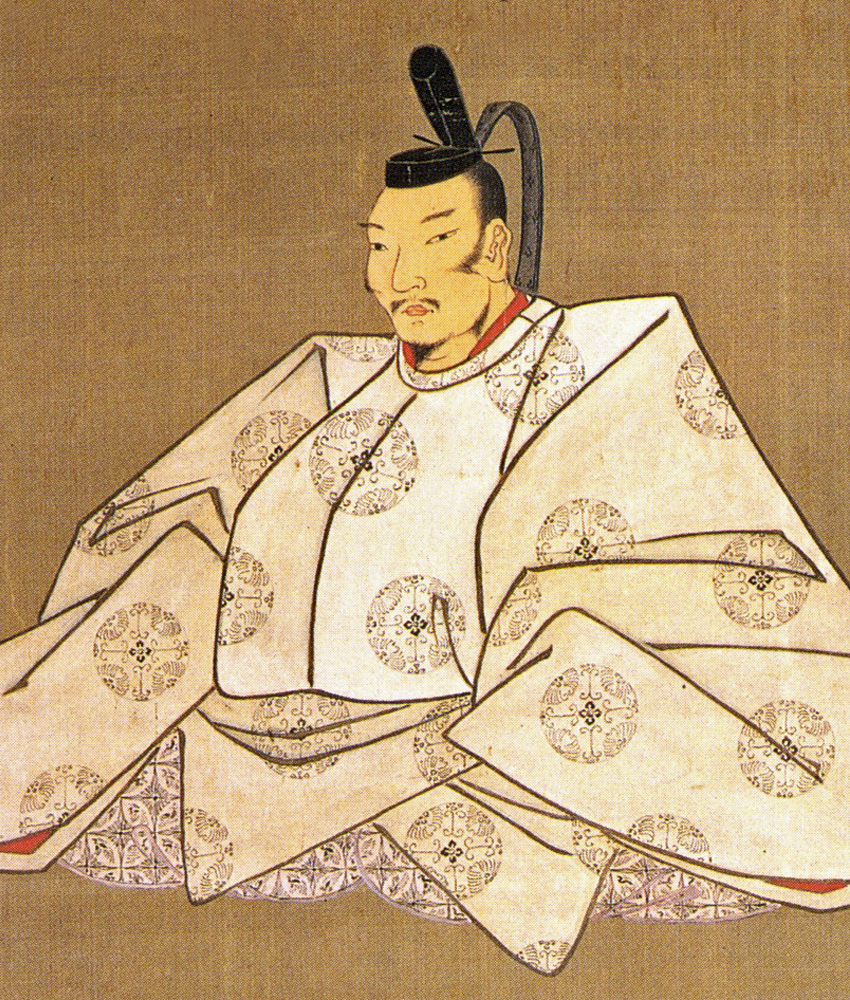
    A later depiction of Ieyasu. Though he started out as something of a first among equals, by early 1600, it was clear he was aiming for ultimate power.

    Ieyasu was the strongest individual member of the Council of Elders, but he lacked the strength to oppose the other four if they combined against him, so he set about ensuring that that wouldn’t happen. After dealing with Maeda Toshinaga in the aftermath of the alleged assassination plot, he intervened directly in a conflict between another elder, Ukita Hideie, and his vassals.

    The result of the so-called “Ukita Incident” was that many of these vassals left Hideie’s service, seriously weakening his power and, conversely, his ability to oppose Ieyasu. Indeed, by early 1600, it was beginning to appear that Ieyasu might claim supreme power without resorting to violence. He had largely co-opted the former Hideyoshi administration, and even Mitsunari, who had previously opposed Ieyasu, seemed to be coming around.
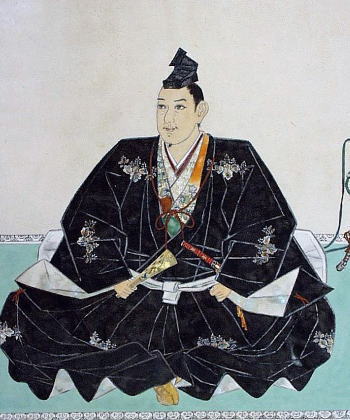
    Ukita Hideie. One of the Five Elders, Ieyasu’s machinations left him in a severely weakened position.

    In the Spring of 1600, Ieyasu felt strong enough to send envoys to another Elder, Uesugi Kagekatsu, to demand an explanation for the construction of an (illegal) castle in his domain, as well as for rumours of collusion between him and Maeda Toshinaga. Kagekatsu agreed to go to Kyoto, but asked that the trip be postponed until the Autumn, a request that was refused.

    Scholars generally agree that Ieyasu had already decided on a military campaign against the Uesugi, and he had sent the demand, knowing full well that Kagekatsu would refuse, thus giving him the pretext he needed. There are also some sources that suggest that Kagekatsu himself was behind a plot to lure Ieyasu into the difficult terrain of Northern Japan, and there ambush and destroy him.
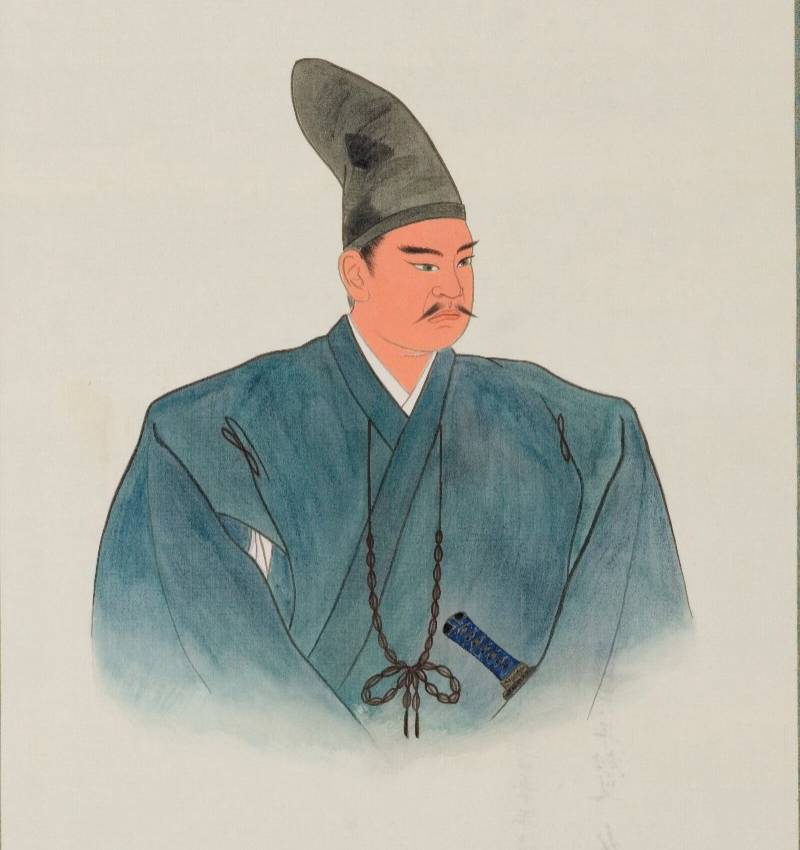
    Uesugi Kagekatsu. Sources disagree over whether he was a passive victim of Ieyasu’s ambition or a cunning strategist plotting to trap and destroy him.

    Regardless of who ultimately provoked the campaign, Ieyasu left Osaka in mid-June, heading first to his base at Edo, from where he issued orders to his vassals and supporters to prepare for an attack against the Uesugi. It is perhaps a testament to how ephemeral his power was that, no sooner had Ieyasu left Osaka than members of the government, including Ishida Mitsunari, rose up against him and sent a letter to Mori Terumoto inviting him to come to Osaka to “settle affairs.”

    Shortly after this, copies of a letter denouncing Ieyasu as a traitor to Hideyori’s government were circulated, and Terumoto was nominated as Commander of what would eventually become known as the “Western Army”, the collective forces gathered in opposition to Ieyasu’s “Eastern Army”. The first blow would fall on Fushimi Castle, still held by Ieyasu’s vassals, when it came under attack in August 1600.
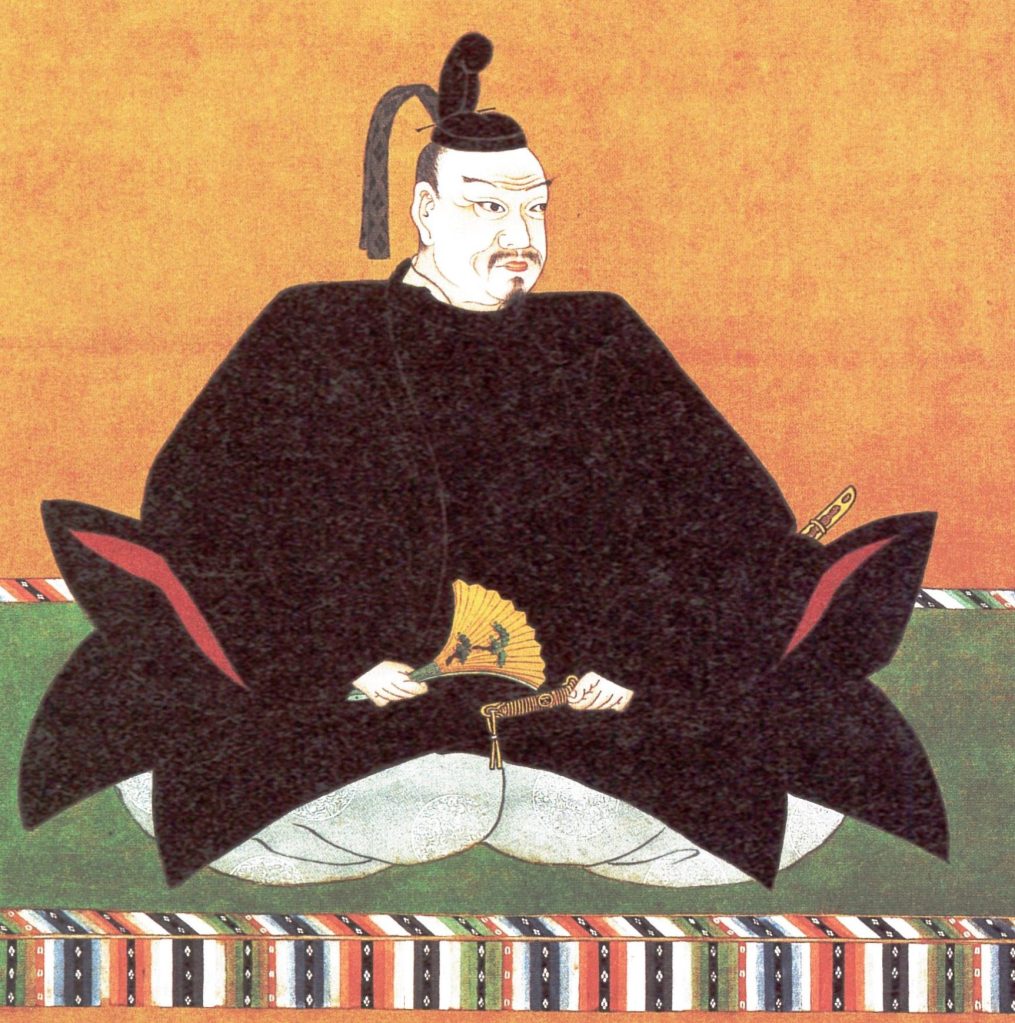
    Mori Terumoto. In terms of resources, Terumoto was second only to Ieyasu, which made him the obvious choice to lead the coalition army.

    Though some sources suggest that the forces led by the Shimazu and Kobayakawa Clans actually intended to enter Fushimi to fight on Ieyasu’s behalf, they were refused by the garrison and thus ‘forced’ to attack the castle instead. However, the only contemporary source for this is the Shimazu’s own records, and it is generally dismissed as an attempt by the Shimazu to excuse their opposition to Ieyasu after the fact.

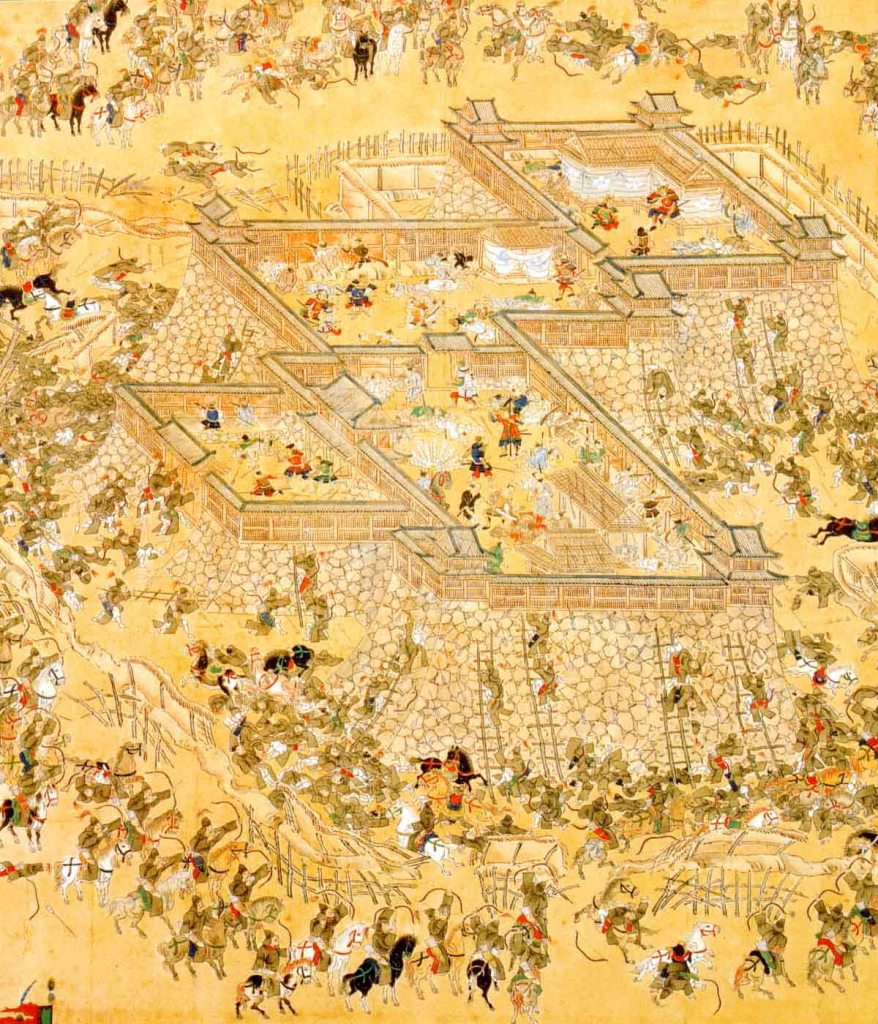
    Fushimi was garrisoned by around 1800 men, and when the Western Army’s force of some 40,000 arrived, the result was a foregone conclusion. The garrison held out bravely, and there are many stories of heroism, but the odds were simply too great, and Fushimi fell after a siege of around two weeks, with most of the garrison being put to the sword.
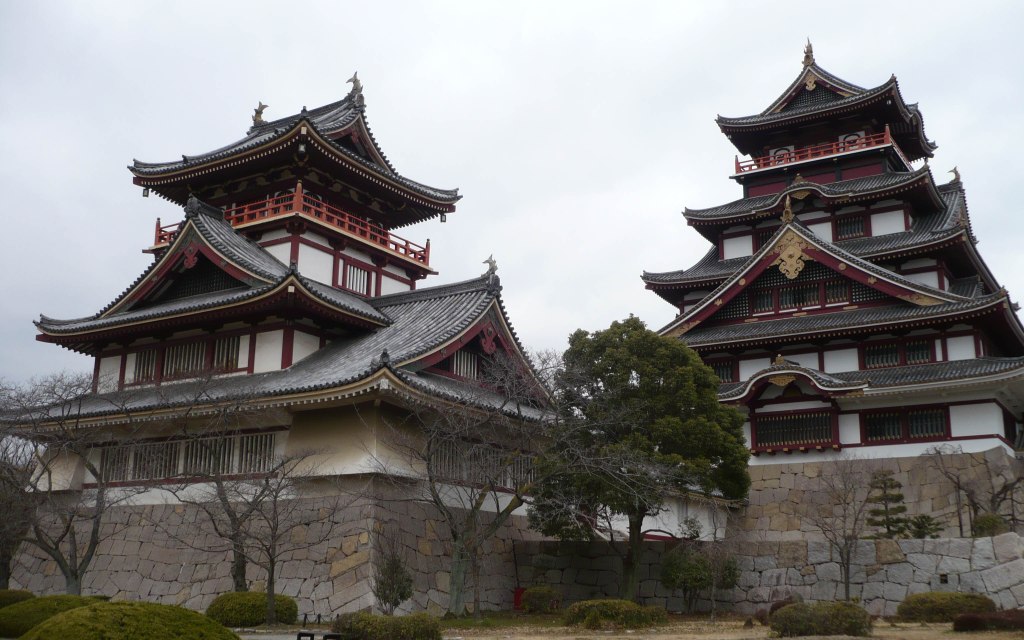
    The reconstructed Fushimi Castle as it appears today. Though the original castle fell, the delay would prove decisive.

    Despite the defeat, the sacrifice of the garrison at Fushimi would not be in vain; 40,000 troops had been tied down for nearly two weeks, and this gave Ieyasu time and relative strategic freedom to gather his allies and position his forces, and it was time that had been well spent. At the beginning of September 1600, Ieyasu departed his capital of Edo and marched towards the most important battle of his life, and one of the most decisive in Japanese history.


    Sources
    https://ja.wikipedia.org/wiki/%E5%BE%B3%E5%B7%9D%E5%AE%B6%E5%BA%B7
    https://ja.wikipedia.org/wiki/%E9%96%A2%E3%83%B6%E5%8E%9F%E3%81%AE%E6%88%A6%E3%81%84
    https://ja.wikipedia.org/wiki/%E4%BC%8F%E8%A6%8B%E5%9F%8E%E3%81%AE%E6%88%A6%E3%81%84
    https://ja.wikipedia.org/wiki/%E5%A4%A7%E8%B0%B7%E5%90%89%E7%B6%99
    https://ja.wikipedia.org/wiki/%E5%AE%87%E5%96%9C%E5%A4%9A%E9%A8%92%E5%8B%95
    https://ja.wikipedia.org/wiki/%E4%BA%94%E5%A5%89%E8%A1%8C
    https://ja.wikipedia.org/wiki/%E5%89%8D%E7%94%B0%E5%88%A9%E5%AE%B6
    https://ja.wikipedia.org/wiki/%E5%89%8D%E7%94%B0%E5%88%A9%E9%95%B7
    https://ja.wikipedia.org/wiki/%E4%BA%94%E5%A4%A7%E8%80%81
  • The Third Unifier – Tokugawa Ieyasu. Part Six.

    The Third Unifier – Tokugawa Ieyasu. Part Six.

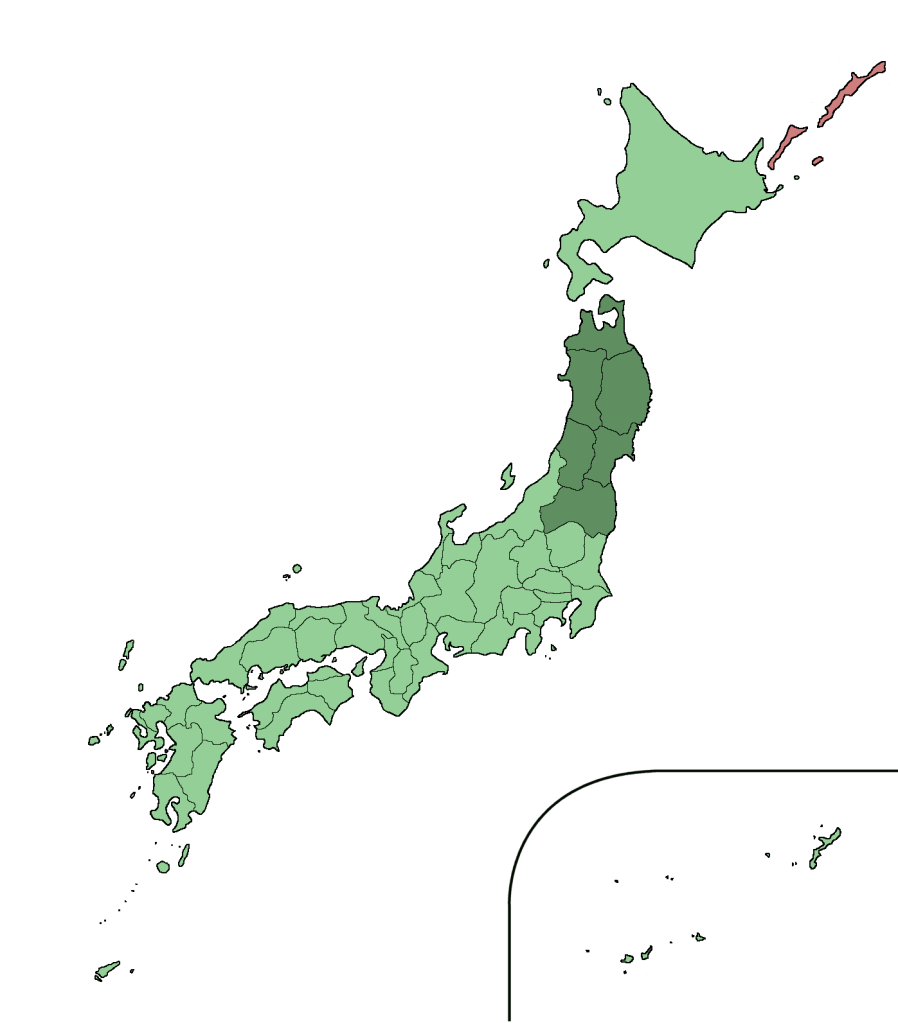
    Following his move to the Kanto following the destruction of the Hojo Clan in 1590, Ieyasu became indispensable to Toyotomi Hideyoshi’s plans for pacifying the rest of Japan. In 1591, Hideyoshi issued an order for clans in the Oshu Region (known today as Tohoku) to stop fighting and observe his newly established peace.

    The modern Tohoku Region roughly corresponds to the medieval region called “Oshu”

    Some clans obeyed, but others refused, and Hideyoshi dispatched an army under the command of his nephew (and adopted heir) Hidetsugu, with Ieyasu playing an important supporting role. Around the same time as this campaign, Ieyasu became known as Musashi Dainagon, or the “Grand Councillor of Musashi,” an illustrious title that further demonstrated his rising profile.

    In 1592, when Hideyoshi ordered the first invasion of Korea, Ieyasu remained in Japan, taking up position at Nagoya Castle (not in the modern city of the same name, but in Saga Prefecture, Kyushu, close to the staging ground for troops in Korea). Ieyasu himself never actually went to Korea, and historians have generally praised this as a wise move.

    A semi-contemporary depiction of the fighting in Korea.

    Although Hideyoshi’s ambition to conquer China through Korea was arguably overly ambitious, the campaign did serve to occupy the otherwise restless Samurai who had no more wars to fight at home. Tactical success on the battlefield did not translate to overall strategic or political victory, however, and several feuds emerged that would have profound repercussions in the years to come, feuds that Ieyasu remained aloof from but would be able to take advantage of.

    One such feud involved Ishida Mitsunari. The actual circumstances are quite complex, but Mitsunari was believed to have sent reports to Hideyoshi that portrayed certain generals in a bad light, leading to some being punished upon their return. Though Mitsunari enjoyed Hideyoshi’s support, those whom he had allegedly wronged would remember.

    Ishida Mitsunari, though perhaps unfairly maligned by later historians, his reputation amongst his contemporaries was divisive at best.

    In 1596, Hideyoshi had a son, Hideyori, casting doubt on the position of his adopted heir, Hidetsugu. The details of what followed can be read in the posts about Hideyoshi, but long story short, Hidetsugu was accused of plotting treason and obliged to commit seppuku, with dozens of his household also put to death in the aftermath.

    Hidetsugu’s actual guilt is a matter of some controversy, but his death risked creating political instability at the heart of Hideyoshi’s regime. To get control of the situation, he sought to centralise political power by having many of the realm’s most powerful lords attend him directly, including Ieyasu, who spent more time at Fushimi Castle than at his new base in Edo.

    Totoyomi Hidetsugu, once Hideyoshi’s heir, became a victim of his political ambitions.

    In 1596, Ieyasu was named Naidajin, or Minister of the Interior, the third-highest rank in the Imperial Government, which technically made him a direct advisor to the Emperor, although by this point, real political power was in the hands of the Samurai, and more specifically, Hideyoshi.

    Ieyasu was probably the most powerful individual lord, second only to Hideyoshi, though he was not strong enough in his own right to pose a direct political threat to Hideyoshi. As long as Hideyoshi was alive and healthy, then things would remain stable.

    A contemporary image of Hideyoshi at the end of the 16th Century.

    In 1598, he fell ill, and, seeing the writing on the wall, he set about establishing a system of government to keep things stable until his son came of age. In the summer of 1598, when he was already on his deathbed, Hideyoshi called on the five most powerful lords of the realm to rule in collaboration. When Hideyoshi died in August, the first act of the Five Elders was to withdraw Japanese troops from Korea, bringing home their battle-hardened armies.

    It will surprise no one to learn that the power-sharing arrangement began to fall apart almost immediately. One problem was that the five had little reason to trust one another, and most sources agree they didn’t even seem to like each other much.

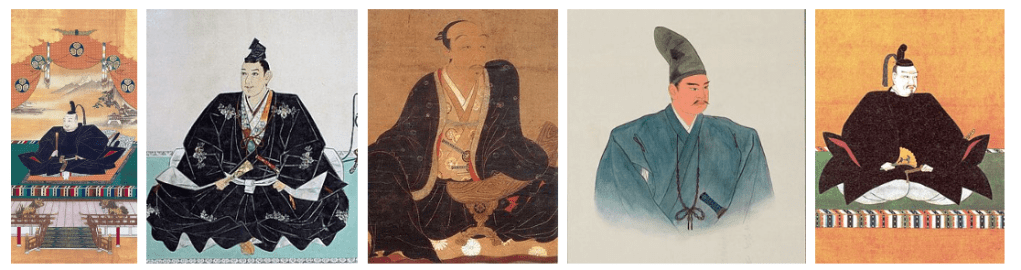
    The Five Elders, from left to right: Tokugawa Ieyasu, Ukita Hideie, Maeda Toshiie, Uesugi Kagekatsu, and Mori Terumoto.

    Another problem was Ieyasu himself; he outranked the other four Elders by a wide margin and was also the most powerful in purely economic and military terms, and the other four assumed (correctly, as it would turn out) that Ieyasu meant to overturn Hideyoshi’s will and take power for himself.

    In the short term, Ieyasu’s power was not enough to take on the other four elders with any hope of success, but he hadn’t gotten where he was with passivity, and throughout the latter part of 1598 and into 1599, Ieyasu set about dividing his enemies and winning a few over to his side.

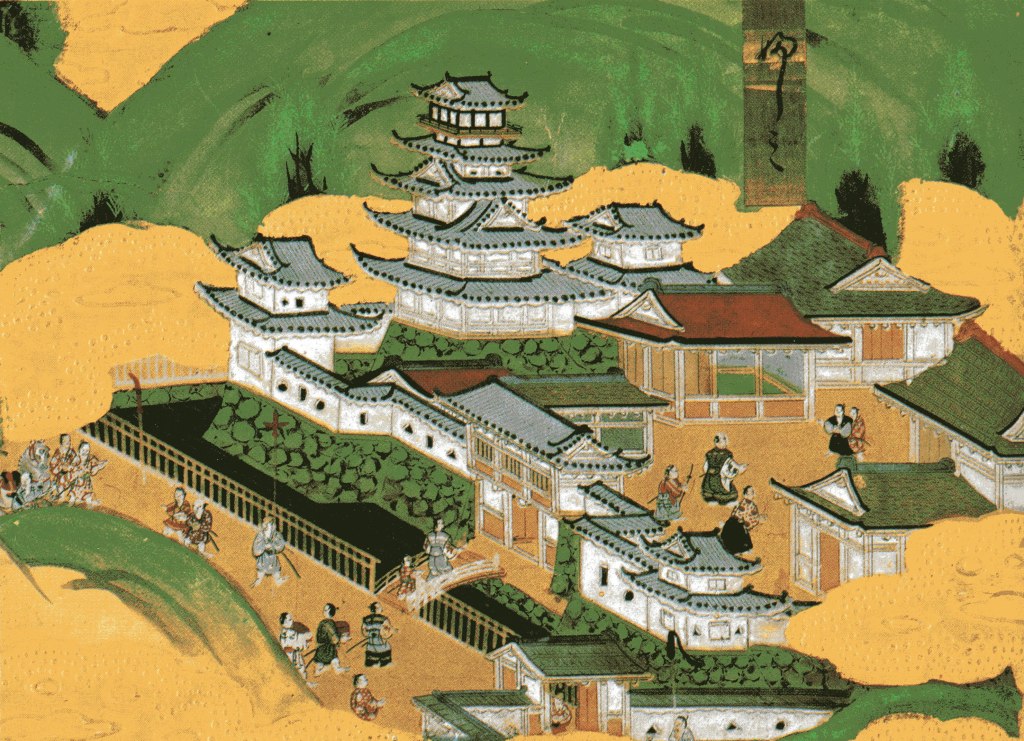
    A semi-contemporary depiction of Fushimi Castle, which had become Ieyasu’s temporary base.

    To this end, he arranged marriages between members of his family and those of other powerful Daimyo, in direct violation of a 1595 law which Hideyoshi had passed to stop clans from forging alliances against him. He also began to pay personal visits to the residences of ‘second-tier’ lords, who weren’t prestigious enough to be at the centre of government, but who still possessed considerable resources.

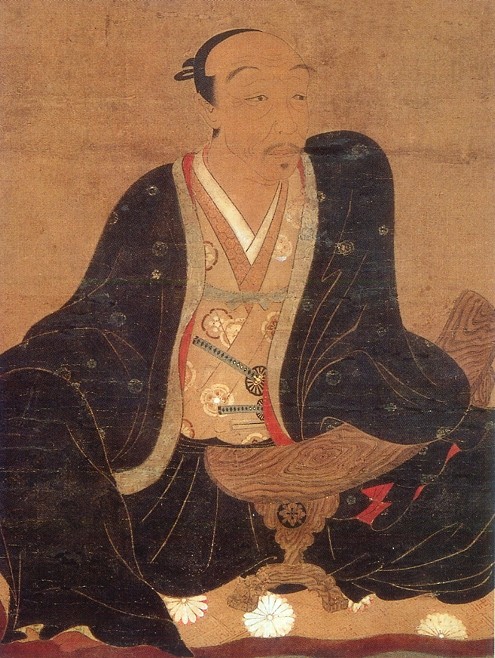
    Ieyasu’s main opponent amongst the Elders was Maeda Toshiie, who allied himself with Ishida Mitsunari (him again) to hold the elders together in opposition to what they saw as the ‘threat’ from Ieyasu. Toshiie was an old and well-respected figure, but his political alliance with Mitsunari actually played into Ieyasu’s hands.

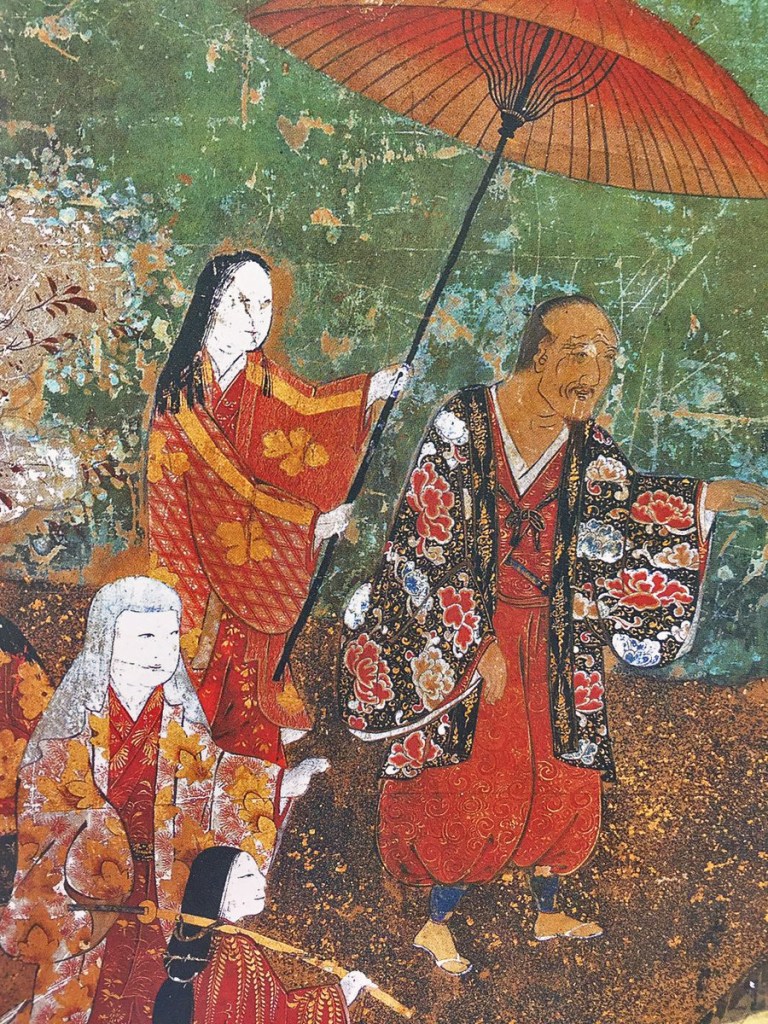
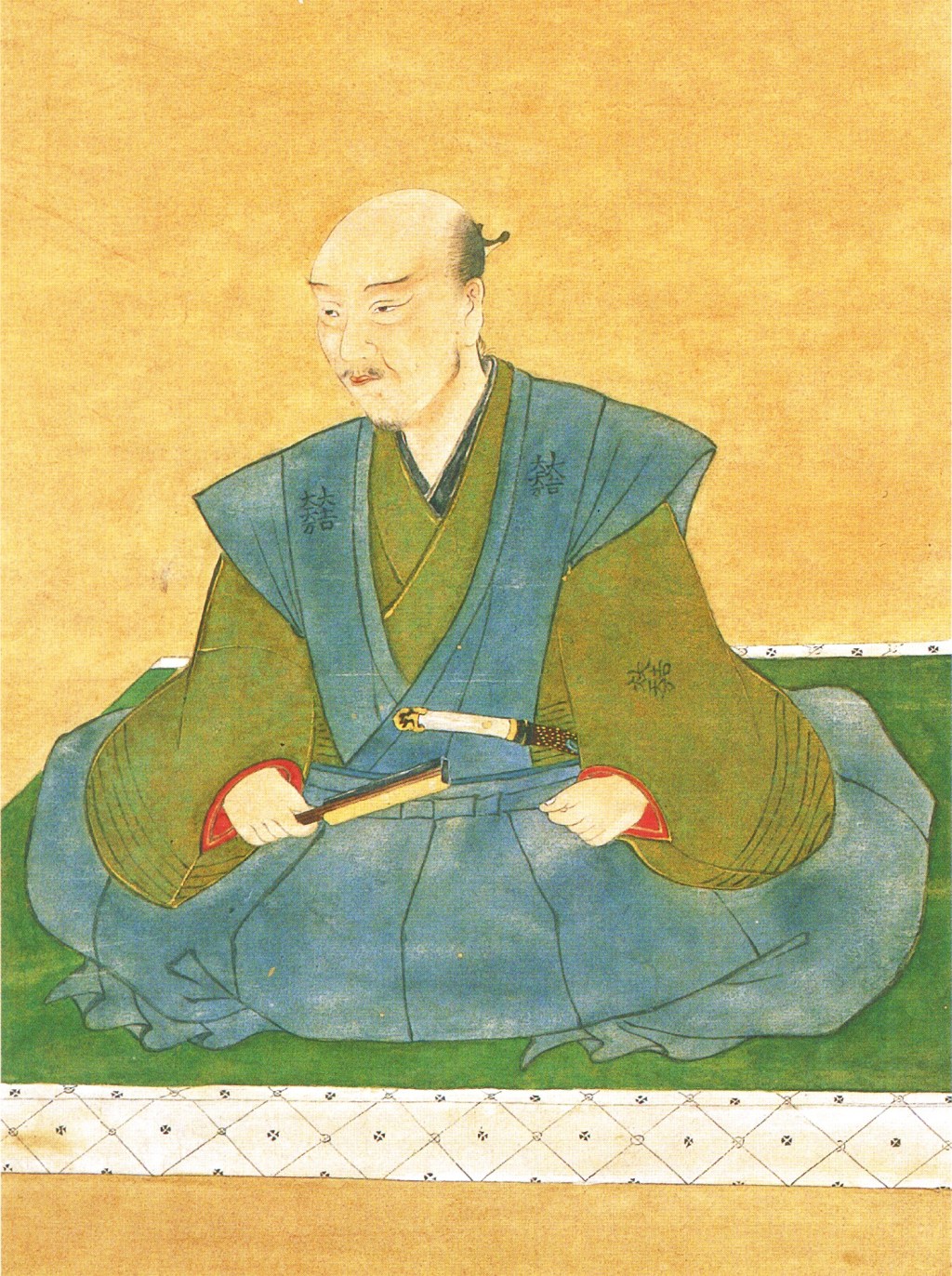
    Maeda Toshiie. In his youth, he had been celebrated for his good looks, bravery, and wisdom, but by the late 16th Century, he was a respected, but ageing figure.

    As we have already seen, Mitsunari was not well-liked. He had made some powerful enemies in Korea, and earlier, during the Odawara Campaign against the Hojo, he had been blamed for the handling of the Siege of Oshi, which had not fallen until after Odawara itself. Historians today generally agree that Mitsunari was a competent, if somewhat unlucky, figure. It’s never been definitively proved that he was behind the slanders of certain figures in Korea, and it’s also been pointed out that he was following Hideyoshi’s orders at Oshi, and therefore may not have been directly responsible for the tactics used.

    None of this mattered at the time; however, 16th-century Japan was a period where reputation was everything, and Mitsunari’s was bad. It can be reasoned that some of his enemies sided with Ieyasu for no reason other than that they wanted to make life difficult for Mitsunari, but as long as Maeda Toshiie lived, the unity of the council was preserved.

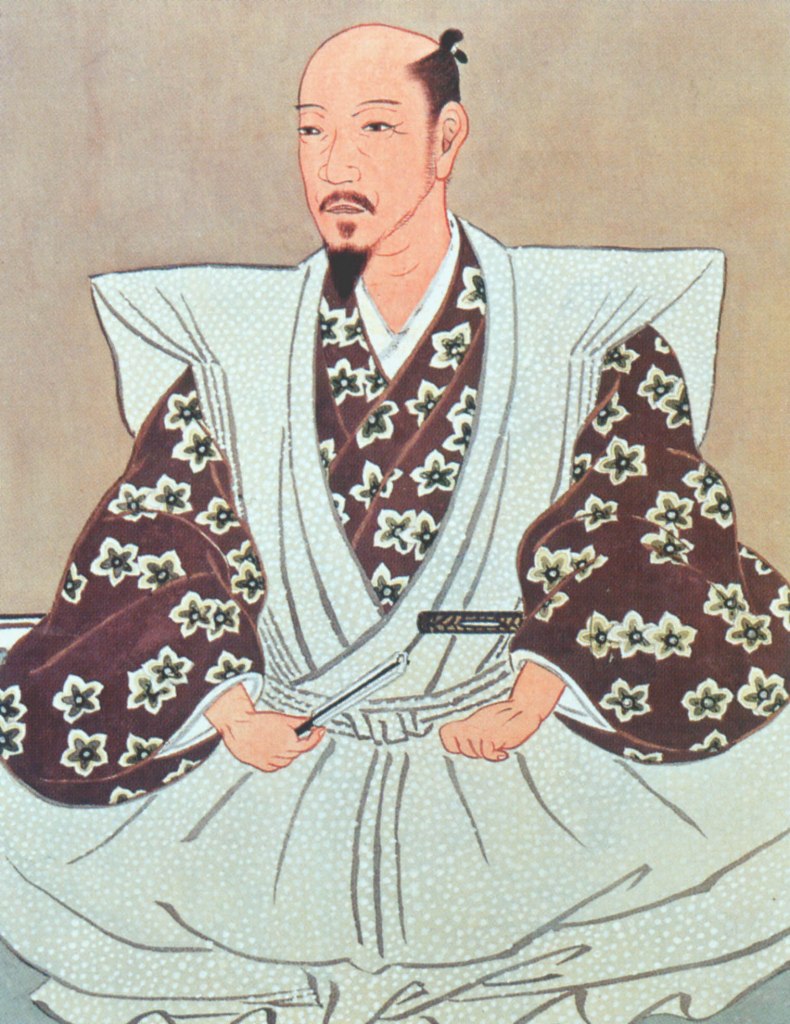
    Kato Kiyomasa, one of the men allegedly slandered by Mitsunari.

    The problem with political systems that require their main actors to remain alive indefinitely is that, generally, they don’t. Toshiie was no different, and in an ominous sign, on the very day he died, Mitsunari was attacked by seven of the men he had allegedly slandered, and was lucky to escape with his life.

    Ieyasu then stepped in to mediate, and in exchange for agreeing to resign his political position, Mitsunari was allowed to live, albeit temporarily. Exactly why Ieyasu stepped in to protect his enemy is debated, with some historians believing that the enmity didn’t run as deep as once believed (the men had cooperated previously), or that Ieyasu correctly predicted that the settlement would not last, and the hostility towards Mitsunari would be something he could take advantage of when the time came, and the time would come sooner than any of the major players knew.


    Burden of Duty, available now on Amazon!


    Sources
    https://ja.wikipedia.org/wiki/%E5%BE%B3%E5%B7%9D%E5%AE%B6%E5%BA%B7
    https://ja.wikipedia.org/wiki/%E9%96%A2%E3%83%B6%E5%8E%9F%E3%81%AE%E6%88%A6%E3%81%84
    https://ja.wikipedia.org/wiki/%E8%B1%8A%E8%87%A3%E7%A7%80%E9%A0%BC
    https://ja.wikipedia.org/wiki/%E8%B1%8A%E8%87%A3%E7%A7%80%E5%90%89
    https://ja.wikipedia.org/wiki/%E6%96%87%E7%A6%84%E3%83%BB%E6%85%B6%E9%95%B7%E3%81%AE%E5%BD%B9
    https://ja.wikipedia.org/wiki/%E4%BA%94%E5%A4%A7%E8%80%81
    https://ja.wikipedia.org/wiki/%E5%89%8D%E7%94%B0%E5%88%A9%E5%AE%B6
    https://ja.wikipedia.org/wiki/%E5%86%85%E5%A4%A7%E8%87%A3
    https://en.wikipedia.org/wiki/Lord_Keeper_of_the_Privy_Seal_of_Japan
    https://ja.wikipedia.org/wiki/%E8%B1%8A%E8%87%A3%E7%A7%80%E6%AC%A1
    https://ja.wikipedia.org/wiki/%E8%91%9B%E8%A5%BF%E5%A4%A7%E5%B4%8E%E4%B8%80%E6%8F%86
    https://ja.wikipedia.org/wiki/%E5%92%8C%E8%B3%80%E3%83%BB%E7%A8%97%E8%B2%AB%E4%B8%80%E6%8F%86
    https://ja.wikipedia.org/wiki/%E4%BB%99%E5%8C%97%E4%B8%80%E6%8F%86
    https://ja.wikipedia.org/wiki/%E4%B9%9D%E6%88%B8%E6%94%BF%E5%AE%9F%E3%81%AE%E4%B9%B1
    https://ja.wikipedia.org/wiki/%E5%A5%A5%E5%B7%9E%E4%BB%95%E7%BD%AE
    https://ja.wikipedia.org/wiki/%E6%9D%B1%E5%8C%97%E5%9C%B0%E6%96%B9
    https://ja.wikipedia.org/wiki/%E5%90%8D%E8%AD%B7%E5%B1%8B%E5%9F%8E
    https://ja.wikipedia.org/wiki/%E5%94%90%E6%B4%A5%E5%B8%82
    https://ja.wikipedia.org/wiki/%E4%B8%83%E5%B0%86%E8%A5%B2%E6%92%83%E4%BA%8B%E4%BB%B6
    https://ja.wikipedia.org/wiki/%E7%9F%B3%E7%94%B0%E4%B8%89%E6%88%90