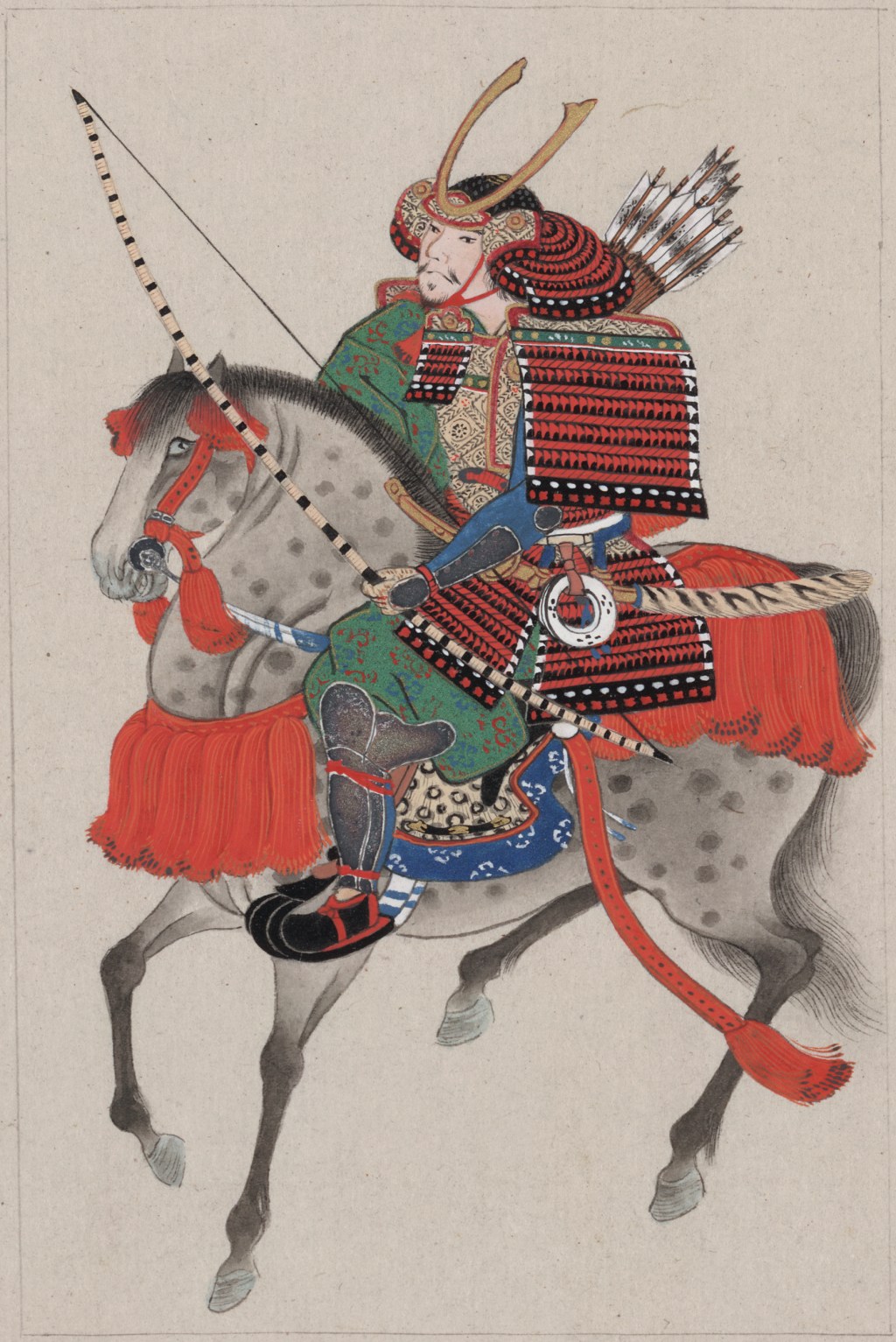
In 1351, the rather misleadingly named Kanno ‘Disturbance’ ended with the death of Ashikaga Tadayoshi, brother to the Shogun, Takauji. The brothers’ relationship had broken down violently in the years leading up to 1350, and with Tadayoshi’s death, the political turmoil seemed like it might finally come to an end.
But you’ve seen the title of this post, so it’s time for some good, old-fashioned, post-turmoil turmoil!
As you may remember, the Nanbokucho Period is named for the Northern and Southern Courts in place at the time, rivals for the title of ‘real’ Emperor, with the Northern Court largely being puppets of the Shogun, and the Southern Court being descended from Emperor Go-Daigo, who had opposed the Kamakura Shogunate, and then been overthrown by the Ashikaga.
In order to secure enough support to overcome his brother, Takauji had taken the highly controversial step of approaching the Southern Court for help. In exchange, the Southern Court had extracted huge concessions; Takauji effectively agreed to let the Southern Court take over the Northern one.
Though this agreement would seem to suggest that the Southern Court was now in the ascendancy, things are rarely that straightforward. The Southern Court, no content to simply take over the Northern Court, intended to destroy the Shogunate entirely.
A reading of recent history might have shown them the error of that plan, but it appears no one thought to tell them. In February 1352, the Southern Court moved to dismiss Takauji as Shogun, nominating Prince Munenaga (Emperor Go-Daigo’s son) in his place. Munenaga, leading an army of Imperial loyalists, marched on Kamakura, successfully occupying it.
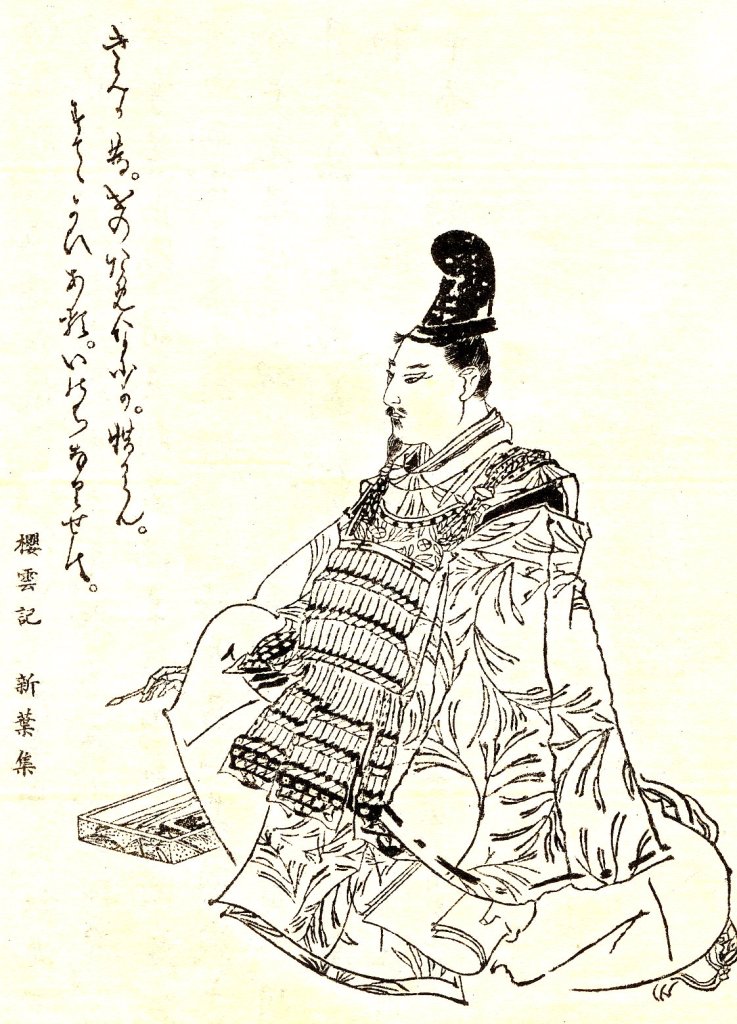
Meanwhile, another Imperial army attacked Kyoto, held by Takauji’s son, Yoshiakira. Successfully driving the Shogunate forces out of the city, the Imperial army occupied Kyoto on February 24th, and for the first time in more than fifteen years, an Emperor could be said to rule from the ancient capital (in this case, Emperor Go-Murakami). The Three Sacred Treasures (The Sword, Mirror, and Jewel), as well as the three remaining retired Emperors, were taken to the Southern Court capital at Yoshino.
The Fight Back
Despite these early successes, and having nominally stripped Takauji of legitimacy by taking his title, the Imperial cause’s optimism would prove to be short-lived. The Emperor may have had prestige as a son of heaven, but Takauji had the warriors, and that was what counted.
Ashikaga Yoshiakira recovered from his set back quickly, gathering allies, he marched on Kyoto, retaking it on March 15th, an besieging Emperor Go-Murakami at the Otokoyama Hachiman shrine. The Shrine would hold out until May 11th before surrendering, though Go-Murakami would escape.
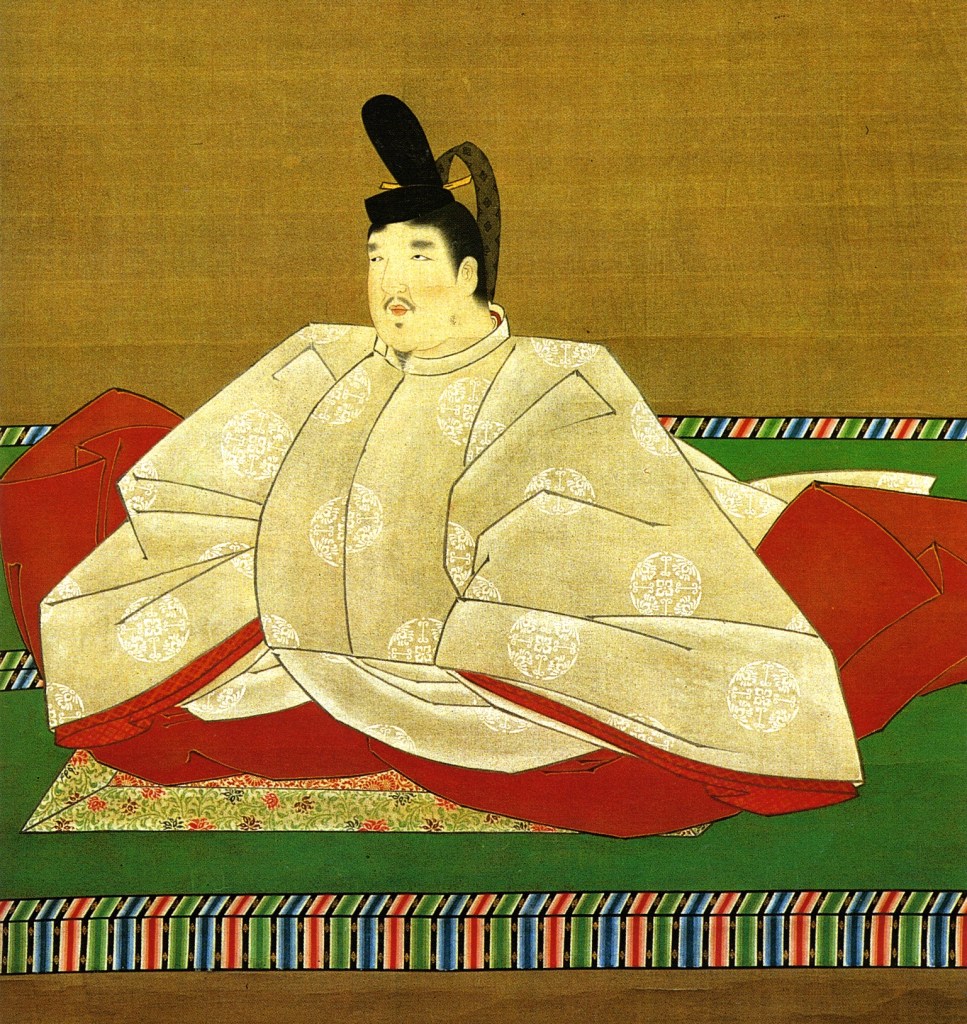
In the east, too, Imperial fortunes quickly took a turn. Prince Munenaga had successfully occupied Kamakura, but a series of defeats in nearby Musashi Province meant he couldn’t hold the city, and Shogunate forces, led by Takauji himself, retook Kamakura by the end of March.
Despite political uncertainty, the military situation clearly favoured the Shogunate; however, for the time being at least, the Northern Court was little more than a concept. There was no Emperor, no regent, and no Shogun, at least not officially. There wasn’t even a retired Emperor, as they all remained as ‘guests’ at Yoshino, along with the Sacred Treasures, which were required in a coronation.
Side note: Emperor Go-Daigo actually dismissed these Sacred Treasures as ‘fakes’, but his heirs seemed to have either believed they were the real deal, or else accepted the political convenience of their existence, if not their provenance.
After much political wrangling over the summer, Kogimonin, mother to two previous Emperors, was convinced to accept the position of regent. In August, she issued an Imperial Edict, selecting Go-Kogon as the new Emperor, re-establishing the Northern Court, and the Shogunate at a stroke.
One of the key figures in this process had been Doyo. More than deserving of a post of his own, Doyo (originally named Sasaki Takauji, yes, same name as the Shogun), was one of the key political figures of the era, and his role in bringing about the Northern Court’s new Emperor was just the latest accomplishment in an impressive CV.

Doyo and his family would be at the centre of Shogunate power in Kyoto. With Takauji dealing with matters in the east, the actual rule of Kyoto was left to his son, the aforementioned Yoshiakira. In 1353, the already fragile peace was broken once again when Doyo got into a land dispute with the Yamana Clan. A direct consequence of this dispute was the Yamana defecting from the Shogun’s side, making common cause with the Southern Court, and marching on Kyoto.
This time, Yoshiakira, who had lost Kyoto during the last round of disturbances, made sure to evacuate the Emperor ahead of time. It was a good job he did, too, as Yoshiakira’s forces were defeated when they tried to hold the city, and, realising he lacked the strength to do it alone, he called on his dad, Takauji, to come to his aid.
As soon as word reached the Yamana that the Shogun himself was on the way, they retreated, and Ashikaga forces retook the city. There was some sporadic fighting, but the Yamana and their allies were handily defeated, and order was restored.
In the aftermath, Doyo had proved his value to the Shogunate as someone who was a cool head in a crisis, but he had also proven he was a troublemaker, quite happy to get into feuds with powerful warrior families, which was going to be a problem going forward.
Consequences
In the short term, the direct consequence of this turmoil was the consolidation of power in the hands of Ashikaga Takauji. In the early years, he had been obliged to share power with his brother and deal with the threat of the Southern Court, but now, he was in charge.
On the other hand, though, Takauji’s deal with the Southern Court had only served to increase its legitimacy, especially after the Northern Court was established. In later years, the ‘true’ Imperial line would be seen as the one that passed through the Southern Court, and the Northern Court was increasingly seen as nothing more than a Shogunate puppet.
Finally, the most far-reaching consequence of this chaotic period was the increased power of regional warlords. Though we are still more than a century from the Warring States Period (Sengoku Jidai), the early days of the Ashikaga Shogunate had shown how weak central authority could be; the Shogun couldn’t rely on his own power to deal with threats, he had to seek support and alliances with local warlords.
Increasingly, these warlords stopped being appointed officials of the Shogun, but became hereditary lords in their own right, a process that had already begun but was accelerated in this period. Sooner or later, this conflict between central and provincial authority would lead to a complete breakdown in government, but we’re getting ahead of ourselves; more on that next time.
Sources
https://ja.wikipedia.org/wiki/%E8%A6%B3%E5%BF%9C%E3%81%AE%E6%93%BE%E4%B9%B1#%E6%99%82%E6%B0%8F%E9%9B%A2%E5%8F%8D%E3%81%A8%E9%81%93%E8%AA%89%E3%81%AE%E4%BC%B8%E9%95%B7
https://ja.wikipedia.org/wiki/%E4%BD%90%E3%80%85%E6%9C%A8%E9%81%93%E8%AA%89
https://ja.wikipedia.org/wiki/%E5%AE%97%E8%89%AF%E8%A6%AA%E7%8E%8B
https://en.wikipedia.org/wiki/Kann%C5%8D_disturbance
https://en.wikipedia.org/wiki/Ashikaga_shogunate
https://en.wikipedia.org/wiki/Nanboku-ch%C5%8D_period
https://en.wikipedia.org/wiki/Ashikaga_Takauji
https://ja.wikipedia.org/wiki/%E8%A5%BF%E5%9C%92%E5%AF%BA%E5%AF%A7%E5%AD%90#%E4%BA%8B%E5%AE%9F%E4%B8%8A%E3%81%AE%E6%B2%BB%E5%A4%A9%E3%81%AE%E5%90%9B%E3%81%A8%E3%81%AA%E3%82%8B
 Chris Perry, Author