Tag: Tokugawa Shogunate

  • The Road to Sekigahara

    The Road to Sekigahara

    Before his death in 1598, Toyotomi Hideyoshi had established a Council of Five Elders to rule Japan until his son, Hideyori, came of age. Of the five, the two most influential were Tokugawa Ieyasu and Maeda Toshiie, and almost before Hideyoshi’s body was cool, the two men set about trying to undermine and outmanoeuvre each other.

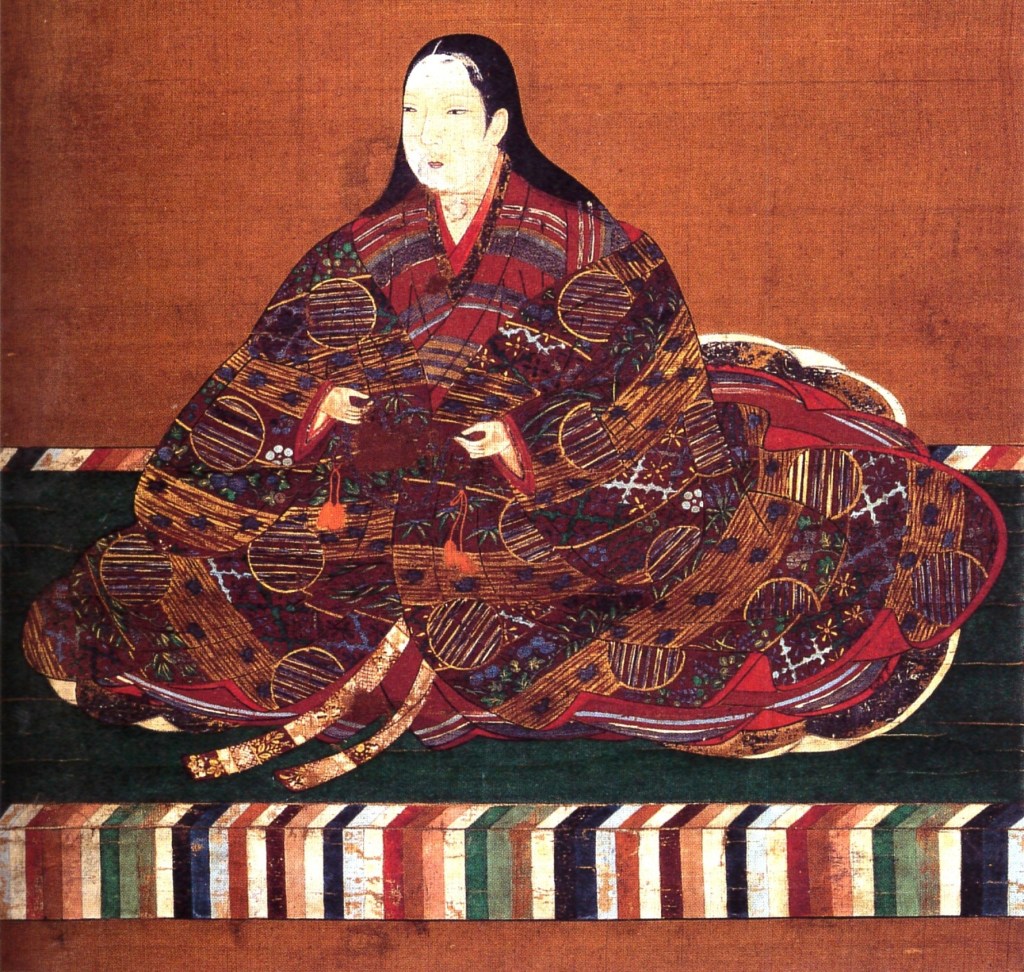
    The ultimate victor would be Ieyasu, largely because Toshiie died in the Spring of 1599 and was replaced by his son, Toshinaga, who lacked his father’s political connections and ability. Later that year, a plot to assassinate Ieyasu was uncovered, and Toshinaga was implicated. Forced to flee to his home province of Kaga, he only avoided direct conflict with Ieyasu by sending his mother as a hostage.

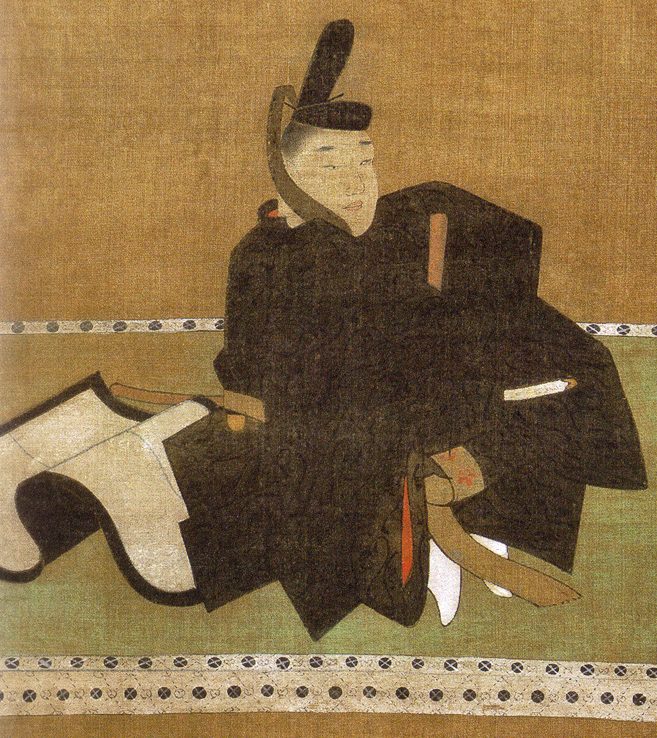
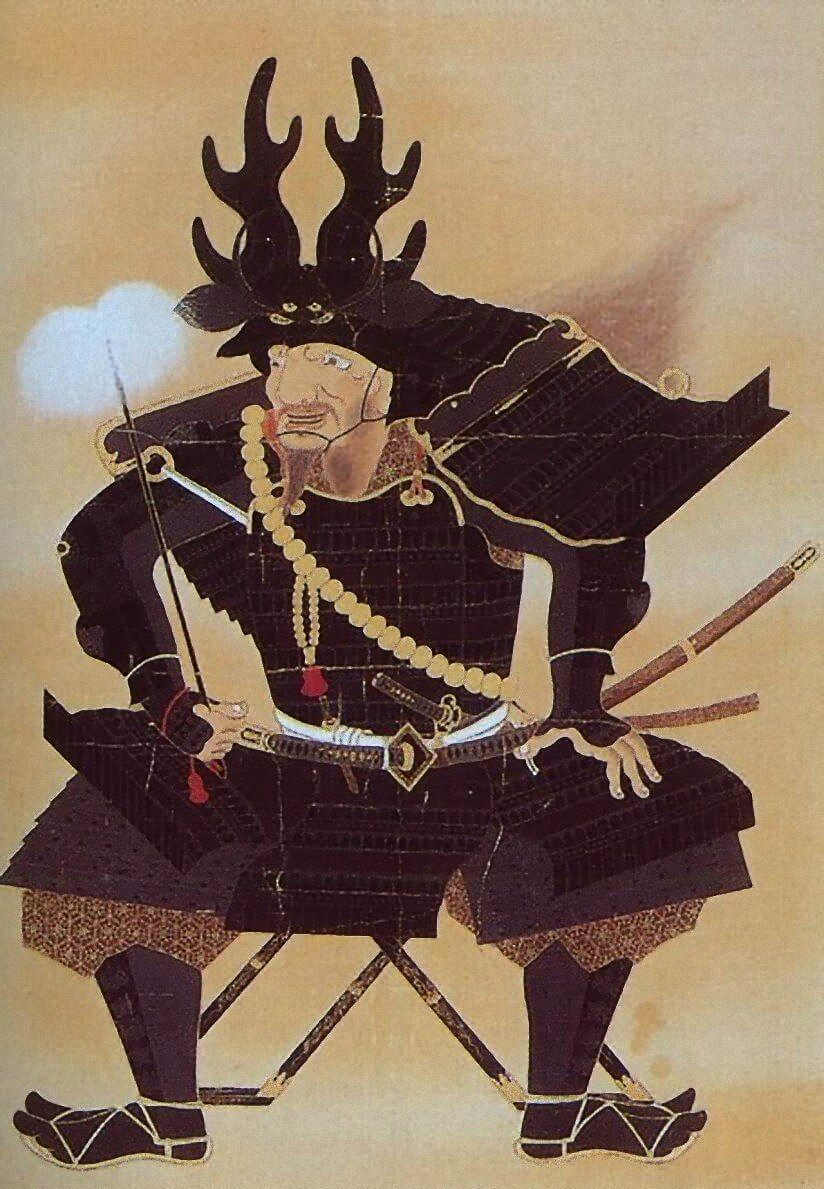
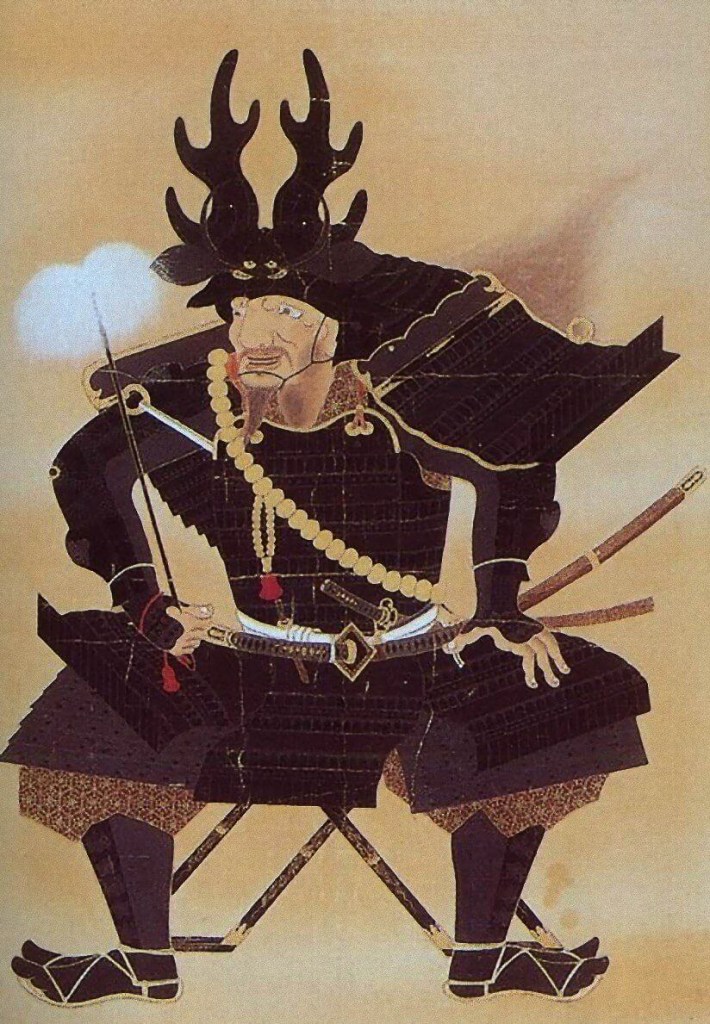
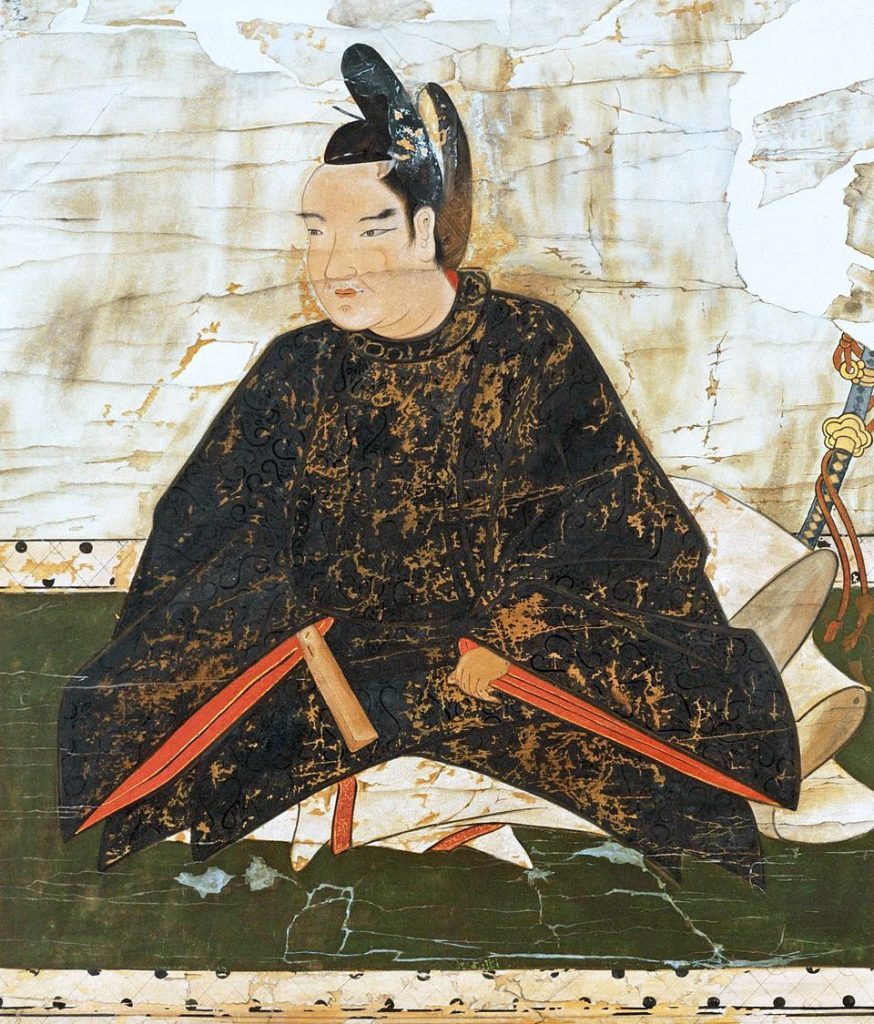
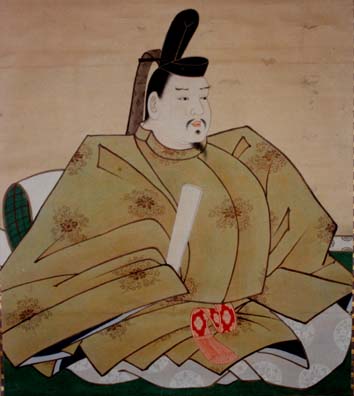
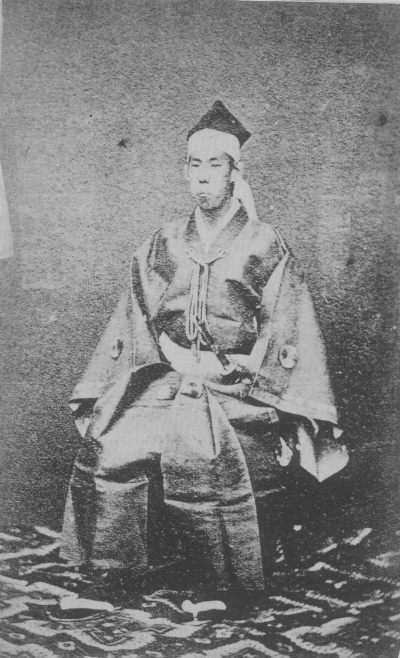
    Maeda Toshinaga. Like many before him, he would prove unable to live up to an illustrious father’s reputation.

    The revelation of his plot allowed Ieyasu to neutralise the threat of Toshinaga in the short term, but it wouldn’t last. Hideyoshi’s death had had exactly the destabilising effect he had feared, and throughout 1598-1600, old rivalries, feuds, and ambitions resurfaced. Historians disagree on what exactly led to a fresh outbreak of conflict, but there are a few theories.

    Some speculate that, without Hideyoshi’s strong hand, his attempts to centralise power in the realm were doomed to failure, as powerful local clans, who had been largely independent for decades (or more), saw little reason to kowtow to a government now headed by an infant. Others suggest that the invasion of Korea, whilst possibly intended to keep the Samurai busy, had actually stirred up old rivalries and forged a few new ones as the prideful warrior class competed for prestige amongst themselves at the expense of a cohesive campaign.

    Despite their reputation for honour and duty, the Samurai primarily followed strength. When Hideyoshi died, the lack of strong central authority meant that it wasn’t long before local clans slipped back into old habits.

    There are others who don’t necessarily disagree with either view, but argue that the unpopularity of Ishida Mitsunari was a key factor in the breakdown of relations between the men at the centre of the post-Hideyoshi political scene. He was not a powerful lord in his own right, and his reputation for military incompetence and political scheming weakened his ability to hold the administration of the realm together during Hideyori’s minority.

    Though it could be argued that Mitsunari’s failings were overemphasised in later (pro-Tokugawa) sources, it is clear that Ieyasu himself had ambitions to increase his own power and perhaps to claim ultimate authority. He frequently violated Hideyoshi’s laws and even his will, doing things like forming marriage alliances with other powerful lords, and eventually residing at Osaka Castle, even though Hideyoshi’s testament had stipulated that he remain at nearby (and weaker) Fushimi Castle.

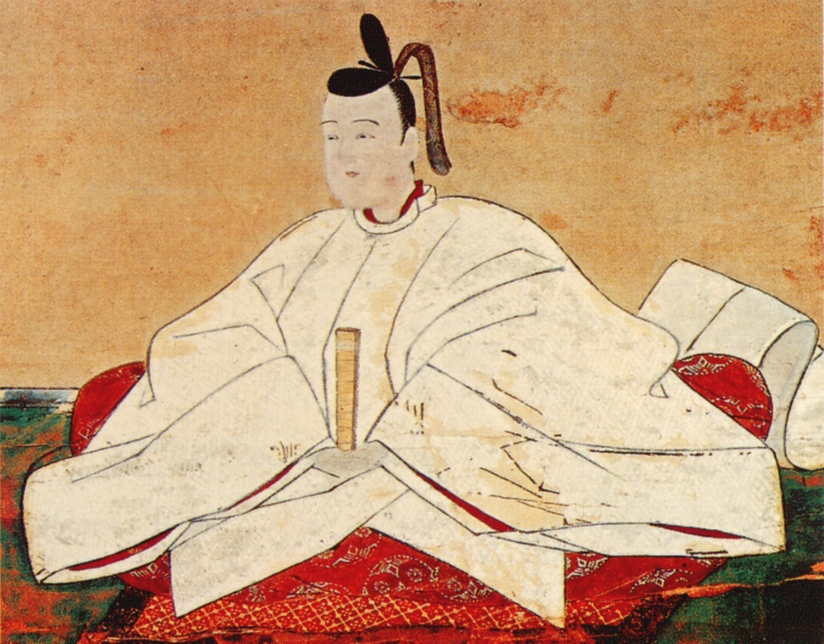
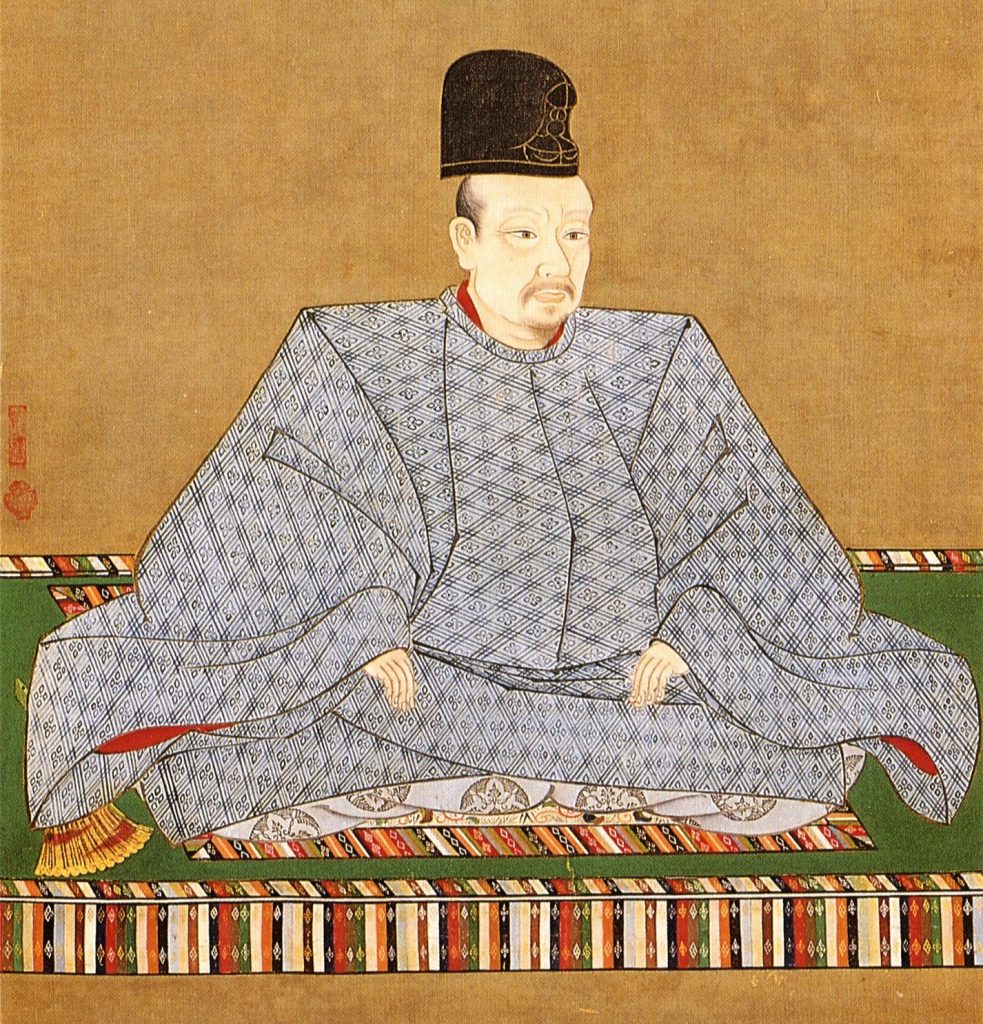
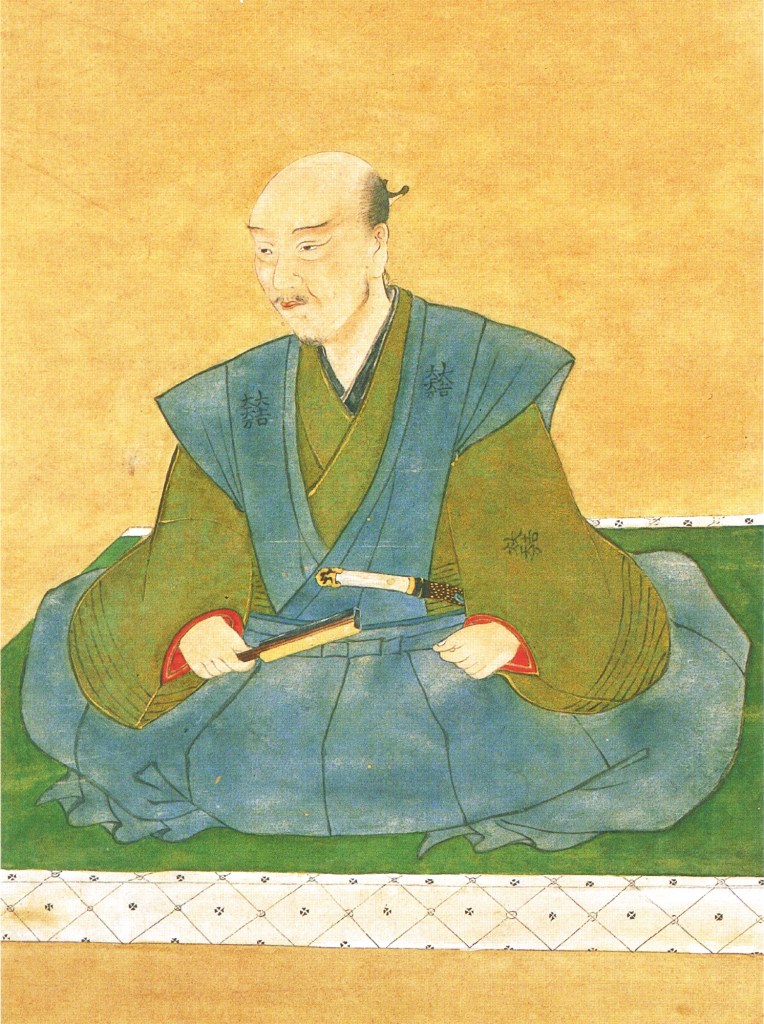
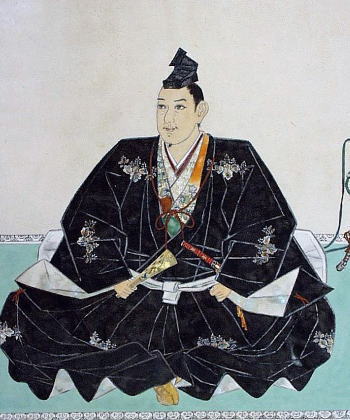
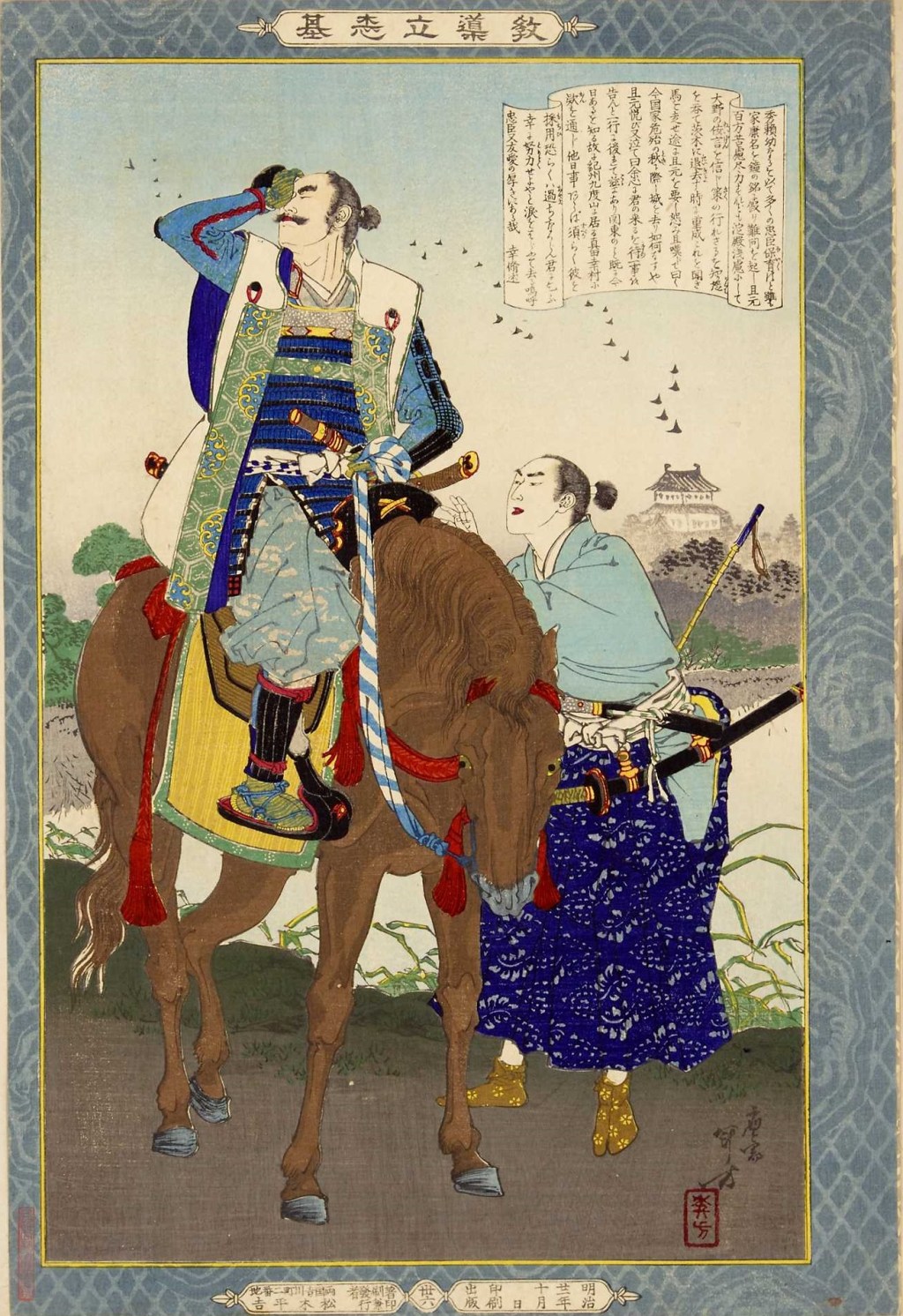
    A later depiction of Ieyasu. Though he started out as something of a first among equals, by early 1600, it was clear he was aiming for ultimate power.

    Ieyasu was the strongest individual member of the Council of Elders, but he lacked the strength to oppose the other four if they combined against him, so he set about ensuring that that wouldn’t happen. After dealing with Maeda Toshinaga in the aftermath of the alleged assassination plot, he intervened directly in a conflict between another elder, Ukita Hideie, and his vassals.

    The result of the so-called “Ukita Incident” was that many of these vassals left Hideie’s service, seriously weakening his power and, conversely, his ability to oppose Ieyasu. Indeed, by early 1600, it was beginning to appear that Ieyasu might claim supreme power without resorting to violence. He had largely co-opted the former Hideyoshi administration, and even Mitsunari, who had previously opposed Ieyasu, seemed to be coming around.

    Ukita Hideie. One of the Five Elders, Ieyasu’s machinations left him in a severely weakened position.

    In the Spring of 1600, Ieyasu felt strong enough to send envoys to another Elder, Uesugi Kagekatsu, to demand an explanation for the construction of an (illegal) castle in his domain, as well as for rumours of collusion between him and Maeda Toshinaga. Kagekatsu agreed to go to Kyoto, but asked that the trip be postponed until the Autumn, a request that was refused.

    Scholars generally agree that Ieyasu had already decided on a military campaign against the Uesugi, and he had sent the demand, knowing full well that Kagekatsu would refuse, thus giving him the pretext he needed. There are also some sources that suggest that Kagekatsu himself was behind a plot to lure Ieyasu into the difficult terrain of Northern Japan, and there ambush and destroy him.

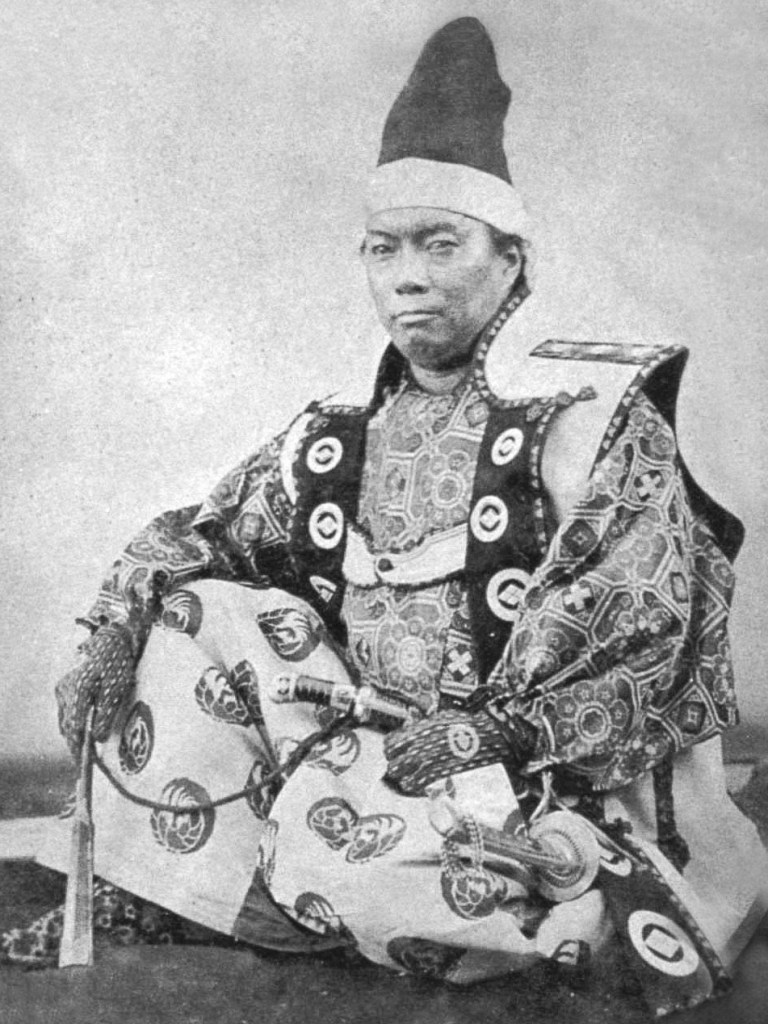
    Uesugi Kagekatsu. Sources disagree over whether he was a passive victim of Ieyasu’s ambition or a cunning strategist plotting to trap and destroy him.

    Regardless of who ultimately provoked the campaign, Ieyasu left Osaka in mid-June, heading first to his base at Edo, from where he issued orders to his vassals and supporters to prepare for an attack against the Uesugi. It is perhaps a testament to how ephemeral his power was that, no sooner had Ieyasu left Osaka than members of the government, including Ishida Mitsunari, rose up against him and sent a letter to Mori Terumoto inviting him to come to Osaka to “settle affairs.”

    Shortly after this, copies of a letter denouncing Ieyasu as a traitor to Hideyori’s government were circulated, and Terumoto was nominated as Commander of what would eventually become known as the “Western Army”, the collective forces gathered in opposition to Ieyasu’s “Eastern Army”. The first blow would fall on Fushimi Castle, still held by Ieyasu’s vassals, when it came under attack in August 1600.

    Mori Terumoto. In terms of resources, Terumoto was second only to Ieyasu, which made him the obvious choice to lead the coalition army.

    Though some sources suggest that the forces led by the Shimazu and Kobayakawa Clans actually intended to enter Fushimi to fight on Ieyasu’s behalf, they were refused by the garrison and thus ‘forced’ to attack the castle instead. However, the only contemporary source for this is the Shimazu’s own records, and it is generally dismissed as an attempt by the Shimazu to excuse their opposition to Ieyasu after the fact.

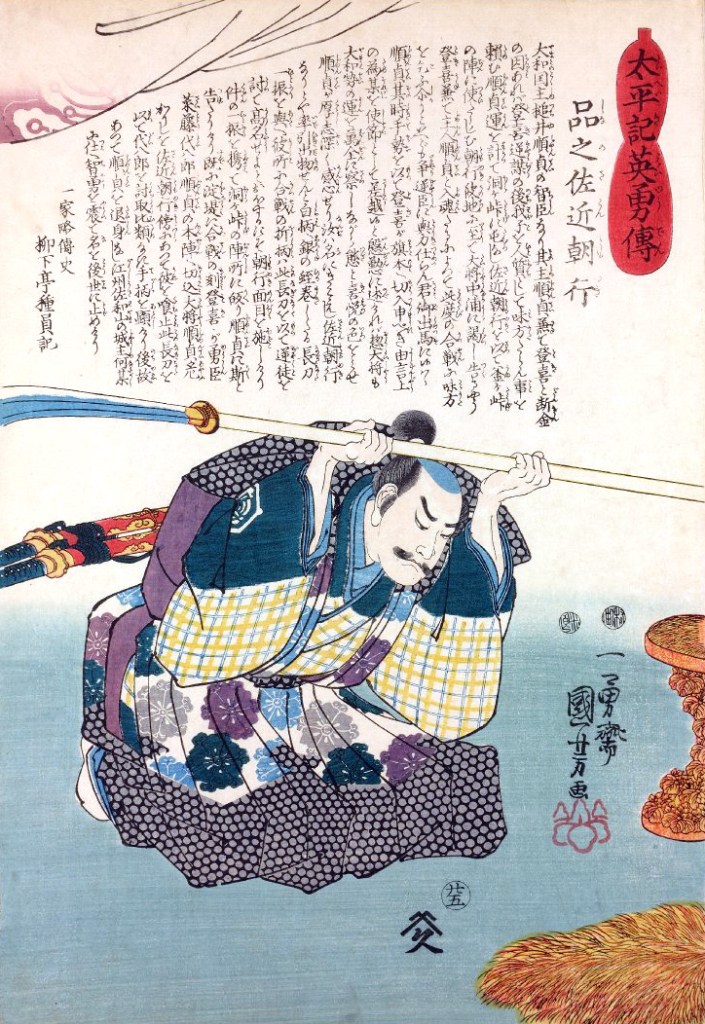
    Fushimi was garrisoned by around 1800 men, and when the Western Army’s force of some 40,000 arrived, the result was a foregone conclusion. The garrison held out bravely, and there are many stories of heroism, but the odds were simply too great, and Fushimi fell after a siege of around two weeks, with most of the garrison being put to the sword.

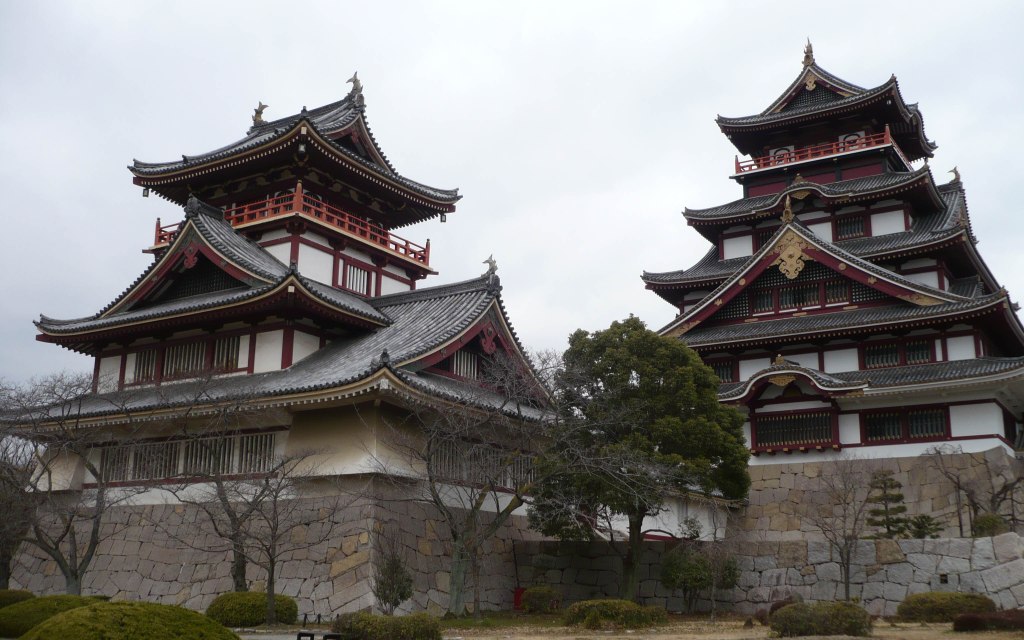
    The reconstructed Fushimi Castle as it appears today. Though the original castle fell, the delay would prove decisive.

    Despite the defeat, the sacrifice of the garrison at Fushimi would not be in vain; 40,000 troops had been tied down for nearly two weeks, and this gave Ieyasu time and relative strategic freedom to gather his allies and position his forces, and it was time that had been well spent. At the beginning of September 1600, Ieyasu departed his capital of Edo and marched towards the most important battle of his life, and one of the most decisive in Japanese history.


    Sources
    https://ja.wikipedia.org/wiki/%E5%BE%B3%E5%B7%9D%E5%AE%B6%E5%BA%B7
    https://ja.wikipedia.org/wiki/%E9%96%A2%E3%83%B6%E5%8E%9F%E3%81%AE%E6%88%A6%E3%81%84
    https://ja.wikipedia.org/wiki/%E4%BC%8F%E8%A6%8B%E5%9F%8E%E3%81%AE%E6%88%A6%E3%81%84
    https://ja.wikipedia.org/wiki/%E5%A4%A7%E8%B0%B7%E5%90%89%E7%B6%99
    https://ja.wikipedia.org/wiki/%E5%AE%87%E5%96%9C%E5%A4%9A%E9%A8%92%E5%8B%95
    https://ja.wikipedia.org/wiki/%E4%BA%94%E5%A5%89%E8%A1%8C
    https://ja.wikipedia.org/wiki/%E5%89%8D%E7%94%B0%E5%88%A9%E5%AE%B6
    https://ja.wikipedia.org/wiki/%E5%89%8D%E7%94%B0%E5%88%A9%E9%95%B7
    https://ja.wikipedia.org/wiki/%E4%BA%94%E5%A4%A7%E8%80%81

  • Memento Mori, Part 3

    Memento Mori, Part 3

    Last time, we looked at how the relationship between Mori Terumoto and Oda Nobunaga broke down, leaving both sides on the verge of conflict. After Terumoto declared for the Shogun, Ashikaga Yoshiaki (the last Ashikaga Shogun) declared that Terumoto would serve as ‘Vice Shogun’, a slightly ambiguous position which was rendered largely moot in practice, as the Shogun relied almost entirely on Mori’s strength of arms, reducing him to little more than a figurehead.

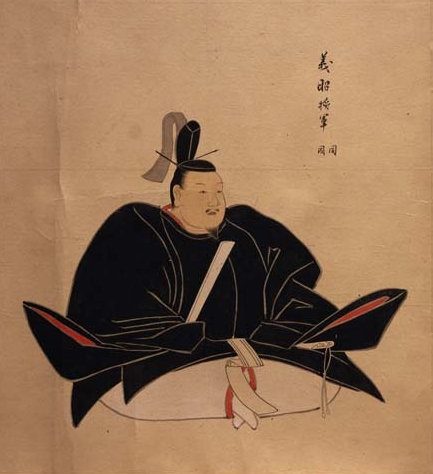
    Ashikaga Yoshiaki, the last of the Ashikaga Shoguns, and little more than a figurehead.

    The first action of this new ‘Shogunate’ (read: Mori) army was supporting the besieged warrior monks of Ishiyama Hongan-ji. You may recall in the post about the Ikko-Ikki, we mentioned Nobunaga’s campaigns against Hongan-ji, which ultimately lasted more than a decade, and left the temple a charred ruin.

    The Mori, possessing one of the most powerful navies amongst the Sengoku Daimyo, dispatched a fleet which made short work of the Oda forces in Osaka Bay, opening the way for supplies to be delivered to Hongan-ji. This victory prolonged the siege and gave the Mori unchallenged control of the Seto Inland Sea in the short term.

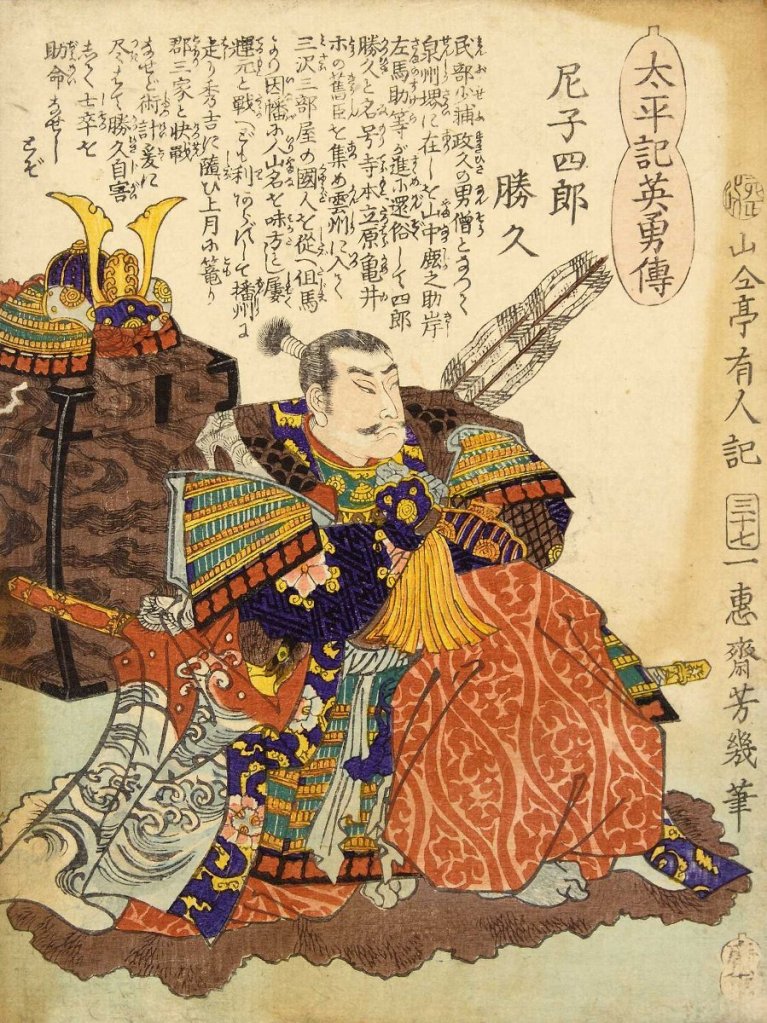
    Later that year, Nobunaga sought to restore the Amago Clan (long-time enemies of the Mori) to a position of strength, putting up Amago Katsuhisa, the last Amago ‘lord’ at Kozuki Castle, in Harima Province, hoping to attract Amago loyalists and any other opponents of the Mori, and make life difficult for Terumoto.

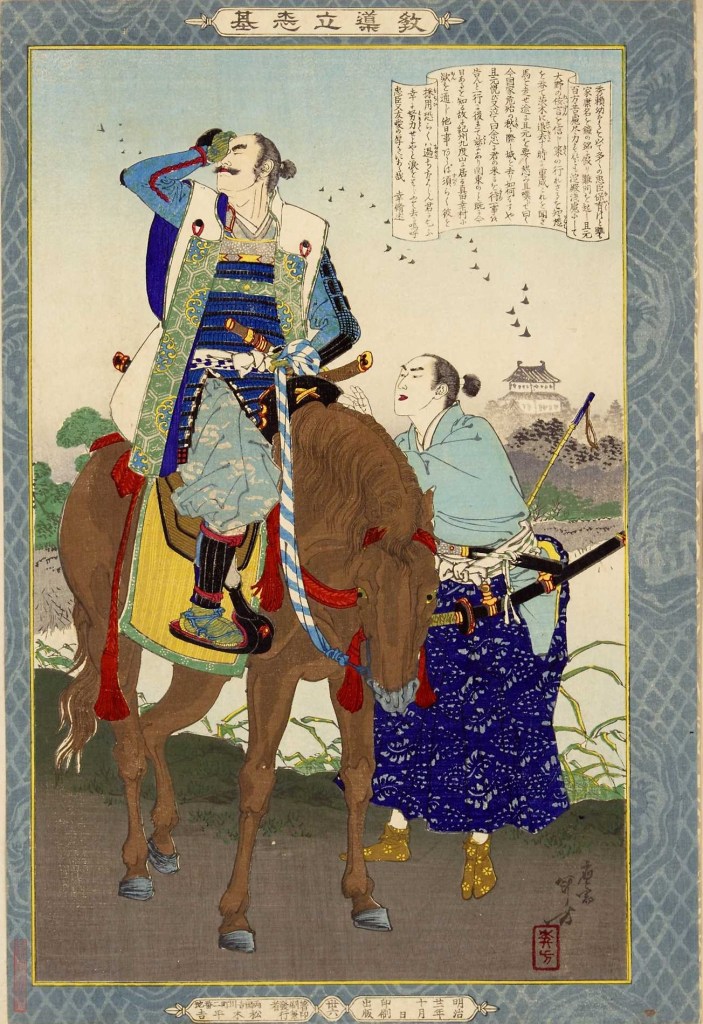
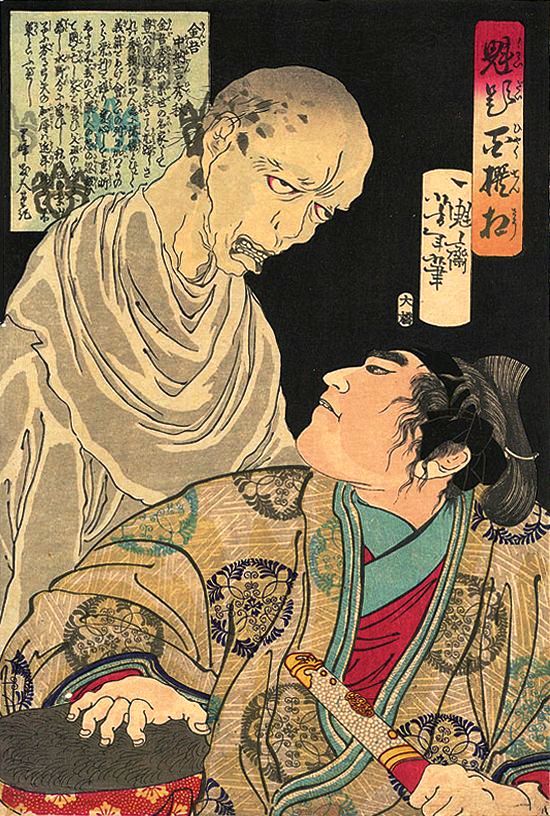
    A later image of Amago Katsuhisa, the last ‘lord’ of the Amago Clan.

    In response, Terumoto himself led an army to lay siege to Kozuki, and when a relief force, led by Hashiba (later Toyotomi) Hideyoshi, arrived, Terumoto handily defeated it, driving the Oda out of Harima Province, taking Kozuki Castle, and obliging the remaining Amago partisans to commit seppuku, which isn’t bad for a day’s work.

    Not long after this success, Terumoto would expand his influence in Harima still further, convincing several lords to defect to the Mori, and bottling up Nobunaga’s remaining loyalists in the province. After this series of successes, Terumoto had Nobunaga on the back foot, and in response, he pressured the Imperial Court to issue an order that Hongan-ji make peace with Nobunaga. The monks of Hongan-ji expressed a desire to make peace, but not without Terumoto, to whom they owed a debt of gratitude. In response, Nobunaga agreed and began negotiations with Hongan-ji and the Mori.

    The strategic situation shifted considerably in the early winter, however, as a Mori fleet dispatched to deliver further supplies to Hongan-ji was defeated by new ironclad ships of the Oda Navy. The exact nature of these vessels isn’t clear; the word ‘ironclad’ is a direct translation from Japanese, implying the vessels were at least partially armoured, though the exact style and extent of armour isn’t clearly recorded.

    An example of the type of warship used by the Mori Navy.

    Shortly after this victory, which drove the Mori beyond Awaji Island and opened Osaka Bay to the Oda, Nobunaga swiftly called off negotiations and made plans to continue the war. Despite the defeat, the Mori were still in a very strong position, however, and at this point, Terumoto made plans to advance on Kyoto and take the fight to Nobunaga directly.

    Plans were laid, including negotiation with Takeda Katsuyori for a simultaneous attack on Nobunaga’s ally, Tokugawa Ieyasu, and Terumoto set the date of the start of the campaign for early 1579. However, early 1579 came and went, and the Mori did not march. A series of rebellions broke out around the same time, supposedly instigated by both Nobunaga and the Otomo Clan (rivals to the Mori on Kyushu), and Terumoto had his hands full.

    The situation went from bad to worse for the Mori throughout 1579, as several border clans, angered at what they saw as a ‘betrayal’ when Terumoto failed to march on Kyoto, defected to the Oda side, disrupting communications with troops on the front line, and opening several gaps in Mori defences. The Mori failure to march also resulted in no further attempts to relieve Hongan-ji, and it was forced to surrender in early 1580.

    Not long after that, Nobunaga was able to focus significant forces on the Mori, and an army led by Hashiba Hideyoshi took advantage of the Mori’s weak position and launched a series of successful attacks against them, capturing castle after castle. A counter-attack in February 1582 led to a brief reprieve, but news from elsewhere was bad.

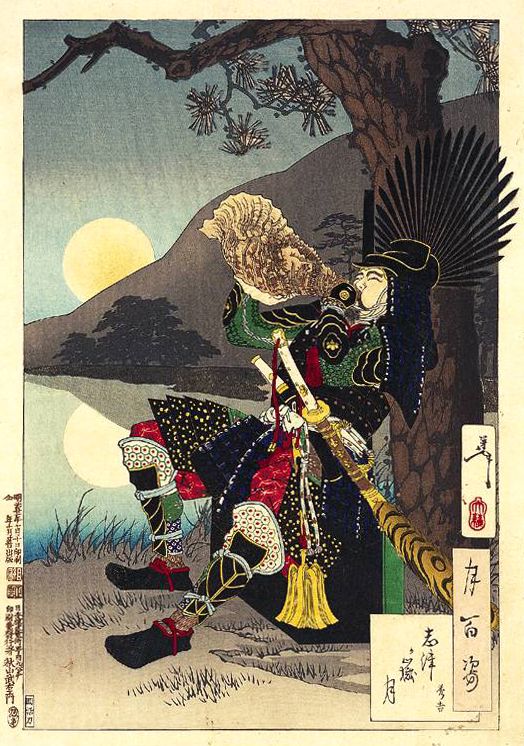
    A later artistic depiction of Toyotomi Hideyoshi (then still called Hashiba) around 1582.

    The Takeda, with whom the Mori had allied against Nobunaga, were decisively defeated in early Spring, and with their removal, Nobunaga turned his entire attention to the Mori. The situation was dire. A little more than five years earlier, the Mori had been a match for Nobunaga; indeed, had Terumoto marched on Kyoto, he would have had a good chance of success.

    Now, however, Nobunaga was stronger than ever, and internal rebellion, defections, and military defeats meant that the Mori were far weaker in comparison. Had Nobunaga advanced, he almost certainly would have won.

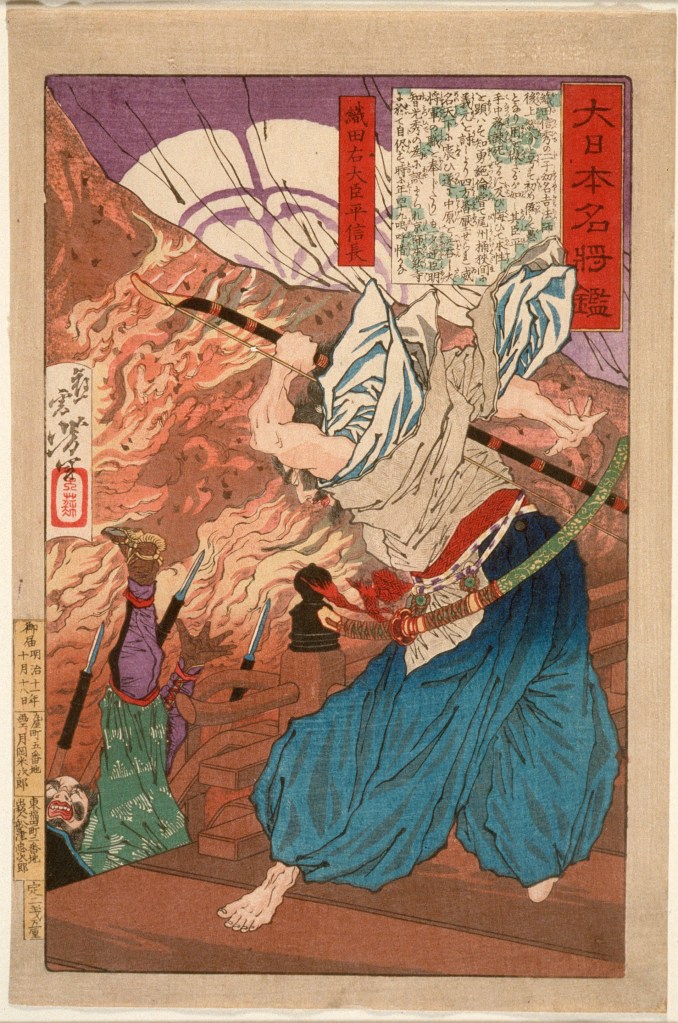
    As is so often the case, however, fate intervened. Nobunaga was betrayed by one of his generals in June 1582 and killed. His supporters immediately turned on each other, with Hashiba Hideyoshi, the man who had been leading the charge against the Mori, wishing to establish himself as Nobunaga’s successor, and so he concluded a swift peace with the Mori. For his part, Terumoto was glad to accept, even though it meant sacrificing three provinces. When news of Nobunaga’s death broke, Ashikaga Yoshiaki, still with the Mori, ordered Terumoto to march on Kyoto and take advantage of the situation.

    A 19th century depiction of Oda Nobunaga’s final moments.

    Terumoto refused, still forced to deal with internal rebellion, and although there would be plenty of opportunities to involve himself in the chaotic fighting that followed Nobunaga’s betrayal, the Mori would not move, instead adopting a ‘wait and see’ approach, which, in hindsight was wise, as although history would record Hideyoshi as the ultimate victor, in the summer of 1582, that was far from certain.

    One thing that Terumoto did agree to, however, was refusing to accept the ceding of three provinces to Hideyoshi as part of their peace deal. No doubt the Mori felt that Hideyoshi had misled them (Terumoto hadn’t known about Nobunaga’s death before the agreement), and with Nobunaga’s successors tearing each other apart, the Mori were in a good position to keep hold of their territory.

    Negotiations dragged on, even after Hideyoshi was able to win a decisive victory at the Battle of Shizugatake in April 1583, and he began to lose patience, threatening a resumption of war if the Mori didn’t concede. It would not be until early 1585 that a peace was actually agreed, and it was achieved largely without fresh fighting. The Mori would be allowed to keep seven provinces, representing much of the territory that had been taken by Terumoto’s grandfather, Motonari. In exchange, the Mori agreed to support Hideyoshi’s campaigns to unite the realm, especially in Shikoku and Kyushu, which the Mori assisted in invading in May 1585 and August 1586, respectively.

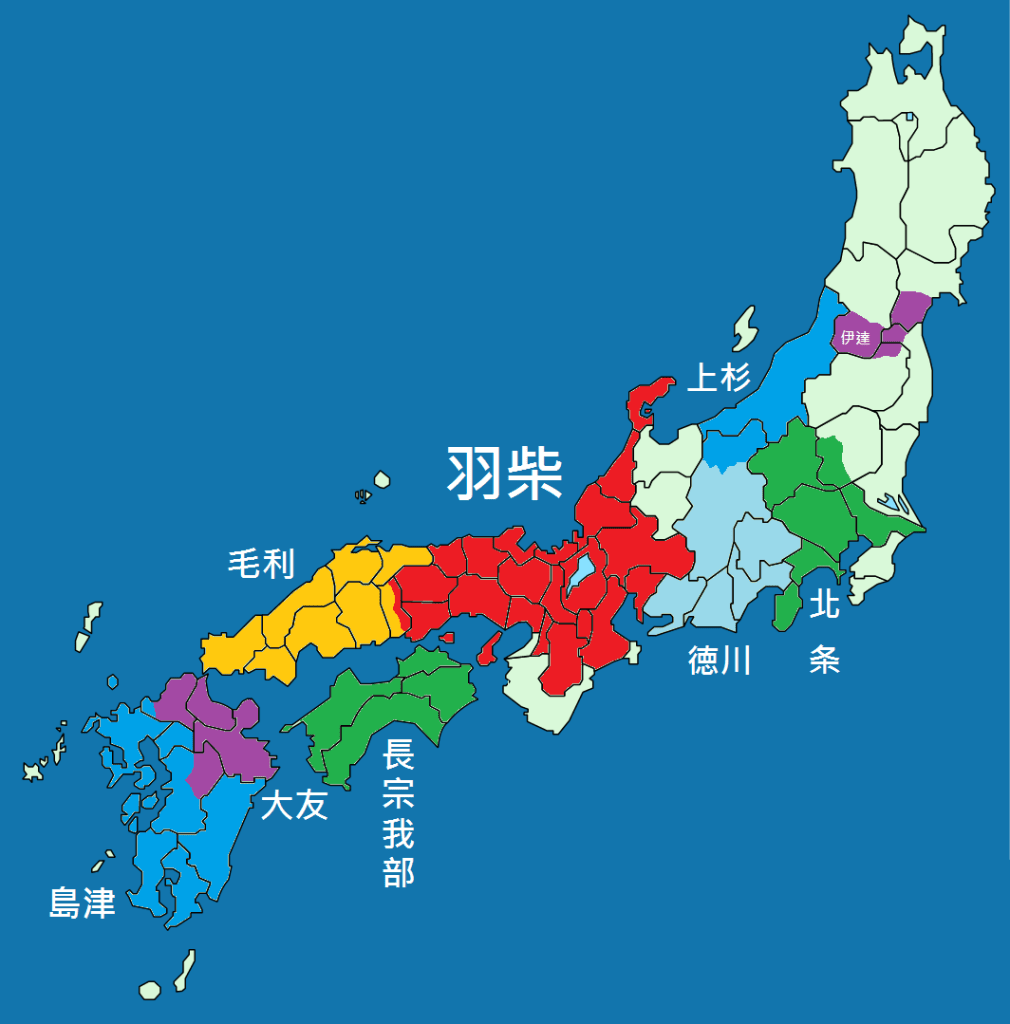
    The strategic situation in 1584, just after Hideyoshi secured power. The Mori are represented in yellow, and Hideyoshi in red.
    By Alvin Lee – Own work, CC BY-SA 4.0, https://commons.wikimedia.org/w/index.php?curid=39198357

    Finally, in the summer of 1586, Terumoto formally became a vassal of Hideyoshi (by now known as Toyotomi), ending decades of conflict and proving to be a significant step in bringing the Sengoku Jidai to an end more generally. A testament to the new trust placed in the Mori came in 1590, when Hideyoshi attacked the Hojo Clan, masters of the Kanto. Though the Mori did not join the campaign, Mori troops were entrusted with guarding the capital while Hideyoshi was away.

    Around this time, Terumoto completed his new base at Hiroshima Castle and would take part in Hideyoshi’s ill-fated invasion of Korea in 1592. We will go into more detail about the events that followed later, but after Hideyoshi’s death in 1598, Terumoto was named as one of five regents for his infant son, Hideyori.

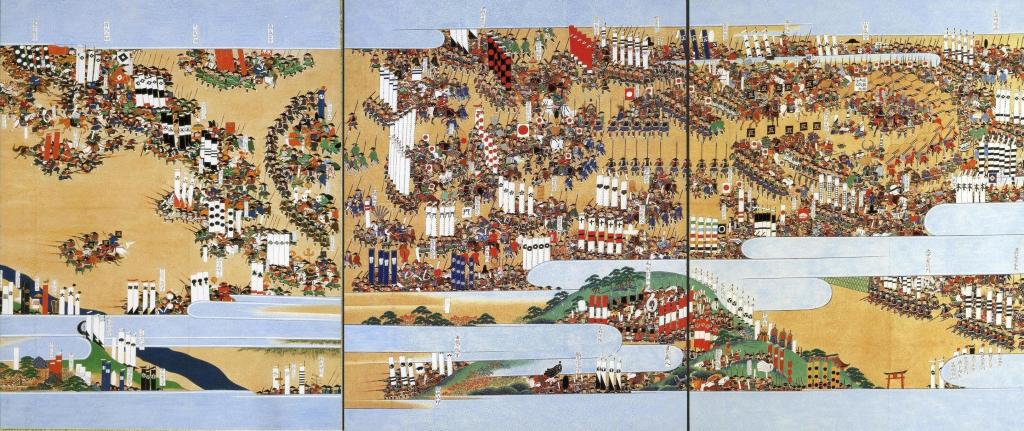
    The five regents were meant to stabilise the realm until Hideyori came of age, but it didn’t work; Tokugawa Ieyasu was swiftly opposed by the other four as it was believed (rightly as it turned out) that he wished to overthrow the current government and make himself Shogun. The tension would eventually lead to a new outbreak of violence, and a brief campaign culminated in the decisive Battle of Sekigahara in 1600.

    Teruhito and the Mori Clan were officially in opposition to the victorious Ieyasu, but had dispatched only a small force to Sekigahara, keeping their main strength at Osaka Castle to guard the heir. This was the strongest castle in the realm, and Terumoto had tens of thousands of fresh troops with which to hold it. Ieyasu, apparently aware of this, dispatched a letter to Terumoto, expressing his desire for positive relations between the two, and hoping that the Mori would depart Osaka without further violence.

    The walls of Osaka Castle as they appeared in 1865.

    Terumoto agreed when Ieyasu confirmed that the Mori would lose no territory in the aftermath. However, Ieyasu would almost immediately go back on his word once Terumoto was safely away from Osaka. The Mori were reduced to just two provinces in the far west, Suo and Nagato, and almost all the territory taken by Motonari and Terumoto was lost.

    Terumoto himself would officially retire as head of the clan not long after Sekigahara and became a monk, though in reality, he would retain most of the actual authority within the clan. One challenge that came about almost immediately was the loss of income that came with the loss of territory. Before Sekigahara, the Mori had had an income of more than 1 million koku (a Koku being approximately how much rice one man needed for a year). After Sekigahara and the loss of five of their provinces, this income was down to less than 300,000.

    This loss in income led to a loss in strength, as many of the clan’s retainers found their stipends reduced or lost entirely, leading them to seek employment elsewhere (just in case you thought Samurai were all about unquestioned loyalty.) Terumoto rather astutely recognised that this reduction might actually benefit the clan long term, as disloyal vassals would leave quickly, and even those who remained could be chosen based on ability, leading to a reduction in the clan’s overall strength, but perhaps improving skill and efficiency, at least in theory.

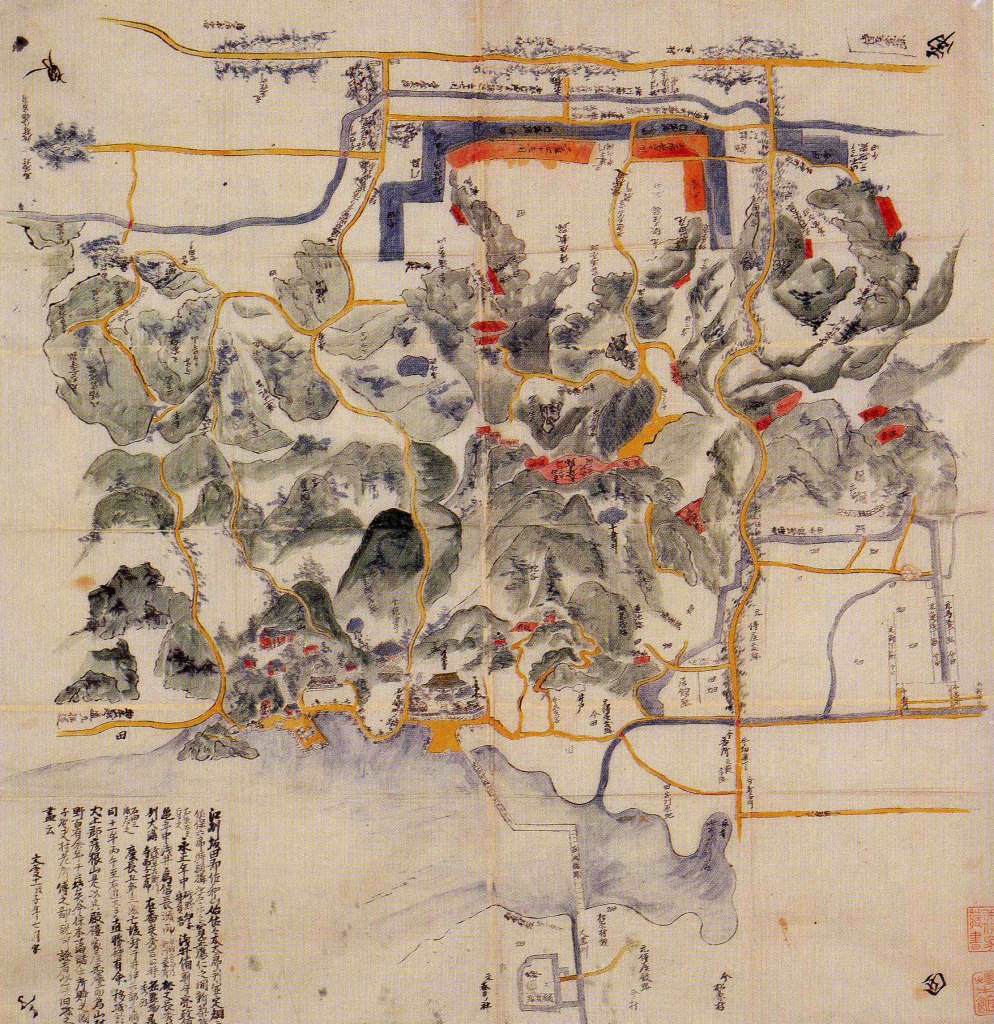
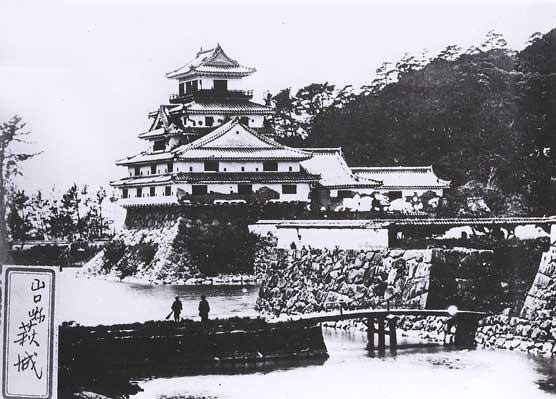
    A 19th century photograph of Hagi Castle, where the Mori Clan were based after their forced relocation.

    This would prove a wise move, as a land survey in 1610 showed that the Mori’s financial situation was better than originally assumed, and the reduction in vassals and retainers had led to a leaner, more efficient administration.

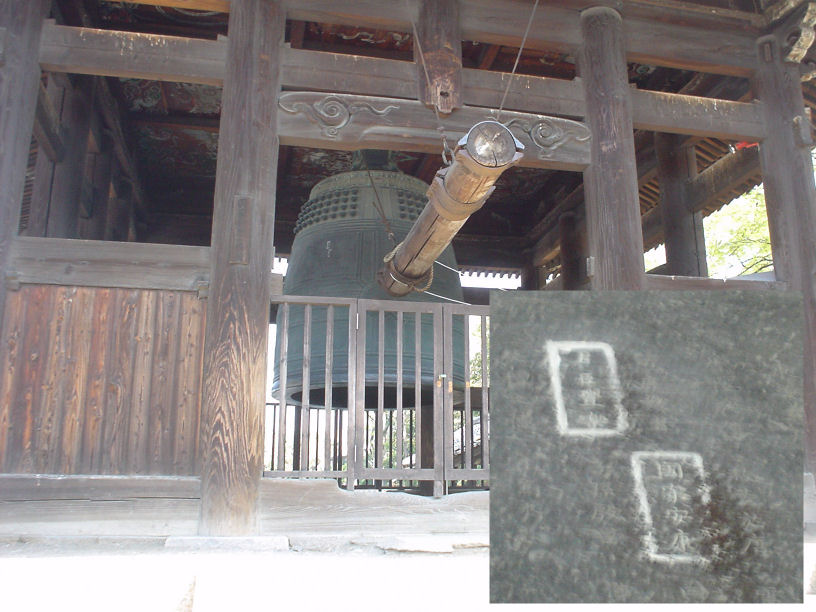
    Peace in the realm would last a while under Tokugawa Ieyasu’s rule, but it was a fragile thing. In 1614, the now adult Toyotomi Hideyori (Hideyoshi’s heir) brought about a crisis when a new prayer bell was inscribed with language that was interpreted as calling for the overthrow of the Tokugawa. Hideyori holed up in Osaka Castle and called on all ‘loyal vassals’ to come to his aid. Most, including Terumoto, ignored him, and when Ieyasu marched on Osaka, he requested the Mori dispatch their navy in support, which they duly did.

    Terumoto also led an army to Osaka, though the Mori would ultimately play a relatively small role in the so-called Winter Siege of Osaka. The following year, during what is called the Summer Siege, Ieyasu attacked Osaka again, this time successfully, capturing and executing Hideyori, and bringing his line to an end.

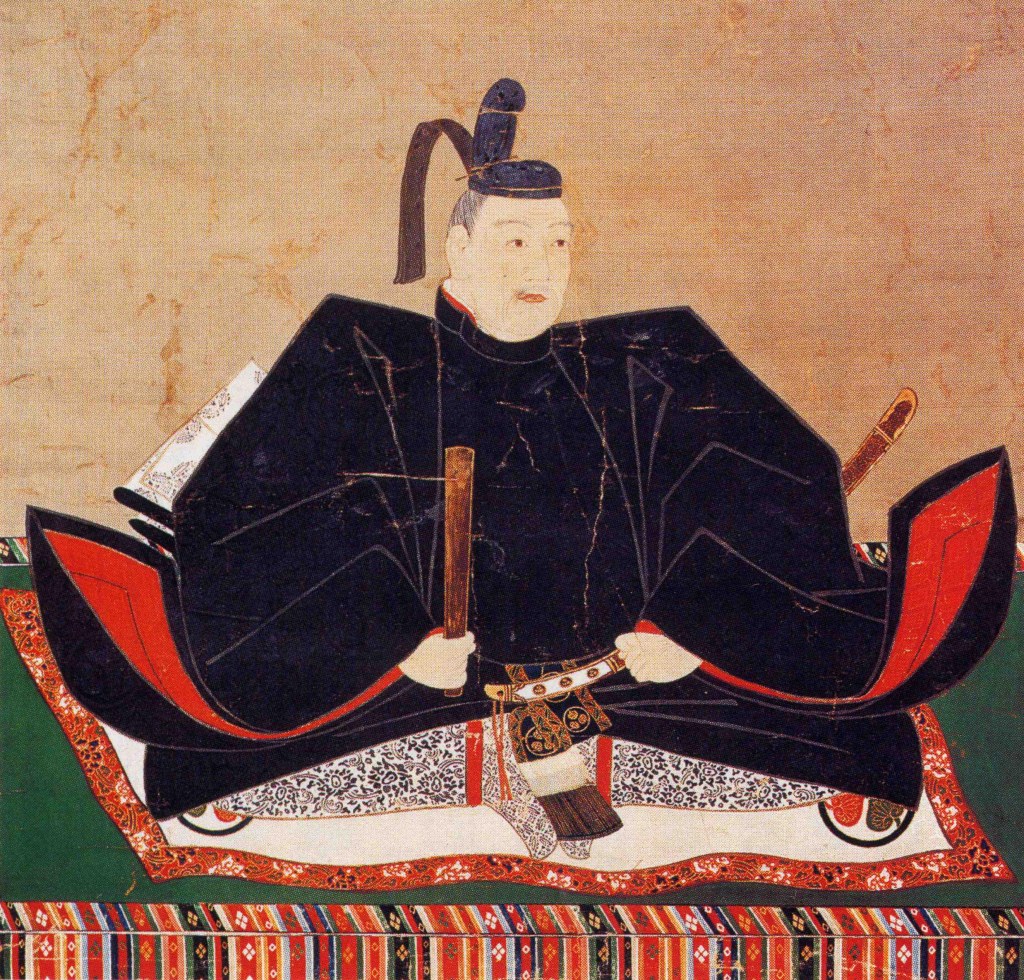
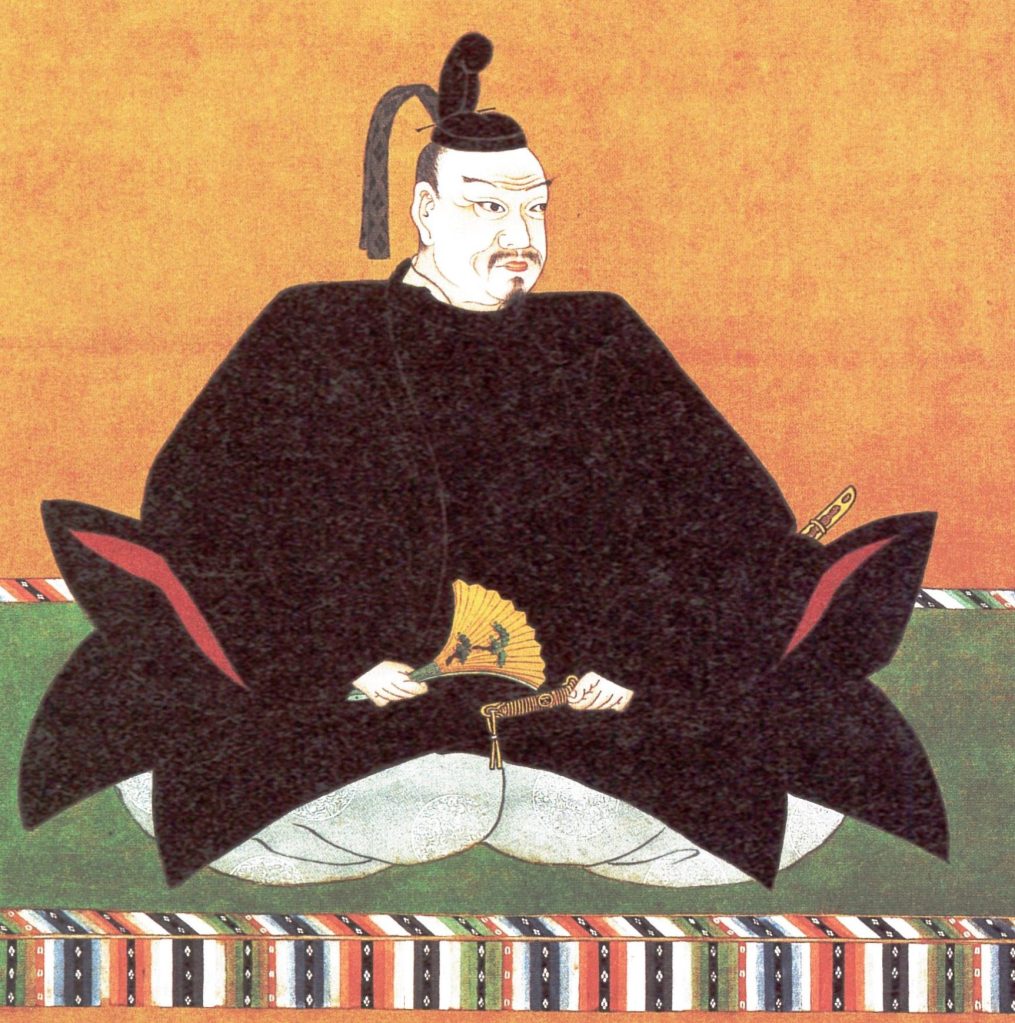
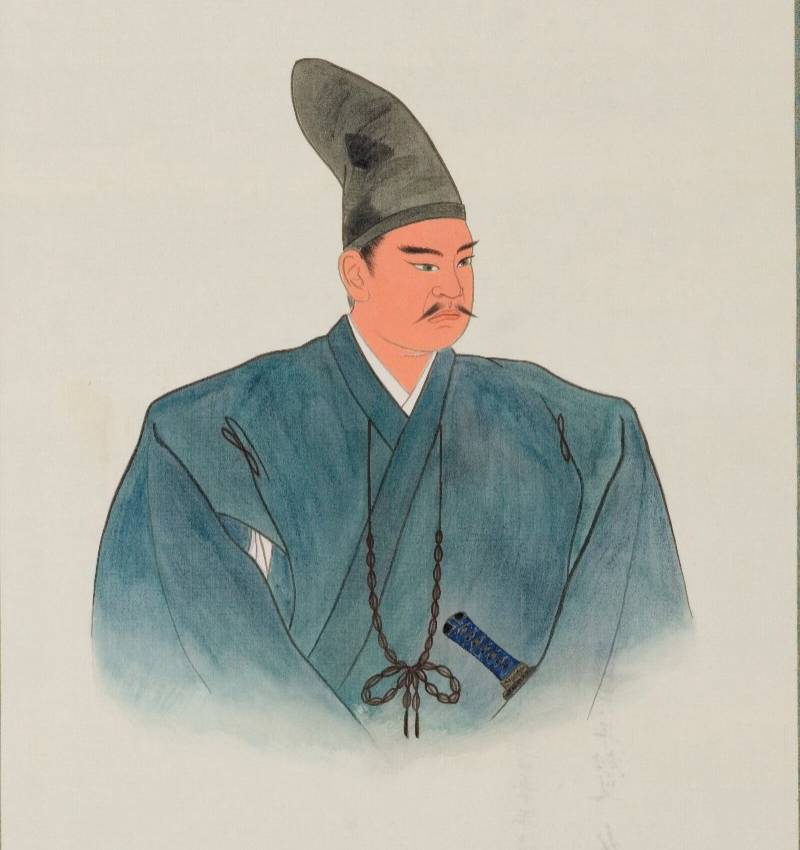
    Tokugawa Ieyasu, the man who would ultimately bring the Sengoku Jidai to an end.

    The Mori were again asked to dispatch an army, but delays in orders and the length of the march meant they arrived only after Osaka had fallen. There was some concern that this delay might be interpreted as treachery by Ieyasu; however, even the savvy political operator, Ieyasu, chose to lay the blame on slow communication instead, sparing the blushes of the Mori.

    Terumoto, his health failing and age catching up with him, handed full control of the clan over to his heir, Hidenari, in 1621, and although a formal system of ‘dual leadership’ would continue, it was becoming increasingly clear that Terumoto’s time was running out.

    He would continue to play a role in the affairs of the Mori until his death in 1625, and his clan’s distant position from the new capital in Edo afforded them a certain degree of autonomy, at least with regard to internal affairs, in the years that followed.

    That would prove important in the 19th century, as the arrival of American ships in Edo Bay forced Japan to end its period of isolation. It would be the Mori Clan, based in what by then was called the Choshu Domain, who would lead the charge against the Tokugawa Shogunate, overthrowing it, and re-establishing Imperial Rule in the so-called Meiji Restoration, but we are getting way ahead of ourselves.

    Mori Motonari, the last lord of Choshu Domain.

    Mori Terumoto is one of the giants of the Sengoku Era. Building on the successes of his grandfather, Motonari, he led the Mori to a position in which they may well have been able to take power for themselves, had things gone a little differently. Ultimately, despite never gaining ultimate power for themselves, Terumoto and his successors would prove to be one of the success stories of this period, surviving the turmoil and even thriving in the new Japan of the 19th Century.

    Sources
    https://ja.wikipedia.org/wiki/%E6%AF%9B%E5%88%A9%E8%BC%9D%E5%85%83
    https://ja.wikipedia.org/wiki/%E5%BA%83%E5%B3%B6%E5%9F%8E
    https://ja.wikipedia.org/wiki/%E4%BA%AC%E8%8A%B8%E5%92%8C%E7%9D%A6
    https://ja.wikipedia.org/wiki/%E9%B3%A5%E5%8F%96%E5%9F%8E
    https://ja.wikipedia.org/wiki/%E9%89%84%E7%94%B2%E8%88%B9
    https://ja.wikipedia.org/wiki/%E5%89%AF%E5%B0%86%E8%BB%8D
    https://en.wikipedia.org/wiki/M%C5%8Dri_Terumoto
    https://ja.wikipedia.org/wiki/%E5%B0%BC%E5%AD%90%E5%8B%9D%E4%B9%85
    https://en.wikipedia.org/wiki/Toyotomi_Hideyoshi
    https://en.wikipedia.org/wiki/Tokugawa_Ieyasu