Tag: Totomi Province

  • The Third Unifier – Tokugawa Ieyasu. Part Four.

    The Third Unifier – Tokugawa Ieyasu. Part Four.

    The Battle of Nagashino in 1575 had been one of the most significant battles of the later Sengoku Jidai. The military power of the once mighty Takeda clan had been broken, and Tokugawa Ieyasu, formerly a largely independent warlord, effectively became a vassal of Oda Nobunaga.
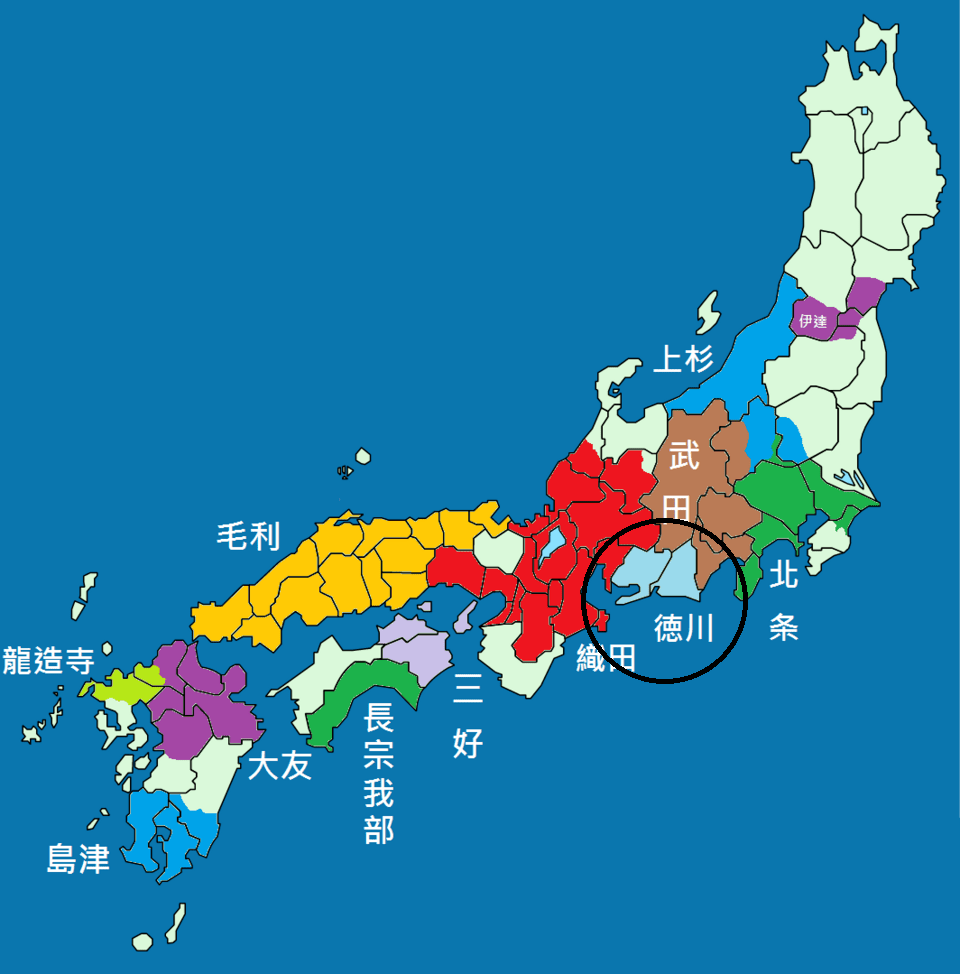
    The strategic situation in 1575, with Tokugawa lands in light blue (circled).
    By Alvin Lee – Own work, CC BY-SA 4.0, https://commons.wikimedia.org/w/index.php?curid=39198356

    Between 1575 and the early 1580s, Ieyasu consolidated his position in the recently conquered territory, and the Takeda, under the leadership of Katsuyori, focused on holding together what they had, seeking diplomatic support from other clans in the Kanto and even a rapprochement with their historic enemies, the Uesugi Clan.

    It will probably not surprise you to learn that this period of relative peace was not particularly peaceful at all, with low-level skirmishing occurring along the borders, but it wasn’t until 1581 that full-scale war broke out again, when Ieyasu took the strategically important Takatenjin Castle in Totomi Province.
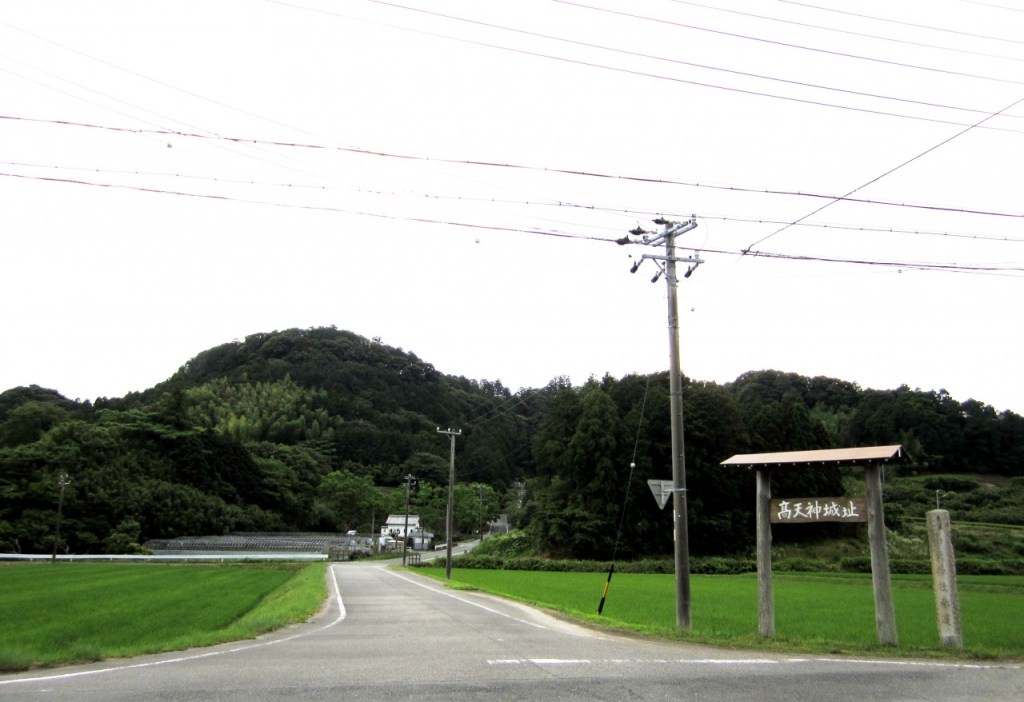
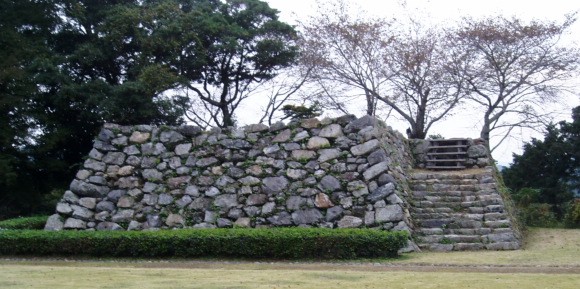
    The site of Takatenjin Castle as it appears today.
    立花左近 – 投稿者自身による著作物, CC 表示-継承 3.0, https://commons.wikimedia.org/w/index.php?curid=29796111による

    The fall of the castle was a problem in and of itself, but in the aftermath, the Takeda, already severely weakened, did nothing. Historians have argued that the failure to challenge the loss of such an important castle led many lords to conclude that the Takeda were finished and that their leader, Katsuyori, could no longer protect them.

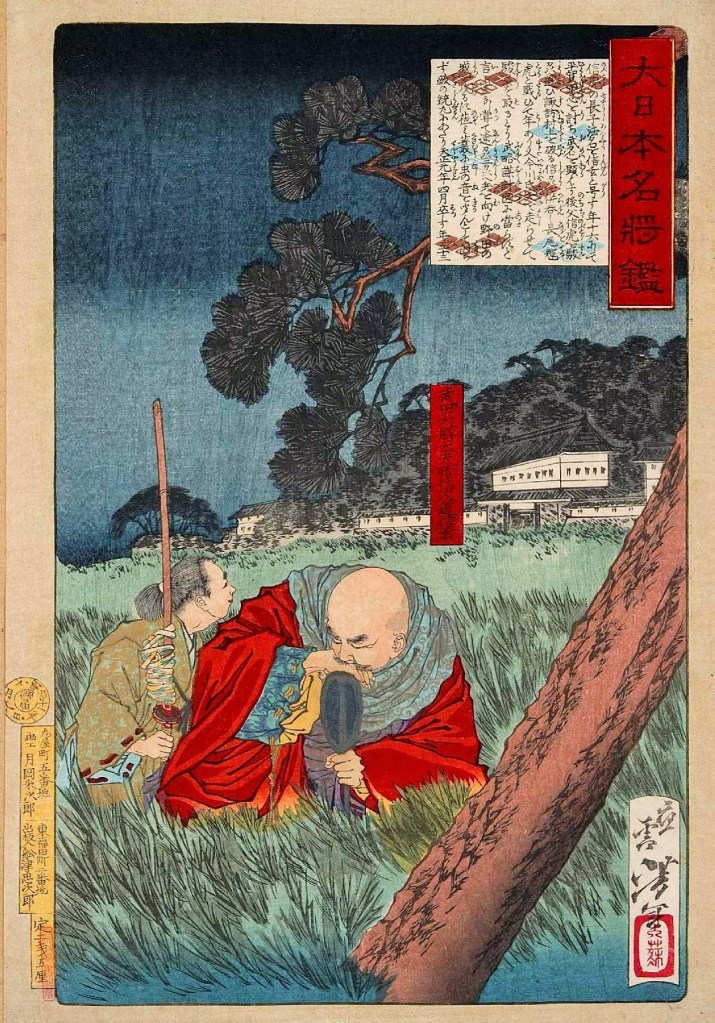
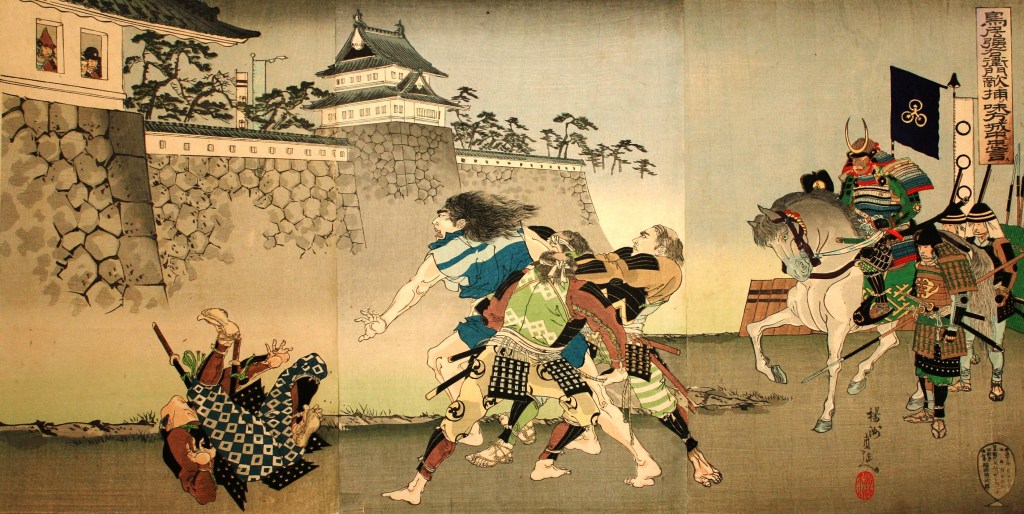
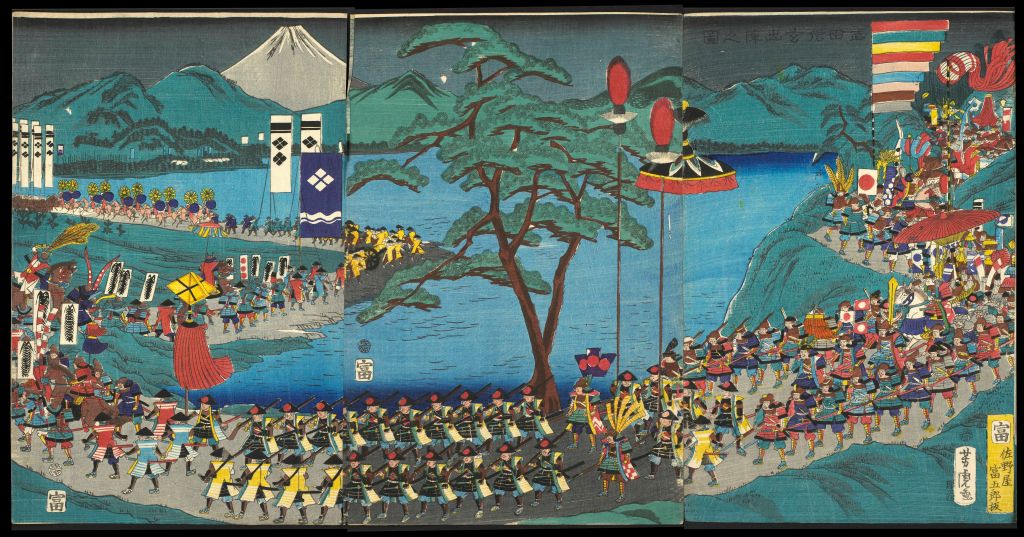
    Consequently, when the Oda-Tokugawa forces launched their final attack on the Takeda in February 1582, resistance was short-lived, as lords defected en masse, forcing Katsuyori to first retreat, and then flee, before he was trapped and forced to commit suicide at Tano in March.
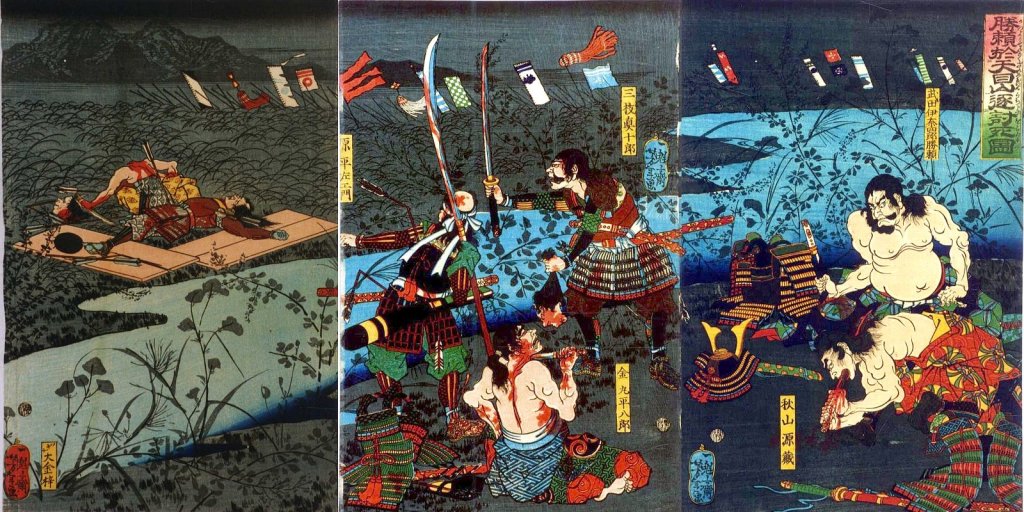
    A 19th-Century depiction of Takeda Katsuyori’s final moments.

    In the aftermath of this campaign, Ieyasu was awarded complete control of Suruga Province. When Nobunaga embarked on a tour of his new conquests, Ieyasu laid on luxurious entertainment along the route, even going so far as to refurbish the road and have tea houses specially constructed to receive the Great Lord’s retinue.

    In May 1582, Ieyasu arrived at Nobunaga’s base at Azuchi to pay tribute in gratitude for Suruga Province. At the same time, Toyotomi Hideyoshi (still known as Hashiba at this point) called for reinforcements for his ongoing campaign against the Mori. Nobunaga announced his intention to lead the campaign personally, intending to do to the Mori what he had recently done to the Takeda.
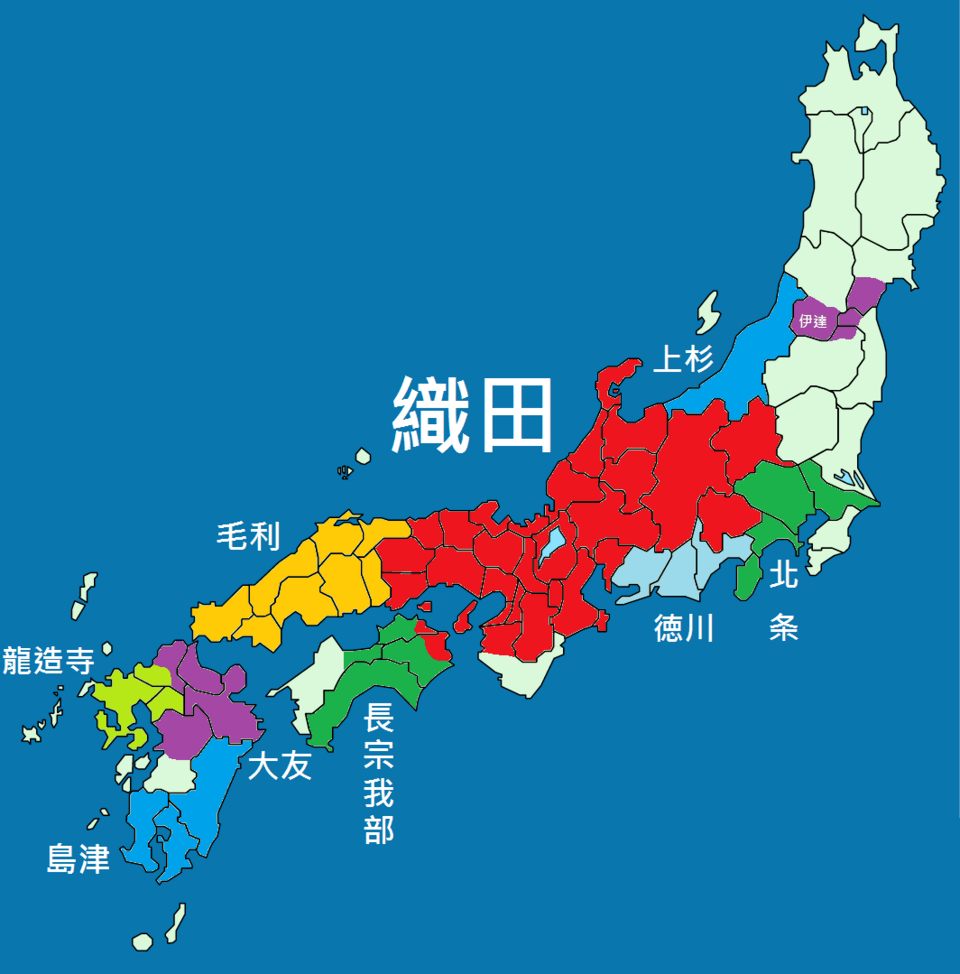
    The situation in 1582, just prior to the Honnoji Incident.
    By Alvin Lee – Own work, CC BY-SA 4.0, https://commons.wikimedia.org/w/index.php?curid=39198356

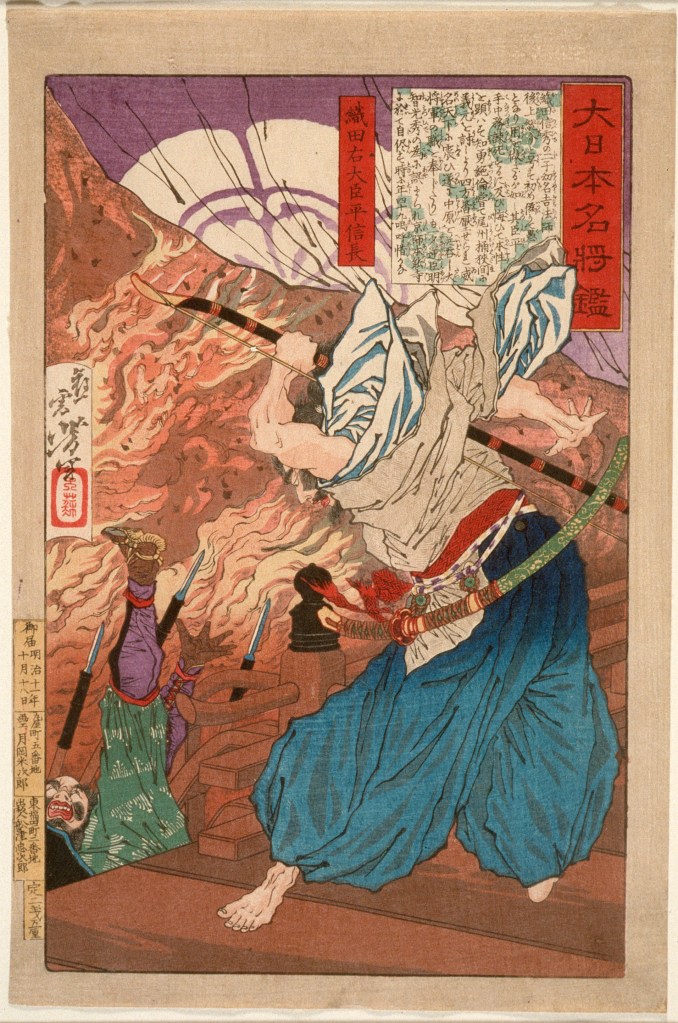
    For his part, Ieyasu planned to return to Mikawa first, gather his forces, and then join the campaign later. As part of his journey, Ieyasu stopped in Sakai (in modern Osaka) for what the sources described as “sightseeing”. He was in Sakai when news arrived of the Honnoji Incident and Nobunaga’s death.

    Ieyasu, attended by just a few retainers, was now in mortal danger. At this point, he seems to have lost his head somewhat and tried to head to Kyoto to avenge Nobunaga, or else join him in death (which would have been the likely outcome regardless). Fortunately for Ieyasu, cooler heads prevailed, and he was convinced instead to attempt to escape.
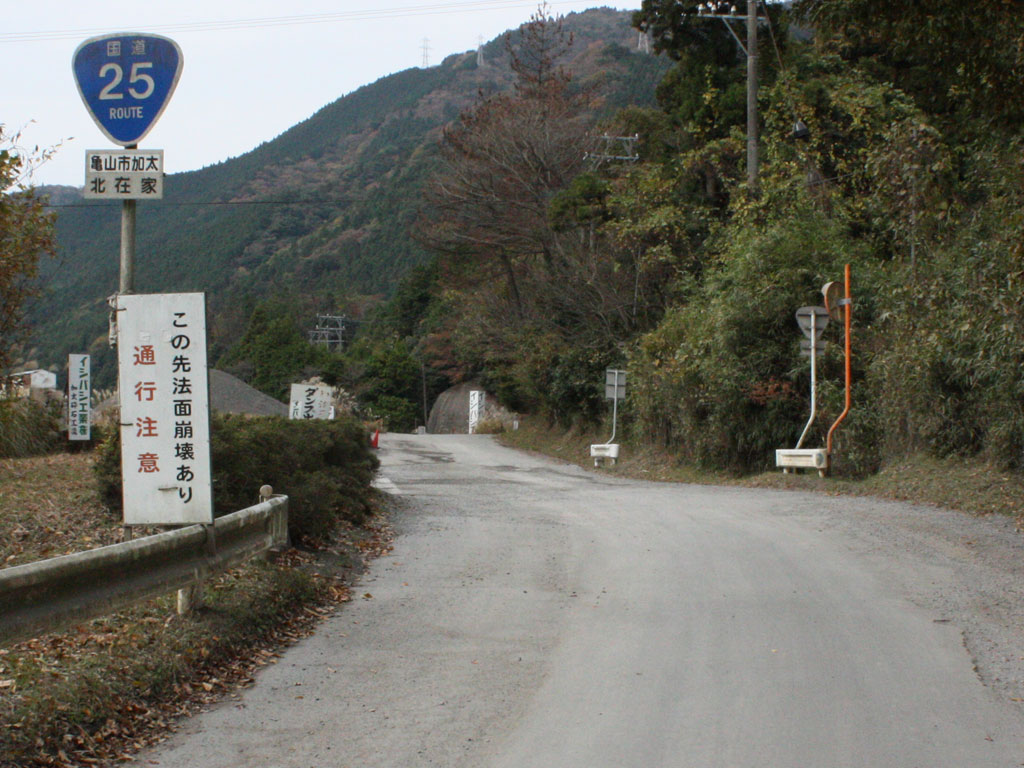
    An example of what the passes of Iga look like today.

    What followed was a much-celebrated (and often mythologised) journey from Sakai to safety in Mikawa. He was aided in his efforts by the legendary retainer Hattori Hanzo, who was a fairly remarkable man in his own right, but not the magical ninja of later legend. It is said that Ieyasu escaped back to Mikawa with just 34 retainers, but they represented the elite of the Tokugawa Clan, and their loss would have been a mortal blow.

    However, Ieyasu successfully escaped and set about gathering his forces to march on the traitor Akechi Mitsuhide and avenge Nobunaga’s death. News soon arrived that Mitsuhide had been killed, and Nobunaga avenged by Toyotomi (Hashiba) Hideyoshi, so, with no enemy to fight or vengeance to take, Ieyasu went home.
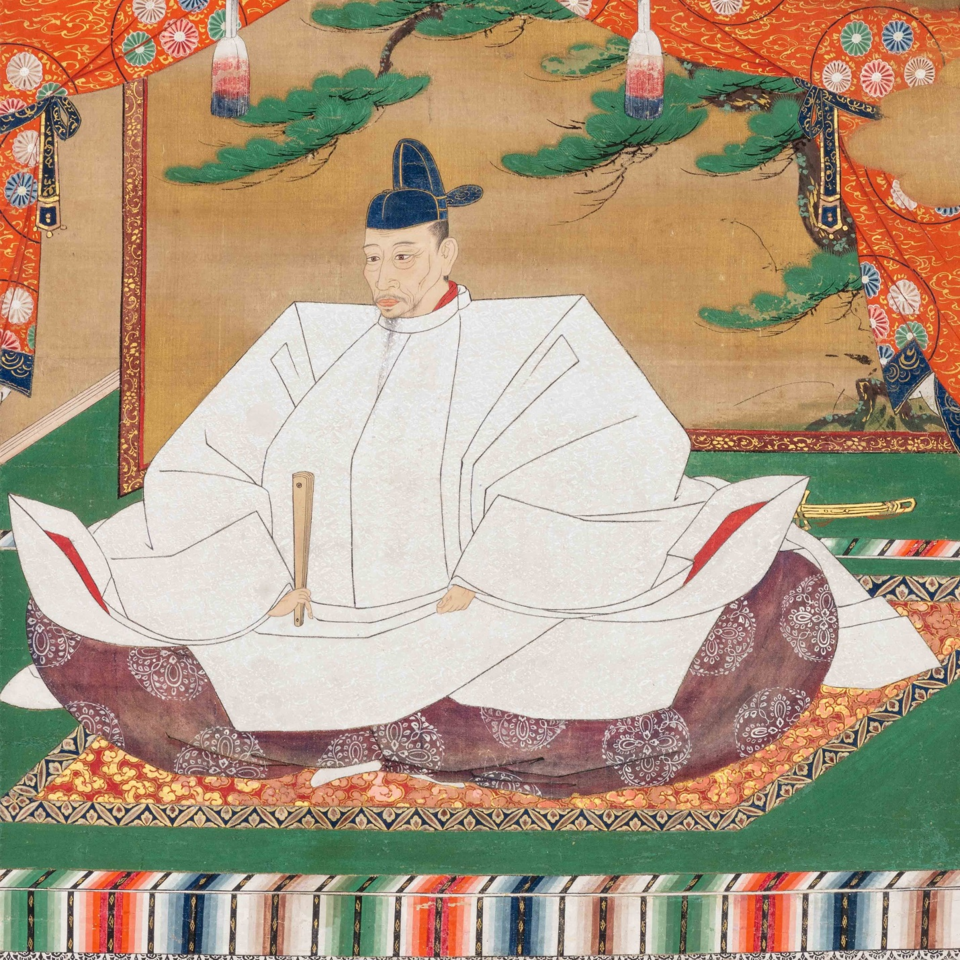
    Toyotomi Hideyoshi.

    His respite would be short-lived, however. In the chaotic aftermath of Nobunaga’s death, the recently conquered Takeda territories erupted into rebellion, and it wasn’t before any semblance of order was gone. Seeking to take advantage, the mighty Hojo Clan marched an army of 60,000 into the provinces, which were now largely up for grabs.

    Despite some initial setbacks, the sheer size of the Hojo force meant that they were able to quickly conquer large parts of Kozuke, Kai, and Shinano Provinces. Ieyasu had plans of his own for that territory, and besides, he couldn’t allow the Hojo to establish what would likely have been an insurmountable power base right on his doorstep.
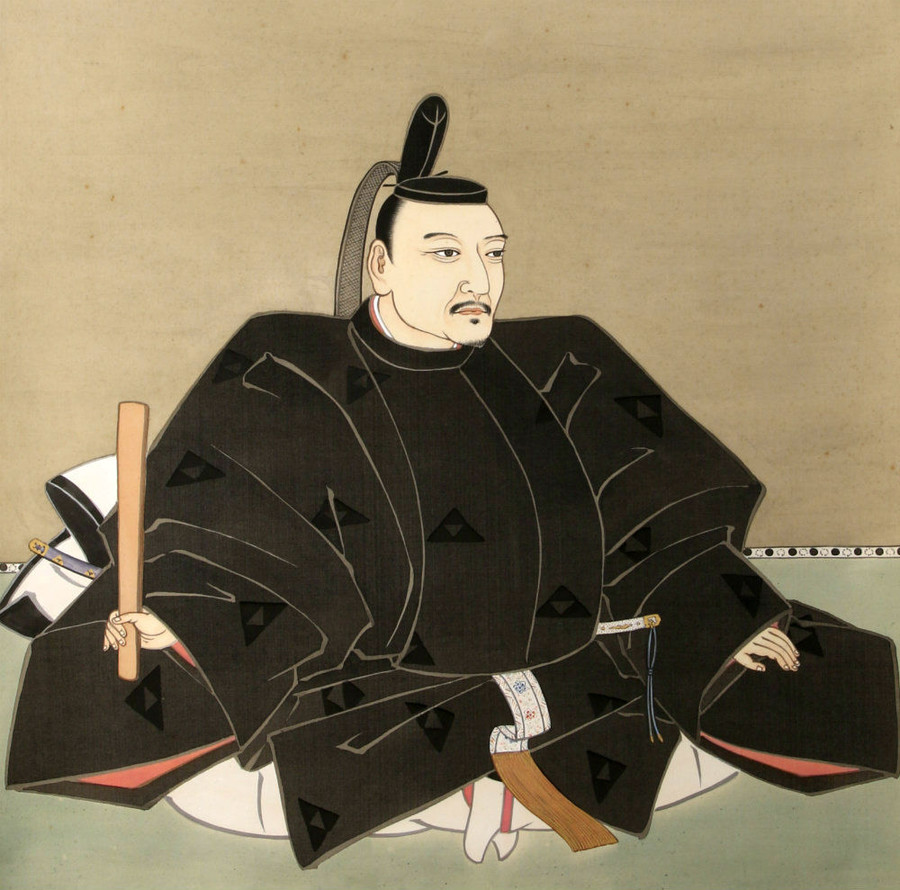
    Hojo Ujimasa. His attempts to establish control over the former Takeda territories provoked a response from Ieyasu.

    What followed became known as the Tensho-Jingo War, characterised by both sides attempting to assert their influence over the scattered remnants of former Takeda loyalists. There was relatively little direct conflict between the two sides, with the exception of the Battle of Kurokama in August 1582, where a force of some 10,000 Hojo warriors attempted to cross the Misaka Pass into Kai, where they were intercepted and decisively defeated by a Tokugawa force only a fifth their size.

    Despite this shock outcome, neither side seems to have had much enthusiasm for fighting each other. A peace was quickly agreed upon that recognised Tokugawa control over Kai and Shinano, in exchange for Hojo dominance in Kozuke and for Ieyasu’s daughter, Tokuhime, as wife to Hojo Ujinao, uniting the two clans in a political and dynastic alliance.
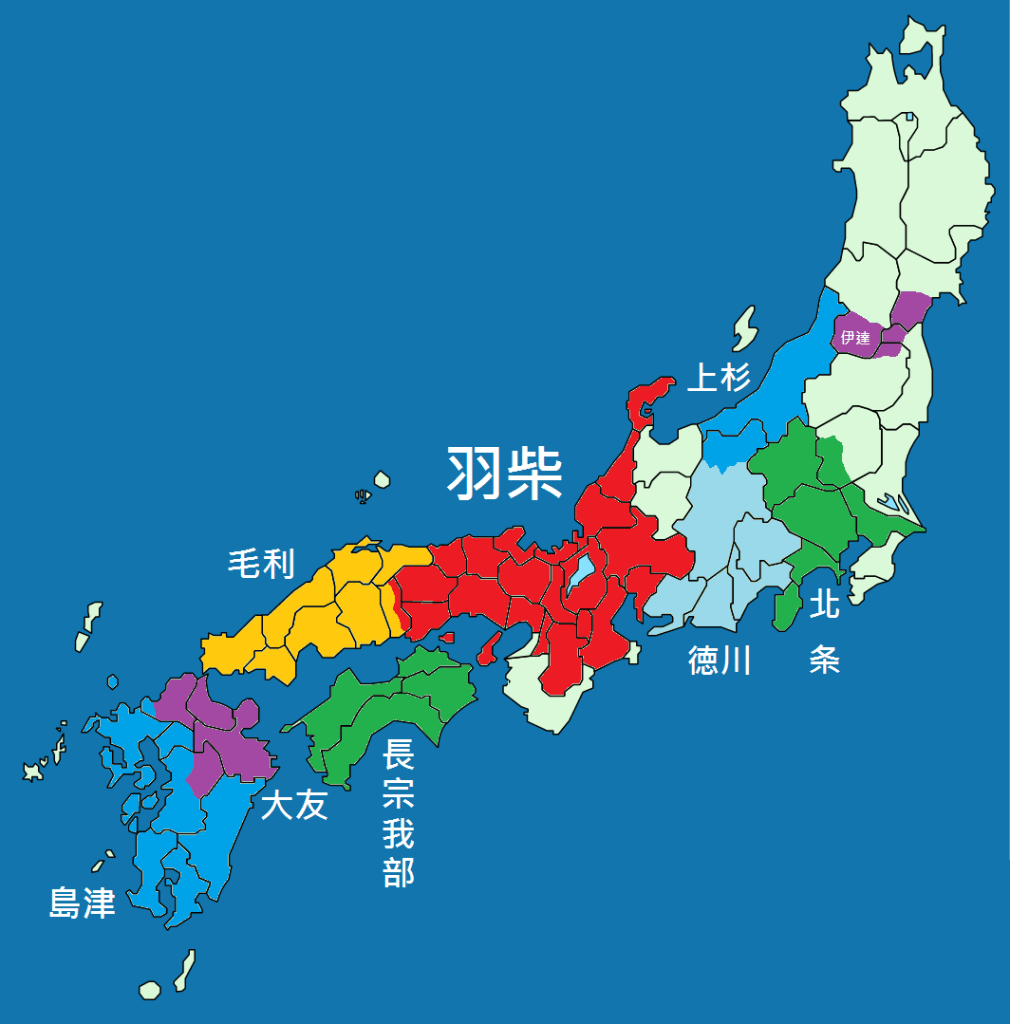
    The situation in early 1584, showing just how far Ieyasu had risen in little more than a decade.

    Peace with the Hojo secured Ieyasu’s eastern border and left him in total control of three provinces, Kai, Suruga, and Totomi, and almost total control of two more, Mikawa (except the far west) and Shinano (except the far north). Less than a decade earlier, Ieyasu had looked like he was on the way out, but now, he was one of the most powerful warlords in the realm.

    That power was far from unchallenged, though. History tells us that Toyotomi (Hashiba) Hideyoshi was the man to inherit Nobunaga’s power and go on to reunite the realm. However, in the autumn of 1582, there were actually several possible candidates to succeed. Though most would quickly fall in line, or be crushed, by the dawn of 1583, apart from Ieyasu and Hideyoshi, there was another man, Shibata Katsuie, who potentially had the power to claim it all.
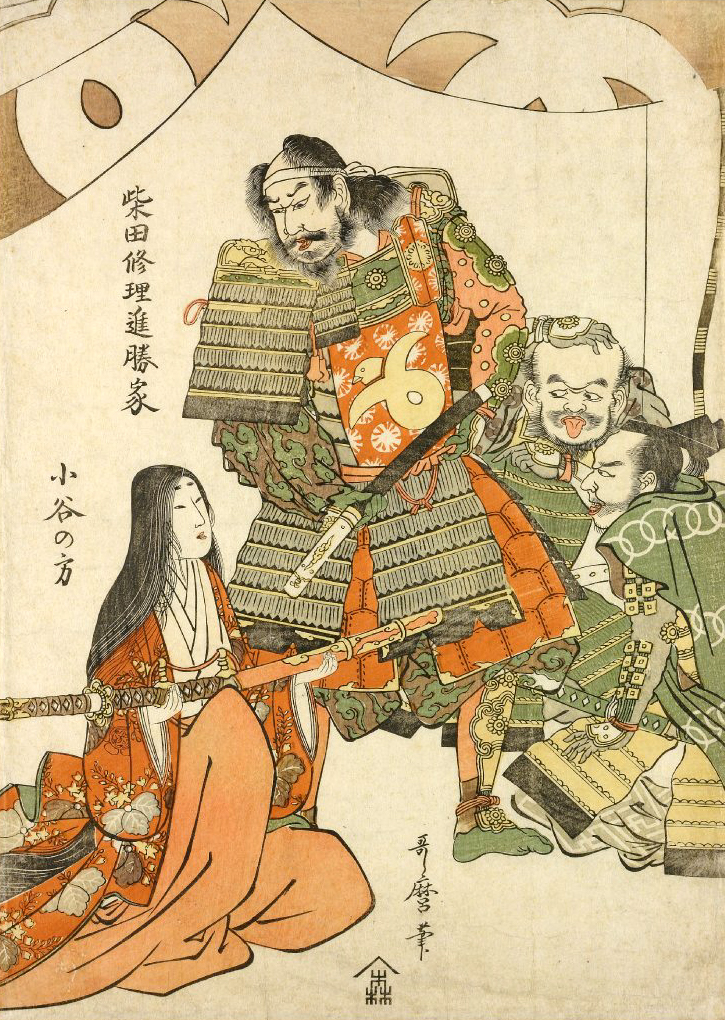
    Shibata Katsuie. Apart from Ieyasu, he was the most serious rival to the rise of Hideyoshi.

    Ieyasu rather wisely kept himself out of the inevitable clash. When Hideyoshi defeated Katsuie at the Battle of Shizugatake in June 1583, Ieyasu was amongst those who were quick to send formal congratulations to Hideyoshi, seeking to keep on good terms with the realm’s new top dog.

    It wouldn’t last, however. The simple truth was that Ieyasu was too powerful to be left unchecked, and tensions began to rise almost as soon as Katsuie had been defeated, until the Spring of 1584, when Hideyoshi set out to deal with Ieyasu once and for all.

    Sources
    https://ja.wikipedia.org/wiki/%E5%BE%B3%E5%B7%9D%E5%AE%B6%E5%BA%B7
    https://ja.wikipedia.org/wiki/%E8%B3%A4%E3%83%B6%E5%B2%B3%E3%81%AE%E6%88%A6%E3%81%84
    https://ja.wikipedia.org/wiki/%E5%A4%A9%E6%AD%A3%E5%A3%AC%E5%8D%88%E3%81%AE%E4%B9%B1
    https://ja.wikipedia.org/wiki/%E9%95%B7%E7%AF%A0%E3%81%AE%E6%88%A6%E3%81%84
    https://ja.wikipedia.org/wiki/%E6%AD%A6%E7%94%B0%E5%8B%9D%E9%A0%BC
    https://ja.wikipedia.org/wiki/%E9%AB%98%E5%A4%A9%E7%A5%9E%E5%9F%8E%E3%81%AE%E6%88%A6%E3%81%84
    https://ja.wikipedia.org/wiki/%E4%BC%8A%E8%B3%80%E8%B6%8A%E3%81%88
  • The Third Unifier – Tokugawa Ieyasu. Part Three.

    The Third Unifier – Tokugawa Ieyasu. Part Three.

    After the disastrous Battle of Mikatagahara in January 1573, contemporaries might have been forgiven for thinking that Tokugawa Ieyasu was finished. His army had been defeated and scattered, several important fortresses had fallen, and Takeda forces were camped deep inside his home province of Mikawa.

    The Battle of Mikatagahara was a disaster from which Ieyasu might not have recovered.

    Fate, however, was on Ieyasu’s side. Though Mikatagahara had been a catastrophe, the Takeda would prove unable to take advantage of their victory. Not long after the Battle, Takeda Shingen, arguably the most formidable warrior of his day, fell ill (some sources say he was wounded in battle, though later stories of Ninja assassinations are likely mythological).

    With their leader bedridden, the Takeda campaign stalled. They tried to keep the full extent of his illness secret, but when Shingen died in May, the once-mighty Takeda army began a full retreat from Mikawa. The Art of War writes that a general should know his enemy, and Ieyasu, student of war that he was, seems to have realised that something was amiss.

    An image depicting Shingen’s illness. He was arguably the most formidable warlord of his day, and his death was a huge strategic boon to the Tokugawa.

    Under Shingen, the Takeda were aggressive and highly capable, but after his (still secret) death, Ieyasu identified several weaknesses and launched a counter-attack, the success of which effectively confirmed his theory that Shingen was gone. With the momentum swinging back towards the Tokugawa, several clans that had defected to the Takeda switched sides again, and Ieyasu was able to swiftly regain the strength lost at Mikatagahara.

    Shingen’s successor, Katsuyori, has been remembered as a poor imitation of his father, though much of what was recorded about him was written by his enemies. In the short term, however, Katsuyori and Ieyasu were fairly evenly matched, and throughout 1574 and into 1575, they traded blows, with the momentum shifting back and forth.

    Takeda Katsuyori. Though perhaps unfairly maligned in later writings, he would prove unable to live up to his father’s legacy.

    Ieyasu had something that Katsuyori didn’t, however, a powerful ally. The death of Shingen had removed a serious (possibly existential) threat to the ambitions of Oda Nobunaga, and in 1575, he was finally able to dispatch significant forces to support Ieyasu’s ongoing campaign against the Takeda.

    In early 1575, Takeda forces once again advanced against Mikawa province, laying siege to the strategically important Nagashino Castle. Sources suggest that the Takeda invested the castle with 15,000 men, whilst the defenders numbered only 500. Despite the disparity in strength, the fortress was situated in terrain that made it difficult for the Takeda to bring their full forces to bear, and for a time, the garrison held out.

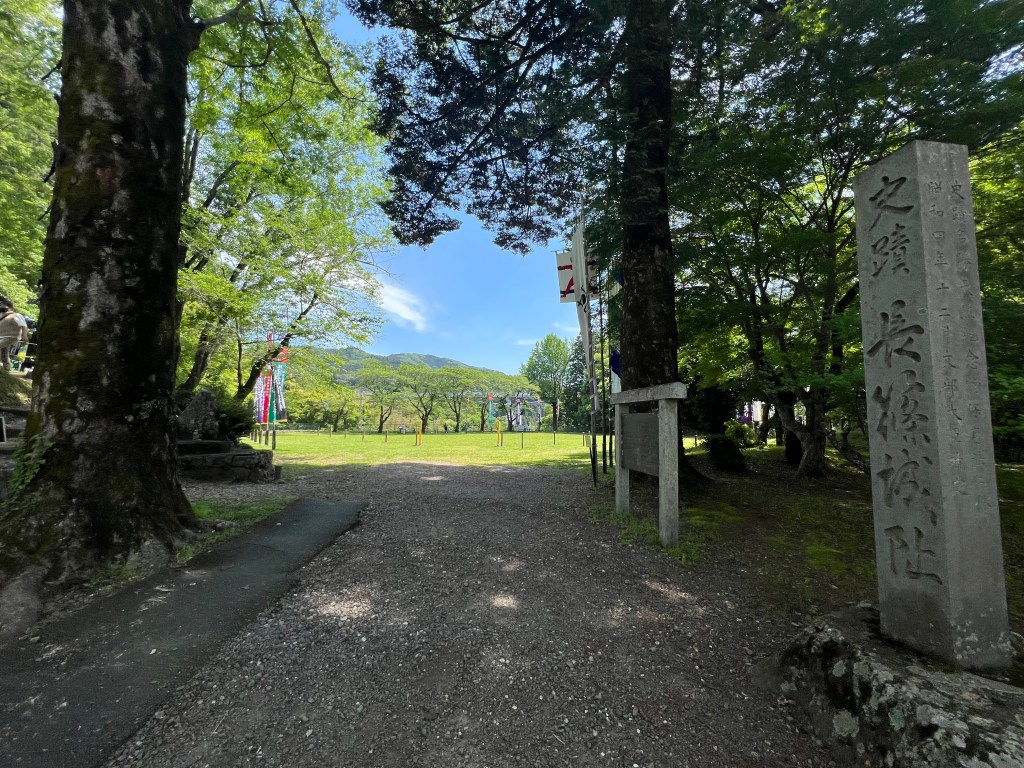
    The site of Nagashino Castle as it appears today.

    The situation changed dramatically, however, when the garrison’s food supplies were burned. In response, a messenger, Torii Suneemon, slipped through Takeda’s lines and made it to a combined Oda-Tokugawa army that was supposed to have numbered some 38,000 men (30,000 Oda and 8,000 Tokugawa, which goes some way to demonstrating the power dynamic in this ‘alliance’.)

    Suneemon then tried to return to Nagashino to inform the garrison that help was on the way, but he was instead captured by the Takeda. Katsuyori offered him a deal: if he told the garrison that no help was coming, he’d be set free. Instead, Sunemon shouted that relief was on the way, and the garrison should hold out, for which he was crucified in full view of the walls.

    A later (and somewhat dramatised) depiction of Suneemon exhorting the garrison of Nagashino to keep resisting.

    When the Oda-Tokugawa forces arrived two days later, the garrison was still holding out, and the Takeda turned to give battle. Although the Battle of Nagashino is one of the most famous and decisive battles of the Sengoku Jidai, scholars disagree on what actually happened. Nagashino has long been famous for Nobunaga’s innovative use of massed firearms, with thousands of foot soldiers firing in a three-rank system that kept up a constant hail of fire that decimated the Takeda’s famous cavalry charge.

    The exact number of firearms and the tactics used are still debated, but what is known for sure is that Nagashino represented a blow to the Takeda Clan from which they would never recover. In the aftermath, both Ieyasu and Nobunaga moved to take advantage, extending their control over Suruga and Totomi Provinces, and boxing the Takeda up in their traditional home in Kai and Shinano Province (modern Yamanashi and Nagano prefectures)

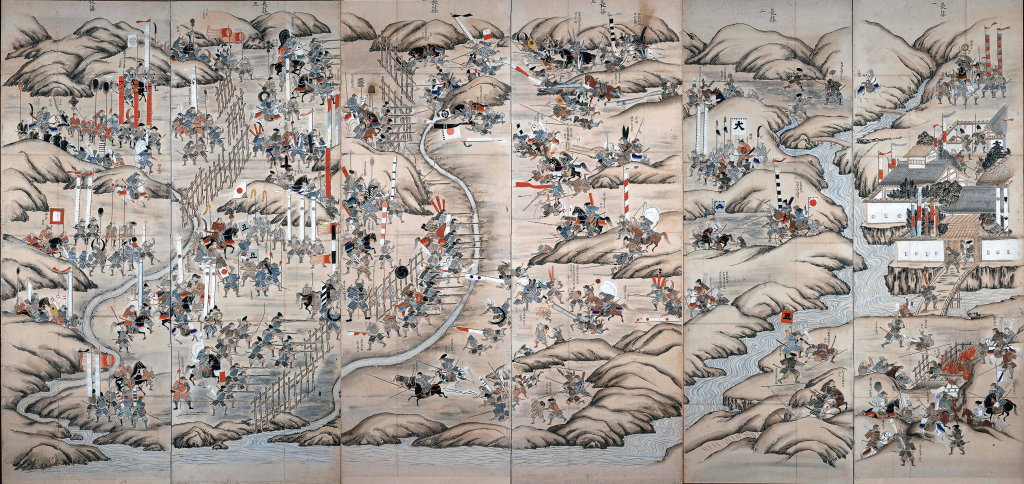
    An 18th-century depiction of the Battle of Nagashino, with the Oda-Tokugawa forces on the left, and Nagashino Castle on the far right.

    Though Ieyasu had been on the winning side, the victory over the Takeda would mark the time when his relationship with Nobunaga ceased to be an alliance of equals. There was no disputing Nobunaga’s power by this point, and the resources at his disposal dwarfed anything Ieyasu could deploy. Consequently, in the aftermath of Nagashino, Ieyasu found himself a vassal to the Great Lord.

    Perhaps the best evidence of how far the relationship had shifted came in 1579, when, on Nobunaga’s order, Ieyasu had his wife and eldest son put to death on suspicion of conspiring with the Takeda to arrange Nobunaga’s assassination.

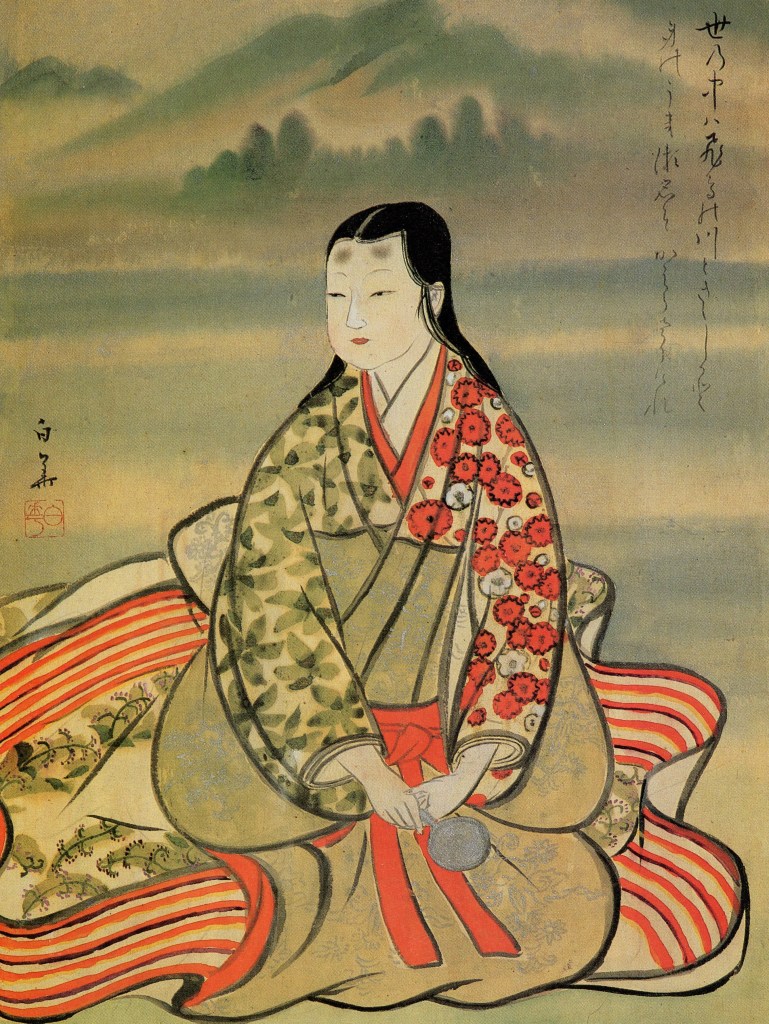
    Ieyasu’s first wife, Lady Tsukiyama.

    The long-held theory was that Lady Tsukiyama, Ieyasu’s wife, and his eldest son, Nobuyasu, were indeed conspiring with the Takeda. Some sources portray Lady Tsukiyama as a scheming, evil woman who seduced men into joining her plot, whilst Nobuyasu is said to have been a cruel, vindictive psychopath who committed acts such as shooting random peasants dead during festivals for no reason other than that they danced poorly.

    The catalyst for their death was apparently Nobunaga’s daughter, Tokuhime, who just so happened to be married to Nobuyasu. It is said that she hated her mother-in-law so much that she concocted the entire plot to have both of them removed.

    Ieyasu’s eldest son, Nobuyasu, who was either a traitor, a violent lunatic, the victim of a vindictive wife, or a combination of all three, depending on who you believe.

    There is another school of thought that suggests Nobunaga had nothing to do with the incident and that Ieyasu and Nobuyasu were instead engaged in a long-term feud. Nobuyasu, apparently supported by his mother, is said to have defied his father’s orders and even been plotting open rebellion, with or without the support of the Takeda.

    Faced with such a direct threat to his authority, Ieyasu sought the advice of his overlord, Nobunaga (who also happened to be Nobuyasu’s father in law), who is said to have instructed that, as the matter was an internal family affair, that Ieyasu should do as he thought best, resulting in the execution of Lady Tsukiyama, and Nobuyasu’s seppuku.

    Whether Nobunaga gave the order or Ieyasu acted on his own initiative, this incident highlights the situation Ieyasu faced in the late 1570s. Subordinate to Nobunaga’s power, and insecure at home, despite his successes, there was still no reason to believe that Ieyasu was going to be anything other than a footnote in another man’s story.

    Ooooh, foreshadowing!

    Sources
    https://ja.wikipedia.org/wiki/%E5%BE%B3%E5%B7%9D%E5%AE%B6%E5%BA%B7
    https://ja.wikipedia.org/wiki/%E7%AF%89%E5%B1%B1%E6%AE%BF
    https://ja.wikipedia.org/wiki/%E6%9D%BE%E5%B9%B3%E4%BF%A1%E5%BA%B7
    https://ja.wikipedia.org/wiki/%E9%95%B7%E7%AF%A0%E3%81%AE%E6%88%A6%E3%81%84
    https://ja.wikipedia.org/wiki/%E4%B8%89%E6%96%B9%E3%83%B6%E5%8E%9F%E3%81%AE%E6%88%A6%E3%81%84
    https://ja.wikipedia.org/wiki/%E6%AD%A6%E7%94%B0%E5%8B%9D%E9%A0%BC
    https://ja.wikipedia.org/wiki/%E6%AD%A6%E7%94%B0%E4%BF%A1%E7%8E%84

  • The Third Unifier – Tokugawa Ieyasu. Part Two.

    The Third Unifier – Tokugawa Ieyasu. Part Two.

    The Battle of Okehazama in 1560 saw Tokugawa Ieyasu’s masters, the Imagawa, dealt a serious blow at the hands of Oda Nobunaga. In the aftermath, Ieyasu began asserting his independence, and in 1562, the so-called “Kiyosu Alliance” between Ieyasu and Nobunaga was formalised.

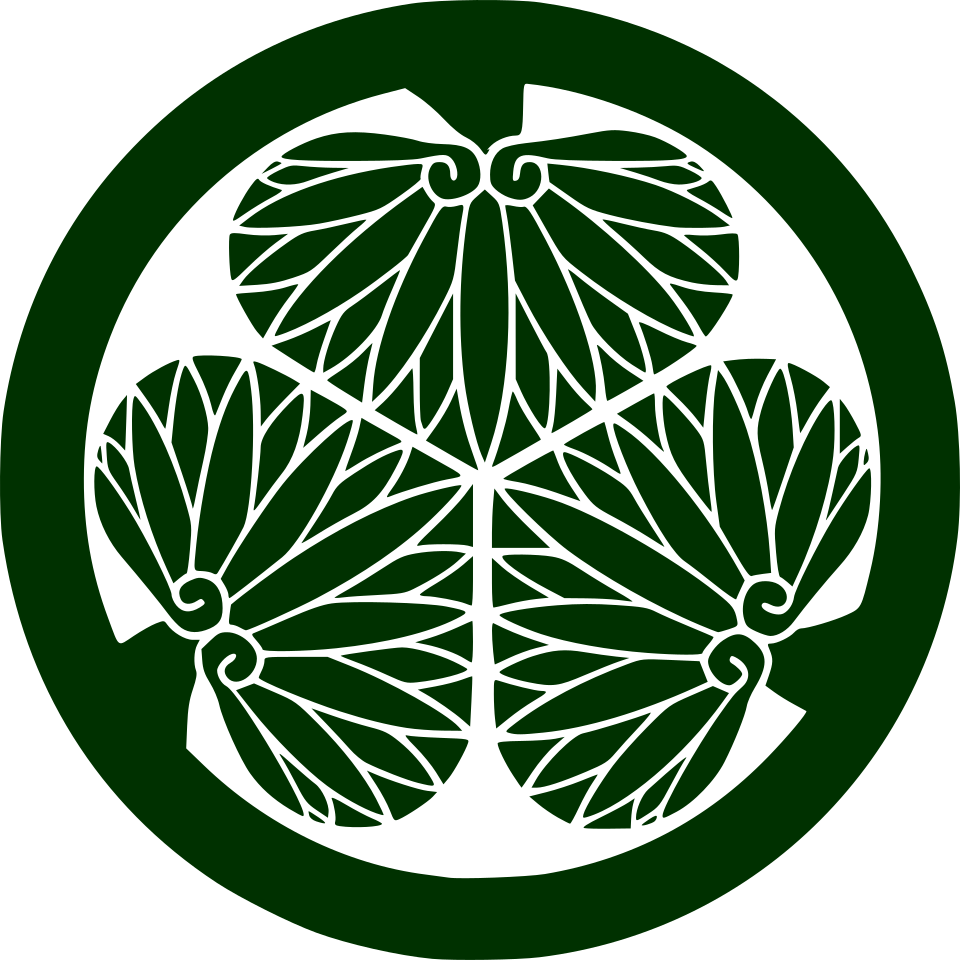
    The mon of the Tokugawa.
    百楽兎 – 投稿者自身による著作物, CC 表示-継承 3.0, https://commons.wikimedia.org/w/index.php?curid=1056853による

    The Imagawa, however, were down, but not out, and Ieyasu’s position was far from secure, despite his new alliance. In 1563, the “Mikawa Ikko-Ikki” Rebellion broke out, and in early 1564, when the Imagawa announced their intention to crush Ieyasu, several of his vassals in Mikawa switched sides, joining the Ikko-Ikki or else rising against Ieyasu in anticipation of an Imagawa attack.

    The name “Ikko-Ikki” suggests that the uprising was similar to other religiously motivated risings that occurred throughout Japan during this period. Indeed, the focal point seems to have been several temples in Mikawa; however, some scholars now suggest that the uprising was motivated more by economic reasons, and some even go so far as to say that Ieyasu may have provoked the rising, or at least took advantage of it to cement his control of Mikawa Province.

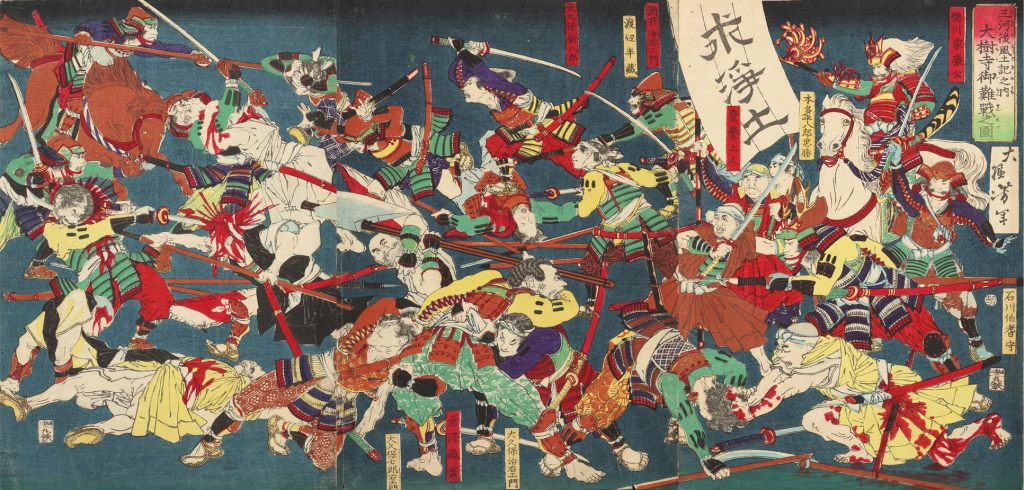
    A later depiction of the Battle of Azukizaka. Ieyasu is the figure on the white horse on the right.

    While it’s impossible to know for sure, Ieyasu did much to boost his own reputation in putting down the rebellion. At the Battle of Azukizaka (sometimes called the Battle of Batogahara) in January 1564, Ieyasu led his forces in crushing the rebels, despite ferocious fighting. The story goes that Ieyasu charged the enemy fearlessly, and came under heavy gunfire, with several rounds penetrating his armour, but leaving him uninjured, inspiring his men, and leading some rebels to switch sides.

    In the aftermath, Ieyasu banned the Jodo Shinshu sect of Buddhism in Mikawa, only to lift the ban in 1567, just a few years later, lending credence to the argument that the fighting had never been about religious issues but about political control of the province.

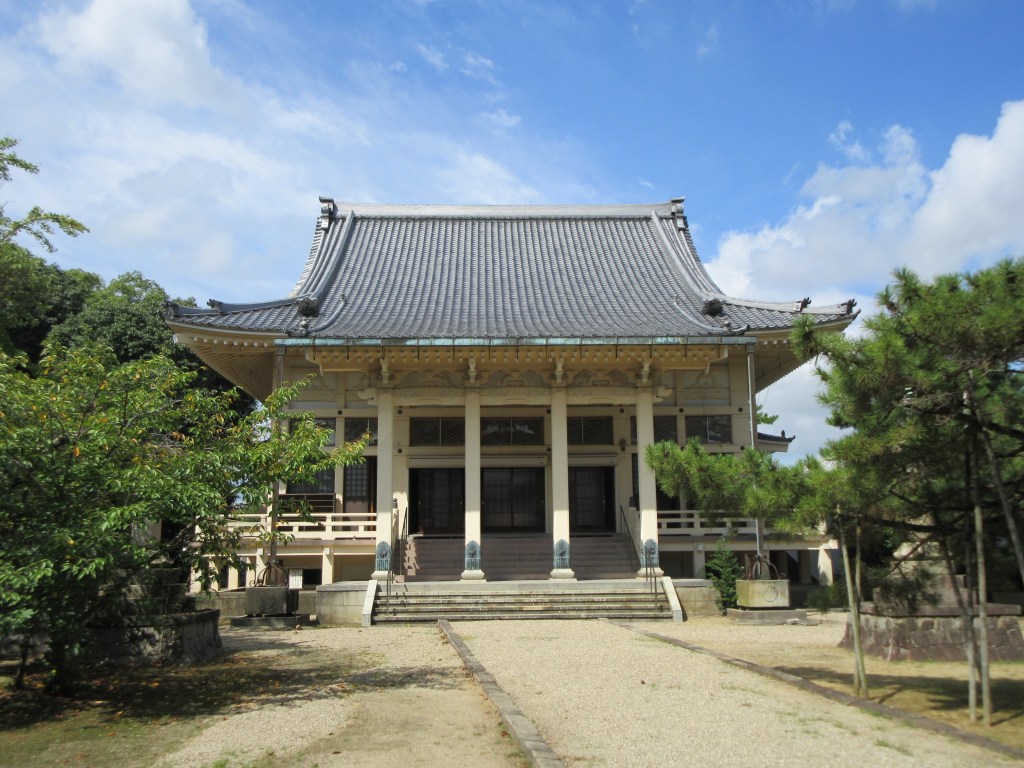
    The Honshuji Temple, one of the focal points of the rebellion, as it appears today.

    Before 1566, Ieyasu’s family name was Matsudaira, but around this time, he petitioned the Emperor to change it to Tokugawa. The exact reasons for this are related to the complex (and often impenetrable) genealogies of the Minamoto and Fujiwara Clans, from whom Ieyasu claimed descent. You may remember that Minamoto and Fujiwara were the names of two of Japan’s most ancient and illustrious families, and it was a big deal to claim descent from them.

    This would become much more important later, as only a member of the Minamoto could become Shogun (technically), but that was still decades in the future. At the time, the name change was probably more closely associated with prestige and a desire to assert independence from the Imagawa, with a new name symbolising a new era for the clan.

    Takeda Shingen.

    In 1567, Ieyasu further strengthened his alliance with Nobunaga by marrying his eldest son to Nobunaga’s daughter. However, they were both just nine years old at the time, so the marriage was a political rather than conjugal union. The next year, Ieyasu dispatched forces to support Nobunaga’s march on Kyoto, and in December, he made an alliance with Takeda Shingen and launched a joint invasion of Imagawa territory.

    The attack was a success, but the relationship between Ieyasu and Shingen fell apart almost immediately. According to Tokugawa accounts, it had been agreed that Ieyasu would take Totomi Province, and Shingen would take Suruga. However, it wasn’t long before Takeda forces were also crossing into Totomi, in direct violation of the agreement (which may never have existed to begin with).

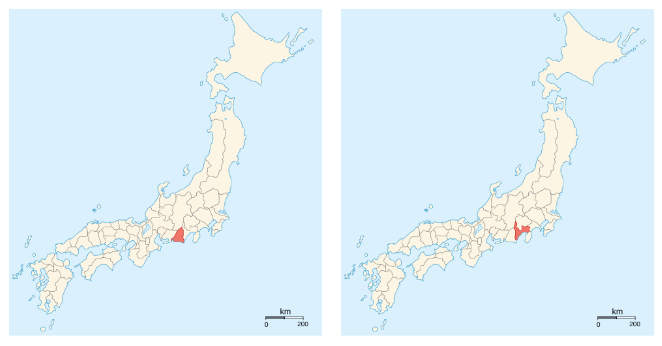
    Suruga and Totomi Provinces.
    By Ash_Crow – Own work, based on Image:Provinces of Japan.svg, CC BY 2.5, https://commons.wikimedia.org/w/index.php?curid=1691864

    Ieyasu then sought the support of the Hojo Clan, and their Lord, Ujiyasu, who had his own ambitions for the former Imagawa territory. Together, they successfully pushed the Takeda forces back, and in 1570, Ieyasu moved his base from Okazaki Castle in Mikawa Province to Hikuma, which he promptly renamed Hamamatsu, in Totomi. Later that year, he would further prove his value as an ally of Oda Nobunaga by supporting his campaign against the Azai-Asakura Alliance, fighting in the rearguard in the defeat at Kanegasaki, and then providing important reinforcements at the victorious Battle of Anegawa in July.

    In 1571, the alliance would be sorely tested, as the last Ashikaga Shogun, Yoshiaki, sought to rally forces in opposition to Oda Nobunaga, with the ultimate goal of restoring his family’s position. The Anti-Nobunaga coalition (which was, importantly, not necessarily pro-Ashikaga) included the forces of the Azai-Asakura Alliance, the powerful temple of Ishiyama Honganji, and Takeda Shingen, among others.

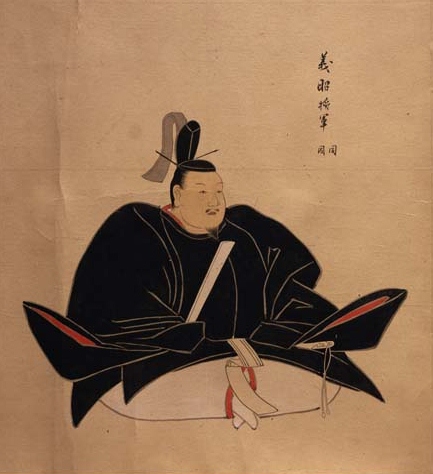
    Ashikaga Yoshiaki

    In the aftermath of the defeat of the Imagawa, Hojo Ujiyasu, who had favoured an alliance with Ieyasu against the Takeda, died and was replaced by his son, Ujimasa, who reversed his clan’s diplomatic position and reestablished the alliance with Shingen. At this point, Yoshikai, seeking to take advantage of the pressure he was now under, sought to gain Ieyasu’s support, offering him the position of Kanrei or deputy Shogun in exchange.

    Ieyasu refused this offer and chose to retain his alliance with Nobunaga; in response, Takeda Shingen launched an invasion of the Mikawa and Totomi Provinces in September 1572. Leading 20,000 troops, Shingen crossed the Aokuzure Pass, and with the help of several defections amongst Ieyasu’s retainers, swiftly gained control of northern Totomi.

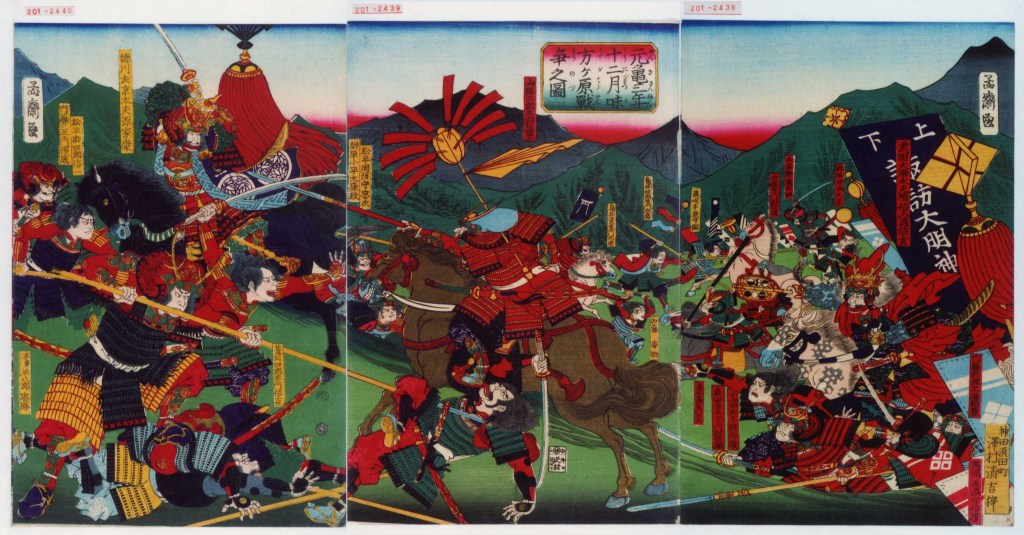
    A later depiction of the Takeda Army advancing into Totomi Province.

    Meanwhile, a separate force invaded Nobunaga’s territory in Mino, meaning that when Ieyasu called for aid, none was readily available. Ieyasu was forced into an impossible situation; his forces were heavily outnumbered by the advancing Takeda, and a pitched battle would almost certainly end in defeat. On the other hand, if he retreated or even stayed on the defensive, he faced the prospect of losing support from his retainers, some of whom had already proved they were willing to switch sides.

    The Takeda headed towards the strategically important Futamata Castle, and Ieyasu had no choice but to try to head them off. The advance guards of both armies clashed at the Battle of Hitokotozaka, and the Tokugawa were soundly beaten, causing them to retreat to the relative safety of Hamamatsu, and giving the Takeda a clear path to lay siege to Futamata, which fell shortly afterwards.

    The remains of Futamata Castle.
    CC 表示-継承 3.0, https://commons.wikimedia.org/w/index.php?curid=427661

    In the aftermath of this disaster, still more Tokugawa retainers switched sides and joined the Takeda, and it was assumed that Shingen, whose army, strengthened by defections and reinforcements, now stood at around 30,000 men, would march on Hamamatsu. Instead, the Takeda forces bypassed it entirely. It has been suggested that this was a ploy to lure Ieyasu out of the powerful fortress, giving Shingen the opportunity to destroy him in the open.

    If that was the plan, it worked, and despite urging from his retainers to remain in Hamamatsu, Ieyasu was emboldened by some long-awaited reinforcements from Nobunaga and decided to march out and intercept the Takeda. The result was the disastrous Battle of Mikatagahara, in which the Tokugawa were decisively defeated, with Ieyasu himself only being saved by the bravery of his retainers, who fought a rearguard action so ferocious that Ieyasu was allowed to escape, and the Takeda were convinced to call off the pursuit.

    A later depiction of the Battle of Mikatagahara

    The winter of 1572 saw the Takeda forces camping deep inside Tokugawa territory, whilst Ieyasu himself was holed up in Hamamatsu, his army scattered, and his prospects looking very bleak.

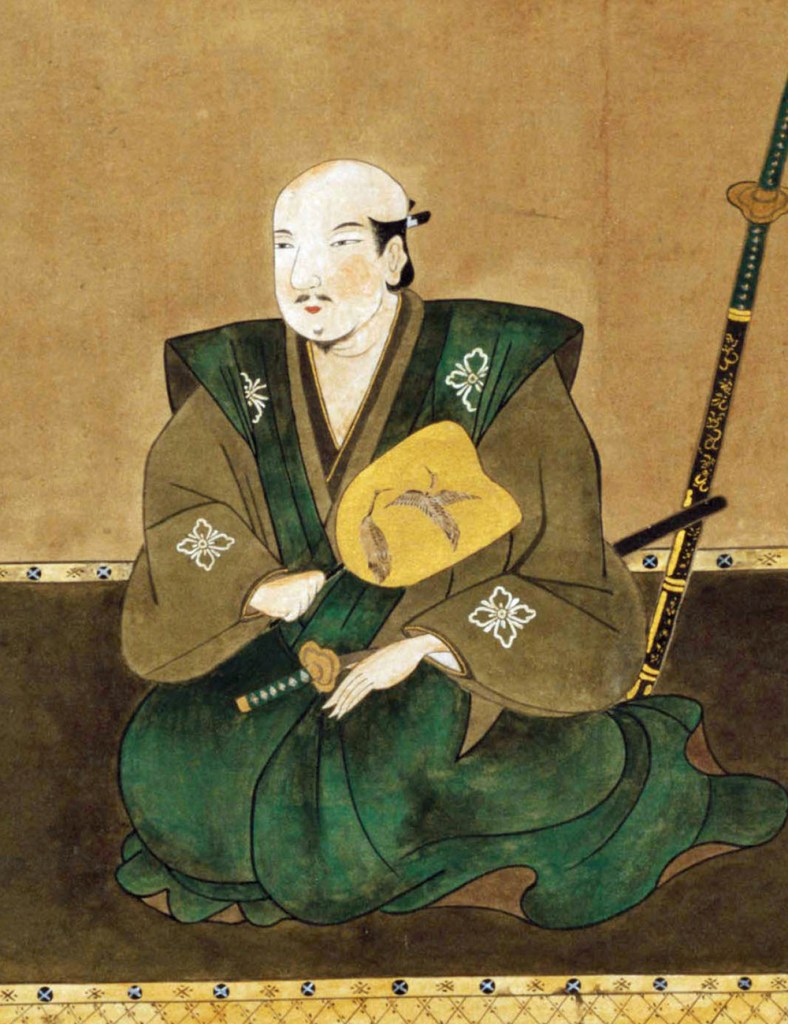
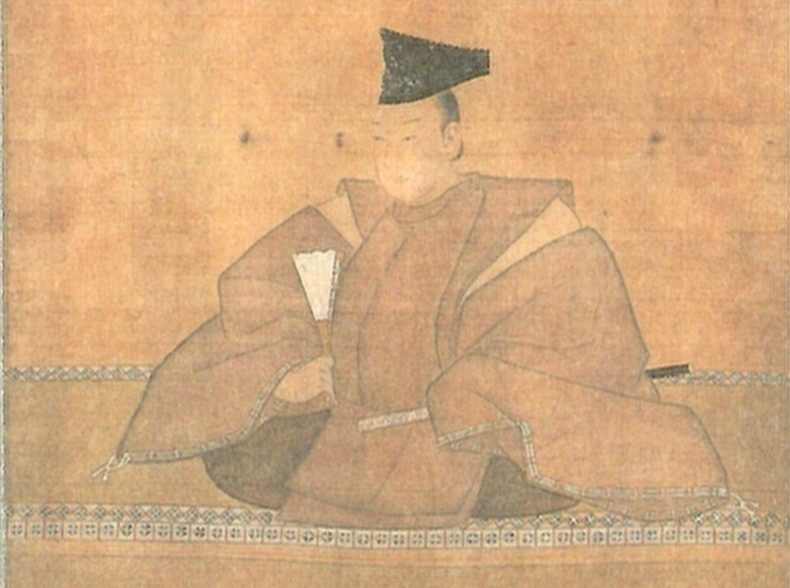
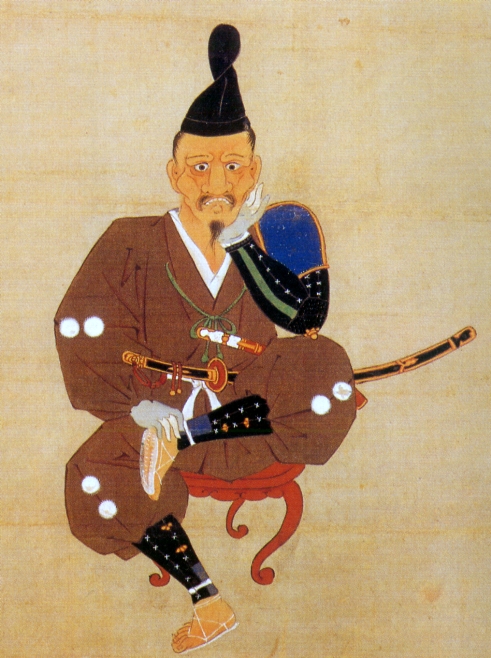
    A painting of Ieyasu supposedly made after the defeat at Mikatagahara. Traditional history suggests that Ieyasu commissioned the painting as a reminder of the defeat and a warning against future arrogance; however, this account doesn’t appear in any sources before the 20th century and is now generally believed to be apocryphal.

    Sources
    https://ja.wikipedia.org/wiki/%E5%BE%B3%E5%B7%9D%E5%AE%B6%E5%BA%B7
    https://ja.wikipedia.org/wiki/%E4%B8%89%E6%96%B9%E3%83%B6%E5%8E%9F%E3%81%AE%E6%88%A6%E3%81%84
    https://ja.wikipedia.org/wiki/%E4%BA%8C%E4%BF%A3%E5%9F%8E%E3%81%AE%E6%88%A6%E3%81%84
    https://ja.wikipedia.org/wiki/%E4%B8%80%E8%A8%80%E5%9D%82%E3%81%AE%E6%88%A6%E3%81%84
    https://ja.wikipedia.org/wiki/%E8%A5%BF%E4%B8%8A%E4%BD%9C%E6%88%A6
    https://ja.wikipedia.org/wiki/%E9%9D%92%E5%B4%A9%E5%B3%A0
    https://ja.wikipedia.org/wiki/%E9%87%91%E3%83%B6%E5%B4%8E%E3%81%AE%E6%88%A6%E3%81%84
    https://ja.wikipedia.org/wiki/%E5%A7%89%E5%B7%9D%E3%81%AE%E6%88%A6%E3%81%84
    https://ja.wikipedia.org/wiki/%E6%8E%9B%E5%B7%9D%E5%9F%8E
    https://ja.wikipedia.org/wiki/%E6%B5%9C%E6%9D%BE%E5%9F%8E
    https://news.yahoo.co.jp/expert/articles/c8236e8b4e534230da1d01117685da63b98d761a
    https://ja.wikipedia.org/wiki/%E5%B0%8F%E8%B1%86%E5%9D%82%E3%81%AE%E6%88%A6%E3%81%84_(1564%E5%B9%B4)
    https://ja.wikipedia.org/wiki/%E4%B8%89%E6%B2%B3%E4%B8%80%E5%90%91%E4%B8%80%E6%8F%86
    https://ja.wikipedia.org/wiki/%E5%B2%A1%E5%B4%8E%E5%9F%8E
    https://ja.wikipedia.org/wiki/%E6%9C%AC%E5%AE%97%E5%AF%BA