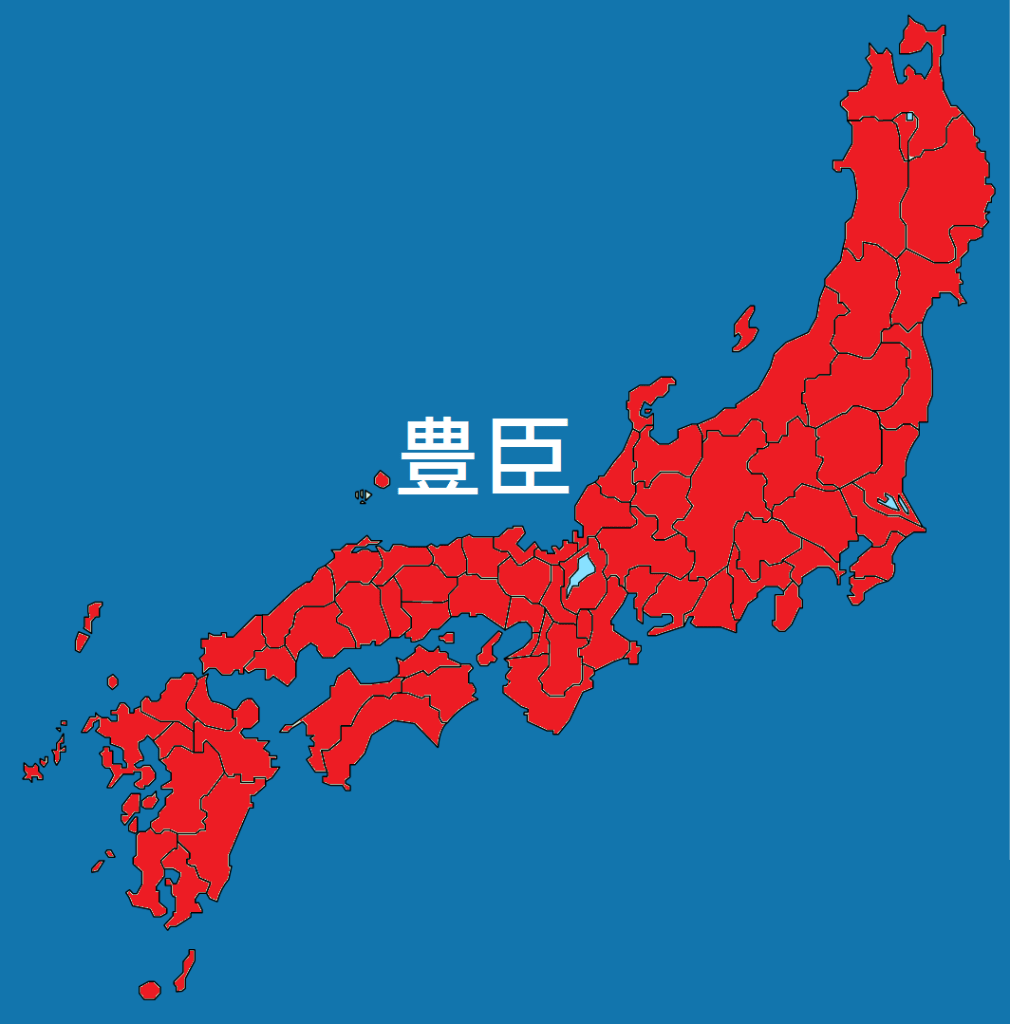
Tag: Unification of Japan

  • The Second Unifier – Toyotomi Hideyoshi. Part Three.

    The Second Unifier – Toyotomi Hideyoshi. Part Three.

    Hideyoshi’s victory over Nobunaga’s killer, Akechi Mitsuhide, left him in a strong, but far from unchallenged position. Though Hideyoshi was arguably the strongest of Nobunaga’s remaining supporters, his power was not so great that he could overcome the others on the battlefield.

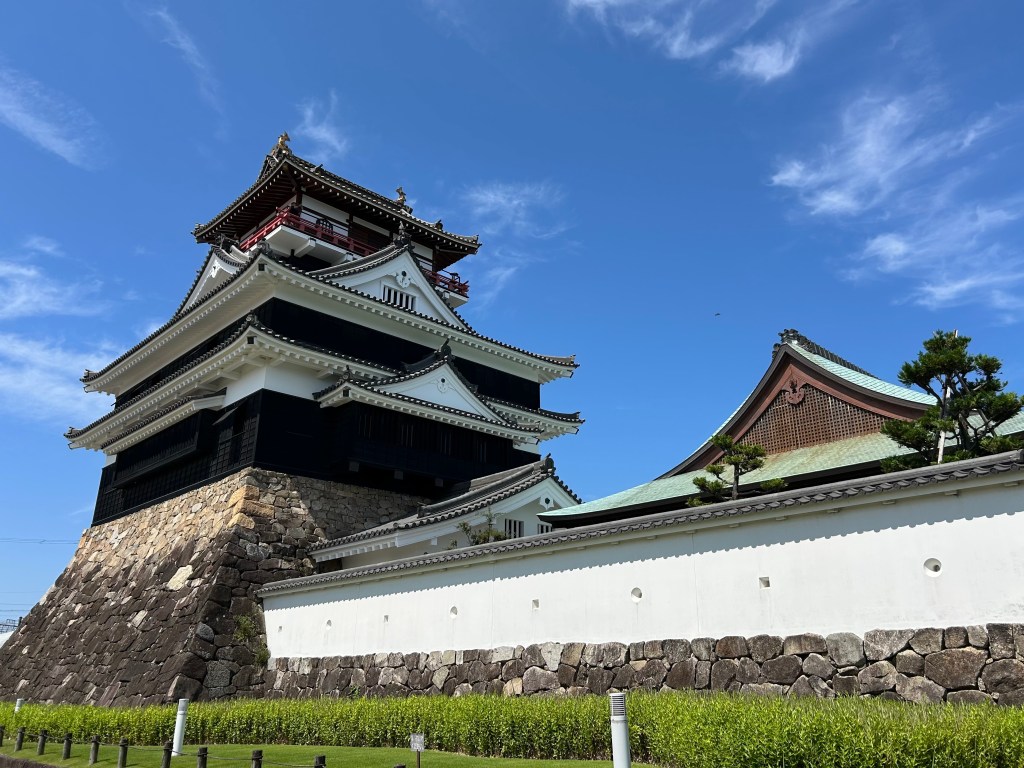
    Instead, a conference was called at Kiyosu Castle on July 16th, 1582. Historians still debate exactly what Nobunaga’s plans had been for his succession, given that his second son, and most obvious heir, Nobutada, had been amongst the dead at the Honnoji Incident. Two camps quickly emerged: Hideyoshi, supporting Nobutada’s son, Hidenobu, and Shibata Katsuie, who supported Nobunaga’s third surviving son, Nobutaka.
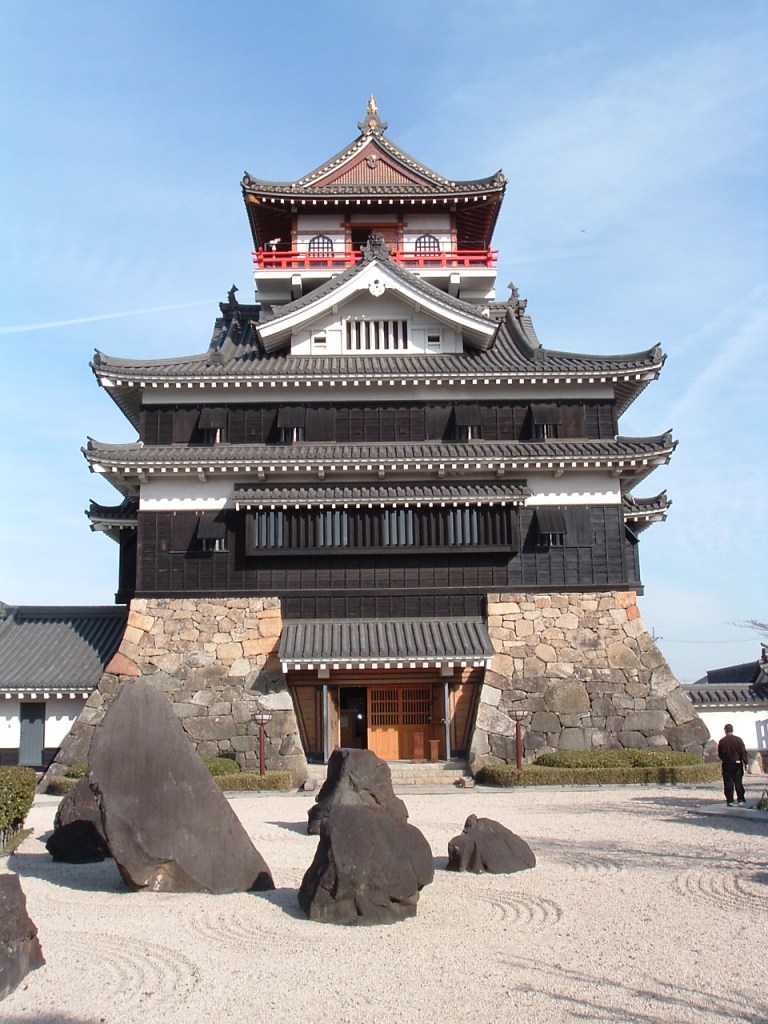
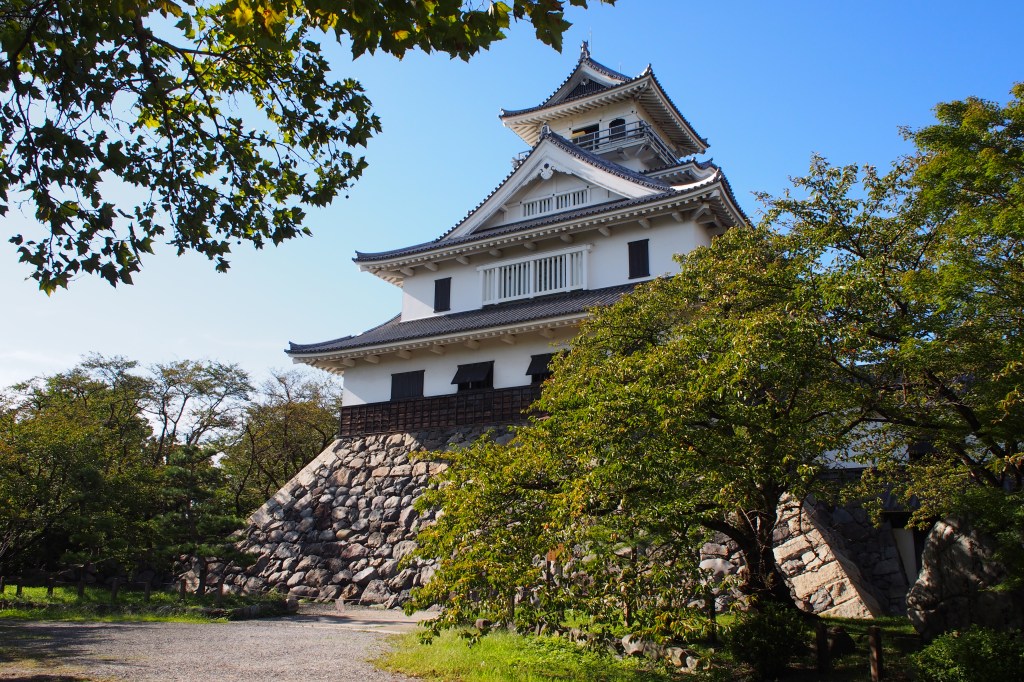
    The reconstructed Kiyosu Castle as it appears today.
    Oliver Mayer, CC 表示-継承 3.0, https://commons.wikimedia.org/w/index.php?curid=230610による

    The exact course of the meeting isn’t clear, but by the end of it, Hideyoshi’s faction was in the ascendancy, and Hidenobu, at just two years old, was declared Nobunaga’s heir, with Nobutaka officially acting as his guardian. There was an attempt to mollify Katsuie by having him marry Nobunaga’s sister, Oichi, a woman of impeccable rank, but the seeds of conflict had already been sown.

    In October 1582, Hideyoshi held Nobunaga’s formal funeral, and played a central, highly visible role in the ceremony, cementing his position as chief amongst Nobunaga’s retainers. Not long after this, Katsuie, supported by Nobutaka, issued letters of impeachment against Hideyoshi, who responded by demanding that Nobutaka, who had custody of the ‘heir’, Hidenobu, return him to Azuchi, as per the Kiyosu Agreement.
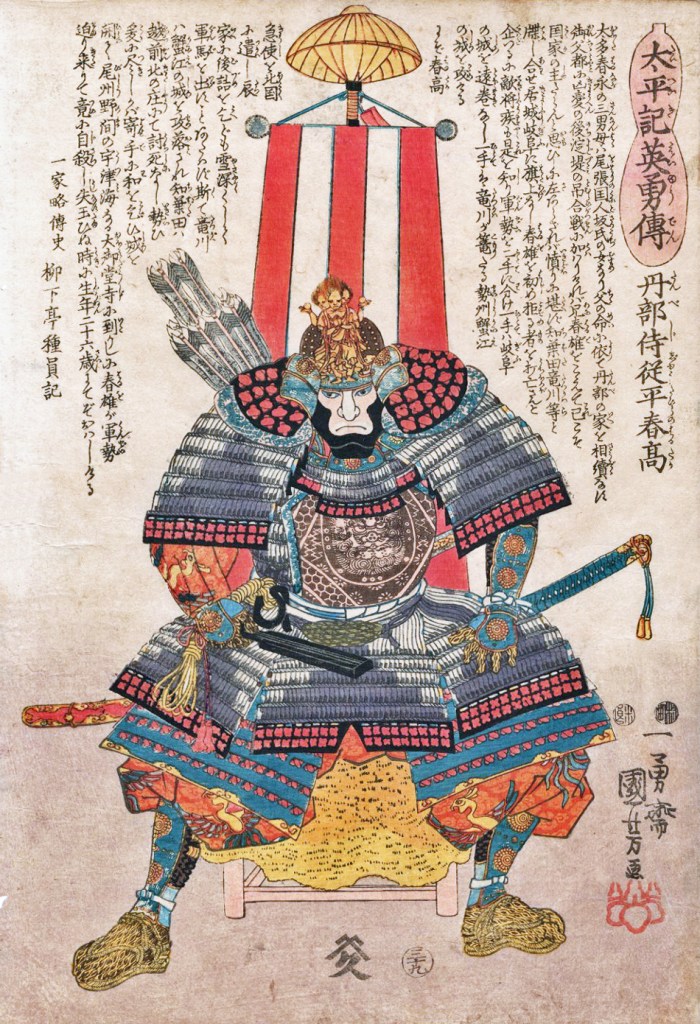
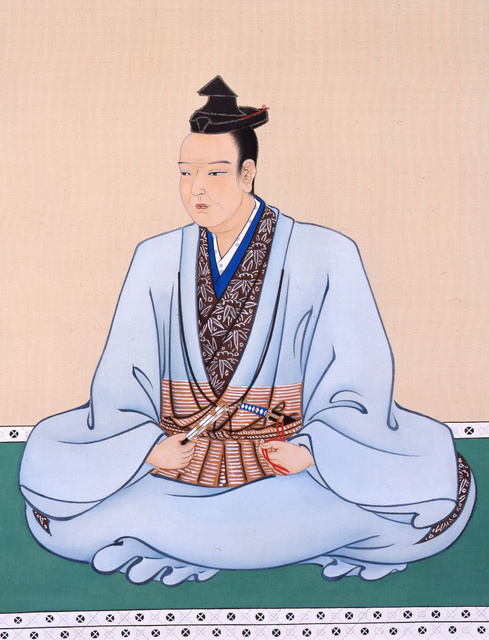
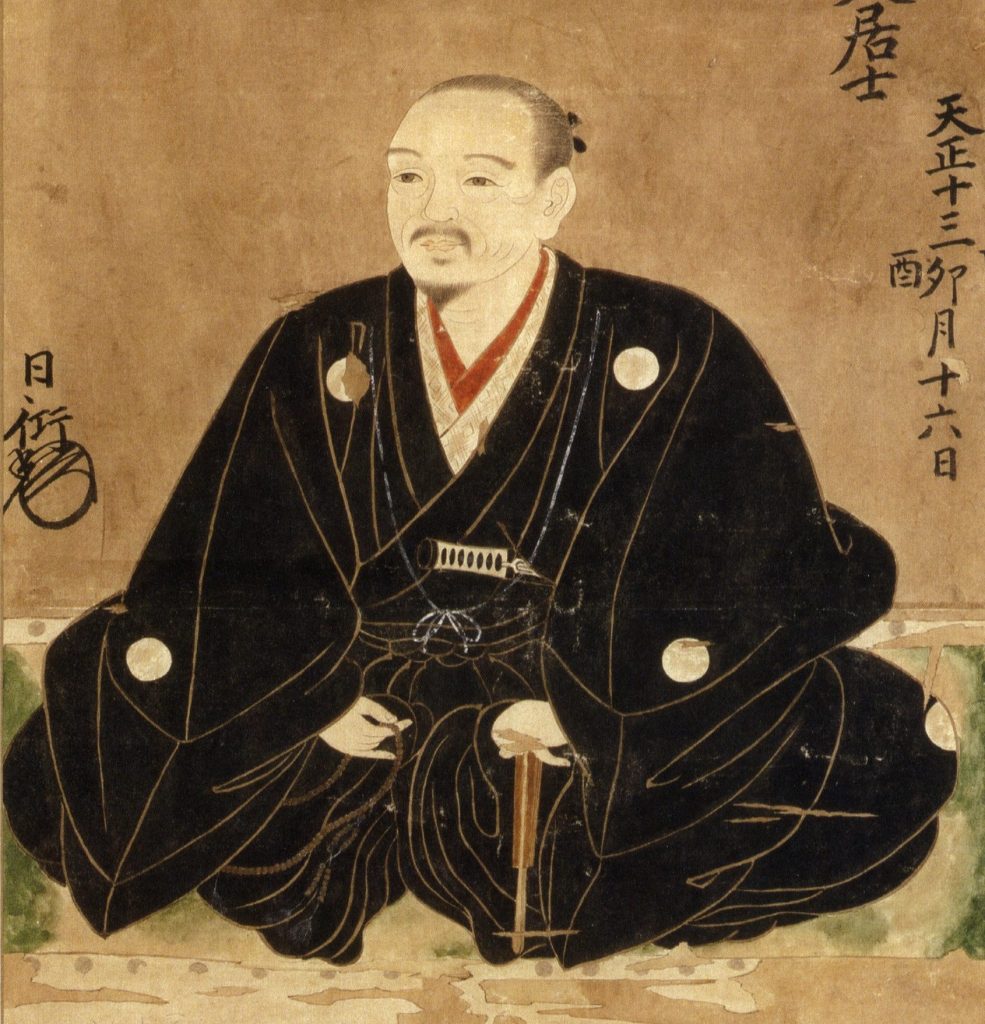
    Oda Nobutaka

    When Nobutaka refused, Hideyoshi used this as justification to renounce the agreement and raise an army against him. Katsuie, trapped in the north by snows and the ongoing war with the Uesugi, was unable to send help, and in a short, sharp campaign, Hideyoshi raised an army of some 50,000, forced Nobutaka to retreat, and eventually surrender, handing over Hidenobu and sending his mother and daughter as hostages to secure the peace.

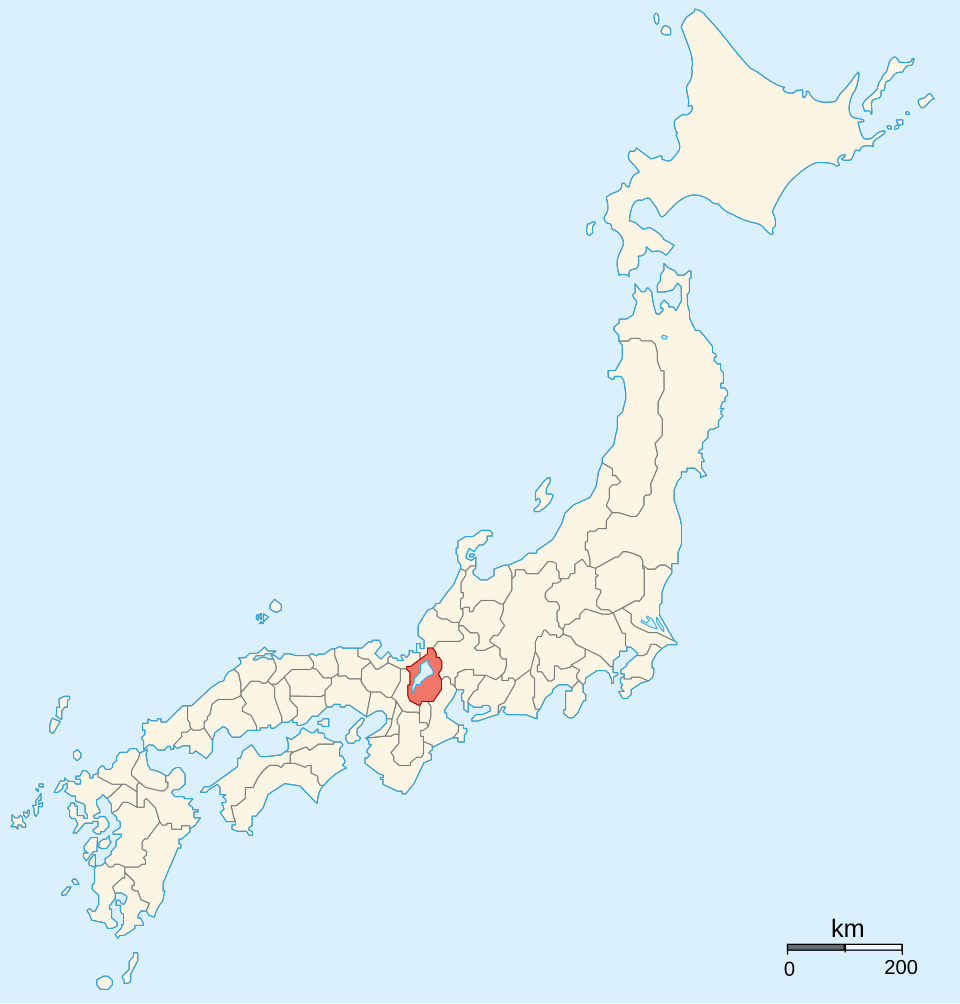
    This victory did not end the war, however, and shortly after the New Year, Takigawa Kazumasu (also known as Sakon) launched successful attacks in Ise Province. Hideyoshi responded with counterattacks against Kuwana and Nagashima Castles, but the attacks failed, and he was forced to withdraw, despite an overall advantage in numbers, leaving northern Ise Province (temporarily) in the hands of his enemies.
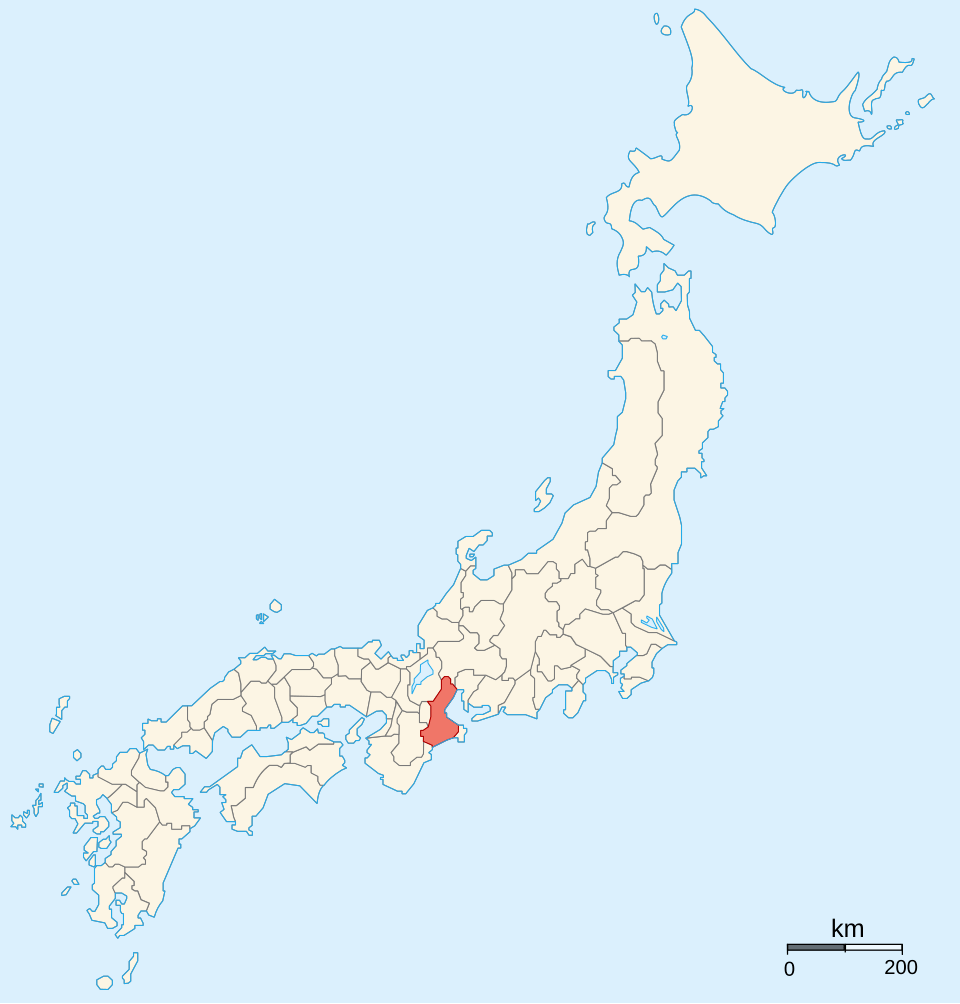
    Ise Province
    By Ash_Crow – Own work, based on Image:Provinces of Japan.svg, CC BY 2.5, https://commons.wikimedia.org/w/index.php?curid=1682471

    The situation got worse for Hideyoshi when Katsuie himself led an army of 30,000 into Omi Province, whilst Nobutaka raised another army at Gifu Castle. Katsuie also made contact with Mori Terumoto, hoping to secure his support in the battle to come. The Mori never outright refused, but instead adopted a ‘wait and see’ approach, as it was not immediately clear which side would win.

    Throughout spring and early summer, the two sides clashed in skirmishes in Ise, Mino, and Omi Provinces, and the momentum would swing back and forth for some time until a decisive engagement near the fortress at Shizugatake. Hideyoshi’s forces were aided by the timely arrival of reinforcements from across Lake Biwa, and the betrayal of Maeda Toshiie, one of Katsuie’s most important generals, who switched to Hideyoshi’s side, for reasons that are still debated.
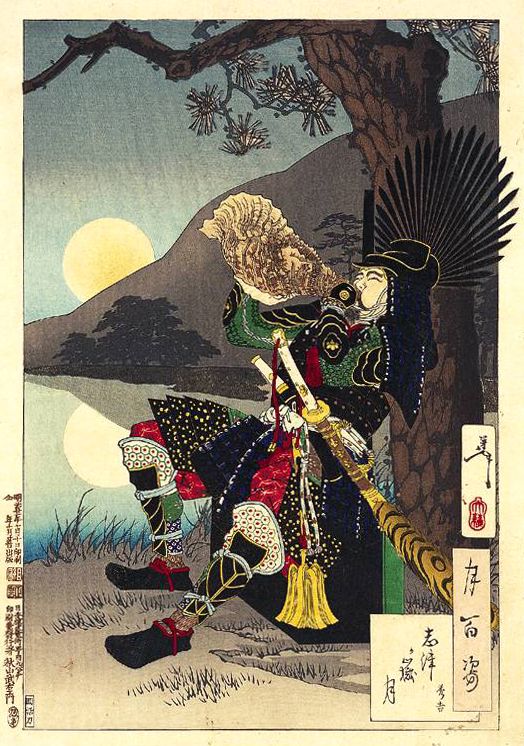
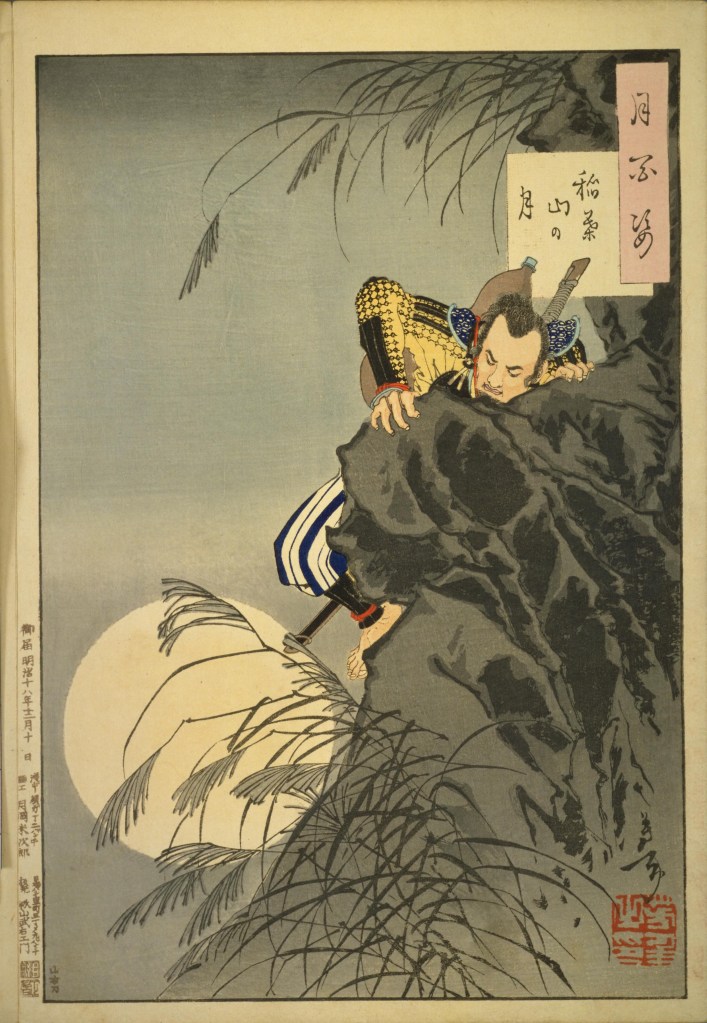
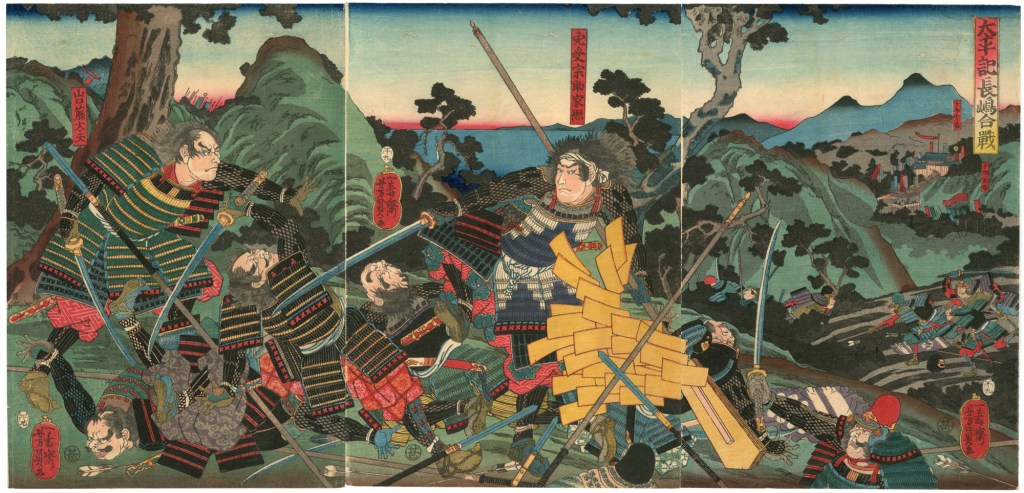
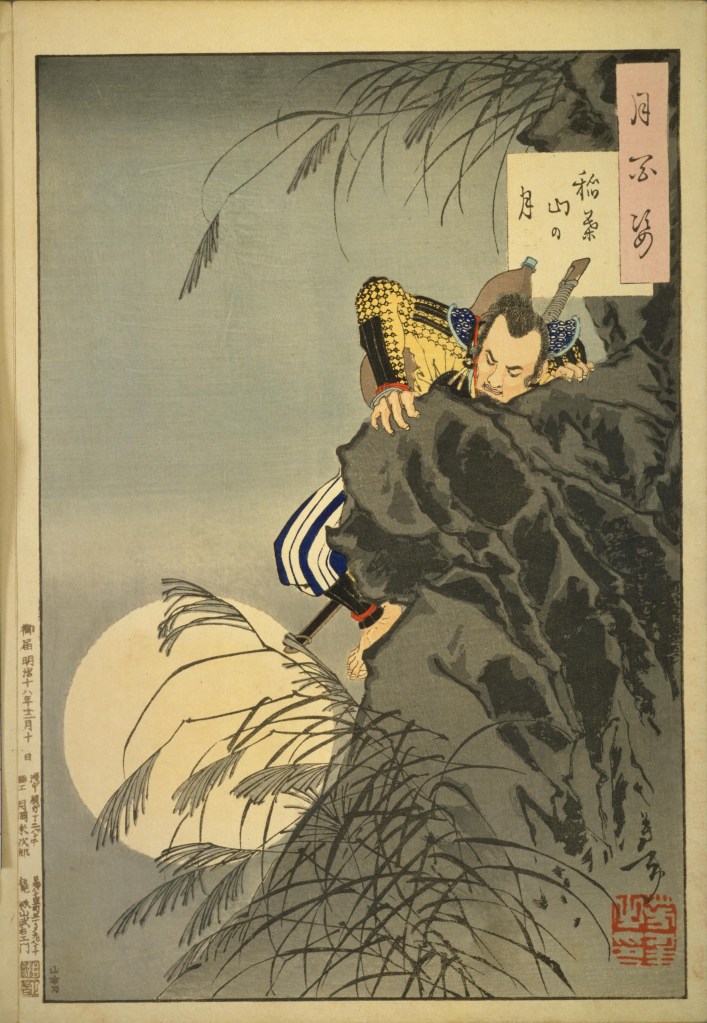
    A 19th-century depiction of Hideyoshi on the night before the Battle of Shizugatake.

    By all accounts, Katsuie and his army forced tenaciously, but with Toshiie’s betrayal, they were outflanked and outnumbered, and Katsuie was forced to retreat. He got as far as Kitanosho Castle, in modern Fukui, where Hideyoshi’s forces laid siege.

    The night before the final assault, Katsuie held a final banquet with his close family and retainers, whilst his wife, Oichi, made arrangements for her three daughters to be protected by Hideyoshi and avoid what was to come. Despite pleas to save herself, Oichi refused to leave her husband’s side.
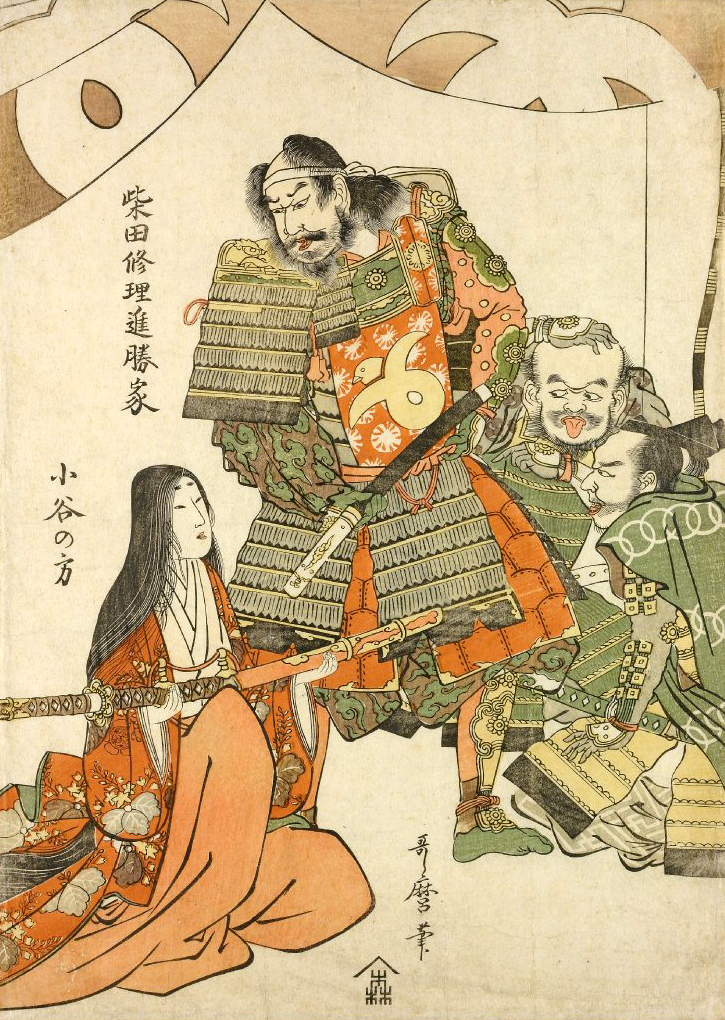
    A later depiction of Shibata Katsuie preparing for battle, with Oichi beside him.

    The attack started at dawn, and despite stiff resistance, by midday, the battle was clearly lost, and Katsuie retreated to the main castle, where he and 80 members of his family, including Oichi, killed themselves. Calling it ‘suicide’ is perhaps a bit generous, as the records suggest that a large number of the dead were children. When it was over, Katsuie’s forces ignited a store of gunpowder, blowing the tower apart and bringing a spectacular end to the Shibata Line.

    “Katsuie, a martial artist, fought seven times but was unable to defend himself. He climbed to the ninth floor, the highest level of the main tower, and addressed the entire group, loudly proclaiming, “Watch Shuri’s hara-kiri and learn from it.” The samurai, with their hearts in tears, wet their armor sleeves. As everyone fell silent, Katsuie stabbed his wife, children, and others to death, then committed seppuku with 80 others. It was the hour of the tiger (5:00 PM).”

    Hideyoshi’s letter to Kobayakawa Takakage dated May 15, 1583,

    Just a side note, the actual record of Katsuie’s suicide is pretty harrowing stuff, and it’s always difficult to read about the death of women and children who weren’t guilty of anything other than being related to the losers. This kind of thing was expected, though; even children weren’t generally shown mercy, and though there are notable examples (Oichi’s daughters, for instance), if a child was caught in a siege, they generally died in the same manner as their parents.

    With Katsuie crushed, Hideyoshi was able to extend his direct control over the northern provinces of Koto, Noto, and Echizen, and when Nobutaka committed seppuku, and Kazumasu surrendered, Hideyoshi had established himself as the most powerful man in the realm and while Hidenobu (still just an infant) remained as the nominal ‘heir’ there was no no doubt that Hideyoshi was in charge.
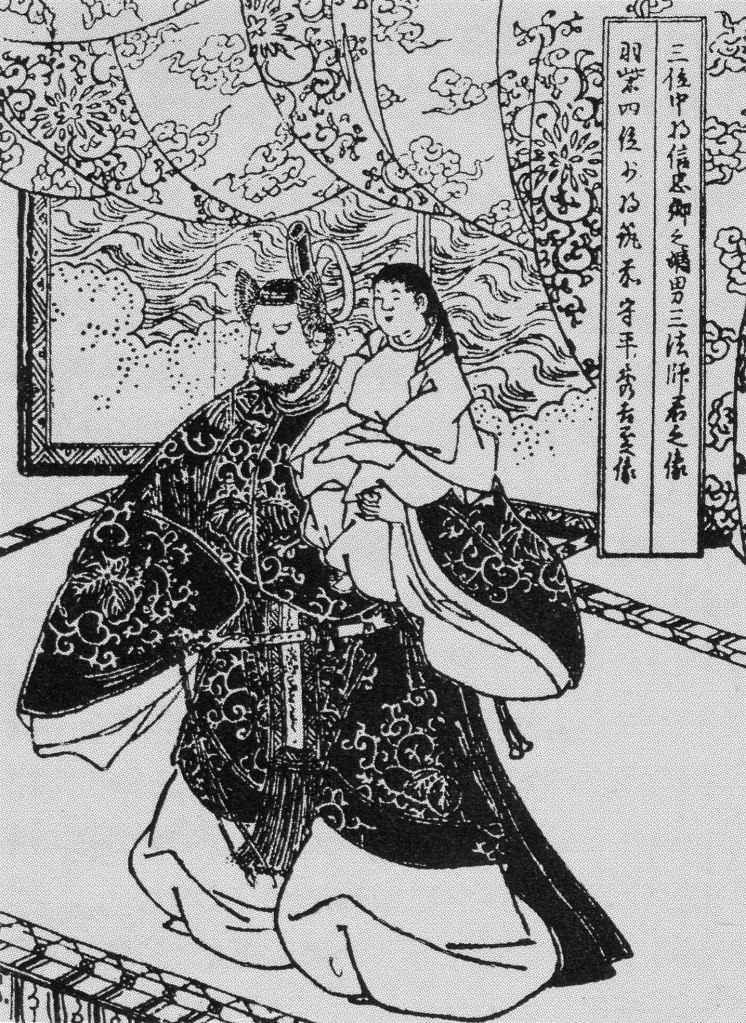
    An image of Hideyoshi carrying Hidenobu at the time of the Kiyosu Conference.

    In 1583, construction began on Osaka Castle, built on the former site of the Ishiyama Hongan-ji Temple complex. It would eventually become Hideyoshi’s base and was widely considered one of Japan’s finest castles. Meanwhile, in the Kanto, a marriage alliance between the Tokugawa and Hojo presented a clear threat to Hideyoshi’s power.

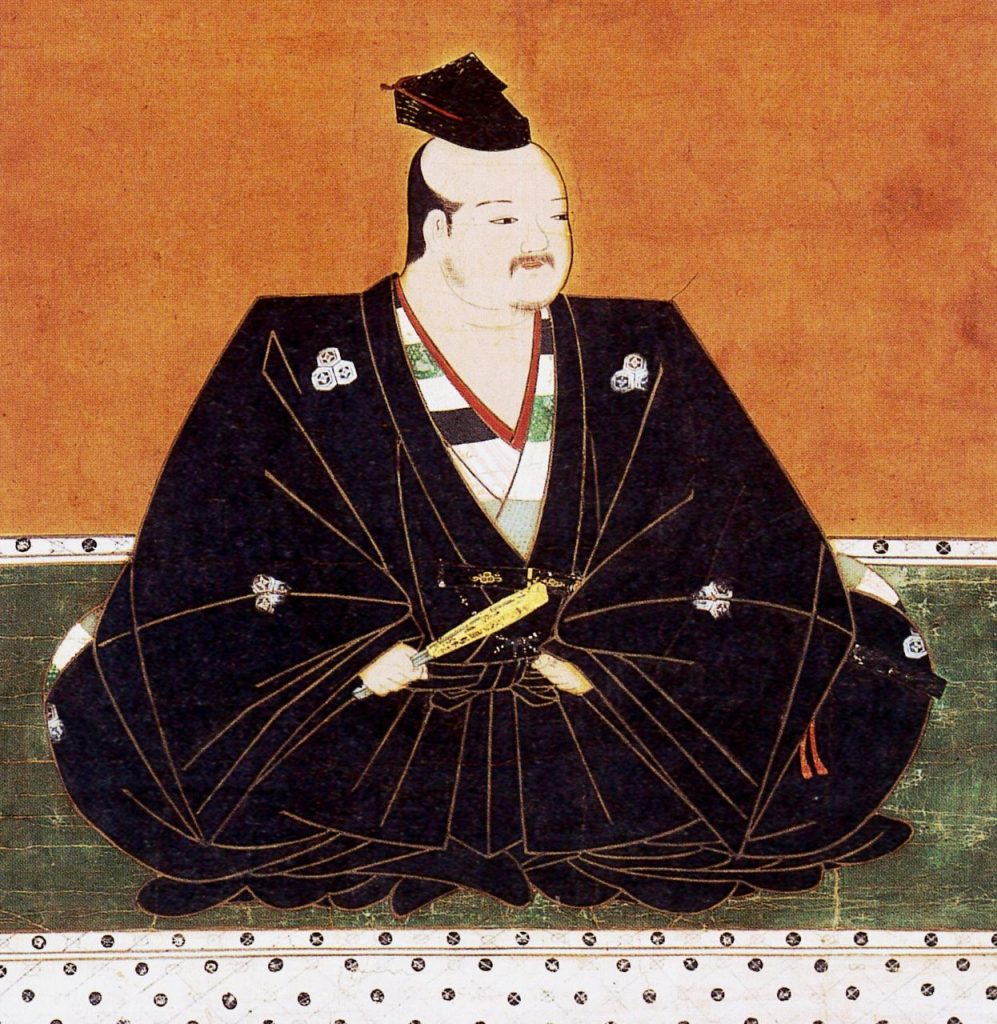
    In early 1584, Oda Nobukatsu, another son of Nobunaga, rebelled against Hideyoshi, quickly gaining the support of Tokugawa Ieyasu and Chosokabe Motochika, who raised armies of their own in opposition to Hideyoshi. Despite a huge advantage in manpower (some sources say 3-to-1), Hideyoshi struggled to achieve a decisive victory.

    Tokugawa Ieyasu

    Some initial success in Ise Province was followed by a defeat at the Battle of Haguro Castle, after which Hideyoshi, who had been waiting at Osaka Castle, took the field himself, meeting Ieyasu near Komaki (near the modern city of the same name). Again, despite a significant manpower imbalance, Ieyasu’s strong position meant that Hideyoshi was unable to force a decisive engagement, and both sides focused on reinforcing castles and constructing new earthworks in anticipation of the fight to come.

    The campaign that followed is often called the Battle of Komaki and Nagakute, after its two most decisive engagements, but there were actually a series of sieges, counterattacks, and skirmishes over the summer and early autumn of 1584. The fighting would result in a tactical victory for the Tokugawa, as they would arguably have the best of the fighting. On the other hand, the strategic situation favoured Hideyoshi, and he would ultimately be able to secure control over his new territory and the power that went along with it.
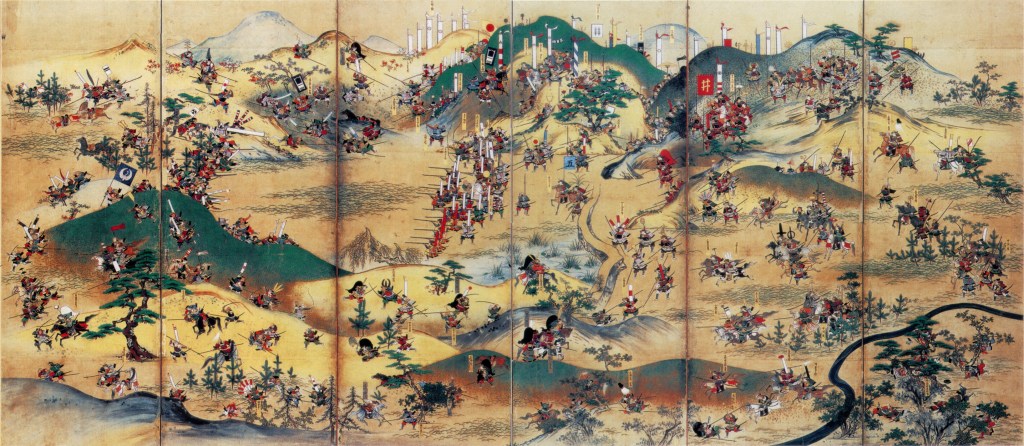
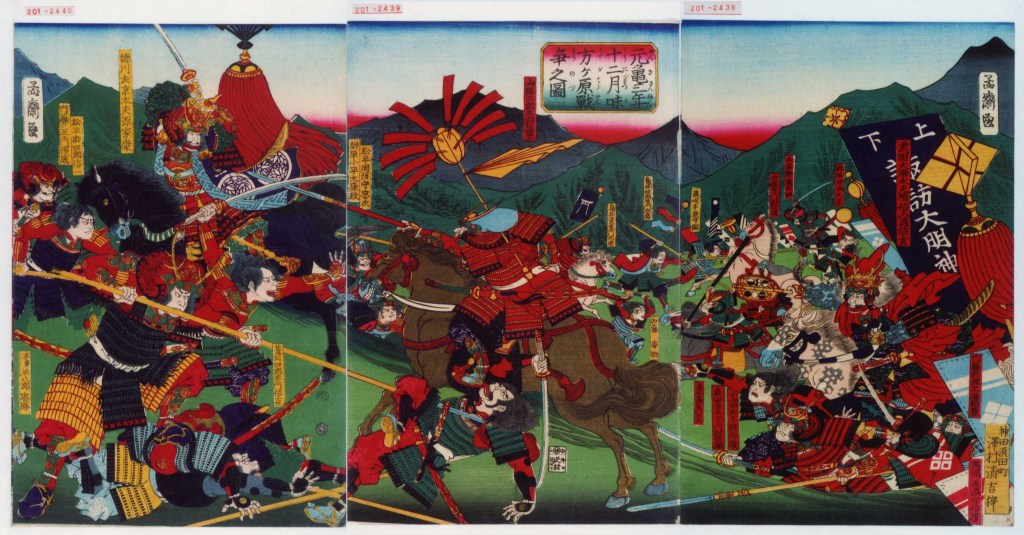
    An 18th-Century depiction of the Battle of Komaki and Nagakute.

    In the end, both sides had bigger problems. Ieyasu’s domains were under severe economic strain from the war, and a series of floods, combined with the burden of having a large number of peasants away at war, drained his treasury and threatened famine (this was before a serious earthquake in 1586 compounded his problems).

    For his part, Hideyoshi’s position was not as strong as it appeared. Though he had the advantage in men, he also had powerful enemies elsewhere, enemies that were arguably more pressing problems than Ieyasu, who had proven he could hold Hideyoshi off, but not that he could mount a serious attack of his own.
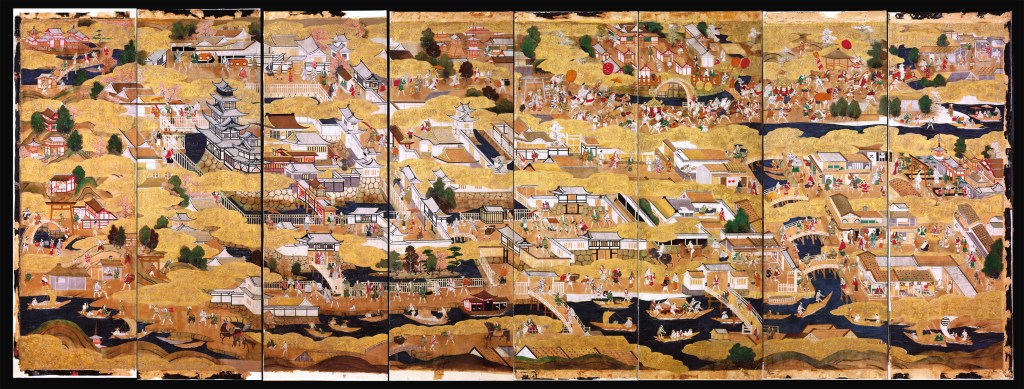
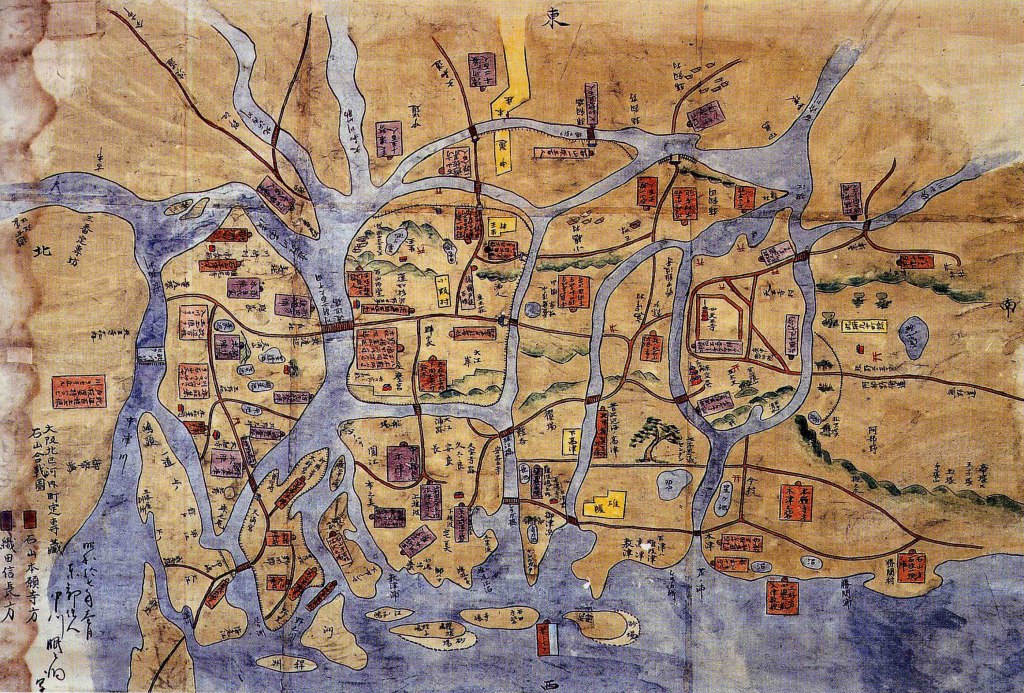
    Osaka as it appeared around 1650. The city would become Hideyoshi’s base, centred at the castle, which appears in the second screen from the left.

    Despite his inability to defeat Ieyasu, by the dawn of 1585, Hideyoshi was effectively the ruler of Japan, already on the verge of surpassing his nominal masters (the Oda), and about to launch the campaigns that would finally bring an end to the centuries of bloodshed.

    Sources
    https://ja.wikipedia.org/wiki/%E8%B1%8A%E8%87%A3%E7%A7%80%E5%90%89
    https://ja.wikipedia.org/wiki/%E5%B0%8F%E7%89%A7%E3%83%BB%E9%95%B7%E4%B9%85%E6%89%8B%E3%81%AE%E6%88%A6%E3%81%84
    https://ja.wikipedia.org/wiki/%E5%B2%A9%E5%B4%8E%E5%9F%8E%E3%81%AE%E6%88%A6%E3%81%84
    https://ja.wikipedia.org/wiki/%E5%B0%8F%E7%89%A7%E5%B1%B1
    https://ja.wikipedia.org/wiki/%E5%A4%A7%E5%9D%82%E5%9F%8E
    https://ja.wikipedia.org/wiki/%E8%B3%A4%E3%83%B6%E5%B2%B3%E3%81%AE%E6%88%A6%E3%81%84
    https://ja.wikipedia.org/wiki/%E5%8C%97%E3%83%8E%E5%BA%84%E5%9F%8E%E3%81%AE%E6%88%A6%E3%81%84
    https://ja.wikipedia.org/wiki/%E6%B5%85%E4%BA%95%E4%B8%89%E5%A7%89%E5%A6%B9
    https://en.wikipedia.org/wiki/Kitanosho_Castle
    https://ja.wikipedia.org/wiki/%E5%89%8D%E7%94%B0%E5%88%A9%E5%AE%B6#%E4%BA%BA%E7%89%A9%E3%83%BB%E9%80%B8%E8%A9%B1
    https://ja.wikipedia.org/wiki/%E6%A1%91%E5%90%8D%E5%9F%8E
    https://ja.wikipedia.org/wiki/%E6%B8%85%E6%B4%B2%E4%BC%9A%E8%AD%B0
    https://ja.wikipedia.org/wiki/%E5%A4%A7%E5%BE%B3%E5%AF%BA
    https://ja.wikipedia.org/wiki/%E7%B9%94%E7%94%B0%E4%BF%A1%E5%AD%9D
    https://ja.wikipedia.org/wiki/%E7%B9%94%E7%94%B0%E7%A7%80%E4%BF%A1
    https://ja.wikipedia.org/wiki/%E7%B9%94%E7%94%B0%E7%A7%80%E4%BF%A1
    https://ja.wikipedia.org/wiki/%E6%9F%B4%E7%94%B0%E5%8B%9D%E5%AE%B6
  • The Second Unifier – Toyotomi Hideyoshi. Part Two.

    The Second Unifier – Toyotomi Hideyoshi. Part Two.

    In 1577, a dispute between Toyotomi Hideyoshi and Shibata Katsuie led to Hideyoshi taking his army home, and leaving Katsuie to battle the mighty Uesugi Kenshin alone, a battle he lost. In the aftermath, Hideyoshi had every reason to fear the wrath of his master, Oda Nobunaga, and he was arguably lucky to keep his head, let alone his position.

    A 19th-century depiction of Hideyoshi in Nobunaga’s service.

    Nobunaga was well known for his ferocity, but he recognised capable subordinates. Hideyoshi had been reckless, but he had also earned a reputation as a good administrator and leader of men, and it wasn’t long before he was back in the Great Lord’s good books. In late 1577, he was dispatched west to contend with the powerful Mori Clan and by the end of the year, he was in control of Harima Province and advancing into neighbouring Tajima.

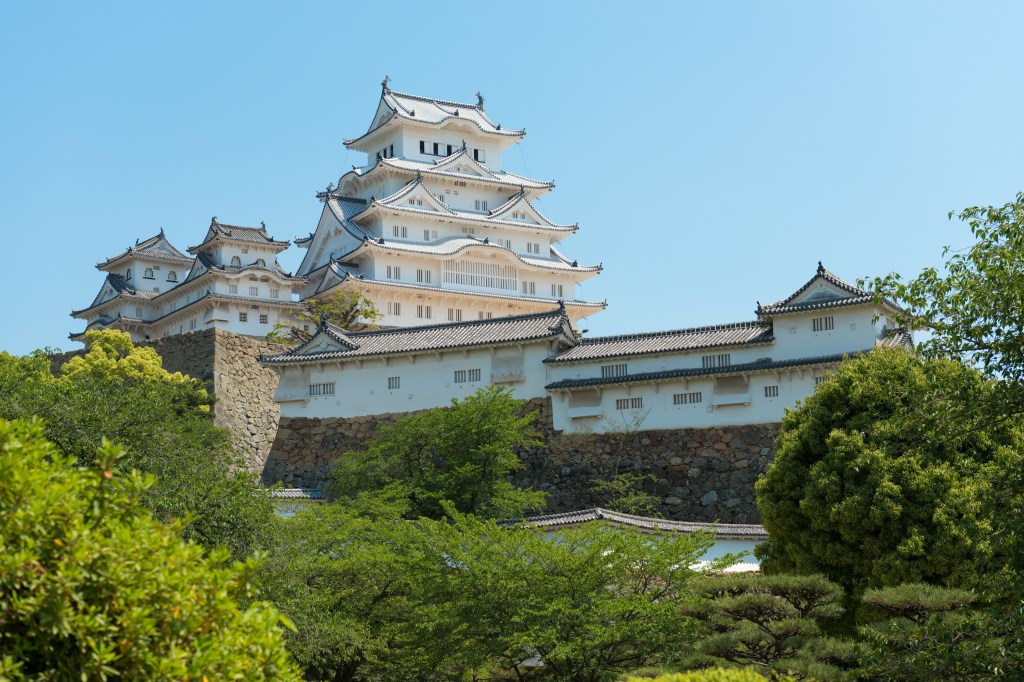
    During this period, Hideyoshi made the famous Himeji Castle his base and used it as a springboard for a series of successful campaigns against the Mori over the next few years. By late 1578, he had subjugated (either through conquest or submission) Bizen and Mimasaka Provinces, in addition to his earlier conquests, and he was poised to advance further when the Araki Clan, based at Arioka Castle, rebelled, obliging him to redeploy his forces to put them down.

    Himeji Castle as it appears today (after renovations in 2015)
    Niko Kitsakis – 投稿者自身による著作物, CC 表示-継承 4.0, https://commons.wikimedia.org/w/index.php?curid=40135622による

    Able to resume his advance in 1580, Hideyoshi secured Tajima Province, bringing the once-mighty Yamana Clan under his control and incorporating many of their former vassals and members of the clan itself into the new administration, a policy widely praised as the reason that Tajima was swiftly pacified.

    By 1581, he had advanced into Bitchu Province and secured Awaji Island for his master, utilising slow but effective siege tactics, starving his enemies into submission, a time-consuming but strength-preserving strategy. One disadvantage, though, was that it meant you were easy to find should your enemy have sufficient strength elsewhere.

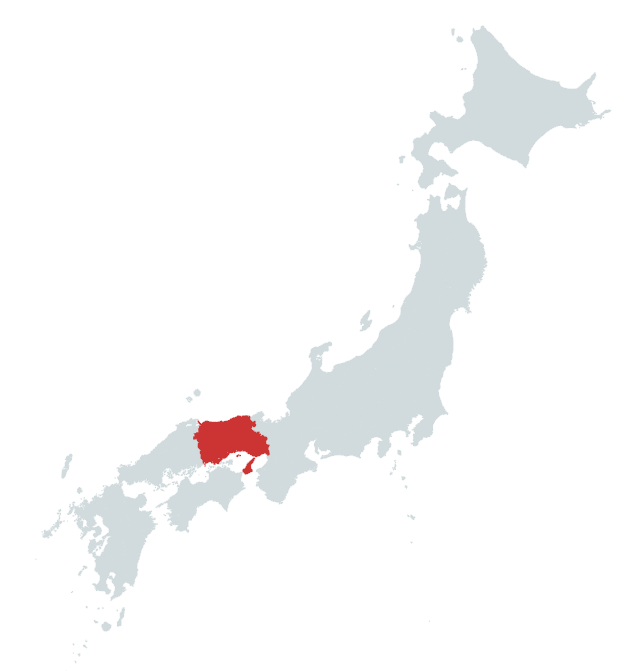
    The area that Hideyoshi either conquered or was fighting in during this period.

    In Spring 1582, Hideyoshi led an army of some 30,000 to besiege the mighty fortress at Takamatsu. Strategically vital for control of Bitchu Province, the castle was defended by 3,000 Mori warriors, who quickly called for aid. Mori Terumoto responded and began mustering an army that would eventually number over 50,000. Hideyoshi now faced a problem: already outnumbered, if he tried to take the formidable fortress by storm, he’d deplete his forces further. On the other hand, trying to starve the garrison, who knew help was on the way, would take too long and risk trapping his army between the walls of the fortress and the vengeful spears of the Mori.

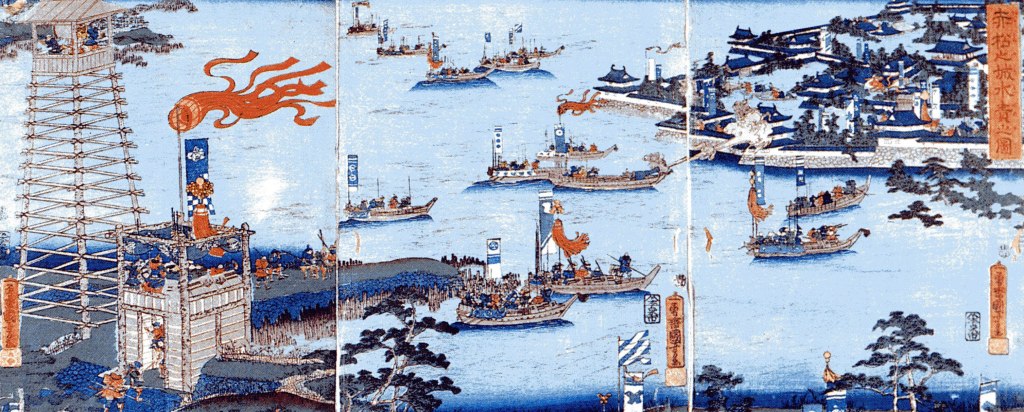
    Hideyoshi responded in a typically inventive fashion. Unable to take the castle by storm, he ordered a levee built and the nearby river dammed, diverting water into Takamatsu itself, flooding the castle to such an extent that the garrison’s food supplies were almost completely ruined and they were reduced to communicating by boat.

    A later depiction of the Siege of Takamatsu Castle. The tower to the left is Hideyoshi’s observation post, and you can see the castle itself flooded in the background.

    Despite this, the castle still held out, and when news arrived that Terumoto was on the march, Hideyoshi sent a message to Azuchi, requesting immediate reinforcement from Nobunaga. Sensing an opportunity to catch the powerful Mori clan in open battle, where they could be destroyed, Nobunaga quickly dispatched Akechi Mitsuhide to reinforce Hideyoshi, while he went to Kyoto to make arrangements for a larger force that would be sent to finish the job.

    As we already know, Mitsuhide never arrived; instead, he turned his forces around and attacked Nobunaga at his base at Honnoji, killing him and his heir. Hideyoshi was well placed to respond to this betrayal, and he swiftly concluded a peace treaty with the Mori (who were apparently initially unaware of Nobunaga’s death). Some have speculated that his rapid reaction is evidence of his involvement, or at least foreknowledge of the plot, though there’s nothing concrete to suggest that he was anything other than in the right place at the right time.

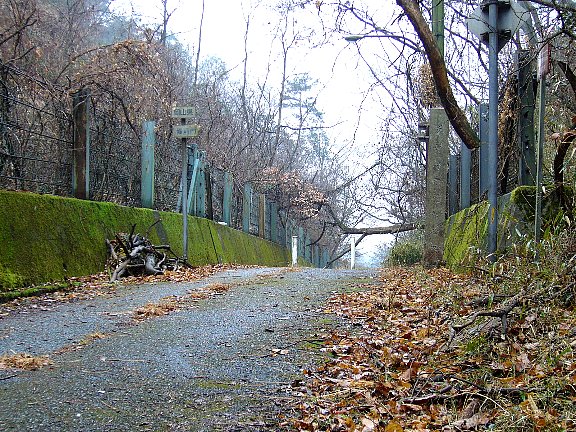
    Funasaka Pass as it appears today. This was one of the narrow routes that Hideyoshi’s army had to contend with during their remarkable march back towards Kyoto.
    Bakkai – 投稿者自身による著作物, CC 表示 3.0, https://commons.wikimedia.org/w/index.php?curid=92337495による

    More to the point, Hideyoshi was far from the only player on the board. Hideyoshi’s former rival, Shibata Katsuie, was to the north, with an army facing the Uesugi, while in the Kanto, Takigawa Kazumasu (sometimes called Sakon) had a large army intended to monitor the Hojo. Nobunaga’s son and heir had been killed during the Honno-ji Incident, but his third son, Nobukatsu, had gathered a force at Sakai (modern Osaka) to conquer Shikoku.

    Any one of these forces could have been the one to avenge Nobunaga’s death and put an abrupt end to Akechi Mitsuhide’s ambitions. Even Tokugawa Ieyasu was a potential avenger, making his famed escape from mortal danger with the (supposed) help of the famous Ninja of Iga. Ieyasu would return to his home in Mikawa and gather his forces, but events would move quickly, and though all parties moved against Mitsuhide, it was Hideyoshi who struck first.

    Tokugawa Ieyasu as he appeared in later life. He was close to Kyoto during the Honnoji Incident and was forced to make a dramatic escape back to Mikawa. Hideyoshi would prove to be faster, but Ieyasu’s time would come.

    In the days following the Honnoji Incident, Mitsuhide moved to consolidate his position. Unfortunately for him, he faced harsh military and political opposition. On the one hand, Nobunaga’s body had not been recovered from the flames, and rumours abounded that he was still alive. Even among those who may have believed Nobunaga was dead, Mitsuhide commanded little respect. He was a traitor, after all, and surrounded by enemies who wished to avenge Nobunaga and take power for themselves.

    Militarily, Mitsuhide was too weak to assert effective control over much territory. He had between 13,000 and 15,000 men, but was obliged to capture and garrison several important castles, whittling his already limited forces down still further. Then there was the speed at which Hideyoshi moved. Mitushide arguably did what he could, and with the limited communications and transportation available at the time, it’s hard to see how he could have moved faster, but Hideyoshi was faster still, and on July 2nd, 1582, just 12 days after Honnoji, the two sides clashed at the Battle of Yamazaki, to the south-east of Kyoto.

    Akechi Mitsuhide. Historians debate why he decided to betray Nobunaga, but within two weeks of the incident, he’d be dead.

    The numbers vary by source, but Hideyoshi is said to have had between 20 and 40,000 men, while Mitsuihides had 10 to 16,000. Despite the long odds, Mitsuhide’s army was well-positioned, and the ground around Yamazaki was boggy, limiting movement and reducing Hideyoshi’s advantage in numbers.

    Mitsuhide probably understood that a defensive victory against difficult odds would have greatly enhanced his prestige, and for most of the day, Hideyoshi’s army took heavy losses in vicious frontal assaults. Around 4pm, however, reinforcements arrived for Hideyoshi, outflanking Mitsuhide’s position, and causing his army to fall back. As the battle moved to higher and drier ground, Mitsuhide’s force was gradually surrounded and forced back.

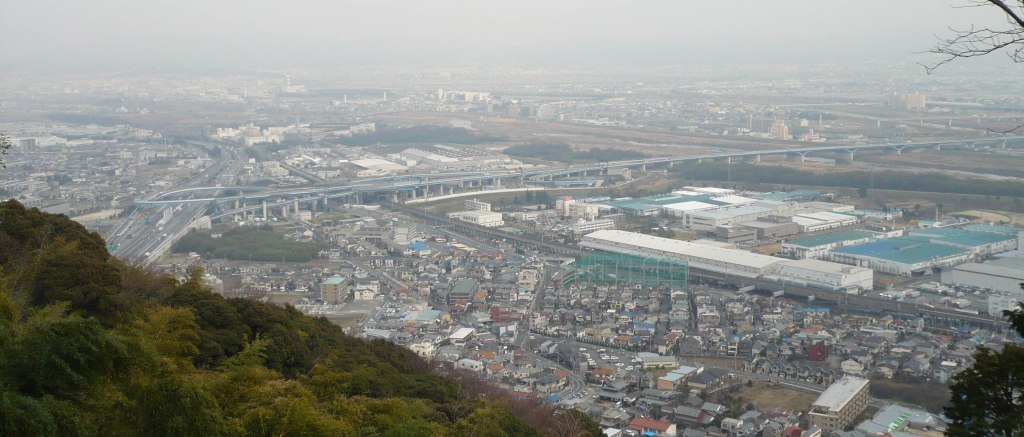
    The battlefield of Yamazaki as it appears today. Historians believe the heaviest fighting took place around the bypass that can be seen in the centre.

    Later sources suggest that the casualties were about the same (around 3,000 each), but under attack from three sides, the morale of Mitushide’s army broke first, and by sunset, their retreat became a rout. When the battle was over, it is said that Mitsuhide had just 700 men remaining. His exact fate isn’t clear; some say he was wounded and committed seppuku, while others suggest he was killed by vengeful peasants or bandits. Either way, his head was brought to Hideyoshi the day after the battle, and then displayed at Honnoji, a powerful statement confirming Hideyoshi as Nobunaga’s ‘avenger’ and giving an enormous boost to his credibility.

    Hideyoshi would spend a few weeks stamping out the last embers of Mitushide’s rebellion, but despite his military successes, he was not unchallenged as Nobunaga’s successor. The other players, who had all been poised to strike, still remained in the field, and each had their own ambition to rule, either directly or through one of Nobunaga’s other sons.

    This would result in the Kiyosu Conference, but we’ll cover that and its consequences next time.

    Sources
    https://ja.wikipedia.org/wiki/%E8%B1%8A%E8%87%A3%E7%A7%80%E5%90%89
    https://ja.wikipedia.org/wiki/%E5%B1%B1%E5%B4%8E%E3%81%AE%E6%88%A6%E3%81%84
    https://ja.wikipedia.org/wiki/%E6%9C%AC%E8%83%BD%E5%AF%BA%E3%81%AE%E5%A4%89
    https://ja.wikipedia.org/wiki/%E4%B8%AD%E5%9B%BD%E5%A4%A7%E8%BF%94%E3%81%97
    https://ja.wikipedia.org/wiki/%E5%B1%B1%E5%90%8D%E5%A0%AF%E7%86%99
    https://ja.wikipedia.org/wiki/%E4%B8%89%E6%9C%A8%E5%90%88%E6%88%A6
    https://ja.wikipedia.org/wiki/%E6%9C%89%E5%B2%A1%E5%9F%8E%E3%81%AE%E6%88%A6%E3%81%84
    https://ja.wikipedia.org/wiki/%E5%A7%AB%E8%B7%AF%E5%9F%8E
    https://ja.wikipedia.org/wiki/%E5%82%99%E4%B8%AD%E9%AB%98%E6%9D%BE%E5%9F%8E%E3%81%AE%E6%88%A6%E3%81%84
    https://ja.wikipedia.org/wiki/%E9%AB%98%E6%9D%BE%E5%9F%8E_(%E5%82%99%E4%B8%AD%E5%9B%BD)

  • The Second Unifier – Toyotomi Hideyoshi. Part One.

    The Second Unifier – Toyotomi Hideyoshi. Part One.

    If the bird will not sing, make it sing.

    Oda Nobunaga’s death in June 1582 left a power vacuum that was ultimately filled by Toyotomi Hideyoshi (then using the family name Hashiba). Hideyoshi’s tale is remarkable even by the standards of the time: from peasant footsoldier to master of the realm, he epitomised the danger and opportunity of the Sengoku Jidai and would be the man most responsible for bringing it to an end.

    Hideyoshi’s origins are suitably mysterious and have been subject to a fair bit of speculation and mythologising, mostly by the man himself. After his rise to power, he is supposed to have spread the rumour that he was a secret bastard of the Emperor, stating that his mother had been a maid in the Imperial Palace and had “grown close to the Emperor’s Body”, which is quite the thing to say about your own mother.

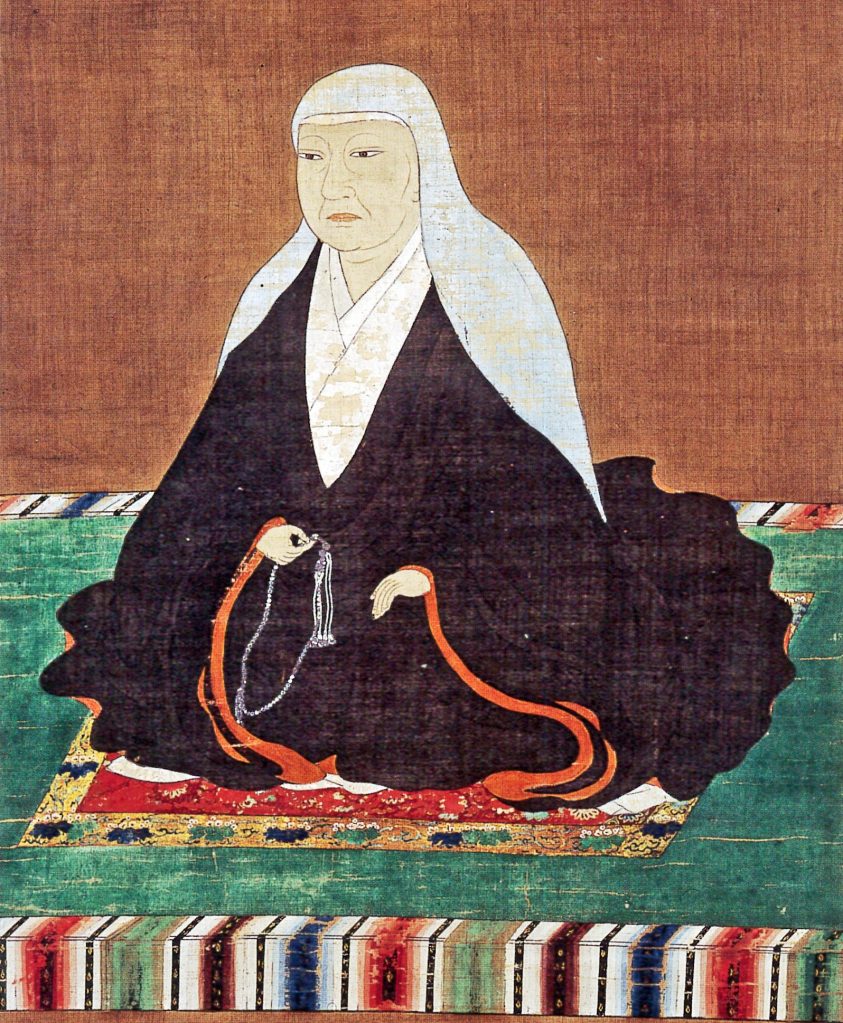
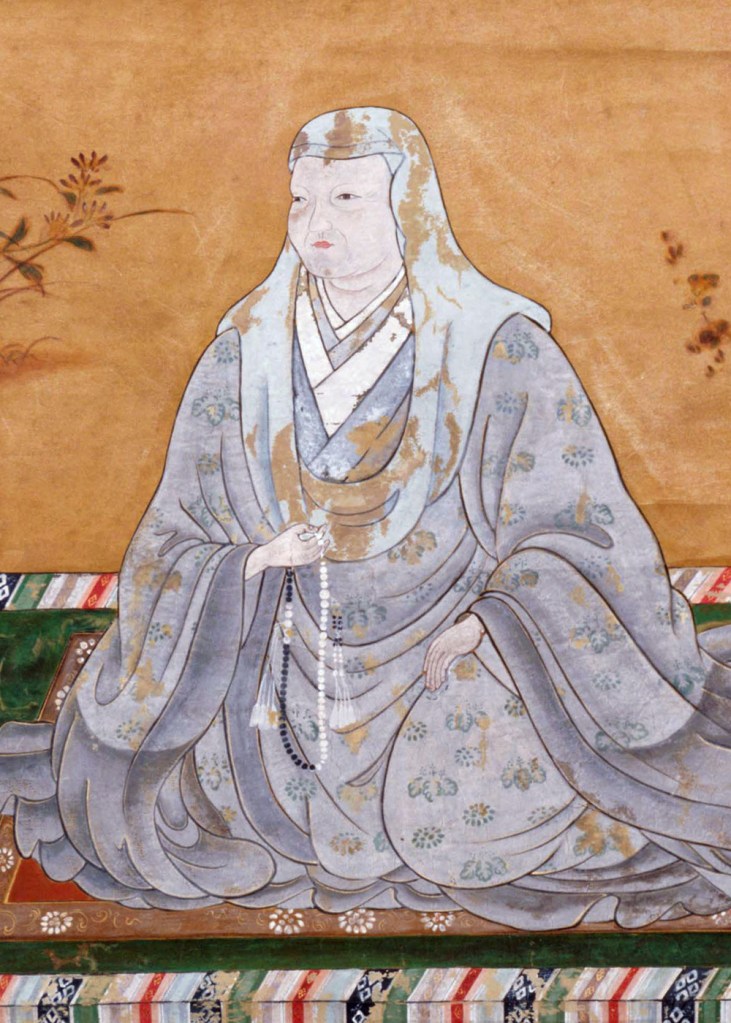
    Hideyoshi’s mother. She is often called Omandokoro, though this is the name she took after becoming a nun, and most sources think her birth name was Naka.

    Less mum-shaming sources suggest that Hideyoshi was born in 1536 or 37 in Owari Province, now part of the modern city of Nagoya. His father, usually recorded as Kinoshita Yaemon, is a similarly mysterious figure, but historians generally agree he was probably of the lower classes, most likely a peasant soldier (Ashigaru). Hideyoshi’s childhood is also poorly recorded, with some sources suggesting his father died when he was 7, after which Hideyoshi entered a monastery, though he left shortly afterwards.

    At the age of 15, he received part of his inheritance and left home to become a wanderer. Sometime later (the dates are unclear), he is recorded as Kinoshita Hideyoshi in the service of the Iio Clan, which, in turn, was a vassal of the Imagawa Clan. It’s not certain exactly when he came into the service of the Oda Clan, but it appears to have been before 1554, when he was serving at Kiyosu Castle (under Oda control) in charge of the kitchens, and in some kind of role in construction or maintenance.

    Kiyosu Castle as it appears today.

    Even this is a matter of some debate, though, as other sources state he didn’t join the Oda until 1558 (though they agree he served at Kiyosu Castle), and a common origin story in English language sources is that he was Nobunaga’s sandal bearer, a story which possibly reflects his role as a kind of ‘military servant’ which might explain how he was able to gain recognition from Nobunaga.

    Even the matter of Hideyoshi’s marriage is subject to debate; it is certain that he married Nene, but her origins and even the year of the marriage aren’t totally clear. Some sources say the marriage took place in 1561, when Nene was 12 or 13, and Hideyoshi was in his 20s. This earlier date is controversial because even though 13 was the age at which girls became adults (legally speaking), it was still considered unusual for a girl to marry as soon as she came of age.

    Hideyoshi’s wife, Nene, who also became a Nun, is often recorded as Kodai-in as a result.

    Another theory is that the marriage took place in 1565, when Nene was 16 or 17, still young by modern standards, but a far more acceptable age at the time. Nene’s adoptive father was Asano Nagakatsu, who would later receive a stipend of 300 Koku from Nobunaga and served as one of his bodyguards. This status suggests that Nagakatsu was of sufficient rank, and the marriage to Nene is often cited as evidence that Hideyoshi was already moving up in the world by the mid-1560s.

    As well as his marriage, further evidence of his rise in Nobunaga’s service appears in 1565 when his name appears as the co-signer on documents assigning fiefs, suggesting he was already one of Nobunaga’s most important vassals. Throughout the back half of the decade, he is recorded as having taken part in several of Nobunaga’s campaigns, notably taking Mitsukuri Castle during the Omi Campaign in 1568.

    Omi Province.
    By Ash_Crow – Own work, based on Image:Provinces of Japan.svg, CC BY 2.5, https://commons.wikimedia.org/w/index.php?curid=1690755

    In 1569, in support of the Mori Clan (who were his temporary allies), Nobunaga dispatched a force of some 20,000 to support them against a rebellion, whilst the bulk of the Mori forces were in Kyushu fighting the Otomo clan. This army, led by Hideyoshi, was, by all accounts, a phenomenal success, capturing no fewer than 18 castles in just 12 days and ending the rebellion swiftly.

    A year later, he was part of Nobunaga’s campaign against the Asakura Clan of Echizen Province, which ended when Nobunaga’s brother-in-law, Azai Nagamasa, switched sides, threatening to cut off Nobunaga’s retreat. Though the exact scale of the threat is debated (as I mentioned in my posts on Nobunaga himself), what is certain is that Hideyoshi led the rearguard and was instrumental in ensuring that his master was able to escape.

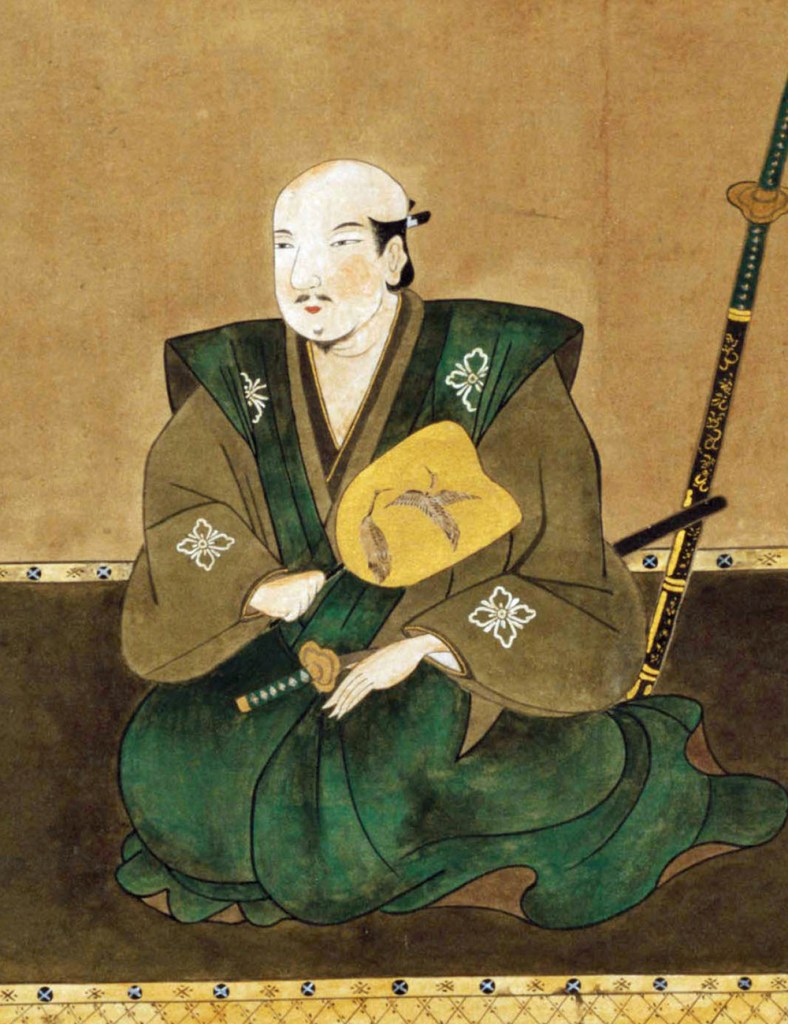
    Azai Nagamasa, Nobunaga’s brother-in-law, whose betrayal nearly spelt disaster for his campaign.

    After the Battle of Anegawa, in which Nobunaga avenged himself on the Azai-Asakura forces, Hideyoshi was appointed castellan of the strategically important Yokoyama Fortress, from which he would be tasked with keeping up the pressure on the remnants of the Azai-Asakura until their final destruction in 1573.

    I’ve previously mentioned the tradition of changing names among Samurai and how it often leads to confusion when you’re trying to source information about specific figures who may have had several names. While Hideyoshi is generally remembered as “Toyotomi Hideyoshi” in English-language sources, this wasn’t his name until much later. His peasant origins mean that he likely didn’t have a surname at all, and the names he was known by later were either taken from places or bestowed by others.

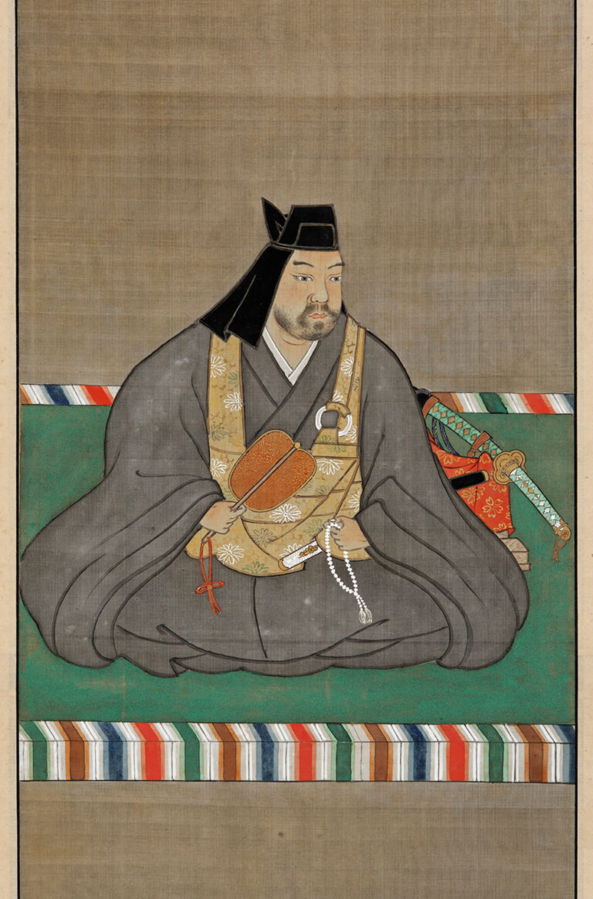
    Shibata Katsuie
    Niwa Nagahide

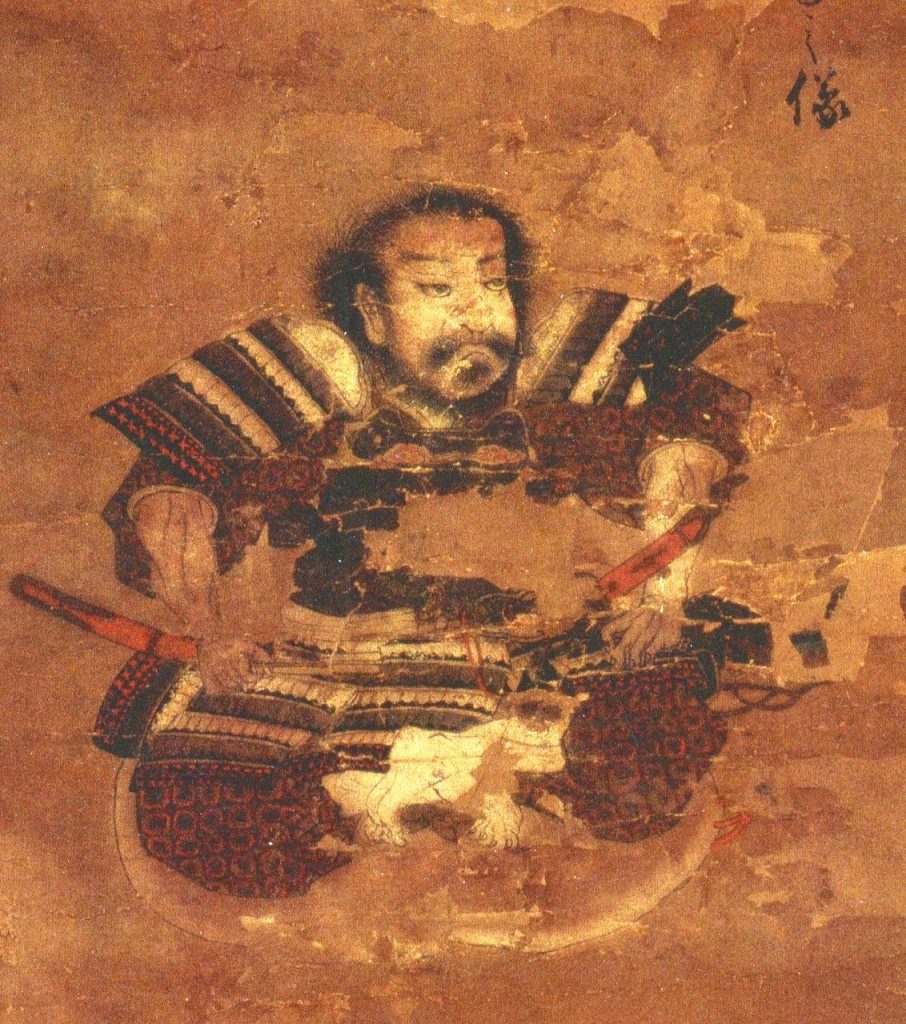
    In 1573, Hideyoshi adopted the name Hashiba. The origins of this name are somewhat unclear; a common theory is that he took one character each from Shibata Katsuie and Niwa Nagahide (the Japanese character ‘wa’ can also be pronounced ‘ha’), though this is disputed.

    Along with a name change, the fall of the Azai Clan in 1573 resulted in Hideyoshi receiving their former lands around the shores of Lake Biwa. He based himself at Imahama, which is promptly renamed Nagahama, after Nobunaga. This was not some unique quirk of his, by the way, the ‘giving’ of character from prestigious names was a common occurrence, and was generally treated as a respectful and honoured thing to do.

    Nagahama Castle as it appears today.
    By 663highland, CC BY 2.5, https://commons.wikimedia.org/w/index.php?curid=73322120

    He continued to play a significant role in Nobunaga’s military expansion, serving at the decisive Battle of Nagashino in 1575, and capturing Kiriyama Castle from the powerful Kitabatake Clan of Ise Province the next year. In 1577, Hideyoshi’s star seemed to be on an inexorable rise, but personal rivalries would get in the way.

    Nobunaga dispatched an army under Shibata Katsuie to face Uesugi Kenshin in the north. Now, you may remember from my post about him, but Kenshin was a formidable opponent, a rival to both Hojo Ujiyasu and Takeda Shingen; he was certainly not a man to take lightly. Nobunaga obviously understood this and dispatched reinforcements commanded by Hideyoshi.

    Uesugi Kenshin

    At this point, a simmering feud between Hideyoshi and Katsuie exploded. The exact nature of the argument isn’t recorded in contemporary sources, and later writers could only speculate; however, it is known that Hideyoshi literally took his army and went home. This open defiance of Nobunaga’s orders would have been bad enough, but when Katsuie was defeated shortly afterwards at the Battle of Tedorigawa, Nobunaga was furious.

    Hideyoshi was arguably lucky to keep his head after that, and he would spend some time in the political wilderness. His time would come again, however, and we’ll talk about that next week.

    Sources
    https://ja.wikipedia.org/wiki/%E8%B1%8A%E8%87%A3%E7%A7%80%E5%90%89
    https://ja.wikipedia.org/wiki/%E6%89%8B%E5%8F%96%E5%B7%9D%E3%81%AE%E6%88%A6%E3%81%84
    https://ja.wikipedia.org/wiki/%E9%95%B7%E6%B5%9C%E5%9F%8E_(%E8%BF%91%E6%B1%9F%E5%9B%BD)
    https://ja.wikipedia.org/wiki/%E9%9C%A7%E5%B1%B1%E5%9F%8E
    https://ja.wikipedia.org/wiki/%E9%87%91%E3%83%B6%E5%B4%8E%E3%81%AE%E6%88%A6%E3%81%84
    https://ja.wikipedia.org/wiki/%E5%A7%89%E5%B7%9D%E3%81%AE%E6%88%A6%E3%81%84
    https://ja.wikipedia.org/wiki/%E6%A8%AA%E5%B1%B1%E5%9F%8E_(%E8%BF%91%E6%B1%9F%E5%9B%BD)
    https://ja.wikipedia.org/wiki/%E4%B8%B9%E7%BE%BD%E9%95%B7%E7%A7%80
    https://ja.wikipedia.org/wiki/%E8%A6%B3%E9%9F%B3%E5%AF%BA%E5%9F%8E%E3%81%AE%E6%88%A6%E3%81%84
    https://ja.wikipedia.org/wiki/%E9%AB%98%E5%8F%B0%E9%99%A2
    https://ja.wikipedia.org/wiki/%E6%B5%85%E9%87%8E%E9%95%B7%E5%8B%9D
    https://ja.wikipedia.org/wiki/%E9%A3%AF%E5%B0%BE%E6%B0%8F
    https://ja.wikipedia.org/wiki/%E5%A4%A7%E6%94%BF%E6%89%80

  • The First Unifier – Oda Nobunaga. Part Three.

    The First Unifier – Oda Nobunaga. Part Three.

    By 1573, Oda Nobunaga was arguably the strongest warlord of his day, controlling a large territory that dominated central Japan. He had taken control of Kyoto and brought about the end of the Ashikaga Shogunate (though he would never take the title for himself), and with the death of Takeda Shingen, his most dangerous rival had been removed.

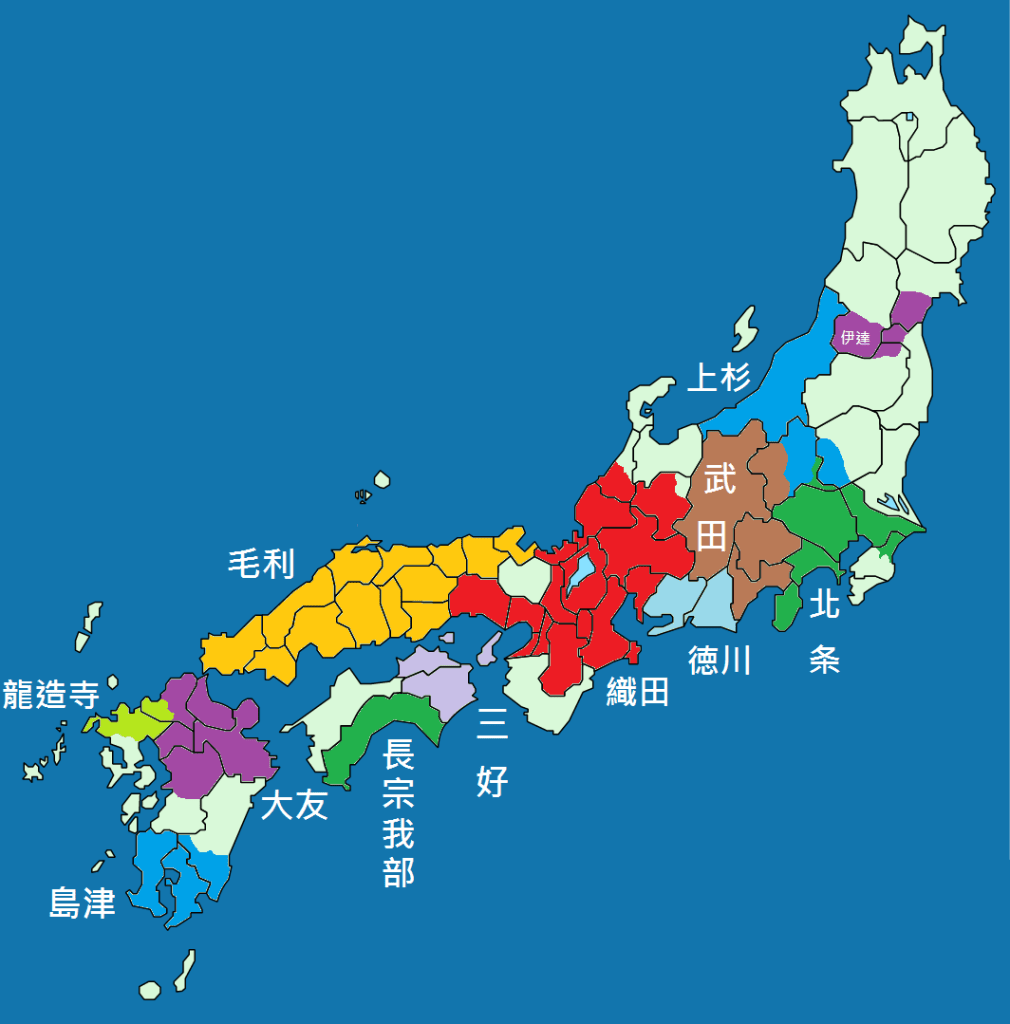
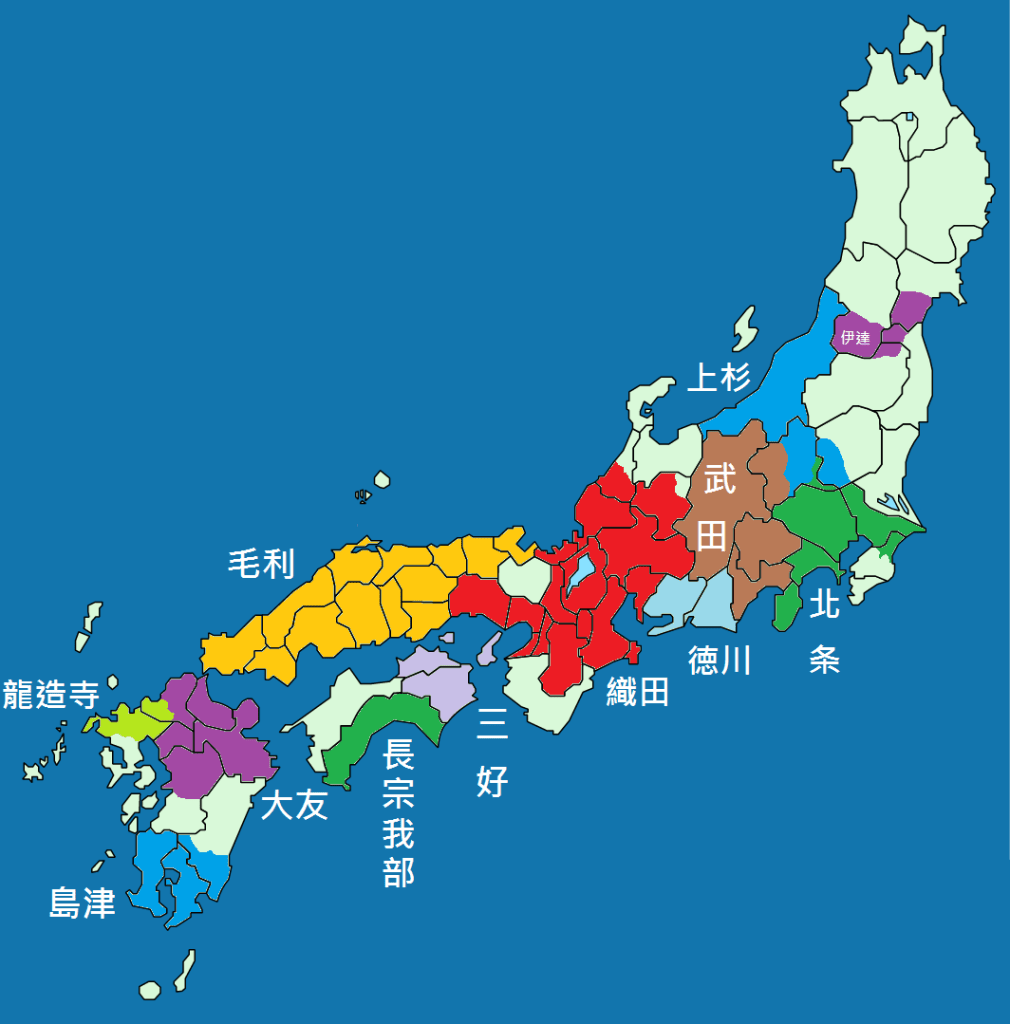
    Nobunaga’s position is red. Dominant, but not yet unchallenged.
    By Alvin Lee – Own work, CC BY-SA 4.0, https://commons.wikimedia.org/w/index.php?curid=39200929

    You probably know by now that even a strong position was never completely unchallenged during the Sengoku Jidai, and Nobunaga still had enemies to deal with. In the summer of 1573, he launched a campaign against the Azai-Asakura alliance, whom he had defeated at the Battle of Anegawa in 1570 and now meant to finish off.

    Nobunaga’s forces laid siege to the formidable Odani Castle. When Azai-Asakura forces marched to relieve it, they were ambushed and forced to retreat to Ichijodani Castle with Nobunaga in hot pursuit. The Azai-Asakura were then decisively defeated at the Battle of Tonezaka and tried to retreat again; however, a series of defeats, betrayals, and suicides put an end to the alliance and then to the clans themselves.

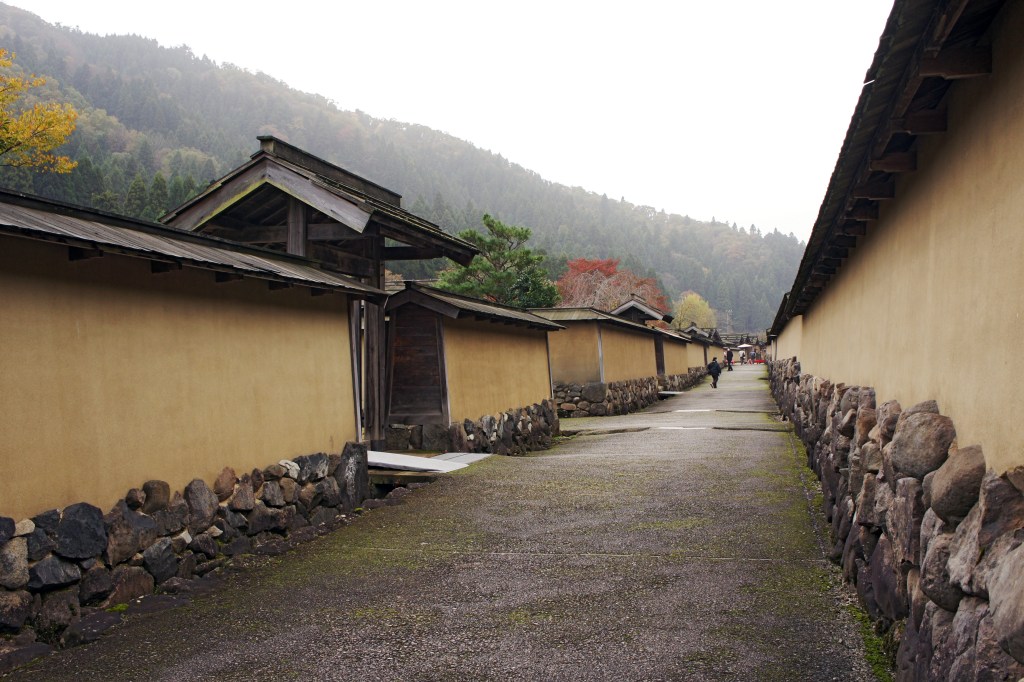
    A modern reconstruction of the castle down around Ichijodani.
    663highland – 投稿者自身による著作物, CC 表示 2.5, https://commons.wikimedia.org/w/index.php?curid=12059706による

    A side note to these events is the end of the marriage between Nobunaga’s sister, Oichi, and Azai Nagamasa, lord of the Azai Clan. When Nagamasa betrayed Nobunaga, Oichi remained faithful and was by his side as Odani Castle came under siege. Some sources say that Oichi gave birth to her third daughter during the siege (though others disagree). There is also debate over how she escaped, with some saying she was aided by a loyal retainer, and others stating that Nobunaga and Nagamasa agreed to let Oichi and her daughters go, a tale often romanticised as demonstrating the love both men had for her.

    Romantic stories aside, with the end of the Azai-Asakura threat, Nobunaga turned his attention to the peasant rebellion in Ise Province (the so-called Nagashima Ikko-Ikki), which had resulted in the death of his younger brother, Nobuoki. The campaign was successful at first, with several outlying forts being taken, but an attempt to secure the rebels’ main fortress at Nagashima failed, and Nobunaga was obliged to fall back after an ambush threatened to cut him off.

    A 19th-century depiction of the fighting in Nagashima.

    The year would end on a more positive note for him, however, as Ashikaga Yoshiaki, who was still claiming the title of Shogun, was forced to flee Wakae Castle (in modern Osaka) and retreat to Kii Province. In December, Nobunaga’s forces captured the important and wealthy Tamonyama Castle (modern Nara), further securing his territory in central Japan.

    1574 would bring new problems, starting with another peasant rebellion (the Echizen Ikko-Ikki) in territory that Nobunaga had only recently taken from the Azai-Asakura. Shortly after that, a renewed attack by the Takeda, now led by Shingen’s son, Katsuyori, invaded Mino Province. Nobunaga marched to meet them, but the border castles fell before he could arrive, and so he withdrew, avoiding a decisive clash with the Takeda for now.

    Takeda Katsuyori

    With crises in all directions, Nobunaga was stretched to his limit, but it was in moments like this where he showed his brilliance and his brutality. The Ikko-Ikki fortress at Nagashima had been a thorn in his side for years, and he set out to remove it in the summer of 1574, surrounding the fortress from land and sea and starving the defenders into surrender by September.

    It is said that some attempted to flee by boat, but Nobunaga stopped them with a volley of gunfire. Suitably provoked, the Ikko-Ikki launched a counterattack that ultimately failed, but killed Nobunaga’s half-brother. In response, Nobunaga had the remaining 20,000 defenders, including women and children, locked up inside the castle, which he then ordered burned.

    A memorial to those who were killed during the fall of Nagashima.
    立花左近 – 投稿者自身による著作物, CC 表示-継承 3.0, https://commons.wikimedia.org/w/index.php?curid=20094400による

    With Nagashima subdued, Nobunaga turned his attention to the Takeda, who had launched a series of relatively small-scale invasions throughout 1574, and by April 1575, were besieging the Tokugawa-controlled fortress at Nagashino. What followed was one of the most heavily mythologised battles of the era, and even today, many of the details are open to debate, but what is not in doubt is that the Battle of Nagashino inflicted a mortal wound on the Takeda. They never again posed a serious strategic threat to Nobunaga’s ambitions.

    One of his other long-term enemies was the Temple of Hongan-ji, the spiritual centre of the widespread Ikko-Ikki movement. The movement had been severely weakened by the loss of Nagashima, and in late Summer 1575, Nobunaga crushed the Echizen Ikko-Ikki, further weakening Hongan-ji’s power. This turn of events allowed Nobunaga to establish a short-lived peace in the territory he controlled.

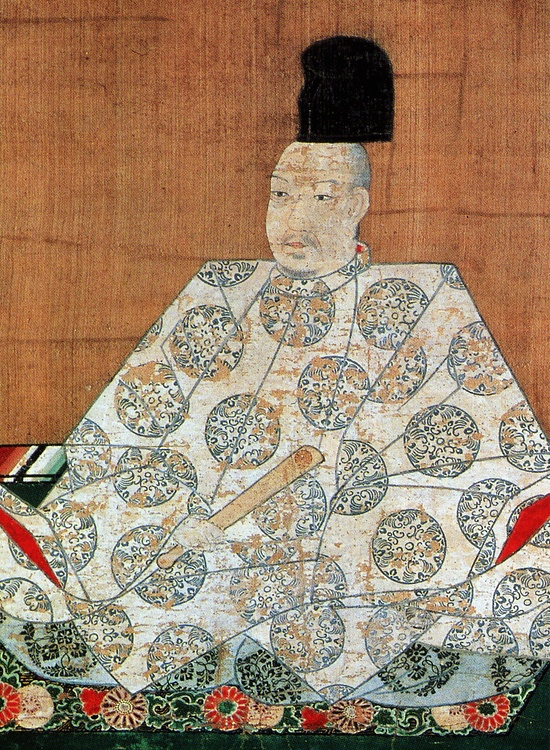
    Emperor Ogimachi (r 1557-1586) was Emperor for most of Nobunaga’s rise to power.

    In November 1575, Nobunaga was appointed Dainagon, and Ukone no Taisho, Chief Councillor, and General of the Right, respectively, positions in the Imperial court which established his position, and right to rule the country (in the Emperor’s name, of course) Around this time Nobunaga also began distributing territory and other titles to his followers on behalf of the Emperor, and it is from this point that historians generally agree that Nobunaga gave up the pretence of supporting the Ashikaga, and began eyeing the position for himself. In light of this, he officially recognised his son, Nobutada, as his heir and gave orders for the construction of a new fortress at Azuchi.

    It couldn’t last, however, and in Spring 1576 Ishiyama Hongan-ji was in arms against him again, supported by a loose coalition of powerful clans, and at least nominally acting on behalf of the exiled Shogun, Yoshiaki. Initial attempts by Oda forces to subdue Hongan-ji failed, but when Nobunaga himself arrived, he won a decisive victory at the Battle of Tennoji, and subsequently laid siege to the vast Ishiyama temple complex.

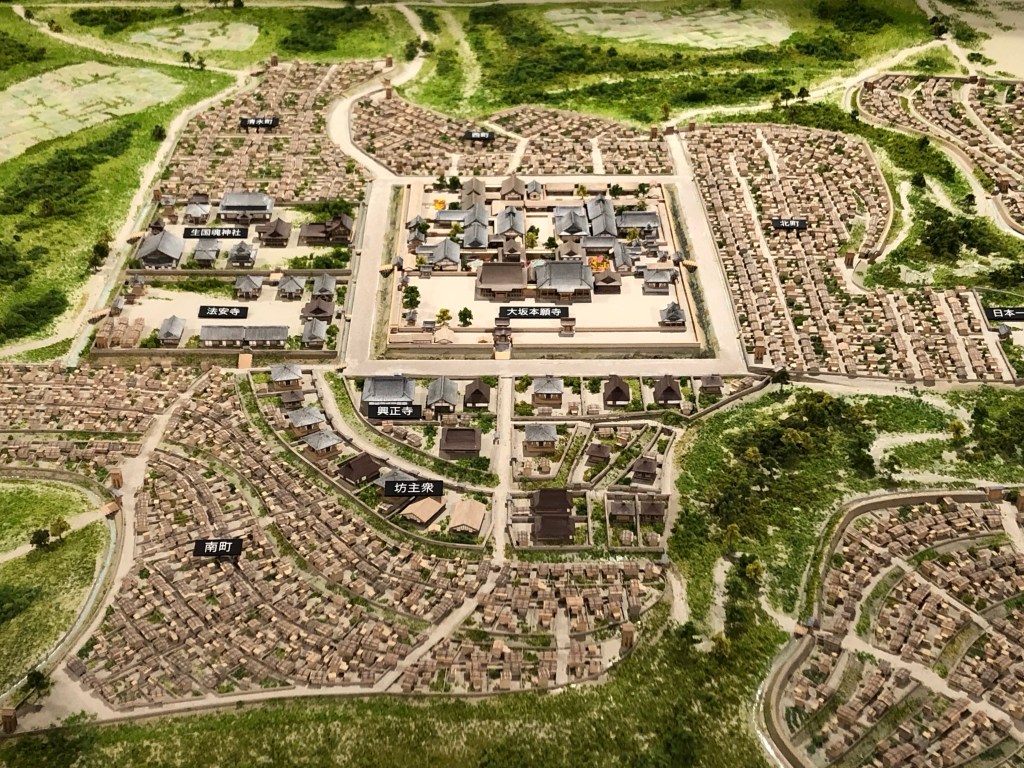
    This modern recreation shows that the Ishiyama Hongan-ji complex was more akin to a fortified town than a temple.

    Nobunaga might have hoped to repeat his success at Nagashima, but those hopes were to be dashed when a fleet from the Mori Clan destroyed the Oda blockade at the Battle of Kizugawaguchi in August 1576, ensuring that, for the time being, supplies would continue to flow into Ishiyama, and the siege would drag on.

    Meanwhile, in 1577, Nobunaga led an army into Kii Province and forced the surrender of the Saika Clan before withdrawing, only to then have to face a rebellion from the Matsunaga Clan in Ise Province, which was put down in characteristically brutal fashion, with the castle burned, and its occupants forced to commit Seppuku.

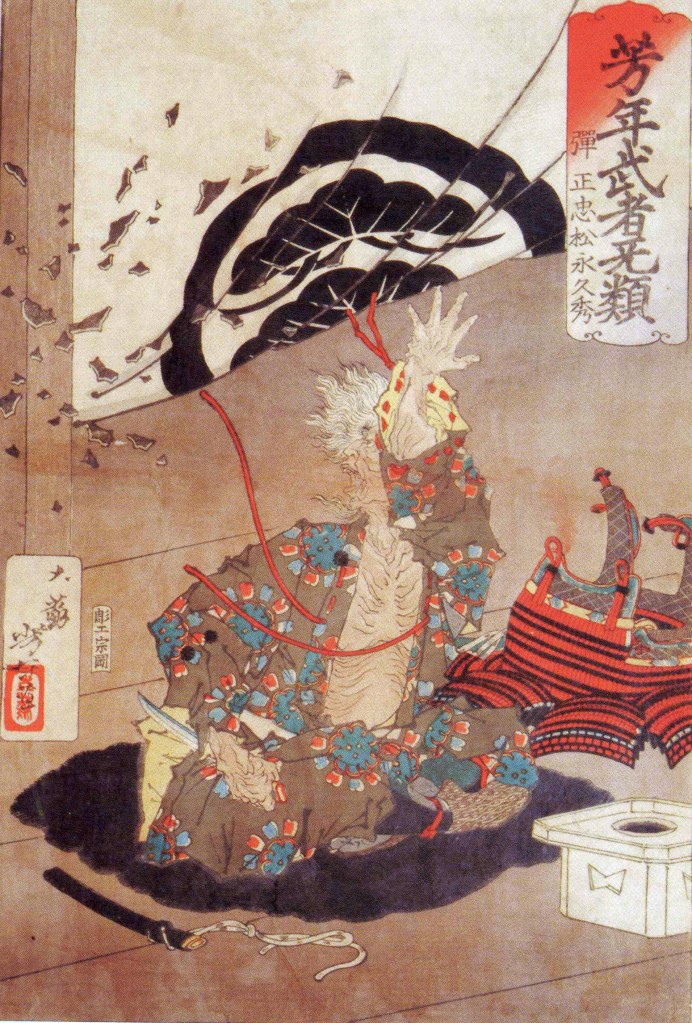
    This image depicts Matsunaga Hisahide at the moment of his death. The story goes that Nobunaga offered to spare him in exchange for a rare tea kettle. In response, Hisahide is supposed to have smashed the kettle to pieces before killing himself.

    From 1578 to 1580, Nobunaga was forced to contend with the powerful Mori Clan and their allies for control of Harima Province. Meanwhile, his vassal, Akechi Mitsuhide, successfully subdued the provinces of Tamba and Tango. In late 1580, Nobunaga forced the surrender of Arioka and Miki Castles, bringing the whole of Harima under his control.

    Meanwhile, the Second Battle of Kizugawaguchi in December 1578 reversed the strategic situation in the seas around Ishiyama (Osaka Bay), when the rebuilt Oda navy inflicted a decisive defeat on the Mori fleet, finally cutting Ishiyama off completely. The siege would last until 1580, however, and it would eventually take an Imperial Order to convince the leadership to surrender, in exchange for being allowed to leave.

    A semi-contemporary image of Ishiyama Hongan-ji during the siege.

    War was never far away, but as 1581 dawned, Nobunaga was stronger than any Daimyo had ever been, and it was seriously possible that if anyone were to bring an end to the Sengoku Jidai and reunite the country, it would be him. However, he still had a few more rivals to overcome first.

    The Battle of Nagashino had been a death blow to the Takeda, but as late as 1582, they were still clinging on, and now Nobunaga made the decision to end them once and for all. Gathering a force of some 100,000 and supported by his ally Tokugawa Ieyasu, Nobunaga invaded Takeda territory in early 1582. The campaign was almost too easy, as Takeda resistance crumbled almost immediately, forts often surrendered without a fight, or after only a token display of defiance, and many former Takeda retainers simply switched sides, or else ran away from the advancing Oda.

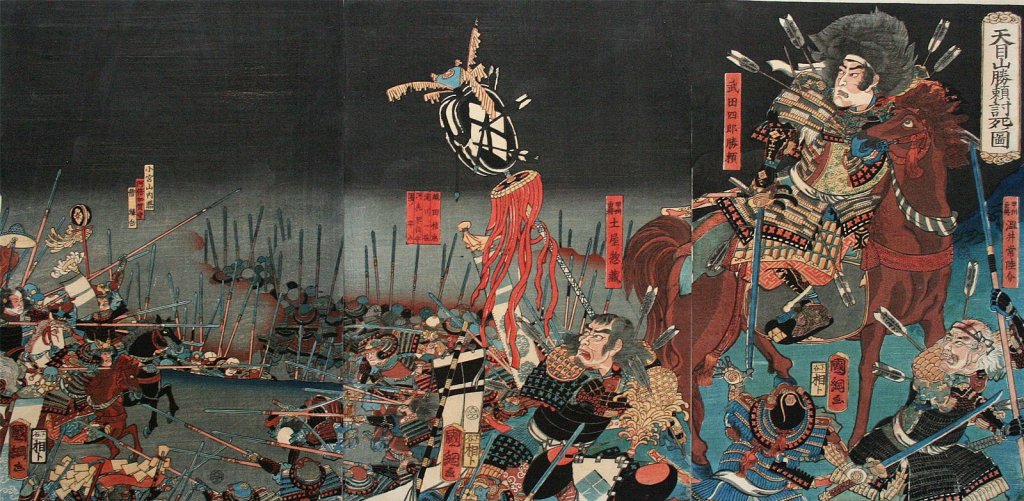
    A heavily stylised (and much later) depiction of the end of Takeda Katsuyori, whose death would signal the end of his clan.

    The Takeda eventually stood their ground at the formidable Takato Castle, but, despite its reputation, it was taken quickly, and what remained of the Takeda began to melt away. Eventually, Takeda Katsuyori and his son Nobukatsu were trapped at Tano (modern Tsuru, Yamanashi Prefecture) and forced to commit Seppuku, bringing an end to the Takeda line and any hope of resistance to Nobunaga.

    With the Takeda gone, Nobunaga took some time to reorganise the newly conquered territories, and then headed home through the lands of his ally Tokugawa Ieyasu, who laid on entertainments, refreshments, and accommodation, all purpose-built for Nobunaga’s visit.

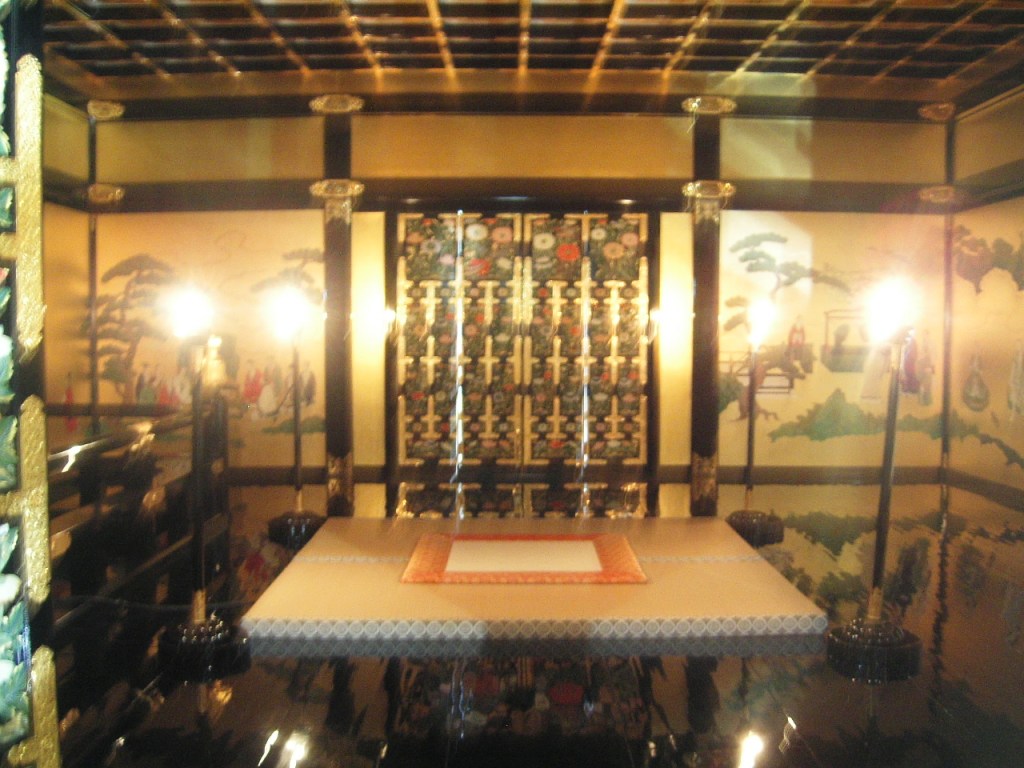
    A reconstruction of Nobunaga’s ‘throne’ at Azuchi.
    日本語版ウィキペディアのMaakunさん – 原版の投稿者自身による著作物, CC 表示-継承 3.0, https://commons.wikimedia.org/w/index.php?curid=115518317による

    By Spring, Nobunaga was back at his base at Azuchi, from where he made plans to invite the Emperor for a formal visit, and rumours began that the court was about to appoint him Shogun, or else some other senior position. The exact nature of this appointment and Nobunaga’s receptiveness to it are unclear, as the sources don’t agree on whether anything was offered at all, let alone what Nobunaga said about it. The Imperial visit was supposedly arranged for the following year, but again, the sources are scant.

    During this brief period of peace, Nobunaga is supposed to have announced his plans to conquer Shikoku from the Chosokabe. One of his retainers, Akechi Mitsuhide, was apparently unhappy about this, as he had previously acted as an intermediary between Nobunaga and the Chosokabe. Mitsuhide was further agrieved when Nobunaga ordered him to provide entertainment for the visiting Tokugawa Ieyasu. The story goes that Nobunaga accused Mitsuhide of doing a poor job (rightly or not) and launched into a public dressing-down of Mitsuhide that ended (according to some sources) with a literal kick in the backside.

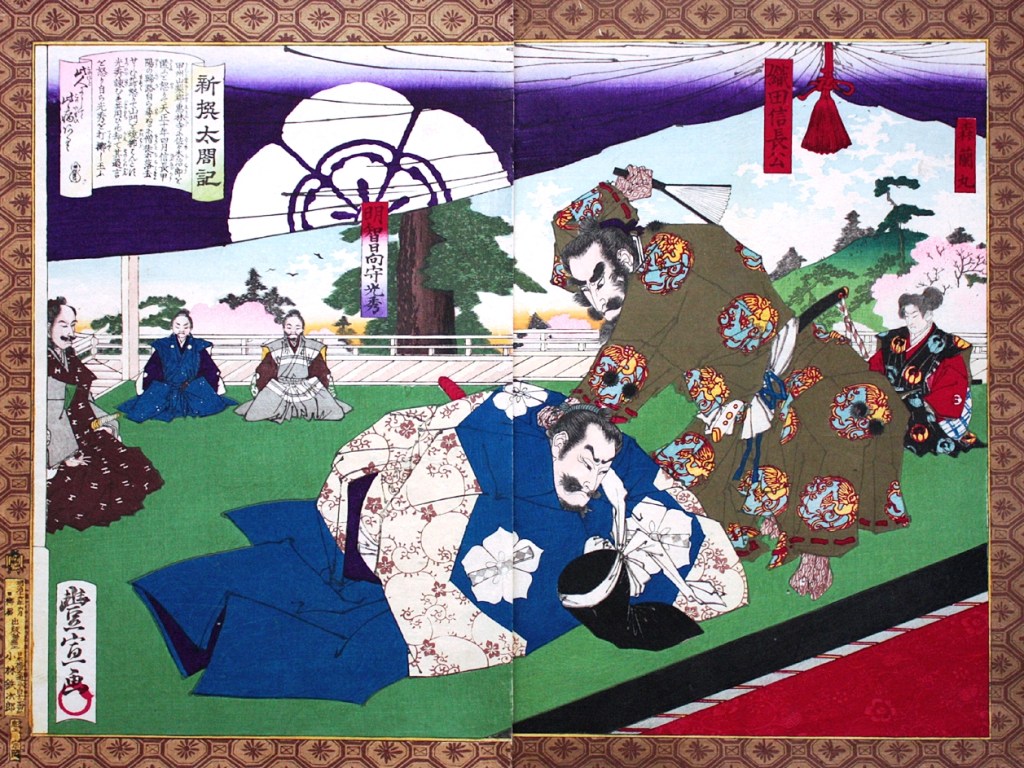
    A 19th-century imagining of Nobunaga publicly chastising Mitsuhide.

    Given the importance of public image in Japan, it is easy to see why Mitsuhide might have felt a genuine grievance over this treatment. There is also a story that Mitsuhide’s mother had once served as a hostage for a truce that Nobunaga had gone on to break, resulting in the poor woman’s death. Whilst some of these stories are poorly sourced at best, what is known is that by the summer of 1582, Akechi Mitsuhide had had enough.

    Sources
    https://ja.wikipedia.org/wiki/%E7%B9%94%E7%94%B0%E4%BF%A1%E9%95%B7
    https://en.wikipedia.org/wiki/Tsuru,_Yamanashi
    https://ja.wikipedia.org/wiki/%E9%AB%98%E9%81%A0%E5%9F%8E
    https://ja.wikipedia.org/wiki/%E7%94%B2%E5%B7%9E%E5%BE%81%E4%BC%90
    https://ja.wikipedia.org/wiki/%E4%B8%89%E6%9C%A8%E5%90%88%E6%88%A6
    https://ja.wikipedia.org/wiki/%E4%BF%A1%E8%B2%B4%E5%B1%B1%E5%9F%8E
    https://ja.wikipedia.org/wiki/%E7%B4%80%E5%B7%9E%E5%BE%81%E4%BC%90
    https://ja.wikipedia.org/wiki/%E5%A4%A9%E7%8E%8B%E5%AF%BA%E3%81%AE%E6%88%A6%E3%81%84_(1576%E5%B9%B4)
    https://ja.wikipedia.org/wiki/%E7%9F%B3%E5%B1%B1%E5%90%88%E6%88%A6
    https://ja.wikipedia.org/wiki/%E7%AC%AC%E4%B8%80%E6%AC%A1%E6%9C%A8%E6%B4%A5%E5%B7%9D%E5%8F%A3%E3%81%AE%E6%88%A6%E3%81%84
    https://ja.wikipedia.org/wiki/%E7%AC%AC%E4%BA%8C%E6%AC%A1%E6%9C%A8%E6%B4%A5%E5%B7%9D%E5%8F%A3%E3%81%AE%E6%88%A6%E3%81%84
    https://ja.wikipedia.org/wiki/%E9%95%B7%E5%B3%B6%E4%B8%80%E5%90%91%E4%B8%80%E6%8F%86

  • The First Unifier – Oda Nobunaga. Part Two.

    The First Unifier – Oda Nobunaga. Part Two.

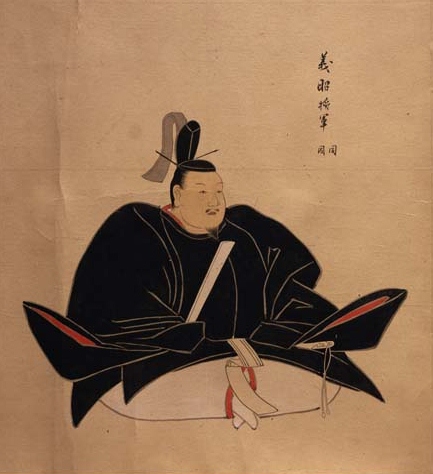
    In June 1565, the powerful Miyoshi Clan launched a coup against the Shogun, Ashikaga Yoshiteru. In the Eiroku Incident (named for the era), the Miyoshi successfully killed Yoshiteru, and his brother, Yoshiaki, a rival claimant to the throne, fled the capital, seeking support from regional warlords.

    Miyoshi Yoshitsugu, one of the main leaders in the Eiroku Incident.

    Nobunaga was initially enthusiastic about supporting Yoshiaki and the Shogunate more generally. Sources aren’t clear about Nobunaga’s ambitions at this point, with some arguing he genuinely wanted to restore the Ashikaga, whilst others portray it as cynical politicking, with Nobunaga intending to replace the Miyoshi’s puppet Shogun with his own.

    Regardless, in the short term, military defeat limited Nobunaga’s practical aid, and it wasn’t until September 1568 that he formally recognised Yoshiaki as Shogun and dispatched an army to Kyoto to secure his accession to the throne. There was some resistance, but Nobunaga’s forces would prove triumphant, and Ashikaga Yoshiaki was installed as the 15th (and final) Ashikaga Shogun. It seems that Yoshiaki wanted to install Nobunaga as kanrei, or deputy, but he refused. Moreover, at this point, the Kyoto political community seemed to have viewed Nobunaga as little more than Yoshiaki’s general, rather than a political force in his own right.

    Ashikaga Yoshiaki

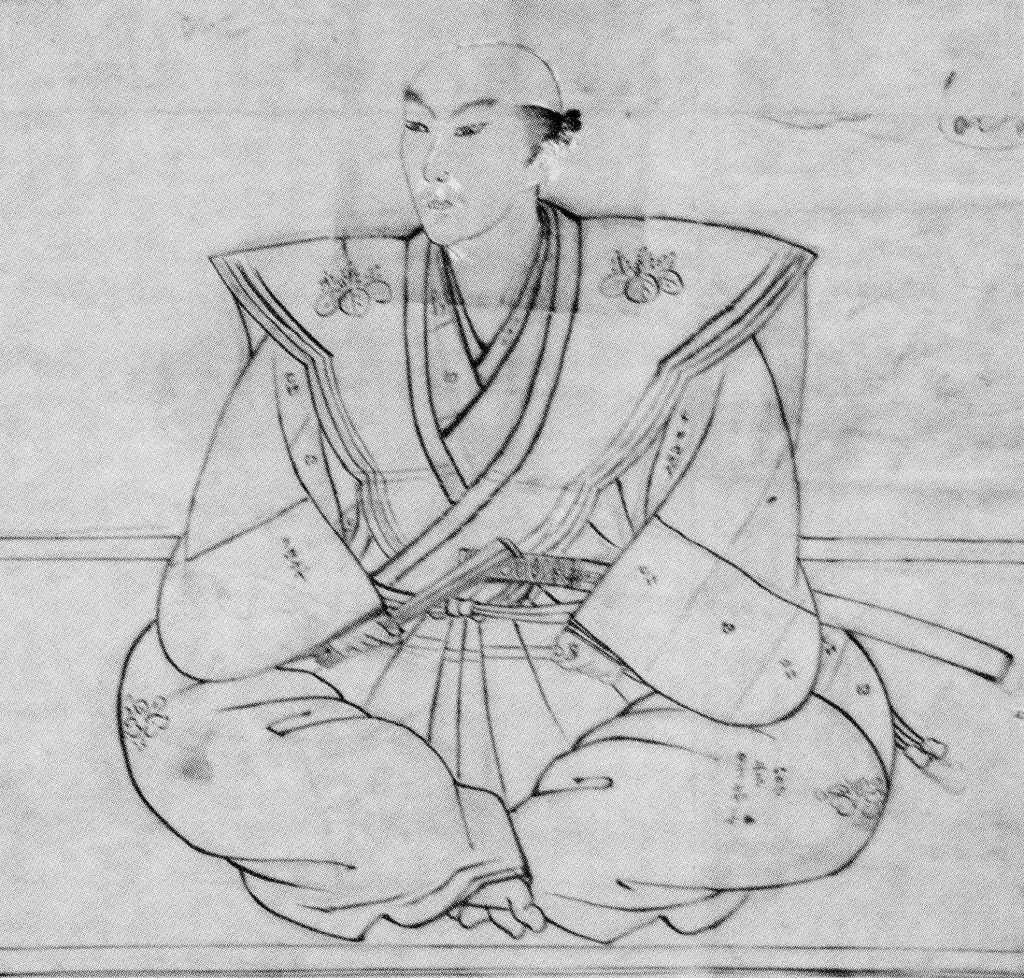
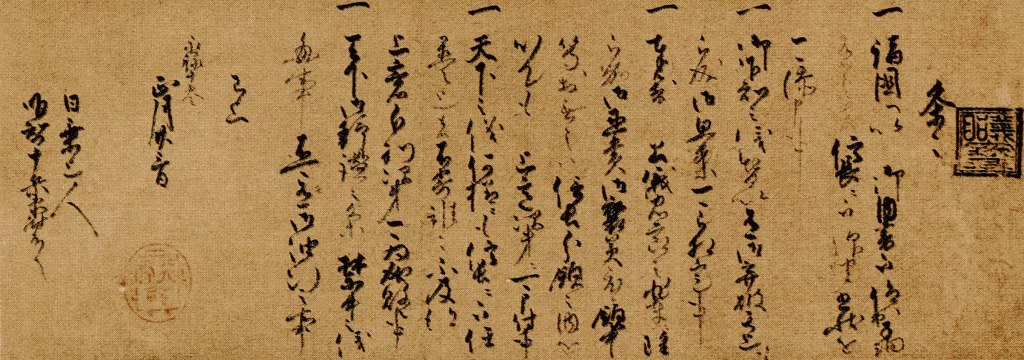
    In early 1569, Nobunaga once again proved his worth to the Shogunate by putting down an attempt by the Miyoshi Clan to restore their position in the capital. Shortly after that, Nobunaga issued the denchuonokite, or “Rules of the Palace”, which were a set of nine (with seven more added later) rules for the management of the Shogun’s court. For a long time, it was believed that these rules were the first clear example of Nobunaga imposing his will on the Shogunate, though later research suggests that Yoshiaki agreed to the rules, and it was only later that the relationship between the two men began to break down.

    Nobunaga seems to have intended to return to his own territories after the restoration, serving as a sort of enforcer for the Shogun. However, by this point, the Shogunate was at such a low ebb that he found himself obliged to become closely involved in the running of the government. It has been suggested that the issuing of the “Palace Rules” was part of wider efforts by Nobunaga to reinforce the Shogunate, whilst also reining in the tendency of the Shogun to use his remaining power arbitrarily, favouring his own supporters at the expense of powerful clans elsewhere, who, Nobunaga (rightly) worried, would then become enemies of the Shogun, and be extension, himself.

    Part of the original Palace Rules.

    It was not as though Nobunaga had any trouble finding enemies of his own. In the late 1560s, his forces invaded Ise Province, and in 1570, he led an army north to Wakasa Province to subjugate the Asakura Clan, who had defied him. The invasion went well, but when word reached Nobunaga that the Azai Clan, led by his brother-in-law, had betrayed him, he was forced to retreat.

    The reasons for this sudden betrayal have been much romanticised, with Azai Nagamasa sometimes portrayed as a principled opponent of Nobunaga’s tyranny, or else bound by a close alliance to the Asakura that trumped his loyalty to the Oda. Historians are still divided on the exact cause, but the betrayal was likely a combination of opportunism and genuine fear about Nobunaga’s intentions.

    Nobunaga’s army was defeated at the Battle of Kanegasaki, with Nobunaga himself forced to flee the field. It is said that he was only able to escape because of the rearguard action led by Kinoshita Tōkichirō, who would later be known as Toyotomi Hideyoshi, and who was rewarded with gold by Nobunaga upon his return to Kyoto.

    A later depiction of Hideyoshi in Nobunaga’s service. He first appears in records from the early 1560s, and by the time of Kanegasaki, he had earned a reputation as one of Nobunaga’s most capable subordinates.

    Sources disagree on exactly how severe the defeat was; some state that Nobunaga returned to Kyoto with just ten men, whilst others put his army’s losses at fewer than 1300, out of a total of 30,000. Both numbers may be true, and it would certainly explain why Nobunaga himself seems to have remained calm in the wake of the defeat, inspecting the Imperial Palace the day after he returned to Kyoto.

    Whilst Nobunaga had certainly been forced to retreat, the case for his army remaining largely intact is made by the fact that just a few months after Kanegasaki, he, along with his ally, Tokugawa Ieyasu, led a force of up to 40,000 men in a campaign against the Azai-Asakura, culminating in the Battle of Anegawa, which Nobunaga won, though he was unable to finish either the Azai or Asakura off, despite inflicting heavy casualties on both.

    Nobunaga was prevented from pressing his advantage by events elsewhere. In August, the Miyoshi raised an army in Settsu Province (modern Osaka). Around the same time, the Ishiyama Hongan-ji Temple (on the site of modern Osaka Castle), fearing Nobunaga’s expansionist ambitions, raised an army of its own.

    A model of Ishiyama Hongan-ji, showing it was far more than just a temple. Osaka Castle stands on the site today.
    By Takafuji – Own work, CC BY-SA 4.0, https://commons.wikimedia.org/w/index.php?curid=77306876

    All this was combined with the ongoing conflict with the Azai-Asakura alliance, and in September, supporters of Ishiyama Hongan-ji launched a rebellion in Ise Province in which Nobunaga’s younger brother, Nobuoki, was killed (or forced to commit seppuku) Faced with all this, Nobunaga chose to leverage his power at court, and in December, an Imperial decree was issued, ordering all sides to stop fighting, which they duly did, saving Nobunaga in the short-term.

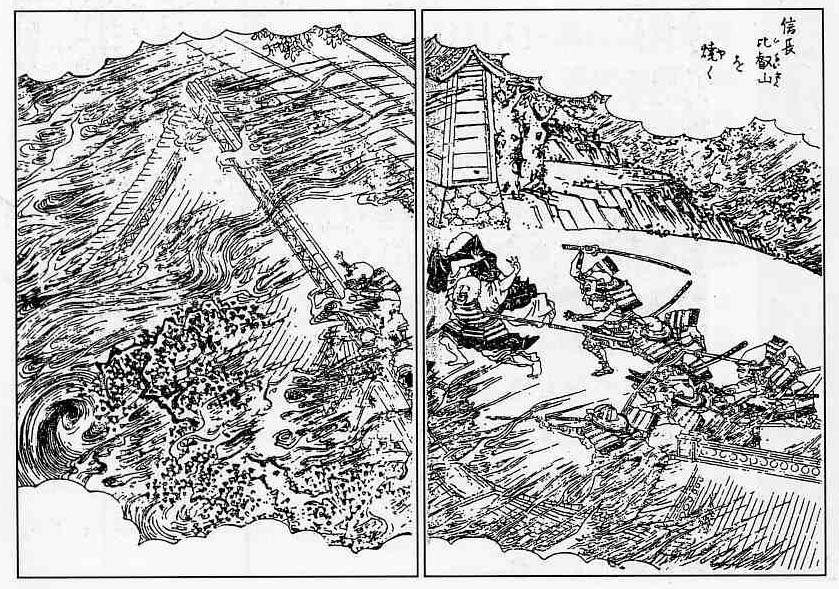
    Peace in the Age of the Country at War was only ever a fleeting thing, however. In February 1571, Nobunaga led an army of some 50,000 against the forces of Ishiyama Hongan-ji, resulting in one of his most controversial acts, the burning of Mt Hiei.

    A semi-contemporary image of the burning of Mt Hiei, showing Nobunaga’s forces cutting people down as they try to flee the flames.

    Mt Hiei is one of the most sacred sites in Japanese Buddhism, and in the late 16th Century, its monks were major political players in their own right, with influence at both the Imperial and Shogunate court, and an army of warrior monks to defend their interests. Nobunaga’s attack should be seen in this context, but it was also an incredibly shocking act, which outraged a Japanese political class that took its religion very seriously. One particularly outraged player was Takeda Shingen, who denounced Nobunaga and began a campaign against his ally, the Tokugawa.

    Whilst historians suggest that Shingen’s outrage over Mt Hiei was just a pretext, the invasion of the Tokugawa home province of Mikawa was a serious threat to Nobunaga’s position. Shingen was arguably the most formidable warlord of his time, and may well have proved more than a match for Nobunaga. He was certainly too much for Tokugawa Ieyasu, who was obliged to retreat and call on Nobunaga for help.

    Nobunaga dispatched a force of 3000 men to help, but they, along with the Tokugawa, were decisively defeated at the Battle of Mikatagahara in January 1573. Ieyasu himself barely managed to escape the disaster. In the aftermath, Nobunaga appeared vulnerable, so vulnerable that Ashikaga Yoshiaki, who had begun to chafe under Nobunaga’s regime, raised an army in opposition to him, presumably in the hope that Takeda Shingen was on his way.

    A 19th-century depiction of the Battle of Mikatagahara. If Takeda Shingen had lived long enough to take advantage of the victory, the outcome of the Sengoku Jidai might have been very different.

    Unfortunately for Yoshiaki, Shingen was dead. Though the circumstances of his death are still murky, it ended a serious threat to Nobunaga, perhaps the most serious threat, and he was able to focus his forces on Kyoto, where he swiftly forced Yoshiaki to make peace and resume his position firmly under Nobunaga’s thumb.

    Yoshiaski refused to learn his lesson, however, and a second rebellion broke out not long after, with Shogunate loyalists barricading themselves inside Makishima Castle, which Nobunaga swiftly took, sending Yoshiaki into exile, and effectively bringing an end to the Ashikaga Shogunate, once and for all. Historians debate whether the Shogunate actually ended at this time, as Yoshiaki continued to use the title, and would spend the next few years roaming Japan seeking support to overthrow Nobunaga.

    What is true, though, is that the Ashikaga, long in decline, would never rule from Kyoto again. There had been strongmen before, of course, but they had always ruled through puppet Shoguns, and the institution had remained largely intact. Nobunaga did away with that; though he would never take the title of Shogun for himself, from 1573 until his death, Nobunaga sat at the top of a very precarious pile.

    Nobunaga’s territory is in red, in the centre, surrounded by enemies, or opportunities, depending on your perspective.
    By Alvin Lee – Own work, CC BY-SA 4.0, https://commons.wikimedia.org/w/index.php?curid=39200929

    Sources
    https://ja.wikipedia.org/wiki/%E7%B9%94%E7%94%B0%E4%BF%A1%E9%95%B7
    https://ja.wikipedia.org/wiki/%E4%B8%89%E6%96%B9%E3%83%B6%E5%8E%9F%E3%81%AE%E6%88%A6%E3%81%84
    https://ja.wikipedia.org/wiki/%E6%AF%94%E5%8F%A1%E5%B1%B1%E7%84%BC%E3%81%8D%E8%A8%8E%E3%81%A1_(1571%E5%B9%B4)
    https://ja.wikipedia.org/wiki/%E7%B9%94%E7%94%B0%E4%BF%A1%E8%88%88
    https://ja.wikipedia.org/wiki/%E9%95%B7%E5%B3%B6%E4%B8%80%E5%90%91%E4%B8%80%E6%8F%86
    https://ja.wikipedia.org/wiki/%E5%BF%97%E8%B3%80%E3%81%AE%E9%99%A3
    https://ja.wikipedia.org/wiki/%E5%A7%89%E5%B7%9D%E3%81%AE%E6%88%A6%E3%81%84
    https://ja.wikipedia.org/wiki/%E9%87%91%E3%83%B6%E5%B4%8E%E3%81%AE%E6%88%A6%E3%81%84#%E6%88%A6%E5%BE%8C
    https://ja.wikipedia.org/wiki/%E8%B1%8A%E8%87%A3%E7%A7%80%E5%90%89
    https://ja.wikipedia.org/wiki/%E6%B5%85%E4%BA%95%E9%95%B7%E6%94%BF
    https://ja.wikipedia.org/wiki/%E6%AE%BF%E4%B8%AD%E5%BE%A1%E6%8E%9F
    https://ja.wikipedia.org/wiki/%E8%B6%B3%E5%88%A9%E7%BE%A9%E6%98%AD
    https://ja.wikipedia.org/wiki/%E6%9C%AC%E5%9C%80%E5%AF%BA%E3%81%AE%E5%A4%89
    https://ja.wikipedia.org/wiki/%E6%B0%B8%E7%A6%84%E3%81%AE%E5%A4%89
    https://ja.wikipedia.org/wiki/%E4%B8%89%E5%A5%BD%E7%BE%A9%E7%B6%99
    https://ja.wikipedia.org/wiki/%E8%B6%B3%E5%88%A9%E7%BE%A9%E6%A0%84
    https://ja.wikipedia.org/wiki/%E4%B8%89%E5%A5%BD%E4%B8%89%E4%BA%BA%E8%A1%86
    https://en.wikipedia.org/wiki/Ishiyama_Hongan-ji

  • The Odawara Campaign

    The Odawara Campaign

    Just a quick note from me: Due to real-life changes with workload, I’ve decided to reduce the number of blog posts to one per week. Going forward, the blog will be posted on Fridays.

    In 1589, the Hojo openly defied Toyotomi Hideyoshi’s peace orders, prompting the new regent to declare them in rebellion against the throne. (Side note, Hideyoshi, as the son of a peasant, couldn’t be declared Shogun, so he took the title of Kampaku, officially the chief advisor of the Emperor, but in reality, the political master of Japan.)

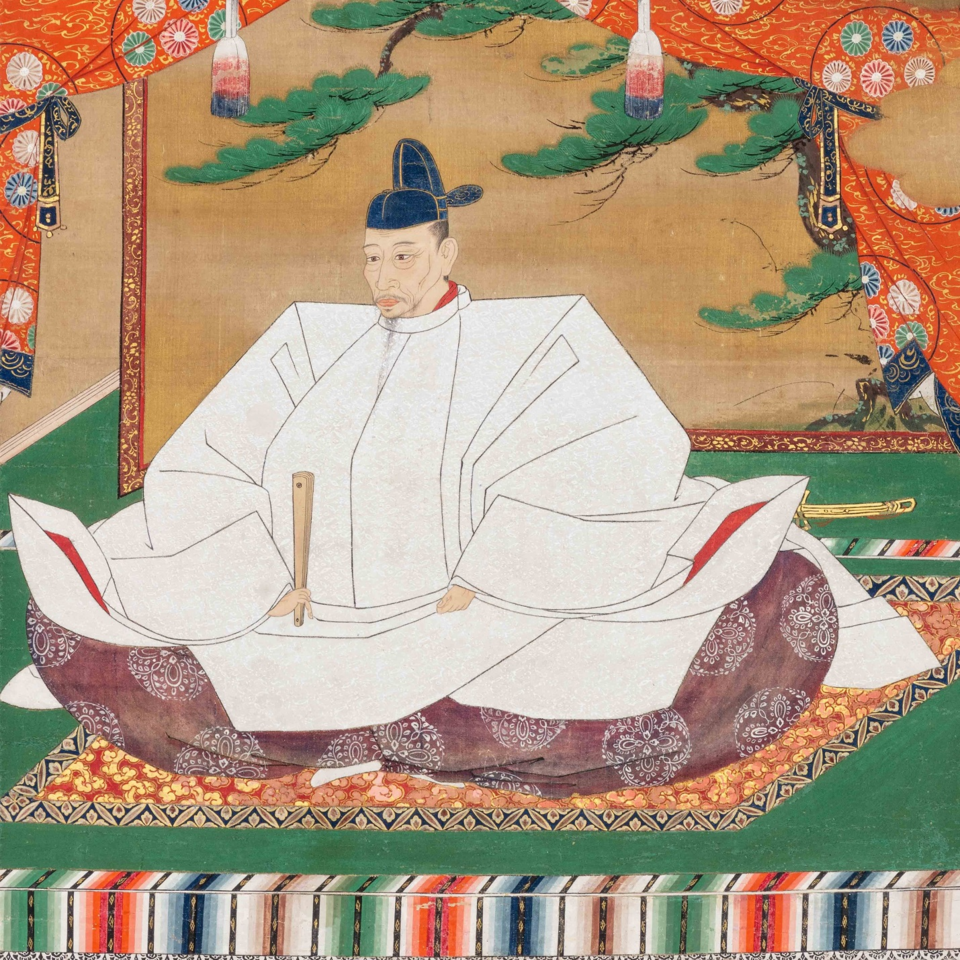
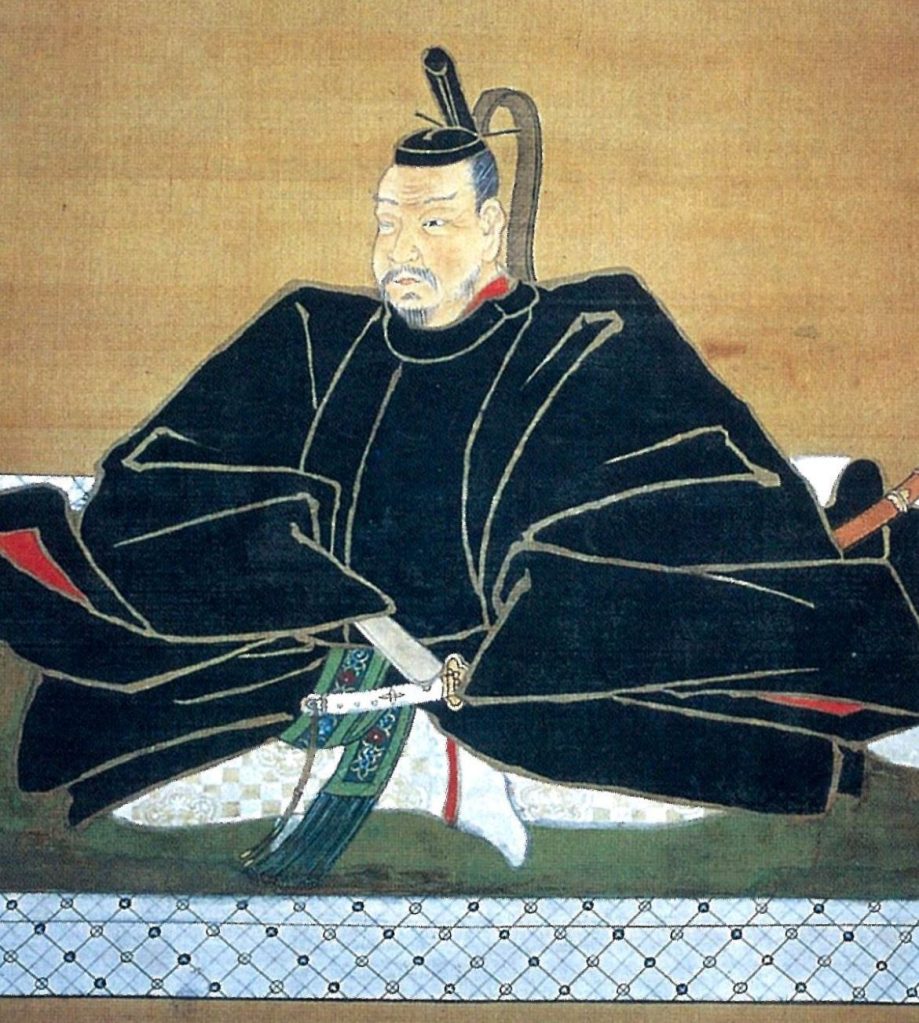
    Toyotomi Hideyoshi

    There were some final (and quite half-hearted) attempts at negotiation, but Hideyoshi’s position was clear: either the Hojo would submit, or they would be destroyed. The Hojo, an old, proud, and powerful clan, refused to bow, and by 1590, Hideyoshi had mustered an army of some 200,000 men to force the issue.

    Tokugawa Ieyasu, whose lands lay between the Hojo and Hideyoshi, initially sought to mediate, as his daughter was married to Hojo Ujinao, the nominal lord of the clan. These attempts failed, however, and Ieyasu threw in his lot with Hideyoshi, making preparations in his lands for the movement of thousands of troops advancing on the Kanto.

    The Kanto is surrounded by mountains and, at least in theory, very easy to defend, as there are only a limited number of passes through which a large body of troops can pass. The Hojo knew this and fortified as many of these passes as they could. Unfortunately, they were now being attacked on practically all sides. As well as the Tokugawa-Toyotomi force coming from the east, they also face an army sent along the Nakasendo road to attack Usui Pass in the north, and a force dispatched from the North-East would advance into Musashi Province and attack the castles there. Even the ocean to the south wasn’t open to the Hojo, as a naval force attacked Nagahama Castle in Izu.

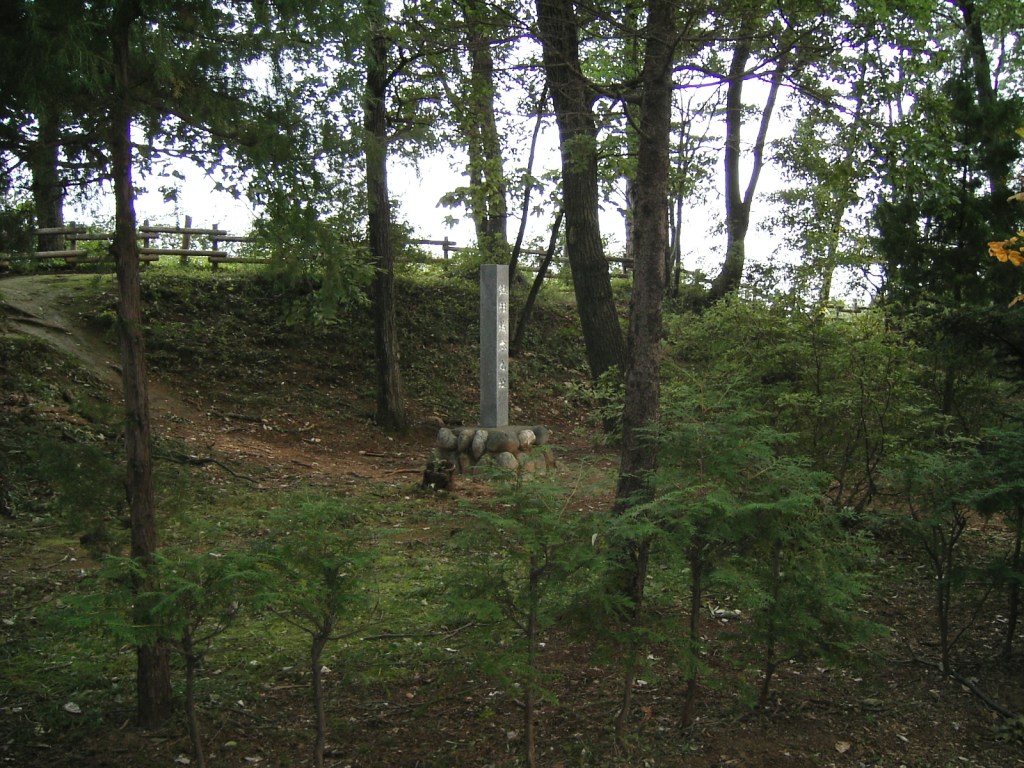
    The site of Nagahama Castle today.

    The main blow would come from the west, however, as Hideyoshi led his army in an attack on the apparently formidable fortress of Yamanaka. Before the outbreak of hostilities, the Hojo had dispatched a garrison of 4000 men to the castle and set about improving its fortifications. Unfortunately, this work was not completed by the time Hideyoshi’s army arrived, and, despite its reputation as the “gateway” to the Kanto, Yamanaka fell in a single morning, despite brave resistance from the overmatched garrison.

    Other castles in the area were taken or besieged, bottling up their garrisons and preventing them from supporting the main attack on Odawara, which itself came under siege in early May. Odawara itself was an enormous castle, and despite the size of Hideyoshi’s army, there was no serious attempt to take it by storm. Instead, the siege camp became something of a small town, with everything from prostitutes to theatrical troupes plying their trade amongst the besiegers, whilst the Hojo defenders were often obliged to sleep on the battlements in their armour, for fear of a sudden attack.

    With Odawara now firmly under siege, Hideyoshi was confident enough to dispatch forces to support the campaigns in other parts of Hojo territory, with many of the castles falling with surprising speed. This was largely due to the fact that the Hojo had mobilised the vast majority of their forces for the defence of Odawara itself, leaving most of the outlying castles only lightly defended. When faced with the overwhelming strength of the forces arrayed against them, most of these castles surrendered immediately, or else were taken after only brief resistance.

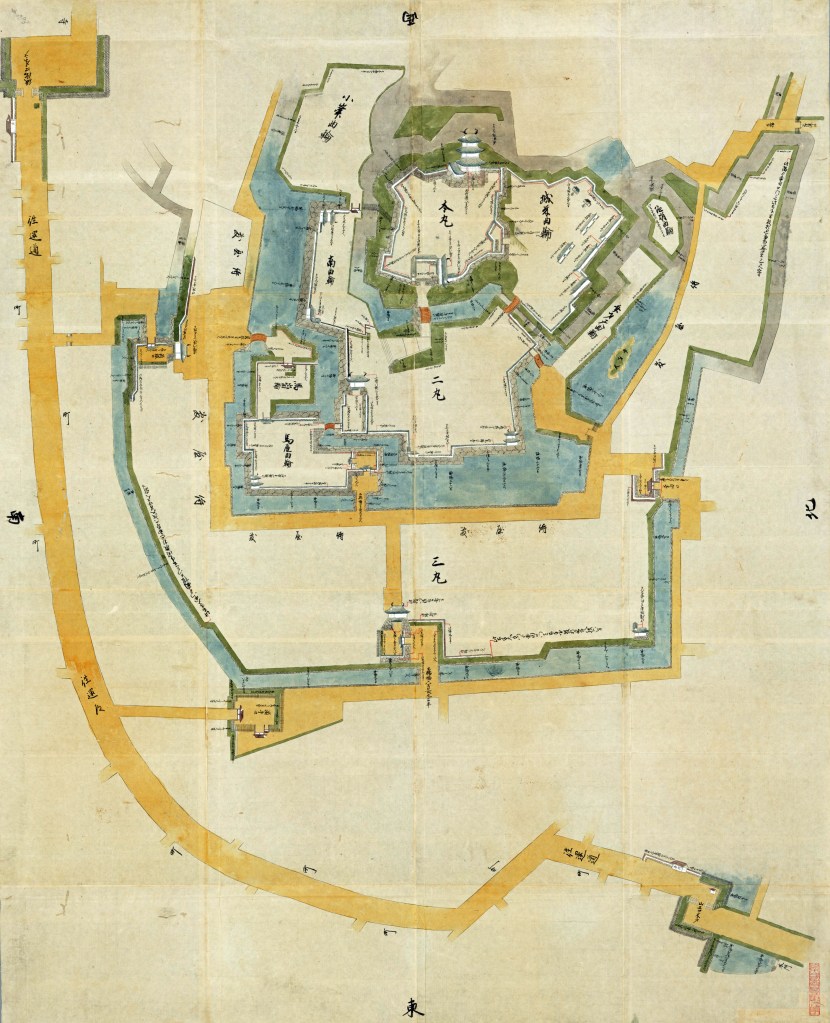
    The layout of Odawara Castle.

    There is some evidence that the speed at which many of these castles fell led Hideyoshi to criticise his generals in the region, suggesting that taking so many castles so easily could not be considered a military achievement.

    The ease of the advance wasn’t true everywhere, however. At Iwatsuki (in modern Saitama), a force of 20,000 was held up by the defenders for several days despite a numerical advantage of 10-1. When the castle fell, Hideyoshi ordered that all the fighting men be killed, and the women and children taken prisoner. Instead, the commanding general, Asano Nagamasa, had already agreed to spare the surviving warriors, the women and the children as part of the surrender agreement.

    Meanwhile, the Siege at Hachigata Castle (also in Saitama) concerned Hideyoshi enough that he sent a sternly worded letter to Nagamasa, ordering him to focus his efforts there. Nagamasa did so, and a combined army of some 35,000 men attacked Hachigata, forcing the garrison to surrender. Once again, arrangements were made to spare the garrison and non-combatants, though this time it doesn’t seem to have been in defiance of Hideyoshi’s orders.

    The site of Hachigata Castle as they appear today.
    Taketarou – 投稿者自身による著作物, CC 表示-継承 3.0, https://commons.wikimedia.org/w/index.php?curid=1273726による

    While most castles were taken by force, negotiation, or a combination of the two, some held out, either through the skill of their defenders or, as was the case at Tatebayashi Castle, by apparently divine intervention. The castle was apparently founded with the help of a grateful fox, who rewarded the lord of the castle for rescuing its baby by marking out the foundations of the fortress in an area of swampy ground.

    This soggy position made the castle very difficult to approach, and when it came under siege, the attackers laid down logs across the swamp to create a roadway to the castle walls. With their pathway secure, the besiegers got a good night’s rest and prepared for a dawn attack. When the sun rose, they found that the roadway had disappeared completely, something put down to the fox spirit protecting the castle rather than the possibility that the logs had just sunk.

    Another famous, watery siege was that of Oshi Castle. Surrounded on two sides by rivers, Oshi was besieged by forces led by Ishida Mitsunari (who will become very important). Much ike Tatebayashi, Oshi’s watery position made it difficult to overcome. Mitsunari (apparently on written instructions from Hideyoshi) set about building an enormous levee surrounding the fort, forcing the water from the two rivers to inundate the castle and flood out its defenders.

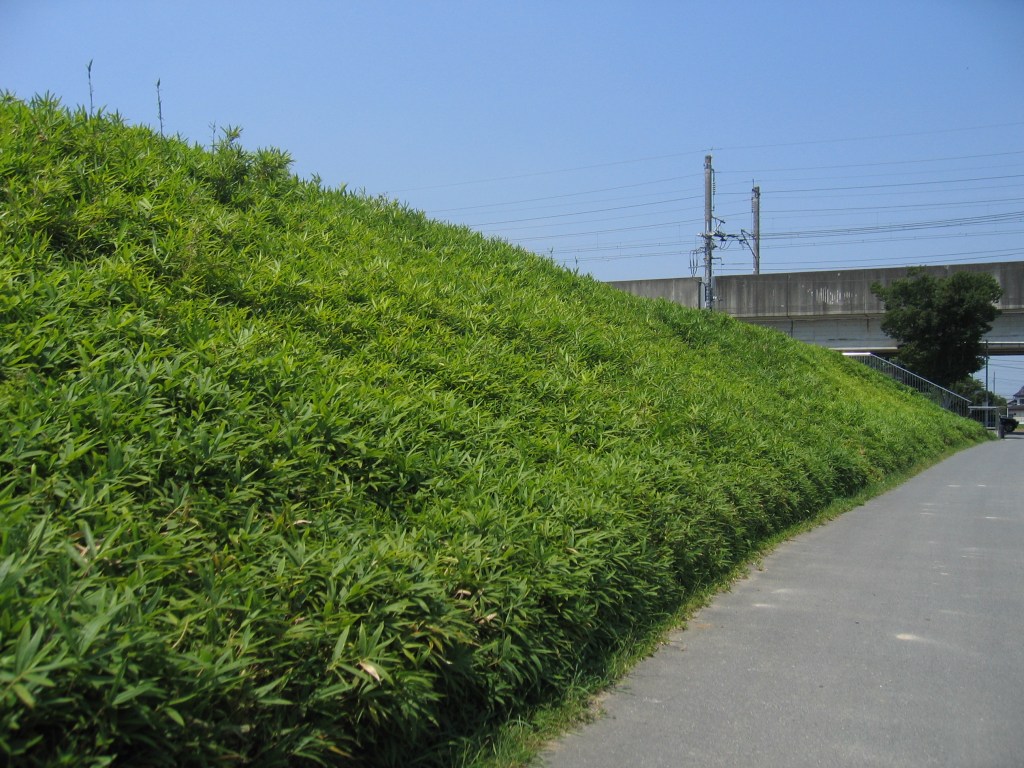
    The levee (Ishida Tsutsumi) as it appears today in modern Konosu, Saitama.
    京浜にけ – 投稿者自身による著作物, CC 表示-継承 3.0, https://commons.wikimedia.org/w/index.php?curid=100409931による

    To the besiegers’ surprise, the waters didn’t actually flood the castle; instead, they gave it the appearance of floating on the water, leading it to be referred to as the “Floating Castle” (this is the title of a manga and its later 2012 adaptation, both about the siege). Following several days of heavy rain, the levee broke (or was sabotaged in some sources), flooding the siege camp and killing up to 200 warriors.

    The failure of this approach would seriously damage Mitsunari’s military reputation (some sources point out that he was just following Hideyoshi’s instructions, but the damage was done), and the siege was eventually taken over by Asano Nagamasa. An all-out assault on the castle was impossible due to the effects of the flooding, which had turned the ground into an impassable quagmire, and Oshi has the distinction of being one of the few fortresses that held out until the end of the Odawara Campaign, before eventually surrendering nearly 2 weeks after the fall of Odawara.

    Odawara, as one of the most formidable castles in the realm, hadn’t come under direct attack, but the siege had been dragging on for weeks, and news from other parts of the Kanto was almost universally bad, sapping the already fragile morale of the defenders. Shortly after the siege began, the loyalty of the Date Clan was still in doubt, and the Hojo held out hope that they might receive aid from outside the Kanto. Date forces indeed entered the Kanto, but in support of Hideyoshi, ending any hope of relief.

    Date Masamune. His decision to support Hideyoshi ended any hope the Hojo had of outside support.

    Though no general assault was launched, there were a few small-scale skirmishes and sporadic gunfire, and by early summer, signs of a breakdown in morale were appearing on both sides, with an increase of desertion amongst the besiegers, and the ever-present possibility of defection from the Hojo, especially as news of the rapid fall of other castles arrived.

    Negotiations began early in the siege, largely facilitated by Tokugawa Ieyasu, Hojo Ujinao’s father-in-law. Rumours of a peace agreement spread almost immediately, and Ujinao’s grandmother and step-mother (Ujimasa’s second wife) both died mysteriously on the same day. Historians generally believe they committed suicide, either in protest of a peace deal or in prospect of one.

    News of the fall of other fortresses was followed by the public display of the heads of those killed, and then the wives and children of the survivors outside the castle walls, further depleting the defenders’ morale. Towards the end of the siege, the appearance of Ishigakiyama Castle, built in just a few months, on a mountain not far from Odawara, effectively ended what remained of the Hojo’s will to resist.

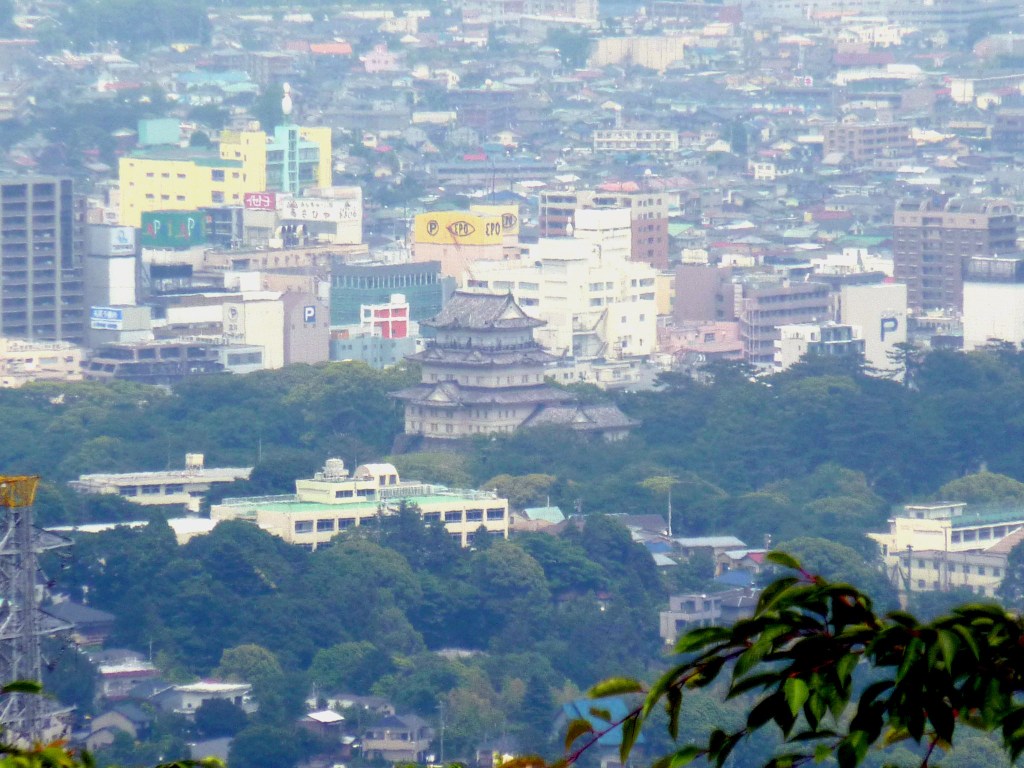
    Odawara Castle as seen from Ishigakiyama.

    A side note here, there is a popular legend that Ishigakiyama Castle was ‘built in one night’, which was clearly impossible, with later sources suggesting that rather than literally being built overnight, the castle was instead constructed behind a forest, which was itself cut down overnight, giving the impression that the castle had appeared from nowhere. Modern scholars doubt that either version is true, as Ishigakiyama is easily visible from Odawara, and though the castle was certainly built unusually quickly, it is now thought to have been constructed in full view of the Hojo, to highlight the impossibility of their situation.

    After this, the besiegers made a point of keeping up a light but continuous rain of gunfire on the castle, intending to grind down their morale, and when a final, furious night attack from the castle was repelled in August, the writing was on the wall, and a delegation from the Hojo was sent out to offer the seppuku of Hojo Ujinao and the surrender of the castle, in exchange for the lives of the remaining garrison.

    Hideyoshi accepted the surrender of the castle on the condition that all the remaining senior Hojo, Ujinao, his father Ujimasa, and uncle Ujiteru, commit seppuku, and that the provinces of Musashi, Sagami, and Izu (the Hojo heartlands) be given up. Further resistance was now impossible, and the Hojo agreed. Tokugawa Ieyasu successfully intervened for the life of his son-in-law, Ujinao, but he would fall sick (possibly with smallpox) and die by the end of the year.

    Hojo Ujinao.

    In the aftermath of the fall of Odawara, the Kanto would come under the control of Tokugawa Ieyasu, who had previously agreed to trade his three home provinces for the five of the Kanto, making his new base at Edo Castle, the site of the modern Imperial Palace in Tokyo. In the long-term, this would prove to be a genius move on Ieyasu’s part, but for now, the man who came out on top was Toyotomi Hideyoshi.

    With the Hojo defeated, there were no longer any serious rivals to his rule. For the first time in more than a century, the realm was united under a single, undisputed leader, who set about ensuring it would never again fall into chaos.

    The situation after the fall of Odawara. No more division, no more chaos, at least on paper.
    By Alvin Lee – Own work, CC BY-SA 4.0, https://commons.wikimedia.org/w/index.php?curid=39214210

    Hideyoshi’s conquest of Odawara marked the end of the second phase of Japan’s reunification. Next week, we’ll take a step back to look at another name we’ve mentioned a lot, Oda Nobunaga, the first of the great unifiers.

    Sources
    https://ja.wikipedia.org/wiki/%E6%83%A3%E7%84%A1%E4%BA%8B%E4%BB%A4
    https://ja.wikipedia.org/wiki/%E5%B1%B1%E4%B8%AD%E5%9F%8E
    https://ja.wikipedia.org/wiki/%E5%B0%8F%E7%94%B0%E5%8E%9F%E5%BE%81%E4%BC%90
    https://ja.wikipedia.org/wiki/%E7%9F%B3%E5%9E%A3%E5%B1%B1%E5%9F%8E
    https://ja.wikipedia.org/wiki/%E5%BF%8D%E5%9F%8E%E3%81%AE%E6%88%A6%E3%81%84
    https://ja.wikipedia.org/wiki/%E5%BF%8D%E5%9F%8E
    https://ja.wikipedia.org/wiki/%E7%9F%B3%E7%94%B0%E5%A0%A4
    https://ja.wikipedia.org/wiki/%E9%A4%A8%E6%9E%97%E5%9F%8E
    https://ja.wikipedia.org/wiki/%E5%B2%A9%E6%A7%BB%E5%9F%8E
    https://ja.wikipedia.org/wiki/%E6%B5%85%E9%87%8E%E9%95%B7%E6%94%BF
    https://ja.wikipedia.org/wiki/%E9%89%A2%E5%BD%A2%E5%9F%8E
    https://ja.wikipedia.org/wiki/%E9%9F%AE%E5%B1%B1%E5%9F%8E
    https://ja.wikipedia.org/wiki/%E9%95%B7%E6%B5%9C%E5%9F%8E_(%E4%BC%8A%E8%B1%86%E5%9B%BD)
    https://ja.wikipedia.org/wiki/%E6%9D%BE%E4%BA%95%E7%94%B0%E5%9F%8E
    https://en.wikipedia.org/wiki/Toyotomi_Hideyoshi
    https://en.wikipedia.org/wiki/Siege_of_Odawara_(1590)