If the bird doesn’t sing, kill it.
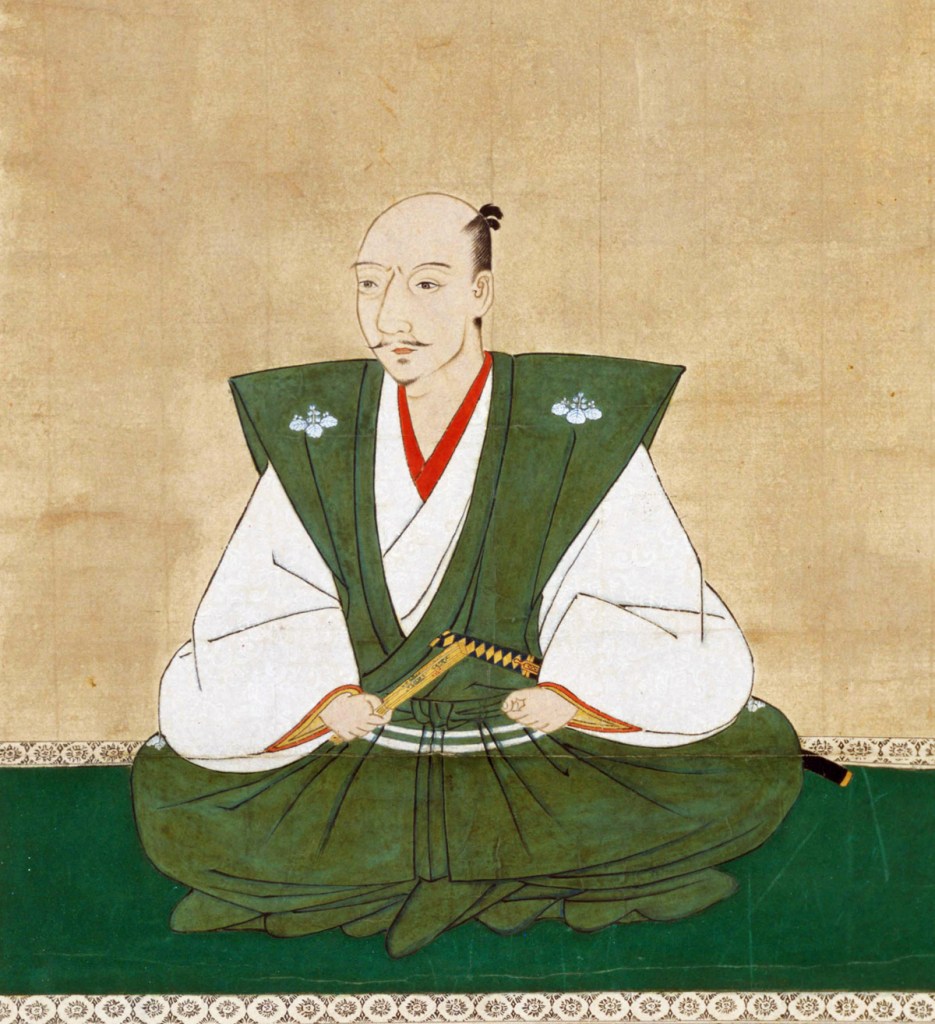
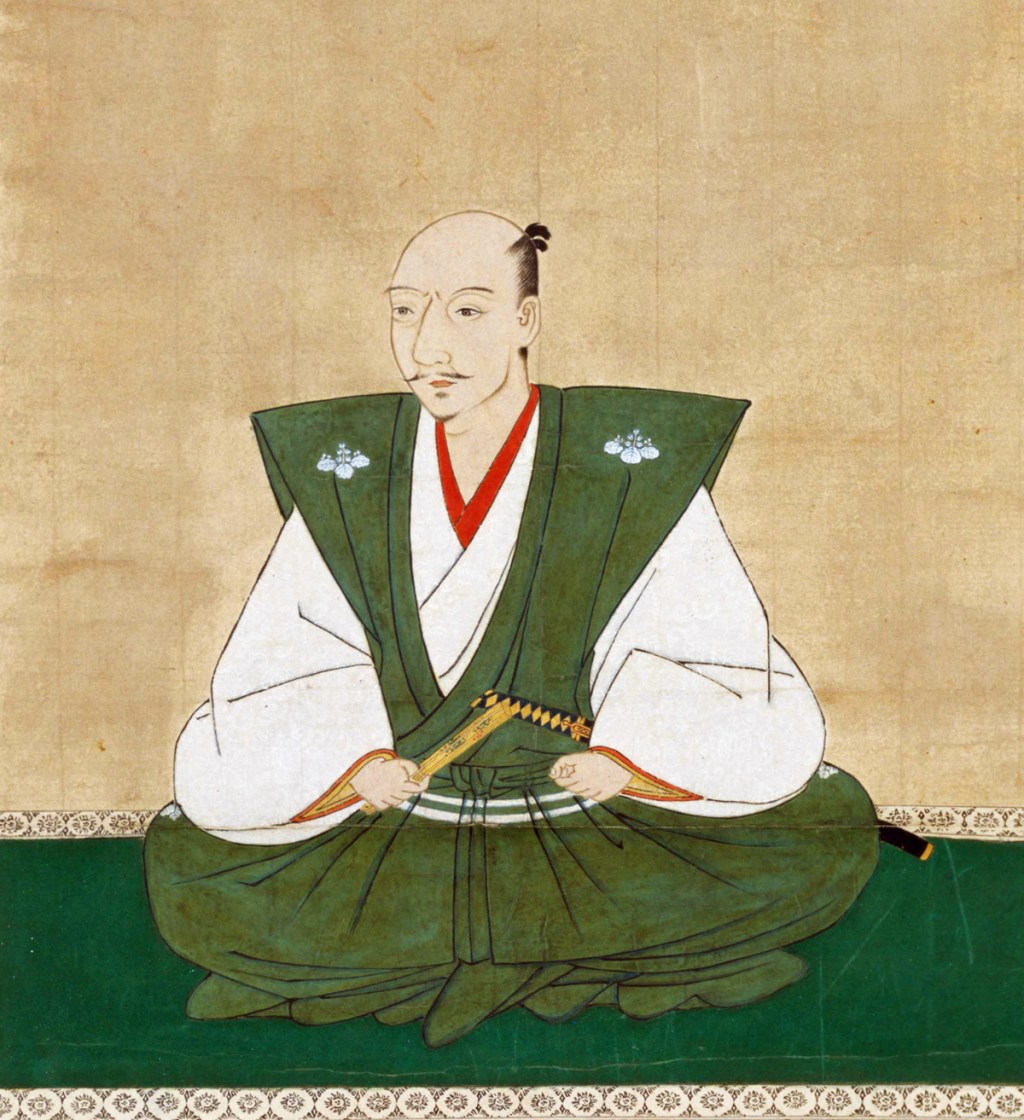
Three names have appeared in these posts a lot recently: Oda Nobunaga, Toyotomi Hideyoshi, and Tokugawa Ieyasu. These three men stand above their peers as the men who ultimately brought an end to the Sengoku Jidai and reunited the country. Only the third, Ieyasu, would go on to establish a dynasty that would rule Japan for more than 200 years, but the road to peace and unity began with arguably the most violent of the three, Oda Nobunaga.
At the time of his birth in 1534, the Oda Clan were relatively small fry, serving as deputy governors of a few counties in southern Owari Province (around modern Nagoya), and Nobunaga’s father, Nobuhide, was engaged in a protracted struggle within his own Clan for dominance of what little they possessed. Nobunaga’s birthplace is a matter of some debate, but scholars generally agree he was born at Shohata Castle, in modern Aisai City
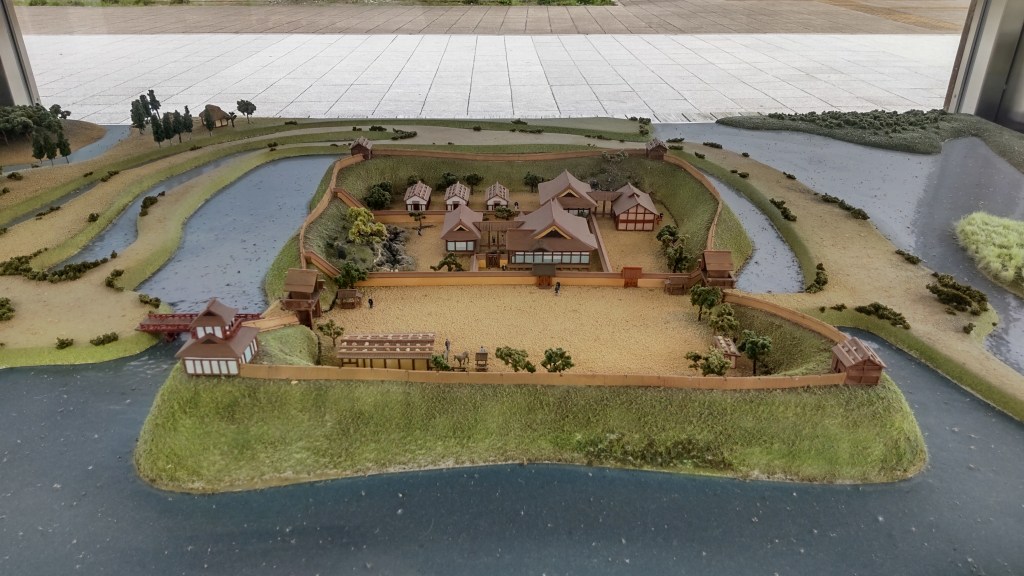
アセルス – 投稿者自身による著作物, CC 表示-継承 4.0, https://commons.wikimedia.org/w/index.php?curid=119789512による
Nobunaga’s father, Nobuhide, had been a relatively successful military leader and politician, but by the late 1540s, the situation for Nobunaga’s family was precarious. Surrounded by enemies both at home and outside the province, the Oda were able to secure peace with the powerful Saito Clan in 1548 (or 1549) by marrying Nobunaga to Lady Noh, the daughter of Saito Dosan.
This reprieve allowed the Oda to temporarily secure their northern frontier, but many problems remained. Nobuhide fell ill and died quite suddenly in 1552, and Nobunaga inherited the leadership of the Clan. Unfortunately for him, he was not a popular choice. During his youth, Nobunaga had earned a reputation as something of an eccentric, wearing garish clothes and generally making a nuisance of himself. This reputation was compounded at Nobuhide’s funeral, where Nobunaga is supposed to have thrown incense at the funeral tablet and, in some sources, smashed it to the ground.
Called the “Great Fool of Owari” by even his own retainers, Nobunaga’s political situation was very weak, and his brother, Nobukatsu, quickly emerged as a potential rival. In protest of Nobunaga’s behaviour, his tutor, Hirate Masashide, committed suicide in early 1553. Though some sources say that his act shocked Nobunaga into changing his behaviour, others disagree, and some even say Hirate’s death was related to a different matter entirely. Regardless, his death was a serious blow, as he was a capable administrator and a powerful ally to the young Nobunaga.
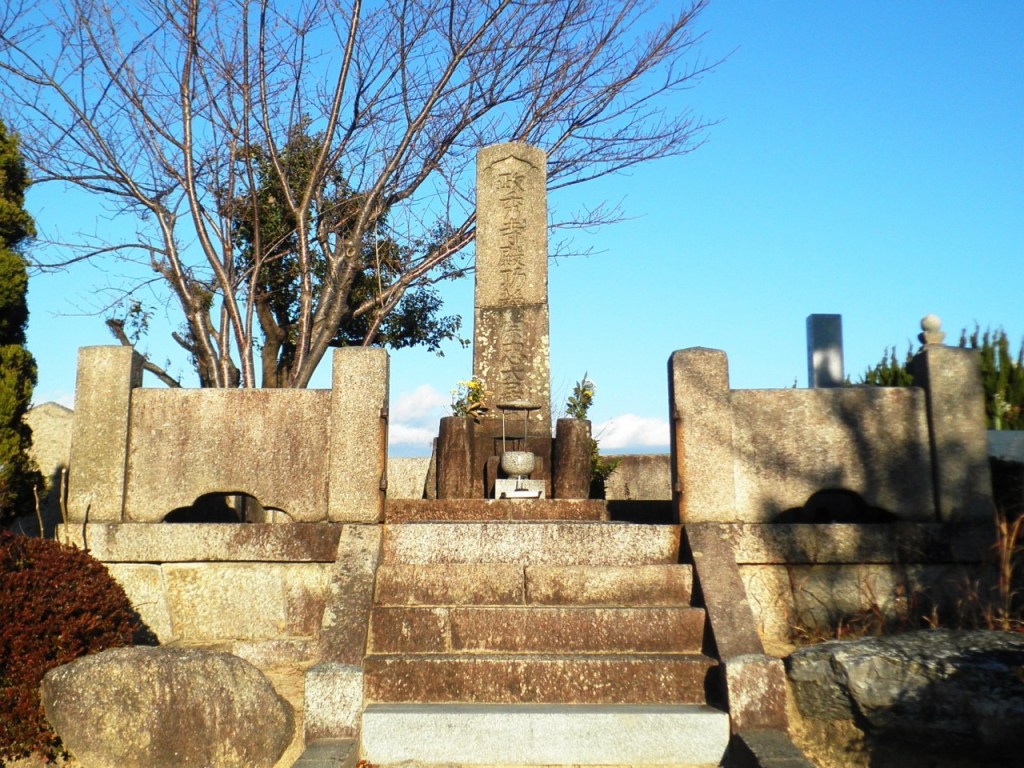
立花左近 – 投稿者自身による著作物, CC 表示-継承 3.0, https://commons.wikimedia.org/w/index.php?curid=18040180による
Despite this setback, Nobunaga proved to be every bit his father’s son, winning a decisive victory against his rivals within the Oda Clan at the Battle of Ajiki in August 1554, following this up by taking Kiyosu Castle from his uncle later that year, and bringing an end to the rival line of his Clan.
With his base now secure, Nobunaga began to involve himself in affairs outside of Owari. However, the relative weakness of his Clan was quickly revealed. In 1556, Nobunaga marched an army into Mino Province in support of his ally Saito Dosan, who was facing a rebellion from his own son. The Oda struggled to make progress, and after Dosan himself was killed in battle, Nobunaga retreated.
This defeat robbed Nobunaga of his most powerful ally, and enemies closer to home sought to take advantage. Throwing their support behind his brother, Nobukatsu, they launched a rebellion in September 1556, which Nobunaga was able to put down at the Battle of Inou. In the aftermath, he pardoned his brother (apparently at his mother’s request). When Nobukatsu tried again in 1558, he found himself bereft of supporters. No longer in a forgiving mood, Nobunaga had his brother killed.
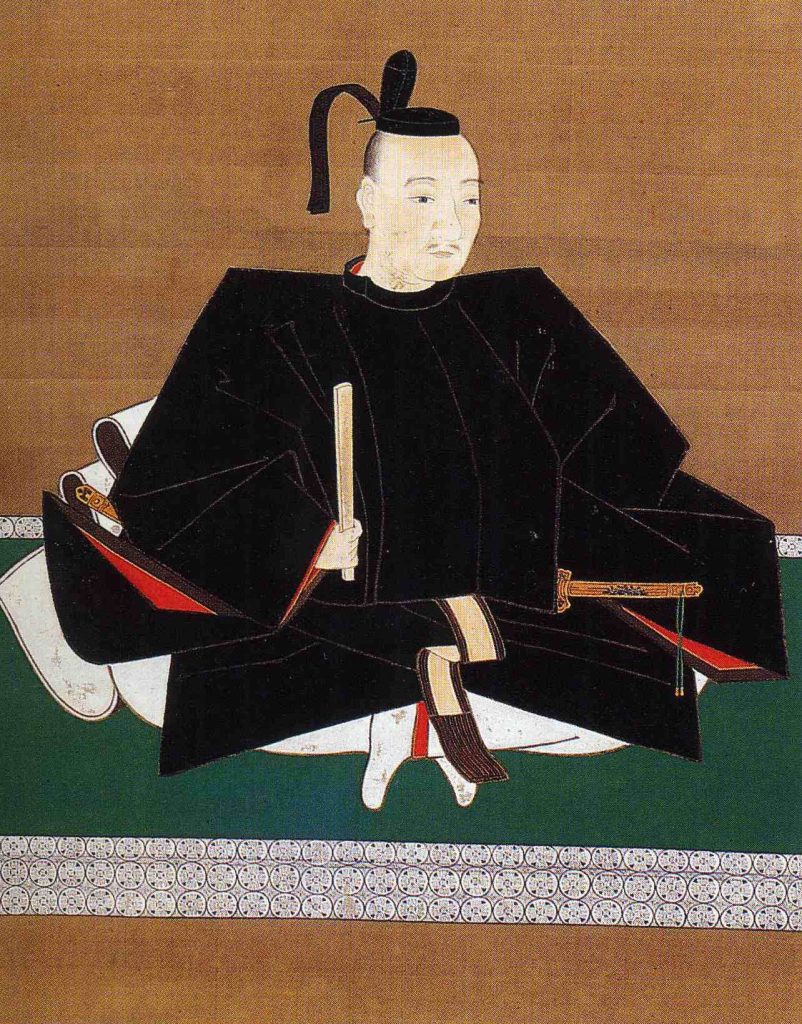
In the summer of that year, Nobunaga completed the unification of Owari Province, defeating the last of his erstwhile cousins at the Battle of Ukino, taking their last fortress the next year. With Owari under his control, Nobunaga sought recognition from the Shogunate in Kyoto, hoping to have the Oda declared as the official rulers of the province. This goal seems not to have been reached, but the lack of formal recognition did little to change the situation on the ground.
In 1560, Nobunaga’s relatively weak position put him in the path of the powerful Imagawa Clan, who launched an invasion of Owari in late spring. The Imagawa Force numbered around 25,000 men (some sources say 45,000), and the Oda were heavily outnumbered. When Imagawa forces, led by Matsudaira Motoyasu (better known to history as Tokugawa Ieyasu), began their attack, some of Nobunaga’s retainers urged submission.
Sources tell us that Nobunaga himself seemed unconcerned by this turn of events, even jumping up and doing a dance (it’s called the Atsumori if you’re interested), and is supposed to have said:
“A human life of fifty years is like a dream compared to the eternity of the world. Is there anyone who is born once and does not die?”
After this, he prepared for battle and set out at around 4am. Sometime in the late morning, he received information about the location of the Imagawa army at Okehazama. At around 1pm, a heavy rainstorm broke out (some sources suggest it was actually hail). What happened next is a matter of some scholarly debate, with the most common theory being that the Oda launched a surprise attack on the Imagawa camp, but the location of the battle and even the numbers involved are unclear.
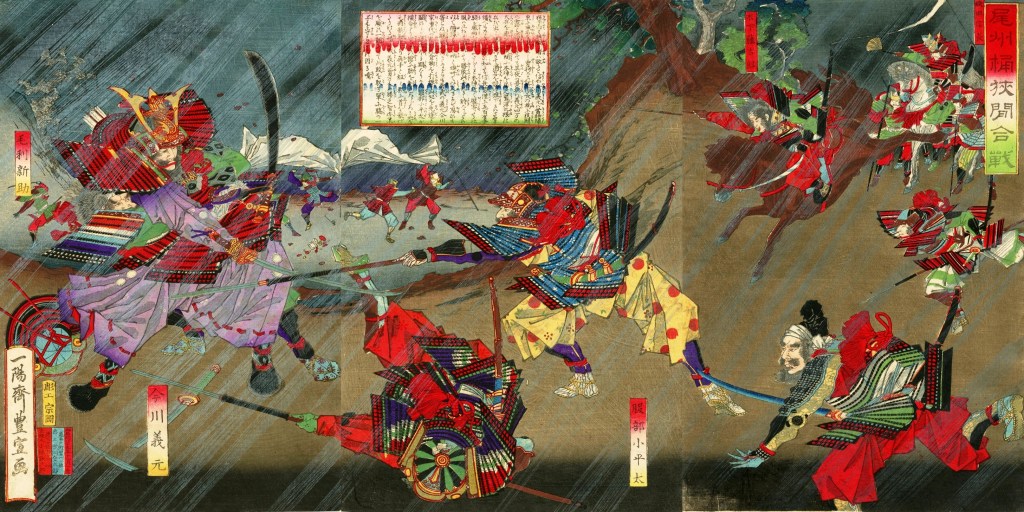
What we know for certain is that the head of the Imagawa, Yoshitomo, was killed (either in a surprise attack or shortly afterwards), and the Matsudaira (later Tokugawa) Clan defected, effectively switching sides to Nobunaga. The Battle of Okehazama has been the subject of much mythologising, but it certainly broke Imagawa power, established Nobunaga as a regional power, and laid the foundations for the alliance between the Oda and Tokugawa that would prove so important to both sides’ fortunes.
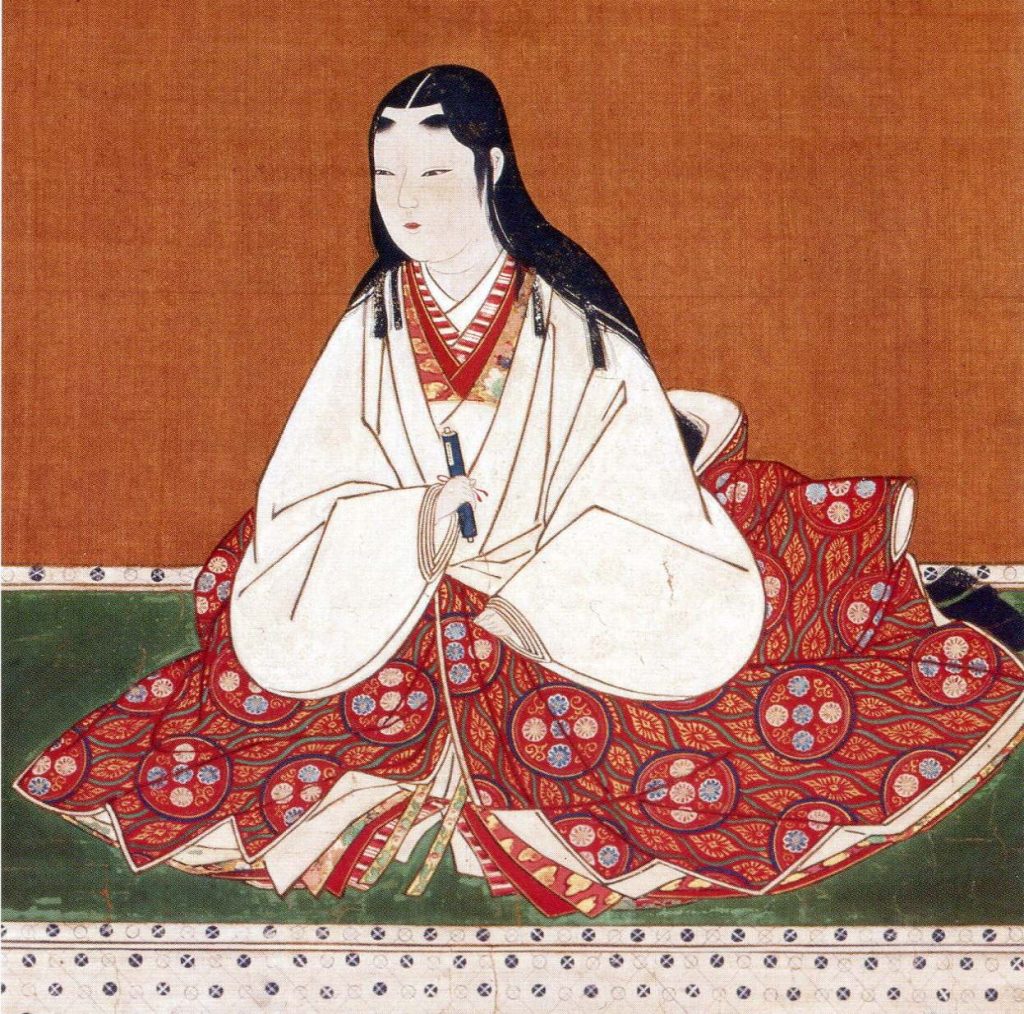
The year after Okehazama, Nobunaga was presented with another opportunity to enhance his power when the lord of the Saito Clan died, leaving his 14-year-old son as head of the Clan. Taking advantage of their weakened position, Nobunaga attacked the Saito in Mino Province, winning a decisive victory at the Battle of Moribe, and leaving him in control of a large part (though importantly, not all) of the province. He secured his position by arranging a marriage alliance between Azai Nagamasa, a lord of Omi Province, and his sister, Oichi, one of the most celebrated (and tragic) women of the era, but we’ll talk about her another time.
In 1566, Nobunaga saw an opportunity to raise his profile on the national stage. As we’ve discussed many times before, by this point, the Ashikaga Shogunate was a shadow of its former self, with a series of puppet Shoguns dominated by powerful clans who used the waning prestige of the Shogunate for their own ends.
In June 1565, the Eiroku Incident saw the assassination of Shogun Ashikaga Yoshiteru. In response, his younger brother, Yoshiaki, rather understandably fled the capital, finding refuge at Yajima in Omi Province, which happened to be close to the territory Nobunaga had recently taken over.
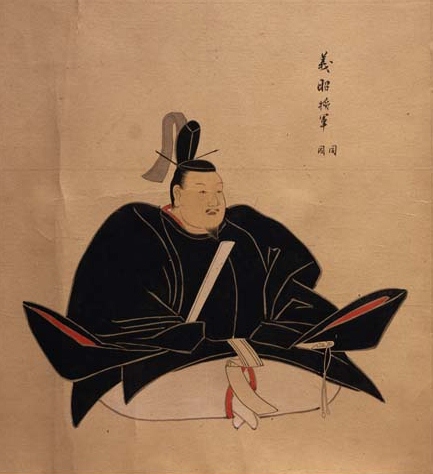
When Yoshiaki sought support for his return to Kyoto, Nobunaga very publicly agreed. Sources tell us that the plan was for a march on Kyoto to occur sometime in August or September 1566, but the ongoing conflict with the Saito Clan distracted him, and a major defeat at the (poorly documented) Battle of Konoshima left Nobunaga “humiliated before the entire world.”
Determined to restore his reputation and avenge this defeat, Nobunaga adopted the seal ‘Tenka Fubu, ‘ roughly meaning to “Unite the Realm under One Rule.” While later scholars point to this as an example of Nobunaga’s ambition, others suggest “Tenka” in this case doesn’t mean Japan as a whole, but rather a restoration of the Ashikaga Shogunate. This is apparently how it was seen at the time, as in November of 1566, the Emperor Ogimachi called Nobunaga the ‘greatest general’ and invited him to contribute funds to the restoration of Imperial estates in Kyoto.
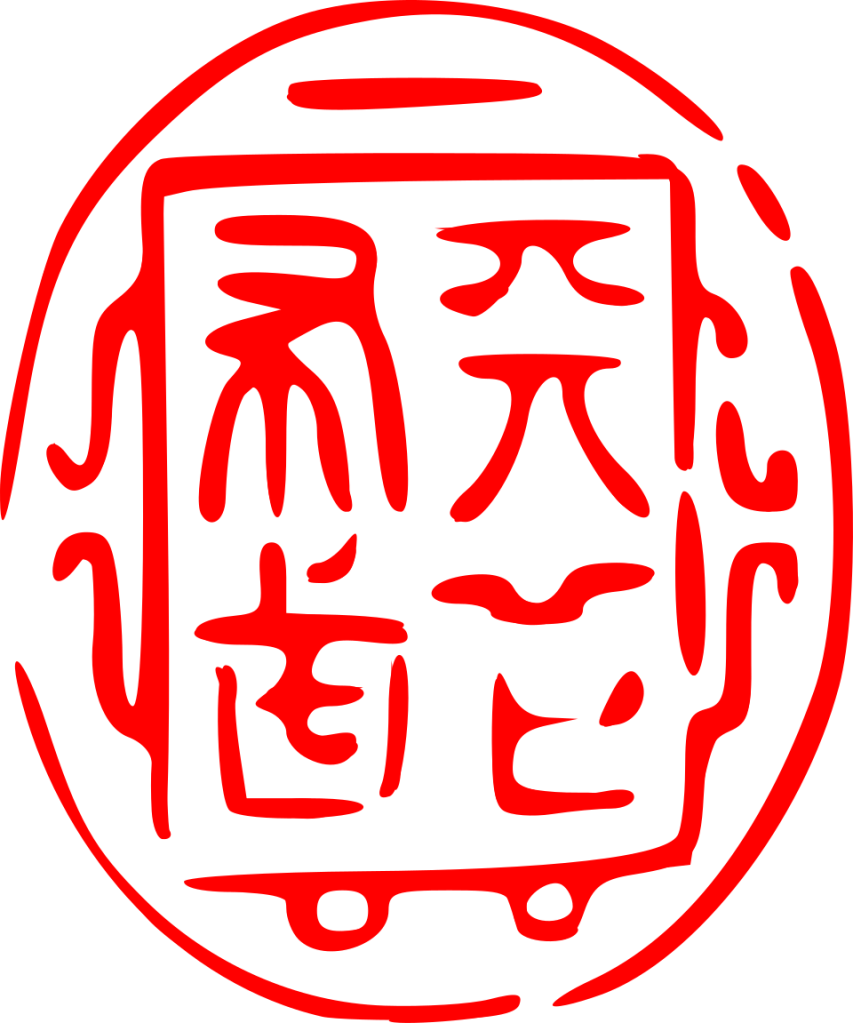
By 百楽兎 – Own work, CC BY-SA 3.0, https://commons.wikimedia.org/w/index.php?curid=1049021
Nobunaga is said to have replied simply, “I will consider it.”
Sources
https://ja.wikipedia.org/wiki/%E7%B9%94%E7%94%B0%E4%BF%A1%E9%95%B7
https://ja.wikipedia.org/wiki/%E7%B9%94%E7%94%B0%E4%BF%A1%E9%95%B7
https://ja.wikipedia.org/wiki/%E6%B2%B3%E9%87%8E%E5%B3%B6%E3%81%AE%E6%88%A6%E3%81%84
https://ja.wikipedia.org/wiki/%E6%A3%AE%E9%83%A8%E3%81%AE%E6%88%A6%E3%81%84
https://ja.wikipedia.org/wiki/%E6%A1%B6%E7%8B%AD%E9%96%93%E3%81%AE%E6%88%A6%E3%81%84
https://ja.wikipedia.org/wiki/%E6%95%A6%E7%9B%9B_(%E5%B9%B8%E8%8B%A5%E8%88%9E)
https://ja.wikipedia.org/wiki/%E6%B5%AE%E9%87%8E%E3%81%AE%E6%88%A6%E3%81%84
https://ja.wikipedia.org/wiki/%E5%AE%89%E9%A3%9F%E3%81%AE%E6%88%A6%E3%81%84
https://ja.wikipedia.org/wiki/%E5%B9%B3%E6%89%8B%E6%94%BF%E7%A7%80
https://ja.wikipedia.org/wiki/%E7%B9%94%E7%94%B0%E4%BF%A1%E7%A7%80
https://ja.wikipedia.org/wiki/%E6%96%8E%E8%97%A4%E9%81%93%E4%B8%89
 Chris Perry, Author
Leave a comment