Author: Chris Perry

  • Tokugawa Ieyasu and the Road to Osaka.

    Tokugawa Ieyasu and the Road to Osaka.

    By 1614, Ieyasu was unquestionably the master of Japan. Though he had formally resigned as Shogun in favour of his son, Hidetada, a decade earlier, the reins of power were firmly in his hands. Already in his 70s, practically ancient by the standards of the day, he was no doubt considering the sort of questions a man at the end of his life might contend with: “What happens after I am gone?”

    Hidetada was, by most accounts, a perfectly capable Shogun. He had earned a relatively good reputation on the battlefield, and most sources agree that he was hard-working and well-trained by his father. The problem for Ieyasu was that, despite everything, Tokugawa rule was not entirely unchallenged.

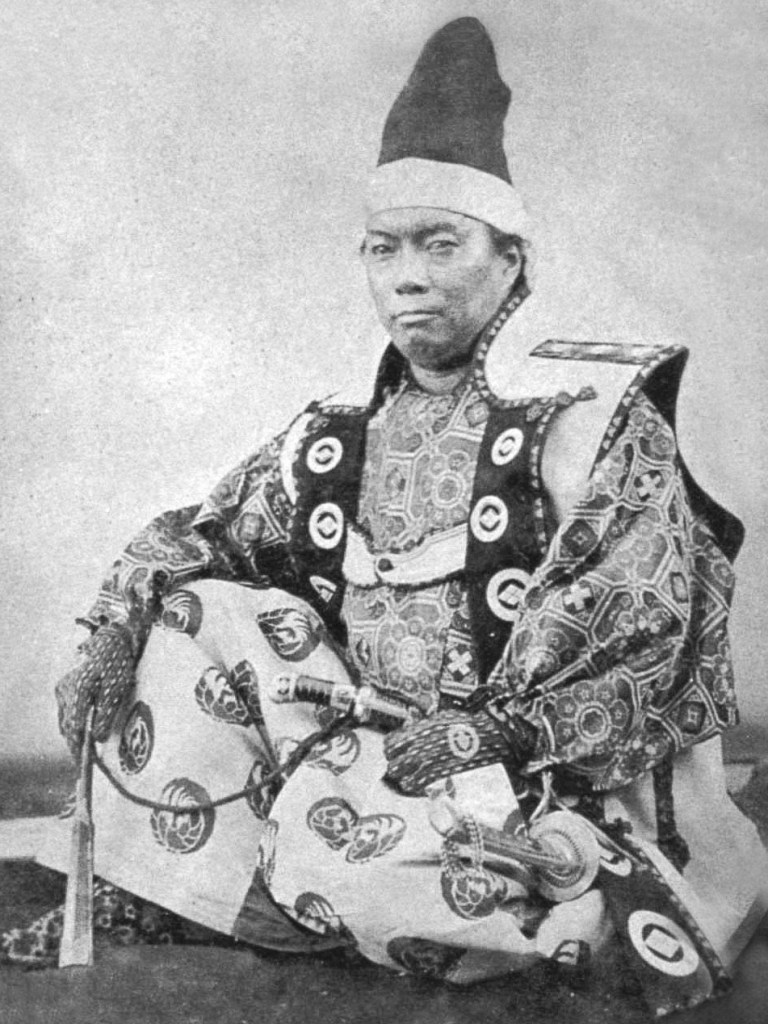
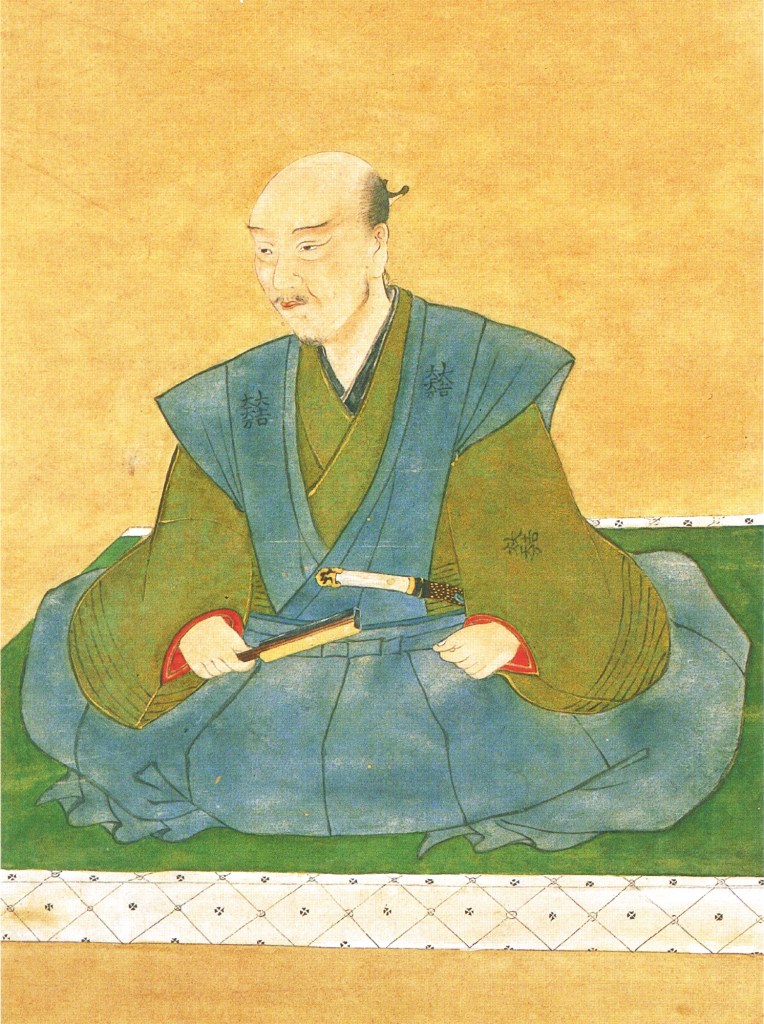
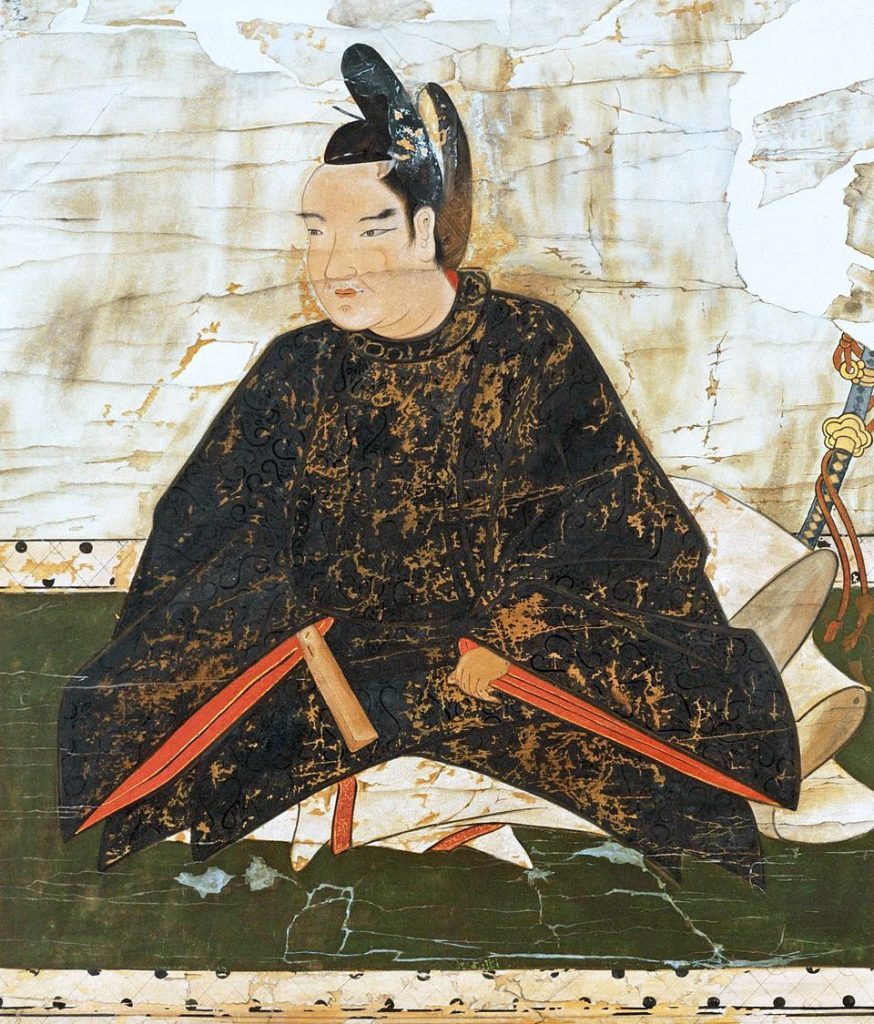
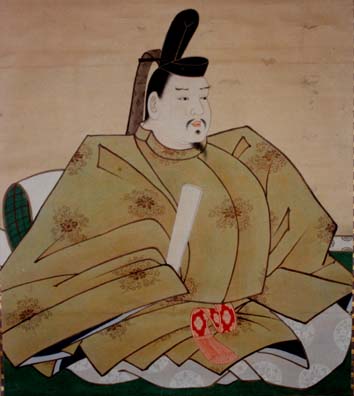
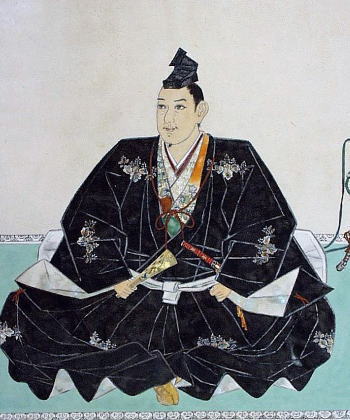
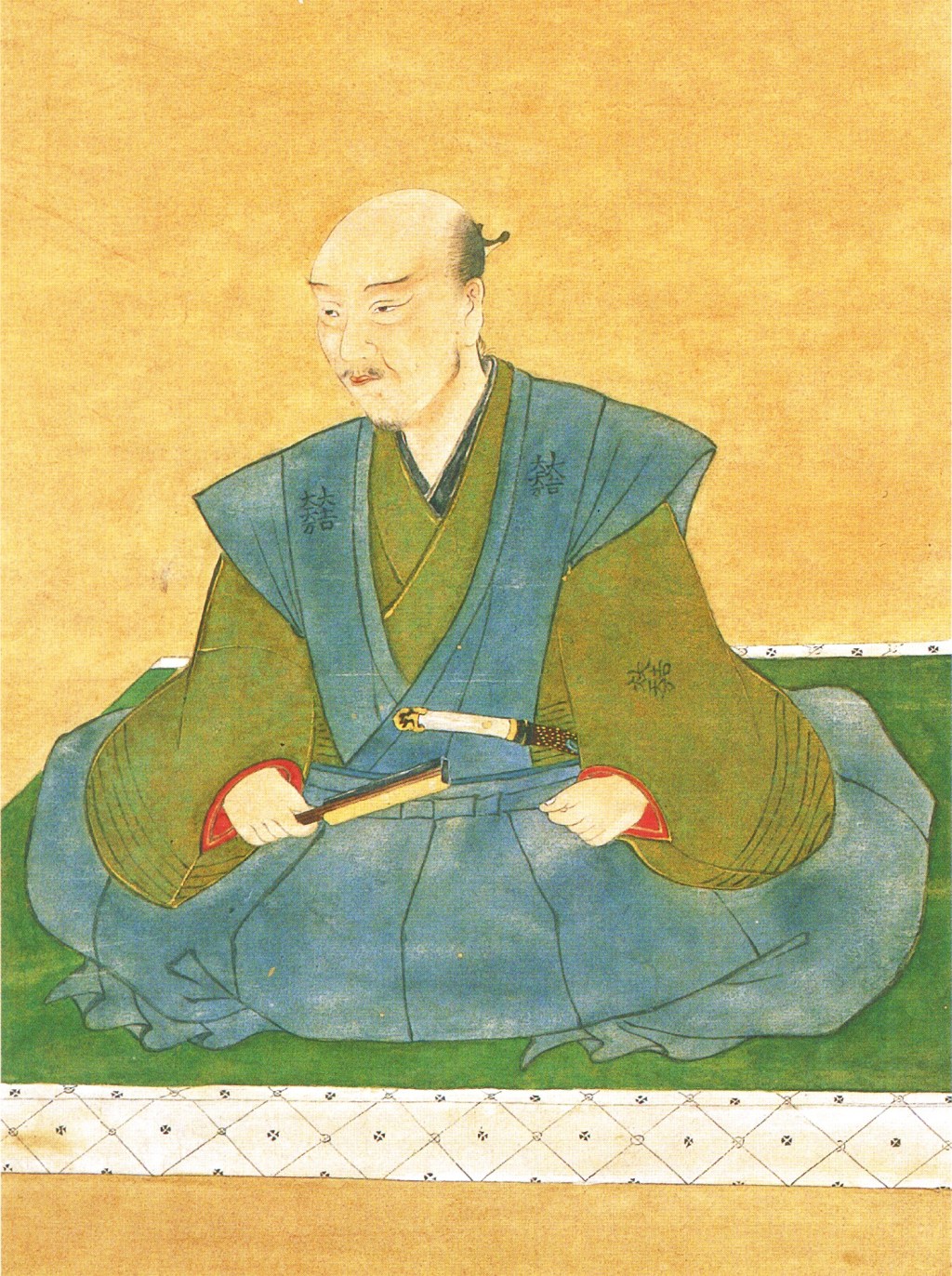
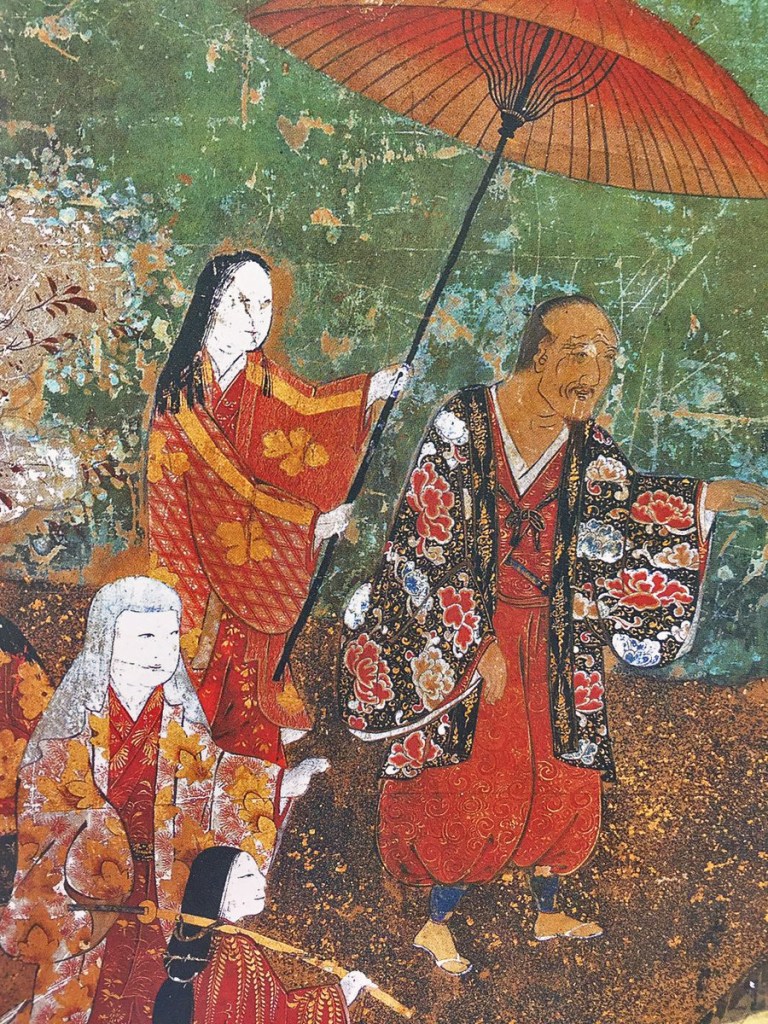
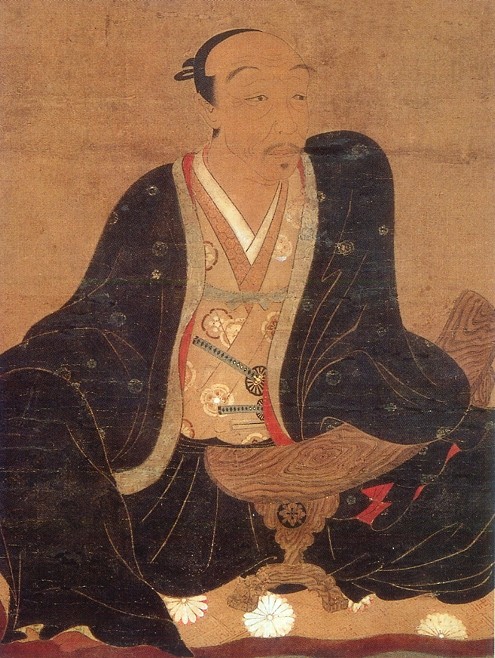
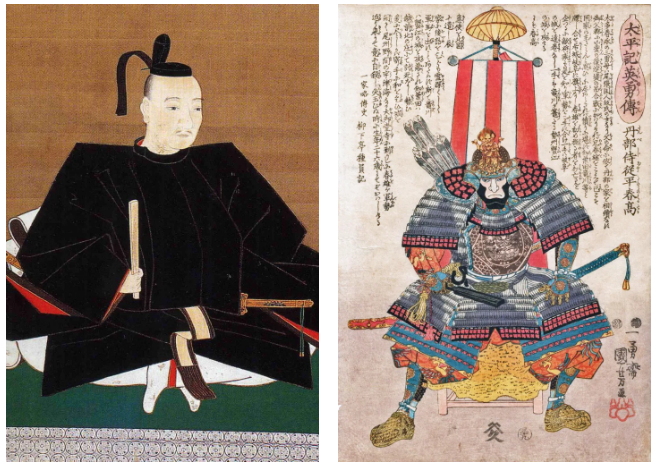
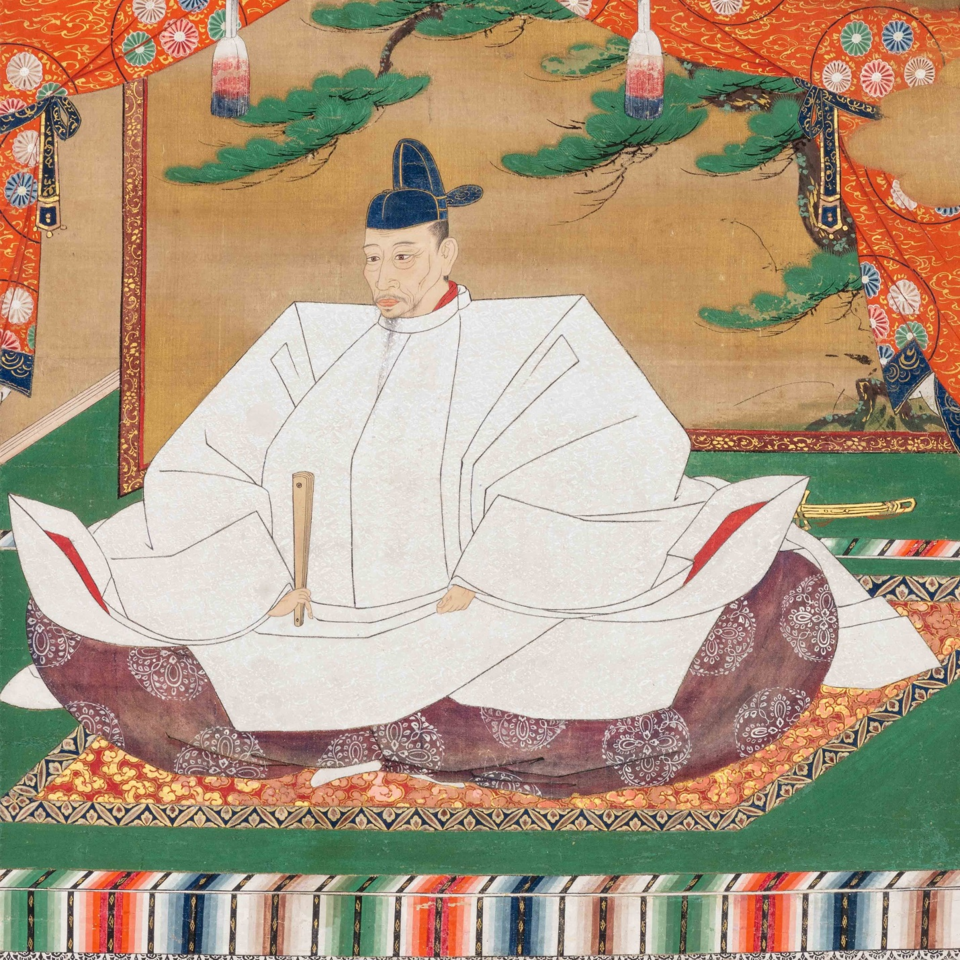
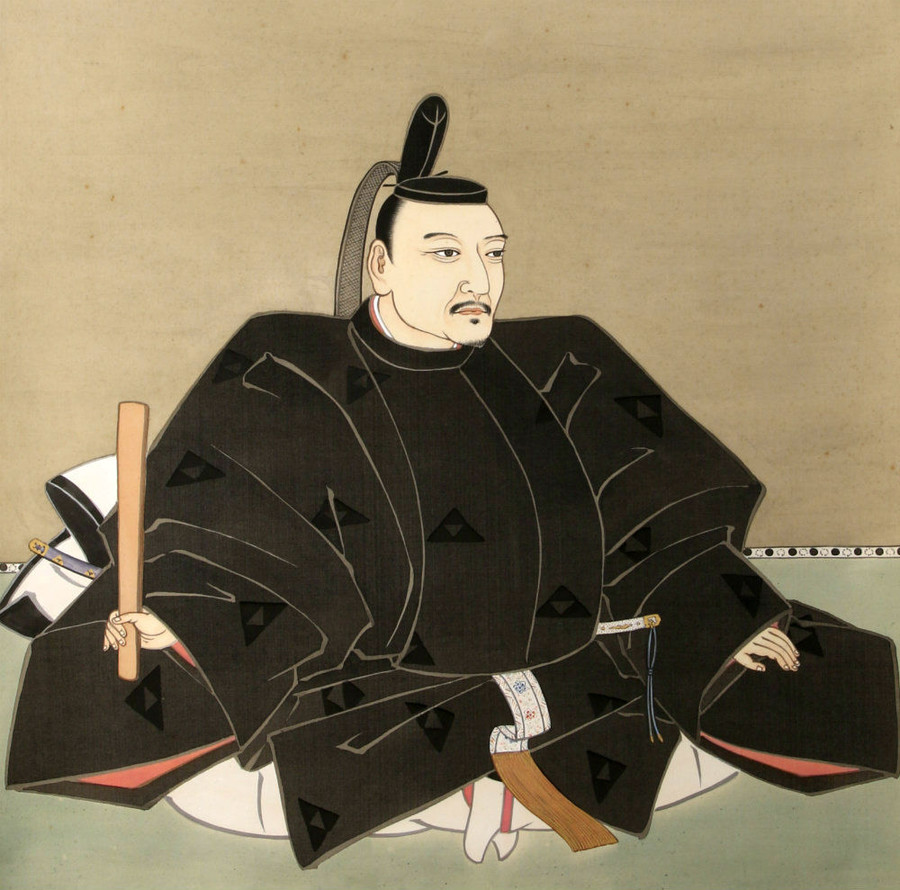
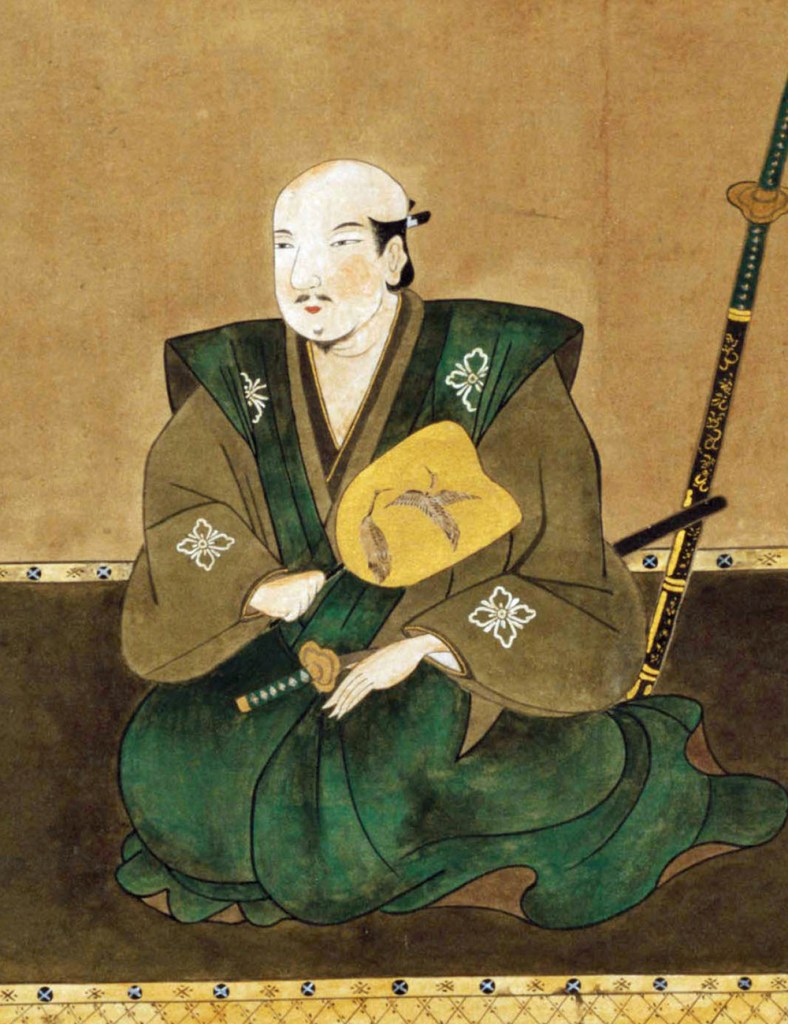
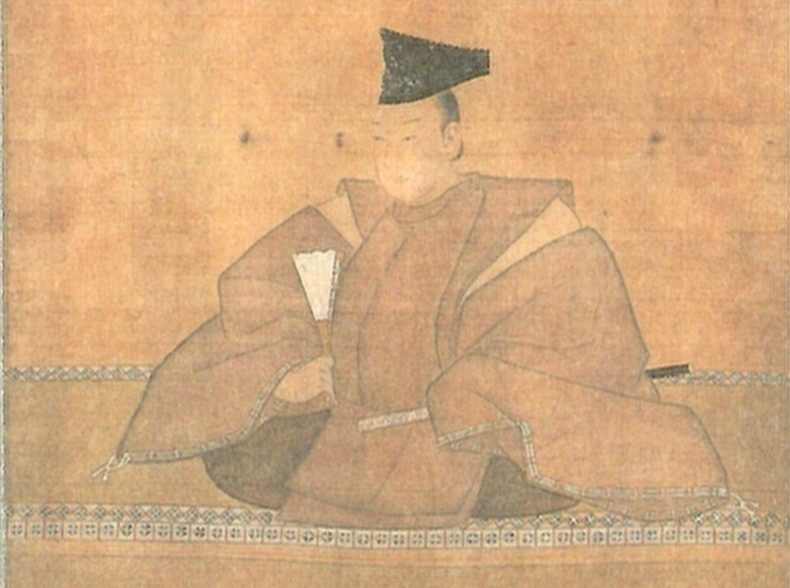
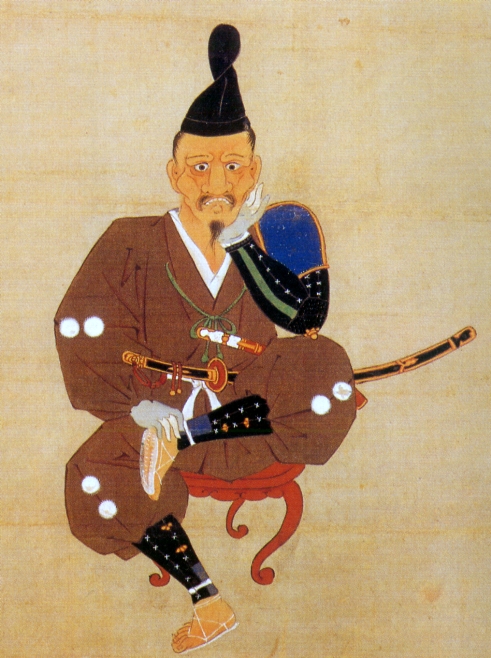
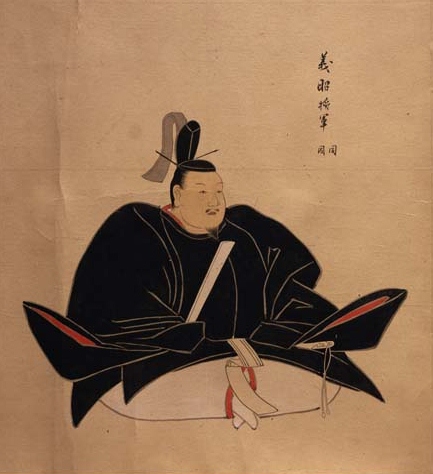
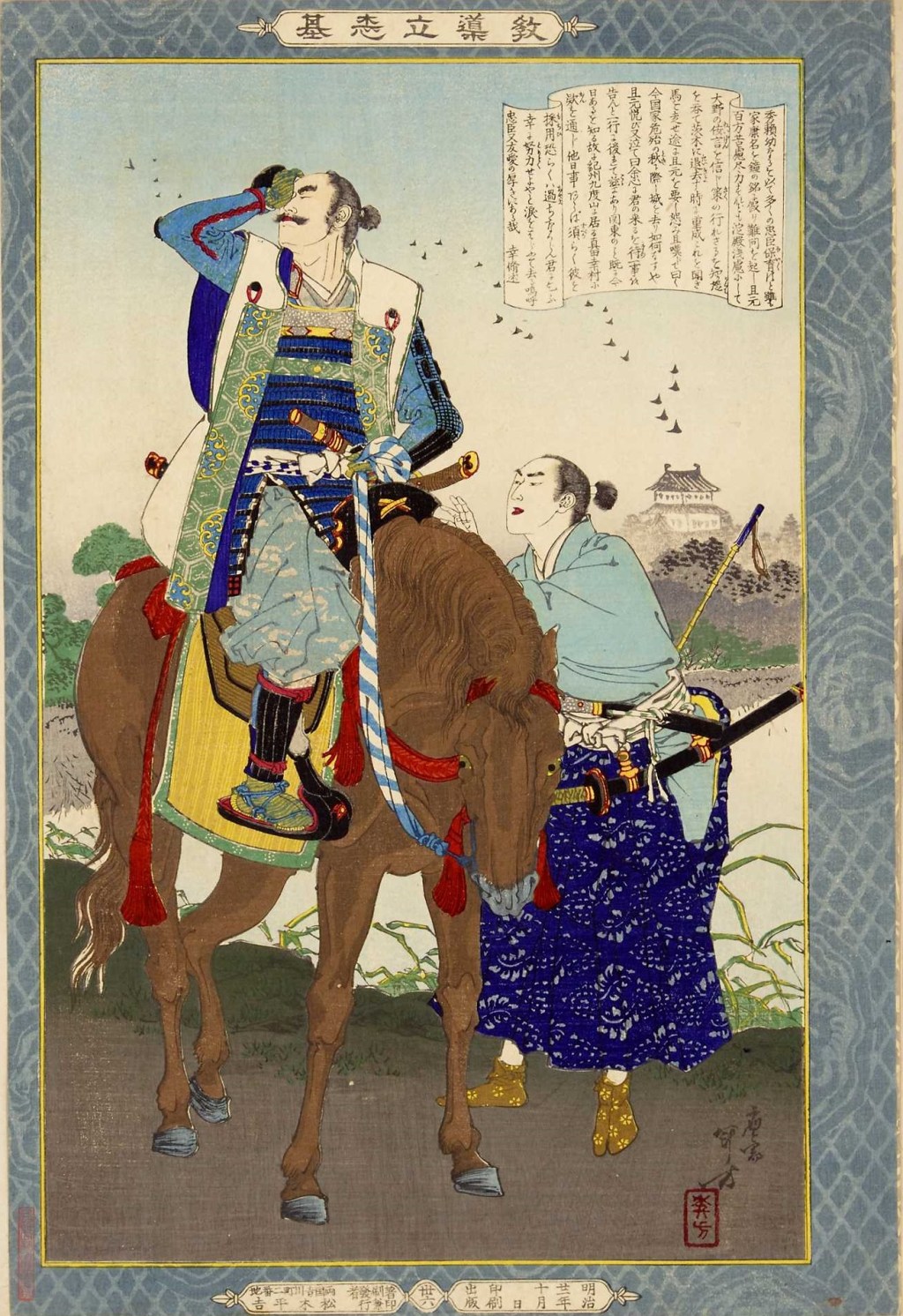
    Ieyasu as he appeared in later life. By 1614, he was the master of Japan, but despite all his power, his rule was not unchallenged.

    After the Battle of Sekigahara, Ieyasu had explicitly refused to take any action against Hideyoshi’s infant son, Hideyori. Instead, he had ensured that the Toyotomi Clan remained wealthy, and as long as Hideyori remained holed up in Osaka Castle, Ieyasu was content to leave him be.

    For his part, Hideyori initially seemed happy enough to remain where he was, spending large sums of money on restoring or rebuilding temples that had been damaged during the war, though his exact motivation for this has been questioned by scholars, with some suspecting he was seeking to gain divine support, and others suggesting that he was simply religious.
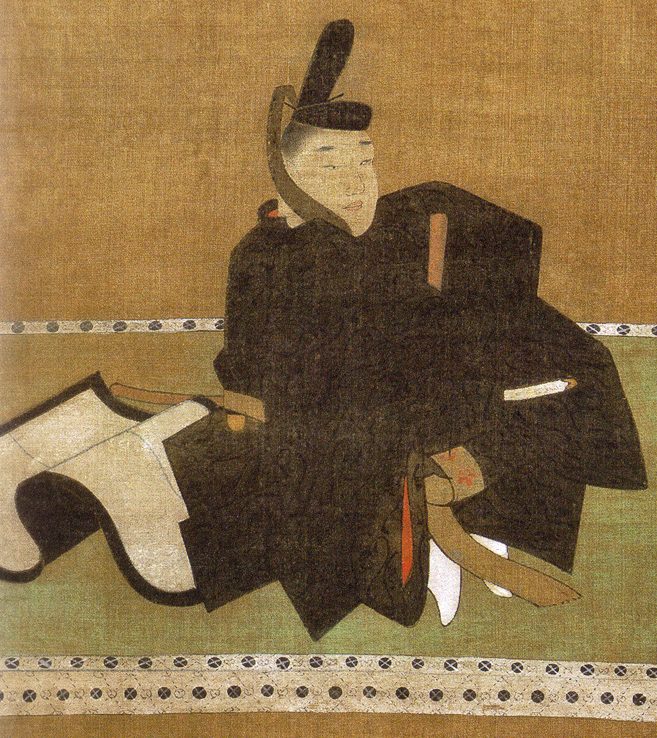
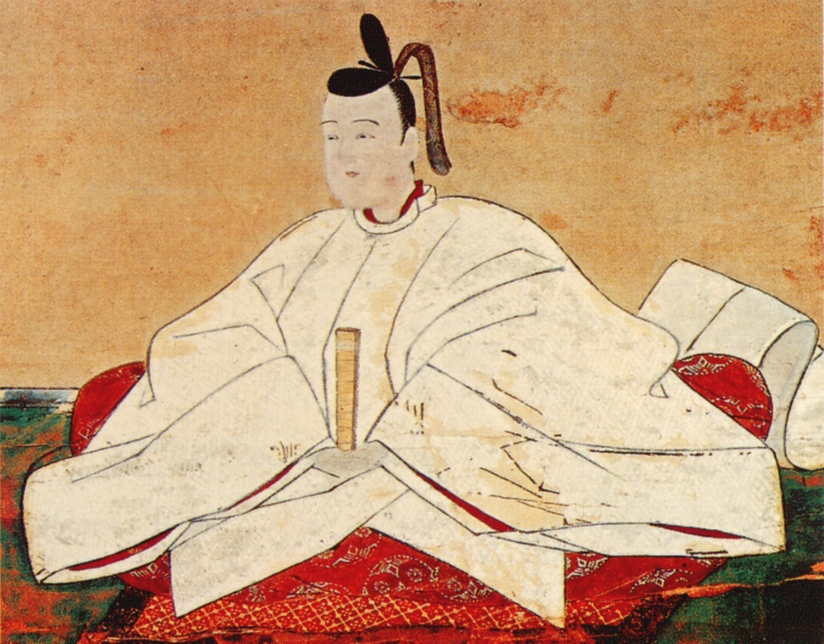
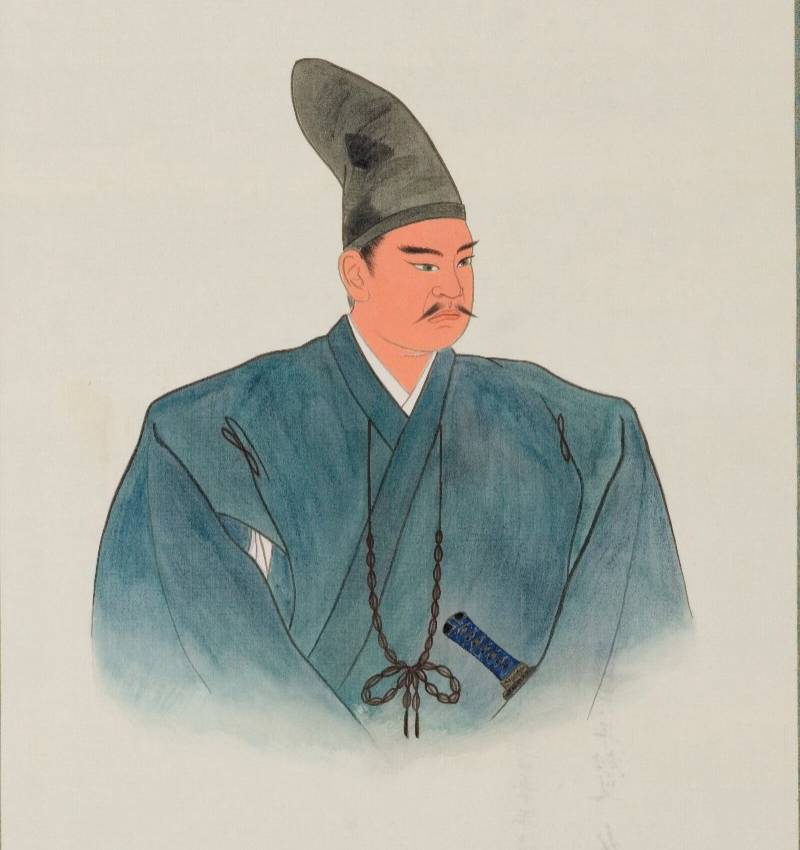
    Toyotomi Hideyori. Though he was his father’s heir, he seemed content to live a peaceful life.

    By late 1614, Hideyori was in his 20s and was beginning to attract attention as Hideyoshi’s rightful heir. One somewhat fanciful account tells us that by this time, Hideyori was nearly 2 metres tall and weighed over 160kg, and while no other sources corroborate his impressive size, he was beginning to become a focal point for Anti-Tokugawa elements in the realm.

    Ieyasu had plenty of reason to fear Hideyori’s challenge to his family’s rule; some scholars even suggest that Hideyori’s generosity towards various temples was actively encouraged by the Shogun as a way to drain Toyotomi resources that might otherwise have been spent on preparations for war. Whether this is true or not, it was increasingly clear that Ieyasu couldn’t simply let Hideyori be; all he needed was a pretext.
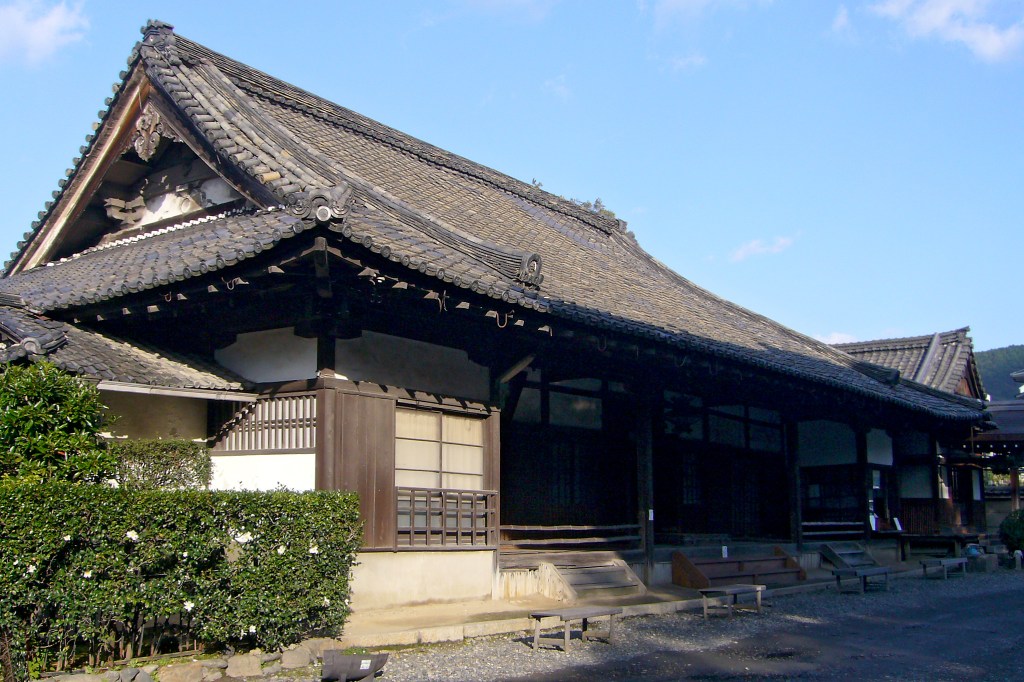
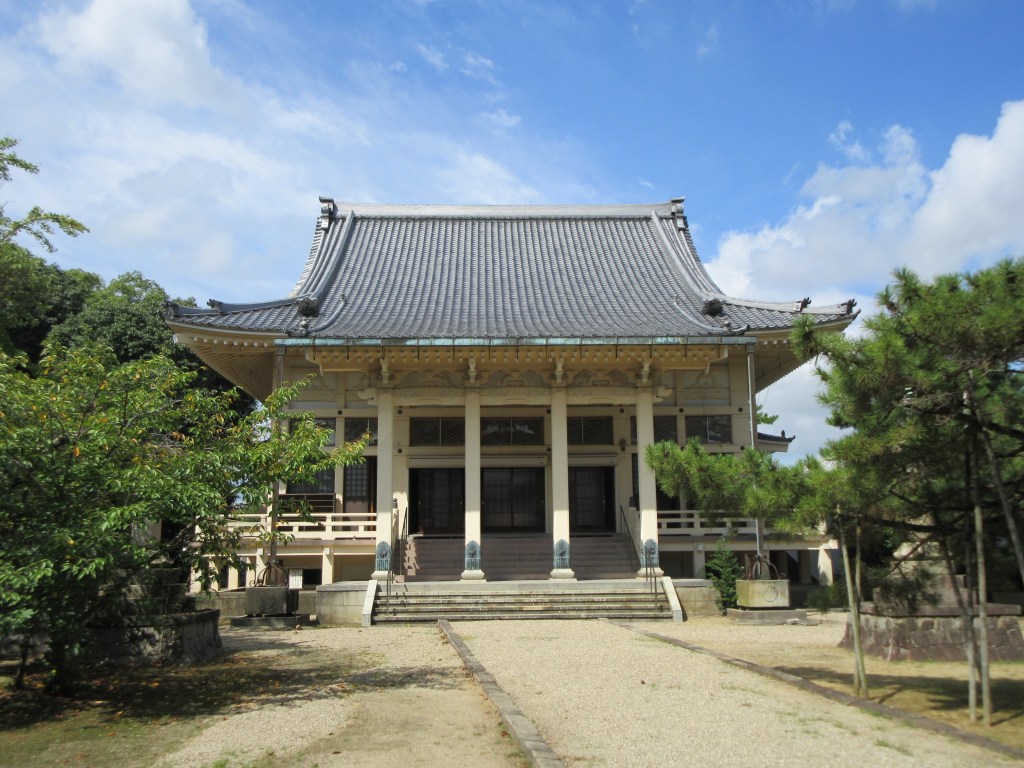
    The main hall of Hokoji as it appears today. Though it was relocated in the 19th Century, it is believed to have been originally built in the 17th.

    As part of his widespread temple-rebuilding projects, Hideyori commissioned a new bell for the Hokoji Temple near Kyoto. This was initially an uncontroversial act, but rumours soon spread that the bell had been inscribed with words that could be construed as prayers for the restoration of the Toyotomi and the downfall of the Tokugawa.

    The phrases themselves translate into English as “National peace and prosperity” and “Lord and subject enjoy abundant happiness“. From a modern perspective, neither of these seem particularly problematic, but the problem was that, in Japanese characters, the writing contained parts of Ieyasu’s name, split in two (ie, and yasu), which was construed as a form of cursing him, whilst the second phrase suggested that the “lord” in question was the Toyotomi.
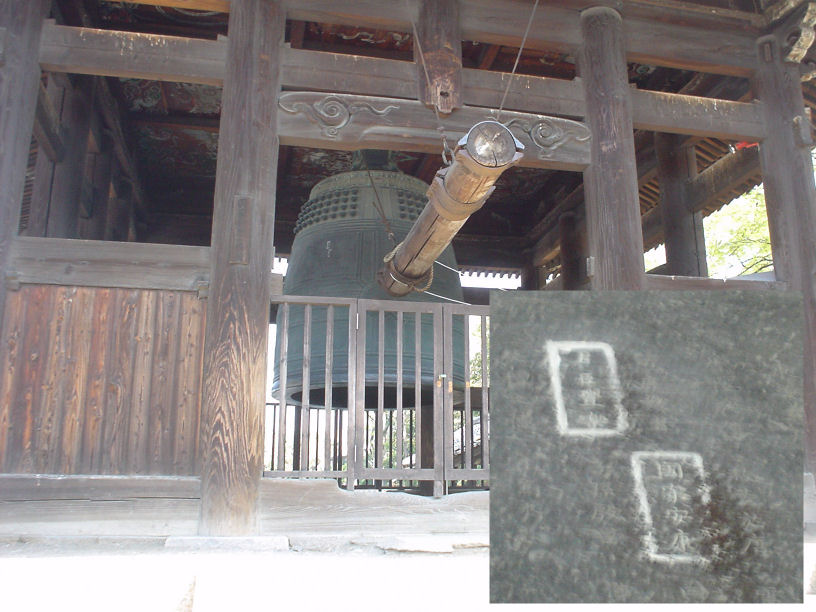
    The bell and the inscription that caused all the trouble.
    +- – 投稿者自身による著作物, CC 表示-継承 3.0, https://commons.wikimedia.org/w/index.php?curid=107332539による

    This was an age of superstition, and signs and portents were taken seriously, but even so, this was as good a reason as any for Ieyasu to finally deal with the Toyotomi once and for all. He apparently wasn’t immediately set on a military option, as negotiations took place in late 1614 to try to defuse the tension. An emissary, Katagiri Katsumoto, was dispatched to explain the ‘true’ meaning of the bell, but he was unable to meet with Ieyasu or Hidetada directly, and instead returned to Osaka with three possible proposals.

    It’s important to note that none of these proposals appear in any Tokugawa documents from the time, and some scholars believe they were the invention of Katsumoto himself. They were as follows:
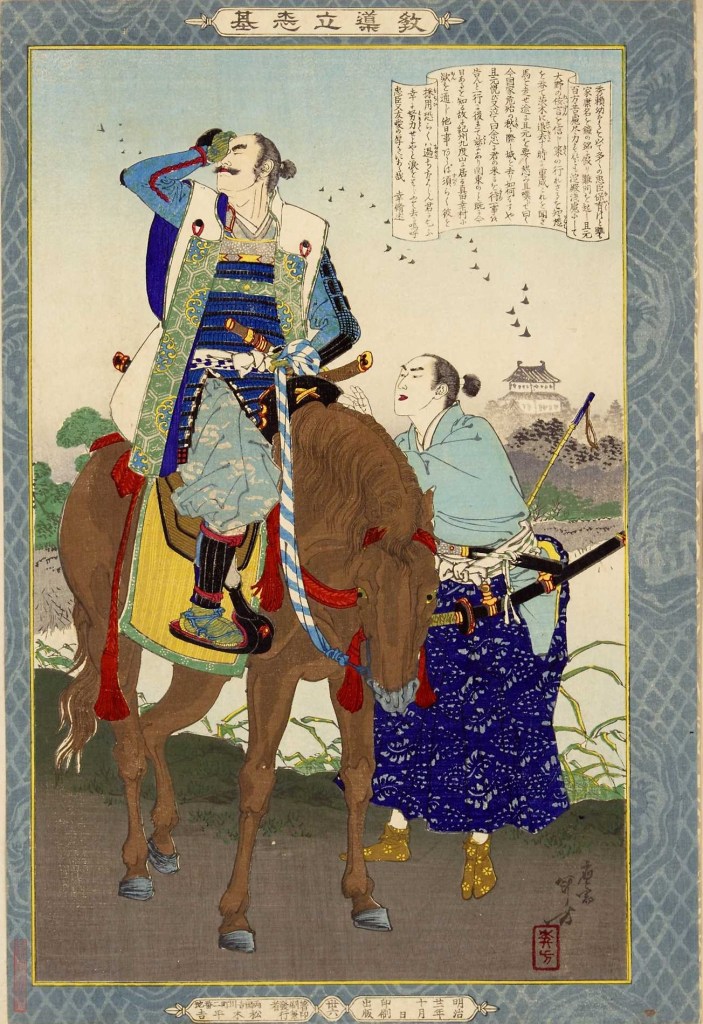
    A 19th-Century depiction of Katagiri Katsumoto departing on his mission to Ieyasu.

    1) Hideyori would reside alternately in Edo and Osaka, as part of the Sankinkotai policy, in which Daimyo were obliged to live one year in Edo, and one year in their home provinces. Hideyori had previously been exempt, and accepting Sanki-kotai would have essentially confirmed him as a vassal of the Shogun.

    2) Hideyori’s mother, Lady Yodo, would be sent to Edo as a hostage. She would likely have lived in comfort, but her life would have been forfeit if Hideyori ever stepped out of line.

    3) Hideyori agreed to give up the formidable Osaka Castle and accept an alternative domain elsewhere.
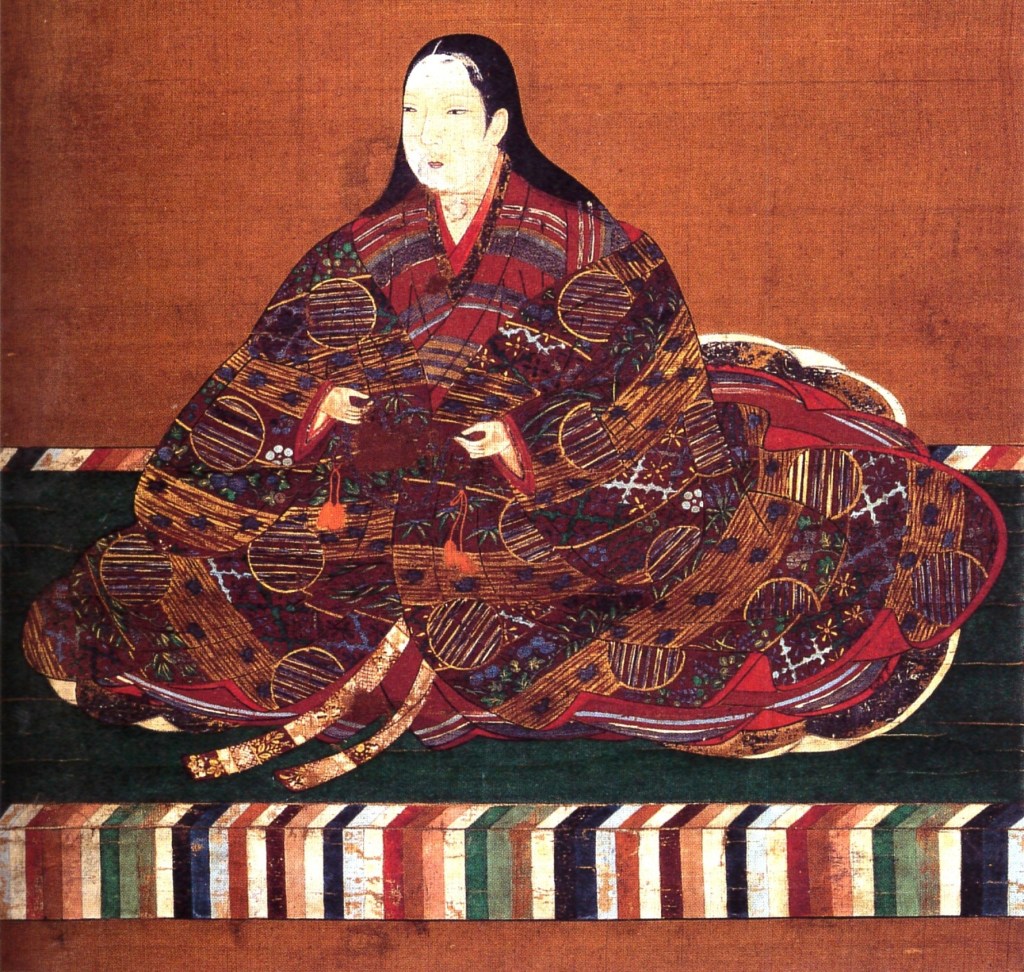
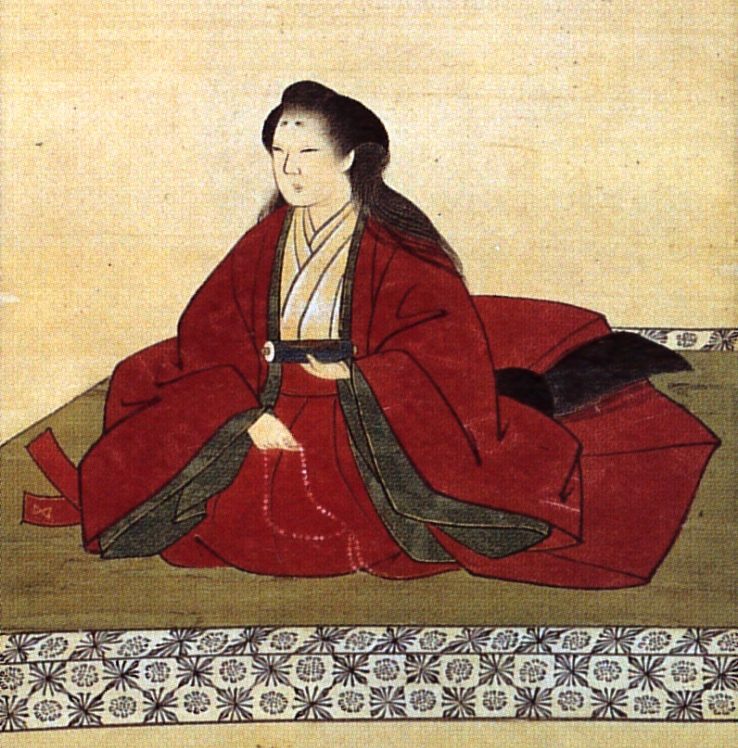
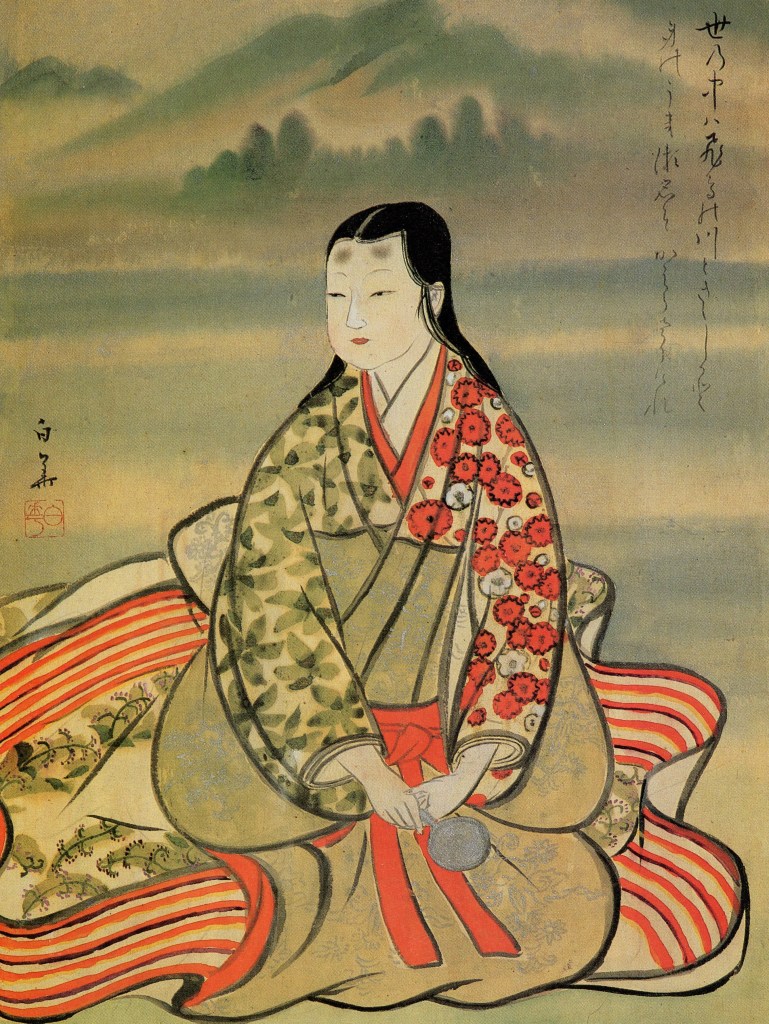
    Hideyori’s mother, Lady Yono (Yodo-Dono). It was suggested that she might be given as a hostage to guarantee peace, a suggestion that was sharply rejected by Hideyori.

    Whether these proposals truly came from the Shogunate or not, they were so offensive to the Toyotomi that Katsumoto came under suspicion of collusion with the Tokugawa. Although no contemporary evidence exists, other Toyotomi vassals believed the rumours and tried to have Katsumoto killed. The man himself escaped by fortifying his residence, and it took direct intervention from Hideyori to end the crisis, with Katsumoto agreeing to become a monk.

    Hideyori swiftly dispatched emissaries to Ieyasu, explaining that the fortification and massing of troops were in no way aimed at the Tokugawa, and that it had been an internal matter, now resolved. Ieyasu either genuinely or else conveniently chose not to believe this explanation, and gave orders for forces to be gathered to punish the Toyotomi.
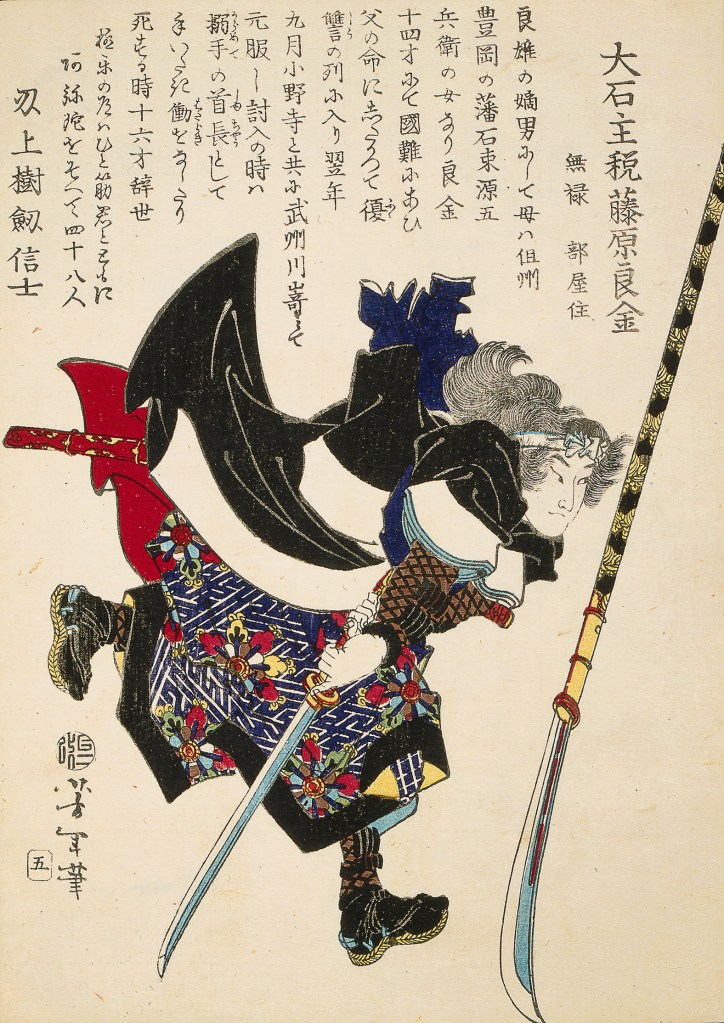
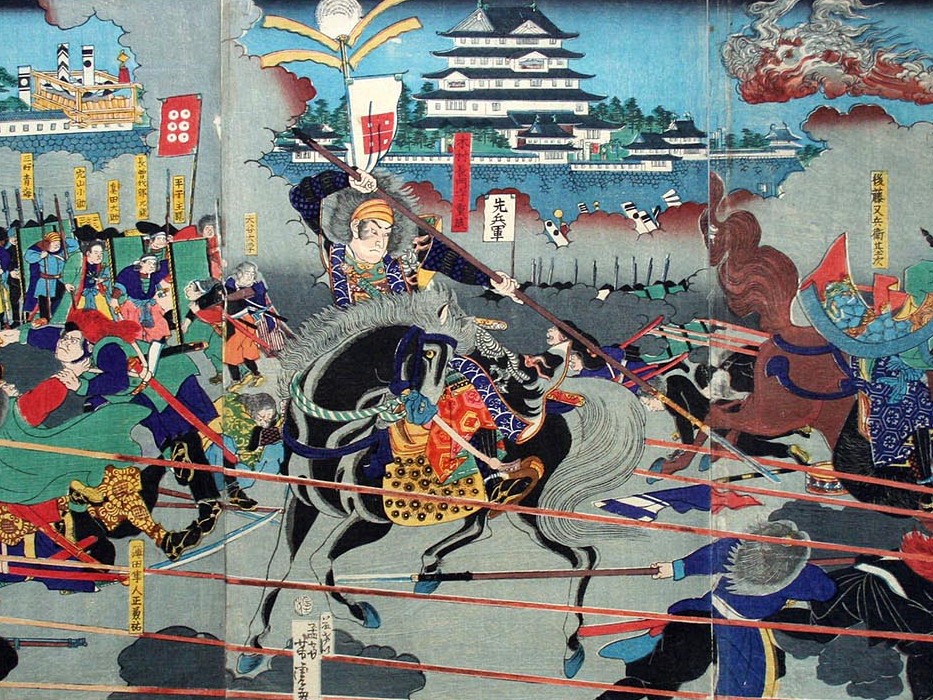
    A later depiction of a Ronin. Although often romanticised in later years, in the period immediately following Sekigahara, huge numbers of recently unemployed Samurai were a serious problem, but, as Hideyori would prove, a potentially useful source of manpower.

    In response, the Toyotomi issued a call to arms, gathering those loyal to the Toyotomi through old association or opposition to the Tokugawa. Very few Daimyo rushed to join up, but the vast wealth left behind at Osaka Castle by Hideyoshi was used to persuade thousands of Ronin (masterless Samurai) to come to Osaka and fight for the Toyotomi.

    Meanwhile, food, provisions, and weapons were either purchased or “acquired” from storehouses in and around Osaka, with or without the owners’ permission. In relatively short order, the Toyotomi had gathered some 100,000 men in Osaka.
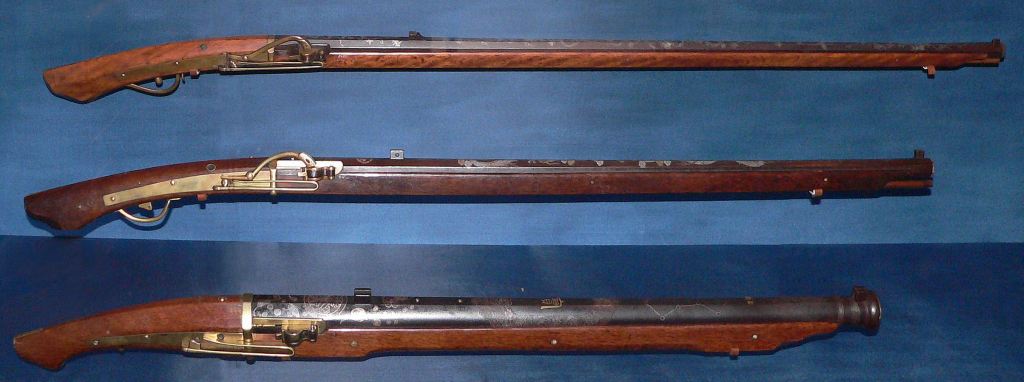
    Guns from the period. Although Samurai are most famously associated with their swords, by this time, guns were as common, if not more so.

    Some were motivated by a genuine desire to see the Toyotomi family restored to power, either out of loyalty or with the expectation of reward should they succeed. Others were there to take revenge on the Tokugawa, with many having become Ronin in the aftermath of Sekigahara, where dozens of lords had lost everything as punishment for opposing Ieyasu. Still others were naked opportunists, motivated to fight for cash rewards or to restore/earn a reputation, as their forefathers had done.

    In response, Ieyasu and Hidetada mustered a force which was, in some accounts, twice the size of the one now surrounding Hideyori, and these men suffered little, if any, confusion about their intentions, loyalty to the Shogun, and hostility to the Toyotomi. Such a massive force was almost impossible to gather in one place, and so detachments of various sizes made their way towards Osaka.
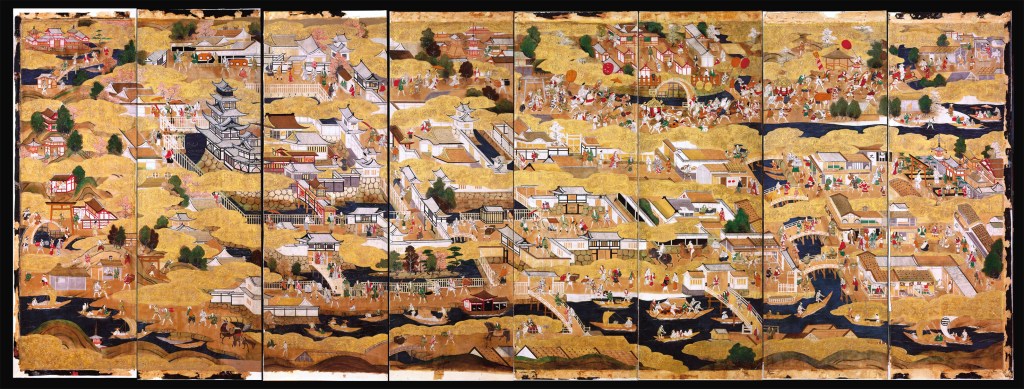
    A contemporary image of the area around Osaka, with the port of Sakai represented in the top right.

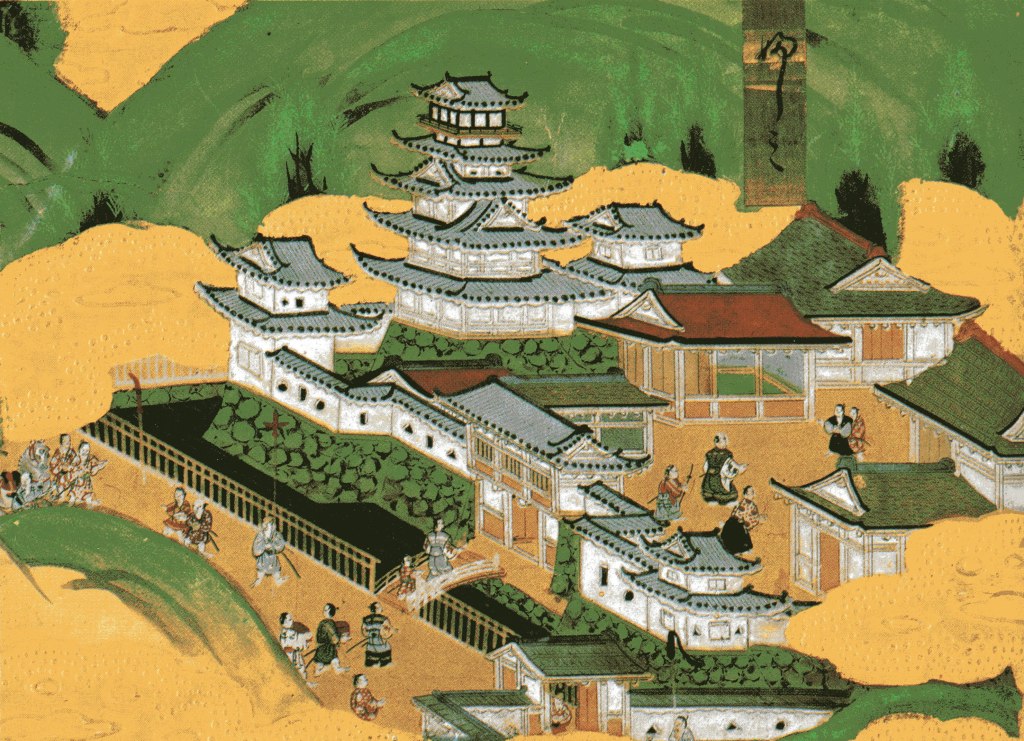
    The Toyotomi forces were not idle in the meantime, attacking and briefly taking the important port at Sakai (modern Osaka) before being forced to withdraw by a Tokugawa counter-attack. Understanding the disparity in forces, the Toyotomi then retreated to Osaka Castle, arguably the strongest fortress in the realm, and waited for the storm to break.


    Sources
    https://ja.wikipedia.org/wiki/%E5%A4%A7%E5%9D%82%E3%81%AE%E9%99%A3
    https://ja.wikipedia.org/wiki/%E5%A0%BA
    https://ja.wikipedia.org/wiki/%E5%BE%B3%E5%B7%9D%E5%AE%B6%E5%BA%B7
    https://ja.wikipedia.org/wiki/%E6%B5%AA%E4%BA%BA
    https://ja.wikipedia.org/wiki/%E6%96%B9%E5%BA%83%E5%AF%BA%E9%90%98%E9%8A%98%E4%BA%8B%E4%BB%B6
    https://ja.wikipedia.org/wiki/%E6%96%B9%E5%BA%83%E5%AF%BA
    https://ja.wikipedia.org/wiki/%E5%BE%B3%E5%B7%9D%E7%A7%80%E5%BF%A0
    https://ja.wikipedia.org/wiki/%E6%B7%80%E6%AE%BF
    https://ja.wikipedia.org/wiki/%E8%B1%8A%E8%87%A3%E7%A7%80%E9%A0%BC
  • From Sekigahara to the Shogunate.

    From Sekigahara to the Shogunate.

    In the aftermath of Sekigahara, Ieyasu set about rewarding his supporters and dealing with his opponents. The exact details of who got/lost what are complex (and not particularly interesting), but the main distinction, and the one that would prove to be the most significant, was the separation between Tozama and Fudai Daimyo.

    The exact criteria for what made a Daimyo Tozama or Fudai vary depending on context, but very basically, the Fudai Daimyo were those from families who had supported Ieyasu before his rise to power, either as direct vassals of the Tokugawa Clan, or allies during the Sekigahara Campaign. Meanwhile, the term Tozama originally meant Samurai who had a much looser tie to their lord, and in the context of the post-Sekigahara settlement, the Tozama Daimyo were those lords who had failed to support Ieyasu, or who had actively opposed him.

    Honda Tadakatsu, one of the most famous of the early Fudai Daimyo.

    In the centuries to come, the Fudai would provide many members of the new Tokugawa Government; indeed, it was often said that any candidate for a high-ranking position had to be from a Fudai family, which would prove true in all but one case. In exchange for their service, the Fudai were often stationed near the capital, Edo (modern Tokyo), where they could help protect the city.

    On the other hand, the Tozama were usually located much further away and were consequently excluded from government. It wasn’t all bad, however, as the extreme distances of their realms meant that the central government was often obliged to rule them with a light touch, and in later years, several Tozama would be able to accrue significant wealth and power.

    Matsumae Takahiro, the only Tozama Daimyo to ever hold high rank in the Tokugawa government, though it came at the very end of the Shogunate.

    One family over which a significant question mark remained was the Toyotomi. Ieyasu had gone to great pains not to give the impression that the Sekigahara Campaign had been aimed at the Toyotomi, but in the aftermath, no one seriously expected him to hand over the power he had won, especially given that the incumbent head of the clan, Hideyori, was just seven years old.

    In the short term, Ieyasu explicitly refused to punish either Hideyori or his mother, Lady Yono, and though Toyotomi lands were significantly reduced, and their most powerful supporters either seriously weakened or destroyed outright, the clan, still based at Osaka Castle, retained lands valued at some 650,000 Koku, ensuring their place in the upper echelons of Japanese society.

    Toyotomi Hideyori. Despite being Hideyoshi’s heir, he was just seven at the time of Sekigahara, and Ieyasu ensured he wouldn’t be punished for what others had done on his behalf, a decision he would later come to regret.

    Hideyoshi’s title of Kanpaku (regent) was not returned, however. Though it had been vacant since Hideyoshi’s death in 1595, Ieyasu ensured that the title would instead go to a member of the Kujo Family, who had been one of the “Five Regent Houses” prior to Hideyoshi’s usurping the title. In doing so, Ieyasu earned the approval of the Imperial government and demonstrated that awarding such illustrious (if powerless) titles now lay with him alone.

    Despite his now unassailable position, Ieyasu didn’t immediately take the title of Shogun; there were still territories to redistribute and a new political reality to consolidate. It wouldn’t be until early 1603 that Ieyasu was appointed Shogun, as well as being named Minister of the Right, Commander of the Imperial Guard, and Commander of the Ox-Drawn Carts, which may sound a touch silly, but in a time and place with very few wheeled vehicles, this was a big deal.

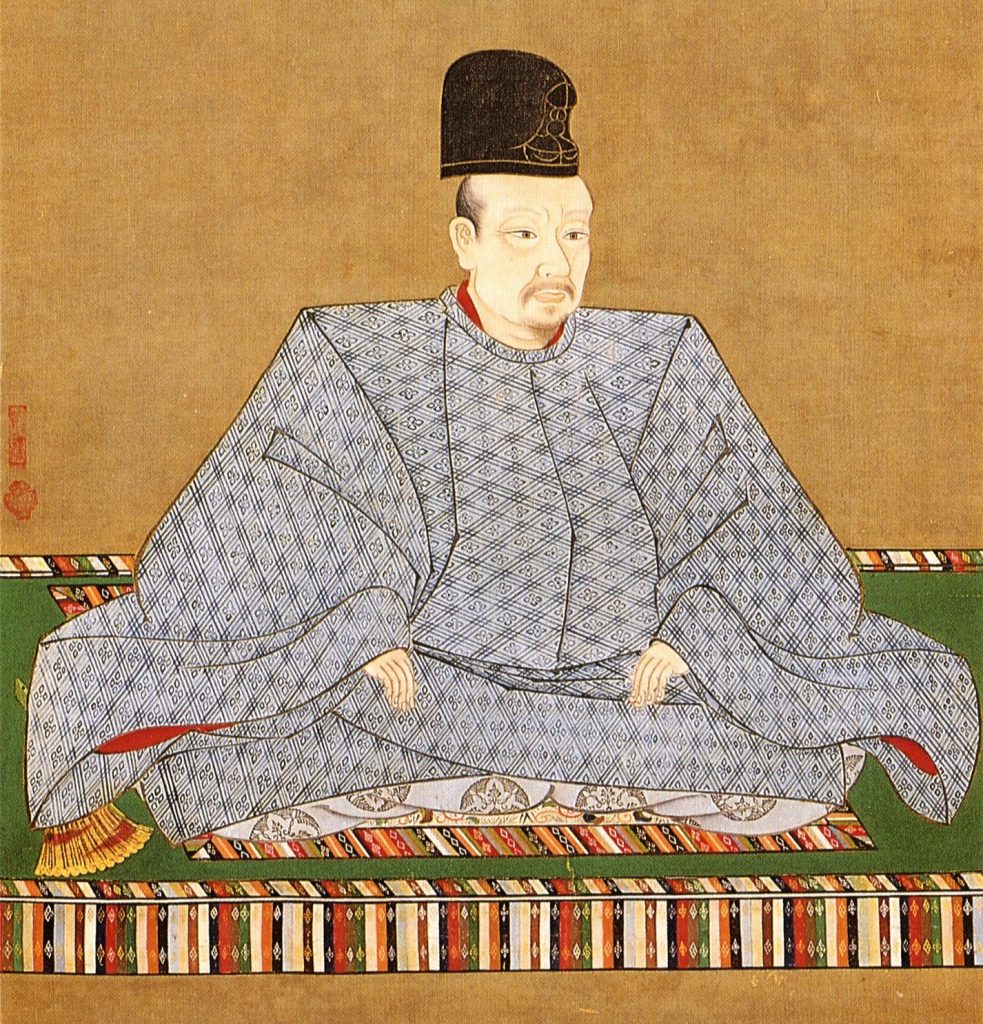
    Emperor Go-Yozei, who was on the throne at the time of Ieyasu’s rise to power, would ultimately be the one to appoint him Shogun.

    Strangely enough, Ieyasu would only be Shogun for a relatively short period. In 1605, he officially resigned the post and asked the court to declare his son, Hidetada, the new Shogun. As you probably already know, this ‘abdication’ was only a formality, as Ieyasu retained formal power whilst freeing himself from the often impractical burden of state ritual.

    The abdication had another purpose; it demonstrated to the realm that, from now on, the position of Shogun would be hereditary and belong to the Tokugawa Clan. Perhaps the greatest testament to Ieyasu’s new power was the fact that the handover of power was conducted almost without opposition, signalling that, at last, the years of chaos were finally over.

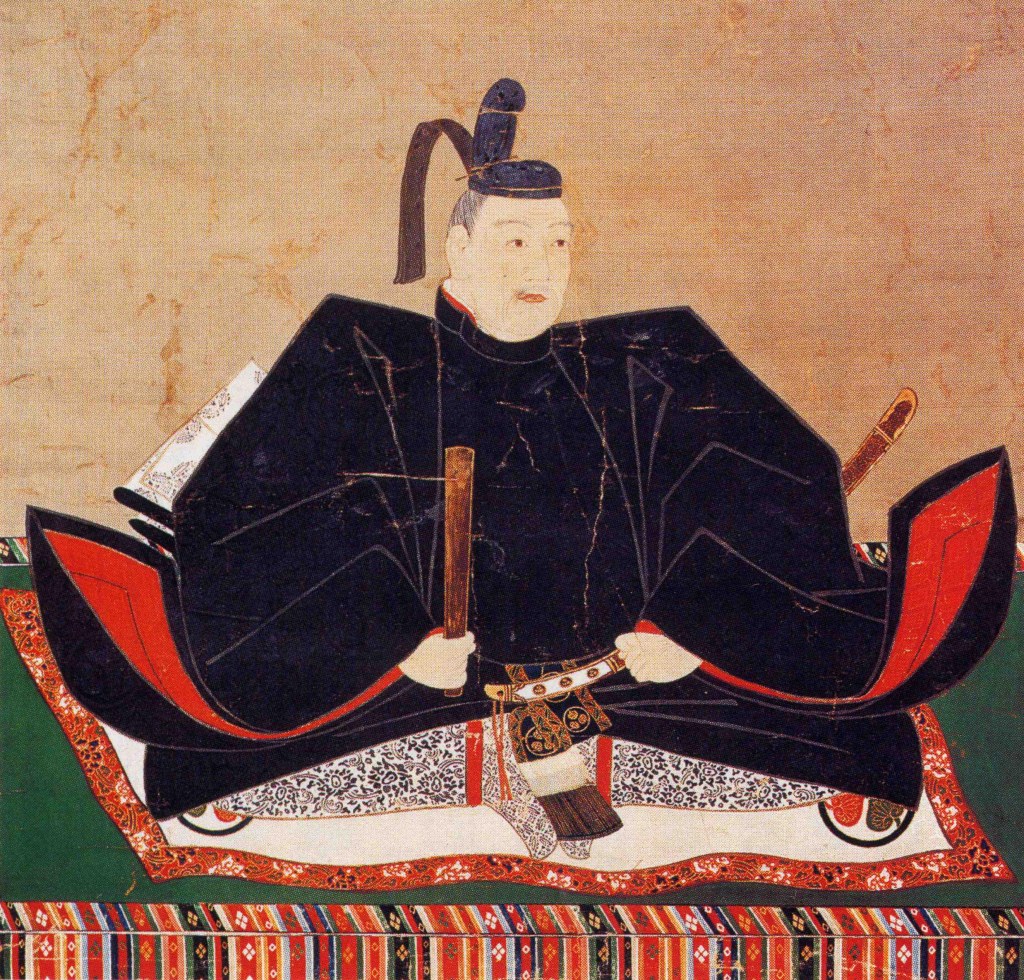
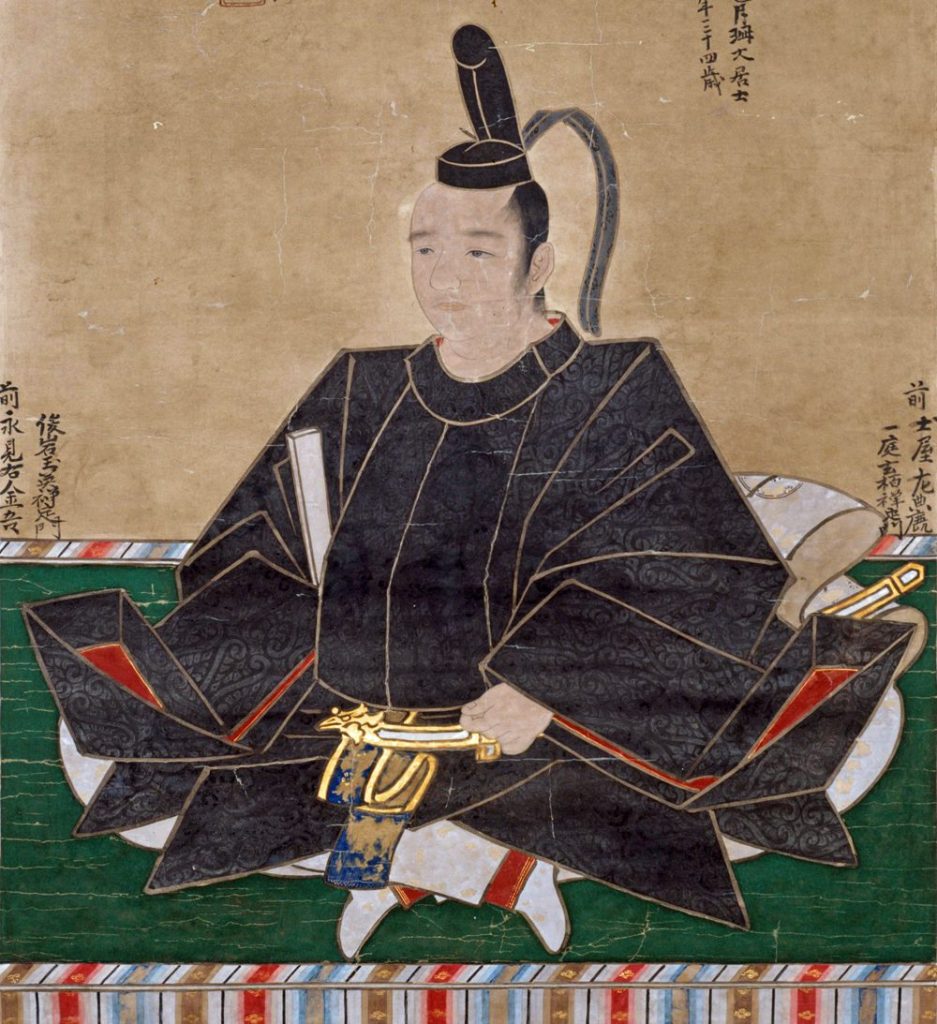
    Tokugawa Hidetada. When he succeeded his father as (nominal) Shogun in 1605, it was the first unchallenged transition of high authority that Japan had seen in decades.

    We’ll take a detailed look at the early years of the Tokugawa Shogunate in a dedicated post, but Ieyasu, now titled “Ogosho” (Retired Shogun), was extremely active in securing his family’s rule and stabilising the realm. Officially, one of Ieyasu’s responsibilities was foreign diplomacy, and during this period, he received envoys from Korea, re-establishing diplomatic relations cut off since Hideyoshi’s invasions, as well as representatives from Spain and the Netherlands, who sought increased trade with Japan.

    One figure who played a significant role in these endeavours was William Adams, the first Englishman in Japan, who will definitely get a post of his own, and helped support the efforts of his countrymen in establishing a permanent (though ultimately short-lived) ‘factory’ to facilitate trade between Japan and England.

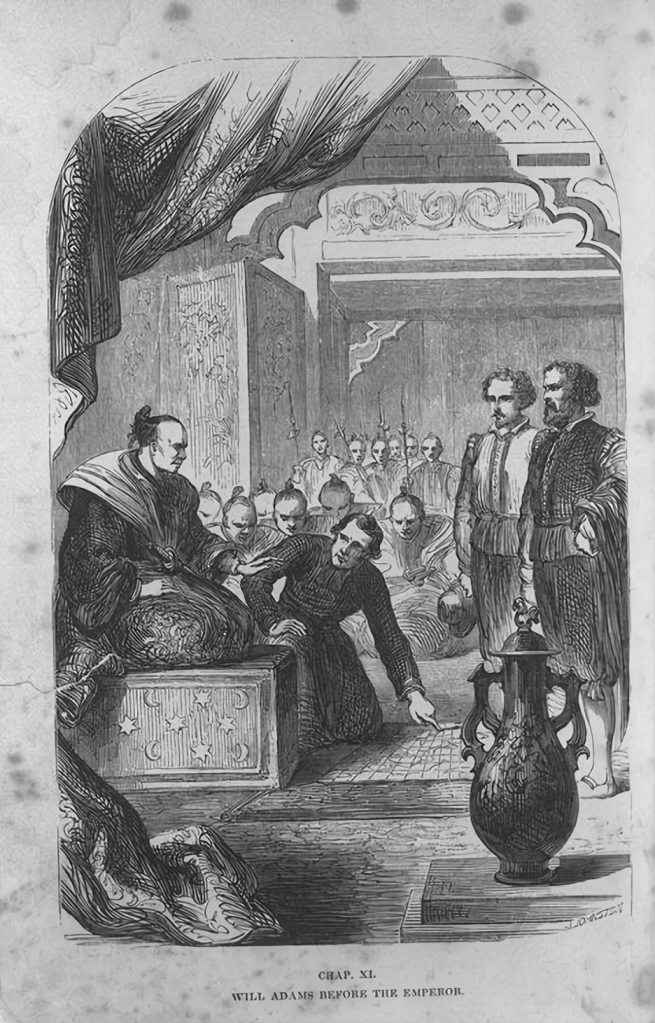
    A 19th-century depiction of William Adams meeting Ieyasu (who is mislabelled “Emperor”). Adams was an important figure, but he was just one of many foreigners who had audiences with Ieyasu during this period.

    With matters at home largely settled, and Japan establishing itself as a reliable trade partner in Asia, but late 1614, Ieyasu would have had good reason to consider his life a remarkable success; he had risen from a regional warlord on the brink of destruction to master of Japan, and established a dynasty that would last for some 250 years.

    All was not well, however. Hideyori, whom Ieyasu had chosen to spare in the aftermath of Sekigahara, had grown into a man, and as Hideyoshi’s heir, he began to attract support from those disaffected by the new Tokugawa regime. It would not take long for Ieyasu to find a convenient pretext to eliminate the Toyotomi once and for all.


    Sources
    https://ja.wikipedia.org/wiki/%E5%BE%B3%E5%B7%9D%E5%AE%B6%E5%BA%B7
    https://en.wikipedia.org/wiki/Toyotomi_Hideyori
    https://ja.wikipedia.org/wiki/%E5%BE%B3%E5%B7%9D%E7%A7%80%E5%BF%A0
    https://ja.wikipedia.org/wiki/%E9%96%A2%E3%83%B6%E5%8E%9F%E3%81%AE%E6%88%A6%E3%81%84
    https://ja.wikipedia.org/wiki/%E5%A4%A7%E5%BE%A1%E6%89%80_(%E6%B1%9F%E6%88%B8%E6%99%82%E4%BB%A3)
    https://ja.wikipedia.org/wiki/%E7%89%9B%E8%BB%8A%E5%AE%A3%E6%97%A8
    https://ja.wikipedia.org/wiki/%E9%9A%8F%E8%BA%AB
    https://ja.wikipedia.org/wiki/%E8%AD%9C%E4%BB%A3%E5%A4%A7%E5%90%8D
    https://en.wikipedia.org/wiki/Fudai_daimy%C5%8D
    https://ja.wikipedia.org/wiki/%E5%A4%96%E6%A7%98%E5%A4%A7%E5%90%8D
    https://en.wikipedia.org/wiki/Tozama_daimy%C5%8D
    https://ja.wikipedia.org/wiki/%E6%9D%BE%E5%89%8D%E5%B4%87%E5%BA%83
    https://ja.wikipedia.org/wiki/%E3%82%A6%E3%82%A3%E3%83%AA%E3%82%A2%E3%83%A0%E3%83%BB%E3%82%A2%E3%83%80%E3%83%A0%E3%82%B9
    https://ja.wikipedia.org/wiki/%E5%BE%8C%E9%99%BD%E6%88%90%E5%A4%A9%E7%9A%87

  • The Battle of Sekigahara

    The Battle of Sekigahara

    Though the Battle of Sekigahara is often used as a convenient end point for the Sengoku Jidai, the final Battle was part of a campaign across Japan between the Western Forces, now led by Ishida Mitsunari, and the Eastern Forces, who followed Tokugawa Ieyasu.

    Ishida Mitsunari, leader of the Western Forces.

    The first blow had fallen at Fushimi Castle, garrisoned by troops loyal to Ieyasu, which had fallen in early August, but fighting had also broken out elsewhere in the realm, as forces loyal to both sides sought strategic advantage and settled a few old scores. Each side had its share of victories and setbacks, with various battles and sieges occurring throughout Japan.

    Mori Terumoto, despite nominally being the commander of the Western Army, dispatched forces against Ieyasu’s supporters in Kyushu and Shikoku, whilst the Date clan, loyal to Ieyasu, attacked the Uesugi in northern Japan. As might be expected in a war between East and West, some of the heaviest fighting was in central Japan, and it was here that Eastern forces would have the better of it.

    Oda Hidenobu. His lands ended up trapped between the forces of East and West.

    Despite stiff resistance from Oda Hidenobu (Nobunaga’s grandson), Eastern forces crossed the strategically important Kiso River and defeated a counterattack at Komeno. They then took Takegahana Castle, opening the way for them to lay siege to Hidenobu’s base at Gifu Castle, a fortress that Western forces had expected to hold out, but which fell in a single, bloody day.

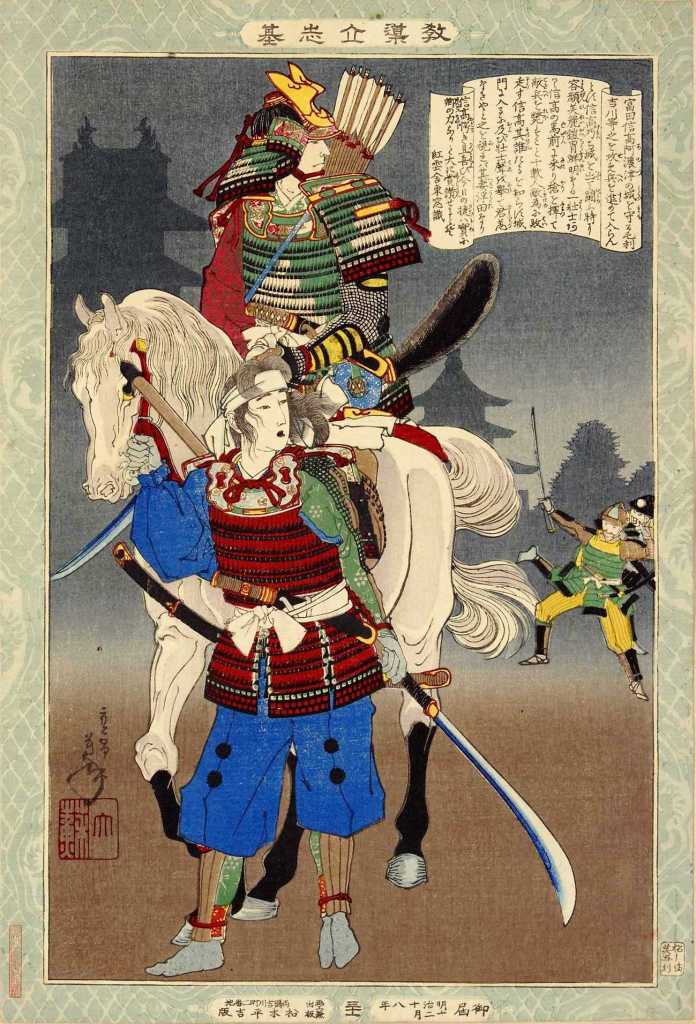
    The Eastern army didn’t have it all their own way; a Western attack on Tsu Castle in modern-day Mie Prefecture overwhelmed the badly outnumbered garrison. Though this Battle would ultimately prove to have a relatively minor effect on the overall outcome, it is perhaps best remembered for the account of the life of the lord of Tsu castle, Tomita Nobutaka, being saved by the timely intervention of a warrior described as being “beautiful and martial, hearing of the urgency of the situation, went out alone on horseback, their armor and helmet brilliant, spirited and courageous…” This warrior turned out to be Nobutaka’s wife.

    Tomita Nobutaka is rescued by his wife.

    Despite this defeat, the strategic initiative began to shift towards the Eastern forces throughout August and September. Some later sources place the blame for this on Ishida Mitsunari; he was criticised for being slow to respond after the fall of Gifu, though some scholars have defended him, arguing that no one had expected the formidable fortress to fall in a single day, and Mitsunari had had to deal with widely scattered forces of variable loyalty.

    Another figure who may have played a part in undermining Western Forces was Mori Terumoto. Though he was nominally the commander in chief, he limited himself to campaigning in Shikoku and Kyushu, and it was revealed after the campaign was over that there had been a secret agreement between Ieyasu and the Mori, promising to allow the Mori to keep their lands in exchange for not fighting too hard, leading some to speculate that Mori forces were deliberately ‘pulling their punches’.

    Mori Terumoto. Despite his strength, historians suggest he deliberately held his forces back after making a deal with Ieyasu.

    Regardless of the reasons, by October, both sides were heading towards a decisive confrontation. On October 20th, Ieyasu’s advanced forces arrived at Akasaka, near Mitsunari’s base at Ogaki Castle (in the modern city of the same name). It was said that the sight of Ieyasu’s forces arriving en masse led to a sharp decline in morale amongst the Western forces, with some simply deserting.

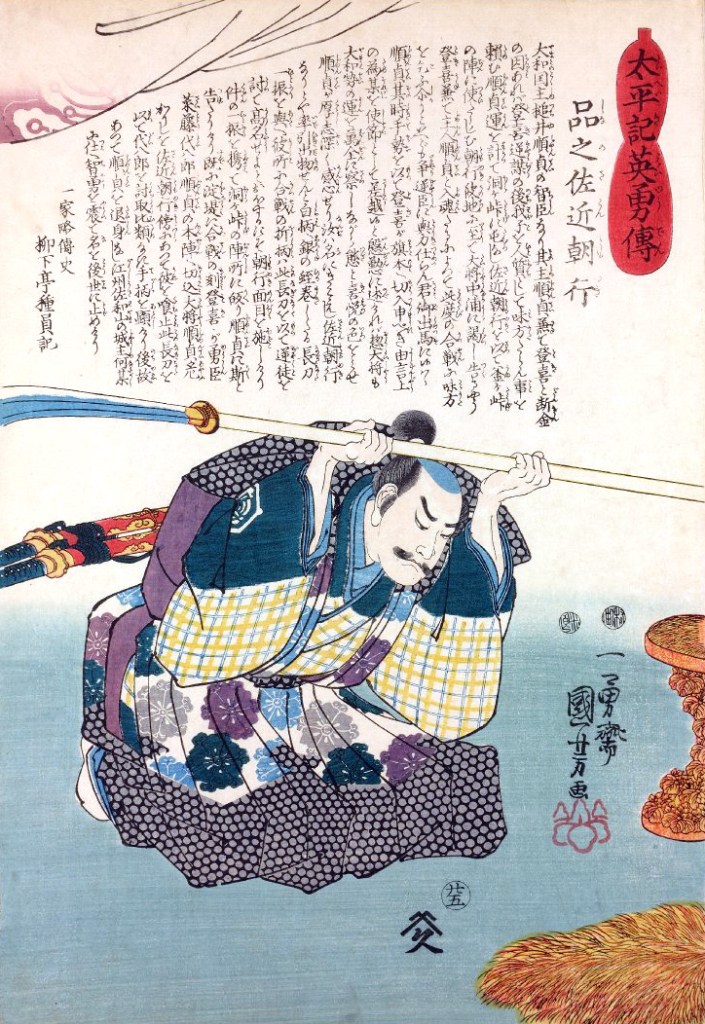
    Recognising the severity of the situation, Mitsunari’s chief retainer, Shima Kiyoki, led a surprise attack on the advancing Eastern Army, winning a small tactical victory, which did much to boost Western morale, though it would prove to be their last success. The next day, Ieyasu marched the bulk of his forces to Sekigahara.

    Shima Kiyoki. His ambush of Eastern forces on the day before Sekigahara would prove to be the last victory for the West.

    Given how significant the Battle would prove to be, it might surprise you to learn that the exact course of events has never been completely established. The main reason for this is that there are dozens of second-hand sources written by people who ‘heard’ about what happened but were actually there. Even among the first-hand sources, there are conflicting accounts, as various figures seek either to associate themselves more closely with the victory or to distance themselves from the defeat, for reasons ranging from political considerations to personal pride.

    The sources broadly agree that the two sides crashed into each other at around 8am, their approaches hidden by early-morning fog, and that the Battle of Sekigahara began almost by accident. After some initial skirmishes, both sides withdrew and regrouped. The fighting lasted most of the morning, and sources seem to agree that it was a fairly evenly matched affair until late morning, when a large section of the Western army under the command of Kobayawaka Hideaki switched sides and attacked the vulnerable flank of his former allies, putting them to flight.

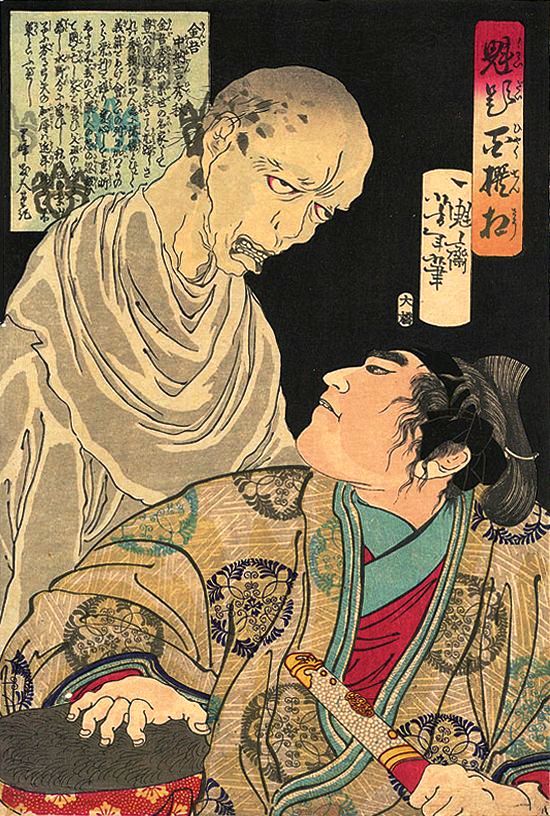
    A later depiction of Kobayakawa Hideaki being tormented by the ghosts of those he betrayed. Some sources suggest that Hideaki drank himself to death at the age of just 21, supposedly from guilt.

    Though the betrayal is a historical fact, the exact reasons remain unclear. Some sources suggest that Hideaki had made a deal with Ieyasu beforehand, either promising not to fight or to indeed switch sides, whilst others state that it was a spur-of-the-moment decision, born of fear of defeat or naked opportunism.

    There is also disagreement over how much Ieyasu knew about the betrayal before the fact; some sources tell us that he was waiting for Hideaki to launch his attack, while some reports suggest that Ieyasu ordered his forces to open fire on Hideaki, though whether this was to force his decision or because he wasn’t aware of Hideaki’s betrayal is disputed.

    Guns of the type used at Sekigahara.
    Rama – Rama, CC BY-SA 2.0 fr, https://commons.wikimedia.org/w/index.php?curid=2176826による

    Regardless of his reasons or Ieyasu’s foreknowledge, the betrayal was the decisive moment, and by midday, the Western Army was routed and fleeing from the field. In the days that followed, Ieyasu and his vassals conducted what would be termed ‘mopping up’ in modern times, rounding up those who could be captured, laying siege to numerous castles, and generally consolidating the victory.

    Those who had betrayed the Eastern army were then tasked with capturing Ishida Mitsunari’s base at Sawayama Castle, which fell after a few days, resulting in the deaths (in Battle or by suicide) of most of Mitsunari’s family. The man himself had already fled, and Ieyasu placed a high priority on his capture, blaming him for raising the Western Army in the first place (Mitsunari was not the only leader, or even, arguably, the most prominent).

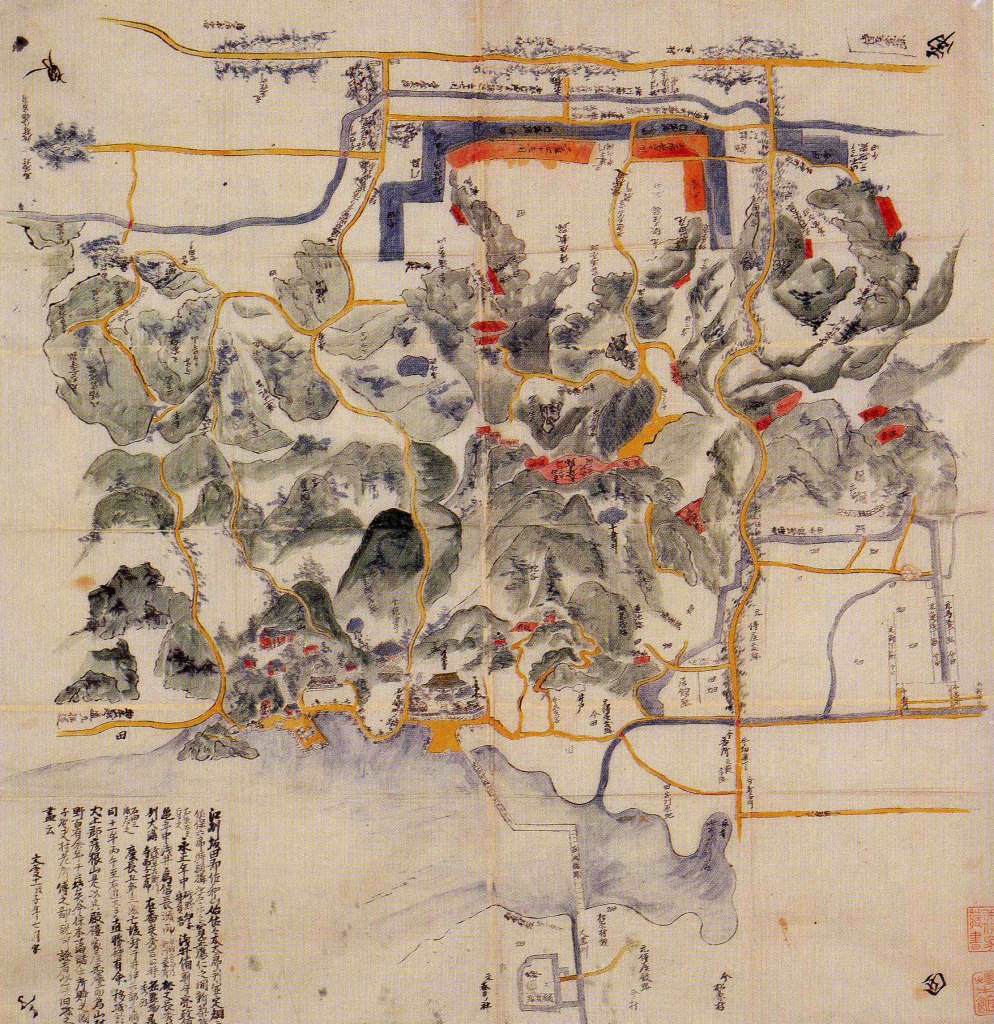
    A contemporary map of Sawayama Castle.

    In fact, historians disagree on the extent of Mitsunari’s role in raising an army against Ieyasu. The long-held view was that he was the primary ringleader, but most of the sources that speak of this are from the later Edo Period, when there was a political interest in shifting the blame onto the by then dead (spoilers) Mitsunari, and away from other clans, who may have played a larger role, but who were too powerful to blame directly.

    Mitsunari managed to flee as far as the village of Furuhashi in Omi Province (modern-day Shiga Province) before Ieyasu’s forces caught up with him. Taken under guard to an audience with Ieyasu at Otsu Castle, Mitsunari was then paraded through Osaka and presented as a common criminal before being beheaded at the Rokujogawara execution grounds in Kyoto.

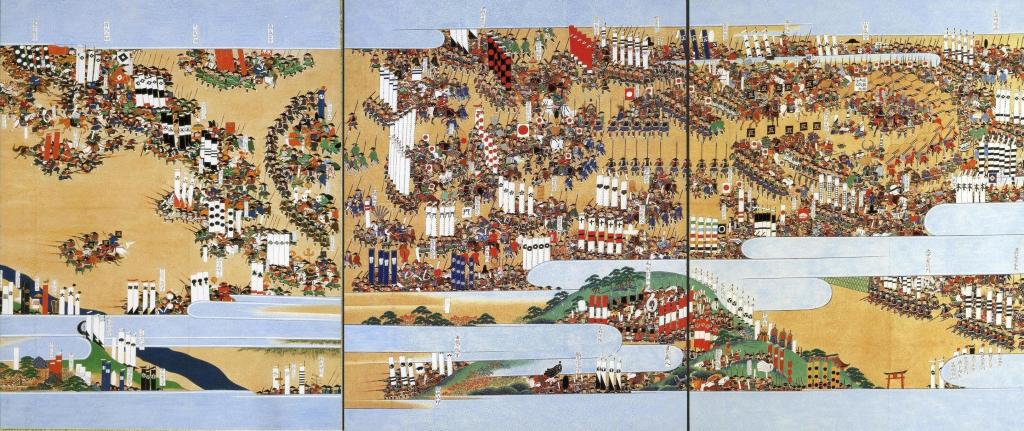
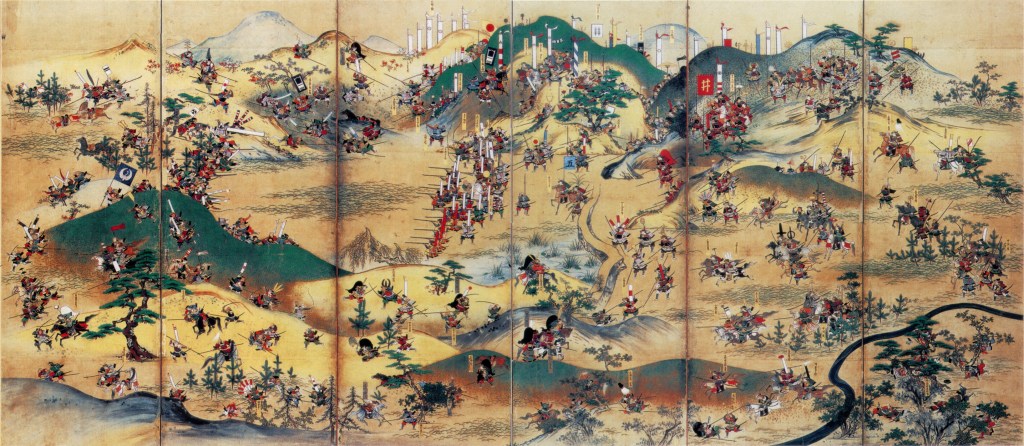
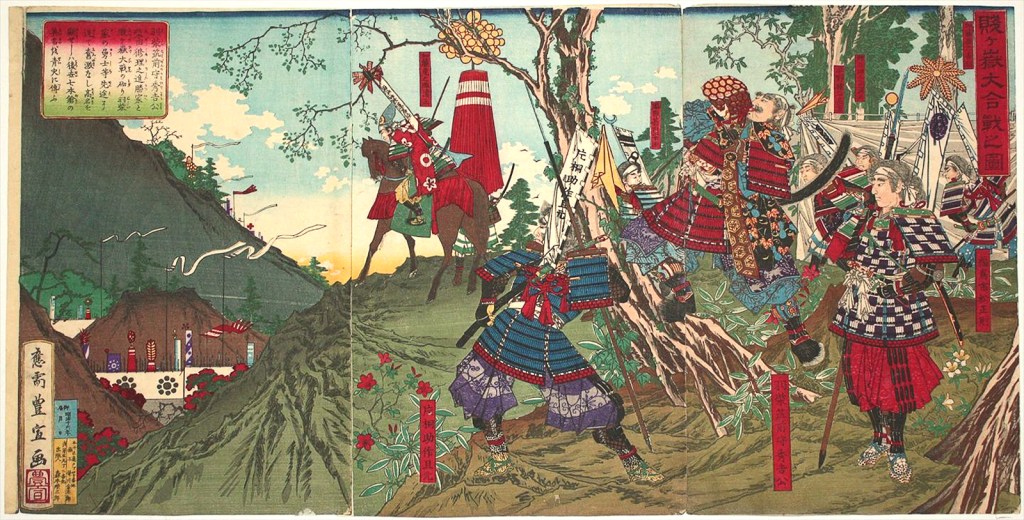
    A later depiction of the Battle of Sekigahara.

    With Mitsunari gone, Ieyasu then turned his attention to consolidating his control of the realm, but we’ll cover that next time.


    Sources
    https://ja.wikipedia.org/wiki/%E9%96%A2%E3%83%B6%E5%8E%9F%E3%81%AE%E6%88%A6%E3%81%84
    https://ja.wikipedia.org/wiki/%E7%9F%B3%E7%94%B0%E4%B8%89%E6%88%90
    https://ja.wikipedia.org/wiki/%E5%85%AD%E6%9D%A1%E6%B2%B3%E5%8E%9F
    https://ja.wikipedia.org/wiki/%E5%B0%8F%E6%97%A9%E5%B7%9D%E7%A7%80%E7%A7%8B
    https://ja.wikipedia.org/wiki/%E5%A4%A7%E8%B0%B7%E5%90%89%E7%B6%99
    https://ja.wikipedia.org/wiki/%E7%94%B0%E8%BE%BA%E5%9F%8E%E3%81%AE%E6%88%A6%E3%81%84
    https://ja.wikipedia.org/wiki/%E6%B5%85%E4%BA%95%E7%95%B7%E3%81%AE%E6%88%A6%E3%81%84
    https://ja.wikipedia.org/wiki/%E4%B8%8A%E6%9D%89%E9%81%BA%E6%B0%91%E4%B8%80%E6%8F%86
    https://ja.wikipedia.org/wiki/%E6%9C%A8%E6%9B%BD%E5%B7%9D%E3%83%BB%E5%90%88%E6%B8%A1%E5%B7%9D%E3%81%AE%E6%88%A6%E3%81%84
    https://ja.wikipedia.org/wiki/%E6%B2%B3%E7%94%B0%E6%9C%A8%E6%9B%BD%E5%B7%9D%E6%B8%A1%E6%B2%B3%E3%81%AE%E6%88%A6%E3%81%84
    https://ja.wikipedia.org/wiki/%E7%B1%B3%E9%87%8E%E3%81%AE%E6%88%A6%E3%81%84
    https://ja.wikipedia.org/wiki/%E7%AB%B9%E3%83%B6%E9%BC%BB%E5%9F%8E%E3%81%AE%E6%88%A6%E3%81%84#%E6%85%B6%E9%95%B75%E5%B9%B4%E3%81%AE%E7%AB%B9%E3%83%B6%E9%BC%BB%E5%9F%8E%E3%81%AE%E6%88%A6%E3%81%84
    https://ja.wikipedia.org/wiki/%E5%B2%90%E9%98%9C%E5%9F%8E%E3%81%AE%E6%88%A6%E3%81%84
    https://ja.wikipedia.org/wiki/%E7%B9%94%E7%94%B0%E7%A7%80%E4%BF%A1
    https://ja.wikipedia.org/wiki/%E5%B2%90%E9%98%9C%E5%9F%8E
    https://ja.wikipedia.org/wiki/%E5%AE%89%E6%BF%83%E6%B4%A5%E5%9F%8E%E3%81%AE%E6%88%A6%E3%81%84
    https://ja.wikipedia.org/wiki/%E6%AF%9B%E5%88%A9%E7%A7%80%E5%85%83
    https://ja.wikipedia.org/wiki/%E5%85%AB%E5%B9%A1%E5%9F%8E%E3%81%AE%E5%90%88%E6%88%A6
    https://ja.wikipedia.org/wiki/%E4%B8%8A%E7%94%B0%E5%90%88%E6%88%A6
    https://ja.wikipedia.org/wiki/%E5%A4%A7%E6%B4%A5%E5%9F%8E%E3%81%AE%E6%88%A6%E3%81%84
    https://ja.wikipedia.org/wiki/%E6%AF%9B%E5%88%A9%E8%BC%9D%E5%85%83%E3%81%AE%E5%9B%9B%E5%9B%BD%E3%83%BB%E4%B9%9D%E5%B7%9E%E5%87%BA%E5%85%B5
    https://ja.wikipedia.org/wiki/%E7%9F%B3%E5%9E%A3%E5%8E%9F%E3%81%AE%E6%88%A6%E3%81%84
    https://ja.wikipedia.org/wiki/%E6%9D%AD%E7%80%AC%E5%B7%9D%E3%81%AE%E6%88%A6%E3%81%84
    https://ja.wikipedia.org/wiki/%E5%B3%B6%E6%B8%85%E8%88%88
    https://ja.wikipedia.org/wiki/%E5%A4%A7%E5%9E%A3%E5%9F%8E
    https://ja.wikipedia.org/wiki/%E5%AE%89%E6%A5%BD%E5%AF%BA_(%E5%A4%A7%E5%9E%A3%E5%B8%82)

  • The Road to Sekigahara

    The Road to Sekigahara

    Before his death in 1598, Toyotomi Hideyoshi had established a Council of Five Elders to rule Japan until his son, Hideyori, came of age. Of the five, the two most influential were Tokugawa Ieyasu and Maeda Toshiie, and almost before Hideyoshi’s body was cool, the two men set about trying to undermine and outmanoeuvre each other.

    The ultimate victor would be Ieyasu, largely because Toshiie died in the Spring of 1599 and was replaced by his son, Toshinaga, who lacked his father’s political connections and ability. Later that year, a plot to assassinate Ieyasu was uncovered, and Toshinaga was implicated. Forced to flee to his home province of Kaga, he only avoided direct conflict with Ieyasu by sending his mother as a hostage.

    Maeda Toshinaga. Like many before him, he would prove unable to live up to an illustrious father’s reputation.

    The revelation of his plot allowed Ieyasu to neutralise the threat of Toshinaga in the short term, but it wouldn’t last. Hideyoshi’s death had had exactly the destabilising effect he had feared, and throughout 1598-1600, old rivalries, feuds, and ambitions resurfaced. Historians disagree on what exactly led to a fresh outbreak of conflict, but there are a few theories.

    Some speculate that, without Hideyoshi’s strong hand, his attempts to centralise power in the realm were doomed to failure, as powerful local clans, who had been largely independent for decades (or more), saw little reason to kowtow to a government now headed by an infant. Others suggest that the invasion of Korea, whilst possibly intended to keep the Samurai busy, had actually stirred up old rivalries and forged a few new ones as the prideful warrior class competed for prestige amongst themselves at the expense of a cohesive campaign.

    Despite their reputation for honour and duty, the Samurai primarily followed strength. When Hideyoshi died, the lack of strong central authority meant that it wasn’t long before local clans slipped back into old habits.

    There are others who don’t necessarily disagree with either view, but argue that the unpopularity of Ishida Mitsunari was a key factor in the breakdown of relations between the men at the centre of the post-Hideyoshi political scene. He was not a powerful lord in his own right, and his reputation for military incompetence and political scheming weakened his ability to hold the administration of the realm together during Hideyori’s minority.

    Though it could be argued that Mitsunari’s failings were overemphasised in later (pro-Tokugawa) sources, it is clear that Ieyasu himself had ambitions to increase his own power and perhaps to claim ultimate authority. He frequently violated Hideyoshi’s laws and even his will, doing things like forming marriage alliances with other powerful lords, and eventually residing at Osaka Castle, even though Hideyoshi’s testament had stipulated that he remain at nearby (and weaker) Fushimi Castle.

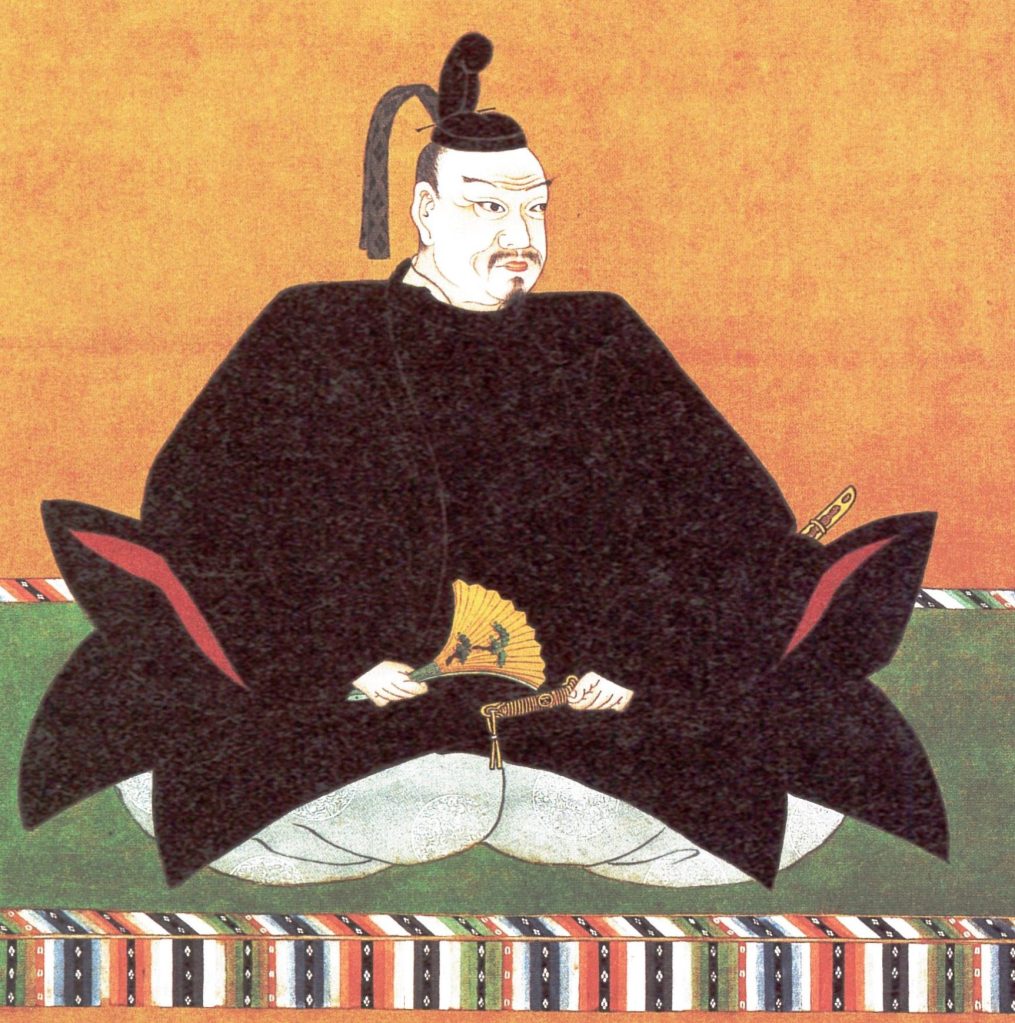
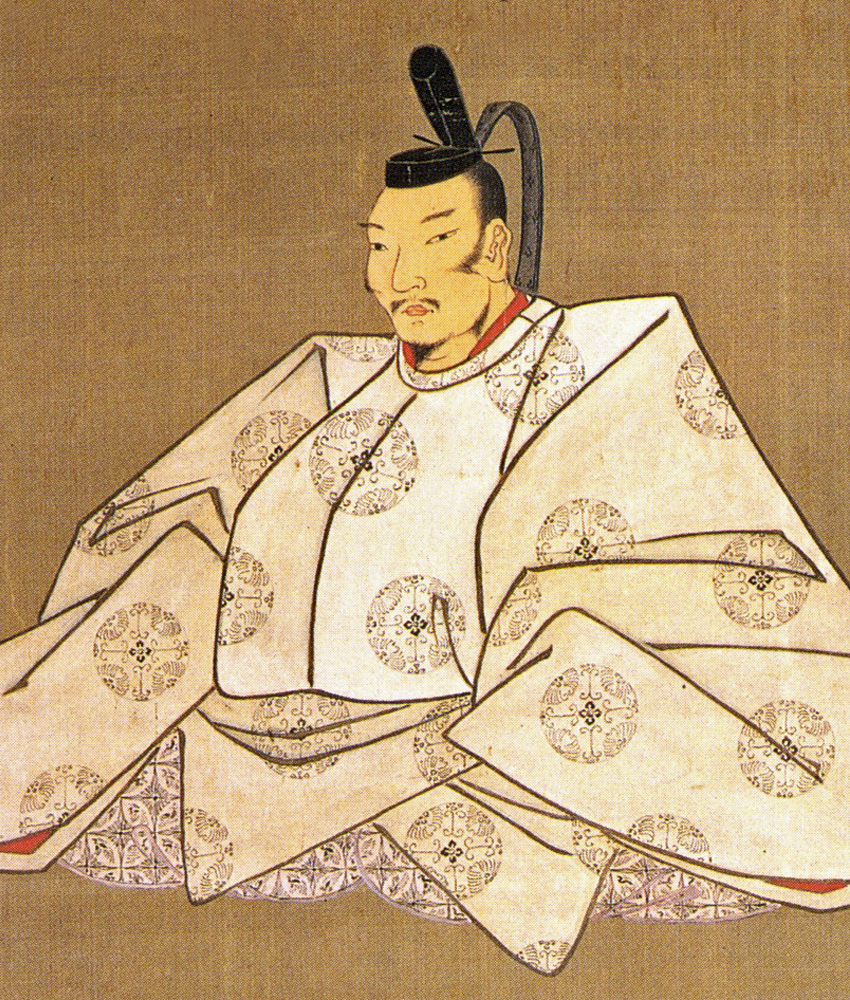
    A later depiction of Ieyasu. Though he started out as something of a first among equals, by early 1600, it was clear he was aiming for ultimate power.

    Ieyasu was the strongest individual member of the Council of Elders, but he lacked the strength to oppose the other four if they combined against him, so he set about ensuring that that wouldn’t happen. After dealing with Maeda Toshinaga in the aftermath of the alleged assassination plot, he intervened directly in a conflict between another elder, Ukita Hideie, and his vassals.

    The result of the so-called “Ukita Incident” was that many of these vassals left Hideie’s service, seriously weakening his power and, conversely, his ability to oppose Ieyasu. Indeed, by early 1600, it was beginning to appear that Ieyasu might claim supreme power without resorting to violence. He had largely co-opted the former Hideyoshi administration, and even Mitsunari, who had previously opposed Ieyasu, seemed to be coming around.

    Ukita Hideie. One of the Five Elders, Ieyasu’s machinations left him in a severely weakened position.

    In the Spring of 1600, Ieyasu felt strong enough to send envoys to another Elder, Uesugi Kagekatsu, to demand an explanation for the construction of an (illegal) castle in his domain, as well as for rumours of collusion between him and Maeda Toshinaga. Kagekatsu agreed to go to Kyoto, but asked that the trip be postponed until the Autumn, a request that was refused.

    Scholars generally agree that Ieyasu had already decided on a military campaign against the Uesugi, and he had sent the demand, knowing full well that Kagekatsu would refuse, thus giving him the pretext he needed. There are also some sources that suggest that Kagekatsu himself was behind a plot to lure Ieyasu into the difficult terrain of Northern Japan, and there ambush and destroy him.

    Uesugi Kagekatsu. Sources disagree over whether he was a passive victim of Ieyasu’s ambition or a cunning strategist plotting to trap and destroy him.

    Regardless of who ultimately provoked the campaign, Ieyasu left Osaka in mid-June, heading first to his base at Edo, from where he issued orders to his vassals and supporters to prepare for an attack against the Uesugi. It is perhaps a testament to how ephemeral his power was that, no sooner had Ieyasu left Osaka than members of the government, including Ishida Mitsunari, rose up against him and sent a letter to Mori Terumoto inviting him to come to Osaka to “settle affairs.”

    Shortly after this, copies of a letter denouncing Ieyasu as a traitor to Hideyori’s government were circulated, and Terumoto was nominated as Commander of what would eventually become known as the “Western Army”, the collective forces gathered in opposition to Ieyasu’s “Eastern Army”. The first blow would fall on Fushimi Castle, still held by Ieyasu’s vassals, when it came under attack in August 1600.

    Mori Terumoto. In terms of resources, Terumoto was second only to Ieyasu, which made him the obvious choice to lead the coalition army.

    Though some sources suggest that the forces led by the Shimazu and Kobayakawa Clans actually intended to enter Fushimi to fight on Ieyasu’s behalf, they were refused by the garrison and thus ‘forced’ to attack the castle instead. However, the only contemporary source for this is the Shimazu’s own records, and it is generally dismissed as an attempt by the Shimazu to excuse their opposition to Ieyasu after the fact.

    Fushimi was garrisoned by around 1800 men, and when the Western Army’s force of some 40,000 arrived, the result was a foregone conclusion. The garrison held out bravely, and there are many stories of heroism, but the odds were simply too great, and Fushimi fell after a siege of around two weeks, with most of the garrison being put to the sword.

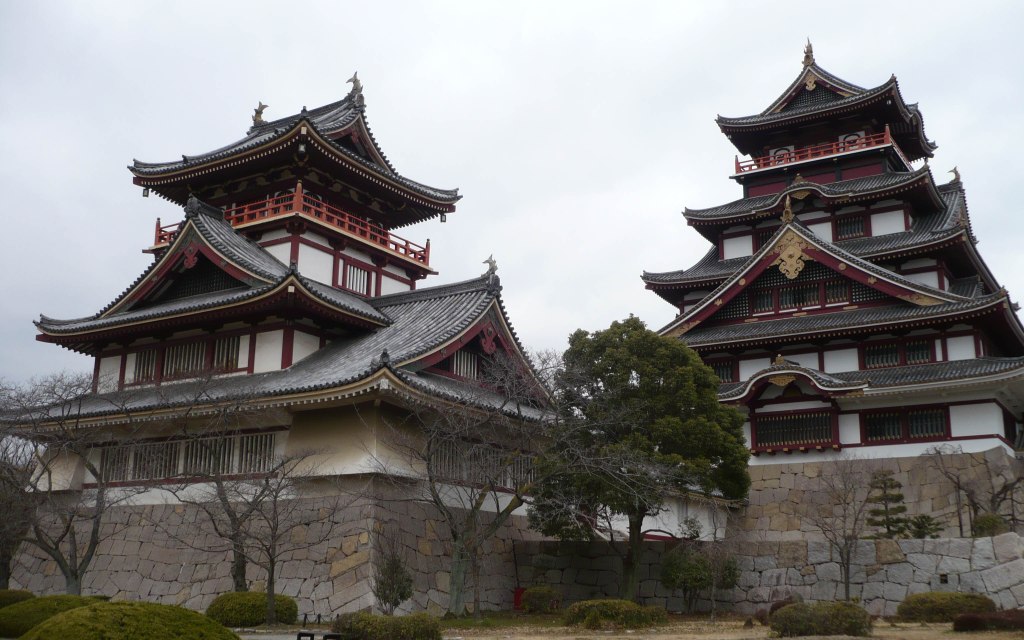
    The reconstructed Fushimi Castle as it appears today. Though the original castle fell, the delay would prove decisive.

    Despite the defeat, the sacrifice of the garrison at Fushimi would not be in vain; 40,000 troops had been tied down for nearly two weeks, and this gave Ieyasu time and relative strategic freedom to gather his allies and position his forces, and it was time that had been well spent. At the beginning of September 1600, Ieyasu departed his capital of Edo and marched towards the most important battle of his life, and one of the most decisive in Japanese history.


    Sources
    https://ja.wikipedia.org/wiki/%E5%BE%B3%E5%B7%9D%E5%AE%B6%E5%BA%B7
    https://ja.wikipedia.org/wiki/%E9%96%A2%E3%83%B6%E5%8E%9F%E3%81%AE%E6%88%A6%E3%81%84
    https://ja.wikipedia.org/wiki/%E4%BC%8F%E8%A6%8B%E5%9F%8E%E3%81%AE%E6%88%A6%E3%81%84
    https://ja.wikipedia.org/wiki/%E5%A4%A7%E8%B0%B7%E5%90%89%E7%B6%99
    https://ja.wikipedia.org/wiki/%E5%AE%87%E5%96%9C%E5%A4%9A%E9%A8%92%E5%8B%95
    https://ja.wikipedia.org/wiki/%E4%BA%94%E5%A5%89%E8%A1%8C
    https://ja.wikipedia.org/wiki/%E5%89%8D%E7%94%B0%E5%88%A9%E5%AE%B6
    https://ja.wikipedia.org/wiki/%E5%89%8D%E7%94%B0%E5%88%A9%E9%95%B7
    https://ja.wikipedia.org/wiki/%E4%BA%94%E5%A4%A7%E8%80%81

  • The Third Unifier – Tokugawa Ieyasu. Part Six.

    The Third Unifier – Tokugawa Ieyasu. Part Six.

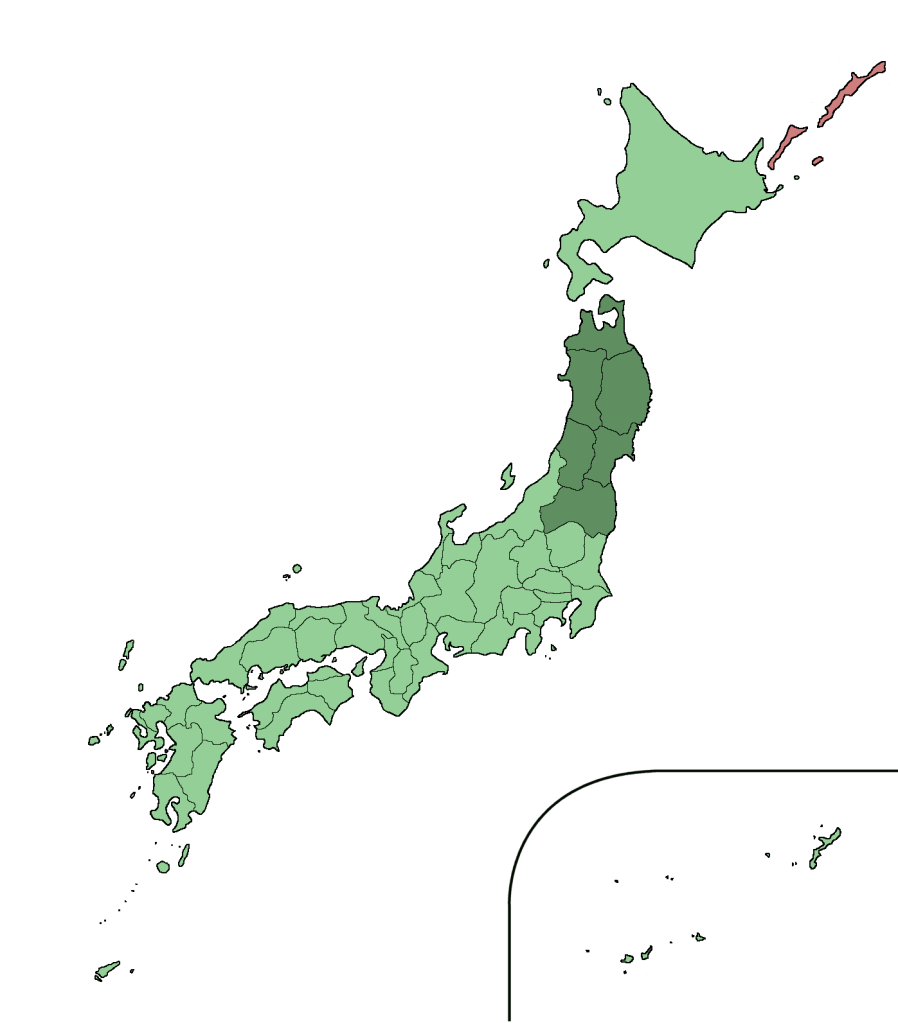
    Following his move to the Kanto following the destruction of the Hojo Clan in 1590, Ieyasu became indispensable to Toyotomi Hideyoshi’s plans for pacifying the rest of Japan. In 1591, Hideyoshi issued an order for clans in the Oshu Region (known today as Tohoku) to stop fighting and observe his newly established peace.

    The modern Tohoku Region roughly corresponds to the medieval region called “Oshu”

    Some clans obeyed, but others refused, and Hideyoshi dispatched an army under the command of his nephew (and adopted heir) Hidetsugu, with Ieyasu playing an important supporting role. Around the same time as this campaign, Ieyasu became known as Musashi Dainagon, or the “Grand Councillor of Musashi,” an illustrious title that further demonstrated his rising profile.

    In 1592, when Hideyoshi ordered the first invasion of Korea, Ieyasu remained in Japan, taking up position at Nagoya Castle (not in the modern city of the same name, but in Saga Prefecture, Kyushu, close to the staging ground for troops in Korea). Ieyasu himself never actually went to Korea, and historians have generally praised this as a wise move.

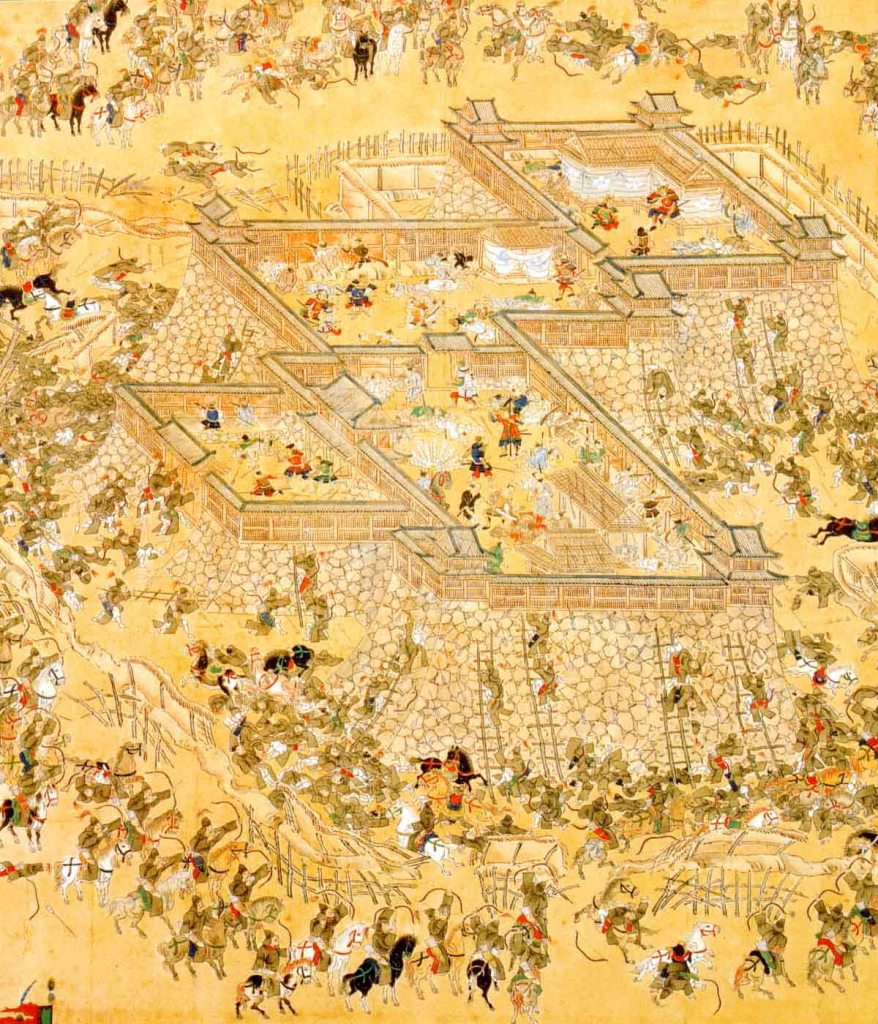
    A semi-contemporary depiction of the fighting in Korea.

    Although Hideyoshi’s ambition to conquer China through Korea was arguably overly ambitious, the campaign did serve to occupy the otherwise restless Samurai who had no more wars to fight at home. Tactical success on the battlefield did not translate to overall strategic or political victory, however, and several feuds emerged that would have profound repercussions in the years to come, feuds that Ieyasu remained aloof from but would be able to take advantage of.

    One such feud involved Ishida Mitsunari. The actual circumstances are quite complex, but Mitsunari was believed to have sent reports to Hideyoshi that portrayed certain generals in a bad light, leading to some being punished upon their return. Though Mitsunari enjoyed Hideyoshi’s support, those whom he had allegedly wronged would remember.

    Ishida Mitsunari, though perhaps unfairly maligned by later historians, his reputation amongst his contemporaries was divisive at best.

    In 1596, Hideyoshi had a son, Hideyori, casting doubt on the position of his adopted heir, Hidetsugu. The details of what followed can be read in the posts about Hideyoshi, but long story short, Hidetsugu was accused of plotting treason and obliged to commit seppuku, with dozens of his household also put to death in the aftermath.

    Hidetsugu’s actual guilt is a matter of some controversy, but his death risked creating political instability at the heart of Hideyoshi’s regime. To get control of the situation, he sought to centralise political power by having many of the realm’s most powerful lords attend him directly, including Ieyasu, who spent more time at Fushimi Castle than at his new base in Edo.

    Totoyomi Hidetsugu, once Hideyoshi’s heir, became a victim of his political ambitions.

    In 1596, Ieyasu was named Naidajin, or Minister of the Interior, the third-highest rank in the Imperial Government, which technically made him a direct advisor to the Emperor, although by this point, real political power was in the hands of the Samurai, and more specifically, Hideyoshi.

    Ieyasu was probably the most powerful individual lord, second only to Hideyoshi, though he was not strong enough in his own right to pose a direct political threat to Hideyoshi. As long as Hideyoshi was alive and healthy, then things would remain stable.

    A contemporary image of Hideyoshi at the end of the 16th Century.

    In 1598, he fell ill, and, seeing the writing on the wall, he set about establishing a system of government to keep things stable until his son came of age. In the summer of 1598, when he was already on his deathbed, Hideyoshi called on the five most powerful lords of the realm to rule in collaboration. When Hideyoshi died in August, the first act of the Five Elders was to withdraw Japanese troops from Korea, bringing home their battle-hardened armies.

    It will surprise no one to learn that the power-sharing arrangement began to fall apart almost immediately. One problem was that the five had little reason to trust one another, and most sources agree they didn’t even seem to like each other much.

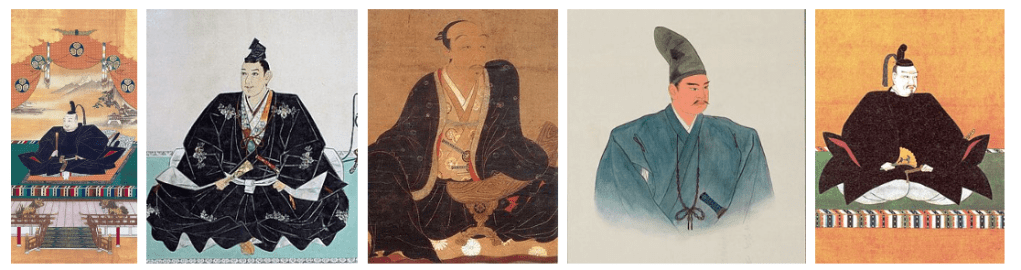
    The Five Elders, from left to right: Tokugawa Ieyasu, Ukita Hideie, Maeda Toshiie, Uesugi Kagekatsu, and Mori Terumoto.

    Another problem was Ieyasu himself; he outranked the other four Elders by a wide margin and was also the most powerful in purely economic and military terms, and the other four assumed (correctly, as it would turn out) that Ieyasu meant to overturn Hideyoshi’s will and take power for himself.

    In the short term, Ieyasu’s power was not enough to take on the other four elders with any hope of success, but he hadn’t gotten where he was with passivity, and throughout the latter part of 1598 and into 1599, Ieyasu set about dividing his enemies and winning a few over to his side.

    A semi-contemporary depiction of Fushimi Castle, which had become Ieyasu’s temporary base.

    To this end, he arranged marriages between members of his family and those of other powerful Daimyo, in direct violation of a 1595 law which Hideyoshi had passed to stop clans from forging alliances against him. He also began to pay personal visits to the residences of ‘second-tier’ lords, who weren’t prestigious enough to be at the centre of government, but who still possessed considerable resources.

    Ieyasu’s main opponent amongst the Elders was Maeda Toshiie, who allied himself with Ishida Mitsunari (him again) to hold the elders together in opposition to what they saw as the ‘threat’ from Ieyasu. Toshiie was an old and well-respected figure, but his political alliance with Mitsunari actually played into Ieyasu’s hands.

    Maeda Toshiie. In his youth, he had been celebrated for his good looks, bravery, and wisdom, but by the late 16th Century, he was a respected, but ageing figure.

    As we have already seen, Mitsunari was not well-liked. He had made some powerful enemies in Korea, and earlier, during the Odawara Campaign against the Hojo, he had been blamed for the handling of the Siege of Oshi, which had not fallen until after Odawara itself. Historians today generally agree that Mitsunari was a competent, if somewhat unlucky, figure. It’s never been definitively proved that he was behind the slanders of certain figures in Korea, and it’s also been pointed out that he was following Hideyoshi’s orders at Oshi, and therefore may not have been directly responsible for the tactics used.

    None of this mattered at the time; however, 16th-century Japan was a period where reputation was everything, and Mitsunari’s was bad. It can be reasoned that some of his enemies sided with Ieyasu for no reason other than that they wanted to make life difficult for Mitsunari, but as long as Maeda Toshiie lived, the unity of the council was preserved.

    Kato Kiyomasa, one of the men allegedly slandered by Mitsunari.

    The problem with political systems that require their main actors to remain alive indefinitely is that, generally, they don’t. Toshiie was no different, and in an ominous sign, on the very day he died, Mitsunari was attacked by seven of the men he had allegedly slandered, and was lucky to escape with his life.

    Ieyasu then stepped in to mediate, and in exchange for agreeing to resign his political position, Mitsunari was allowed to live, albeit temporarily. Exactly why Ieyasu stepped in to protect his enemy is debated, with some historians believing that the enmity didn’t run as deep as once believed (the men had cooperated previously), or that Ieyasu correctly predicted that the settlement would not last, and the hostility towards Mitsunari would be something he could take advantage of when the time came, and the time would come sooner than any of the major players knew.


    Burden of Duty, available now on Amazon!


    Sources
    https://ja.wikipedia.org/wiki/%E5%BE%B3%E5%B7%9D%E5%AE%B6%E5%BA%B7
    https://ja.wikipedia.org/wiki/%E9%96%A2%E3%83%B6%E5%8E%9F%E3%81%AE%E6%88%A6%E3%81%84
    https://ja.wikipedia.org/wiki/%E8%B1%8A%E8%87%A3%E7%A7%80%E9%A0%BC
    https://ja.wikipedia.org/wiki/%E8%B1%8A%E8%87%A3%E7%A7%80%E5%90%89
    https://ja.wikipedia.org/wiki/%E6%96%87%E7%A6%84%E3%83%BB%E6%85%B6%E9%95%B7%E3%81%AE%E5%BD%B9
    https://ja.wikipedia.org/wiki/%E4%BA%94%E5%A4%A7%E8%80%81
    https://ja.wikipedia.org/wiki/%E5%89%8D%E7%94%B0%E5%88%A9%E5%AE%B6
    https://ja.wikipedia.org/wiki/%E5%86%85%E5%A4%A7%E8%87%A3
    https://en.wikipedia.org/wiki/Lord_Keeper_of_the_Privy_Seal_of_Japan
    https://ja.wikipedia.org/wiki/%E8%B1%8A%E8%87%A3%E7%A7%80%E6%AC%A1
    https://ja.wikipedia.org/wiki/%E8%91%9B%E8%A5%BF%E5%A4%A7%E5%B4%8E%E4%B8%80%E6%8F%86
    https://ja.wikipedia.org/wiki/%E5%92%8C%E8%B3%80%E3%83%BB%E7%A8%97%E8%B2%AB%E4%B8%80%E6%8F%86
    https://ja.wikipedia.org/wiki/%E4%BB%99%E5%8C%97%E4%B8%80%E6%8F%86
    https://ja.wikipedia.org/wiki/%E4%B9%9D%E6%88%B8%E6%94%BF%E5%AE%9F%E3%81%AE%E4%B9%B1
    https://ja.wikipedia.org/wiki/%E5%A5%A5%E5%B7%9E%E4%BB%95%E7%BD%AE
    https://ja.wikipedia.org/wiki/%E6%9D%B1%E5%8C%97%E5%9C%B0%E6%96%B9
    https://ja.wikipedia.org/wiki/%E5%90%8D%E8%AD%B7%E5%B1%8B%E5%9F%8E
    https://ja.wikipedia.org/wiki/%E5%94%90%E6%B4%A5%E5%B8%82
    https://ja.wikipedia.org/wiki/%E4%B8%83%E5%B0%86%E8%A5%B2%E6%92%83%E4%BA%8B%E4%BB%B6
    https://ja.wikipedia.org/wiki/%E7%9F%B3%E7%94%B0%E4%B8%89%E6%88%90

  • Book Plug

    Book Plug

    It’s Golden Week here in Japan, and in the spirit of the holiday, I’ve decided to do something a bit different and plug my latest book, Burden of Duty, so here you go:

    In the chaotic aftermath of the Honnō-ji Incident, burned, half-blind, and consumed by shame, Sagano Takashi awakens in the care of foreigners. His lord, Oda Nobunaga, is dead. His world has collapsed. And by every code he has lived by, he has failed.

    With the help of old friends, reluctant allies, and opposed by those with their own plans for the chaos, he sets out across a Japan on the brink of collapse to find those responsible for his pain, and to salvage what he can from the ashes.

    But as he journeys home, Takashi must answer a difficult question: how much is honour worth, and what can a man do when the burden of duty becomes too great?

    A sweeping tale of survival, redemption, and the human cost of loyalty, the second chapter of the Gekokujo series sees Takashi fall from the greatest heights and forced to use every ounce of his strength to find his way back.


    Burden of Duty, Book Two of the Gekokujo Series, available now on Amazon!

  • The Third Unifier – Tokugawa Ieyasu. Part Five.

    The Third Unifier – Tokugawa Ieyasu. Part Five.

    By 1584, two years had passed since the Honnoji Incident and the death of Oda Nobunaga. His eldest son, Nobutada, had died alongside him at Honnoji, leaving several younger sons as potential successors. The problem was that none of these sons had much in the way of military resources with which to stake their claim, and they quickly formed alliances, or else became puppets of Nobunaga’s more powerful retainers, most notably Toyotomi Hideyoshi (still going by Hashiba at this time) and Shibata Katsuie.

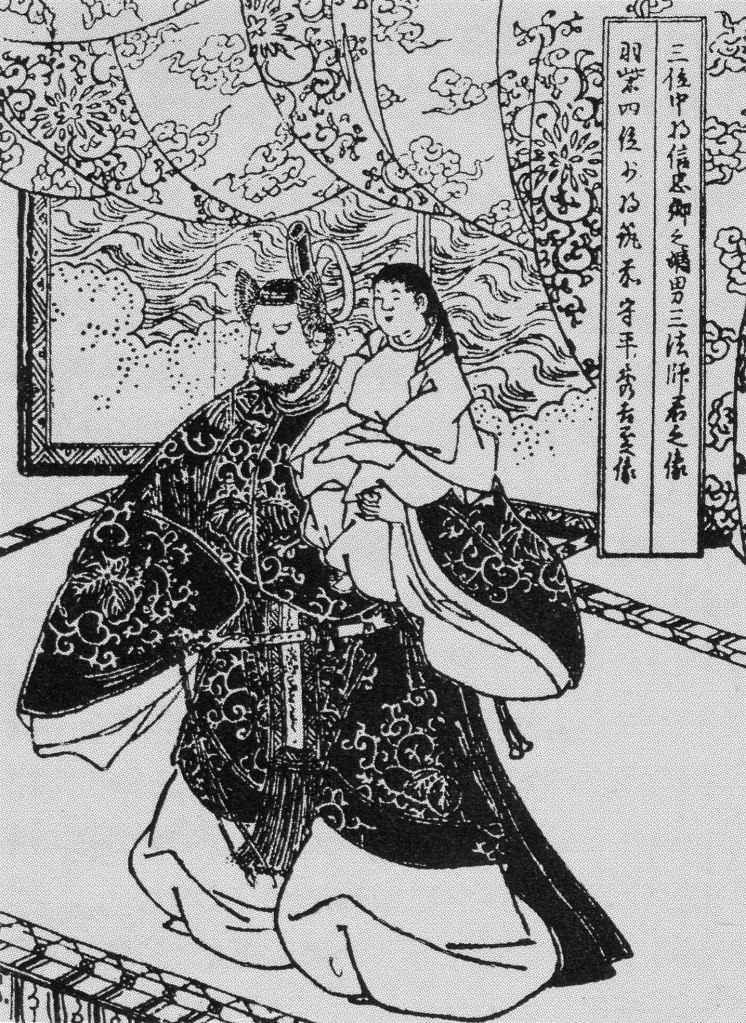
    Hideyoshi carries Sanboshi during the Kiyosu Conference.

    In the immediate aftermath of Honnoji, a conference was held at Kiyosu Castle to decide which son would inherit his father’s lands. In the event, Hideyoshi used his influence to ensure that Nobunaga’s grandson, the three-year-old Hidenobu (also called Sanboshi), would be named as the new head of the Oda Clan, whilst Nobunaga’s territories were divided up between his remaining sons and most powerful retainers.

    It will come as no surprise that Nobunaga’s surviving adult sons were not thrilled about this, and it wasn’t long before rival camps were forming around one son or another. Initially, despite his earlier support of Sanboshi, Hideyoshi decided to back Nobunaga’s second son, Oda Nobuo, whilst Katsuie supported the third, Nobutaka.

    Oda Nobuo (left) and Oda Nobutaka, brothers, but rivals for their father’s position.

    Despite nominally supporting one Oda heir or the other, in reality, the rivalry was between Hideyoshi and Katsuie, and tensions rose sharply until the Battle of Shizugatake in June 1583. There, Hideyoshi won a decisive victory, and shortly afterwards, Katsuie and Nobutaka committed suicide, removing a serious obstacle on Hideyoshi’s road to power.

    Despite being on the ‘winning’ side, it wasn’t long before Oda Nobuo fell out with Hideyoshi, and in early 1584, he went looking for support. It’s at this point that Tokugawa Ieyasu reenters the story. Despite trying to stay on good terms with Hideyoshi, sending him congratulatory gifts after his victory at Shizugatake, for example, it was becoming obvious that Ieyasu was too powerful for Hideyoshi to simply leave alone.

    A 19th-century depiction of the Battle of Shizugatake

    The flashpoint came in March 1584, when Nobuo had a retainer who had been colluding with Hideyoshi executed. Using this pretext, Hideyoshi raised an army and marched on Nobuo, who appealed to Ieyasu for help. Ieyasu obliged and dispatched forces into Nobuo’s home province of Owari.

    What followed was what history records as the Battle of Komaki-Nagakute, which is misleading because it was actually a series of battles, only two of which took place anywhere near the eponymous locations. The momentum of the campaign swung back and forth throughout the spring and summer. Despite a considerable advantage in resources, Hideyoshi was unable to bring them to bear, resulting in a stalemate.

    An 18th-century depiction of the Battle of Komaki-Nagakute. Despite the name, it was actually a series of battles fought across central Japan.

    With success on the battlefield impossible, both sides sought diplomatic support from other clans, with Ieyasu reaching out to the Hojo and Chosokabe, whilst Hideyoshi gained the support of the Uesugi, Mori, and Satake. Even with these allies, the stalemate persisted, and the only option was to negotiate, and both sides sat down to talk in November.

    Though he had not achieved a military victory, the negotiations favoured Hideyoshi; he forced Nobuo to submit and cede several territories, whilst those who had supported Ieyasu found themselves either isolated or also forced to submit to Hideyoshi. Ieyasu himself retained his territories and arranged for his son, Hideyasu, to be adopted by Hideyoshi, though only sources favourable to the Tokugawa call it an adoption; Hideyoshi’s partisans describe Hideyasu as a hostage.

    Ieyasu’s son, Hideyasu. Whether he was an adopted son or a hostage depends on who you ask.

    The fact that Ieyasu had been able to force a stalemate against heavy odds is a noteworthy military achievement in itself, but it is made all the more remarkable by the fact that, throughout 1583-85, his territories had been subject to extraordinary rainfalls, which had led to flooding and the consequent devastation to infrastructure and food supplies.

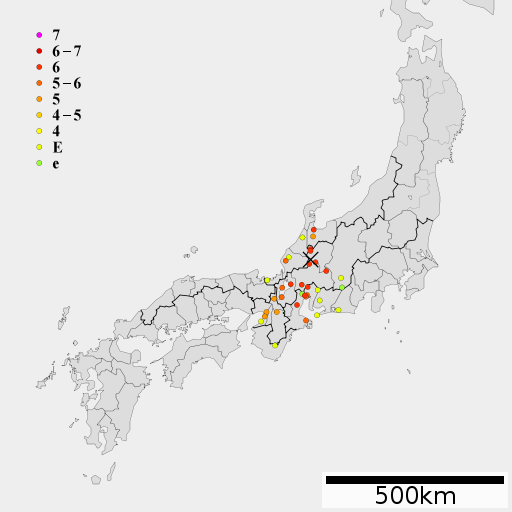
    The Battle of Komaki-Nagakute could not be considered a ‘victory’ for either side, but Hideyoshi was clearly in the ascendancy, and Ieyasu’s resources had been strained to the brink by years of flood, famine, and war. Then, in 1586, the massive Tensho Earthquake struck, causing catastrophic damage across central Japan, striking both sides’ lands equally. Though his superior resources meant that Hideyoshi was probably better positioned to recover, he had bigger plans. Instead of attempting to crush Ieyasu a second time, he tried a different tack.

    The theorised intensity scale of the 1586 Tensho Earthquake.
    As6022014 – 宇佐美龍夫 『最新版 日本被害地震総覧 416‐2001』 , Lincun(2010)ファイル:地図 令制国 和泉国.svg, CC 表示-継承 3.0, https://commons.wikimedia.org/w/index.php?curid=18458686による

    Using Oda Nobuo as an intermediary, Hideyoshi attempted to convince Ieyasu to submit. Initially refusing, Ieyasu was finally convinced by an offer of marriage to Hideyoshi’s younger sister, Lady Asahi. Some sources suggest that Hideyoshi forced his sister to divorce her husband so the marriage could take place, whilst others suggest she was already divorced, or else her husband was dead. Either way, given that Lady Asahi was already in her 40s by the time the marriage took place, it was clearly a match made for political rather than dynastic reasons.

    A marriage like that may seem strange to our modern eyes, but it was generally seen as a politically savvy move, as it bound Ieyasu and Hideyoshi together as family. Shortly after the wedding, Ieyasu travelled to Osaka and formally submitted to Hideyoshi as his vassal and brother-in-law. Later Tokugawa sources suggest that on the night of his arrival in Osaka, Ieyasu was secretly visited by a nervous Hideyoshi, who was still unsure whether he truly meant to submit. The meeting is probably apocryphal, but Ieyasu certainly swore loyalty to Hideyoshi in an elaborate ceremony shortly afterwards.

    Lady Asahi, whose marriage to Ieyasu bound him and her elder brother, Hideyoshi, together. The fact that she was around 44 years old when they married was no obstacle.

    Later in 1586, Ieyasu moved his base to Sunpu, which was more central to his domains and better positioned to monitor peace in the Kanto region on Hideyoshi’s behalf. For the next few years, Ieyasu proved himself a loyal retainer. In 1590, when tensions between the Hojo and Hideyoshi began to rise, he attempted to act as a mediator, since he was father-in-law to Hojo Ujinao.

    Ieyasu’s diplomatic efforts bore some fruit, with the Hojo sending Ujinao’s uncle, Ujinori, to Kyoto to negotiate with Hideyoshi. However, Ujinao himself refused to come, and Hideyoshi was determined to either force the Hojo to submit or be destroyed. Later scholars suggest that Ieyasu’s position with the Hojo might have been deliberately undermined by rumours that he stood to benefit from their defeat, as he had been promised the eight provinces of the Kanto in exchange for the five he currently controlled, in the event of the Hojo being removed.

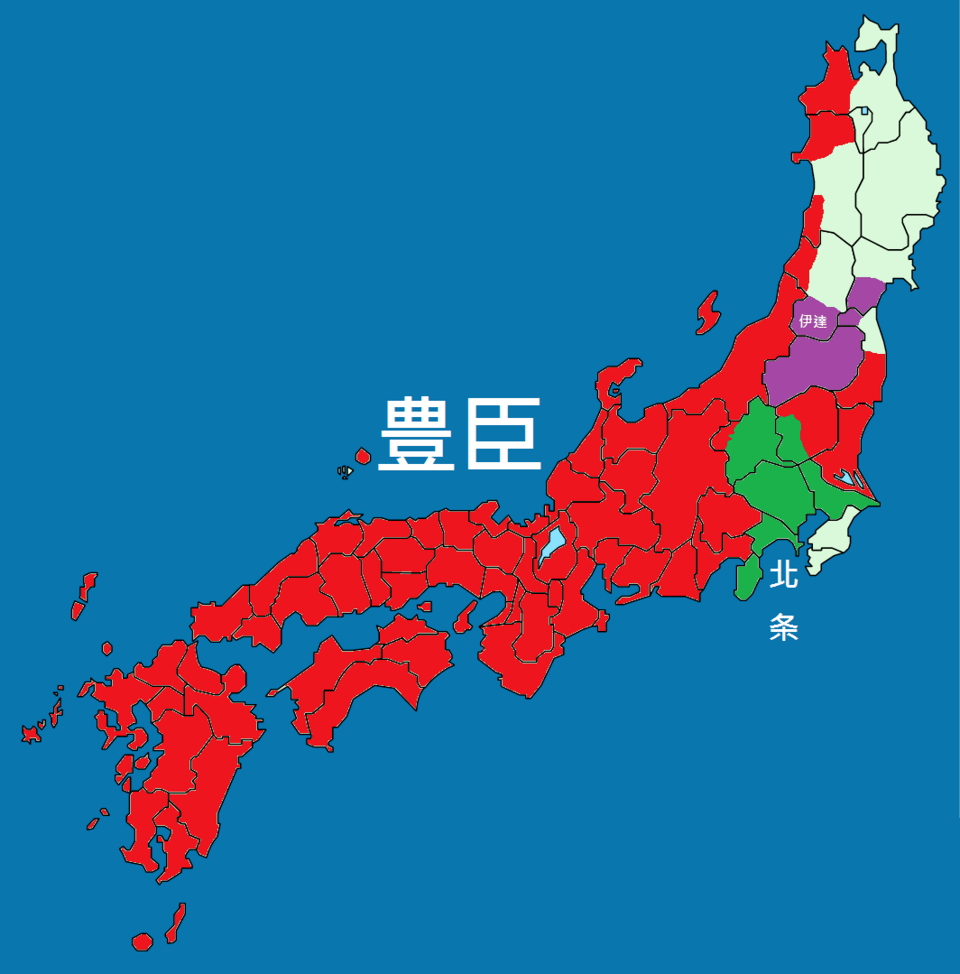
    The situation just before the Odawara Campaign. Ieyasu stood to gain control of the territory of the Hojo (green) in the event of their defeat, a fact that may have put a damper on previously good Tokugawa-Hojo relations.
    By Alvin Lee – Own work, CC BY-SA 4.0, https://commons.wikimedia.org/w/index.php?curid=39214209

    Ieyasu denied the rumours, and their exact impact on negotiations is controversial, but Tokugawa forces served Hideyoshi in the vanguard of what became known as the Odawara Campaign that saw the Hojo decisively defeated, and Ieyasu received the eight Kanto provinces as the rumours had suggested he would.

    Precisely why Hideyoshi offered these provinces to Ieyasu is still debated. It was certainly true that Ieyasu was in no position to refuse the offer, and taking possession of these new lands effectively doubled his income, at least on paper. On the other hand, the provinces had been Hojo territory for generations, and the local lords would prove difficult to control, not to mention the damage caused by the recent campaign.

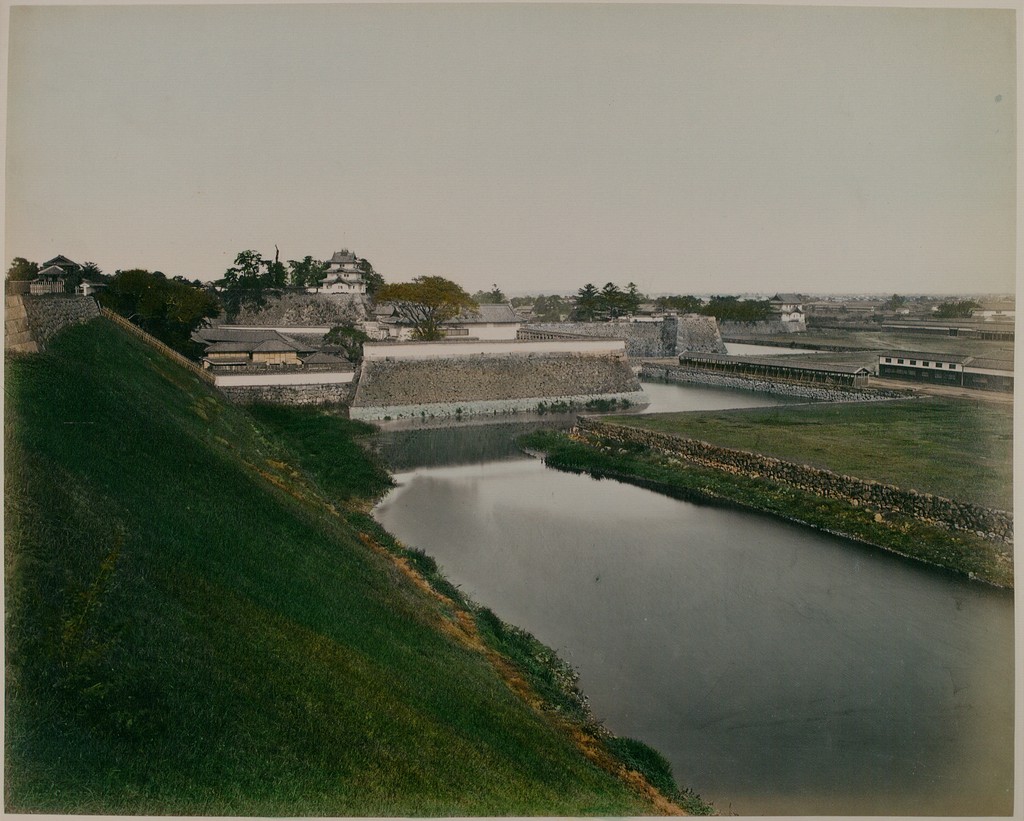
    Edo Castle as it appeared in the 19th Century. The site was underdeveloped when Ieyasu arrived in 1590, but it would eventually grow to become the centre of his dynasty’s power.

    Some suggest that Hideyoshi genuinely believed in Ieyasu’s abilities to bring the region under control. Others conclude that his real intention was to separate Ieyasu from his power base in Mikawa. Either way, it would prove a fateful decision, perhaps best exemplified by the fact that Ieyasu’s chosen base, Edo Castle, is the site of the Imperial Palace in modern Tokyo.


    Sources
    https://ja.wikipedia.org/wiki/%E5%BE%B3%E5%B7%9D%E5%AE%B6%E5%BA%B7
    https://ja.wikipedia.org/wiki/%E6%B1%9F%E6%88%B8%E5%9F%8E
    https://ja.wikipedia.org/wiki/%E5%B0%8F%E7%89%A7%E3%83%BB%E9%95%B7%E4%B9%85%E6%89%8B%E3%81%AE%E6%88%A6%E3%81%84
    https://ja.wikipedia.org/wiki/%E7%B9%94%E7%94%B0%E7%A7%80%E4%BF%A1
    https://ja.wikipedia.org/wiki/%E7%B9%94%E7%94%B0%E4%BF%A1%E5%AD%9D
    https://ja.wikipedia.org/wiki/%E7%B9%94%E7%94%B0%E4%BF%A1%E5%BF%A0
    https://ja.wikipedia.org/wiki/%E7%B9%94%E7%94%B0%E4%BF%A1%E9%9B%84
    https://ja.wikipedia.org/wiki/%E8%B3%A4%E3%83%B6%E5%B2%B3%E3%81%AE%E6%88%A6%E3%81%84
    https://ja.wikipedia.org/wiki/%E7%B9%94%E7%94%B0%E4%BF%A1%E9%95%B7
    https://ja.wikipedia.org/wiki/%E5%A4%A9%E6%AD%A3%E5%9C%B0%E9%9C%87
    https://ja.wikipedia.org/wiki/%E8%B3%A4%E3%83%B6%E5%B2%B3%E3%81%AE%E6%88%A6%E3%81%84
    https://ja.wikipedia.org/wiki/%E7%B5%90%E5%9F%8E%E7%A7%80%E5%BA%B7
    https://ja.wikipedia.org/wiki/%E6%9C%9D%E6%97%A5%E5%A7%AB

  • The Third Unifier – Tokugawa Ieyasu. Part Four.

    The Third Unifier – Tokugawa Ieyasu. Part Four.

    The Battle of Nagashino in 1575 had been one of the most significant battles of the later Sengoku Jidai. The military power of the once mighty Takeda clan had been broken, and Tokugawa Ieyasu, formerly a largely independent warlord, effectively became a vassal of Oda Nobunaga.

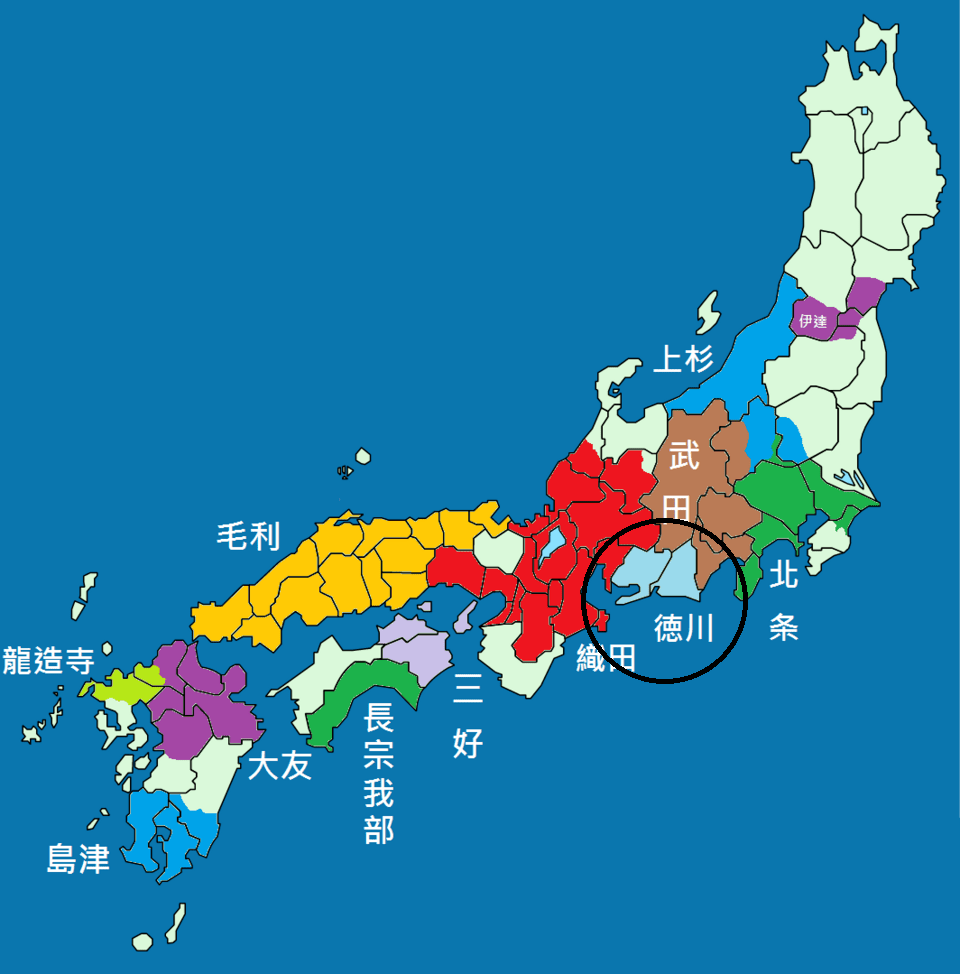
    The strategic situation in 1575, with Tokugawa lands in light blue (circled).
    By Alvin Lee – Own work, CC BY-SA 4.0, https://commons.wikimedia.org/w/index.php?curid=39198356

    Between 1575 and the early 1580s, Ieyasu consolidated his position in the recently conquered territory, and the Takeda, under the leadership of Katsuyori, focused on holding together what they had, seeking diplomatic support from other clans in the Kanto and even a rapprochement with their historic enemies, the Uesugi Clan.

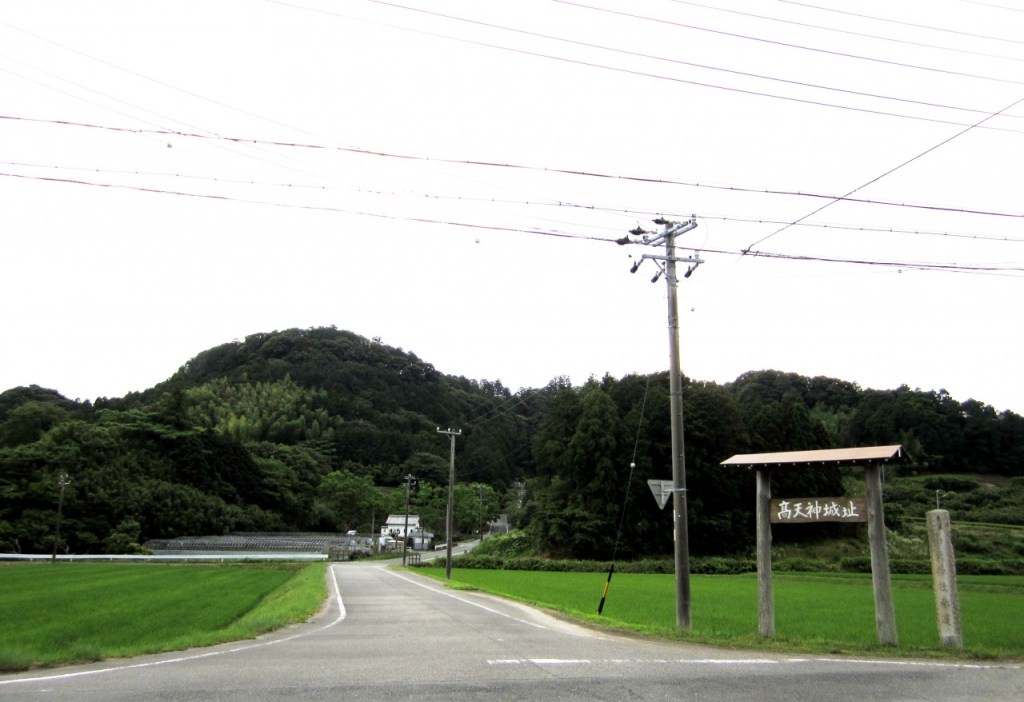
    It will probably not surprise you to learn that this period of relative peace was not particularly peaceful at all, with low-level skirmishing occurring along the borders, but it wasn’t until 1581 that full-scale war broke out again, when Ieyasu took the strategically important Takatenjin Castle in Totomi Province.

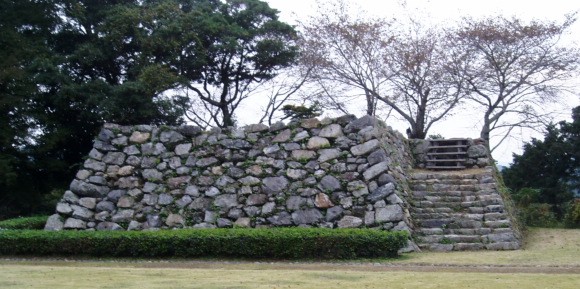
    The site of Takatenjin Castle as it appears today.
    立花左近 – 投稿者自身による著作物, CC 表示-継承 3.0, https://commons.wikimedia.org/w/index.php?curid=29796111による

    The fall of the castle was a problem in and of itself, but in the aftermath, the Takeda, already severely weakened, did nothing. Historians have argued that the failure to challenge the loss of such an important castle led many lords to conclude that the Takeda were finished and that their leader, Katsuyori, could no longer protect them.

    Consequently, when the Oda-Tokugawa forces launched their final attack on the Takeda in February 1582, resistance was short-lived, as lords defected en masse, forcing Katsuyori to first retreat, and then flee, before he was trapped and forced to commit suicide at Tano in March.

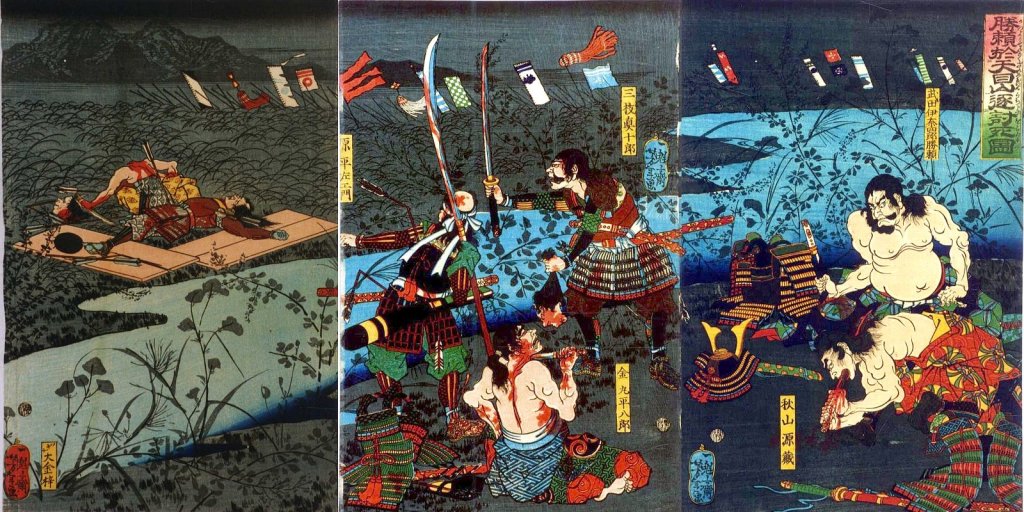
    A 19th-Century depiction of Takeda Katsuyori’s final moments.

    In the aftermath of this campaign, Ieyasu was awarded complete control of Suruga Province. When Nobunaga embarked on a tour of his new conquests, Ieyasu laid on luxurious entertainment along the route, even going so far as to refurbish the road and have tea houses specially constructed to receive the Great Lord’s retinue.

    In May 1582, Ieyasu arrived at Nobunaga’s base at Azuchi to pay tribute in gratitude for Suruga Province. At the same time, Toyotomi Hideyoshi (still known as Hashiba at this point) called for reinforcements for his ongoing campaign against the Mori. Nobunaga announced his intention to lead the campaign personally, intending to do to the Mori what he had recently done to the Takeda.

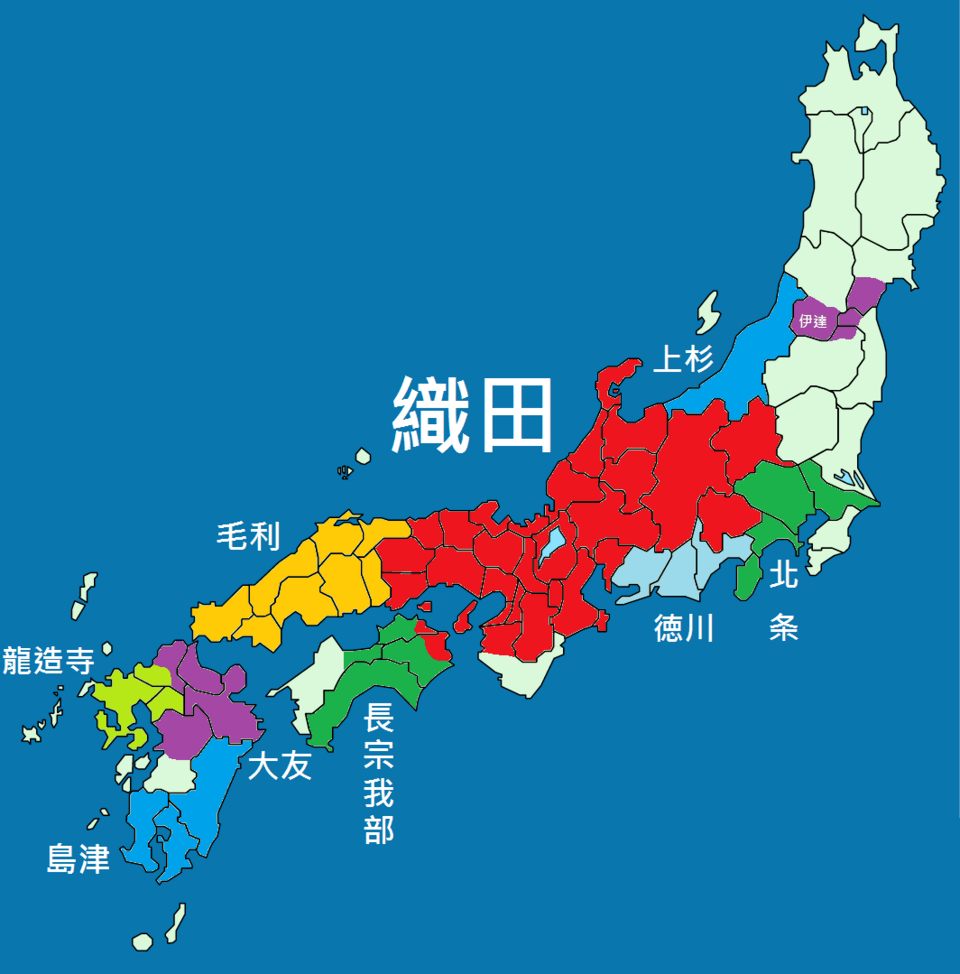
    The situation in 1582, just prior to the Honnoji Incident.
    By Alvin Lee – Own work, CC BY-SA 4.0, https://commons.wikimedia.org/w/index.php?curid=39198356

    For his part, Ieyasu planned to return to Mikawa first, gather his forces, and then join the campaign later. As part of his journey, Ieyasu stopped in Sakai (in modern Osaka) for what the sources described as “sightseeing”. He was in Sakai when news arrived of the Honnoji Incident and Nobunaga’s death.

    Ieyasu, attended by just a few retainers, was now in mortal danger. At this point, he seems to have lost his head somewhat and tried to head to Kyoto to avenge Nobunaga, or else join him in death (which would have been the likely outcome regardless). Fortunately for Ieyasu, cooler heads prevailed, and he was convinced instead to attempt to escape.

    An example of what the passes of Iga look like today.

    What followed was a much-celebrated (and often mythologised) journey from Sakai to safety in Mikawa. He was aided in his efforts by the legendary retainer Hattori Hanzo, who was a fairly remarkable man in his own right, but not the magical ninja of later legend. It is said that Ieyasu escaped back to Mikawa with just 34 retainers, but they represented the elite of the Tokugawa Clan, and their loss would have been a mortal blow.

    However, Ieyasu successfully escaped and set about gathering his forces to march on the traitor Akechi Mitsuhide and avenge Nobunaga’s death. News soon arrived that Mitsuhide had been killed, and Nobunaga avenged by Toyotomi (Hashiba) Hideyoshi, so, with no enemy to fight or vengeance to take, Ieyasu went home.

    Toyotomi Hideyoshi.

    His respite would be short-lived, however. In the chaotic aftermath of Nobunaga’s death, the recently conquered Takeda territories erupted into rebellion, and it wasn’t before any semblance of order was gone. Seeking to take advantage, the mighty Hojo Clan marched an army of 60,000 into the provinces, which were now largely up for grabs.

    Despite some initial setbacks, the sheer size of the Hojo force meant that they were able to quickly conquer large parts of Kozuke, Kai, and Shinano Provinces. Ieyasu had plans of his own for that territory, and besides, he couldn’t allow the Hojo to establish what would likely have been an insurmountable power base right on his doorstep.

    Hojo Ujimasa. His attempts to establish control over the former Takeda territories provoked a response from Ieyasu.

    What followed became known as the Tensho-Jingo War, characterised by both sides attempting to assert their influence over the scattered remnants of former Takeda loyalists. There was relatively little direct conflict between the two sides, with the exception of the Battle of Kurokama in August 1582, where a force of some 10,000 Hojo warriors attempted to cross the Misaka Pass into Kai, where they were intercepted and decisively defeated by a Tokugawa force only a fifth their size.

    Despite this shock outcome, neither side seems to have had much enthusiasm for fighting each other. A peace was quickly agreed upon that recognised Tokugawa control over Kai and Shinano, in exchange for Hojo dominance in Kozuke and for Ieyasu’s daughter, Tokuhime, as wife to Hojo Ujinao, uniting the two clans in a political and dynastic alliance.

    The situation in early 1584, showing just how far Ieyasu had risen in little more than a decade.

    Peace with the Hojo secured Ieyasu’s eastern border and left him in total control of three provinces, Kai, Suruga, and Totomi, and almost total control of two more, Mikawa (except the far west) and Shinano (except the far north). Less than a decade earlier, Ieyasu had looked like he was on the way out, but now, he was one of the most powerful warlords in the realm.

    That power was far from unchallenged, though. History tells us that Toyotomi (Hashiba) Hideyoshi was the man to inherit Nobunaga’s power and go on to reunite the realm. However, in the autumn of 1582, there were actually several possible candidates to succeed. Though most would quickly fall in line, or be crushed, by the dawn of 1583, apart from Ieyasu and Hideyoshi, there was another man, Shibata Katsuie, who potentially had the power to claim it all.

    Shibata Katsuie. Apart from Ieyasu, he was the most serious rival to the rise of Hideyoshi.

    Ieyasu rather wisely kept himself out of the inevitable clash. When Hideyoshi defeated Katsuie at the Battle of Shizugatake in June 1583, Ieyasu was amongst those who were quick to send formal congratulations to Hideyoshi, seeking to keep on good terms with the realm’s new top dog.

    It wouldn’t last, however. The simple truth was that Ieyasu was too powerful to be left unchecked, and tensions began to rise almost as soon as Katsuie had been defeated, until the Spring of 1584, when Hideyoshi set out to deal with Ieyasu once and for all.


    Sources
    https://ja.wikipedia.org/wiki/%E5%BE%B3%E5%B7%9D%E5%AE%B6%E5%BA%B7
    https://ja.wikipedia.org/wiki/%E8%B3%A4%E3%83%B6%E5%B2%B3%E3%81%AE%E6%88%A6%E3%81%84
    https://ja.wikipedia.org/wiki/%E5%A4%A9%E6%AD%A3%E5%A3%AC%E5%8D%88%E3%81%AE%E4%B9%B1
    https://ja.wikipedia.org/wiki/%E9%95%B7%E7%AF%A0%E3%81%AE%E6%88%A6%E3%81%84
    https://ja.wikipedia.org/wiki/%E6%AD%A6%E7%94%B0%E5%8B%9D%E9%A0%BC
    https://ja.wikipedia.org/wiki/%E9%AB%98%E5%A4%A9%E7%A5%9E%E5%9F%8E%E3%81%AE%E6%88%A6%E3%81%84
    https://ja.wikipedia.org/wiki/%E4%BC%8A%E8%B3%80%E8%B6%8A%E3%81%88

  • The Third Unifier – Tokugawa Ieyasu. Part Three.

    The Third Unifier – Tokugawa Ieyasu. Part Three.

    After the disastrous Battle of Mikatagahara in January 1573, contemporaries might have been forgiven for thinking that Tokugawa Ieyasu was finished. His army had been defeated and scattered, several important fortresses had fallen, and Takeda forces were camped deep inside his home province of Mikawa.

    The Battle of Mikatagahara was a disaster from which Ieyasu might not have recovered.

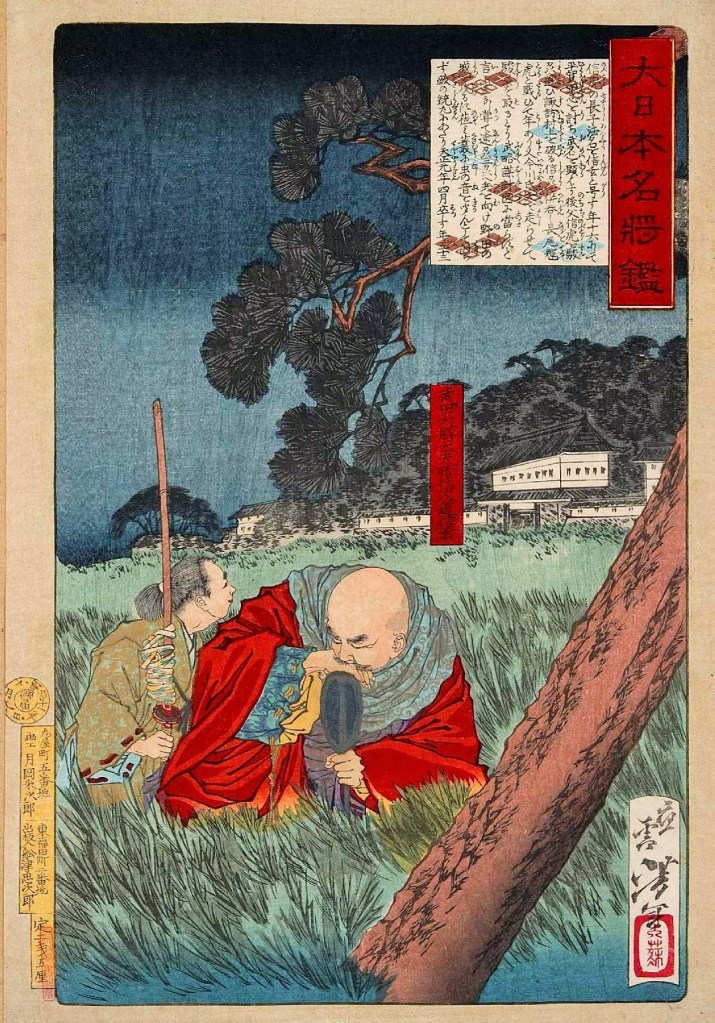
    Fate, however, was on Ieyasu’s side. Though Mikatagahara had been a catastrophe, the Takeda would prove unable to take advantage of their victory. Not long after the Battle, Takeda Shingen, arguably the most formidable warrior of his day, fell ill (some sources say he was wounded in battle, though later stories of Ninja assassinations are likely mythological).

    With their leader bedridden, the Takeda campaign stalled. They tried to keep the full extent of his illness secret, but when Shingen died in May, the once-mighty Takeda army began a full retreat from Mikawa. The Art of War writes that a general should know his enemy, and Ieyasu, student of war that he was, seems to have realised that something was amiss.

    An image depicting Shingen’s illness. He was arguably the most formidable warlord of his day, and his death was a huge strategic boon to the Tokugawa.

    Under Shingen, the Takeda were aggressive and highly capable, but after his (still secret) death, Ieyasu identified several weaknesses and launched a counter-attack, the success of which effectively confirmed his theory that Shingen was gone. With the momentum swinging back towards the Tokugawa, several clans that had defected to the Takeda switched sides again, and Ieyasu was able to swiftly regain the strength lost at Mikatagahara.

    Shingen’s successor, Katsuyori, has been remembered as a poor imitation of his father, though much of what was recorded about him was written by his enemies. In the short term, however, Katsuyori and Ieyasu were fairly evenly matched, and throughout 1574 and into 1575, they traded blows, with the momentum shifting back and forth.

    Takeda Katsuyori. Though perhaps unfairly maligned in later writings, he would prove unable to live up to his father’s legacy.

    Ieyasu had something that Katsuyori didn’t, however, a powerful ally. The death of Shingen had removed a serious (possibly existential) threat to the ambitions of Oda Nobunaga, and in 1575, he was finally able to dispatch significant forces to support Ieyasu’s ongoing campaign against the Takeda.

    In early 1575, Takeda forces once again advanced against Mikawa province, laying siege to the strategically important Nagashino Castle. Sources suggest that the Takeda invested the castle with 15,000 men, whilst the defenders numbered only 500. Despite the disparity in strength, the fortress was situated in terrain that made it difficult for the Takeda to bring their full forces to bear, and for a time, the garrison held out.

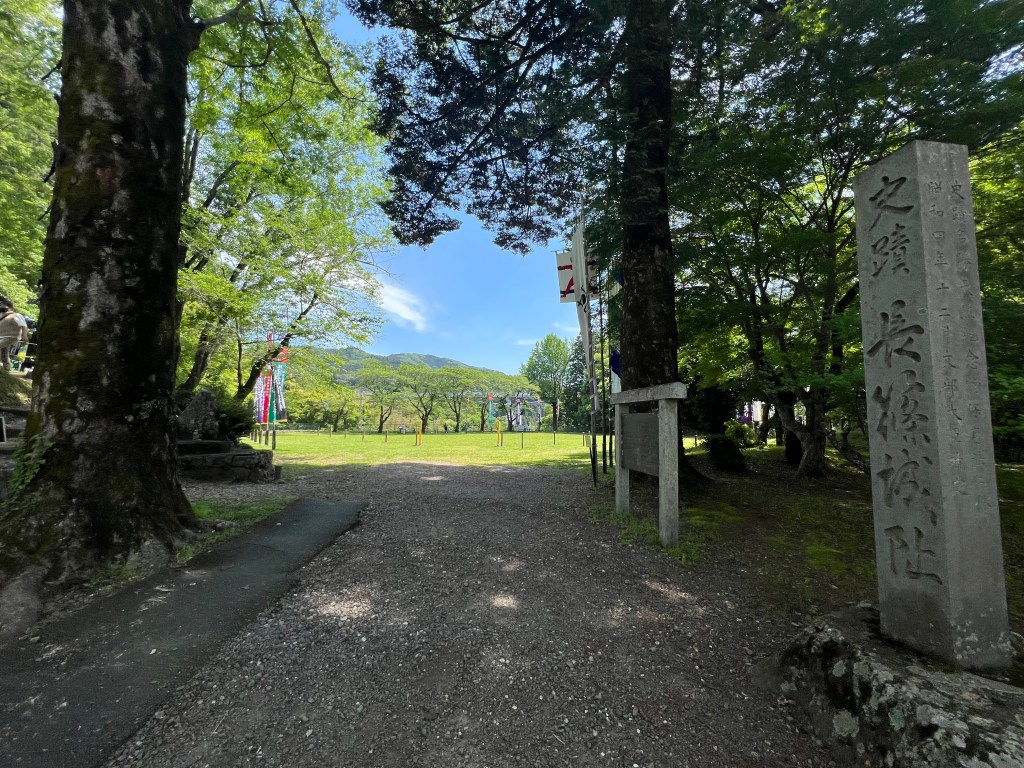
    The site of Nagashino Castle as it appears today.

    The situation changed dramatically, however, when the garrison’s food supplies were burned. In response, a messenger, Torii Suneemon, slipped through Takeda’s lines and made it to a combined Oda-Tokugawa army that was supposed to have numbered some 38,000 men (30,000 Oda and 8,000 Tokugawa, which goes some way to demonstrating the power dynamic in this ‘alliance’.)

    Suneemon then tried to return to Nagashino to inform the garrison that help was on the way, but he was instead captured by the Takeda. Katsuyori offered him a deal: if he told the garrison that no help was coming, he’d be set free. Instead, Sunemon shouted that relief was on the way, and the garrison should hold out, for which he was crucified in full view of the walls.

    A later (and somewhat dramatised) depiction of Suneemon exhorting the garrison of Nagashino to keep resisting.

    When the Oda-Tokugawa forces arrived two days later, the garrison was still holding out, and the Takeda turned to give battle. Although the Battle of Nagashino is one of the most famous and decisive battles of the Sengoku Jidai, scholars disagree on what actually happened. Nagashino has long been famous for Nobunaga’s innovative use of massed firearms, with thousands of foot soldiers firing in a three-rank system that kept up a constant hail of fire that decimated the Takeda’s famous cavalry charge.

    The exact number of firearms and the tactics used are still debated, but what is known for sure is that Nagashino represented a blow to the Takeda Clan from which they would never recover. In the aftermath, both Ieyasu and Nobunaga moved to take advantage, extending their control over Suruga and Totomi Provinces, and boxing the Takeda up in their traditional home in Kai and Shinano Province (modern Yamanashi and Nagano prefectures)

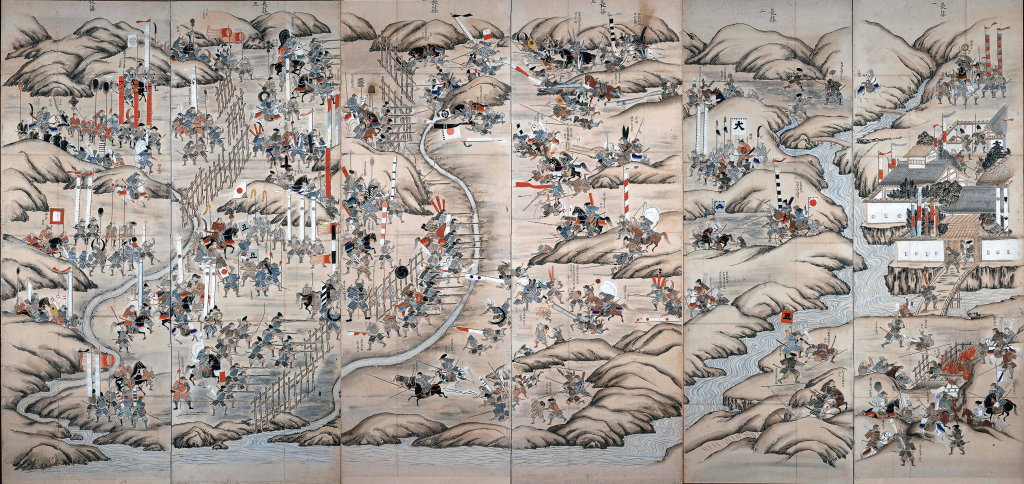
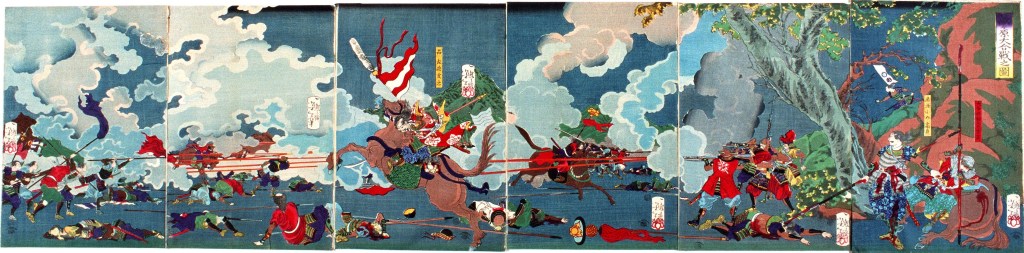
    An 18th-century depiction of the Battle of Nagashino, with the Oda-Tokugawa forces on the left, and Nagashino Castle on the far right.

    Though Ieyasu had been on the winning side, the victory over the Takeda would mark the time when his relationship with Nobunaga ceased to be an alliance of equals. There was no disputing Nobunaga’s power by this point, and the resources at his disposal dwarfed anything Ieyasu could deploy. Consequently, in the aftermath of Nagashino, Ieyasu found himself a vassal to the Great Lord.

    Perhaps the best evidence of how far the relationship had shifted came in 1579, when, on Nobunaga’s order, Ieyasu had his wife and eldest son put to death on suspicion of conspiring with the Takeda to arrange Nobunaga’s assassination.

    Ieyasu’s first wife, Lady Tsukiyama.

    The long-held theory was that Lady Tsukiyama, Ieyasu’s wife, and his eldest son, Nobuyasu, were indeed conspiring with the Takeda. Some sources portray Lady Tsukiyama as a scheming, evil woman who seduced men into joining her plot, whilst Nobuyasu is said to have been a cruel, vindictive psychopath who committed acts such as shooting random peasants dead during festivals for no reason other than that they danced poorly.

    The catalyst for their death was apparently Nobunaga’s daughter, Tokuhime, who just so happened to be married to Nobuyasu. It is said that she hated her mother-in-law so much that she concocted the entire plot to have both of them removed.

    Ieyasu’s eldest son, Nobuyasu, who was either a traitor, a violent lunatic, the victim of a vindictive wife, or a combination of all three, depending on who you believe.

    There is another school of thought that suggests Nobunaga had nothing to do with the incident and that Ieyasu and Nobuyasu were instead engaged in a long-term feud. Nobuyasu, apparently supported by his mother, is said to have defied his father’s orders and even been plotting open rebellion, with or without the support of the Takeda.

    Faced with such a direct threat to his authority, Ieyasu sought the advice of his overlord, Nobunaga (who also happened to be Nobuyasu’s father in law), who is said to have instructed that, as the matter was an internal family affair, that Ieyasu should do as he thought best, resulting in the execution of Lady Tsukiyama, and Nobuyasu’s seppuku.

    Whether Nobunaga gave the order or Ieyasu acted on his own initiative, this incident highlights the situation Ieyasu faced in the late 1570s. Subordinate to Nobunaga’s power, and insecure at home, despite his successes, there was still no reason to believe that Ieyasu was going to be anything other than a footnote in another man’s story.

    Ooooh, foreshadowing!

    Sources
    https://ja.wikipedia.org/wiki/%E5%BE%B3%E5%B7%9D%E5%AE%B6%E5%BA%B7
    https://ja.wikipedia.org/wiki/%E7%AF%89%E5%B1%B1%E6%AE%BF
    https://ja.wikipedia.org/wiki/%E6%9D%BE%E5%B9%B3%E4%BF%A1%E5%BA%B7
    https://ja.wikipedia.org/wiki/%E9%95%B7%E7%AF%A0%E3%81%AE%E6%88%A6%E3%81%84
    https://ja.wikipedia.org/wiki/%E4%B8%89%E6%96%B9%E3%83%B6%E5%8E%9F%E3%81%AE%E6%88%A6%E3%81%84
    https://ja.wikipedia.org/wiki/%E6%AD%A6%E7%94%B0%E5%8B%9D%E9%A0%BC
    https://ja.wikipedia.org/wiki/%E6%AD%A6%E7%94%B0%E4%BF%A1%E7%8E%84

  • The Third Unifier – Tokugawa Ieyasu. Part Two.

    The Third Unifier – Tokugawa Ieyasu. Part Two.

    The Battle of Okehazama in 1560 saw Tokugawa Ieyasu’s masters, the Imagawa, dealt a serious blow at the hands of Oda Nobunaga. In the aftermath, Ieyasu began asserting his independence, and in 1562, the so-called “Kiyosu Alliance” between Ieyasu and Nobunaga was formalised.

    The mon of the Tokugawa.
    百楽兎 – 投稿者自身による著作物, CC 表示-継承 3.0, https://commons.wikimedia.org/w/index.php?curid=1056853による
    The Imagawa, however, were down, but not out, and Ieyasu’s position was far from secure, despite his new alliance. In 1563, the “Mikawa Ikko-Ikki” Rebellion broke out, and in early 1564, when the Imagawa announced their intention to crush Ieyasu, several of his vassals in Mikawa switched sides, joining the Ikko-Ikki or else rising against Ieyasu in anticipation of an Imagawa attack.

    The name “Ikko-Ikki” suggests that the uprising was similar to other religiously motivated risings that occurred throughout Japan during this period. Indeed, the focal point seems to have been several temples in Mikawa; however, some scholars now suggest that the uprising was motivated more by economic reasons, and some even go so far as to say that Ieyasu may have provoked the rising, or at least took advantage of it to cement his control of Mikawa Province.

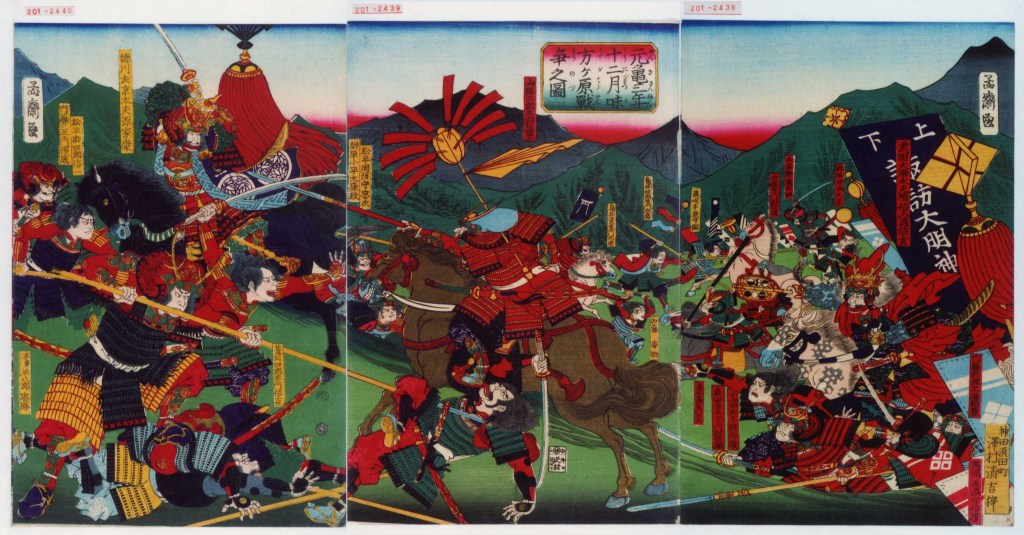
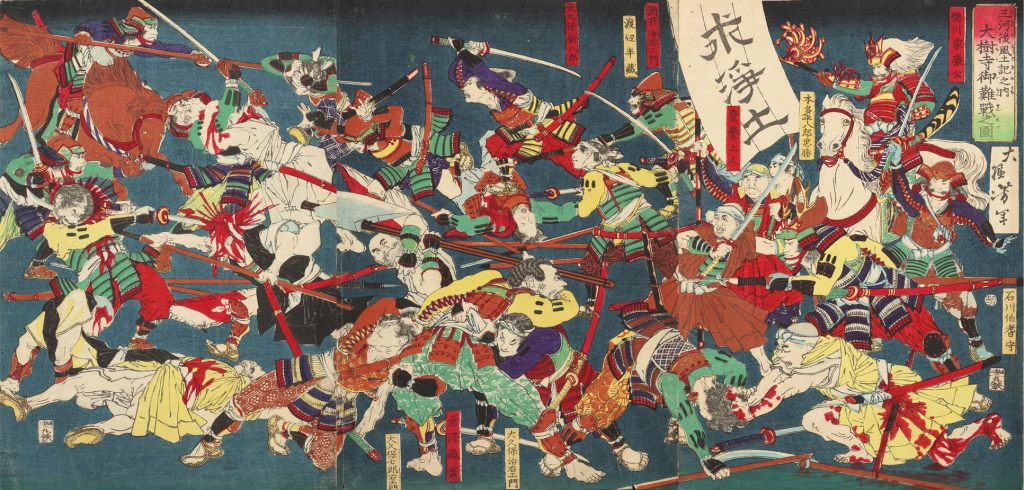
    A later depiction of the Battle of Azukizaka. Ieyasu is the figure on the white horse on the right.

    While it’s impossible to know for sure, Ieyasu did much to boost his own reputation in putting down the rebellion. At the Battle of Azukizaka (sometimes called the Battle of Batogahara) in January 1564, Ieyasu led his forces in crushing the rebels, despite ferocious fighting. The story goes that Ieyasu charged the enemy fearlessly, and came under heavy gunfire, with several rounds penetrating his armour, but leaving him uninjured, inspiring his men, and leading some rebels to switch sides.

    In the aftermath, Ieyasu banned the Jodo Shinshu sect of Buddhism in Mikawa, only to lift the ban in 1567, just a few years later, lending credence to the argument that the fighting had never been about religious issues but about political control of the province.

    The Honshuji Temple, one of the focal points of the rebellion, as it appears today.

    Before 1566, Ieyasu’s family name was Matsudaira, but around this time, he petitioned the Emperor to change it to Tokugawa. The exact reasons for this are related to the complex (and often impenetrable) genealogies of the Minamoto and Fujiwara Clans, from whom Ieyasu claimed descent. You may remember that Minamoto and Fujiwara were the names of two of Japan’s most ancient and illustrious families, and it was a big deal to claim descent from them.

    This would become much more important later, as only a member of the Minamoto could become Shogun (technically), but that was still decades in the future. At the time, the name change was probably more closely associated with prestige and a desire to assert independence from the Imagawa, with a new name symbolising a new era for the clan.

    Takeda Shingen.

    In 1567, Ieyasu further strengthened his alliance with Nobunaga by marrying his eldest son to Nobunaga’s daughter. However, they were both just nine years old at the time, so the marriage was a political rather than conjugal union. The next year, Ieyasu dispatched forces to support Nobunaga’s march on Kyoto, and in December, he made an alliance with Takeda Shingen and launched a joint invasion of Imagawa territory.

    The attack was a success, but the relationship between Ieyasu and Shingen fell apart almost immediately. According to Tokugawa accounts, it had been agreed that Ieyasu would take Totomi Province, and Shingen would take Suruga. However, it wasn’t long before Takeda forces were also crossing into Totomi, in direct violation of the agreement (which may never have existed to begin with).

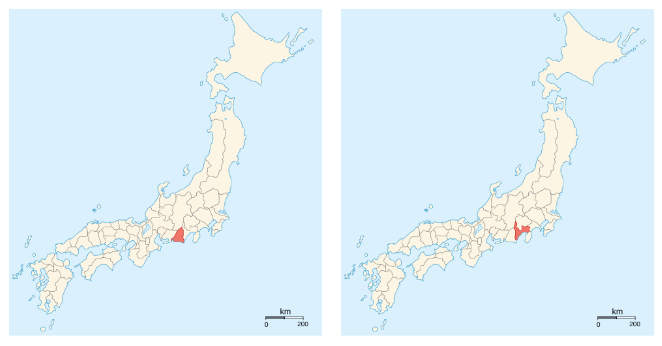
    Suruga and Totomi Provinces.
    By Ash_Crow – Own work, based on Image:Provinces of Japan.svg, CC BY 2.5, https://commons.wikimedia.org/w/index.php?curid=1691864

    Ieyasu then sought the support of the Hojo Clan, and their Lord, Ujiyasu, who had his own ambitions for the former Imagawa territory. Together, they successfully pushed the Takeda forces back, and in 1570, Ieyasu moved his base from Okazaki Castle in Mikawa Province to Hikuma, which he promptly renamed Hamamatsu, in Totomi. Later that year, he would further prove his value as an ally of Oda Nobunaga by supporting his campaign against the Azai-Asakura Alliance, fighting in the rearguard in the defeat at Kanegasaki, and then providing important reinforcements at the victorious Battle of Anegawa in July.

    In 1571, the alliance would be sorely tested, as the last Ashikaga Shogun, Yoshiaki, sought to rally forces in opposition to Oda Nobunaga, with the ultimate goal of restoring his family’s position. The Anti-Nobunaga coalition (which was, importantly, not necessarily pro-Ashikaga) included the forces of the Azai-Asakura Alliance, the powerful temple of Ishiyama Honganji, and Takeda Shingen, among others.

    Ashikaga Yoshiaki

    In the aftermath of the defeat of the Imagawa, Hojo Ujiyasu, who had favoured an alliance with Ieyasu against the Takeda, died and was replaced by his son, Ujimasa, who reversed his clan’s diplomatic position and reestablished the alliance with Shingen. At this point, Yoshikai, seeking to take advantage of the pressure he was now under, sought to gain Ieyasu’s support, offering him the position of Kanrei or deputy Shogun in exchange.

    Ieyasu refused this offer and chose to retain his alliance with Nobunaga; in response, Takeda Shingen launched an invasion of the Mikawa and Totomi Provinces in September 1572. Leading 20,000 troops, Shingen crossed the Aokuzure Pass, and with the help of several defections amongst Ieyasu’s retainers, swiftly gained control of northern Totomi.

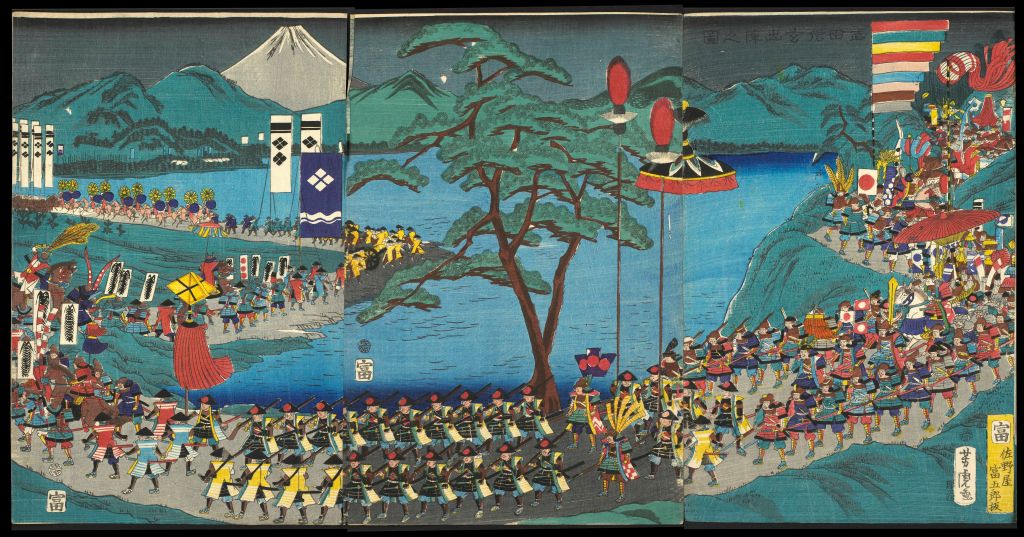
    A later depiction of the Takeda Army advancing into Totomi Province.

    Meanwhile, a separate force invaded Nobunaga’s territory in Mino, meaning that when Ieyasu called for aid, none was readily available. Ieyasu was forced into an impossible situation; his forces were heavily outnumbered by the advancing Takeda, and a pitched battle would almost certainly end in defeat. On the other hand, if he retreated or even stayed on the defensive, he faced the prospect of losing support from his retainers, some of whom had already proved they were willing to switch sides.

    The Takeda headed towards the strategically important Futamata Castle, and Ieyasu had no choice but to try to head them off. The advance guards of both armies clashed at the Battle of Hitokotozaka, and the Tokugawa were soundly beaten, causing them to retreat to the relative safety of Hamamatsu, and giving the Takeda a clear path to lay siege to Futamata, which fell shortly afterwards.

    The remains of Futamata Castle.
    CC 表示-継承 3.0, https://commons.wikimedia.org/w/index.php?curid=427661

    In the aftermath of this disaster, still more Tokugawa retainers switched sides and joined the Takeda, and it was assumed that Shingen, whose army, strengthened by defections and reinforcements, now stood at around 30,000 men, would march on Hamamatsu. Instead, the Takeda forces bypassed it entirely. It has been suggested that this was a ploy to lure Ieyasu out of the powerful fortress, giving Shingen the opportunity to destroy him in the open.

    If that was the plan, it worked, and despite urging from his retainers to remain in Hamamatsu, Ieyasu was emboldened by some long-awaited reinforcements from Nobunaga and decided to march out and intercept the Takeda. The result was the disastrous Battle of Mikatagahara, in which the Tokugawa were decisively defeated, with Ieyasu himself only being saved by the bravery of his retainers, who fought a rearguard action so ferocious that Ieyasu was allowed to escape, and the Takeda were convinced to call off the pursuit.

    A later depiction of the Battle of Mikatagahara

    The winter of 1572 saw the Takeda forces camping deep inside Tokugawa territory, whilst Ieyasu himself was holed up in Hamamatsu, his army scattered, and his prospects looking very bleak.

    A painting of Ieyasu supposedly made after the defeat at Mikatagahara. Traditional history suggests that Ieyasu commissioned the painting as a reminder of the defeat and a warning against future arrogance; however, this account doesn’t appear in any sources before the 20th century and is now generally believed to be apocryphal.

    Sources
    https://ja.wikipedia.org/wiki/%E5%BE%B3%E5%B7%9D%E5%AE%B6%E5%BA%B7
    https://ja.wikipedia.org/wiki/%E4%B8%89%E6%96%B9%E3%83%B6%E5%8E%9F%E3%81%AE%E6%88%A6%E3%81%84
    https://ja.wikipedia.org/wiki/%E4%BA%8C%E4%BF%A3%E5%9F%8E%E3%81%AE%E6%88%A6%E3%81%84
    https://ja.wikipedia.org/wiki/%E4%B8%80%E8%A8%80%E5%9D%82%E3%81%AE%E6%88%A6%E3%81%84
    https://ja.wikipedia.org/wiki/%E8%A5%BF%E4%B8%8A%E4%BD%9C%E6%88%A6
    https://ja.wikipedia.org/wiki/%E9%9D%92%E5%B4%A9%E5%B3%A0
    https://ja.wikipedia.org/wiki/%E9%87%91%E3%83%B6%E5%B4%8E%E3%81%AE%E6%88%A6%E3%81%84
    https://ja.wikipedia.org/wiki/%E5%A7%89%E5%B7%9D%E3%81%AE%E6%88%A6%E3%81%84
    https://ja.wikipedia.org/wiki/%E6%8E%9B%E5%B7%9D%E5%9F%8E
    https://ja.wikipedia.org/wiki/%E6%B5%9C%E6%9D%BE%E5%9F%8E
    https://news.yahoo.co.jp/expert/articles/c8236e8b4e534230da1d01117685da63b98d761a
    https://ja.wikipedia.org/wiki/%E5%B0%8F%E8%B1%86%E5%9D%82%E3%81%AE%E6%88%A6%E3%81%84_(1564%E5%B9%B4)
    https://ja.wikipedia.org/wiki/%E4%B8%89%E6%B2%B3%E4%B8%80%E5%90%91%E4%B8%80%E6%8F%86
    https://ja.wikipedia.org/wiki/%E5%B2%A1%E5%B4%8E%E5%9F%8E
    https://ja.wikipedia.org/wiki/%E6%9C%AC%E5%AE%97%E5%AF%BA