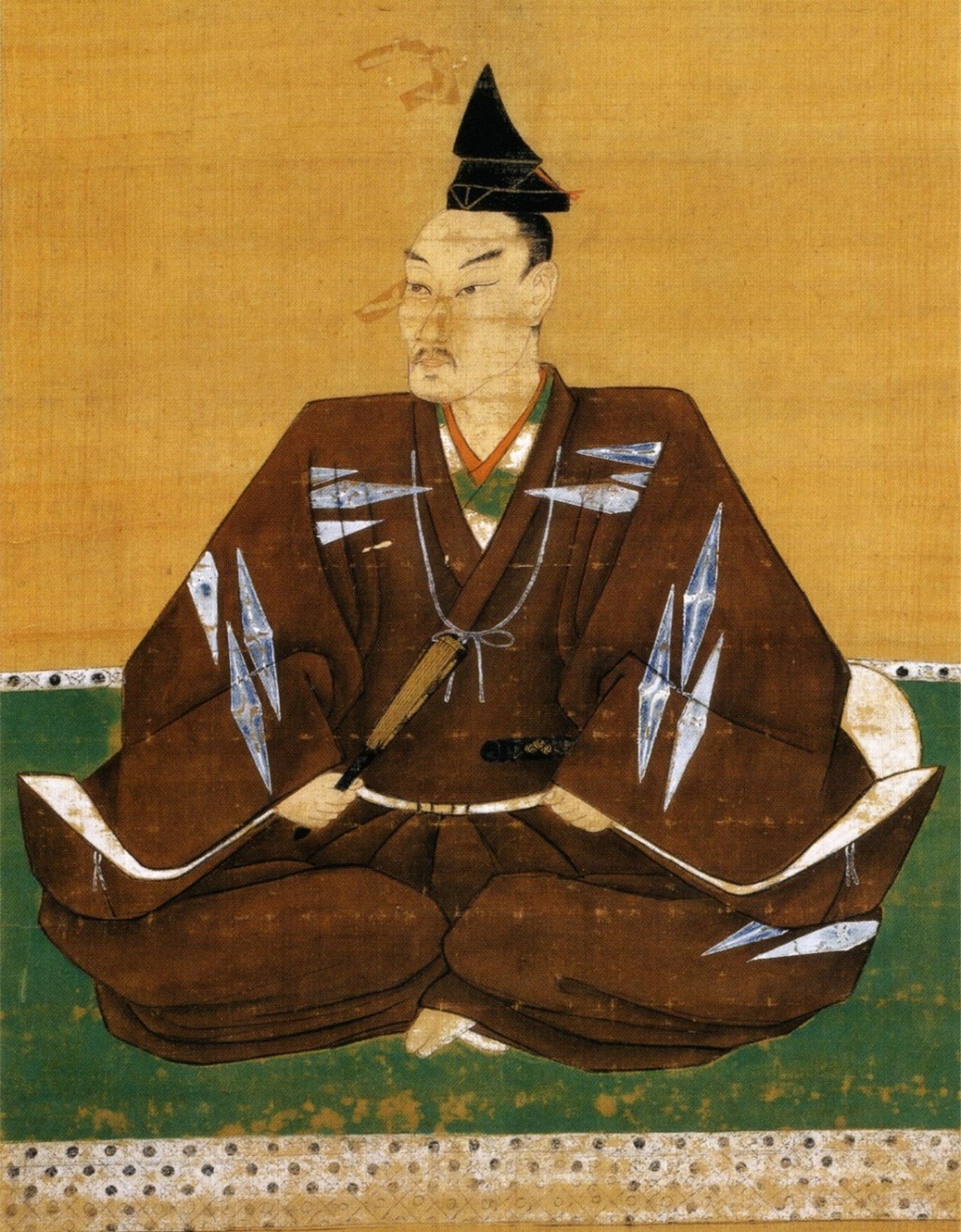
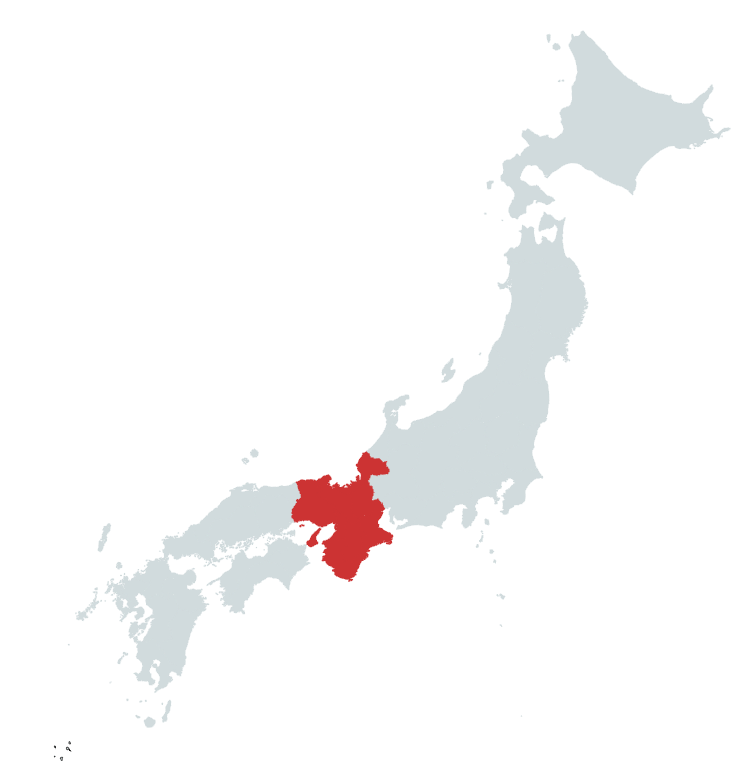
Western Japan
The Ouchi

By Mukai – No machine-readable source provided. Own work assumed (based on copyright claims)., CC BY-SA 3.0, https://commons.wikimedia.org/w/index.php?curid=7845833
At the end of the 15th Century, the Ouchi Clan were one of the strongest in Japan. Based at Yamaguchi, in the furthest west of ‘The West’, they were in an enviable position. Their centre of power was far enough away from Kyoto that they were often spared the worst of the destruction, and the city of Yamaguchi, positioned as it was, near the coast, was a prime location for getting involved in the trade with China and Korea.
These close links to mainland Asia go back into the mists of time. Unlike many other clans, the Ouchi did not claim descent from one of the ‘Imperial’ Clans (Fujiwara, Minamoto, or Taira). Instead, they claimed as their ancestor a Korean prince, Prince Imseong, although the long years involved make a definitive link impossible to prove.
During the Nanbokucho Period, the Ouchi proved to be staunch supporters of the Northern Court and the Ashikaga Shoguns, earning them rich rewards, and by the time of the Onin War, they had extended their control into Northern Kyushu, officially on behalf of the Shogun, but effectively ruling their little empire independently.
During the Onin War, the Ouchi sided with the Yamana Clan and the Western Army. In fact, after the decline of the Yamana during the war, it was the Ouchi who stepped forward and played the leading role in securing Western military victories in the West. When the war ended, the Ouchi regained control of their former territories in northern Kyushu, and would continue to be one of the leading powers at the dawn of the 16th Century.
Their links to international trade continued during this period as well, in fact, during the mid-16th Century, they would prove to be one of the key clans in what became called “Nanban trade”, literally the “Southern Barbarian Trade”, the ‘Barbarians’ in this case, being the Portuguese, who arrived in Japan in the 1540s.
Despite their wealth and power, the Ouchi would eventually become overstretched. Facing powerful clans in Kyushu and nearer to home, they would initially see success, crushing the Shoni Clan of Kyushu in 1536, and facing the Amago Clan of Izumo Province in 1541. An initial victory over the Amago was followed by a serious defeat in which the Ouchi clan’s heir was killed.
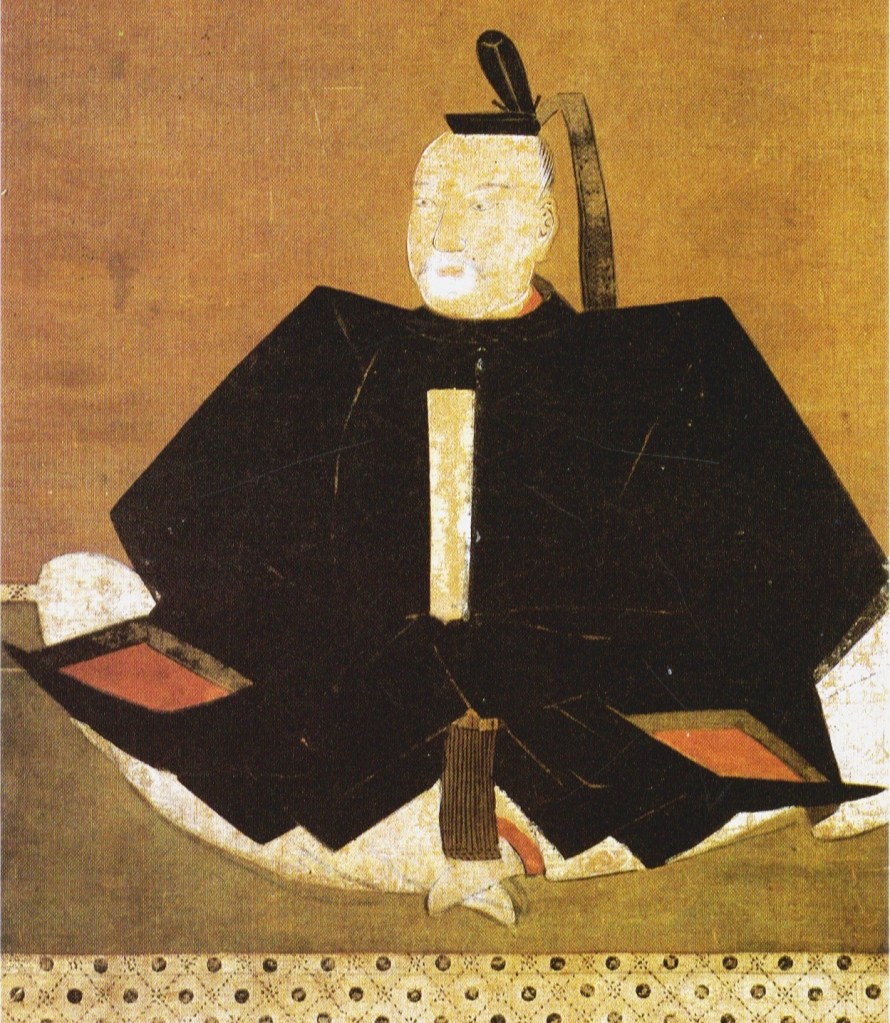
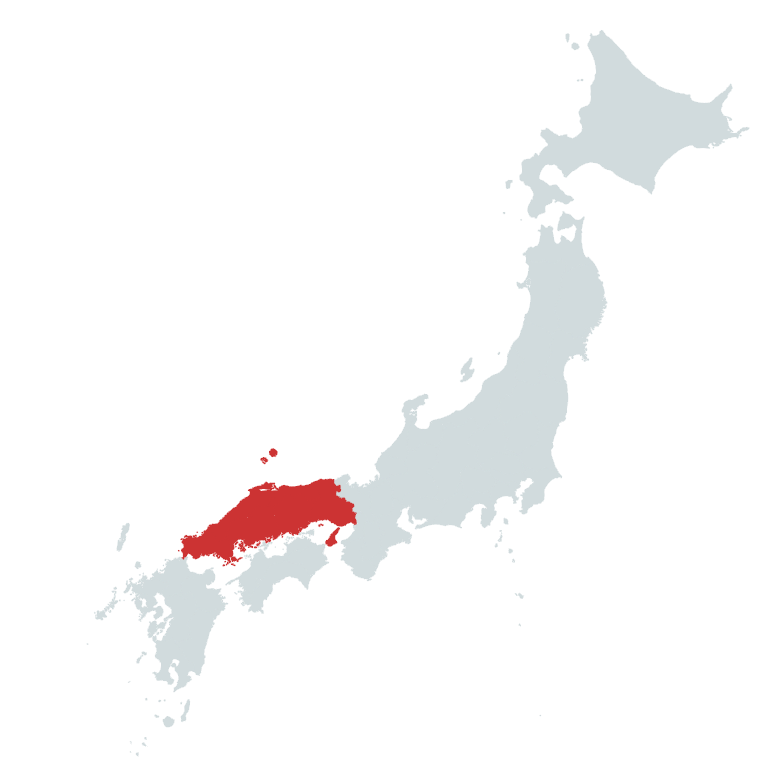
After this, the head of clan, Yoshitaka, began neglecting affairs of government, and the Ouchi would enter a period of steep decline. In 1551, Yoshitaka was killed in a rebellion, and over the next five years, the Ouchi’s once expansive domains were chipped away, as rivals took advantage of the chaos, and even formerly loyal vassals (most notably the Mori Clan) went their own way, often violently.
The Ouchi would enter terminal decline from this point. There was a brief attempt at a restoration in 1569, but it was crushed by the Mori, and the original Ouchi Clan ceased to exist. A supposed branch of the family, the Yamaguchi Clan, would survive as rulers of the Ushiku Domain, in modern Ibaraki Prefecture, but they appear to have died out in the male line in 1991.
The Mori

Kashiwamon – 投稿者自身による著作物, CC 表示-継承 4.0, https://commons.wikimedia.org/w/index.php?curid=91163213による
Like the Hojo in the Kanto Region, the Mori were arguably the most successful clan based in Western Japan. Despite this, the origins of the clan are actually in Sagami Province, close to the modern city of Atsugi in Kanagawa Prefecture. From there, the clan would branch off (as they always seem to) into several different ‘Mori’ Clans, but the one we are focusing on here is the ‘Aki Mori’ Clan, which came to be based in Aki Province in what is today Hiroshima Prefecture.
During the period of the Kamakura Shogunate, the Mori clan remained largely aloof, and when the Emperor Go-Daigo overthrew the Kamakura, the Mori did not get involved. This actually worked against them as Go-Daigo adopted a “With me or against me” approach, and the Mori temporarily saw their territories forfeit.
This backfired pretty spectacularly when, just three years into the “Kenmu Restoration”, Emperor Go-Daigo himself was overthrown by the Ashikaga Family, leading to the establishment of the eponymous Shogunate, and the Mori (who had helped the Ashikaga) being restored to their lands.
Much like every other major Samurai family, the Mori broke up into several branch families that would often end up fighting each other. Their situation in the mid-15th Century was further weakened by the presence of the powerful Ouchi and Amago Clans in the region.
Through the late 15th Century, the Mori would find themselves caught between these two powers, but in the 16th Century, several savvy political marriages and a few adoptions improved their position considerably, and they would eventually rise to eclipse their former masters, the Ouchi, entirely.
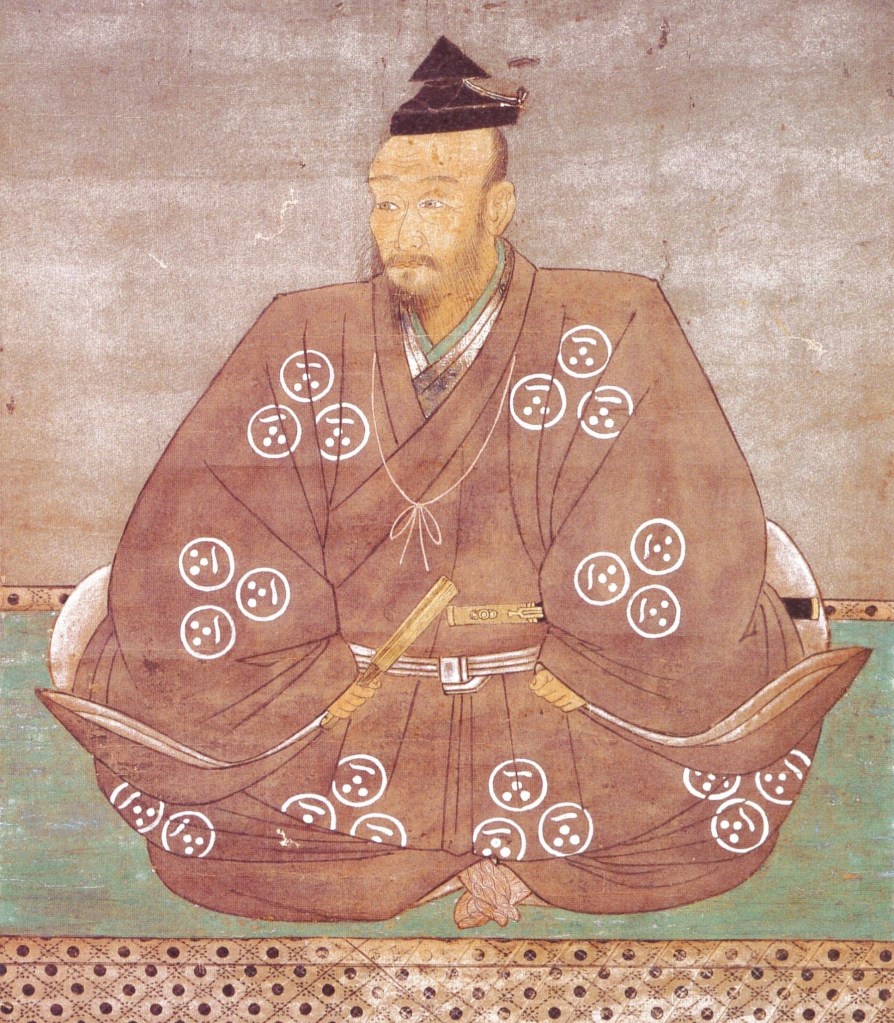
Throughout the Sengoku Period, the Mori would become the power in the West in the same way the Hojo were the power in the East. When Oda Nobunaga (him again!) drove the last Ashikaga Shogun out of Kyoto in 1576, he sought protection from the Mori, who would remain Nobunaga’s chief rivals in the West until his death (spoilers) in 1582.
The Mori would make peace with Nobunaga’s successor, Toyotomi Hideyoshi and remain a major power, eventually establishing their base at Hiroshima. However, the final battles of the Sengoku period would see the Mori choose the losing side, and they were eventually reduced to just two provinces, which became known as the Choshu Domain.
There they would remain, implacably opposed to the new government, but far enough away from the capital to be too much trouble to get rid of. During the Meiji Restoration in the 19th Century, it was Choshu, and the Mori clan, who would play a leading role in the modernisation of Japan, but that’s a story for another time.
The Mori family continued through this period and into the modern era, with the current head being Mori Motohide, who works for Hitachi Steel Works, and became the family head in 2020.
The Amago

The Amago were a branch of another clan, the Kyogoku, who were themselves descended from the Sasaki Clan, whose progenitor was a son of the Emperor Uda, who ruled in the late 9th century.
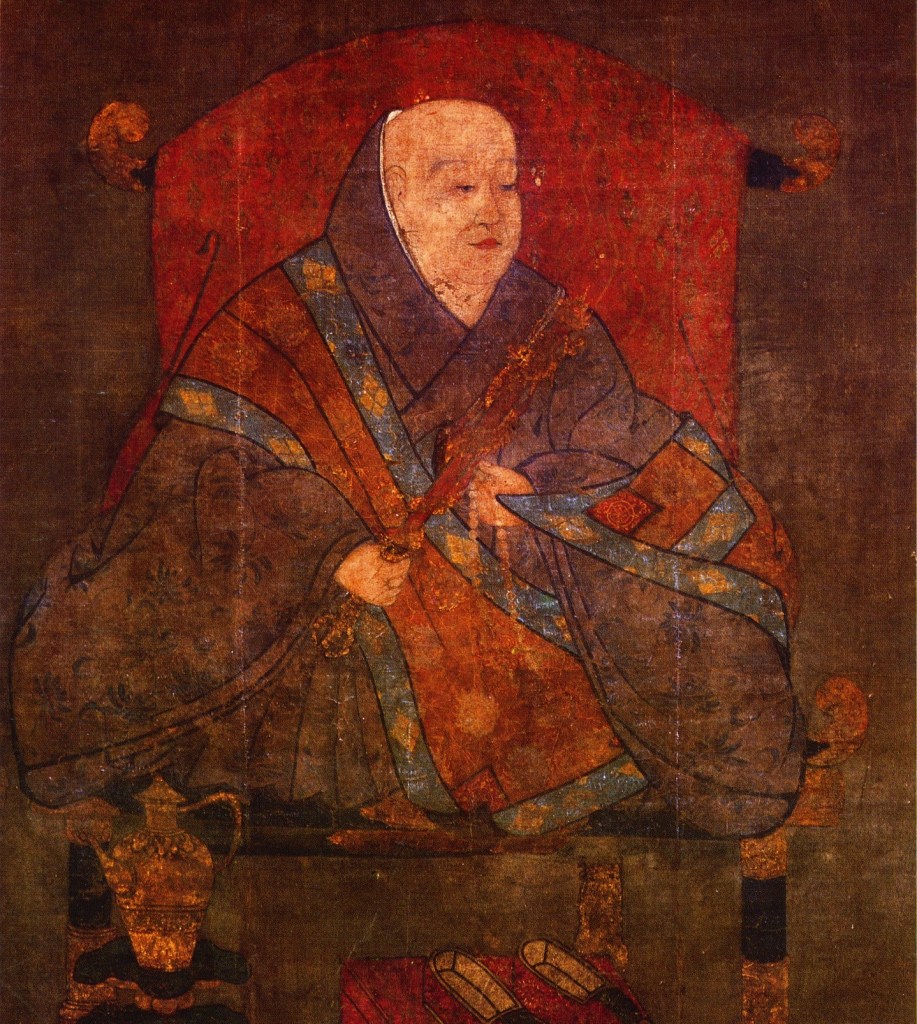
The Amago Clan themselves were a relative latecomer; their direct ancestor (the ‘first’ Lord Amago) was Takahisa, who took the name Amago for the area (near Kyoto) where he had his manor. In the early 15th Century, he was appointed as the deputy governor (shugo-dai) of Izumo Province (in modern Shimane Prefecture) on behalf of the Kyogoku Clan, who were obliged to reside in Kyoto.
We’ve discussed in previous posts how the Shogun’s policy of demanding that Shugo reside in Kyoto led to the rise of independently minded deputies; well, the Amago are one of them. Although officially only deputies, the Amago would take advantage of the chaos of the Onin War to consolidate their power, and by the time the war ended, they were in effective control.
When the Kyogoku line became extinct in 1514, with the death of the last lord, the Amago graduated from de facto to actual lords of Izumo, and it would be there that they based their power. The rise of the Amago was initially opposed by the Ouchi, and throughout the early 16th Century, they would engage in something of a hostile coexistence, neither side quite able to overcome the other, with the Ouchi focusing on the west, whilst the Amago had their eyes to the east.
The Amago would eventually rise to be the masters of eight provinces in the region, but in the 1540s, the rise of the Mori clan would lead to the decline of the Ouchi and directly threaten the Amago. The conflict between these clans would drag on for nearly 40 years, but the Mori would eventually prevail, with the surviving members of the Amago family serving as retainers for the Mori throughout the Edo Period.
The family itself would survive until 1940, when the last head of the clan passed away without an heir.
The Akamatsu

By お茶飲む人 – Own work, CC BY-SA 4.0, https://commons.wikimedia.org/w/index.php?curid=53365103
Unlike many of the other clans we’ve been looking at, the Akamatsu Clan were a family that peaked early, and then never really recovered. The exact origins of the clan are disputed, with some sources suggesting they descended from the Minamoto Clan, whilst others refute this, leading to some confusion.
What is not disputed is that the Akamatsu Clan originally supported the Emperor Go-Daigo during the short-lived Kenmu Restoration, earning Harima Province for their trouble, only for the province to be forfeited shortly afterwards during Go-Daigo’s controversial “Alienate everyone as quickly as possible” policy, which saw him overthrown by the Ashikaga Shogunate after just three years.
The Akamatsu, thoroughly alienated as they were, sided with the Ashikaga and had Harima Province restored to them after their victory, and the clan would be steadfast loyalists of the new Shogunate, at least for a while. The Akamatsu remained faithful, but in 1429, a serious peasant revolt in their home province badly weakened them, and not long after that, the Shogun, Yoshinori, came to the throne and proved to be an effective, but extremely paranoid ruler.
The exact reasons for the so-called Kakitsu Rebellion are unclear, but members of the Akamatsu Clan assassinated the Shogun in 1441, after which they raised an army only to be crushed by the Shogunate army shortly afterwards.
Branches of the family would survive, and after conspicuous service during the Onin War, the Akamatsu were actually restored to control of Harima Province. For a while, things were looking up. By 1488, the head of the clan, Masanori, had established control of three provinces, and there was every indication that the Akamatsu would enter the 15th century as one of the major players.
You’ve probably already guessed that that isn’t what happened, though, and you’d be right, good on you for paying attention. Masanori died suddenly in 1496, and his heir was just four years old, meaning that the clan fell into the hands of so-called ‘Elders’ who were supposed to rule until the little lord came of age.
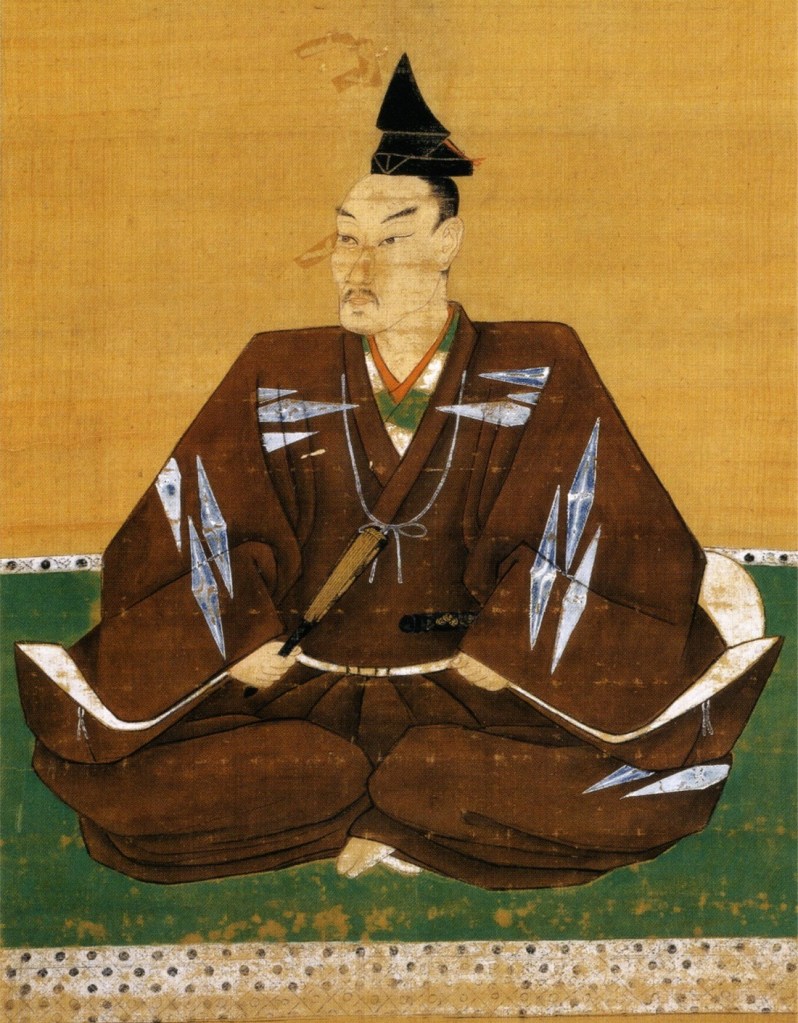
This might have worked in more peaceful times, but in the early days of the Sengoku Jidai, it led to chaos. Before long, different factions of the clan were fighting each other, and the Akamatsu entered a period of steady decline. Even after the lord, Yoshimura, came of age, he couldn’t change the situation.
It got so bad that Yoshimura was first forced to abdicate in 1521 and was then assassinated shortly afterwards. His son, Harumasa, was young and easier to control, which might be why the ‘elders’ favoured him as ruler.
There was a brief resurgence in 1531, when Harumasa managed to establish his own rule, but years of infighting had effectively bled the Akamatsu dry, and in 1537, the neighbouring Amago Clan invaded and conquered the Akamatsu’s home province of Harima.
The Akamatsu would return to Harima, but they were never able to establish control of the whole province ever again, and throughout the 16th century, their power was gradually eroded away, until 1568, when they made the somewhat short-sighted decision to resist Oda Nobunaga, who promptly crushed them and took Harima for himself.
Branches of the family would survive in one form or another, but they never ruled large territories again. In the modern era, a descendant of the clan, Akamatsu Yoshinori, served in several high positions in the Imperial Navy, eventually being granted the title of Baron. His descendants are still going today, although there’s not a lot of information available online.
Sources
https://en.wikipedia.org/wiki/%C5%8Cuchi_clan
https://ja.wikipedia.org/wiki/%E5%A4%A7%E5%86%85%E6%B0%8F
https://reichsarchiv.jp/%E5%AE%B6%E7%B3%BB%E3%83%AA%E3%82%B9%E3%83%88/%E7%89%9B%E4%B9%85%E5%B1%B1%E5%8F%A3%E6%B0%8F
https://en.wikipedia.org/wiki/M%C5%8Dri_clan
https://ja.wikipedia.org/wiki/%E6%AF%9B%E5%88%A9%E6%B0%8F
https://ja.wikipedia.org/wiki/%E6%AF%9B%E5%88%A9%E5%85%83%E6%95%AC
https://ja.wikipedia.org/wiki/%E6%AF%9B%E5%88%A9%E5%85%83%E6%A0%84
https://ja.wikipedia.org/wiki/%E5%B0%BC%E5%AD%90%E6%B0%8F
https://en.wikipedia.org/wiki/Akamatsu_clan
https://ja.wikipedia.org/wiki/%E8%B5%A4%E6%9D%BE%E6%B0%8F







 Chris Perry, Author