Despite an ultimately unsuccessful campaign against Tokugawa Ieyasu, by late 1584, Hideyoshi was the most powerful man in the realm. Having secured his position as Oda Nobunaga’s successor, he dominated central Japan and could call on economic and martial resources that dwarfed those of his rivals.
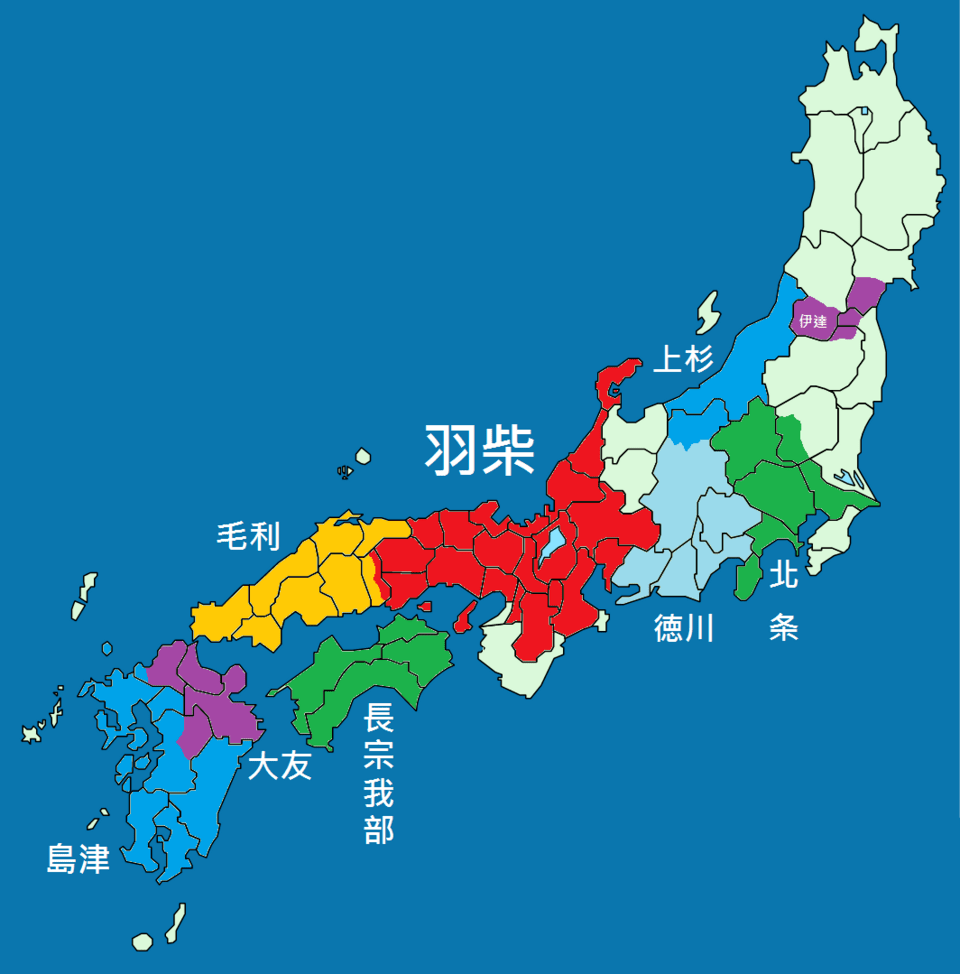
By Alvin Lee – Own work, CC BY-SA 4.0, https://commons.wikimedia.org/w/index.php?curid=39198357
Despite this, he was not yet unchallenged. To the west, the Mori remained undefeated, to the east, was Tokugawa Ieyasu, and further away, the Hojo, who had remained untouched by Nobunaga’s conquests, and to the south, in Kii Province, the locals coalesced around fiercely independent religious and social movements that resisted any attempts to impose central rule.
Meanwhile, Hideyoshi solidified his political power, being elevated to the Third Rank of the nobility in November 1584 and to the Second Rank in March 1585. Around this time, some sources suggest that the Imperial Court even went so far as to offer him the title of Shogun, only for Hideyoshi to refuse, though the exact nature of the offer, if it existed at all, is unclear.
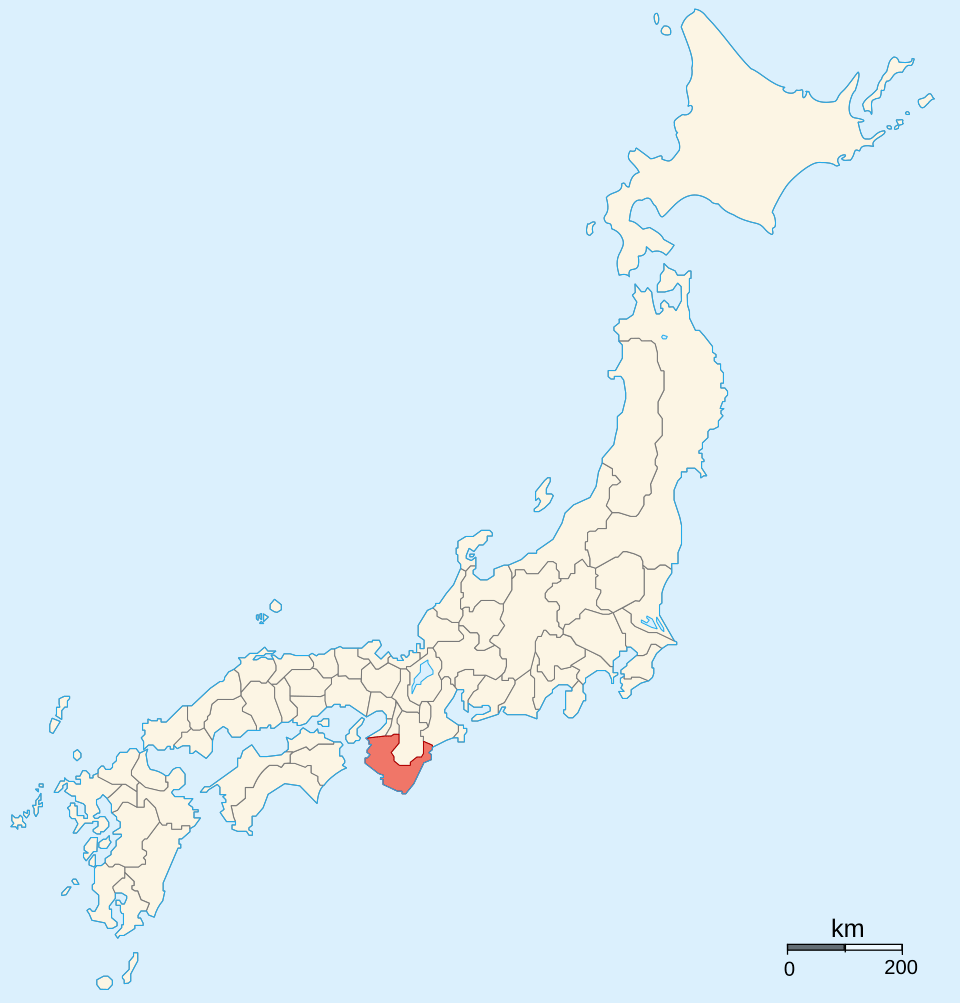
By Ash_Crow – Own work, based on Image:Provinces of Japan.svg, CC BY 2.5, https://commons.wikimedia.org/w/index.php?curid=1683109
With his position secured, Hideyoshi turned his attention to Kii Province. We’ve spoken about the power of certain religious institutions before, and nowhere was this more apparent than in Kii (sometimes called Kishu). Luis Frois, a well-known Portuguese writer at the time, referred to the area as under the control of five “Great Republics”, which weren’t democracies in the way we’d recognise today, but were strongly independent polities with extensive territories, economic might, and military strength.
In 1570, Nobunaga began what would prove to be a long campaign against the power of the Ikko-Ikki, based at Honganji Temple. The warrior monks of Kii Province were a key ally of the Ikko-Ikki, and in 1576, Nobunaga dispatched an army against them, aiming to reduce their ability to support his enemies elsewhere.
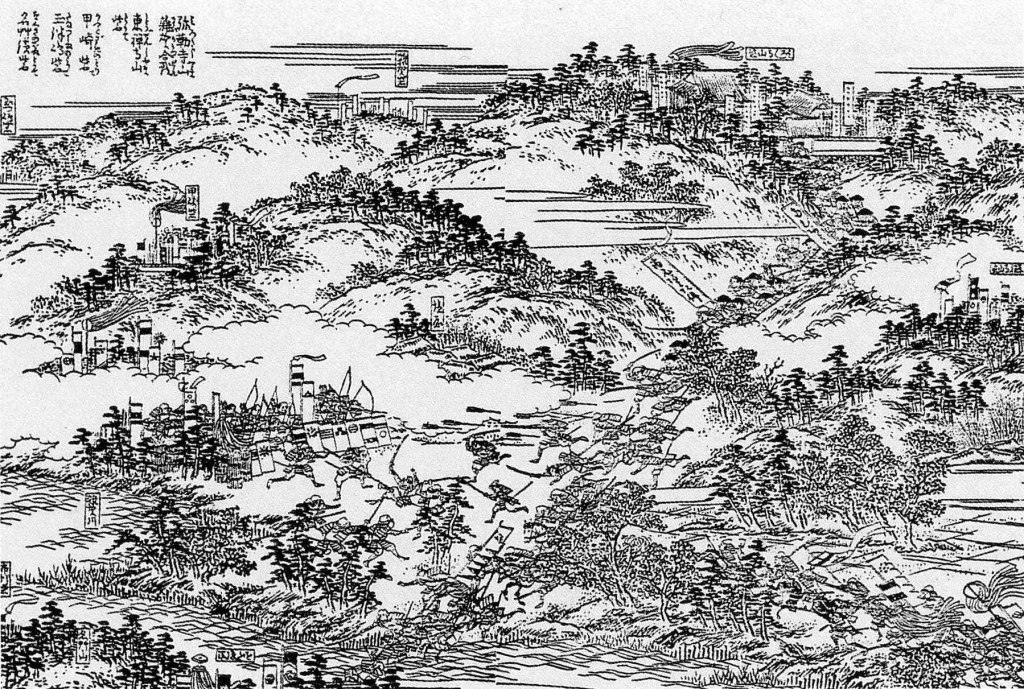
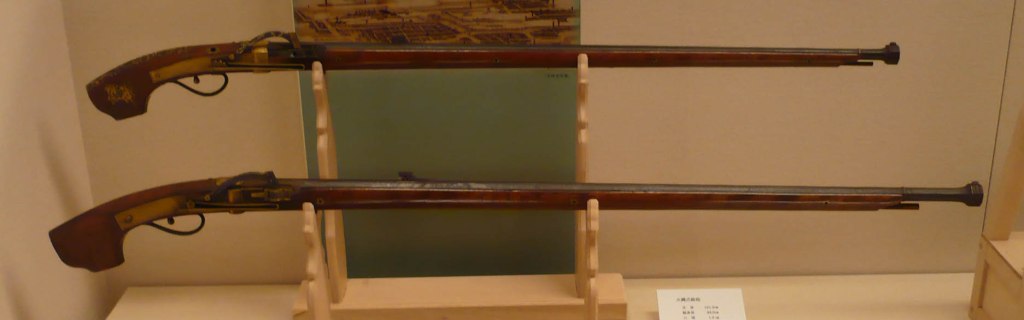
Despite being defeated on the battlefield, the warriors of Kii engaged in guerrilla warfare, led most famously by the Saika-shu, an organisation made up of local samurai and mercenaries, which was well known for its heavy (and skilful) use of firearms. Nobunaga eventually signed a peace treaty and withdrew, allowing his enemies to claim that they had actually defeated him.
Nobunaga’s death in 1582 put an end to any further campaigning, and for a time, at least, Kii Province was left alone, though no one believed the peace would last. In early spring 1586, Hideyoshi, at the head of an army of some 100,000 men, invaded with the intention of crushing the independent ‘Republics’ for good.
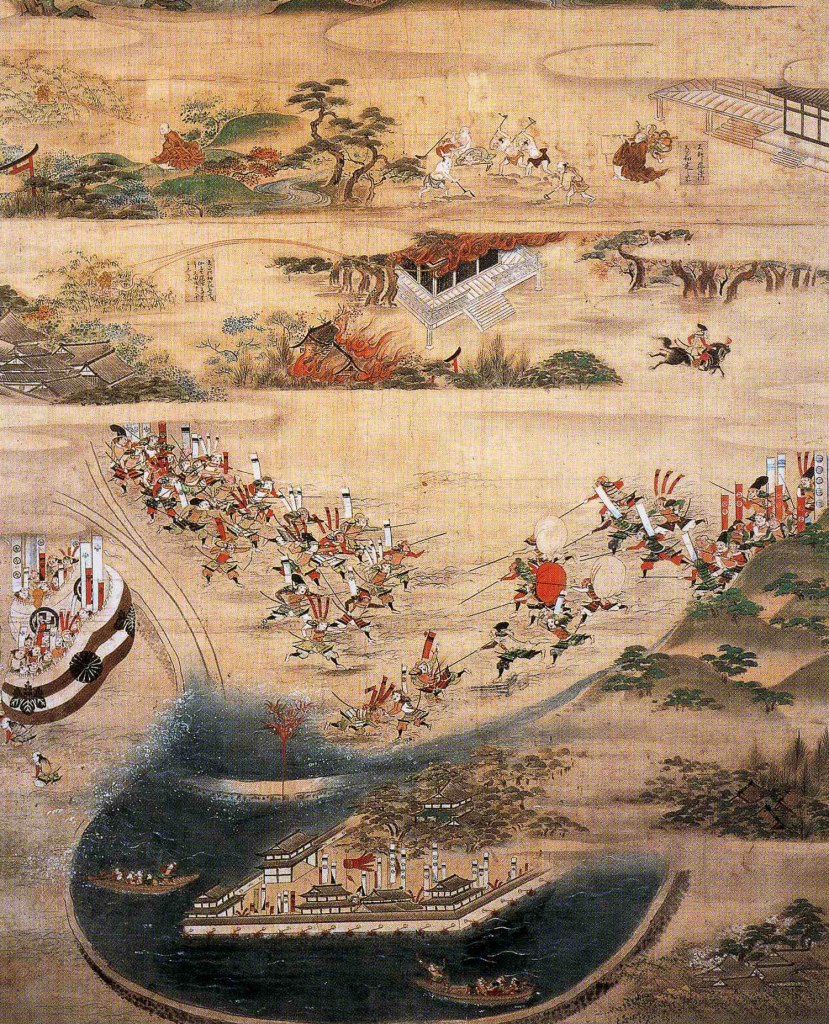
The campaign was a true demonstration of Hideyoshi’s new power. Though the Saika-shu and others fought bravely, they were swiftly overwhelmed. Some scholars speculate that the Saika and their allies underestimated Hideyoshi. In the earlier Sengoku Period, it had often been enough to inflict heavy casualties in an initial battle, which would force the attackers to either negotiate or back off.
These tactics had worked against Nobunaga, who had ultimately been unable to secure decisive control over Kii, for fear of tying down too many men. Hideyoshi had no such hesitation, and even though his losses were heavy, he kept pushing on, and the Saika, who were often hugely outnumbered, were swept aside.
Hideyoshi was able to secure control of Kii in the short term, but his hold over it was always fragile, and there would be several more outbreaks of rebellion in the coming years. In fact, it wouldn’t be until 1614, long after Hideyoshi had passed away, that Kii could be truly said to have been pacified.
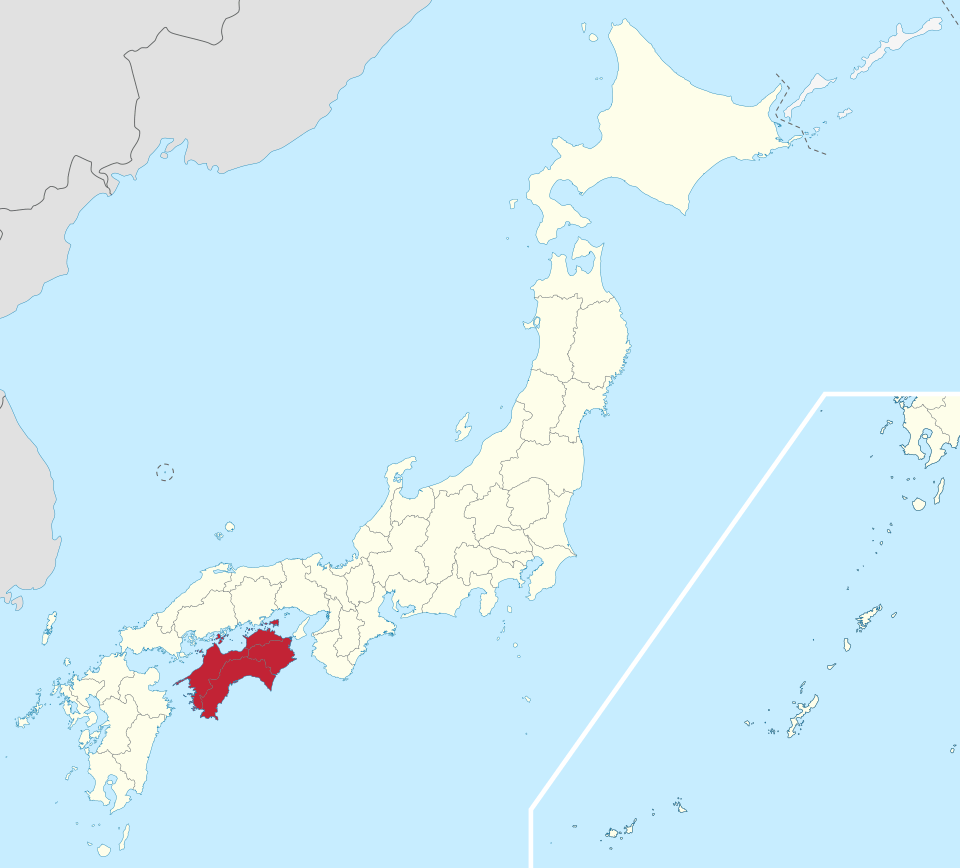
After this, Hideyoshi turned his attention to Shikoku and the powerful Chosokabe Clan. Once allies of Nobunaga, the Chosokabe had fallen foul of his ambitions and had been under threat of invasion at the time of his death at Honnoji.
By TUBS – This vector image includes elements that have been taken or adapted from this file:, CC BY-SA 3.0, https://commons.wikimedia.org/w/index.php?curid=16385942
An army under Nobunaga’s third son, Nobutaka, had been gathered at Sumiyoshi (in modern Osaka) with the purpose of attacking Shikoku; in fact, they had been meant to set out on the same day that Nobunaga was killed, and news of his death demoralised the army, some of which simply went home.
In the aftermath of Nobunaga’s death, the Chosokabe had consolidated control of all of Shikoku and lent support to opponents of Hideyoshi, notably Shibata Katsuie, Tokugawa Ieyasu, and the Saika-shu of Kii Province. None of these enemies had been able to overcome Hideyoshi, however, and it was probably no surprise when he turned his vengeful eye on the Chosokabe themselves.
There were some attempts at negotiation, but Hideyoshi’s demands that the Chosokabe give up three of the four provinces of Shikoku were unacceptable. The strategic situation for the Chosokabe was made worse when the Mori, one-time antagonists of Hideyoshi, instead made a permanent peace with him. Some sources suggest that it was at this point that the Mori submitted to Hideyoshi outright.
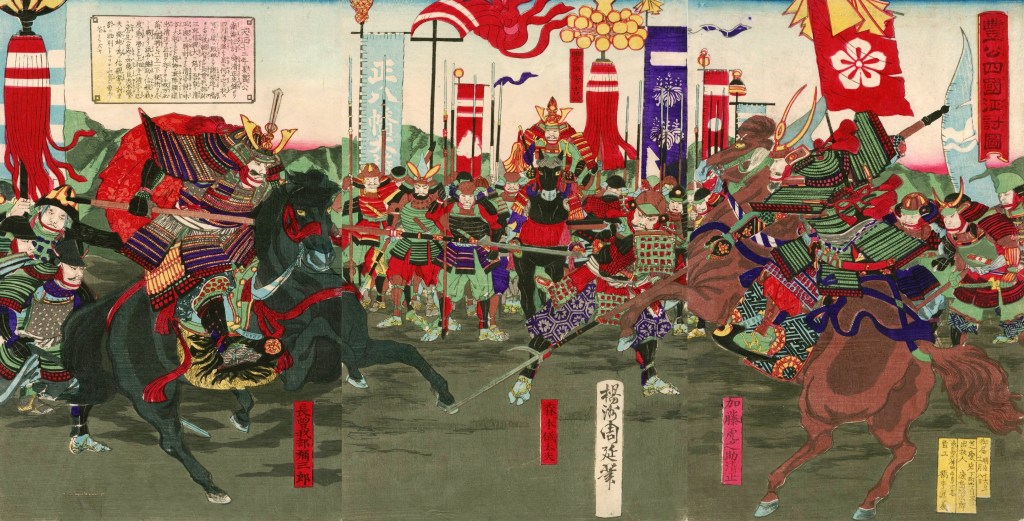
With the support of the Mori and their powerful navy, Hideyoshi launched a three-pronged attack on Shikoku, which the Chosokabe were hard-pressed to oppose. Outnumbered some 3 to 1, the Chosokabe fought bravely, but the campaign was over quickly. From June to August 1585, there was a series of battles and sieges that invariably resulted in Chosokabe defeat.
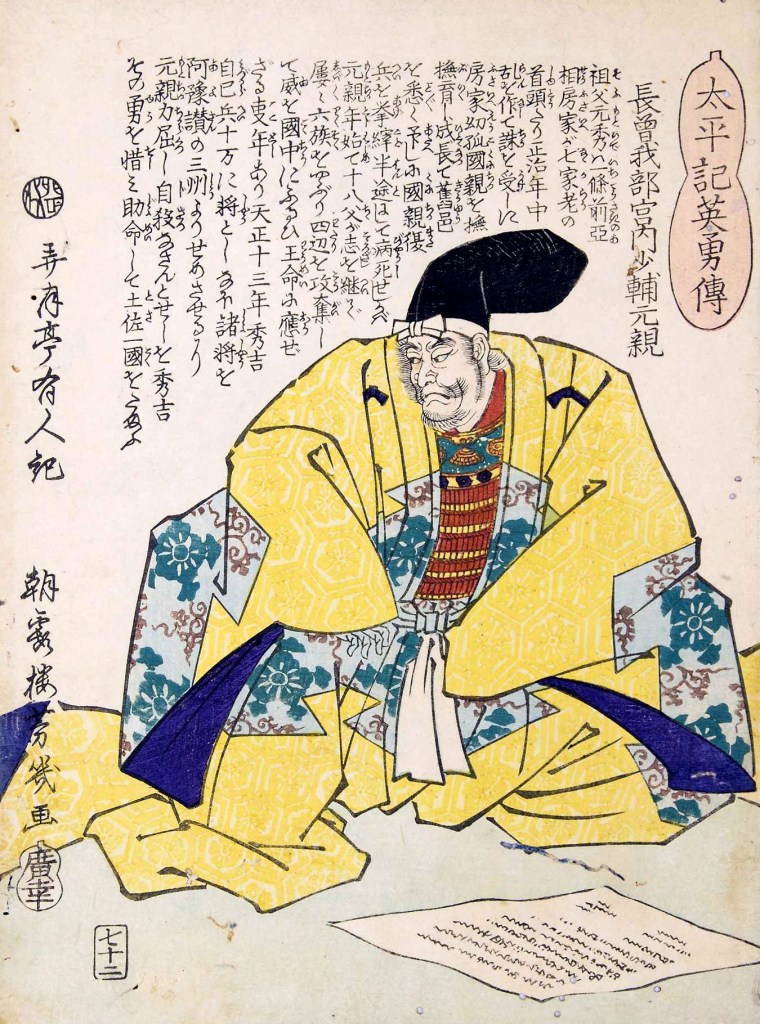
Eventually, despite claiming he would rather fight to the end, Chosokabe Motochika surrendered at the urging of his senior vassals. As punishment for his defiance (or reward for his surrender), Hideyoshi confiscated three of the four Shikoku Provinces, leaving the Chosokabe with their home province of Tosa and an obligation to provide Hideyoshi with up to 3,000 troops for any future campaign and hostages to ensure the peace.
During the Shikoku Campaign, which was led by his brother, Hideyoshi was appointed Kampaku by the Imperial Court. This was a result of a political crisis that had been ongoing since before Nobunaga’s death in 1582. At the time, the Imperial Court had (allegedly) invited Nobunaga to become Shogun, or Kampaku (Regent). Both contemporary and modern scholars disagree on Nobunaga’s response to this offer, but his death in June of that year ultimately rendered it moot.
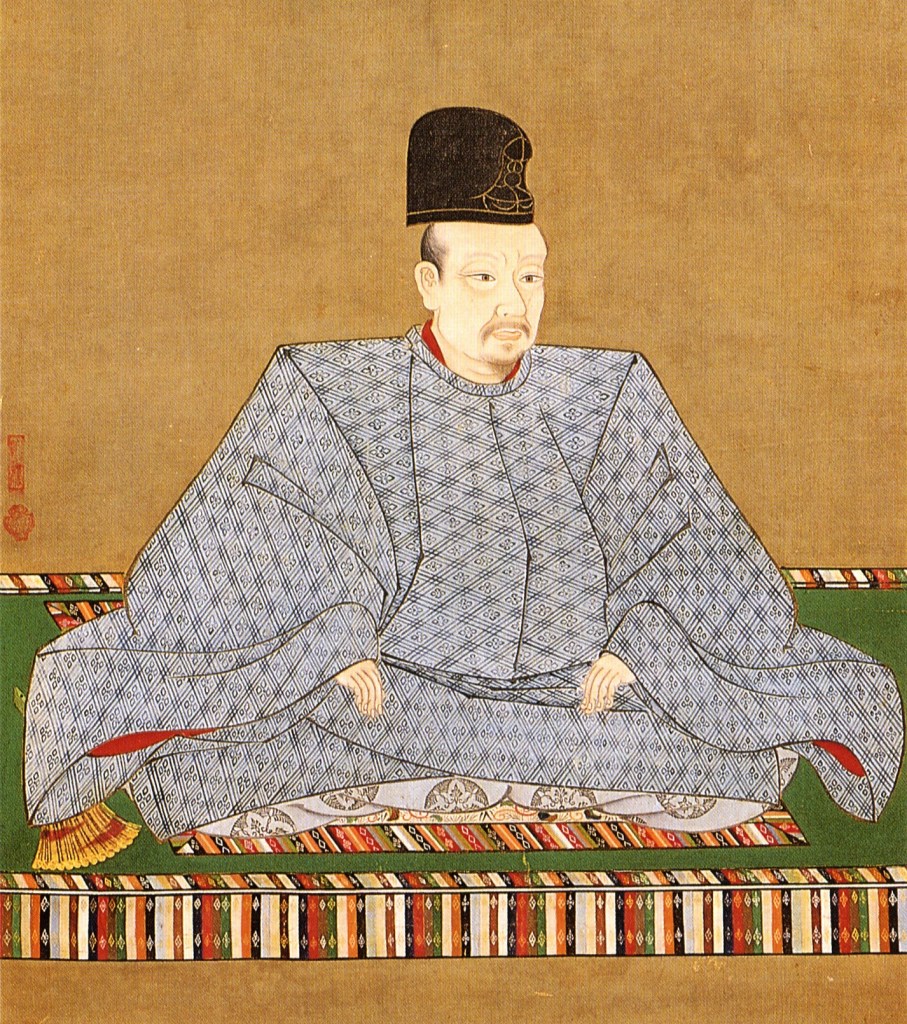
What followed was a drawn-out political squabble between rival factions at court over who would ultimately take the position of Regent. We’ve spent a lot of time looking at how the Imperial Court was a decorative but ultimately impotent organisation by this point, and any title the Emperor might bestow would be largely symbolic without any external political power to back it up.
Into this silk-clad quagmire stepped Hideyoshi. Traditionally, the position of Regent had rotated amongst five prestigious warrior families, of which Hideyoshi was not a member. To overcome this issue (which was one of tradition, rather than law), he was formally adopted as the son of Konoe Sakahisa (who was less than a year older than him) in July 1585, being named Kampaku shortly afterwards.
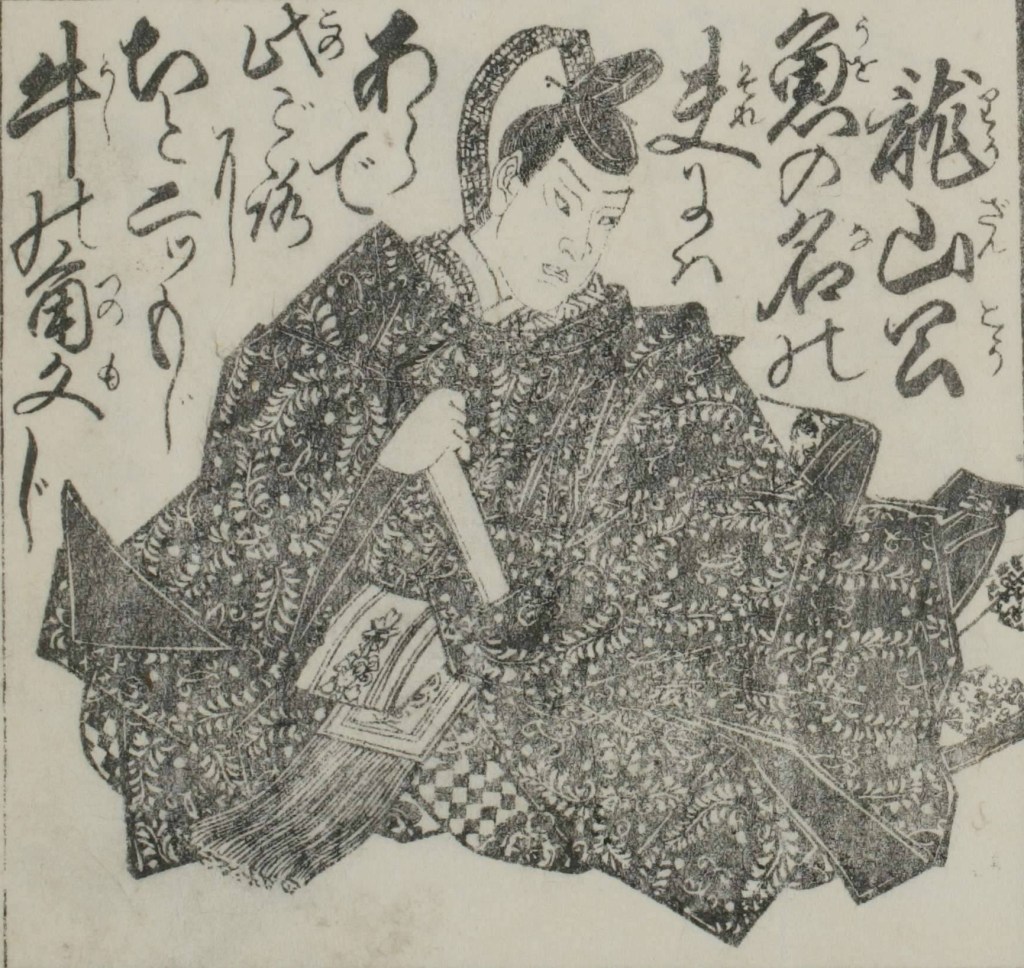
Leehiroki258 – 投稿者自身による著作物, CC 表示-継承 4.0, https://commons.wikimedia.org/w/index.php?curid=162775880による
There was supposedly an agreement in which the childless Hideyoshi would take the position as a temporary solution to the crisis, before handing it over to the Konoe family’s chosen heir at a later date. Hideyoshi had other ideas, however. In 1586, he petitioned the Emperor for a new family name, which the Emperor duly bestowed. From then on, Hideyoshi would be known as Toyotomi Hideyoshi, the name by which he is best remembered in English sources.
Hideyoshi would then adopt the Emperor’s younger brother, Prince Hachijo, as his son and eventual successor. This was a clear breach of the agreement with the Konoe, but since Hideyoshi was the most powerful man in the realm, and the proposed heir was a member of the Imperial Family, there was nothing anyone could do about it.
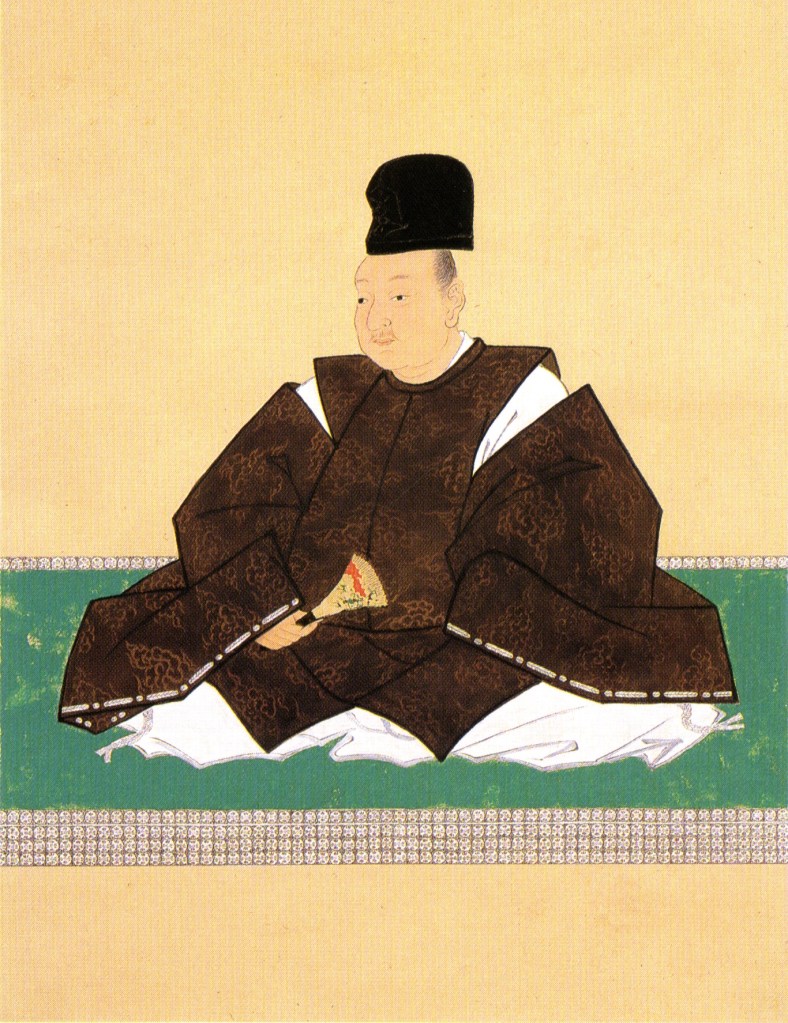
Hideyoshi went further, seeking to replace the powerless Imperial aristocracy with a new “Samurai Nobility”. For centuries, the ‘Nobles’ had held all the prestige, but practically none of the actual power, which was in the hands of the Samurai after long years of civil war.
Hideyoshi sought to address this by bestowing titles on some of the other powerful Daimyo, including Tokugawa Ieyasu and Ishida Mitsunari, appointments that would have long-term political repercussions.
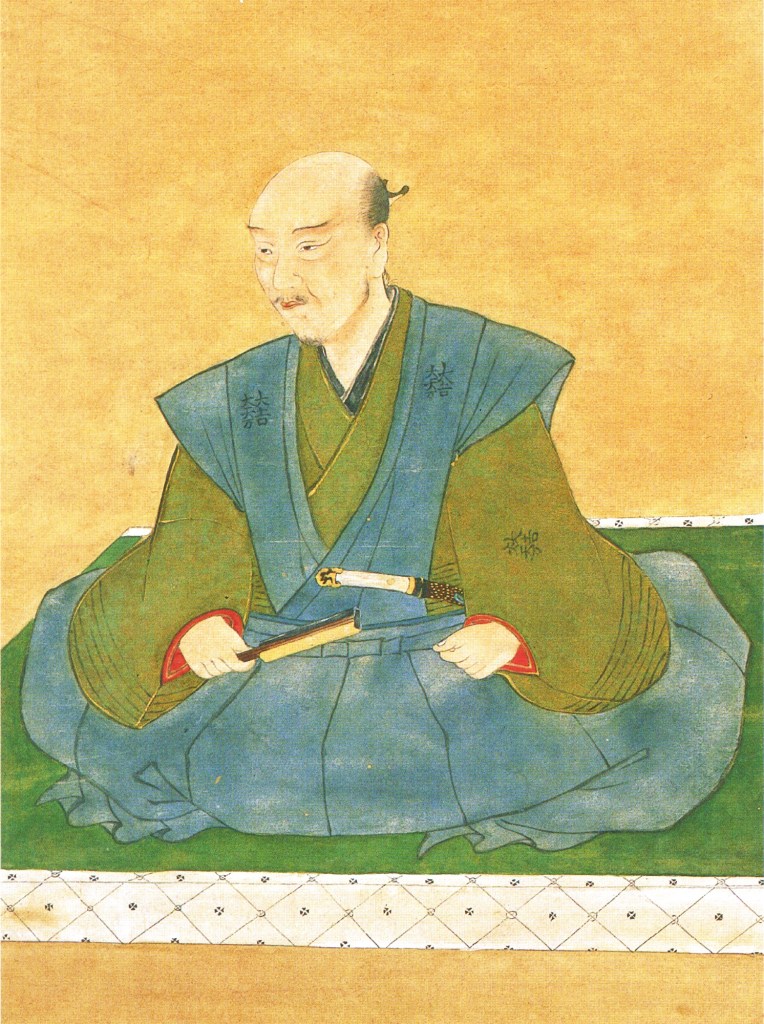
Another attempt was made to force obedience from Ieyasu when Hideyoshi demanded that he hand over hostages to ensure ongoing peace. Ieyasu refused, and Hideyoshi began planning a large-scale military campaign to finally bring Ieyasu to heel. The massive Tensho Earthquake in January 1586 caused severe damage to Hideyoshi’s capital at Osaka and several other castles and staging areas, bringing an end to the plans, and causing Hideyoshi to adopt a more conciliatory policy towards Ieyasu.
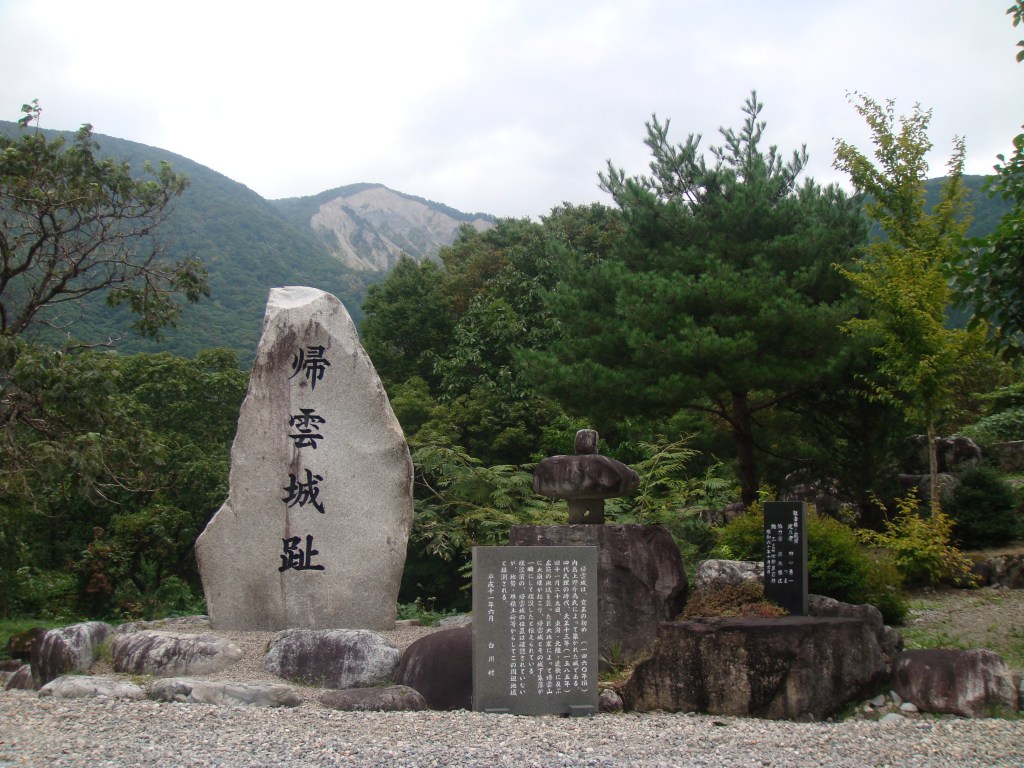
Later that year, Ieyasu would marry Hideyoshi’s younger sister, Princess Asahi, and he later travel to Kyoto and swear allegiance to Hideyoshi as Regent. Despite this nominal submission, Hideyoshi had failed to subdue Ieyasu, whose military power remained intact.
Sources
https://ja.wikipedia.org/wiki/%E8%B1%8A%E8%87%A3%E7%A7%80%E5%90%89
https://ja.wikipedia.org/wiki/%E6%9C%9D%E6%97%A5%E5%A7%AB
https://ja.wikipedia.org/wiki/%E9%96%A2%E7%99%BD%E7%9B%B8%E8%AB%96
https://ja.wikipedia.org/wiki/%E5%85%AB%E6%9D%A1%E5%AE%AE%E6%99%BA%E4%BB%81%E8%A6%AA%E7%8E%8B
https://ja.wikipedia.org/wiki/%E8%BF%91%E8%A1%9B%E5%89%8D%E4%B9%85
https://ja.wikipedia.org/wiki/%E5%9B%9B%E5%9B%BD%E6%94%BB%E3%82%81
https://ja.wikipedia.org/wiki/%E4%B8%B8%E5%B1%B1%E5%9F%8E%E3%81%AE%E6%88%A6%E3%81%84
https://ja.wikipedia.org/wiki/%E5%9B%9B%E5%9B%BD%E5%9B%BD%E5%88%86
https://ja.wikipedia.org/wiki/%E5%9B%9B%E5%9B%BD%E5%B9%B3%E5%AE%9A
https://ja.wikipedia.org/wiki/%E7%B4%80%E5%B7%9E%E5%BE%81%E4%BC%90
https://ja.wikipedia.org/wiki/%E9%9B%91%E8%B3%80%E8%A1%86
https://ja.wikipedia.org/wiki/%E6%A0%B9%E6%9D%A5%E8%A1%86
https://en.wikipedia.org/wiki/Kii_Province
https://en.wikipedia.org/wiki/1586_Tensh%C5%8D_earthquake
https://en.wikipedia.org/wiki/Kaerikumo_Castle
 Chris Perry, Author
Leave a comment